You order an Uber instead of driving your aging sedan downtown. The newer vehicle seems cleaner, and you're avoiding wear on your own car. But does ridesharing actually improve air quality compared to personal vehicle use?
The Surprising Air Quality Benefits
Rideshare vehicles produce 50-60% less air pollutant emissions than personal vehicles they replace. This dramatic reduction comes from two primary factors. First, rideshare fleets consist of newer vehicles with better emission control systems. Second, and more importantly, rideshare trips eliminate "cold starts" that generate disproportionate pollution.
Cold starts occur when engines begin operation after sitting idle. During the first few minutes of driving, catalytic converters haven't reached optimal operating temperature. Emissions of nitrogen oxides, particulate matter, and volatile organic compounds spike dramatically during this warm-up period. A single cold start can produce more pollution than miles of highway driving once the engine reaches temperature.
Personal vehicle trips typically begin with cold starts from home garages or workplace parking lots. Rideshare vehicles remain warm between consecutive passenger trips. They spend much of their operating time at optimal temperature for emission control. This fundamental difference creates substantial air quality benefits even beyond the vehicle age advantage.
Research analyzing Uber's arrival in over 500 US counties found measurable air quality improvements. By 2017, Uber's presence correlated with approximately 1,094 fewer bad air quality episodes annually across these counties. The EPA's air quality index decreased an average of 10.69 units, representing a 7.3% improvement over pre-Uber pollution levels.
Ground-level ozone showed the most significant improvements. Summer months experienced the greatest benefits when ozone formation peaks. Counties with Uber averaged 2.2 fewer bad air quality days during summer compared to expectations without the service. This ozone reduction occurs because nitrogen dioxide from increased vehicle traffic actually helps break down existing ozone into oxygen.
The Hidden Greenhouse Gas Problem
While local air pollutants decrease, greenhouse gas emissions increase approximately 20% when personal trips shift to rideshare services. This counterintuitive finding stems from "deadheading" – the miles rideshare drivers travel without passengers between drop-offs and pickups.
Deadheading adds substantial vehicle miles to every completed trip. Drivers circulate through areas anticipating ride requests. They travel to pickup locations after accepting rides. After drop-offs, they drive to areas with better demand prospects. These empty miles consume fuel without transporting anyone.
Simulations across six major US cities found deadheading increases total vehicle miles traveled by roughly 20%. The fuel consumption and carbon dioxide emissions rise proportionally. This increase applies even with newer, more fuel-efficient vehicles. The additional miles simply outweigh efficiency gains.
Traffic congestion externalities compound the problem. Extra vehicles circulating for rideshare purposes worsen congestion. Studies document approximately 60% increases in external costs from congestion, crashes, and noise pollution. These impacts affect everyone sharing the roads, not just rideshare users and drivers.
The overall external cost calculation shows rideshare services increase total externalities by 30-35% compared to personal vehicle trips. This translates to an additional 32-37 cents in external costs per rideshare trip. Local air quality improves, but broader environmental and social costs rise substantially.
When Rideshare Replaces Transit
The externality equation deteriorates further when rideshare displaces public transportation or active travel. Buses, trains, cycling, and walking produce far lower per-passenger emissions than any single-occupancy vehicle mode. When convenient rideshare availability draws people away from these sustainable options, net environmental impact worsens dramatically.
Research shows external costs triple when rideshare services replace transit or active transportation instead of personal vehicles. A bus carrying 40 passengers generates less total pollution than 40 individual rideshare trips. The math becomes even more unfavorable when comparing rideshare to bicycling or walking.
Urban transportation systems depend on robust transit ridership for efficiency. Fixed-route buses and trains operate regardless of passenger count. When ridership drops due to rideshare competition, per-passenger emissions for remaining transit users actually increase. The vehicles still run with fewer people aboard.
Cities promoting rideshare as transportation solutions may inadvertently undermine their transit systems and climate goals. The convenience factor attracts riders away from buses and trains. This shift creates a vicious cycle where reduced ridership leads to service cuts, making transit less attractive and driving more people to rideshare options.
Electric Vehicle Rideshare Fleets
Transitioning rideshare fleets to zero-emission electric vehicles changes the calculation significantly. Electric rideshare vehicles eliminate tailpipe emissions entirely. The 50-60% air pollutant reduction becomes nearly 100% for local air quality impacts. However, the deadheading problem persists.
Studies found that switching rideshare fleets to electric vehicles reduces external costs by 16-17% compared to conventional rideshare operations. This improvement helps but doesn't fully offset the increased costs from deadheading and congestion. Electric vehicles still contribute to traffic congestion, crashes, and noise pollution.
Charging infrastructure requirements create additional considerations. Rideshare drivers need convenient, fast charging to minimize downtime. Without adequate charging networks, drivers experience reduced earnings during charging periods. This economic pressure can slow electric vehicle adoption among rideshare drivers.
The electricity generation source matters for overall environmental impact. Electric vehicles charged with coal-generated power provide limited climate benefits. Regions with clean electricity grids maximize the environmental advantages of electric rideshare fleets.
Pooled Rides Offer Real Solutions
Shared rideshare trips where multiple passengers travel together in one vehicle present the most promising environmental profile. Pooled rides maintain the cold-start elimination benefits while spreading the deadheading impact across multiple passengers. Per-passenger emissions drop substantially.
Research indicates pooled rideshare rides can potentially achieve lower externalities than personal vehicle trips. The exact calculation depends on pooling rates and passenger counts. A vehicle carrying three passengers to similar destinations divides the environmental impact three ways.
However, pooling adoption remains limited. Passengers resist longer travel times from multiple stops. Privacy concerns discourage sharing rides with strangers. Price differences between solo and pooled rides often fail to incentivize sharing adequately.
Transportation network companies could increase pooling through dynamic pricing that makes solo rides prohibitively expensive relative to shared options. Improved matching algorithms reducing detours and wait times would enhance pooled ride appeal. These changes require company prioritization of environmental goals over maximizing total trips.
Inside the Rideshare Vehicle
Air quality inside rideshare vehicles depends on multiple factors beyond the vehicle's emission profile. Newer rideshare fleet vehicles typically feature better cabin air filtration than older personal vehicles. However, the frequent passenger turnover creates unique considerations.
Multiple passengers cycling through vehicles introduces diverse pollutant sources. Perfumes, body sprays, and personal care products accumulate. Cleaning chemicals used between passengers add volatile organic compounds. Food and beverage consumption contributes odors and particles.
Drivers face prolonged exposure to this indoor environment. Full-time rideshare drivers spend 40-60 hours weekly inside their vehicles. The cumulative exposure to cleaning chemicals, passenger products, and traffic pollution adds up substantially.
Vehicle ventilation settings affect exposure. Running air conditioning with recirculation mode reduces outside pollution infiltration but concentrates indoor sources. Fresh air mode brings in traffic pollution but dilutes interior contaminants. Drivers must balance these trade-offs constantly.
Comparing Different Transportation Modes
Rideshare services fit within a spectrum of transportation air quality impacts. At one end, walking and cycling produce zero direct emissions. Electric bicycles and scooters generate minimal impact. Public buses and trains achieve low per-passenger emissions through high occupancy.
Personal vehicles create moderate to high impacts depending on age, maintenance, and driving patterns. Rideshare falls between personal vehicles and transit for local air pollutants due to cold-start advantages. However, rideshare ranks poorly for greenhouse gases and congestion due to deadheading.
The optimal transportation mix varies by trip purpose and urban context. Short trips under three miles favor active transportation. Medium distances benefit from transit use. Rideshare serves situations where transit proves impractical and personal vehicle use would require cold starts.
Urban density significantly influences these calculations. Dense cities with robust transit networks see larger negative impacts from rideshare adoption. Suburban areas with limited transit and dispersed destinations may experience net benefits from rideshare replacing personal vehicle trips.
Protecting Indoor Air Quality
After spending time in rideshare vehicles, your home environment becomes especially important. Your respiratory system needs clean air to recover from any pollution exposure during travel. Vehicle interiors concentrate various pollutants that accumulate throughout the day.
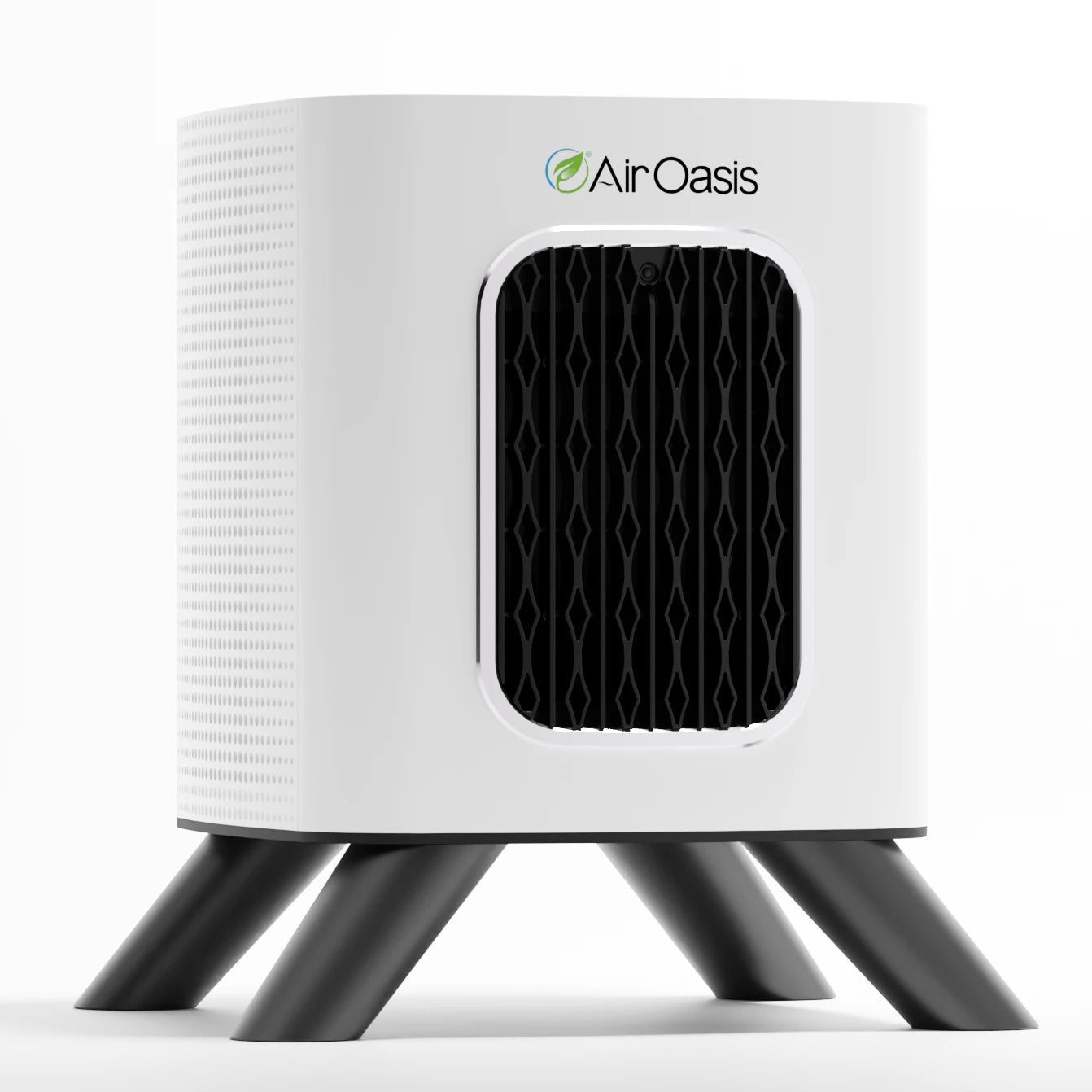
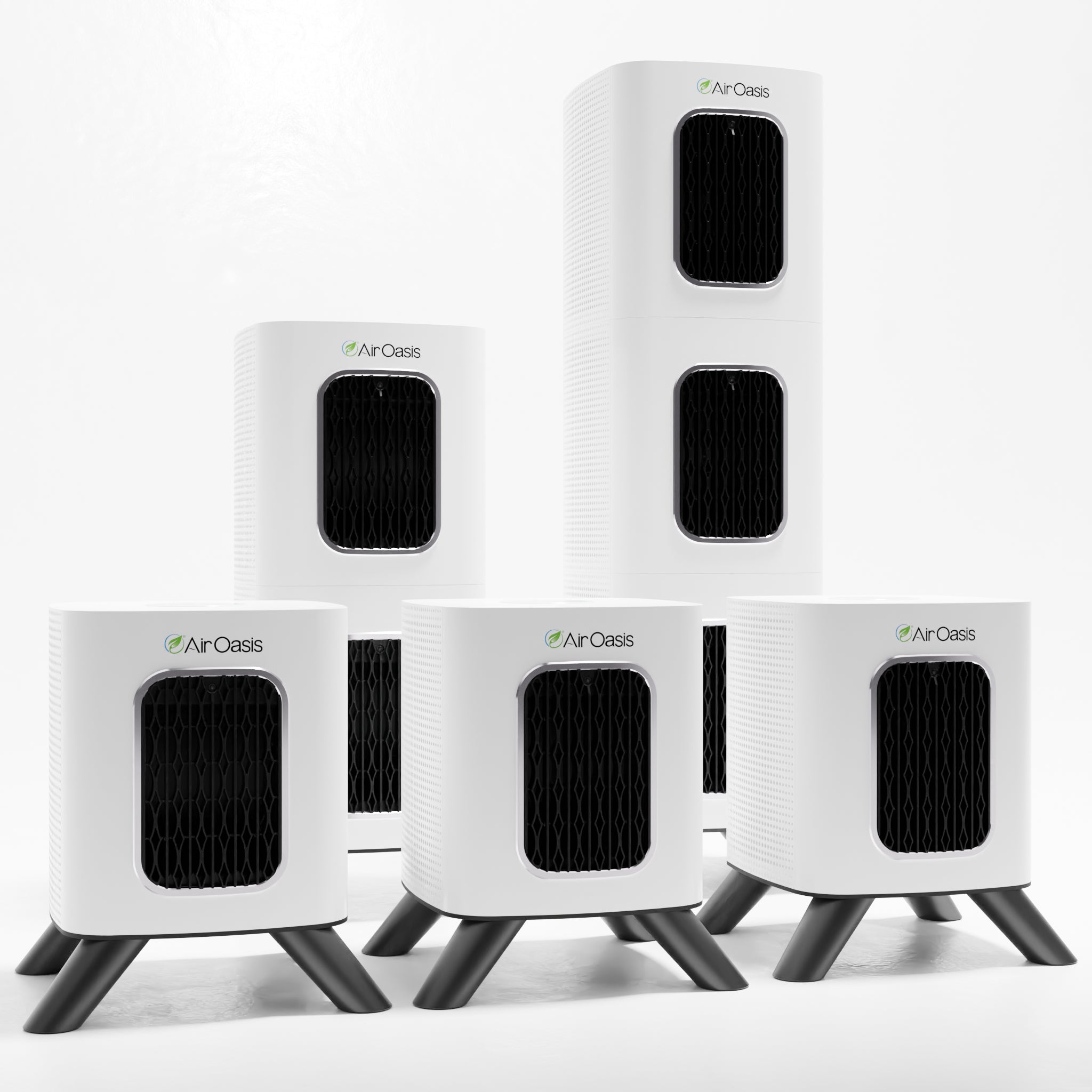
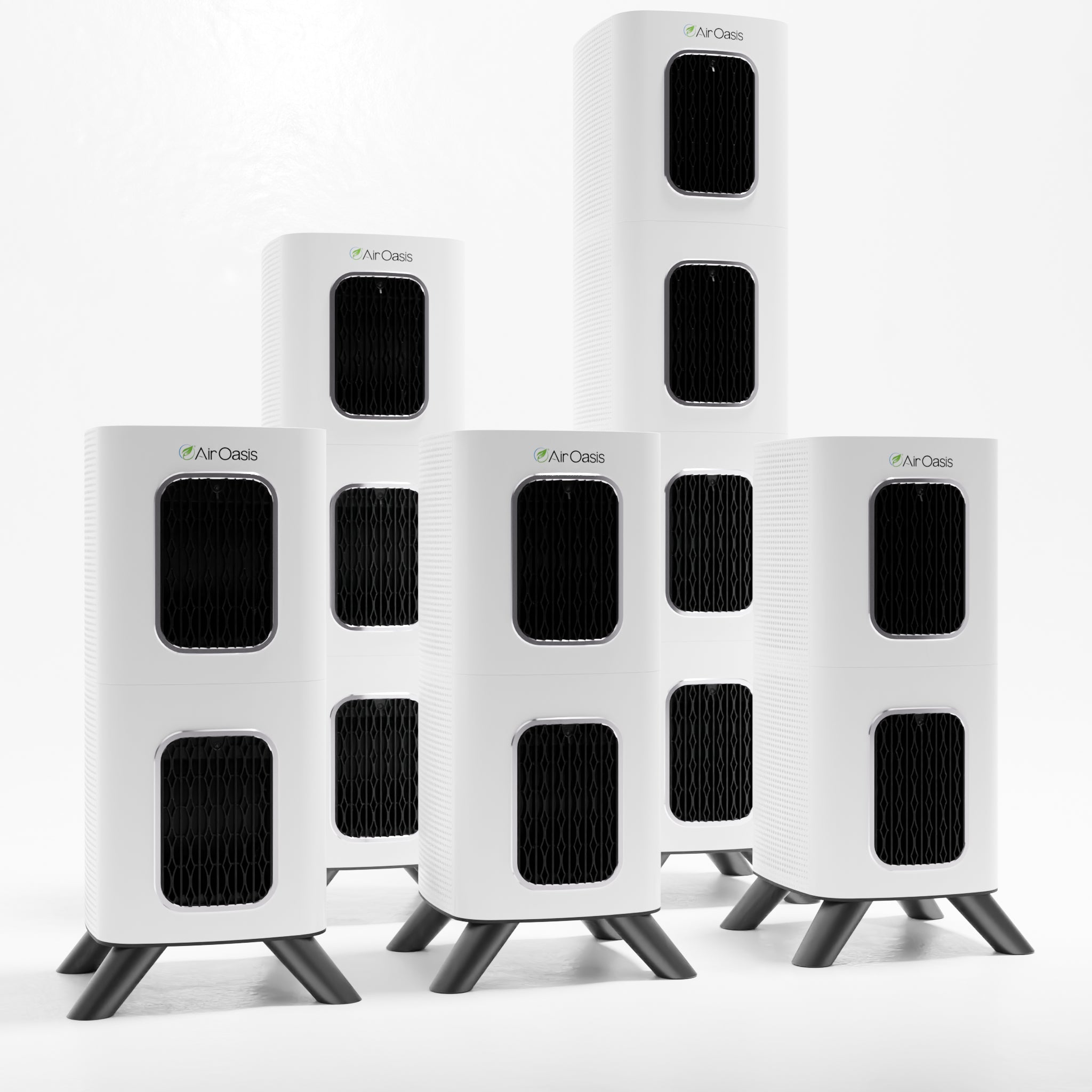
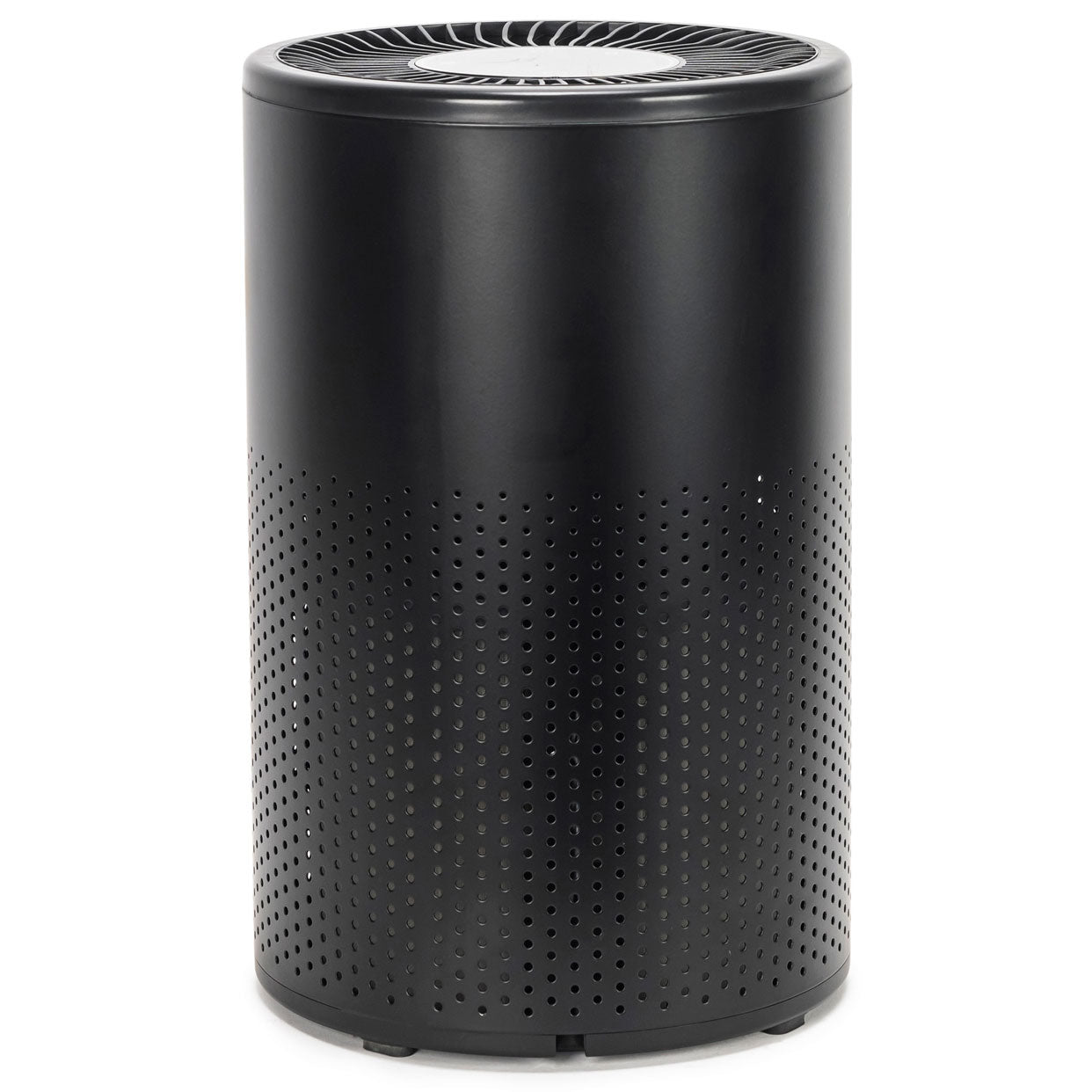
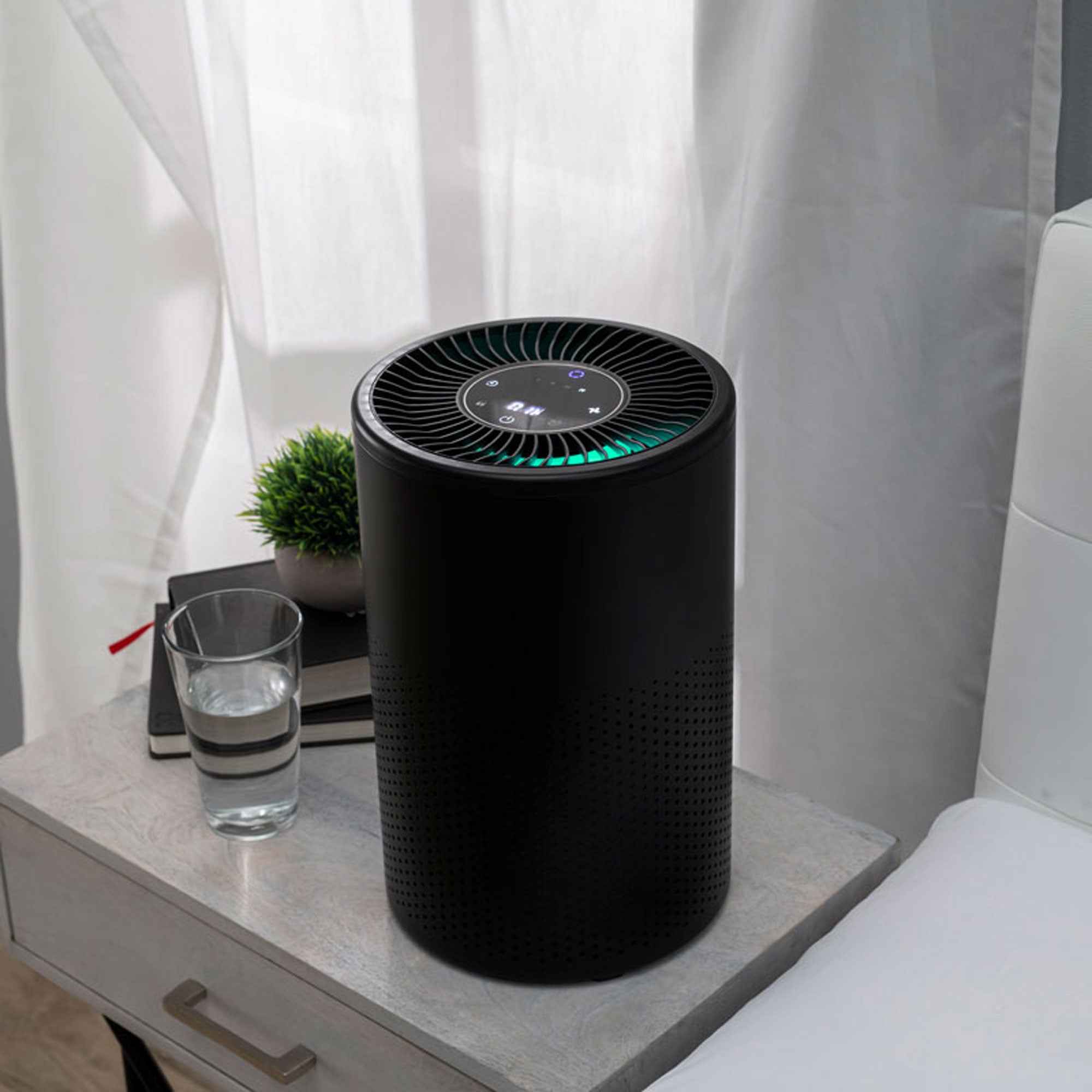
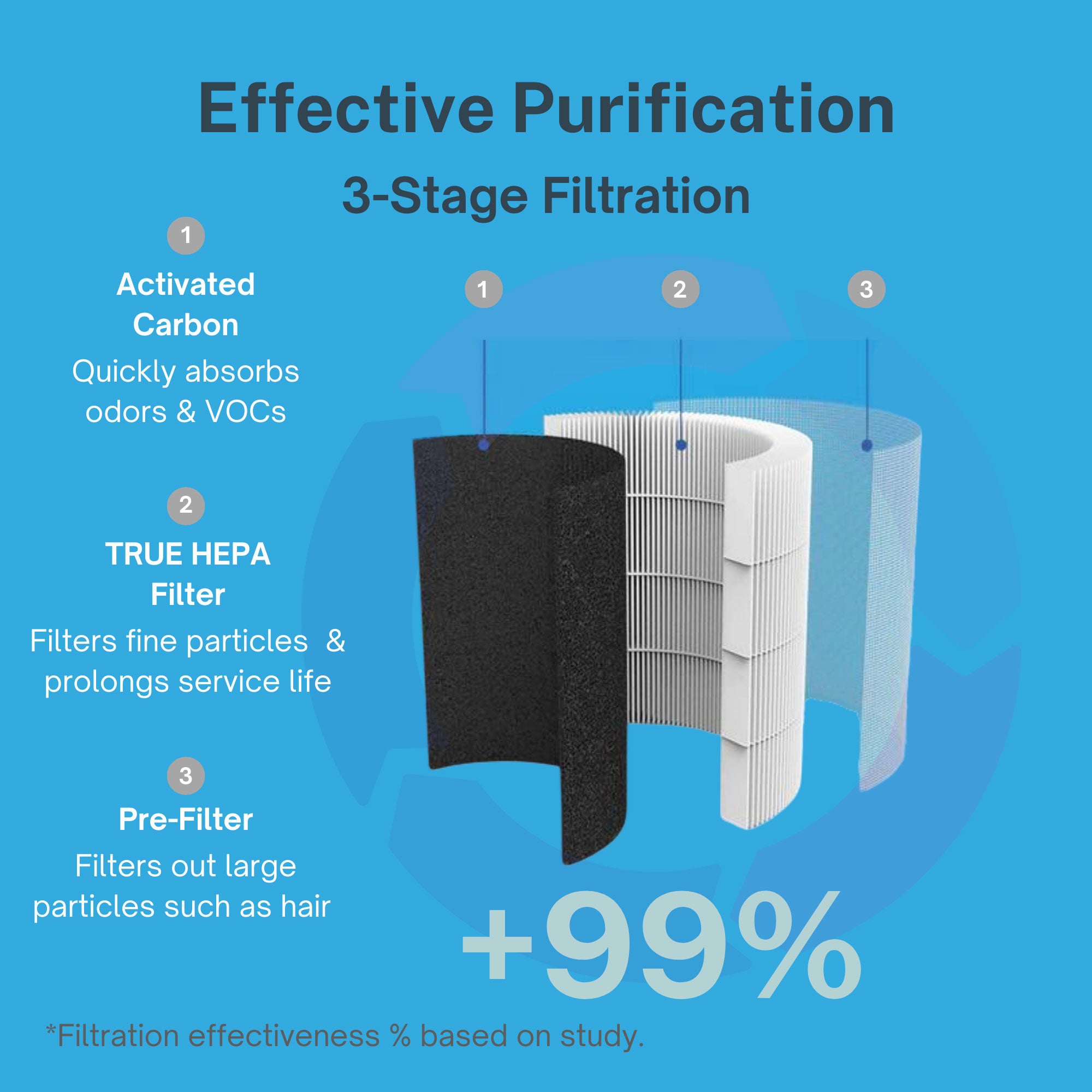
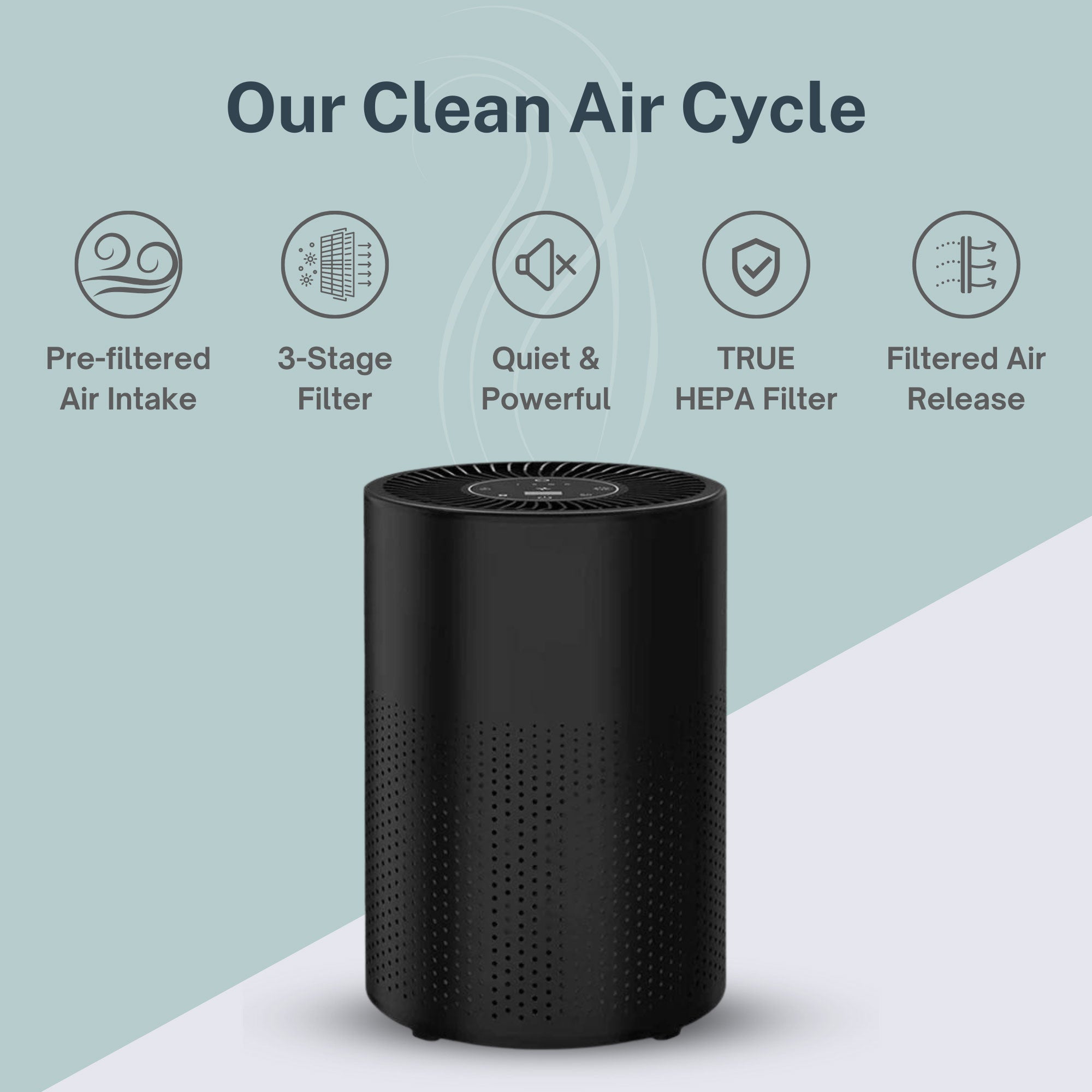
Medical-grade air purification systems help counteract transportation-related pollution exposure. The iAdaptAir series combines HEPA filtration that captures 99.97% of particles down to 0.3 microns with activated carbon for gaseous pollutants. This multi-stage approach addresses both particulate matter and volatile organic compounds from vehicles.
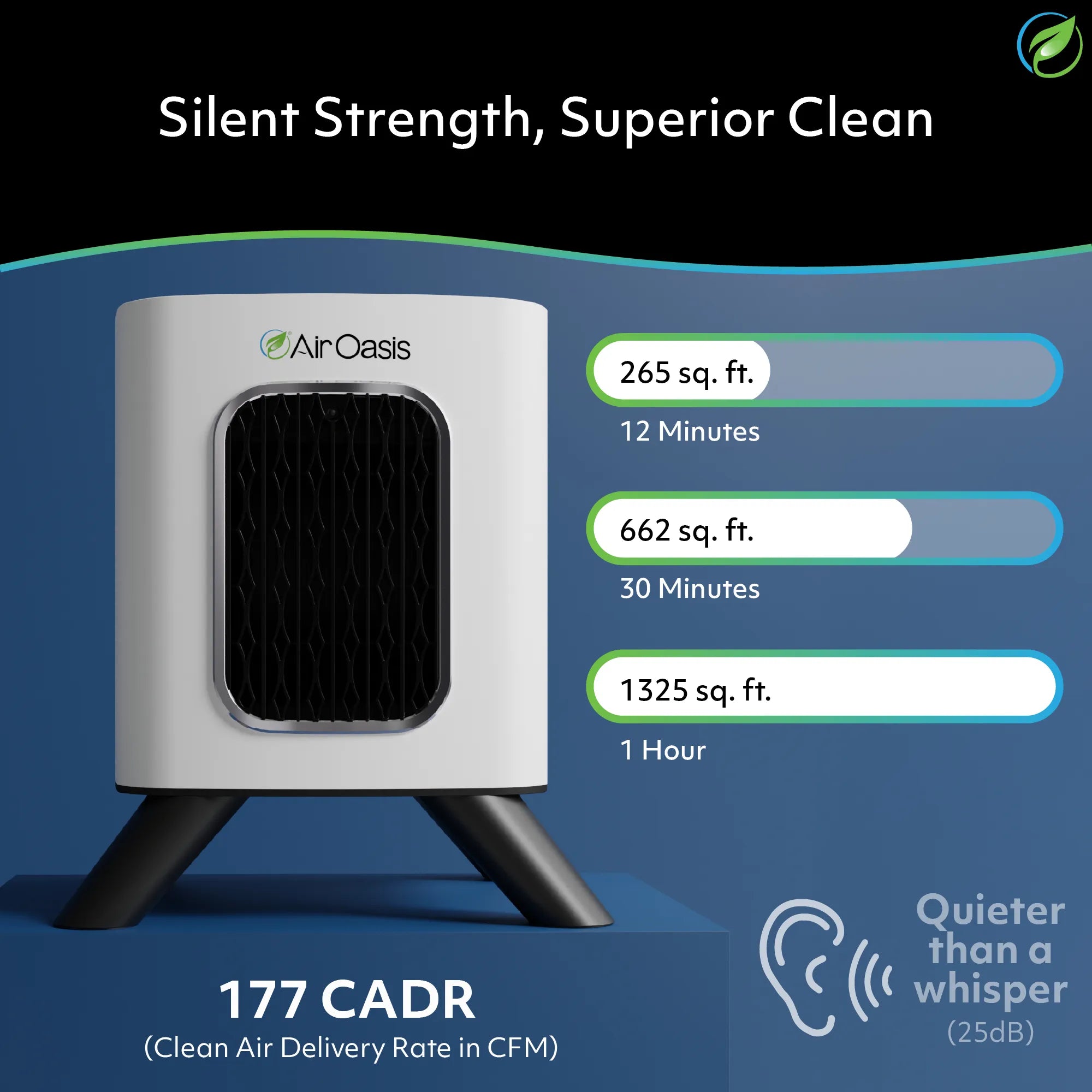
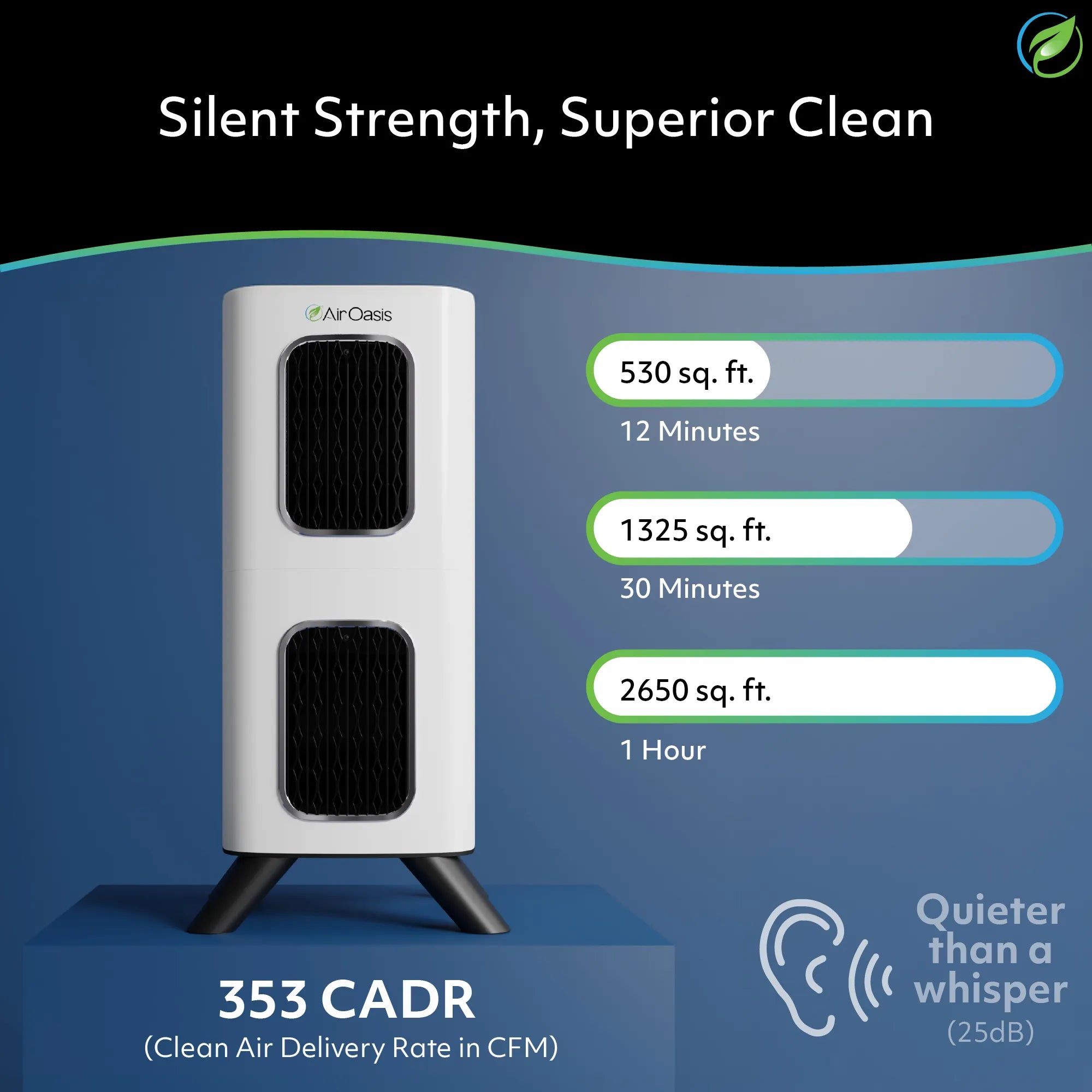
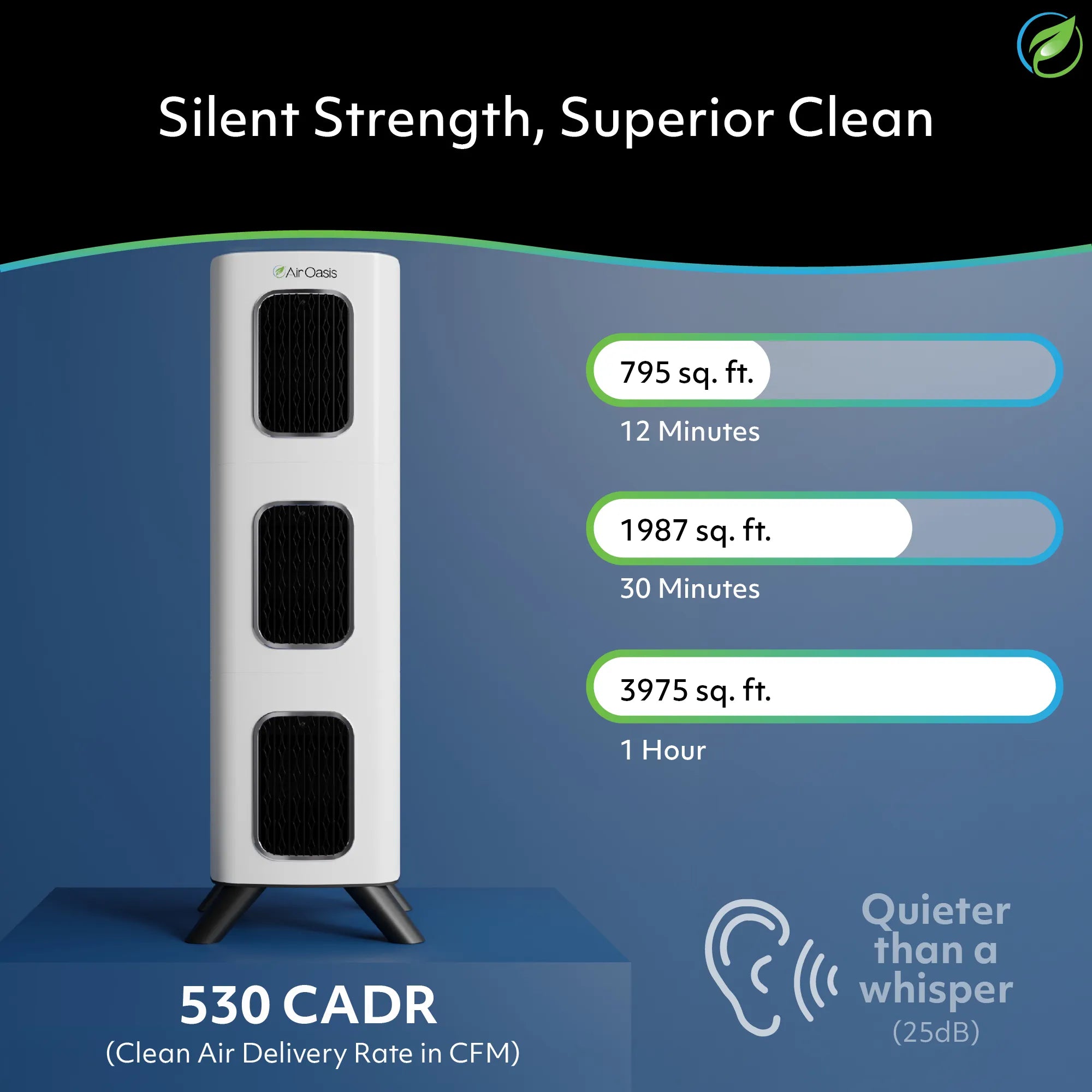
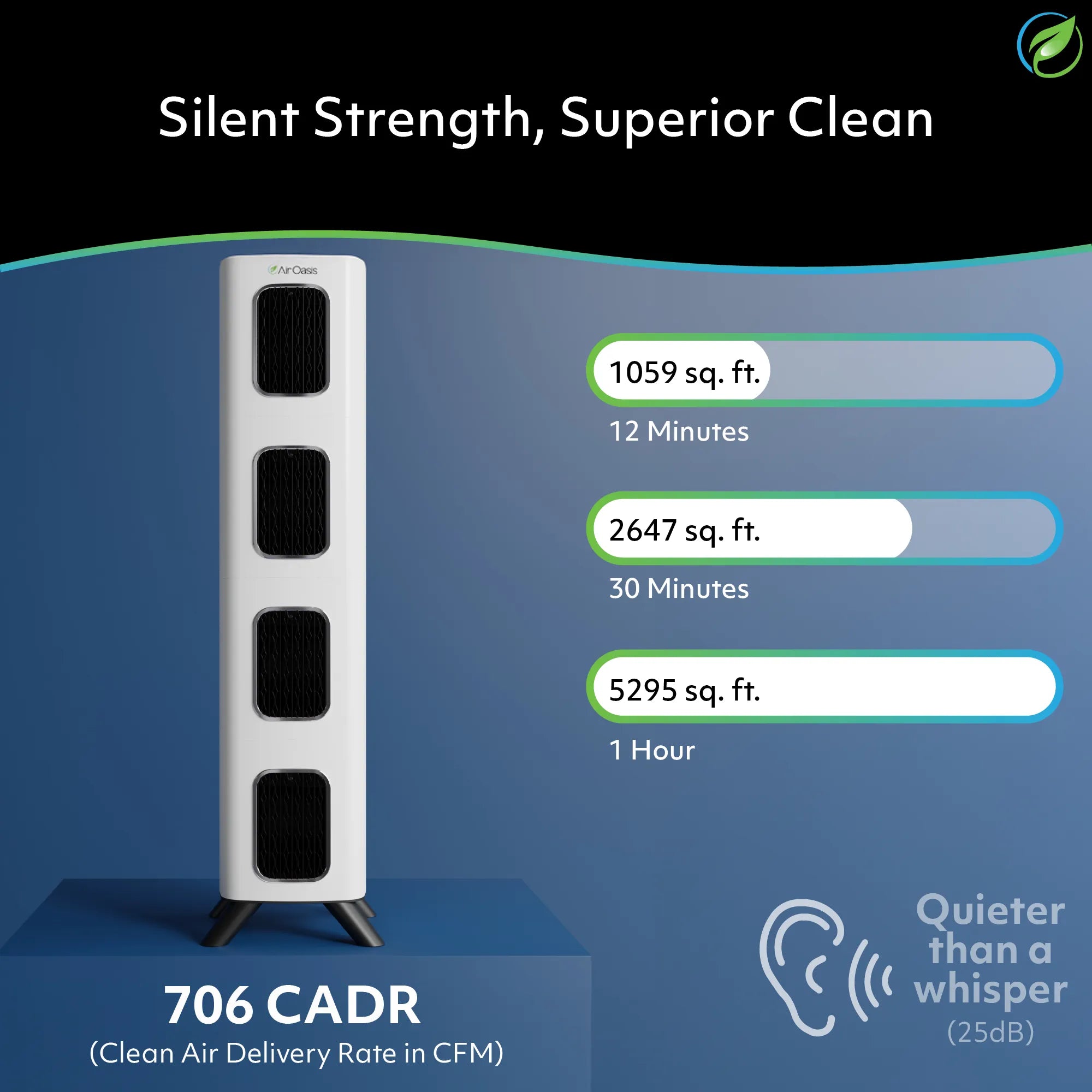
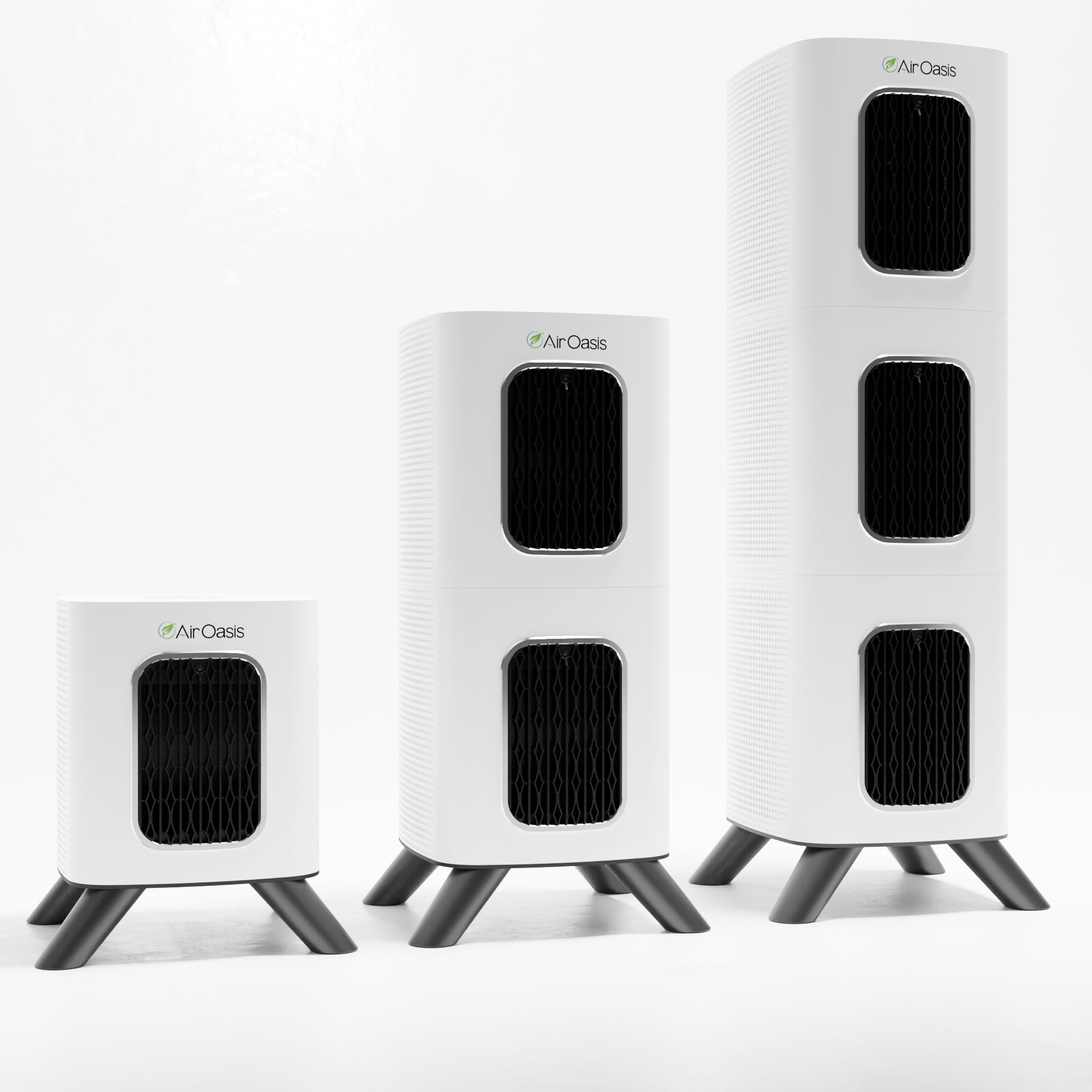
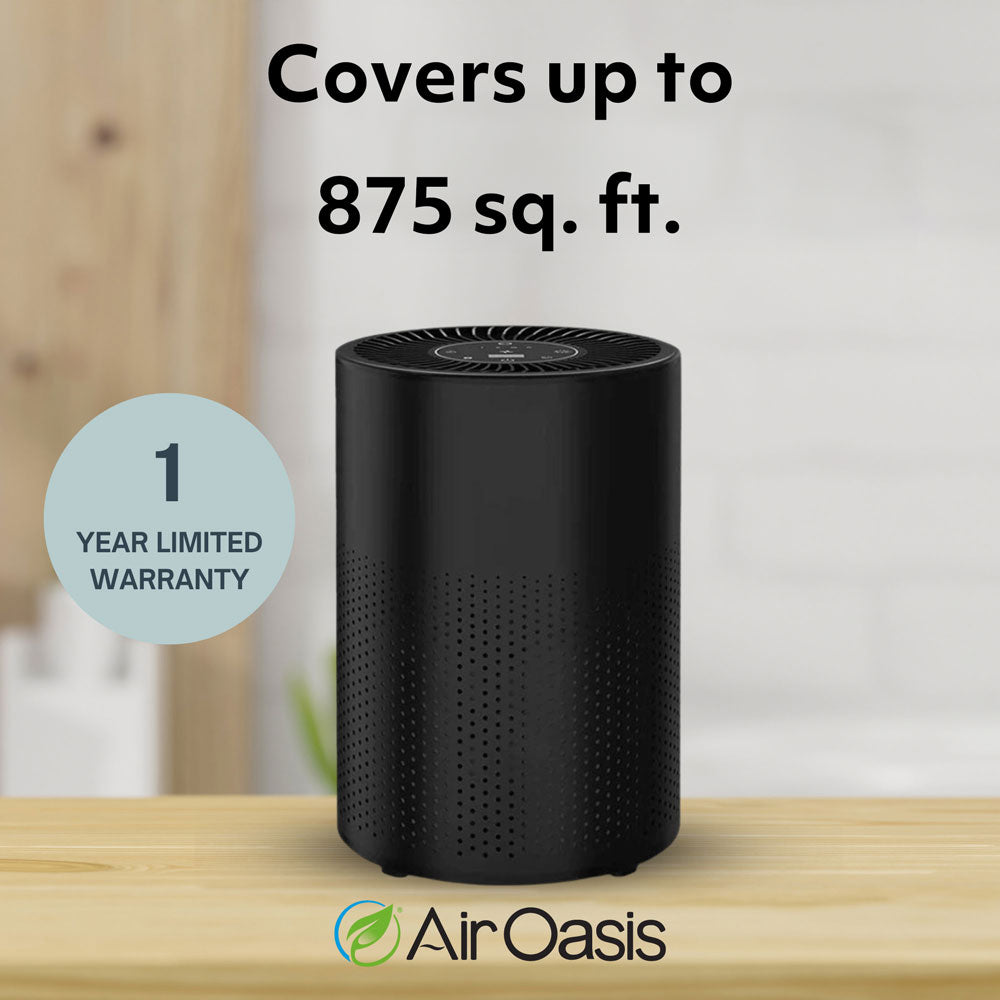
UV-C light and bipolar ionization technologies in iAdaptAir systems provide comprehensive protection. These features target diverse pollutants encountered in urban transportation environments. Choose appropriate coverage: iAdaptAir 2S purifies 265 sq ft, 2M handles 530 sq ft, 2L covers 795 sq ft, and 2P serves 1,059 sq ft.
Regular commuters using any transportation mode benefit from quality home air purification. The cumulative effects of daily pollution exposure require recovery time in clean environments. Protecting your indoor air quality supports long-term respiratory health.
Making Informed Transportation Choices
Rideshare services improve local air quality compared to personal vehicles through eliminated cold starts and newer vehicle fleets. However, deadheading increases greenhouse gas emissions and overall external costs by 30-35%. These trade-offs create complex environmental calculations.
Understanding these nuances helps inform transportation decisions. Choose rideshare over personal vehicles when avoiding cold starts provides maximum benefit. Consider transit or active transportation when feasible to minimize total environmental impact. Support electric vehicle adoption and ride pooling to improve rideshare's environmental profile.
Your home remains your most controllable environment for air quality. Quality air purification offsets unavoidable pollution exposure from necessary travel. Shop Air Oasis today and ensure you breathe the cleanest possible air at home.