You've seen the test kits at the hardware store. Twenty dollars, mail-in results, and the promise of knowing what's in your air. It's tempting, especially if you've been dealing with symptoms you can't explain — headaches, congestion, fatigue that's worse at home than anywhere else. You want answers.
Whether a DIY air quality test can give you reliable ones depends entirely on what you're testing for and what you plan to do with the results. The honest truth is that some home tests have real value, and some are close to worthless. Knowing the difference matters before you spend money or make decisions based on the results.
What's actually in most DIY air quality test kits
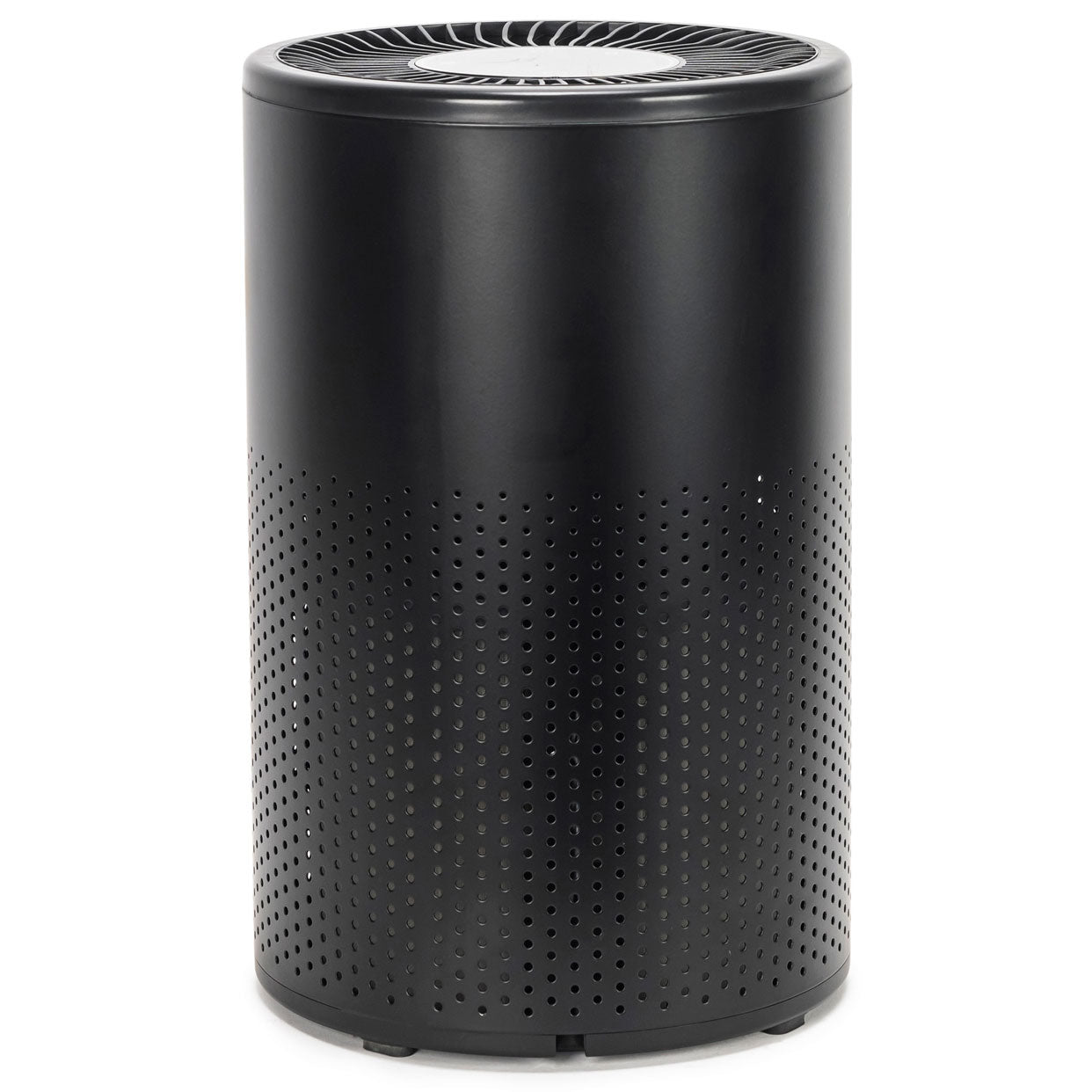
Home test kits fall into two categories. The first is passive collection kits — settling plates for mold, charcoal canisters for radon, chemical strips for formaldehyde or VOCs. You expose the collection device to your indoor air, then either read results yourself or mail the sample to a lab for analysis. The second is electronic monitors — consumer-grade devices that measure particulate matter, humidity, temperature, and sometimes CO2 or VOC levels in real time.
Each category has distinct strengths and limitations.
Where home mold test kits fall short
Mold settling plates are the most commonly sold and arguably the least reliable DIY option available. The concept is simple: expose a petri dish with growth media to your indoor air for a set period, then see what grows. The problem is also simple. Mold spores are present in virtually every indoor and outdoor environment. A settling plate will almost always grow something — which tells you nothing meaningful about whether your home has an actual mold problem.
Professional mold testing works differently. Trained technicians use calibrated air sampling pumps that capture a precise, measured volume of air. Critically, they collect both indoor and outdoor samples simultaneously, allowing indoor counts to be compared with the outdoor baseline. That comparison is the whole point. A high indoor mold count only matters relative to what's floating around outside. A settling plate gives you no baseline, no volume measurement, and no comparison. You get a petri dish of mold colonies and no way to know whether what grew is normal for your area or a sign of a real problem inside your home.
Additionally, professional lab analysis identifies mold to the species level. Whether you're dealing with common outdoor species versus water-damage indicators like Stachybotrys or Chaetomium is clinically and practically significant. A settling plate can't tell you that.
If you've found visible mold, suspect hidden growth after a water event, or are experiencing symptoms that worsen specifically at home, a professional assessment gives you data that can actually drive a decision. A settling plate kit does not, in most cases.
Radon test kits: more reliable, with real caveats
Radon testing is one area where DIY kits have genuine utility. Short-term charcoal canister kits — the most common consumer option — absorb radon over two to seven days and are mailed to a lab for analysis. When used correctly under stable conditions, they can provide a reasonable estimate of radon levels. The EPA recommends testing all homes and taking action when levels reach 4 picocuries per liter or higher.
The caveats matter, though. Charcoal canisters are sensitive to humidity, temperature swings, and air movement. Any of those variables, if significant during the test window, can skew results. They also give you a single average reading for the test period — not the hour-by-hour data that professional continuous radon monitors record.
For casual awareness in a home you've owned for years, a well-executed charcoal canister test provides a reasonable starting point. For a real estate transaction, post-mitigation verification, or any situation that requires documented, defensible results, professional radon testing with a continuous monitor featuring tamper-evident features is the right choice. Most real estate transactions specifically require it.
Electronic air quality monitors: useful, limited, useful again
Consumer-grade electronic monitors for particulate matter, CO2, humidity, and temperature have become genuinely useful tools in the past few years. Devices from reputable manufacturers give you real-time visibility into indoor conditions that can reveal patterns — a spike in particulate matter every time you cook, elevated CO2 when a room is occupied with poor ventilation, humidity swings that create mold-favorable conditions.
What they can't do is identify specific pollutants. A consumer PM2.5 sensor tells you fine particles are elevated — it can't tell you whether you're looking at wildfire smoke, cooking fumes, mold spores, or something else entirely. VOC sensors in consumer devices flag that gaseous compounds are present, but they can't identify which ones or at what concentrations. Their sensors also degrade over time without calibration, meaning a monitor that was reasonably accurate at purchase may drift over months and years.
Used appropriately — as awareness tools that flag when something warrants closer attention, not as definitive diagnostic instruments — electronic monitors are genuinely valuable. They can tell you when your indoor environment is shifting and motivate you to investigate further. They should not be the last word on whether a specific contaminant is present at a concerning level.
When professional testing is the right call
There are situations where DIY testing is simply not adequate, regardless of cost. If you or someone in your household is experiencing unexplained respiratory symptoms, headaches, or health effects that consistently improve when you leave home, you need identification of specific pollutants at specific concentrations — not a petri dish or a consumer sensor reading.
Post-remediation verification is another clear case. After mold remediation or other environmental work, the only way to confirm the work was done correctly is professional clearance testing with documented results. A DIY kit cannot provide that confirmation with any reliability.
Real estate transactions involving mold, radon, asbestos, or lead typically require professional-grade test results from accredited laboratories. DIY results are generally not accepted for this purpose.
Legal matters, insurance claims, and landlord-tenant disputes involving air quality require documentation that only professional, accredited testing provides.
What you can actually do with test results
Here's an underappreciated point. A test result, whether DIY or professional, is only useful if it can tell you what to do next. Professional testing comes with a report that identifies specific contaminants, their concentrations, comparison to established health guidelines, and actionable recommendations. That's a decision-support tool.
Most DIY kit results, by contrast, give you limited data with limited context. Mold grew on your petri dish — now what? The professional equivalent tells you what species, at what concentration relative to outdoors, and whether remediation is warranted.
Where air purification fits in this picture
Testing tells you what's in your air. An air purifier is part of what you do about it. They're different tools for different purposes.
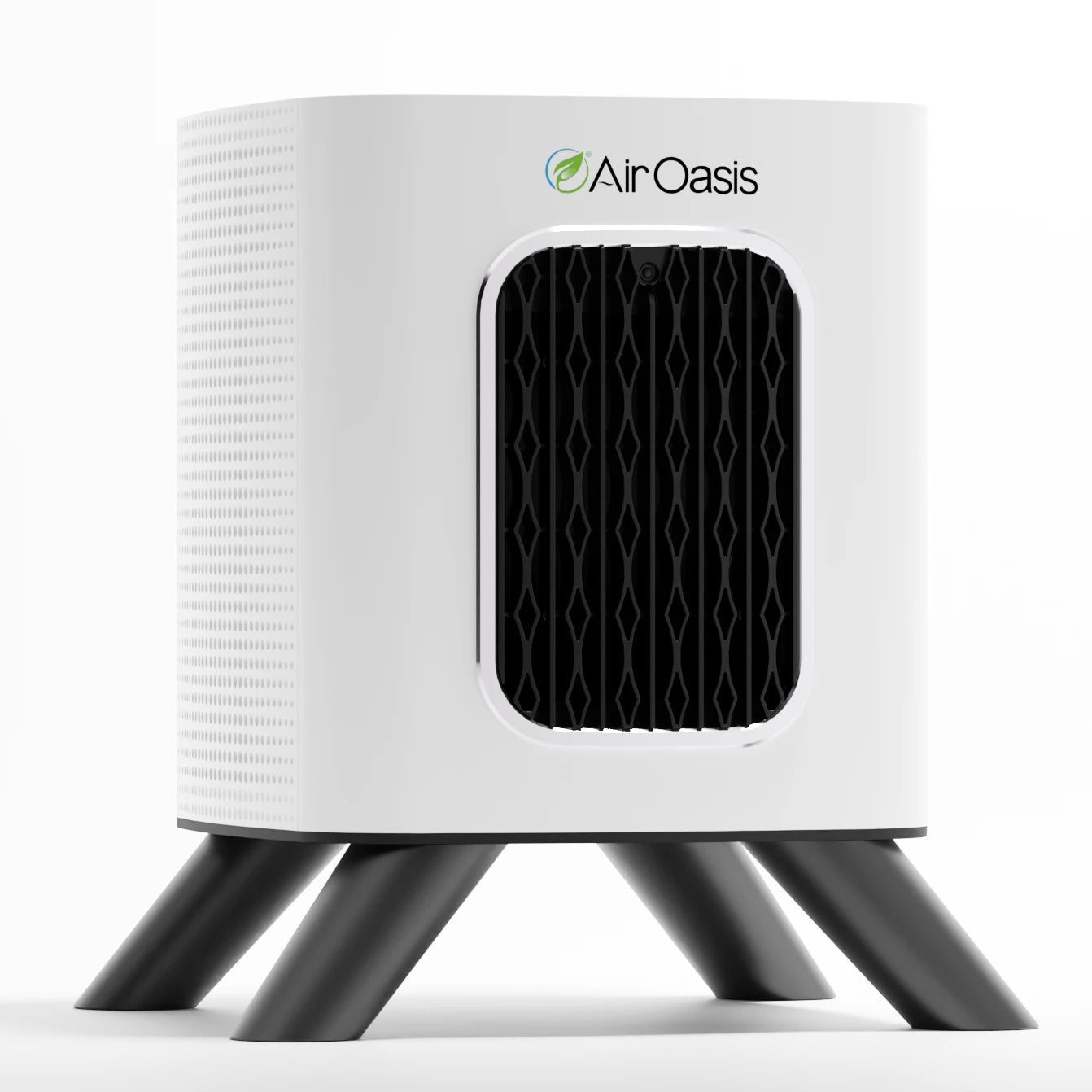
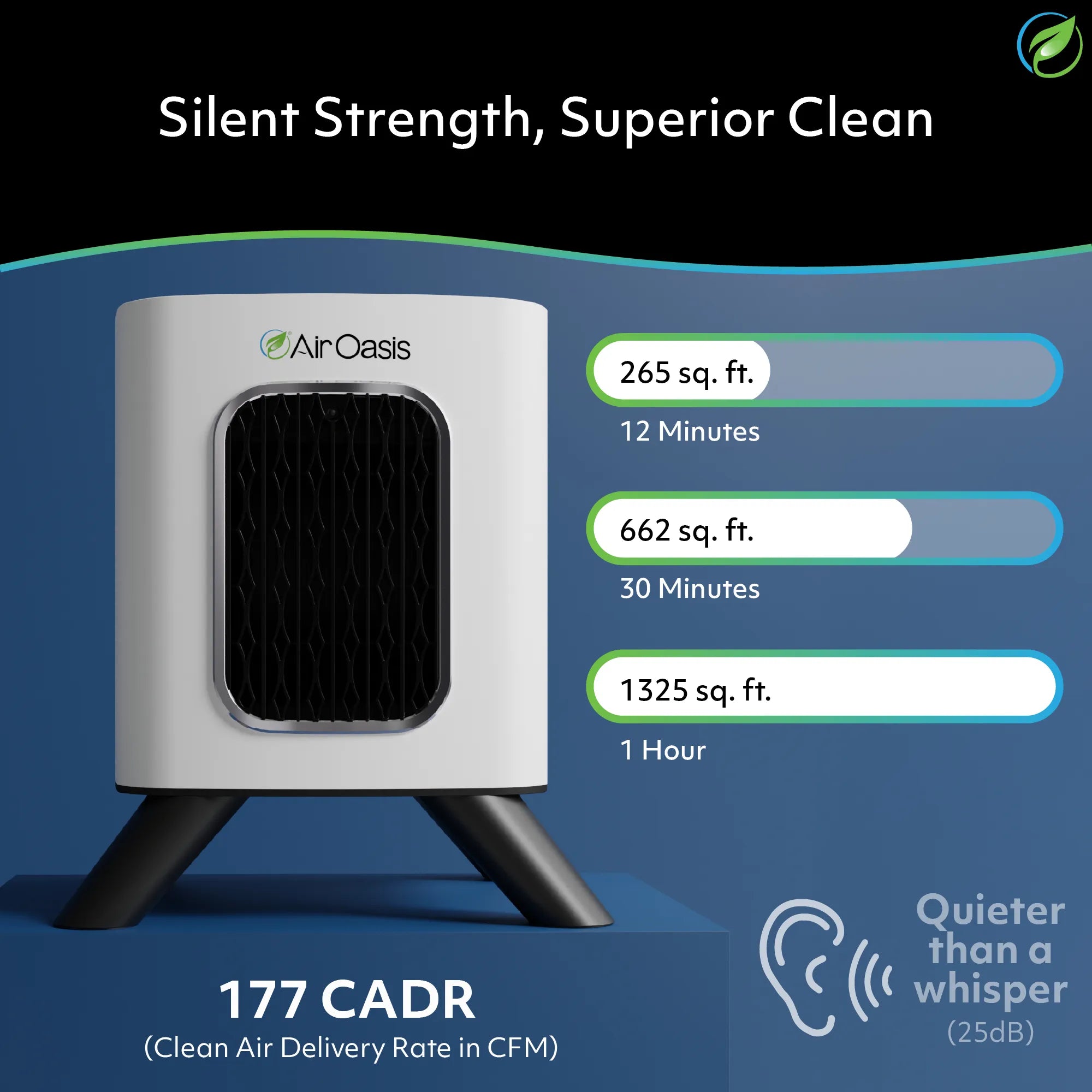
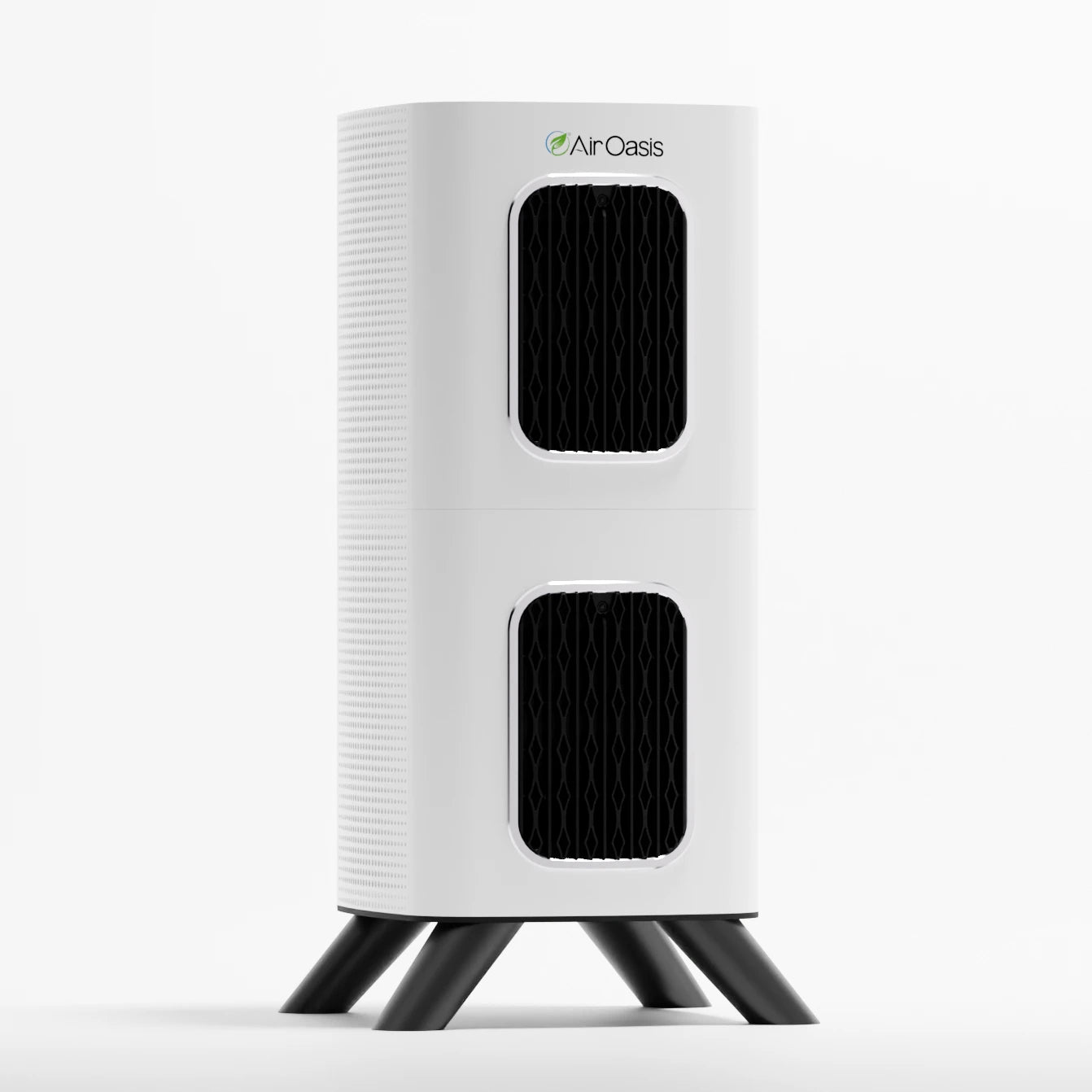
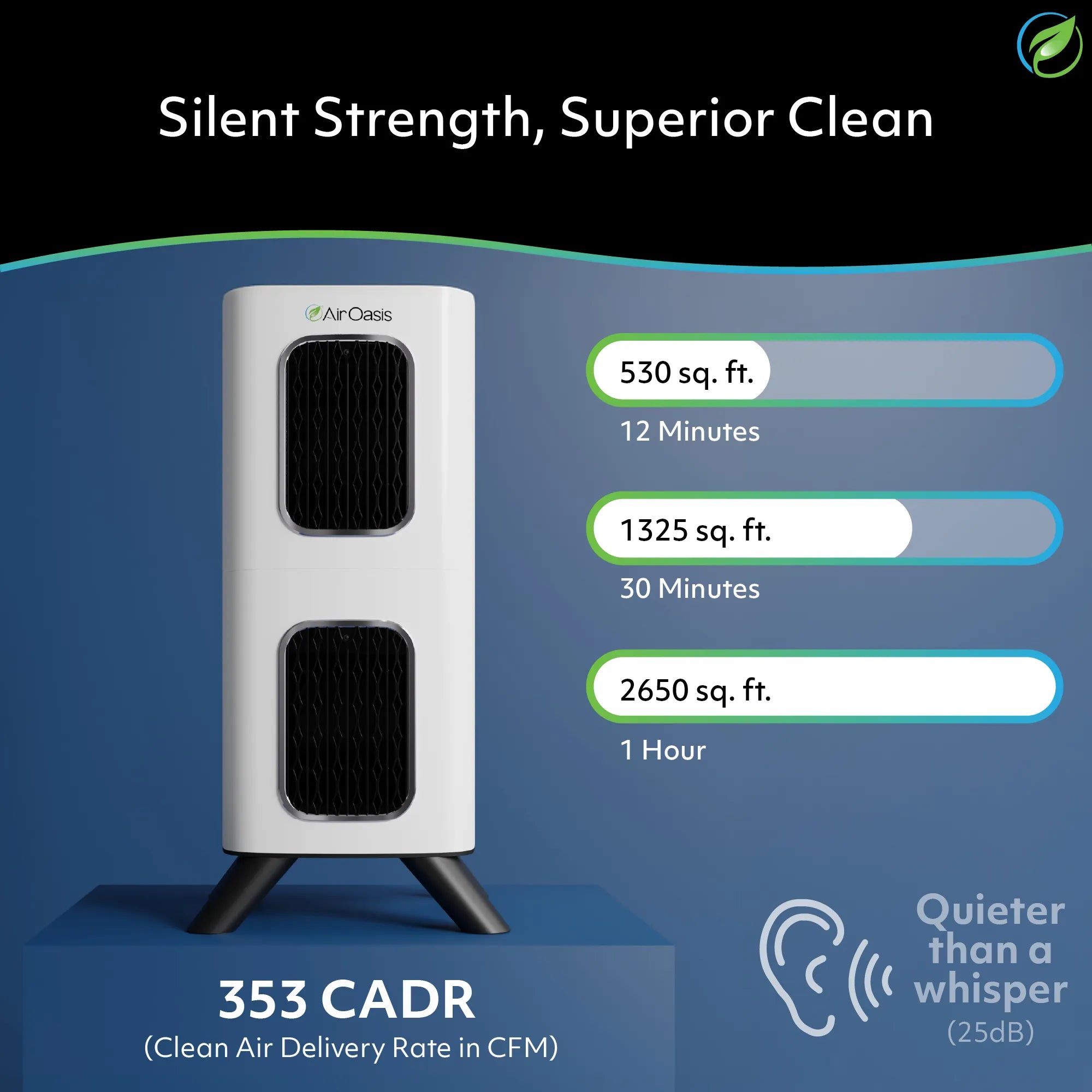
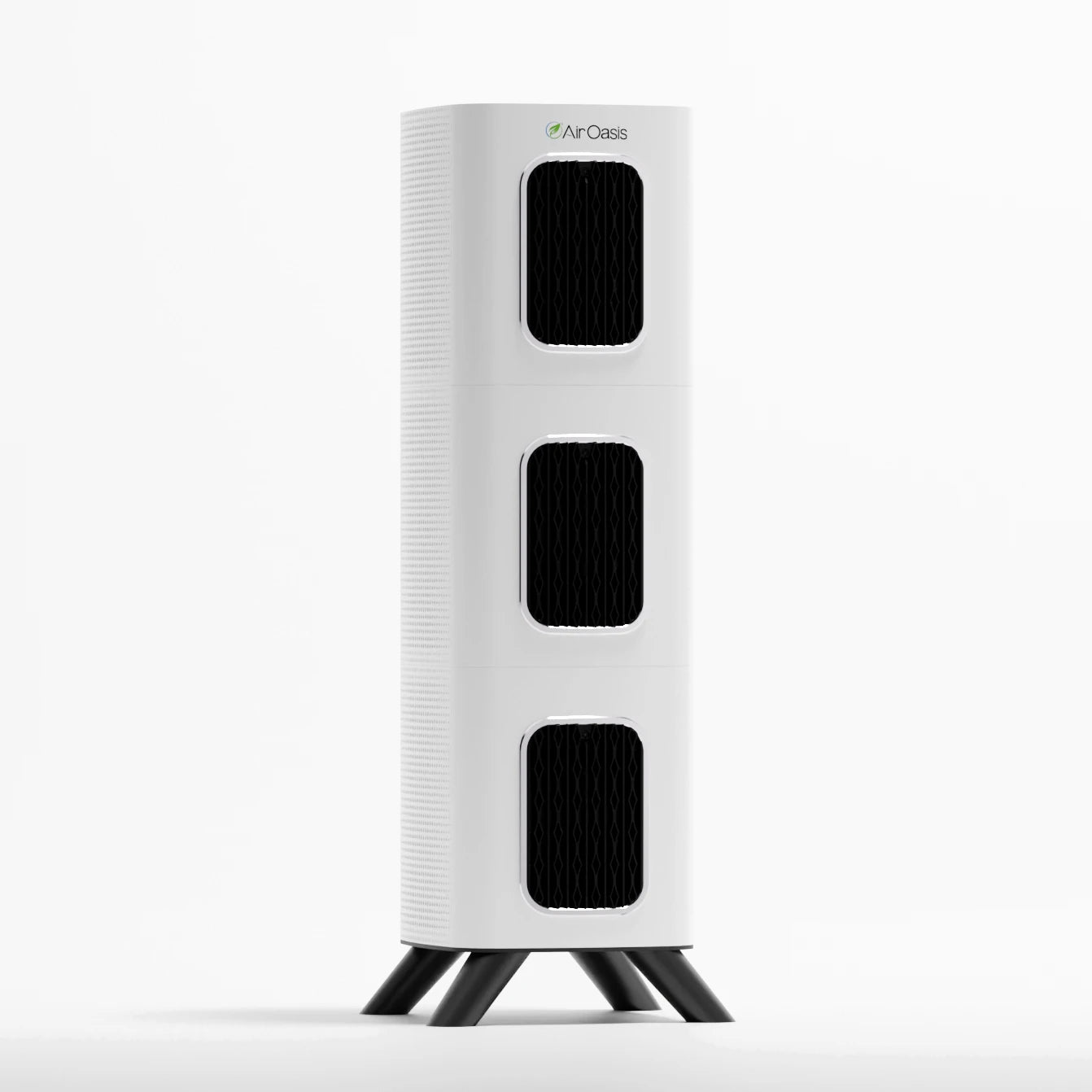
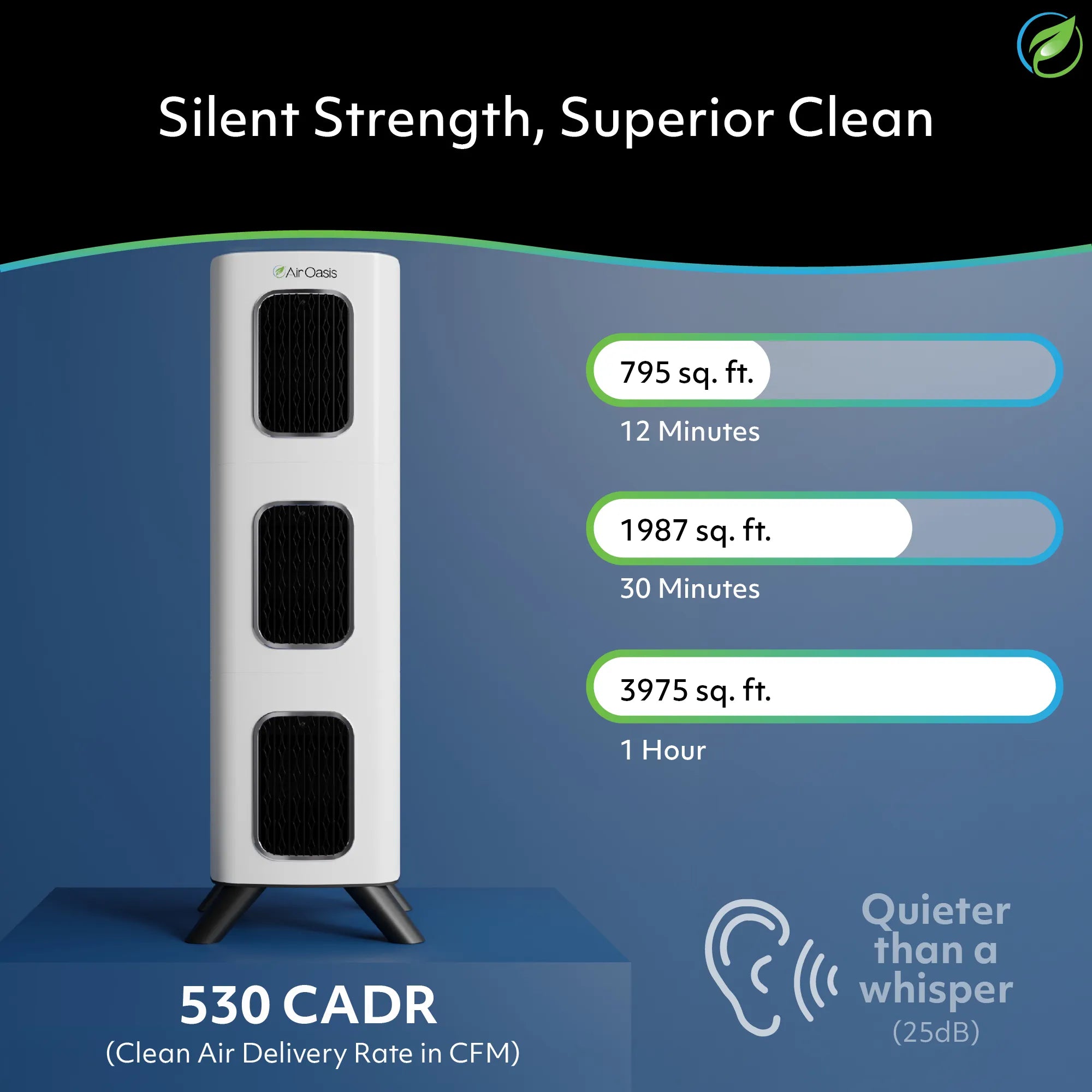
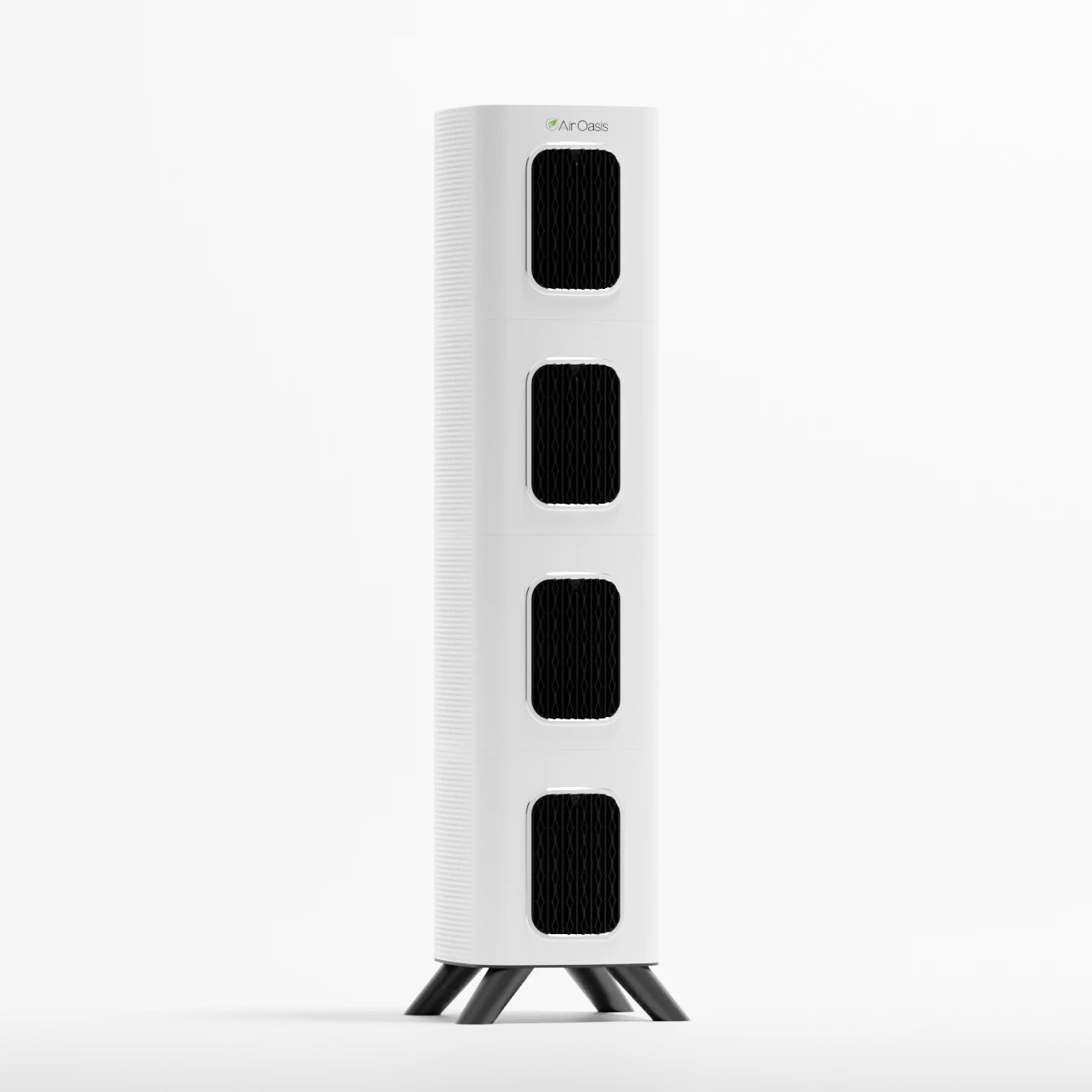
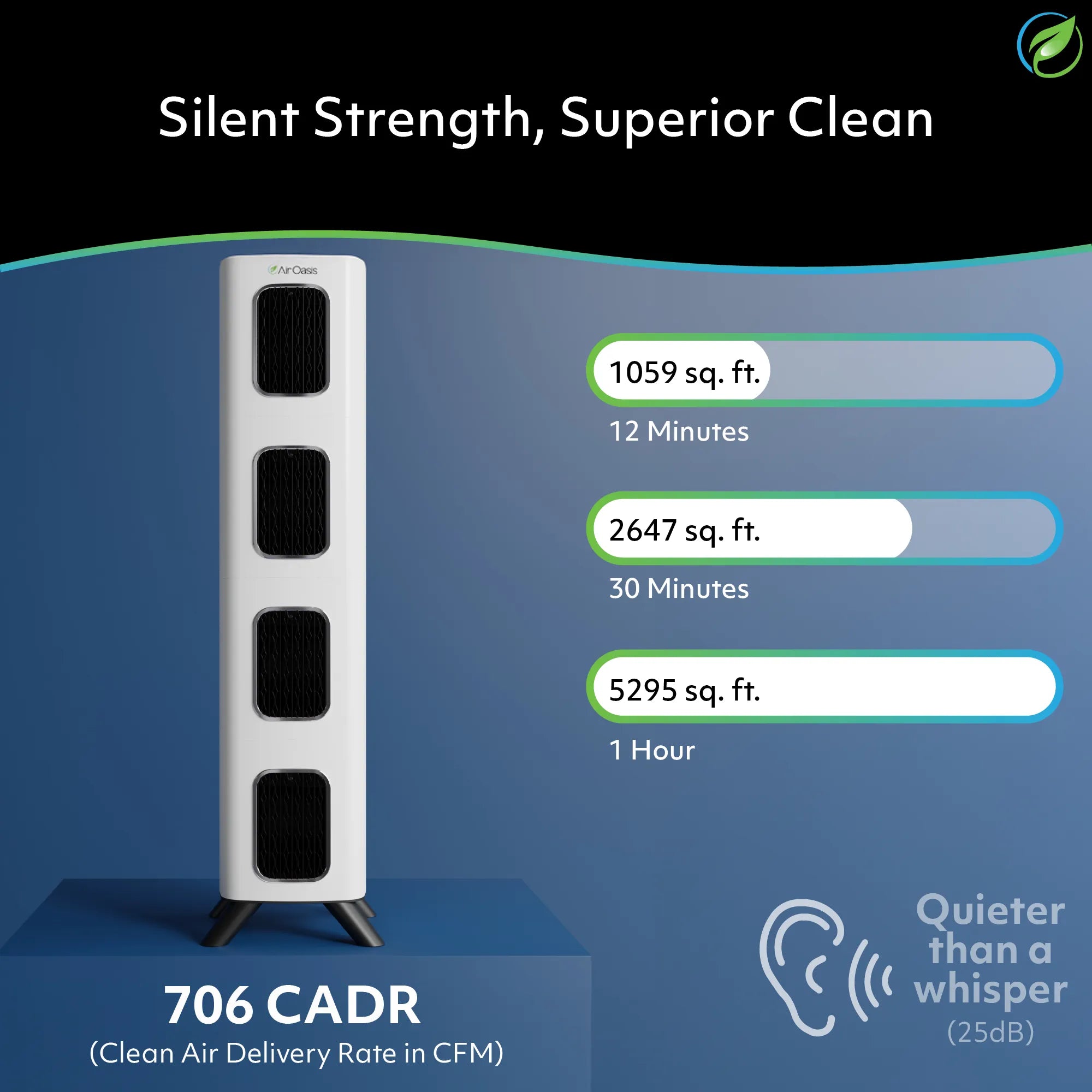
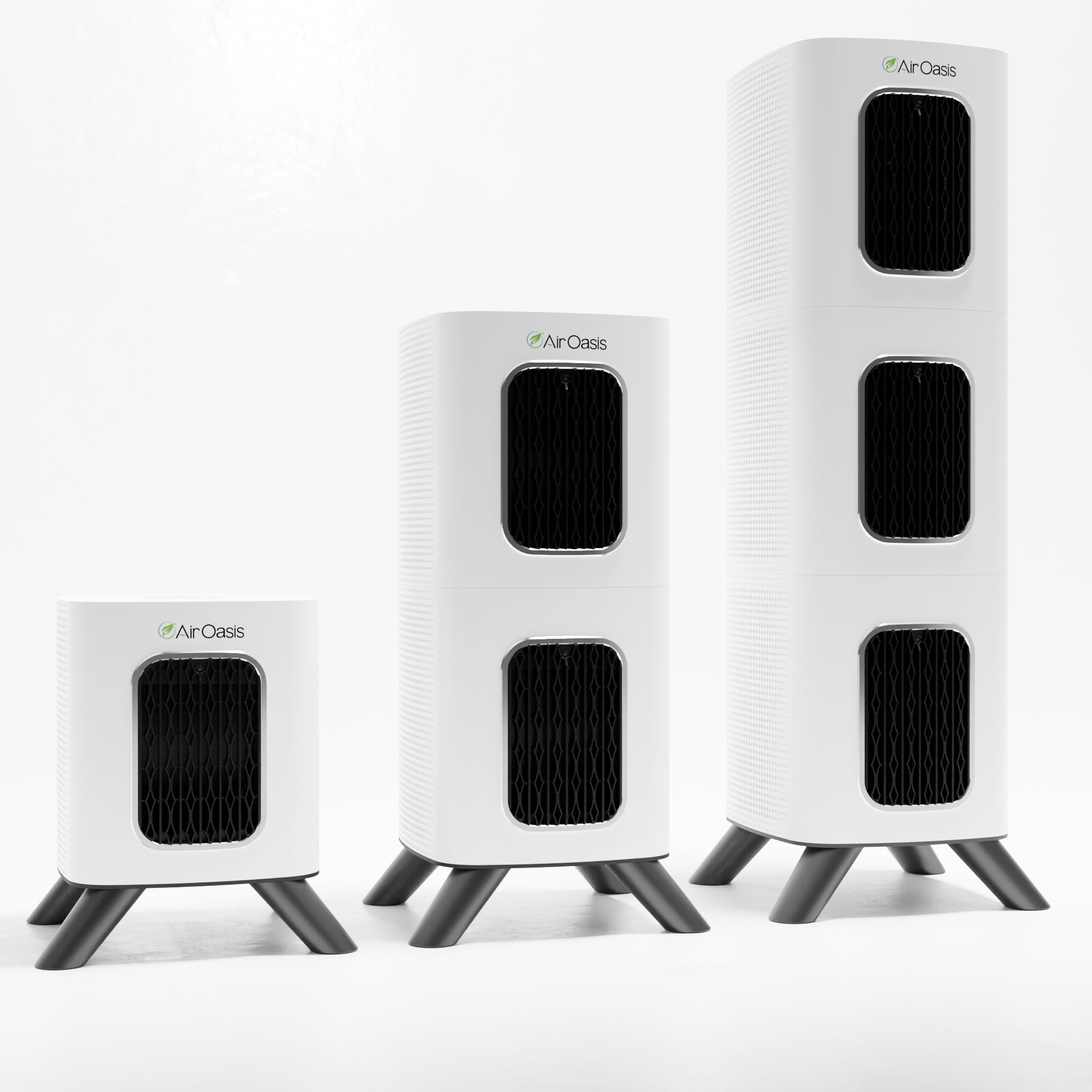
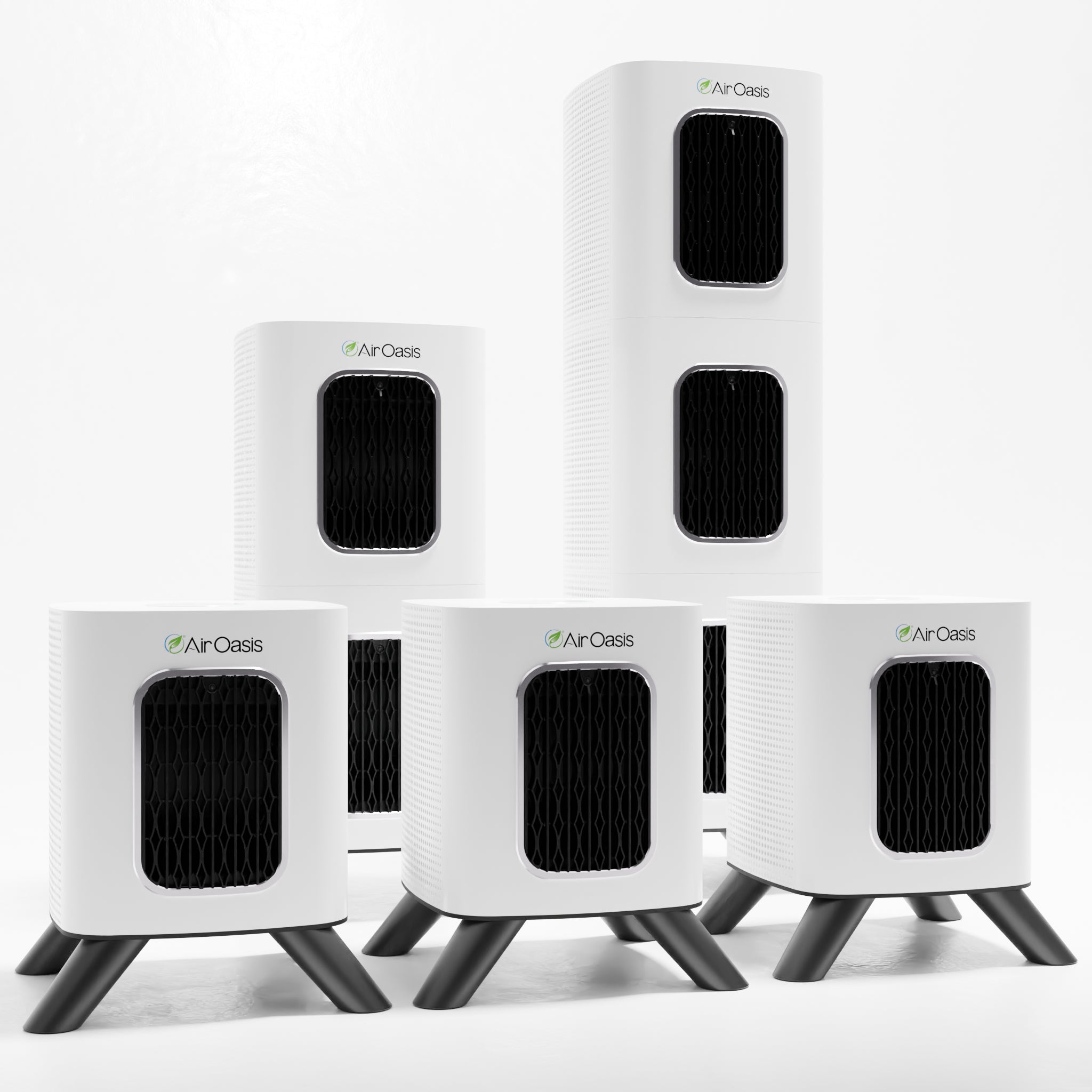
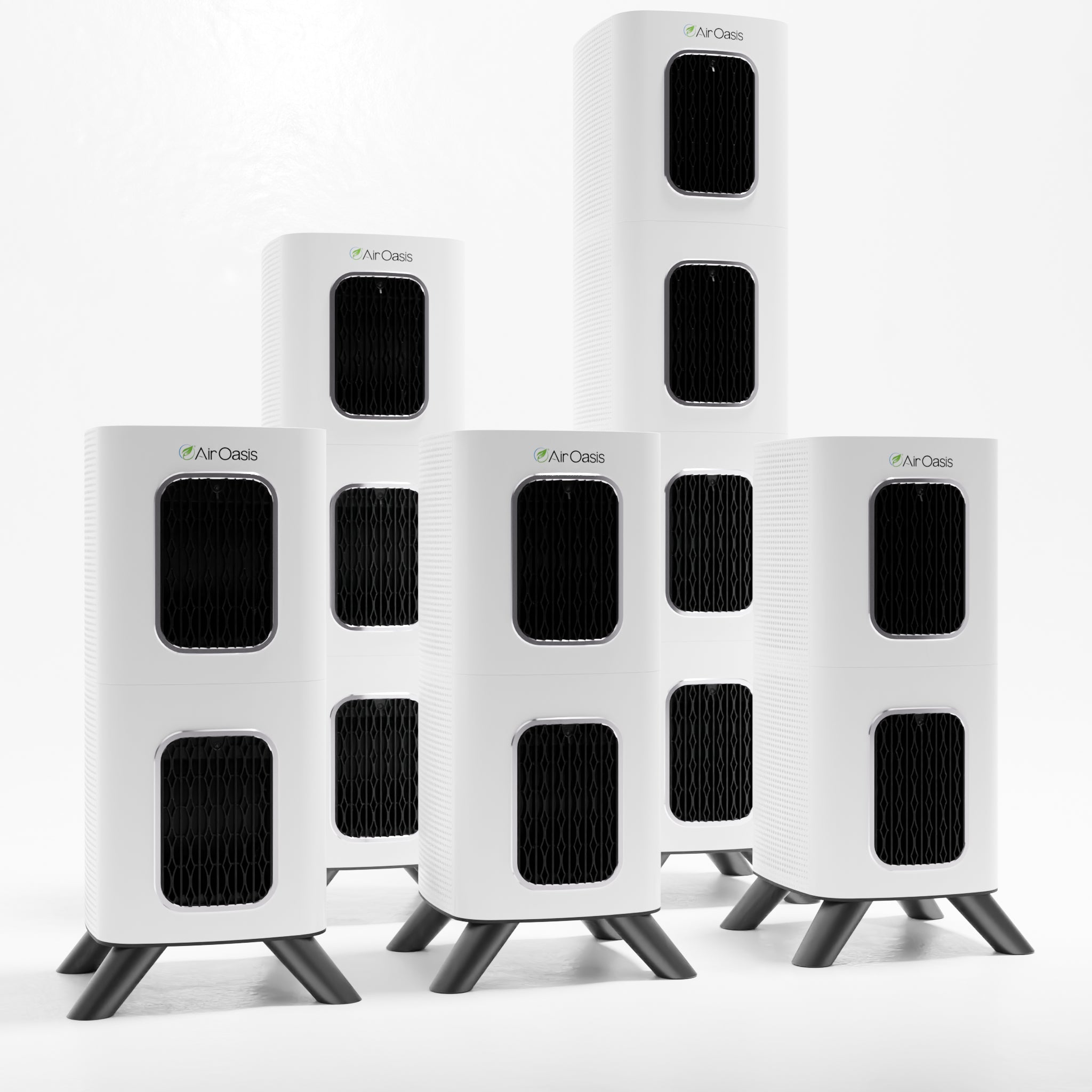
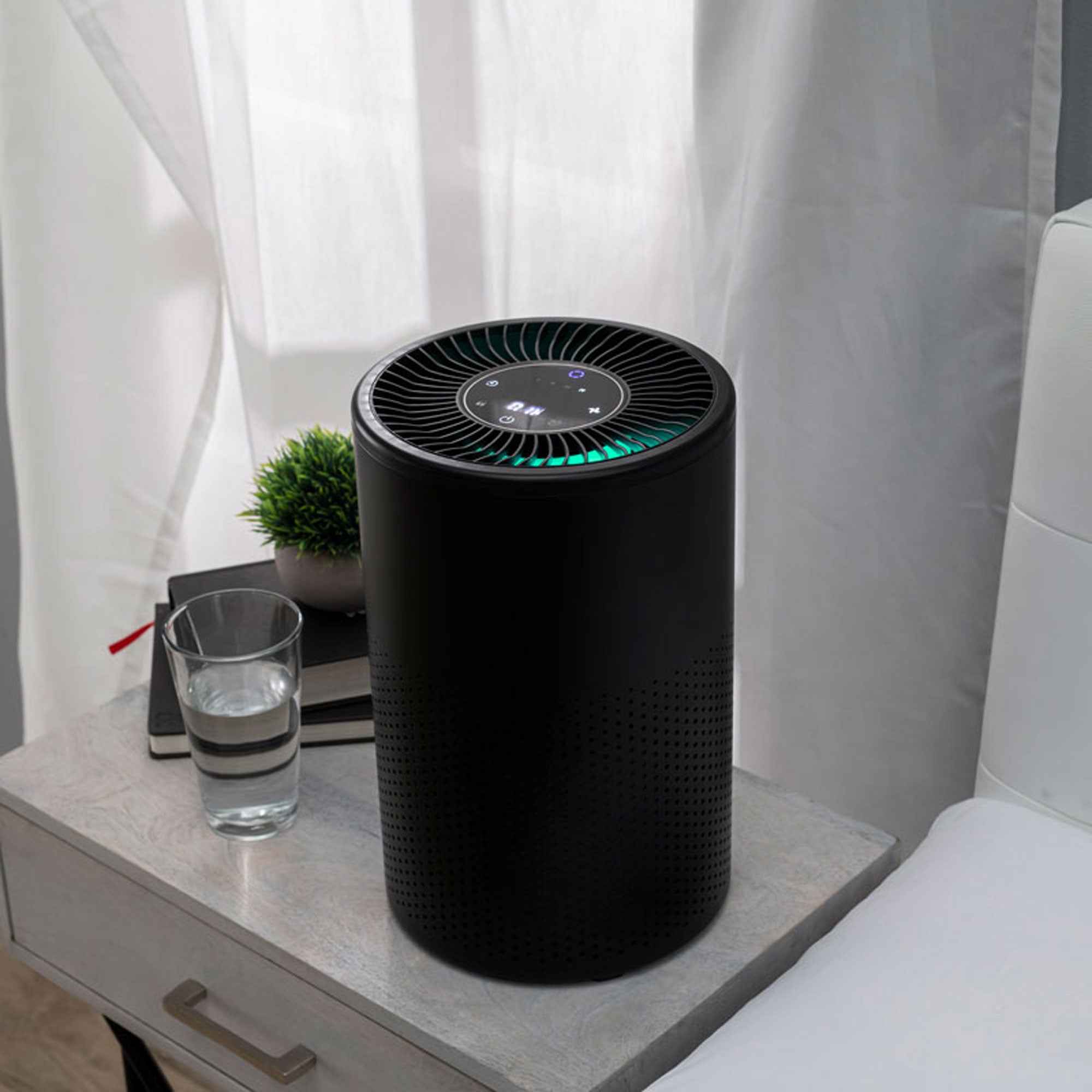
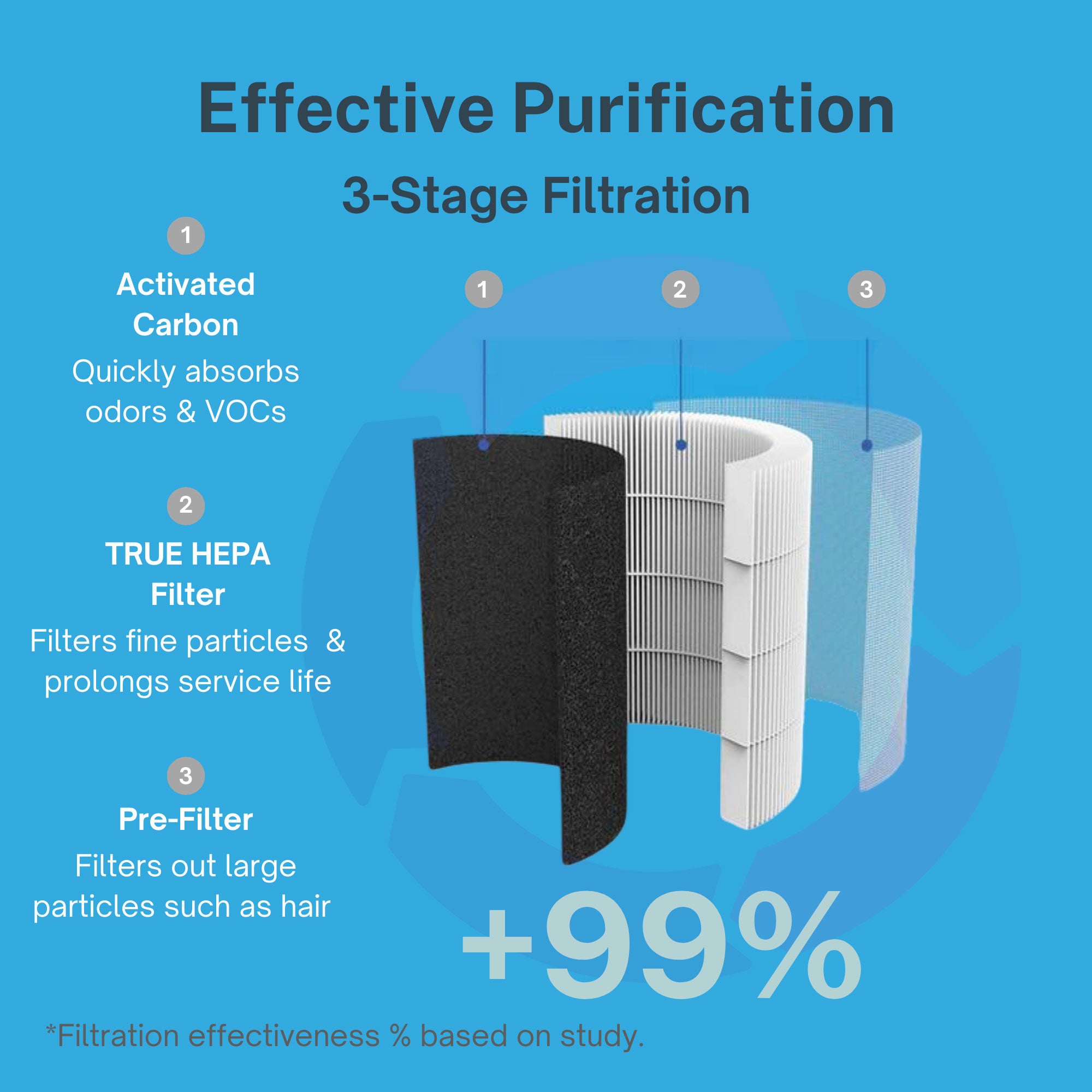
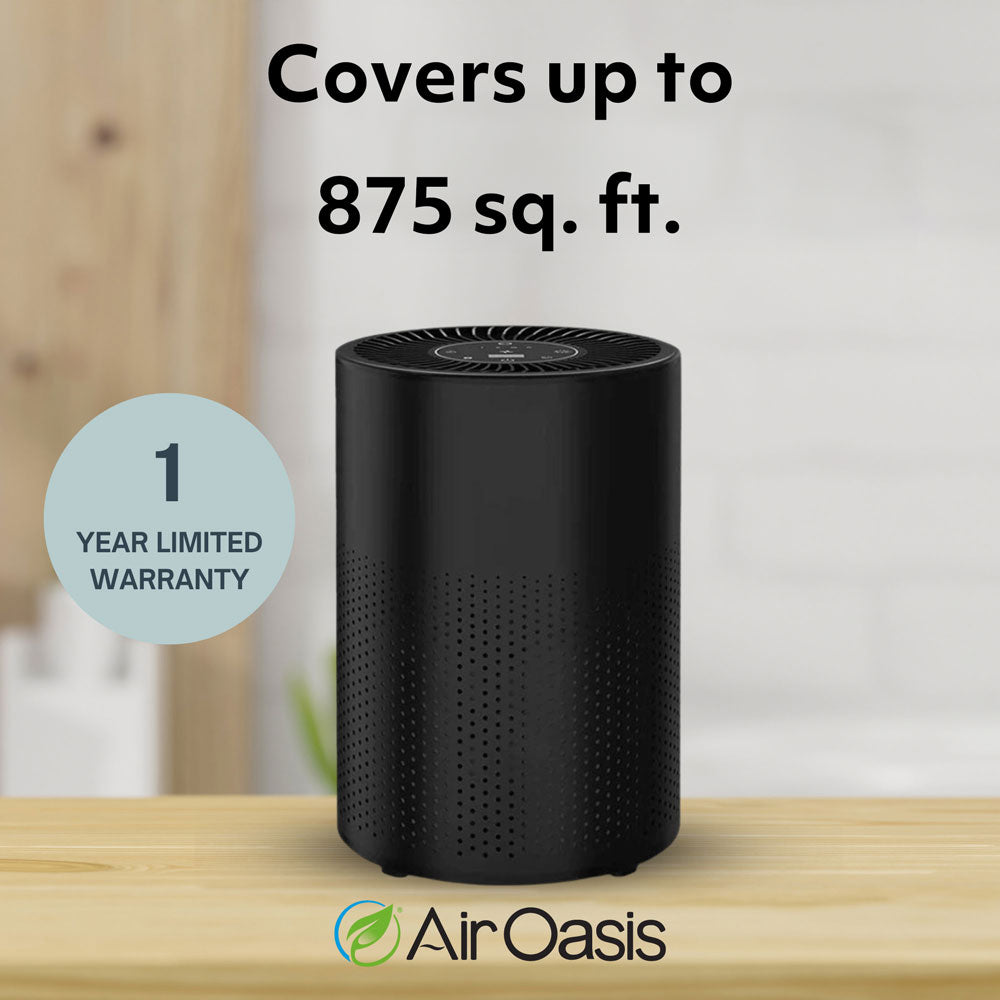
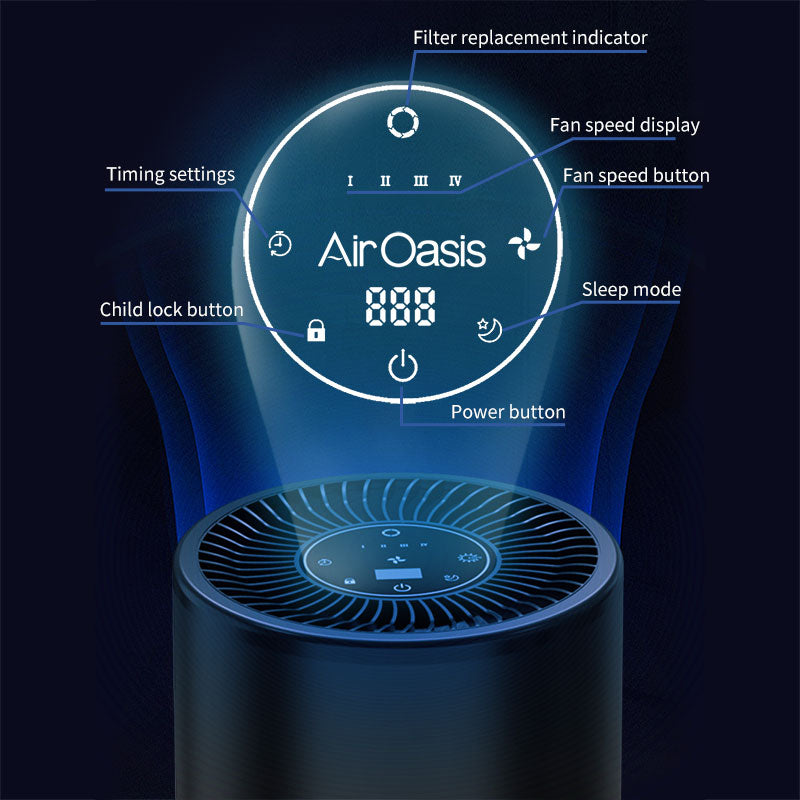
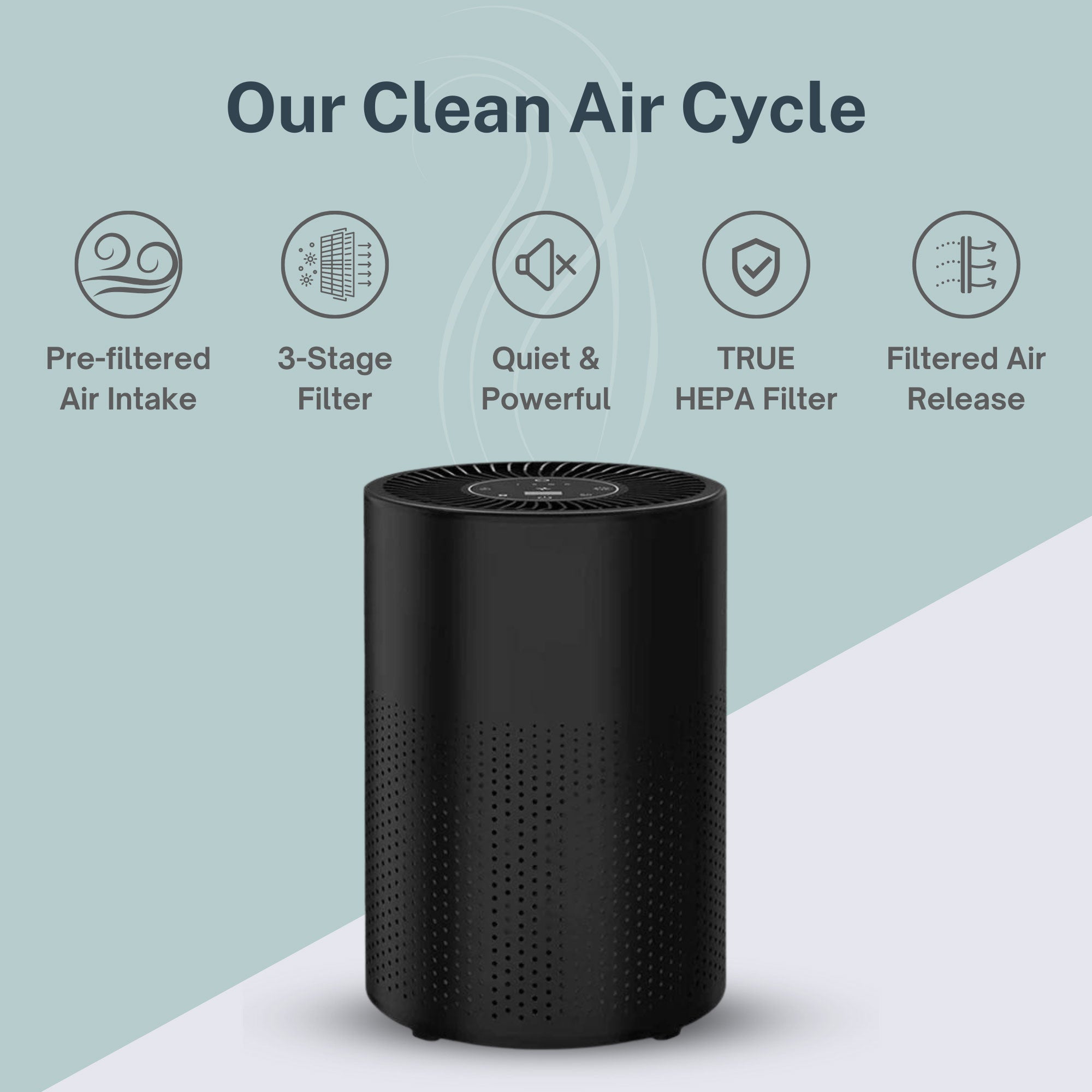
If testing — DIY or professional — reveals elevated particulate matter, mold spores, VOCs, or other airborne contaminants in your home, continuous air purification is one of the most practical ongoing protective measures available. The iAdaptAir by Air Oasis uses True HEPA filtration to capture particles down to 0.3 microns, activated carbon to address VOCs and gaseous odor compounds, UV-C light to neutralize biological contaminants, and bipolar ionization to help particles cluster for more effective removal. It's CARB-certified ozone-free — safe for continuous operation in any household, including homes where someone has respiratory sensitivities.
An air purifier doesn't replace remediation when remediation is needed. If professional testing identifies a significant mold source or structural moisture problem, that has to be addressed at the source. But running an iAdaptAir during and after remediation — and consistently going forward — meaningfully reduces the daily airborne contaminant load your family breathes.
Know what you're dealing with, then act
DIY air quality tests have a place. Radon canister kits, used correctly, can catch a serious problem that would otherwise go undetected. Electronic monitors can surface patterns worth investigating. But for health investigations, real estate transactions, post-remediation verification, and any situation where the stakes are meaningful, professional testing is the standard worth meeting.
Know what's in your air. Then take action. Shop Air Oasis and give your family the protection of clean, continuously filtered air — whatever your testing reveals. Breathe Better, Live Better.