Most people walk past a dry cleaning shop without giving it a second thought. You drop off a suit, pick it up pressed and wrapped in plastic, and move on. But if you live or work near a dry cleaner — or above one, or in a building that once housed one — the chemistry happening inside those machines may be affecting the air you breathe in ways that aren't visible and aren't obvious. Dry cleaning is one of the more quietly significant sources of neighborhood air contamination in the United States, and understanding why starts with what's actually in those cleaning machines.
The Chemical at the Center of the Problem
For decades, the dry cleaning industry has relied on a chemical solvent called perchloroethylene — commonly known as perc or PCE. Introduced to the industry in 1931, perc became the dominant cleaning agent because it effectively removes stains from delicate fabrics without the shrinkage or damage that water causes. According to the CDC, an estimated 85% of U.S. dry cleaning shops have used perc as their primary solvent.
The problem is what perc does outside the machine. The EPA has classified it as a likely human carcinogen. It is a volatile organic compound, meaning it readily evaporates at room temperature and becomes airborne. Short-term exposure to elevated perc concentrations is associated with dizziness, headaches, and eye and respiratory tract irritation. Longer-term or higher-level exposure has been linked to liver and kidney damage and increased cancer risk. Perc doesn't break down quickly — it persists in soil and groundwater for years, and in air it travels well beyond the property where it originated.
Because of this, the EPA issued the National Perchloroethylene Air Emission Standards for Dry Cleaning Facilities in 2008, requiring perc machines to be phased out of any dry cleaner co-located with a residential building by 2020. States including Minnesota and California have gone further with broader perc bans. Despite these regulatory advances, the chemical's legacy contamination — accumulated over decades of use — remains at many sites across the country.
How Dry Cleaning Chemicals Get Into the Air You Breathe
The most direct route is vapor intrusion. Perc and related solvents — including trichloroethylene (TCE), vinyl chloride, and carbon tetrachloride — can penetrate building foundations and contaminate the soil and groundwater beneath and around a dry cleaning facility. Once in the ground, these solvents continue to volatilize. The resulting vapors migrate upward through cracks in foundations, gaps around pipes, and porous building materials, entering the breathable air inside adjacent or overlying structures.
Vapor intrusion is invisible. There is no smell threshold that reliably signals perc contamination at the concentrations typically found in affected buildings — you can't detect it the way you might notice mold or smoke. People living in apartments above a dry cleaner, working in offices in the same strip mall, or occupying buildings near former dry-cleaning sites may be inhaling low-level solvent vapors without being aware of it.
A 2018 industry analysis estimated that at least 75% of the approximately 30,000 dry cleaners in the U.S. are contaminated to some degree — a figure attributed to EPA and State Coalition for Remediation of Dry Cleaners research. The same analysis noted that a single average dry cleaner can generate over 650 gallons of hazardous waste annually. Given that the CDC estimates roughly 38,000 dry cleaning shops operate across the country, the potential scale of neighborhood exposure is significant.
The contamination doesn't require an active spill or obvious accident. Decades of routine equipment operation, minor leaks, transfer losses between machines, and improper disposal of waste solvents have quietly built up contamination at sites throughout residential neighborhoods, shopping strips, and mixed-use commercial areas.
What This Means for People Living or Working Nearby
For most people in the vicinity of a properly operating modern dry cleaner that uses updated equipment and alternative solvents, the day-to-day risk is likely low. The regulatory changes of the past two decades have meaningfully reduced ongoing emissions from active facilities.
The greater concern involves three specific scenarios. First, older facilities still using perc equipment — particularly those in or adjacent to residential buildings — pose ongoing exposure risk that varies with equipment condition, maintenance practices, and building ventilation. Second, former dry cleaning sites — properties where a dry cleaner once operated but has since closed — can harbor residual soil and groundwater contamination that continues generating vapor intrusion for years after the business is gone. Third, multi-tenant commercial buildings where a dry cleaner operates alongside other businesses may expose neighboring tenants to chemical vapors migrating through shared HVAC systems, utility chases, or structural gaps.
Symptoms that some researchers have associated with prolonged low-level solvent exposure include persistent headaches, dizziness, difficulty concentrating, and respiratory irritation — though these symptoms are nonspecific and can have many causes. Anyone experiencing persistent symptoms that improve when away from a particular building and worsen upon return should investigate the air quality in that space.
Improving Indoor Air Quality Near Dry Cleaning Operations
If you live or work near a dry cleaner and have concerns about air quality, a few practical steps matter. Professional indoor air quality testing — specifically for VOCs, including perc — provides actual data rather than guesswork. The EPA and many state environmental agencies have guidance on vapor intrusion testing, and some jurisdictions require testing of properties near known contaminated sites.
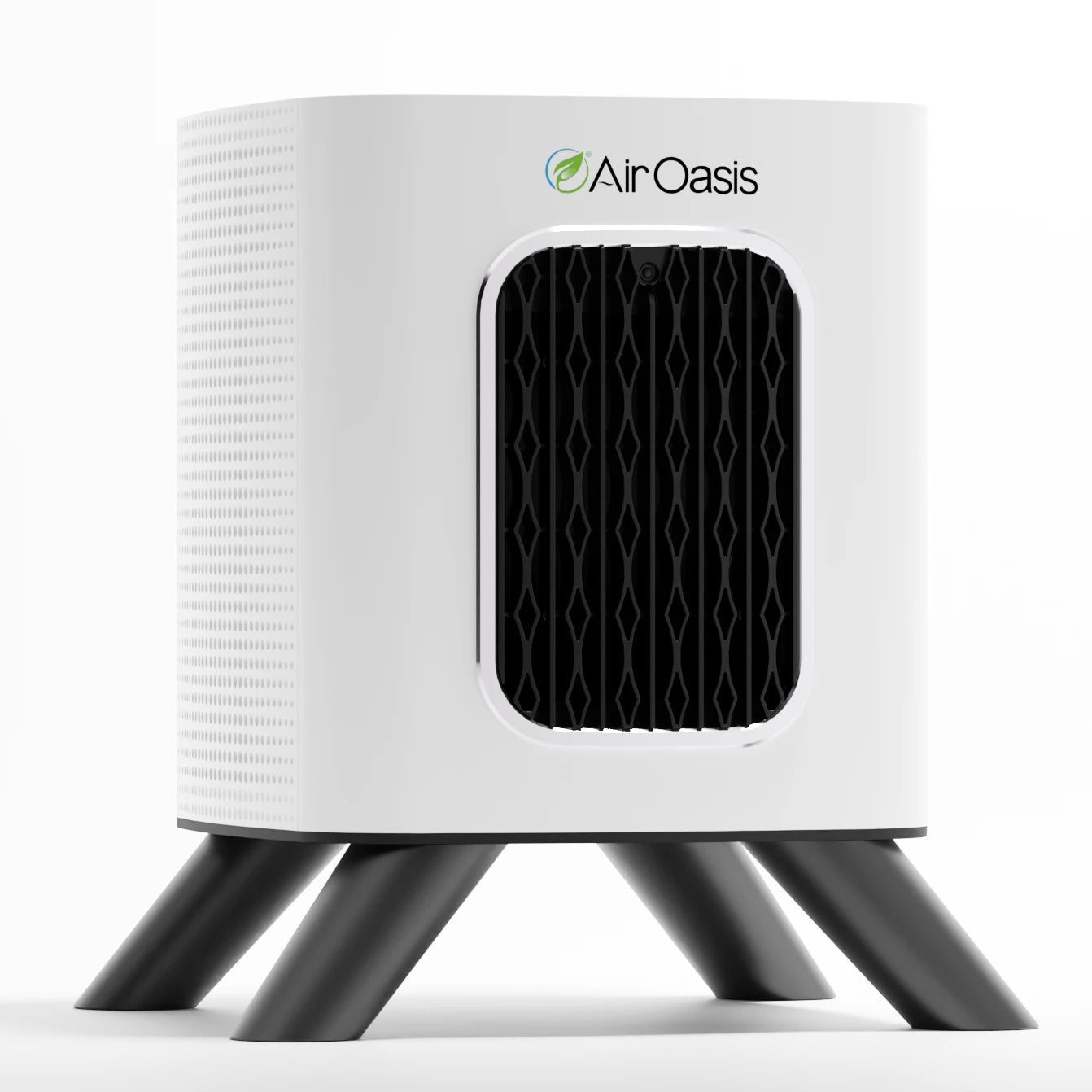
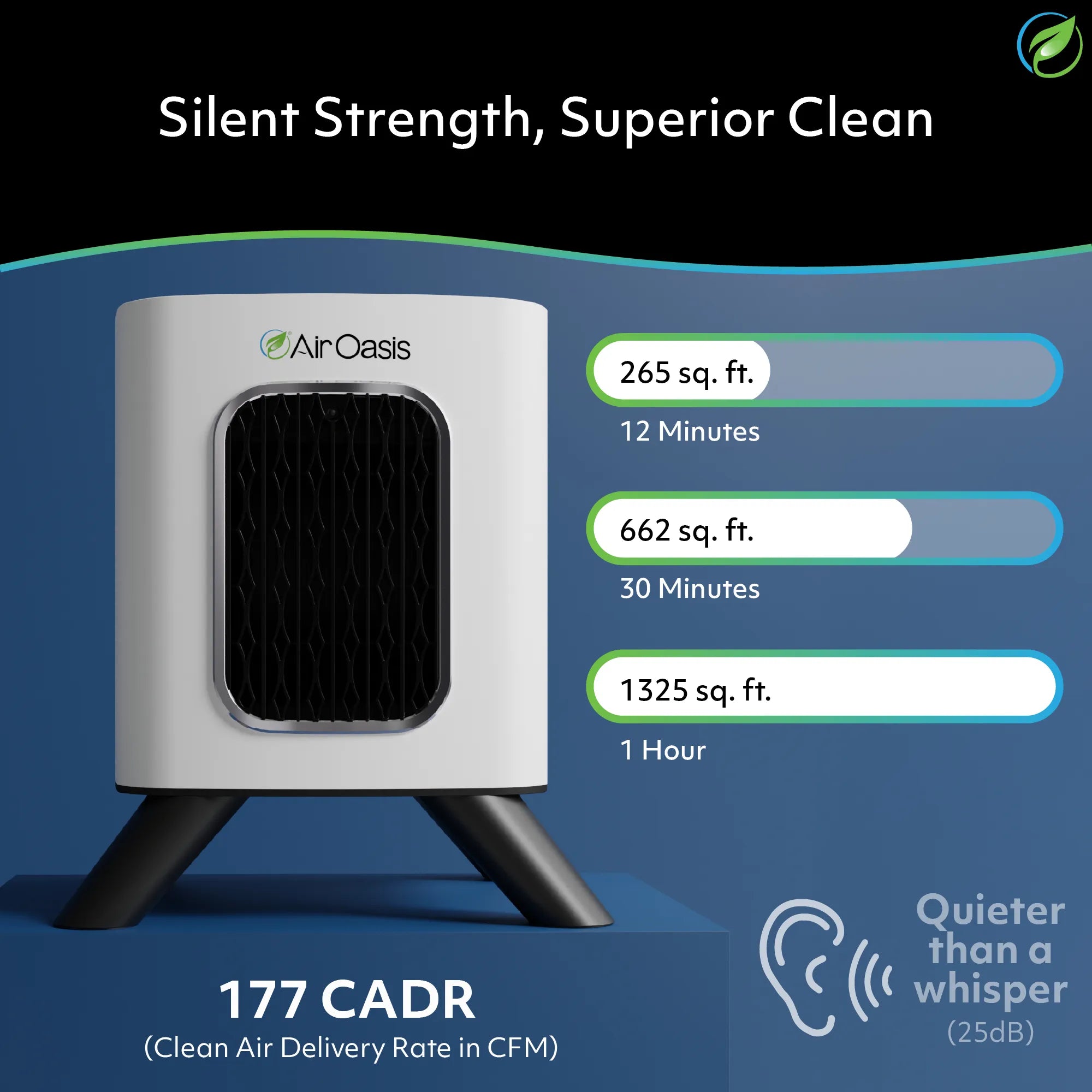
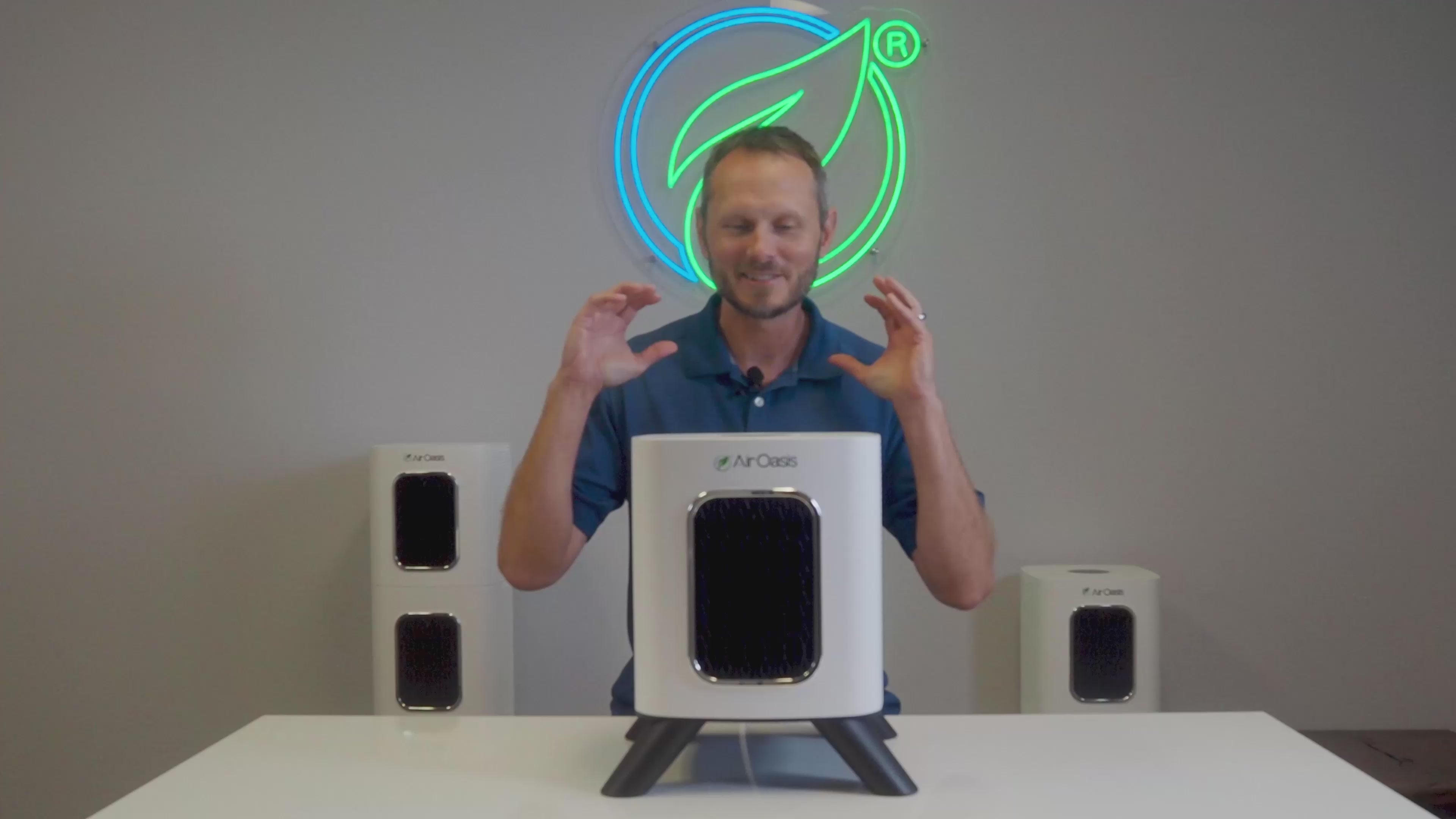
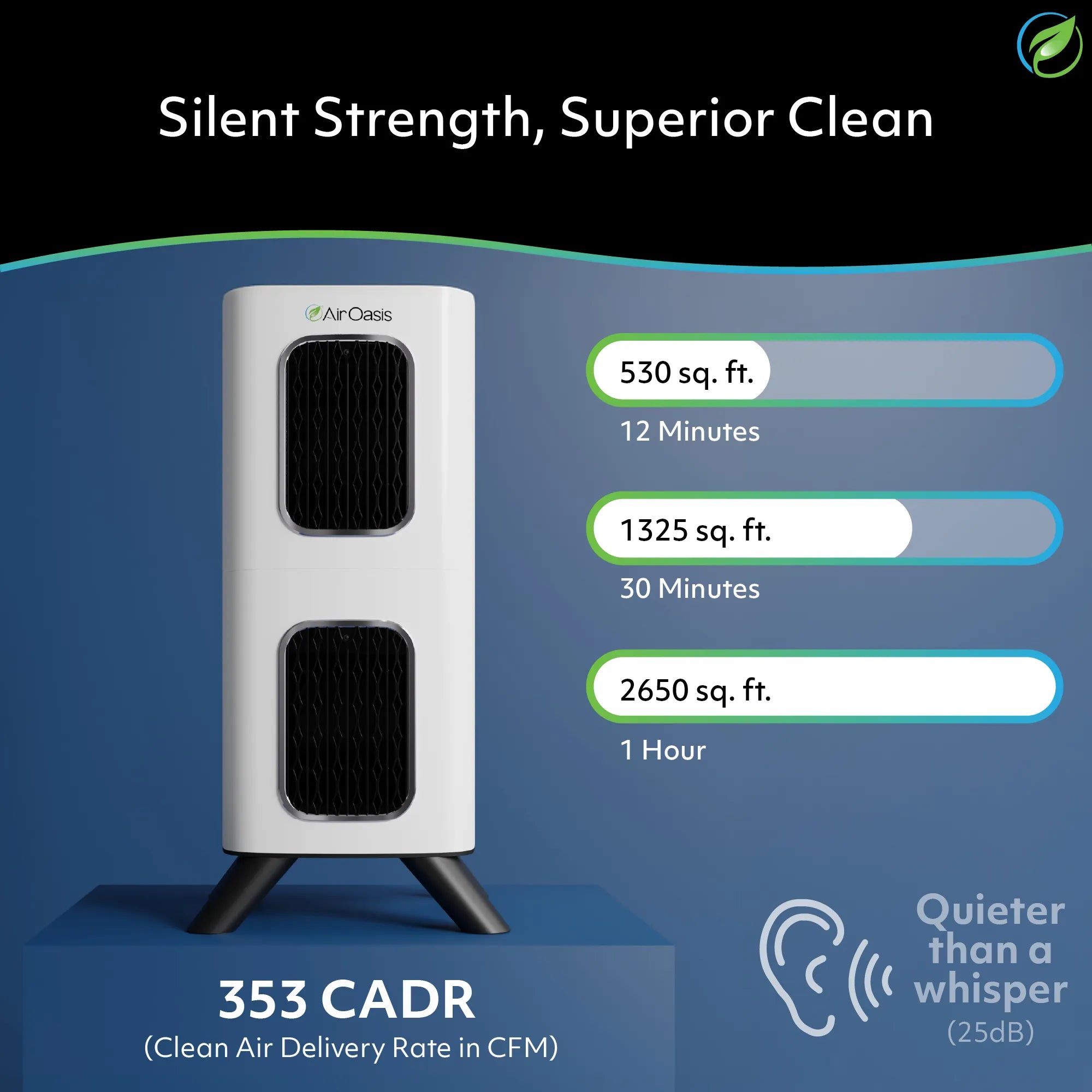
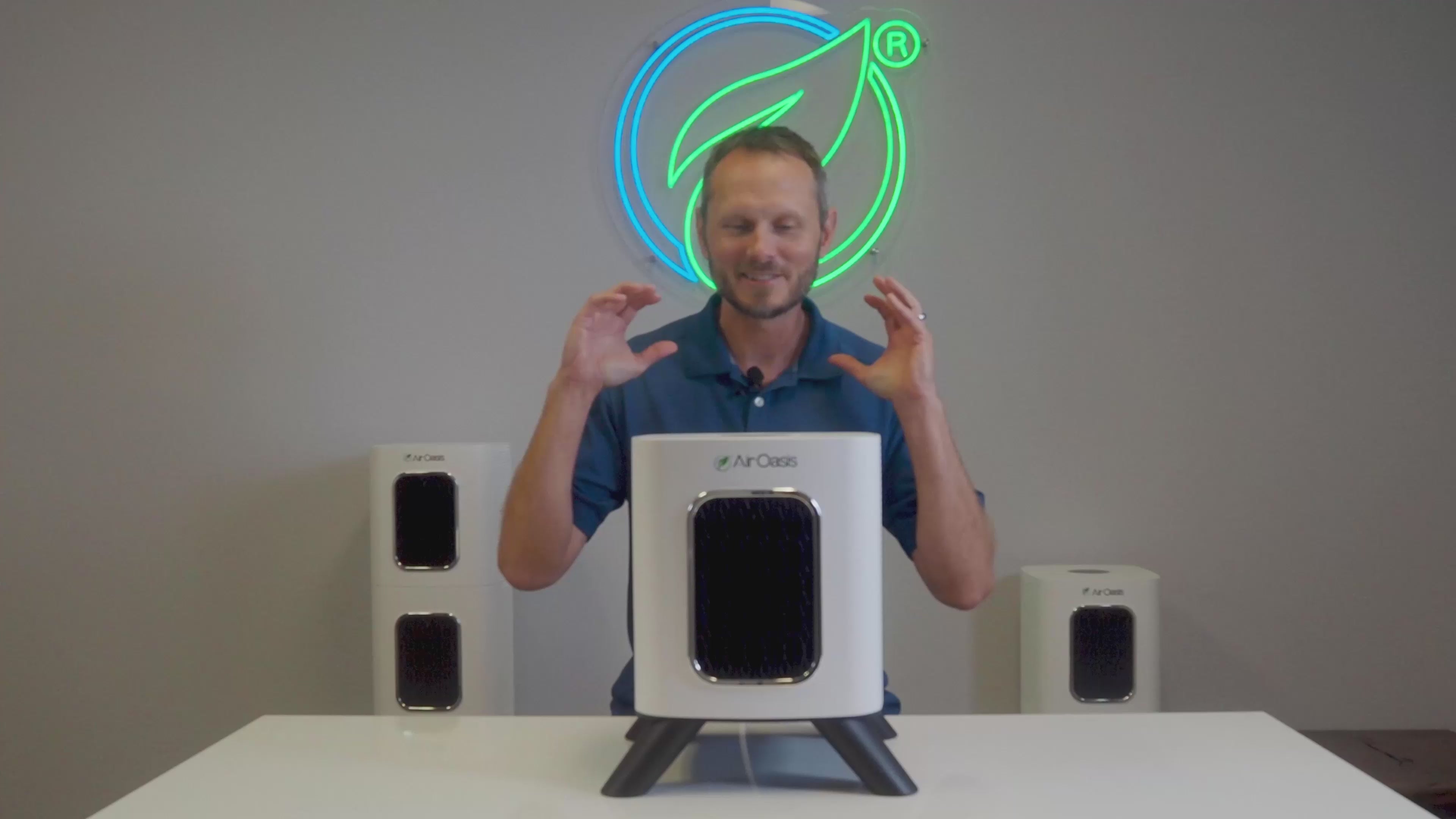
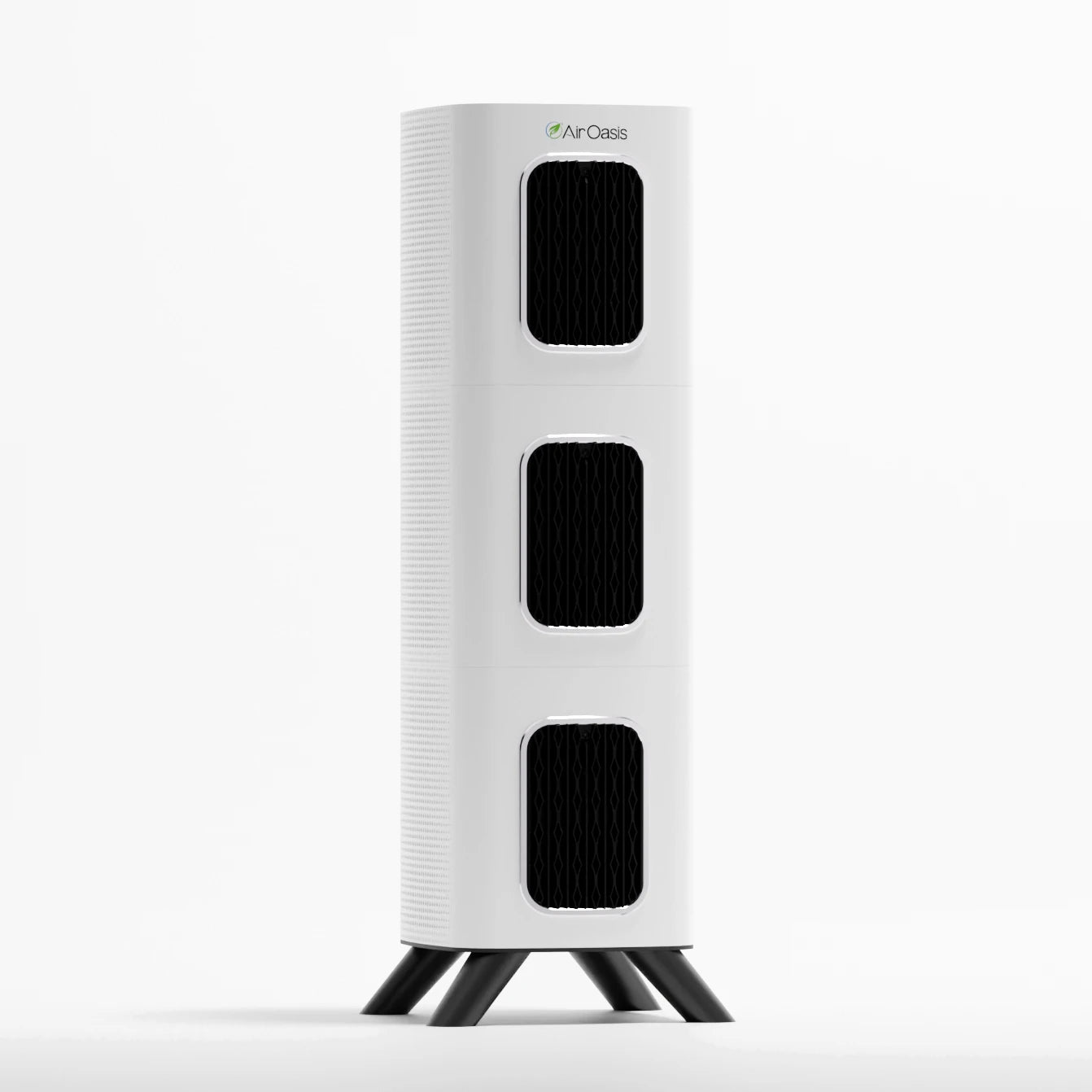
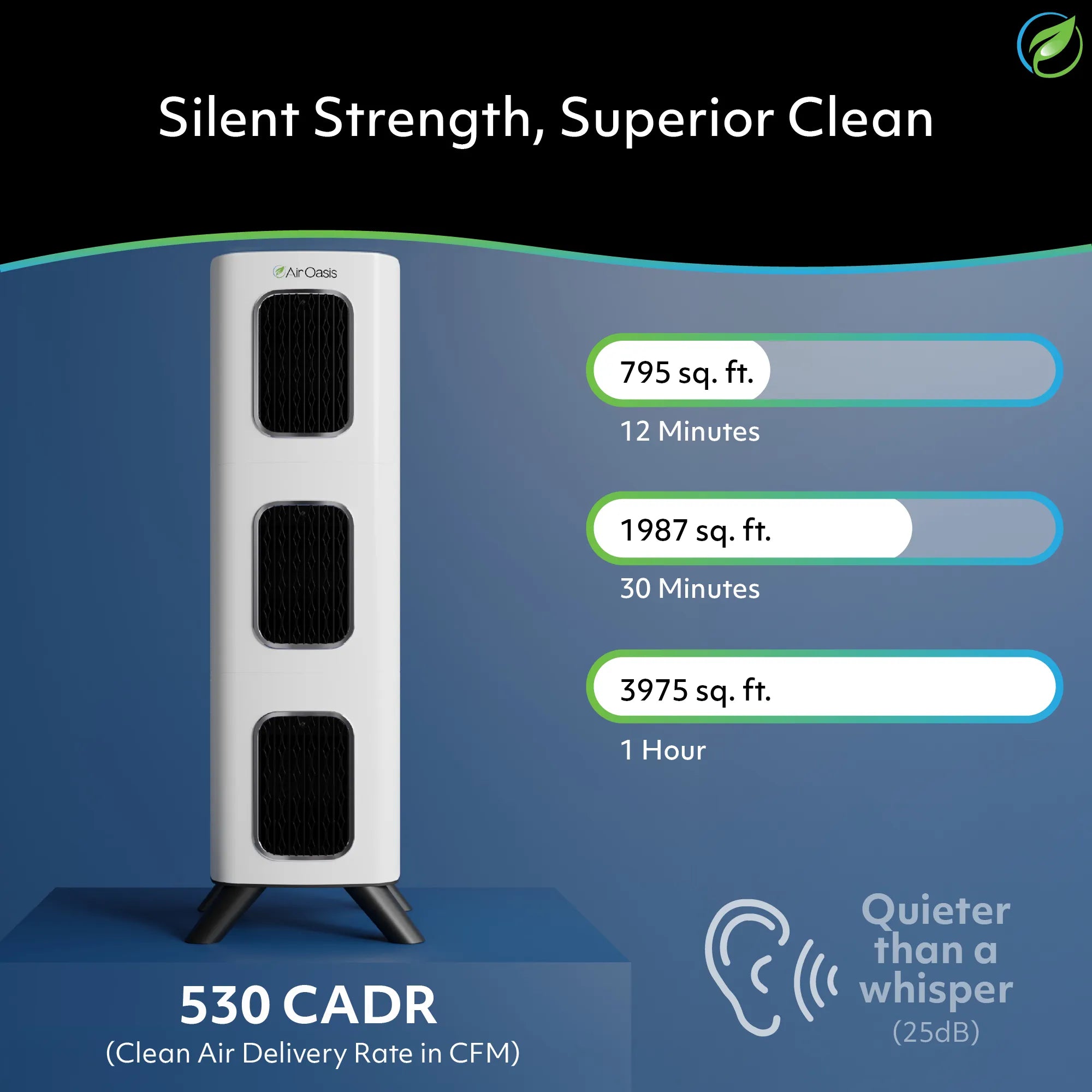
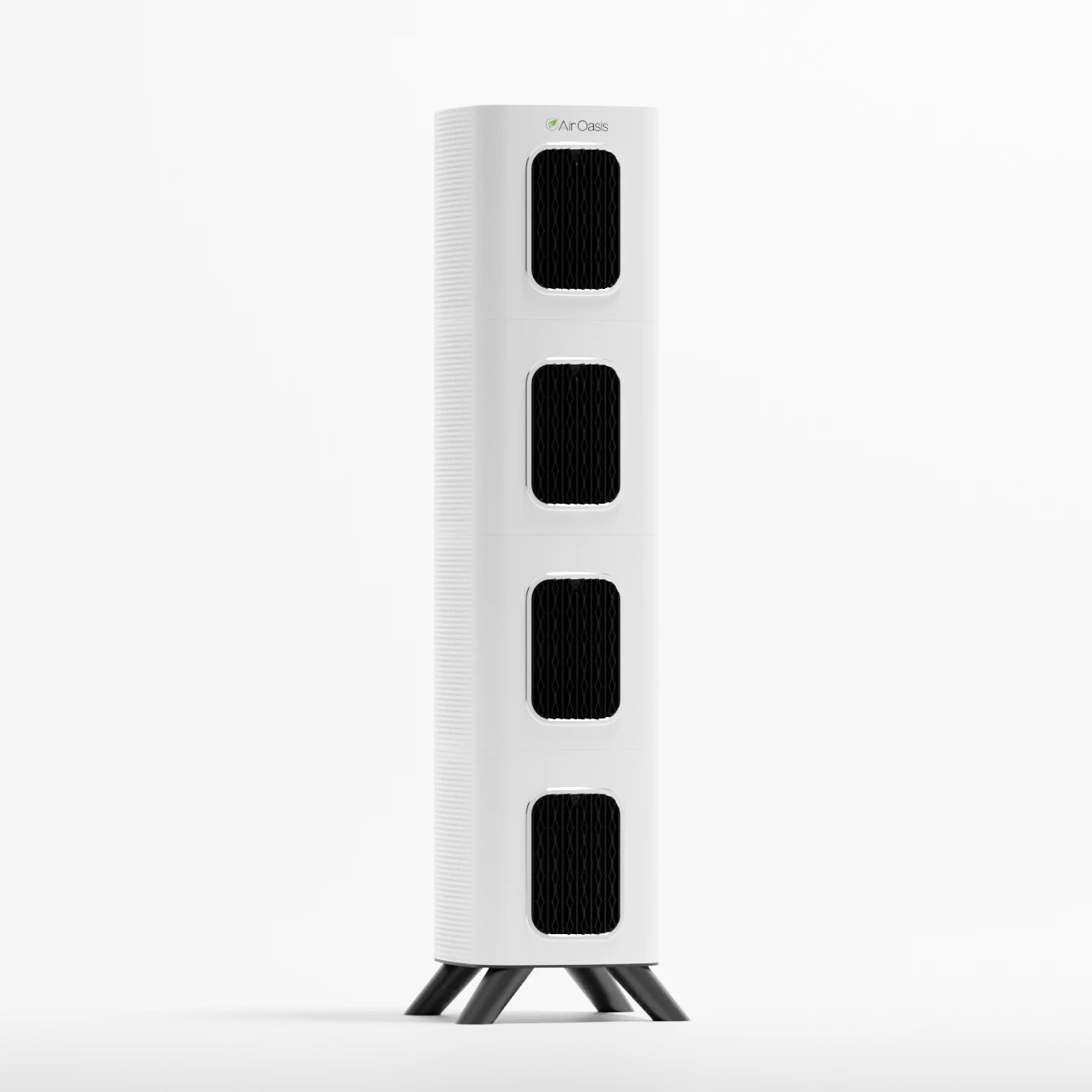
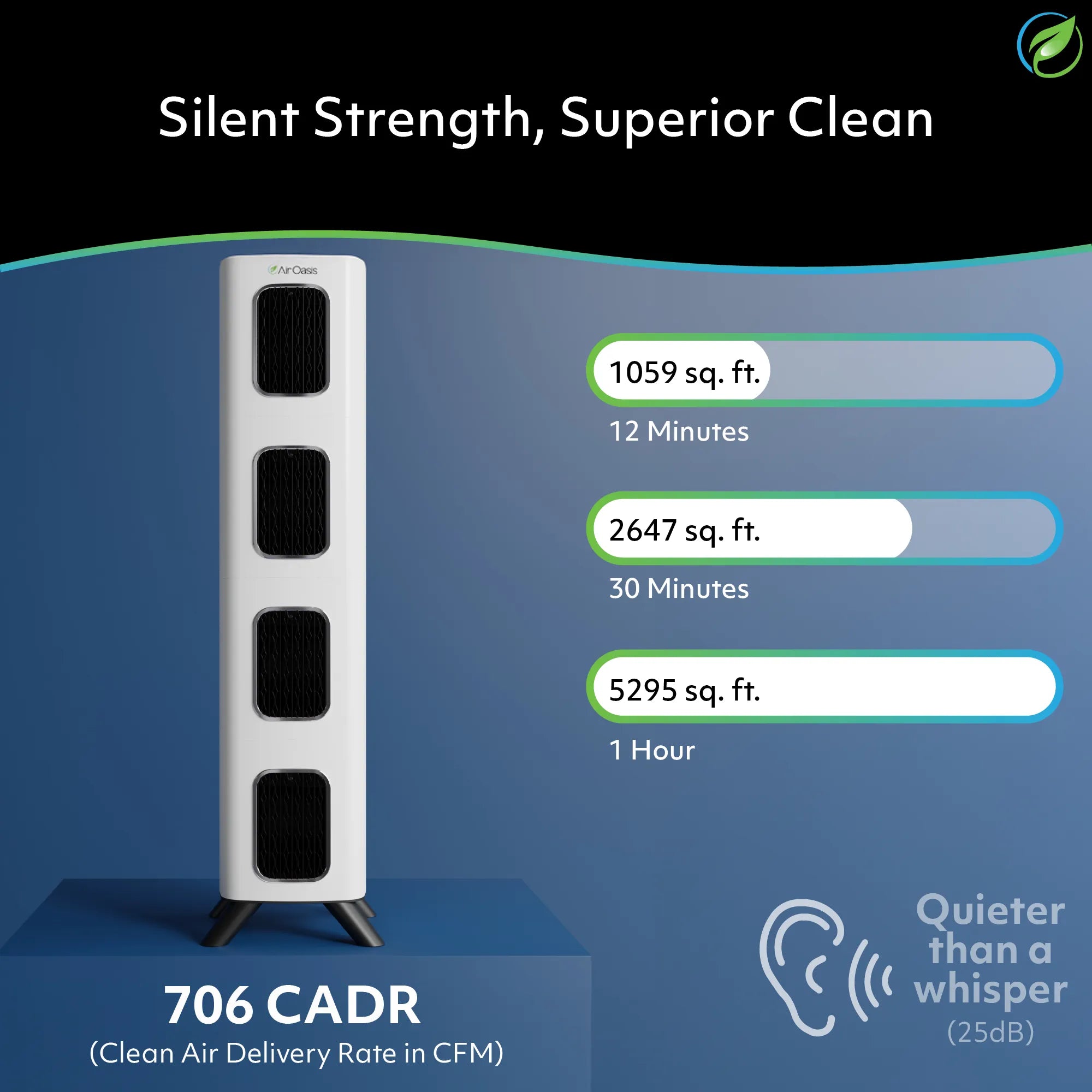
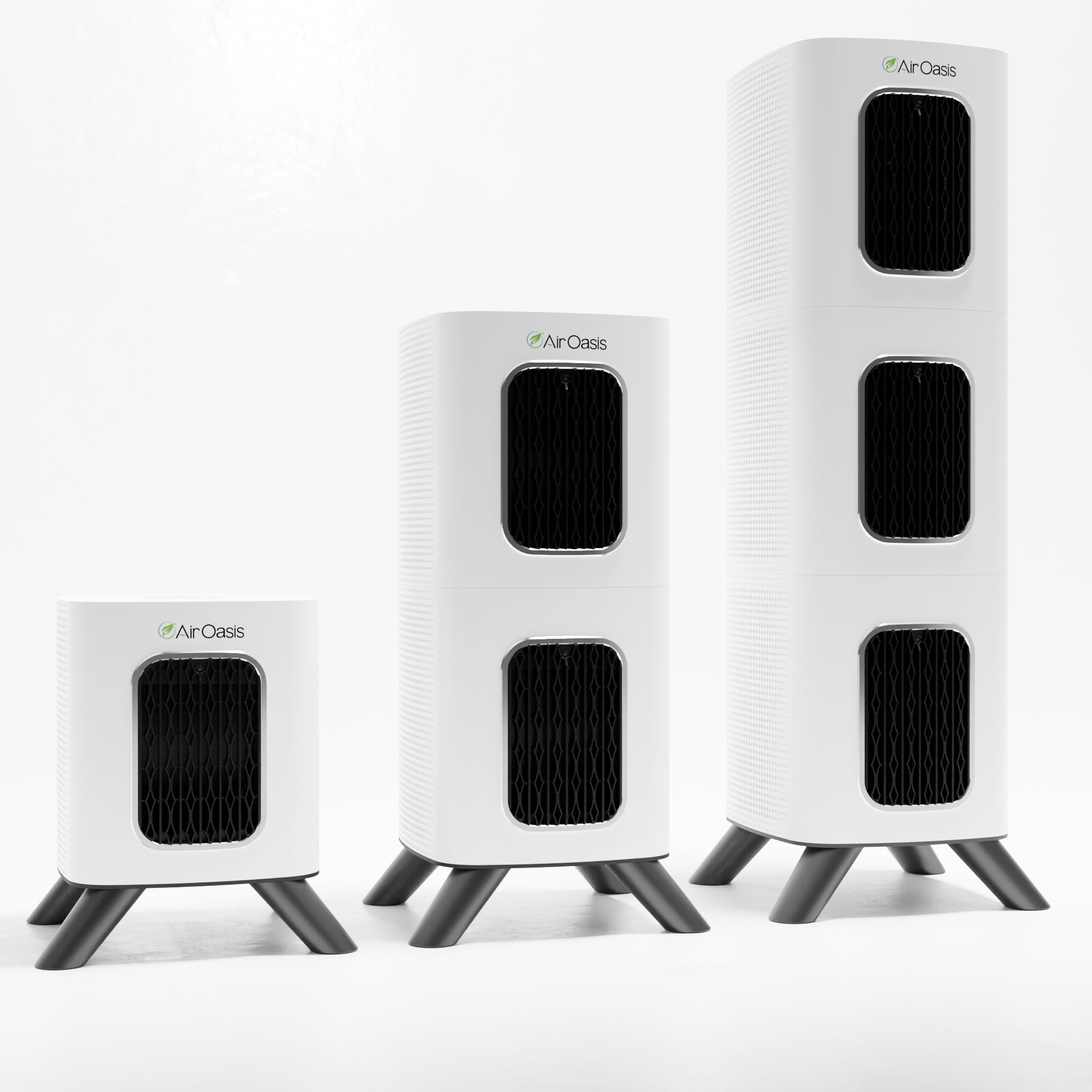
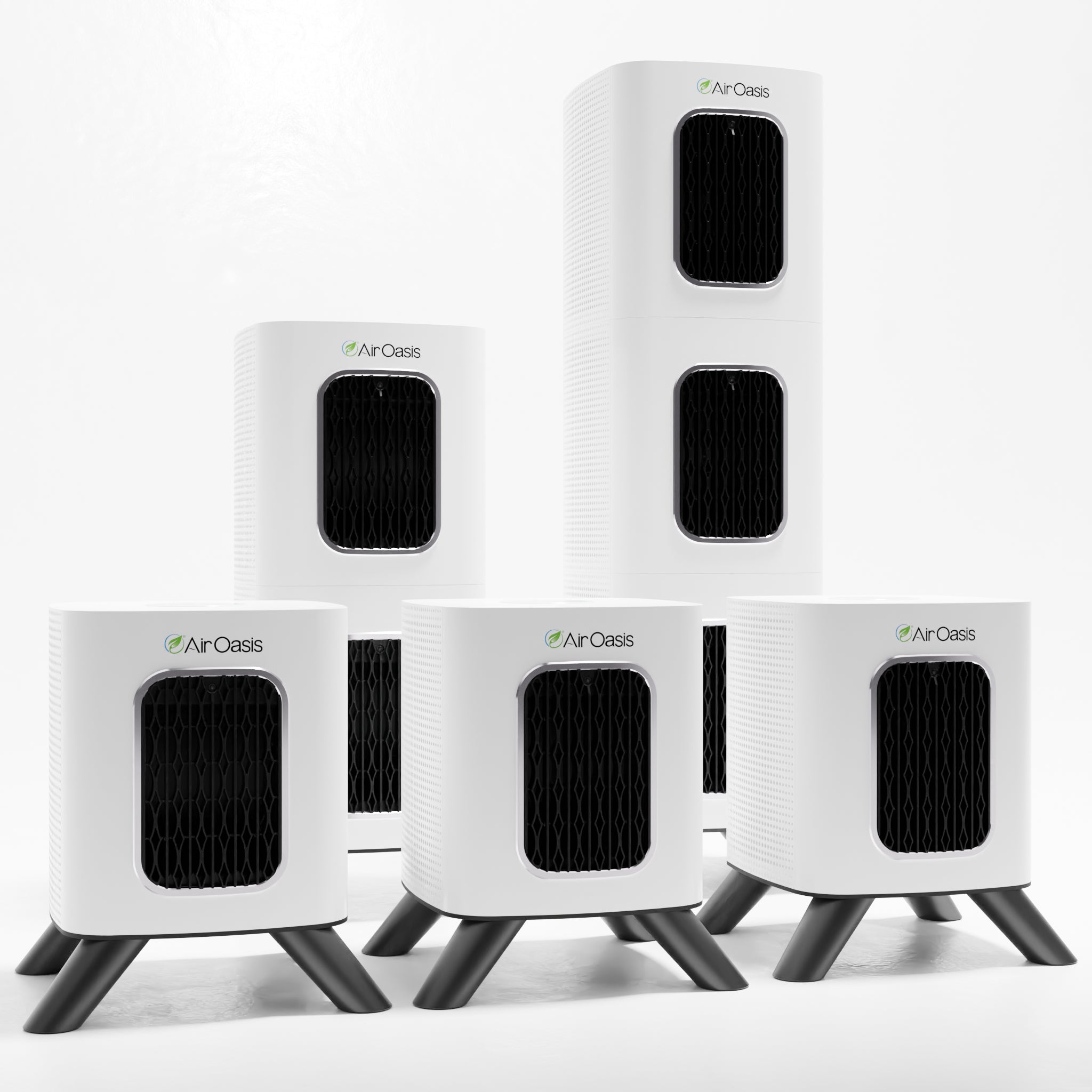
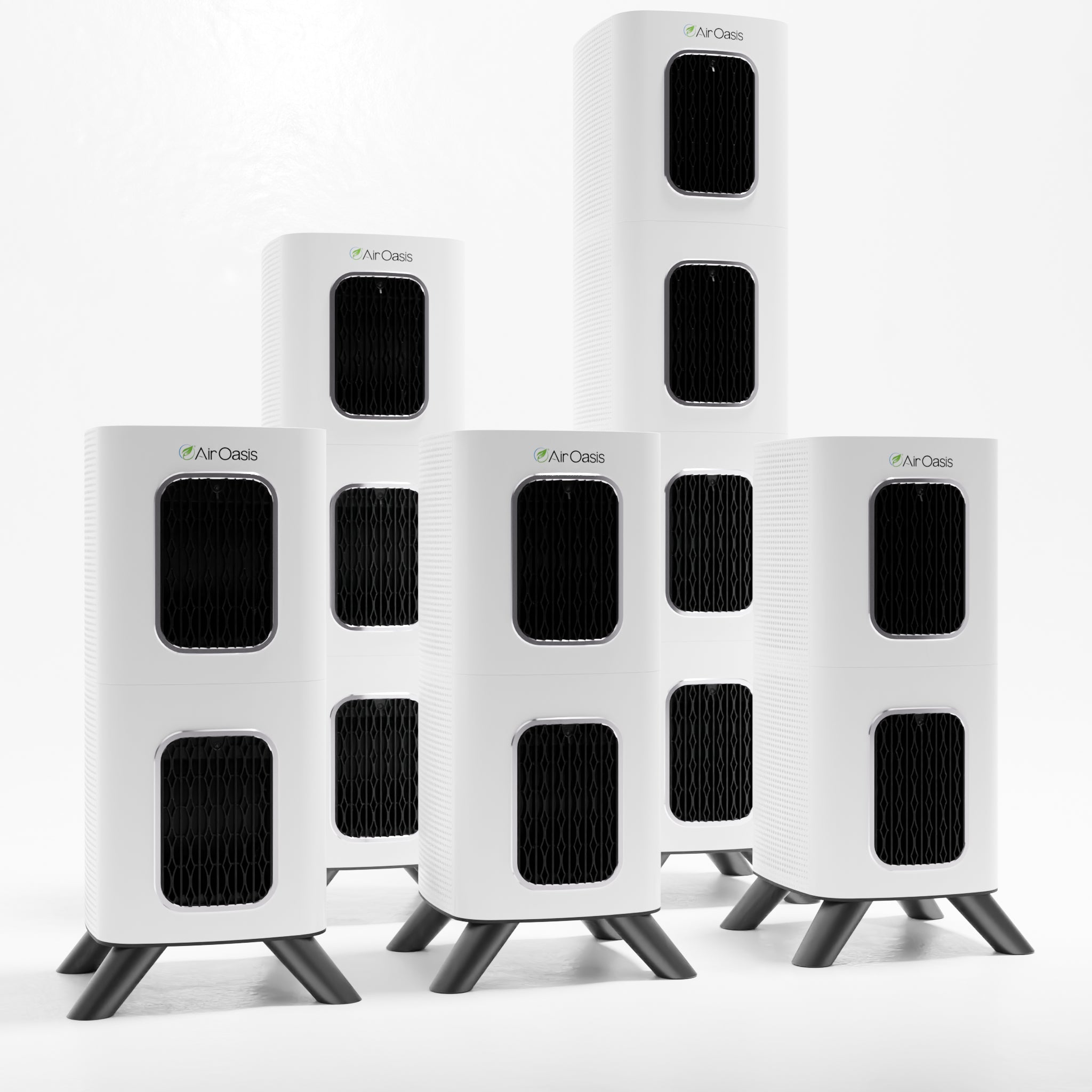
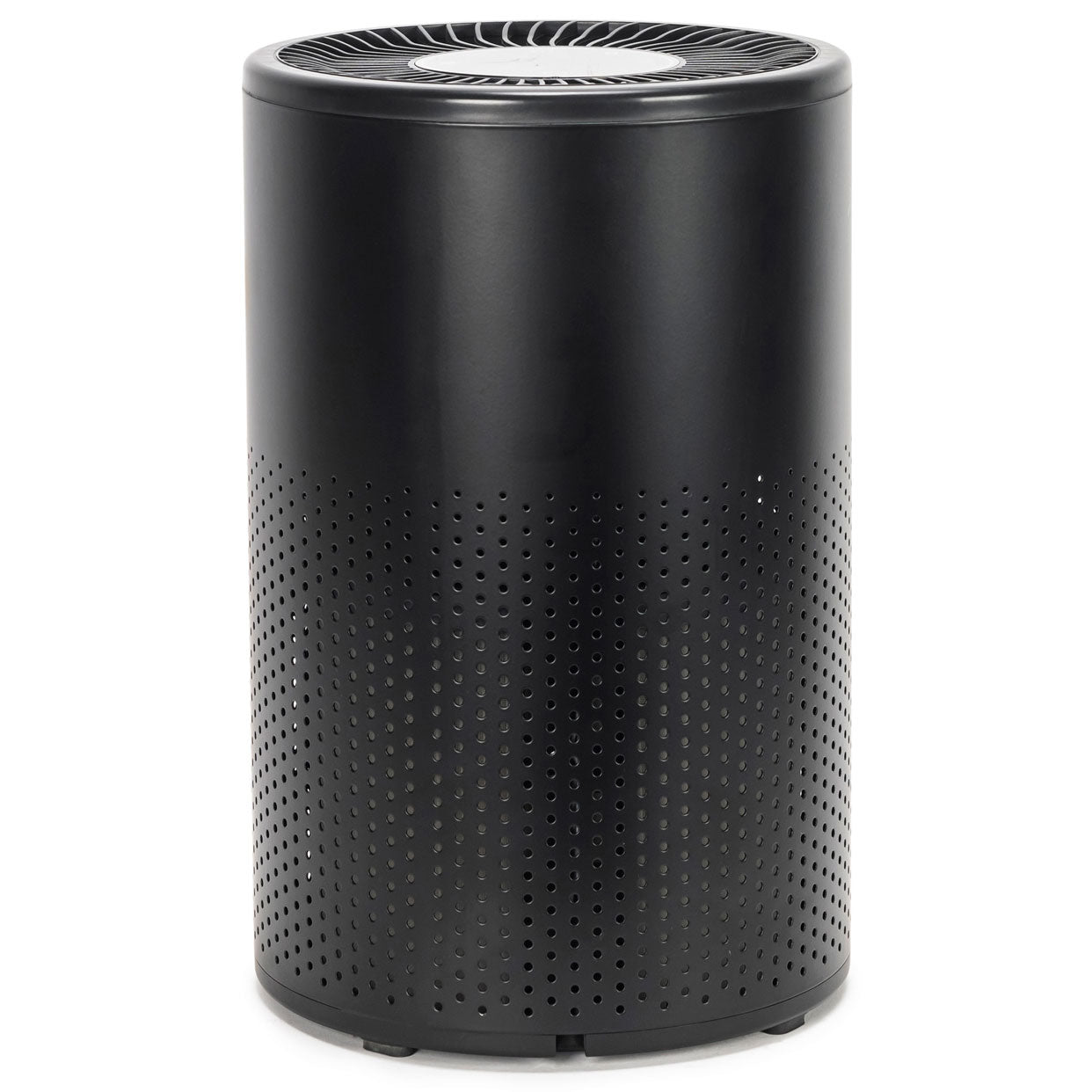
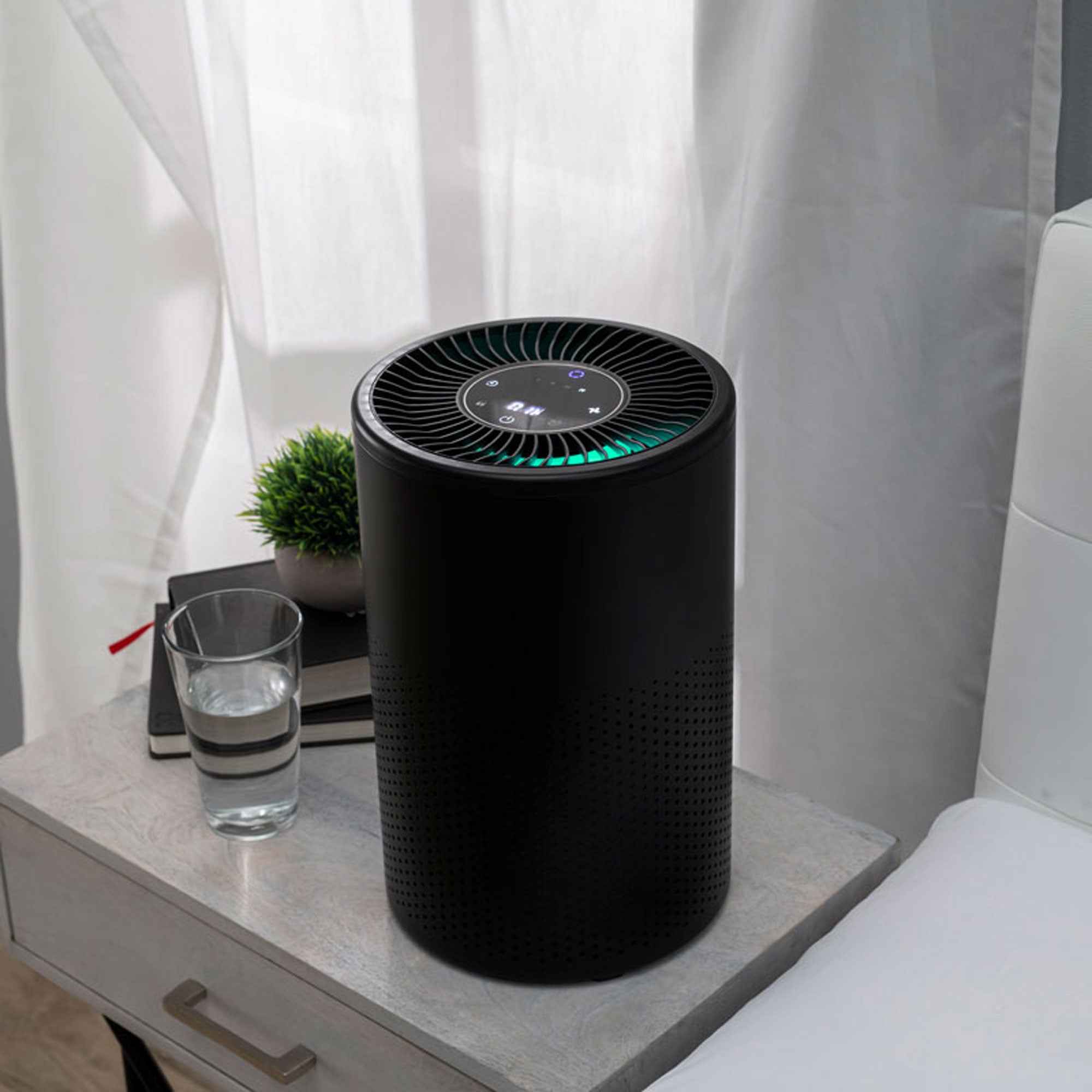
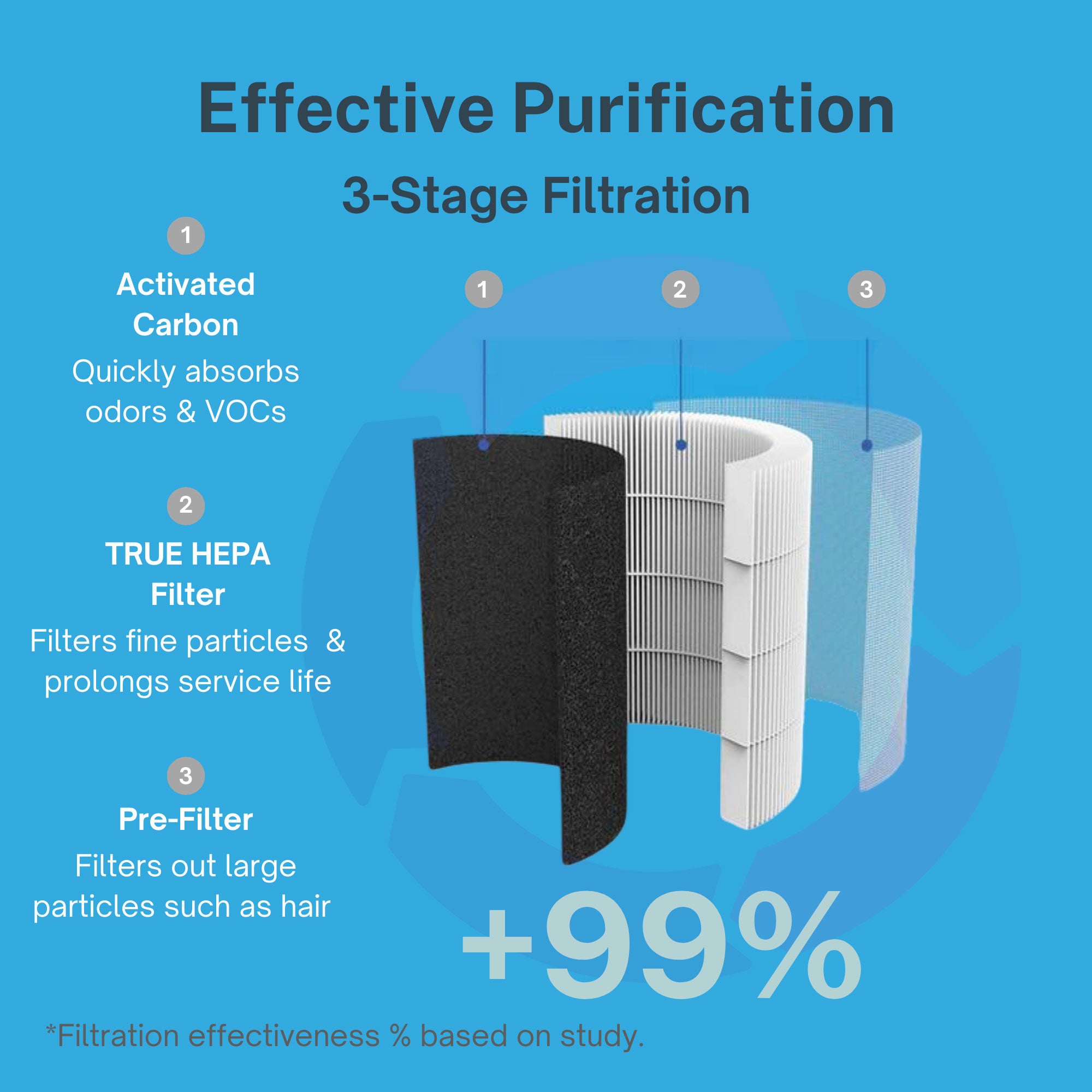
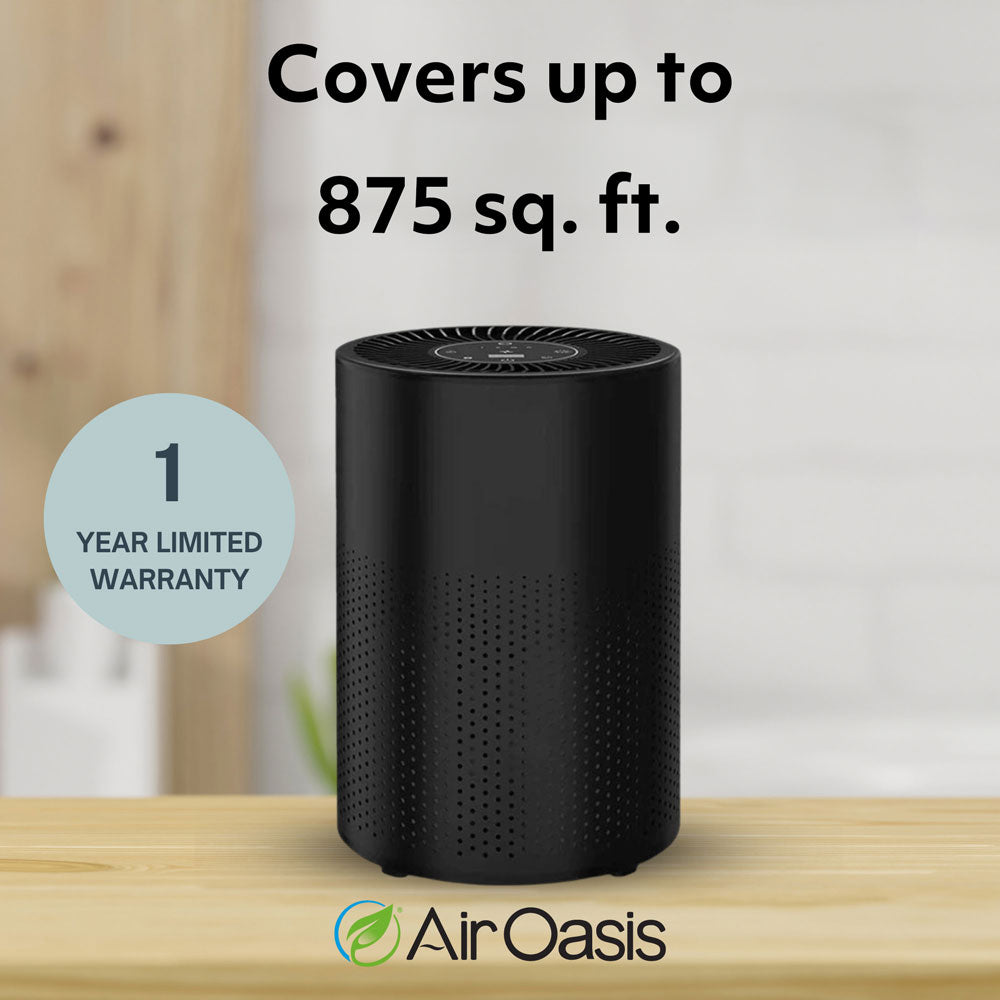
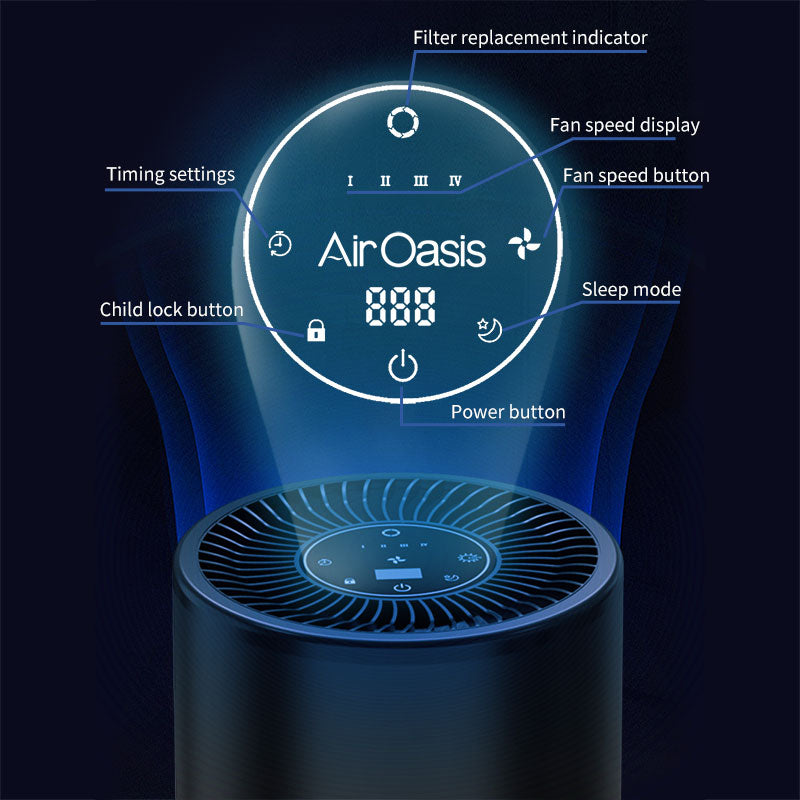
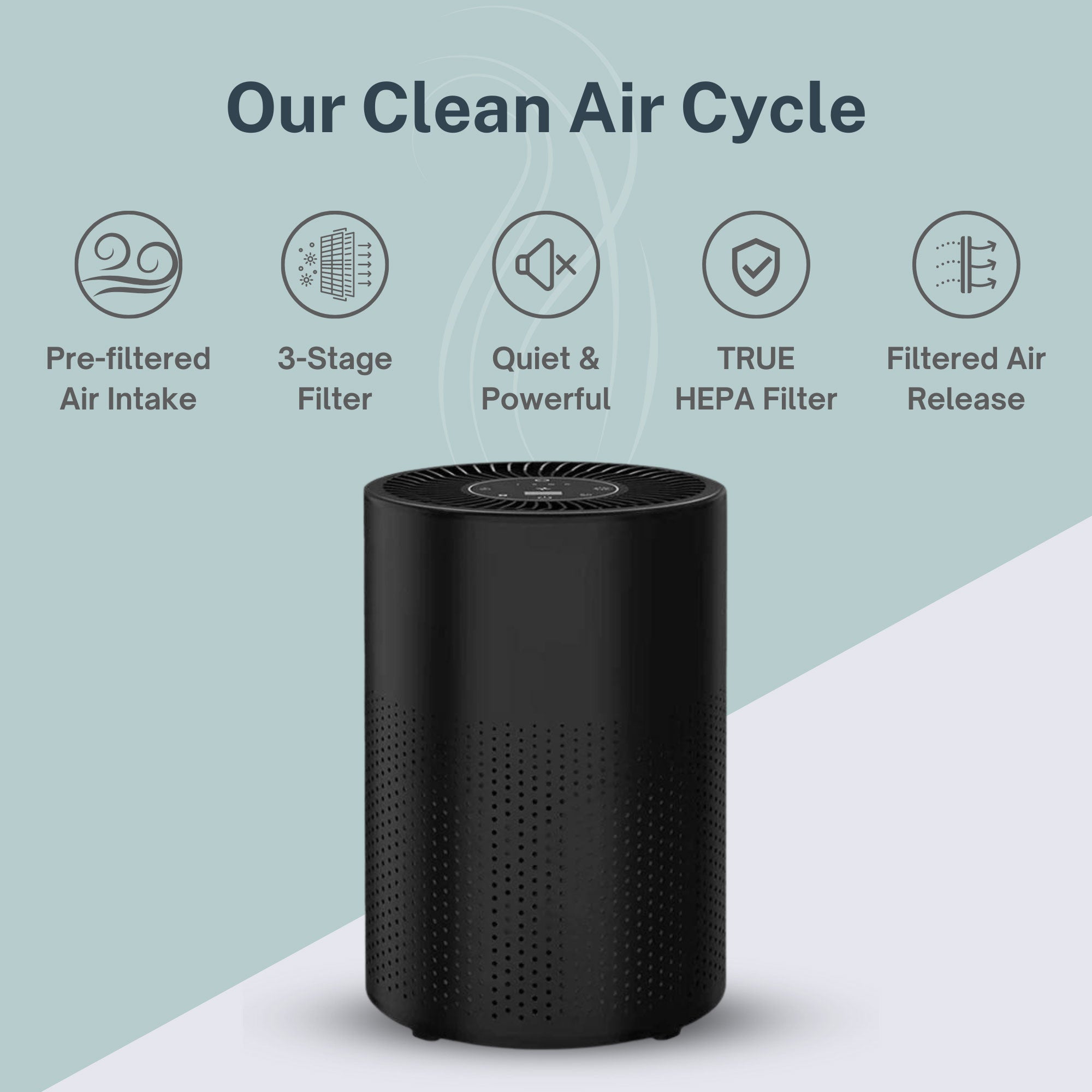
At the level of day-to-day air management, a quality air purifier with activated carbon filtration is an important tool. Activated carbon is specifically designed to adsorb VOCs — chemical gases, including the solvent compounds associated with dry cleaning — from indoor air. The iAdaptAir by Air Oasis combines activated carbon with True HEPA filtration, UV-C light, and bipolar ionization, providing multi-stage protection that addresses both particulate contaminants and chemical gases. It is CARB-certified ozone-free, making it safe for continuous operation in spaces where you spend extended time.
An air purifier is a meaningful protective measure, not a remediation solution. If vapor intrusion testing confirms elevated solvent levels in a building, the source contamination requires professional environmental remediation. But for people managing air quality in spaces near dry cleaning operations — particularly during the time it takes to investigate or remediate — active filtration provides real, practical protection for the air you and your family breathe every day. For more on how multi-technology air purification addresses chemical gases and VOCs, visit airoasis.com/blogs/articles/how-air-purifiers-work.
Your Neighborhood Air Is Worth Protecting
Dry cleaning contamination is one of the more widespread and underappreciated sources of neighborhood air quality concerns in the U.S. The chemistry involved is serious, the pathways into indoor air are well-established, and the legacy contamination at thousands of former and active dry-cleaning sites persists long after the machines are gone. Knowing the risks — and taking practical steps to protect the air inside your home or workplace — is entirely within your control. Shop Air Oasis today and breathe better, wherever you live.
Frequently Asked Questions About Dry Cleaning Air Pollution
Here's some additional info.
Can dry cleaning chemicals affect outdoor neighborhood air?
Yes. Perc and related solvents are volatile organic compounds that evaporate readily and can travel beyond the property where they originate. They can contaminate ambient outdoor air near active or former dry cleaning facilities and enter buildings through a process called vapor intrusion.
What is vapor intrusion and should I be concerned?
Vapor intrusion occurs when chemical solvents in contaminated soil or groundwater volatilize and migrate upward into buildings through foundation cracks, pipe gaps, and porous materials. It's invisible and odorless at typical exposure levels. People in buildings adjacent to or above former dry cleaning sites are most at risk.
Can an air purifier help with dry cleaning chemical exposure?
An air purifier with activated carbon filtration can adsorb VOCs, including dry cleaning solvents, from indoor air, providing meaningful day-to-day protection. However, it is not a substitute for professional vapor intrusion testing or environmental remediation if contamination is confirmed in your building.
How do I know if a nearby dry cleaner is affecting my air quality?
Professional indoor air quality testing for VOCs, particularly perc and TCE, is the only reliable way to know. If symptoms like persistent headaches, dizziness, or respiratory irritation consistently improve when you leave a particular building, that pattern warrants investigation.