Biohacking—making deliberate, incremental changes to your lifestyle and environment to improve how you feel and function—tends to focus on diet, sleep, and exercise. Indoor air quality is less often part of the conversation, but it probably should be. You breathe indoor air around the clock, and mold is one of the more common factors that degrade it.
Here's how air purification fits into a smarter approach to your home environment.
The Health Effects of Indoor Mold Exposure
Mold spores are present in most indoor environments at some level. When concentrations are elevated—due to active growth, water damage, or poor ventilation—exposure can contribute to a range of symptoms in sensitive individuals.
Common symptoms associated with mold exposure include:
- Sneezing and runny or stuffy nose
- Coughing and throat irritation
- Irritated or watery eyes
- Congestion
- Skin irritation
For people with asthma, mold spores can exacerbate breathing difficulties. Those with mold allergies may also face a higher likelihood of developing asthma over time with repeated exposure.
Beyond allergic responses, mold exposure has been associated with respiratory infections, headaches, and lung inflammation in some individuals. Toxic varieties like black mold have been linked to more serious effects with significant or prolonged exposure—though individual responses vary considerably depending on sensitivity, exposure level, and the specific mold involved.
Damp areas of the home—basements, bathrooms, attics—provide the conditions mold needs to grow. Leaky roofs, plumbing issues, and poor ventilation are common contributors. Addressing moisture at the source is the most important step in managing mold.
How Air Purifiers Support Mold Management
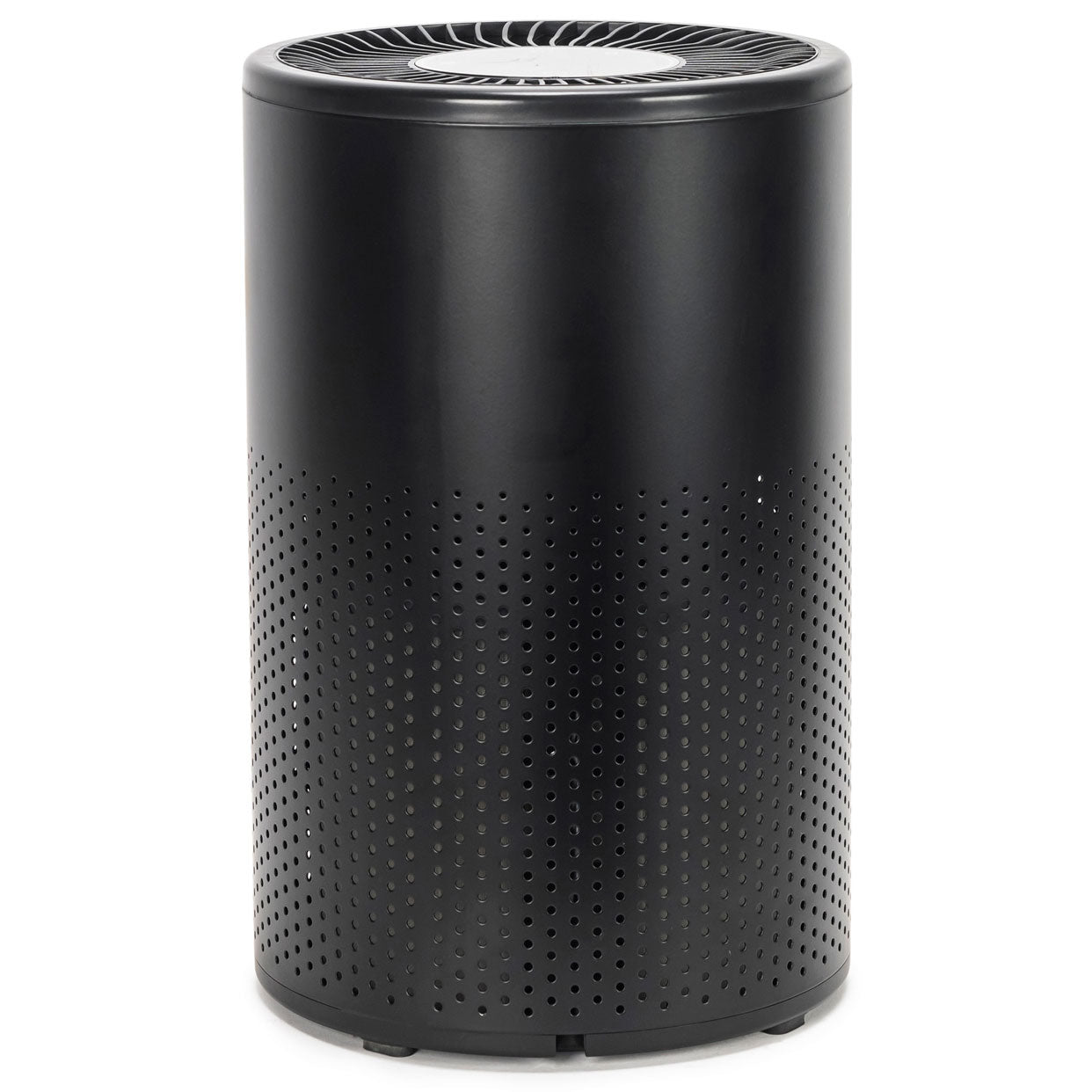
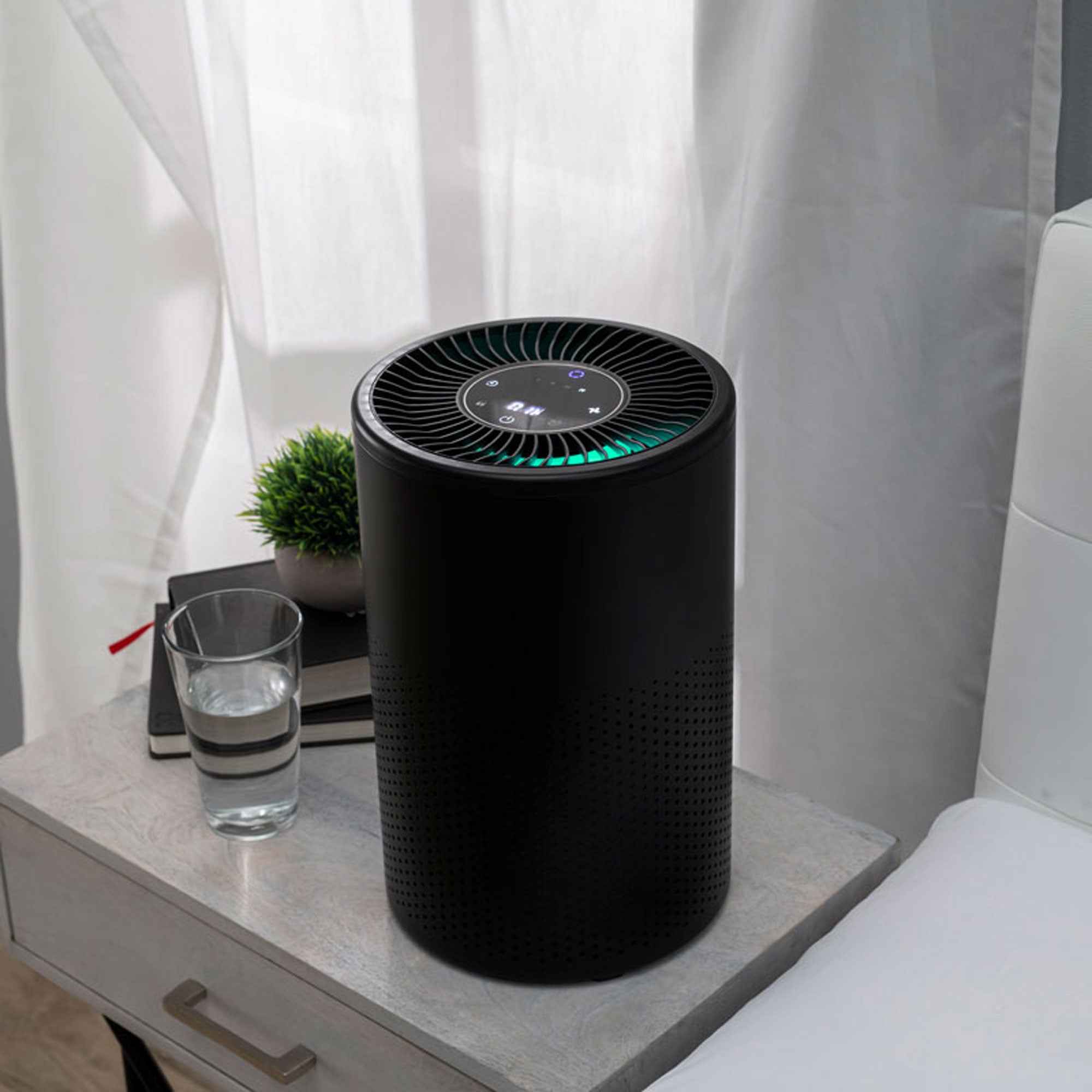
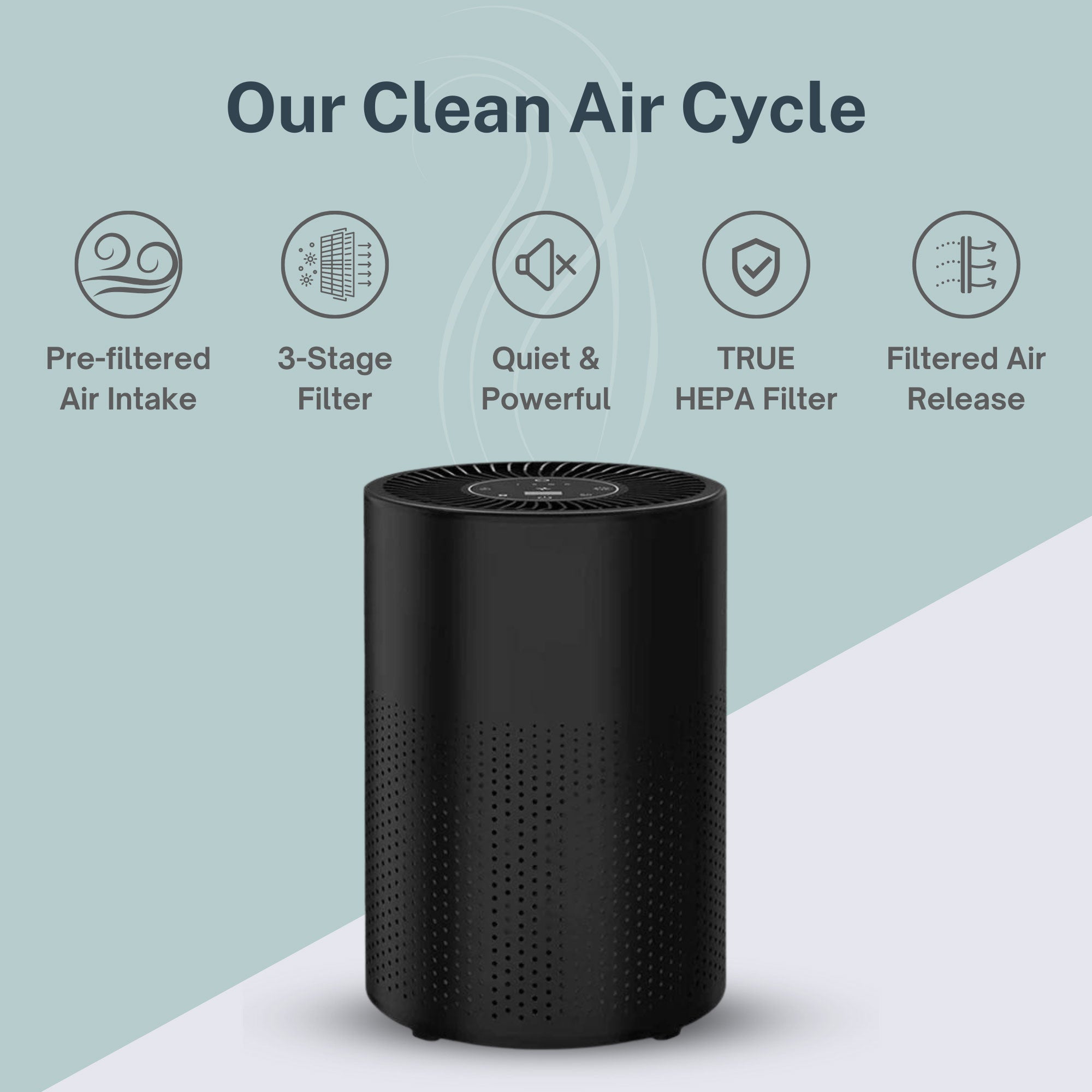
Air purifiers work by drawing air through filtration and purification systems that capture or neutralize airborne particles—including mold spores, mycotoxins, and mVOCs. Filtered air is then recirculated into the room.
For mold specifically, the most effective systems combine:
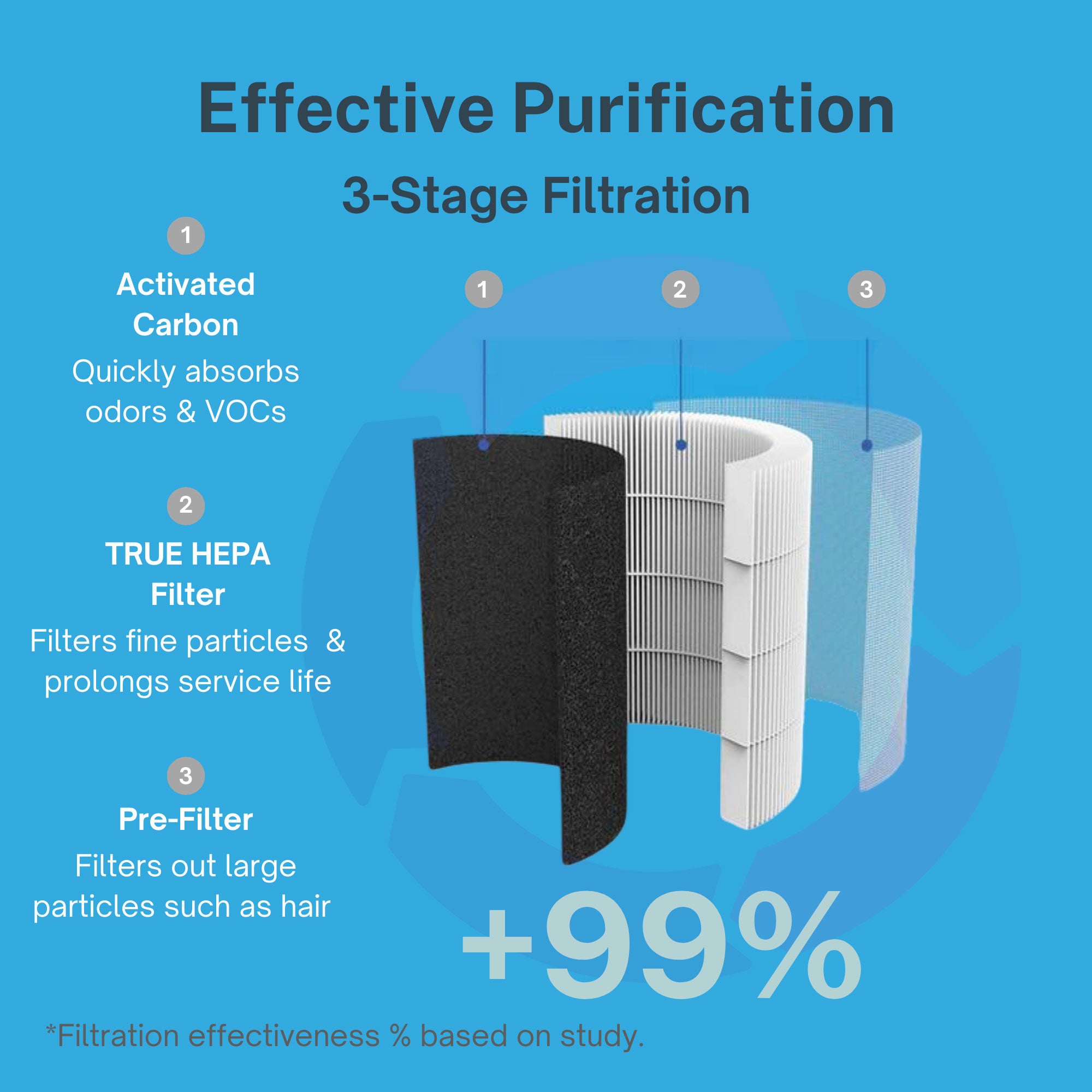
- True HEPA filtration — captures particles as small as 0.3 microns, including mold spores, actinobacteria, and beta-glucans
- Activated carbon filtration — adsorbs mVOCs and musty odors produced by mold growth
- Bi-polar ionization — causes airborne particles to cluster and drop out of circulation
- UV-C light — disrupts the cellular structure of mold, bacteria, and viruses
- Silver ion technology — provides ongoing antimicrobial protection
Running an air purifier continuously provides consistent filtration rather than periodic cleanup. It won't remediate an active mold source, but it meaningfully reduces what's circulating in your air while you address the underlying problem—and supports ongoing air quality after remediation is complete.
Biohacking Your Home Environment
An air purifier is one tool in a broader set of environmental changes worth making. A few others worth considering alongside it:
- Monitor humidity. Keep indoor relative humidity between 30–50%. A hygrometer is inexpensive and useful.
- Fix leaks promptly. Mold can begin growing within 24–48 hours on wet materials.
- Improve ventilation. Bathrooms, kitchens, and laundry areas benefit from active exhaust ventilation.
- Reduce clutter. Clutter traps dust and creates microclimates where mold can establish.
- Clean regularly with attention to moisture-prone surfaces.
These changes work together. Clean air, controlled humidity, and good ventilation create conditions in which mold is less likely to establish—and in which your respiratory system isn't working against constant low-level irritants.
Choosing the Right Air Purifier
A few practical considerations when evaluating options:
- Filtration system — True HEPA combined with activated carbon is the baseline for effective mold management
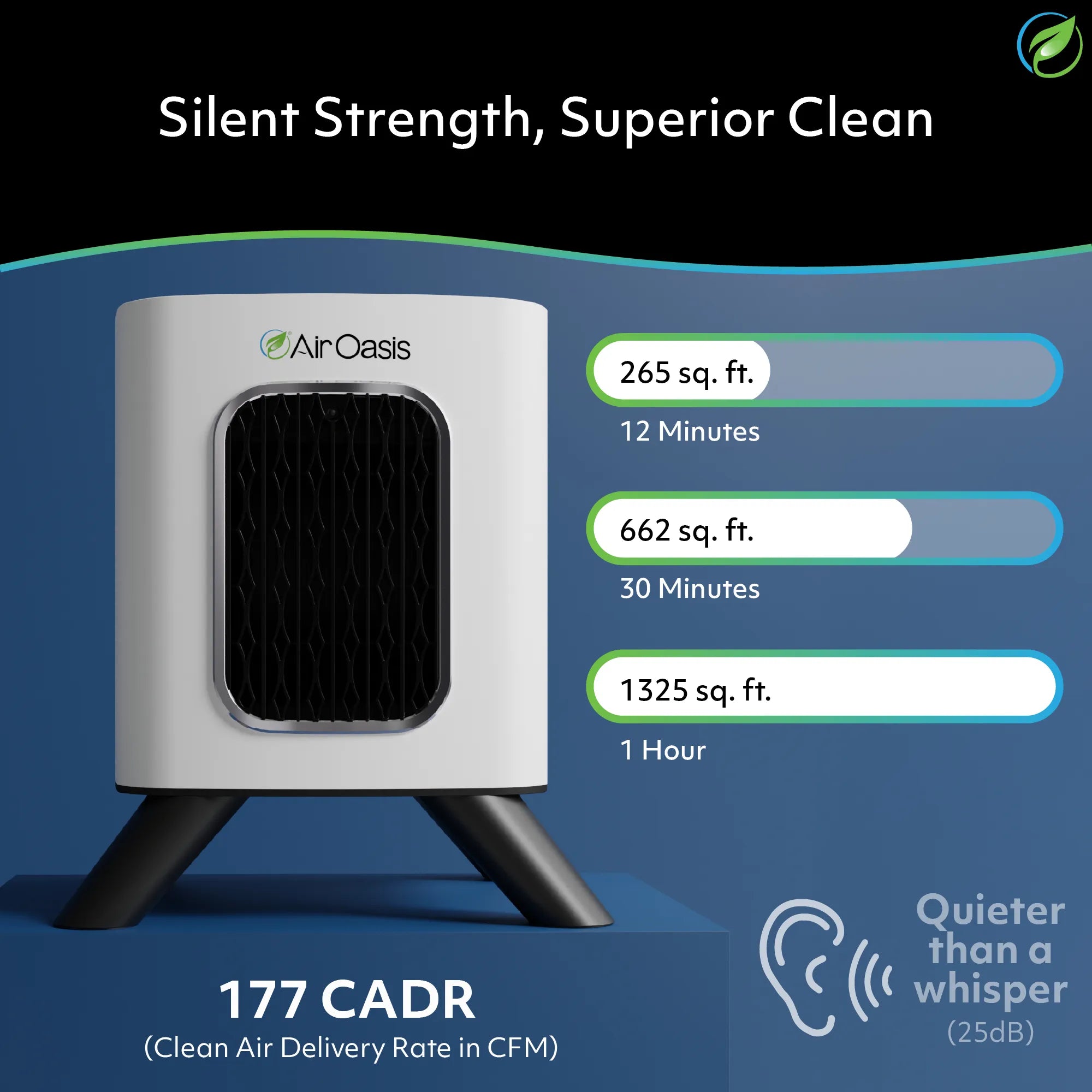
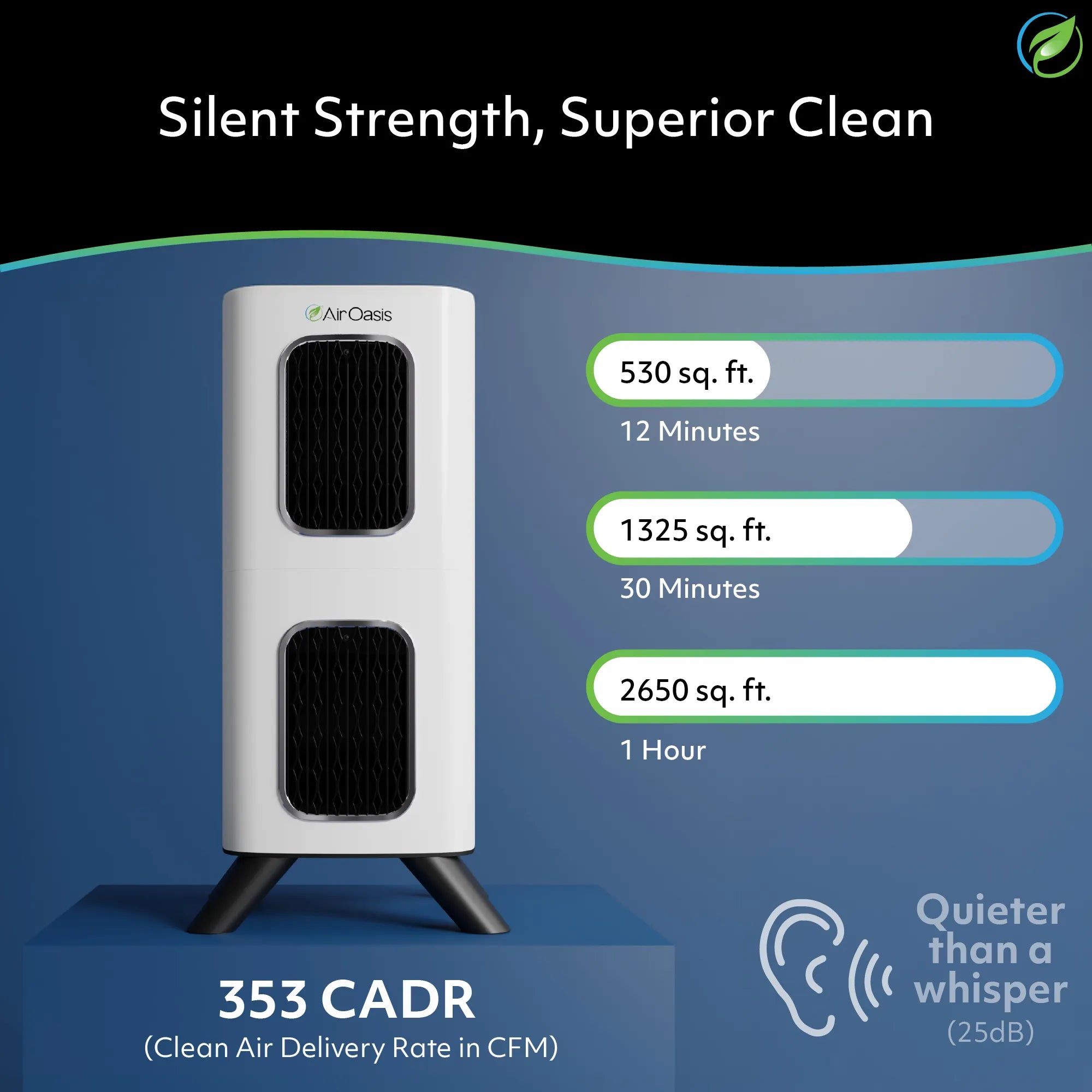
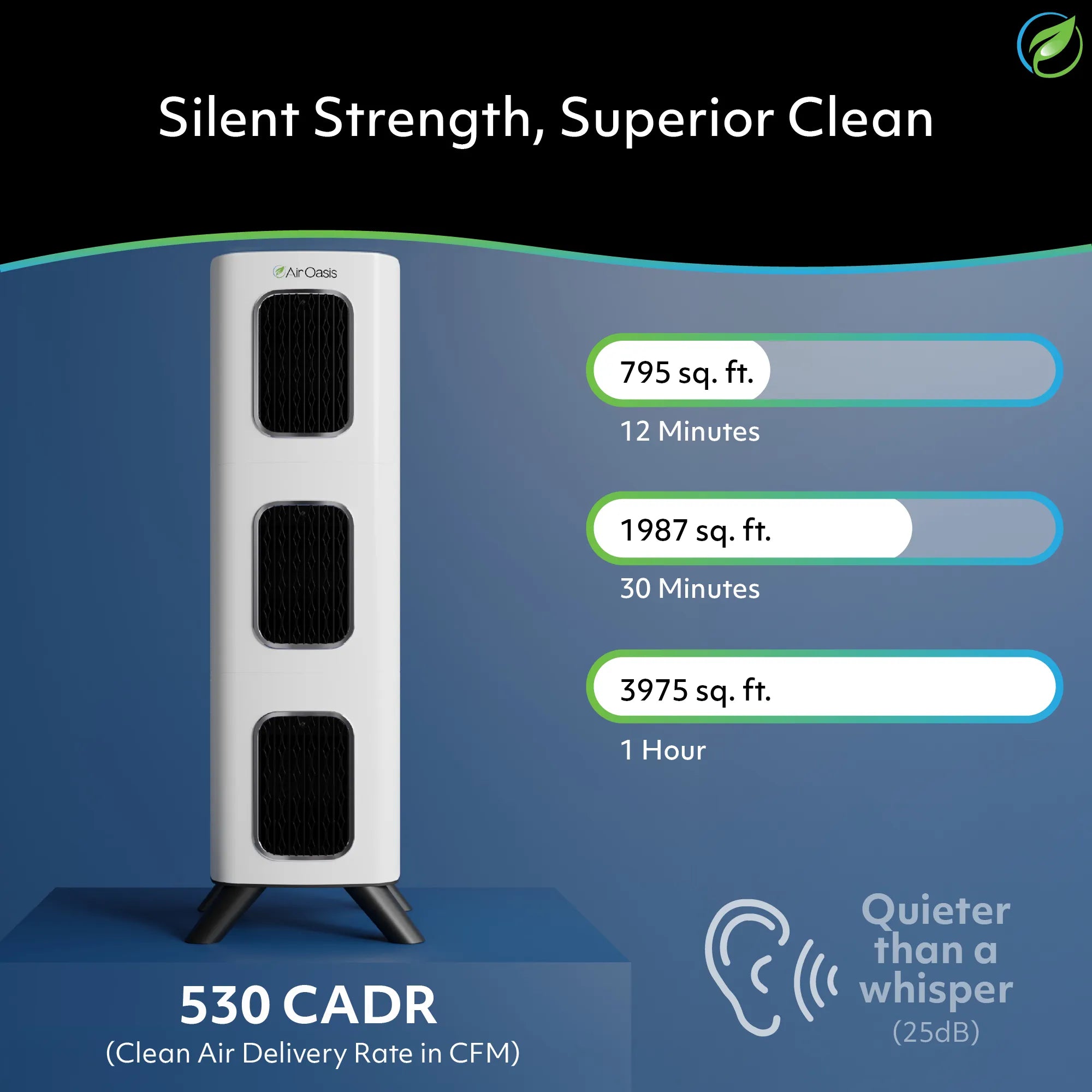
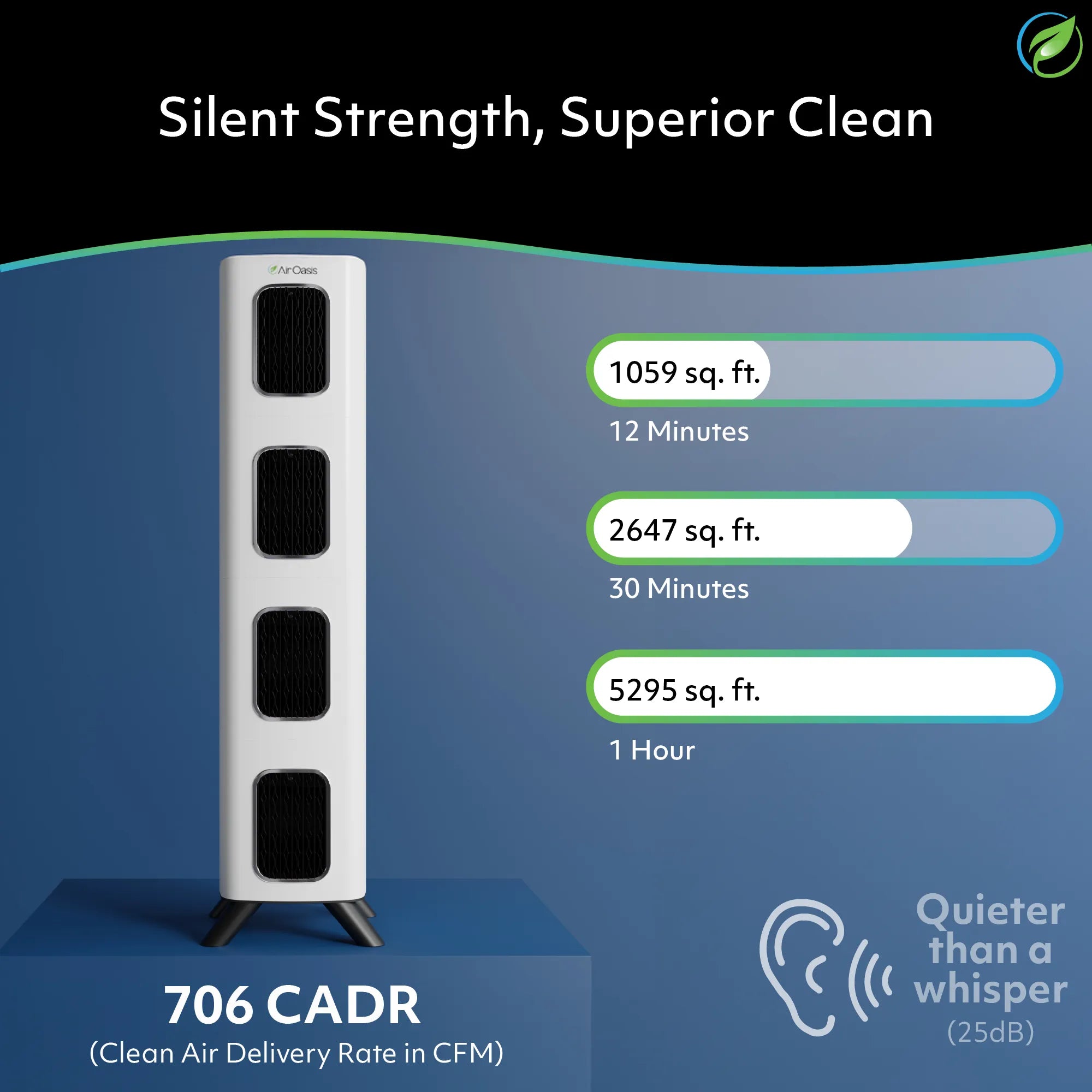
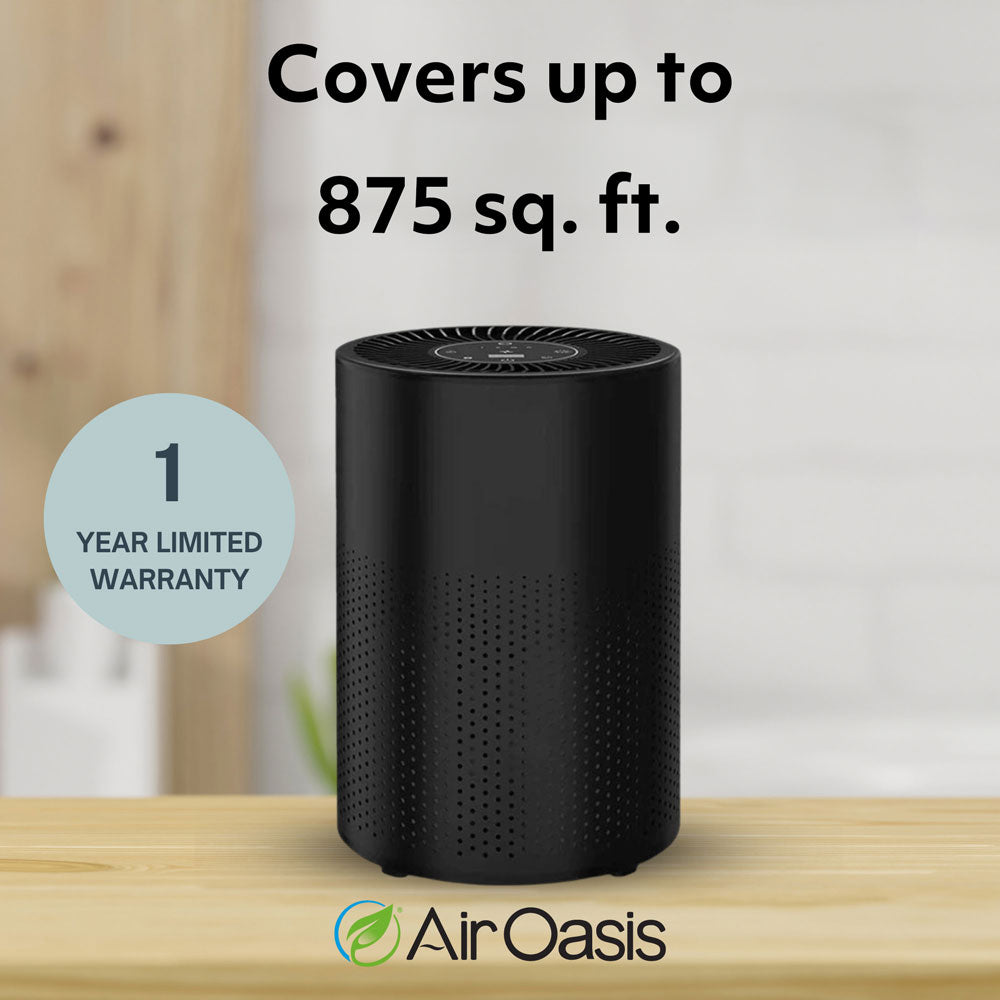
- Room coverage — Match the unit's rated coverage area to the rooms you want to treat
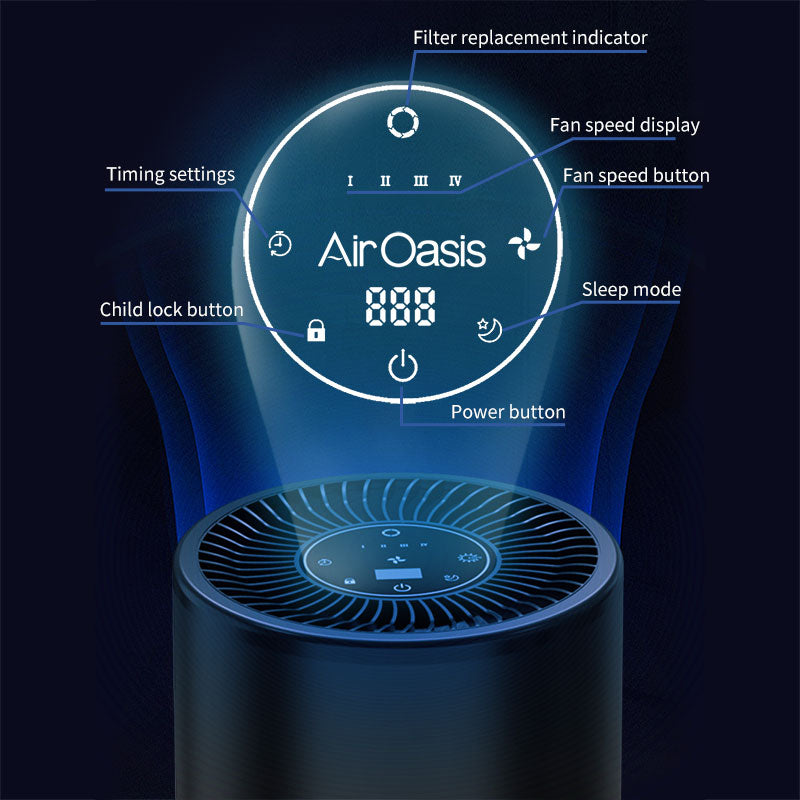
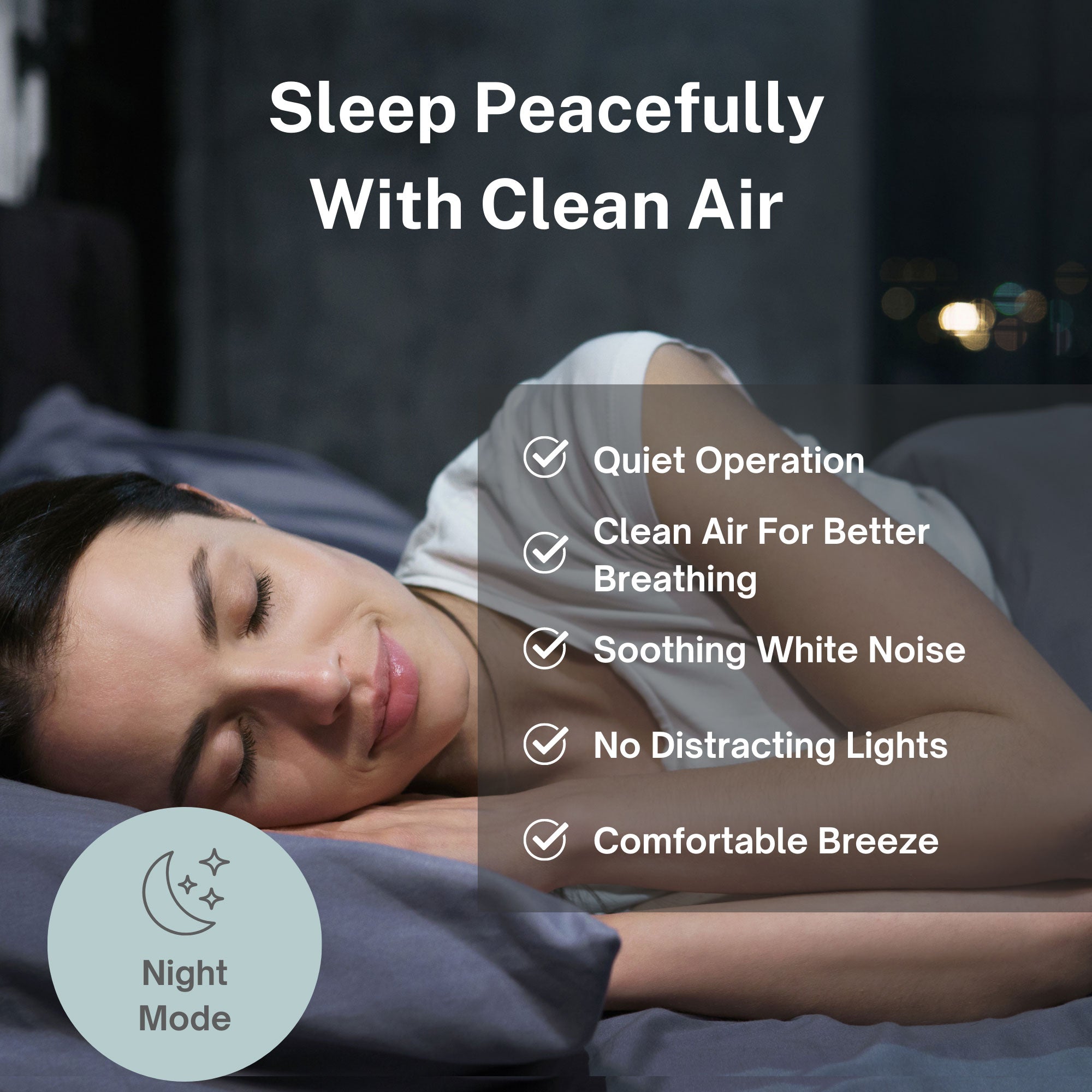
- Noise level — If you're running it continuously, including overnight, quiet operation matters
- Technology combination — Single-technology units are more limited; multi-technology systems offer broader coverage
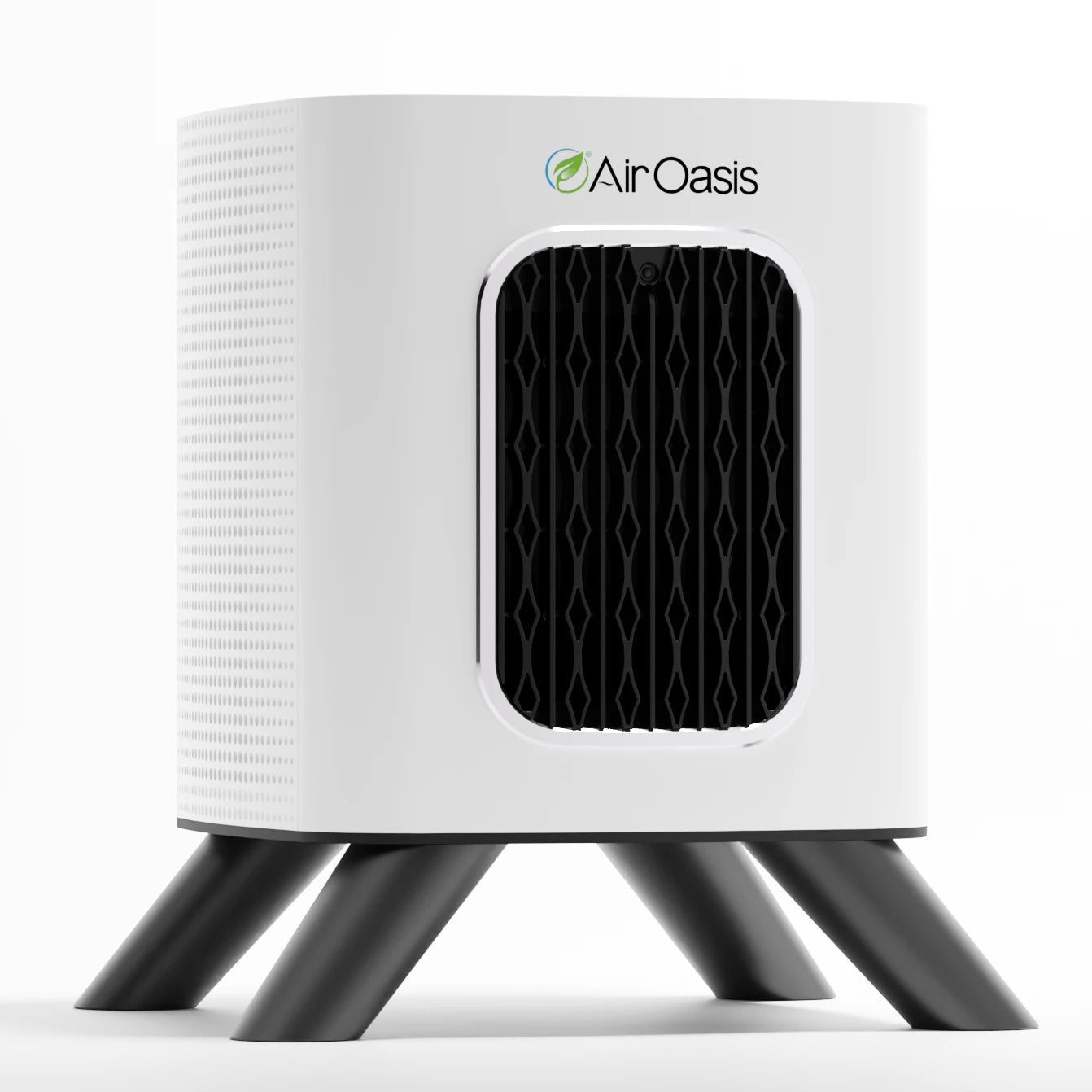
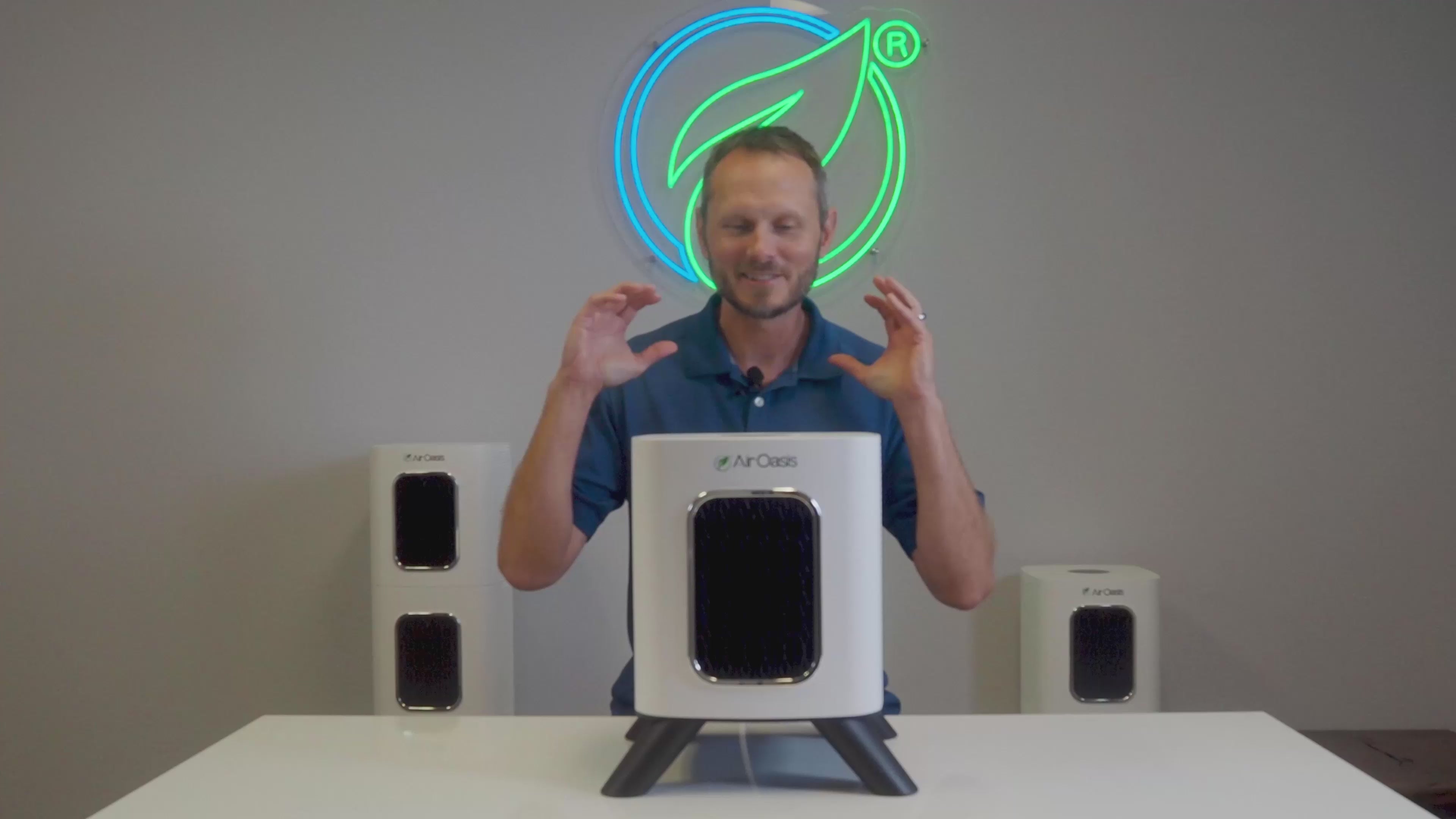
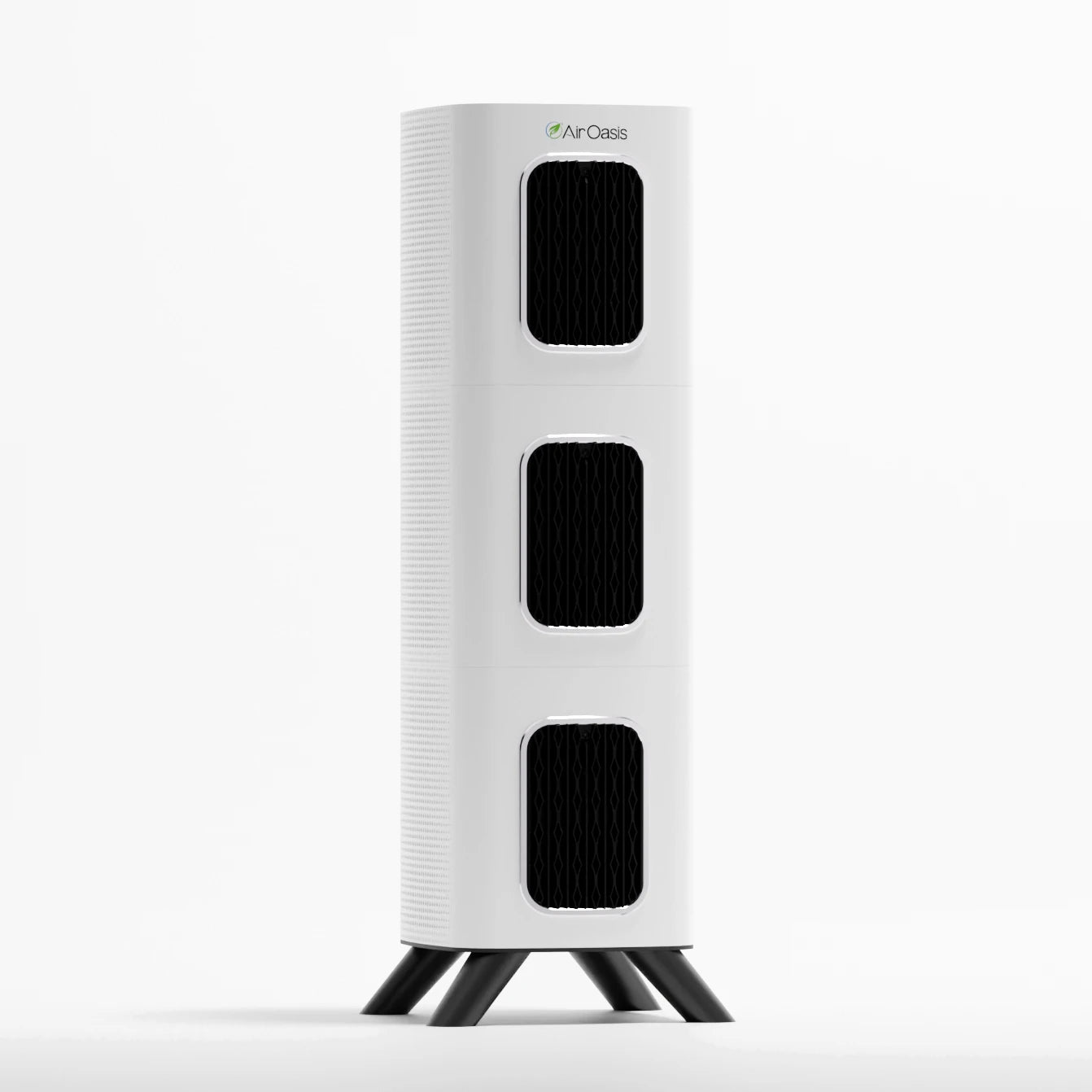
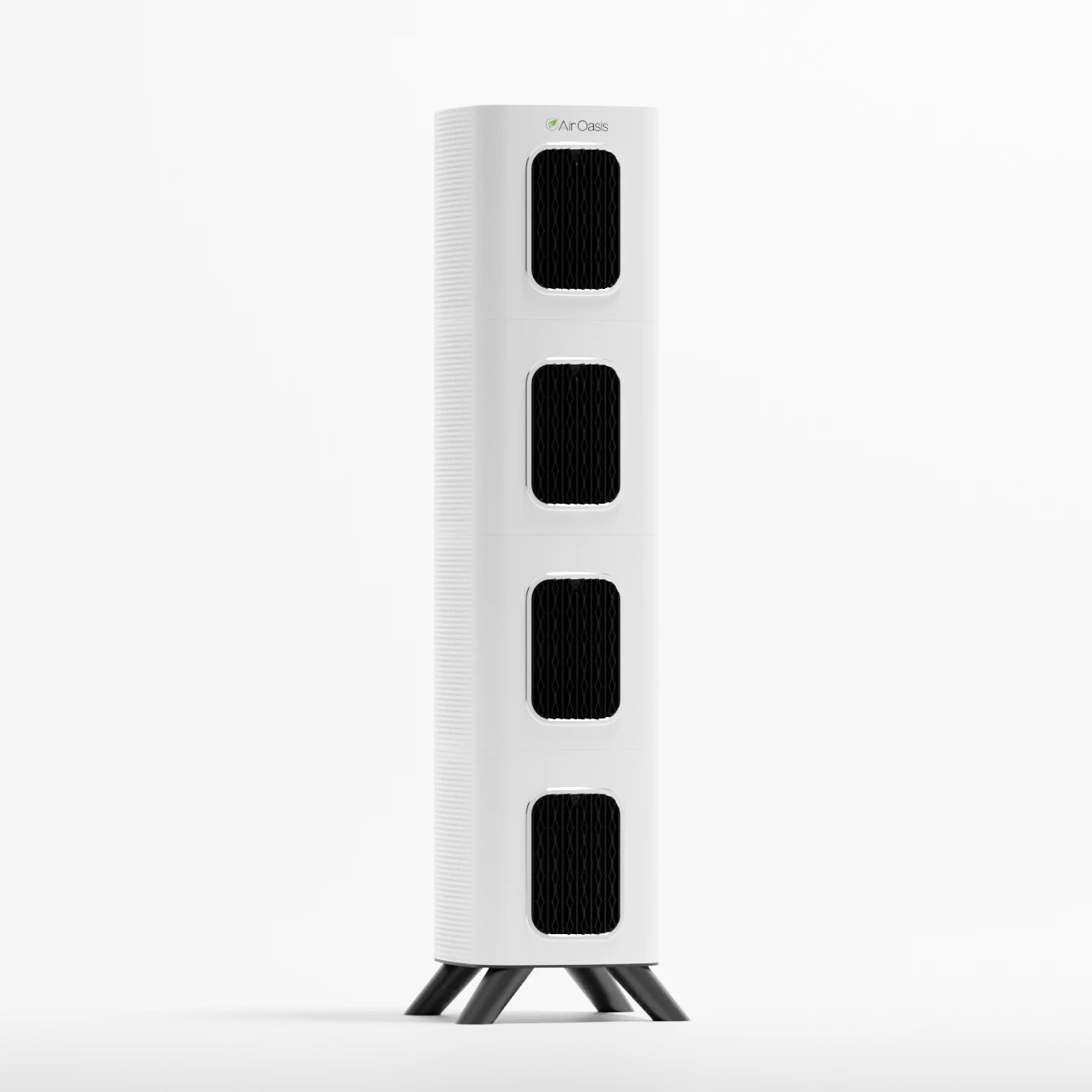
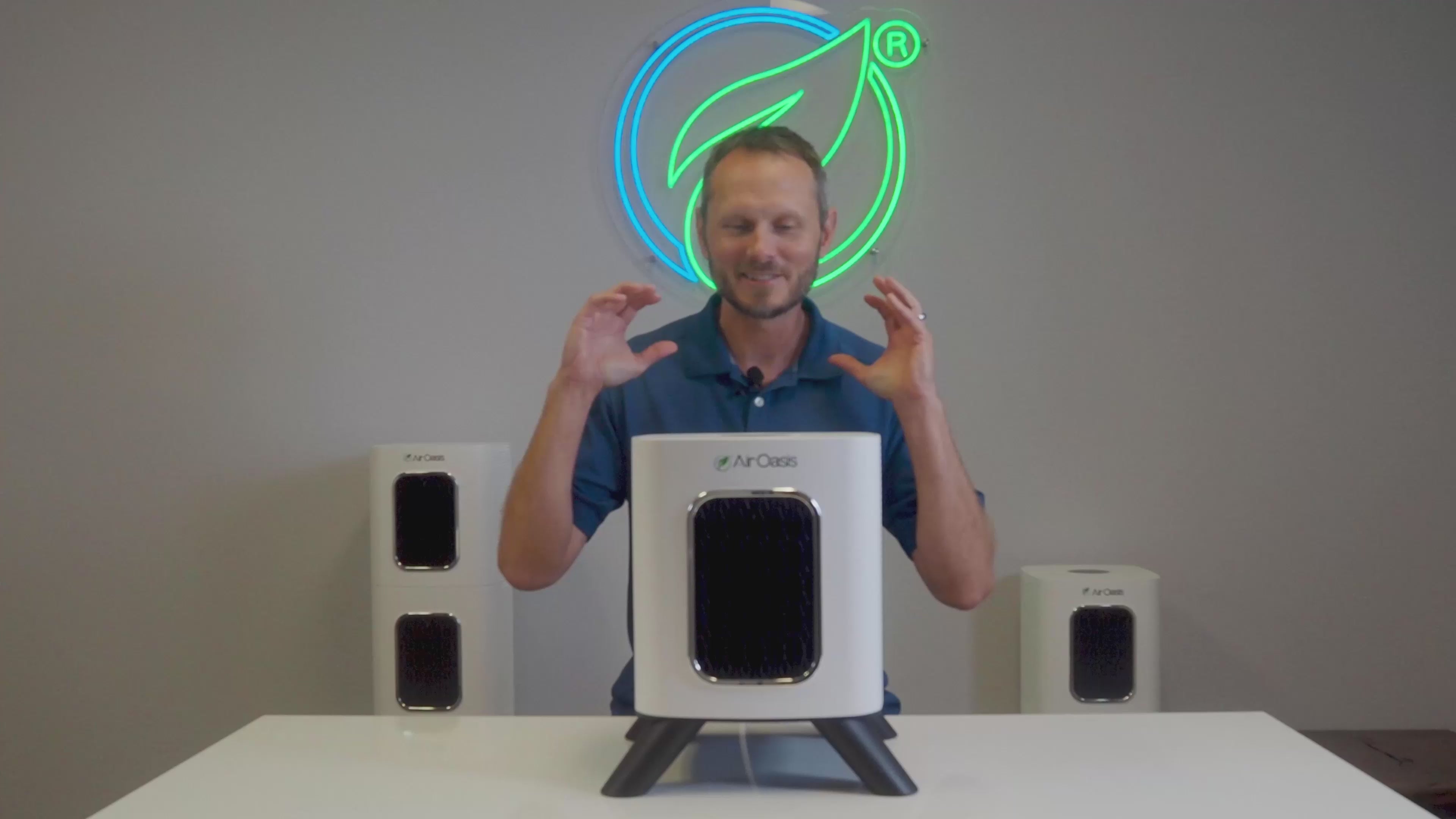
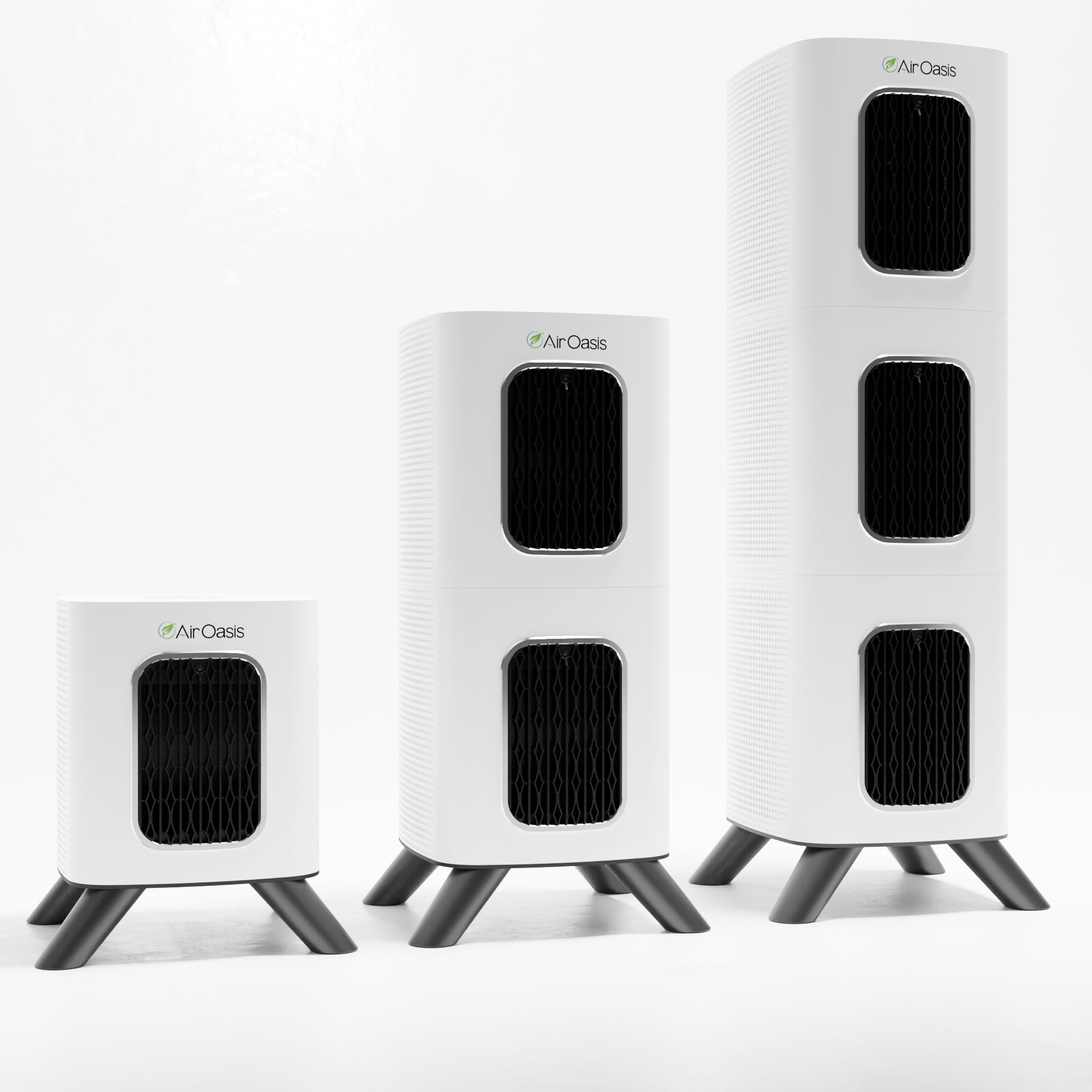
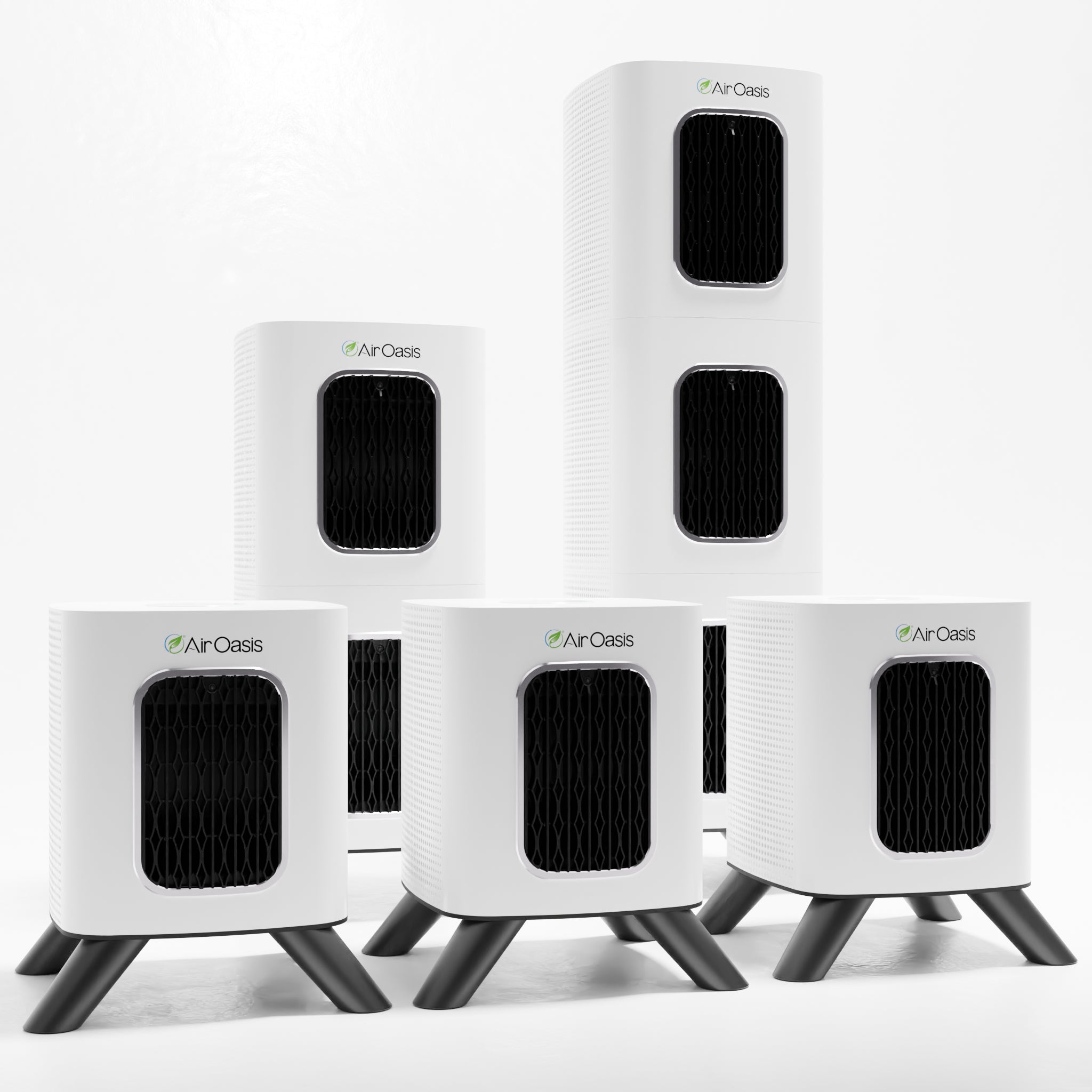
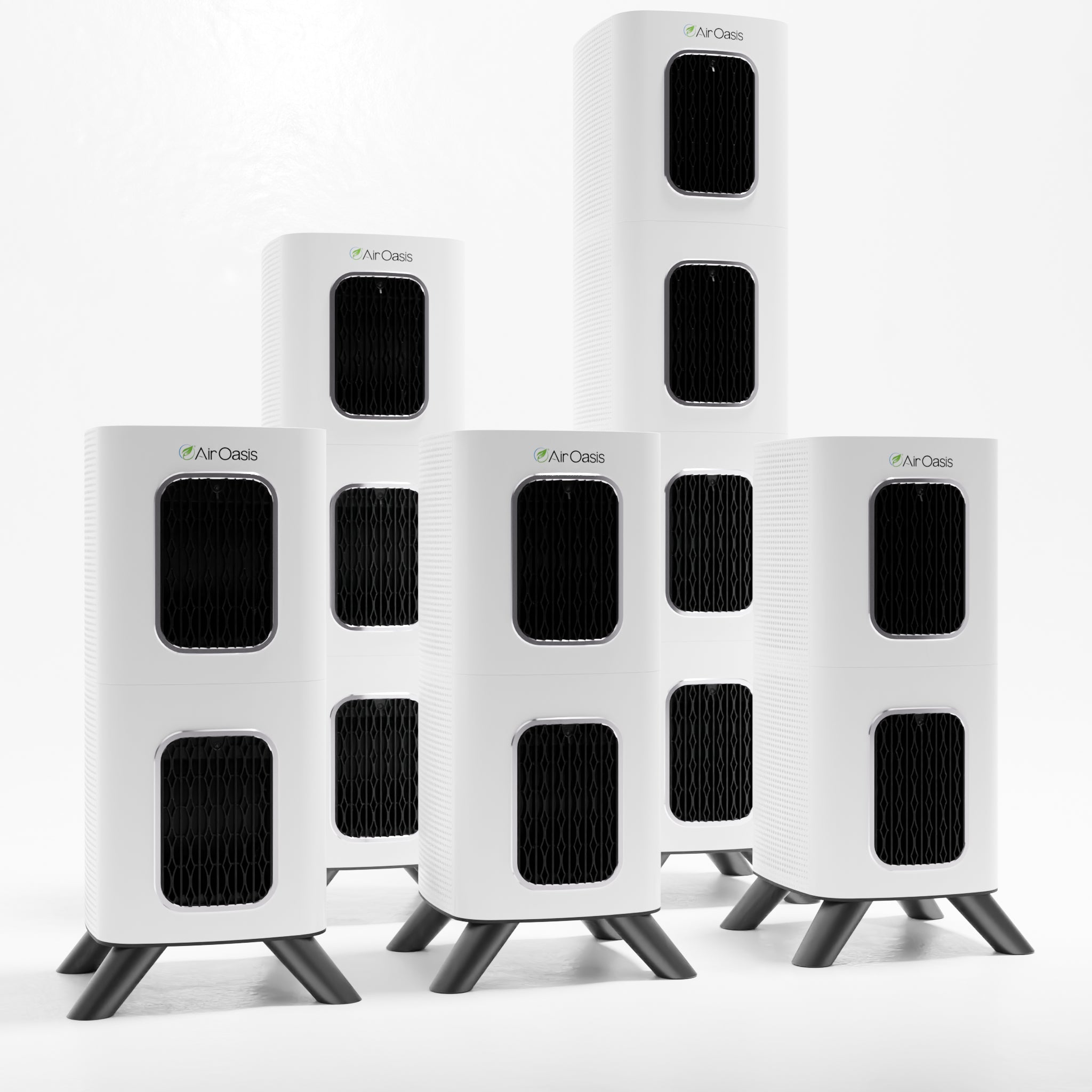
The Air Oasis iAdaptAir® line combines true HEPA, activated carbon, bipolar ionization, UV-C, and silver-ion technology in a single ozone-free system. Units are available in sizes ranging from small rooms to spaces up to 850 square feet.
For help choosing the right model, contact the Air Oasis team or call (806) 373-7788.
Frequently Asked Questions
Here is some additional info.
Can an air purifier remove mold spores from the air?
Yes—a quality air purifier with true HEPA filtration can capture mold spores, which typically range from 2 to 10 microns in size. HEPA filters are rated to capture 99.97% of particles at 0.3 microns, which covers the full range of mold spore sizes. Multi-technology systems that also use activated carbon and ionization address mVOCs and finer particles that filtration alone may miss.
Will an air purifier get rid of mold in my house?
An air purifier reduces airborne mold spores and byproducts—it doesn't eliminate mold growth at the source. If mold is actively growing in your home, addressing the moisture source and remediating the affected materials is the essential first step. An air purifier works best as a complement to remediation, not a substitute for it.
How long does it take an air purifier to clean mold from the air?
Laboratory testing of multi-technology systems has shown reductions of over 99% in airborne mold concentrations within one hour of operation. Real-world results vary depending on room size, unit capacity, spore concentration, and whether the mold source is still active. Running the unit continuously produces better sustained results than intermittent use.
Where should I place an air purifier for mold?
Place the unit in the room where mold risk or exposure is highest—commonly a basement, bathroom, bedroom, or any space with a history of moisture issues. Position it away from walls and obstructions to allow unrestricted airflow. In larger spaces, a centrally located unit performs better than one placed in a corner.
Can mold exposure affect cognitive function?
Some research suggests that prolonged exposure to certain mycotoxins may be associated with neurological symptoms including brain fog, memory difficulties, and difficulty concentrating—particularly in individuals with conditions like CIRS or genetic predispositions that impair mycotoxin clearance. This is an area of ongoing research, and anyone experiencing persistent cognitive symptoms should consult a healthcare provider rather than self-diagnosing.
What's the difference between mold spores and mycotoxins—and can air purifiers address both?
Mold spores are the reproductive particles mold releases to spread. Mycotoxins are toxic chemical compounds produced by some mold colonies. Spores are larger and captured effectively by HEPA filtration. Mycotoxins are much smaller—some measuring less than 0.1 microns—and require activated carbon filtration and advanced oxidation technologies to address. This is one reason multi-technology systems outperform single-filter units for mold management.
Is running an air purifier a good biohack for sleep quality?
Potentially, yes. Poor indoor air quality—including elevated concentrations of mold spores, VOCs, and particulates—has been associated with disrupted sleep and morning congestion in some individuals. Running an air purifier in the bedroom overnight reduces exposure to these irritants during the hours when you're most stationary and breathing most consistently in one space. For people with mold sensitivity or respiratory conditions, this can be a meaningful environmental adjustment.
How often do I need to replace filters in a mold-fighting air purifier?
HEPA filters typically require replacement every 6–12 months, depending on usage and air quality conditions. Activated carbon filters may need more frequent replacement in environments with high VOC or odor loads. UV-C bulbs generally last 12–24 months before losing germicidal effectiveness. Follow the manufacturer's recommended schedule—an overloaded filter can reduce performance and, in some cases, reintroduce captured particles back into the air.
Can I use an air purifier and a dehumidifier together?
Yes, and in mold-prone environments this is often the most effective combination. A dehumidifier addresses the moisture conditions that allow mold to grow. An air purifier addresses what's already airborne. Running both simultaneously during periods of high humidity or active remediation provides more comprehensive coverage than either alone.
What household areas benefit most from air purification for mold?
Basements and crawl spaces top the list due to ground moisture and limited ventilation. Bathrooms are high-risk due to consistent humidity from showers and baths. Bedrooms matter because of cumulative overnight exposure. Any space with a history of water damage, flooding, or persistent musty odor is worth prioritizing. For whole-home coverage, multiple units or a high-capacity unit centrally located on each floor is more effective than a single unit in one room.