That musty, damp smell in your bathroom doesn't just disappear with air fresheners or candles. Mildew odor signals an underlying moisture problem that requires more than surface-level solutions. While proper ventilation and cleaning remain essential, air purification technology can effectively eliminate the persistent smell that makes your bathroom unpleasant.
Understanding how mildew creates odor and which technologies actually work helps you choose the right solution for fresher, cleaner bathroom air.
Why Mildew Smells Different From Other Odors
Mildew is a type of mold that thrives in damp, humid environments like bathrooms. It grows on shower curtains, tile grout, ceiling corners, and other areas where moisture accumulates. The characteristic musty smell comes from microbial volatile organic compounds released by mildew as it grows and reproduces.
These compounds are gaseous and easily become airborne, circulating throughout your bathroom. Simply wiping visible mildew off surfaces doesn't eliminate the smell because microscopic spores and VOCs continue floating in the air. Traditional air fresheners only mask odors temporarily by adding stronger fragrances, creating a mix of perfume and mustiness that's often worse than the original smell.
Bathrooms create ideal conditions for mildew growth. Hot showers produce steam that condenses on cool surfaces. Poor ventilation traps moisture inside. Damp towels and bath mats provide organic material for mildew to feed on. Even with regular cleaning, bathrooms without adequate airflow often experience recurring mildew and the accompanying odor.
How Air Purifiers Address Mildew Odor
Effective air purifiers use multiple technologies working together to eliminate mildew smell at its source. The key is targeting both airborne mold spores that cause new growth and the volatile organic compounds that cause the odor.
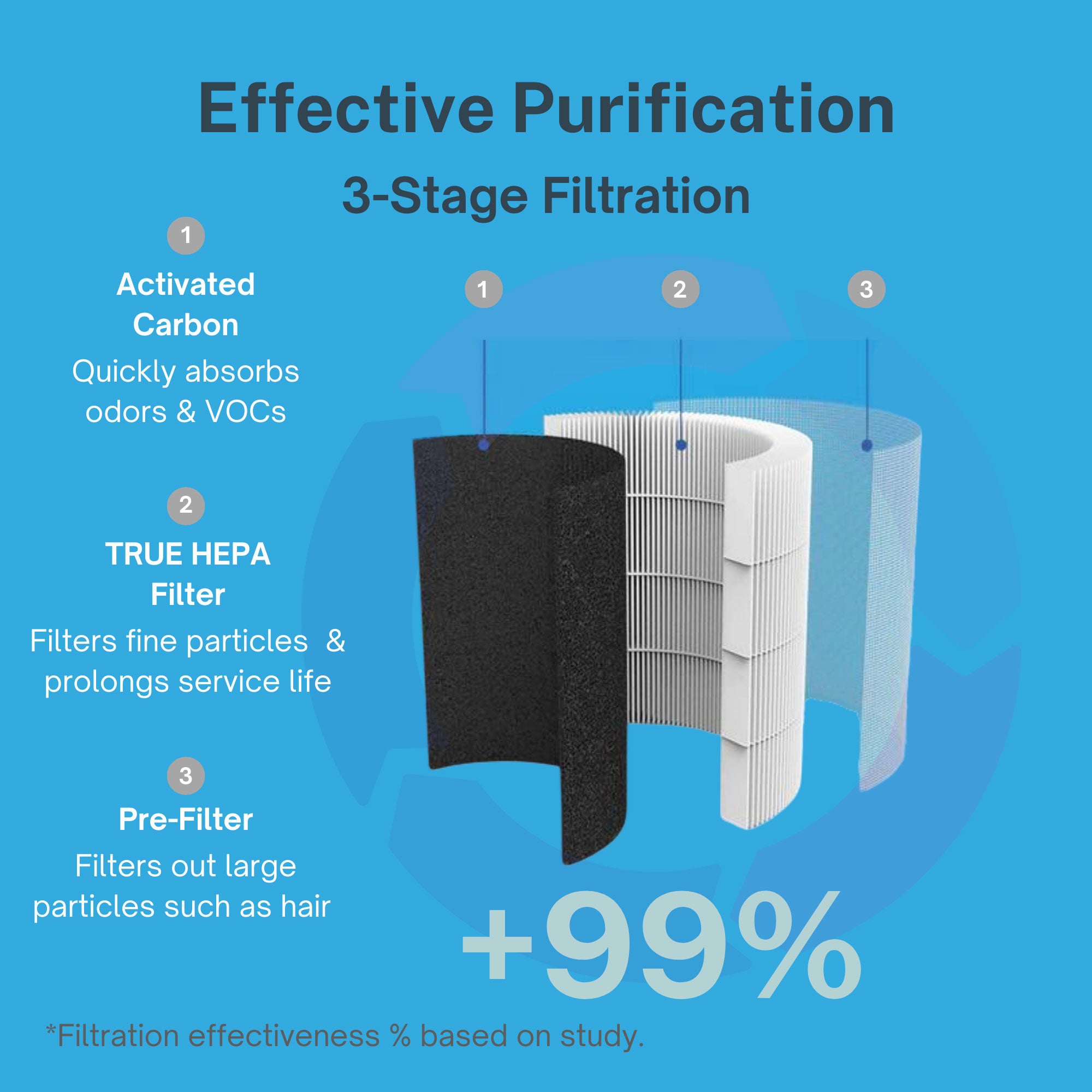
HEPA filtration captures mildew spores before they can settle and grow on bathroom surfaces. True HEPA filters remove 99.97 percent of particles as small as 0.3 microns, which includes most mold and mildew spores. By continuously filtering bathroom air, HEPA technology reduces the concentration of spores available to create new mildew colonies.
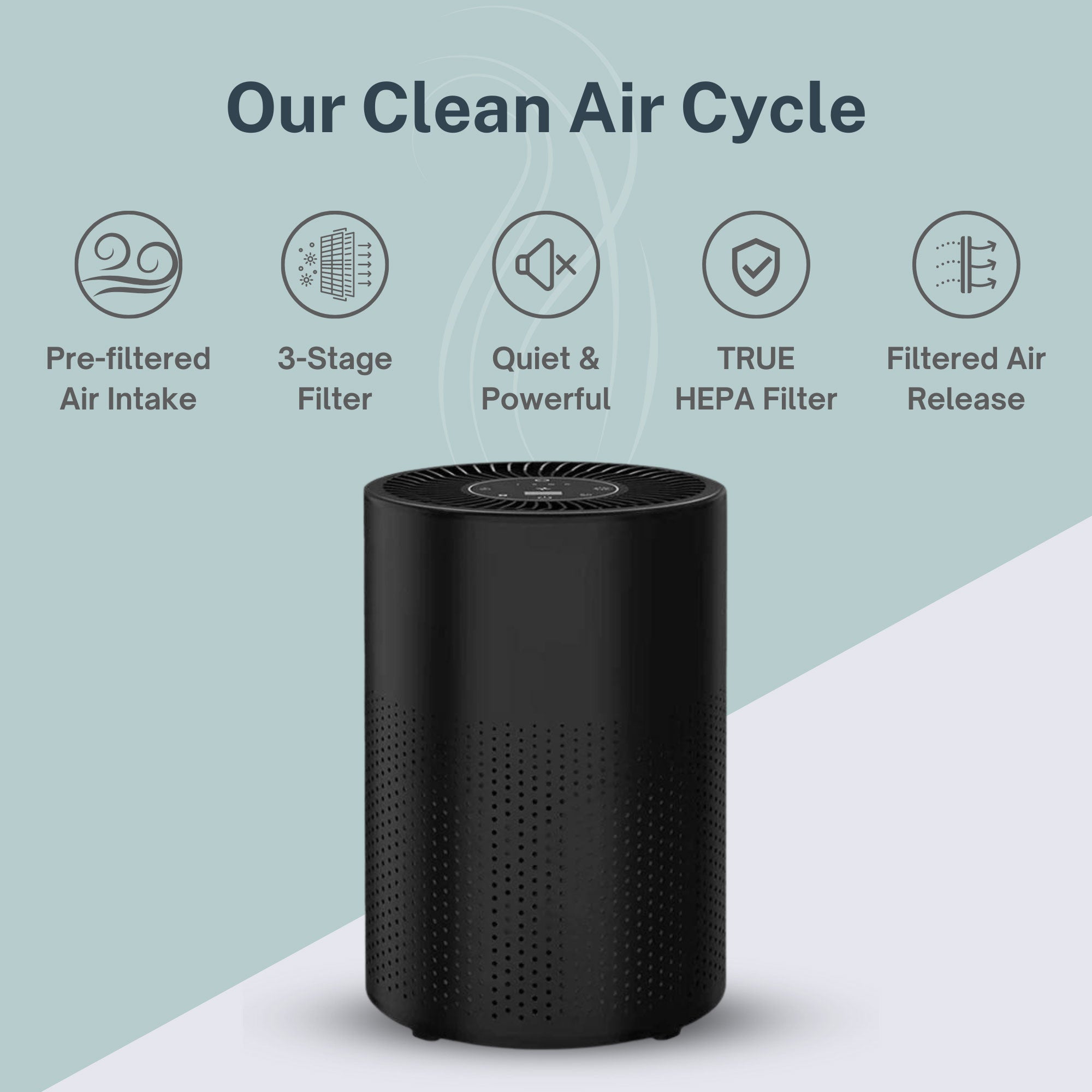
Activated carbon filters specifically target odor molecules. These filters contain millions of tiny pores that trap gaseous compounds through adsorption. As bathroom air passes through activated carbon, the musty-smelling VOCs stick to the carbon surface, where they are removed from circulation. This technology is particularly effective for eliminating persistent mildew odor that cleaning alone can't address.
UV-C light technology adds another layer of protection by neutralizing mold spores and bacteria at the cellular level. Ultraviolet light damages the DNA of microorganisms, preventing them from reproducing and creating new mildew growth. This technology works continuously as air circulates through the purifier, helping prevent the conditions that cause mildew smell in the first place.
Bipolar ionization releases charged particles that attach to airborne contaminants, including mold spores and odor molecules. These clustered particles become heavy enough to fall out of the air or get trapped more easily by filters. This technology helps purifiers work more efficiently in humid bathroom environments where traditional filtration alone might struggle.
Choosing the Right Air Purifier for Bathrooms
Not all air purifiers are equally effective in bathroom environments. Bathrooms present unique challenges with high humidity, limited space, and concentrated moisture that require specific features.
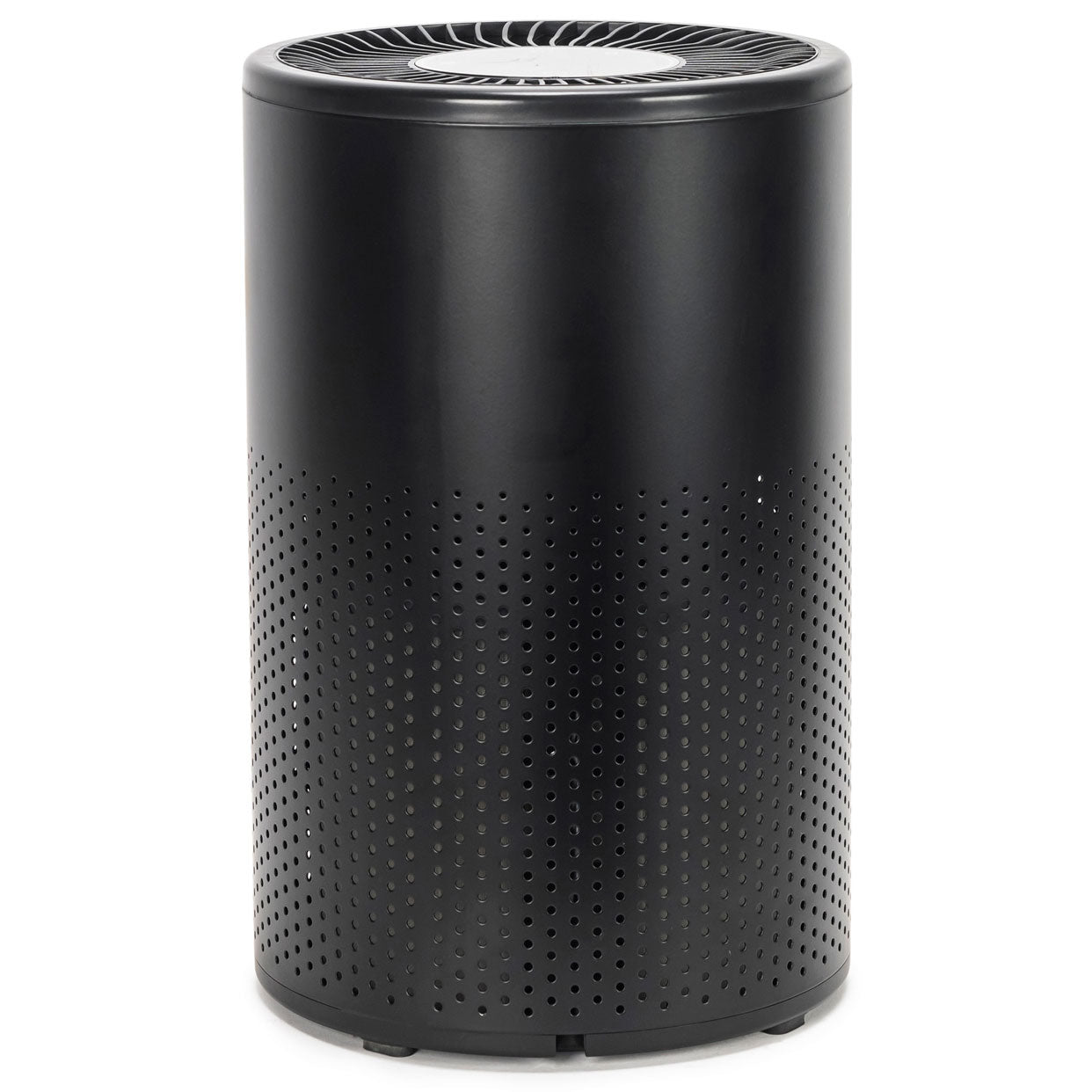
Look for air purifiers specifically designed to handle moisture-rich environments. The filtration system should include both HEPA and activated carbon filters to address both spores and odors simultaneously. Multi-stage filtration that combines these technologies with UV-C light and ionization provides the most comprehensive mildew odor elimination.
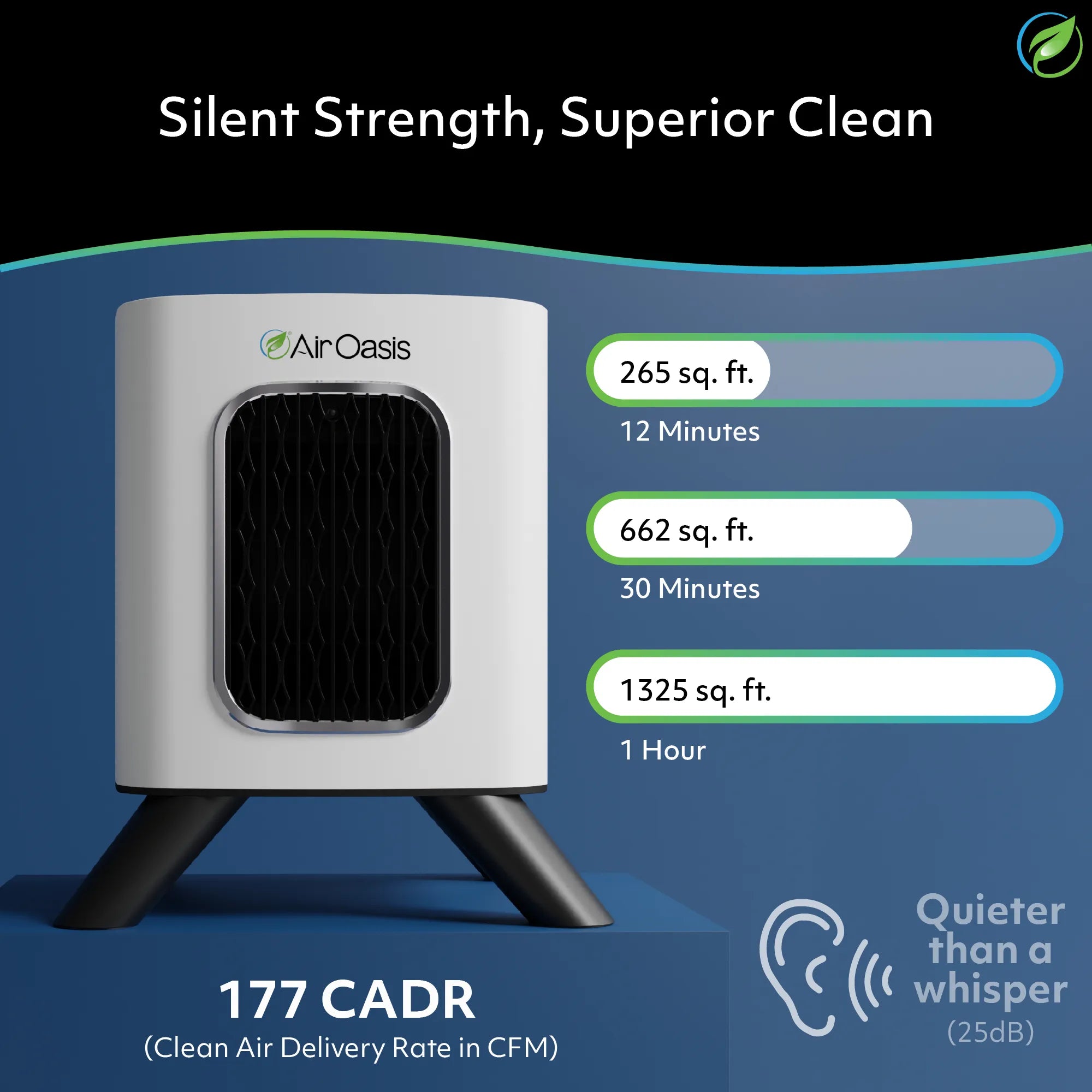
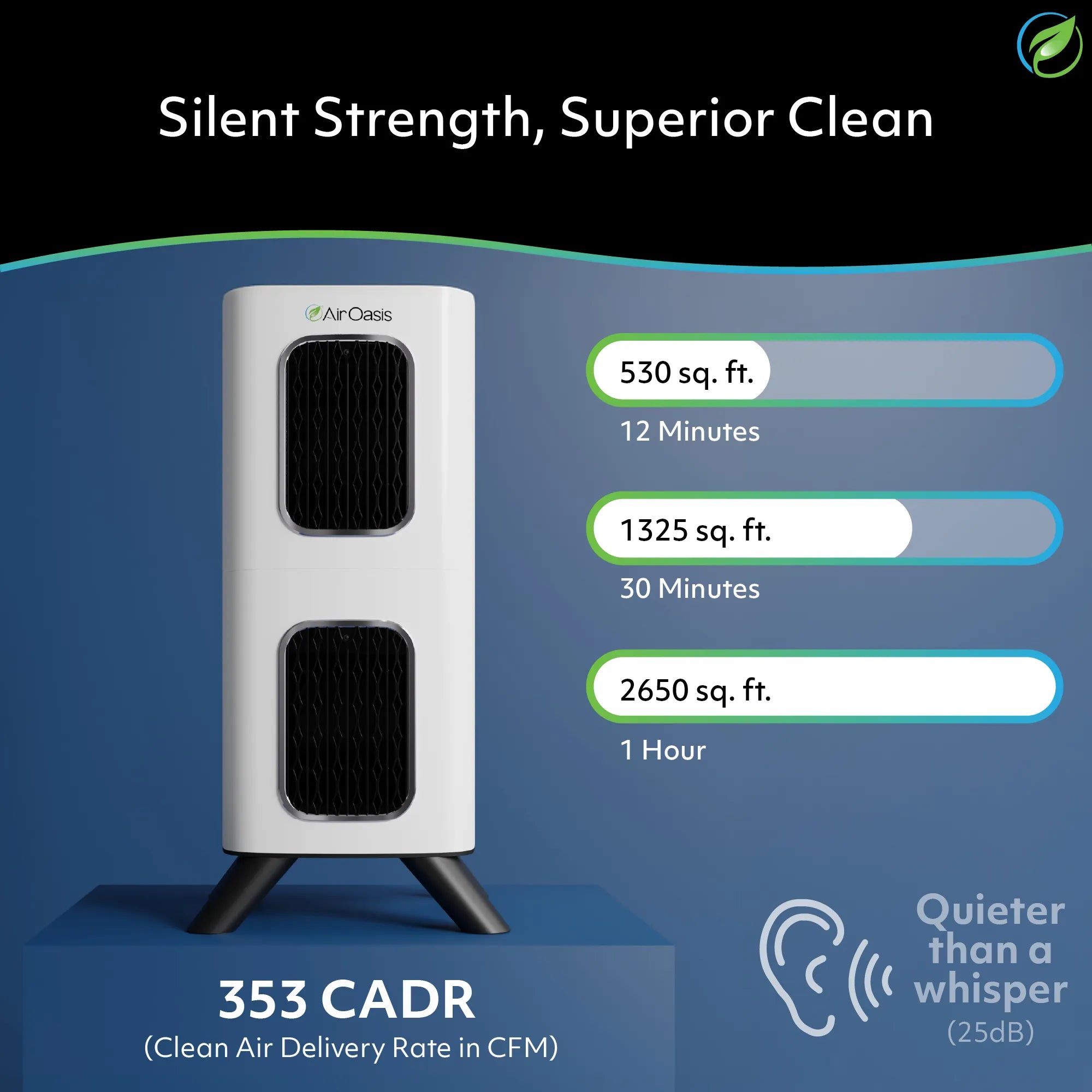
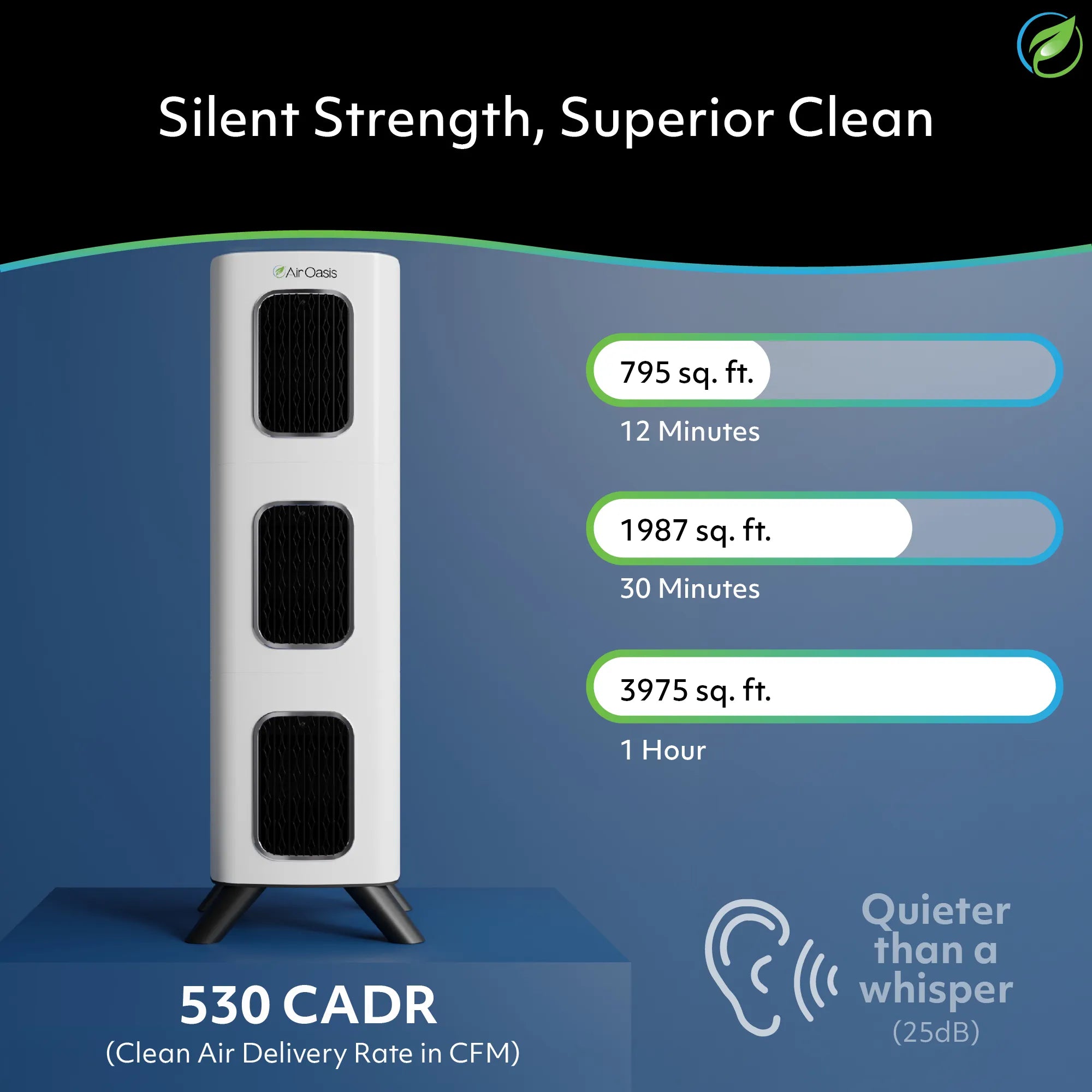
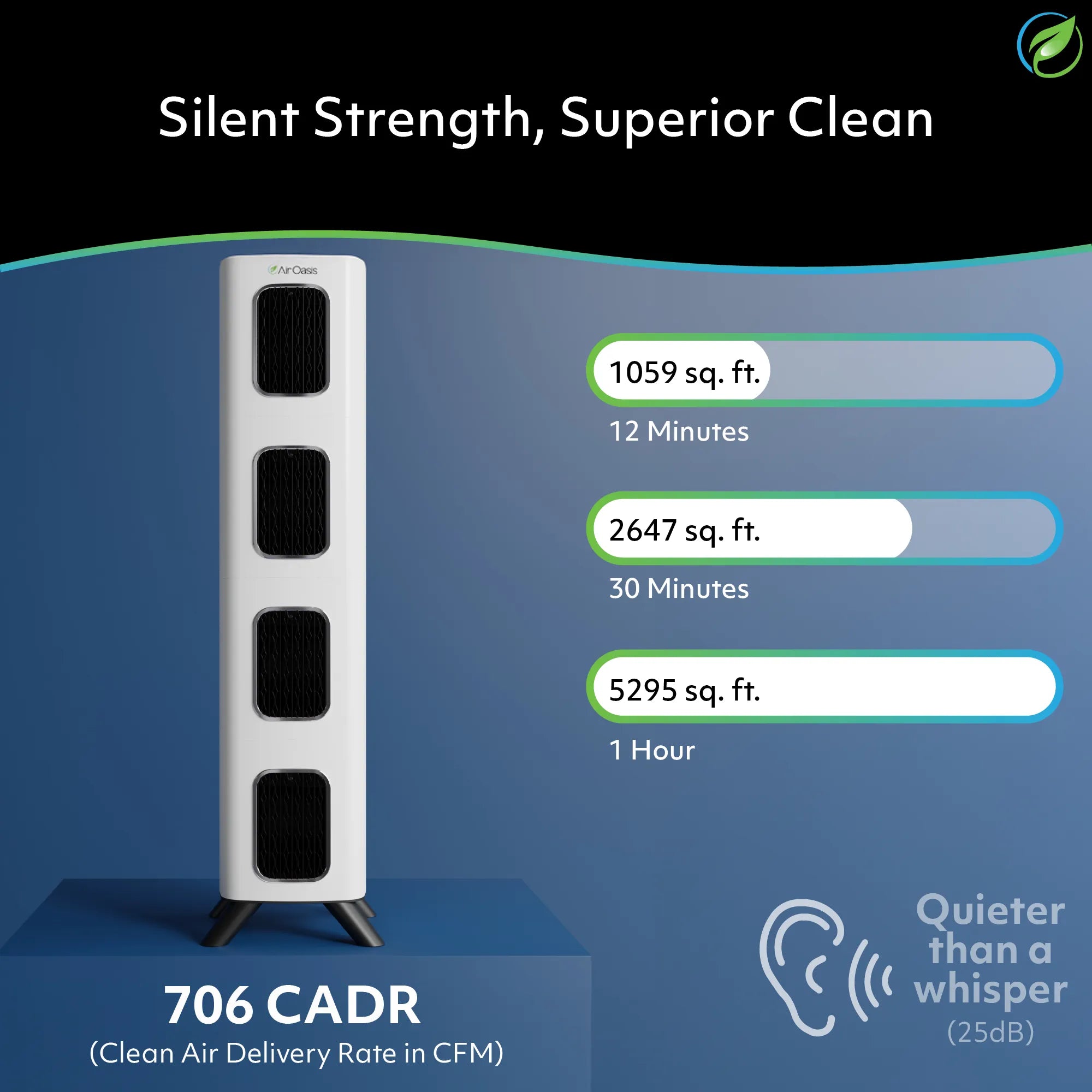
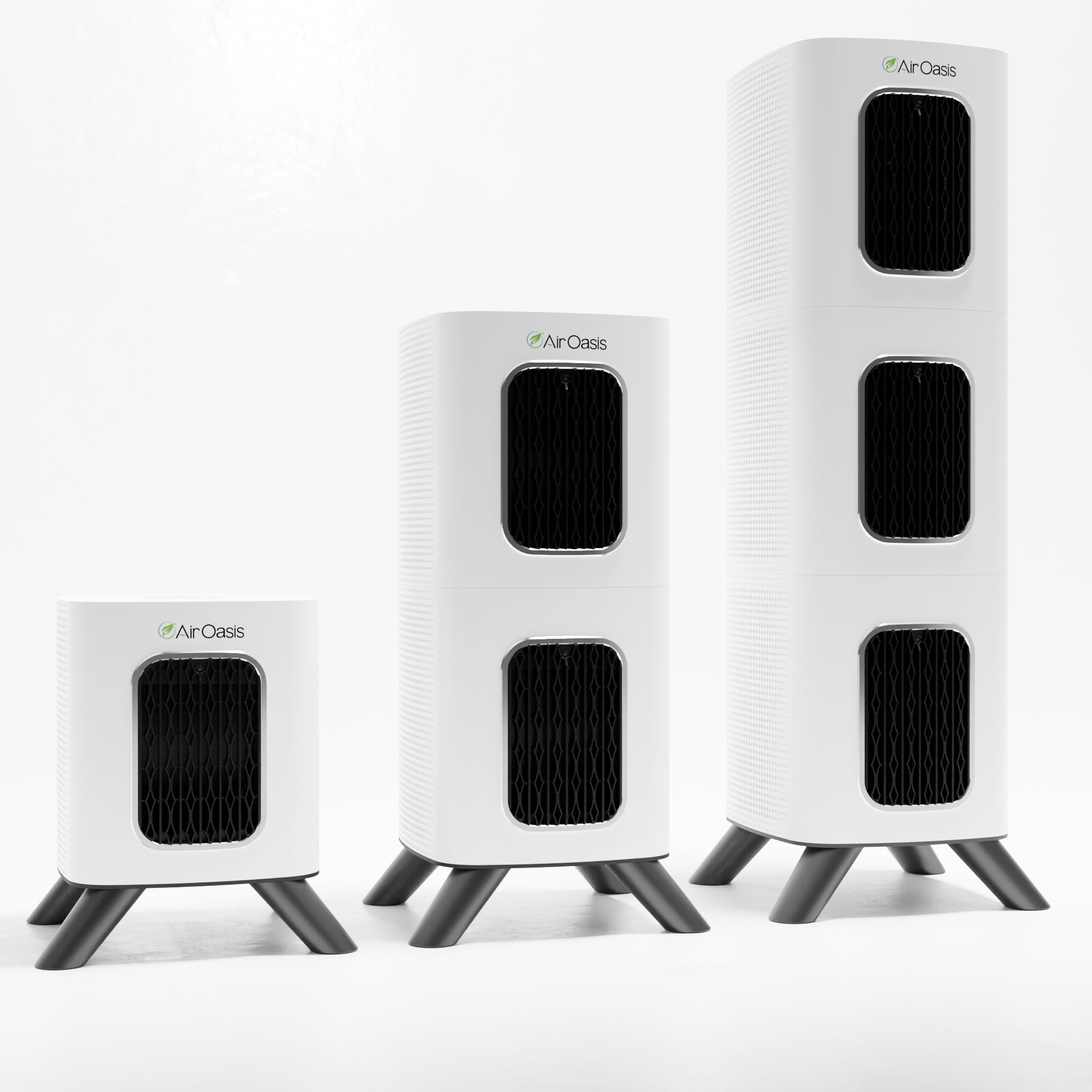
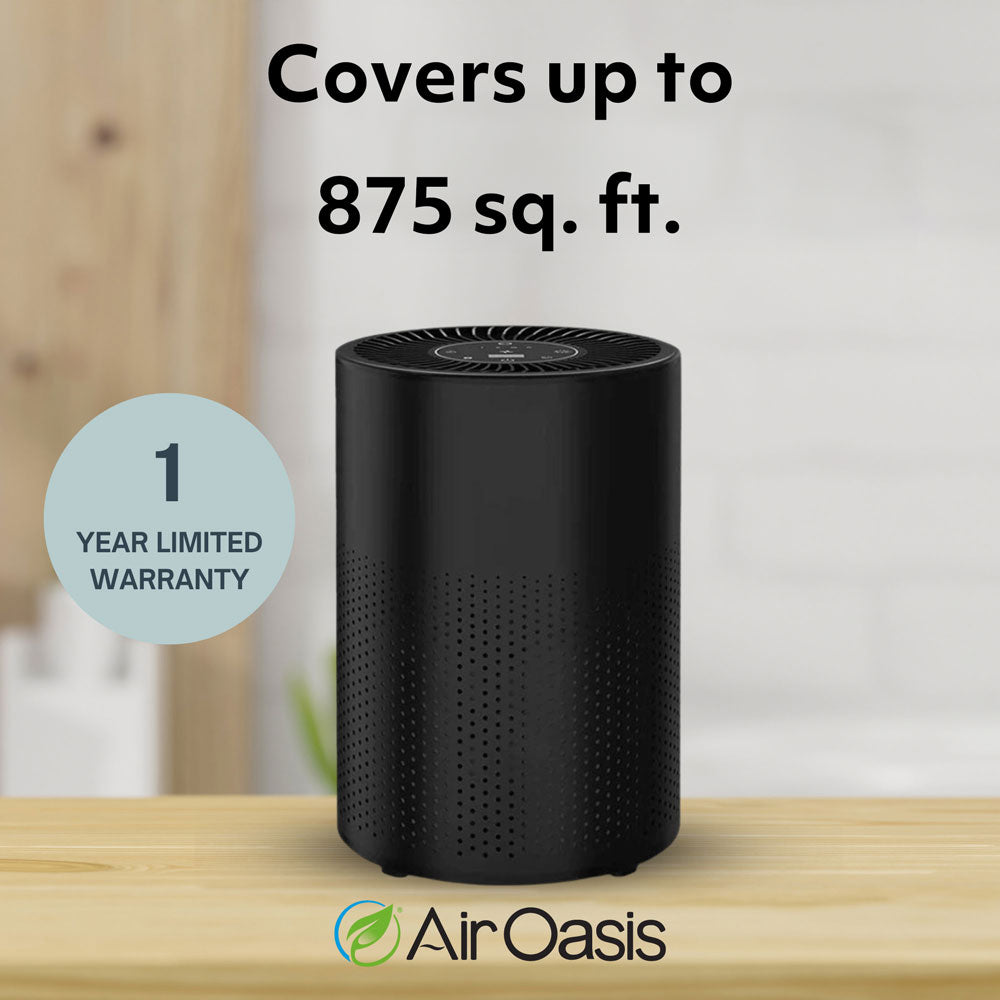
Size matters when selecting a bathroom air purifier. Match the unit's coverage capacity to your bathroom's square footage. A purifier rated for 265 square feet works well for standard bathrooms, while larger master bathrooms benefit from units covering 530 square feet or more. Running an undersized purifier means it won't circulate and filter air effectively enough to eliminate odors.
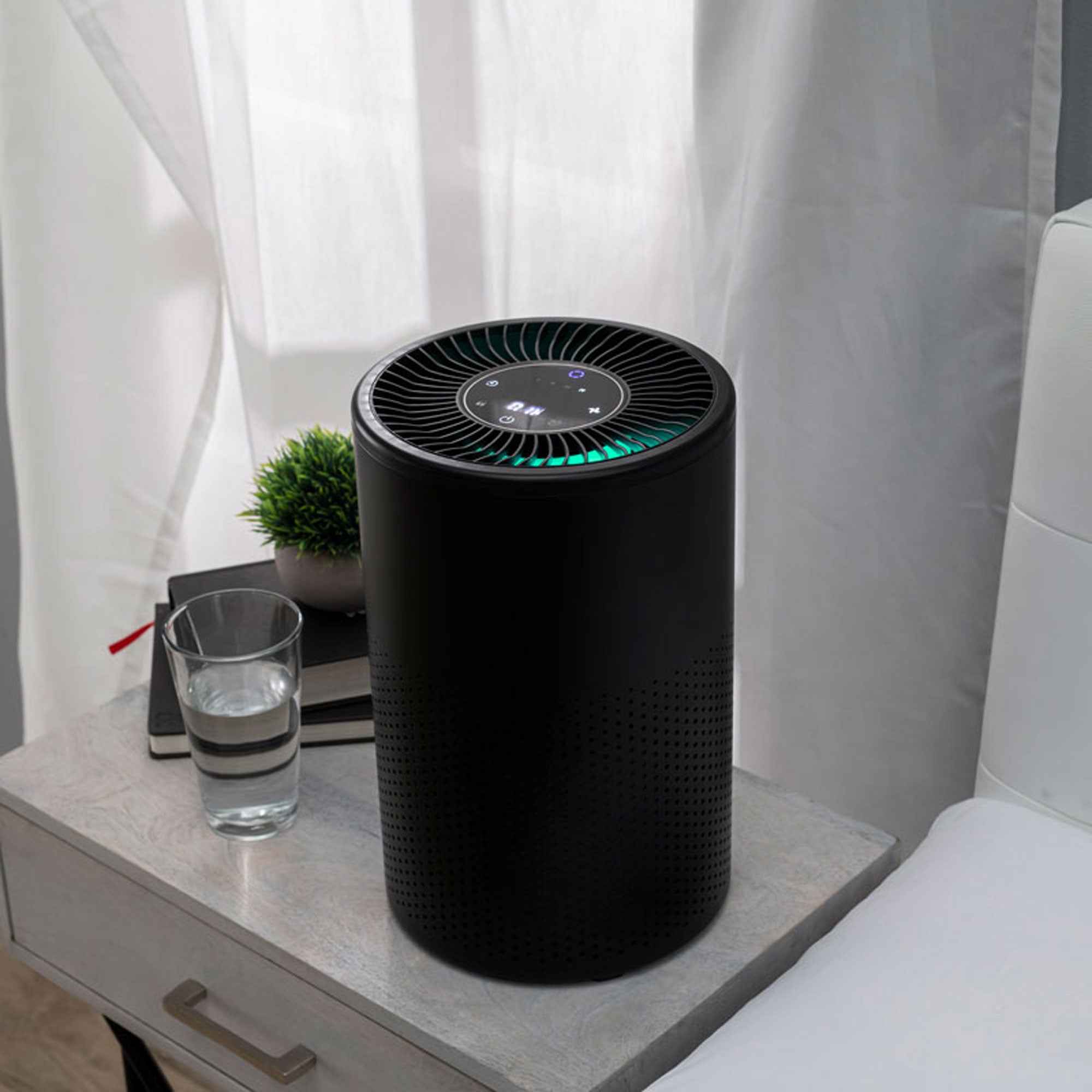
Placement affects performance significantly. Position your air purifier where it can draw in moisture-laden air from shower areas while maintaining clearance for proper airflow. Avoid placing units directly in shower spray or areas where they'll get wet. The goal is filtering humid air without exposing the purifier to water damage.
Complementary Steps for Better Results
Air purifiers work most effectively as part of a comprehensive moisture control strategy. Combine air purification with improved ventilation by running bathroom exhaust fans during and after showers. Leave the fan running for at least 20 minutes after finishing to remove excess humidity.
Address existing mildew before relying solely on air purification. Clean visible mildew from surfaces using appropriate cleaners, paying special attention to grout lines, shower curtains, and corners where moisture accumulates. An air purifier can prevent new growth and eliminate odors, but it won't remove established mildew colonies from surfaces.
Reduce moisture sources when possible. Hang wet towels to dry completely rather than leaving them bunched on racks. Squeegee shower walls after use to minimize water droplets. Fix any plumbing leaks promptly since even small drips create ideal conditions for mildew growth.
Monitor humidity levels with a simple hygrometer. Bathrooms should maintain humidity below 50 percent to discourage mildew growth. If humidity consistently runs higher, consider adding a small dehumidifier alongside your air purifier for maximum mildew control.
Experience Fresher Bathroom Air Today
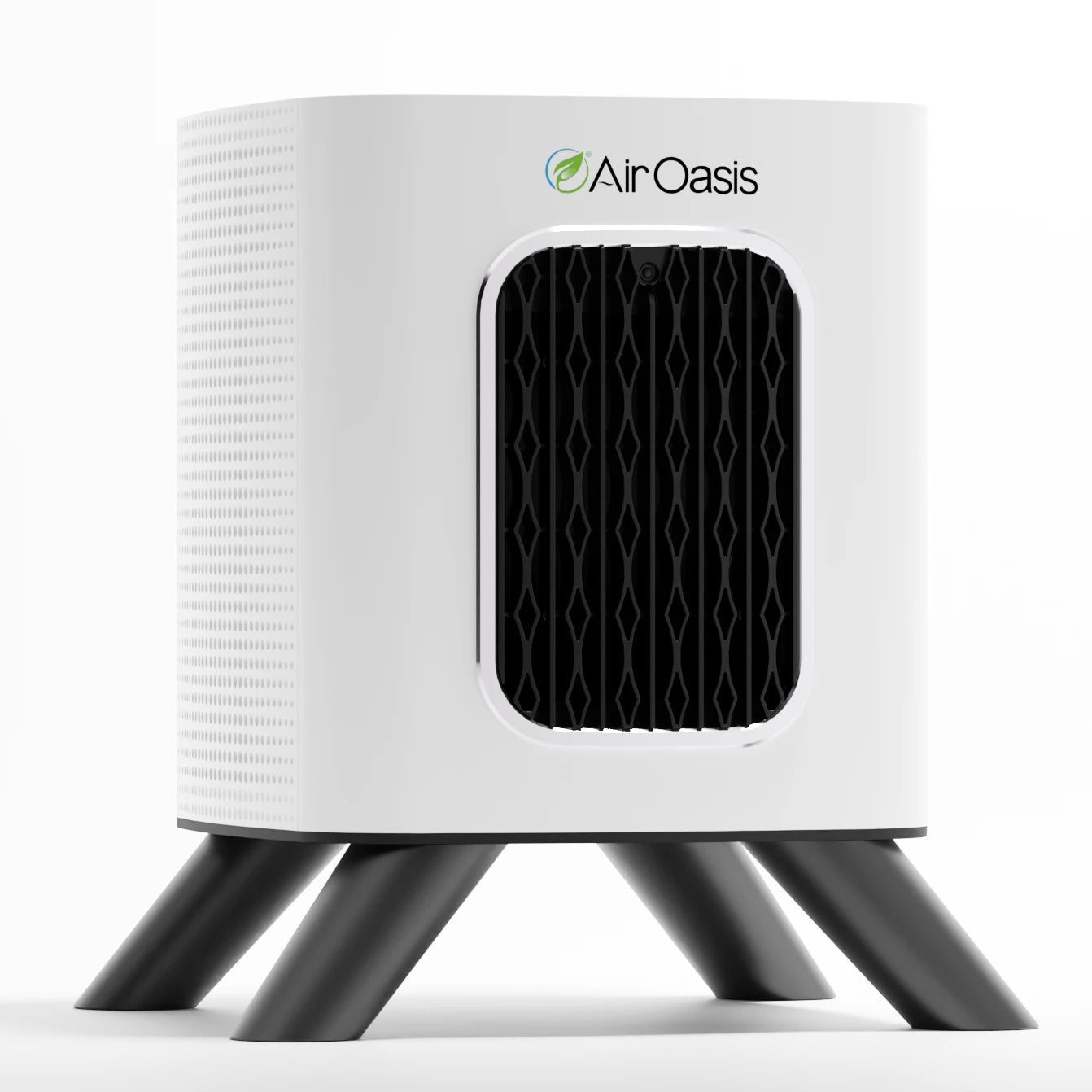
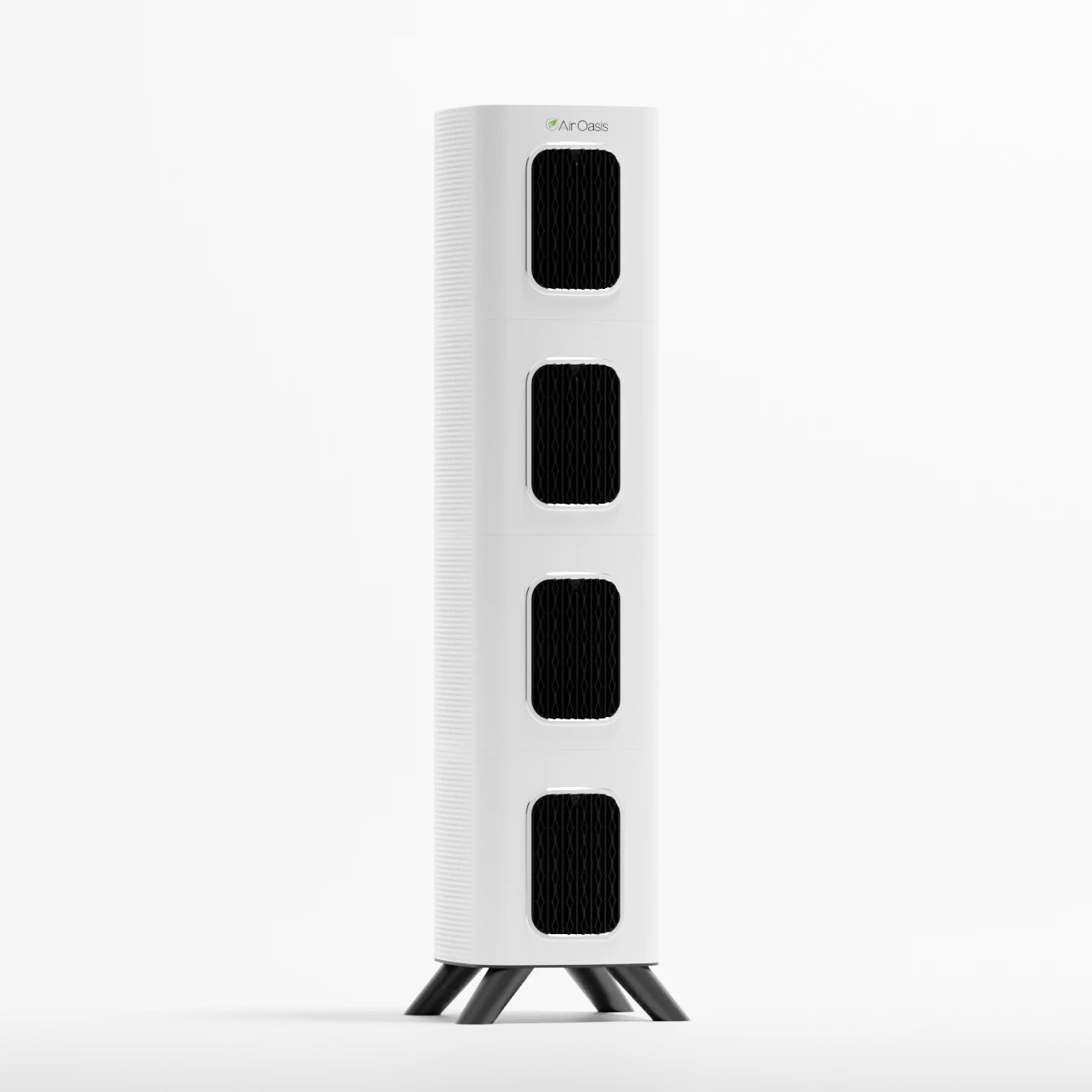
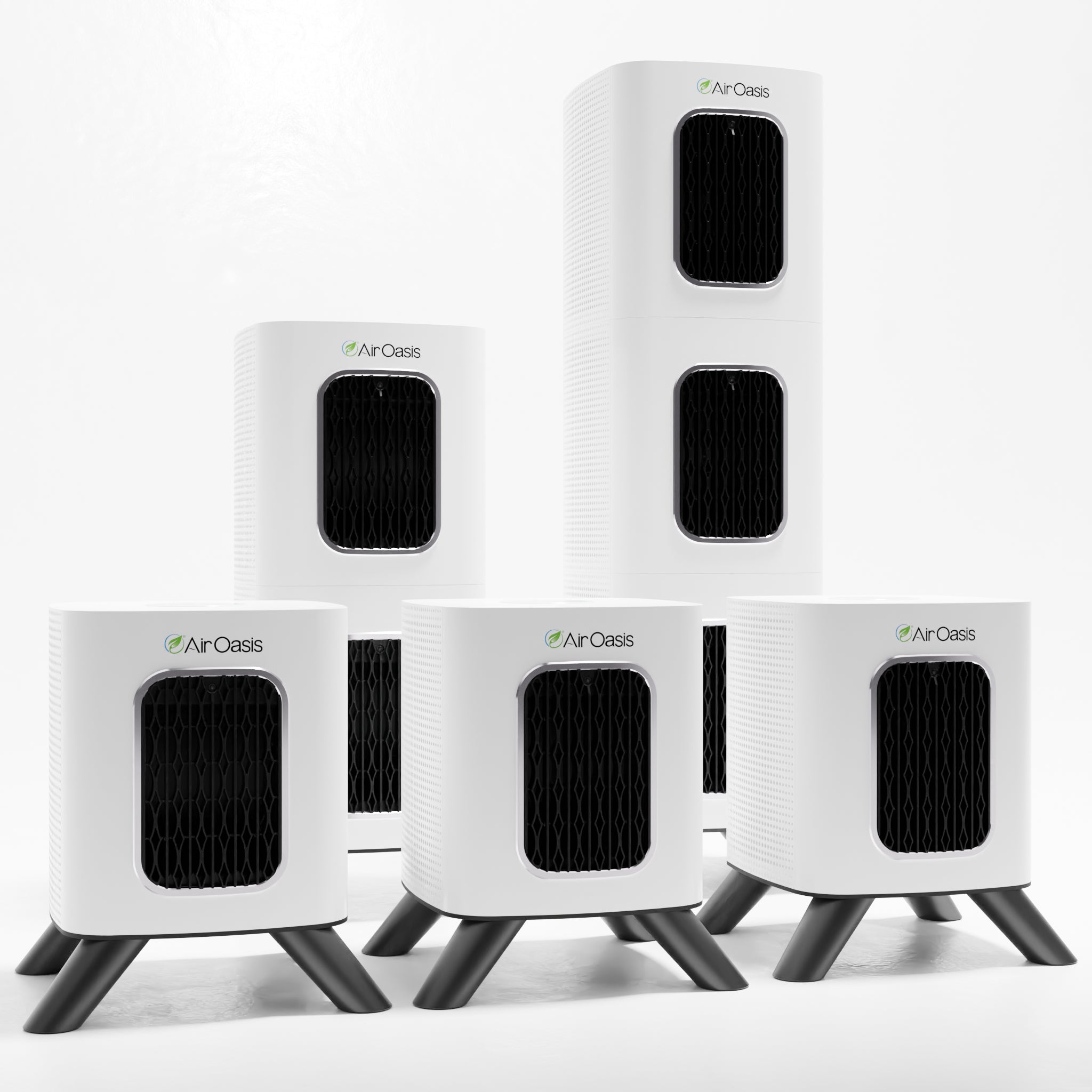
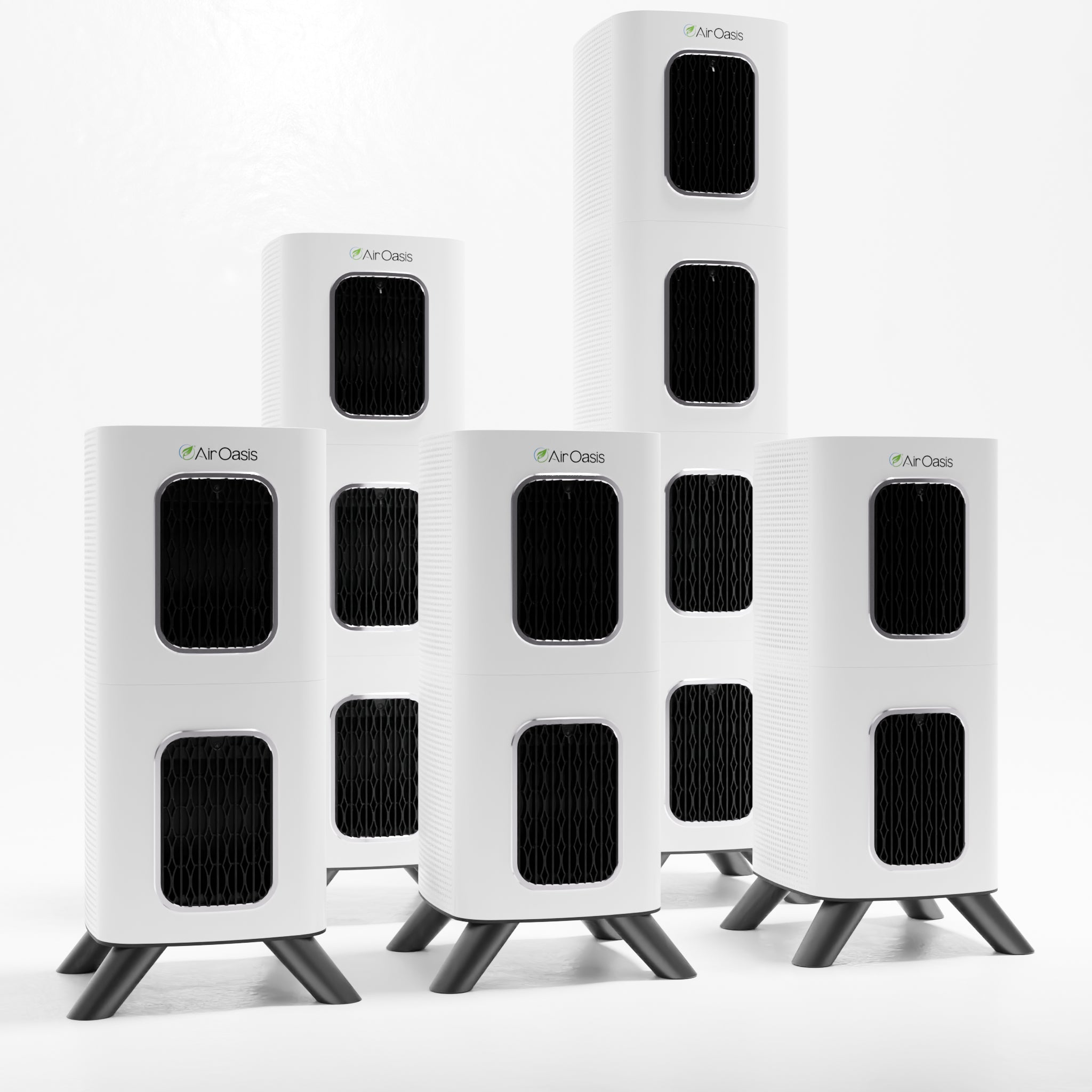
Air Oasis air purifiers combine HEPA filtration, activated carbon, UV-C light technology, and bipolar ionization to effectively eliminate mildew smell and prevent new growth. Our multi-stage filtration systems are designed to handle the unique challenges of humid bathroom environments.
The iAdaptAir series offers solutions sized for any bathroom, from compact powder rooms to spacious master baths. Medical-grade filtration removes 99 percent of mold spores and mycotoxins while activated carbon eliminates persistent musty odors at the molecular level.
Stop masking mildew smell and start eliminating it at the source. Shop Air Oasis today and enjoy cleaner, fresher air in every room of your home.