You love cooking with jalapeños, cayenne, and fiery chilies that pack serious heat. But an hour after dinner, your eyes still water and your throat feels irritated from lingering fumes. Everyone who walks into your kitchen starts coughing. The spicy smell has spread throughout your entire home and won't dissipate. Can an air purifier actually handle the intense fumes that come from cooking spicy foods?
Why Spicy Cooking Creates Unique Air Quality Challenges
Cooking with spicy ingredients releases compounds into the air that are fundamentally different from ordinary cooking fumes. When you heat peppers, the capsaicin—the chemical compound responsible for their heat—becomes airborne along with other volatile organic compounds. These molecules don't just smell strong. They actively irritate your respiratory system, eyes, and mucous membranes.
The intensity depends on what you're cooking and how you're preparing it. Frying dried chilies releases concentrated capsaicin particles that spread rapidly through your home. Roasting fresh peppers on an open flame sends clouds of irritating smoke into the air. Even sautéing garlic with red pepper flakes creates noticeable fumes that make people cough and their eyes water.
High-heat cooking methods amplify the problem. Stir-frying at extremely high temperatures causes oils and spices to smoke heavily. The combination of oil particles and capsaicin creates an especially challenging mix of contaminants. Traditional cooking methods like making curry pastes or toasting whole spices generate thick smoke that lingers for hours without proper ventilation.
These fumes don't stay confined to your kitchen. Air currents carry them through doorways and vents into bedrooms, living rooms, and even closets where they settle into fabrics. Curtains, upholstery, and clothing absorb the odors. Without effective removal, spicy cooking smells can persist for days, constantly reminding you of last night's dinner.
What Makes Spicy Cooking Fumes So Difficult to Remove
Spicy food fumes present multiple challenges that simple ventilation can't fully address. The particles are extremely fine, often smaller than a micron, allowing them to remain airborne for extended periods. Unlike larger particles that settle quickly, these microscopic irritants float through your home's air for hours.
The chemical nature of capsaicin makes it particularly persistent. It's an oily compound that doesn't dissolve easily in water but binds readily to surfaces. Once capsaicin particles land on walls, furniture, or fabrics, they resist simple cleaning methods. This is why spicy cooking odors seem to stick to your home's surfaces.
Range hoods help, but rarely capture everything. Most residential range hoods can't keep up with the volume of fumes generated during intense spicy cooking. Even powerful vented hoods positioned directly over the stove miss fumes that escape sideways or that are released before the hood has a chance to evacuate them. Recirculating hoods with basic filters prove even less effective.
Opening windows provides temporary relief but doesn't solve the fundamental problem. Fresh air dilutes concentrations but doesn't remove the irritating compounds. Once you close the windows, remaining particles continue circulating. In cold weather or when air conditioning runs, opening windows isn't practical anyway.
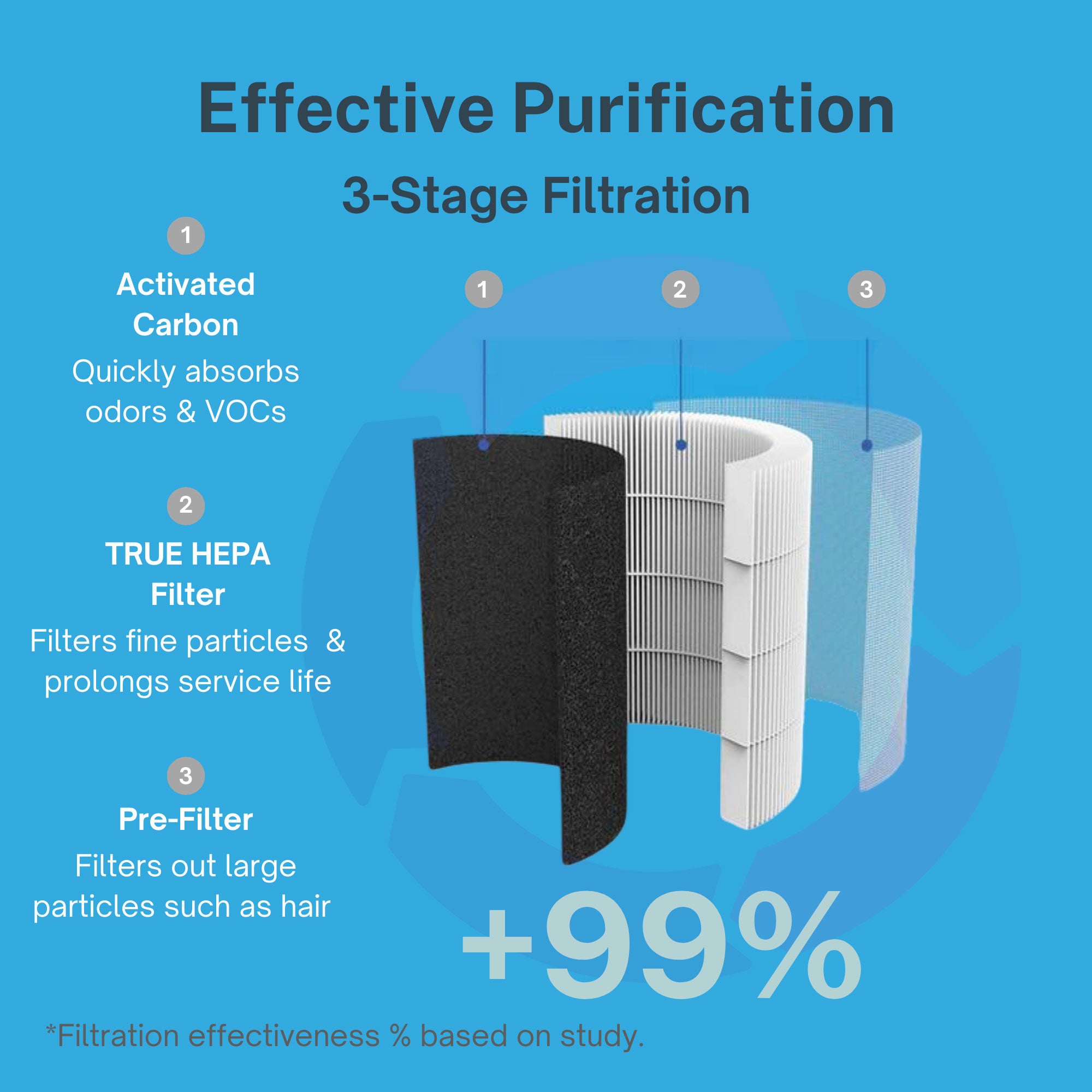
The volatile organic compounds released during spicy cooking include more than just capsaicin. Heated oils release their own VOCs. Garlic, onions, and other aromatics contribute additional compounds. The combination creates a complex mixture that requires multi-stage filtration to address effectively.
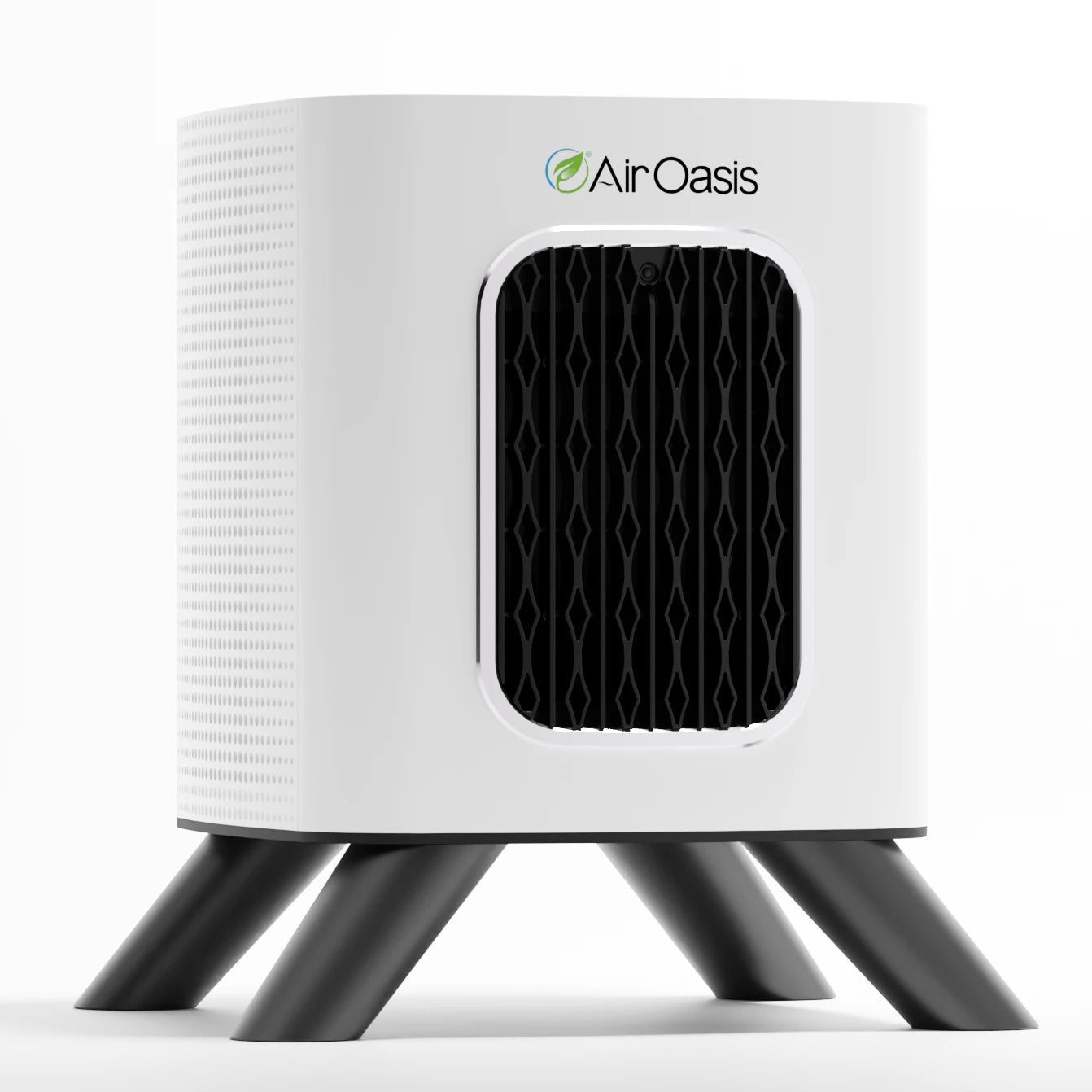
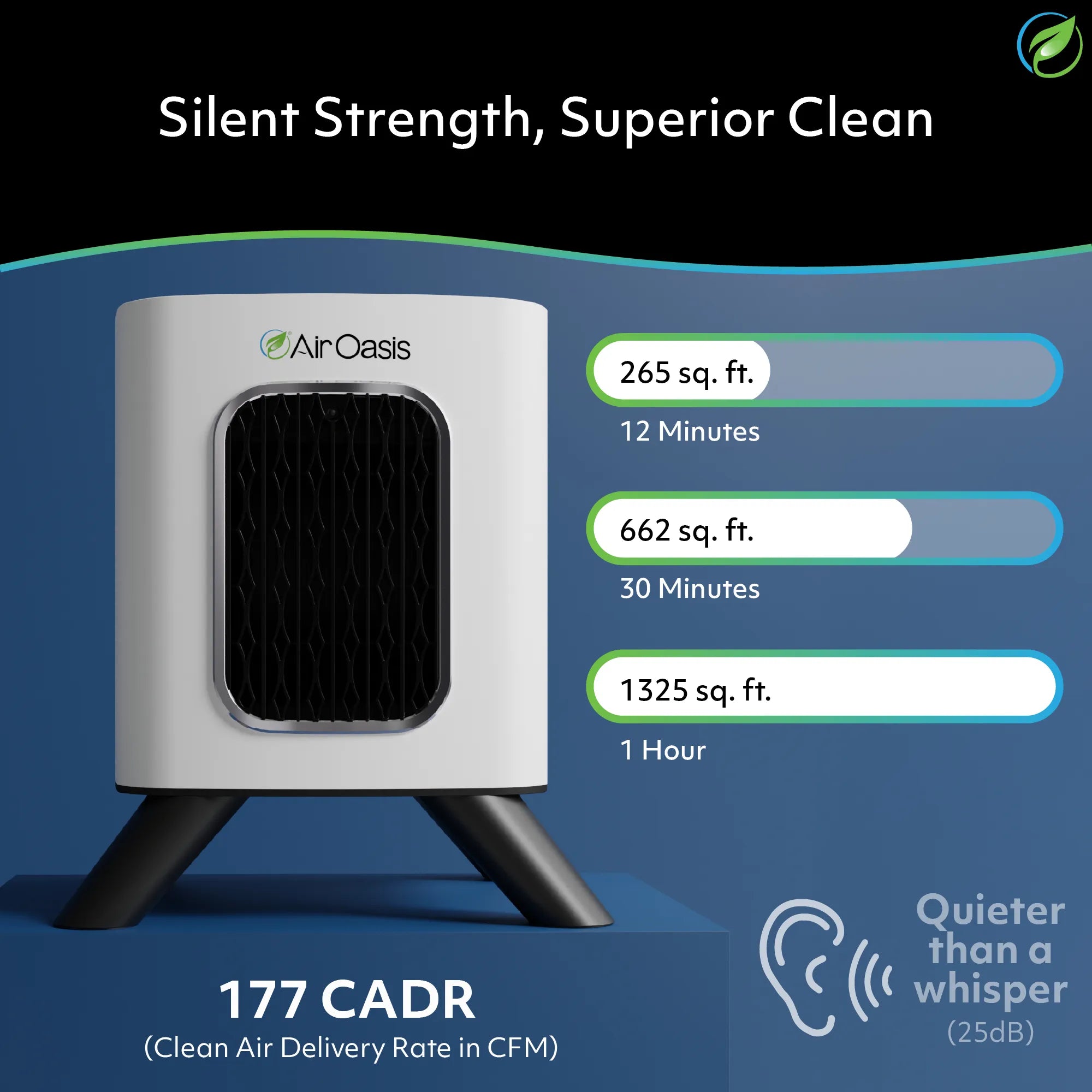
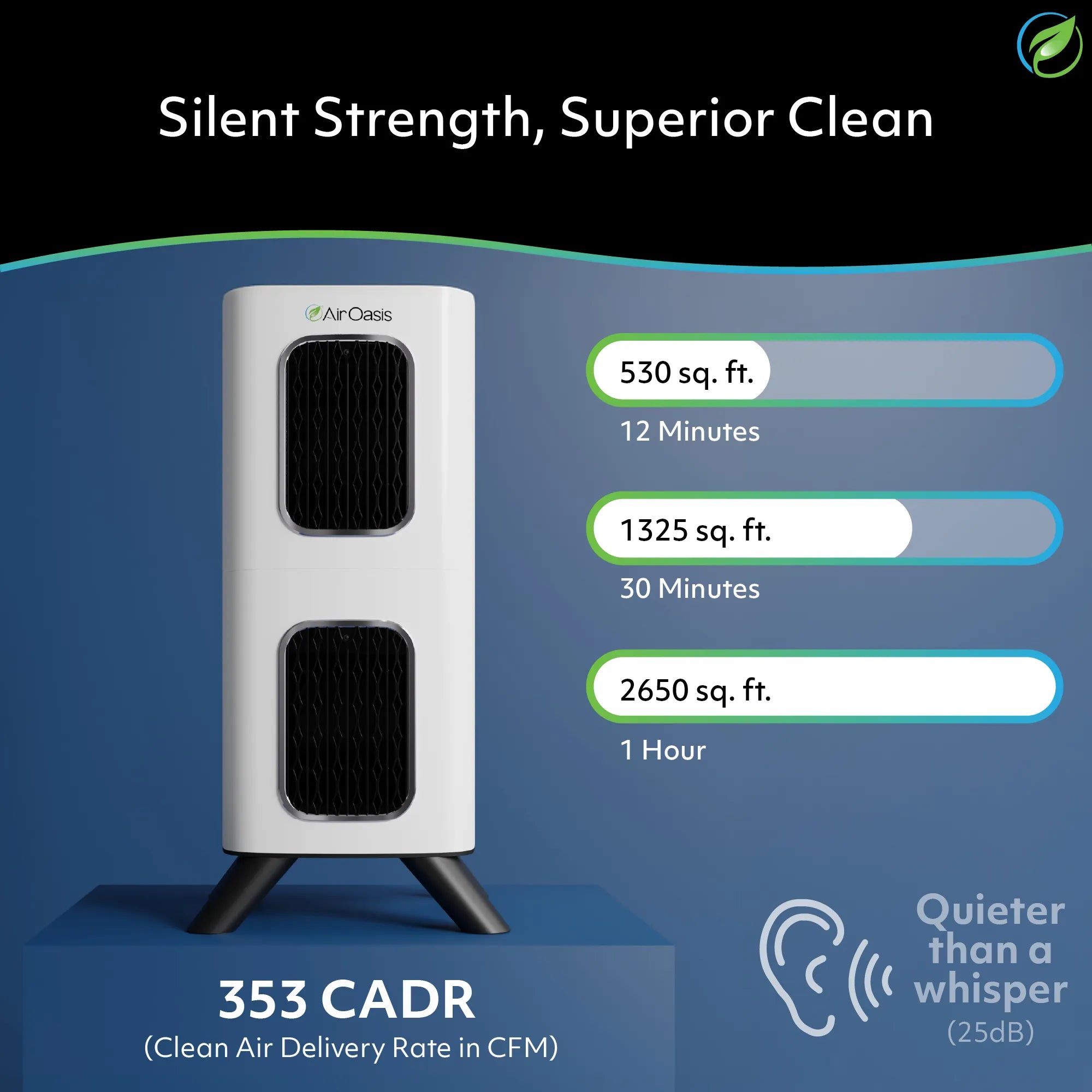
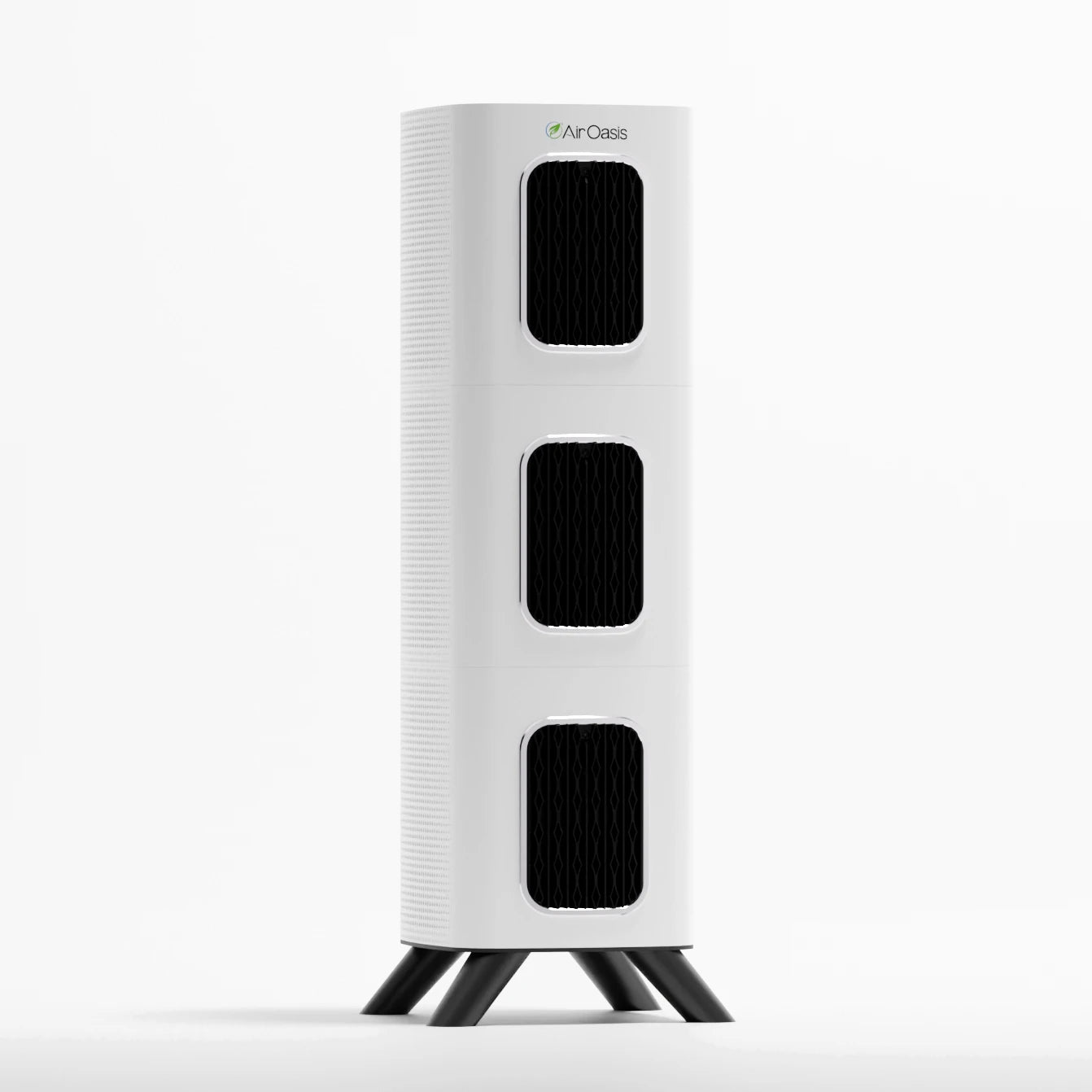
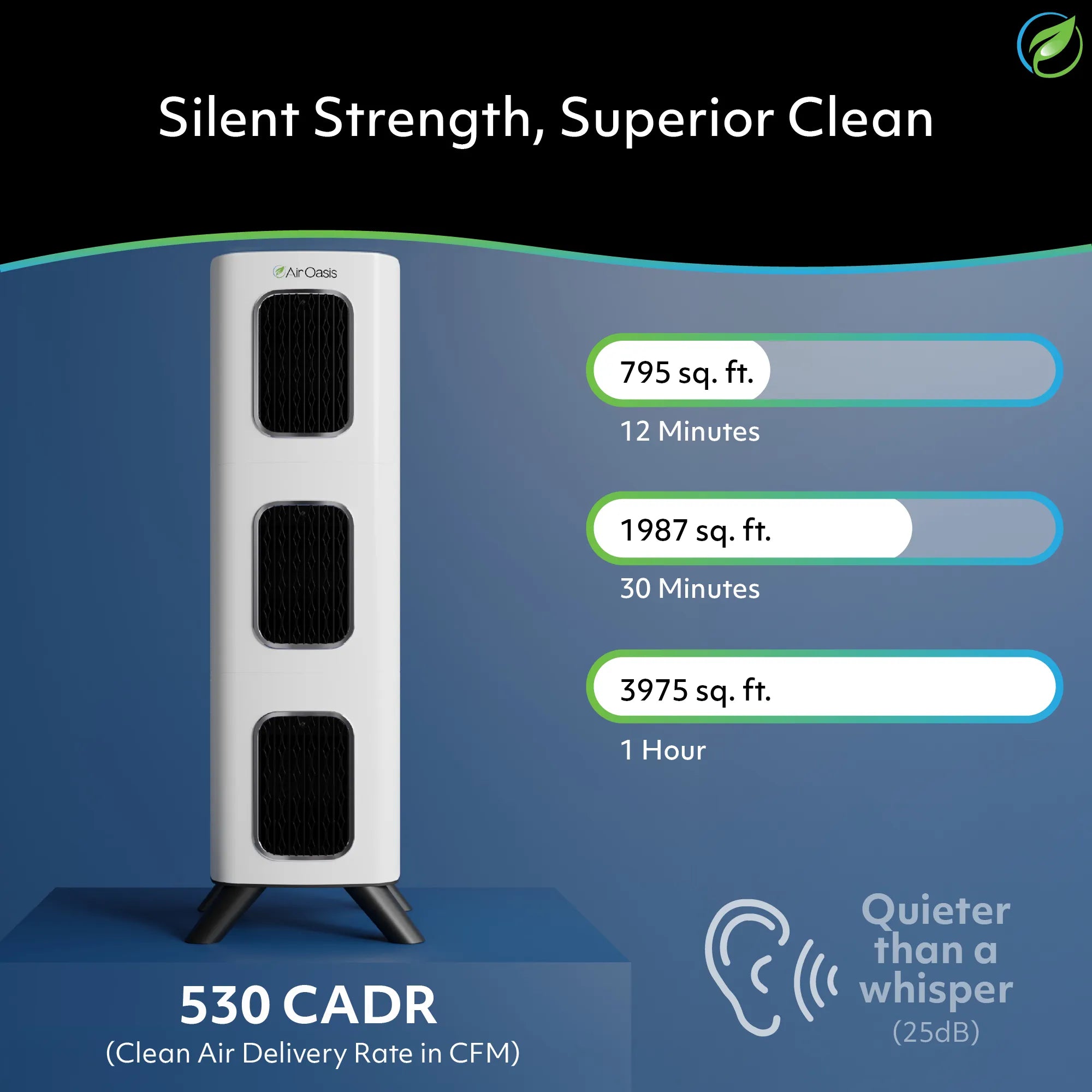
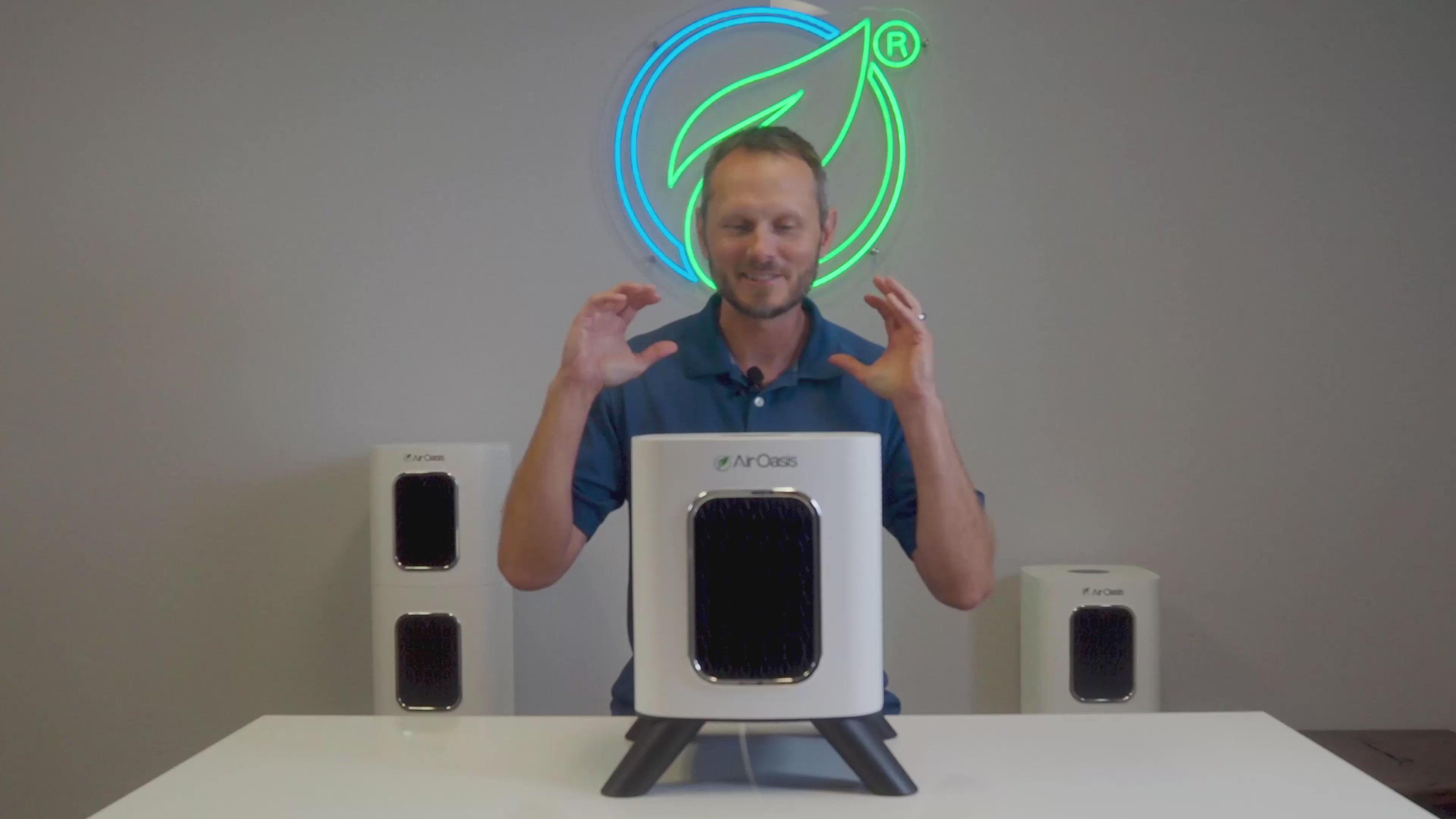
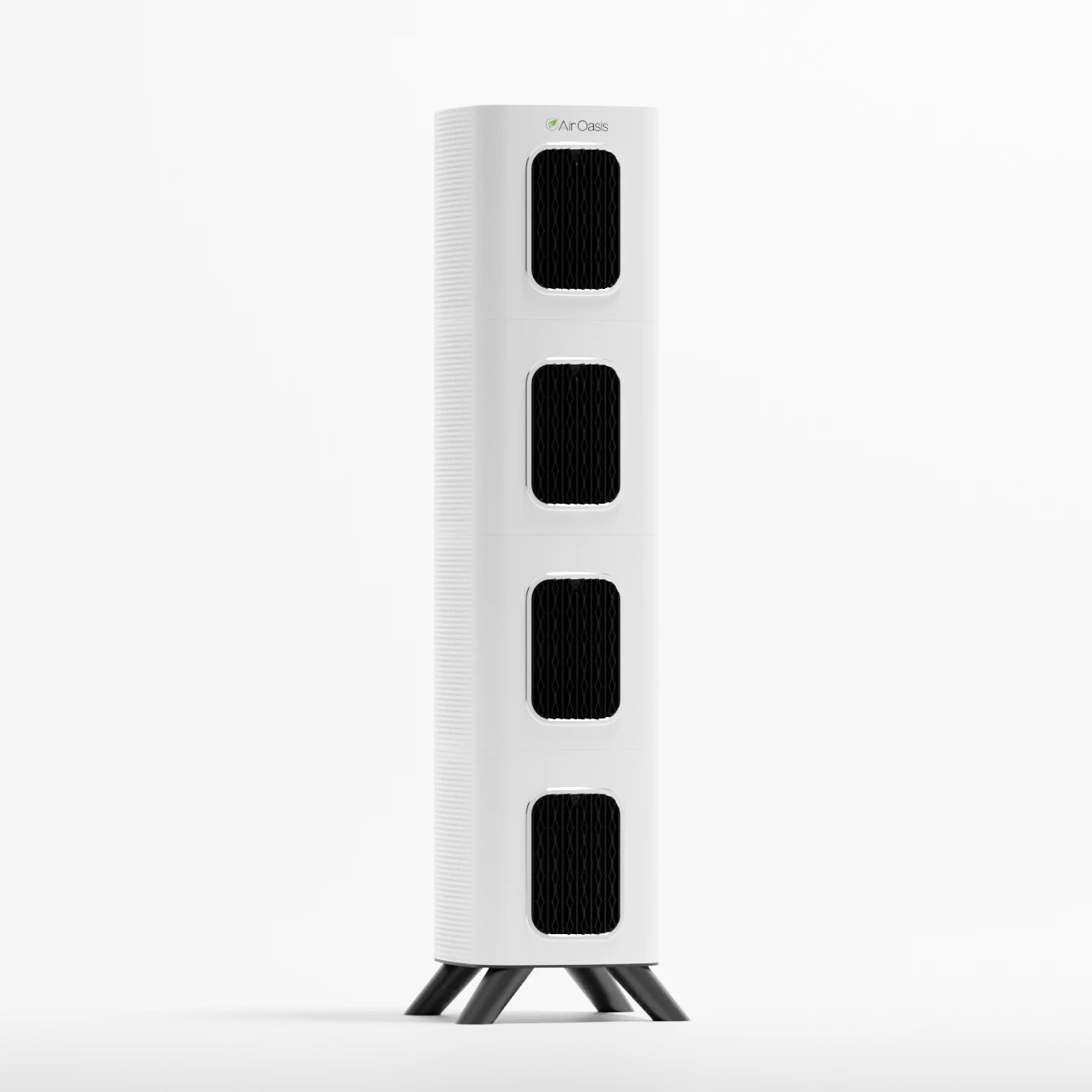
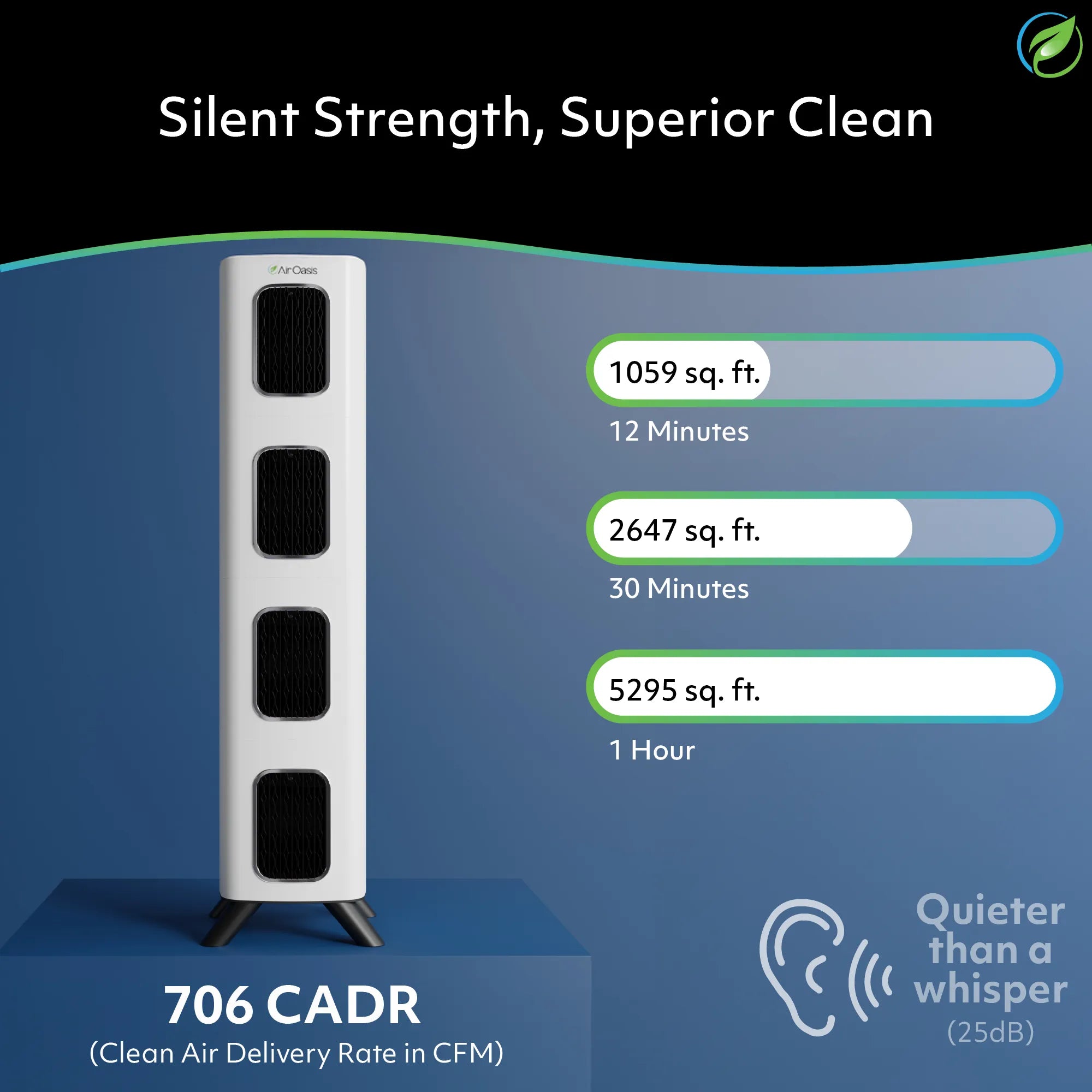
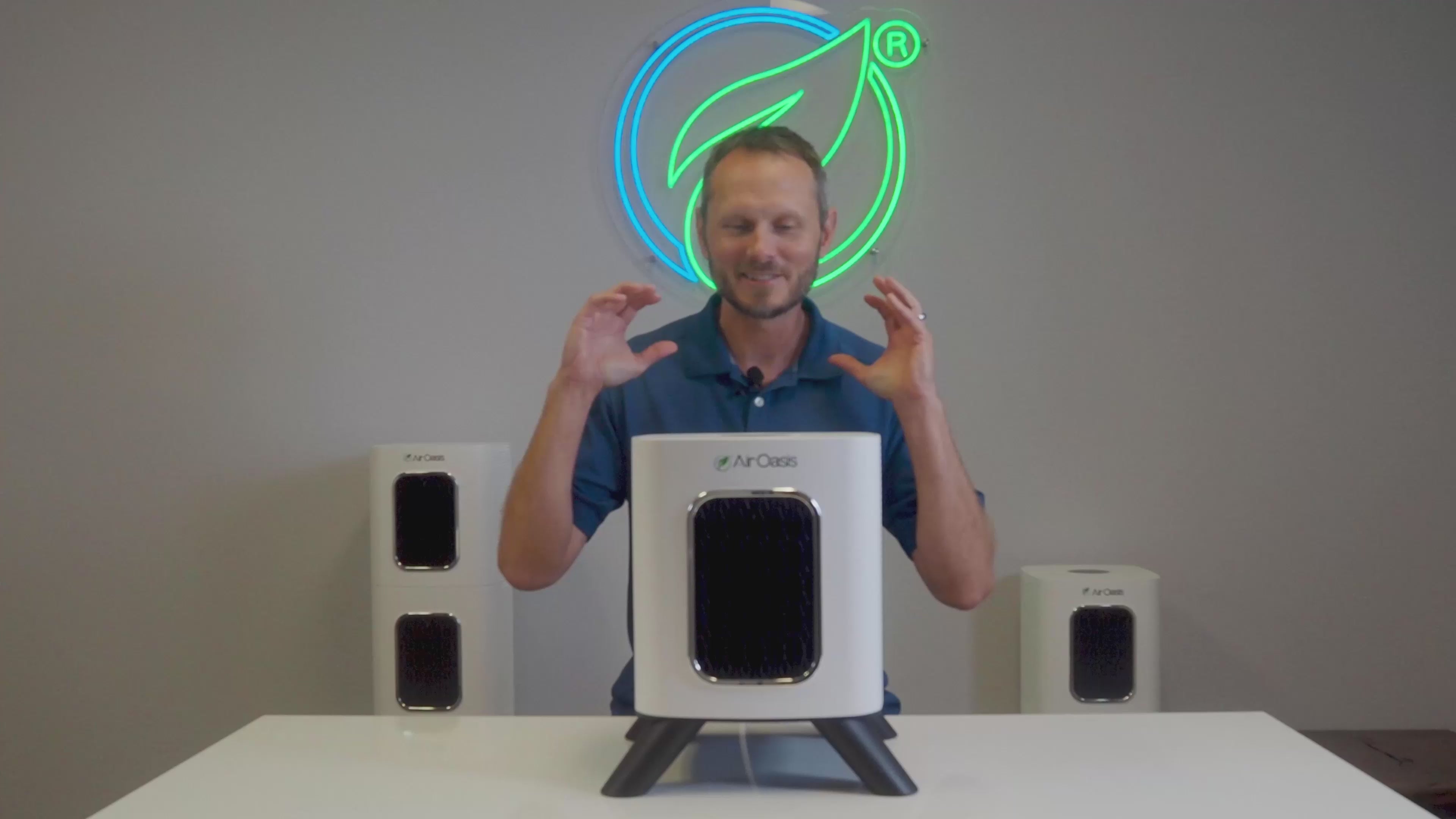
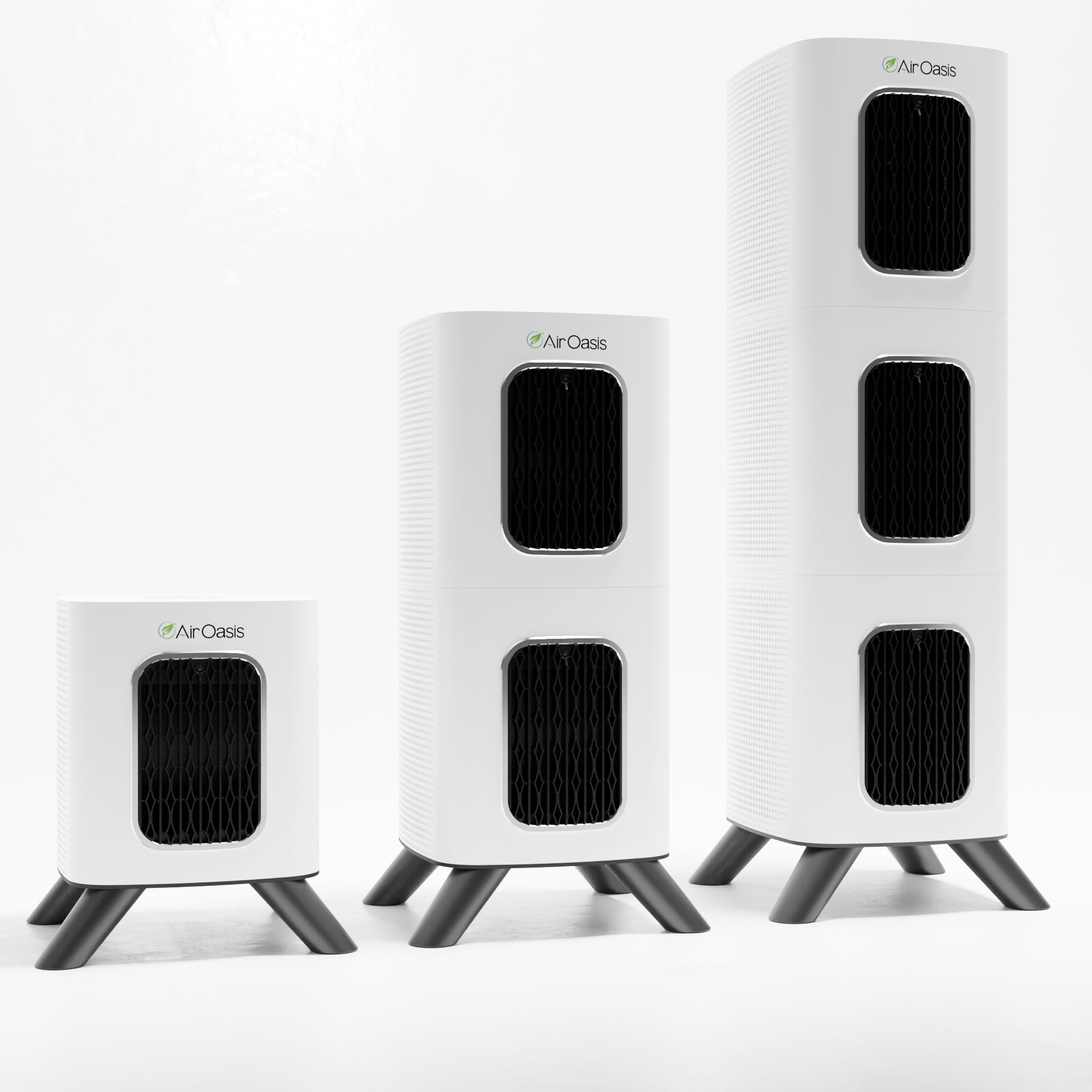
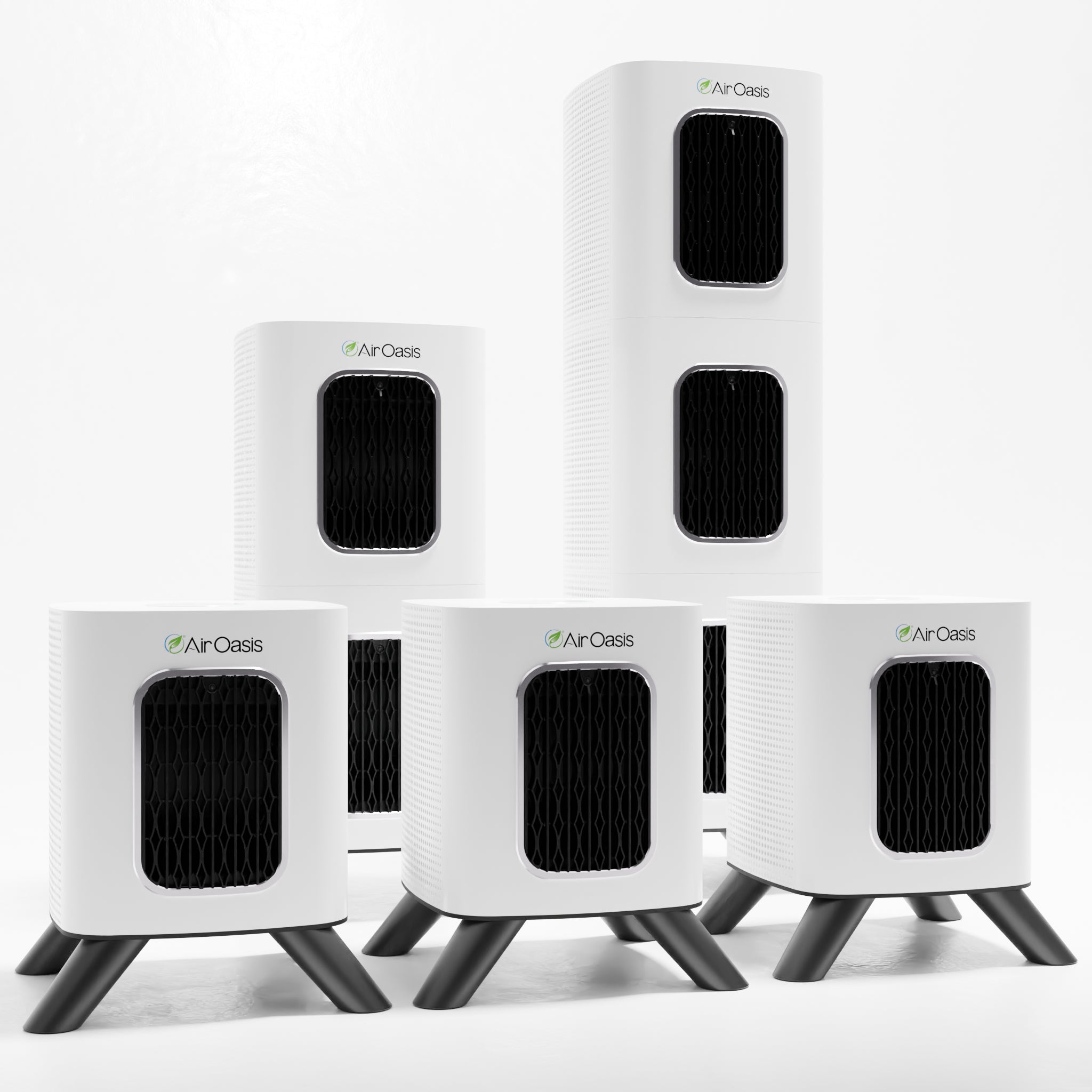
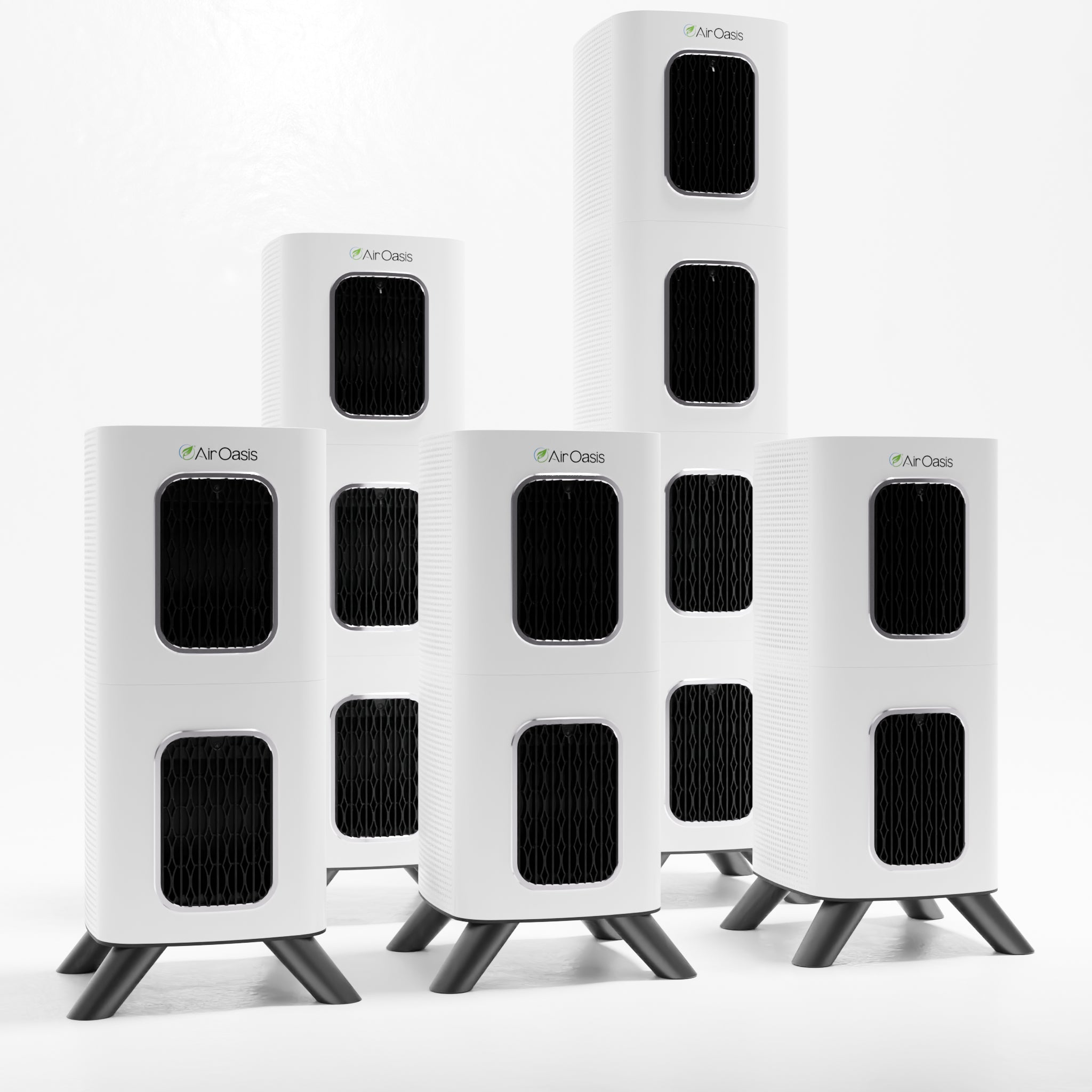
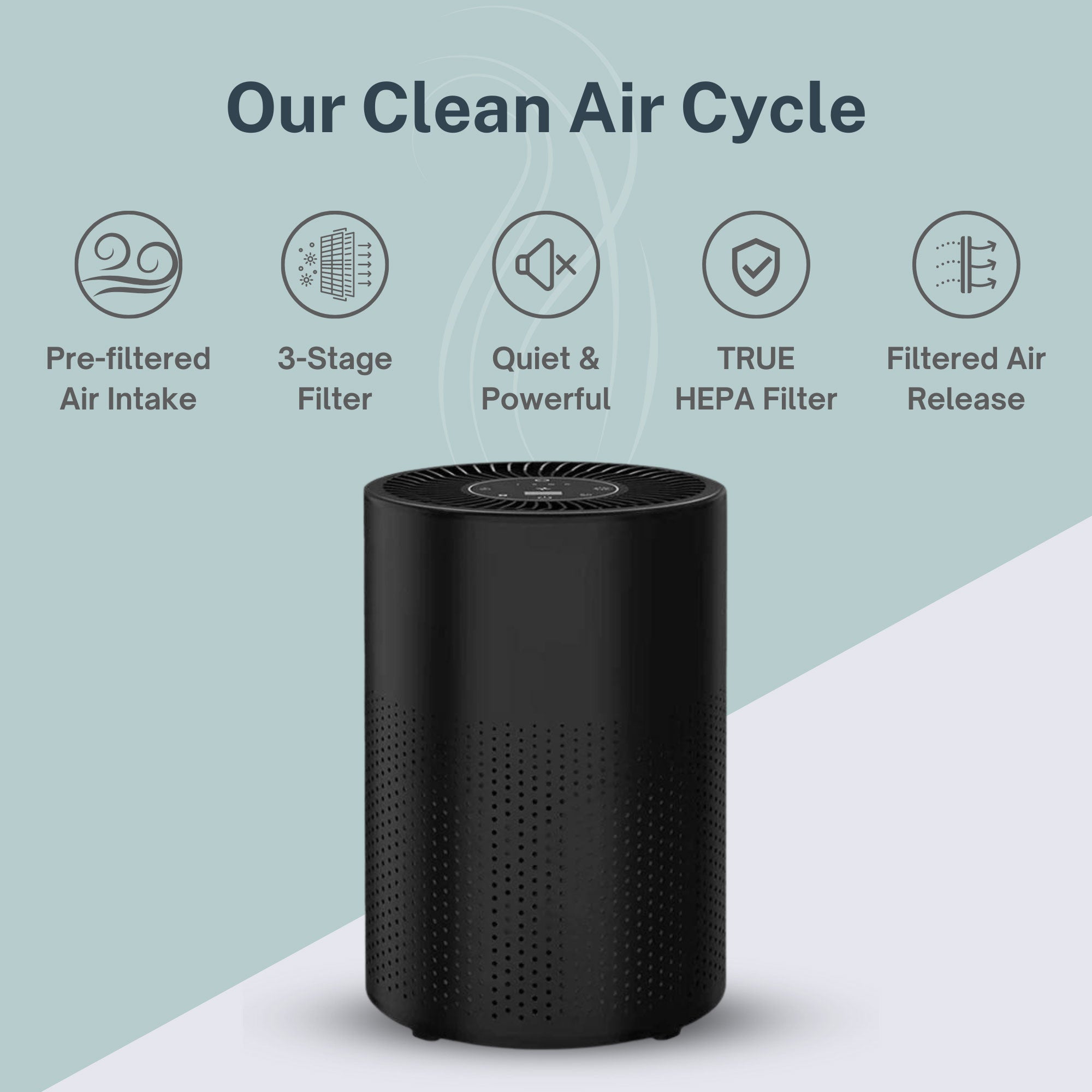
Air Oasis air purifiers combine HEPA and activated carbon filtration with additional technologies that enhance effectiveness against cooking fumes. The UV-C light component doesn't directly address capsaicin, but it destroys biological contaminants that might be present in kitchen air. The bipolar ionization technology releases ions that attach to airborne particles, causing them to clump together and become easier to filter.
Practical Strategies for Managing Spicy Cooking Fumes
Position your air purifier strategically in the kitchen to capture fumes most effectively. Place it a safe distance from the stove—at least three feet away—but close enough to capture fumes as they spread from the cooking area. Avoid placing it directly in the path of steam or grease splatter, as this could damage components or clog filters prematurely.
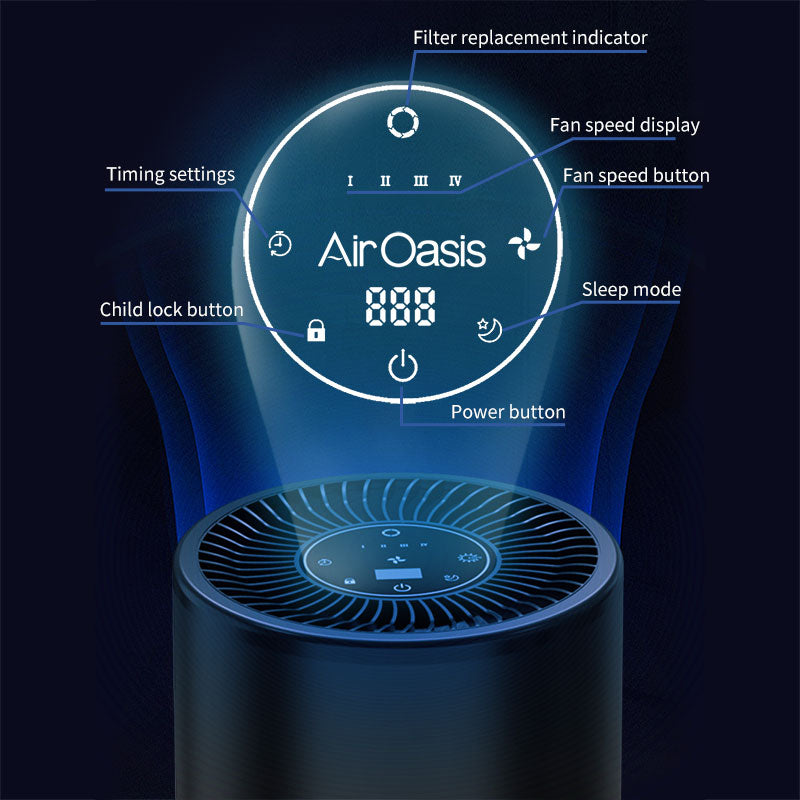
Run the air purifier at high speed during cooking and for at least an hour afterward. Spicy fumes don't dissipate immediately when you turn off the stove. Operating at maximum fan speed during active cooking captures contaminants while concentrations are highest. Continuing operation after cooking removes lingering particles and odors that would otherwise spread throughout your home.
Use your range hood simultaneously with the air purifier. These systems work together rather than competing. The range hood captures fumes at their source directly above the stove. The air purifier cleans the kitchen air that escapes the hood and prevents contamination from spreading to other rooms. Running both provides comprehensive air quality management.
Maintain your air purifier filters diligently when cooking frequently with spicy ingredients. The heavy particle and odor loads from regular spicy cooking will reduce filter life compared to normal usage.
When Cooking Shouldn't Compromise Your Air Quality
You shouldn't have to choose between enjoying flavorful spicy foods and breathing comfortably in your own home. Proper air purification handles the intense fumes from spicy cooking without requiring you to give up the cuisines and flavors you love. Strategic placement, appropriate capacity, and consistent operation transform your kitchen environment from irritating to comfortable.
Your family deserves to breathe easily regardless of what's on the menu. Don't let lingering cooking fumes drive people away from the kitchen or spread discomfort throughout your home. Discover how Air Oasis air purifiers provide the powerful filtration needed to tackle even the most challenging cooking odors and fumes. Shop Air Oasis today and enjoy your favorite spicy dishes without suffering the aftermath.