You spent the morning inside. You haven't mowed, you haven't been near a lawn, and you barely opened the windows. And yet your nose is running, your eyes are watering, and you can't stop sneezing. If Bermuda grass season is in full swing outside, your home may not be as protected as you think.
Bermuda grass is one of the most potent and widespread grass allergens in the United States, and it has a persistent talent for finding its way inside.
Why Bermuda grass pollen is such a significant allergen
Bermuda grass (Cynodon dactylon) is the dominant lawn grass across the southern United States and much of the Sun Belt, from California through Texas, across the Gulf Coast, and up through the mid-Atlantic. It is also widely used on sports fields, golf courses, and along roadsides throughout warm-climate regions. Because of how extensively it's planted, exposure is essentially unavoidable outdoors during its season.
Bermuda grass pollinates from late spring through early fall in most regions, with peak season typically falling between May and September. In warmer climates, including Florida and southern California, it can pollinate for much of the year. The pollen is lightweight, wind-dispersed, and produced in substantial quantities, making it one of the most frequently detected allergens in atmospheric pollen sampling across the southern half of the country.
Grass pollen is one of the most common triggers of allergic rhinitis and allergic asthma. Among grass species, Bermuda is recognized as a particularly potent sensitizer, in part because its major allergen proteins, including the well-characterized Cyn d 1, are highly immunogenic in sensitized individuals. A review in the Journal of Allergy and Clinical Immunology noted that Bermuda grass sensitization rates are among the highest for any single grass species in studies of allergy patients in warm-climate regions.
How Bermuda grass pollen gets indoors
This is the part that surprises people. The assumption is that closing windows and staying inside should protect you. It helps, but it doesn't create a pollen-free environment.
Bermuda grass pollen grains are very small, typically ranging from 25 to 40 microns in diameter. They drift easily on air currents and remain airborne for extended periods. Every time a door opens, pollen enters. It travels on clothing, on shoes, on pets, and on hair. HVAC systems draw outdoor air in through return vents and, if the filter is standard rather than high-efficiency, pass much of that pollen directly into the indoor air supply. Even well-sealed homes accumulate measurable indoor pollen concentrations during high outdoor pollen periods.
Indoor pollen concentrations, while lower than outdoor levels, track closely with outdoor pollen counts during peak season. Indoor pollen doesn't disappear on its own. It settles on surfaces, gets disturbed by foot traffic or fans, and re-enters the breathing zone repeatedly.
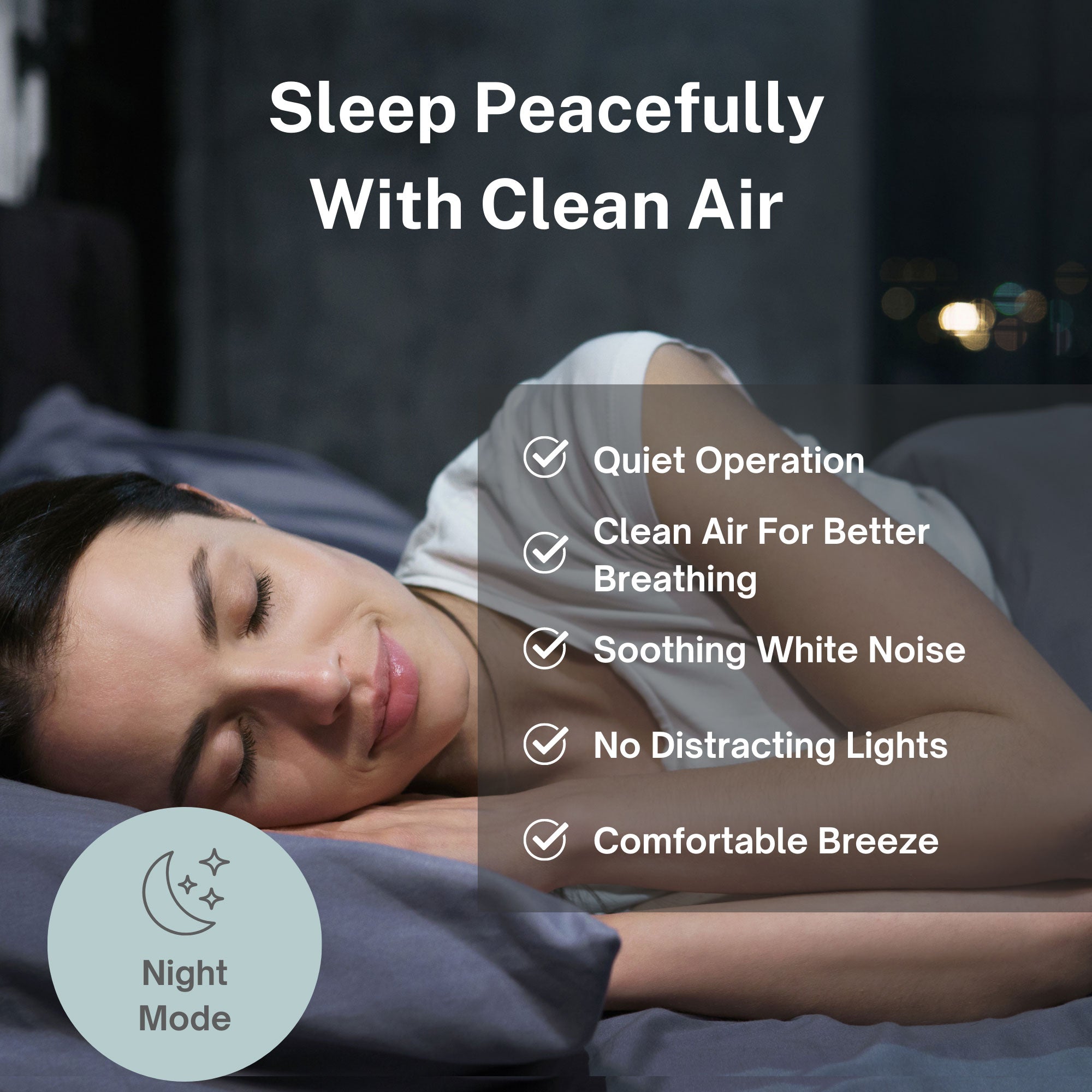
For people with Bermuda grass allergies, this indoor accumulation is why symptoms can persist even on days spent mostly at home. The bedroom, in particular, accumulates pollen carried in on clothing and hair before bed. You spend roughly a third of your life in that room breathing whatever has settled there.
The asthma connection
Bermuda grass allergies deserve particular attention in households where anyone has asthma. Grass pollen is a documented trigger for asthma exacerbations, not just upper respiratory symptoms. Studies have associated elevated grass pollen days with increased emergency department visits for asthma in affected regions.
The mechanism involves airway inflammation triggered by inhaled allergen proteins. In sensitized individuals, Bermuda grass pollen exposure can produce bronchial hyperresponsiveness, wheezing, chest tightness, and shortness of breath alongside the more typical nasal and eye symptoms. For children with asthma living in Bermuda grass regions, summer can be one of the more challenging periods of the year.
If anyone in your household has both Bermuda grass sensitization and asthma, indoor allergen control during peak season is not just about comfort. It's about managing a genuine respiratory health risk.
What the symptoms actually look like
Bermuda grass allergy symptoms follow the classic allergic rhinitis pattern: nasal congestion, sneezing, runny nose, itchy and watery eyes, and postnasal drip. Fatigue is common, driven by the immune system's inflammatory response and by disrupted sleep from congestion and nighttime symptoms.
Some people also experience skin symptoms including hives or eczema flares in response to grass pollen exposure, though respiratory symptoms are more typical. As noted above, lower respiratory symptoms including coughing and wheezing can occur in people with underlying airway sensitivity or asthma.
Symptoms that began outdoors but continue or worsen at home, particularly in the mornings after sleeping, often reflect indoor pollen accumulation rather than purely outdoor exposure. This is an important distinction because it points toward an indoor management strategy, not just outdoor avoidance.
Reducing indoor Bermuda grass pollen exposure
Outdoor exposure management is part of the picture: monitoring daily pollen counts, limiting outdoor activity during peak periods (typically midday and afternoon when pollen dispersal is highest), showering and changing clothes after being outside, and leaving shoes at the door all reduce how much pollen enters the home.
But the indoor environment needs its own strategy.
Standard HVAC filters, rated MERV 1 through 4, capture large particles but allow fine pollen grains to pass through into living spaces. Upgrading to a higher-rated filter, MERV 11 or better, improves pollen capture at the HVAC level, though no HVAC filter substitutes for room-level air purification where you actually breathe.
Frequent vacuuming with a sealed HEPA vacuum reduces pollen that has settled into carpets and upholstery. Washing bedding weekly in warm water during pollen season removes accumulated pollen from the place where you spend the most concentrated time.
Protecting your indoor air during Bermuda grass season
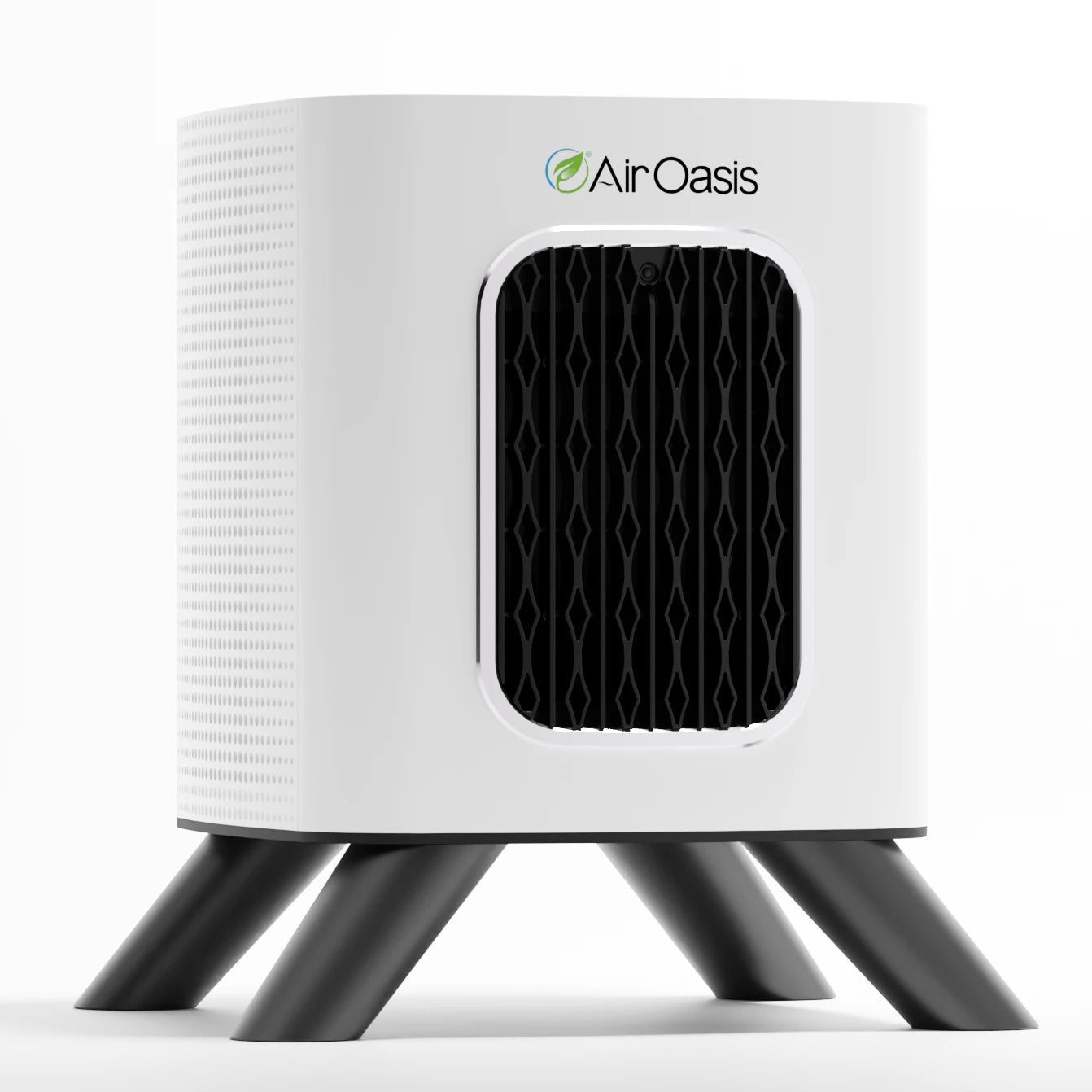
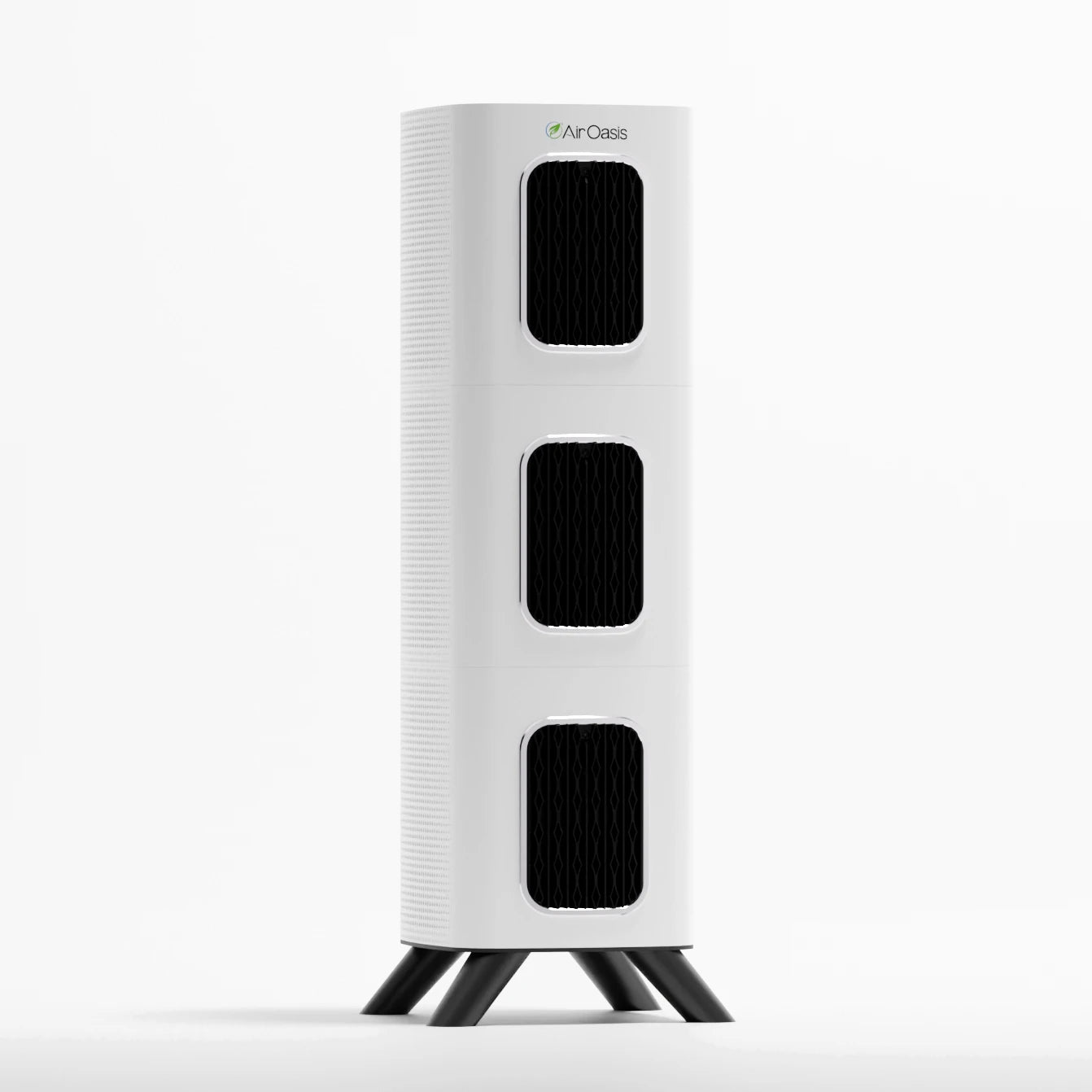
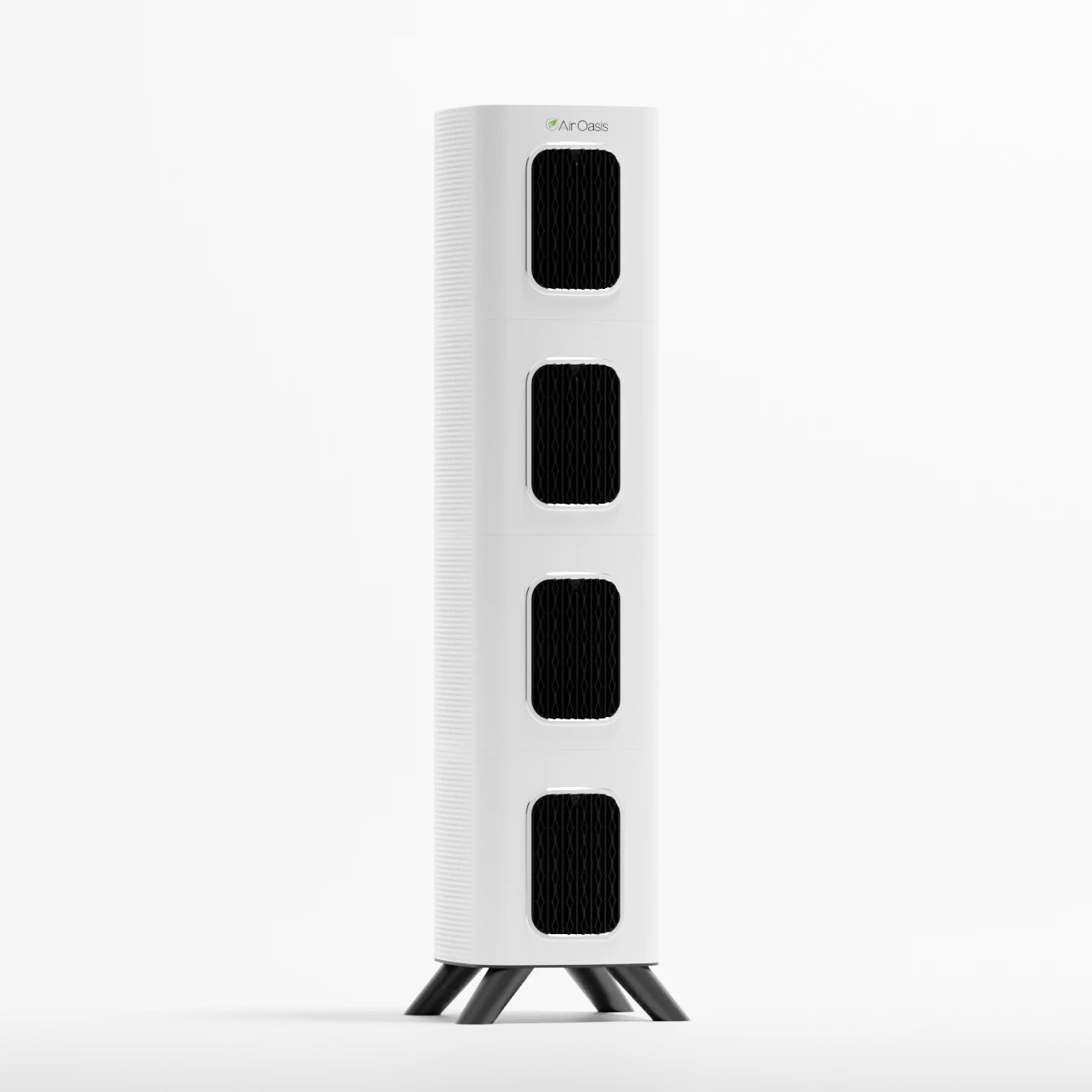
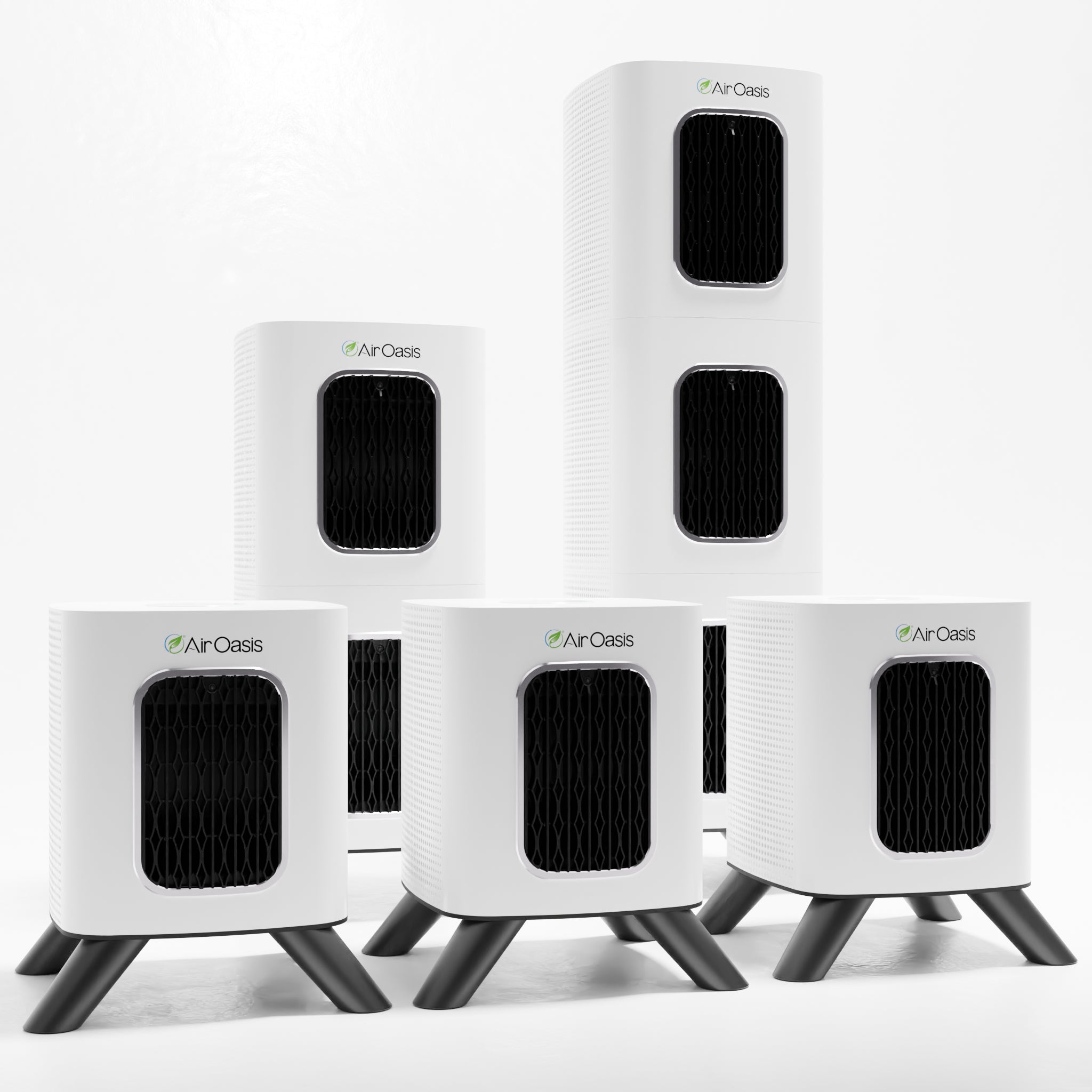
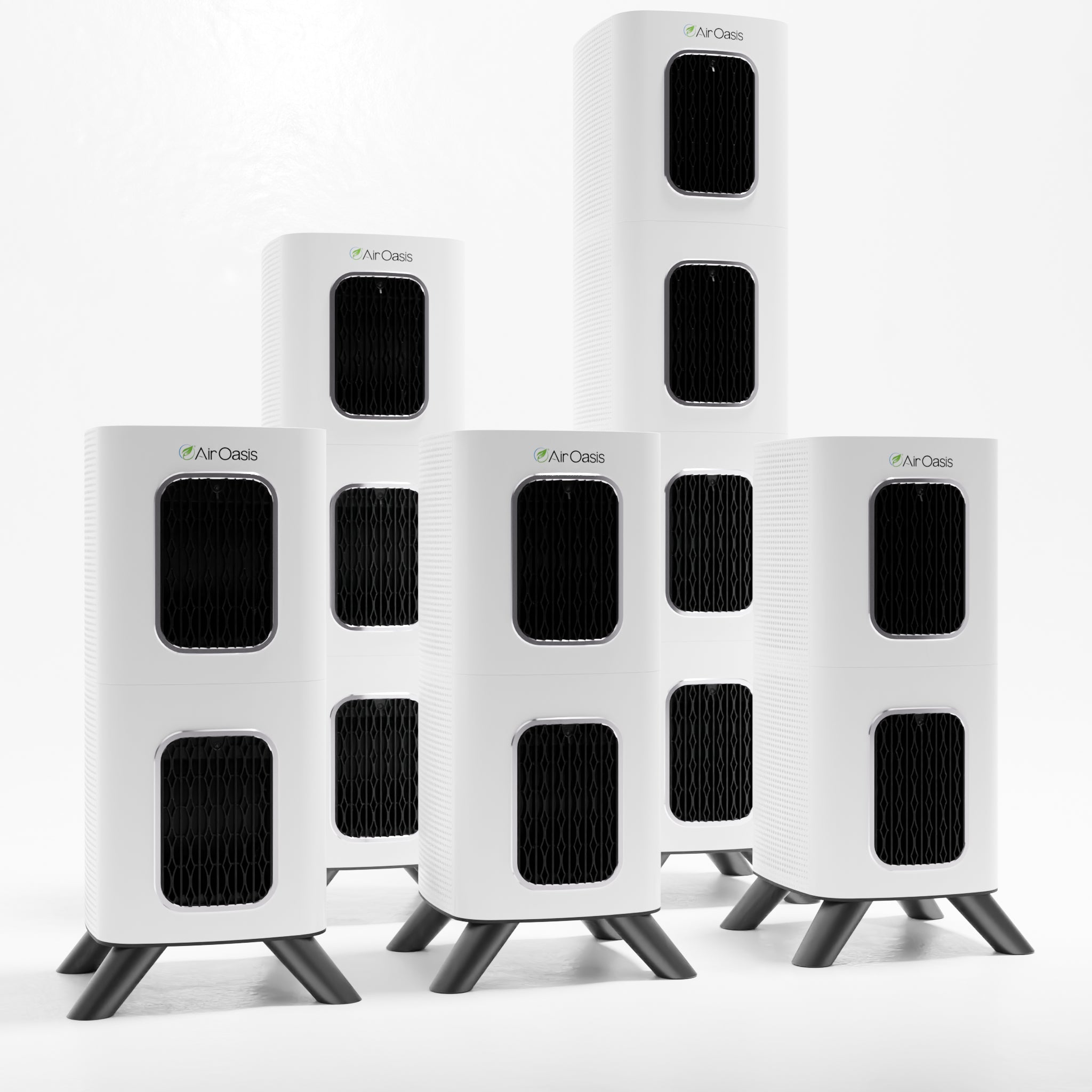
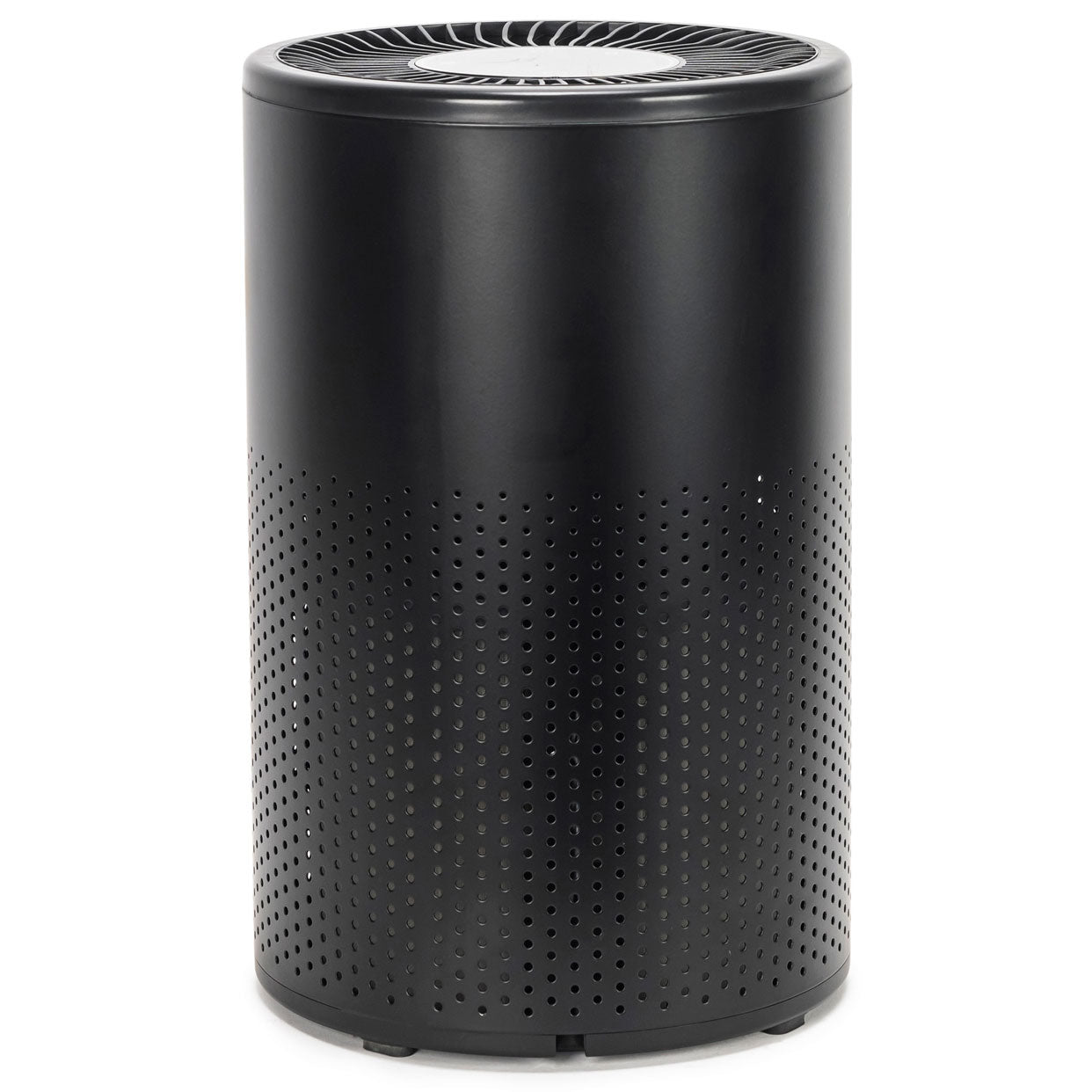
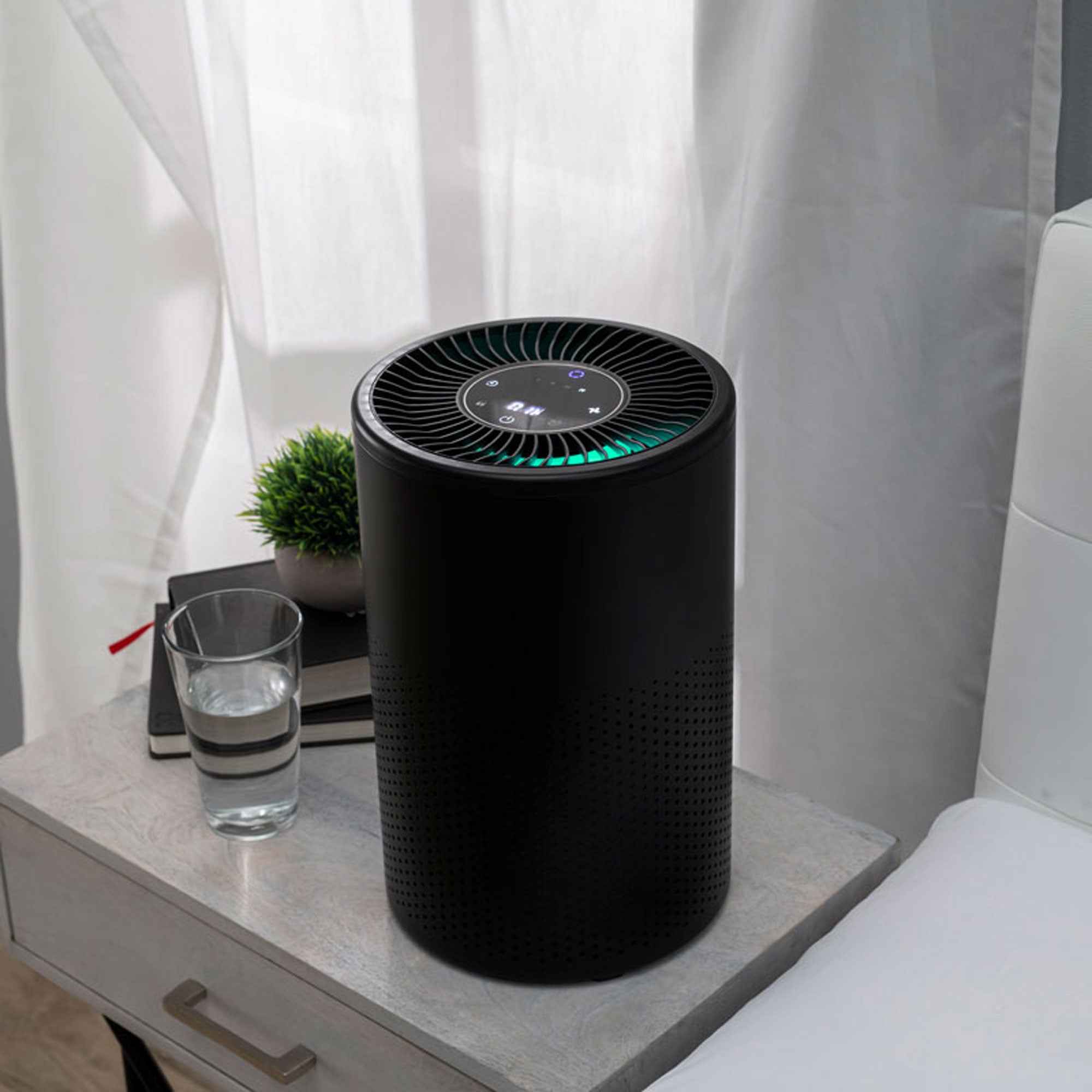
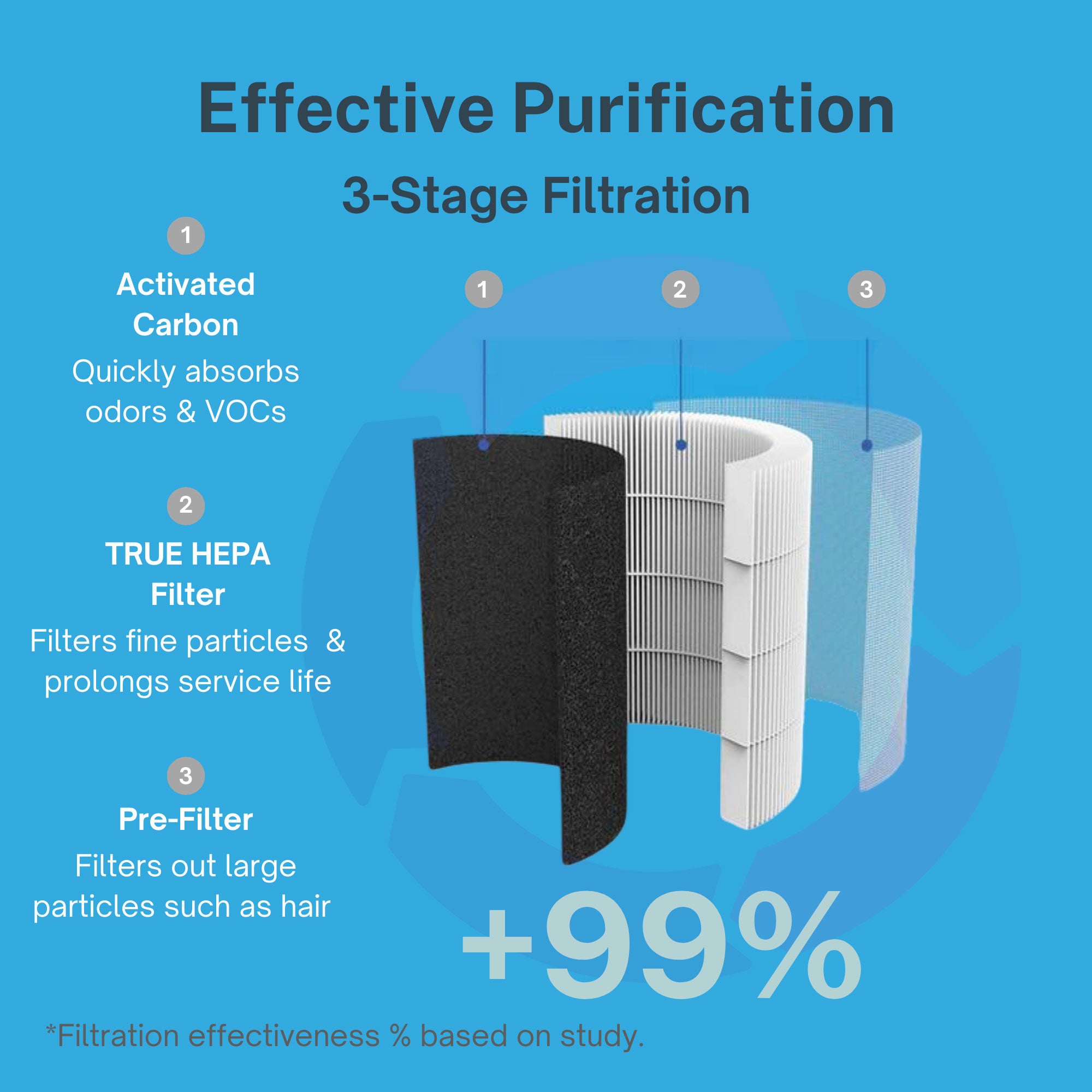
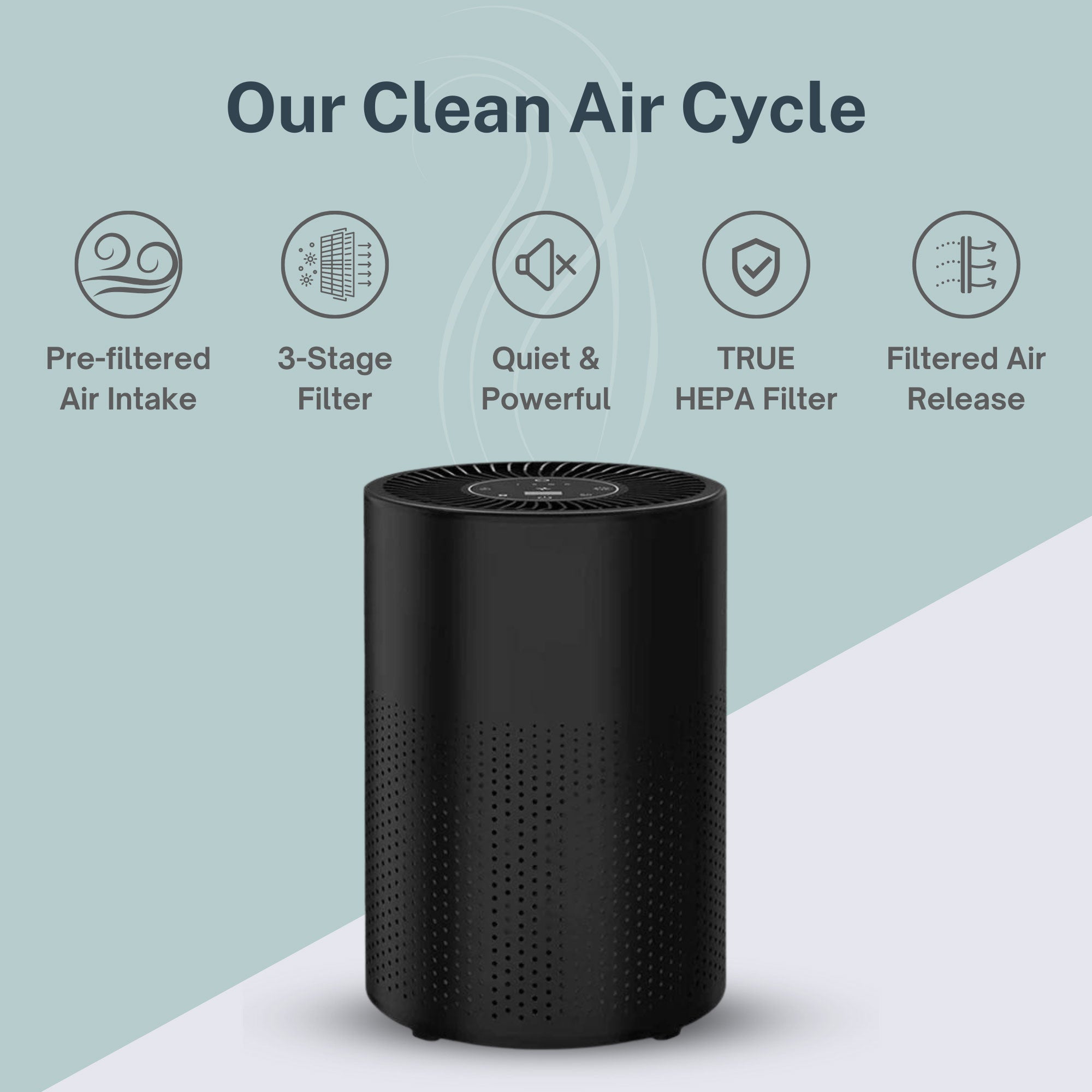
A room air purifier running continuously during peak season is one of the most direct interventions for keeping indoor pollen concentrations low. The iAdaptAir by Air Oasis uses true HEPA filtration, which captures airborne particles down to 0.3 microns. Bermuda grass pollen grains fall well above that threshold, meaning they are captured effectively on each pass through the filter.
Running it continuously, with doors and windows closed during high outdoor pollen periods, maintains lower indoor pollen concentrations throughout the day and night. This matters most in bedrooms and primary living areas, where cumulative exposure over hours is what drives symptom load.
The iAdaptAir is CARB-certified ozone-free, which is relevant for anyone with asthma or airway sensitivity. Ozone is a respiratory irritant and is specifically contraindicated for continuous use in homes where asthma or reactive airways are a concern. The iAdaptAir produces no ozone, making it safe for continuous operation throughout allergy season.
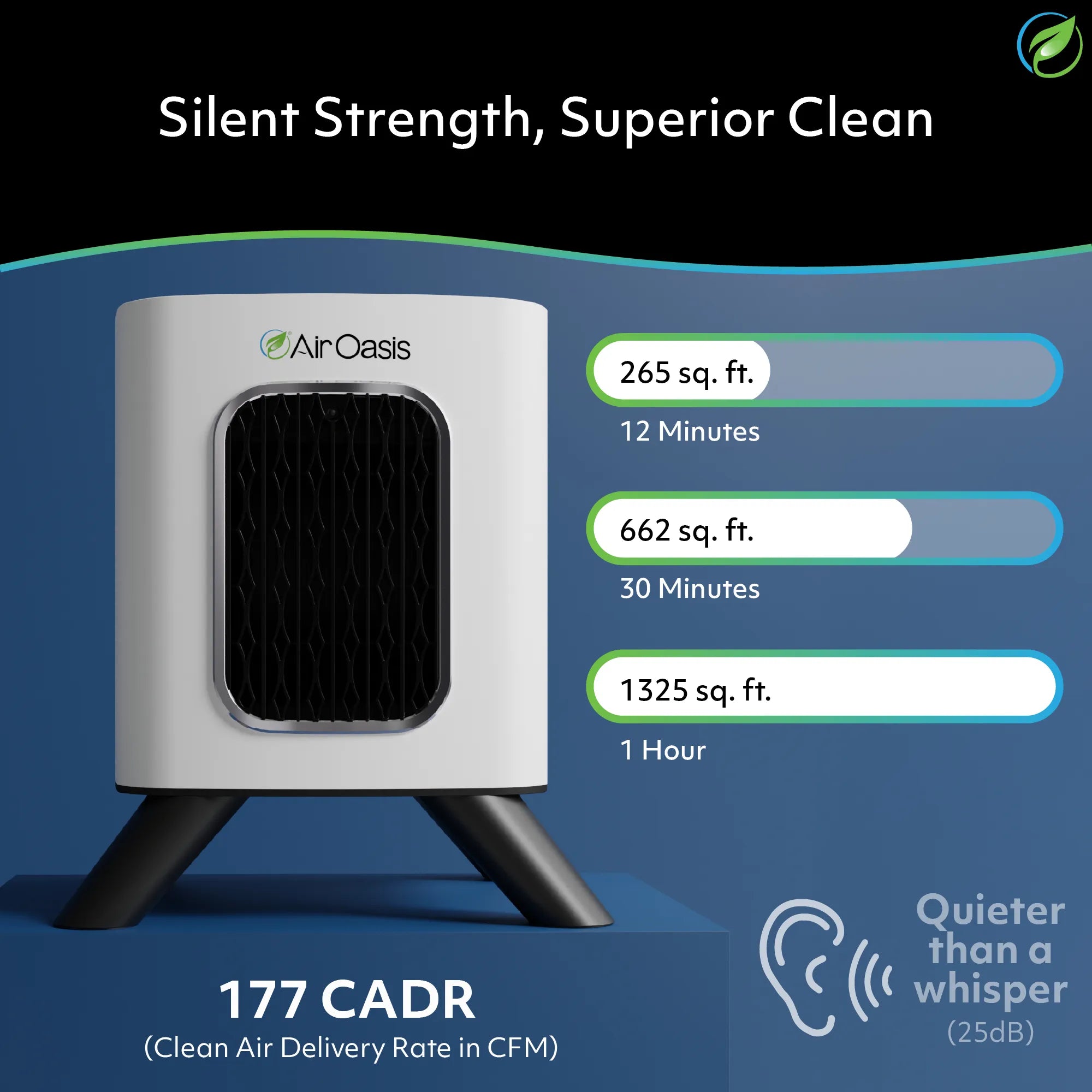
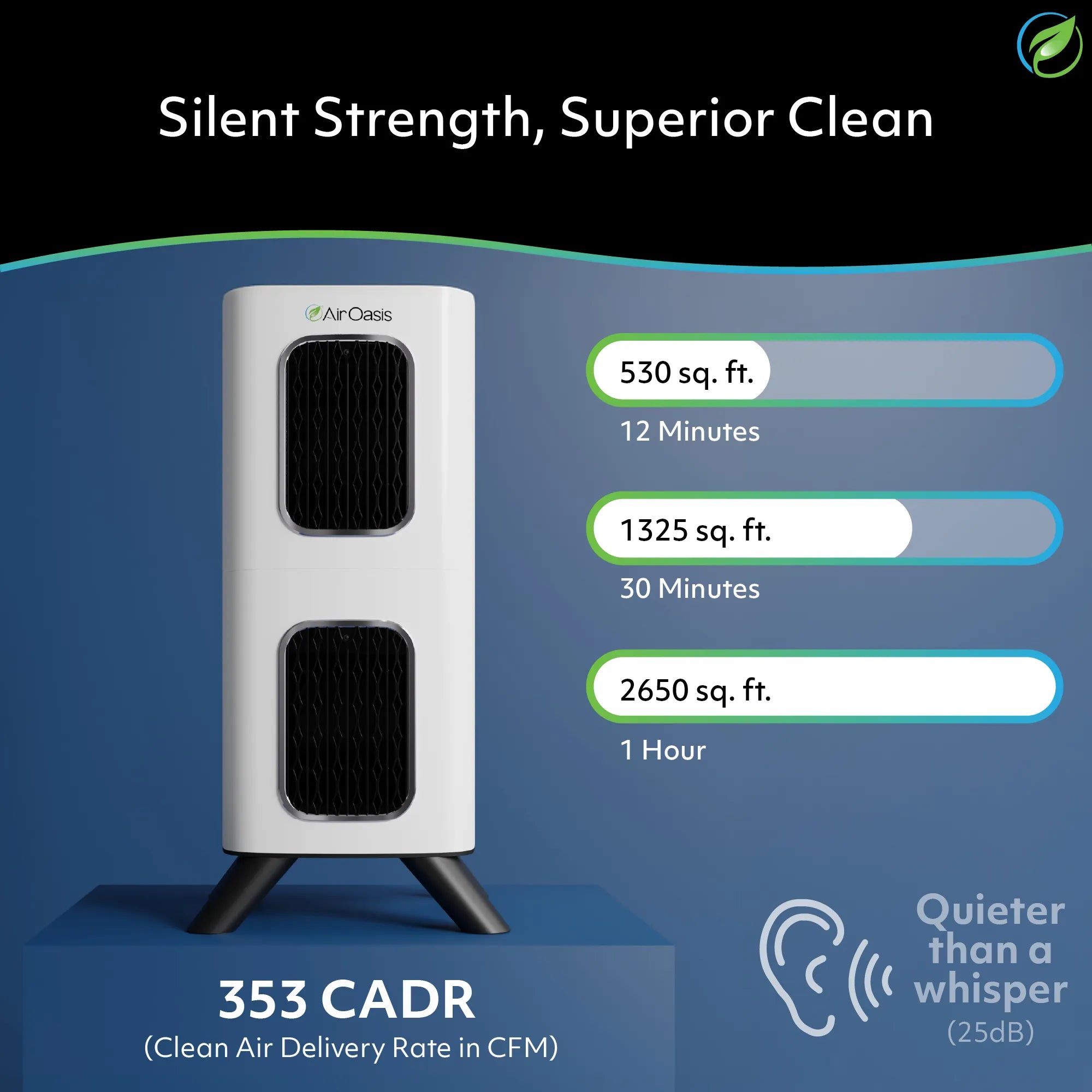
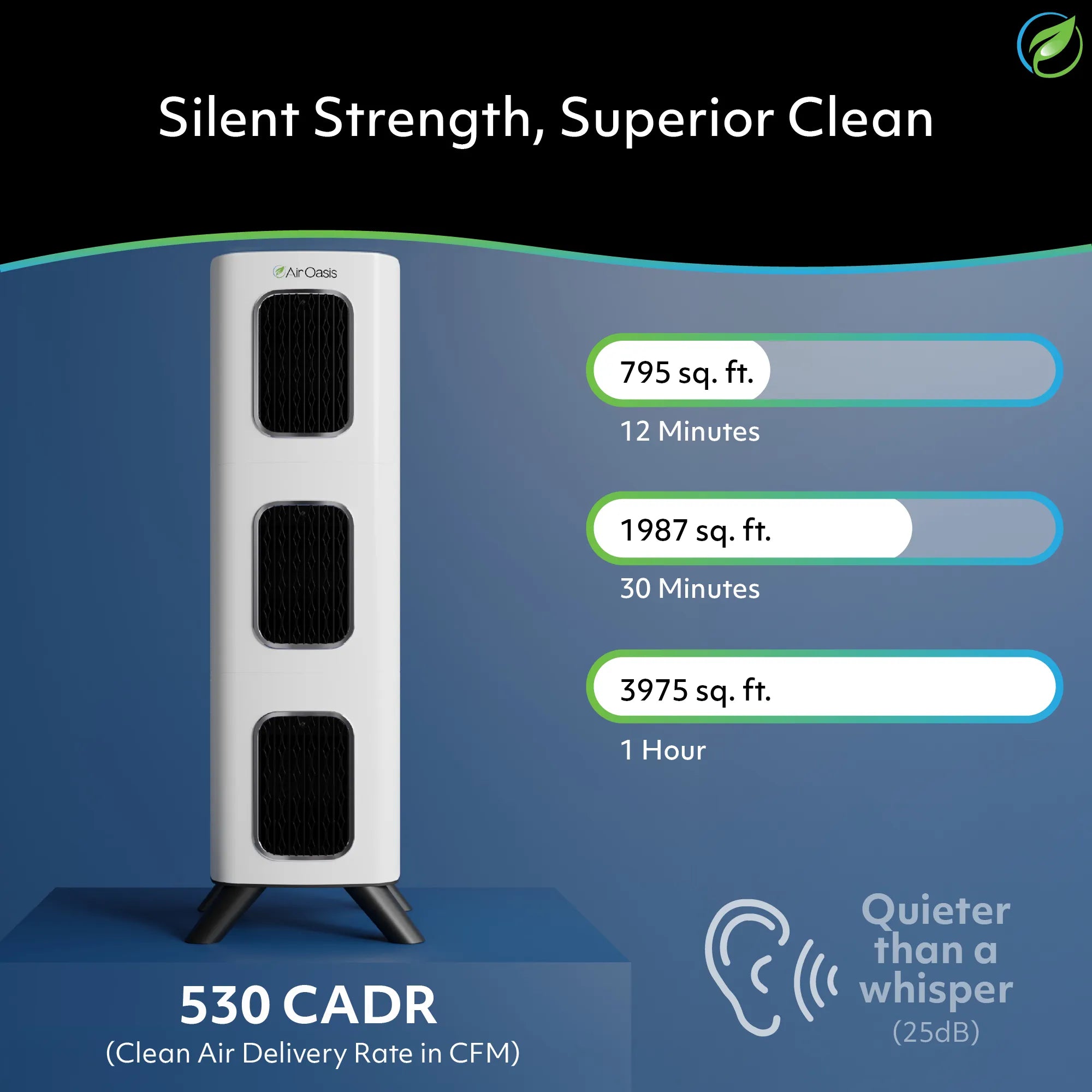
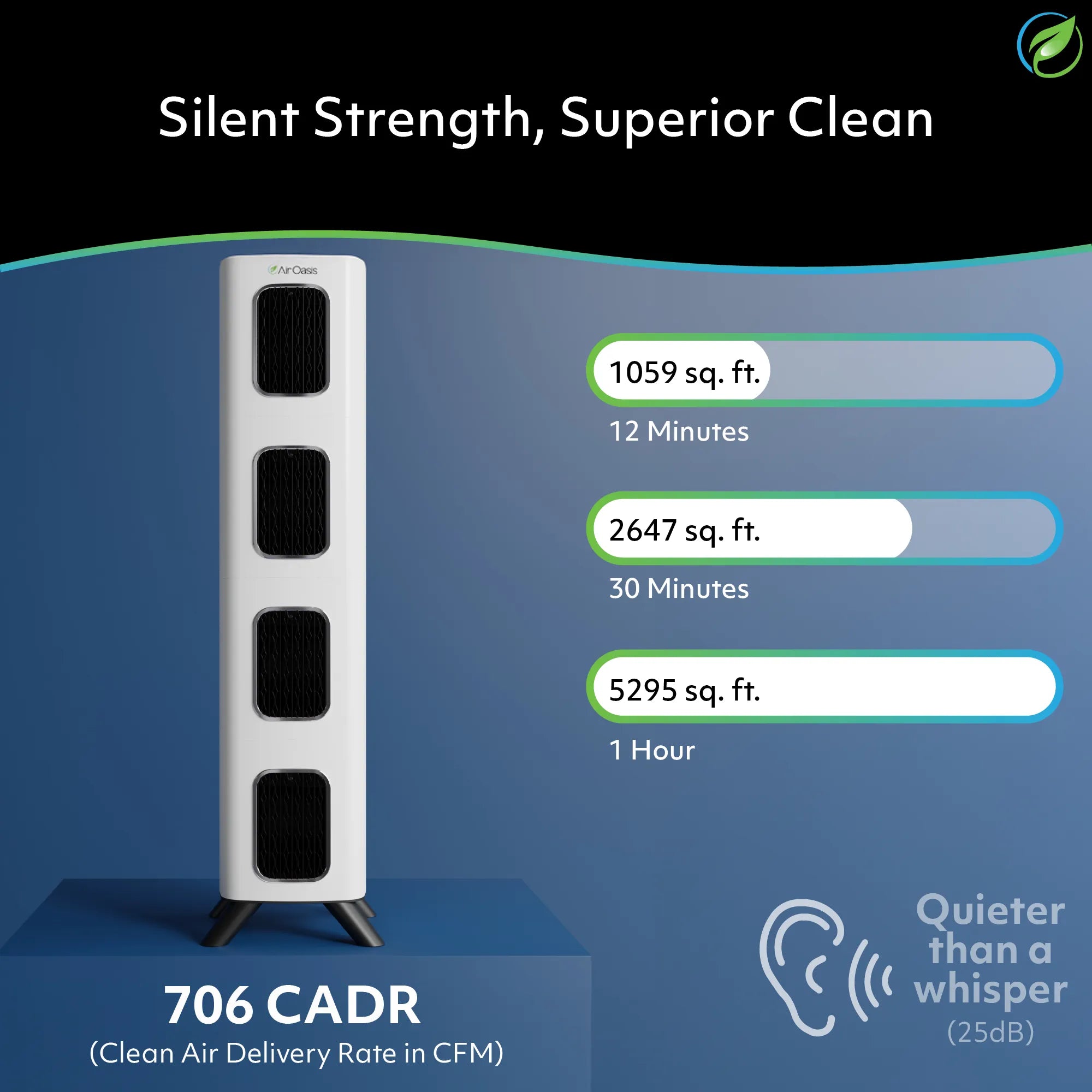
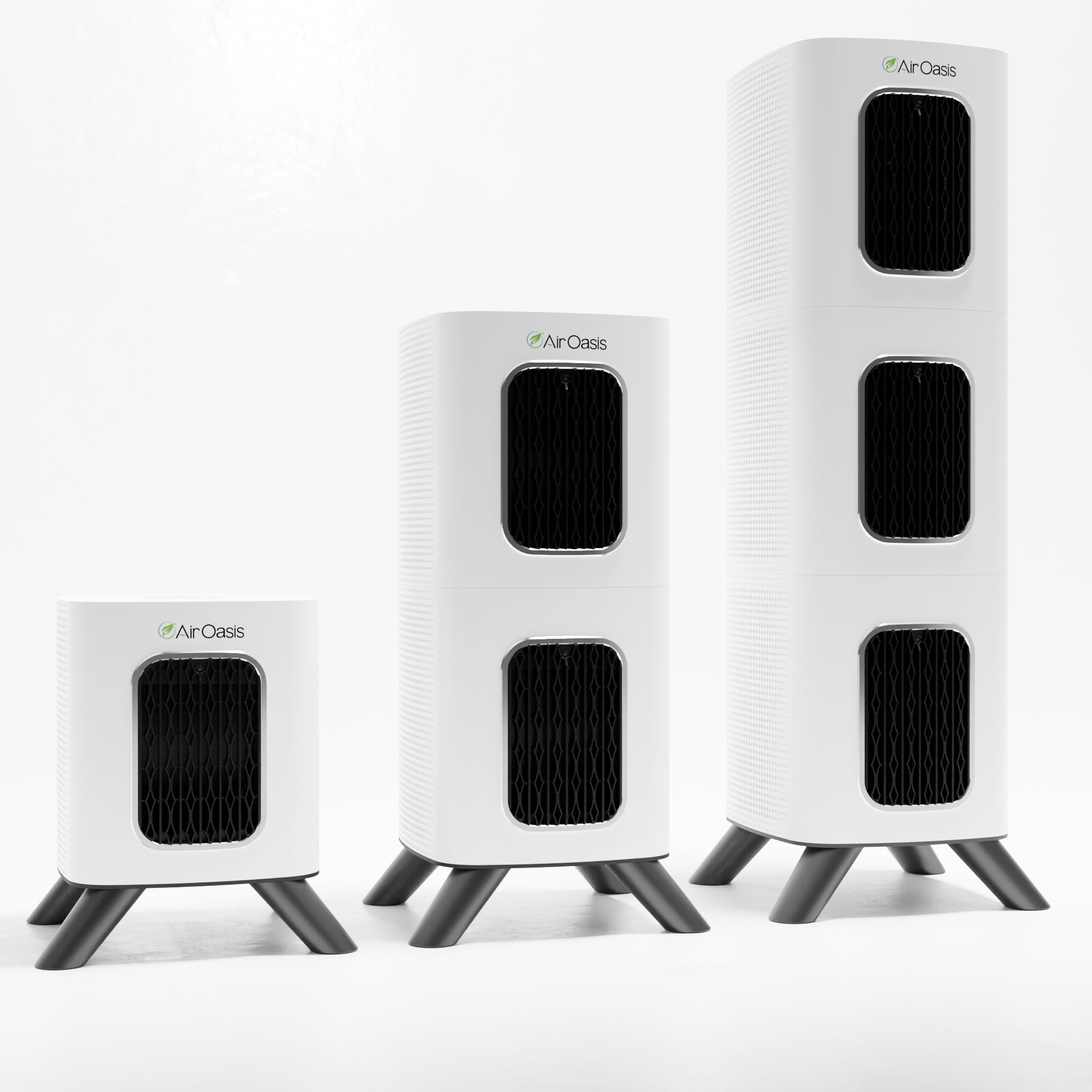
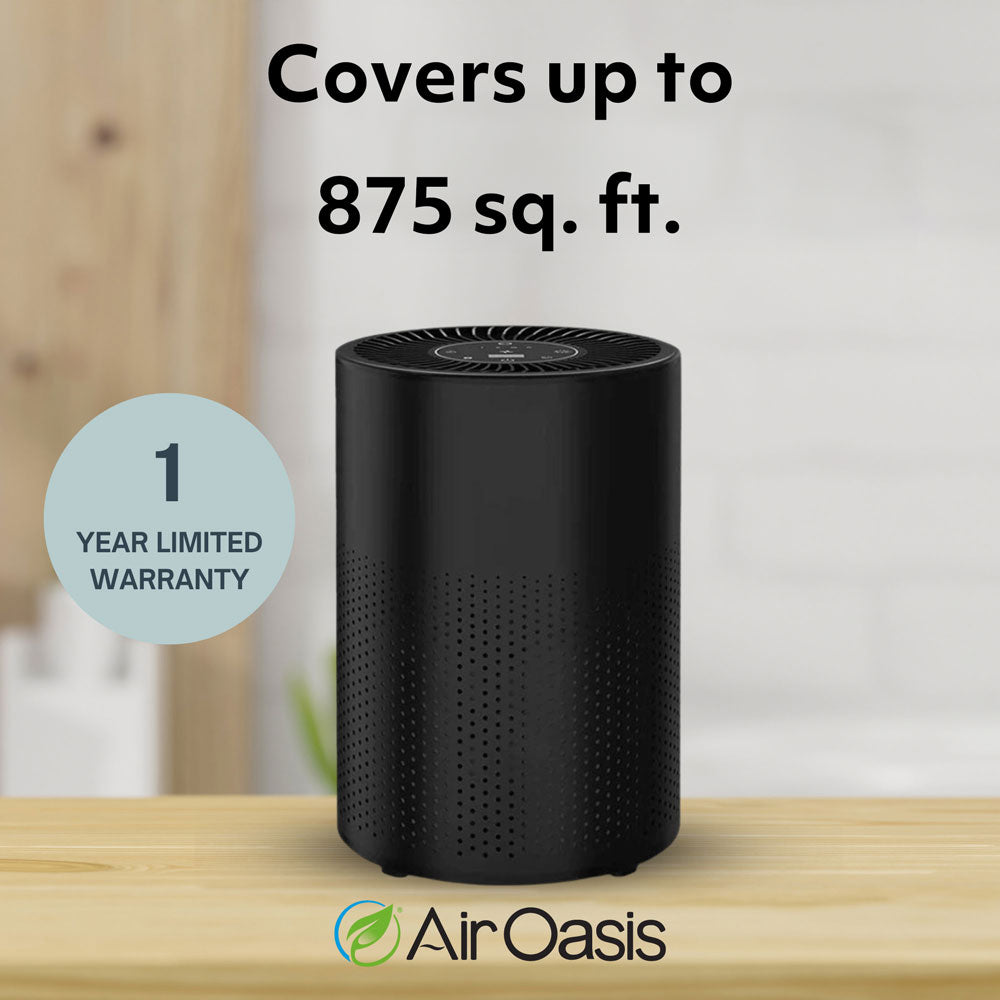
Match the model to your space for genuine whole-room air cycling. The 2S covers up to 265 square feet, the 2M covers up to 530, the 2L covers up to 795, and the 2P covers up to 1,059, all based on 12-minute air cycles at standard ceiling height.
Grass season doesn't have to mean months of misery
Bermuda grass allergies are widespread, stubborn, and genuinely difficult to avoid in warm-climate regions. But your home can be a place where your immune system gets a break. Reducing your indoor pollen load through consistent habits and clean indoor air gives you a real advantage over a season that can otherwise feel endless.
Shop the iAdaptAir at Air Oasis and breathe easier inside, even when the grass outside is doing its worst. Breathe Better, Live Better.