It's a reasonable thing to wonder. You live near a highway, or you've been spending time in a building that smells off, or you've seen air quality alerts stack up over weeks. You feel something — fatigue, congestion, a kind of low-grade not-quite-right. And you find yourself asking: is there a test that could tell me what this exposure has done to my body?
The answer is genuinely interesting and more complicated than a simple yes or no.
What blood tests can and cannot measure
No blood test currently available in routine clinical practice can directly measure how much air pollution you've been exposed to. There is no lab result that says, "this person has breathed X amount of particulate matter." That's an important starting point, because the question is sometimes framed that way — and the honest answer is that direct exposure measurement through blood doesn't work like that.
What blood tests can detect are the biological responses that air pollution exposure may trigger. These are called biomarkers — measurable indicators that something has changed in the body's chemistry. The distinction matters. A biomarker tells you about the body's reaction. It doesn't tell you the cause with certainty, because many things can produce the same reaction.
Inflammatory markers and what they reflect
When you inhale air pollutants, particularly fine particulate matter — particles smaller than 2.5 micrometers, known as PM2.5 — they can reach deep into the lungs and, in some cases, enter the bloodstream. The body responds by activating immune processes that generate inflammation.
Several blood markers reflect this inflammatory state. C-reactive protein, or CRP, is produced by the liver in response to inflammation anywhere in the body. Elevated CRP has been documented in populations with higher exposure to air pollution across multiple epidemiological studies. Fibrinogen, a protein involved in blood clotting, also rises during systemic inflammation and has been associated with particulate matter exposure in research settings.
These associations are real and documented. But they come with a critical qualifier: inflammation has many causes. Elevated CRP in your bloodwork could indicate exposure to air pollution. It could also reflect a recent infection, an inflammatory condition, cardiovascular disease, obesity, or stress. None of these markers are specific to air pollution. A physician seeing elevated CRP on a blood panel cannot conclude from that number alone that pollution is the cause.
Researchers have noted that in reviewing immune biomarkers for indoor air exposure, the lack of standardized laboratory tests for most human immune markers, combined with the many confounding variables that can influence them, makes interpretation of results for exposure and disease uncertain. That assessment remains relevant today. Science has advanced, but the interpretive complexity hasn't disappeared.
Emerging research on DNA biomarkers
A more recent and genuinely promising area involves epigenetic markers — changes in how DNA is expressed, rather than in the DNA sequence itself. A 2021 study from Columbia University's Center for Children's Environmental Health, published in the journal Epigenetics, took a meaningful step in this direction.
Researchers used machine-learning analysis of umbilical cord blood from two New York City birth cohorts to identify DNA methylation patterns altered by prenatal air-pollution exposure. Participants had known, measured levels of exposure to PM2.5 and nitrogen dioxide during pregnancy. The study found that these DNA biomarkers could be used to predict prenatal exposure to PM2.5 and nitrogen dioxide, though with modest accuracy.
The researchers described this as a potential early warning system — a way to identify newborns at elevated risk of health problems from prenatal exposure to pollution before they develop. Senior author Julie Herbstman, PhD, noted that using cord blood this way may help clinicians increase monitoring for high-risk children. The researchers also acknowledged that further validation is needed before this approach could become routine clinical practice.
This is promising science, but it remains research-stage. It is not a test you can order at a clinic today. And it was developed specifically for prenatal exposure assessment — its applicability to general adult exposure monitoring is a separate question that hasn't been answered.
The complete blood count and immune markers
A standard complete blood count, or CBC, measures red blood cells, white blood cells, and platelets. Elevated white blood cell counts can signal immune activation in response to infection or inflammation, including inflammation from inhaled pollutants. But again, immune activation from air pollution is indistinguishable from immune activation from a dozen other causes using a CBC alone.
Research has documented that occupational and environmental exposures to certain indoor air pollutants can trigger both irritative reactions and hypersensitivity reactions involving the immune system. Some of these reactions, including hypersensitivity pneumonitis from certain biological exposures, do produce detectable immune markers — for example, elevated IgG antibodies to specific antigens. But these are specific to particular exposures, not to air pollution broadly.
What this means practically
If you're concerned about how air pollution exposure may have affected your health, a conversation with your doctor is the right starting point. Blood tests can provide useful information about your body's current inflammatory state, immune function, and cardiovascular markers — all of which can be affected by chronic pollution exposure. That information is valuable in the context of a thorough medical evaluation. It isn't a direct readout of pollution exposure.
What the research makes clear is that reducing exposure in the first place is far more actionable than trying to measure its aftermath. The primary pathway of air pollution into the body is respiratory — through the air you breathe. This is where intervention has the most leverage.
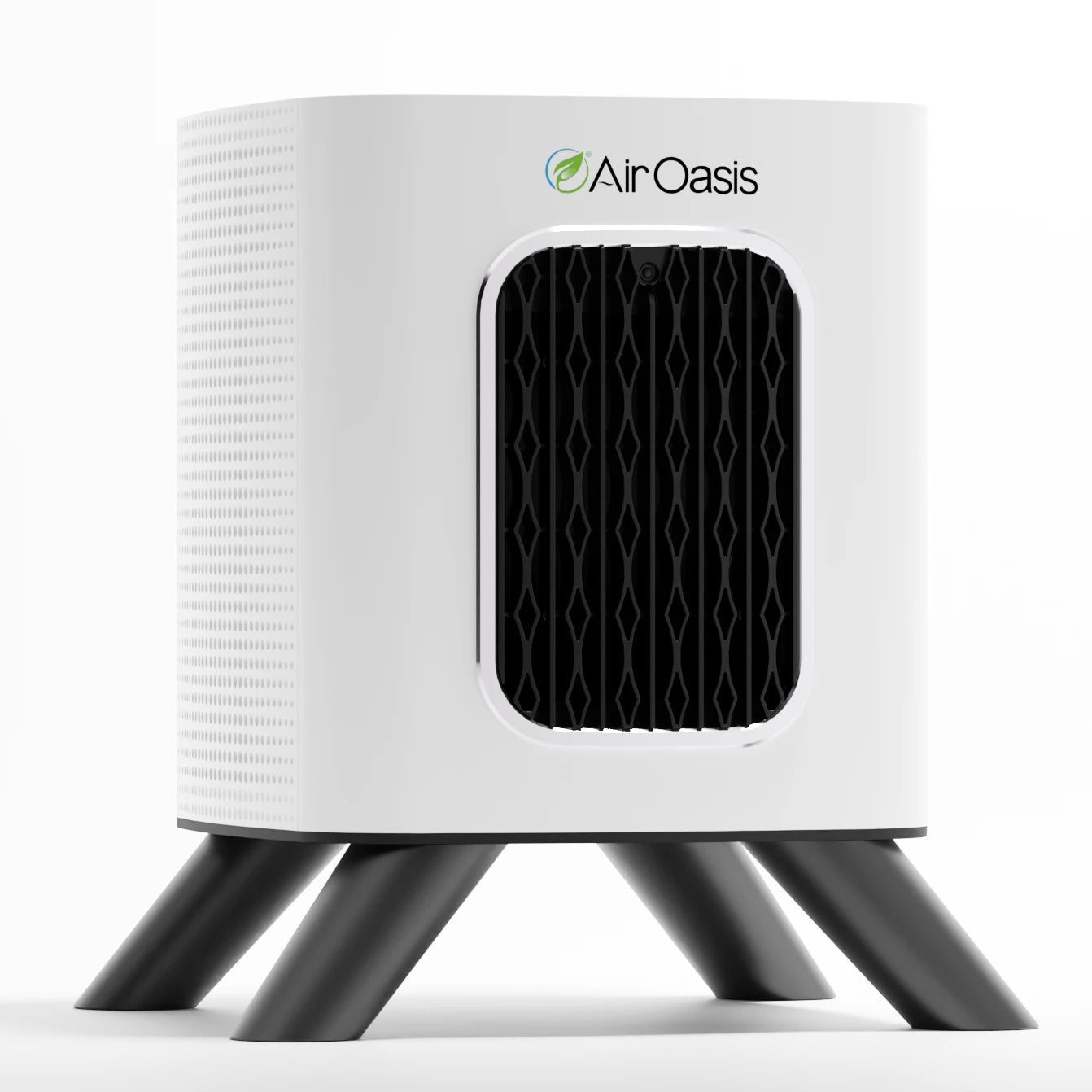
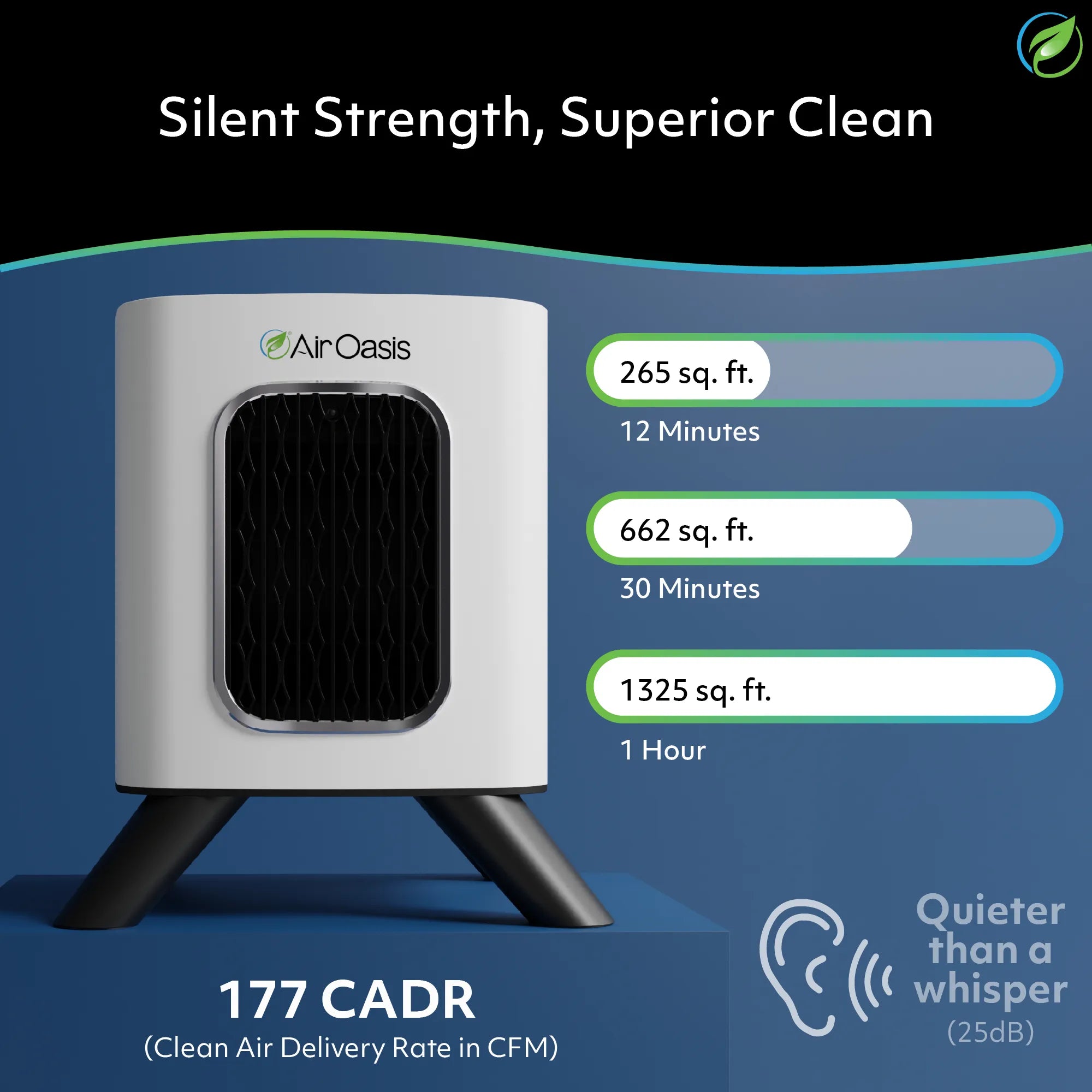
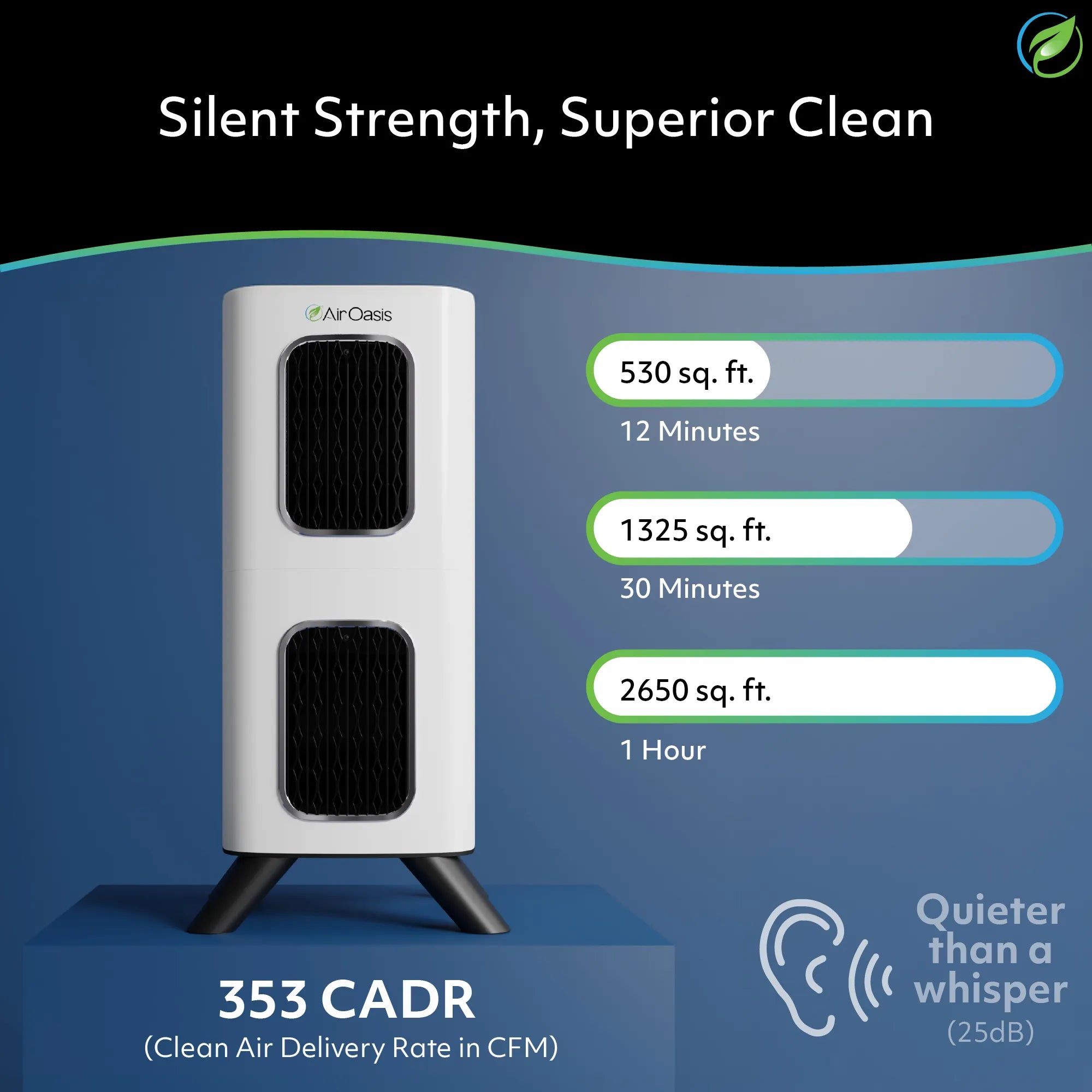
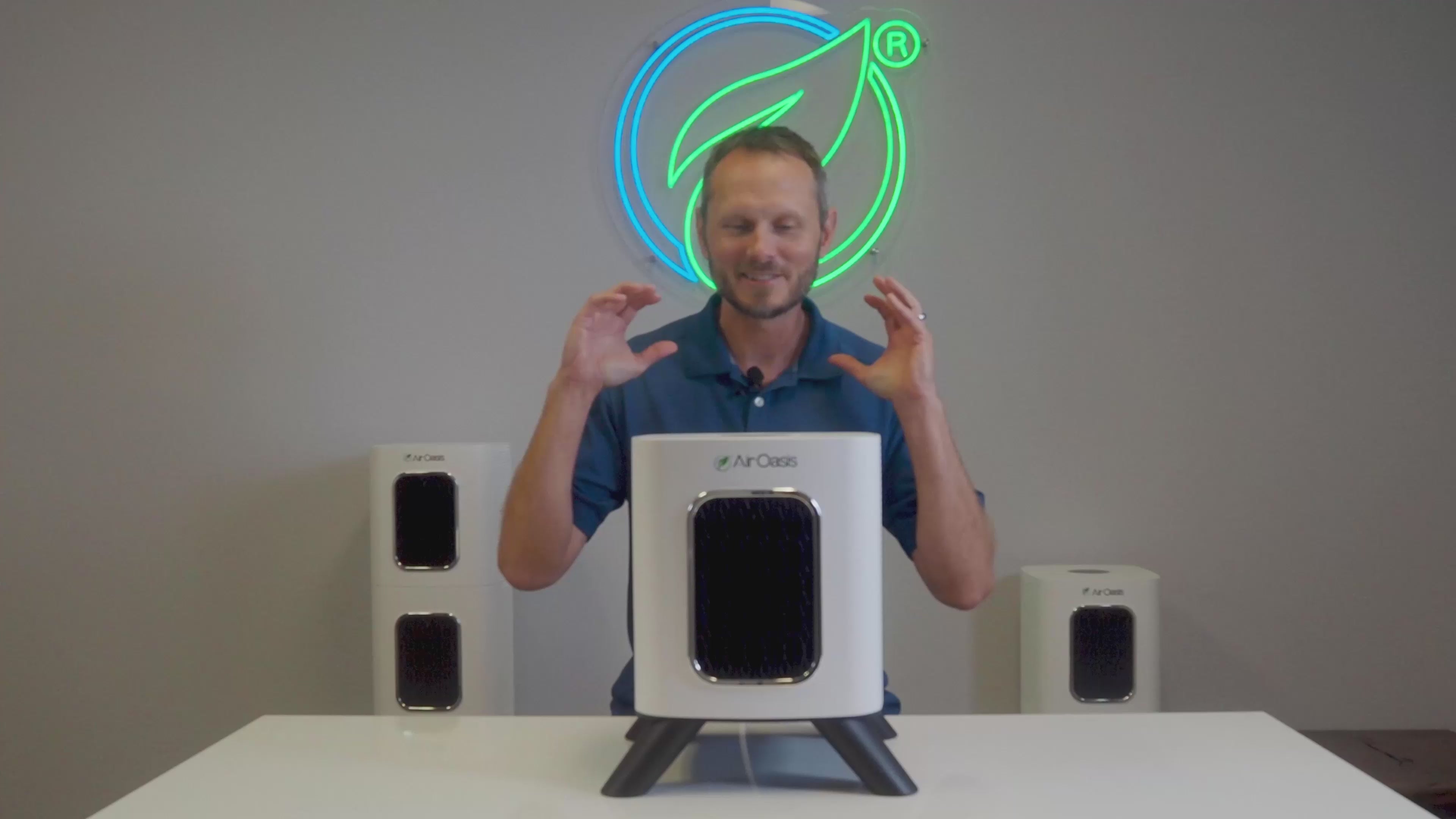
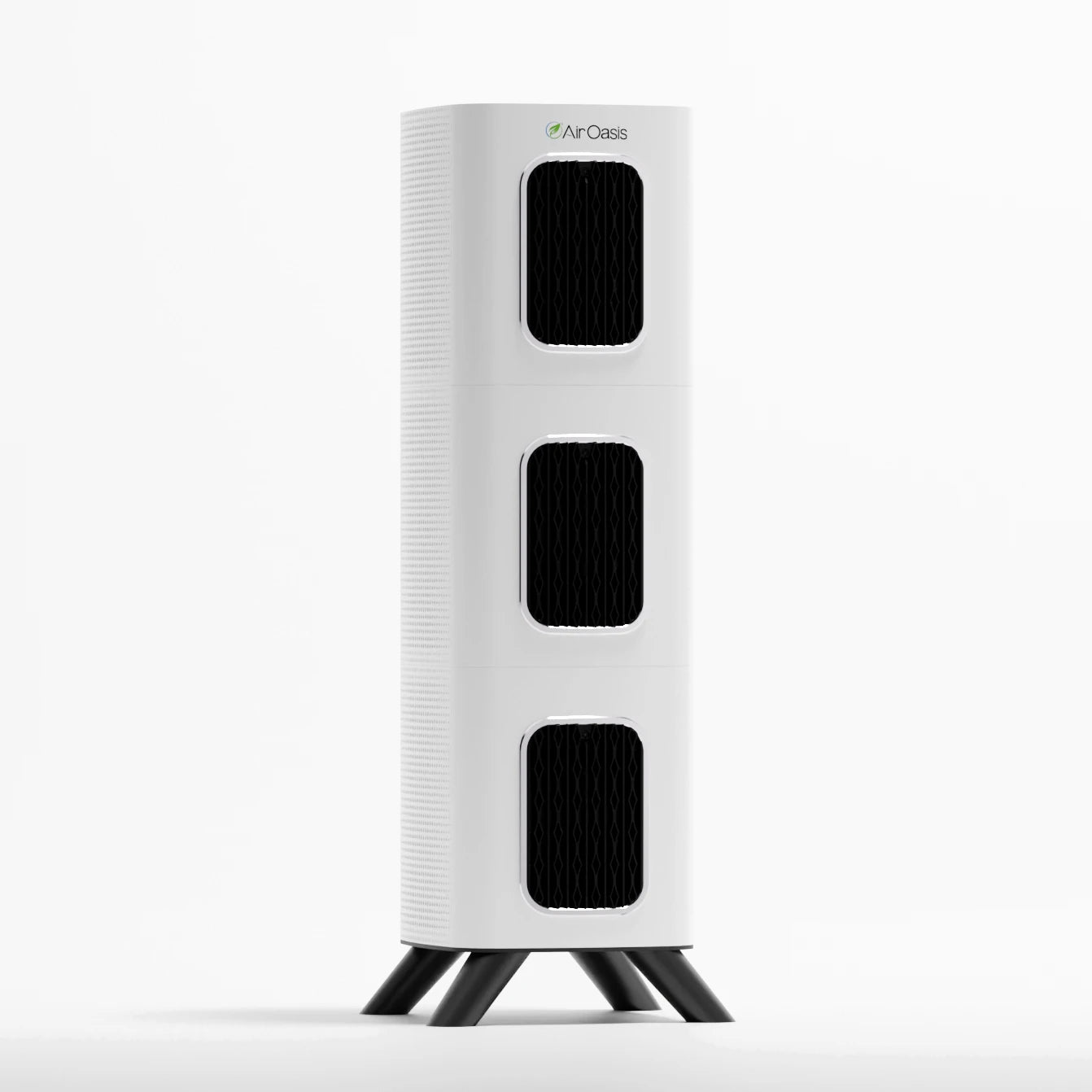
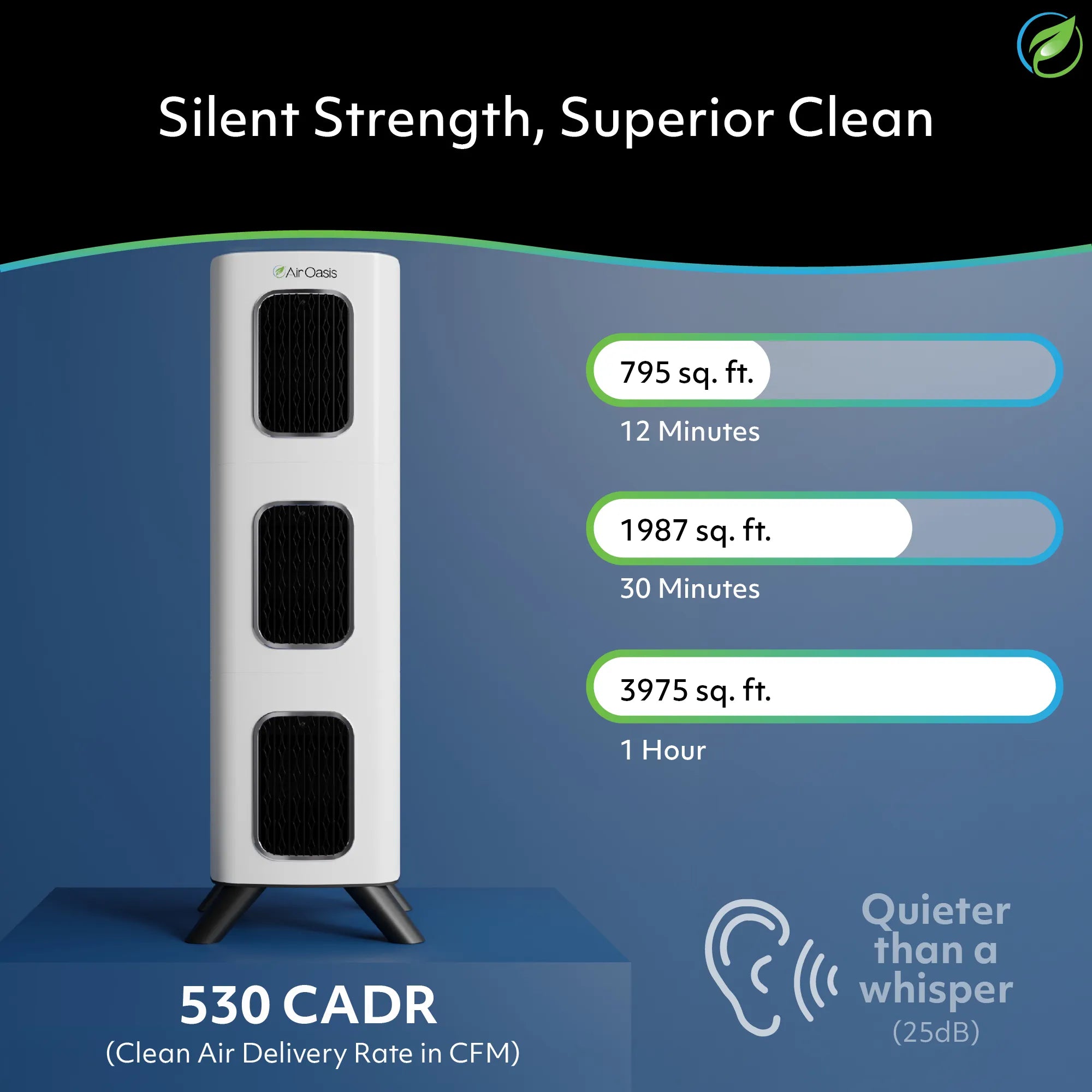
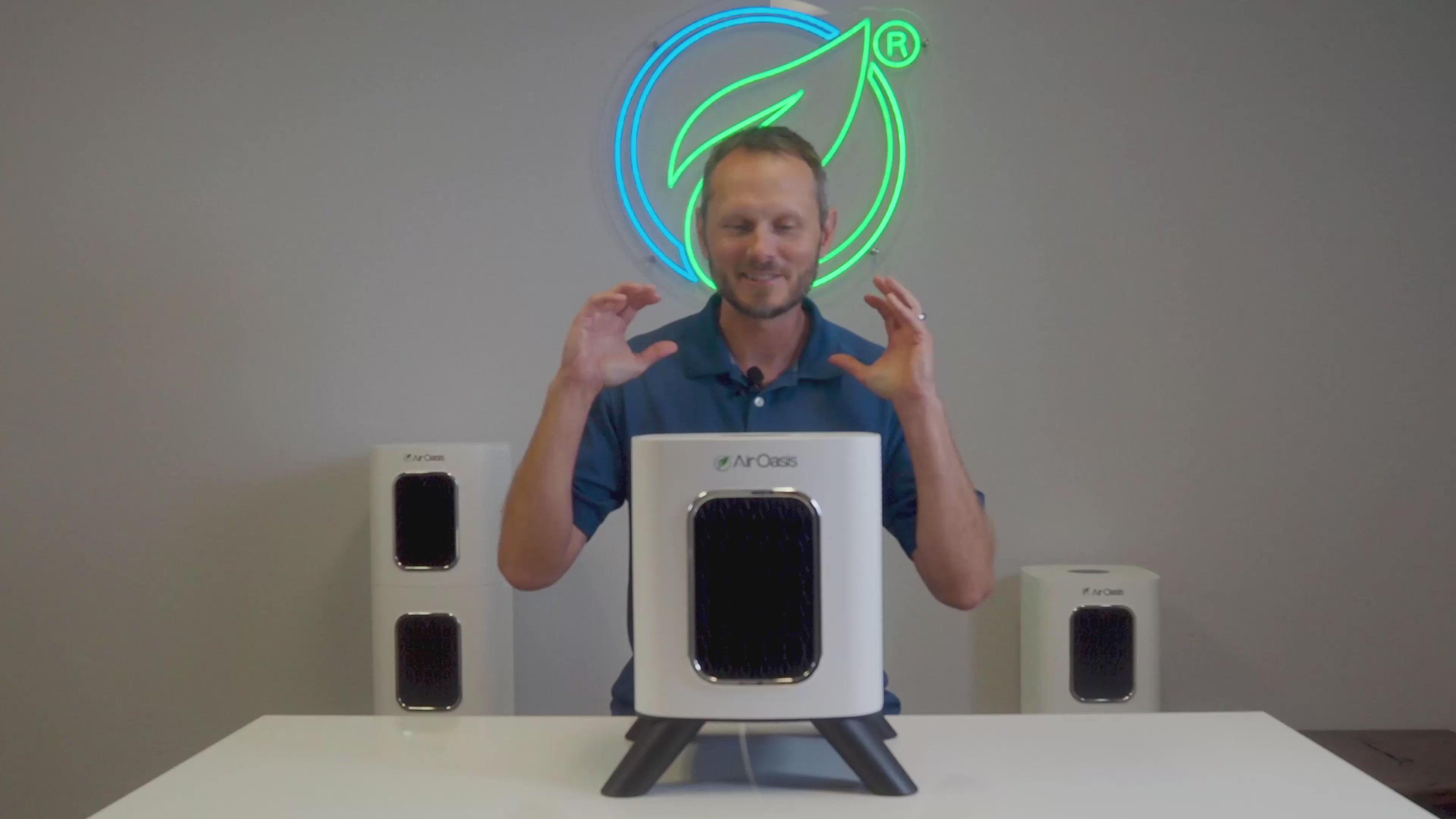
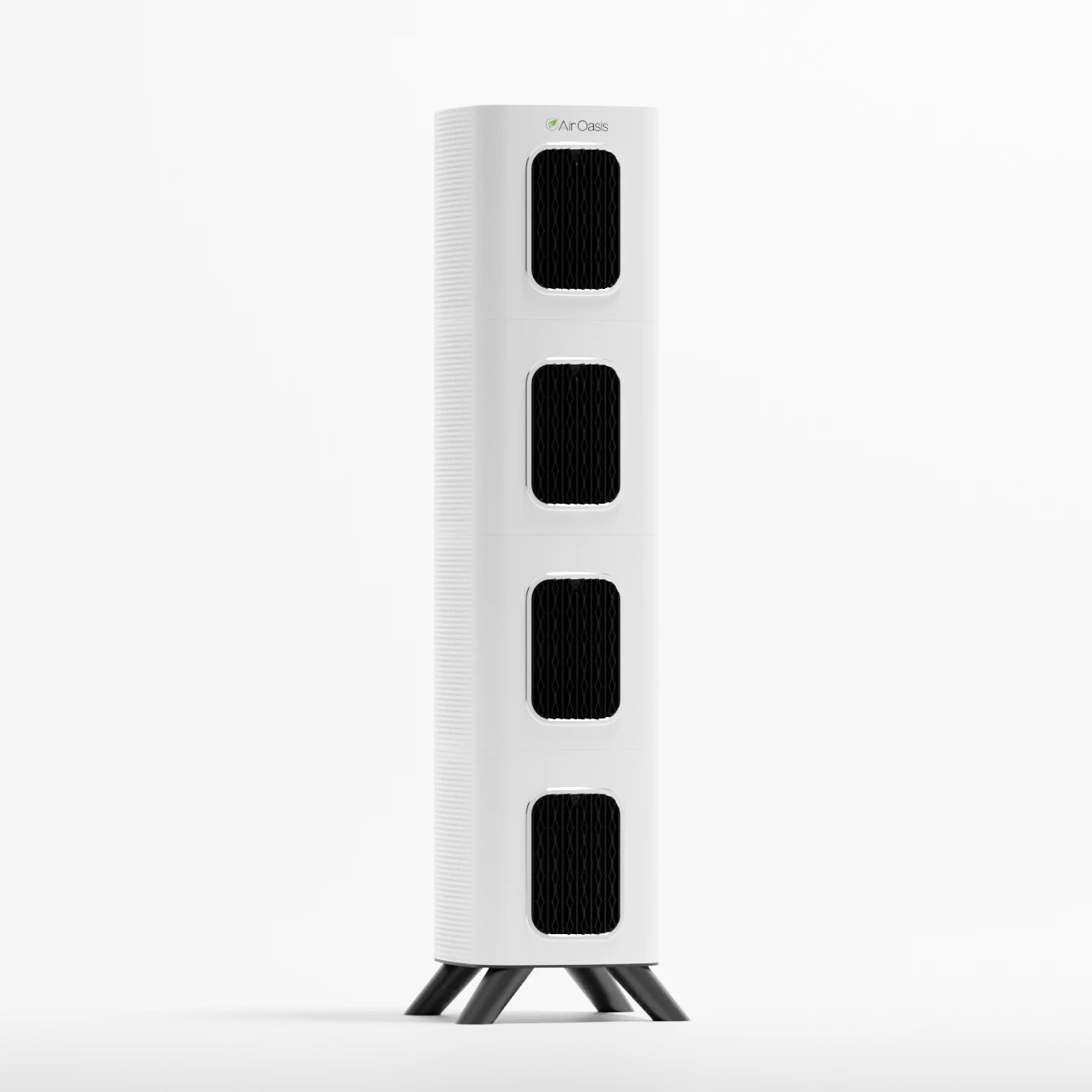
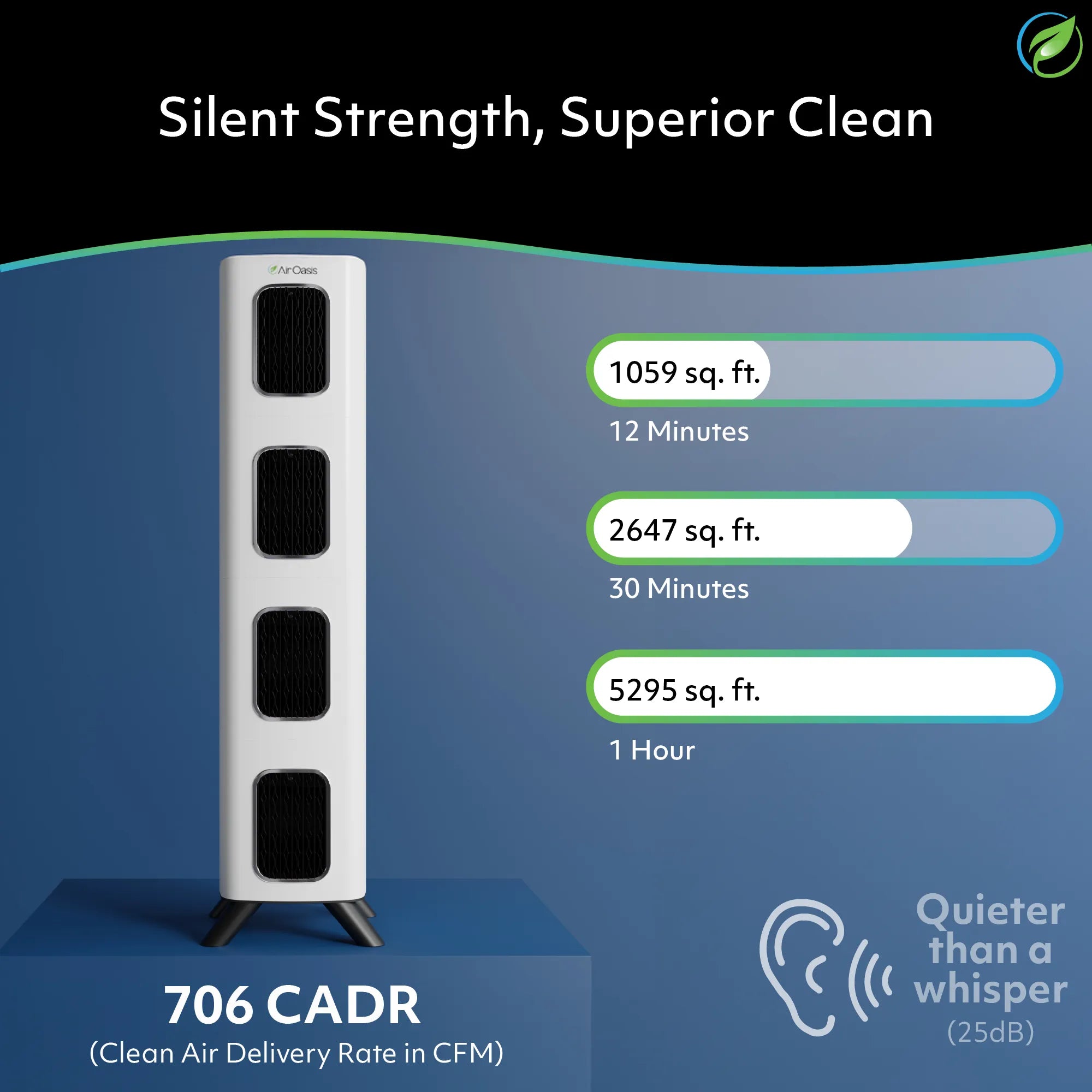
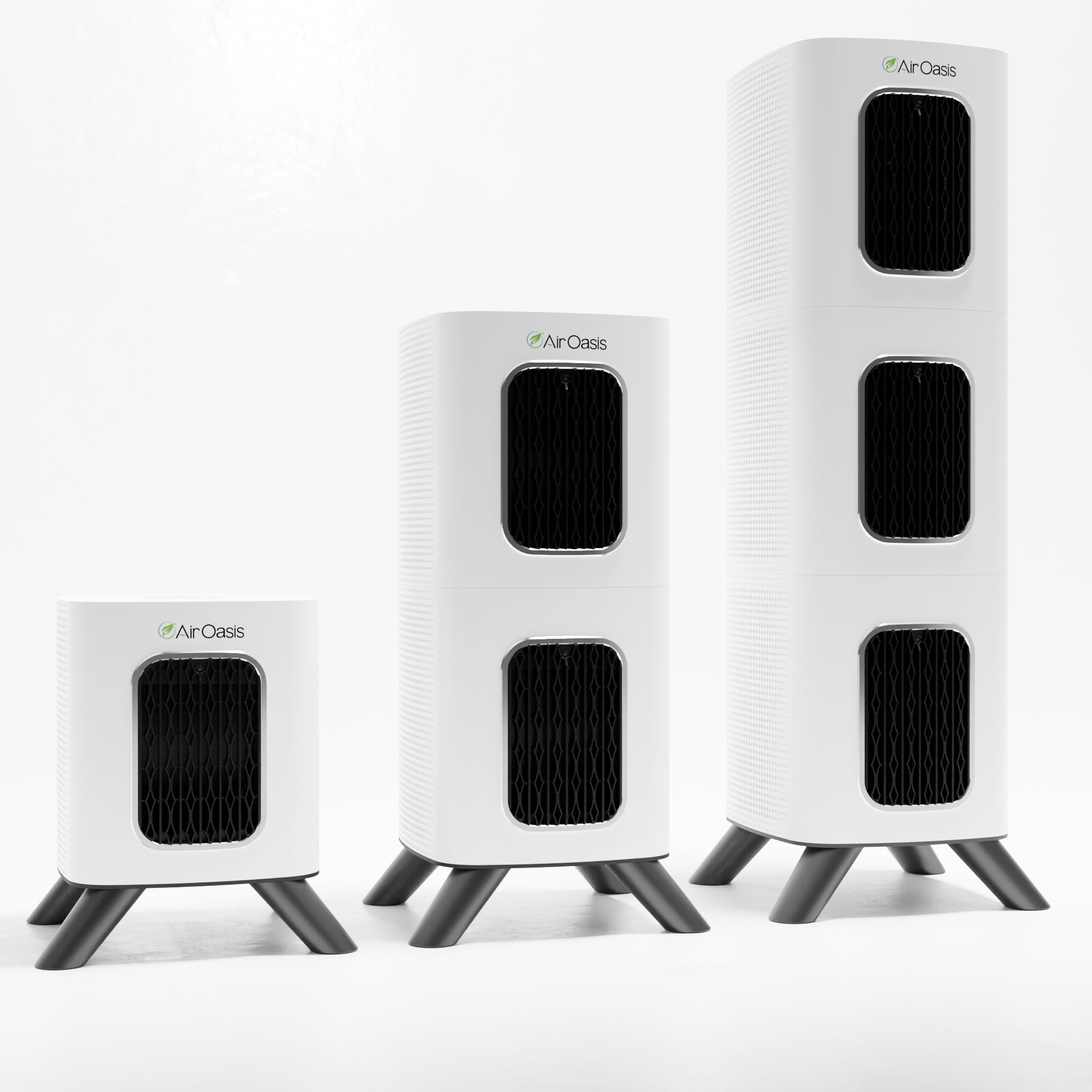
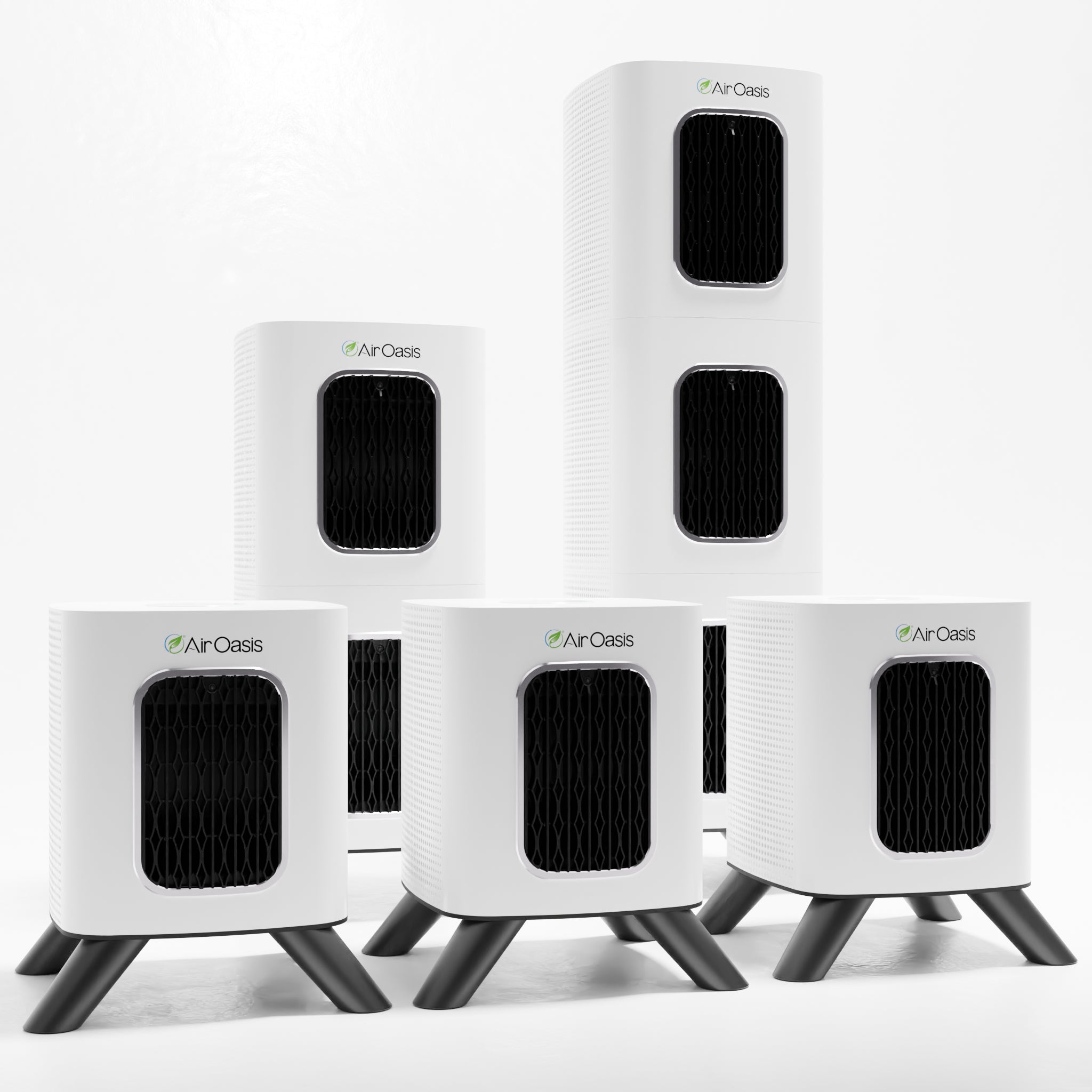
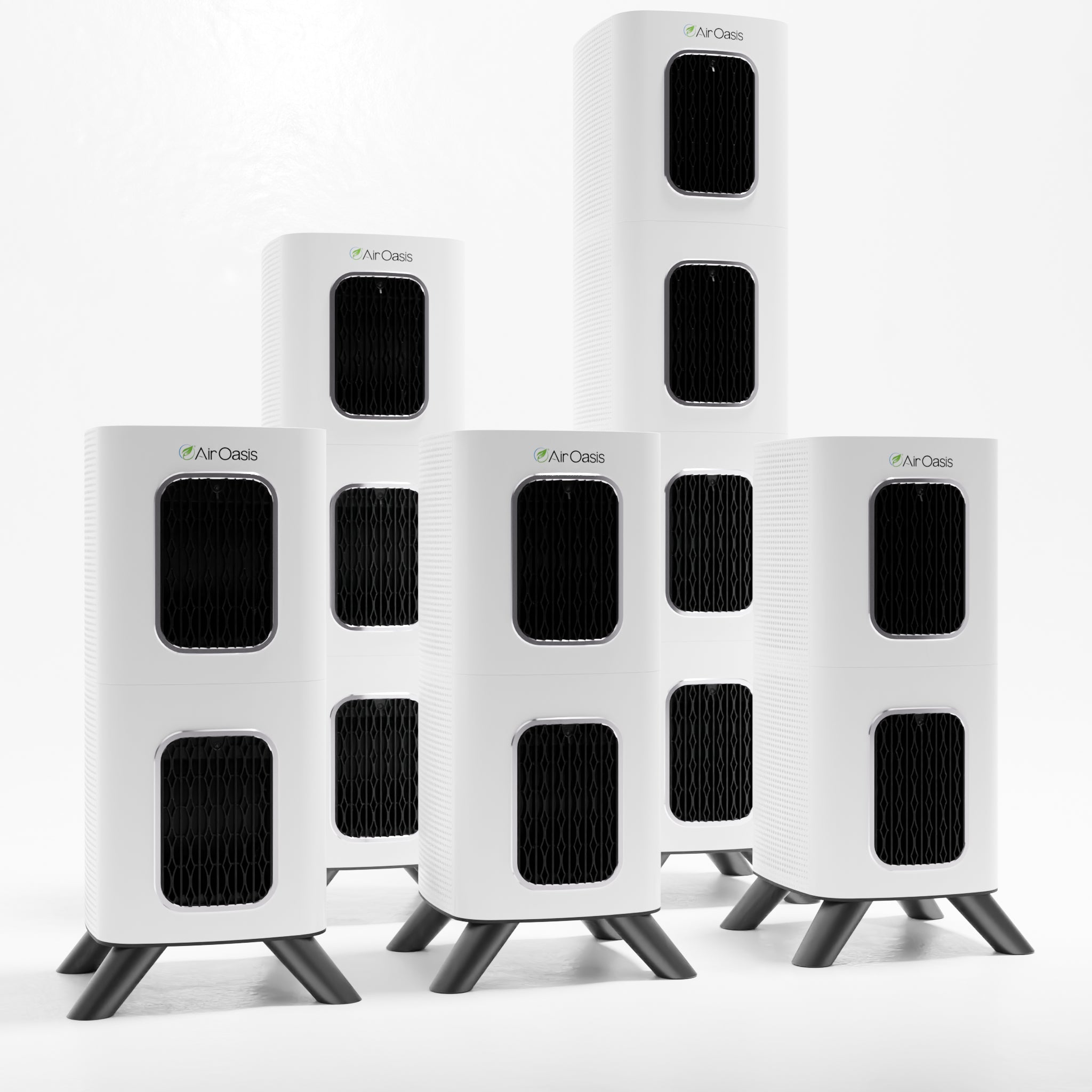
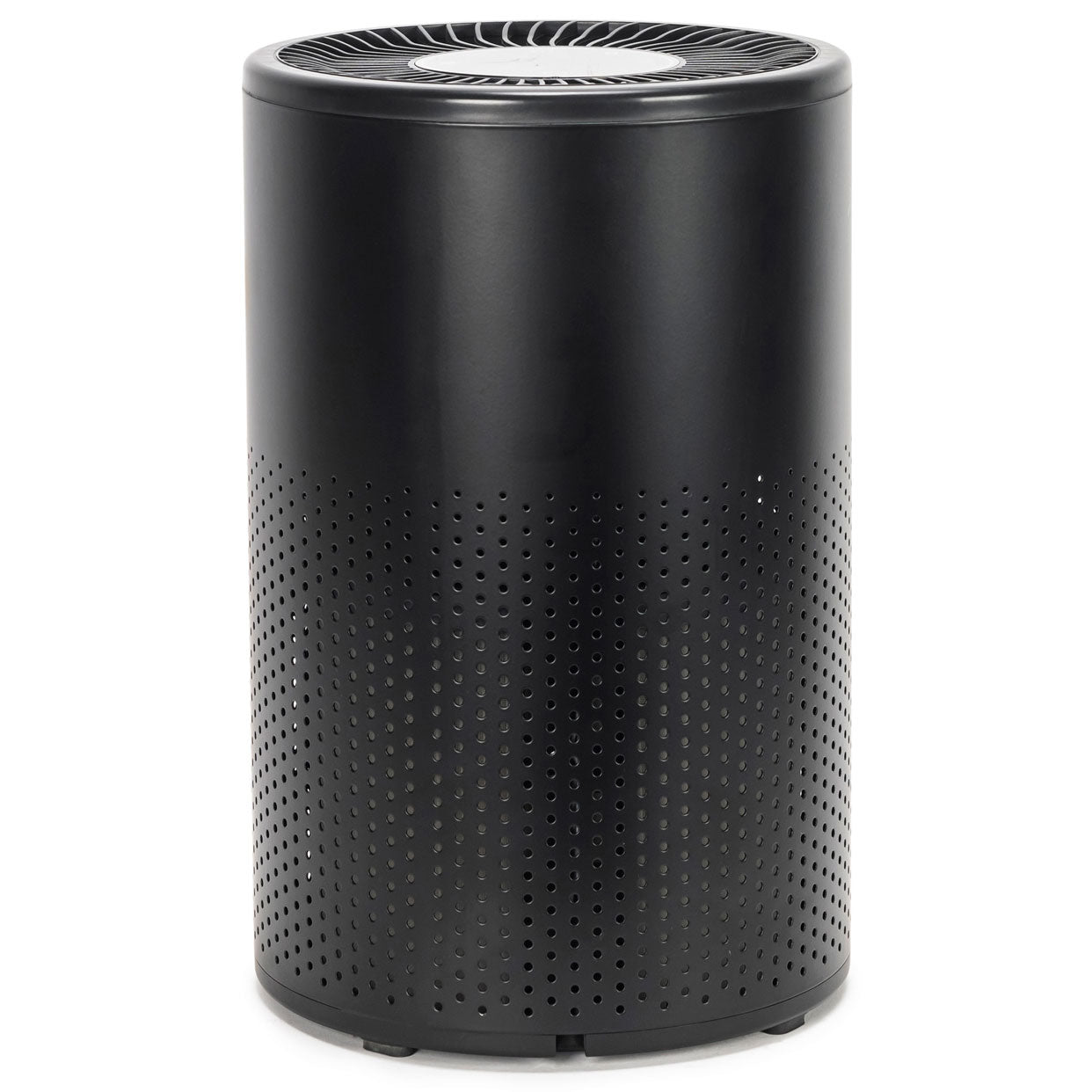
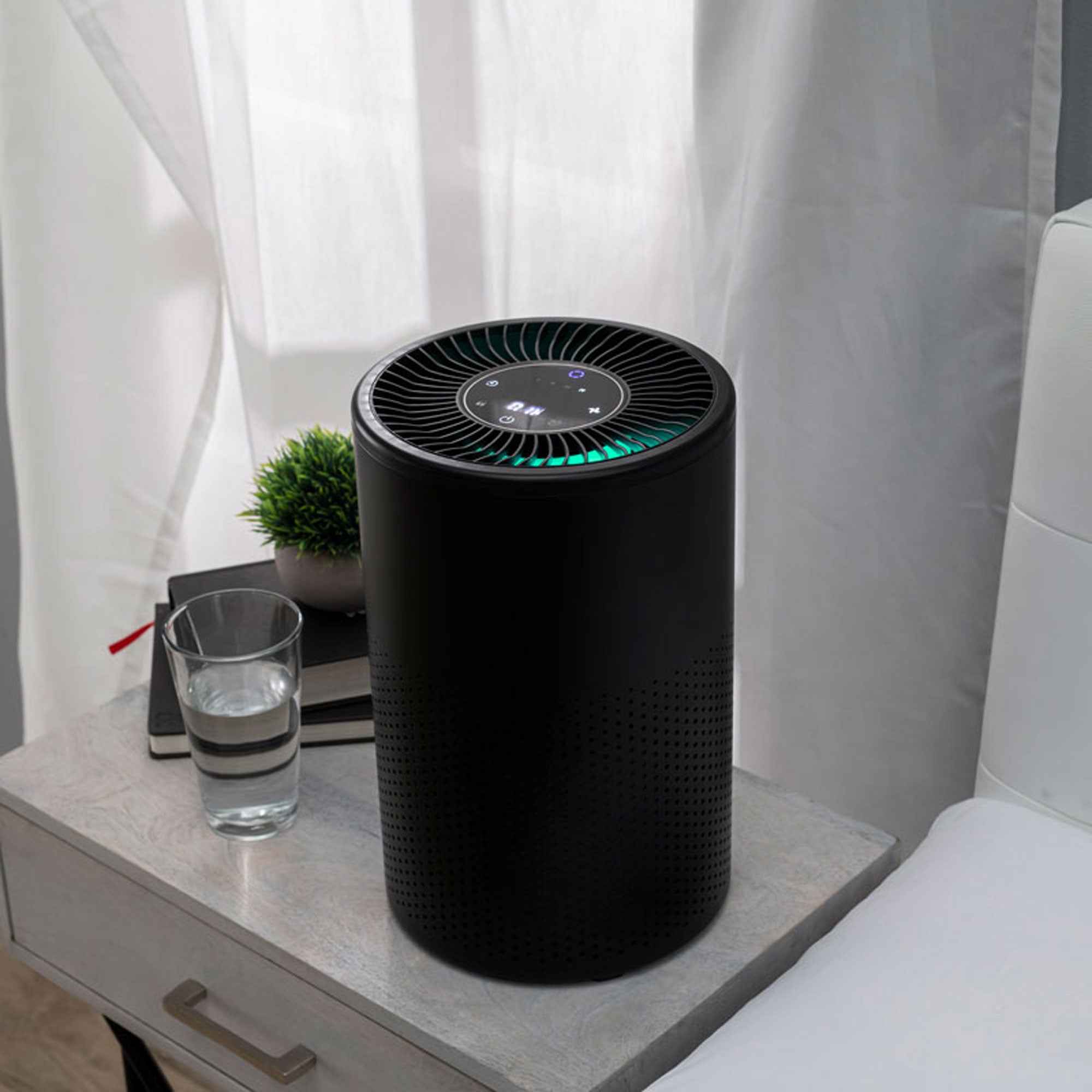
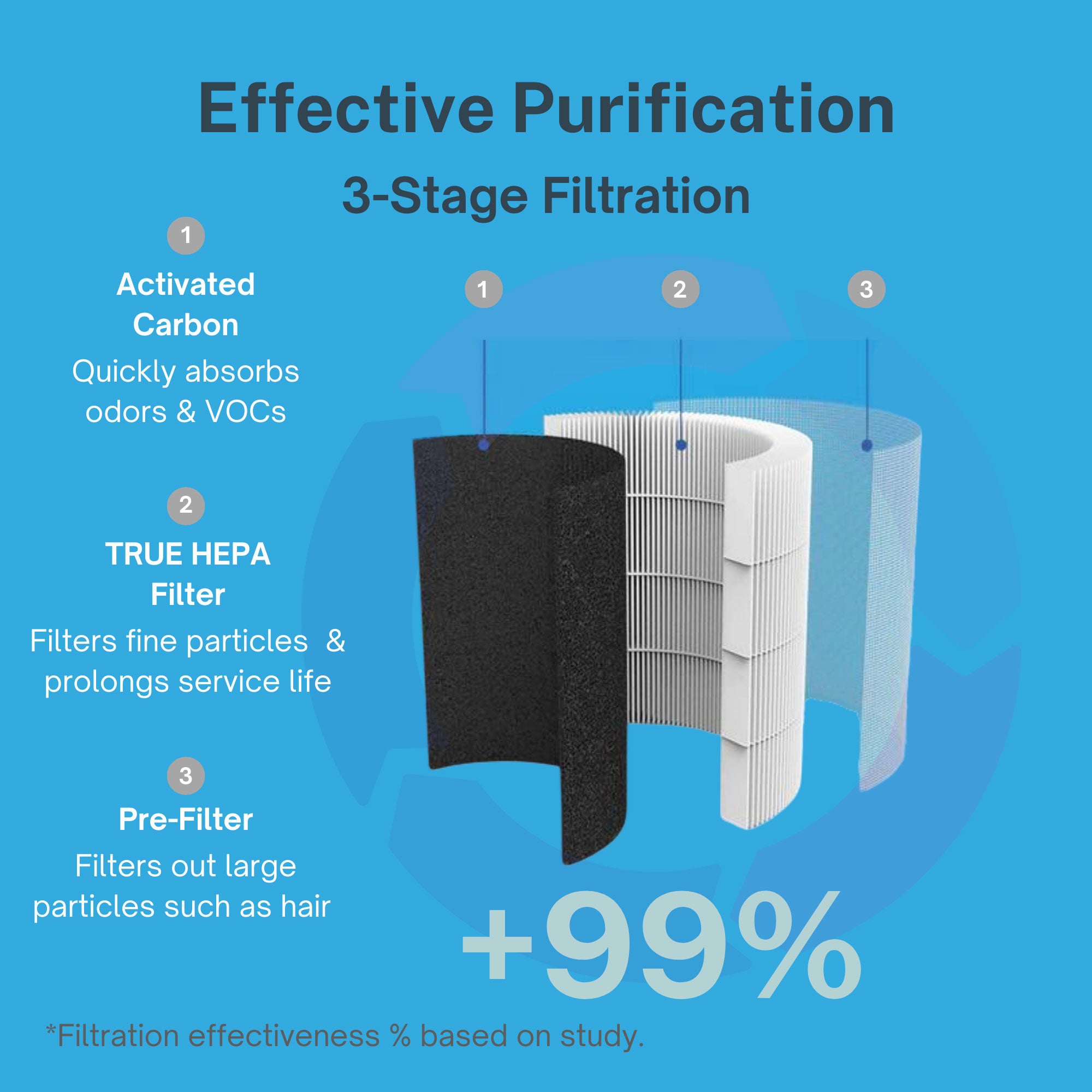
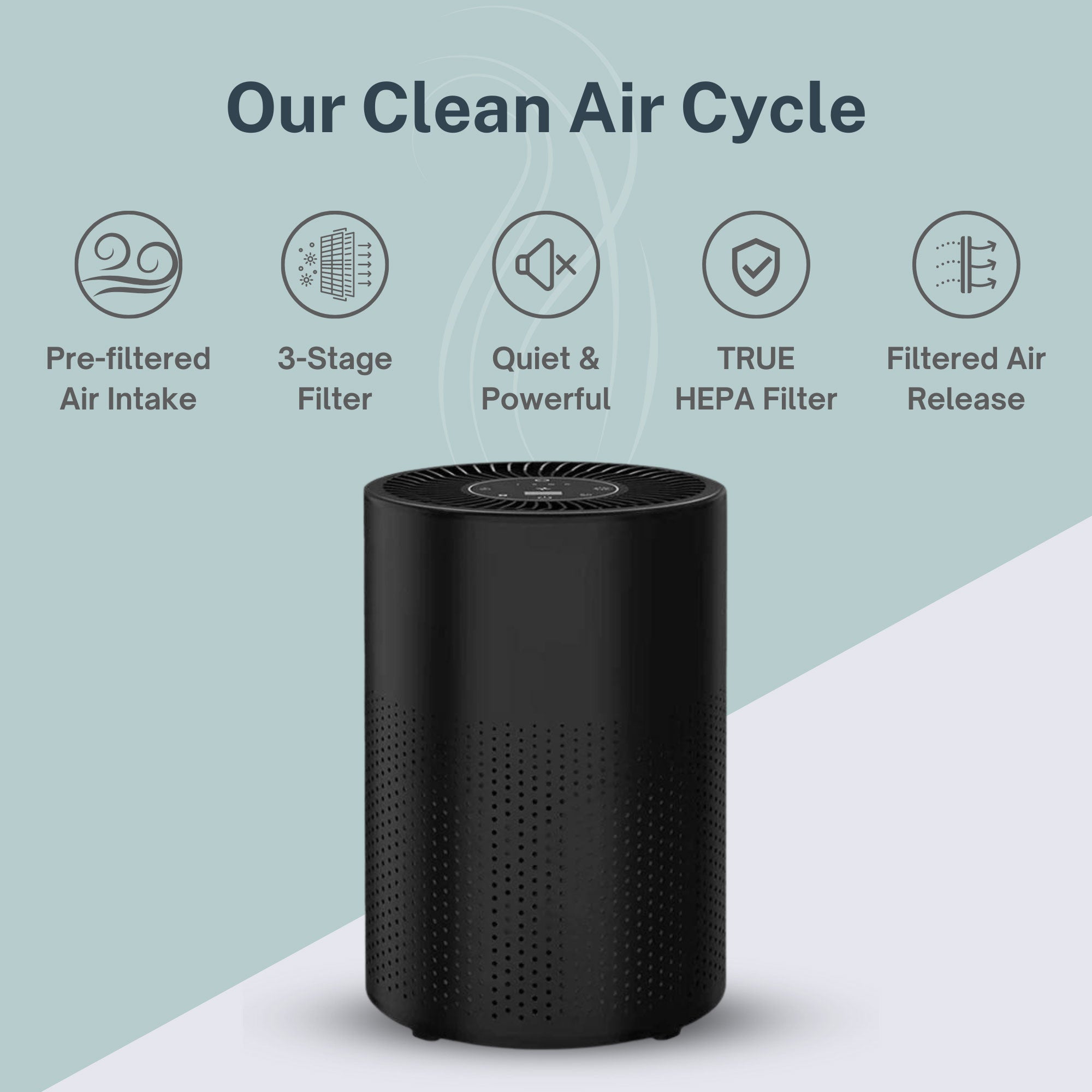
Indoors, where the average person spends the majority of their time, air quality is genuinely controllable. True HEPA filtration captures fine particulate matter, including PM2.5, down to 0.3 microns — the size range most associated with deep lung penetration and systemic inflammation. Activated carbon filtration addresses gaseous pollutants and volatile organic compounds. These are the technologies in the iAdaptAir, sized for rooms from 265 square feet with the 2S up to 1,059 square feet with the 2P.
You may not be able to get a precise blood test to quantify your exposure to pollution. But you can meaningfully reduce what you're breathing every day.
The honest state of the science
Blood tests can detect inflammation in the body. They can suggest immune activation. Emerging research points toward DNA biomarkers that may one day provide more specific exposure-linked information, especially for prenatal assessment. But current clinical testing cannot tell you how much pollution you've been exposed to, or confirm pollution as the specific cause of elevated inflammatory markers.
That's not a failure of medicine — it's an honest reflection of how complex the relationship between environmental exposure and biological response actually is. Physicians and researchers are working to improve these tools, and the science is moving forward. For now, the most evidence-based approach is to minimize exposure, monitor your health with a physician who knows your full history, and take your indoor air seriously.
When you're ready to do that, Air Oasis is here to help. Shop Air Oasis and Breathe Better, Live Better.