They're everywhere — on bathroom shelves, dining tables, meditation corners, and beside bathtubs. Candles and incense are among the most common ways people try to make their homes feel calm, warm, and good-smelling. Most people never think of them as a source of indoor air pollution.
They should.
Not because lighting a candle once in a while is a health emergency. It isn't. But because the air quality effects of regular candle and incense use are real, documented, and concentrated in the kinds of small, enclosed rooms where people tend to use them most. Understanding what's actually happening helps you make informed choices rather than simply trading one air quality problem for another.
What candles actually release when they burn
A burning candle is an open flame fed by a fuel source — typically paraffin wax, soy wax, beeswax, or a blend. Combustion is never perfectly clean. Any time organic material burns, it produces byproducts that enter the air.
The primary concern with candles is fine particulate matter, specifically PM2.5 — particles smaller than 2.5 microns that can penetrate deep into the lungs and pass into the bloodstream. Studies measuring air quality in candle-burning environments consistently find elevated PM2.5 concentrations compared to baseline, with the increase varying by candle type, room size, and ventilation.
Beyond particles, candles emit a range of volatile organic compounds (VOCs). The specific compounds depend on the wax, the wick, and any added fragrance, but research has identified benzene, toluene, formaldehyde, acetaldehyde, and acrolein among those detected in candle emissions. These are not benign. Benzene is classified as a known human carcinogen by the International Agency for Research on Cancer. Formaldehyde causes eye, nose, and throat irritation at lower concentrations and is associated with more serious health effects at higher occupational exposures. The concentrations produced by casual home candle use are typically well below occupational thresholds — but in a small, poorly ventilated bathroom or bedroom, they accumulate.
Scented candles add an additional layer. The fragrance compounds — often synthetic mixtures of dozens of individual chemical components — burn alongside the wax and release their own set of VOCs. Some fragrance components react with ozone in indoor air to form secondary pollutants including formaldehyde and ultrafine particles. The reaction happens invisibly, with no visible smoke, but the chemistry is real.
Paraffin candles, derived from petroleum, tend to produce more soot and a different VOC profile than soy or beeswax alternatives. That said, no candle type is emission-free. Even beeswax and soy candles with cotton wicks produce particulate matter and combustion byproducts during normal use. The differences between wax types are real but often overstated in marketing.
What incense releases — and why it warrants more concern
Incense is a more significant indoor air quality concern than candles for most people who use it regularly, for one simple reason: incense is designed to produce smoke. That's the mechanism. The burning of plant material, resins, oils, and binders produces a visible, fragrant smoke that is by design dense with fine particles and combustion compounds.
Research on incense emissions has consistently found that incense smoke contains elevated concentrations of PM2.5, carbon monoxide, and a broad range of VOCs including polycyclic aromatic hydrocarbons (PAHs). PAHs are a class of compounds formed during incomplete combustion of organic material. Some PAHs are classified as probable or known human carcinogens. They are the same class of compounds associated with tobacco smoke and wood-burning stove emissions.
A study published in the journal Science of the Total Environment found that indoor burning of incense was associated with elevated PM2.5 concentrations that, in enclosed and poorly ventilated spaces, reached levels comparable to or exceeding those measured near traffic roadways. Another study found that regular incense users showed measurable differences in nasal cell characteristics compared to non-users, consistent with ongoing respiratory irritation from inhaled combustion particles.
The specific compounds in incense smoke vary considerably by product type — stick incense, cone incense, coil incense, and loose resin incense all have different burn characteristics and emission profiles. Coil incense, which burns for extended periods in a small coil shape, tends to produce higher particle concentrations over time than stick incense. But the underlying issue — incomplete combustion of organic material releasing particles and VOCs into enclosed indoor air — applies across types.
Who is most affected by regular candle and incense use
For most healthy adults using candles occasionally in well-ventilated rooms, the health impact is likely modest. This is a dose and exposure question. A single candle lit at dinner in a large, well-ventilated space produces a transient, minor increase in indoor particulate matter that a healthy adult respiratory system handles without difficulty.
The picture changes with:
- Regular, daily use — Daily incense burning or multiple-candle evening routines in closed rooms create a cumulative exposure that's meaningfully different from occasional use. The compounds that matter, particularly PM2.5 and PAHs, accumulate over repeated exposures.
- Small, poorly ventilated spaces — Bathrooms, small bedrooms, and meditation rooms with closed doors concentrate emissions rapidly. What would dilute harmlessly in a large open room becomes a significant local exposure in a 100-square-foot bathroom.
- People with asthma, allergies, or respiratory sensitivities — Fine particles and combustion VOCs are established respiratory irritants. For anyone whose airways are already sensitized — asthma, allergic rhinitis, chemical sensitivity — incense and candle smoke can trigger symptom flares even at concentrations that don't affect healthy adults.
- Children and infants — Developing respiratory systems are more vulnerable to inhaled irritants. Burning incense or multiple candles in a room where a child regularly spends time is worth reconsidering.
- Pregnancy — The EPA's indoor air quality guidance specifically notes that vulnerable populations including pregnant women face greater risk from indoor combustion sources. Research on air pollutants and pregnancy outcomes points in a precautionary direction on this question.
Practical steps that actually reduce exposure
The most effective step is also the most obvious: reduce use, especially in small enclosed spaces. If candles and incense are part of your daily routine, consider limiting use to larger, better-ventilated rooms, or shifting the habit toward less frequent occasions.
When you do use them, open a window or run an exhaust fan during and for at least 30 minutes after burning. This is the single most effective way to reduce indoor accumulation — move the polluted air out before it concentrates. The particles and VOCs released by candles and incense don't disappear when the flame is extinguished. They linger in the air for minutes to hours, continuing to circulate long after the wick goes cold.
Choose lower-emission alternatives where they exist. Beeswax or soy candles with natural cotton wicks generally produce less soot than paraffin candles, though they still produce combustion byproducts. Keeping wicks trimmed to about a quarter inch before each burn reduces soot production and flickering, both of which increase particle emissions. Avoiding candles with metal wicks — now rare but still present in some products — eliminates a source of metal particle emissions.
Electric wax warmers and ultrasonic diffusers eliminate combustion entirely. They still disperse fragrance compounds into the air, which matters for people with fragrance sensitivities, but they remove the particle and combustion VOC burden.
How air purification addresses what candles and incense leave behind
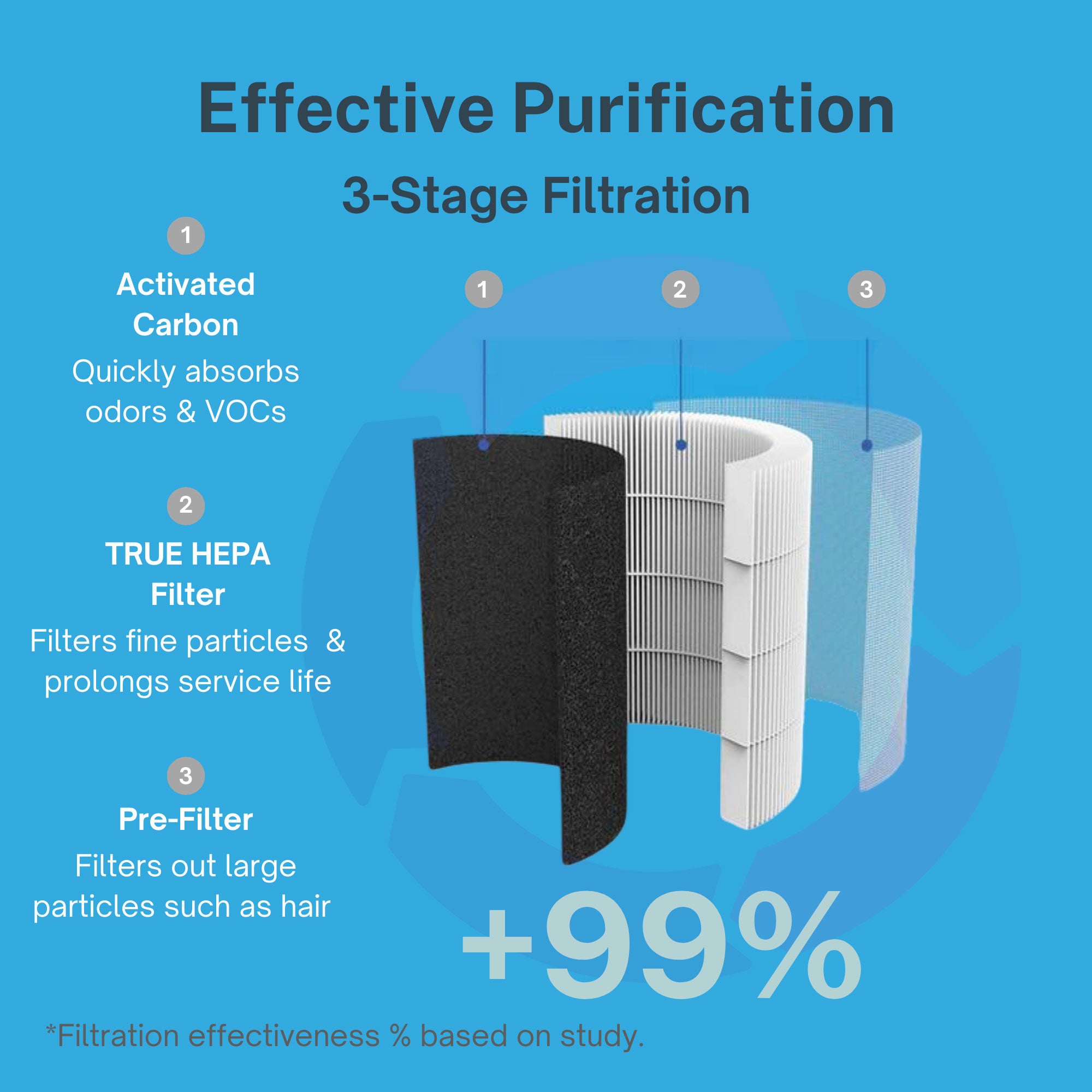
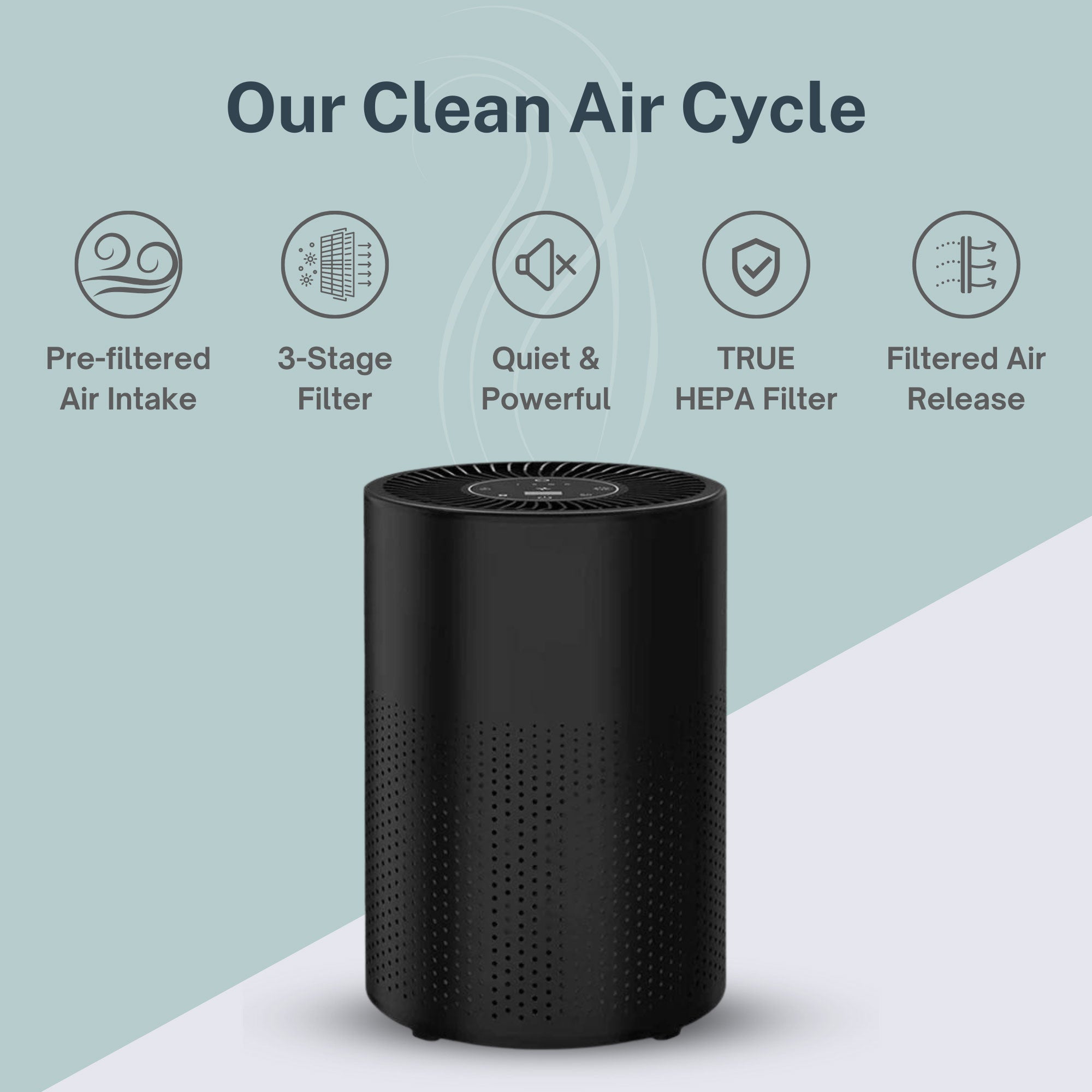
Because candle and incense emissions contain both particles and gases, effective air purification needs both HEPA filtration and activated carbon to address the full picture. HEPA alone captures the particulate matter — the PM2.5 that is the primary health concern from these combustion sources. Activated carbon addresses the gas-phase compounds: the VOCs, PAHs, and combustion byproducts that pass straight through a particle filter.
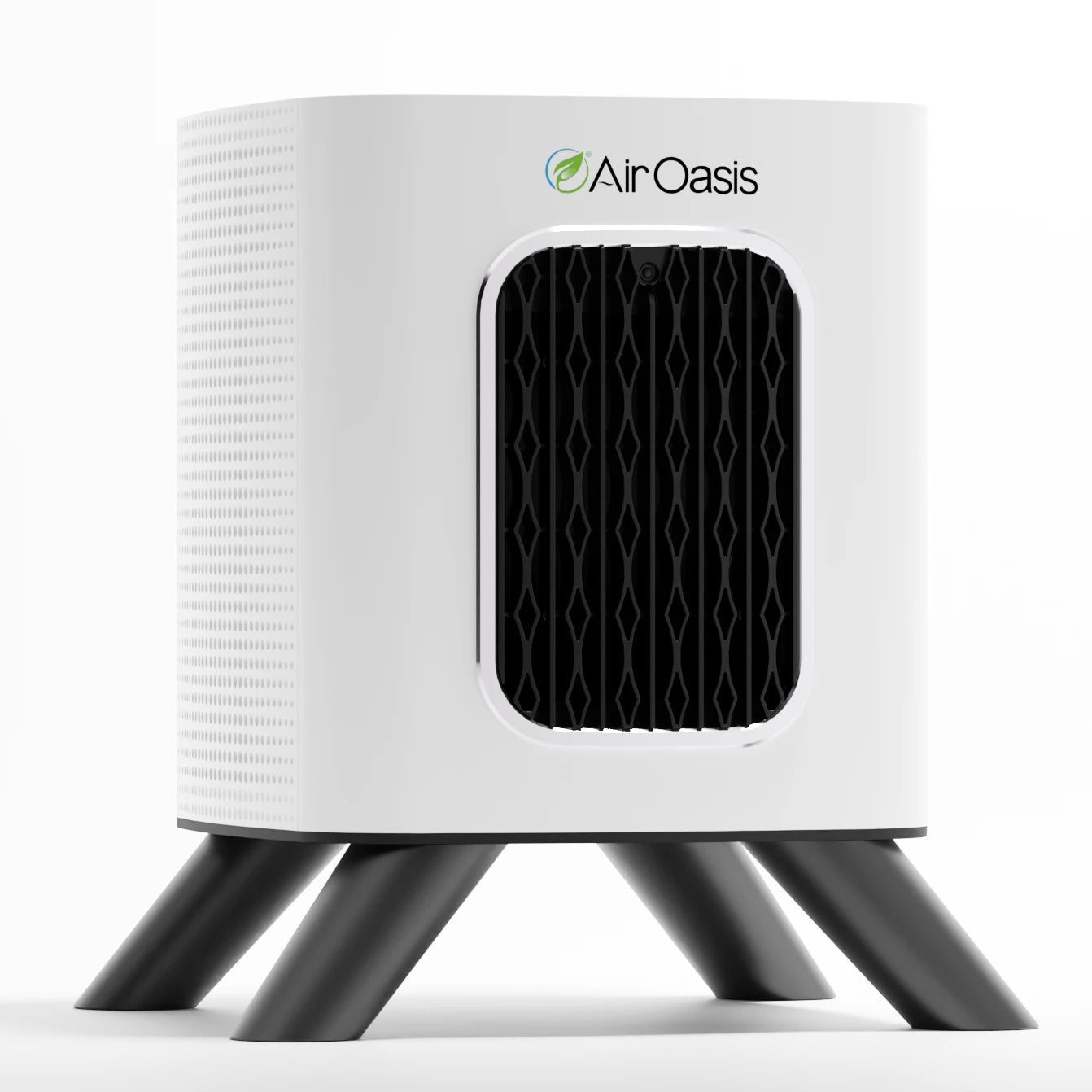
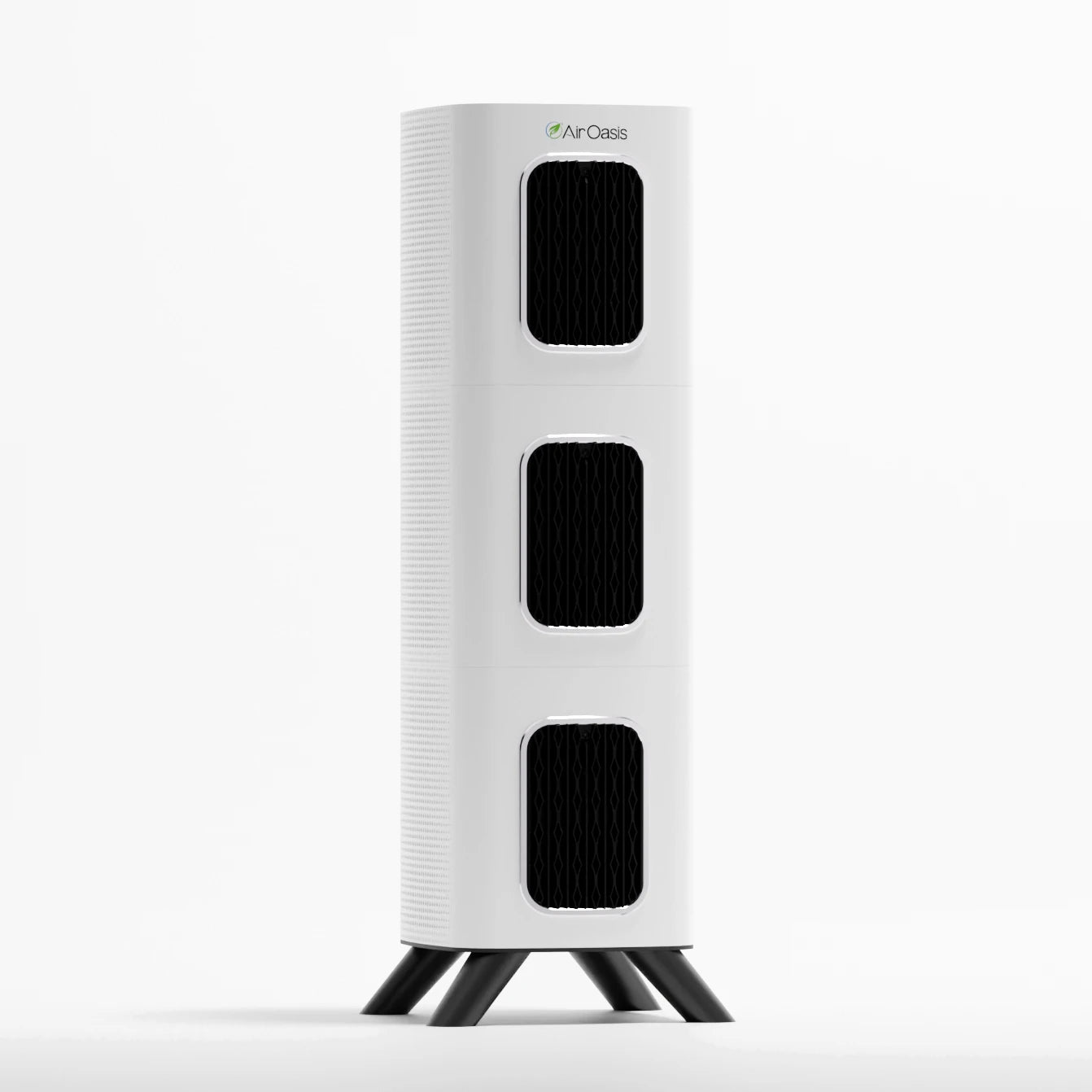
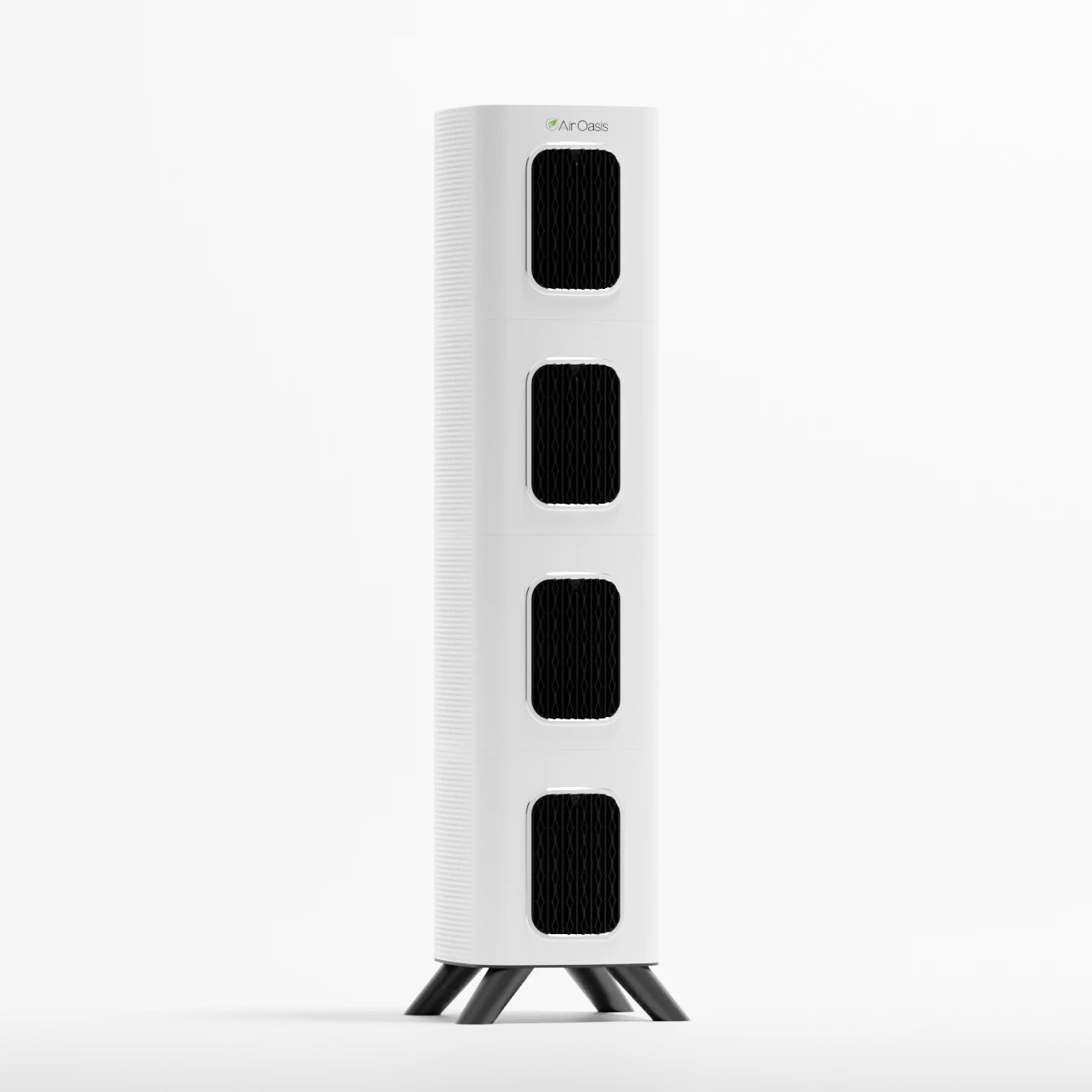
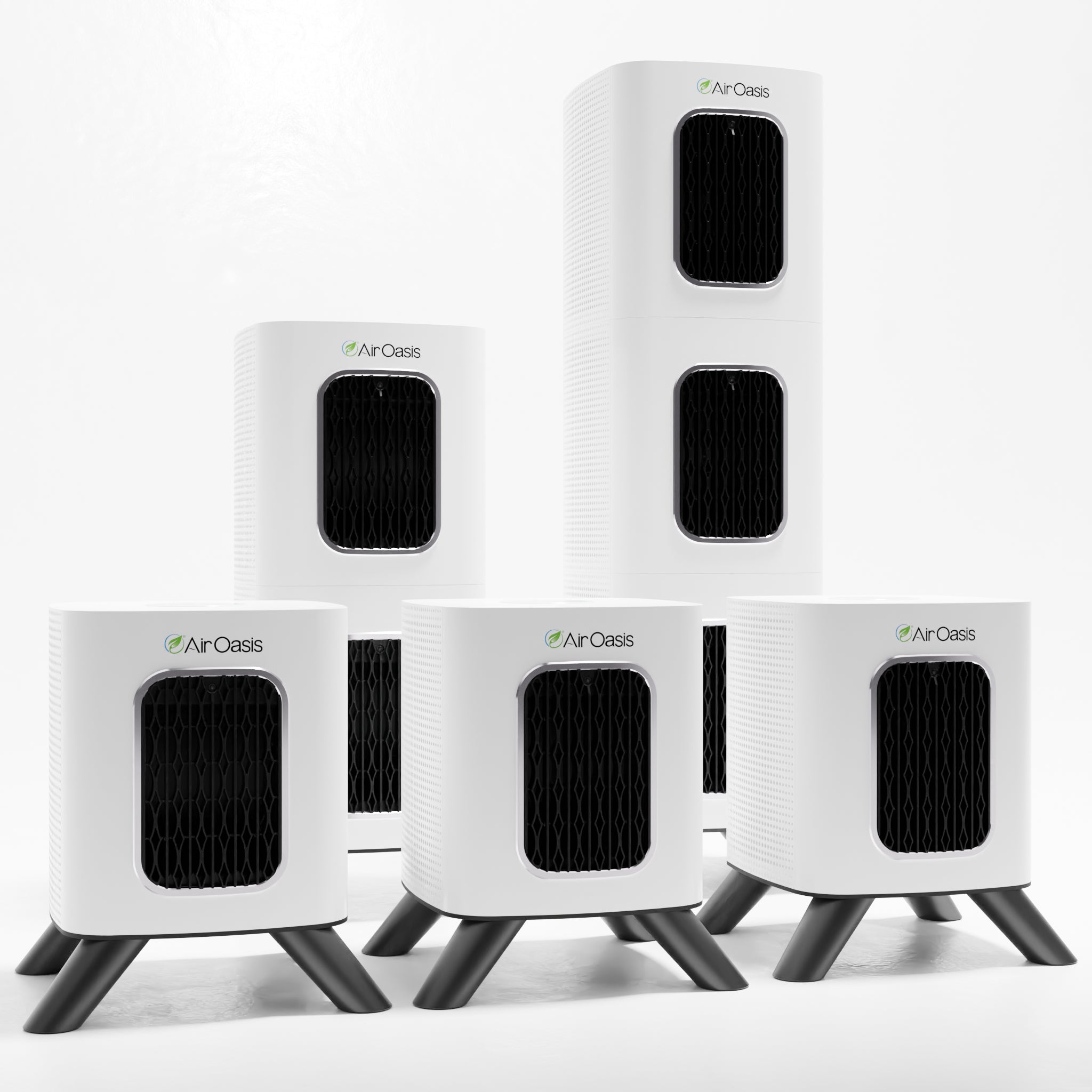
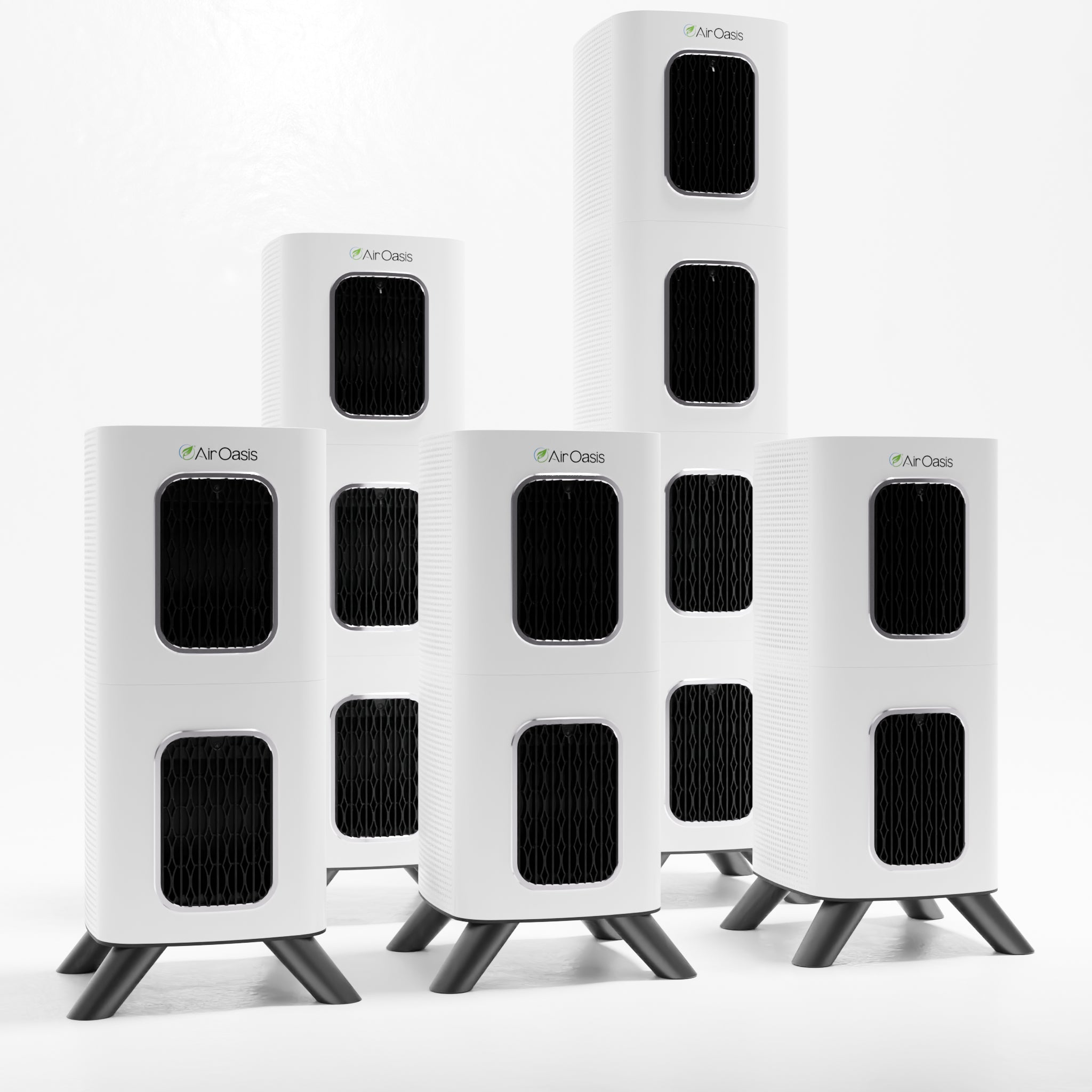
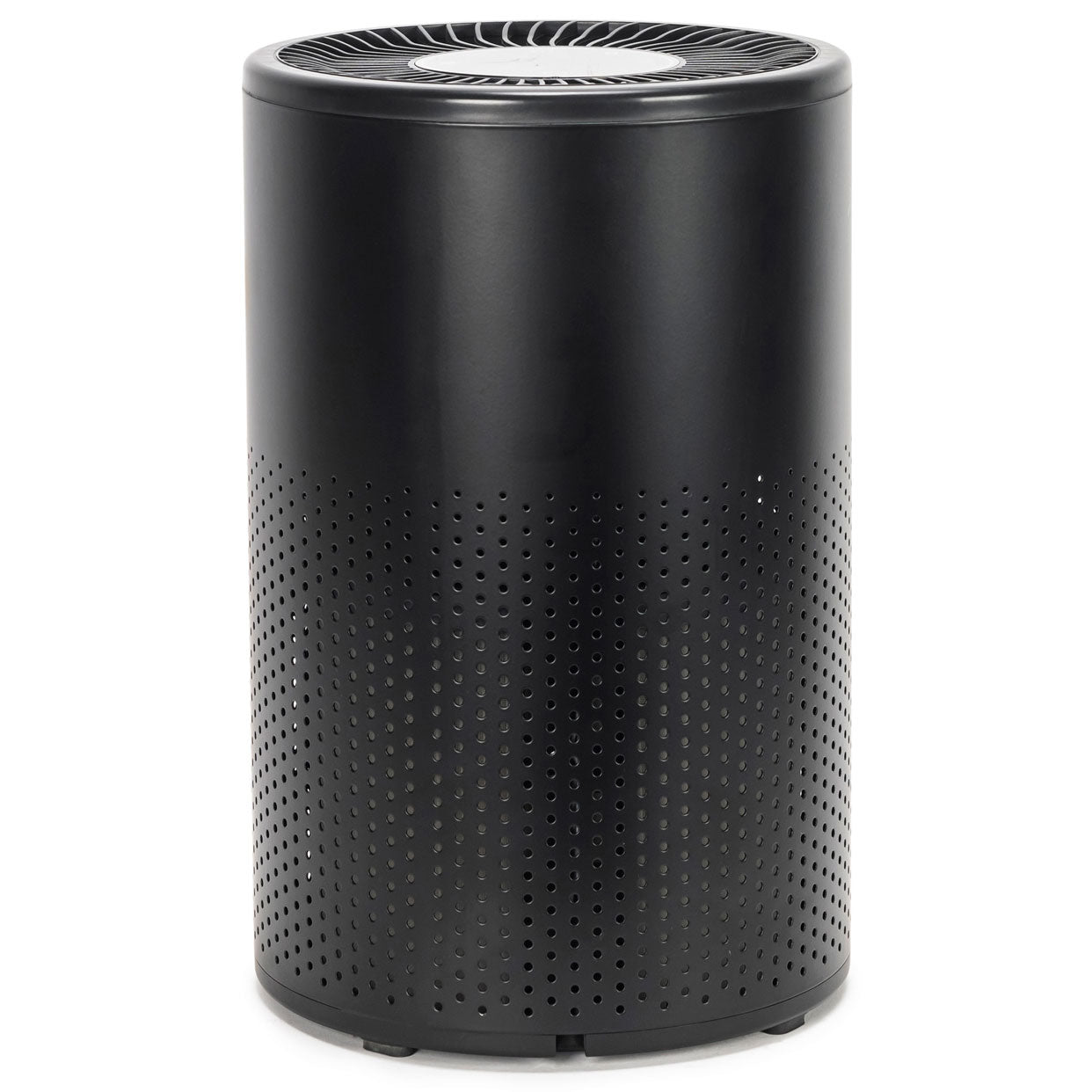
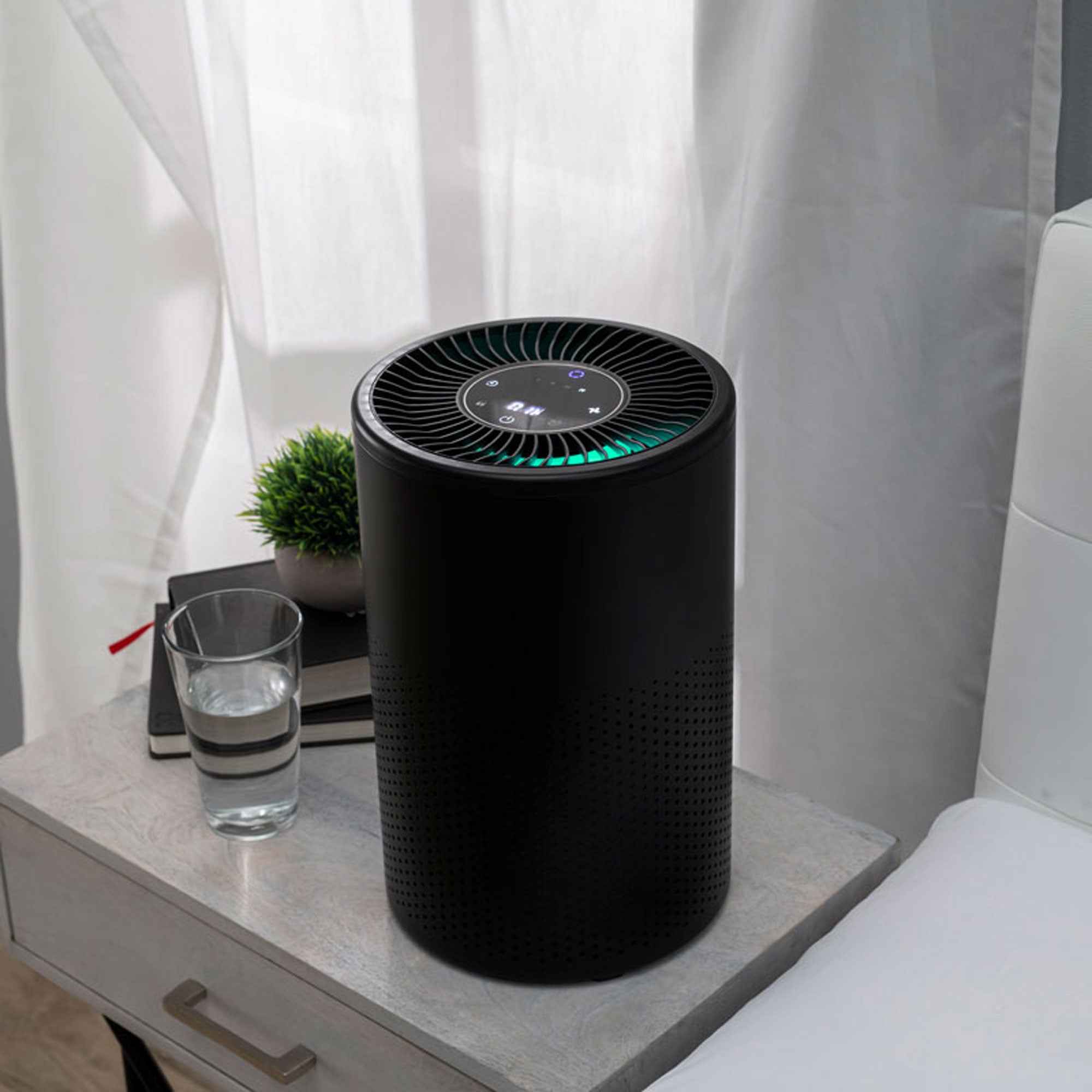
The iAdaptAir combines both. True HEPA filtration captures particles down to 0.3 microns, covering the fine particle fraction that candle and incense smoke produces. The activated carbon layer adsorbs VOCs and odor-generating combustion compounds that would otherwise recirculate through the room. UV-C light and bipolar ionization provide additional protection against biological material.
One practical note: if you use candles or incense regularly, your activated carbon filter will work harder and saturate faster than it would in a cleaner environment. The iAdaptAir's filter life indicator tracks this based on runtime and air quality sensor data — monitor it and replace on schedule. A spent carbon filter continues moving air but stops capturing gas-phase pollutants.
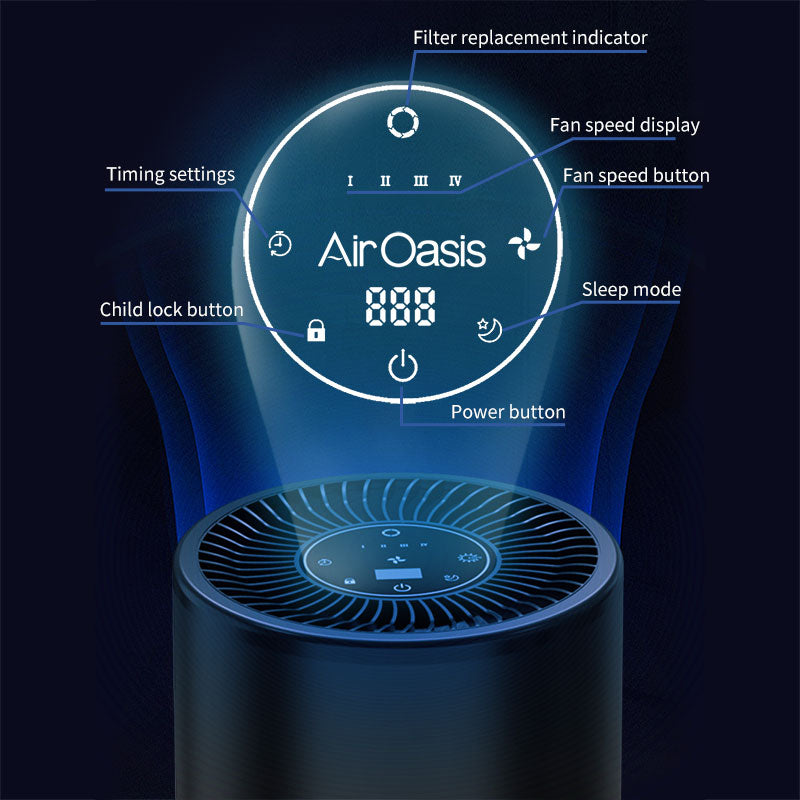
Running the iAdaptAir during and after candle or incense use — on a higher fan speed when emissions are active, letting Auto mode step down as air quality recovers — gives you the fastest possible return to baseline. The unit's air quality indicator ring will show you the particle concentration in real time: watch it move from orange or red back toward green as the purifier works through what combustion left behind.
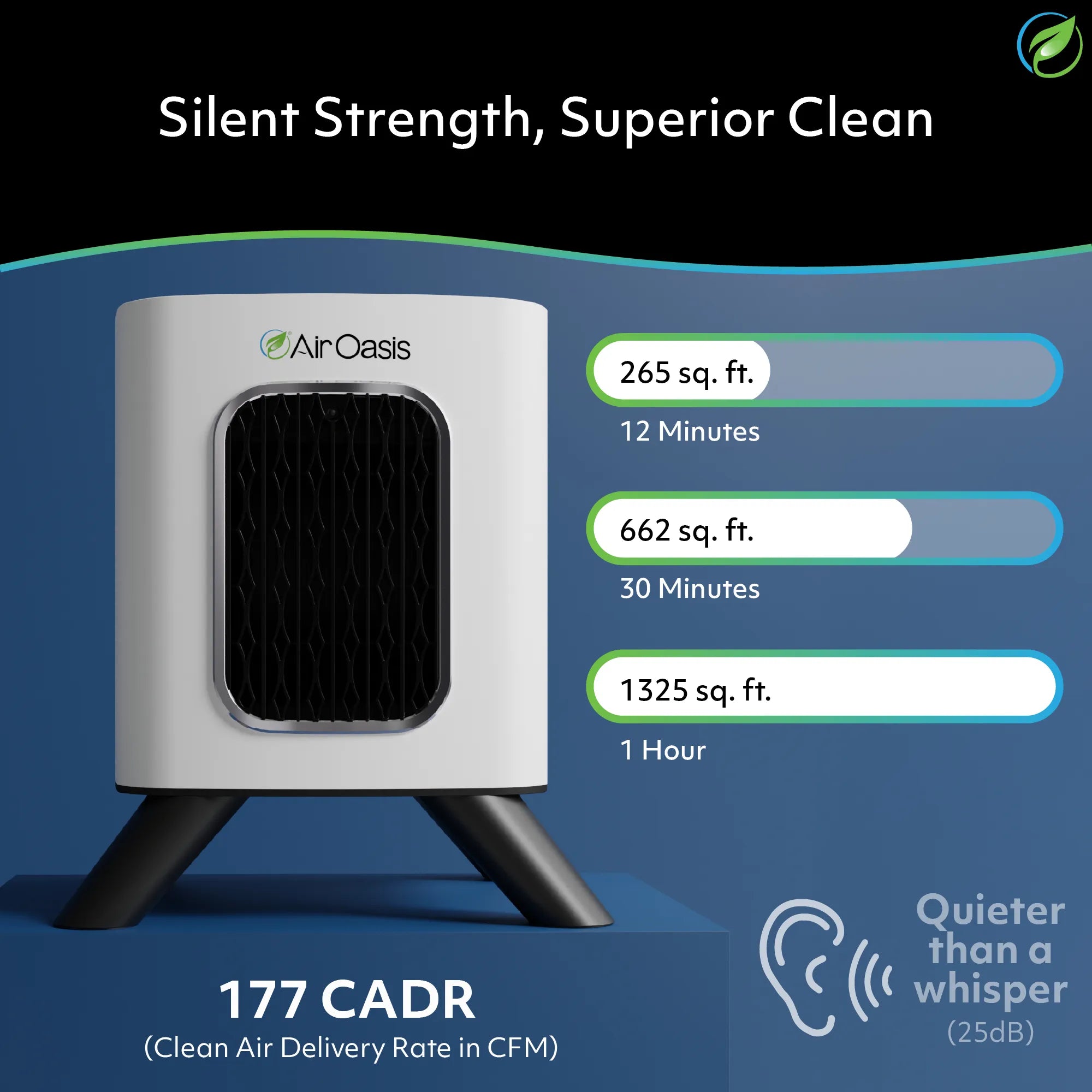
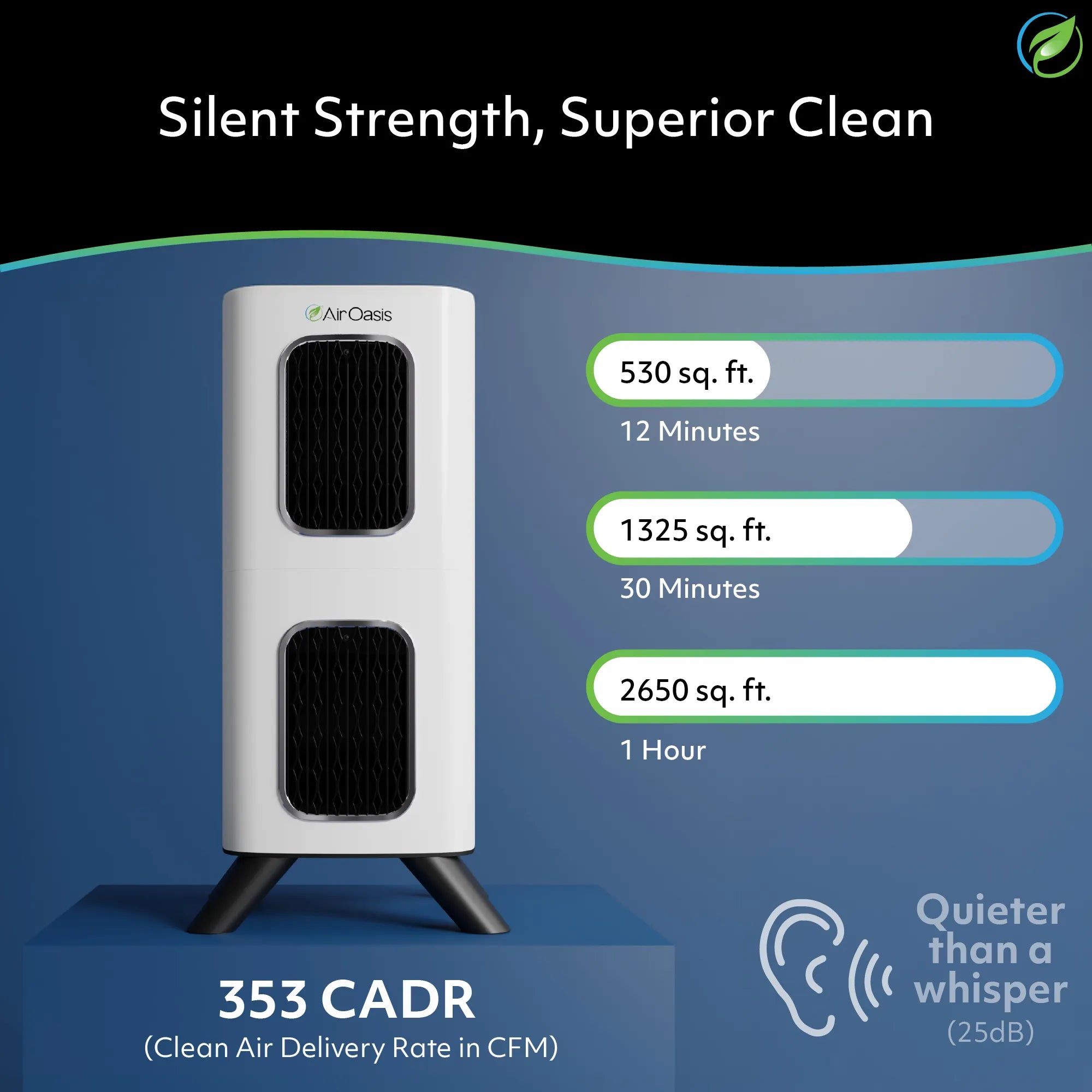
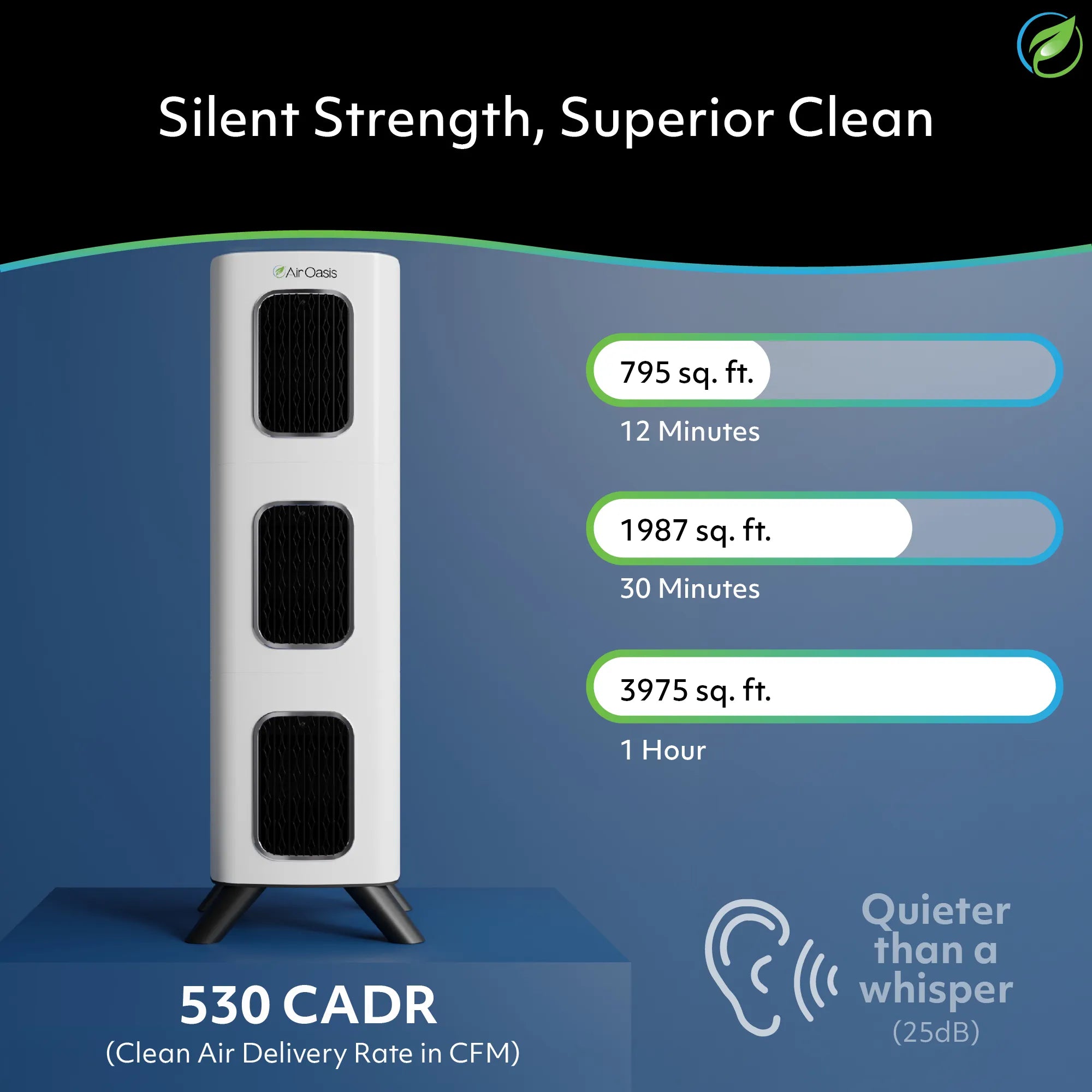
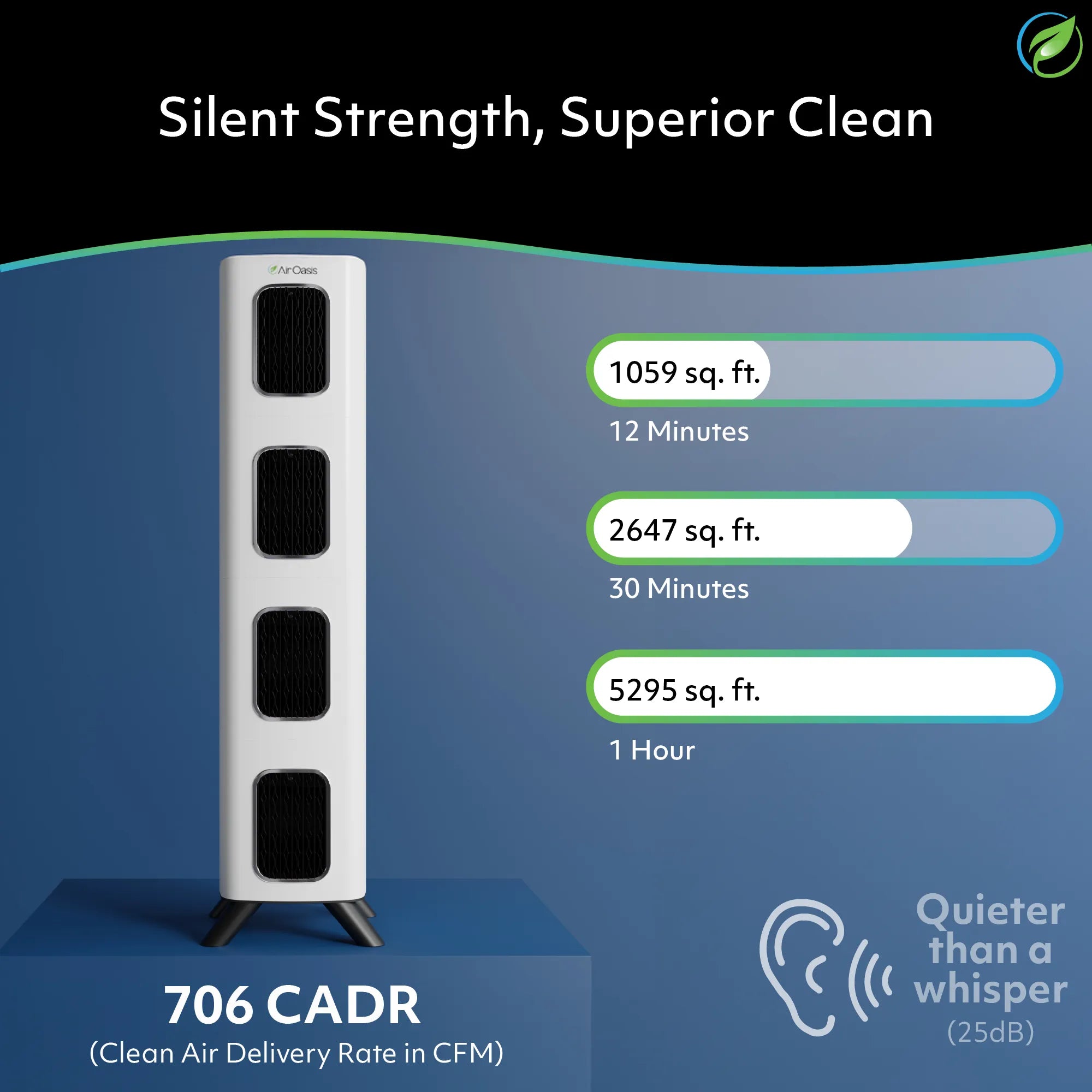
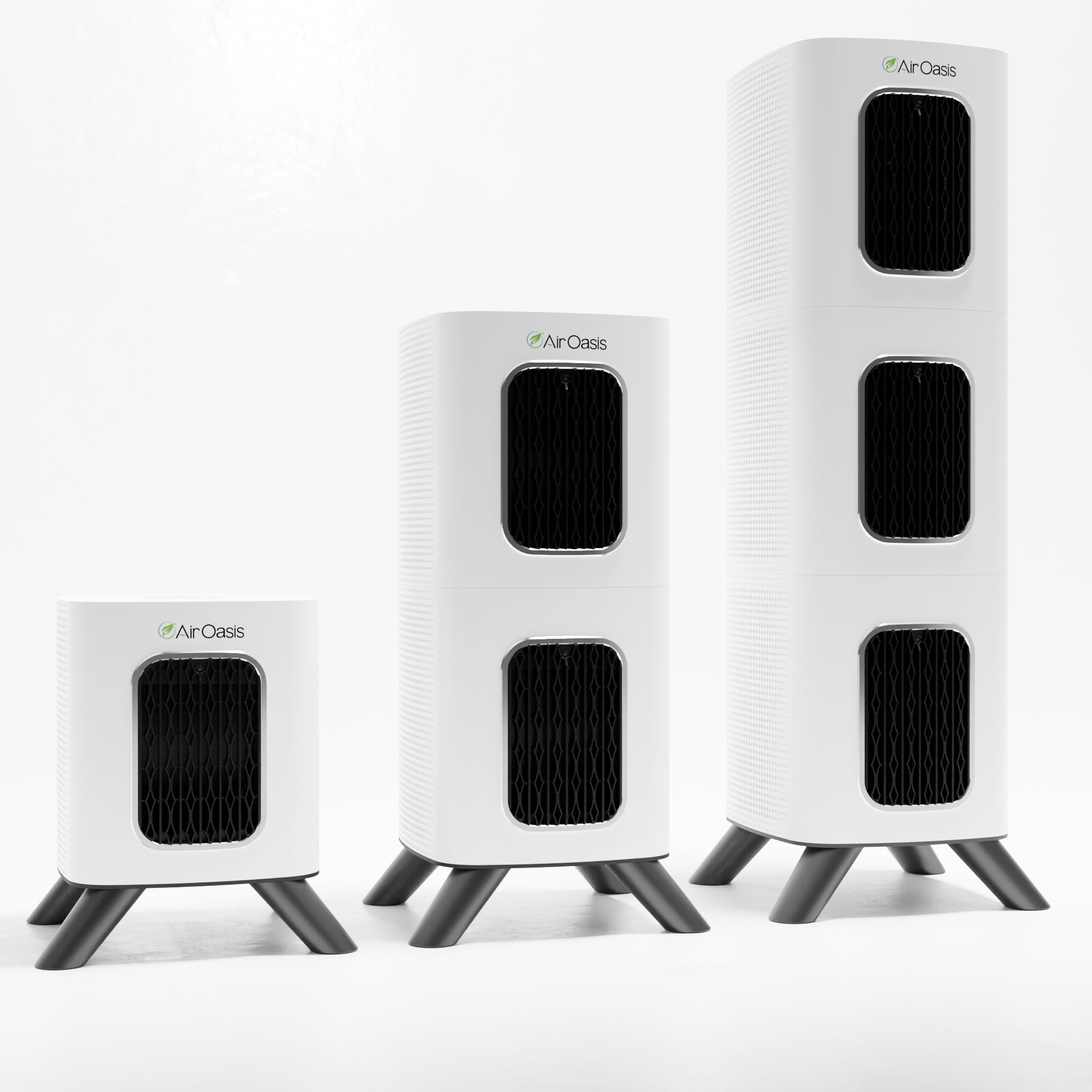
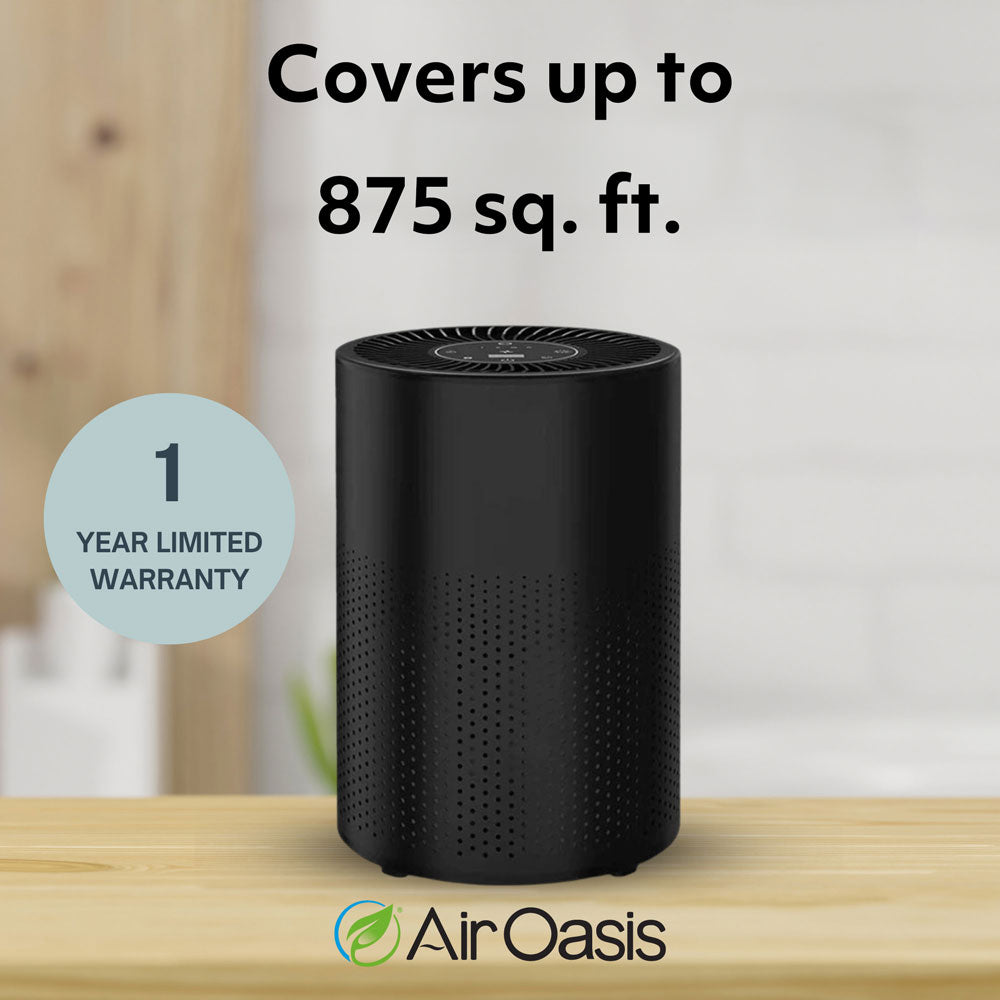
Size the unit to the room. The 2S covers up to 265 square feet, the 2M handles up to 530, the 2L covers up to 795, and the 2P covers up to 1,059 square feet. In a small bathroom or bedroom where candles are common, the 2S is the right tool — sized for the space, cycling the air frequently enough to stay ahead of what a candle or stick of incense releases.
The honest bottom line
Candles and incense are not inherently dangerous in moderation. But they are combustion sources, and combustion sources produce indoor air pollution. The particles and compounds they release are the same classes of compounds that researchers study in traffic exhaust and wood smoke — just at lower concentrations and in shorter durations for most home users.
If you love candles, you don't have to give them up. You just need to ventilate well, keep the room size and use frequency in proportion, and give your indoor air a way to recover. That's what clean-air thinking looks like in practice — not eliminating everything you enjoy, but understanding the tradeoffs and managing them intelligently.
Shop Air Oasis and find the iAdaptAir sized for your space. Breathe Better, Live Better.