You stand on the ferry dock watching the boat approach across the water. It seems like a cleaner, greener way to commute than sitting in highway traffic. But research reveals that ferry boat air quality presents unexpected challenges for coastal commuters concerned about pollution exposure.
Understanding Ferry Boat Emissions vs. Car Exhaust
Ferry boats use marine diesel engines that produce different pollution profiles than automobile engines. These large engines generate significant nitrogen oxide (NOx) emissions that exceed comparable car commutes. Research comparing ferry and landside commuting in the San Francisco Bay Area found that ferry travel consistently increased NOx emissions regardless of technology used.
Marine engines operate under less stringent emission regulations than road vehicles. This regulatory gap means ferry engines can legally emit more pollutants per passenger mile than cars or buses. Even with modern emission control technologies, including selective catalytic reduction systems, ferry commuting raises NOx levels compared to driving the same route.
Particulate matter tells a different story. Under certain conditions, ferries reduce PM emissions relative to matching land service. The distance from direct vehicle exhaust and road dust provides some protection. However, these benefits depend heavily on ridership levels, route characteristics, and whether passengers drive to ferry terminals.
The type of ferry matters significantly. High-speed catamarans using jet-pump propulsion produce different emission profiles than traditional displacement-hull ferries. Newer vessels equipped with advanced emission controls perform better than older, unregulated engines, but they still struggle with NOx emissions.
How Commute Patterns Affect Total Exposure
Your total pollution exposure includes more than just the ferry ride itself. The complete commute involves driving or walking to the terminal, waiting on the docks, riding the ferry, and traveling from the destination terminal to your workplace. Each segment contributes to overall exposure.
Terminal access by car adds substantial emissions. Many ferry commuters drive to parking lots at departure terminals. This "first mile" travel generates exhaust in concentrated terminal areas where other passengers also gather. When researchers modeled zero-emission shuttle service from homes to terminals, overall emissions profiles improved dramatically.
Induced travel demand complicates the comparison. Some ferry passengers wouldn't make the trip at all without ferry service. Others might consolidate trips differently if limited to land routes. These behavior changes affect whether ferries truly reduce regional emissions or simply redistribute them across different modes.
Mode split among alternative commutes matters. If ferry service disappears, would passengers drive alone, carpool, take buses, or use light rail? Studies show that the environmental impact varies dramatically based on what transportation mode replaces ferry service. Single-occupancy vehicles create the worst emissions scenario.
Nitrogen Oxide Emissions Remain Problematic
NOx emissions from ferry engines present persistent air quality challenges. All technologies examined in San Francisco Bay Area research led to increased NOx emissions from ferry commuting compared to land alternatives. Even the cleanest ferry engine options using natural gas fuel or advanced catalytic reduction couldn't match the NOx performance of mixed-mode land commuting.
This finding carries significant implications for regional air quality. NOx contributes to ground-level ozone formation and smog. Coastal cities already struggling with ozone non-attainment face difficult choices when expanding ferry service. The visibility and rapid growth of passenger ferry systems make these emissions especially problematic for air quality managers.
Marine engine technology lags behind automotive advances. While passenger cars have achieved dramatic NOx reductions through three-way catalytic converters and precise fuel management, marine engines operate under different combustion conditions. The lean-burn characteristics of diesel engines make NOx control inherently more difficult.
Selective catalytic reduction (SCR) systems offer the most promise for NOx control on ferries. These systems inject urea solution into exhaust streams to convert NOx into nitrogen and water. However, SCR adds operational complexity, requires regular urea refilling, and increases maintenance costs. Not all ferry operators have adopted this technology.
Comparing Different Ferry Routes and Services
Emission impacts vary significantly across different ferry routes and service types. Longer routes with higher speeds generate more total emissions but may serve passengers who would otherwise drive much longer distances on congested highways. Short urban ferry hops might not offer the same emission trade-offs.
The Larkspur ferry route in the Bay Area showed different emission characteristics than the Alameda/Oakland route. Factors including distance, speed profiles, passenger loads, and alternative land route options all influenced whether ferry service improved or worsened air quality. One-size-fits-all conclusions don't capture this complexity.
Ridership levels dramatically affect per-passenger emissions. A half-empty ferry generates similar total emissions as a full ferry, but spreads that pollution across fewer passengers. High ridership improves the emissions profile on a per-passenger-mile basis. Ferry services struggling with low ridership face worse environmental performance.
Commute quality considerations also matter. Ferries offer less stressful commutes than driving in heavy traffic. Passengers can work, read, or relax during crossings. These quality-of-life benefits don't show up in emissions calculations but influence whether ferry service serves broader transportation system goals.
Health Effects of Marine Engine Exhaust
Marine diesel exhaust contains harmful components beyond just NOx. Particulate matter from uncontrolled marine engines includes black carbon and organic compounds. These particles penetrate deep into lungs and contribute to cardiovascular and respiratory problems.
Sulfur dioxide emissions depend on fuel quality. Marine fuels historically contained much higher sulfur levels than road diesel. New low-sulfur marine fuel requirements have reduced SO2 emissions, but older vessels burning high-sulfur fuel still operate in some locations. Terminal workers and frequent ferry commuters face chronic exposure to these emissions.
Carbon monoxide levels from ferry engines generally remain lower than from automobiles. However, poorly maintained or improperly tuned engines can produce elevated CO. Terminal areas with limited air circulation may concentrate exhaust fumes, creating local hotspots where waiting passengers breathe degraded air.
Passengers riding on open-air ferry decks experience different exposures than those in enclosed cabins. Wind patterns affect how exhaust disperses from stacks. Sitting downwind of exhaust outlets increases exposure, while upwind positions provide cleaner air. Few passengers consider these factors when choosing seats.
Advanced Technologies for Cleaner Ferry Service
Natural gas engines offer one alternative to traditional diesel power. Compressed natural gas (CNG) reduces particulate matter and some toxic emissions. However, CNG ferries still produce problematic NOx levels and require specialized fueling infrastructure that doesn't exist in many ports.
Hybrid electric propulsion systems represent newer technology. These systems use diesel generators to produce electricity for electric motors. Properly designed hybrids can optimize engine operation for lower emissions and allow shore power charging during docking. Capital costs remain higher than conventional propulsion.
Selective catalytic reduction combined with cleaner fuels provides the most effective emission reductions for diesel ferries. Tier 2 engines with SCR and clean fuel formulations significantly reduce all measured pollutants except NOx, which still exceeds land commute alternatives. This technology combination represents current best available control.
Future zero-emission ferries using battery electric or hydrogen fuel cell propulsion could eliminate direct exhaust emissions. Several pilot programs are testing these technologies on shorter routes. Battery weight, range limitations, and charging infrastructure present challenges for longer ferry routes, but technology continues improving.
Protecting Your Health as a Ferry Commuter
Choose boarding locations and seats strategically. Position yourself upwind of exhaust stacks when possible. Enclosed cabin spaces generally offer better protection from direct exhaust exposure than open-air decks, though ventilation systems may introduce filtered engine exhaust.
Consider your complete commute when evaluating health impacts. If driving to the ferry terminal adds significant vehicle miles, the total exposure may exceed alternative routes. Look for ferry services accessible by walking, biking, or public transit from your home or workplace.
Pay attention to visible smoke from ferry exhausts. Heavy black smoke indicates poor combustion and elevated particulate emissions. While occasional smoke during engine start or acceleration is normal, persistent visible emissions suggest maintenance problems or outdated engine technology.
Support ferry operators investing in cleaner technologies. Choose services using newer vessels with emission controls when alternatives exist. Communicate with transit agencies about air quality concerns. Passenger demand for cleaner ferries encourages operators to prioritize emission reduction investments.
Clean Home Air Matters More After Ferry Commutes
After exposure to marine engine emissions during your ferry commute, your home becomes a crucial recovery environment. Your respiratory system needs clean air to clear inhaled particles and repair inflammation from exhaust exposure.
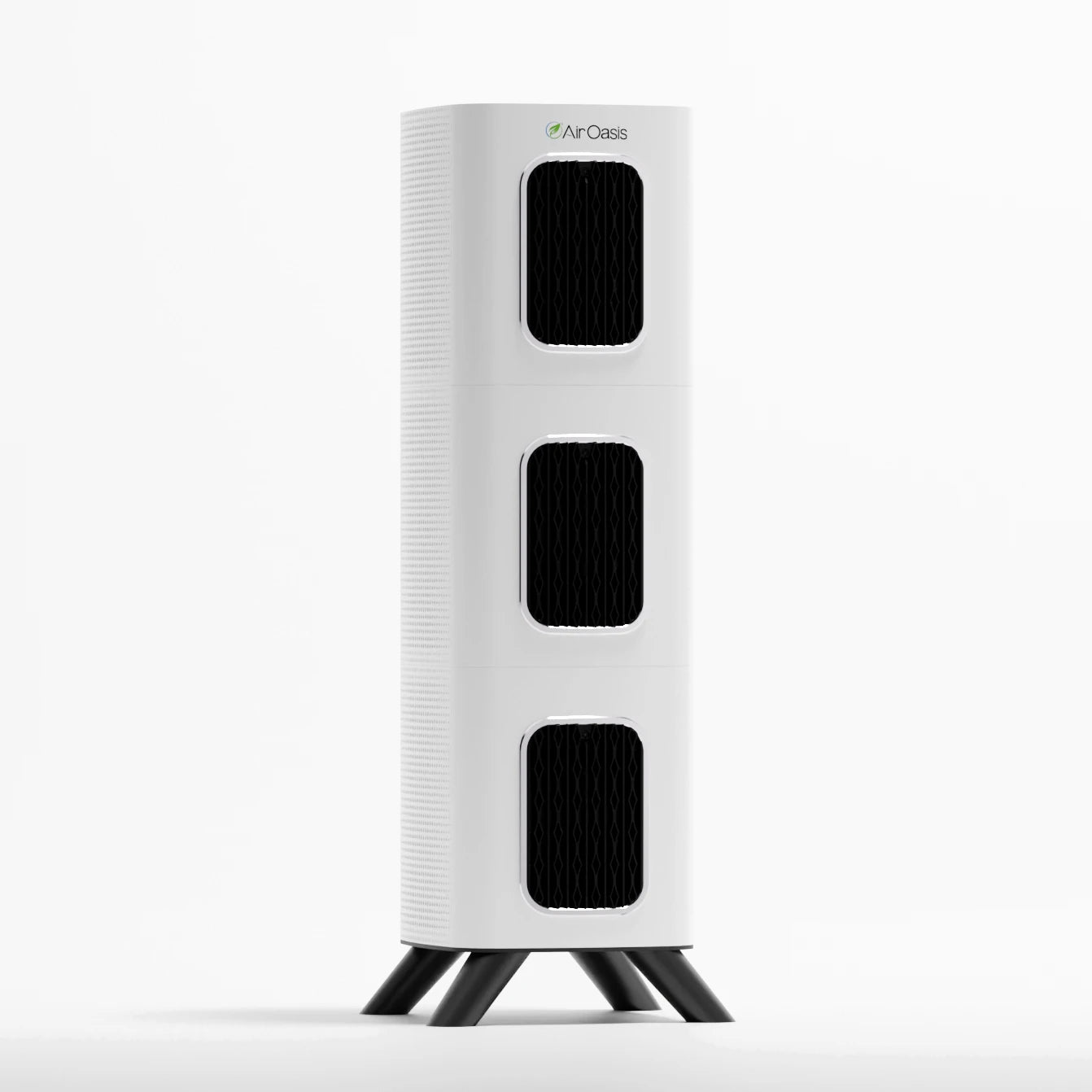
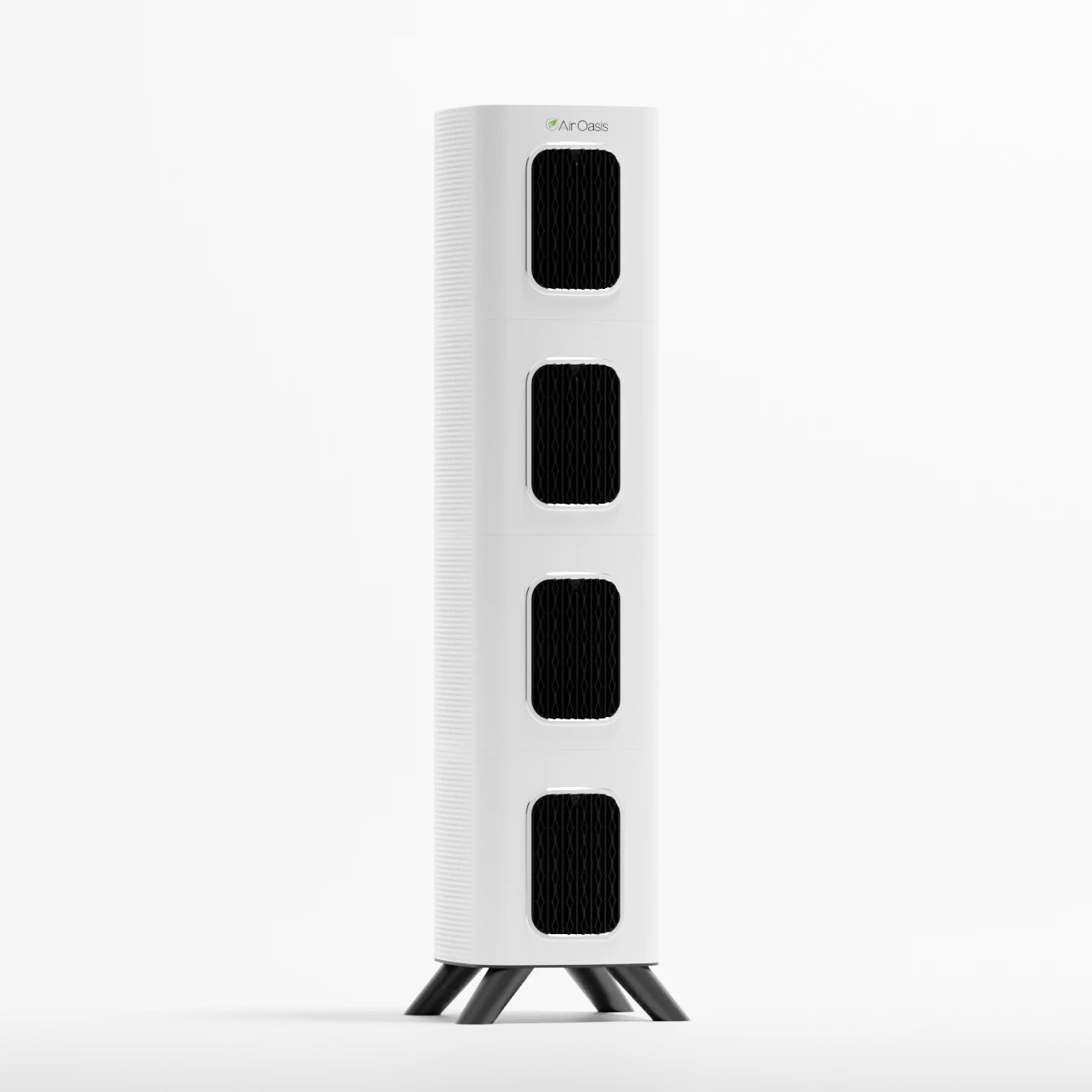
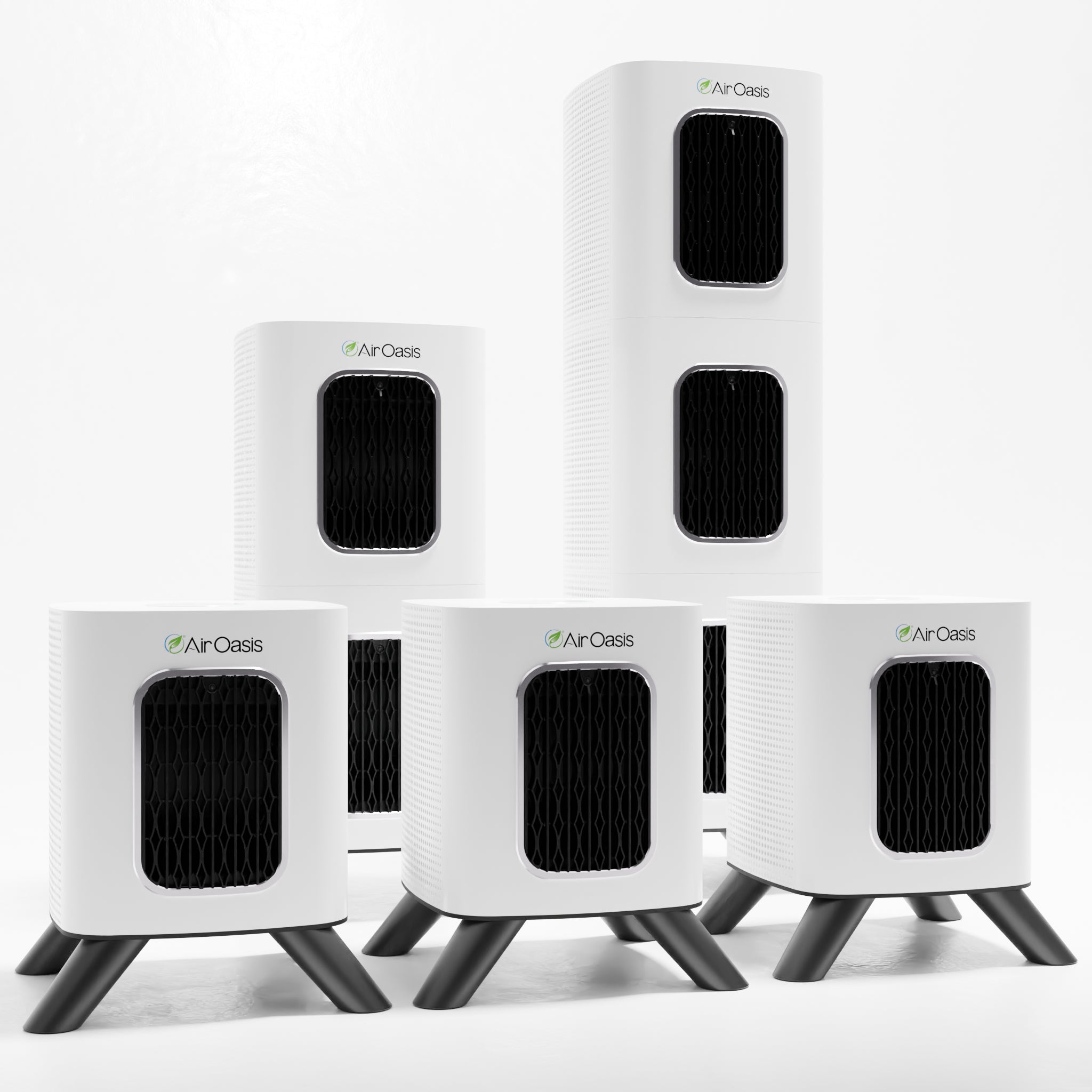
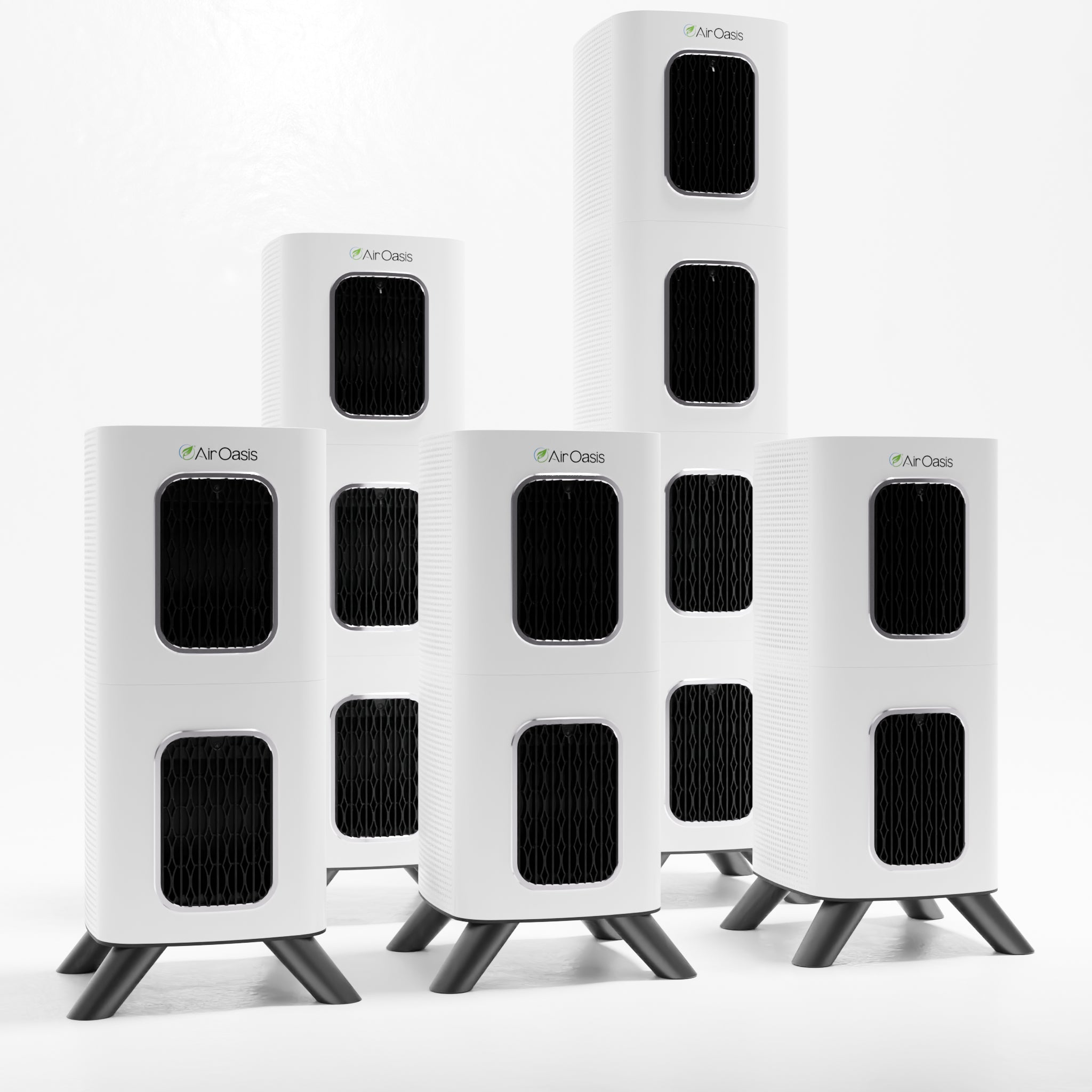
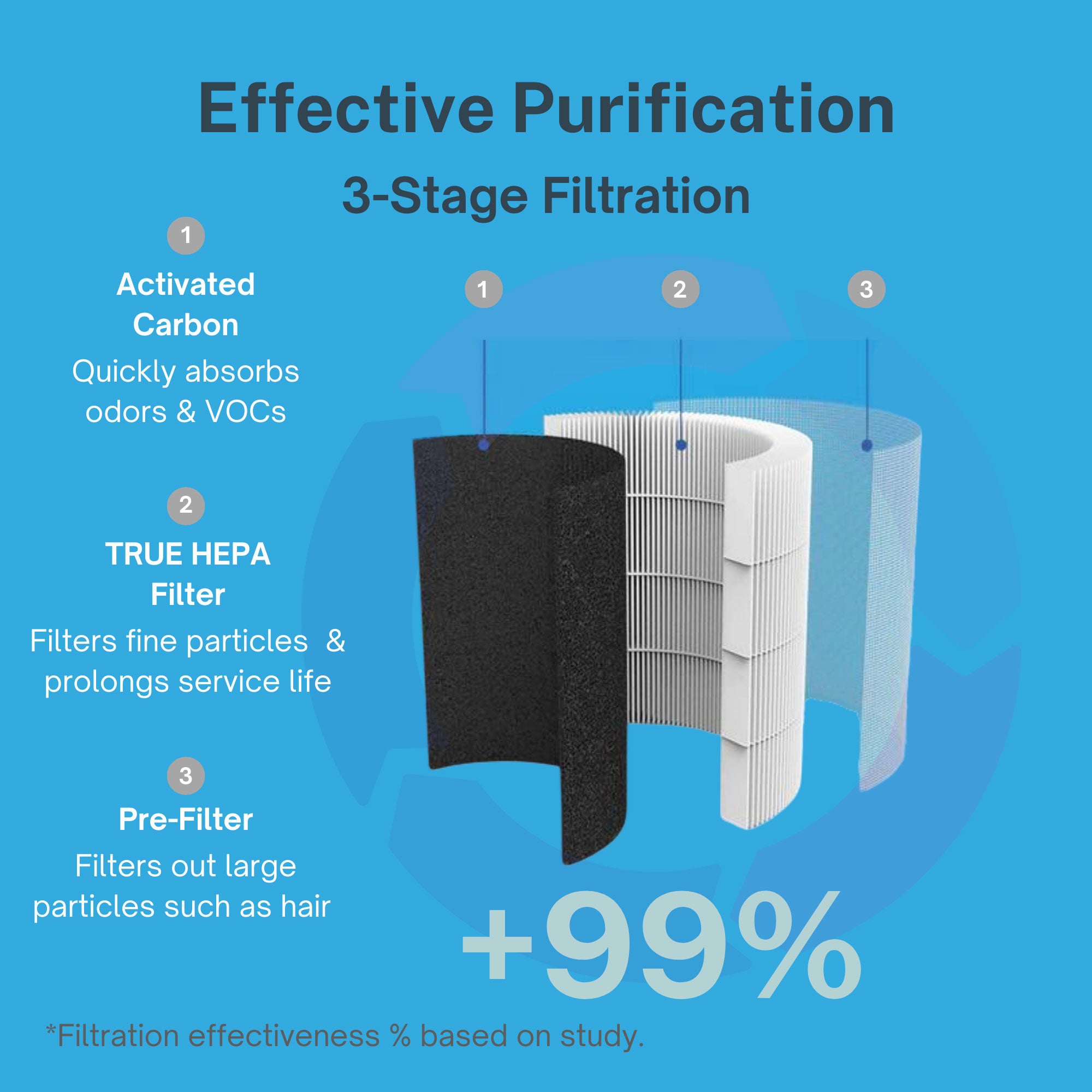
Indoor air purification helps counteract the effects of commute pollution. Medical-grade filtration systems capture fine particles that ferry exhaust generates. The iAdaptAir series combines HEPA filtration with activated carbon to remove both particles and diesel odors that may linger on clothing after ferry travel.
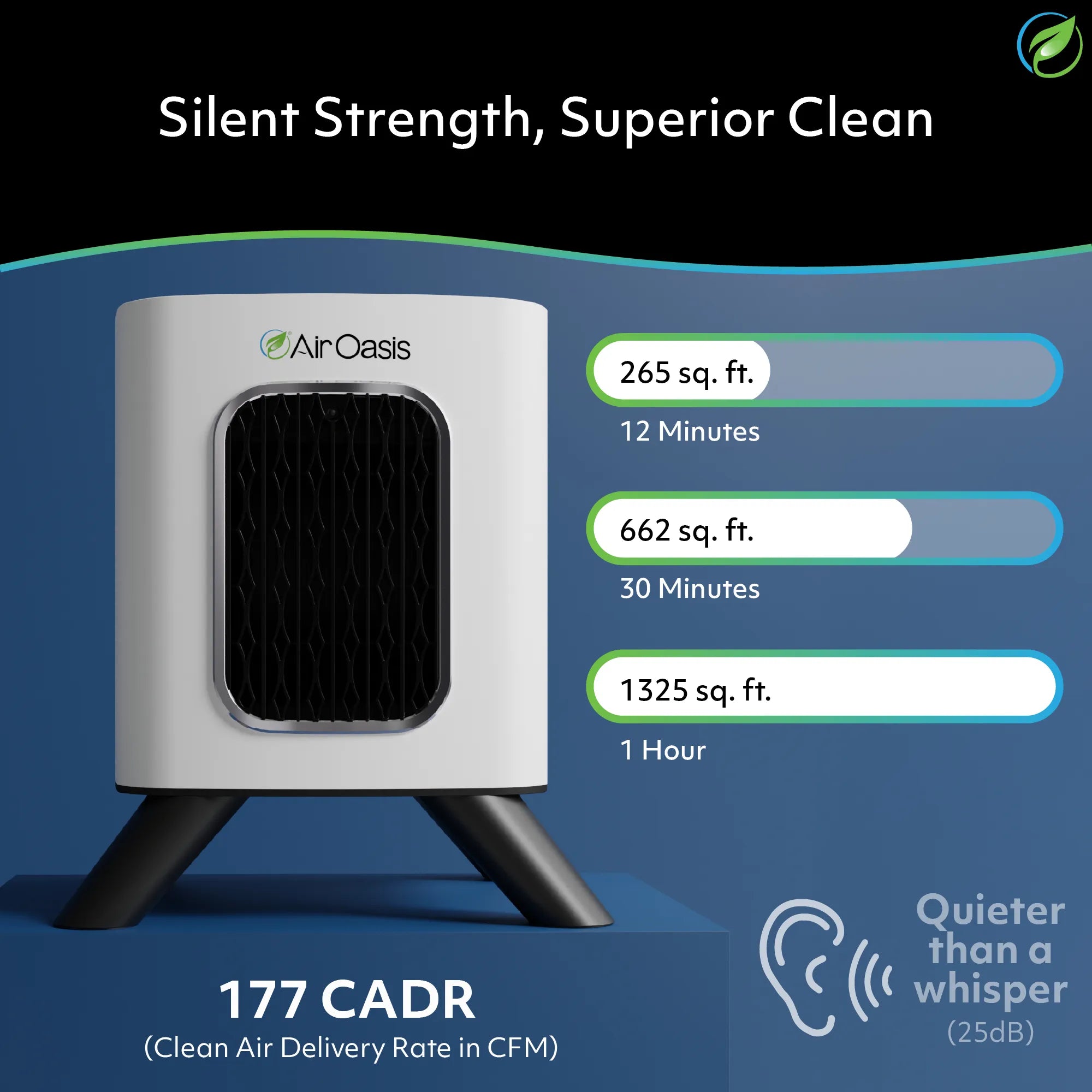
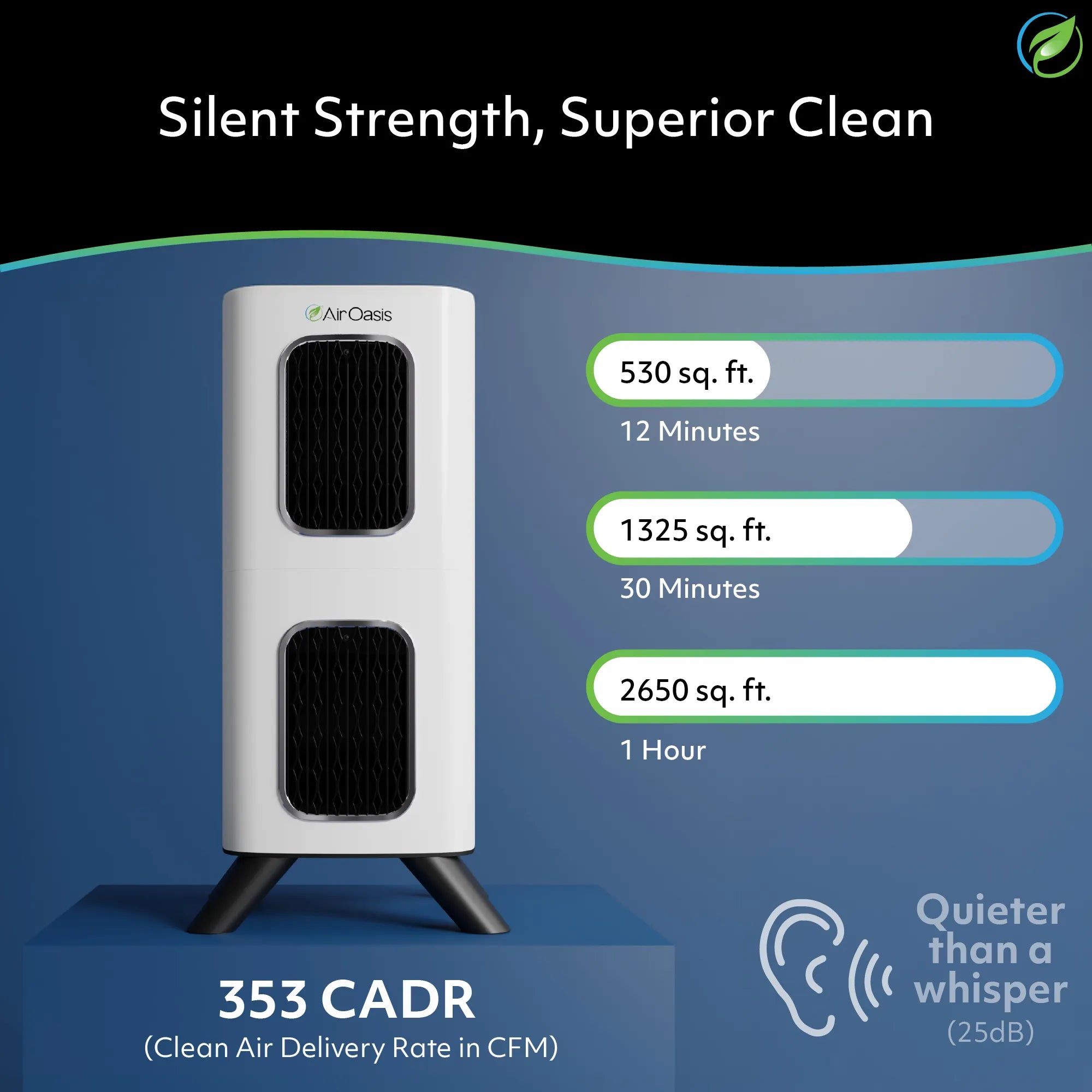
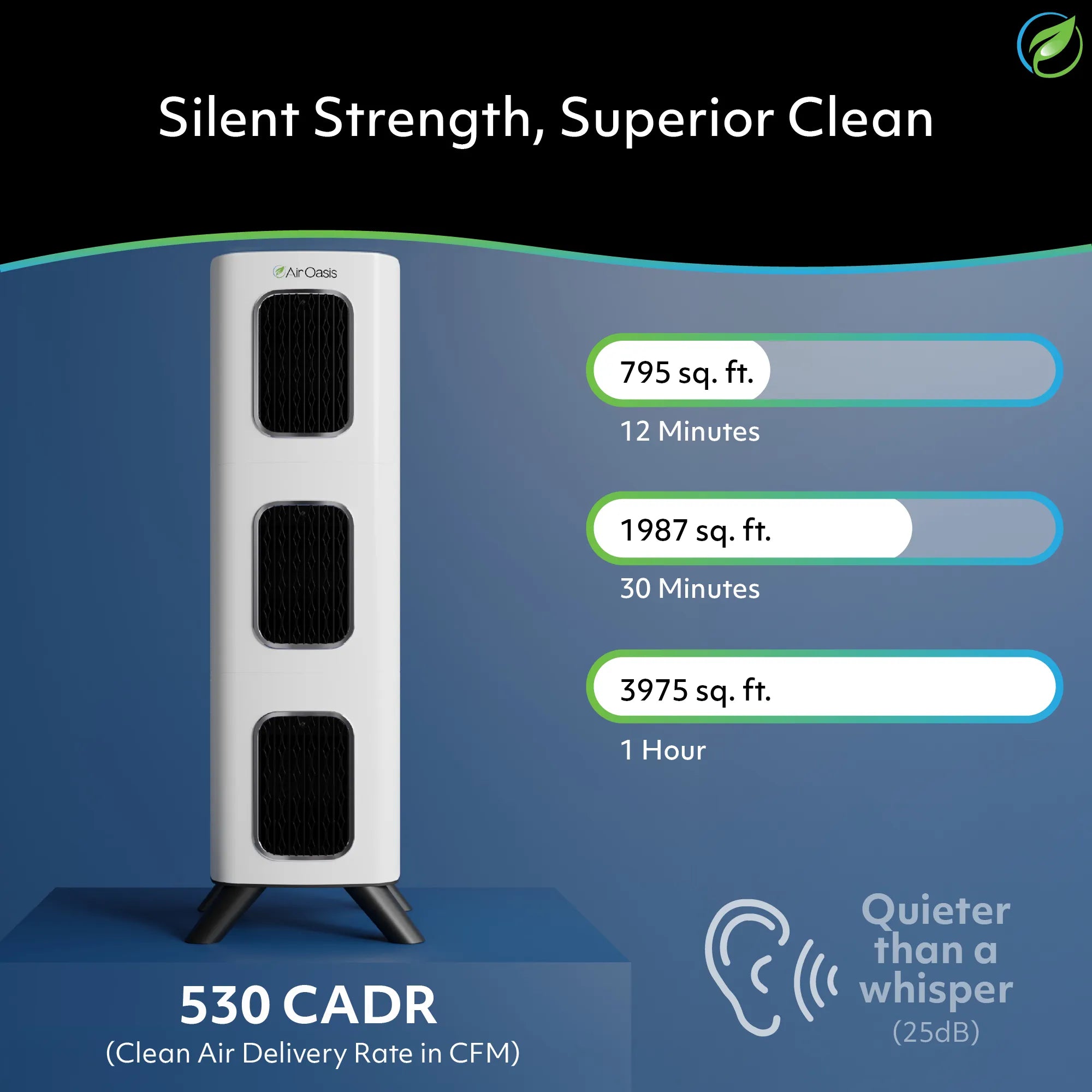
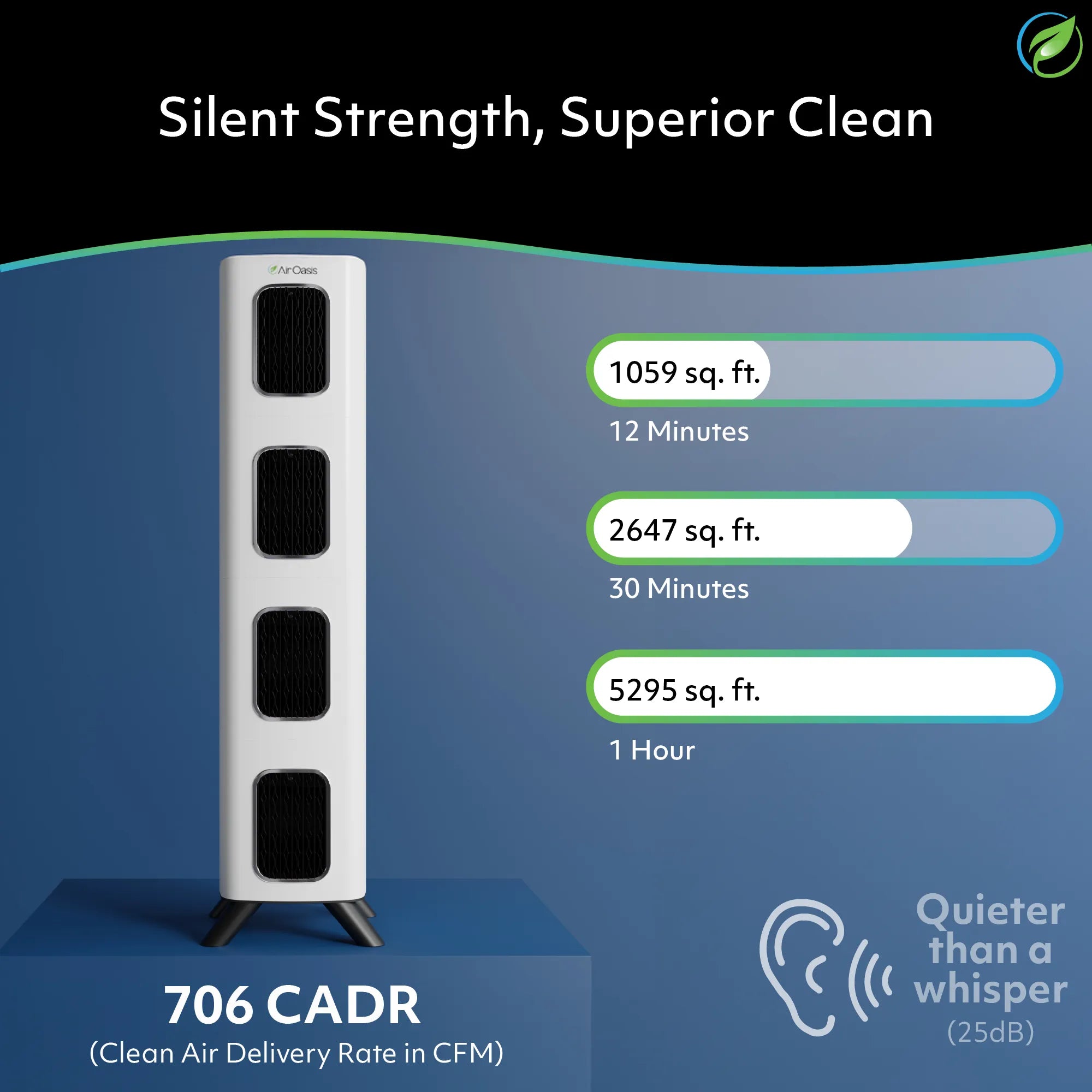
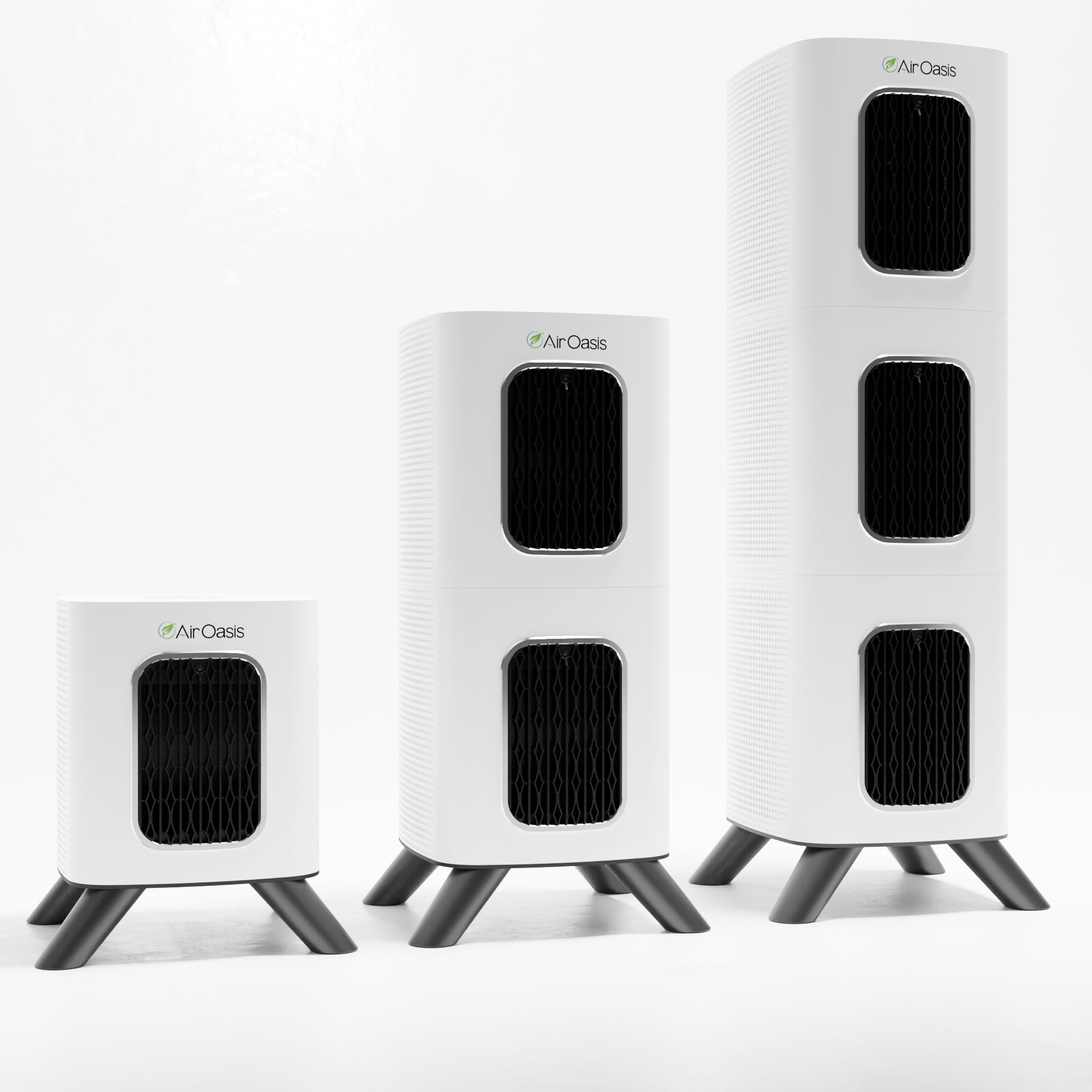
Choose the right size system for your space. The iAdaptAir 2S covers 265 sq ft, the 2M handles 530 sq ft, the 2L purifies 795 sq ft, and the 2P serves 1,059 sq ft areas. These systems use multi-stage filtration including UV-C light and bipolar ionization to address the diverse pollutants from marine engine exhaust.
Make Informed Commuting Decisions
Ferry boat air quality presents complex trade-offs for coastal commuters. While ferries reduce some emissions under certain conditions, nitrogen oxide production remains consistently higher than land alternatives. Particulate matter exposure varies based on engine technology, ridership, and route characteristics.
Understanding these nuances helps you make informed decisions about daily commuting. Consider the complete door-to-door journey, not just the water crossing. Support cleaner marine engine technology through your transit choices and advocacy.
When you reach home after your ferry commute, ensure you're breathing the cleanest possible air. Quality indoor air purification supports respiratory recovery and long-term health despite unavoidable commute exposures. Shop Air Oasis today and breathe easier at home.