You've been dealing with a rash you can't explain. It comes and goes. You've tried creams, changed your laundry detergent, even switched soaps. Nothing seems to stick. What you probably haven't considered is your air.
For some people, the skin reaction they're struggling with may be connected to mold in their home environment. Not for everyone. Not always. But for certain individuals, there's a real, documented connection, and understanding it can make a meaningful difference.
What mold exposure can do to your skin
Most conversations about mold focus on what it does to your lungs. Congestion, coughing, wheezing — these are the symptoms people expect. Skin reactions get far less attention, but they're a recognized, if less common, part of the picture.
Mold reproduces by releasing spores into the air. Those spores land on surfaces, settle into fabrics, and circulate through your home every time someone walks across a damp carpet or opens a closet door. For people who are sensitized to mold, exposure, whether through inhalation or direct skin contact, can trigger an immune response.
That response can show up on your skin.
Atopic dermatitis, the medical term for eczema, has been associated with mold sensitivity in some individuals. A mold allergy, like other environmental allergies, can cause the skin to become dry, itchy, or inflamed. Some people notice this primarily during high outdoor mold seasons. Others deal with it year-round because the source is inside their home.
These skin reactions are real, but they're not universal. Individual responses to mold vary widely, and not everyone exposed to mold will develop skin symptoms.
A documented case worth understanding
Published research offers a striking example of how persistent and severe mold-related dermatitis can be.
A case documented by Rockwell and Santilli (Journal of Allergy and Clinical Immunology, 2005) described a patient who had experienced a recurrent pustular facial rash for 15 years. She averaged six courses of antibiotics and prednisone every year. Skin tests came back positive for sensitivity to several common indoor molds, including Alternaria, Aspergillus, Penicillium, and Cladosporium.
When her home was tested, mold counts in her bedroom reached 4,300 spores per cubic meter. The threshold for normal indoor counts is generally considered under 1,000 spores per cubic meter. The predominant species was Aspergillus.
Two weeks after she moved out of the home, her rash disappeared entirely for the first time in 15 years. Seven months later, still away from the home, it had not returned. She needed zero antibiotics or prednisone during that period. When she returned to the house, the rash came back within one week.
The researchers concluded this was a contact-type dermatitis, most likely triggered by indoor Aspergillus exposure, with secondary bacterial infection complicating the presentation. Earlier in the case history, a water intrusion in her bedroom had been inadequately remediated, creating conditions for sustained mold growth.
This is one case, not a large clinical trial. But the pattern it illustrates, chronic skin symptoms that tracked directly with a moldy environment, is consistent with what allergy and dermatology specialists see in practice.
Why some people react and others don't
This is a question that genuinely matters to people trying to understand their own symptoms. If you live with someone in the same home and they're fine while you're not, that's disorienting.
The answer lies largely in individual biology. Mold allergy, like any allergy, develops in some people and not others. Genetic factors influence whether your immune system treats mold spores as a threat. People with a history of atopy, meaning a predisposition to allergies, asthma, or eczema, are more likely to develop mold sensitivity than those without that background.
This is not a character flaw or an overreaction. It's an immune system variation. Some people's immune systems are primed to react to certain proteins. Mold spores carry those proteins.
It also means that not everyone exposed to the same indoor mold will experience the same symptoms, or any symptoms at all. Two people can live in the same home, have the same air quality, and have very different health outcomes. If you're the one reacting, that's worth taking seriously.
What you can actually do about it
If you suspect mold is behind a rash or skin condition that hasn't responded to treatment, the first step is to talk with your doctor or a board-certified allergist. Allergy testing can determine whether you have sensitivity to common mold species. A dermatologist can assess whether what you're dealing with is atopic dermatitis, contact dermatitis, or something else entirely.
From there, identifying and reducing your exposure is key. That means looking for moisture problems in your home. Water-damaged areas, past leaks that weren't fully remediated, chronically damp basements or bathrooms, and musty odors are all worth investigating. Mold doesn't always announce itself.
Some practical steps that can help:
- Keep indoor humidity below 50%. A hygrometer is inexpensive and takes the guesswork out of monitoring.
- Address any water leaks or moisture intrusion promptly, and make sure remediation is thorough. Incomplete remediation, as the Rockwell and Santilli case illustrates, can leave the problem ongoing.
- Wash bedding in hot water regularly, particularly if you have a mold sensitivity.
- Ventilate bathrooms and kitchens during and after use.
These steps reduce the mold burden in your environment. That's the foundation.
How cleaner air supports your skin health
Reducing what's in the air you breathe matters for skin health, too. When mold spores circulate through your living spaces, they create ongoing exposure that can keep a sensitized immune system in a reactive state.
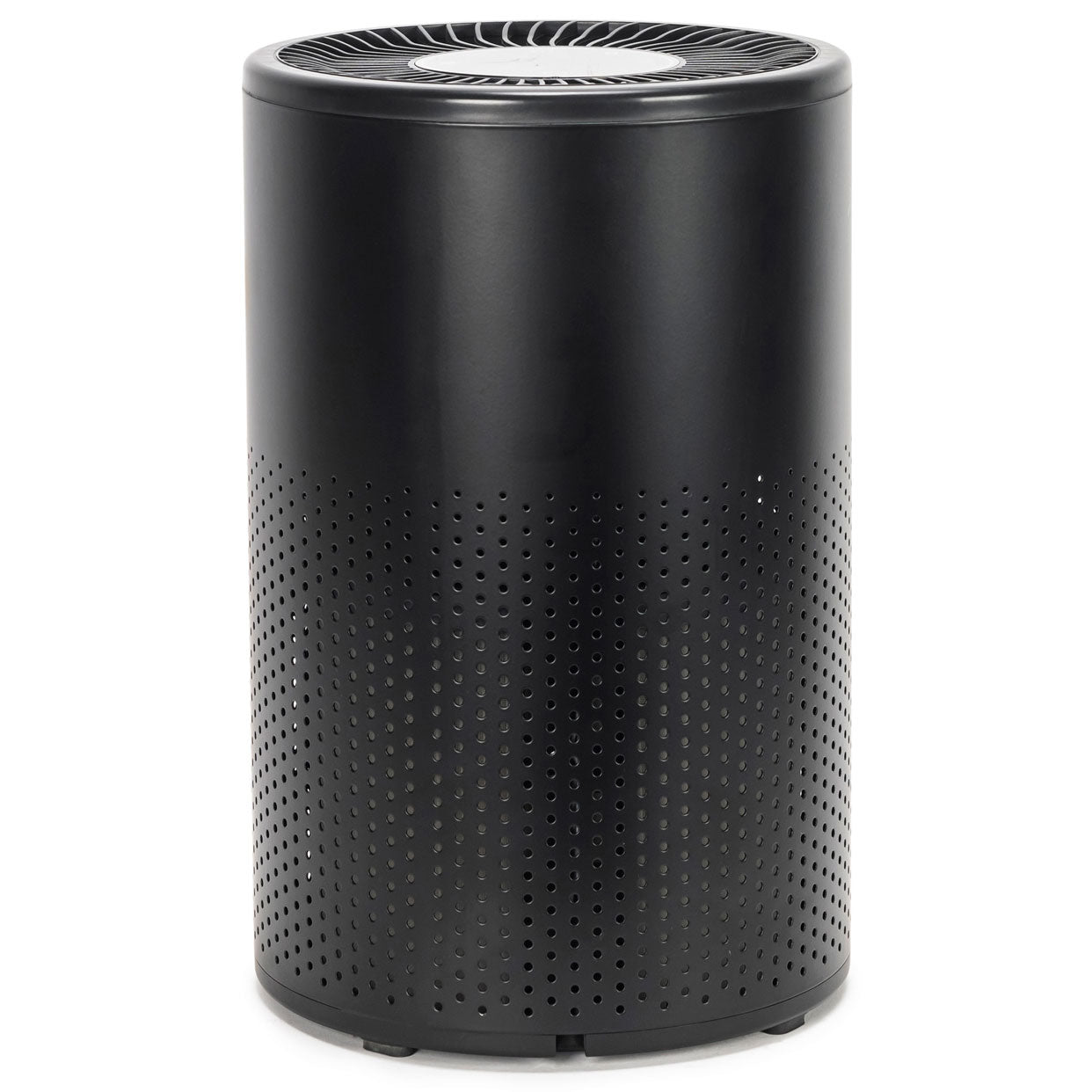
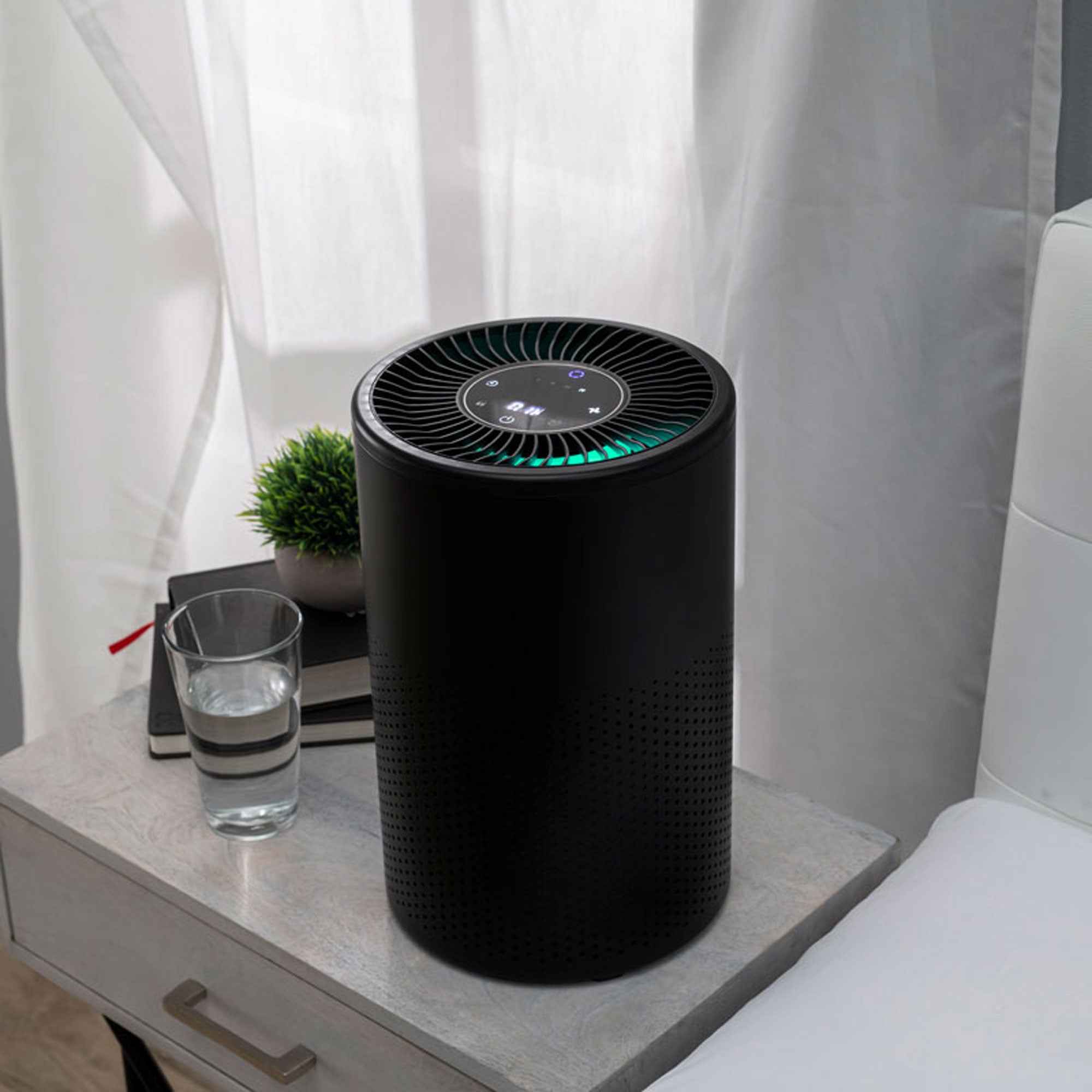
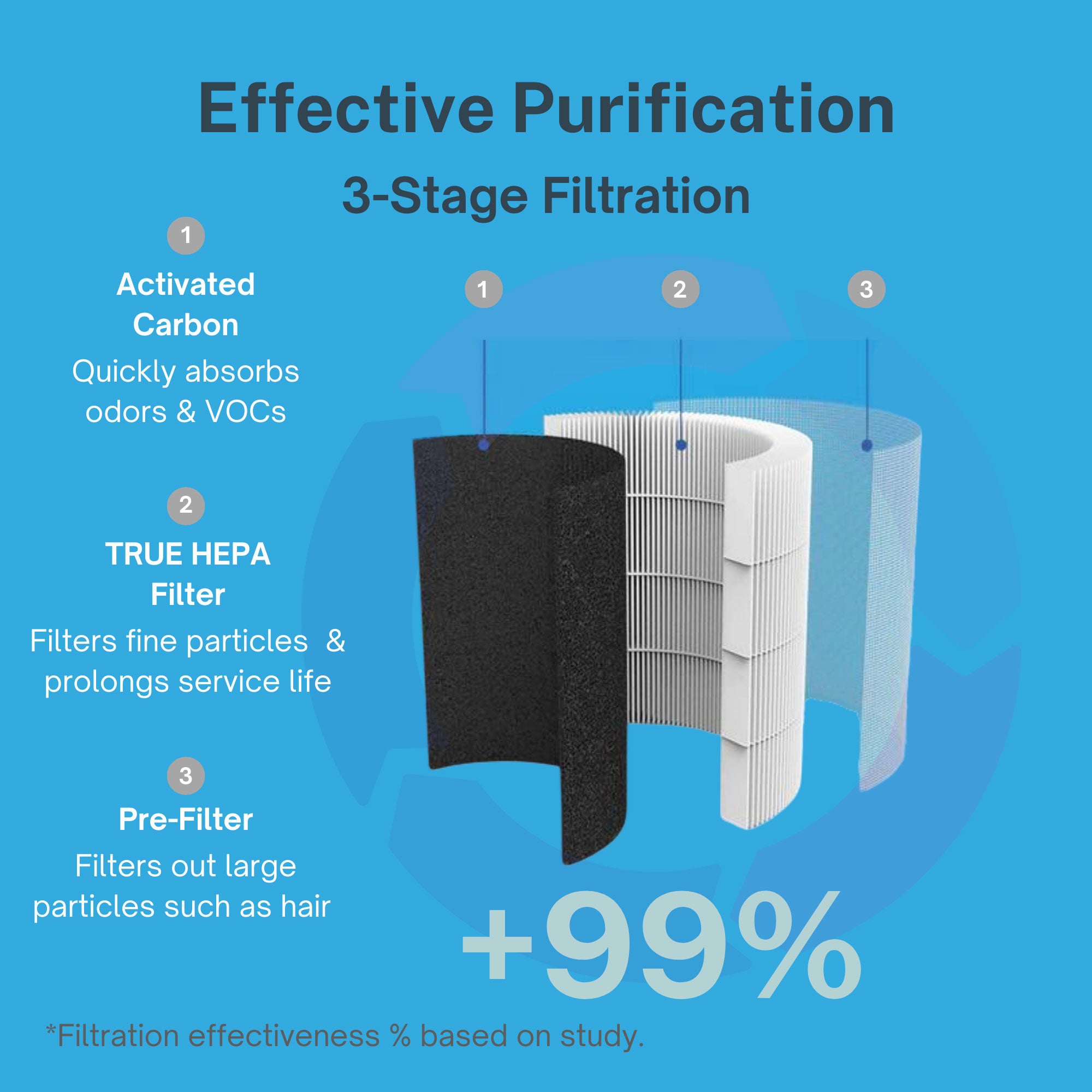
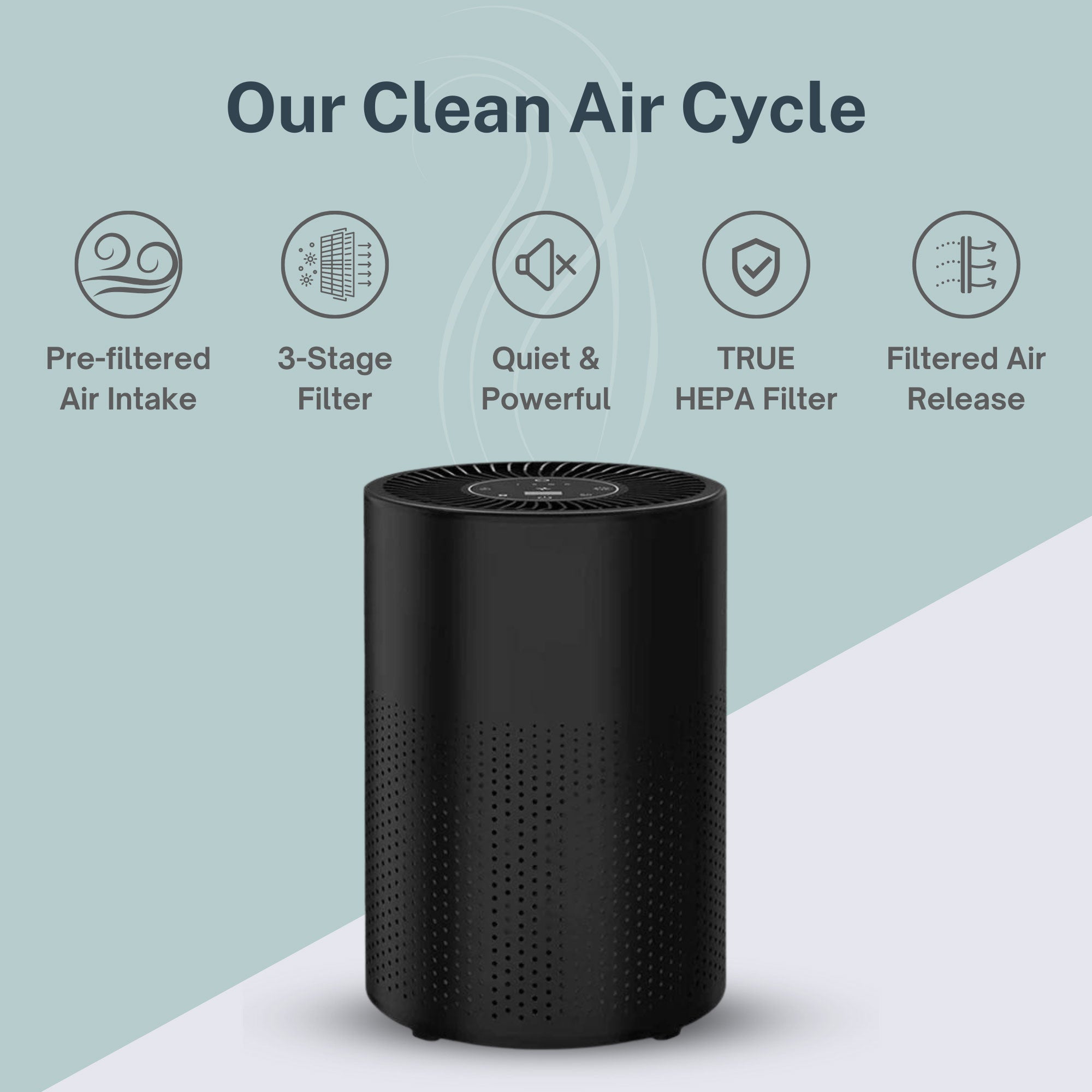
The iAdaptAir air purifier uses True HEPA filtration to capture particles down to 0.3 microns, including mold spores. It also uses activated carbon to remove the volatile organic compounds produced by mold as it grows. For anyone managing a mold sensitivity, reducing the airborne spore load in your bedroom or main living area is a meaningful part of managing exposure.
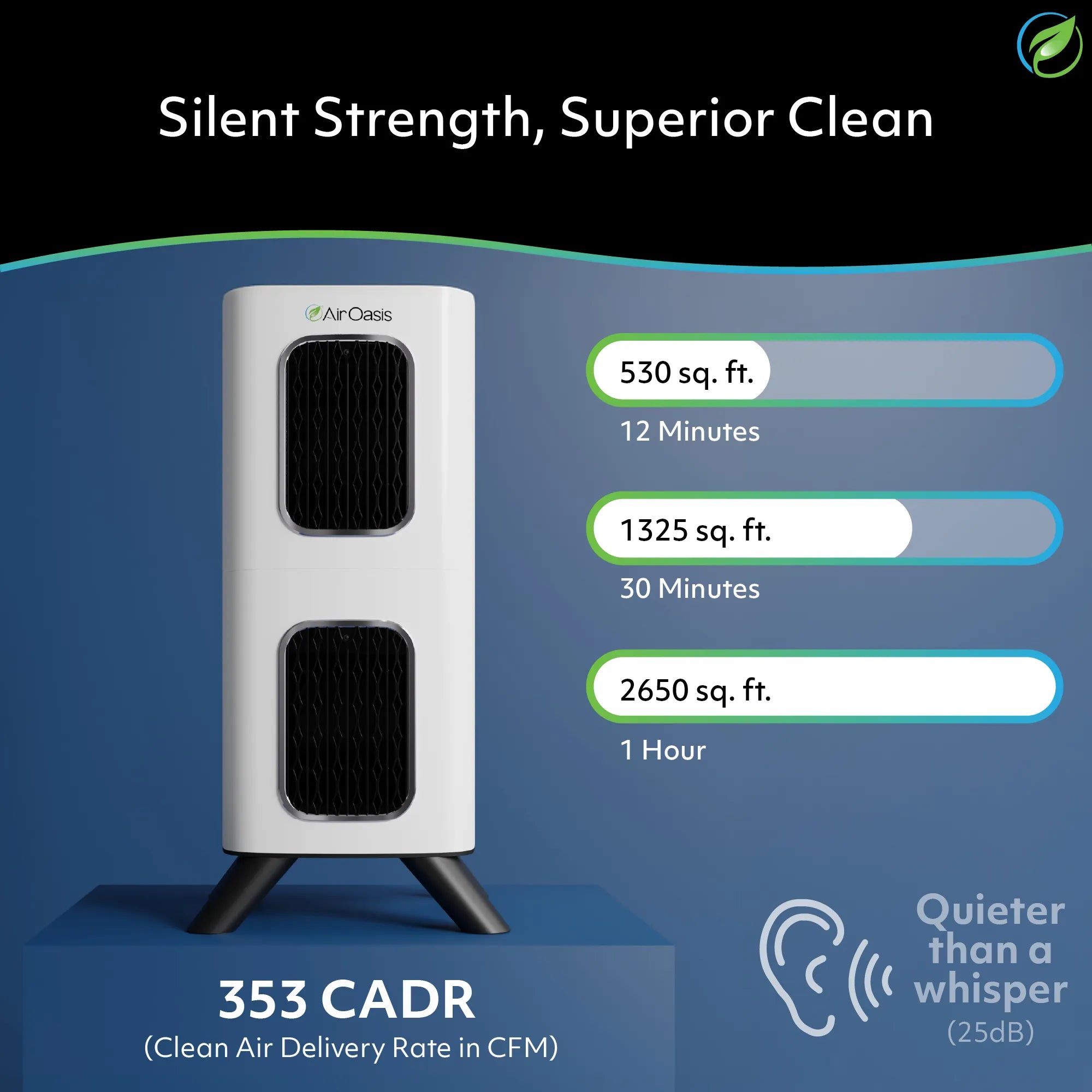
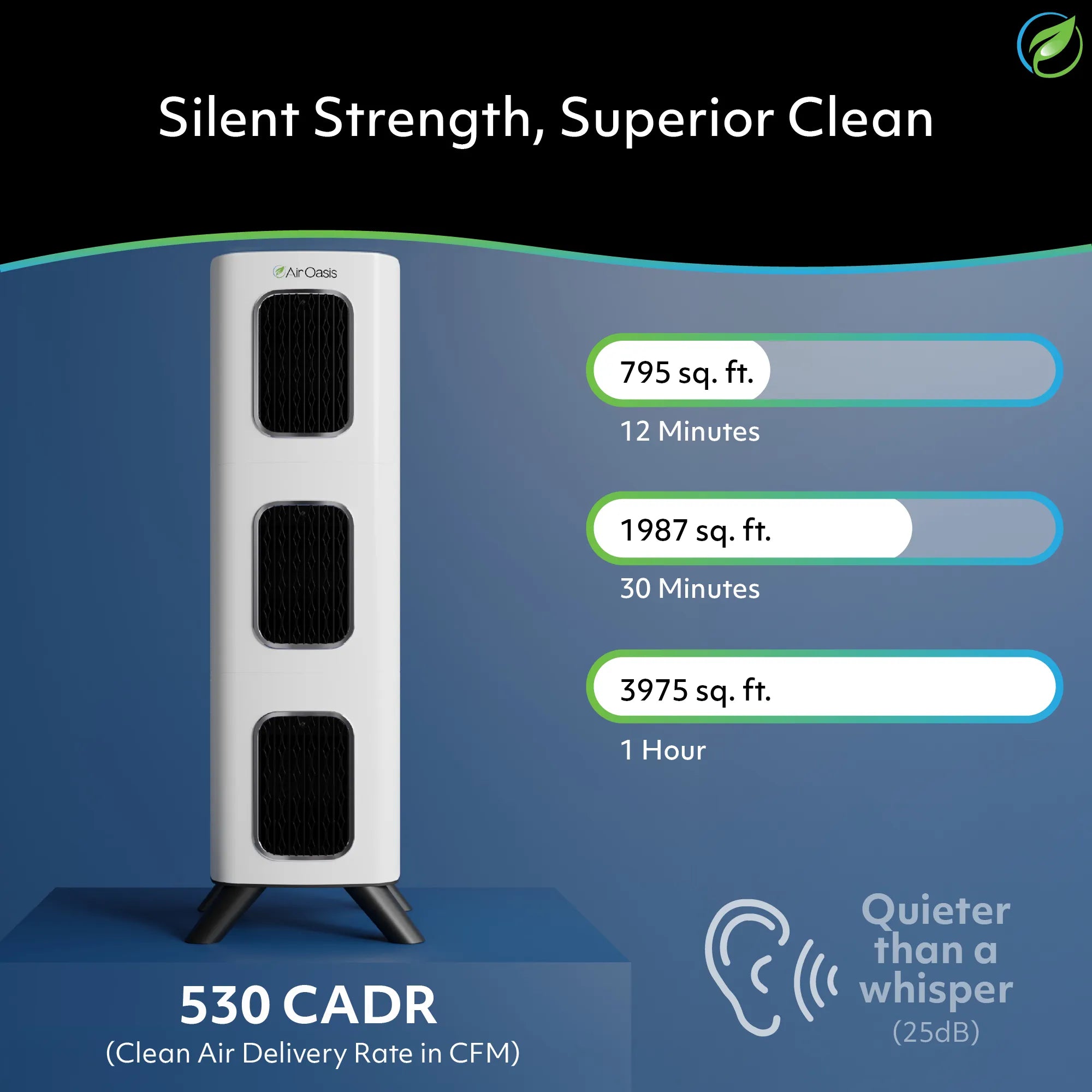
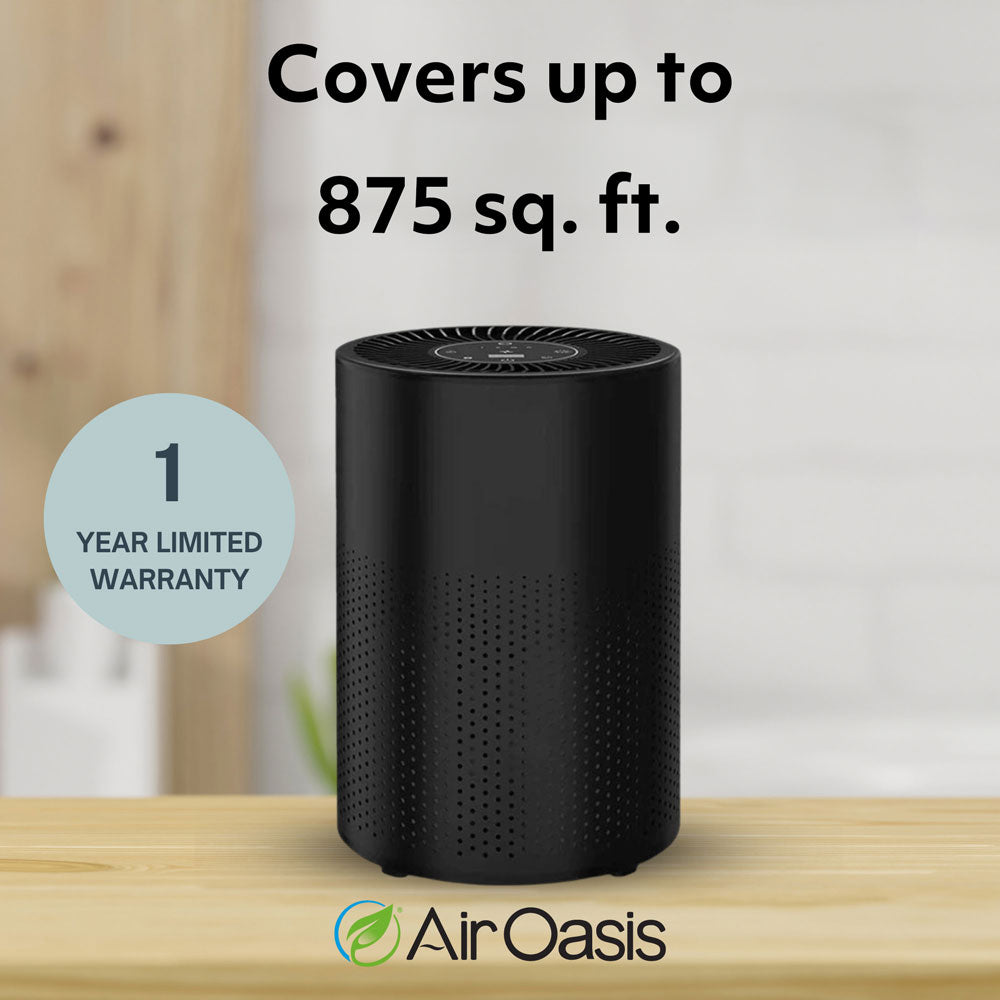
No air purifier replaces moisture remediation. If you have active mold growth, that has to be addressed at the source. But once the source is addressed, or while you're working through that process, keeping the air cleaner can help reduce the cumulative burden on your immune system. Size your unit to your room. The iAdaptAir 2M covers up to 530 square feet. The 2L covers up to 795. Keep doors and windows closed during operation for best results.
Taking your symptoms seriously
A rash that won't go away deserves real attention. If you've been told it's just eczema without anyone asking about your home environment, it may be worth asking that question yourself.
The connection between indoor mold and skin reactions isn't discussed as widely as it should be. But the research is there, and the clinical experience of allergists and dermatologists supports it. For people with mold sensitivity, what's in the air can absolutely show up on their skin.
If you're ready to take your indoor air quality seriously, Air Oasis is here to help. Shop Air Oasis and Breathe Better, Live Better.