You might assume your dishwasher cleans itself each time it runs a cycle, but the reality is quite different. Your dishwasher actually creates an ideal environment for mold and bacteria to thrive, and this hidden contamination doesn't just affect your dishes—it also impacts the air quality throughout your kitchen and home.
Why Dishwashers Are Perfect for Mold Growth
Mold requires only a few basic elements to survive and multiply: moisture, warmth, darkness, and organic material. Your dishwasher checks every single box on this list. The leftover food particles that accumulate in crevices, seals, and spray arms provide abundant nutrition for mold spores. The humid, enclosed environment stays warm long after cycles complete. The interior darkness and trapped moisture create conditions that allow mold colonies to establish quickly and persist.
Many people believe the high temperatures and powerful detergents used during wash cycles eliminate any potential mold growth. Unfortunately, mold is remarkably resilient and can survive the entire dishwasher cycle—hot water, detergent, and all. In fact, most dishwashing detergents contain salt, which certain mold types, including black mold and yeasts, actually thrive on, inadvertently feeding rather than eliminating these unwanted microorganisms.
Different mold species prefer different locations within your dishwasher. Some colonize around leftover food particles on the spray arms and filters. Others favor the rubber door seal where moisture lingers longest. Still others establish themselves in drain hoses, vents, and other hard-to-reach areas where trapped water and food residue accumulate over time.
Common Signs of Dishwasher Mold
Recognizing mold in your dishwasher requires attention to several telltale signs. A musty or foul odor when you open the dishwasher door indicates mold growth somewhere in the machine. This smell persists even after running a clean cycle, distinguishing it from simple food residue odors that disappear after washing.
Visual discoloration around the rubber door seal provides another clear indicator. Black, grey, orange, or even pink spots appearing on seals, gaskets, or interior surfaces signal established mold colonies. What might look like rust-colored staining on interior components could actually be orange mold rather than metal corrosion.
If you notice mold growing directly on your supposedly clean dishes or on the dishwasher racks themselves, you're dealing with a significant contamination problem. When mold colonies grow large enough, spores transfer onto dishes during wash cycles, defeating the entire purpose of using the appliance.
How Dishwasher Mold Affects Your Indoor Air
The connection between dishwasher mold and indoor air quality becomes clear when you consider how dishwashers function. During the drying cycle, your dishwasher vents warm, moist air into your kitchen. If mold is growing inside the machine, this venting process releases mold spores directly into your breathing space.
Each time you open the dishwasher door, you disturb any mold colonies present, causing spores to become airborne and disperse throughout your kitchen. These microscopic spores then circulate through your home via natural air currents and your HVAC system, spreading contamination far beyond the immediate appliance area.
The steam vent on your dishwasher creates a particularly problematic pathway for mold dispersal. Warm, moist air moving through the vent picks up mold spores from colonies growing inside, carrying them directly into your kitchen air. This continuous release of spores maintains elevated mold levels in your indoor environment even if you address mold problems in other areas of your home.
Health Risks from Dishwasher Mold Exposure
Breathing air contaminated with dishwasher mold spores triggers various health responses. People sensitive to mold commonly experience nasal stuffiness, throat irritation, eye discomfort, coughing, and wheezing. These symptoms often worsen in the kitchen or when loading and unloading the dishwasher, providing clues about the contamination source.
Individuals with mold allergies face more severe reactions, including persistent respiratory symptoms, skin irritation, and asthma exacerbations. Young children, elderly family members, and anyone with a compromised immune system face the highest risk of mold exposure. For these vulnerable populations, repeated exposure to mold spores from a contaminated dishwasher can lead to serious respiratory infections.
People taking antibiotics or managing diabetes also fall into higher-risk categories for mold-related health problems. Immune-compromised individuals and those with chronic lung conditions can develop serious infections when repeatedly exposed to airborne mold spores, making dishwasher mold more than just a nuisance—it becomes a genuine health threat.
Cleaning Mold from Your Dishwasher
Addressing dishwasher mold requires focusing on three key actions: disinfecting, cleaning, and ventilating. However, the cleaning approach matters significantly. While bleach is often recommended for mold removal, it's unsuitable for dishwashers. Bleach can damage heating elements, preventing your dishwasher from drying dishes properly and creating even more moisture for mold to exploit.
Instead, use a combination of baking soda and vinegar. Mix small amounts of baking soda into vinegar until you create a foamy paste. This mixture safely kills mold, bacteria, and other microorganisms without damaging your appliance. Vinegar eliminates up to 99 percent of bacteria and 82 percent of mold species, making it highly effective for dishwasher cleaning.
Using a dish scrubbing brush or old toothbrush, thoroughly scrub all interior surfaces, paying special attention to the rubber door seal, spray arms, filter area, and any visible crevices where mold accumulates. After manual scrubbing, place a cup of vinegar on the top rack and run a complete wash cycle. Once finished, leave the door open to allow complete interior drying.
Preventing Future Mold Growth
Prevention proves far easier than remediation when it comes to dishwasher mold. Clean your dishwasher thoroughly at least once monthly using the vinegar method described above. Focus particularly on rubber components, including the door seal, as these areas provide ideal mold habitat.
Keep your dishwasher door slightly ajar when not in use. This simple habit allows air circulation that prevents moisture accumulation and keeps interior surfaces dry. Many people reflexively close the dishwasher door completely, inadvertently creating the humid, dark environment that mold loves.
Control kitchen humidity levels below 60 percent to discourage mold growth throughout the space. Use exhaust fans when cooking, ensure proper ventilation, and consider a dehumidifier if your kitchen tends toward excessive moisture. Since most dishwashers share a drain with the kitchen sink, run your garbage disposal and clear it before starting the dishwasher to prevent food particles from backing up into the appliance.
Protecting Your Whole-Home Air Quality
While cleaning your dishwasher removes the immediate mold source, protecting your indoor air quality requires a more comprehensive approach. Mold spores that have already dispersed throughout your home won't disappear simply because you've cleaned the appliance. These airborne contaminants continue circulating and can settle on surfaces where they may establish new colonies if conditions permit.
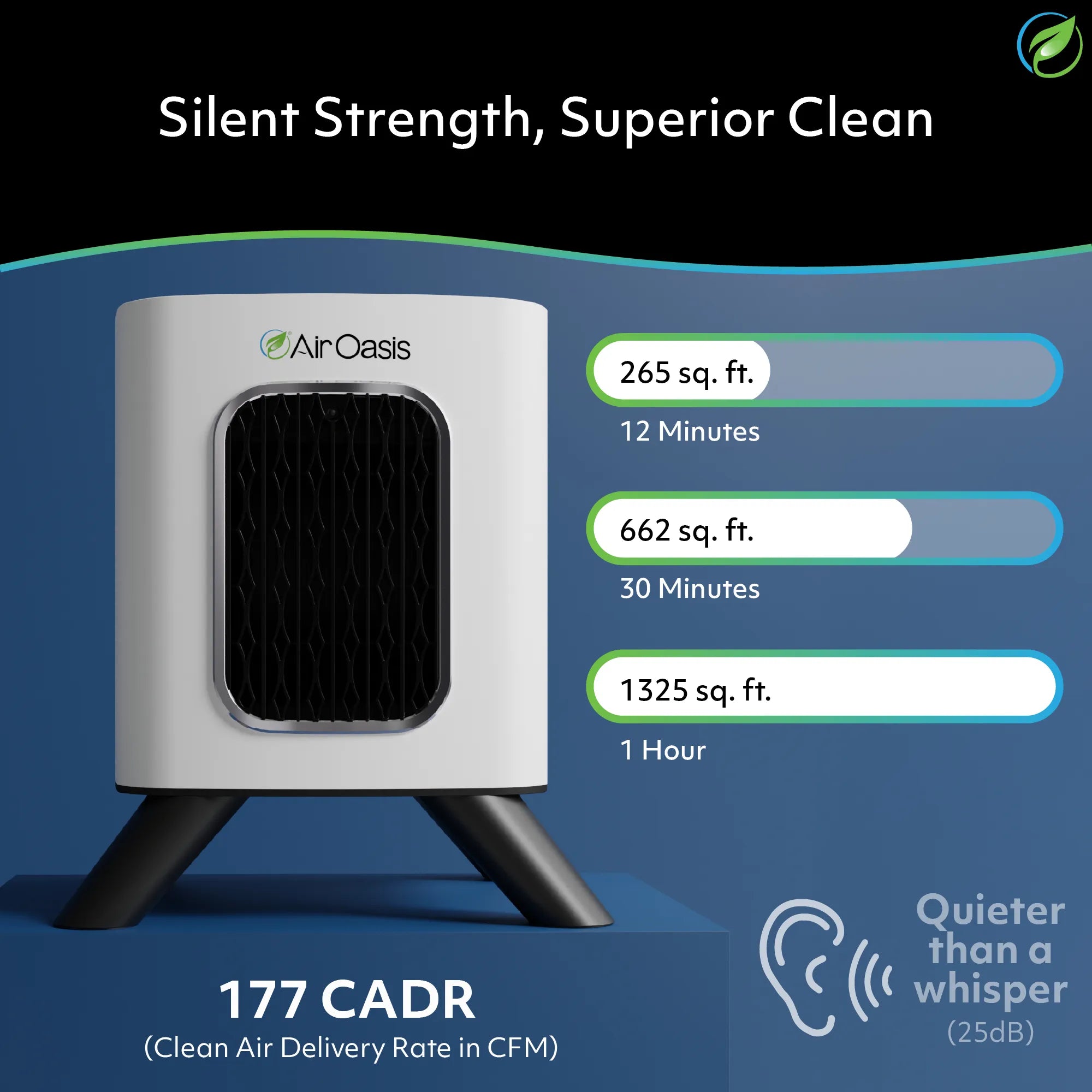
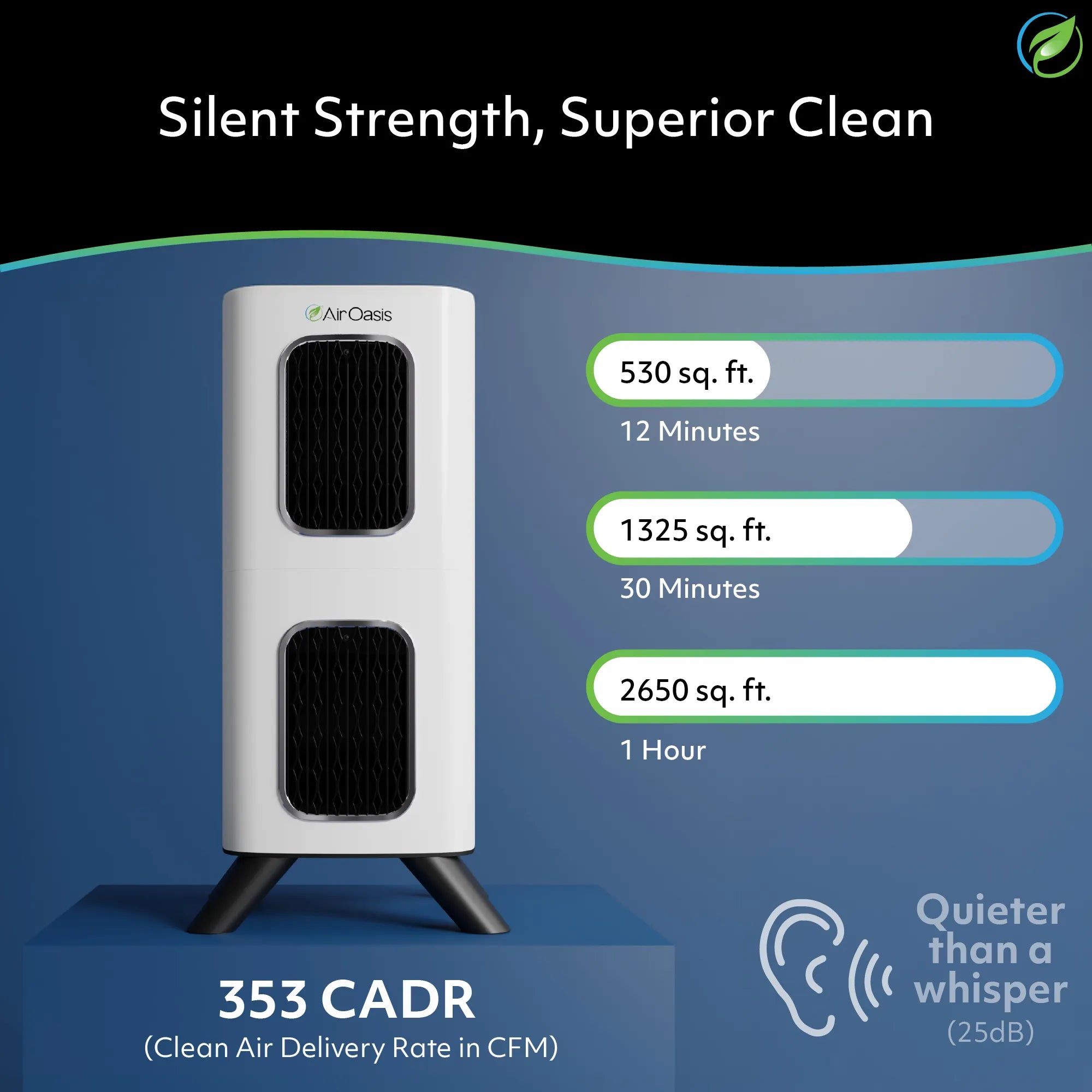
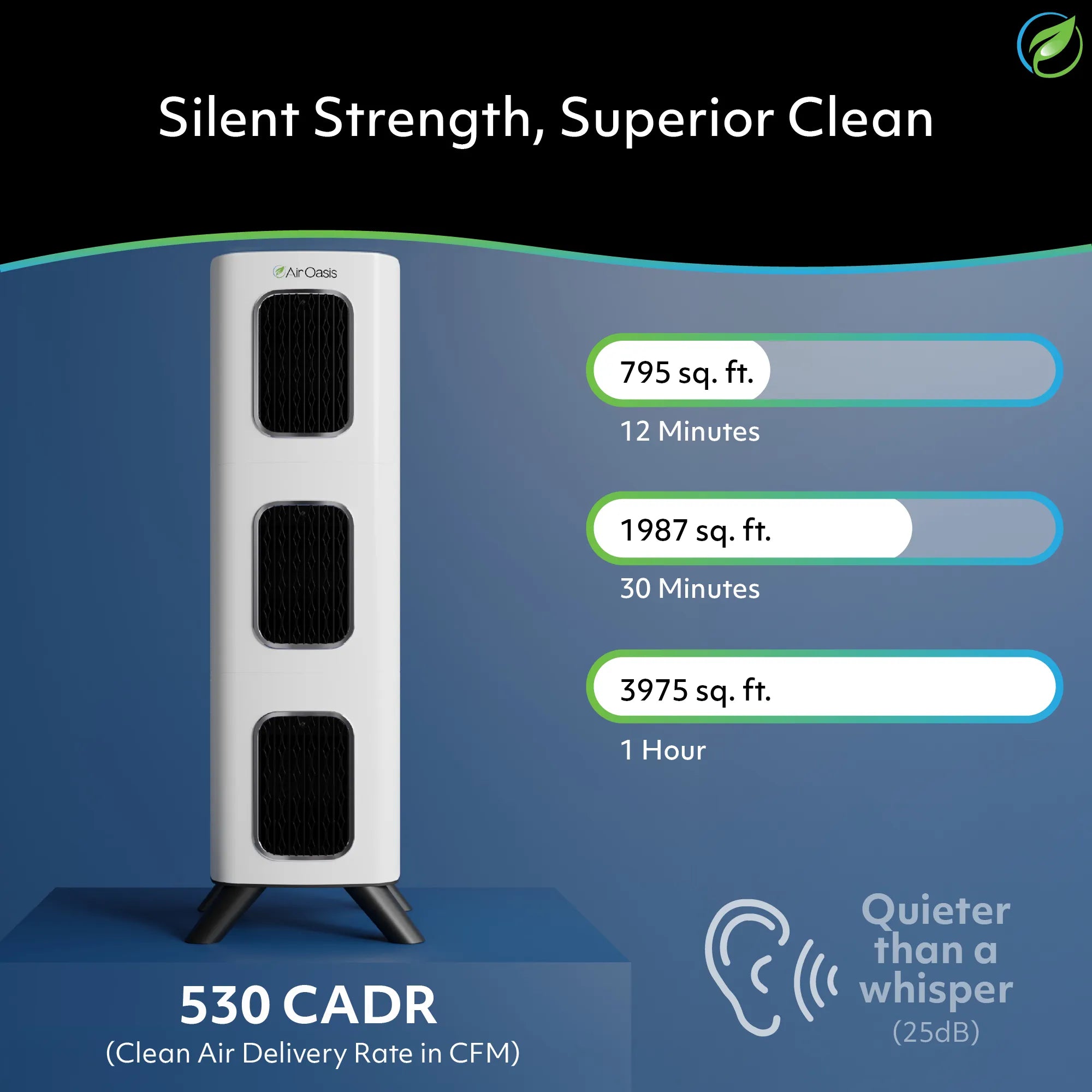
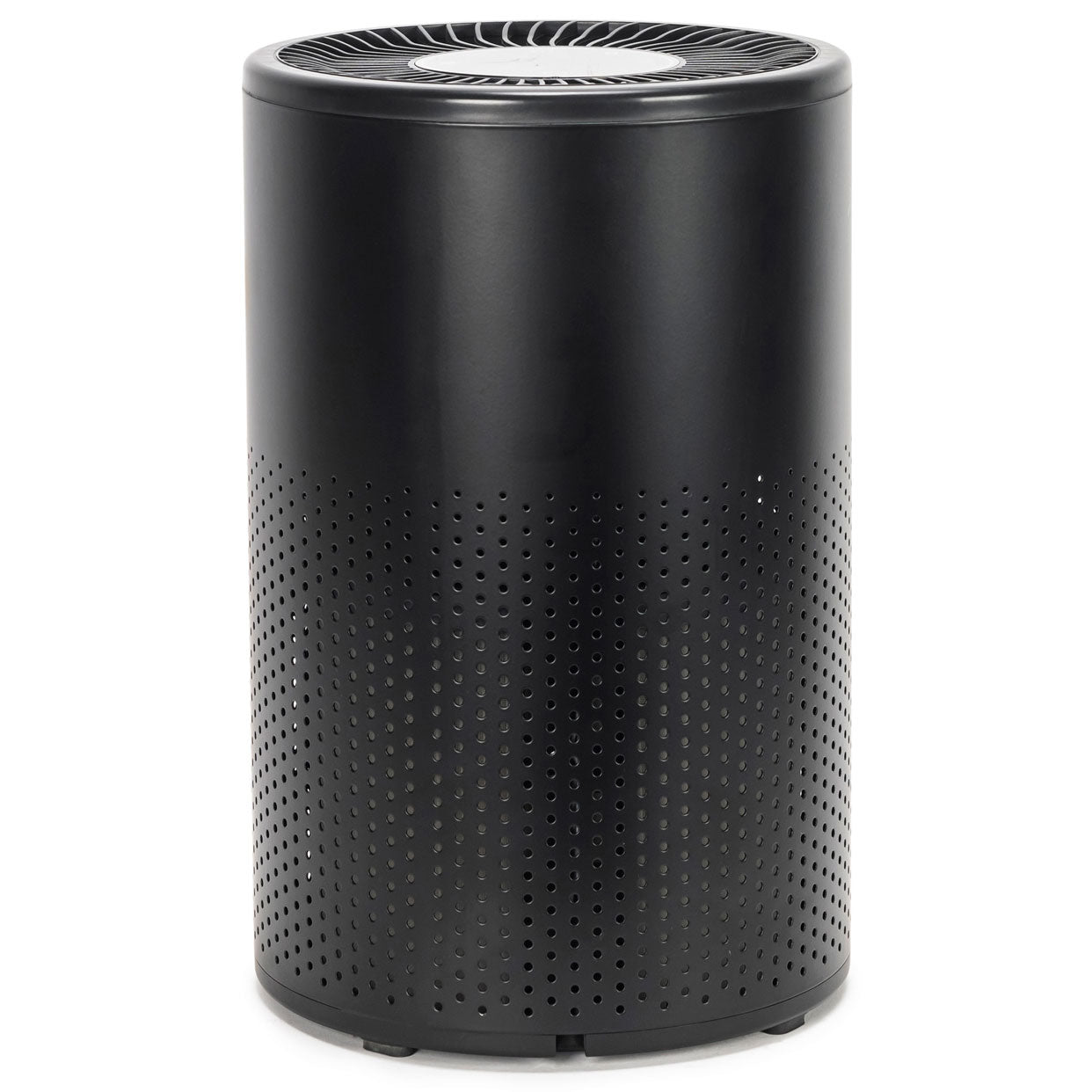
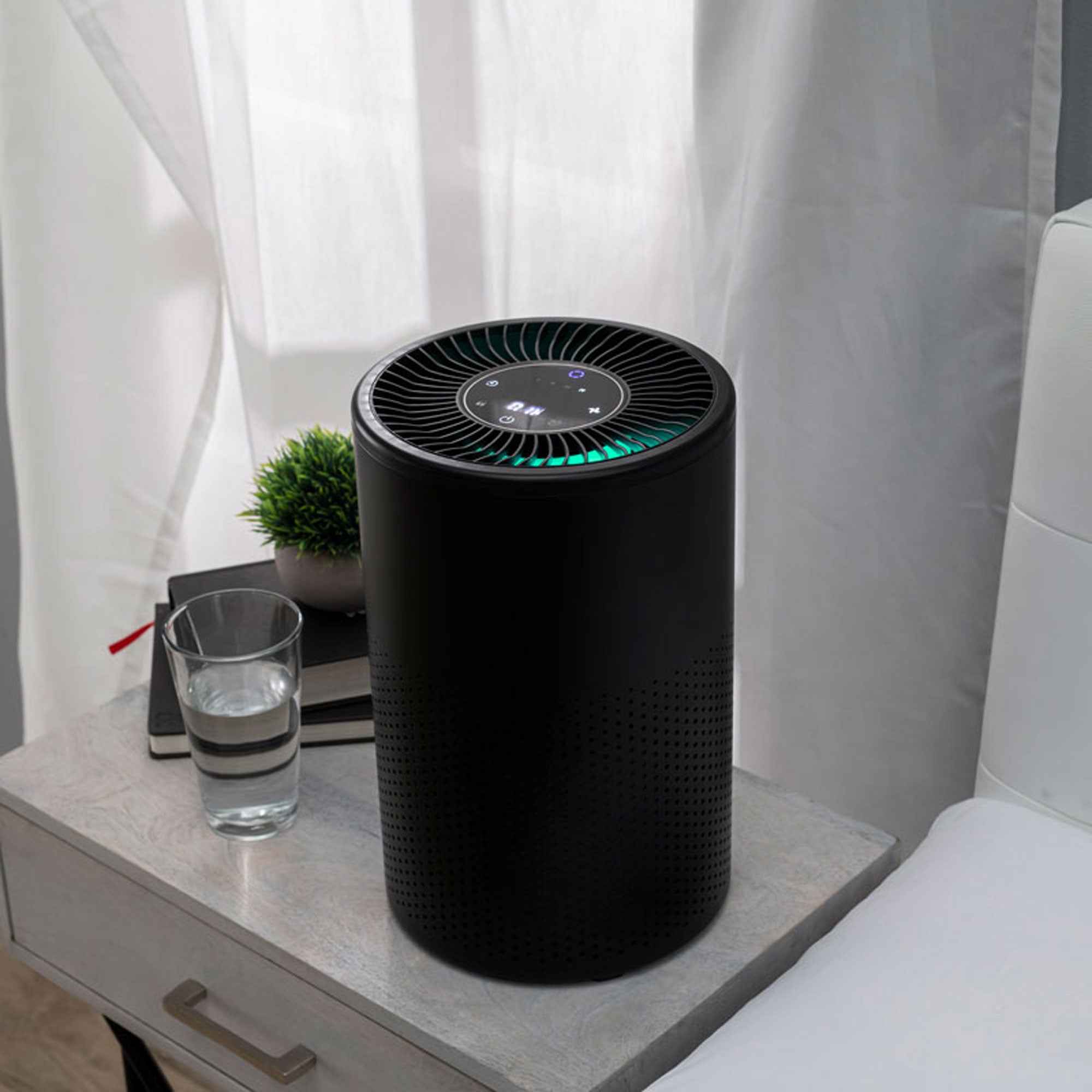
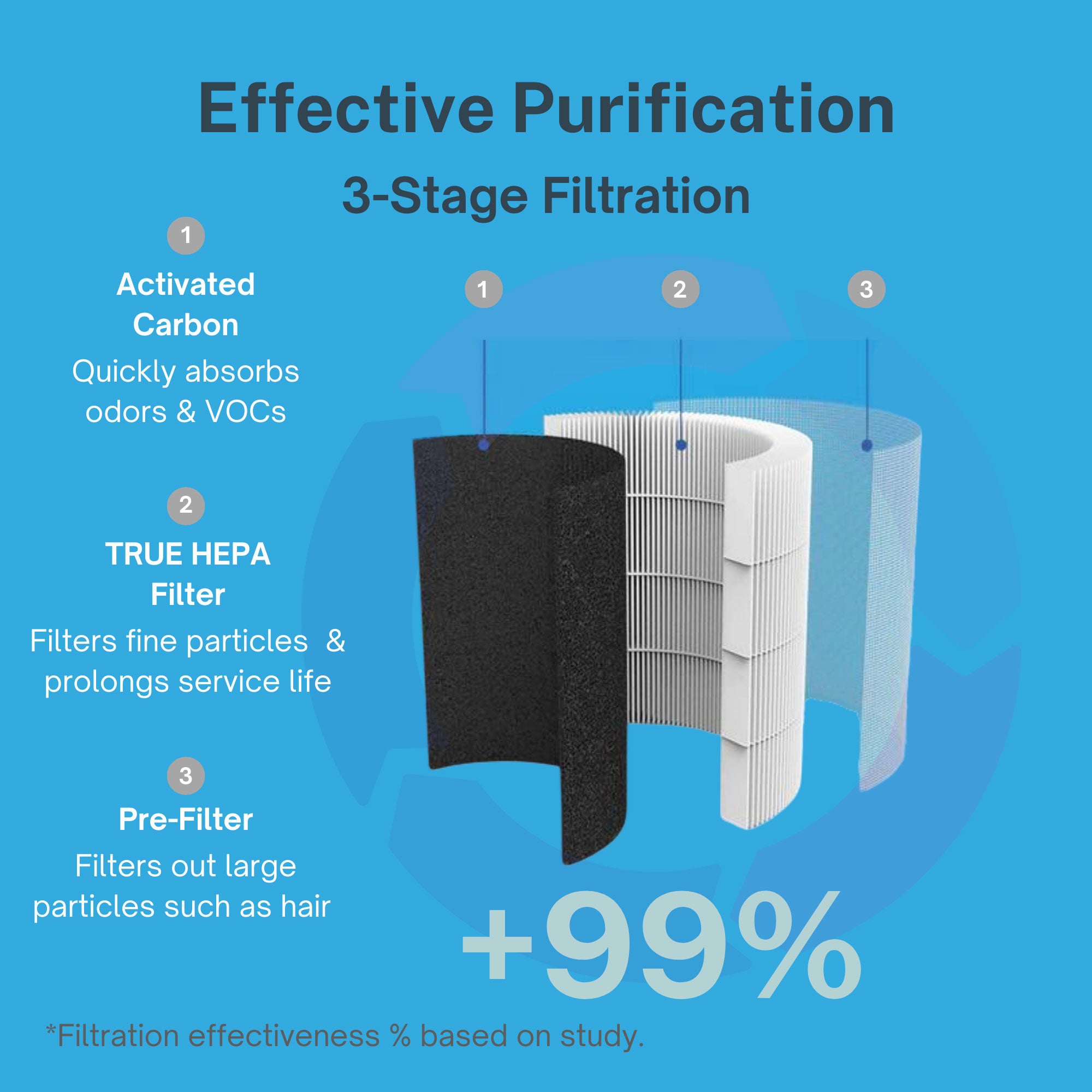
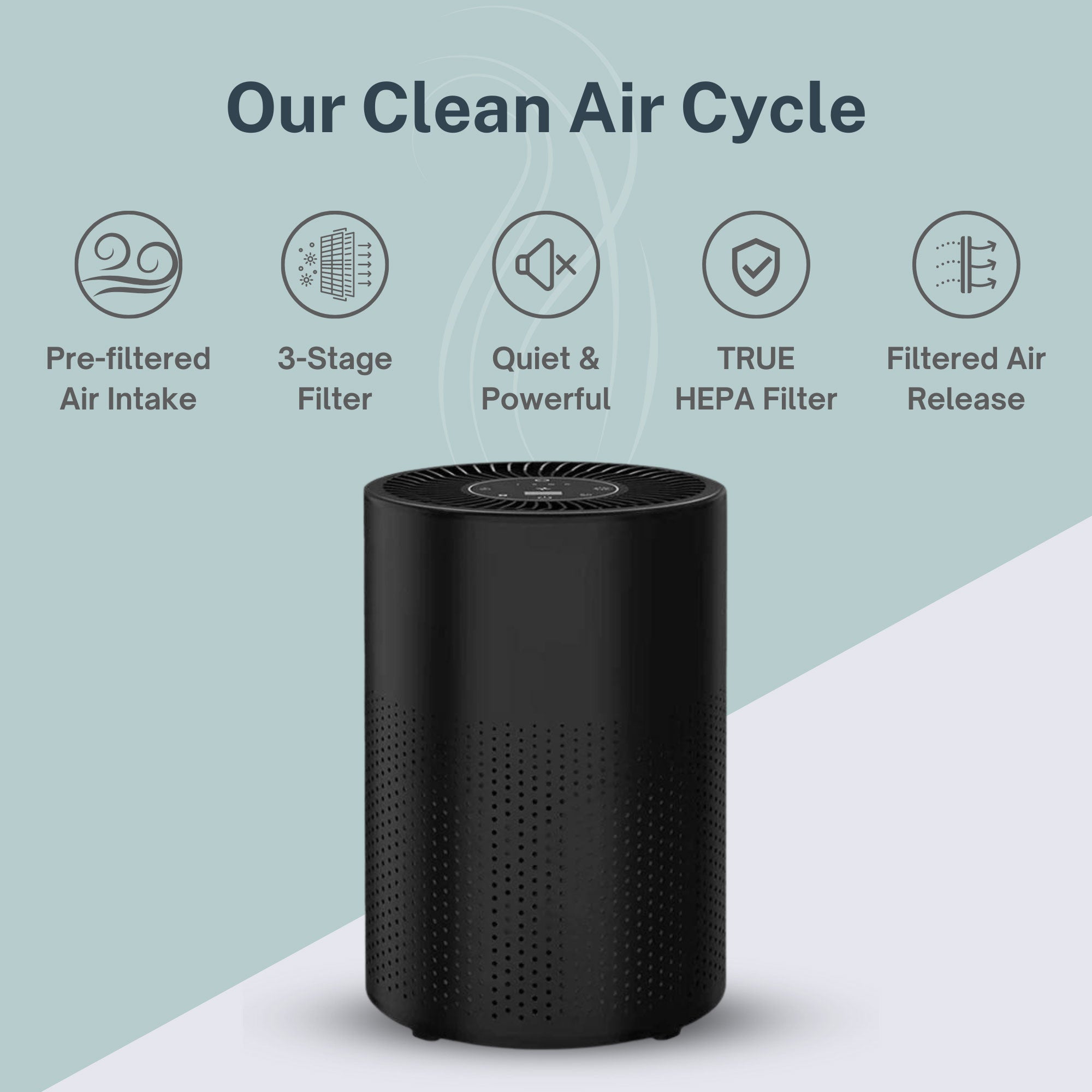
Advanced air purification systems provide continuous defense against airborne mold spores from all sources. Multi-stage filtration captures particles while also addressing the musty odors associated with mold contamination. This comprehensive approach ensures that even when mold problems arise in appliances or other hidden areas, your breathing air remains clean and healthy.
Keep Your Kitchen Air Fresh and Clean
Your dishwasher should simplify your life and protect your family's health by cleaning dishes thoroughly. When mold colonizes this essential appliance, it transforms from helpful tool to contamination source, releasing spores into your kitchen air with every cycle.
By implementing regular cleaning routines, maintaining proper ventilation, and addressing moisture issues promptly, you can prevent mold from establishing itself in your dishwasher. Combined with effective whole-home air purification, these strategies ensure your kitchen air stays as clean as your dishes.
If you're ready to breathe easier and eliminate hidden mold sources from your indoor air, shop Air Oasis today and discover how clean air transforms your home.