What if the biggest air quality threat in your home is lurking where you can't see it? Most homeowners assume that if they don't see mold on their carpet surface, they're safe. But the truth is far more concerning. Mold thrives in carpet padding without leaving any visible trace on top, quietly releasing spores into the air you breathe every single day.
Mold can begin growing on damp materials within 24 to 48 hours. Carpet padding sits in the perfect position to trap moisture from spills, humidity, and condensation. Unlike carpet, which dries relatively quickly, padding remains damp for extended periods. This creates an ideal breeding ground for mold colonies that can spread across large areas completely undetected.
Indoor mold exposure contributes to upper respiratory tract symptoms, coughing, and wheezing in otherwise healthy people. For those with asthma or allergies, the effects are even more severe. The problem intensifies when mold grows in hidden locations like carpet padding, where it continuously releases spores without any visible warning signs. Your family could be breathing contaminated air for months or even years before discovering the source.
Basements and ground-level rooms face the highest risk. Temperature fluctuations create condensation beneath carpets, and padding in these areas rarely has a chance to fully dry. Even homes in arid climates aren't immune. A single plumbing leak, flooding event, or extended period of high humidity can trigger mold growth that persists long after the surface appears dry.
Understanding Carpet Padding as a Mold Haven
Carpet padding isn't designed to resist moisture. Most padding materials are porous foam or fiber that acts like a sponge, absorbing and retaining water. When moisture seeps through your carpet from a spill, pet accident, or humidity, the padding underneath soaks it up. While you might blot the carpet surface dry, the padding beneath remains saturated.
This hidden moisture creates perfect conditions for mold growth. Mold needs four things to thrive: moisture, oxygen, a food source, and a surface to grow on. Carpet padding provides all four. The organic materials in padding serve as food, while the porous structure traps moisture and allows oxygen circulation. Mold spores, which are naturally present in all indoor air, settle into the damp padding and begin colonizing.
Temperature plays a critical role too. Most homes maintain temperatures between 60 and 80 degrees Fahrenheit, which happens to be mold's preferred growing range. Basements below ground level experience temperature swings that cause condensation to form directly on flooring and padding. This condensation often goes completely unnoticed because it occurs beneath the carpet, where you can't see or feel it.
The <a href="https://www.airoasis.com/blogs/news/what-are-the-signs-of-mold-in-your-air">signs of mold in your air</a> might be your first clue that mold exists. Air purification systems can capture airborne mold spores, but addressing the source requires identifying and removing contaminated padding. Without visible surface growth, many homeowners continue living with hidden mold for years, never connecting their worsening allergies or respiratory symptoms to what's beneath their feet.
Warning Signs of Hidden Padding Mold
Your nose often detects carpet padding mold before your eyes do. A persistent musty or earthy smell in a room, especially near carpeted areas, strongly suggests mold growth beneath the surface. This odor comes from microbial volatile organic compounds that mold releases as it grows. If the smell intensifies when you walk on the carpet or during humid weather, padding mold is likely the culprit.
Pay attention to your health symptoms. Do your allergies worsen when you're home but improve when you're away? Do you wake up with a stuffy nose or scratchy throat? Mold exposure causes hay fever-type symptoms, including sneezing, runny nose, red eyes, and skin rashes. When mold hides in carpet padding, these symptoms often appear without any obvious cause.
Watch for unexplained discoloration along carpet edges or baseboards. While the main carpet surface might look clean, edges often reveal what's happening underneath. Dark spots, water stains, or color changes near walls indicate moisture problems that extend into the padding. These edge areas dry more slowly than open carpet, making them prime locations for mold colonization.
Warping or buckling carpet can signal padding problems. When padding stays wet, it breaks down and loses its structure. You might notice soft spots, unusual indentations, or areas where the carpet feels different underfoot. These changes suggest the padding has absorbed significant moisture and may harbor mold growth.
Health Risks of Breathing Mold Spores from Carpet Padding
Mold growing in carpet padding doesn't stay contained. It continuously releases spores into your indoor air, creating an invisible health hazard. Every time someone walks across a mold-contaminated carpet, thousands of spores become airborne and circulate throughout your home. You're essentially breathing in mold particles with every breath.
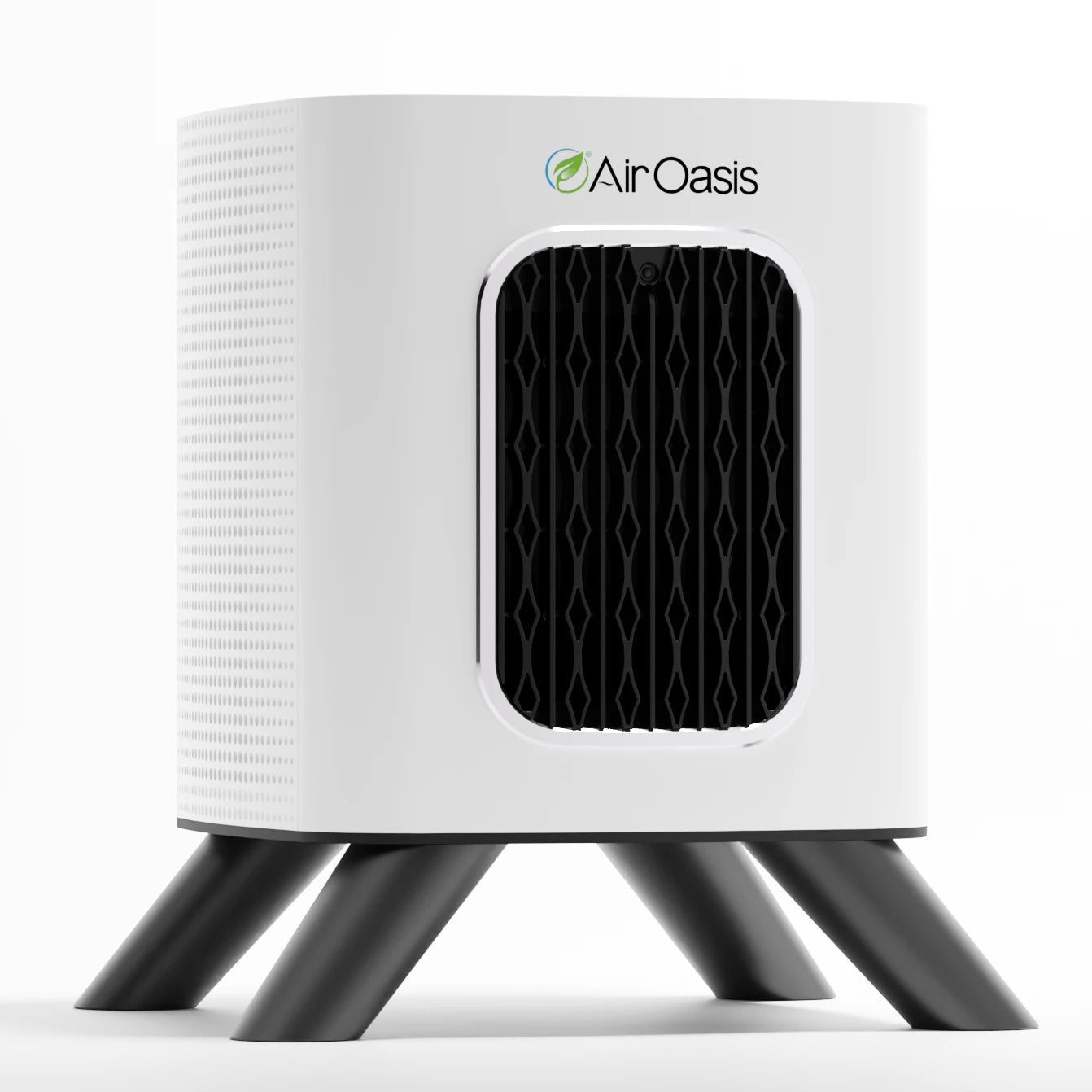
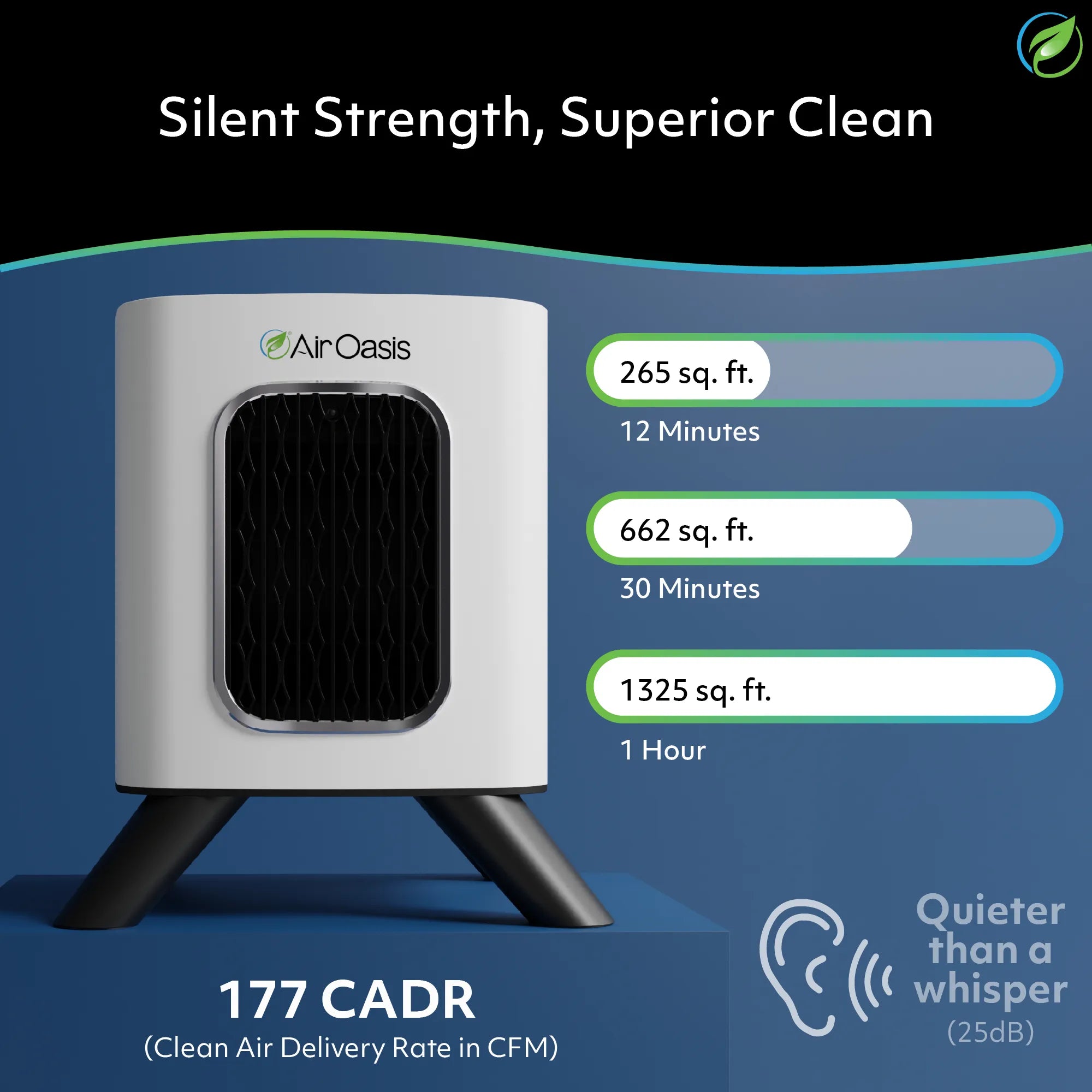
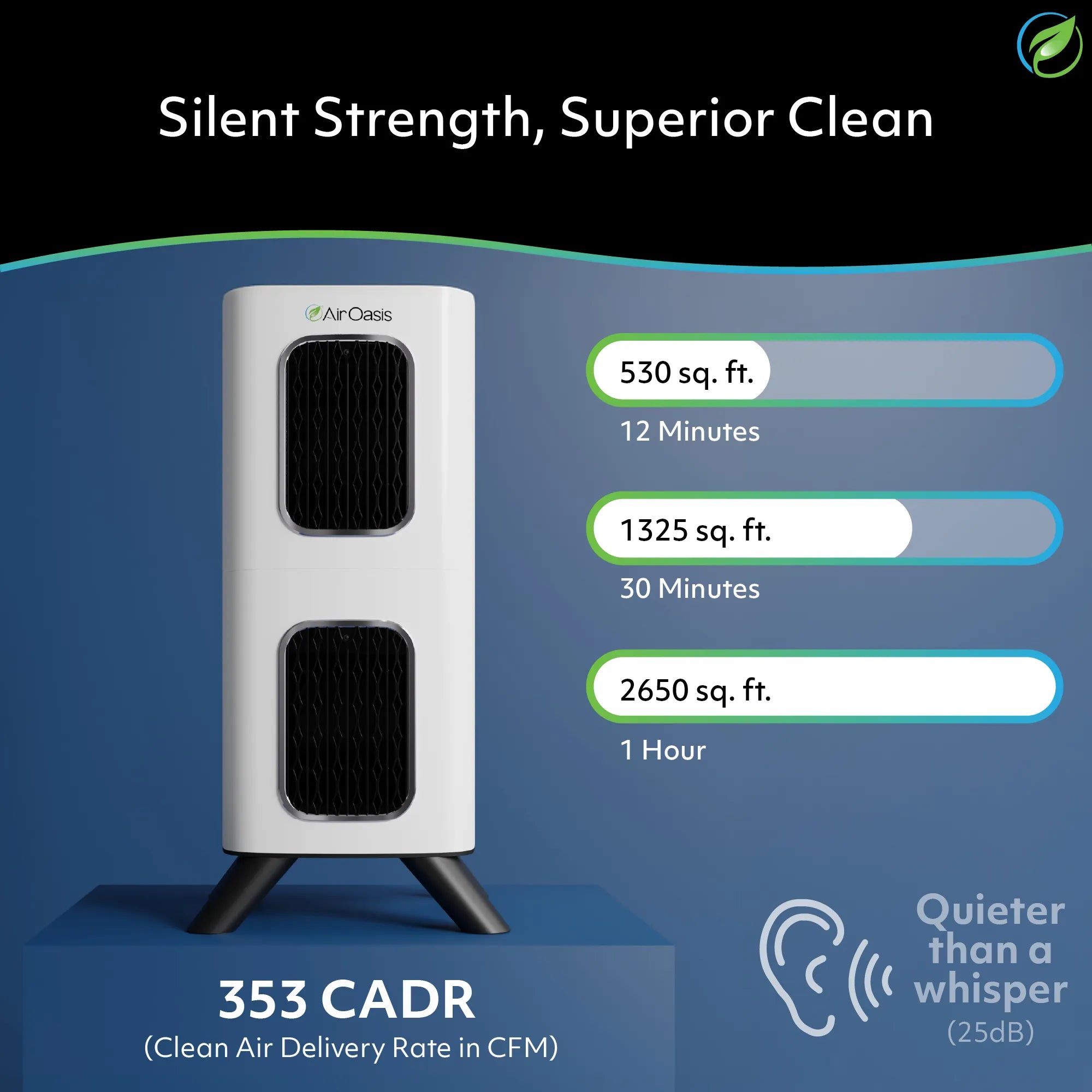
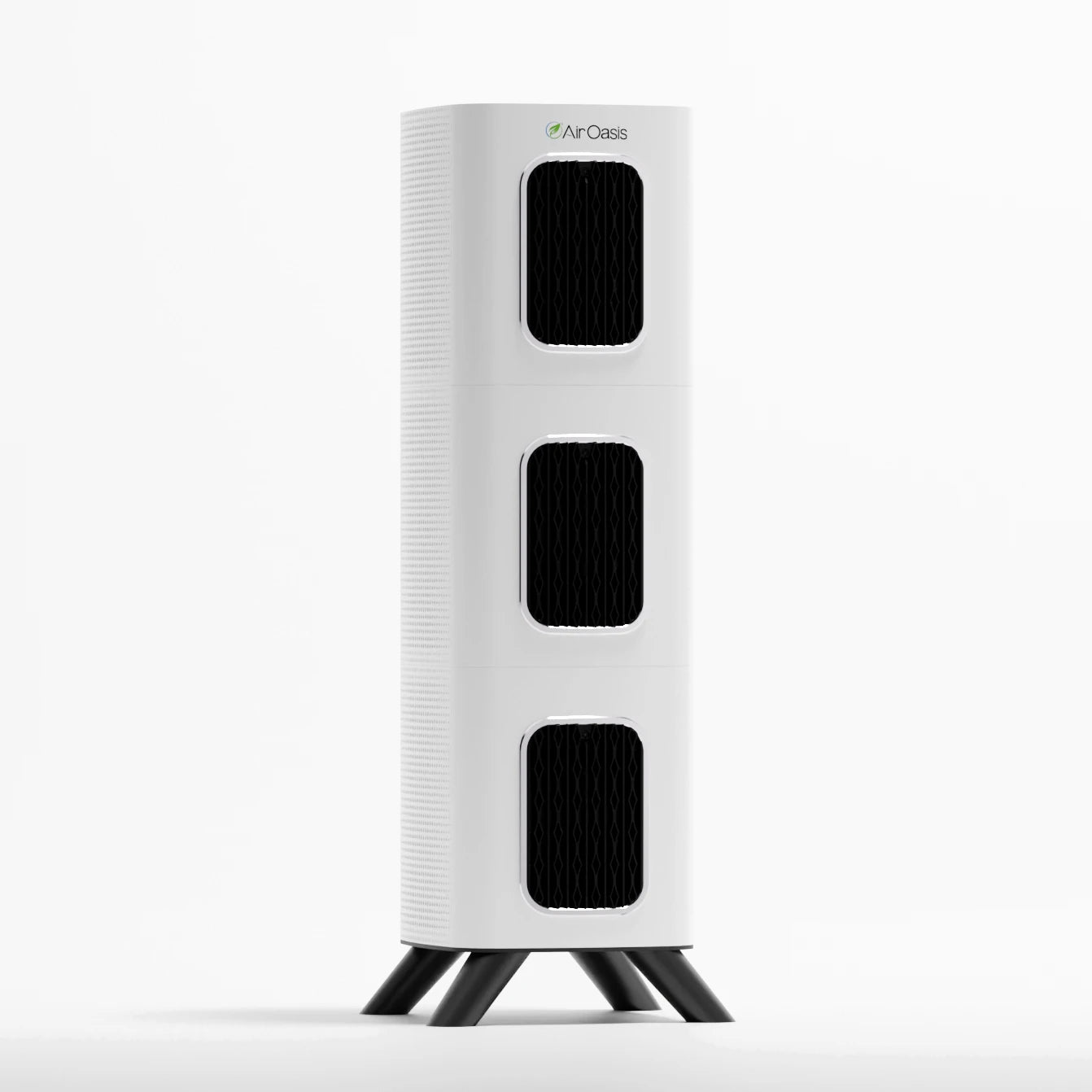
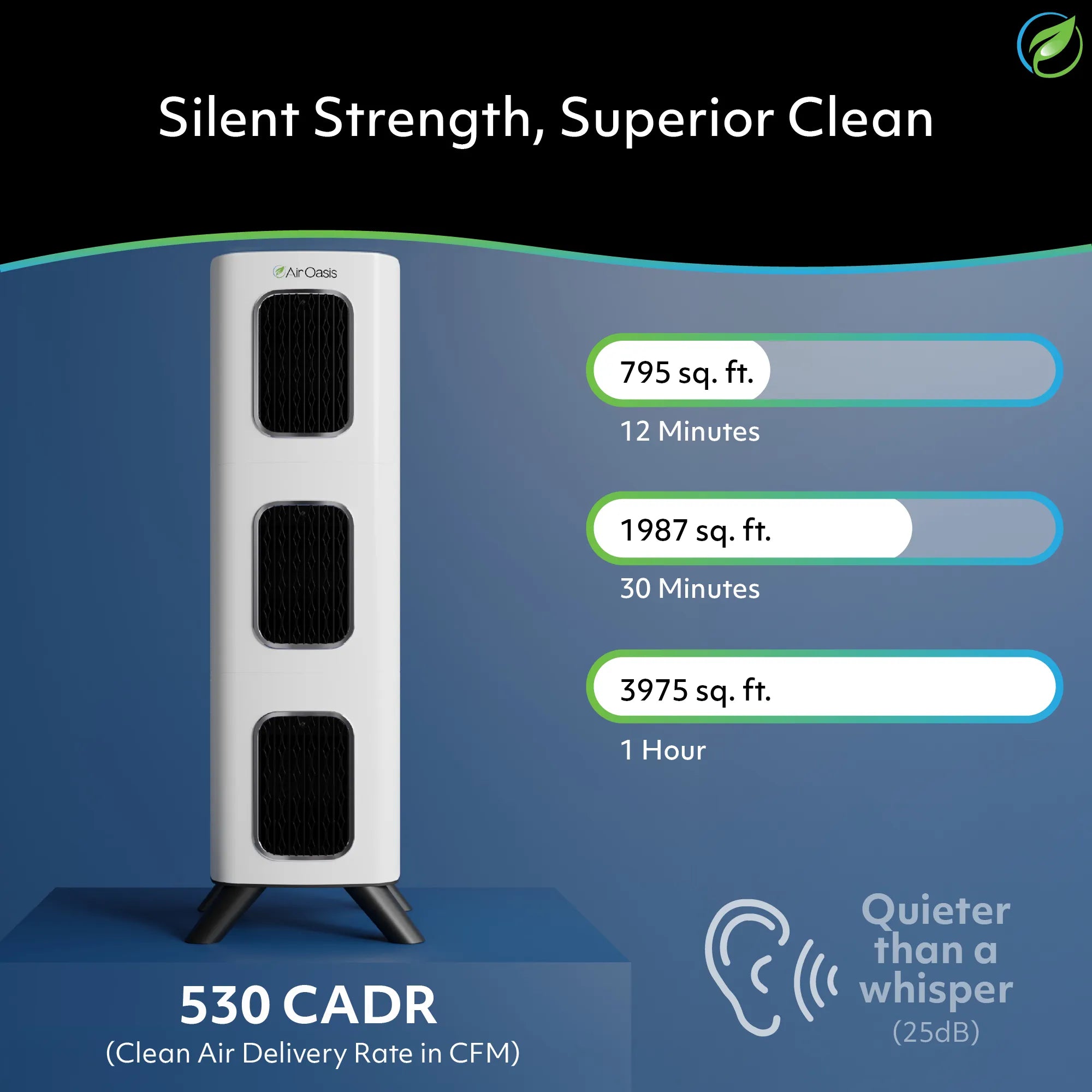
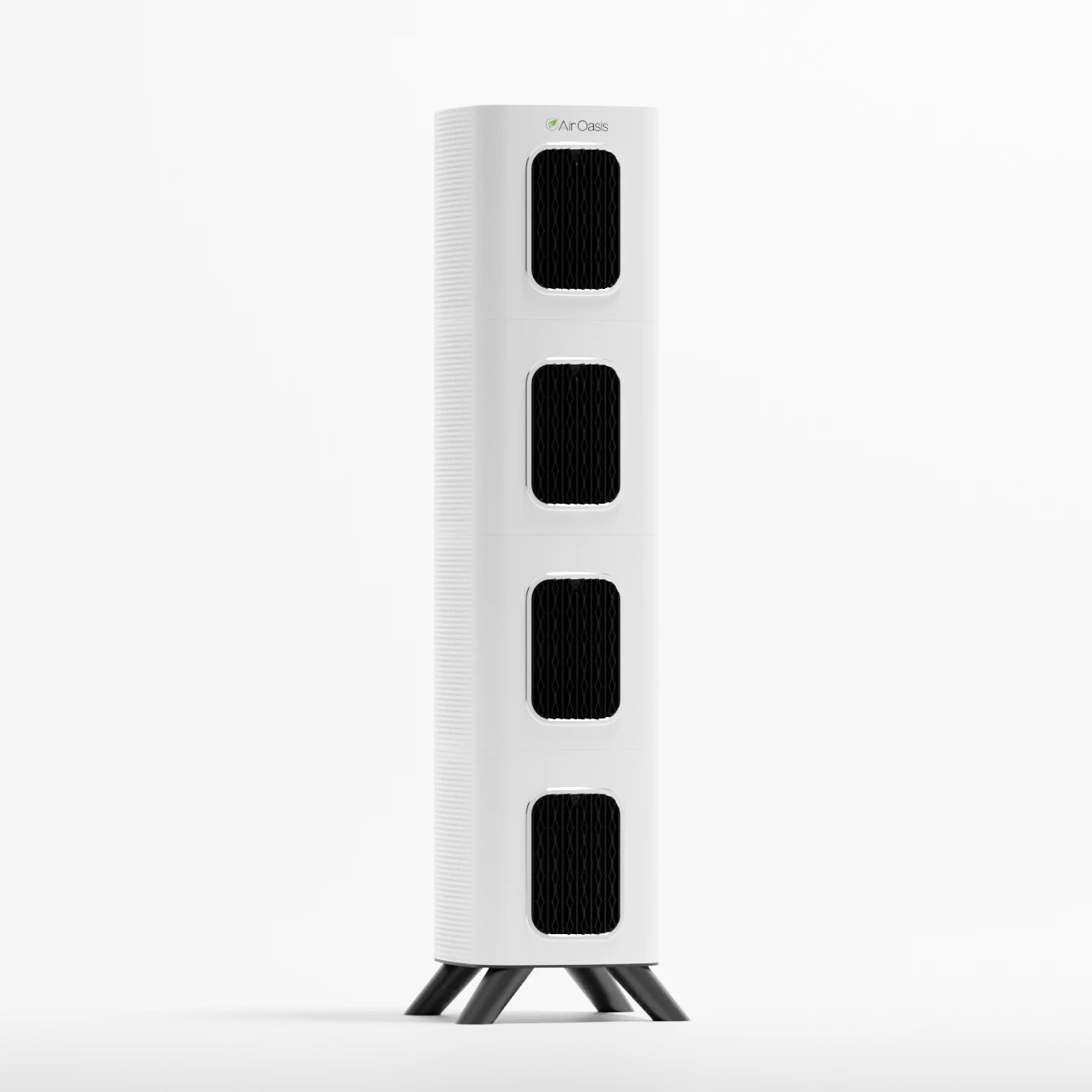
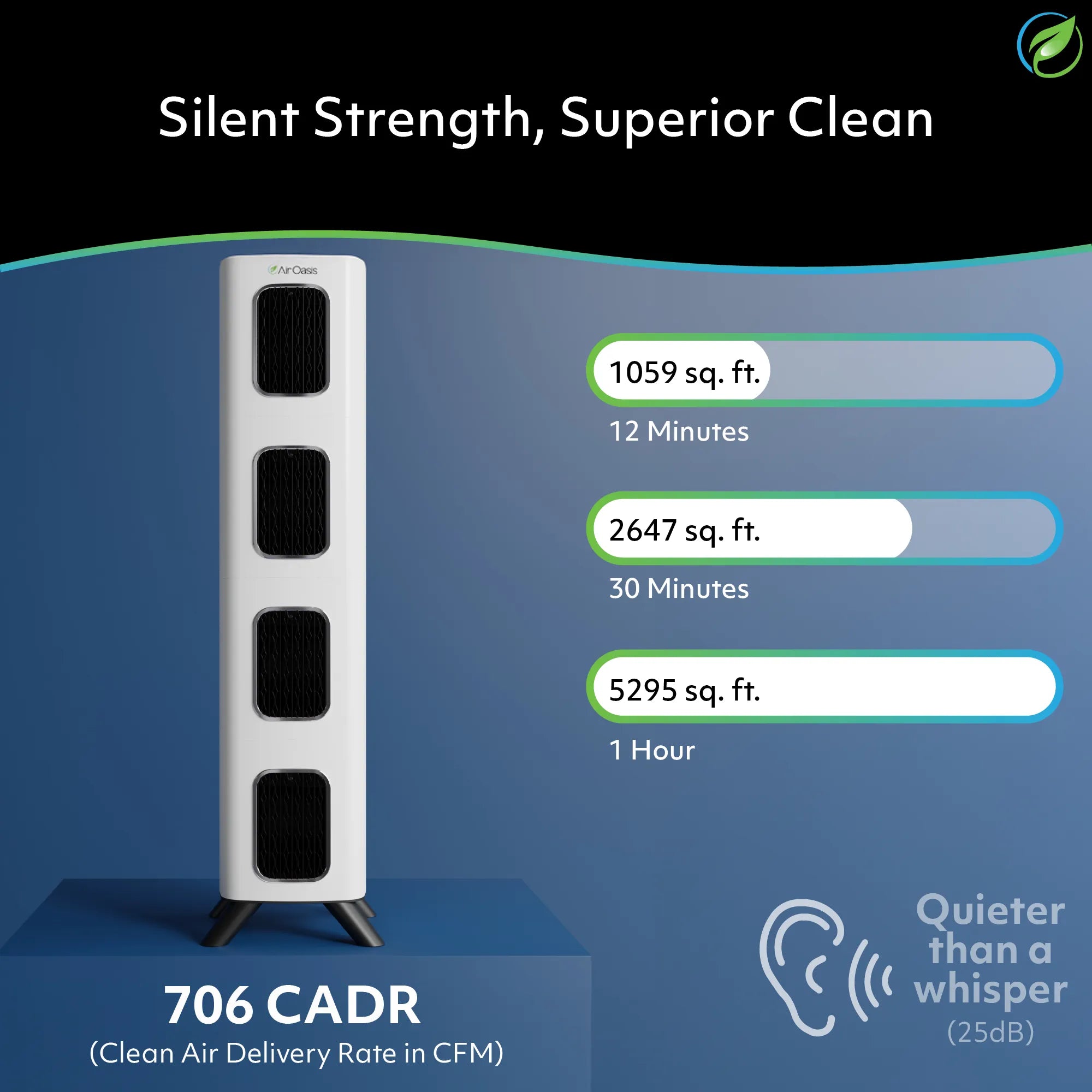
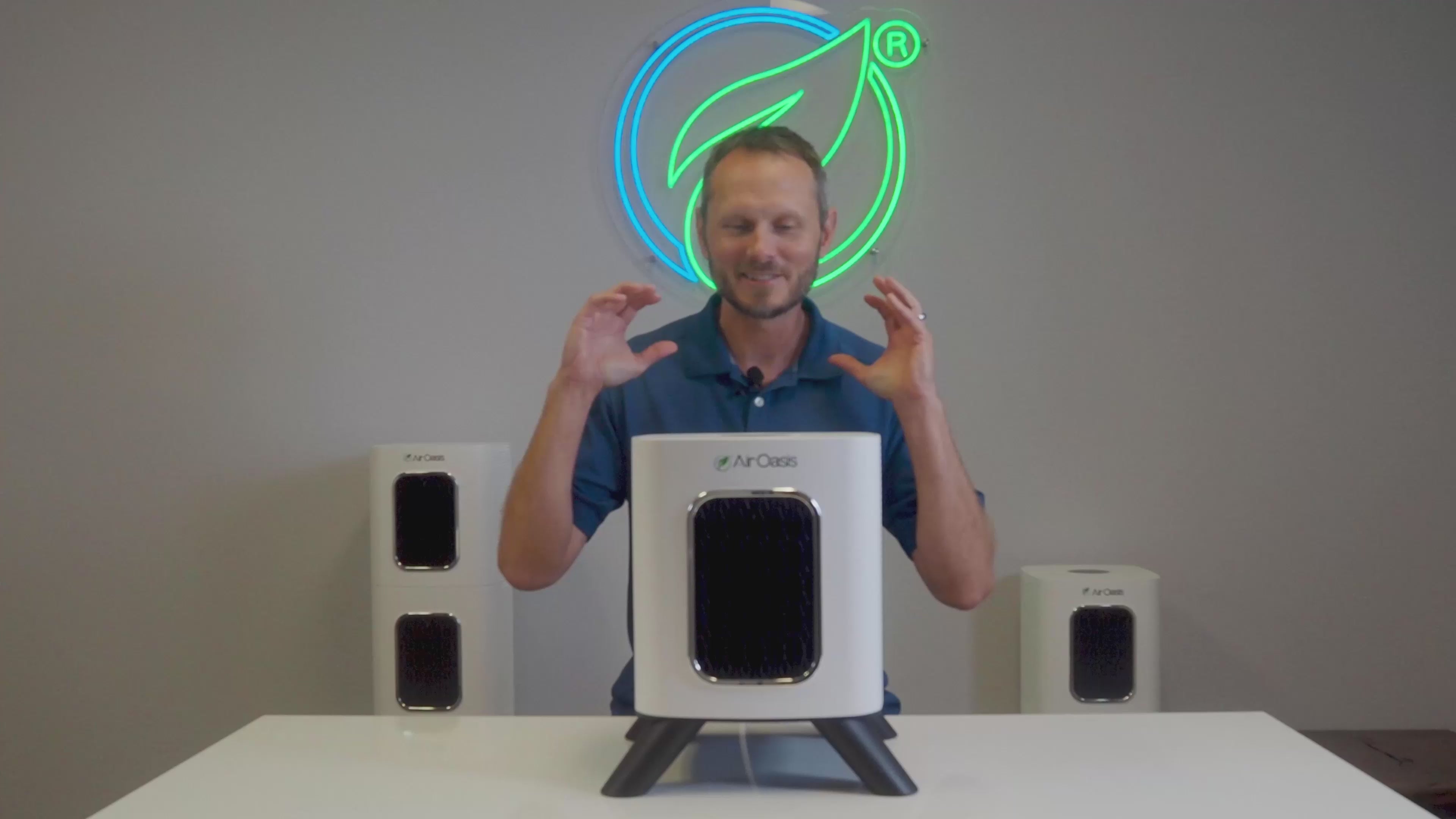
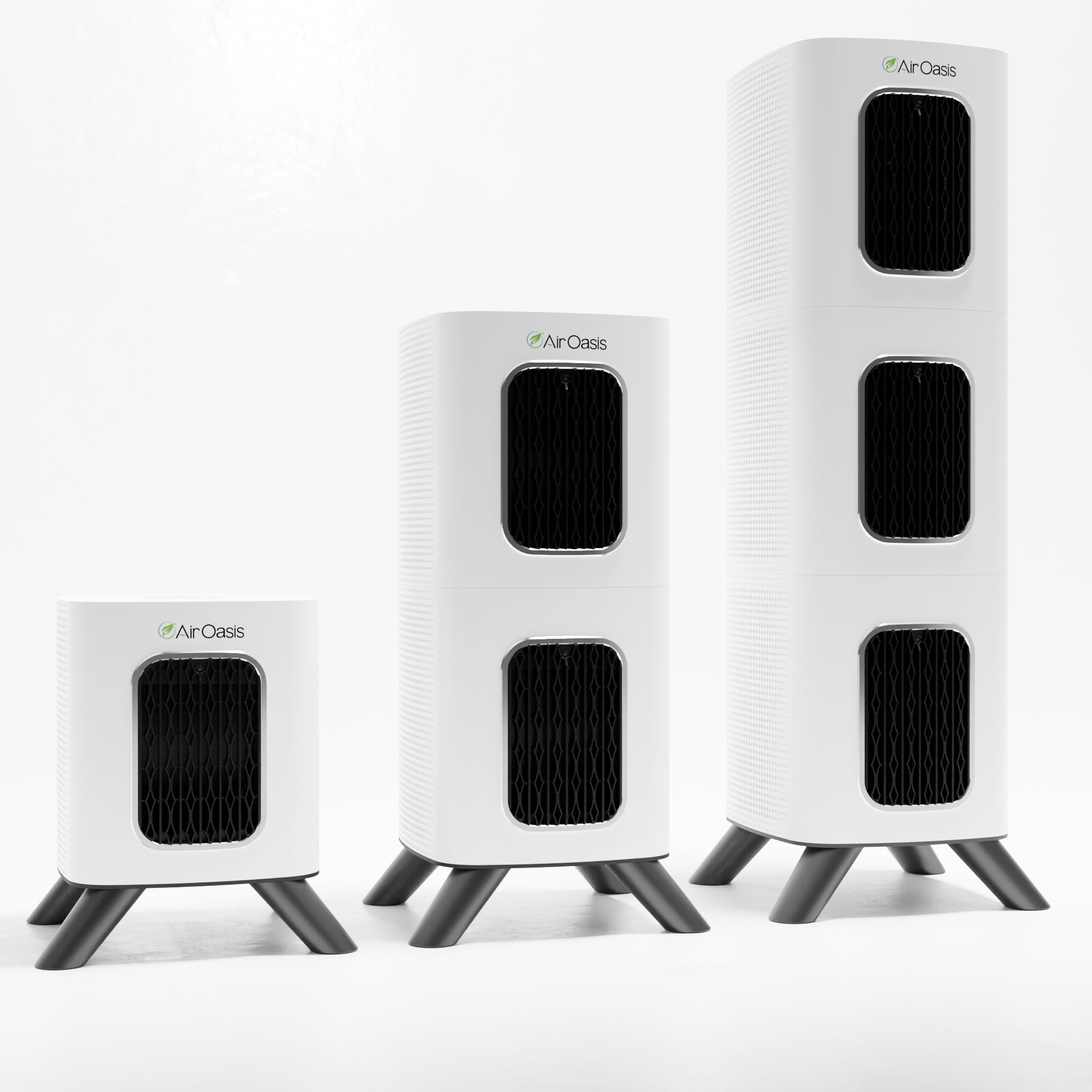
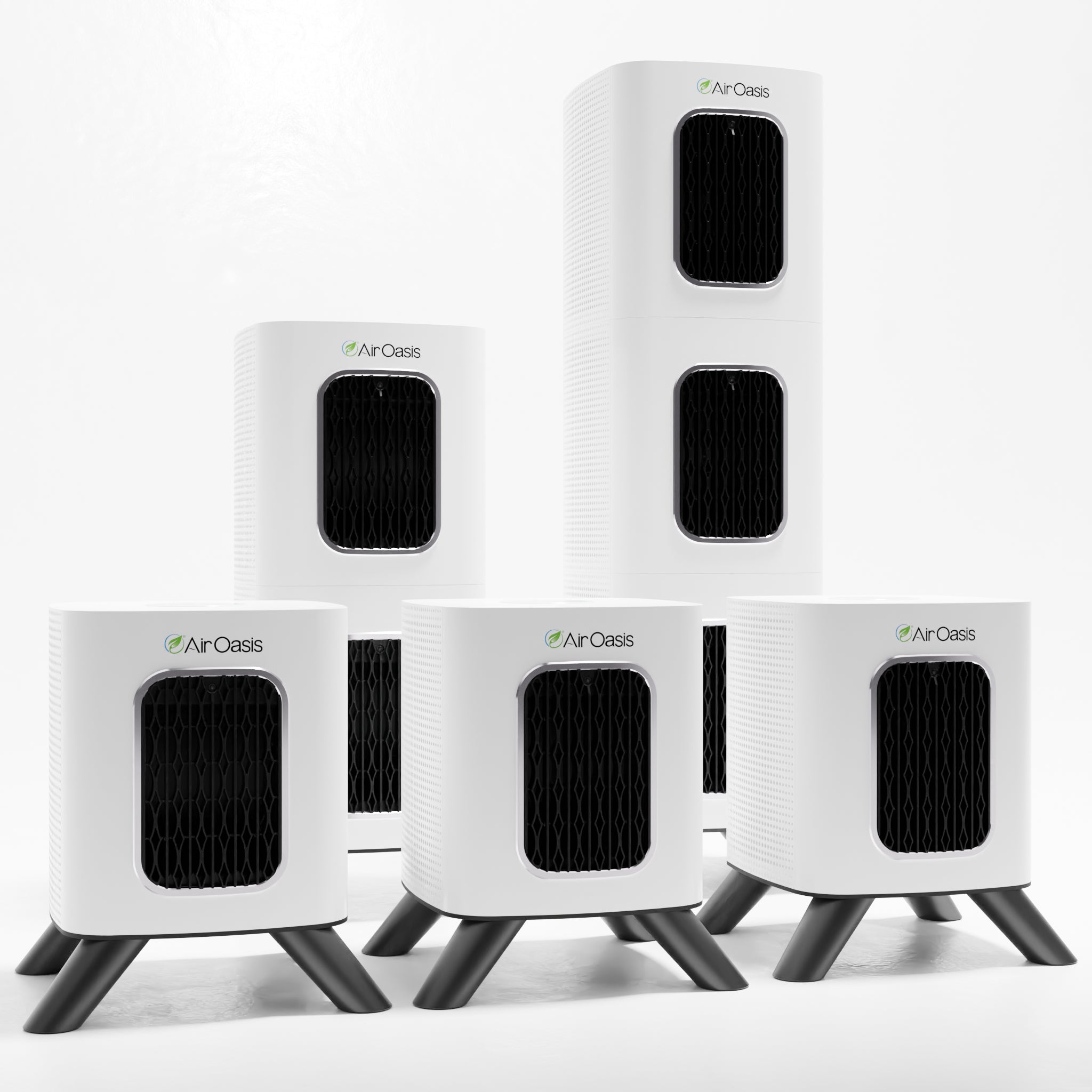
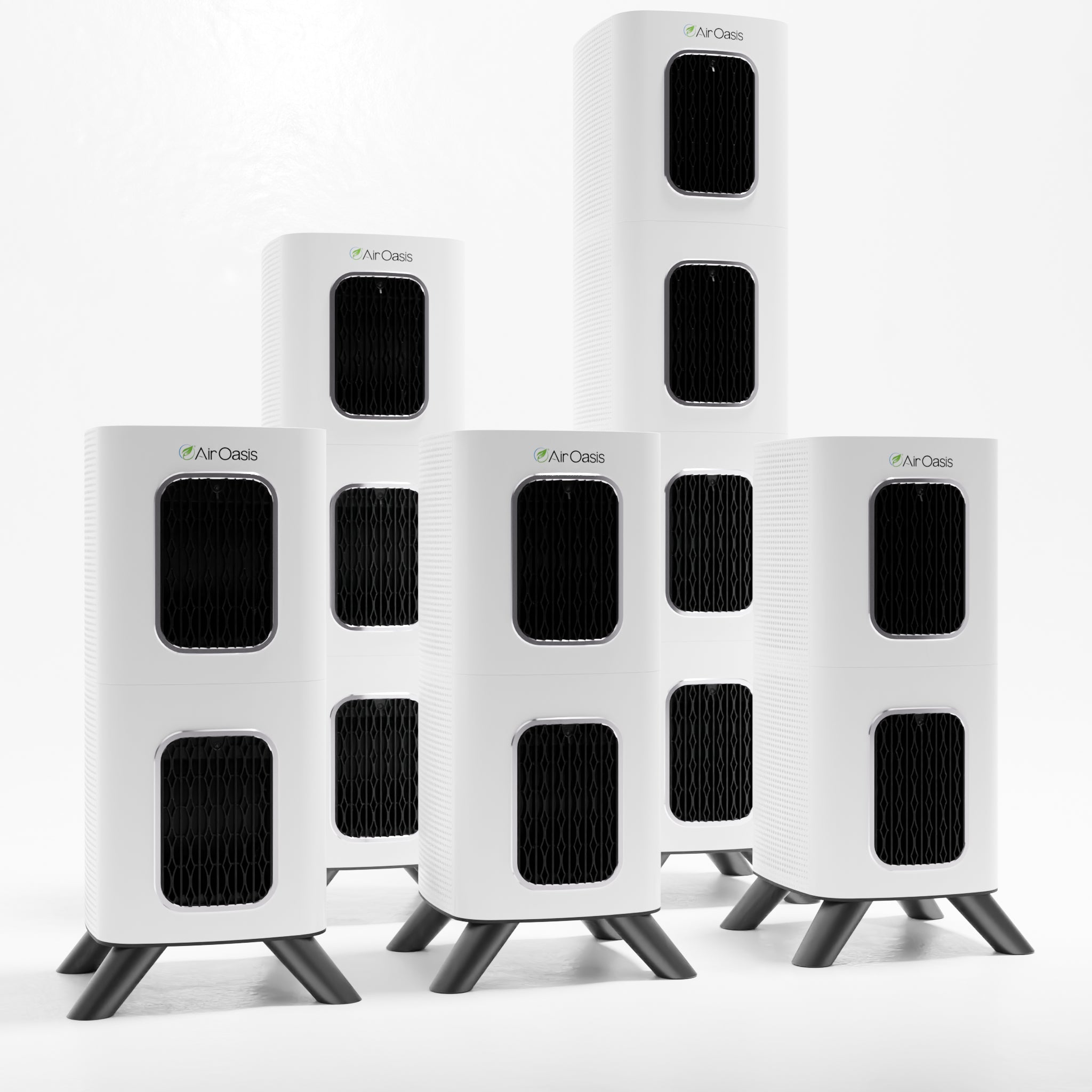
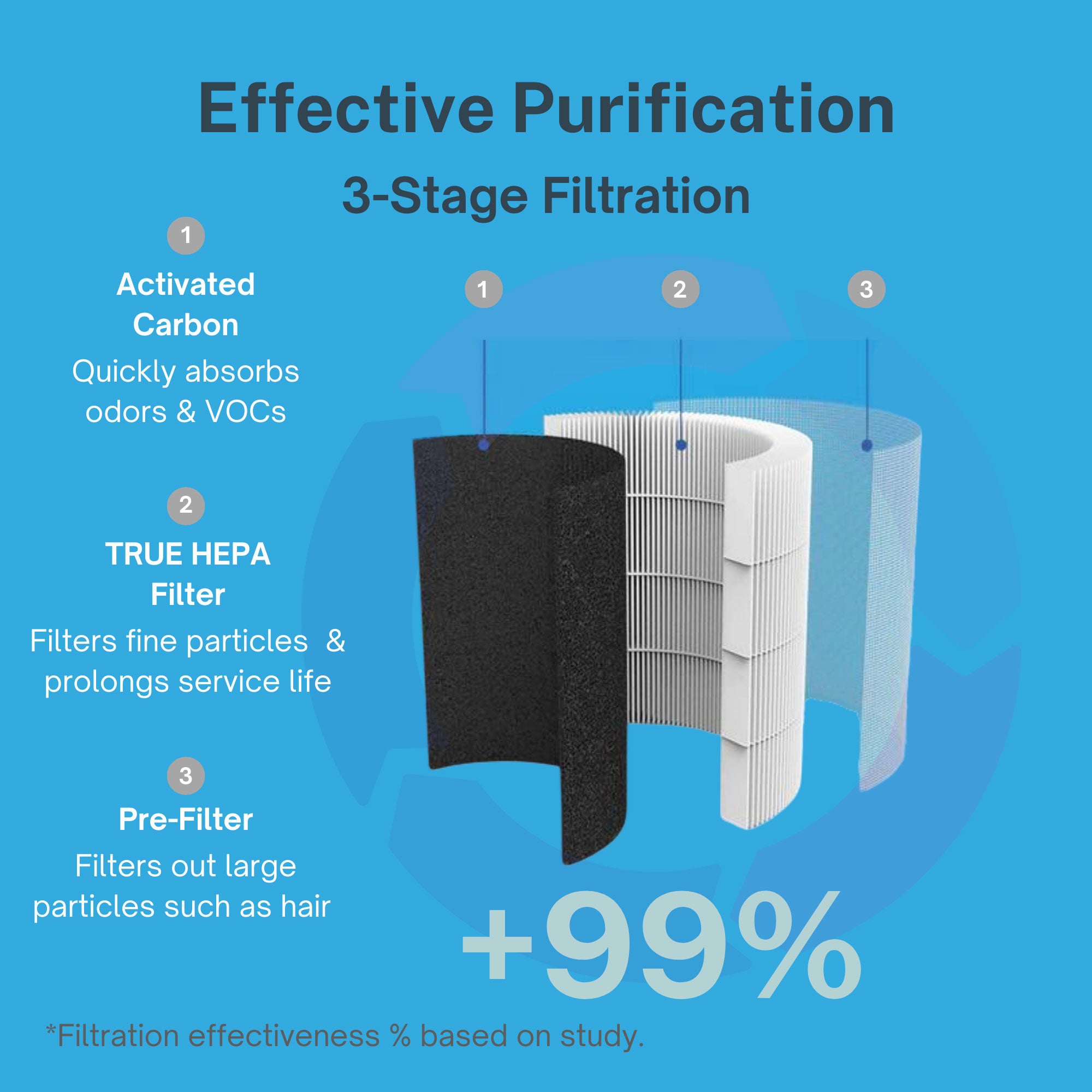
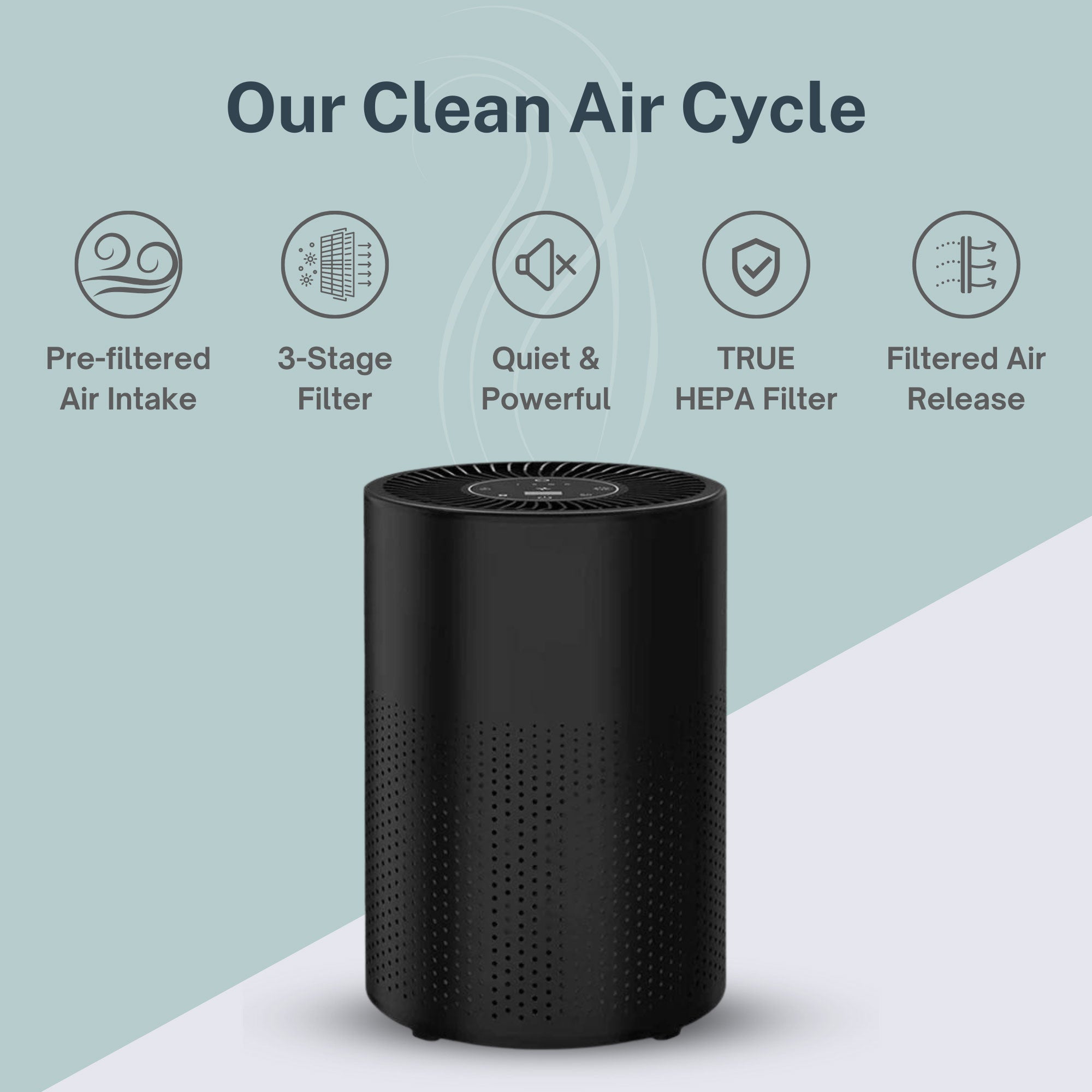
The iAdaptAir purification system targets these airborne threats with multi-stage filtration. The medical-grade HEPA filter captures 99.97% of particles as small as 0.3 microns, including mold spores. UV-C light technology then destroys mold DNA, preventing spores from reproducing. While air purification protects you from airborne mold, removing contaminated padding remains essential for eliminating the source.
Children and elderly family members face heightened risks. Their immune systems are more vulnerable to mold's effects. A study from the National Center for Biotechnology Information found that children exposed to indoor mold have significantly higher rates of asthma development and respiratory infections. For seniors, mold exposure can trigger serious complications including chronic bronchitis and reduced lung function.
People with existing respiratory conditions experience the most severe impacts. Asthma sufferers may notice increased attack frequency and intensity. Those with chronic obstructive pulmonary disease (COPD) often experience worsening symptoms when exposed to mold spores from contaminated padding. Even healthy adults commonly develop persistent coughs, sinus congestion, and fatigue from long-term exposure to mold.
Prevention and Detection Strategies
Controlling indoor humidity is your first line of defense against mold in carpet padding. Keep relative humidity between 30% and 50% in moisture-prone areas using dehumidifiers. Monitor humidity levels with an inexpensive hygrometer, paying special attention to basements and ground-floor rooms. When humidity climbs above 60%, mold growth becomes highly likely even without visible water.
Address water issues immediately. Never let carpet stay wet for more than 24 hours. If a spill occurs, don't just blot the surface. Pull back the carpet and check the padding underneath. Use fans and dehumidifiers to dry both layers completely. For significant water events such as flooding or plumbing leaks, professional carpet removal and padding replacement may be necessary to prevent mold growth.
Professional mold inspection offers definitive answers. Certified inspectors use moisture meters to detect hidden dampness in padding. They can collect samples from beneath carpets and send them for laboratory analysis. While DIY mold test kits are available, professional inspection provides more reliable results and identifies moisture sources you might miss.
Consider your carpet padding material carefully. Solid rubber-slab padding with antimicrobial properties costs more upfront but provides better mold resistance than traditional foam. If you're installing carpet in basements or humid climates, investing in moisture-resistant padding can prevent future problems. Never install carpet padding directly on concrete without a vapor barrier, as moisture from the concrete will inevitably seep into the padding.
Protect Your Indoor Air from Hidden Mold
Carpet padding mold poses a serious but often overlooked threat to your home's air quality and your family's health. The combination of invisible growth, continuous spore release, and direct impact on breathing makes this one of the most concerning indoor air quality issues you can face. Regular monitoring, quick response to water events, and proper humidity control help prevent padding mold from taking hold.
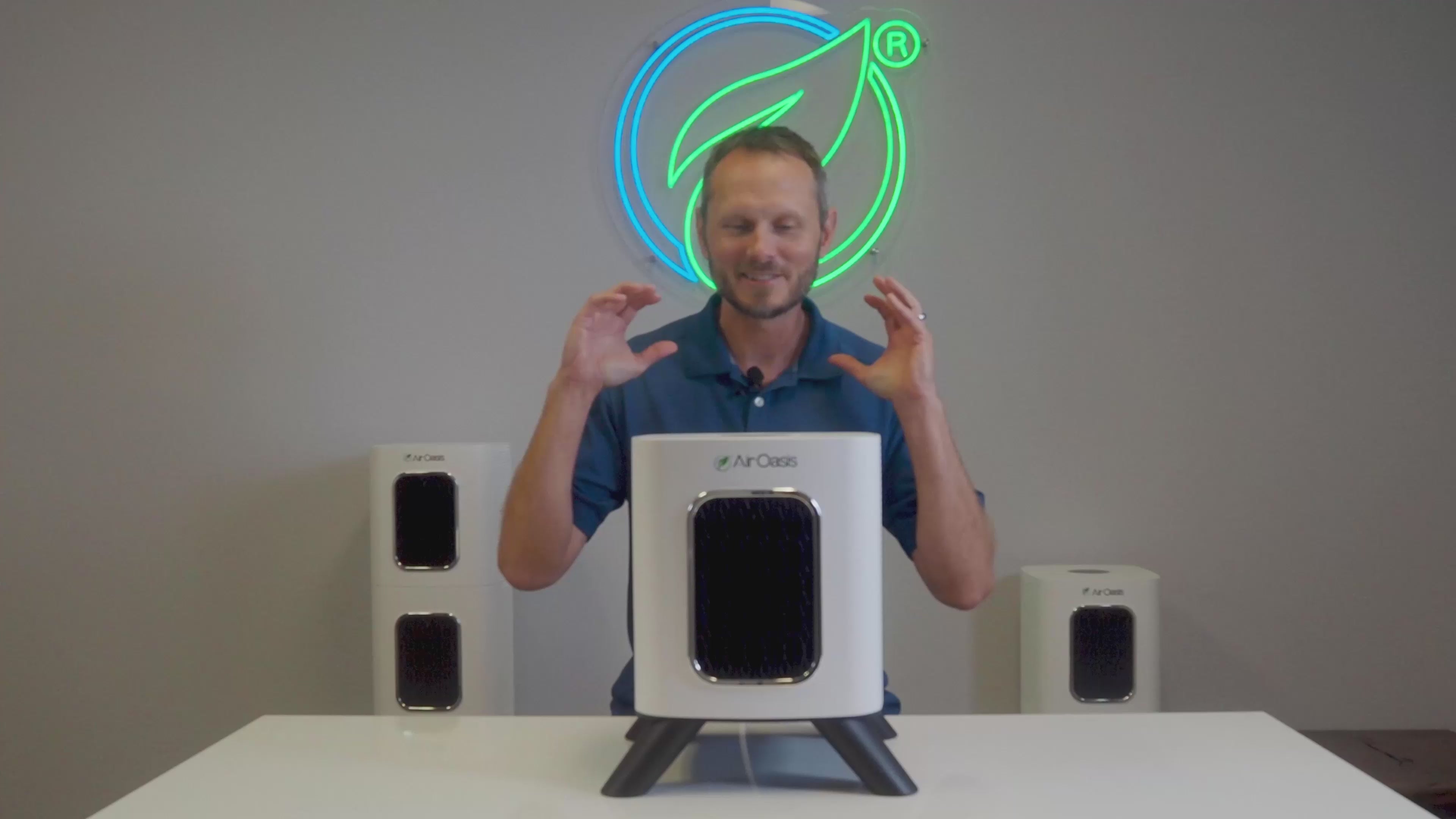
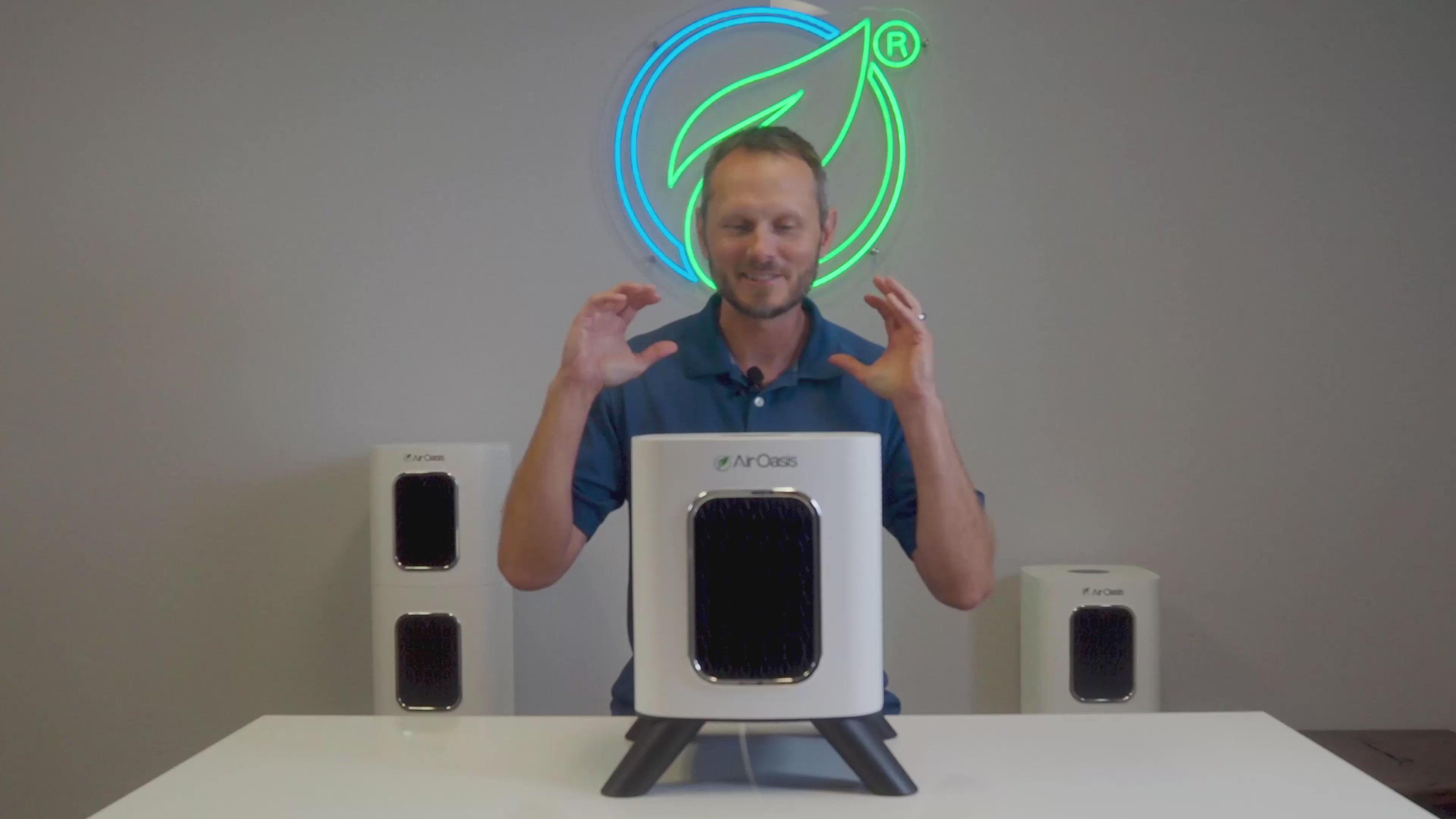
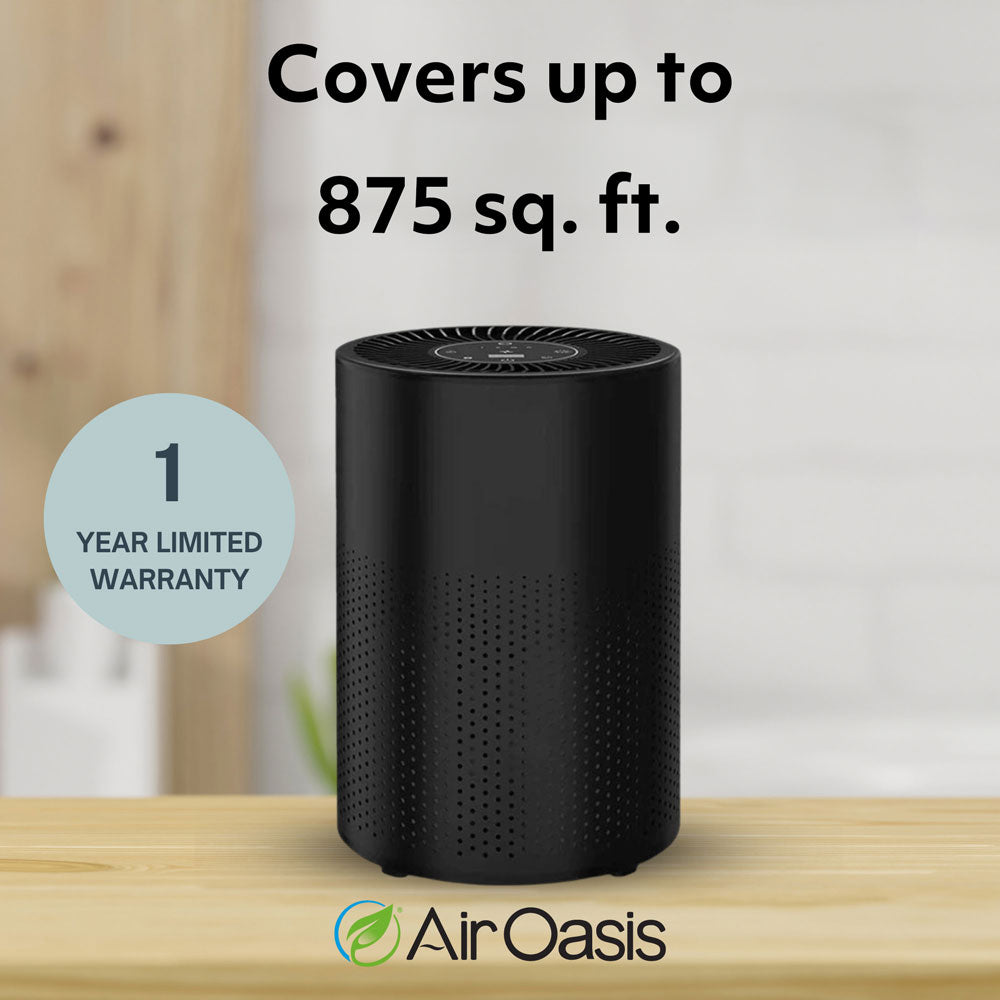
While removing contaminated padding solves the source problem, protecting your indoor air quality requires ongoing vigilance. The iAdaptAir system from Air Oasis provides continuous defense against airborne mold spores with medical-grade HEPA filtration, UV-C sterilization, and activated carbon that removes musty odors. Whether you're dealing with existing mold concerns or want to prevent future problems, clean air starts with the right purification technology. Shop Air Oasis today and breathe easier knowing your home's air is protected from hidden threats.
Frequently Asked Questions About Hidden Carpet Padding Mold
Here's some additional info.
How long does it take for mold to grow in wet carpet padding?
Mold can begin growing in carpet padding within 24 to 48 hours after it becomes wet. The porous nature of padding materials traps moisture, creating ideal conditions for rapid mold colonization, even when the carpet surface appears dry.
Can you clean mold out of carpet padding or does it need replacement?
Once mold establishes itself in carpet padding, replacement is almost always necessary. The porous structure of padding makes thorough cleaning impossible, and mold roots penetrate deep into the material where cleaning solutions can't reach effectively.
What does mold in carpet padding smell like?
Mold in carpet padding produces a distinctive musty, earthy odor similar to rotting wood or damp soil. The smell often intensifies when you walk on the carpet or during humid weather conditions.
Can air purifiers help with mold spores from carpet padding?
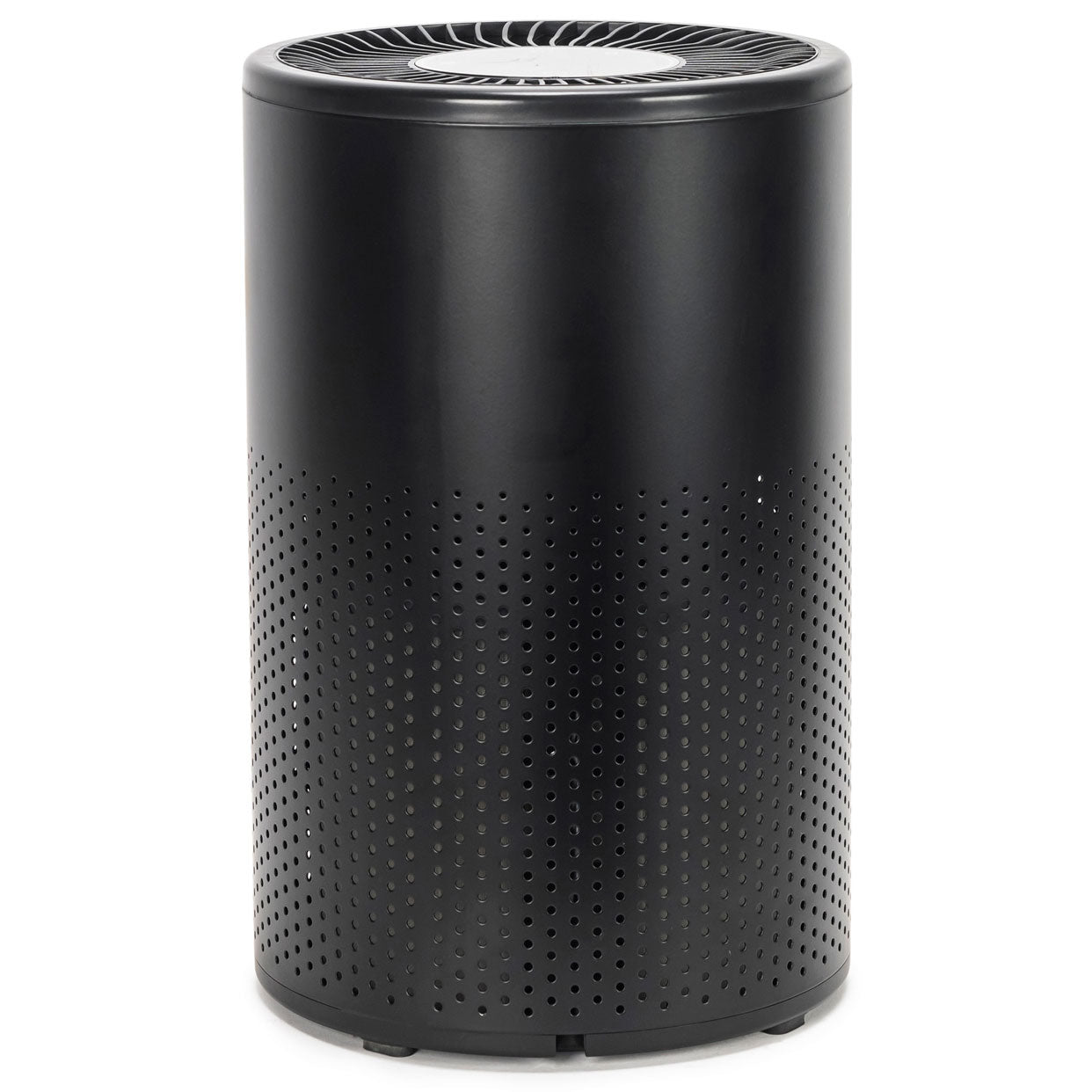
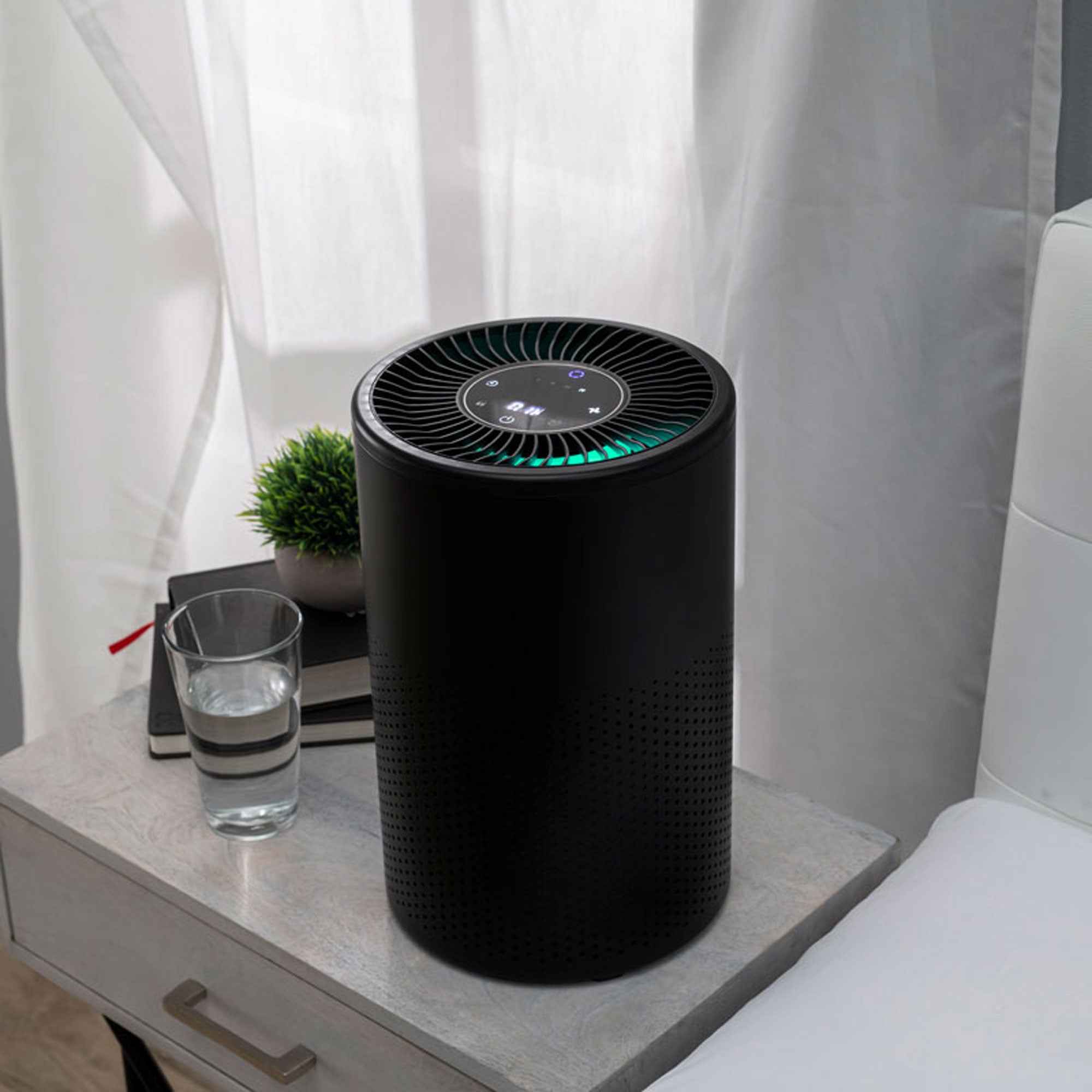
Yes, air purifiers with HEPA filtration can capture airborne mold spores released from contaminated carpet padding. While air purification protects your breathing air, removing the contaminated padding remains essential to completely eliminate the mold source.
How can I test for mold in my carpet padding without removing the carpet?
Professional mold inspectors use moisture meters to detect dampness in padding beneath carpets. They can also carefully lift the edges of the carpet to inspect the padding and collect samples for laboratory analysis without removing the entire carpet installation.