Mold exposure is most commonly associated with respiratory symptoms—coughing, wheezing, and congestion. Less discussed is the growing body of research suggesting that mycotoxins, the toxic compounds produced by some molds, may also affect cardiovascular function in some individuals. Symptoms including irregular heartbeat, chest pain, and palpitations have been reported in people with significant mold exposure, though the mechanisms and prevalence are still being studied.
If you're experiencing unexplained cardiovascular symptoms and have reason to suspect mold exposure, here's what the current research suggests—and why medical evaluation matters.
How Mycotoxins May Affect the Cardiovascular System
Mycotoxins are compounds produced by certain molds that can grow in water-damaged buildings, on building materials, and in some food sources. When inhaled or ingested, they enter the systemic circulation rather than remain localized at the point of entry. Research suggests they may affect multiple organ systems through two primary mechanisms: oxidative stress and chronic inflammation.
Oxidative stress occurs when mycotoxins trigger an imbalance between free radicals and antioxidants in the body. This can damage blood vessels and heart tissue over time. The inflammatory response mycotoxins provoke may, in some individuals, reach cardiovascular tissues and interfere with normal heart function and electrical signaling.
It's worth noting that these effects are not universal. Individual susceptibility varies considerably based on genetics, immune function, overall health status, and cumulative exposure. Many people exposed to mold never develop cardiovascular symptoms.
Irregular Heartbeat and Arrhythmia
Some research suggests mycotoxins may interfere with the electrical signals that regulate heart rhythm by affecting ion channels and cellular communication in the heart muscle. In individuals experiencing mold-related arrhythmias, symptoms are sometimes described as a fluttering sensation, skipped beats, or an erratic pulse.
These rhythm disturbances may occur sporadically or more persistently, depending on exposure levels and individual sensitivity. If you're experiencing an irregular heartbeat—regardless of suspected cause—medical evaluation is the appropriate first step. Arrhythmias have many potential causes, and distinguishing between them requires clinical assessment.
Palpitations and Elevated Heart Rate
Palpitations—an acute awareness of your heartbeat feeling rapid, pounding, or forceful—are another cardiovascular symptom some researchers have associated with mycotoxin exposure. The proposed mechanism involves the body's stress response to mycotoxins, including the release of inflammatory mediators that may directly stimulate the heart.
Mycotoxin exposure may also affect autonomic nervous system function, which regulates involuntary processes such as heart rate. Some individuals report palpitations worsening in contaminated environments, though symptoms can also occur hours after exposure as the body processes accumulated compounds.
Chest Pain and Cardiovascular Inflammation
Chest discomfort associated with mold toxicity is thought to stem from inflammation affecting the heart muscle and surrounding tissues rather than arterial blockage—but this distinction cannot be made without proper medical evaluation. Chest pain always warrants prompt clinical assessment to rule out serious cardiac causes first.
The inflammatory processes associated with chronic mycotoxin exposure may affect blood vessels and cardiac tissue, causing tightness, pressure, or pain that varies in intensity. Oxidative damage to endothelial cells lining blood vessels has also been proposed as a contributing factor.
Why Symptoms Vary Between Individuals
The same mold-contaminated environment can produce very different outcomes for different people. Genetic factors influence how efficiently the body clears mycotoxins—some individuals have gene variants that allow rapid detoxification, while others accumulate toxins more readily. Pre-existing cardiovascular conditions, diabetes, chronic stress, and compromised immune function may increase vulnerability.
Exposure duration and intensity also matter. Someone spending many hours daily in a contaminated space faces a different cumulative risk than someone with brief, intermittent contact.
Getting the Right Diagnosis
The cardiovascular symptoms associated with mold toxicity closely resemble those of many other conditions—coronary artery disease, thyroid disorders, anxiety, hormonal imbalances, and nutrient deficiencies, among them. This overlap makes self-diagnosis unreliable and potentially risky.
Chest pain and irregular heart rhythms require prompt medical assessment to rule out serious cardiac conditions. If clinical evaluation finds no primary cardiac cause and symptoms persist, investigating environmental exposures, including mold, becomes a reasonable next step. Healthcare providers with experience in environmental medicine can guide appropriate testing and help determine whether mycotoxins are a contributing factor.
Some people find that cardiovascular symptoms improve after leaving a contaminated environment and reducing mycotoxin burden—an outcome consistent with mold exposure as a contributing factor, though other variables make definitive causation difficult to establish in individual cases.
Reducing Exposure and Supporting Recovery
Continued exposure to contaminated air limits the effectiveness of any other intervention. If significant mold contamination is identified, professional remediation is the most important step. Addressing water damage promptly, controlling indoor humidity, and ensuring adequate ventilation reduce the conditions that allow mold to establish.
Some healthcare providers specializing in environmental medicine use specific protocols to support the body's detoxification processes following mycotoxin exposure. Reducing oxidative stress through diet and appropriate supplementation may also be part of a comprehensive approach—discuss options with a qualified provider.
The Role of Air Purification
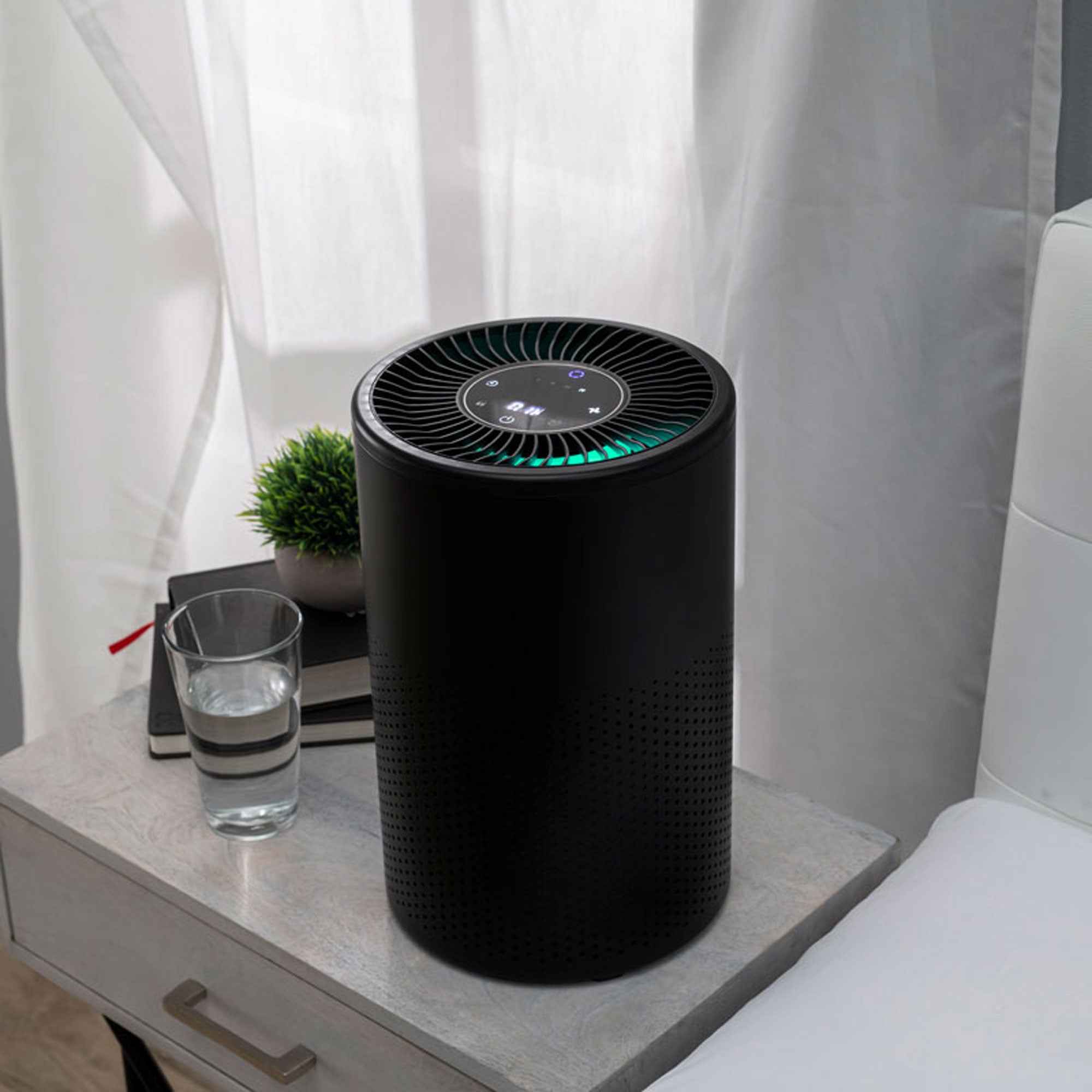
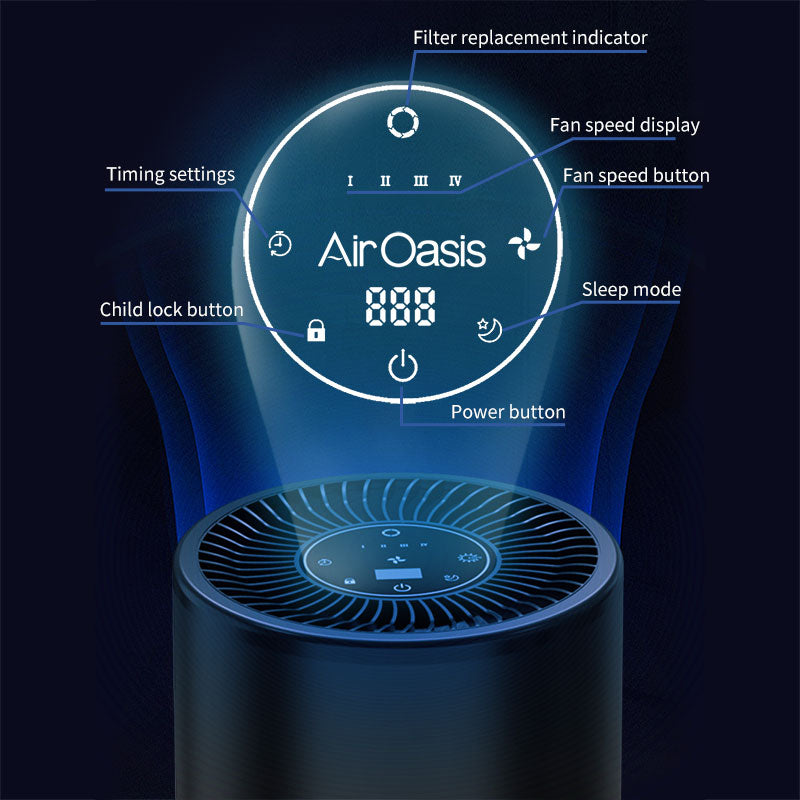
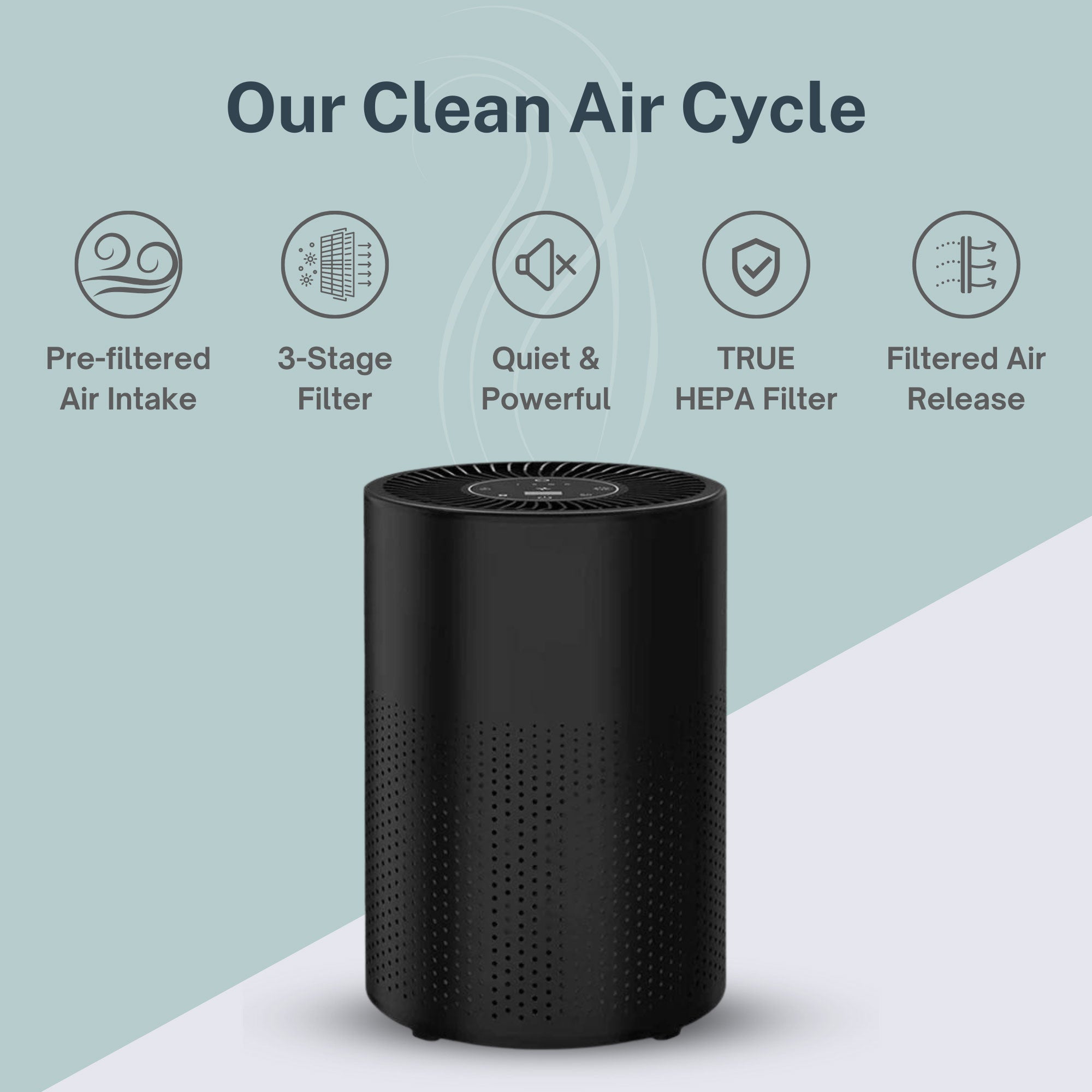
An air purifier won't remediate existing mold growth or replace medical care, but reducing the ongoing airborne load of mold spores and byproducts is a practical step for anyone concerned about mold exposure—including those with cardiovascular sensitivity.
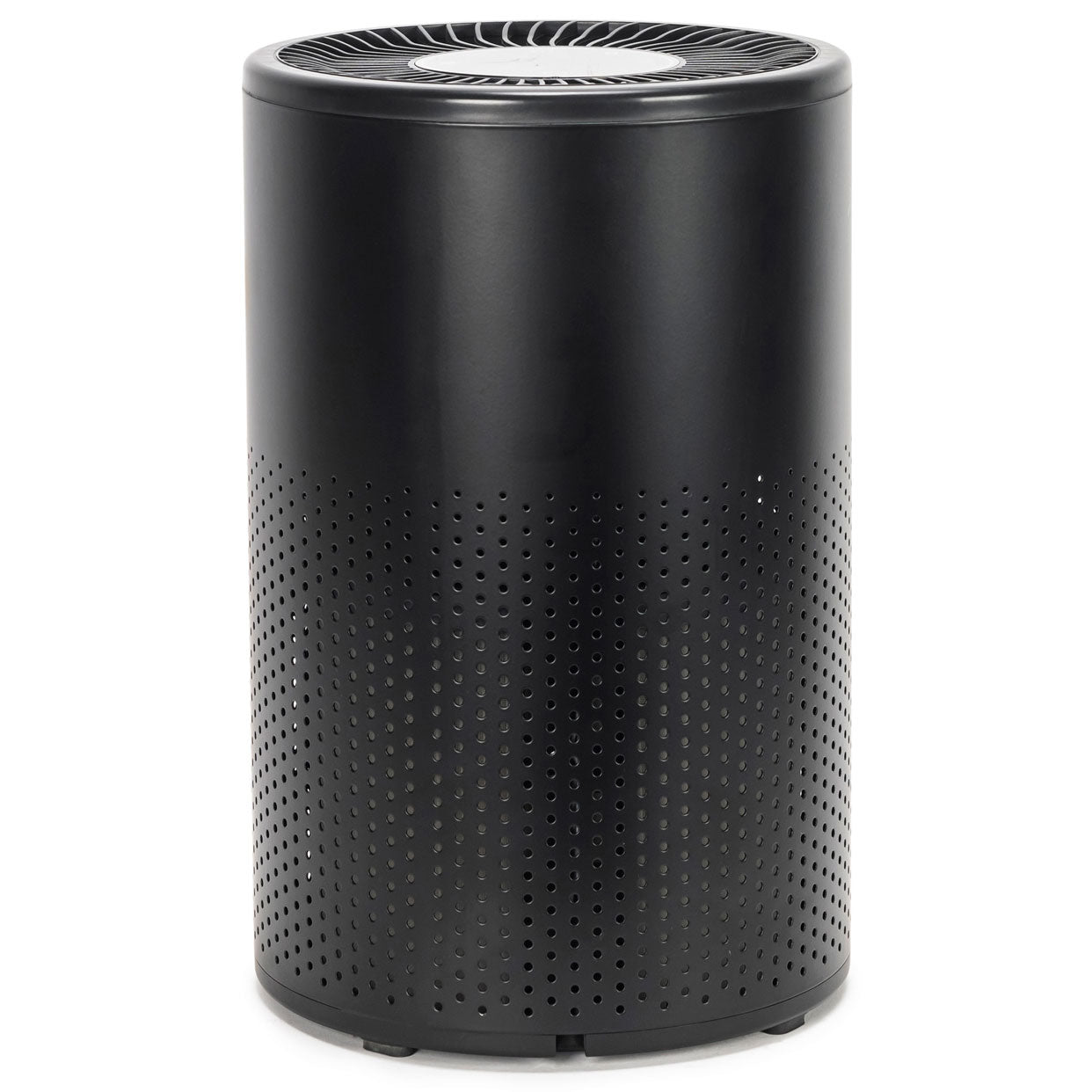
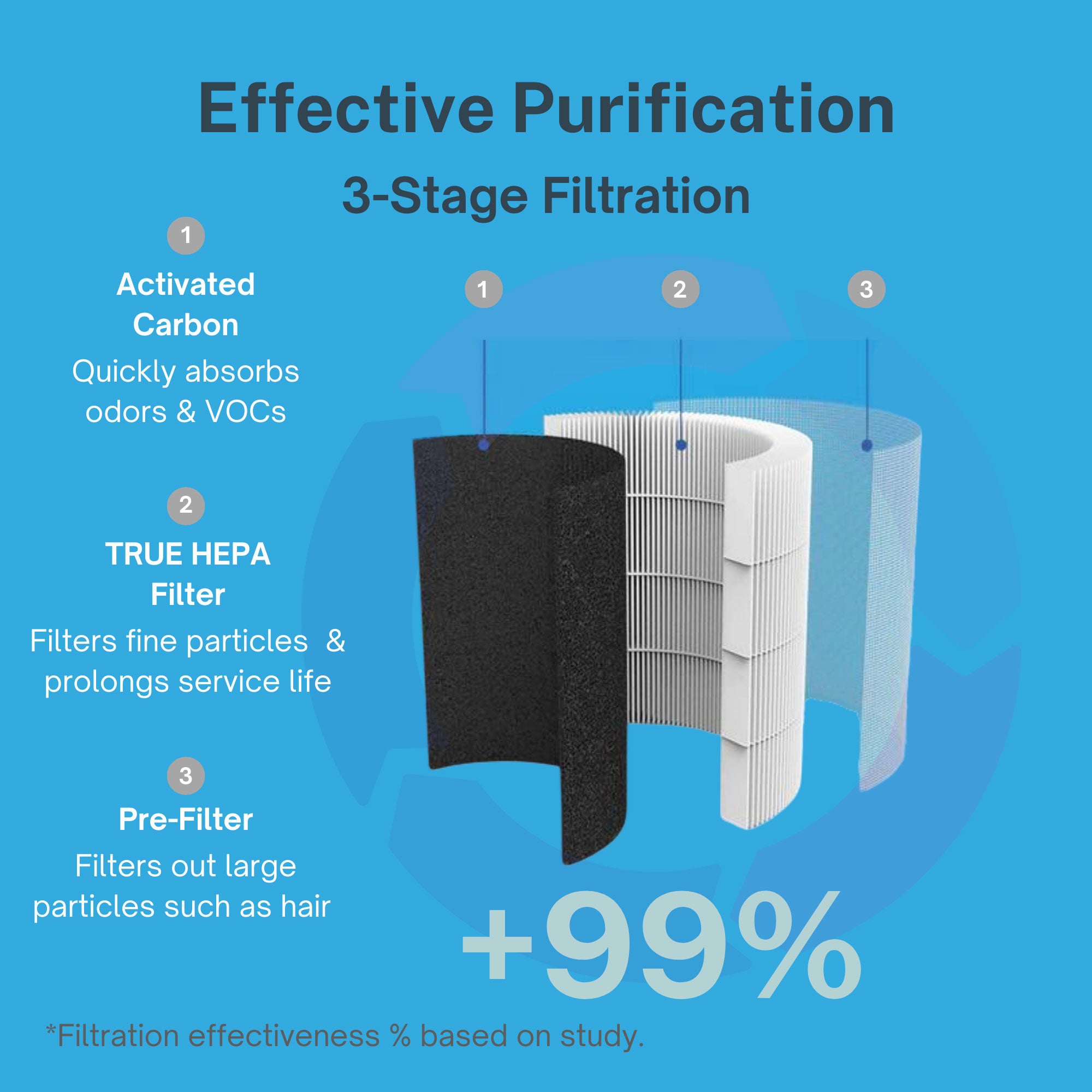
Effective systems for mold management combine true HEPA filtration, which captures 99.97% of particles down to 0.3 microns, including mold spores and fragments, with activated carbon for mVOC and odor reduction, and active technologies like UV-C light and bipolar ionization for broader coverage.
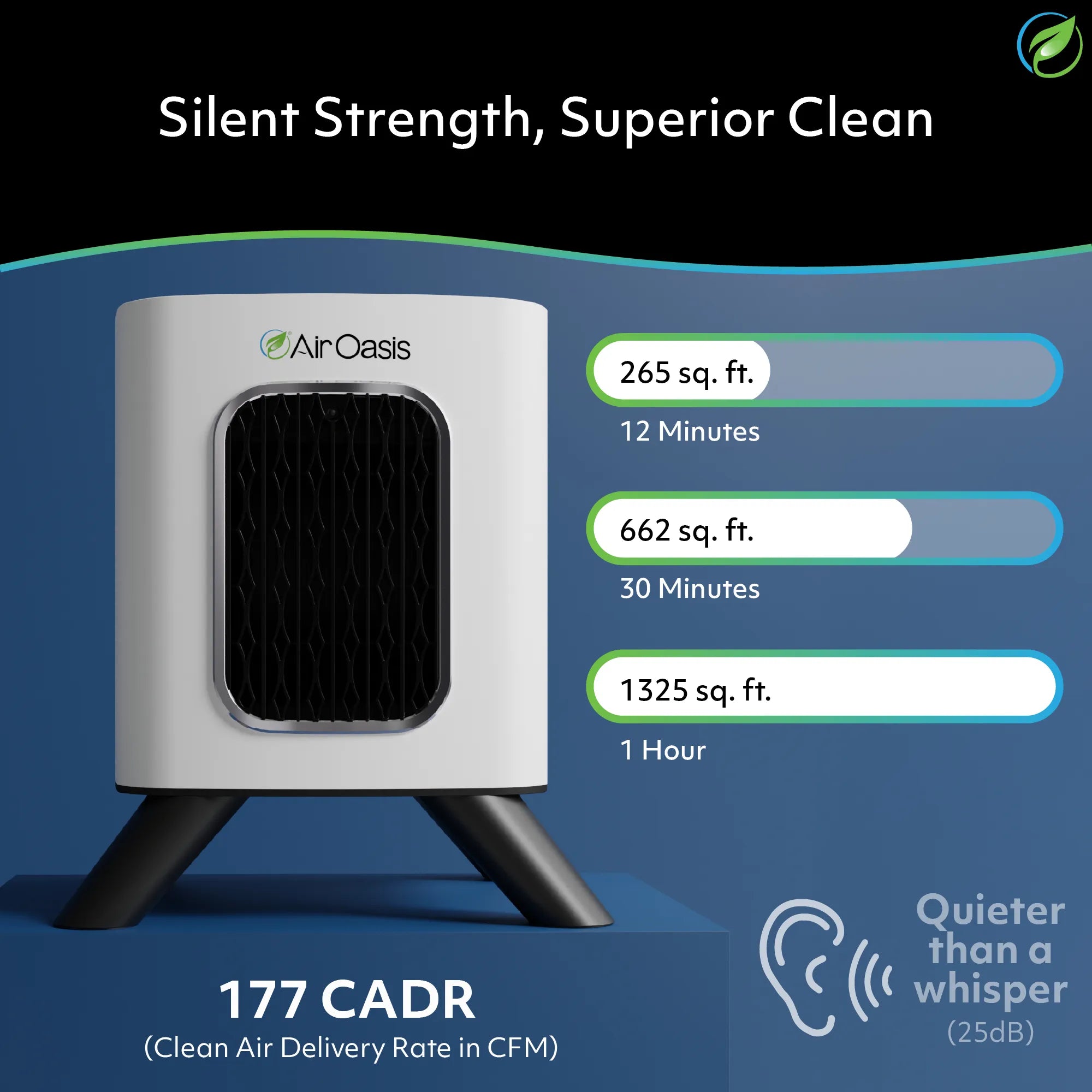
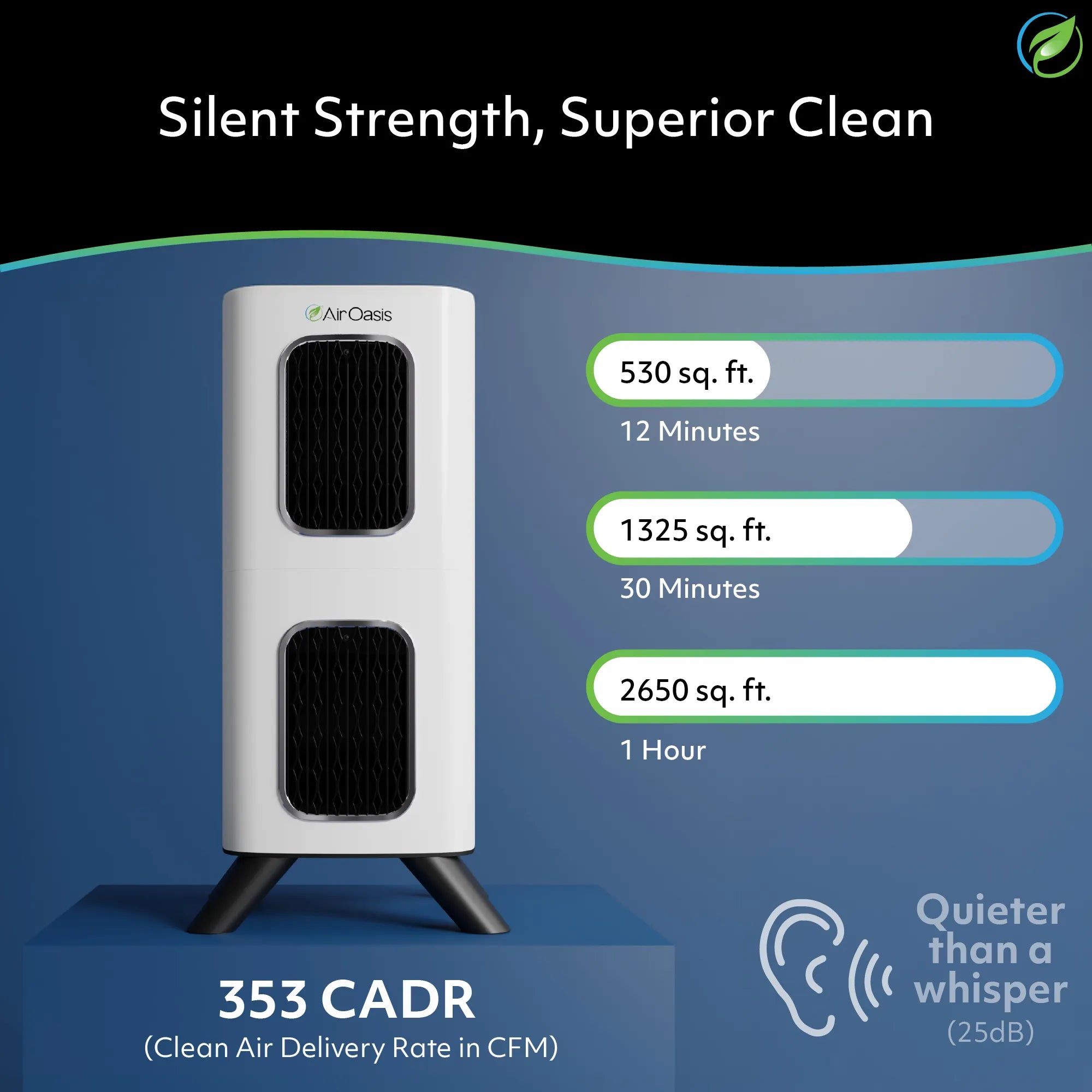
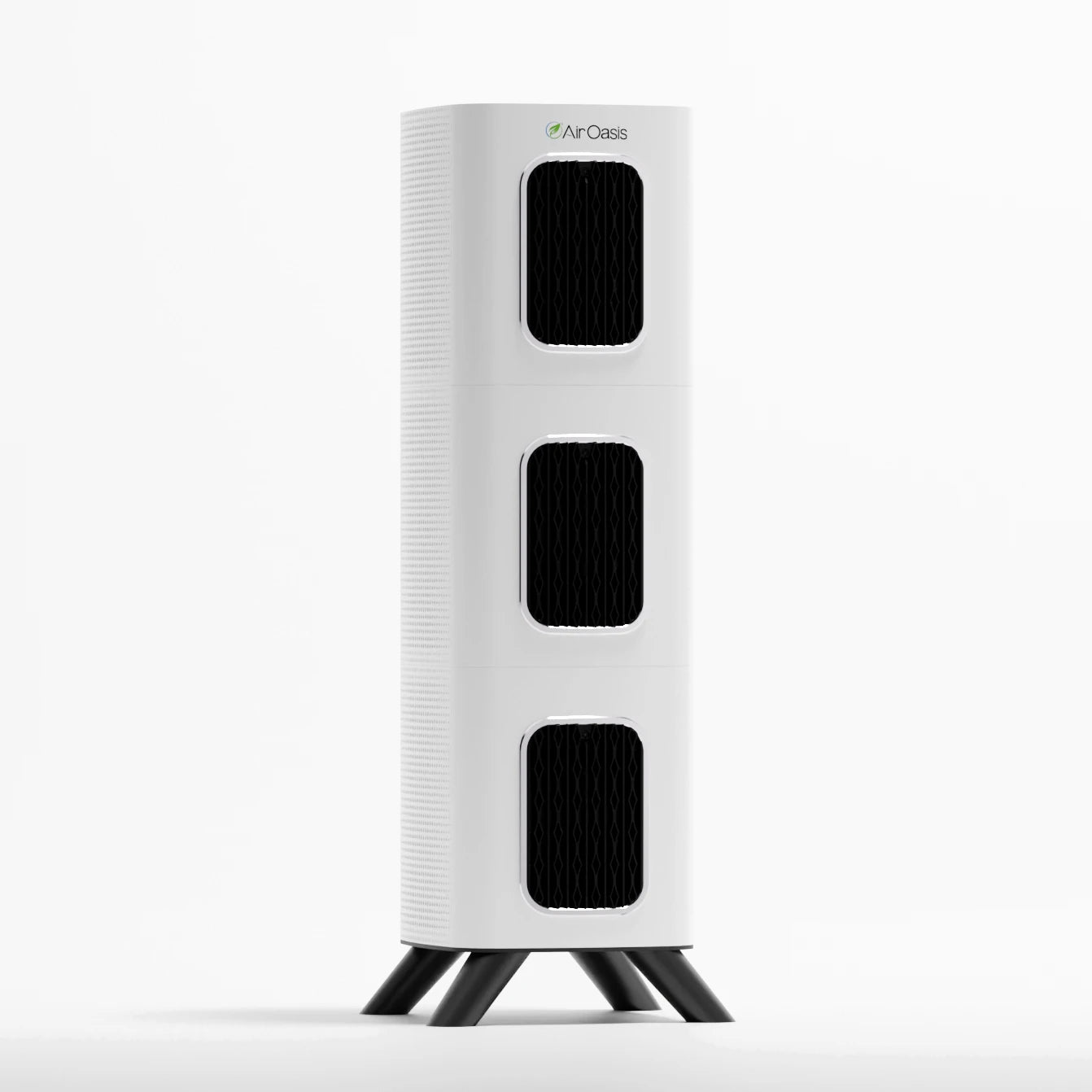
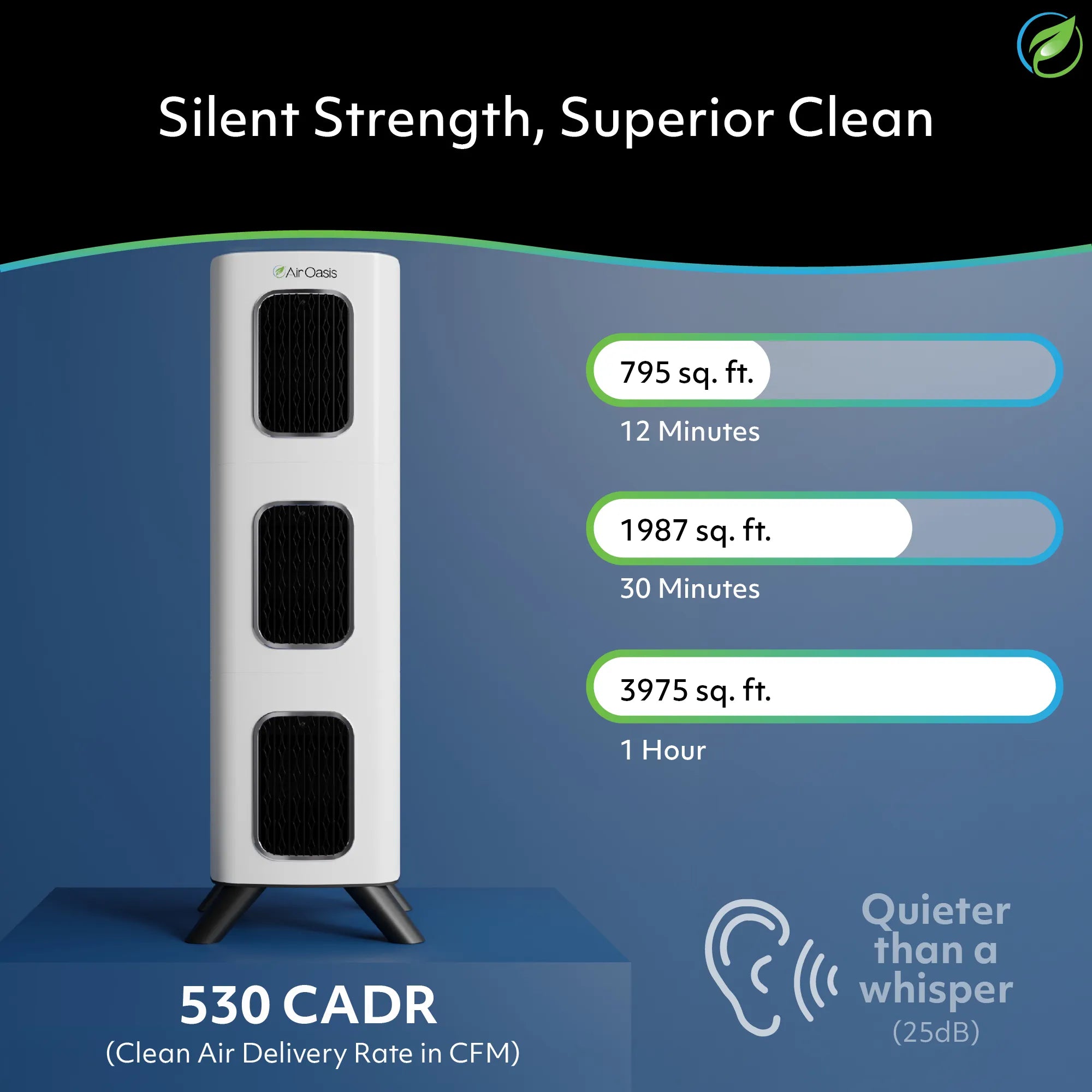
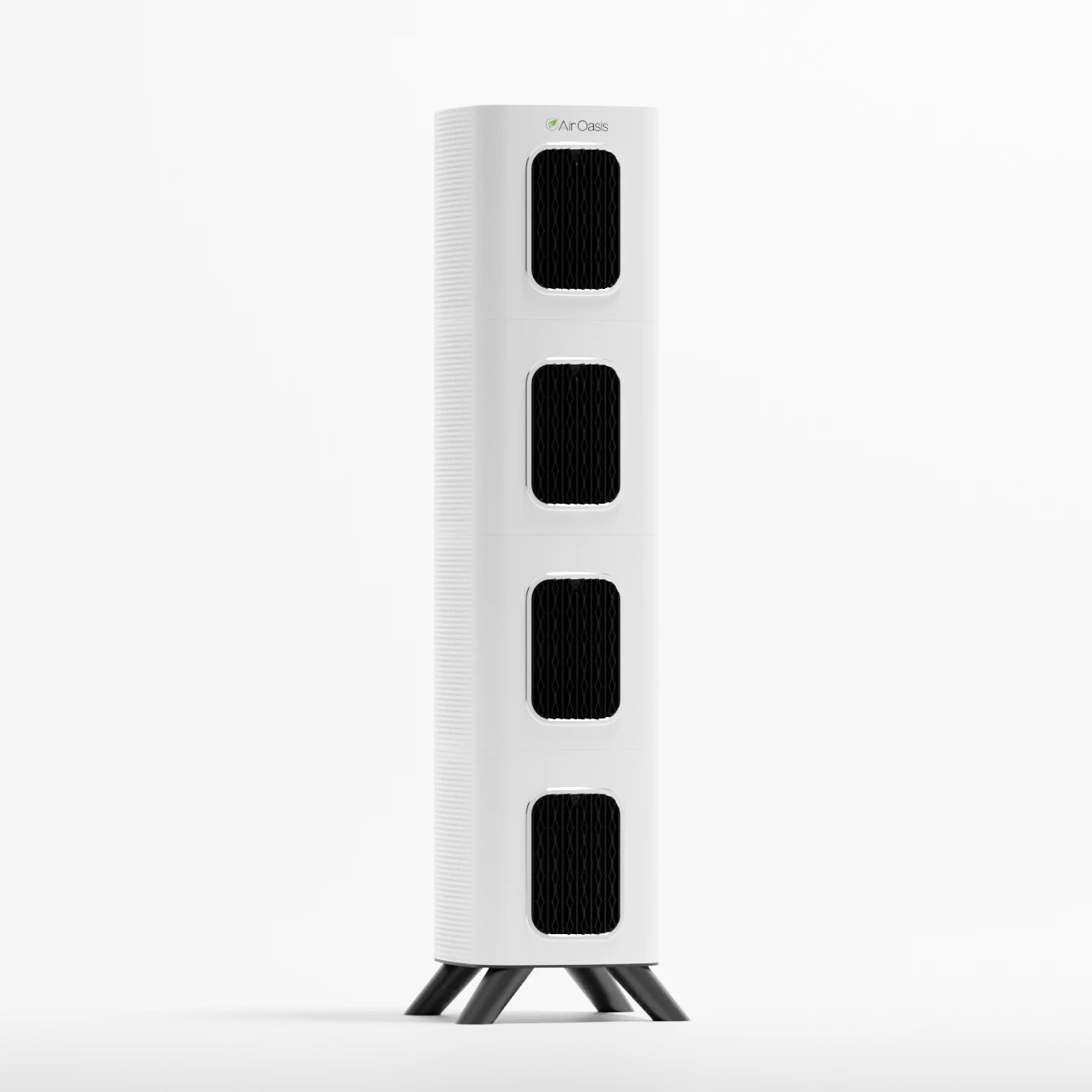
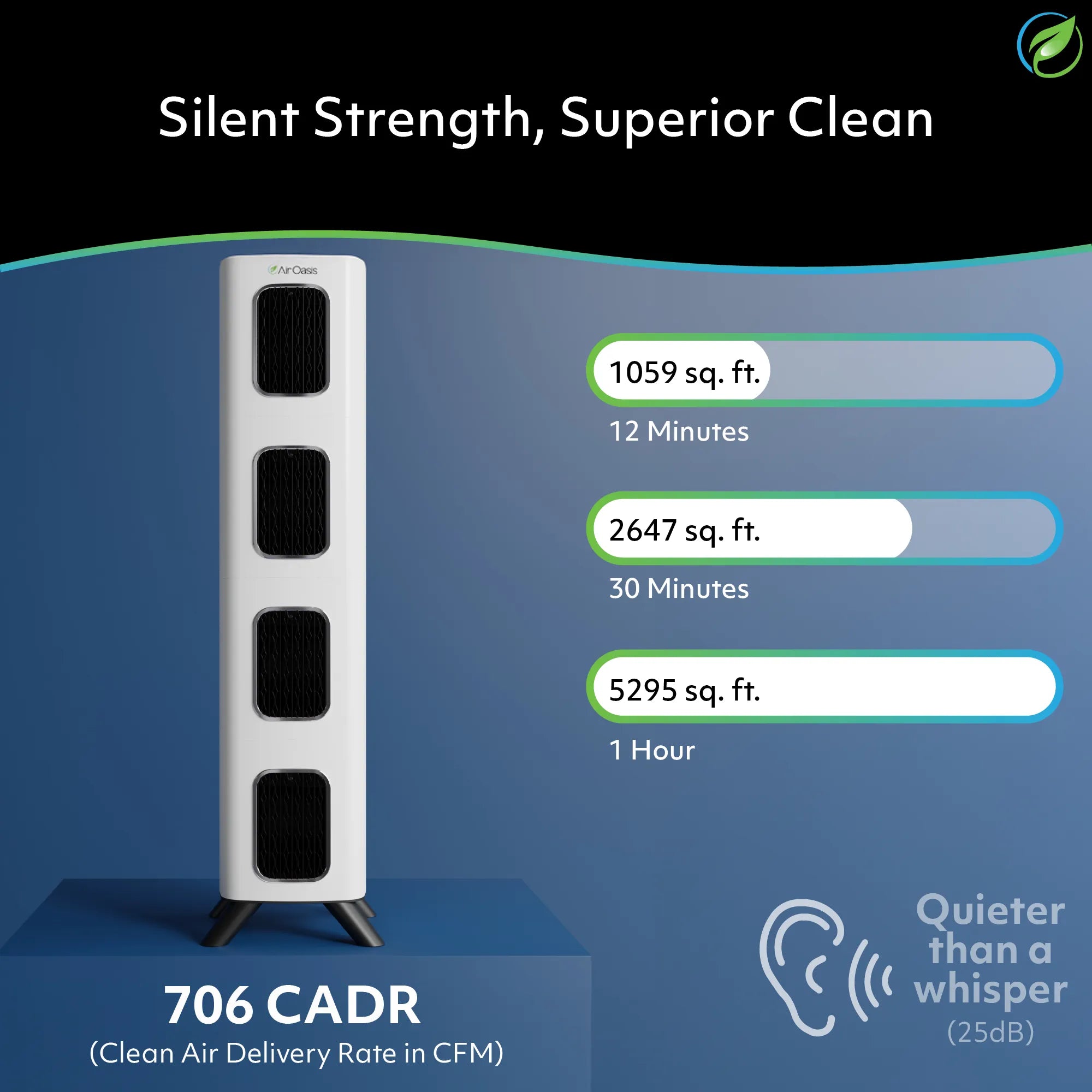
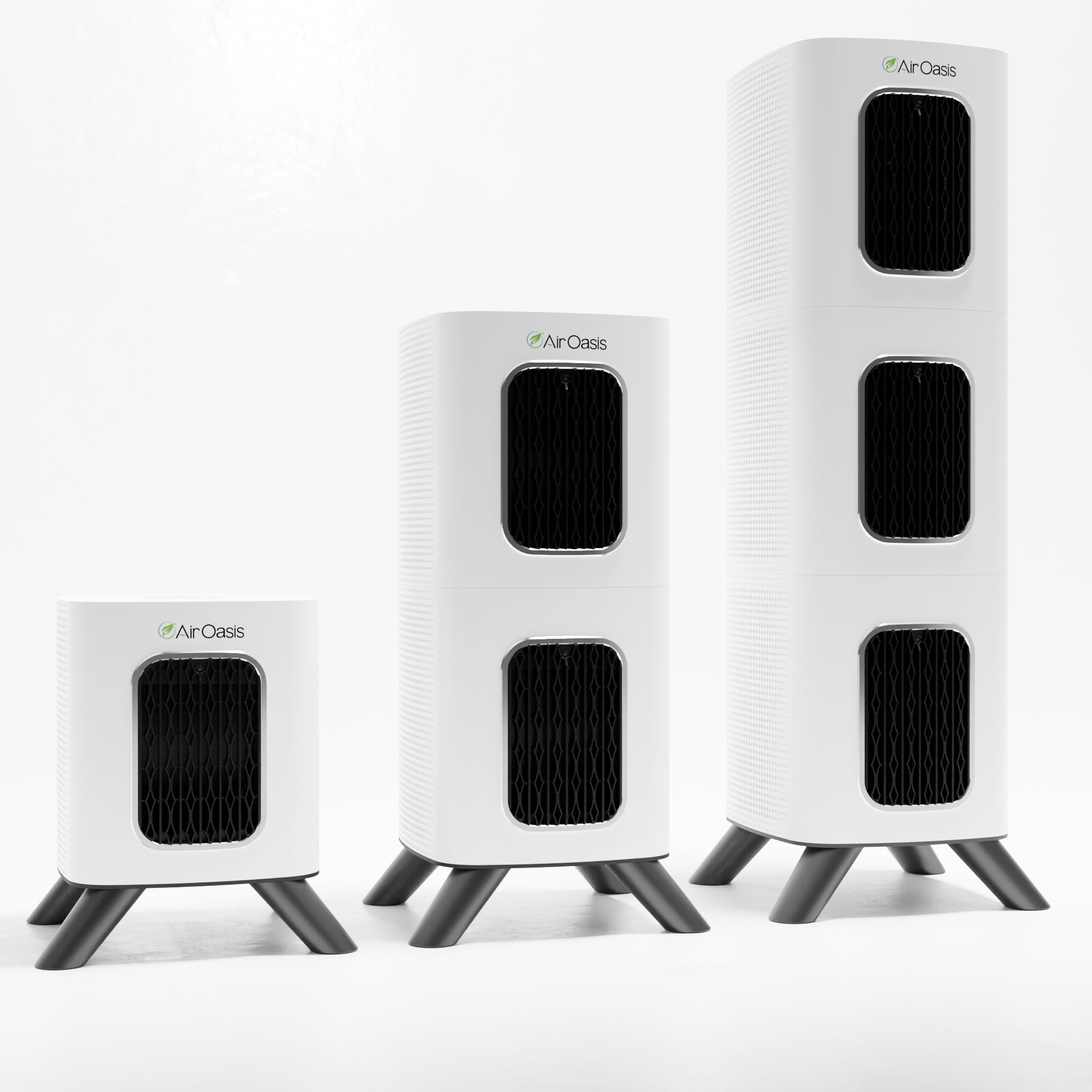
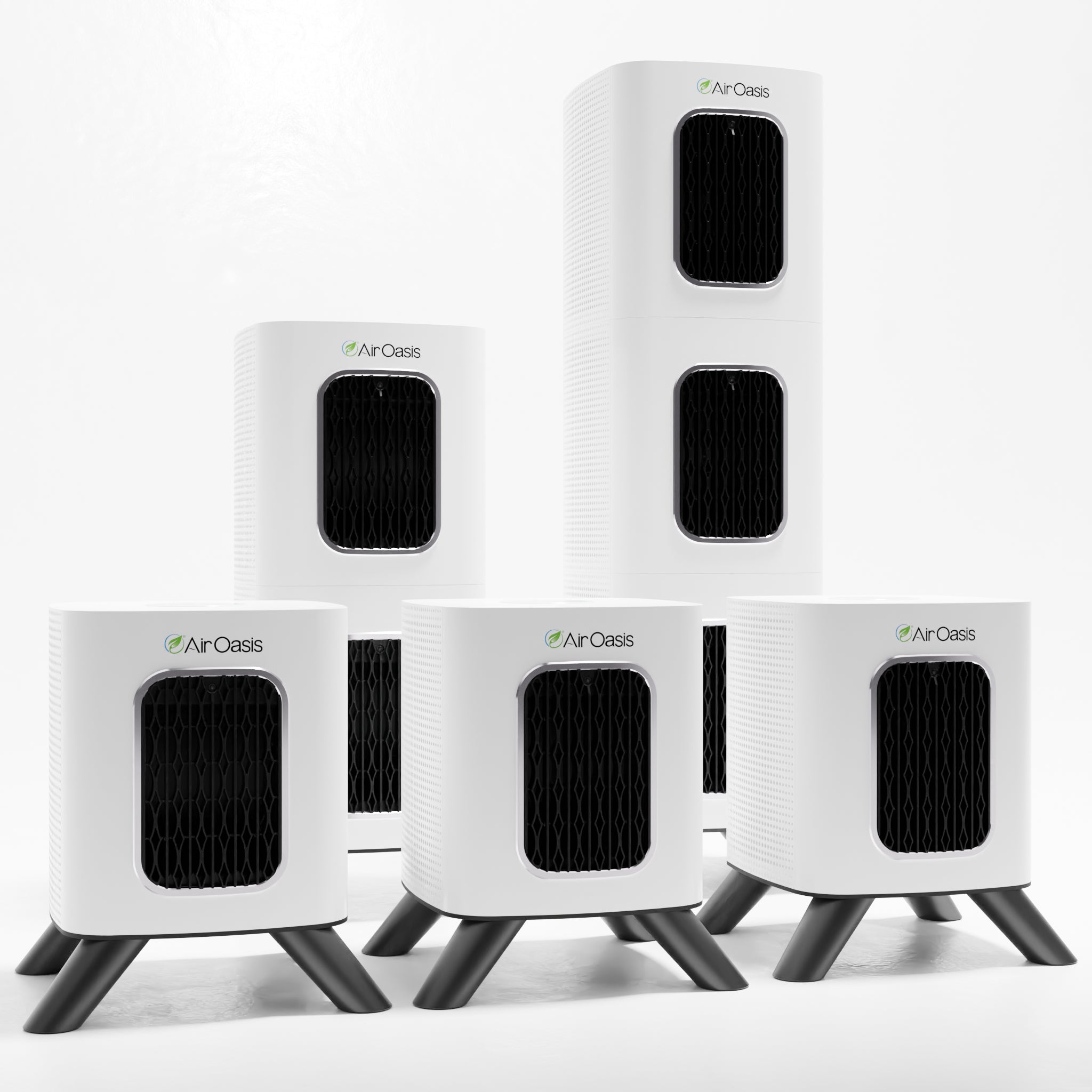
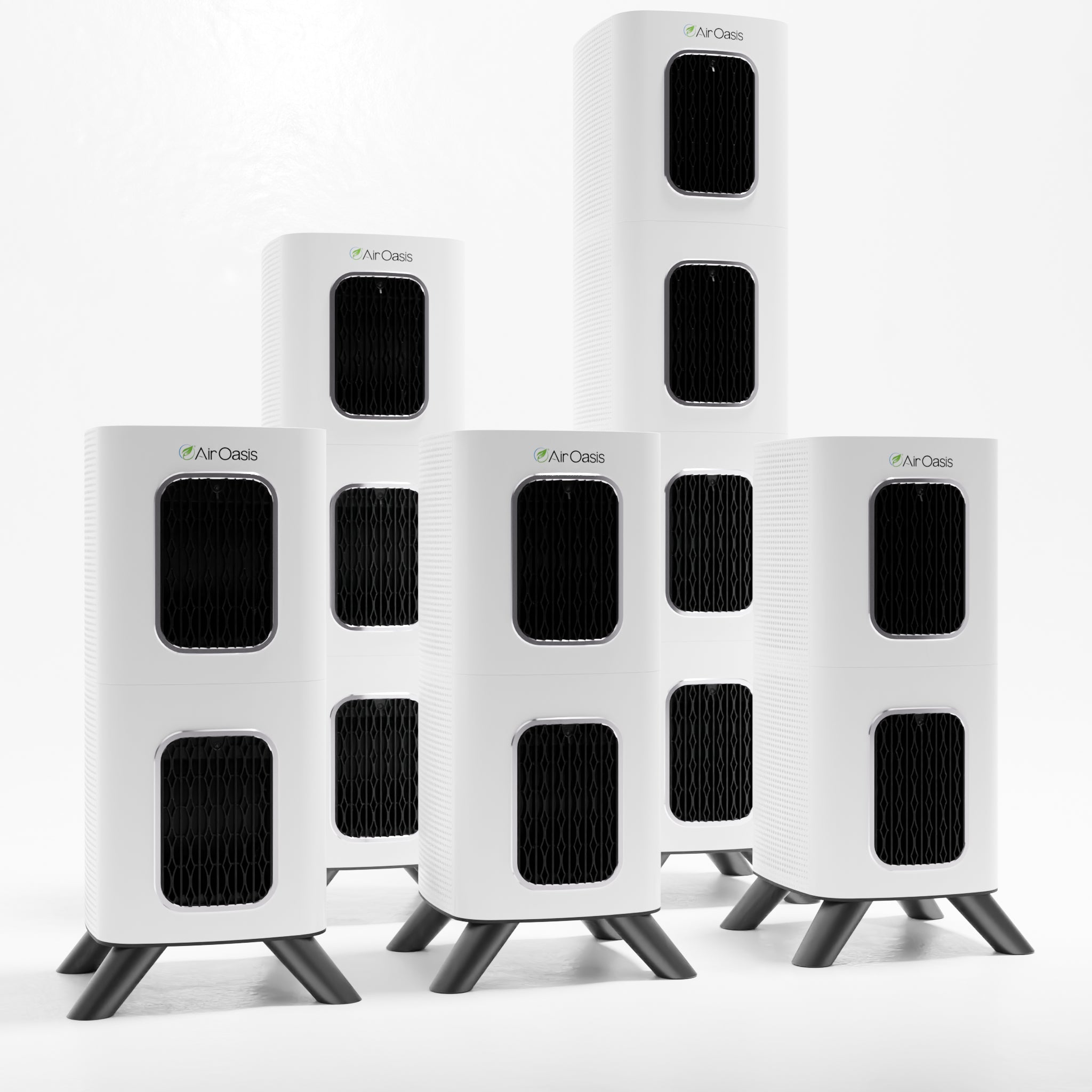
The Air Oasis iAdaptAir® series is available in four sizes: the 2S covers 265 sq ft, the 2M covers 530 sq ft, the 2L covers 795 sq ft, and the 2P covers up to 1,059 sq ft. Each unit is CARB-certified ozone-free.
For questions about sizing or finding the right model, contact Air Oasis or call (806) 373-7788.