You probably know that air quality varies from city to city. What's less obvious is how much it varies from block to block, or hour to hour, or between the street you walk on and the office you sit in. Standard air quality monitors are fixed to buildings or mounted on poles. They measure pollution at their location and report an average for a zone. That average may have little to do with what you're actually breathing as you move through your day.
This is the problem that wearable air quality monitors are designed to solve. And new research suggests they're getting meaningfully closer to doing it well.
What standard monitoring misses
Air pollution isn't uniform. Levels fluctuate based on time of day, weather, proximity to traffic, building ventilation, and the specific route you walk. A city might report acceptable air quality on a given morning while a commuter walking along a congested street inhales significantly higher concentrations of particulate matter. The same person's exposure at a desk in a poorly ventilated office might be elevated in ways the outdoor monitor never captures.
Epidemiologists have long recognized this gap. Research has increasingly focused on personal air pollution exposure (PAPE) — a more precise measure that accounts for both the concentration of pollutants in the surrounding air and the volume of air a person actually breathes. A person walking briskly inhales more air per minute than a person sitting quietly. Two people in the same location can have meaningfully different exposures because of that difference in breathing rate.
Neither fixed monitoring stations nor standard exposure assessments can capture this. They don't know how hard you're breathing.
What a new study tested
A 2025 pilot study published in JMIR mHealth and uHealth by Bernasconi, Angelucci, Rossi, and Aliverti at the Politecnico di Milano tested whether a wearable body sensor network could address this problem in real-world conditions.
Twenty healthy volunteers wore a system that simultaneously tracked physiological data — pulse rate and respiratory rate — alongside environmental data including PM1, PM2.5, PM10, carbon dioxide, carbon monoxide, total volatile organic compounds, and nitrogen dioxide. The system used physiological readings, along with each participant's biometric data and lung capacity estimates, to calculate minute ventilation — how much air each person was breathing per minute. That figure was then used to compute a true personal air pollution exposure estimate rather than relying on generic population averages.
The volunteers walked a 4.5-kilometer route in Milan across morning and afternoon sessions, passing through both indoor and outdoor environments. The results showed significant spatiotemporal variation — pollution levels differed by location along the route, by time of day, and between indoor and outdoor settings. PM levels were higher in the afternoon; CO2 was higher in the morning. Indoor spaces showed high variability in CO2 and total volatile organic compounds. Outdoor environments showed elevated and variable PM levels.
When the researchers compared the wearable system's personal exposure estimate with what standard fixed-station data would have produced using generic breathing assumptions, the wearable estimate came in 22.3% higher — a meaningful difference with real implications for understanding individual health risk. The two methods correlated strongly, confirming the wearable approach was tracking real pollution variation rather than noise. But the gap in absolute exposure estimates mattered.
Why this matters for how we understand pollution risk
The standard approach to estimating how much pollution someone is exposed to relies on average breathing rates drawn from population tables and pollution readings from the nearest fixed monitor. That approach is practical, but it obscures two important sources of individual variation: where you actually are, and how hard you're actually breathing.
Someone who exercises outdoors during high-pollution periods is inhaling far more particulate matter than a sedentary person in the same neighborhood, because their minute ventilation is substantially higher. Someone who works in an office with poor ventilation may accumulate more VOC exposure than outdoor pollution data would suggest. These are the differences that matter when trying to understand why some people develop respiratory or cardiovascular disease from pollution and others in the same area do not.
Wearable sensor networks that track both environmental and physiological data in real time can capture this variation. The Milan study represents early-stage research — twenty healthy volunteers on a single walking route — and the authors acknowledged the need for further validation with larger, more diverse populations and in a wider range of real-world scenarios. The system's usability was rated generally good by participants, an important practical consideration for adoption.
But the proof of concept is meaningful. The system detected differences that fixed stations couldn't, and it did so in a real urban environment under real conditions.
What these devices measure — and what they don't yet do
Current wearable pollution sensors are measuring the right things. PM2.5 is the particulate size category most strongly associated with deep-lung penetration and systemic health effects. VOCs encompass the chemical off-gassing from building materials, cleaning products, and vehicle exhaust. CO2 levels reflect indoor ventilation quality. These are the pollutants with the most documented health relevance.
What these systems don't yet do is translate real-time exposure readings into actionable clinical guidance. Research tools and consumer-grade sensors exist on a spectrum. A validated research sensor network worn by participants in a controlled study is different from a consumer wearable with a particle sensor and a companion app. The accuracy, calibration, and real-world reliability of consumer devices vary widely, and no regulatory standard currently governs their accuracy as EPA standards do for fixed monitoring stations.
The technology is advancing. But it's worth being clear-eyed that the research-grade precision demonstrated in the Milan study is not yet what most commercially available wearable sensors deliver.
The part you can actually control
What wearable monitoring research consistently reveals is something the Air Oasis audience already suspects: indoor environments are not safe by default. The Milan study found high variability in CO2 and VOC levels indoors — meaning the places we assume are refuges from outdoor pollution carry their own air quality challenges.
Americans spend roughly 90% of their time indoors. That proportion means indoor air quality has an outsized effect on total personal pollution exposure. Unlike outdoor air, indoor air is genuinely within your control. You can improve it.
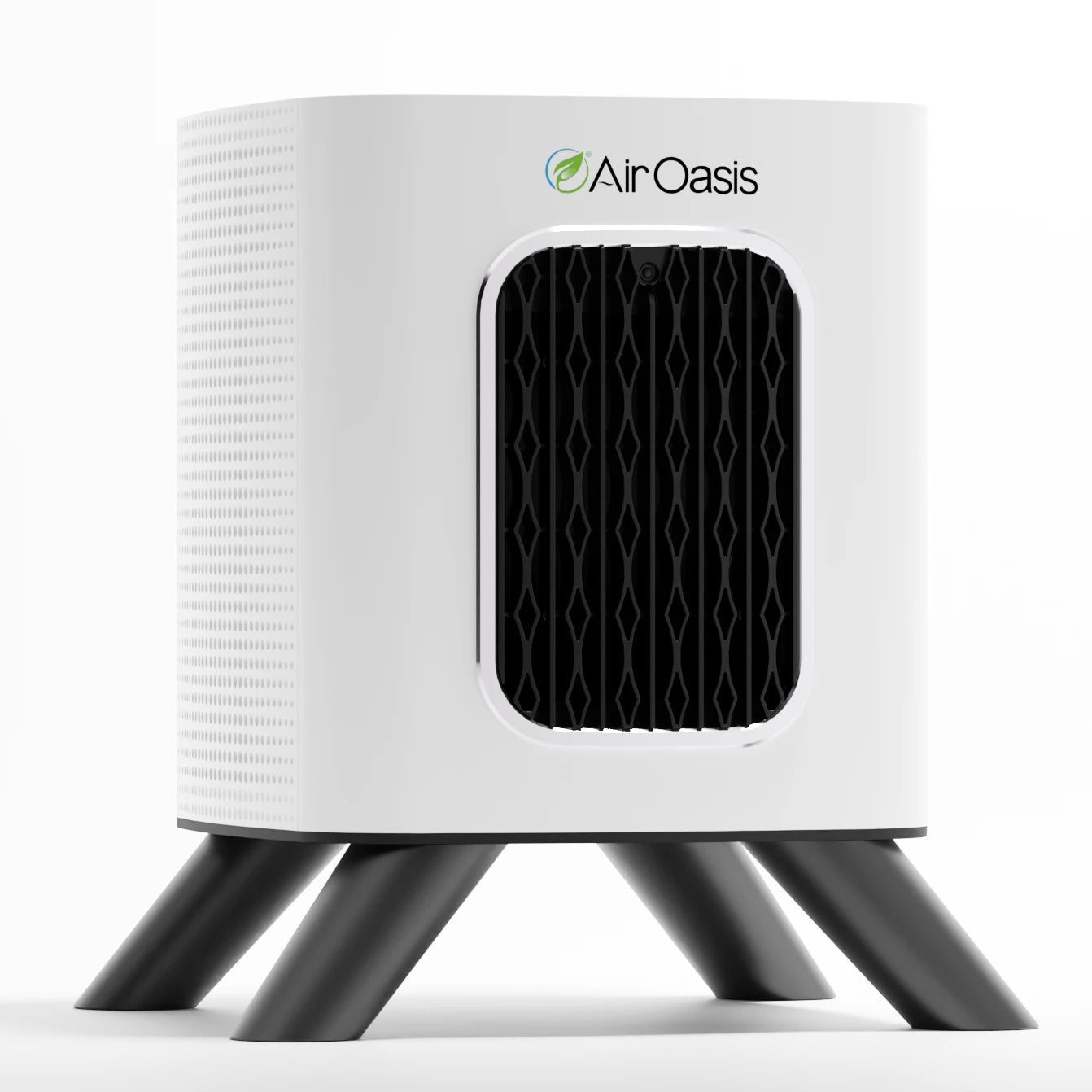
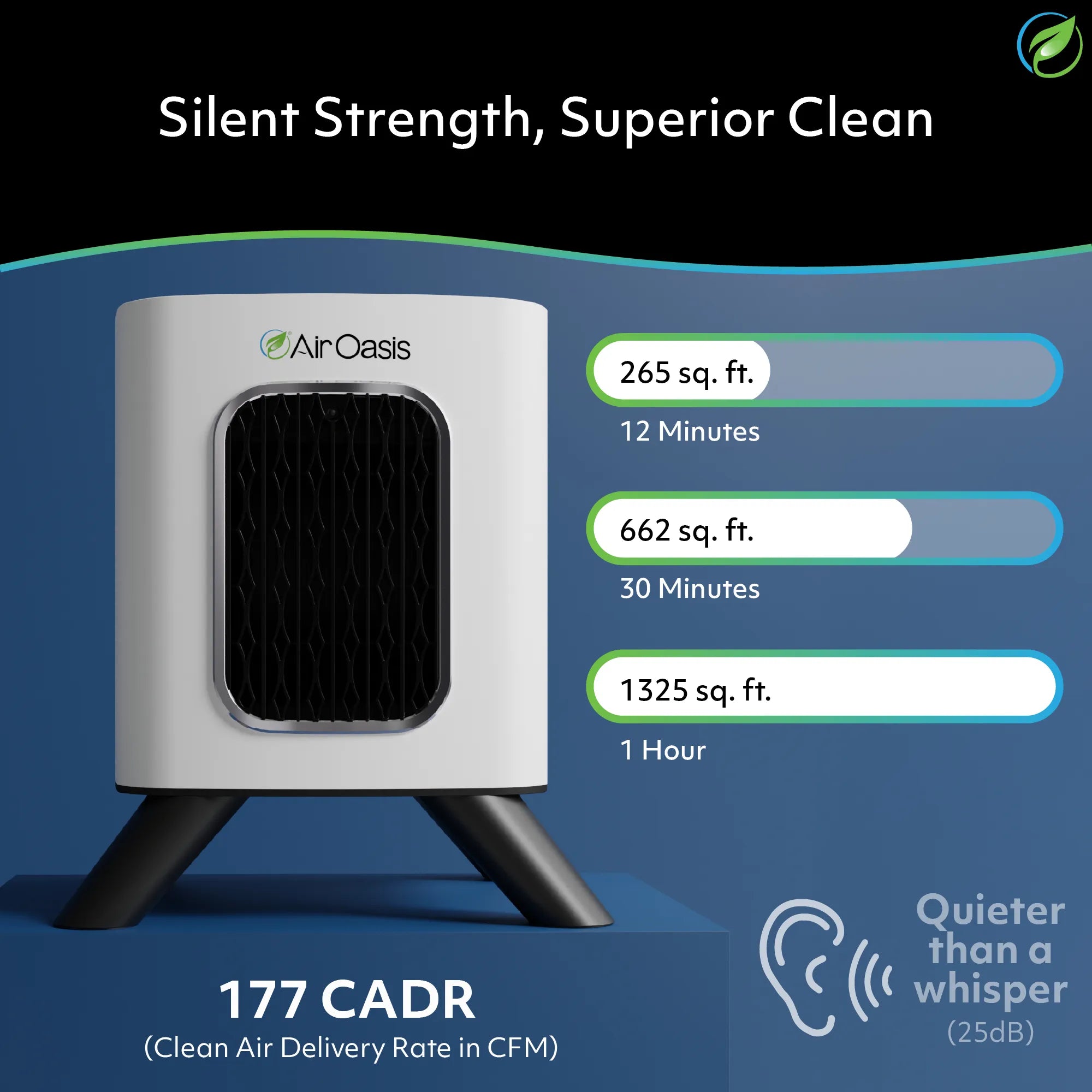
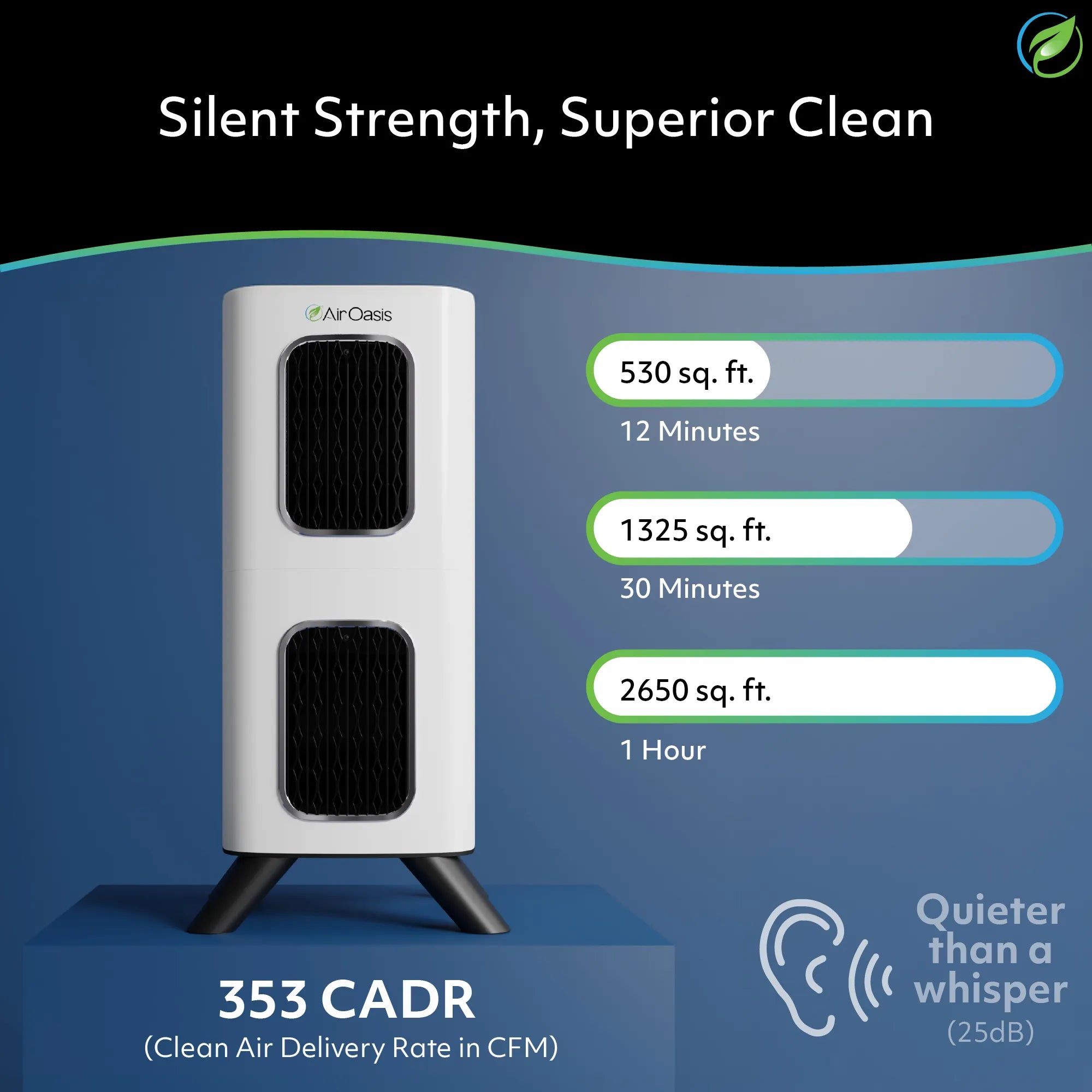
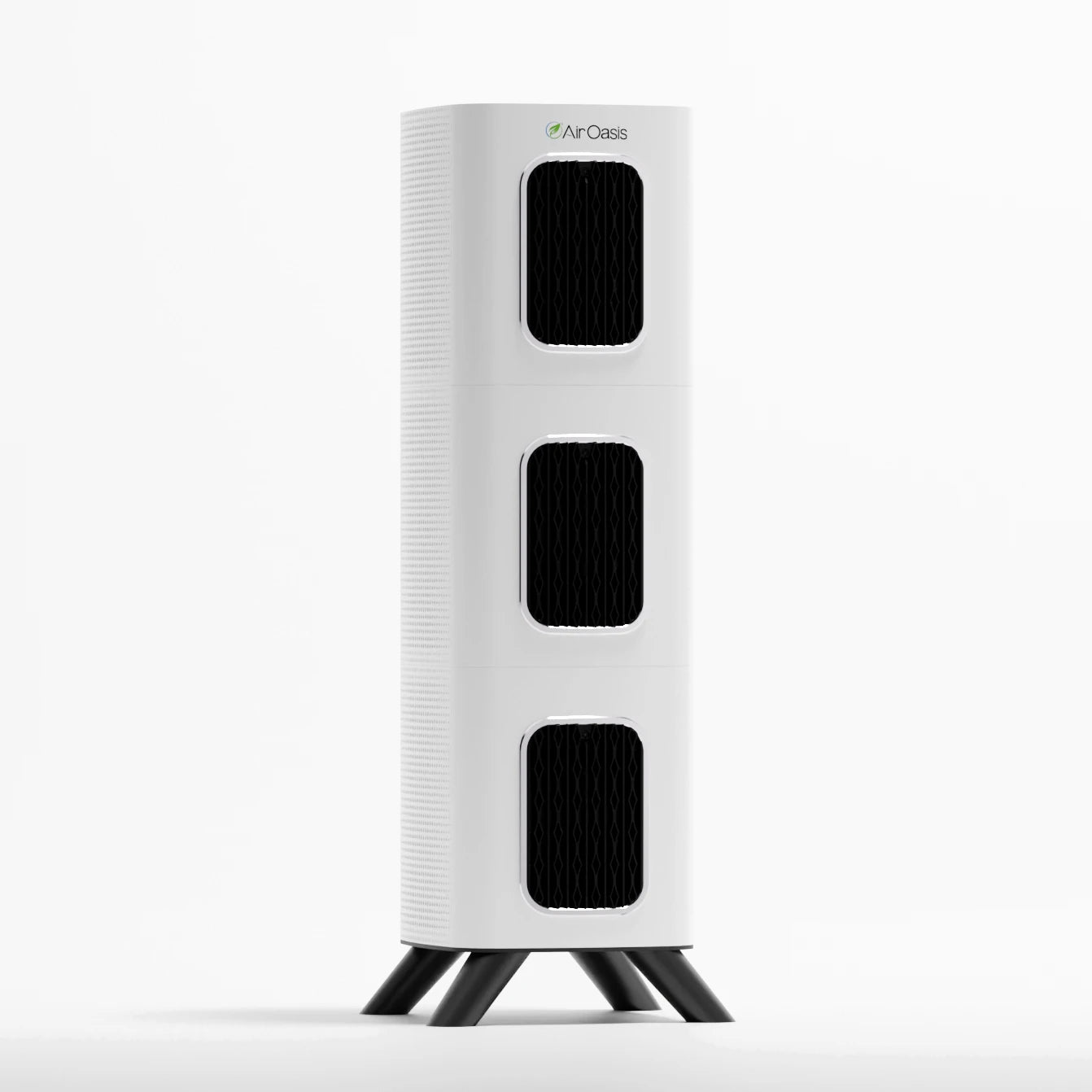
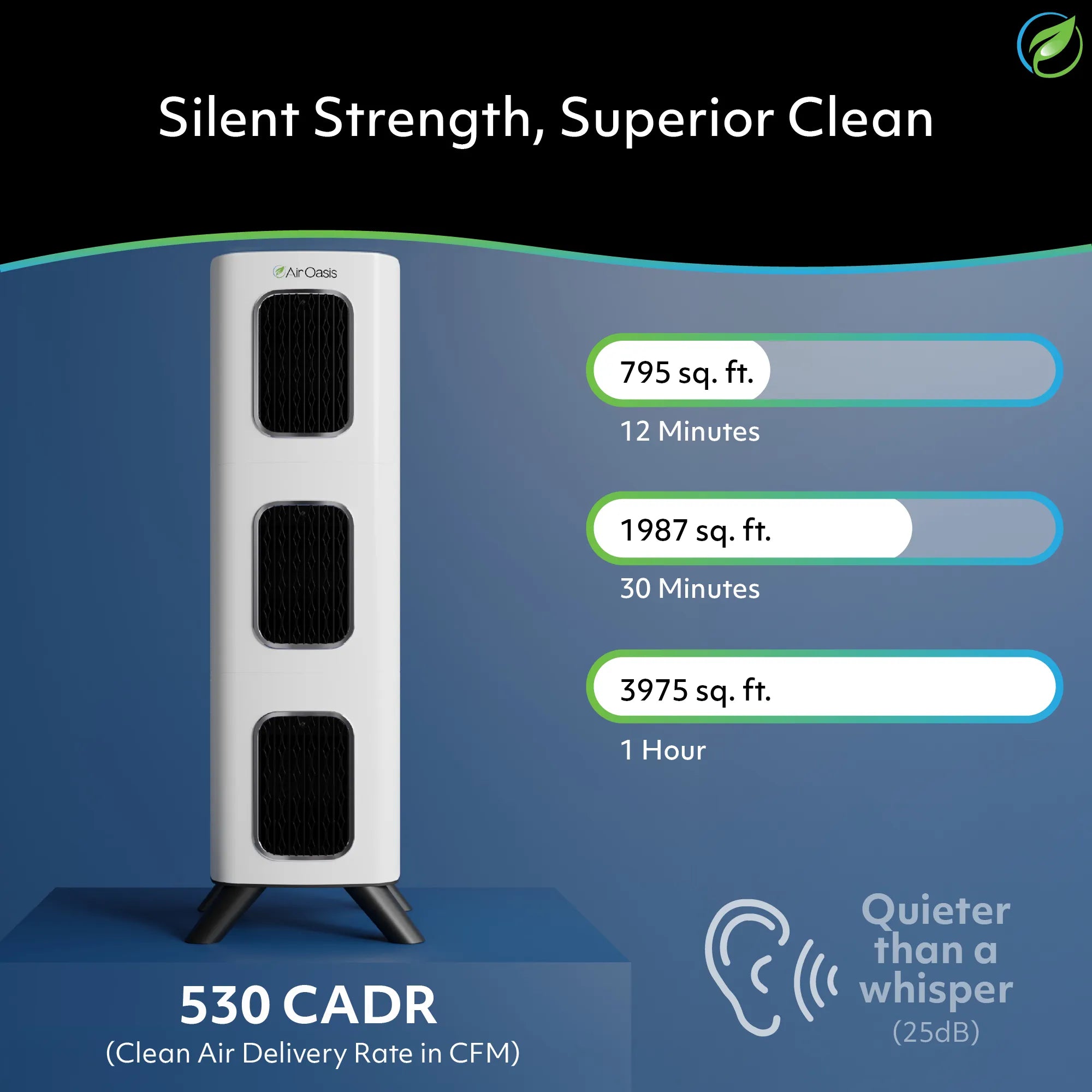
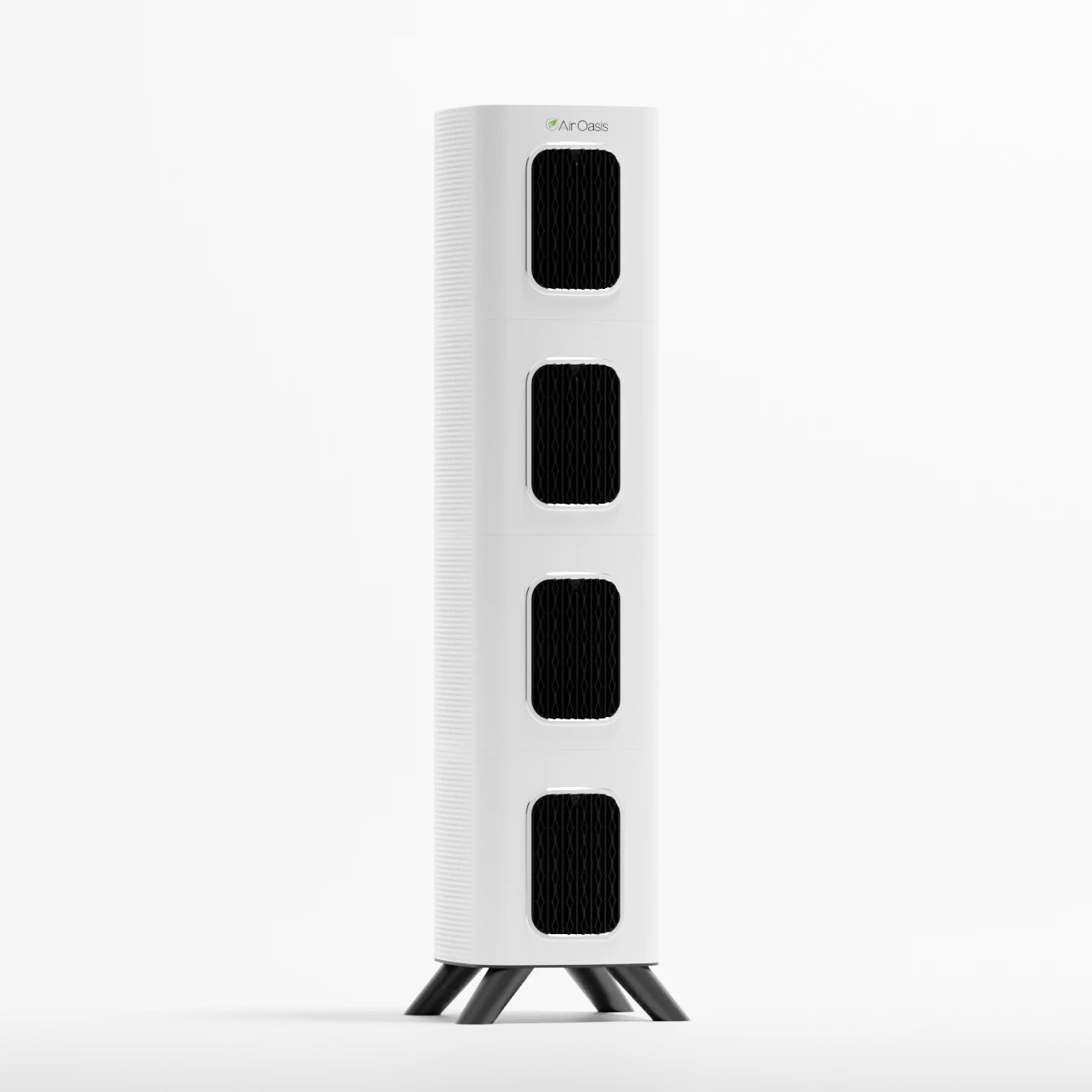
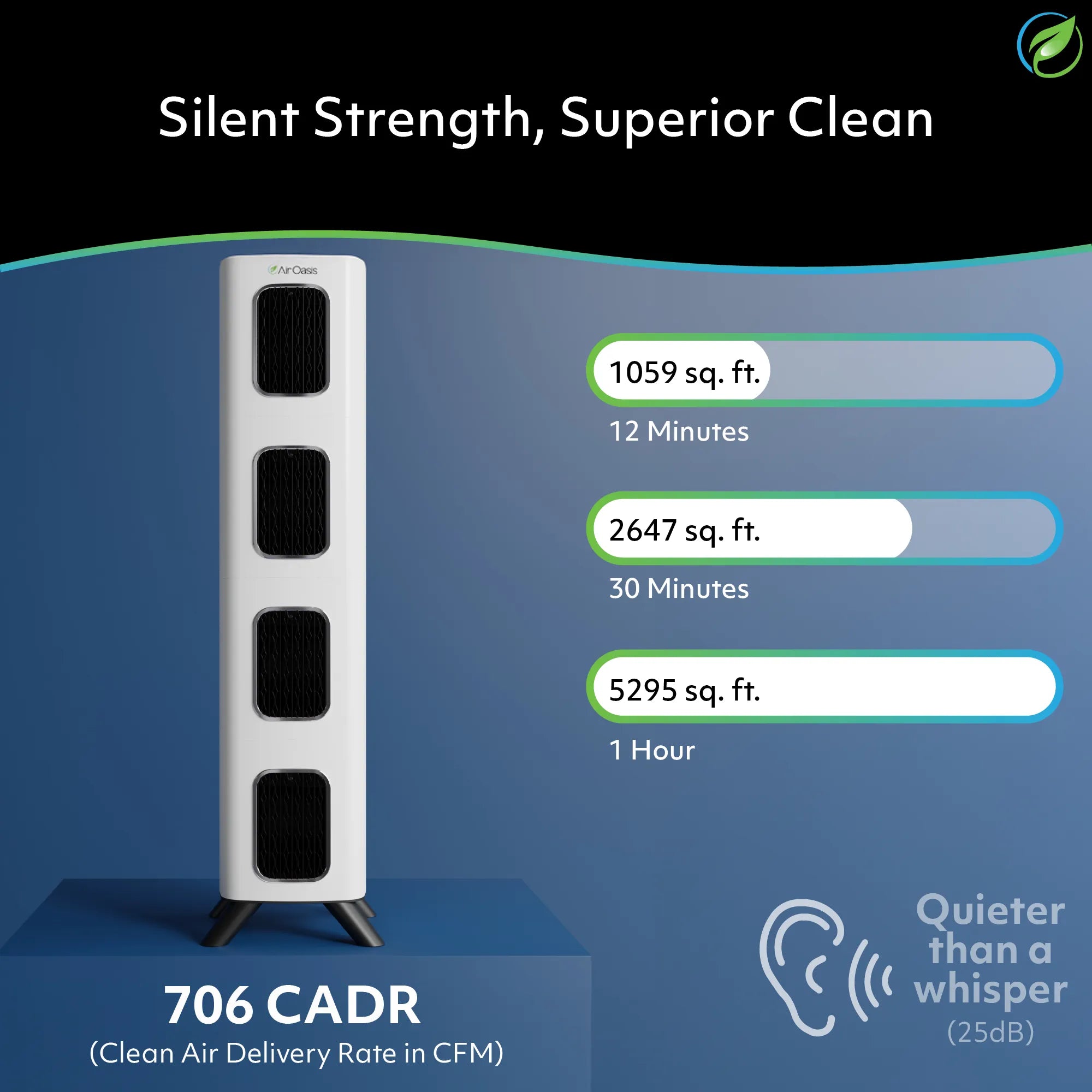
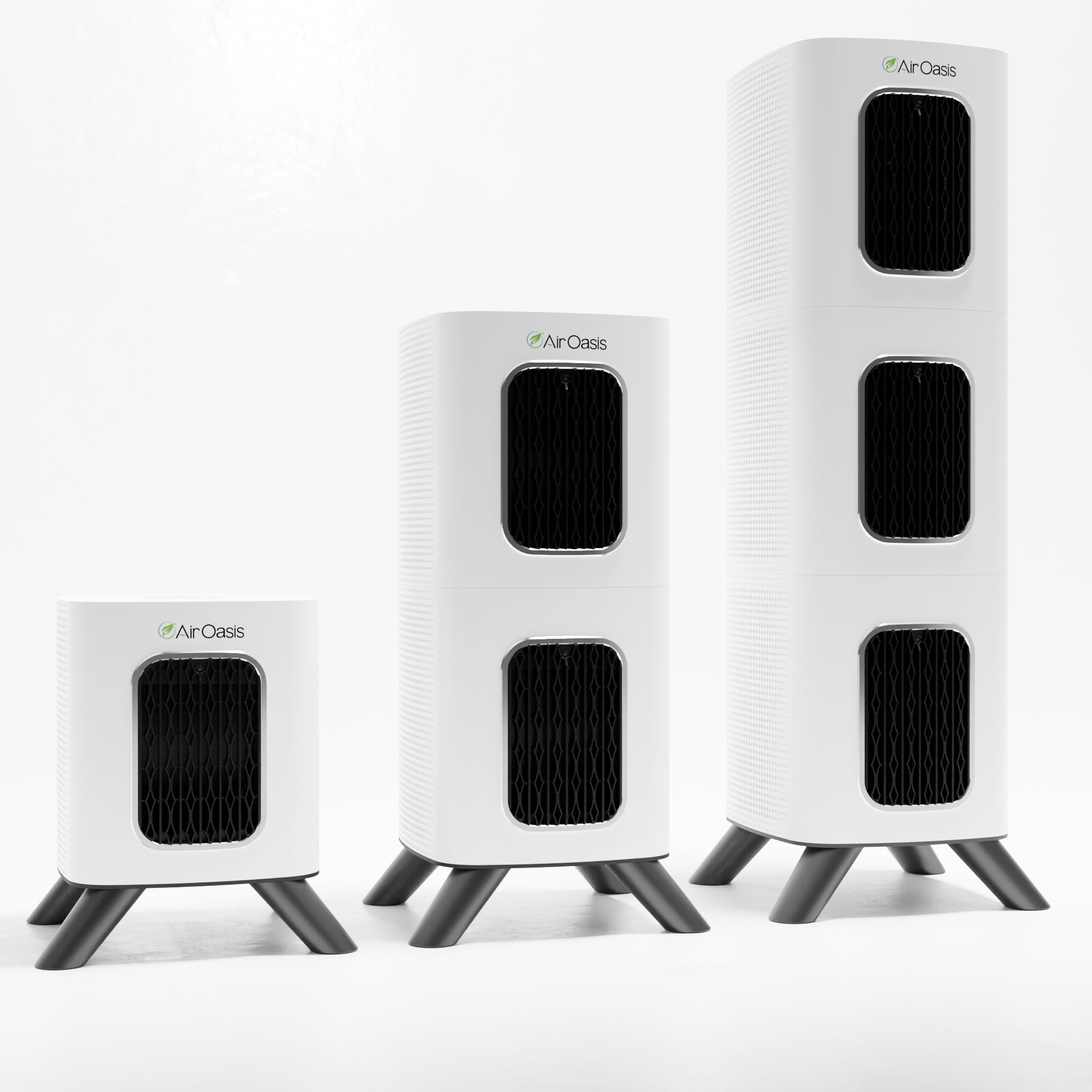
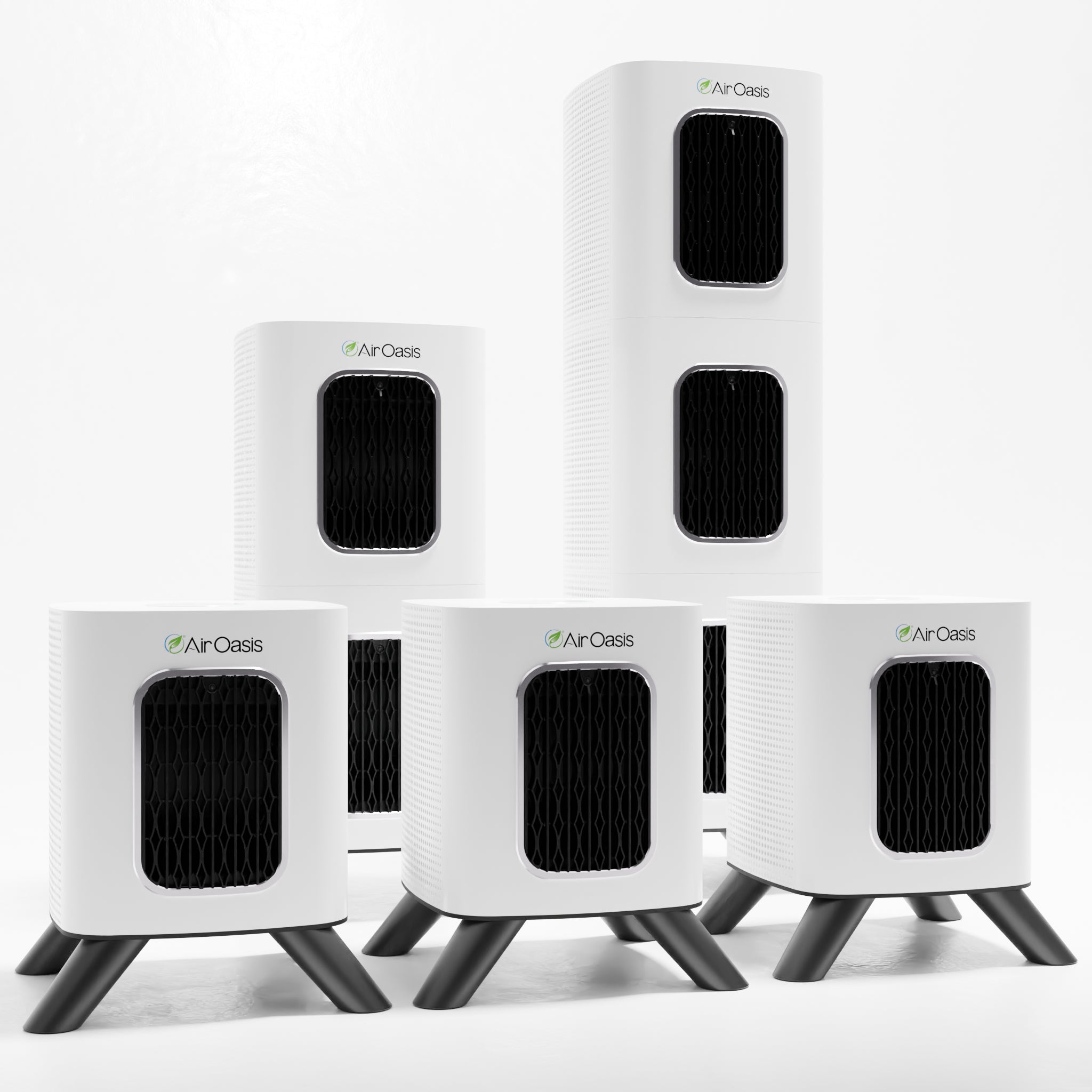
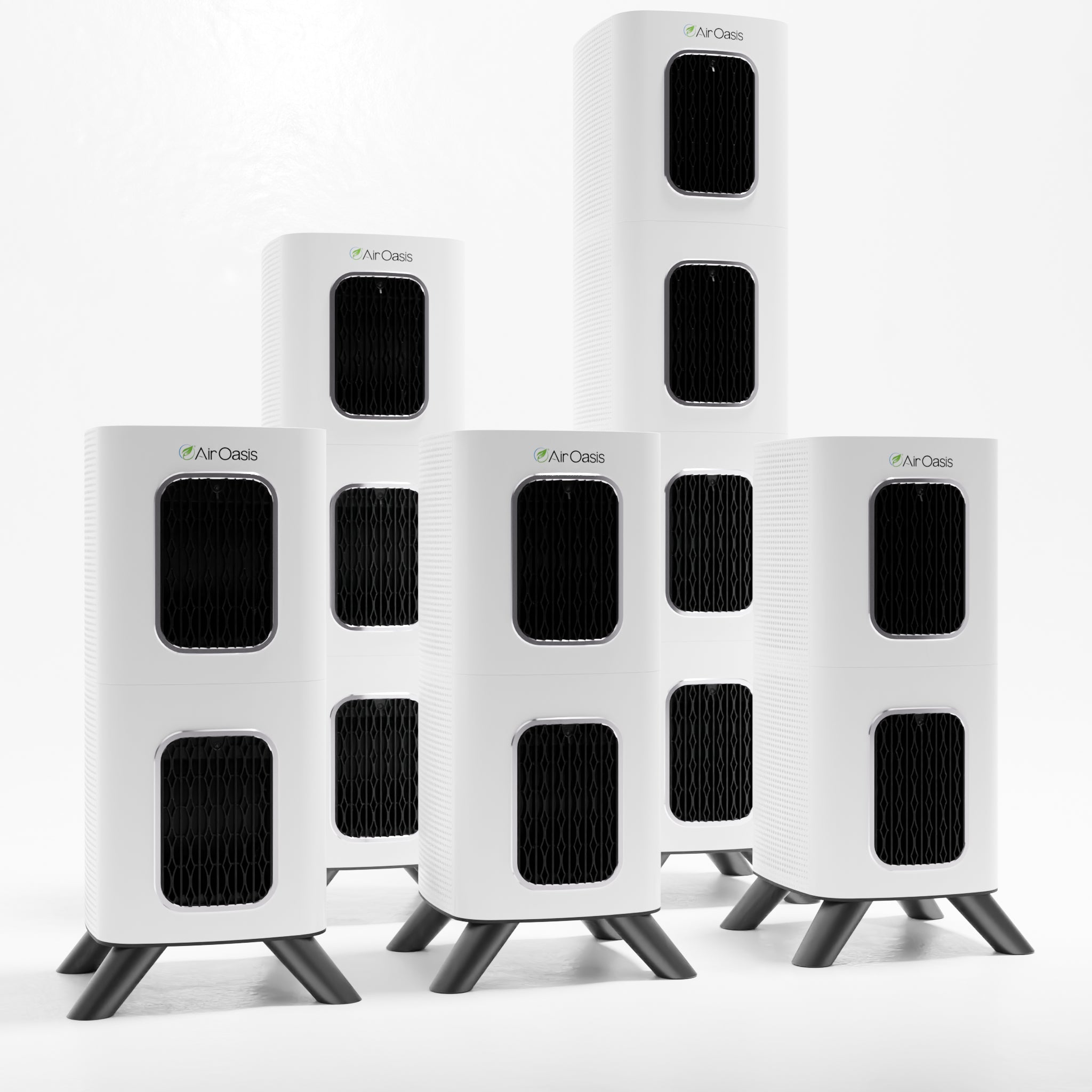
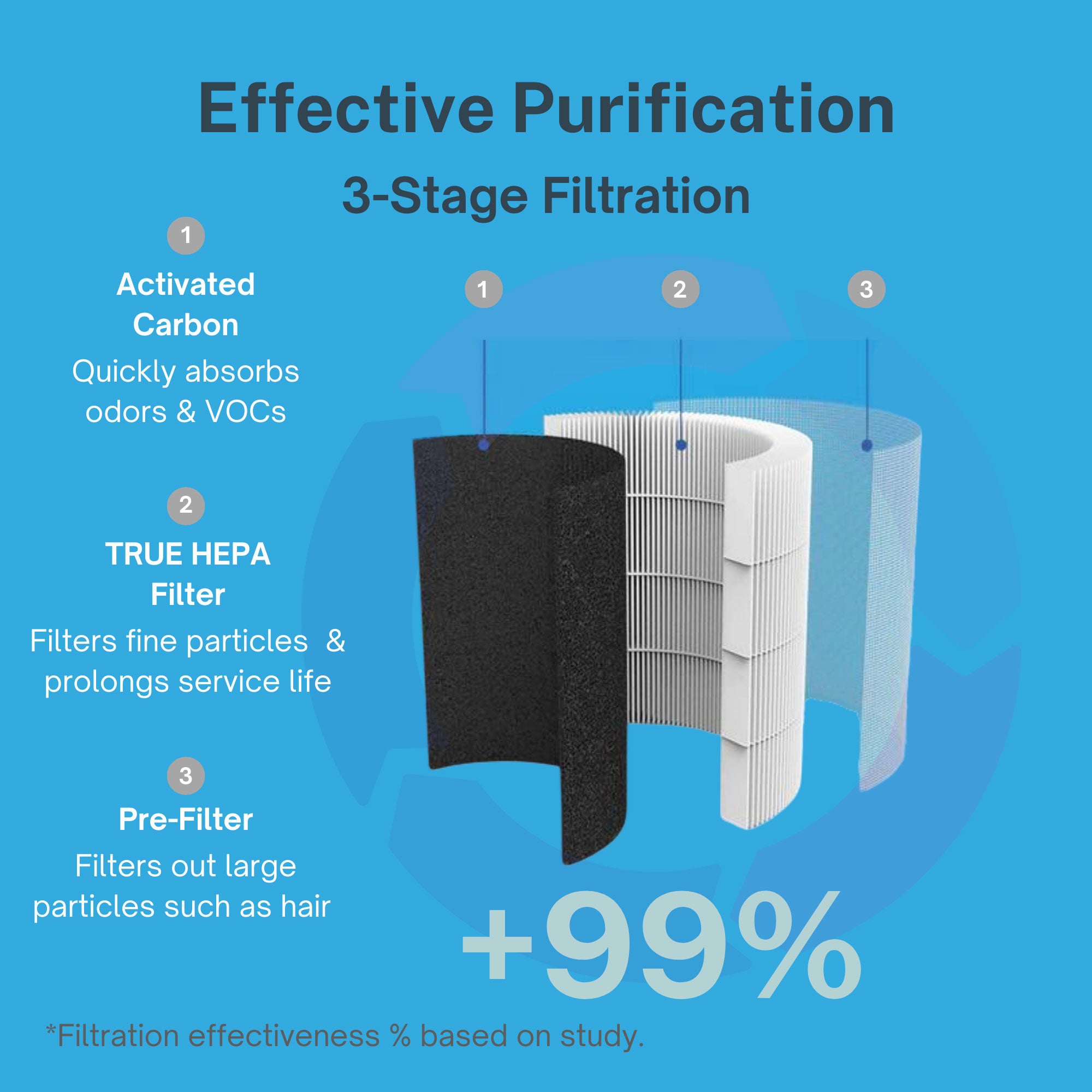
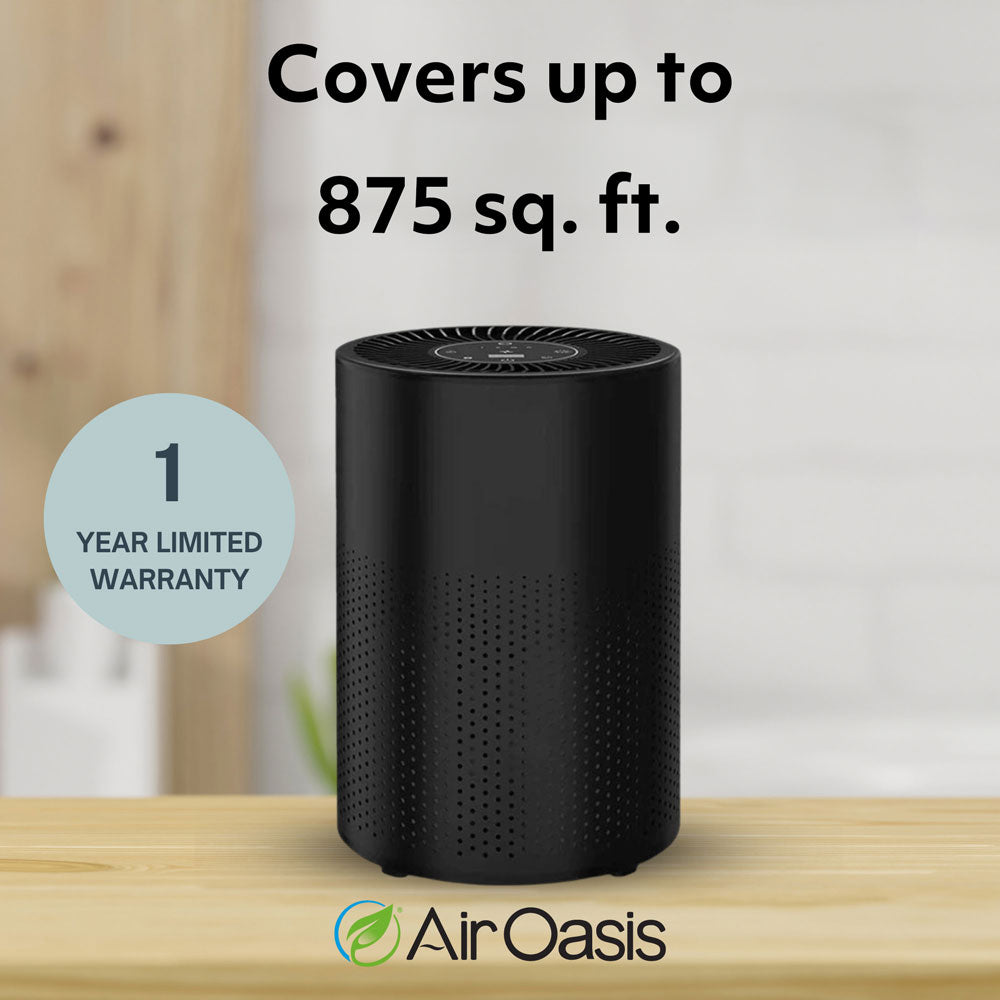
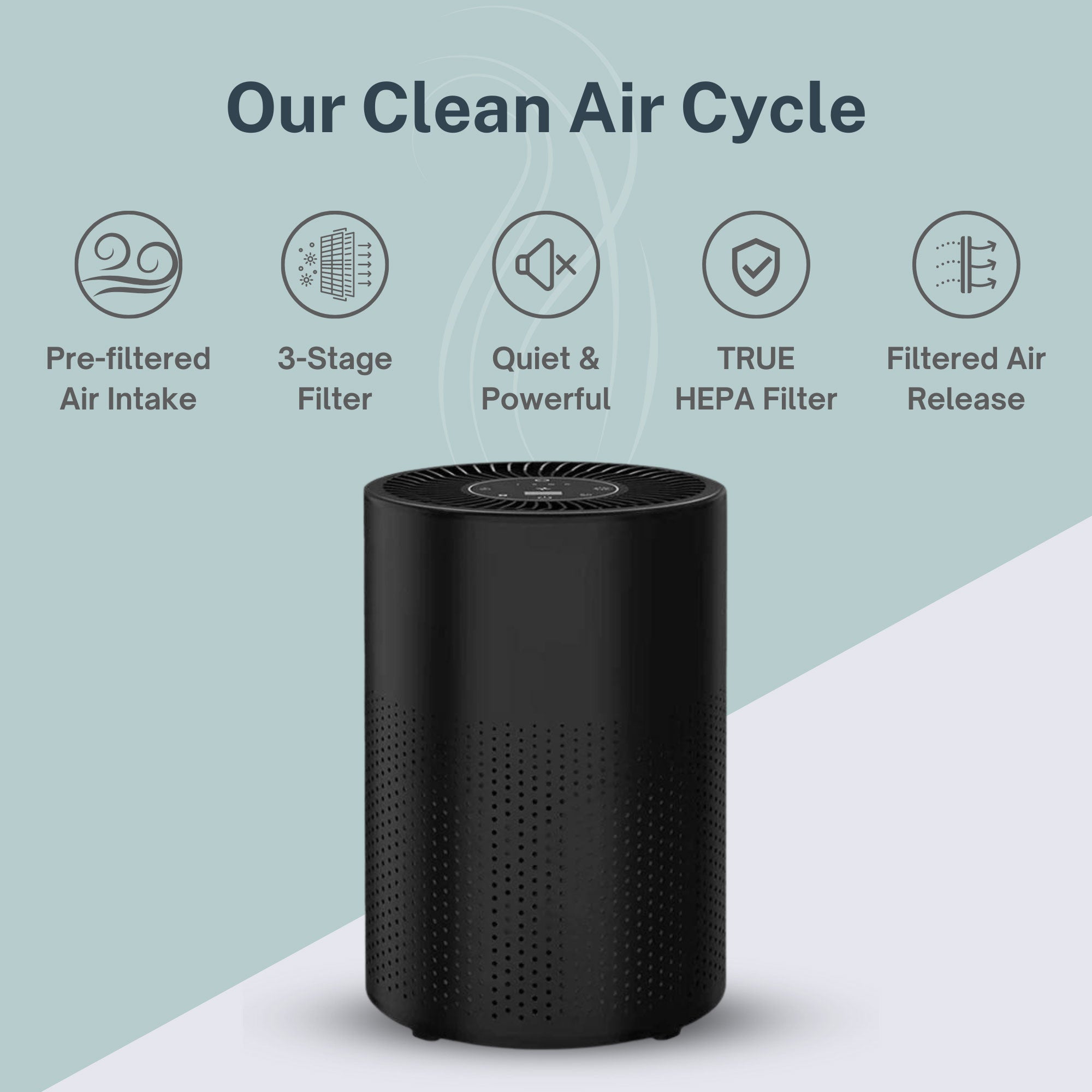
The iAdaptAir addresses the indoor pollutants that wearable research consistently flags. True HEPA filtration captures particulate matter down to 0.3 microns — the size range most associated with health harm. Activated carbon absorbs the volatile organic compounds that show up as elevated and variable in indoor measurements. The unit is CARB-certified, ozone-free, safe for continuous operation in living spaces, and sized for the room it's in: the 2S for up to 265 square feet, the 2M for 530 square feet, the 2L for 795 square feet, and the 2P for 1,059 square feet.
You may not be wearing a body sensor network that calculates your precise minute ventilation and PM2.5 dose. But you can make meaningful choices about the air in the environments where you spend the most time.
A tool whose time is coming
The wearable air quality monitoring field is genuinely promising. The Milan study shows that combining physiological and environmental sensors can produce more accurate personal exposure estimates than fixed monitoring data alone — and that the gap is not trivial. As the technology matures, these tools may eventually help individuals make real-time decisions about routes, timing, and indoor environments based on their own measured exposure rather than regional averages.
For now, the most actionable insight from this research is one that doesn't require a wearable at all: your indoor air quality matters more than you probably think, and it's the variable most within your power to change.
For cleaner air where you live and sleep, shop Air Oasis and Breathe Better, Live Better.