Your bathroom harbors more airborne contaminants than almost any other room in your home. Mold spores from shower steam, bacteria from toilet flushing, chemical fumes from cleaning products, and personal care aerosols all concentrate in this small space. An air purifier seems like the perfect solution, but that steam billowing from your hot shower raises an important question: will moisture damage the unit or create safety hazards?
Understanding How Steam Affects Air Purifiers
Steam consists of water vapor suspended in air, temporarily increasing humidity to extreme levels during and immediately after hot showers. Most bathrooms reach 80-90% relative humidity during shower use, with some areas near shower heads approaching 100% saturation. This moisture-laden air flows throughout the bathroom, contacting every surface, including any air purifier in the space.
Air purifiers pull air through filters using internal fans and motors. These electrical components were not designed for direct water contact. When steam condenses on circuit boards, motor housings, or power connections, it creates risks ranging from equipment malfunction to electrical shorts. The condensation also affects filter materials, particularly HEPA filters whose dense fiber matrices can absorb moisture and lose filtration efficiency.
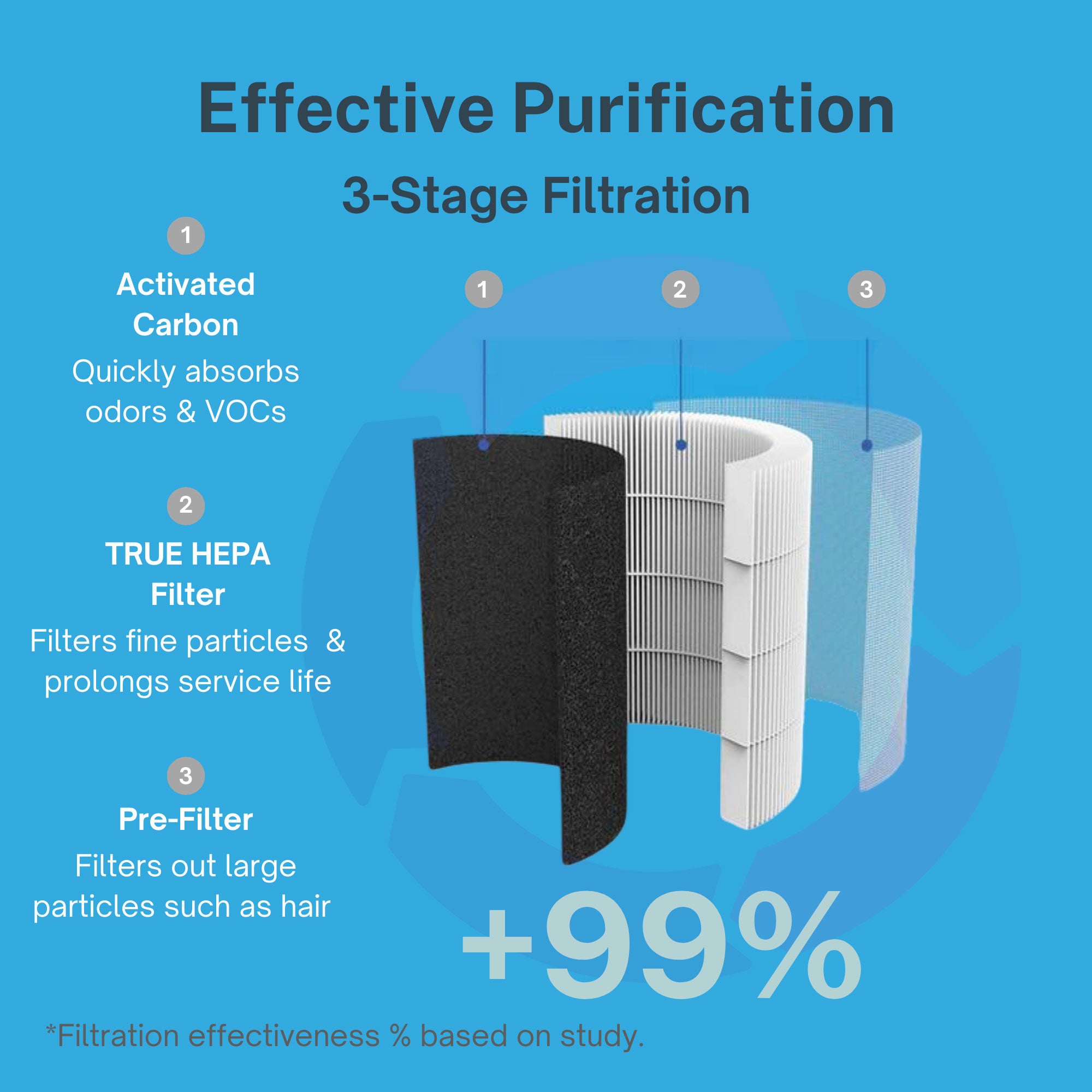
HEPA filters trap particles through mechanical filtration using ultra-fine fibers arranged in complex patterns. When these fibers become saturated with moisture, several problems emerge. Water changes airflow patterns through the filter, reducing particle capture efficiency. Trapped moisture promotes bacterial and mold growth within the filter material, turning your air cleaner into a contamination source. Wet filters also create resistance that strains motors, potentially shortening equipment lifespan.
Activated carbon filters, commonly used for odor removal, face different moisture challenges. While carbon itself tolerates some humidity, excessive moisture fills the porous structure that normally captures odor molecules and volatile organic compounds. Saturated carbon loses effectiveness until it dries completely, leaving your bathroom without odor control during the hours you need it most.
Safe Placement Strategies for Bathroom Air Purifiers
Location determines whether bathroom air purifier placement succeeds or fails. Never position units where direct shower spray can reach them. That concentrated water stream will quickly damage any electronic device, regardless of its moisture rating. Similarly, avoid placing purifiers directly adjacent to shower curtains or glass doors where escaping steam concentrates most heavily.
Elevated placement reduces moisture exposure significantly. Steam rises and disperses as it cools, keeping ceiling-level humidity lower than floor-level humidity. Wall-mounted units or purifiers placed on high shelves receive less direct steam contact than floor-standing models. However, ensure adequate clearance around the unit for proper air intake and exhaust, typically requiring six to twelve inches of open space on all sides.
Distance from the shower provides crucial protection. Position your air purifier as far from the shower as bathroom dimensions allow, ideally in the opposite corner or near the doorway. This placement intercepts contaminated air before it exits into your home while keeping the unit away from peak moisture zones. The purifier still processes bathroom air effectively because small rooms ensure complete air circulation within minutes.
Ventilation timing affects moisture levels dramatically. Run your bathroom exhaust fan during and for at least fifteen minutes after showering to remove bulk moisture before it saturates your air purifier's filters. This practice reduces humidity loads that equipment must handle while preventing condensation buildup on surfaces throughout the bathroom. Combining exhaust fan use with air purifier operation provides comprehensive air quality management.
Selecting Bathroom-Appropriate Air Purification Technology
Not all air purification technologies suit bathroom environments equally. Traditional HEPA and activated carbon filters work well when properly placed but require vigilant monitoring for moisture damage. UV-C light technology offers advantages in humid environments because the germicidal ultraviolet radiation doesn't rely on filters that moisture can compromise. UV-C systems destroy bacteria, viruses, and mold spores as they pass through the purifier, without capturing them in moisture-sensitive materials.
Bipolar ionization technology also functions effectively regardless of humidity levels. This process releases charged ions that attach to airborne particles, causing them to clump together and fall from the air or become easier for filters to capture. The ionization process itself isn't affected by steam or moisture, maintaining effectiveness even during peak bathroom humidity.
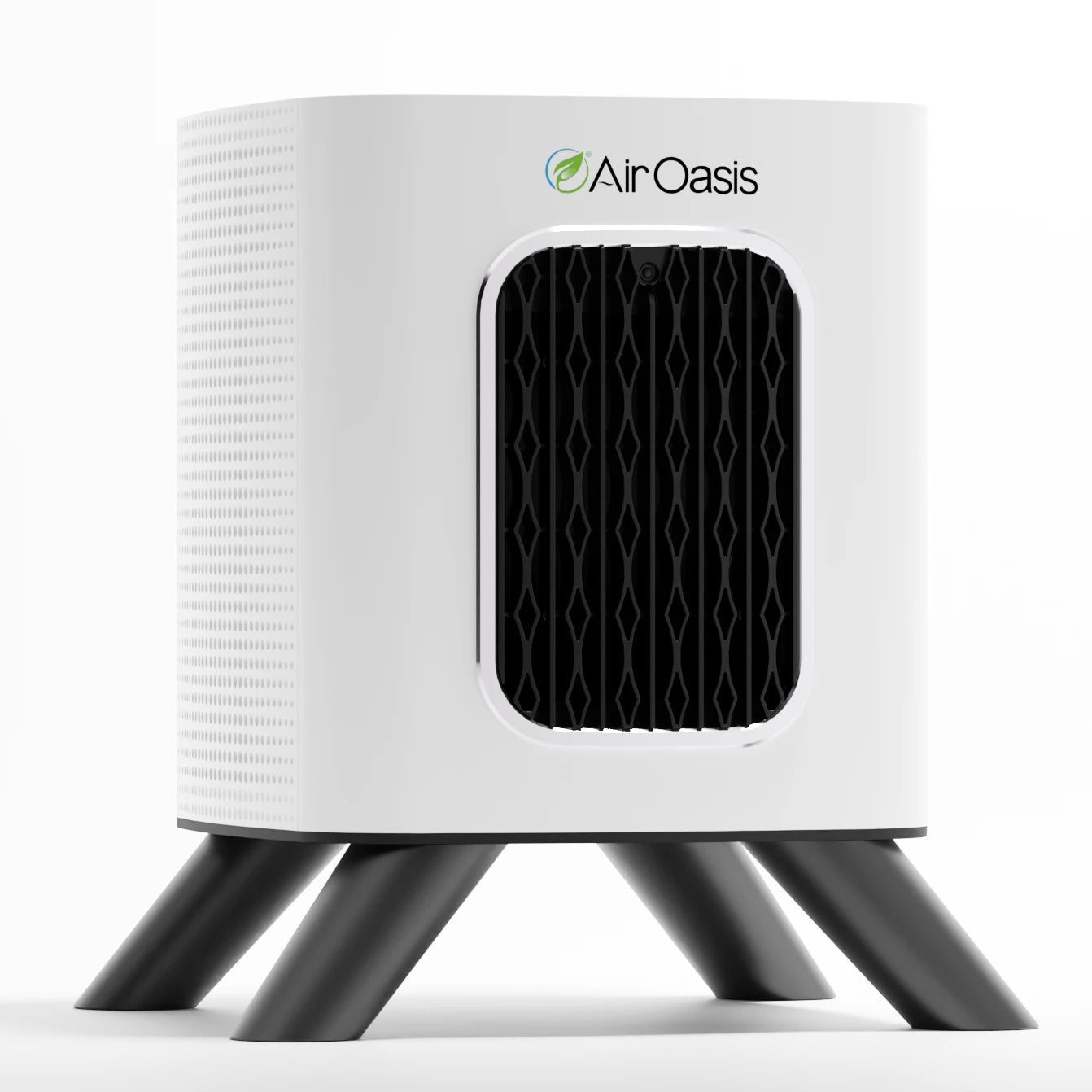
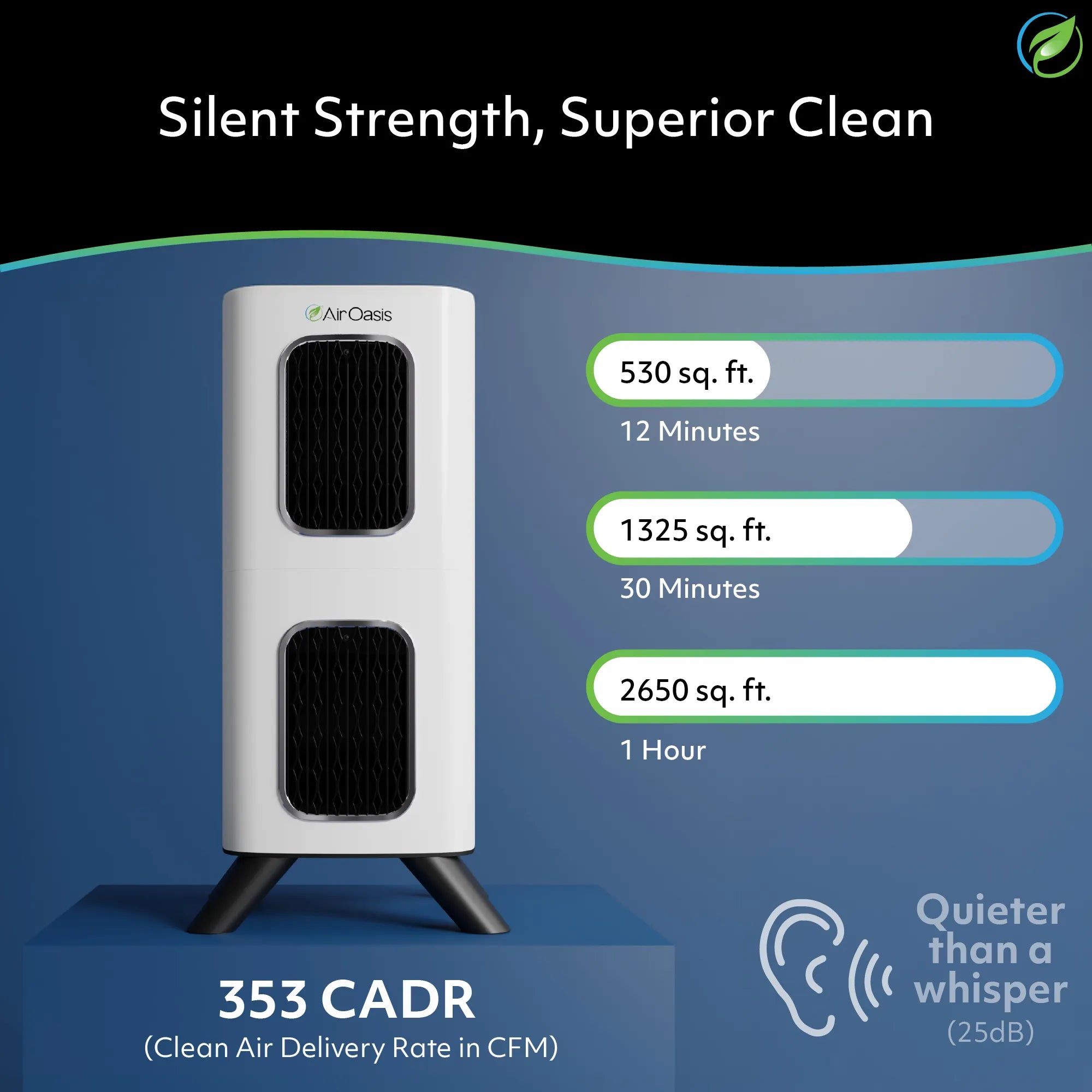
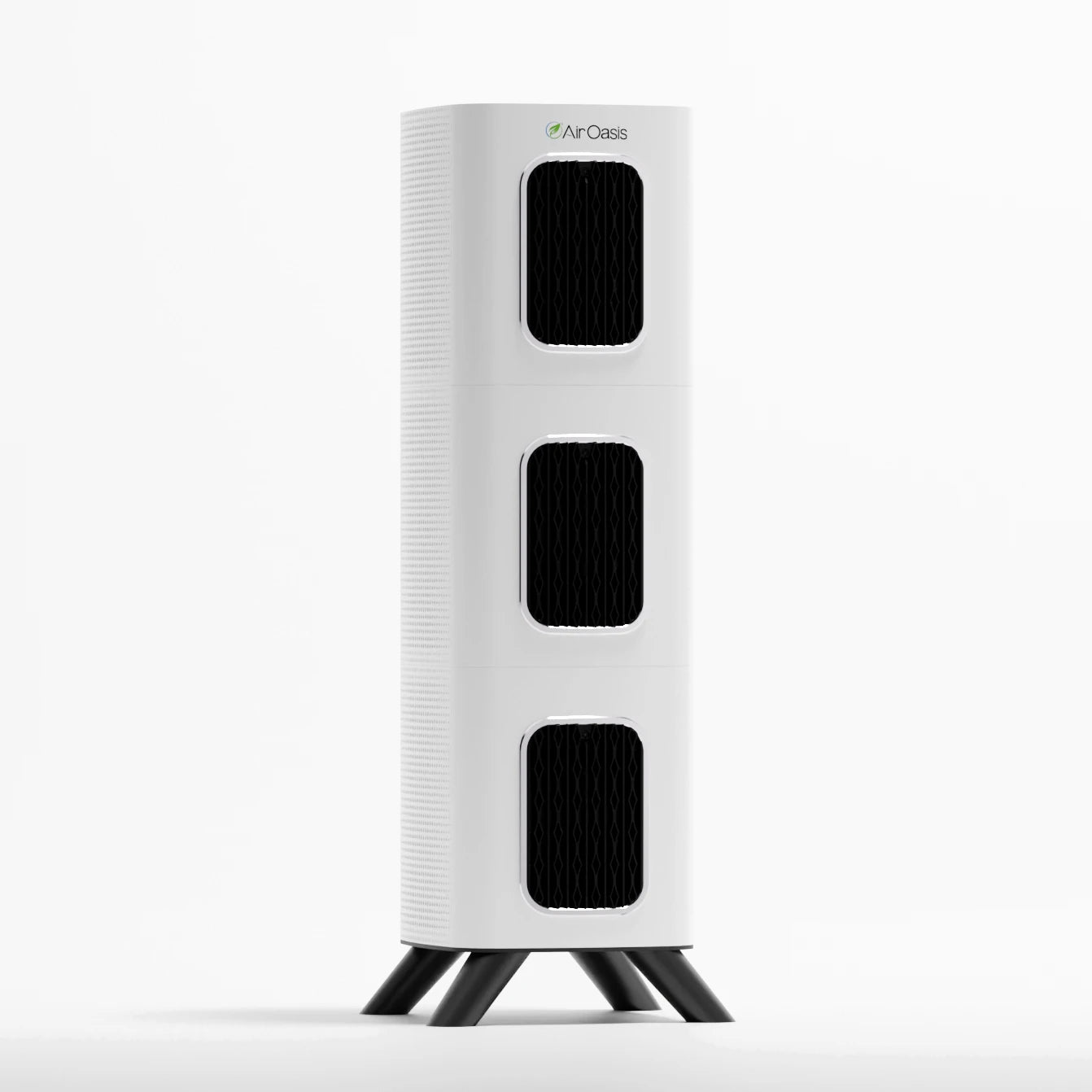
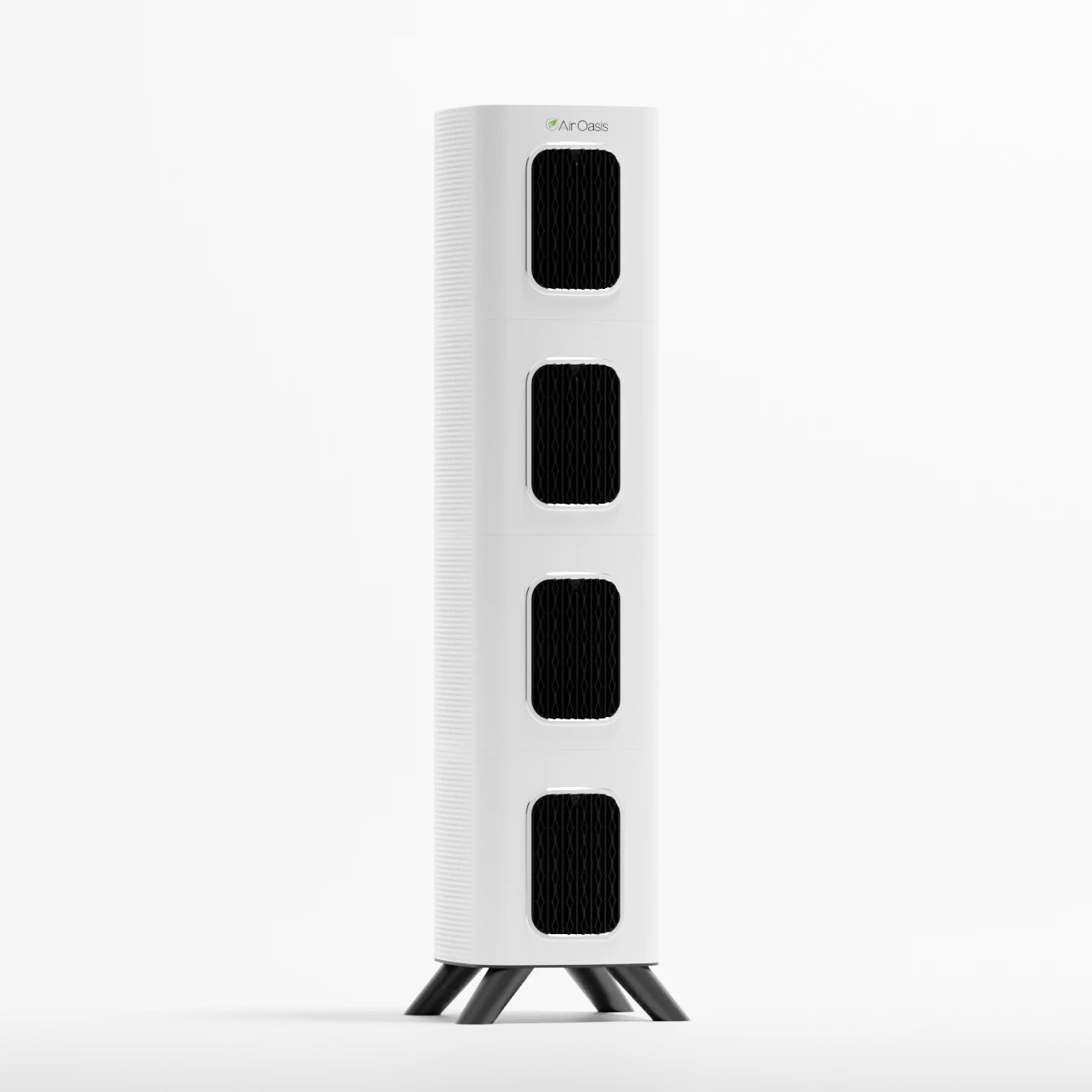
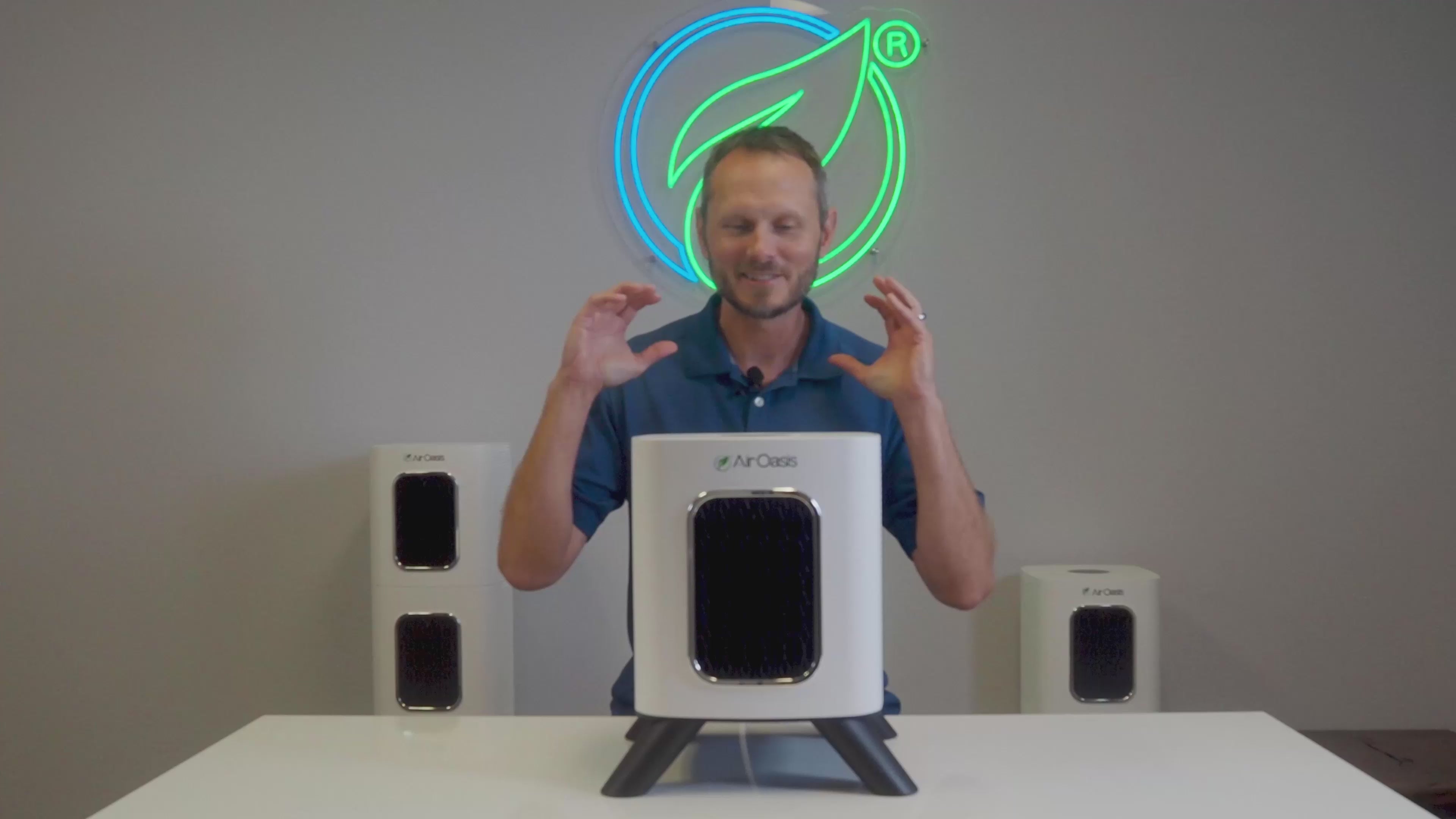
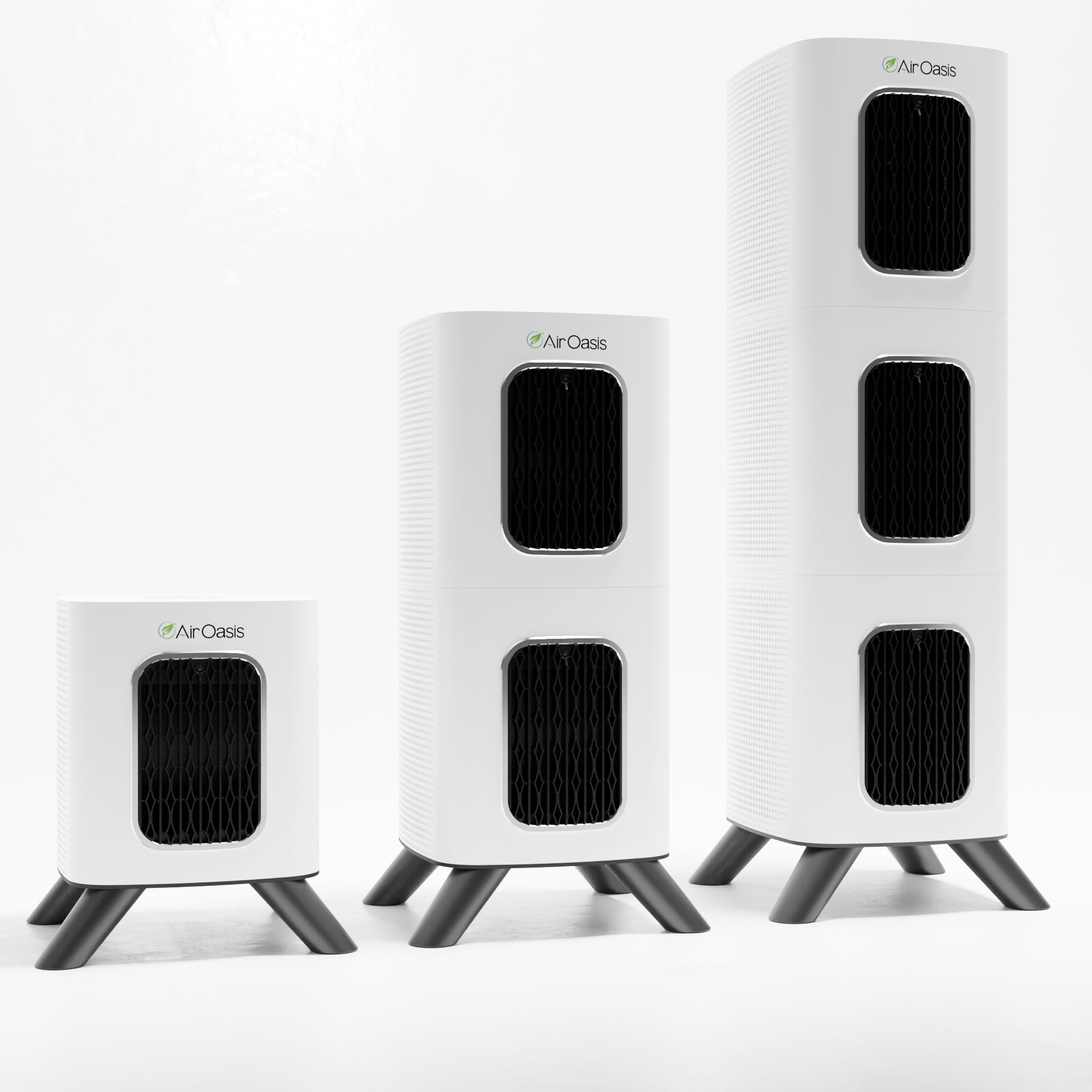
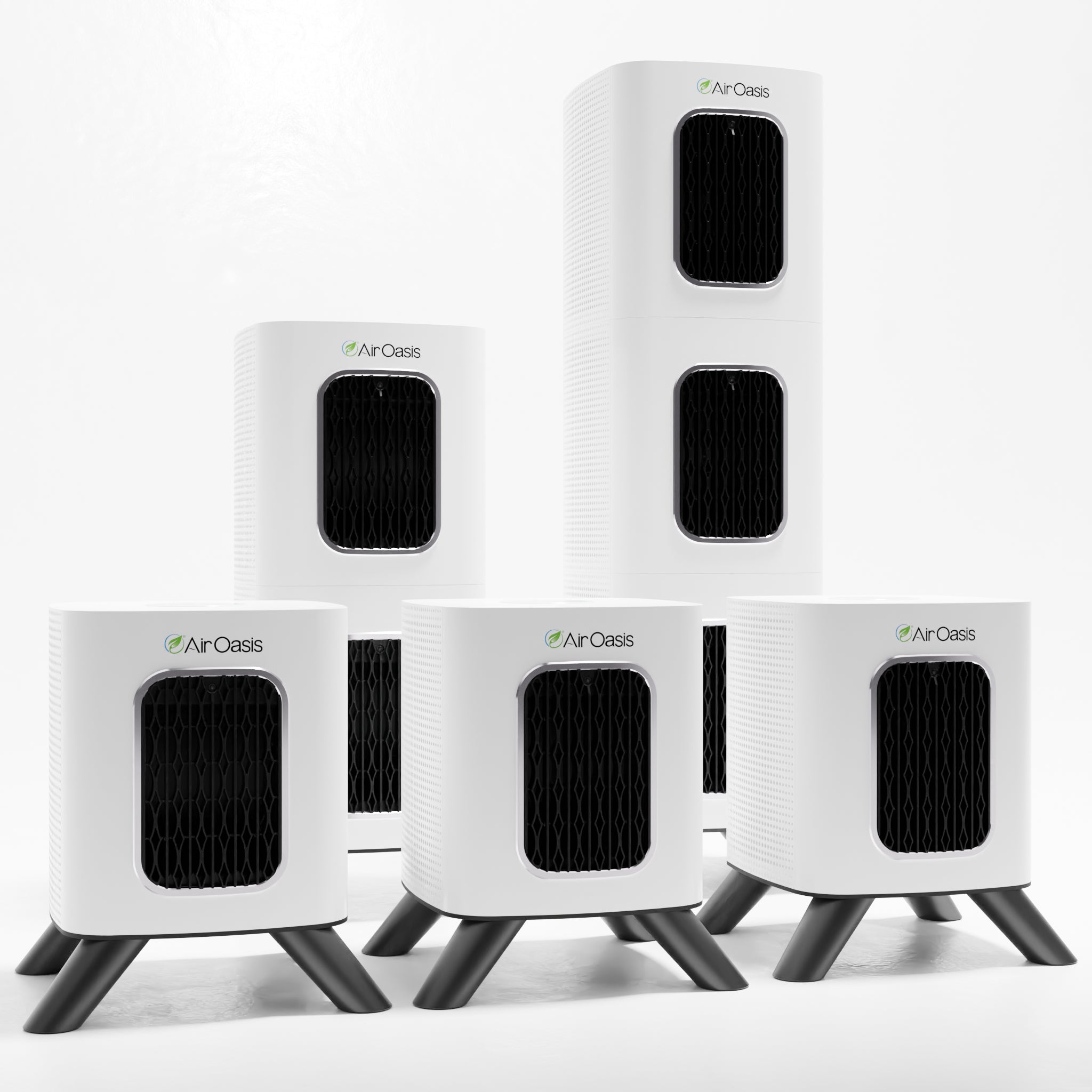
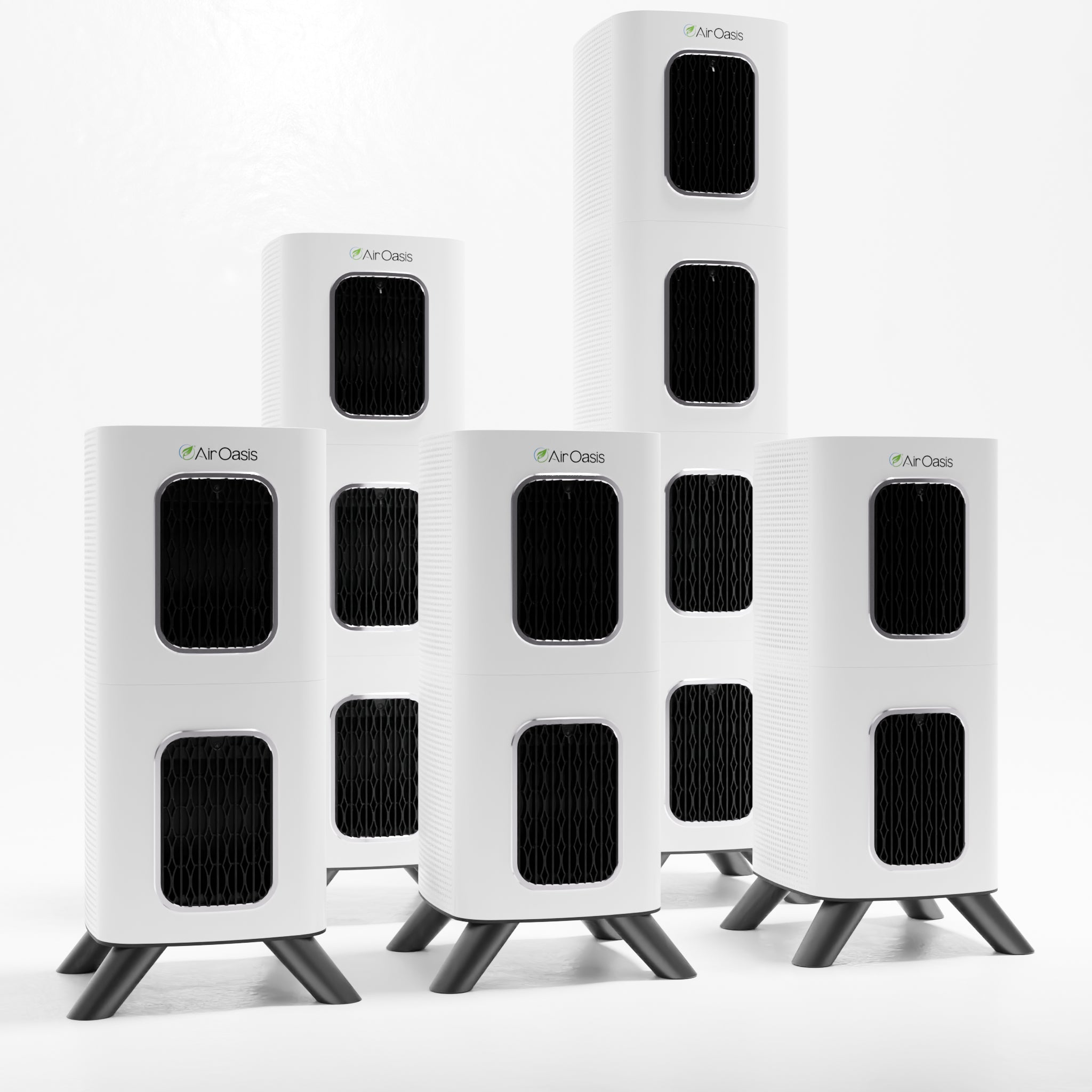
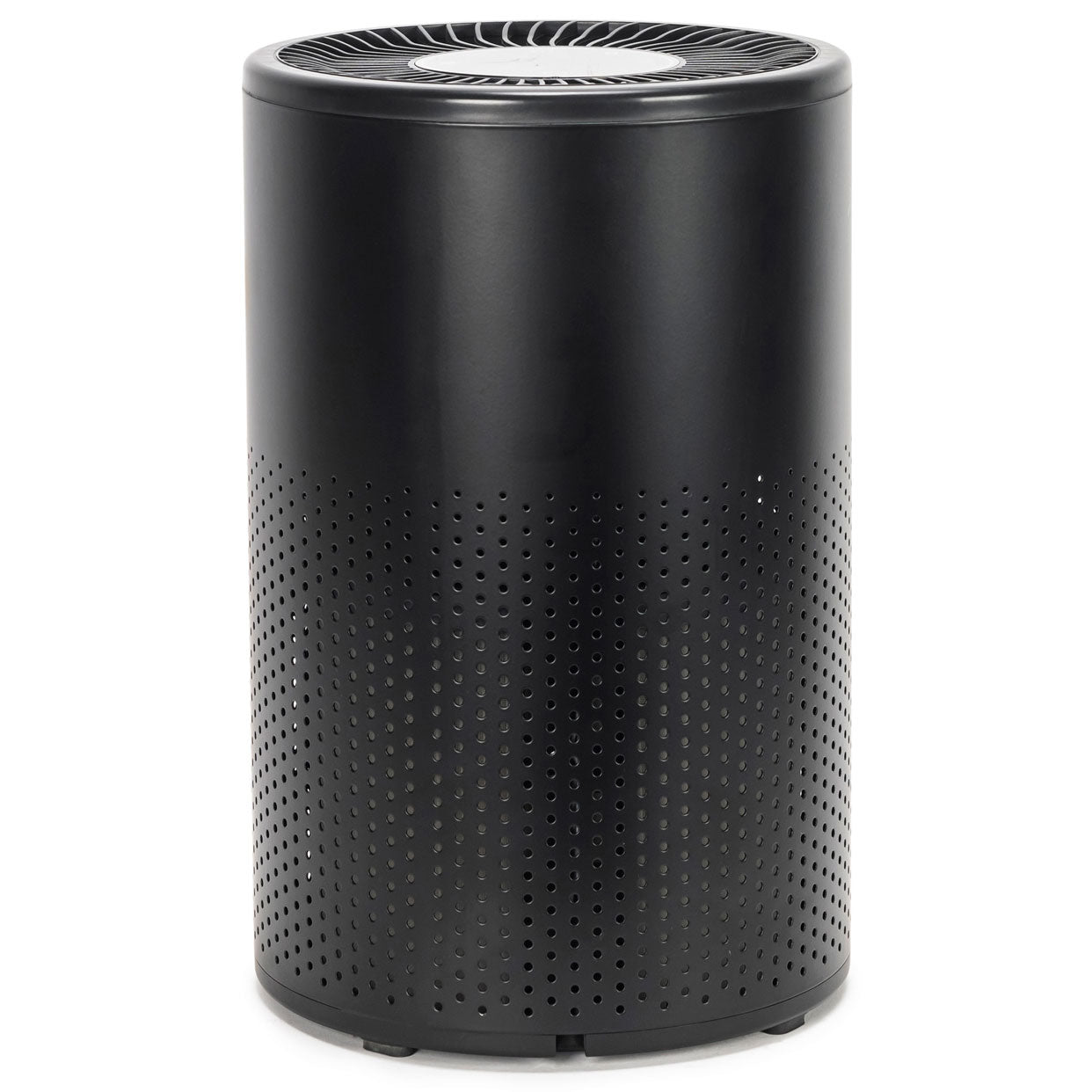
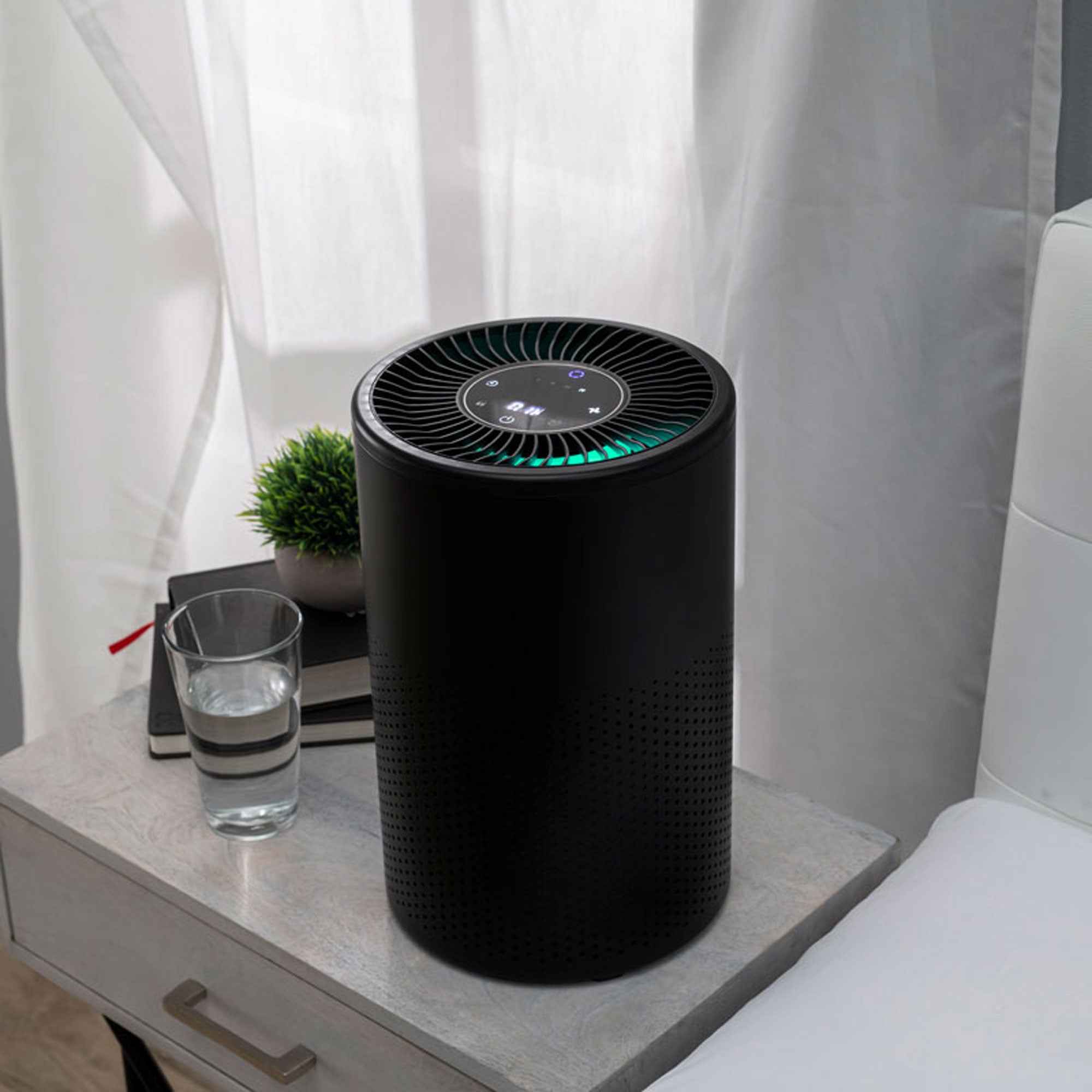
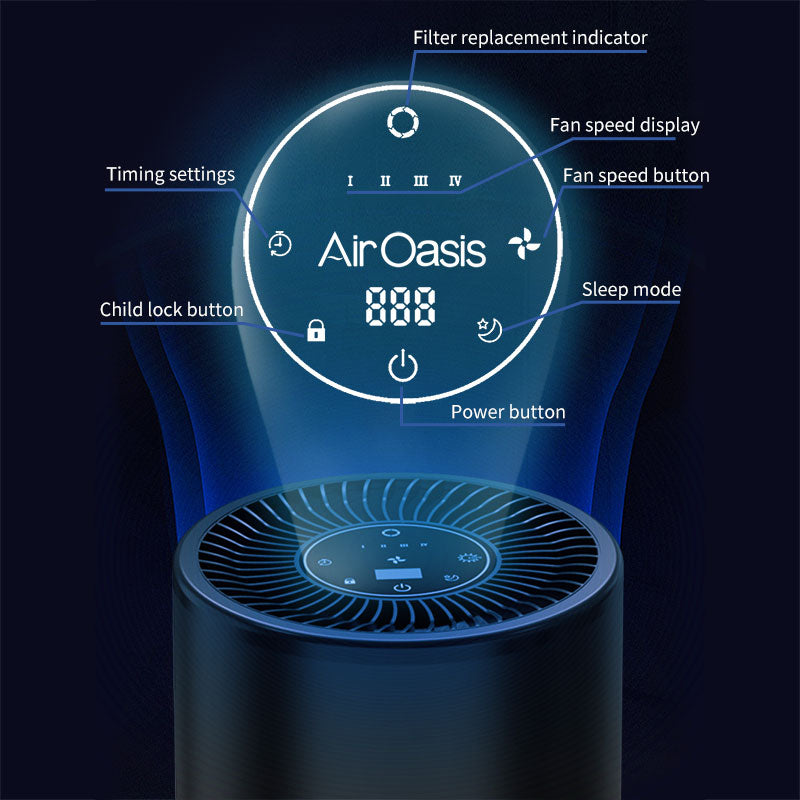
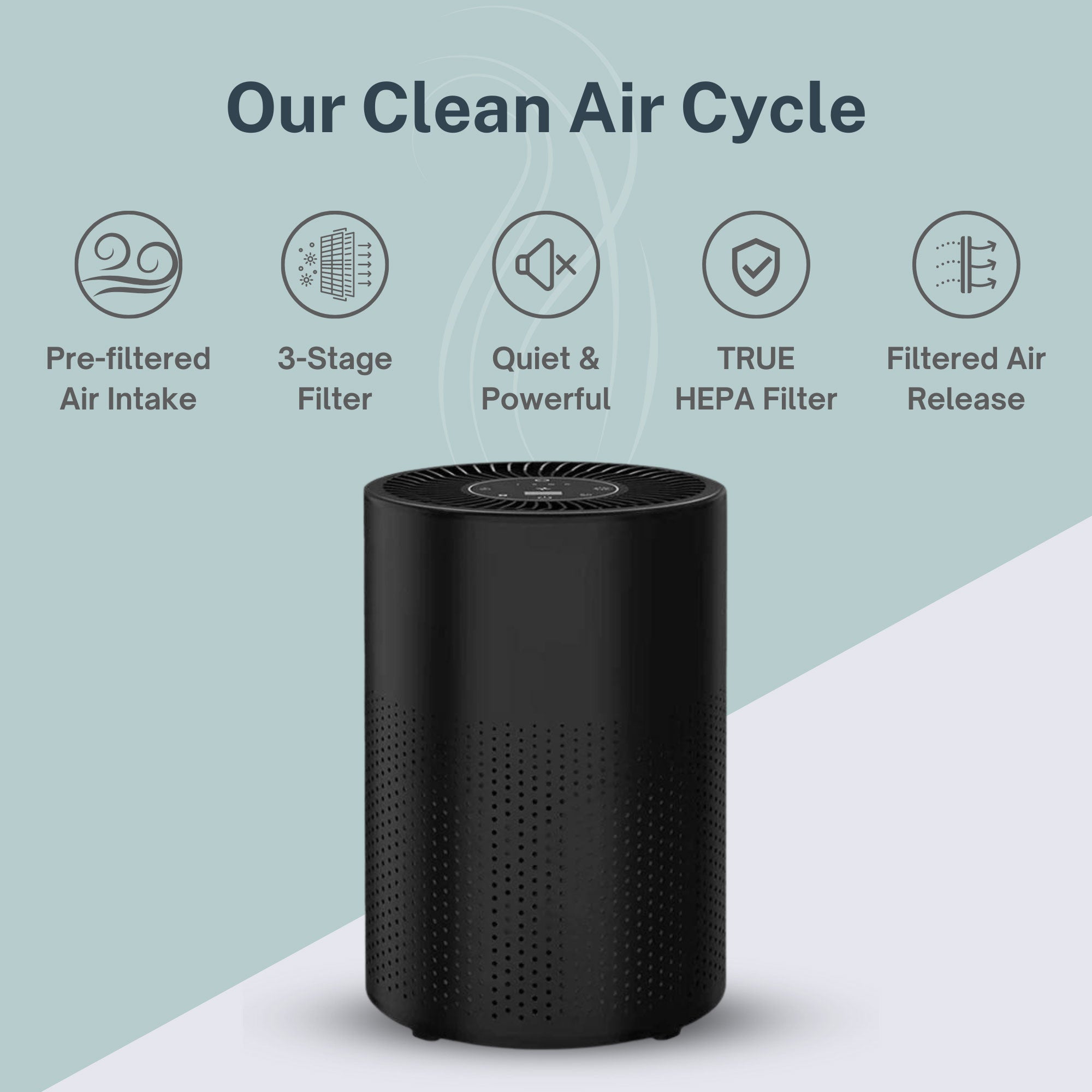
Air Oasis iAdaptAir purifiers combine multiple technologies that work synergistically in challenging bathroom environments. The HEPA filtration captures particles when humidity levels are moderate, while UV-C light continues destroying microorganisms regardless of moisture content. Bipolar ionization provides continuous particle reduction even when filters face humidity stress. This layered approach ensures consistent air cleaning despite bathroom conditions fluctuating between dry and steamy.
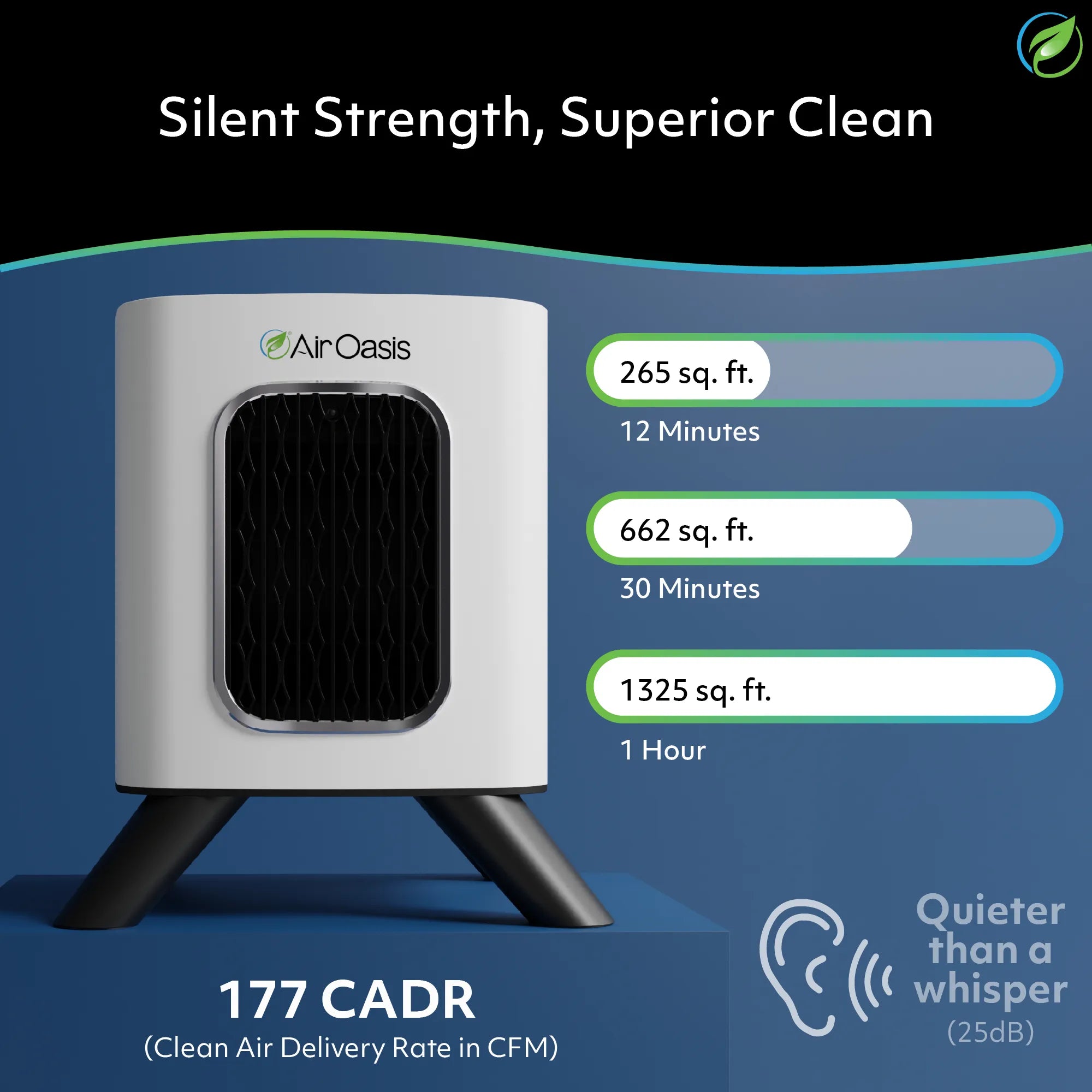
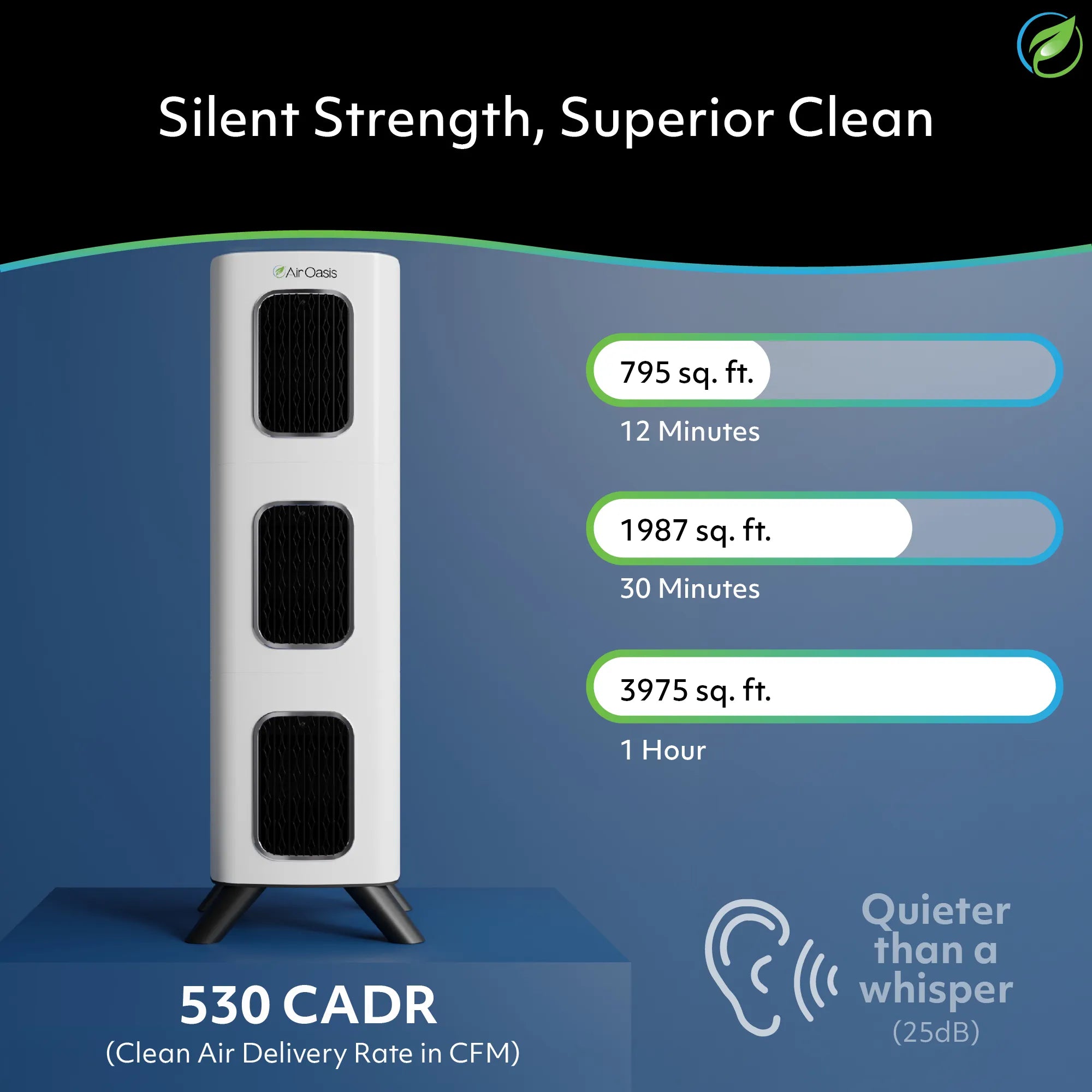
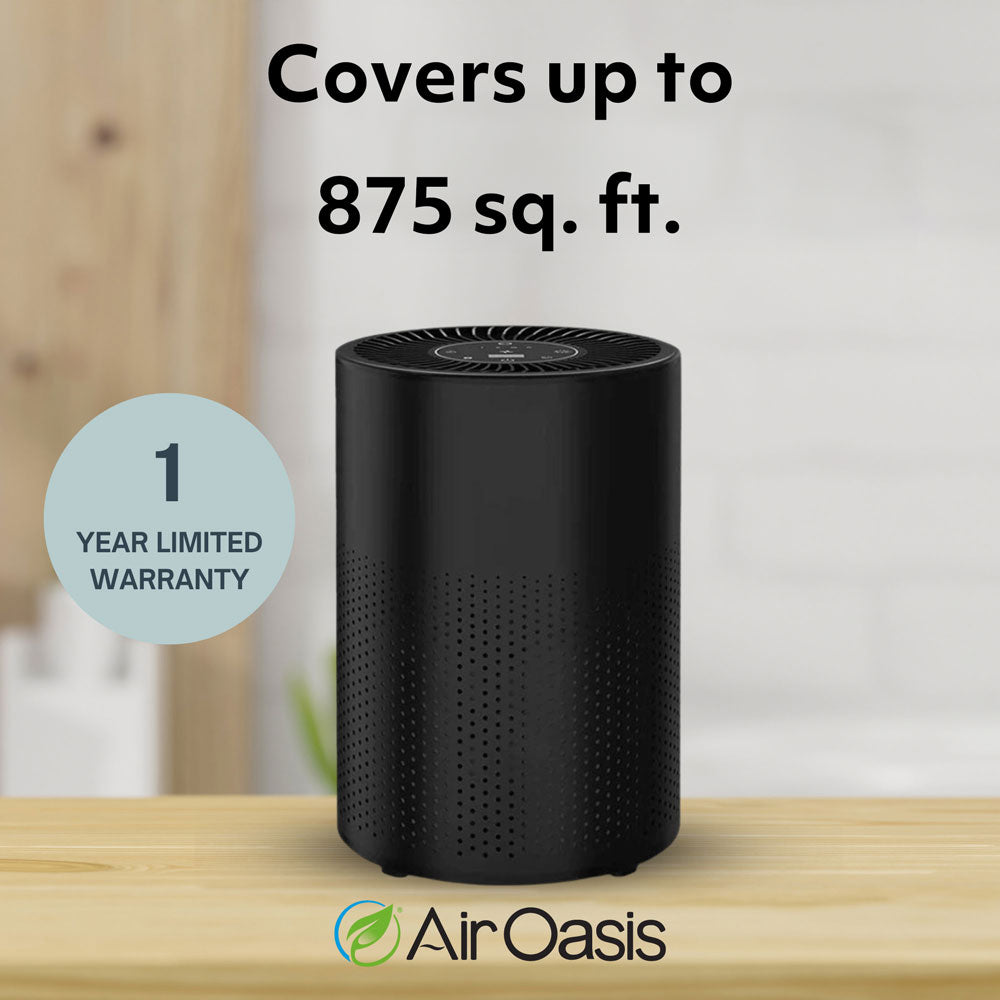
The compact iAdaptAir 2S covers up to 265 square feet, making it appropriately sized for standard bathrooms while providing powerful purification. Its relatively small footprint allows flexible placement away from direct moisture exposure while still processing bathroom air volume efficiently. The unit's construction accounts for residential environments with occasional humidity spikes, though it still requires protected placement away from direct steam.
Alternative Approaches for Bathroom Air Quality
Exhaust fans remain your primary tool for bathroom moisture control. Modern exhaust fans include humidity sensors that activate automatically when moisture levels rise and continue running until conditions normalize. Installing an appropriately sized, quiet exhaust fan reduces the air purification burden by removing moisture and contaminants at their source before they disperse throughout the bathroom.
Dehumidifiers specifically designed for bathroom use complement air purifiers by maintaining humidity levels that protect equipment and prevent mold growth. Small, wall-mounted bathroom dehumidifiers continuously extract moisture without taking up floor space or interfering with bathroom activities. Maintaining humidity below fifty percent protects both your air purifier and bathroom surfaces from moisture damage.
Natural ventilation helps when the weather permits. Opening bathroom windows during and after showering provides free moisture removal while introducing fresh outdoor air. However, this approach brings outdoor allergens, pollution, and humidity into your bathroom, making it unsuitable for people with allergies or during extreme weather. Combining natural ventilation with air purification provides the best results when outdoor conditions cooperate.
Shower curtain and door choices affect steam distribution. Using shower curtains or doors that seal effectively contains steam within the shower area rather than releasing it throughout the bathroom. This containment strategy reduces moisture exposure for wall-mounted air purifiers positioned outside the immediate shower zone while maintaining effective air cleaning for the broader bathroom.
Making Smart Bathroom Air Quality Decisions
Don't let steam concerns prevent you from addressing bathroom air quality. Implement these protective strategies and breathe cleaner, healthier air in every room of your home. Shop Air Oasis today and discover how advanced multi-technology air purification creates safe, effective solutions even in challenging bathroom environments.