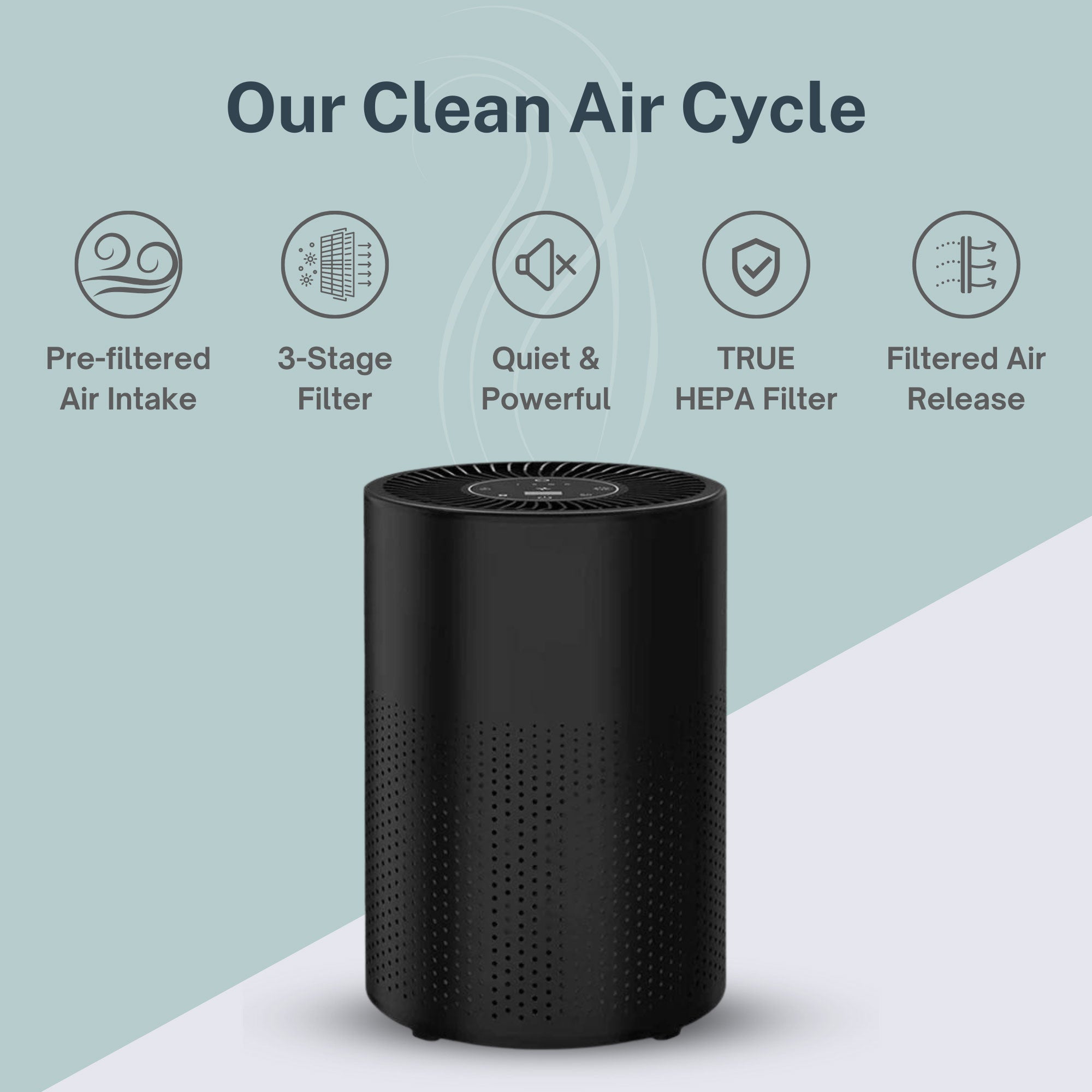
You've invested in an air purifier for your bedroom, but seasonal allergies still disrupt your sleep. Or maybe your living room stretches forty feet across, and you wonder whether a single unit can truly clean the entire space. The thought crosses your mind: would adding a second air purifier solve these problems? The short answer is yes, but whether you should depends on room size, air quality challenges, and whether you're solving the right problem.
Understanding Air Purifier Coverage Capacity
Every air purifier specifies a maximum room size it can effectively clean, typically measured in square feet. This rating assumes standard eight-foot ceilings and represents the area where the unit can exchange all room air approximately four to five times per hour. This air change rate provides adequate purification for normal residential conditions, removing typical concentrations of dust, pollen, pet dander, and other common airborne particles.
Coverage ratings reflect ideal conditions that rarely exist in real homes. Manufacturers test purifiers in sealed laboratory chambers without furniture, doorways, or air circulation patterns that characterize actual living spaces. Your room's layout significantly affects how well a single purifier distributes clean air throughout the space. Long, narrow rooms present different challenges than square spaces. Open floor plans where living rooms flow into dining areas and kitchens create coverage gaps that single units struggle to address.
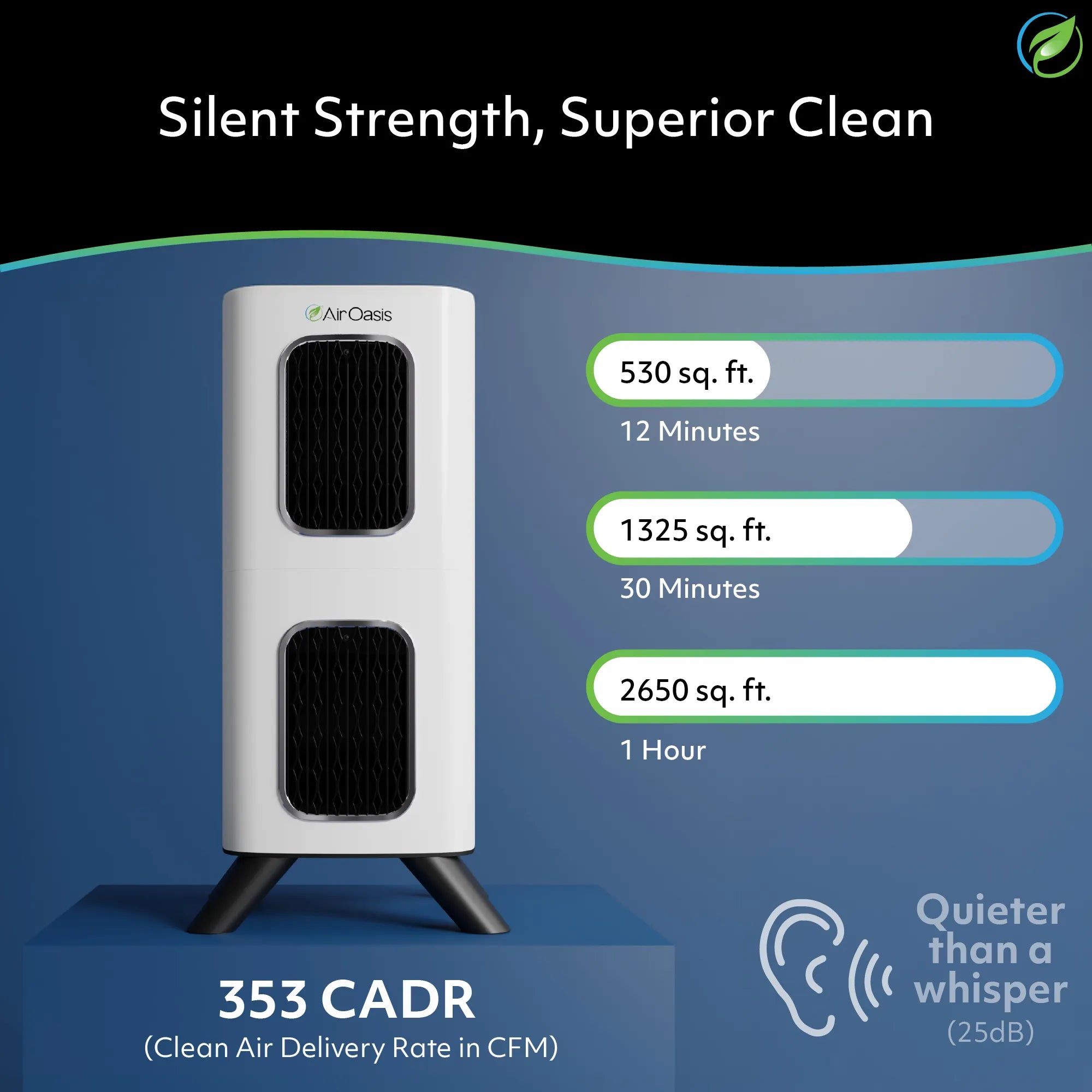
Ceiling height dramatically impacts the volume of air requiring purification. An air purifier rated for 530 square feet assumes a volume of roughly 4,240 cubic feet with standard 8-foot ceilings. That same 530-square-foot room with ten-foot ceilings contains 5,300 cubic feet, a 25% increase in air volume. Cathedral ceilings or two-story great rooms multiply this challenge, often requiring multiple units regardless of floor area because the vertical air volume overwhelms single-purifier capacity.
Air exchange rates better determine purification effectiveness than simple square footage ratings. Health experts recommend four to six complete air changes per hour for people with allergies, asthma, or respiratory sensitivities. Achieving this rate in large rooms or spaces with severe contamination often requires combining multiple purifiers to increase total air processing capacity beyond what single units provide.
When Multiple Purifiers Make Practical Sense
Extra-large open-concept living areas may need strategically placed multiple air purifiers. A great room combining living, dining, and kitchen areas into one 800-square-foot space technically falls within the coverage range of high-capacity units. However, furniture arrangements, kitchen cooking activities, and multiple doorways create air circulation dead zones where single purifiers struggle to maintain consistent air quality. Placing one unit in the living area and another near the kitchen ensures comprehensive coverage across the entire space.
Wildfire smoke events and extreme outdoor air quality episodes justify the temporary use of multiple purifiers. Smoke particles from distant wildfires penetrate homes through every gap and opening, quickly saturating single purifier filters while overwhelming their processing capacity. Running two or three purifiers during these emergencies accelerates the removal of smoke particles and maintains breathable indoor air despite catastrophic outdoor conditions. Once the emergency passes, you can relocate extra units to other rooms or storage.
Strategic Placement for Maximum Effectiveness
Positioning multiple purifiers requires more thought than simply placing two units in opposite corners. Air circulation patterns determine how effectively purifiers work together versus duplicating effort wastefully. Position units to create overlapping coverage zones rather than isolated clean air pockets. In rectangular rooms, place purifiers on opposite short walls rather than opposite long walls, encouraging air circulation across the room's width where furniture typically concentrates.
Avoid placing two purifiers immediately adjacent to each other. This arrangement creates a small zone of extremely clean air while leaving distant areas underserved. The separation distance should be at least 10 to 15 feet, allowing each unit to establish its own circulation pattern while ensuring that the patterns interact to cover the entire room. Think of coverage zones as overlapping circles rather than dividing the room into separate territories.
Height variation improves combined effectiveness when running multiple purifiers. Positioning one unit on the floor and elevating another on furniture or shelving creates vertical air circulation that single-level placement misses. Airborne particles naturally stratify by weight, with heavier particles settling lower while lighter particles remain suspended higher. Multi-level purifier placement captures particles across this vertical range more effectively than floor-only positioning.
Consider contamination sources when positioning multiple purifiers. Place one unit near the primary particle source—like pet beds, litter boxes, or entryways where outdoor allergens enter—to capture contaminants before they disperse. Position the second purifier in areas where people spend extended time, like seating areas or sleeping zones, ensuring the cleanest possible air where family members actually breathe. This source-and-destination strategy prevents contamination spread while maintaining breathing zone air quality.
Making the Right Decision for Your Space
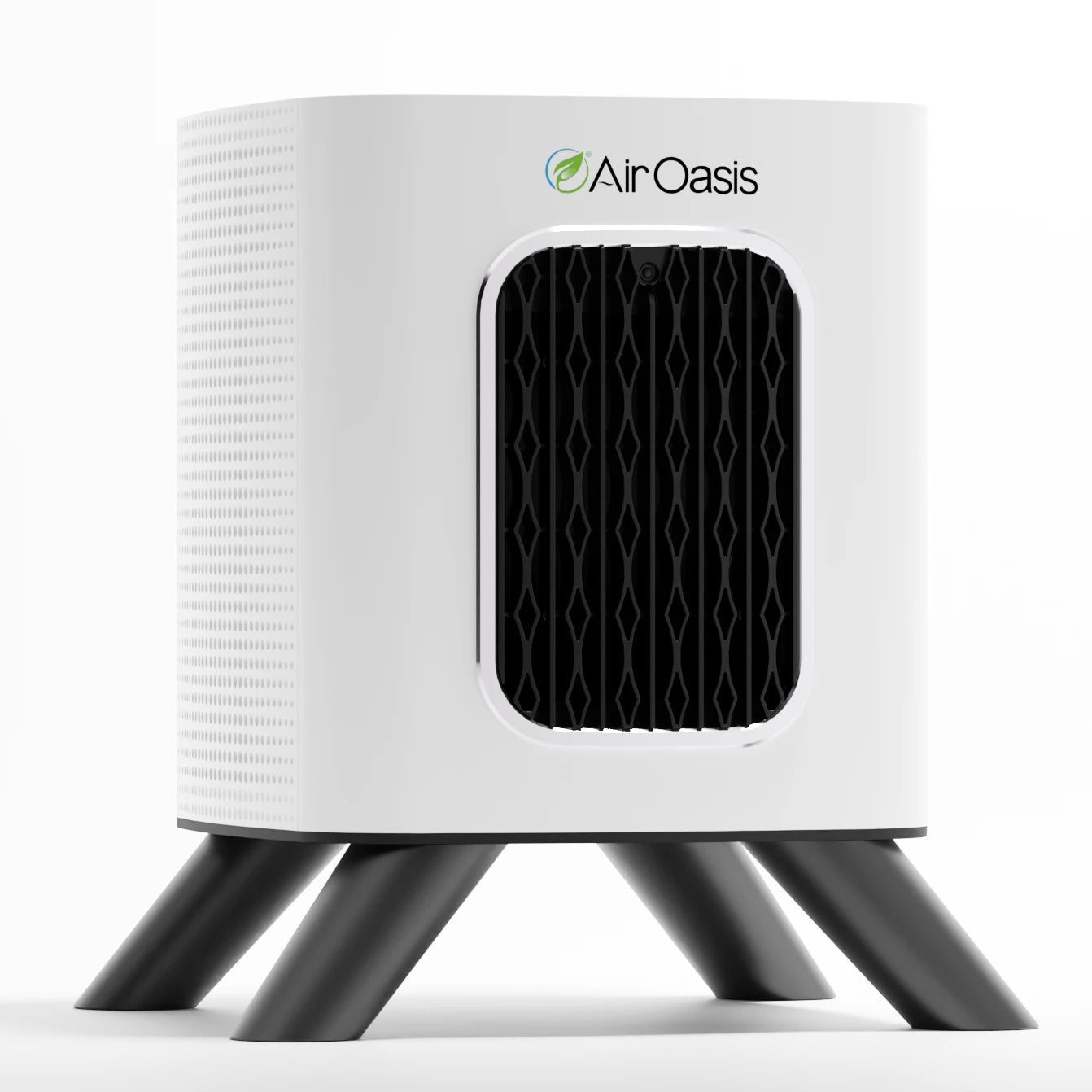
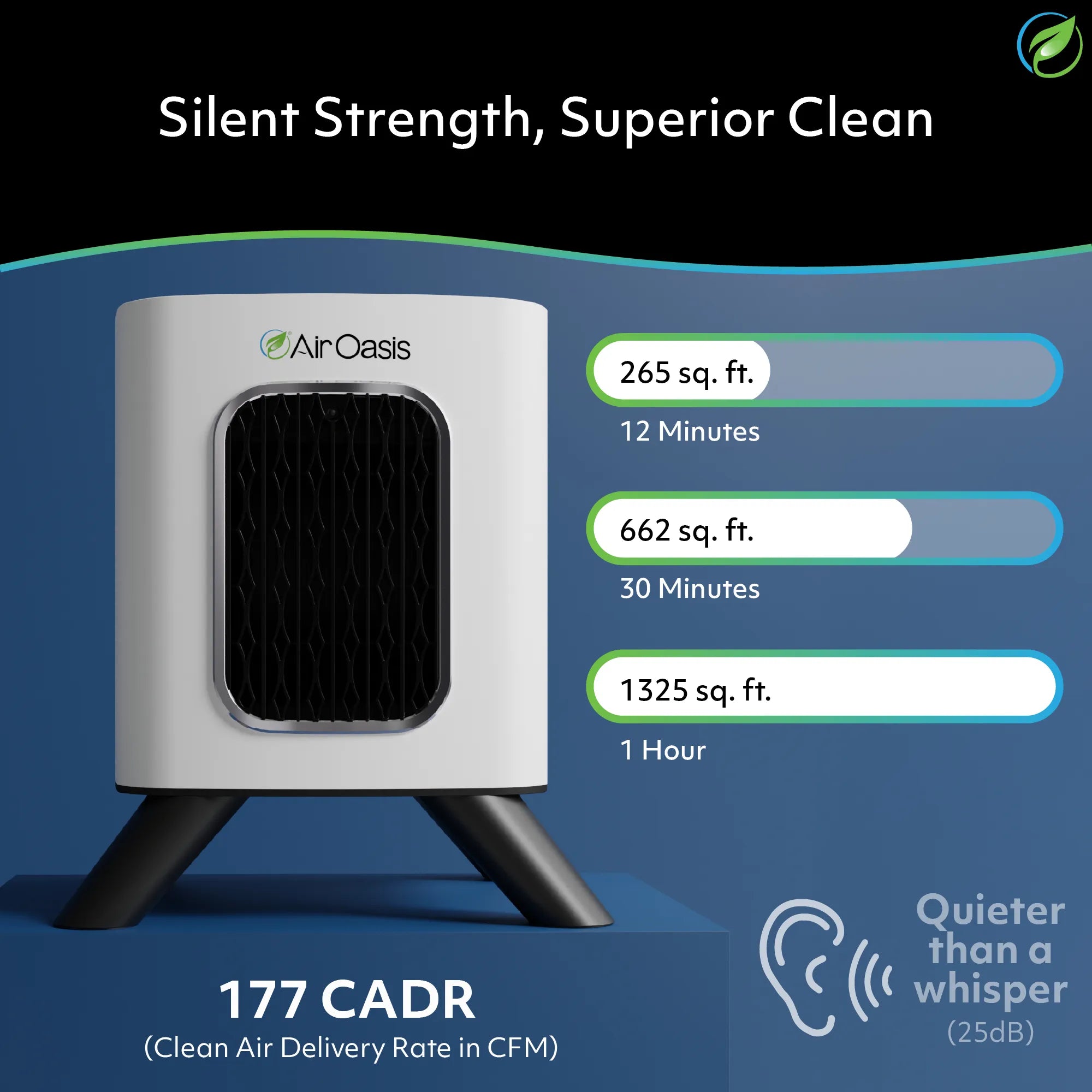
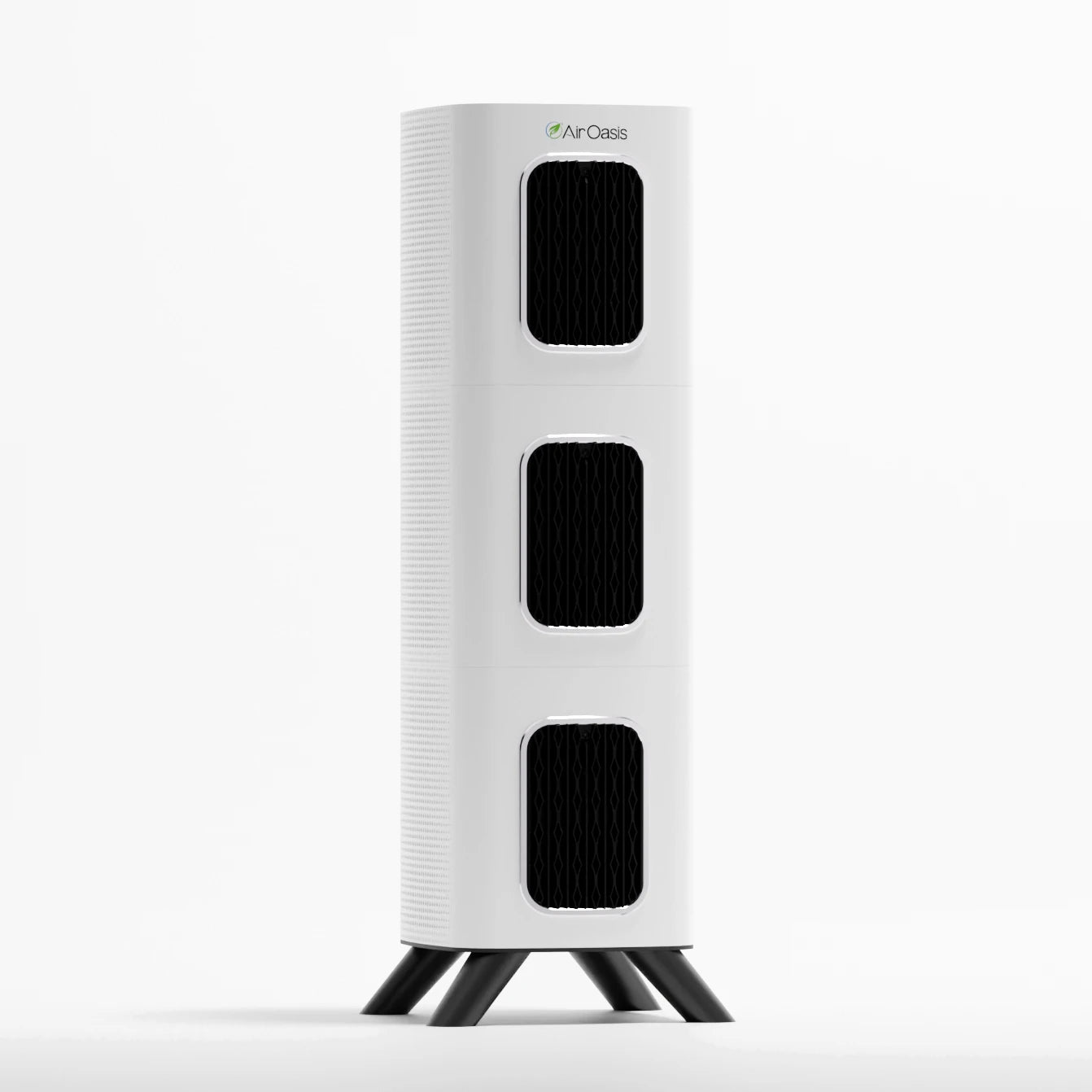
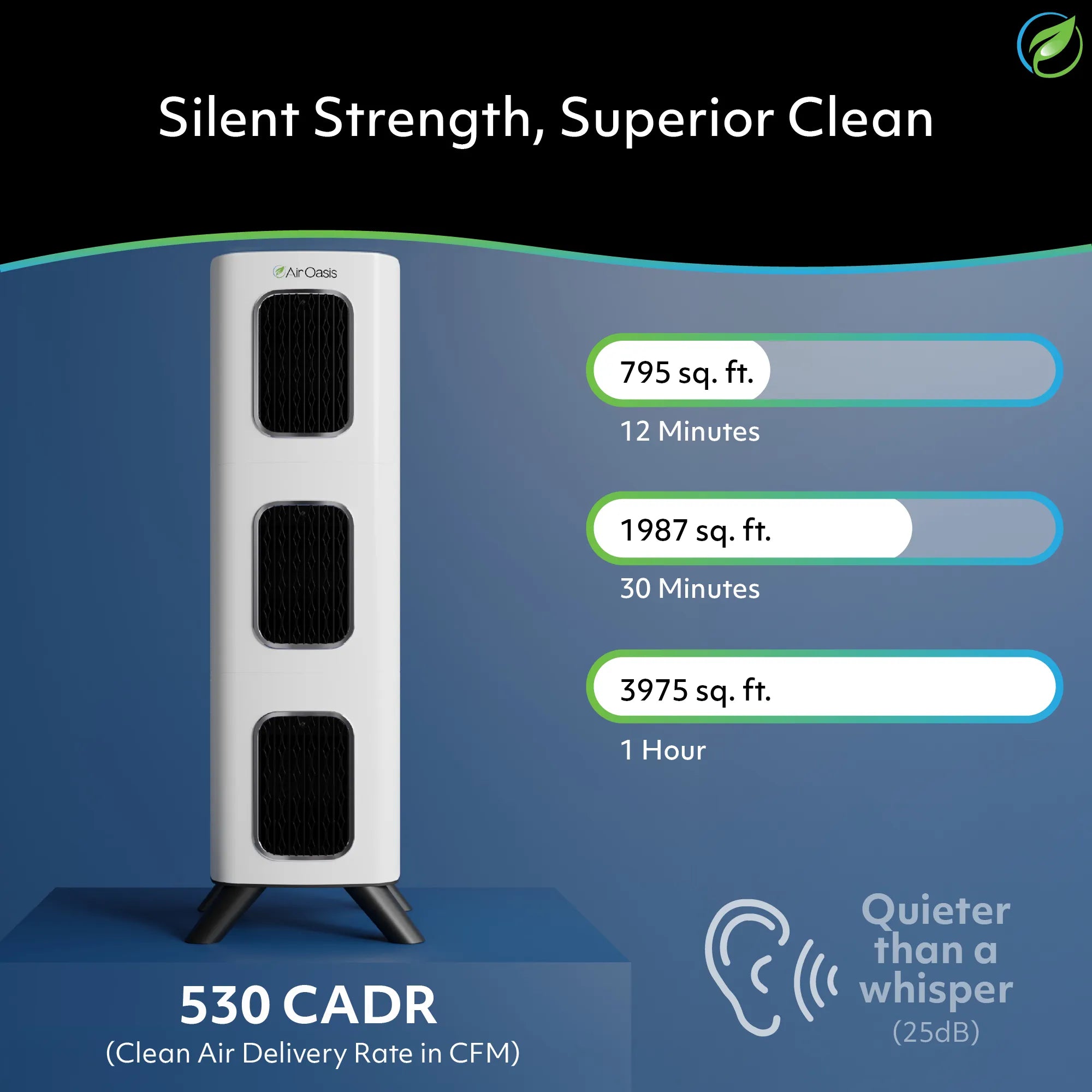
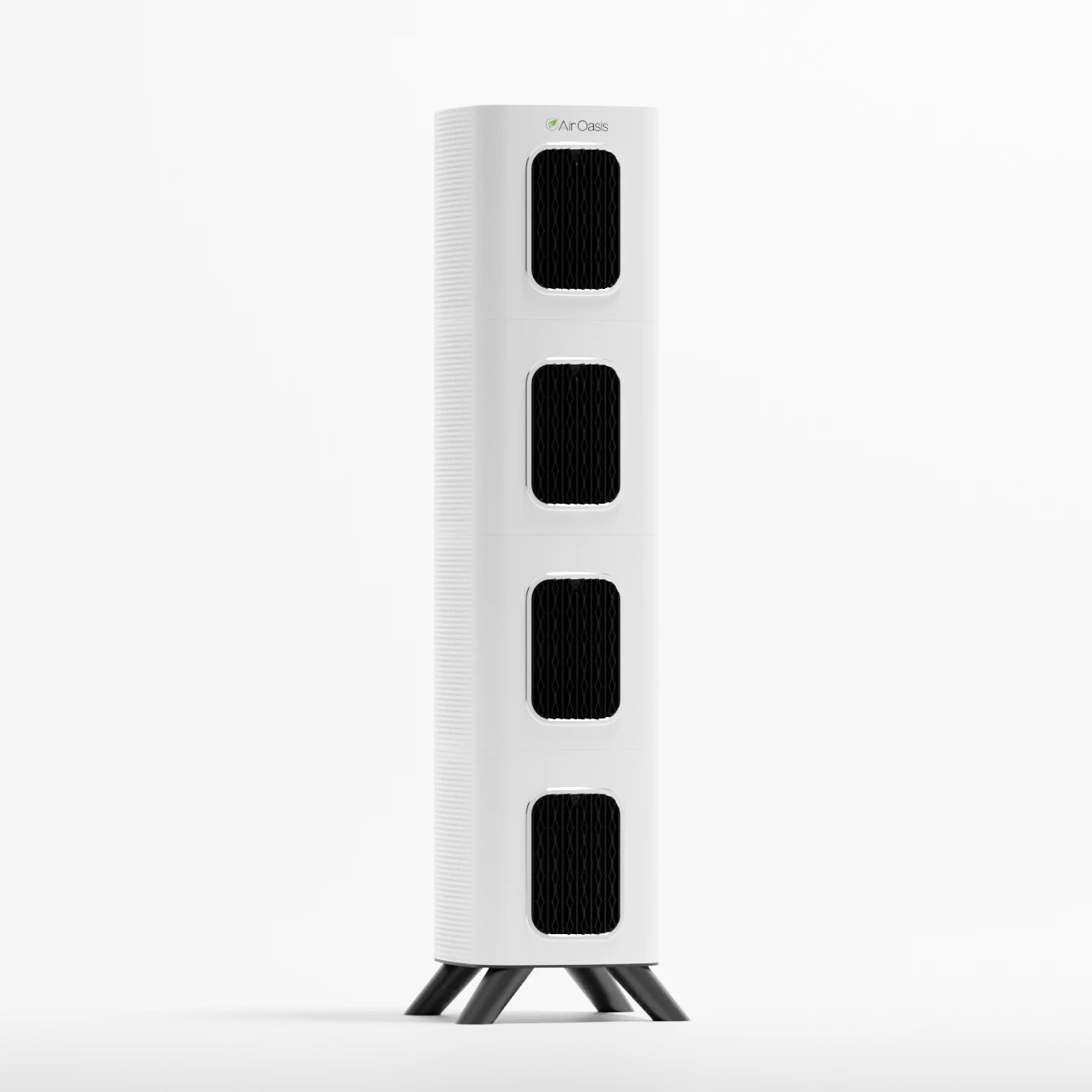
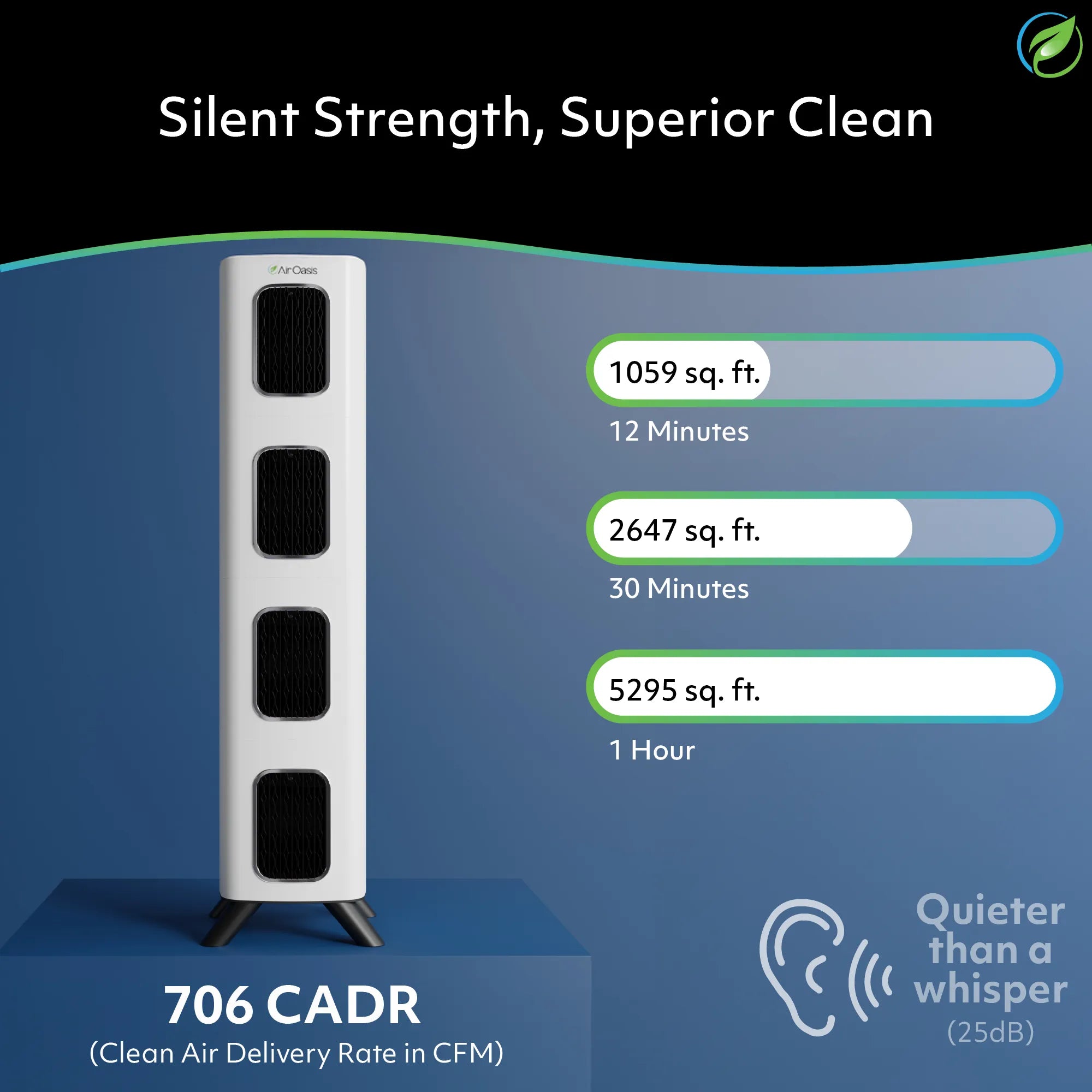
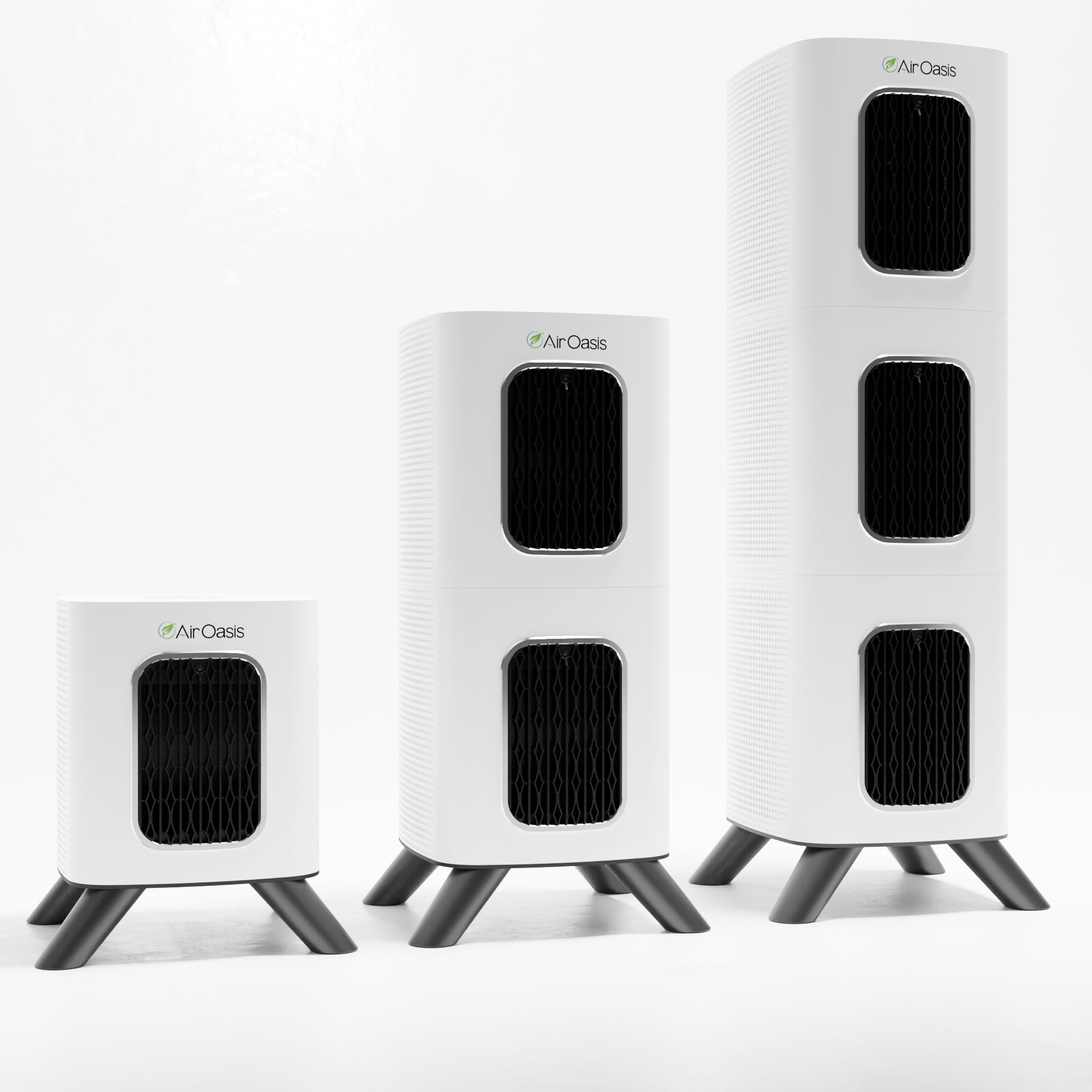
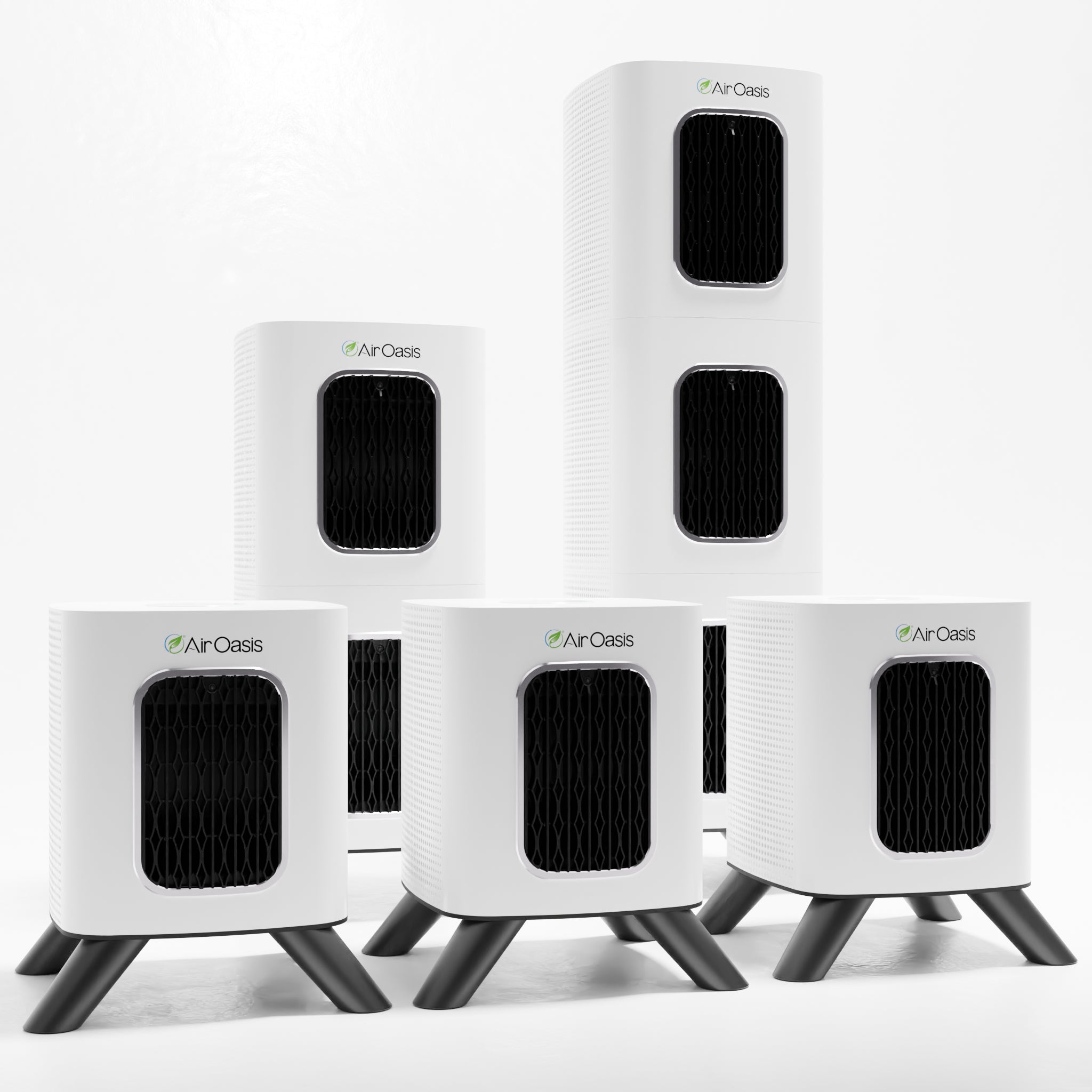
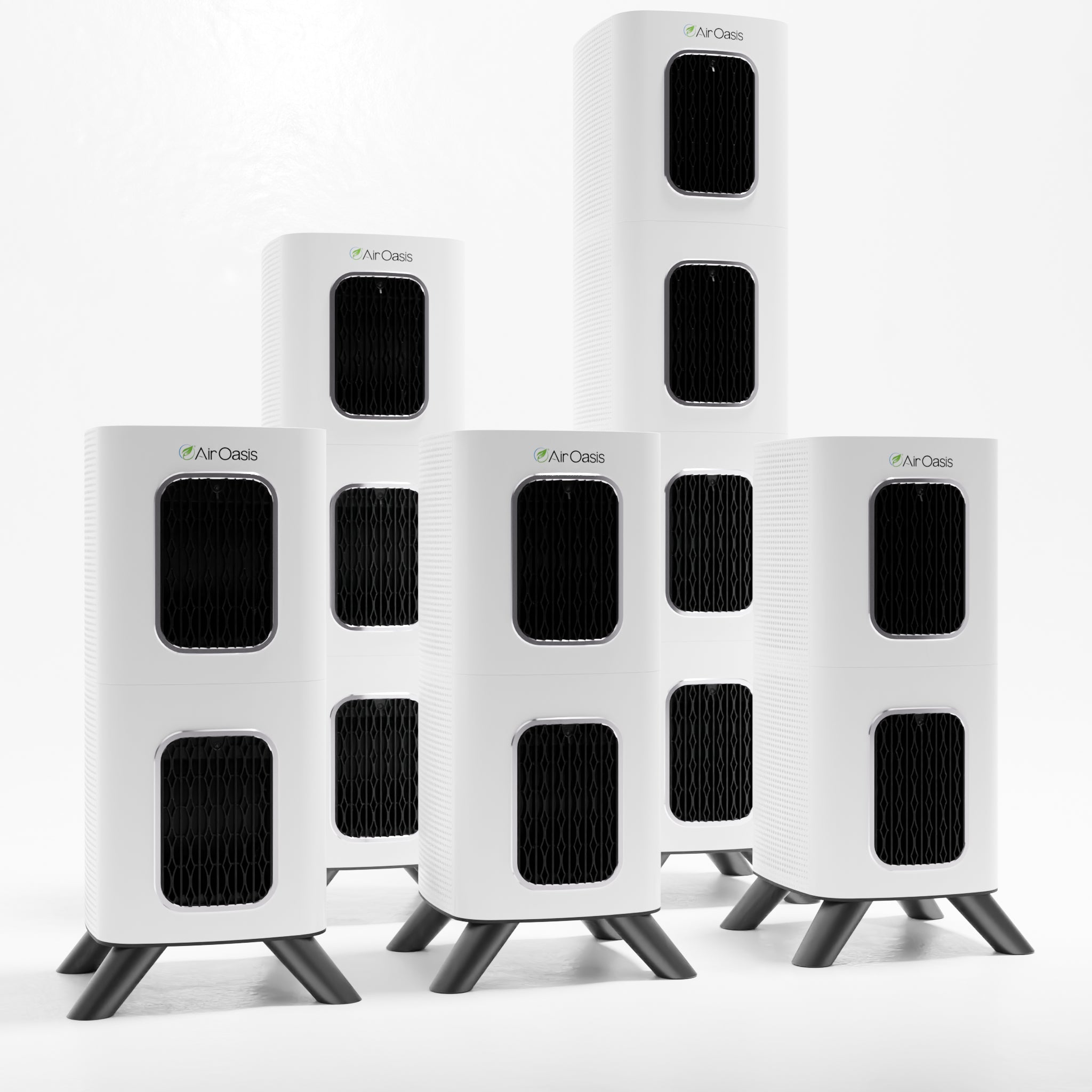
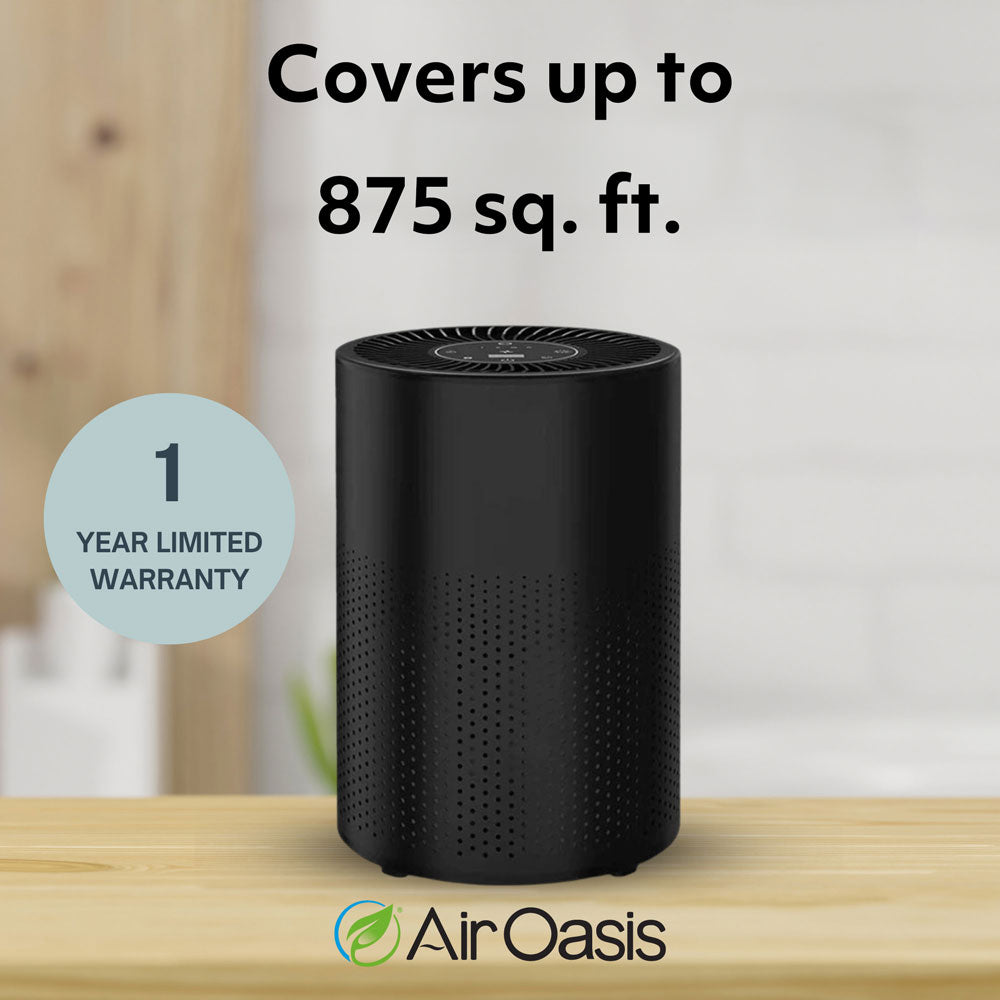
Measure your room accurately before deciding whether multiple purifiers make sense. Calculate square footage by multiplying length times width, then multiplying by ceiling height divided by eight to adjust for non-standard ceilings. Compare this adjusted coverage requirement against purifier specifications to determine whether single or multiple units suit your needs. The Air Oasis iAdaptAir 2S covers 265 square feet, the 2M covers 530 square feet, the 2L covers 795 square feet, and the 2P covers 1,059 square feet, providing options across common residential room sizes.
Breathe Better With the Right Air Purification Strategy
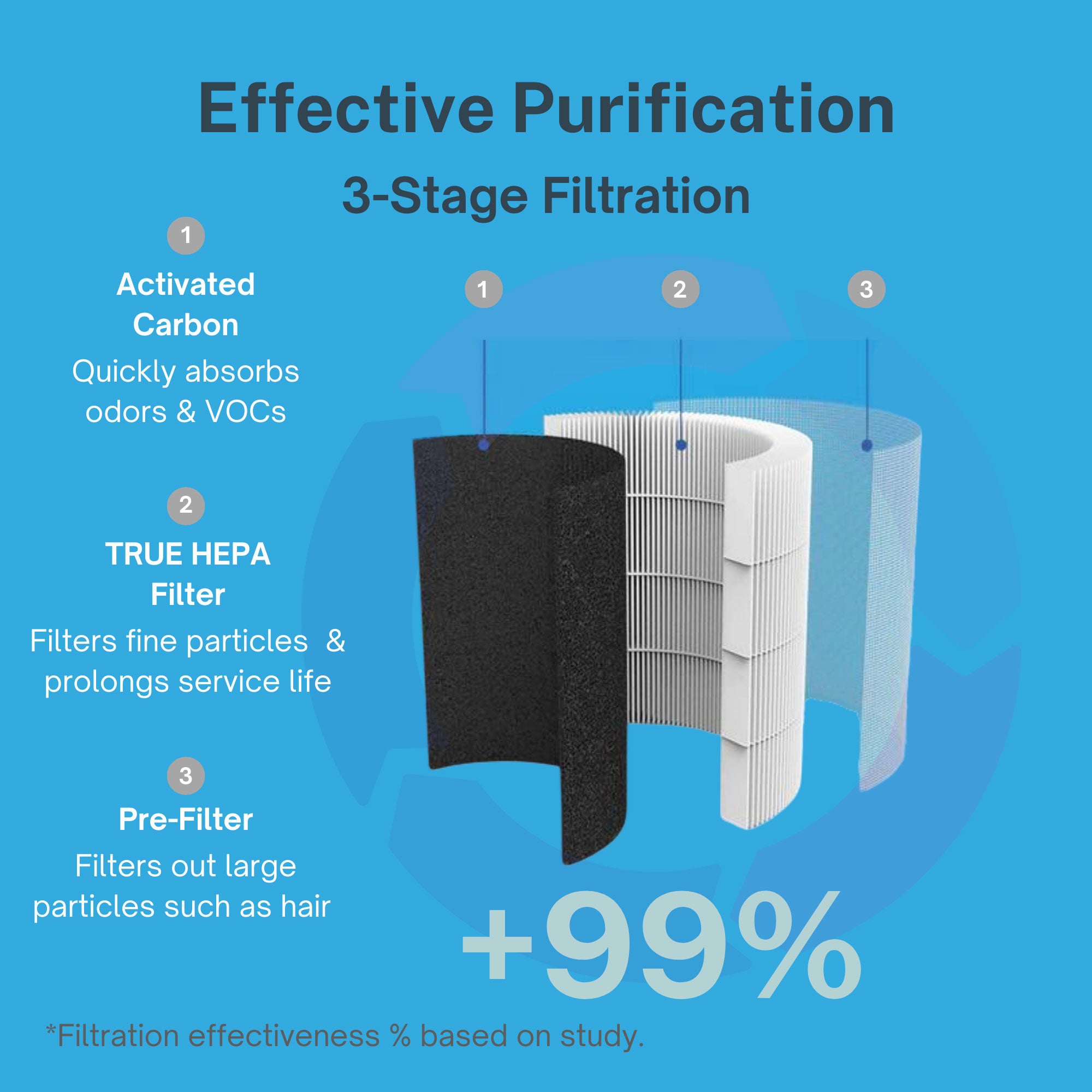
Don't assume more equipment automatically equals better results. Match purification capacity to room volume and contamination levels for optimal effectiveness without waste. Ready to create the cleanest possible indoor air for your family? Shop Air Oasis today and discover how our range of coverage options and advanced multi-technology purification deliver exactly the air-quality solution your home needs.