When choosing flooring for your home, the decision between carpet and hardwood goes beyond aesthetics and comfort. For the estimated 50 million Americans who suffer from allergies, your flooring choice directly impacts your daily health and quality of life. The question isn't just about personal preference—it's about which option creates a healthier indoor environment.
Research consistently shows that carpeted floors accumulate significantly more allergens than hardwood or other smooth flooring surfaces. Understanding why this happens and what it means for your respiratory health can help you make informed decisions about your home environment.
The Science Behind Carpet and Allergen Accumulation
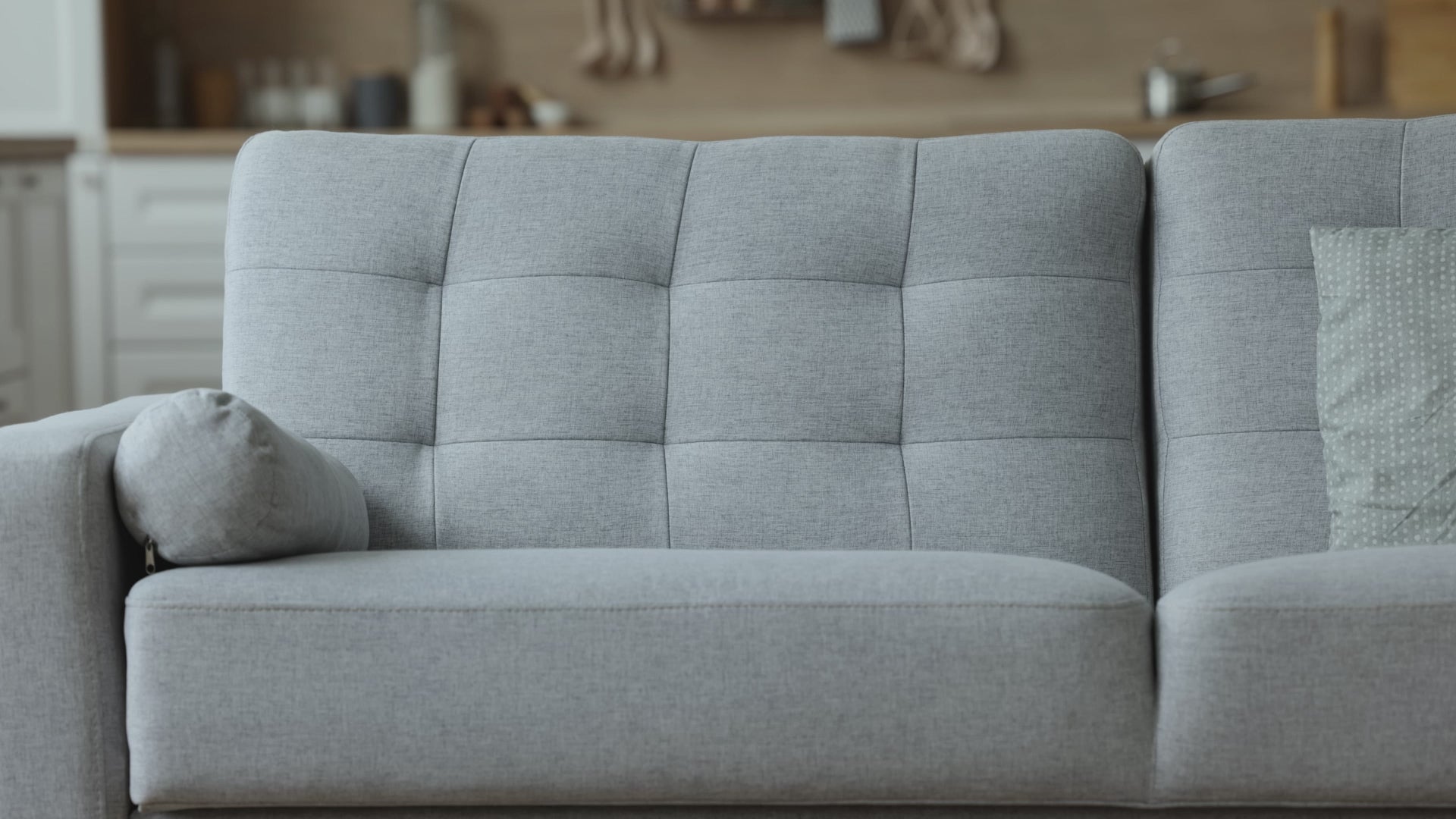
Carpets function as three-dimensional structures that trap particles deep within their fibers. Studies comparing dust levels on carpeted versus smooth floors have found that carpeted surfaces contain substantially more dust, proteins, and allergens. This occurs because carpet fibers create countless small spaces where particles settle and remain protected from normal cleaning efforts.
Dust mites represent the primary concern with carpeted floors. These microscopic creatures thrive in the warm, humid environment that carpets provide, feeding on the dead skin cells humans naturally shed. Research has demonstrated that mite allergen concentrations in dust from carpeted floors can be six to fourteen times higher than concentrations found on smooth floors. A single mattress or carpet can harbor millions of dust mites, and their waste products contain proteins that trigger significant allergic reactions.
Pet dander accumulates more readily in carpet fibers than on hard surfaces. Even when pets don't spend time directly on carpeted areas, their dander settles into the carpet structure and becomes difficult to remove through regular vacuuming. Studies examining allergen levels in homes with both carpet and hard flooring found statistically higher concentrations of dog and cat allergens on carpeted surfaces, with differences large enough to be clinically significant.
Mold spores also find hospitable conditions in carpets, particularly when moisture becomes trapped in the fibers. Humidity from spills, tracked-in water, or simply ambient moisture creates conditions that allow mold to grow deep within the carpet structure. Once established, these mold colonies continuously release spores into your breathing zone.
How Carpets Release Allergens Into Your Air
The danger with carpeted floors extends beyond simple allergen storage. Normal household activities resuspend these trapped particles, a process called resuspension. Walking across carpeted floors generates significantly more airborne particles than walking on hardwood or other smooth surfaces.
Research examining particle resuspension has found that for particles between three and ten micrometers in size—the range most likely to carry allergens—carpeted floors release substantially more particles into the air compared to hard flooring. This means every step across your carpet potentially launches allergens into the air you breathe.
The amount of resuspension depends on several factors including humidity levels, particle size, and activity intensity. However, even light walking on carpeted surfaces generates measurably more airborne allergens than similar activity on hardwood floors. Heavy activity like vacuuming or playing can create even higher allergen concentrations in your breathing zone.
Studies measuring indoor versus outdoor particulate matter have found significantly higher ratios in rooms with carpeted floors compared to rooms with hard surfaces. This indicates that carpets actively contribute to increased airborne particle concentrations rather than trapping them as sometimes claimed.
Health Impacts of Carpeted Versus Hard Floors
Multiple studies have documented worse health outcomes associated with carpeted floors compared to hard surfaces. People working in buildings with wall-to-wall carpeting report increased prevalence of eye irritation, nasal symptoms, throat irritation, headaches, and abnormal fatigue compared to those in buildings with hard floors.
Children face particular vulnerability to carpet-related allergen exposure. Research has found that carpeted floors in children's bedrooms associate with significantly increased risk of asthma development and asthma-related hospital readmissions. One study found that bedroom carpeting increased the odds of asthma readmission more than four times compared to hard flooring.
Early childhood exposure appears especially critical. Children living in homes with carpeted floors before age five show increased risk of developing asthma, particularly early-onset asthma. The combination of carpet exposure and respiratory illness during the first two years of life creates even higher risk for early asthma development.
Even for adults without diagnosed allergies, carpeted floors impact comfort and productivity. Controlled studies removing old carpets from office environments found that workers reported improved perceived air quality, reduced headache frequency, and even increased typing speed and accuracy after carpet removal. These effects occurred in controlled-chamber studies in which other variables remained constant, strongly supporting a direct relationship between carpets and health impacts.
The Hard Floor Advantage for Allergy Sufferers
Hardwood, tile, and other smooth flooring surfaces offer clear advantages for managing indoor allergens. These materials don't provide the three-dimensional structure that allows particles to settle deeply and resist removal. Dust and allergens that land on hard surfaces remain visible and easily cleaned.
Regular sweeping or damp mopping of hard floors effectively removes accumulated allergens. Research comparing cleaning efficiency has found that smooth floor cleaning removes smaller allergen-associated particles much more effectively than carpet vacuuming, which tends to remove only larger particles while leaving smaller, more problematic particles behind.
Hard floors also don't provide the moisture-retaining environment that dust mites and mold require. Without the protected spaces that carpet fibers create, these allergen sources find hard surfaces inhospitable. Studies have shown that removing carpets and installing hard flooring significantly reduces levels of both mite allergens and ergosterol, a component of mold cell walls.
The lack of resuspension from hard floors means that cleaning efforts produce more lasting results. Once you clean a hard floor, allergen levels remain low until new particles accumulate. With carpets, trapped particles continue releasing into the air long after vacuuming.
Making the Best Choice for Your Health
If you're deciding between carpet and hardwood flooring, your allergy status should weigh heavily in the decision. For people with diagnosed allergies, asthma, or respiratory sensitivities, hard flooring provides measurable health benefits. The difference isn't marginal—research shows substantial reductions in allergen exposure and symptom severity when carpets are removed and replaced with hard surfaces.
If replacing existing carpet isn't immediately feasible, several strategies can reduce allergen exposure. Vacuum frequently using a machine equipped with HEPA filtration. Regular professional deep cleaning helps remove deeply embedded particles. Keep humidity levels below 50 percent to discourage dust mite populations. Consider removing carpet from bedrooms first, as you spend roughly one-third of your life there.
For homes with hard flooring, maintain the allergen advantage through regular cleaning. Sweep or vacuum with a HEPA-filtered vacuum to remove surface particles before damp mopping. This prevents allergens from becoming airborne during cleaning and ensures thorough removal.
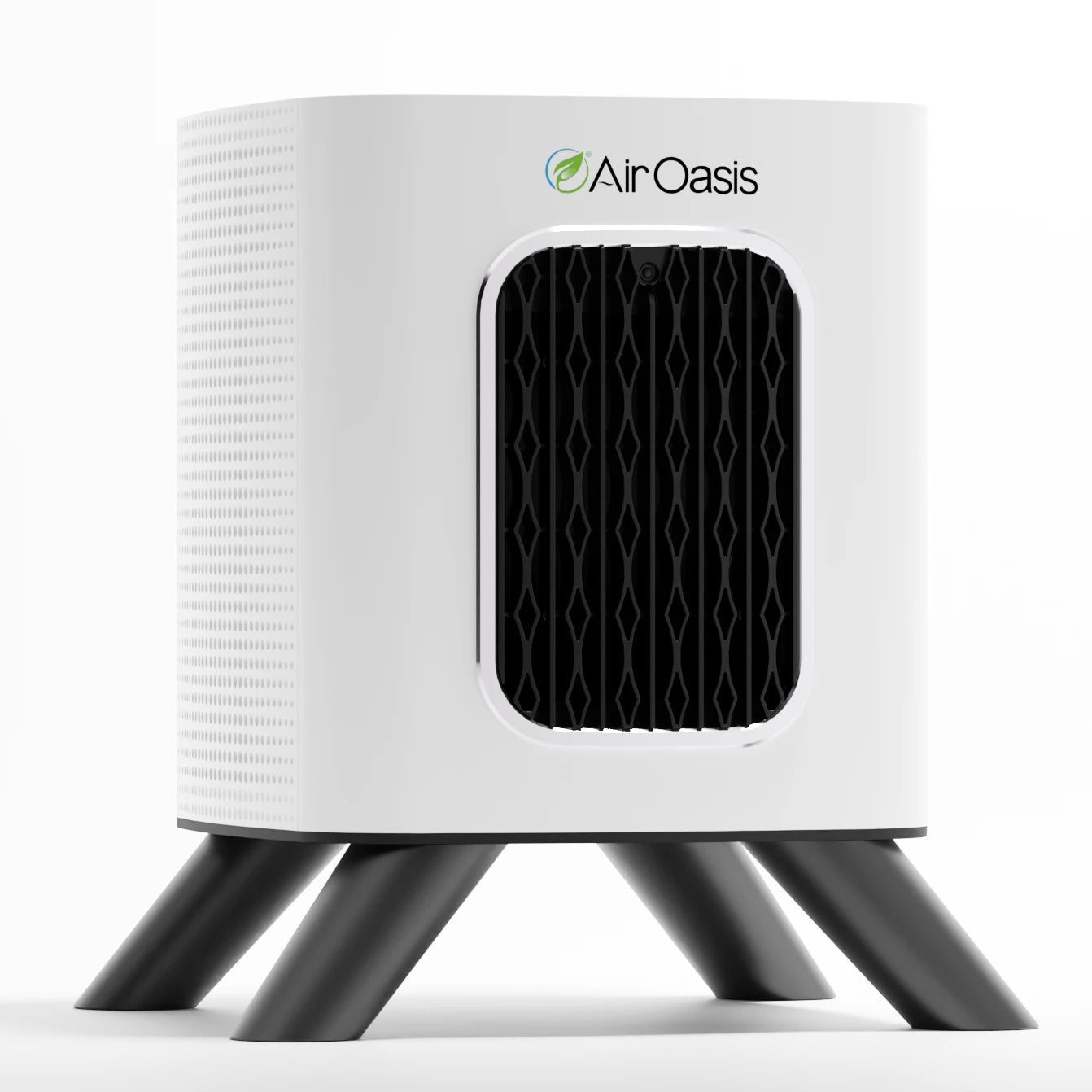
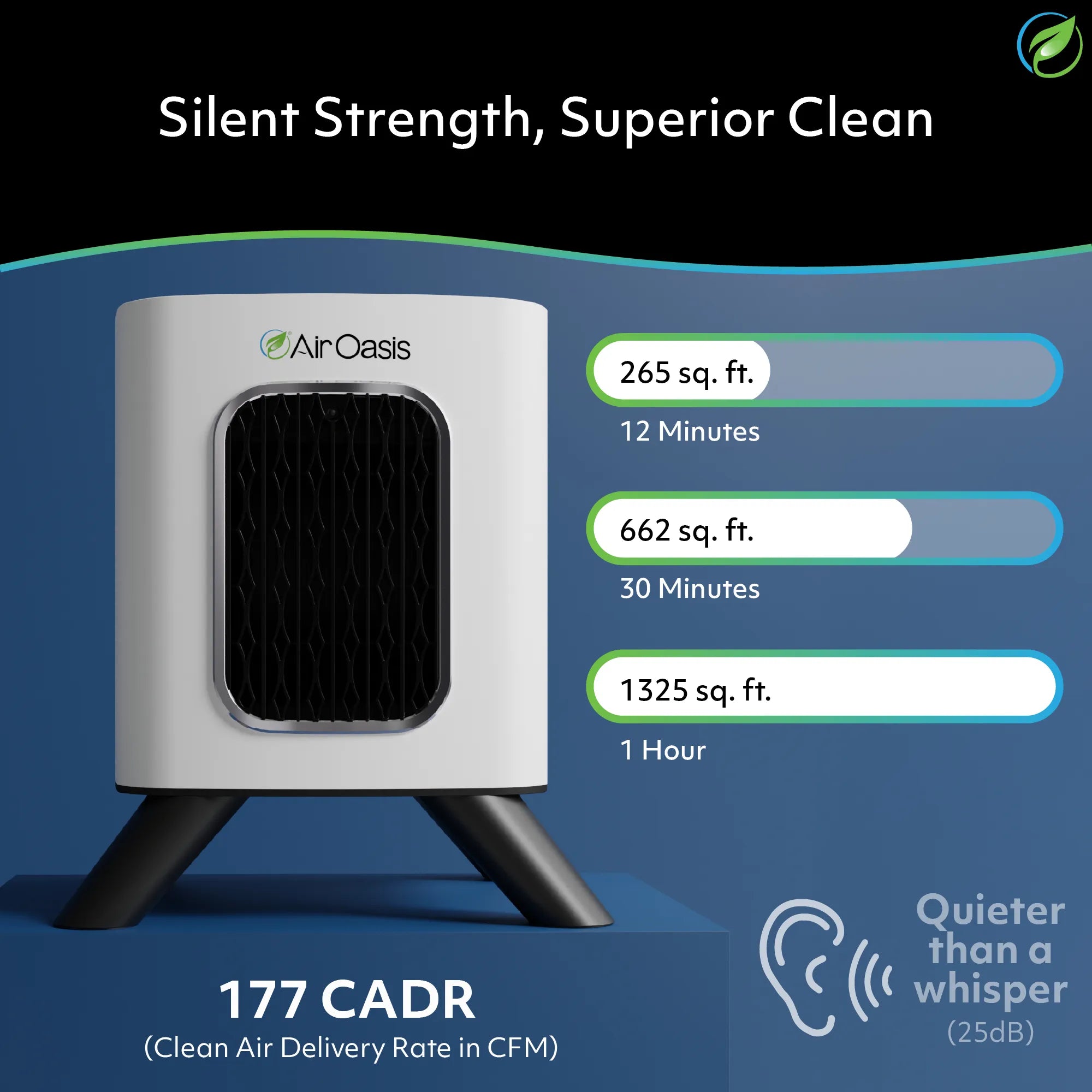
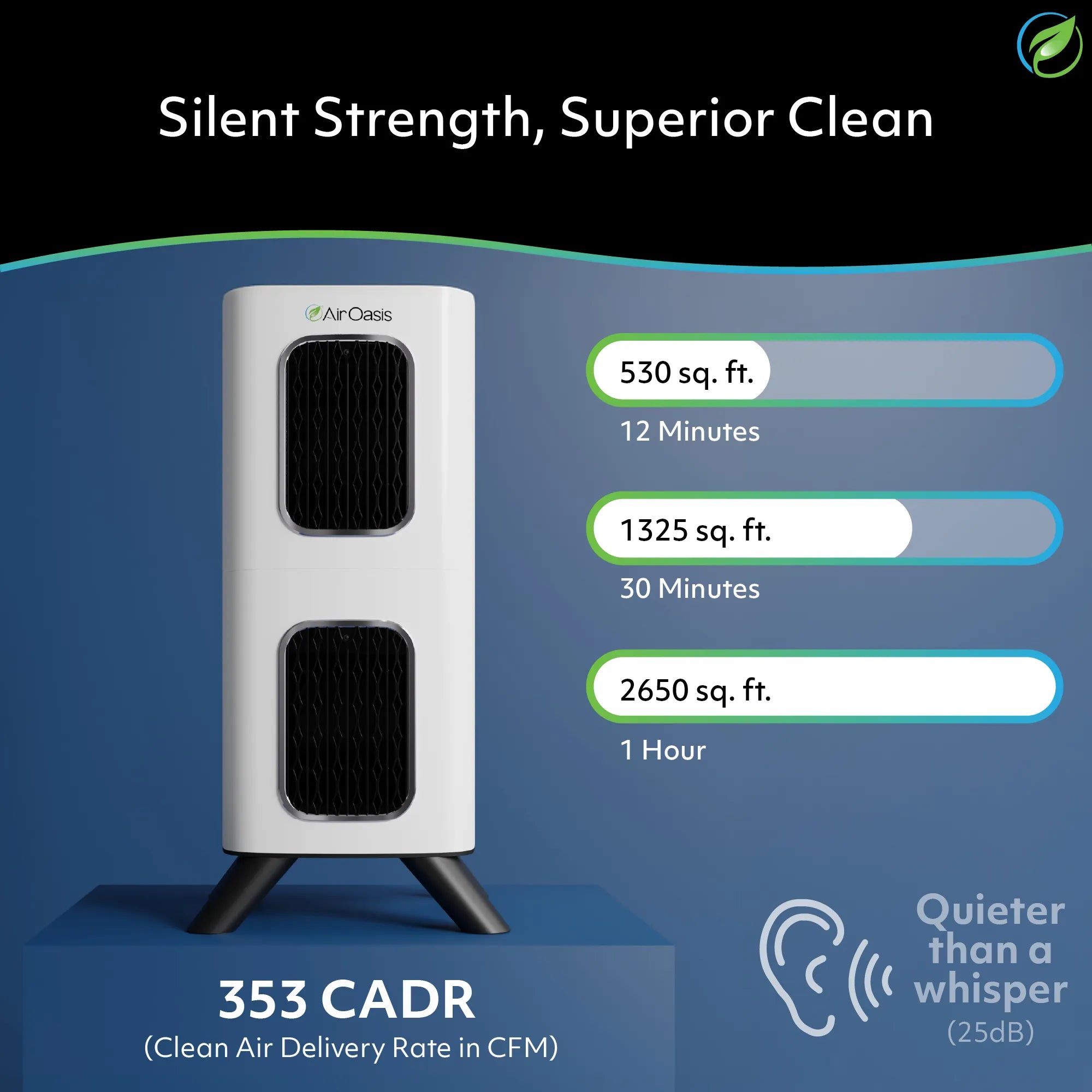
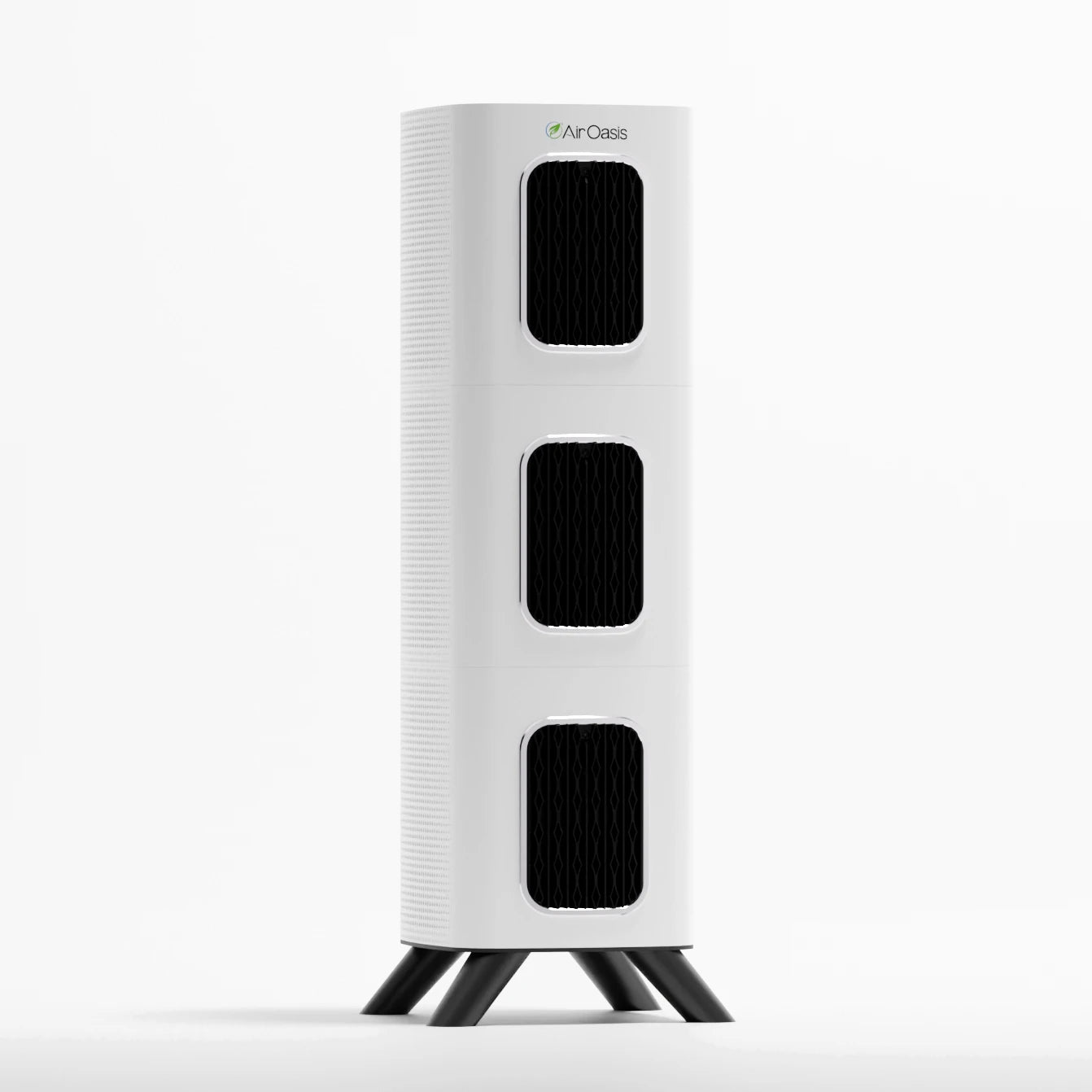
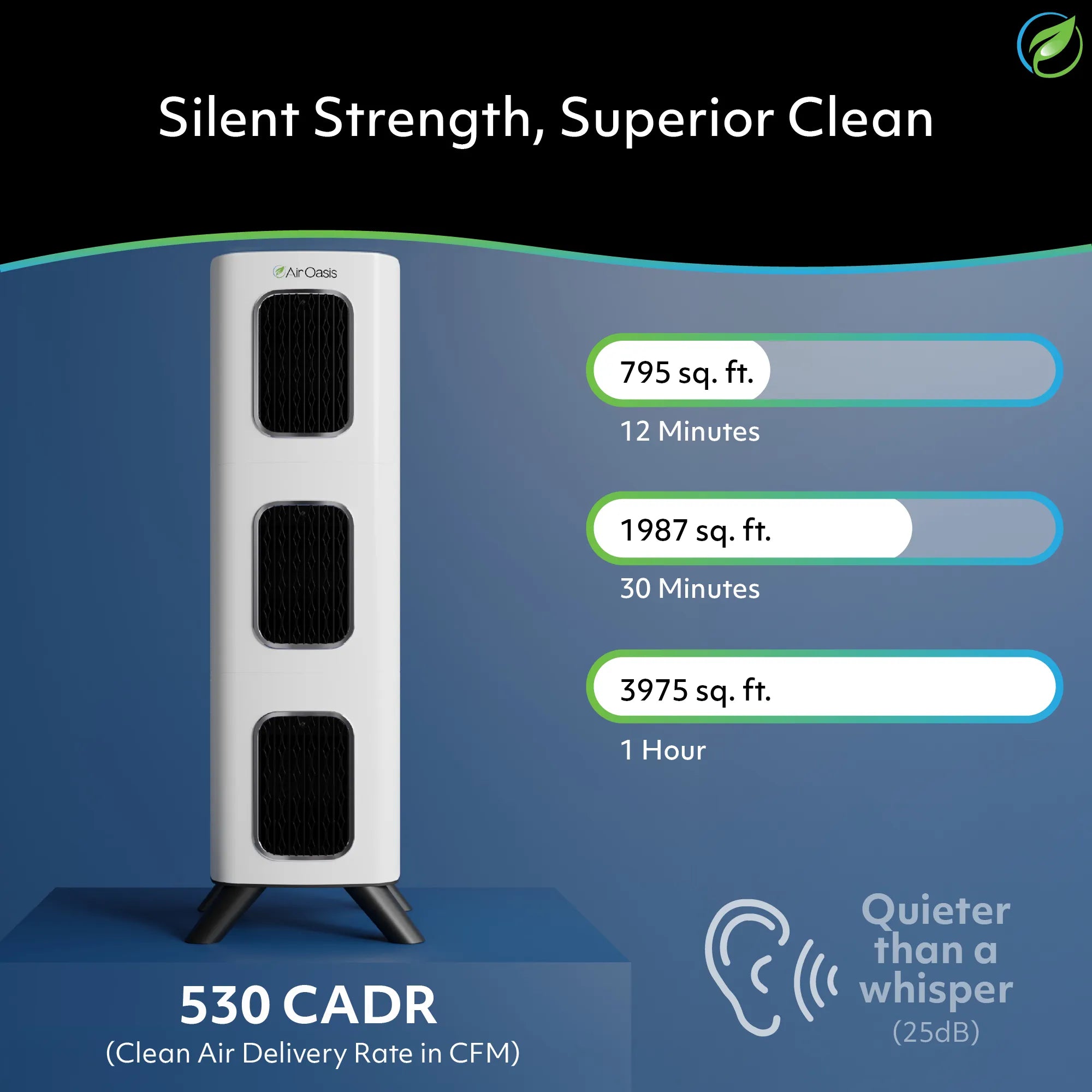
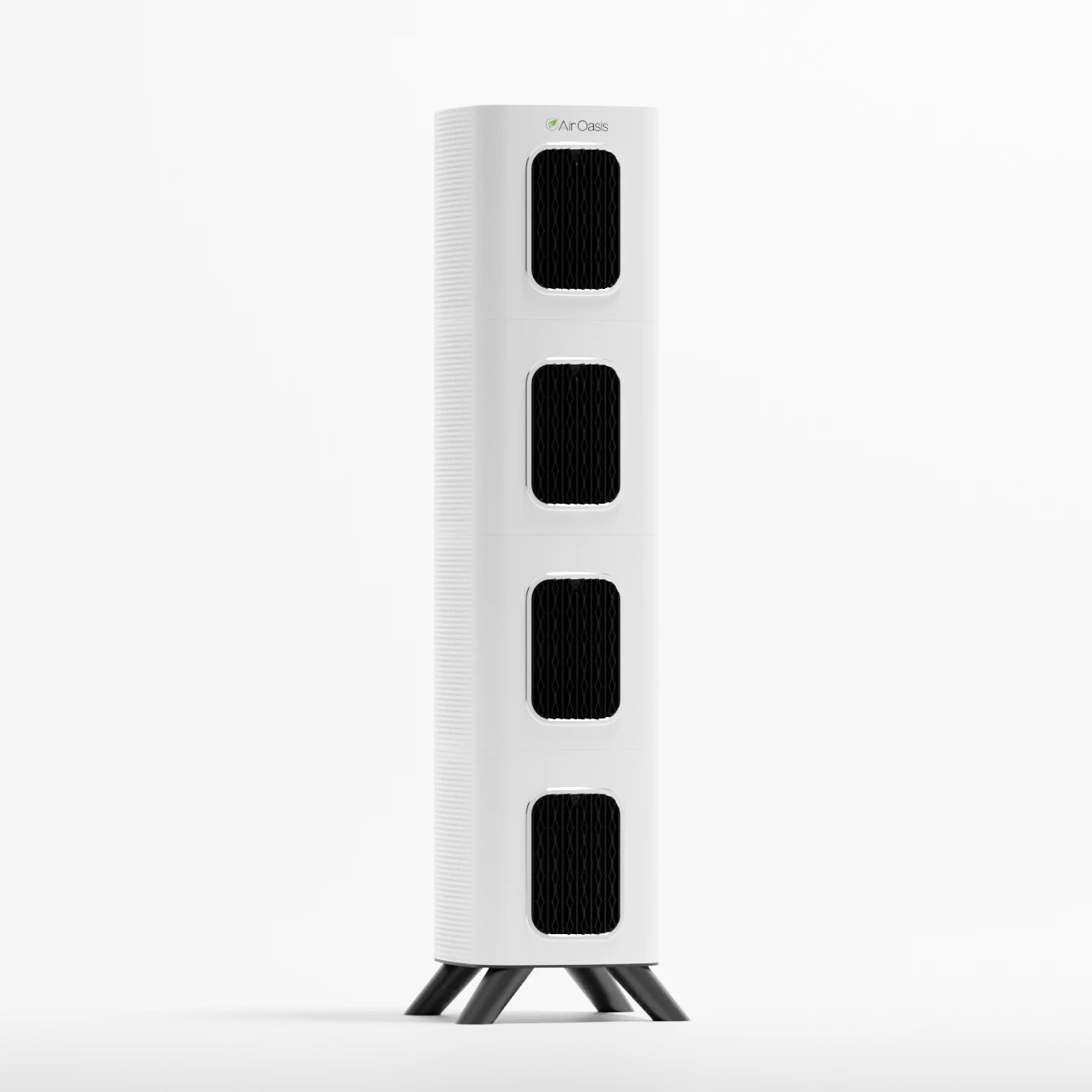
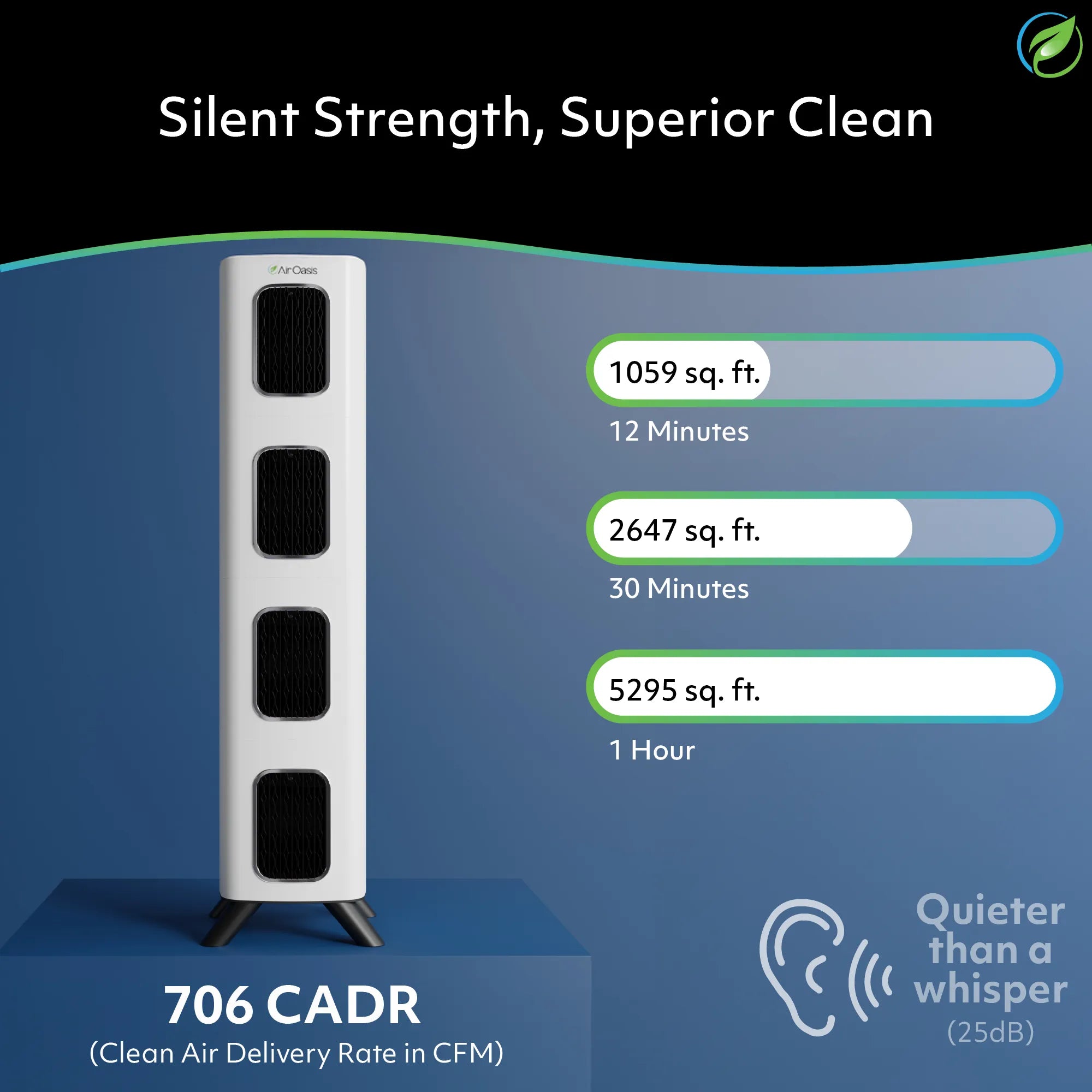
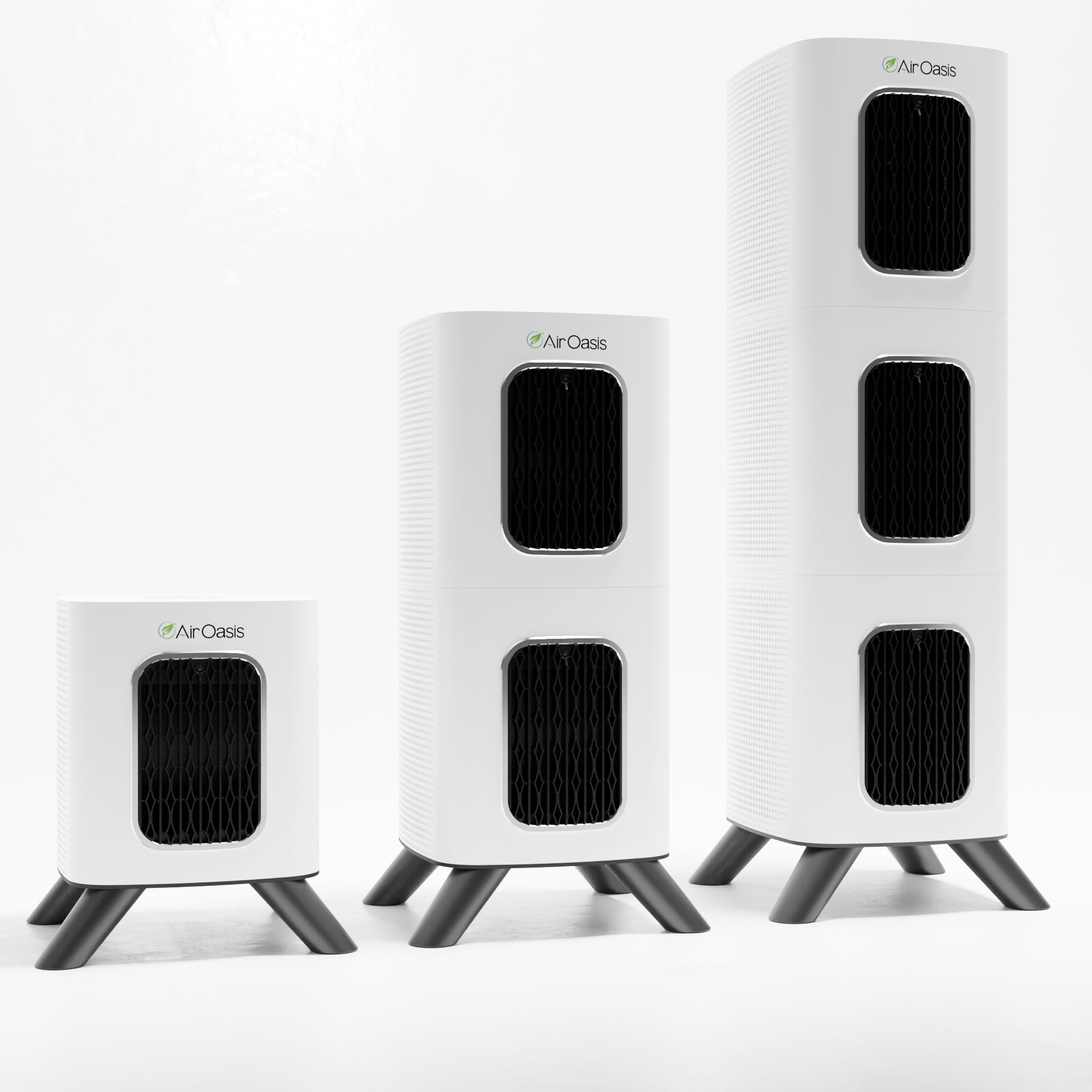
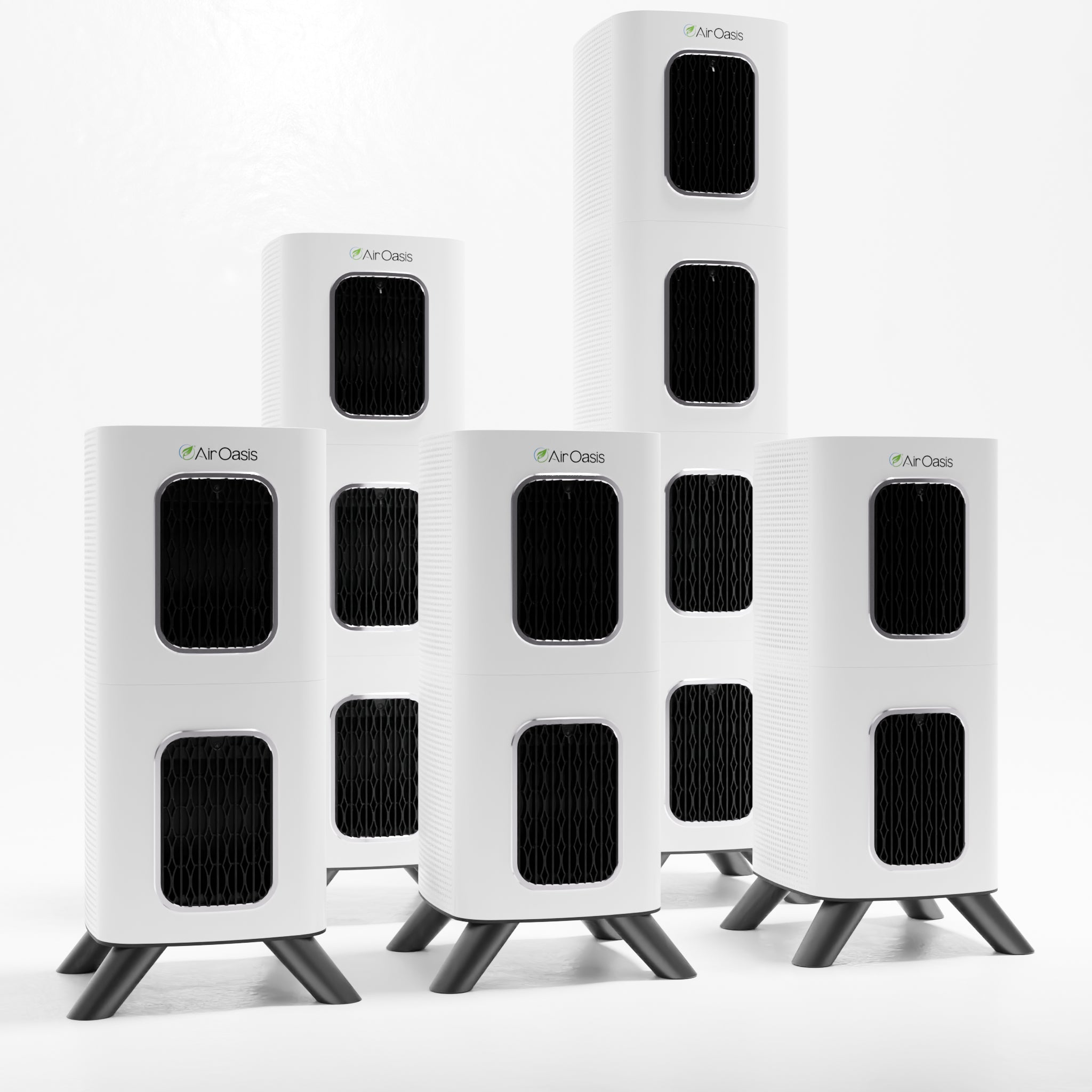
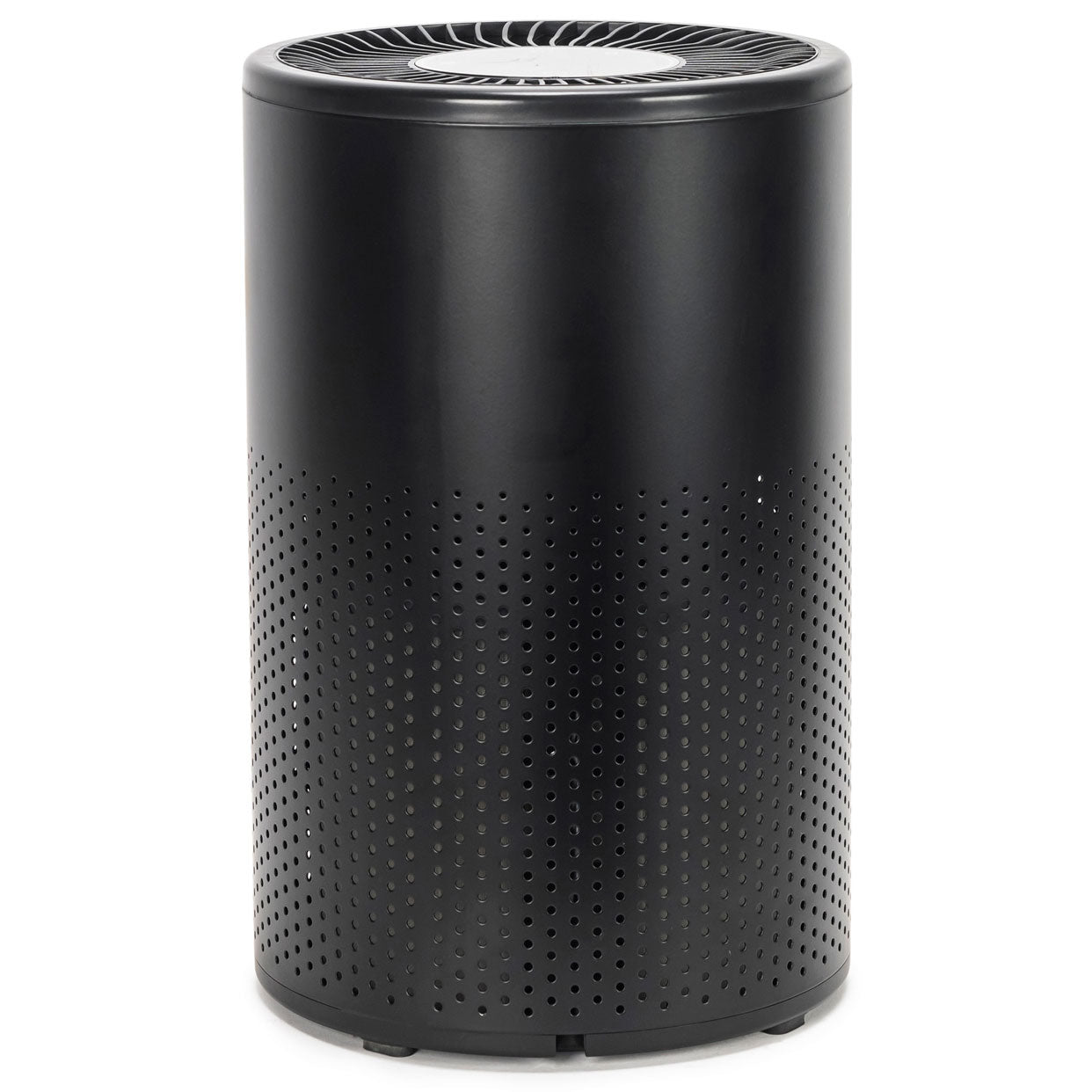
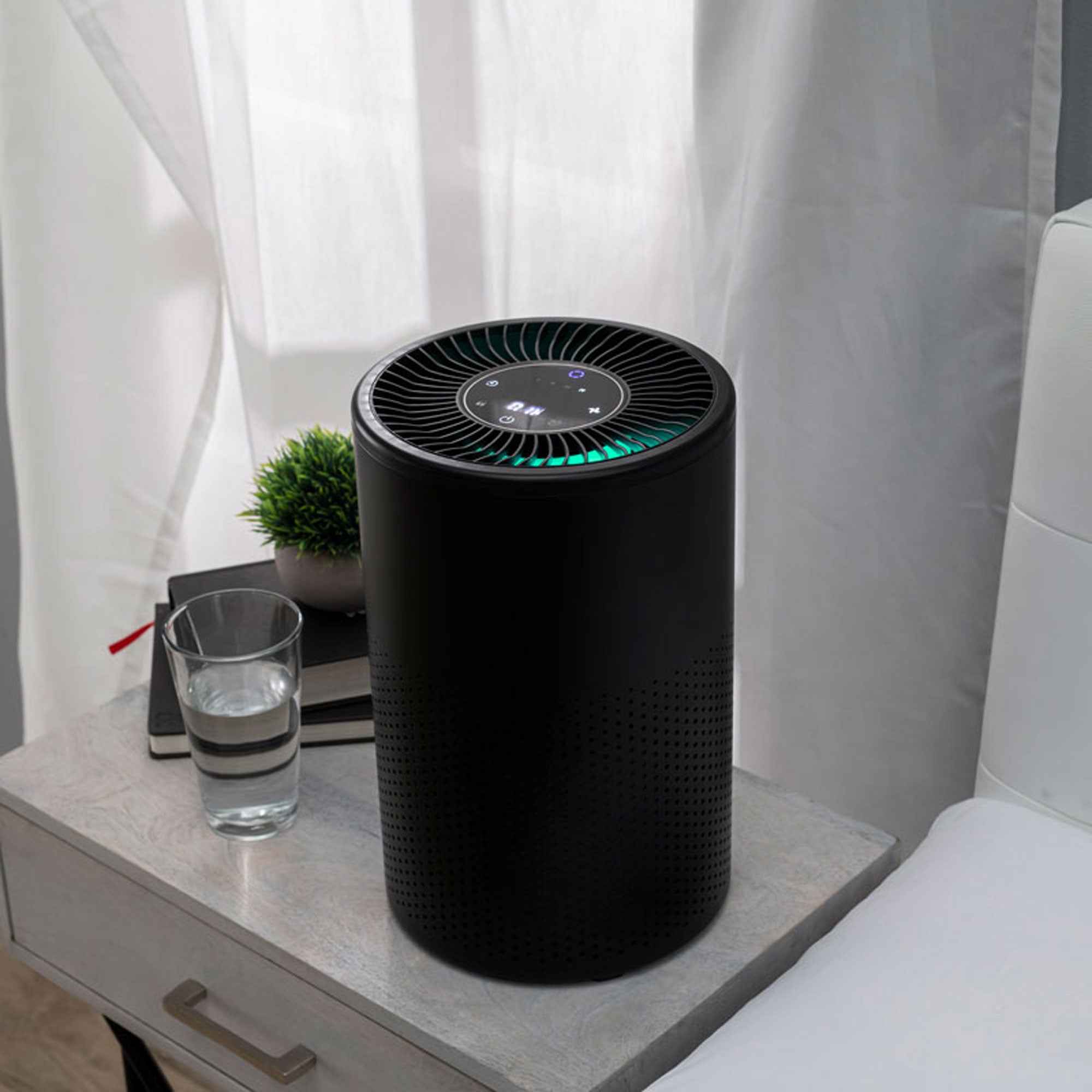
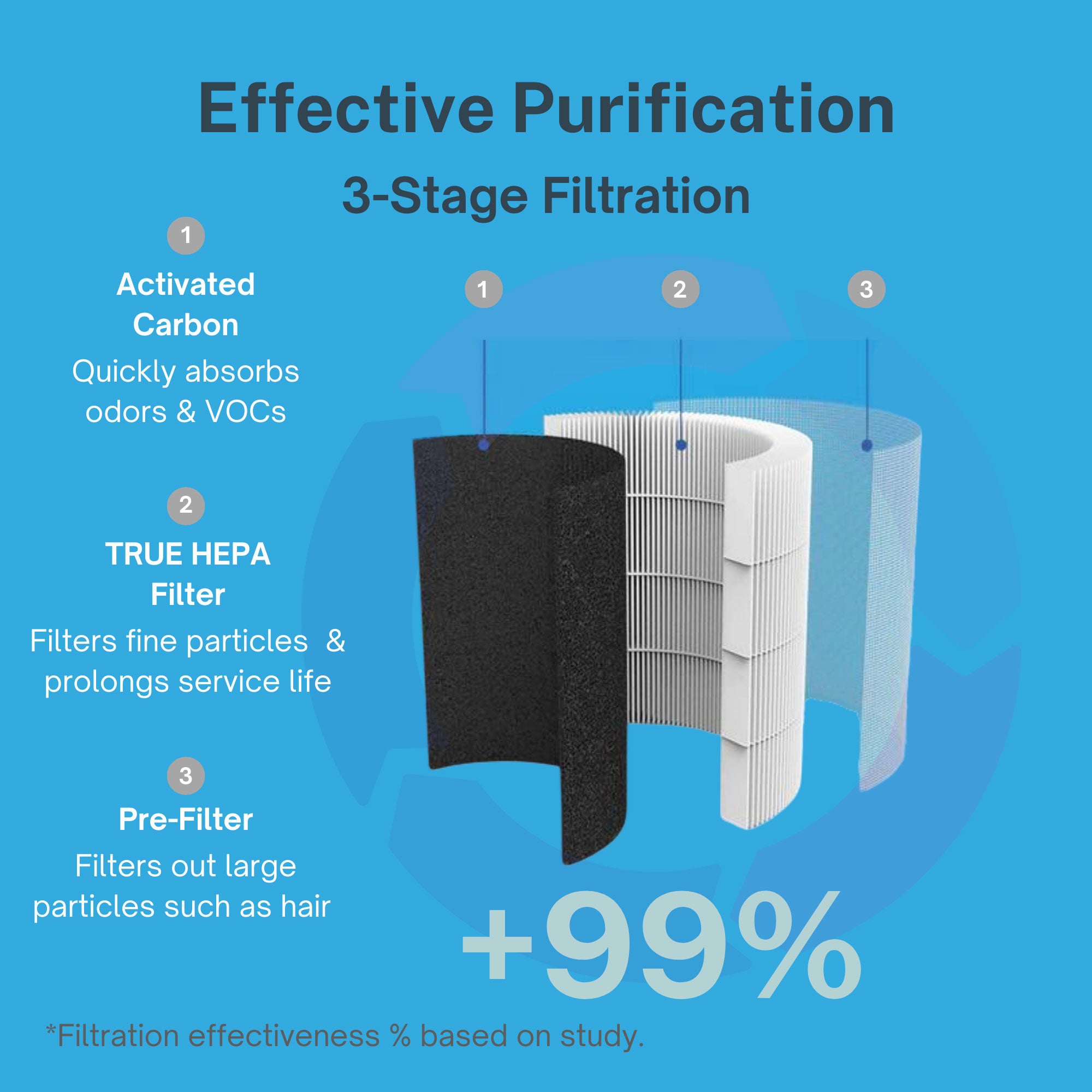
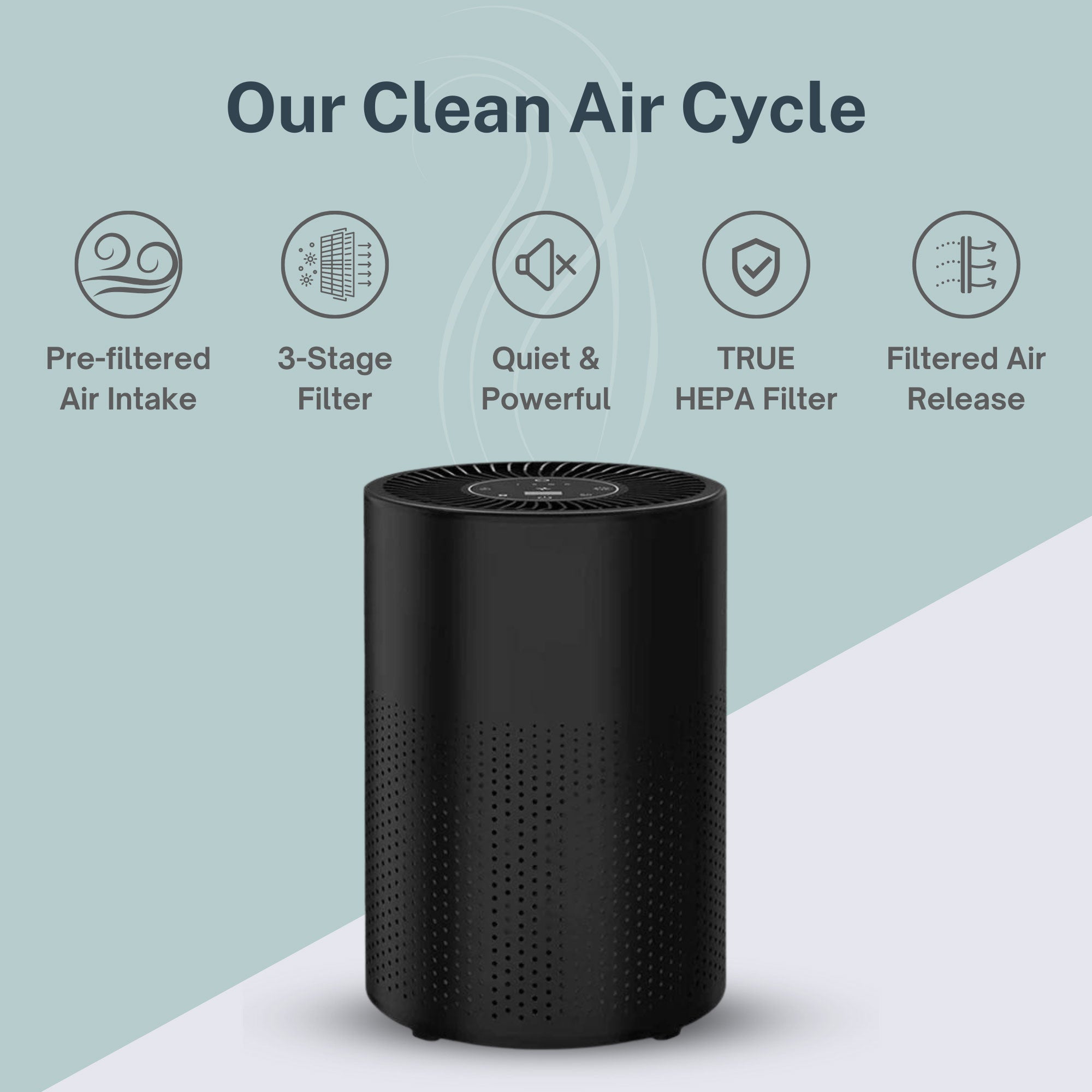
Indoor air quality extends beyond flooring choices. Complementing hard floors with effective air purification creates comprehensive allergen defense. Advanced filtration systems continuously remove airborne particles, including dust mite waste, pet dander, and mold spores, preventing them from settling on any surface and reducing your overall exposure.
Breathe Easier With the Right Foundation
Your flooring choice forms the foundation of your indoor air quality strategy. While carpet may offer comfort and warmth, hardwood and other smooth surfaces provide significantly better allergen control and measurably improved health outcomes for allergy sufferers. The research clearly demonstrates that hard flooring reduces allergen accumulation, simplifies effective cleaning, and decreases airborne particle concentrations. Combined with proper air purification, hard flooring creates the healthy indoor environment you deserve. If you're ready to take control of your indoor air quality and reduce allergy symptoms, shop Air Oasis today and discover how cleaner air transforms your home.