You've experienced the benefits of clean air in one room and now you're wondering: do I need to put an air purifier in every single room of my house? It's a question that comes down to both practical concerns and budget considerations. The honest answer is that while you don't necessarily need an air purifier in every room, strategically placing one in your most-used spaces delivers the best health benefits. Understanding where air purifiers make the most significant impact helps you prioritize your investment for maximum results.
Where You Spend Your Time Matters Most
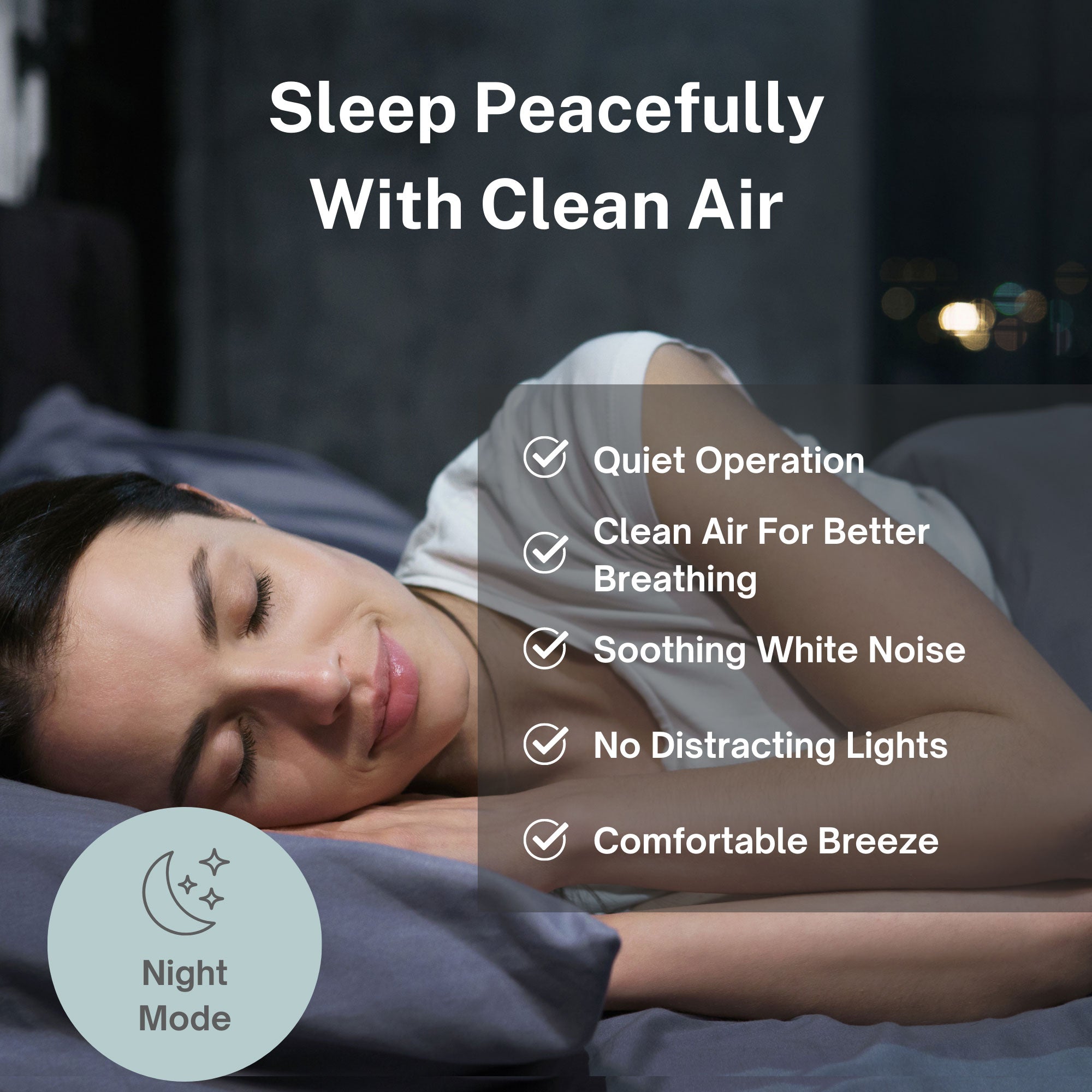
The rooms where you spend the most hours deserve priority for air purification. Your bedroom tops this list because you spend roughly a third of your life sleeping. Clean air during those seven or eight hours directly impacts your sleep quality, breathing comfort, and how you feel when you wake up. Many Air Oasis customers start with a bedroom unit and immediately notice they sleep better and wake up less congested.
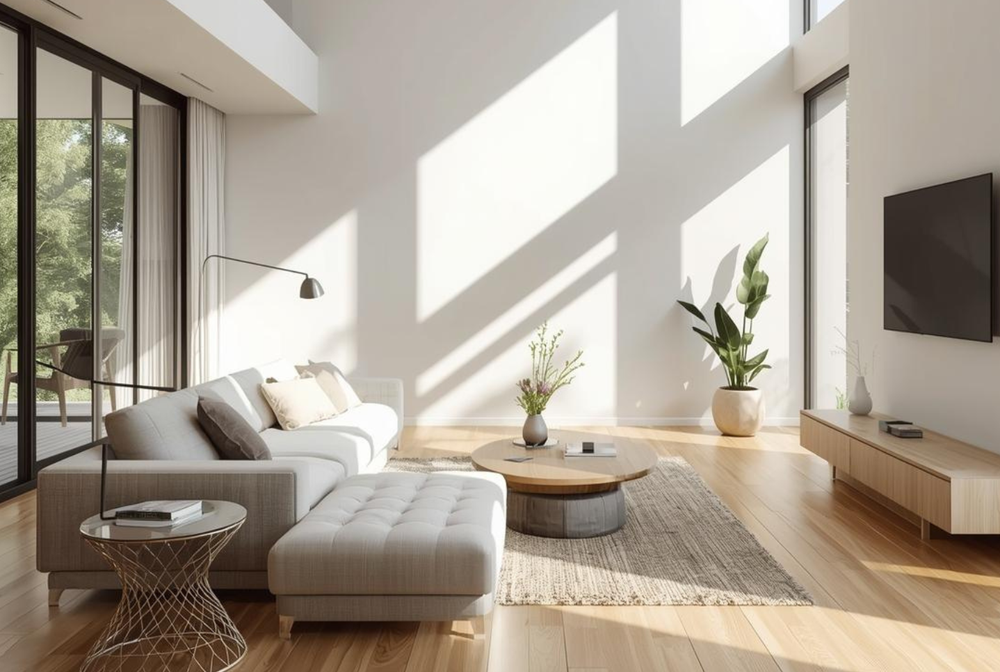
Your main living areas come next in importance. Whether that's a living room, family room, or home office where you work remotely, these spaces see heavy daily use. If you're spending six to eight hours working from home or relaxing with family in the evening, that's significant time breathing whatever air quality exists in those rooms.
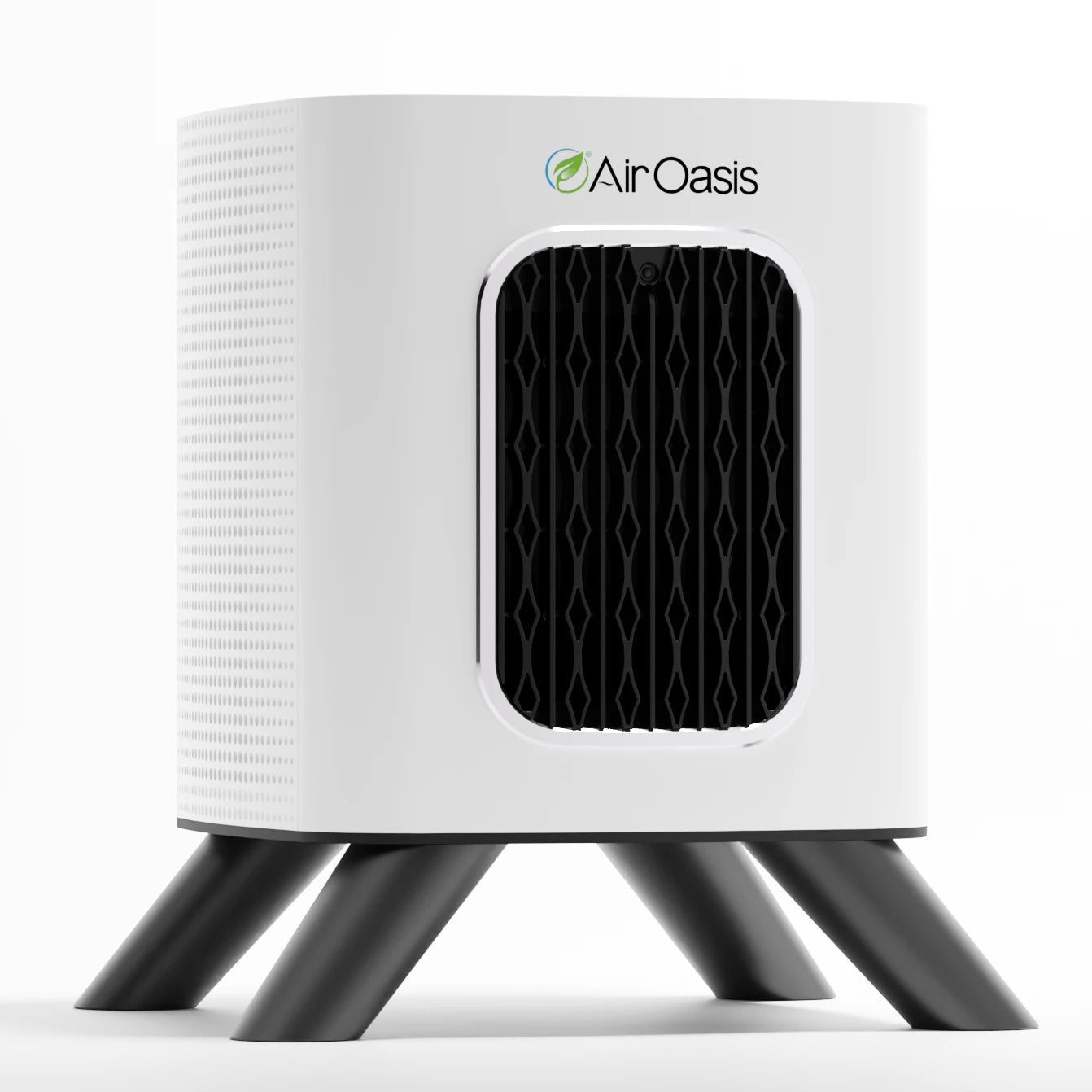
Kitchens present unique air quality challenges because cooking generates odors, smoke, and airborne grease particles that linger long after meals. One Air Oasis customer shared that cooking smells in their home without outdoor venting used to persist for three days. After adding an iAdaptAir unit and running it on speed three during cooking, the house no longer smelled of cooking odors at all. For homes where cooking is a daily activity, kitchen air purification makes a noticeable difference.
Coverage Capacity Changes the Equation
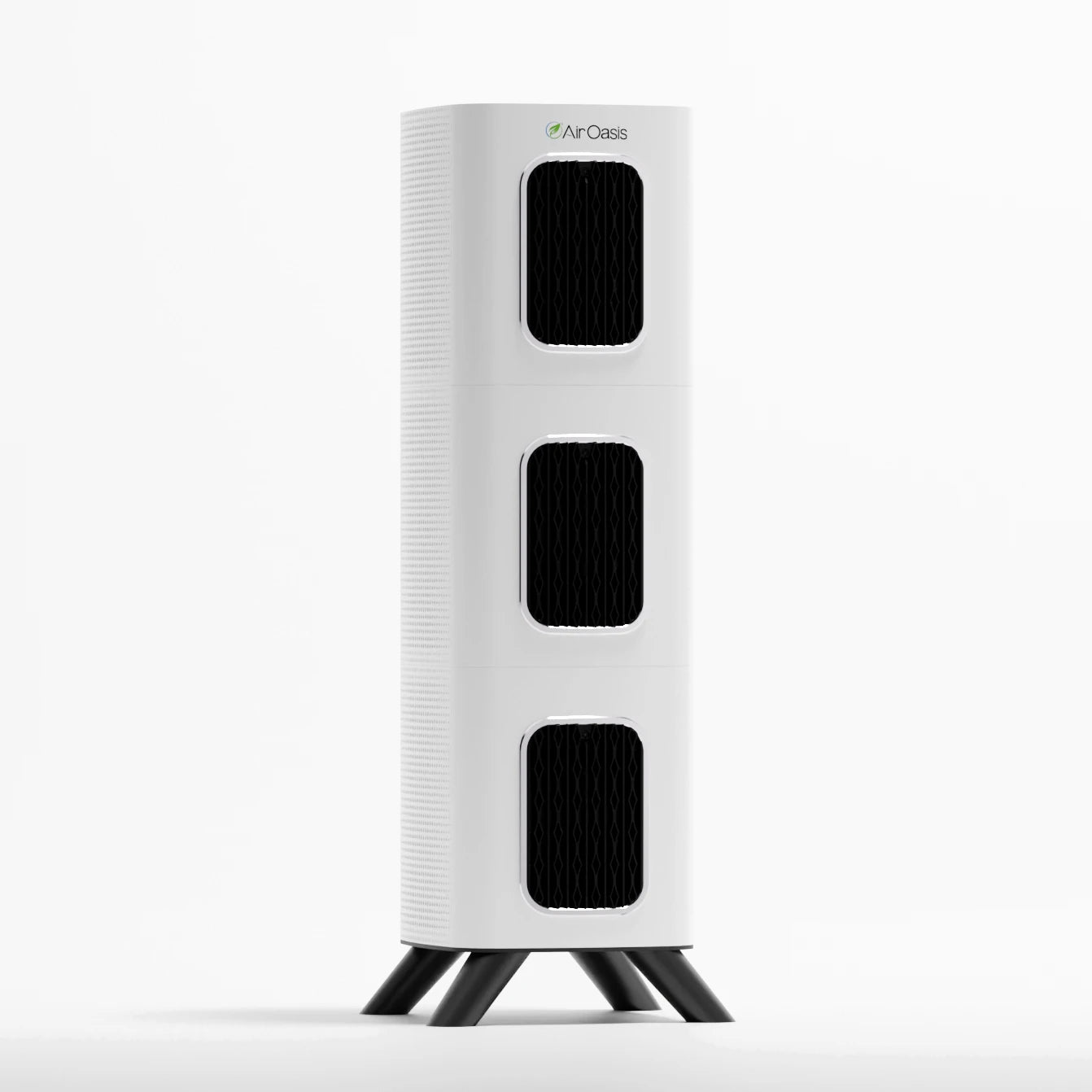
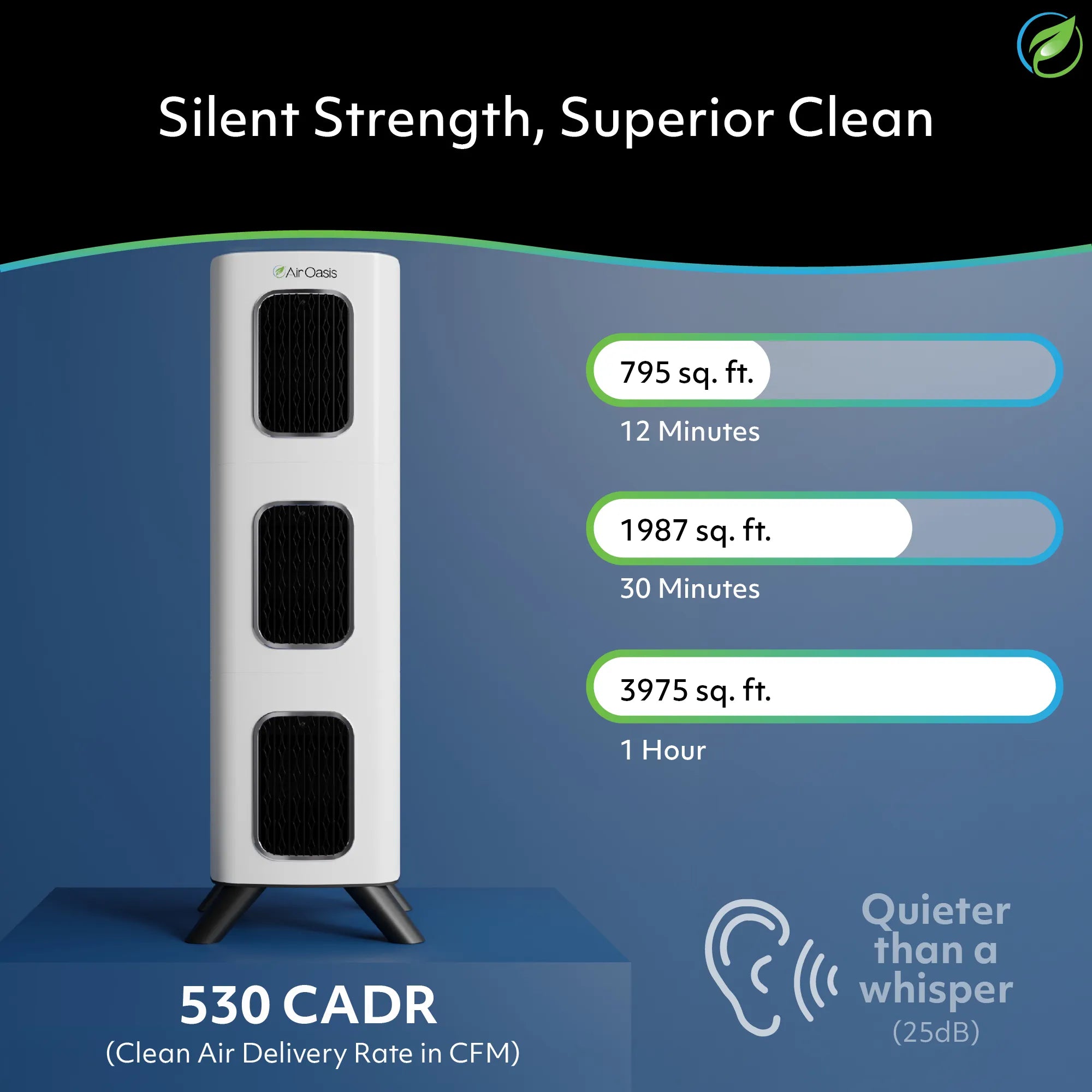
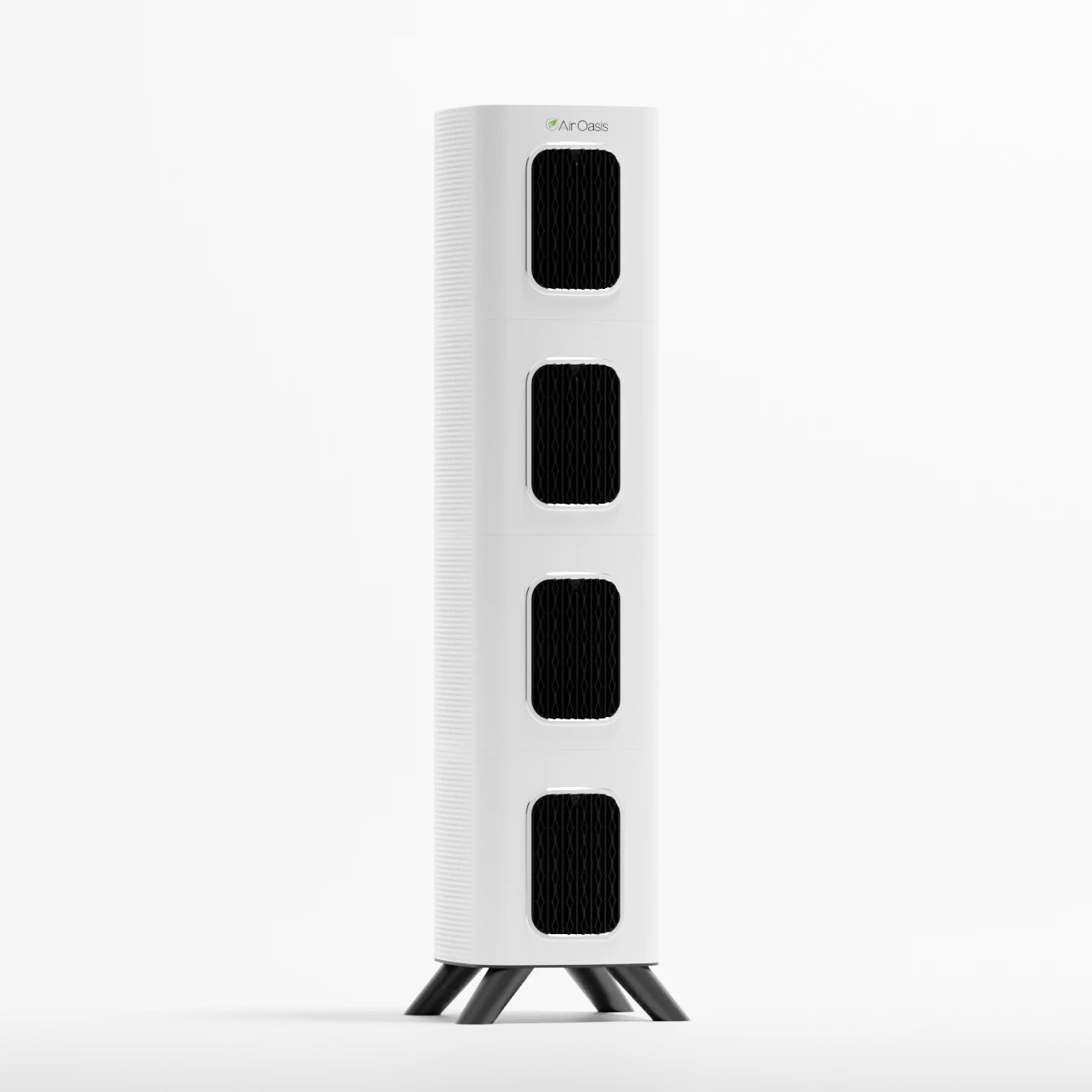
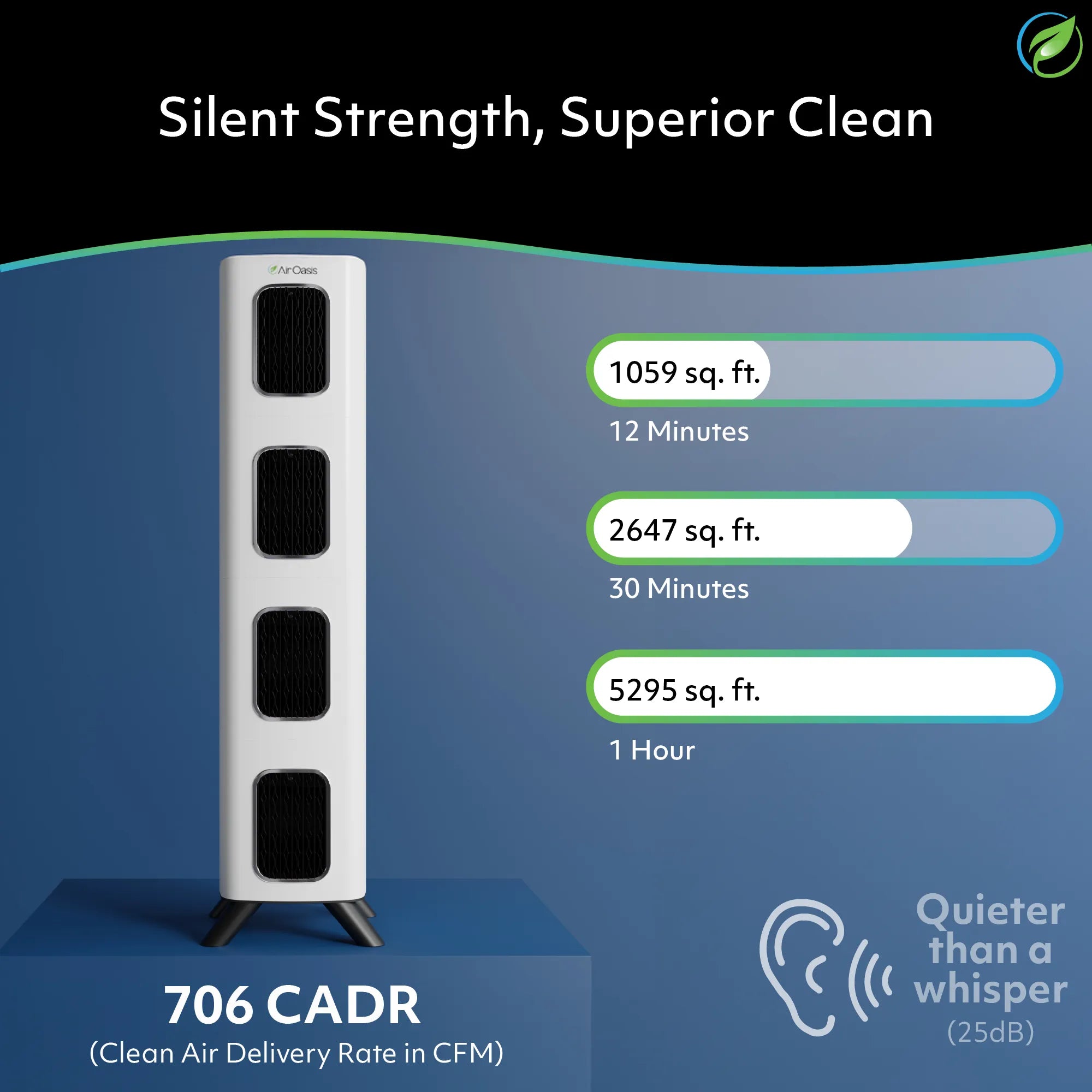
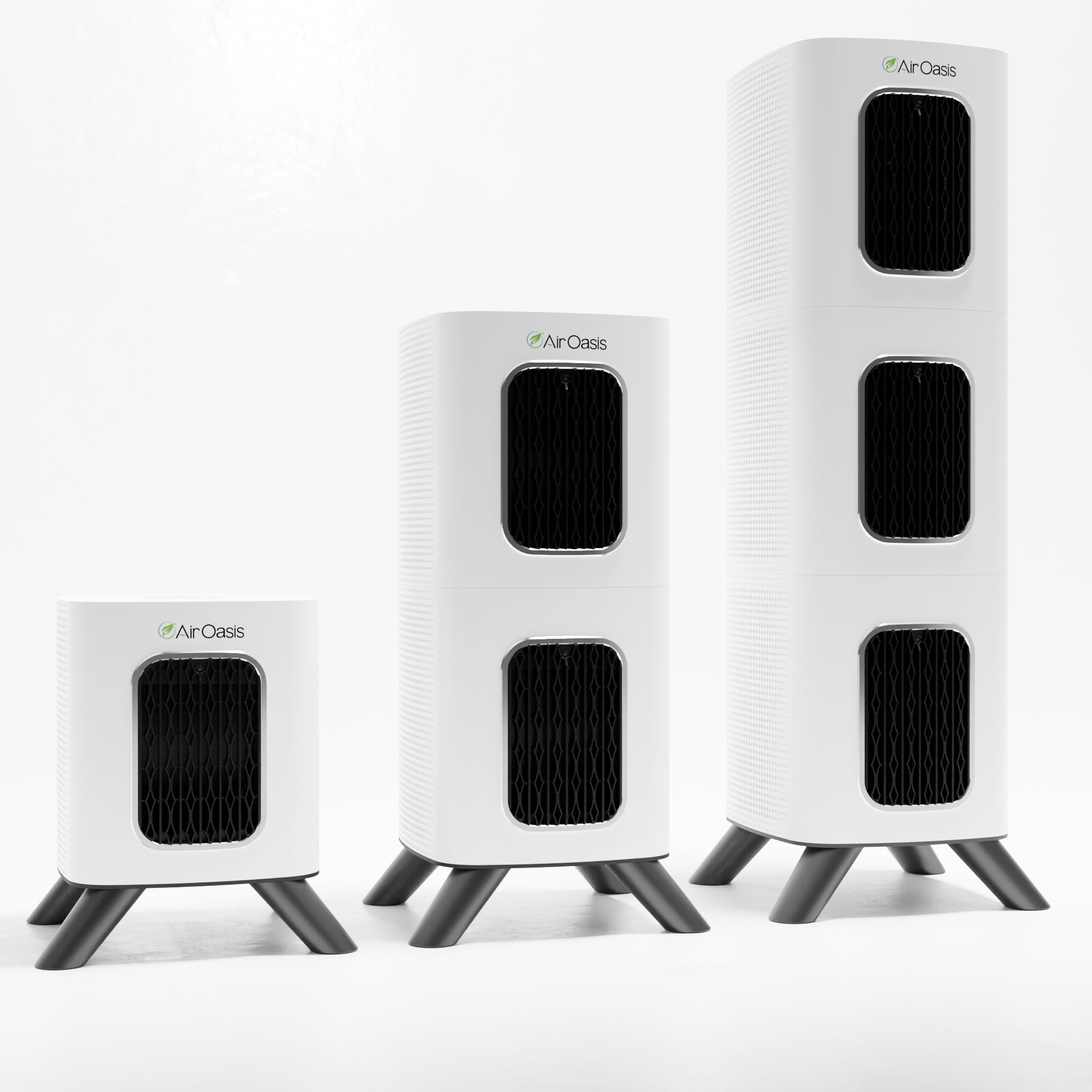
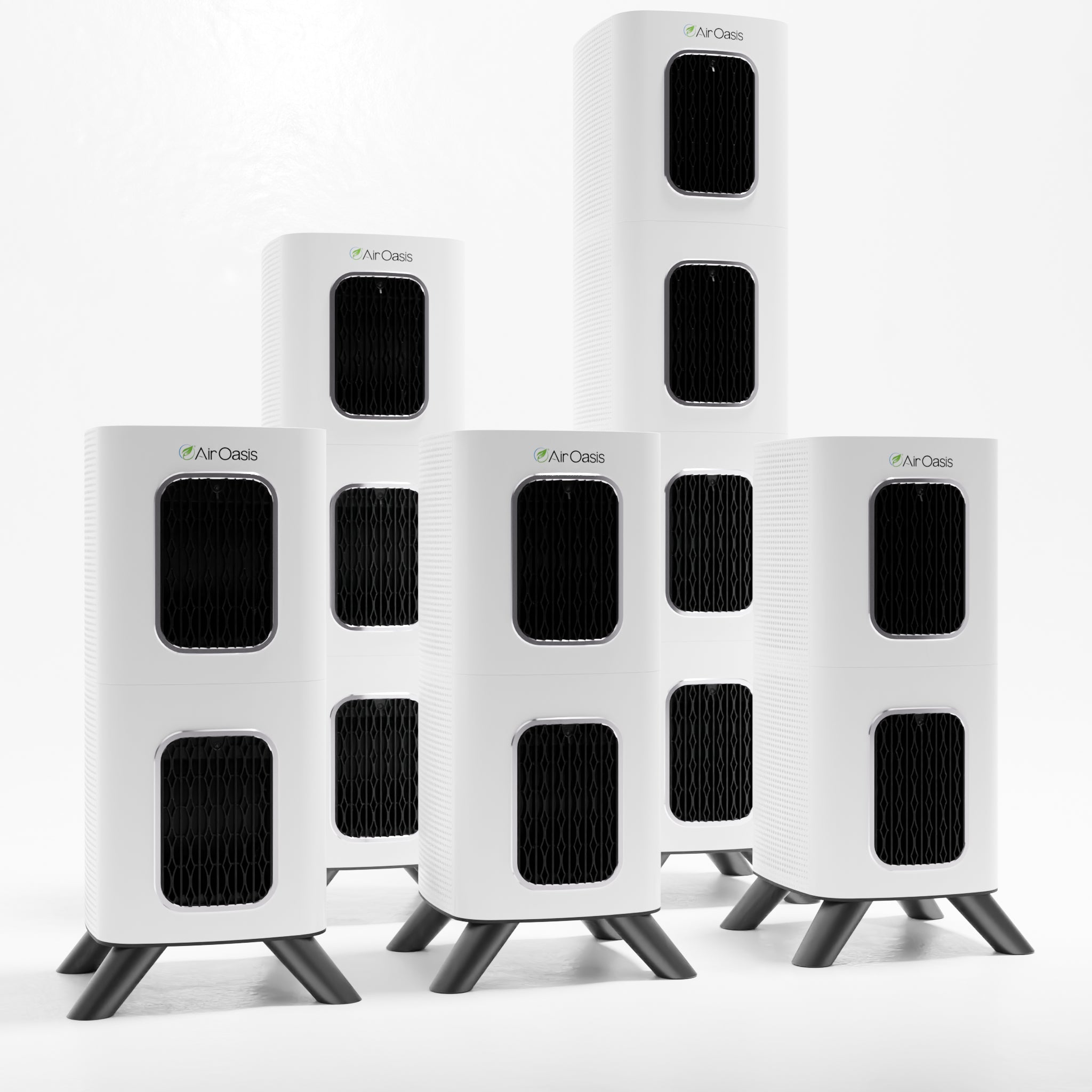
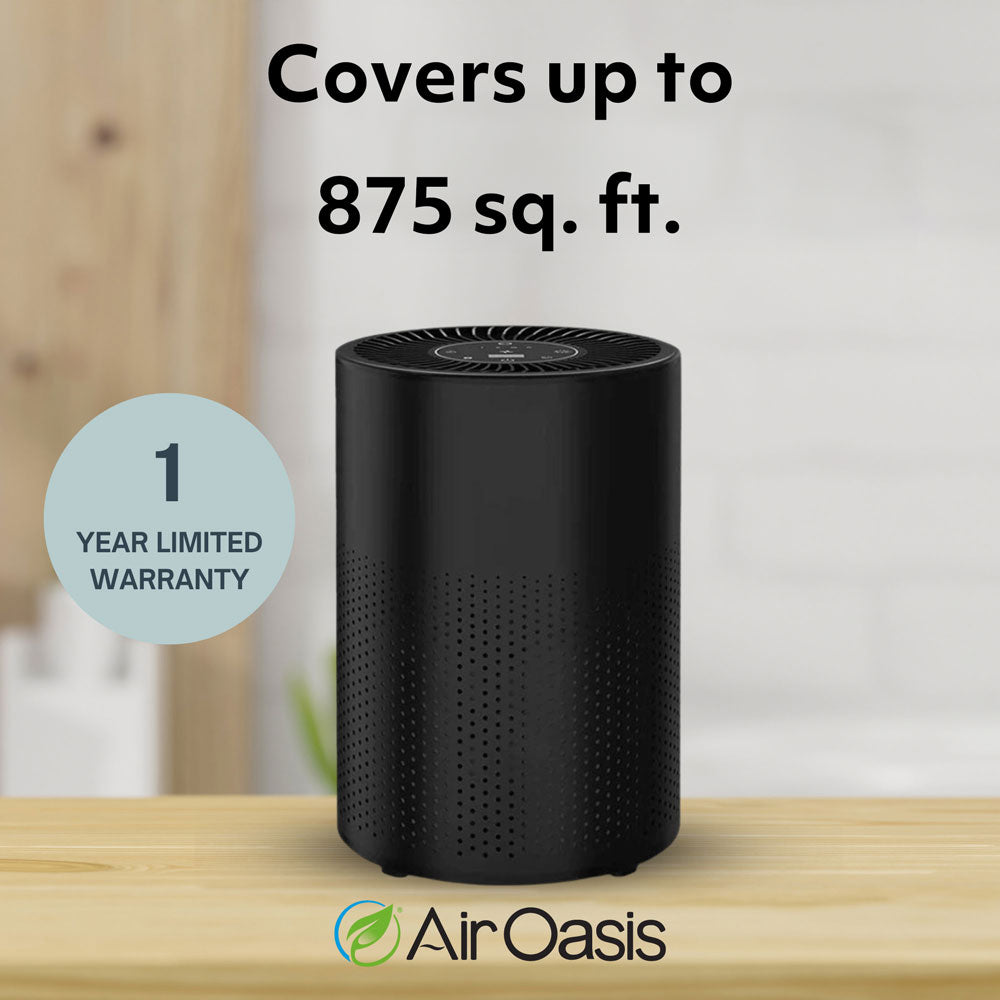
The size of your air purifier matters significantly when deciding how many units you need. An iAdaptAir 2P covers up to 1,059 square feet with complete air exchanges every 12 minutes. If you have an open-concept main floor totaling 900 square feet, one strategically placed 2P could handle your living room, dining area, and kitchen simultaneously.
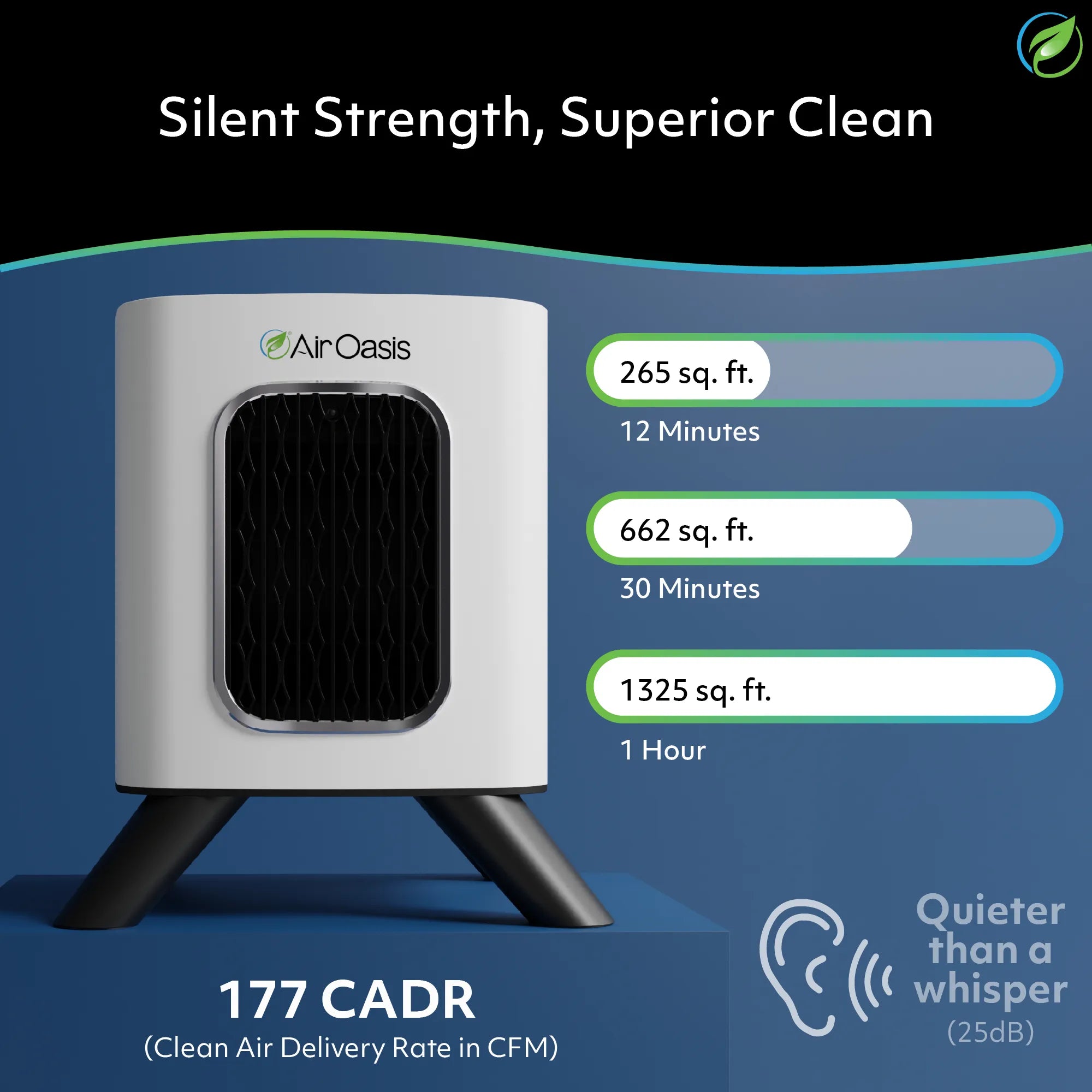
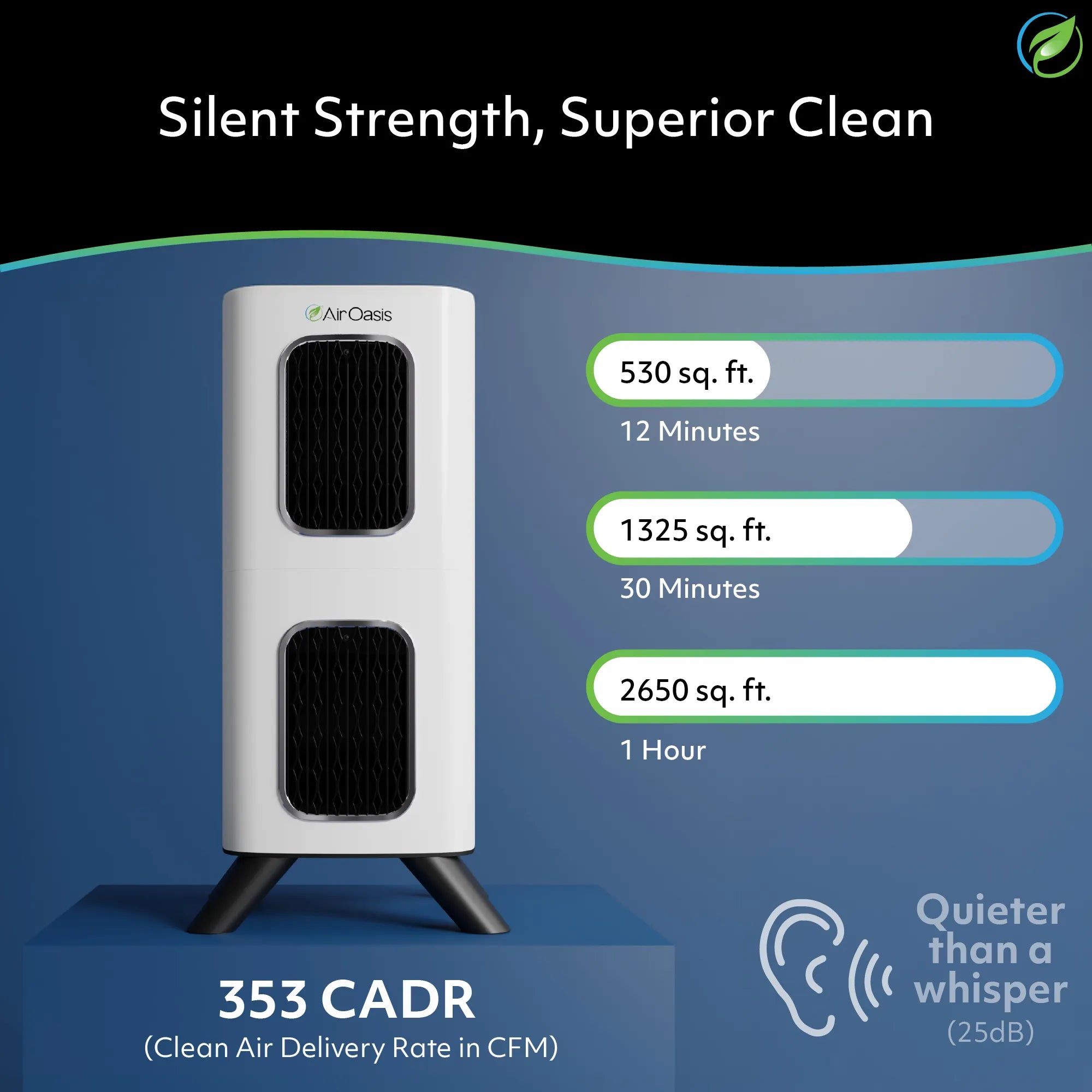
Smaller units work perfectly for individual rooms. The iAdaptAir 2S covers 265 square feet—ideal for a standard bedroom or home office. The 2M at 530 square feet works well for master bedrooms or larger living spaces. The 2L at 795 square feet bridges the gap for substantial rooms or combined spaces. Matching unit size to your actual square footage helps you determine whether you need multiple units or if one larger model handles connected areas.
Closed doors create separate air environments. If you close the bedroom doors at night, the air purifier in your living room isn't cleaning the air in your bedroom. Each closed-off space functions as its own air quality zone. Open-concept homes allow one well-sized unit to service multiple connected areas, while dwellings with many separate rooms benefit from multiple smaller units.
Health Concerns Influence Your Strategy
Your specific health situation affects how many air purifiers you should consider. People with severe allergies, asthma, or chronic respiratory conditions benefit from more comprehensive coverage. When breathing difficulties significantly impact your quality of life, having clean air in every frequently used room becomes a health priority rather than a luxury.
Households with pets need to think differently about coverage. Pet dander doesn't stay in one room—it circulates throughout your home on air currents and gets tracked around on clothing and feet. If you have shedding pets, you're dealing with dander in every space they access. One customer in a desert climate noted that after adding their Air Oasis unit, they noticed "less dust in the house"—and pet dander follows similar patterns to dust distribution.
Mold sensitivities and chemical sensitivities also warrant broader coverage. Mold spores travel through your home's air circulation, and VOCs from furniture, cleaning products, and building materials affect air quality everywhere. People dealing with Chronic Inflammatory Response Syndrome or biotoxin illness often need multiple units to maintain the consistently clean air their recovery requires.
Strategic Placement vs. Complete Coverage
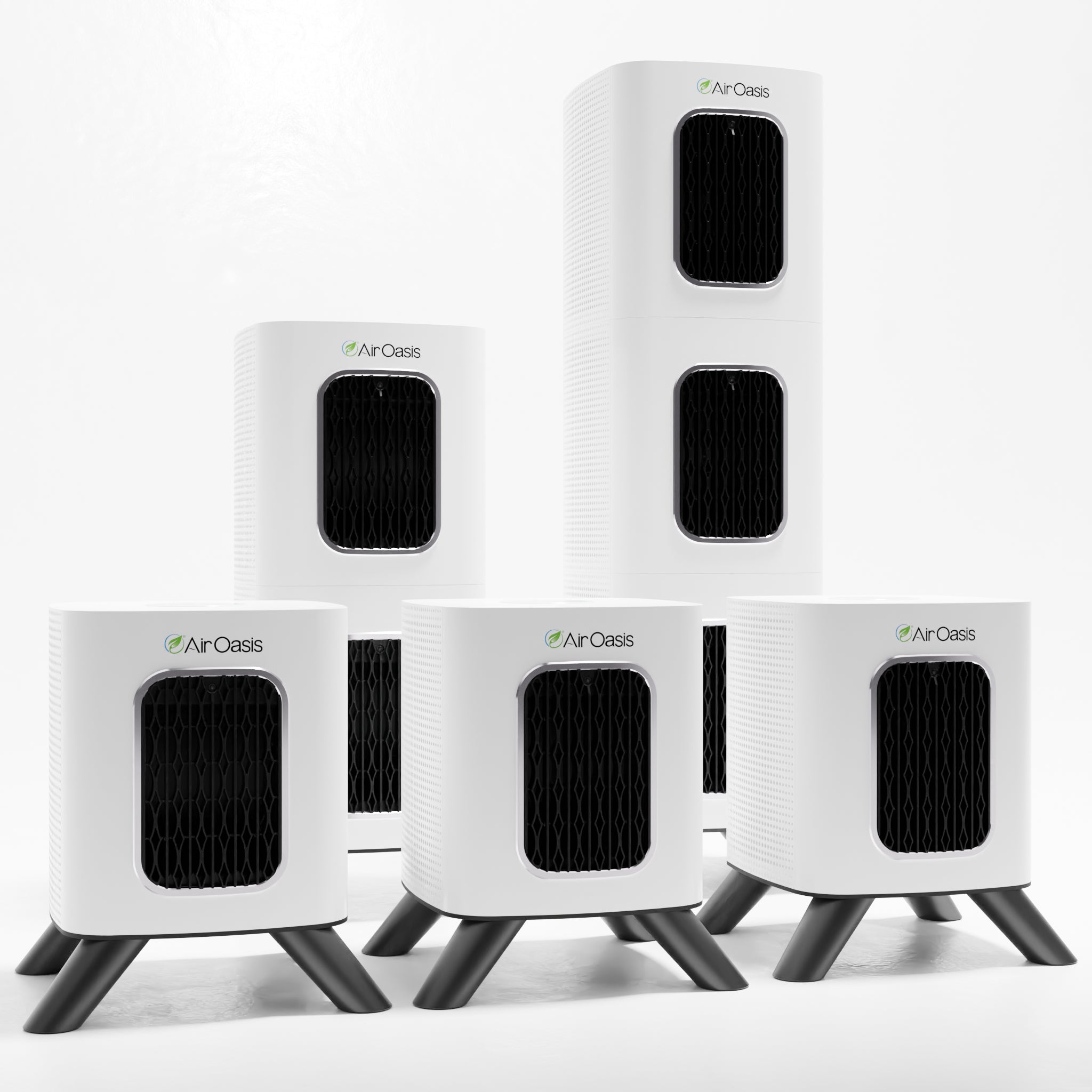
A strategic approach often delivers excellent results without requiring a unit in every single room. Many households successfully use a two or three-unit strategy: one in the master bedroom, one in the main living area, and possibly one in a home office or child's bedroom if needed.
Guest rooms that are used occasionally don't require dedicated air purifiers. You can move a portable unit into a guest room when visitors arrive, letting it run for a few hours to establish clean air before guests sleep there. Similarly, bathrooms, laundry rooms, and closets typically don't need dedicated air purification unless you have specific moisture or odor issues in those spaces.
Basements and finished lower levels present a special case. These areas often have different air quality challenges including higher humidity, mustier odors, and less natural ventilation. If you use your basement regularly for recreation, exercise, or additional living space, it warrants its own air purification rather than assuming your upstairs units handle it.
The Rotating Unit Approach
Some people successfully use one or two air purifiers and rotate them depending on where they spend time. Run a unit in your bedroom overnight, then move it to your home office during work hours, then to the living room for evening activities. This approach works for people without severe health concerns who want to optimize clean air on a budget.
The limitation of rotating is that you can only maintain clean air in one location at a time. The moment you move your air purifier out of a room, its air quality begins to decline again. Dust settles, outdoor allergens drift in, and any indoor pollution sources resume contaminating the air. By the time you rotate back to that room tomorrow, air quality has degraded substantially.
One Air Oasis customer mentioned setting their unit "for everyday 2 hours from 8:30 to 10:30 in the morning to run on medium" and their house "is always at zero"—meaning excellent air quality. This suggests their home size and air quality challenges allow effective coverage with timed operation in a central location. Your success with a single unit depends heavily on your home's layout and specific air quality issues.
Making Your Coverage Decision
You don't need an air purifier in every room, but you do need coverage in the rooms where you spend the most time and where air quality most significantly impacts your health and comfort. Start with your bedroom and main living space, then expand coverage based on your health needs, home layout, and specific air quality challenges.
Think about your daily routine and where breathing clean air matters most. Your home priorities might differ, but the principle remains: invest in air purification where it delivers the most meaningful benefit to your daily life.
Ready to develop your home air quality strategy? Whether you need one properly sized unit for open-concept living or multiple purifiers for comprehensive coverage, Air Oasis offers medical-grade filtration in sizes that match your specific needs. Shop Air Oasis today and create the clean air environment your health deserves.