It's a sensible question, especially if you're already running a fan for airflow and wondering whether adding an air purifier means a meaningful jump in your electricity use. The short answer is: it depends on the fan. And the longer answer reveals something worth knowing about what you're actually getting for the energy spent.
How fans and air purifiers draw power
Fans come in a wide range of sizes and types, and their wattage varies accordingly. A small desk fan typically draws somewhere between 10 and 35 watts. A standard box fan or oscillating tower fan generally runs between 40 and 100 watts depending on speed setting. Ceiling fans range from around 15 watts at low speed to 75 watts or more at high speed. Large floor fans and industrial-style models can draw considerably more.
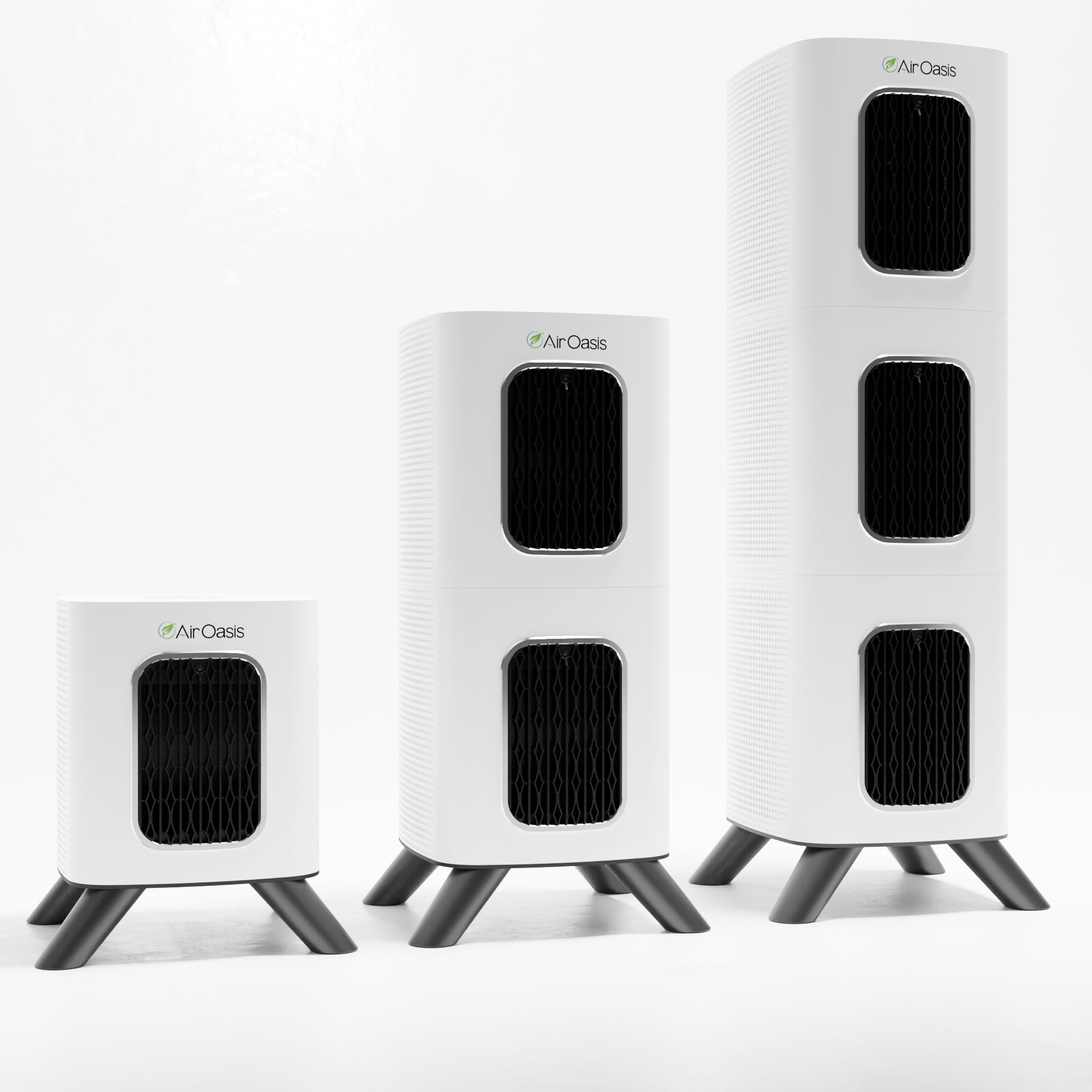
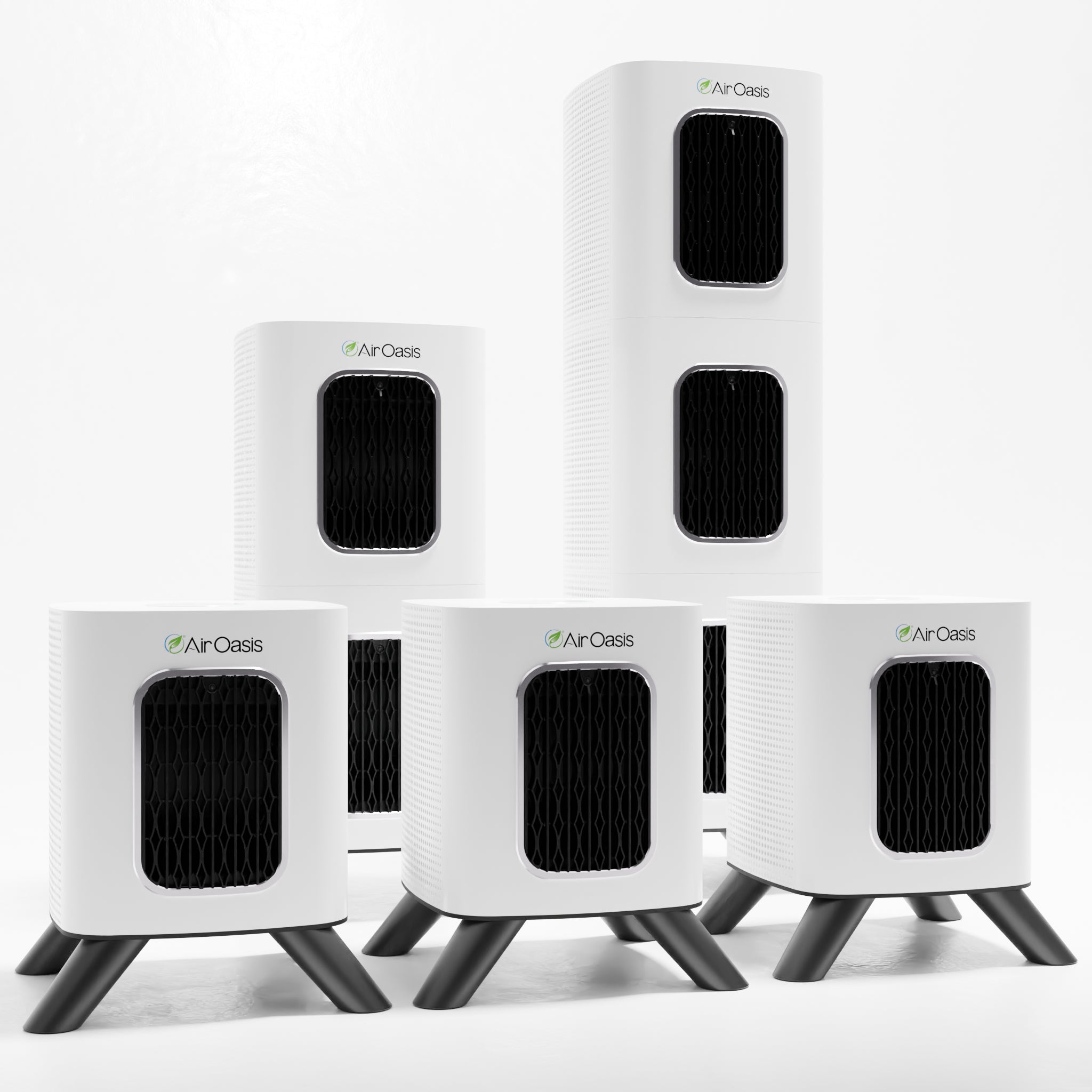
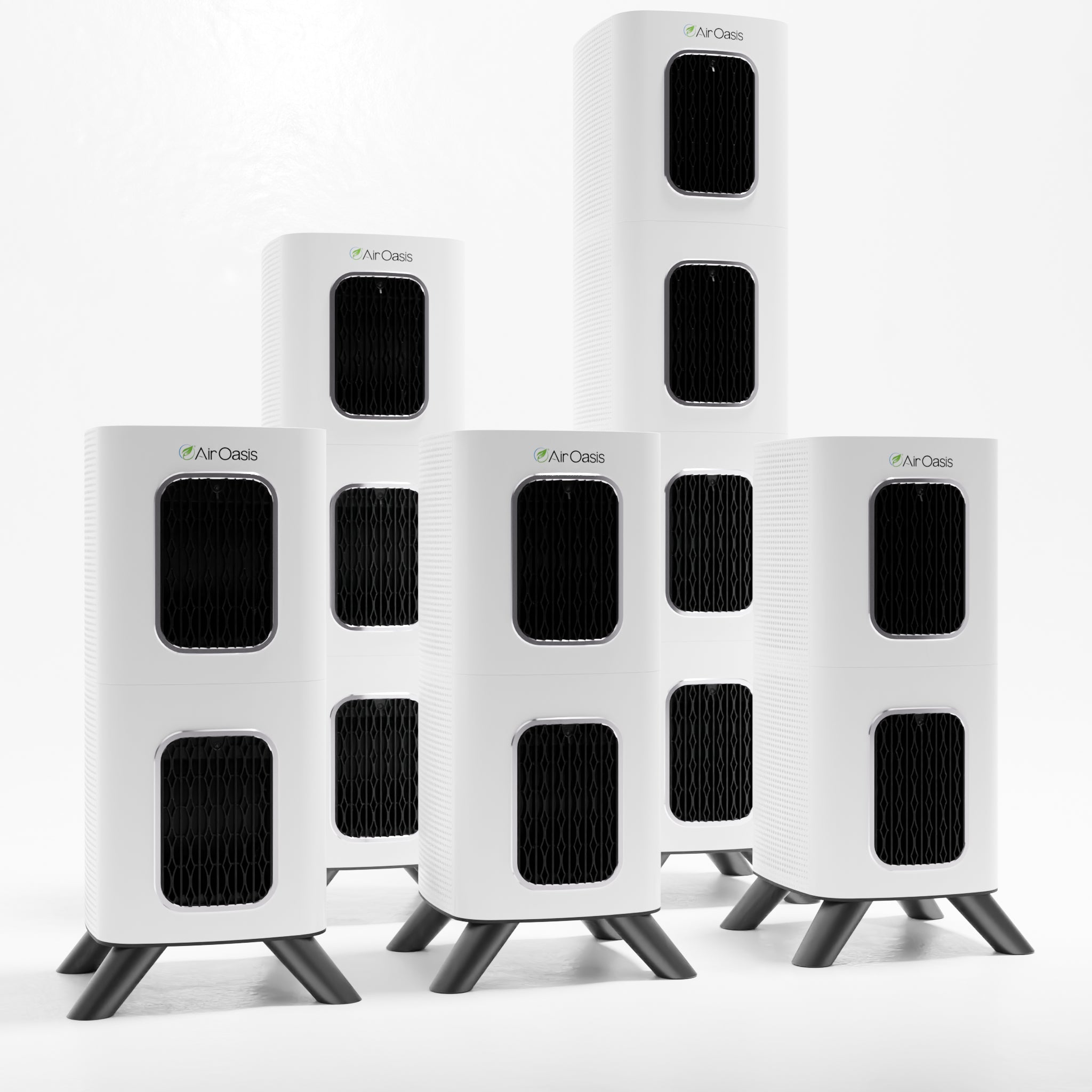
Air purifiers vary just as much, depending on the size of the unit and the technologies involved. The iAdaptAir draws 35 watts for the 2S model, 70 watts for the 2M, 105 watts for the 2L, and 140 watts for the 2P. These figures reflect full-speed operation. In auto mode, which adjusts fan speed based on real-time air quality sensing, actual power draw at any given moment is typically lower.
So if you compare a small desk fan running at 25 watts to the iAdaptAir 2S running at 35 watts, the purifier uses slightly more. If you compare a box fan running at 80 watts to the iAdaptAir 2S, the fan uses significantly more. The comparison is genuinely dependent on which fan and which purifier model you're looking at.
What the actual cost difference looks like
Using the national average residential electricity rate from the U.S. Energy Information Administration, approximately 16 cents per kilowatt-hour as of 2024, the numbers shake out to modest differences in most realistic comparisons.
A desk fan at 25 watts running 24 hours a day costs around $2.88 per month. The iAdaptAir 2S at 35 watts running continuously costs about $4.03 per month. The difference is roughly $1.15 per month, or about 14 cents per day.
A box fan at 80 watts running 24 hours costs about $9.22 per month. That's more expensive than running the iAdaptAir 2M at 70 watts continuously, which comes to around $8.06 per month. The air purifier actually costs less to run in this comparison.
A ceiling fan at 50 watts running all day costs about $5.76 per month, sitting between the 2S and 2M in terms of energy spend.
These numbers are useful because they reframe the question. An air purifier sized appropriately for your room uses energy in the same ballpark as a mid-sized fan. It is not a high-draw appliance.
Why the comparison matters beyond cost
The energy numbers become more interesting when you consider what each appliance actually does.
A fan moves air. It creates airflow, which can make a room feel cooler and reduce stuffiness. It does not filter anything. Airborne particles, allergens, dust, mold spores, VOCs, and bacteria are all still present in the air after a fan has been running for hours. In some cases, a fan circulating air in a dusty room may actually increase the amount of particulate matter you're breathing by keeping settled particles airborne longer.
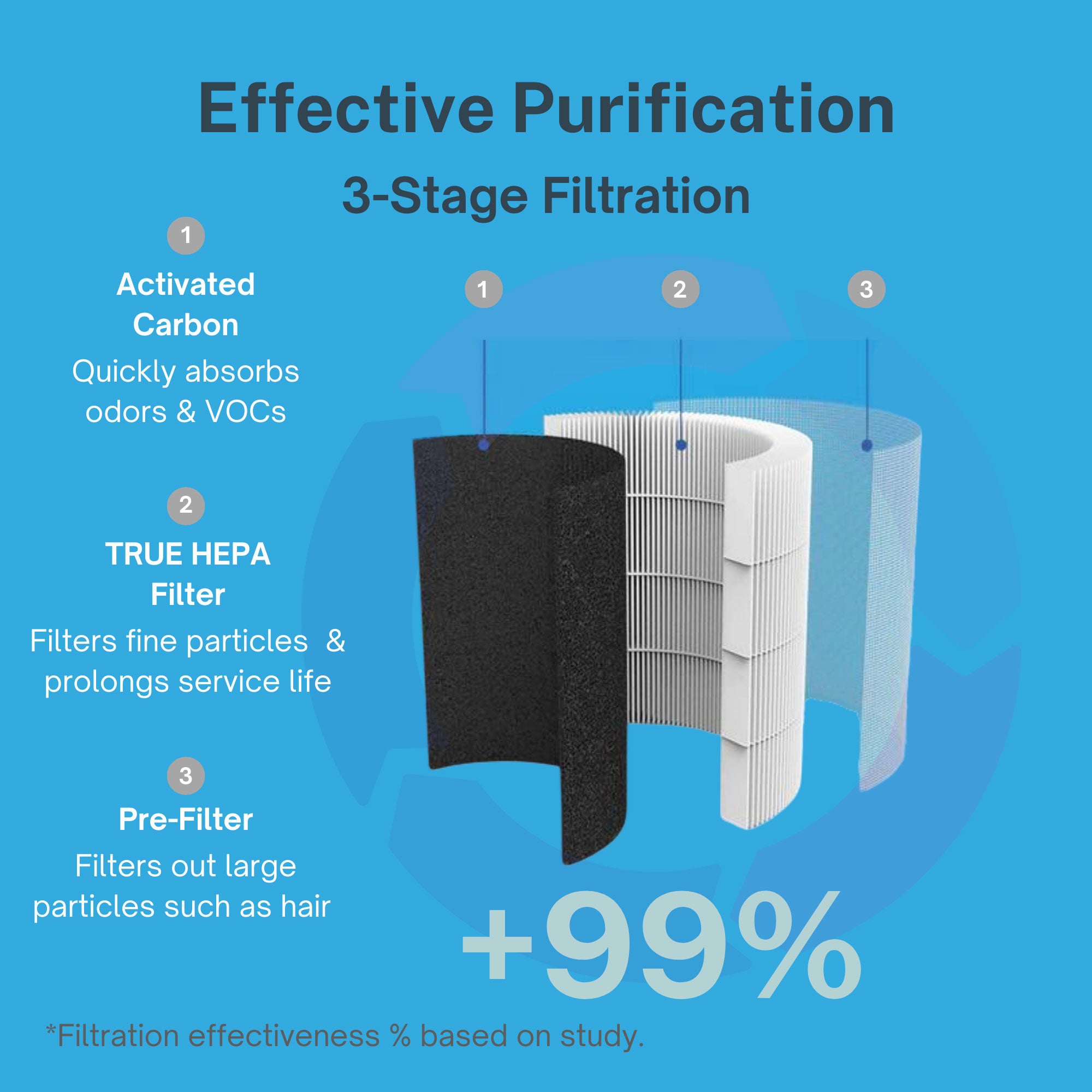
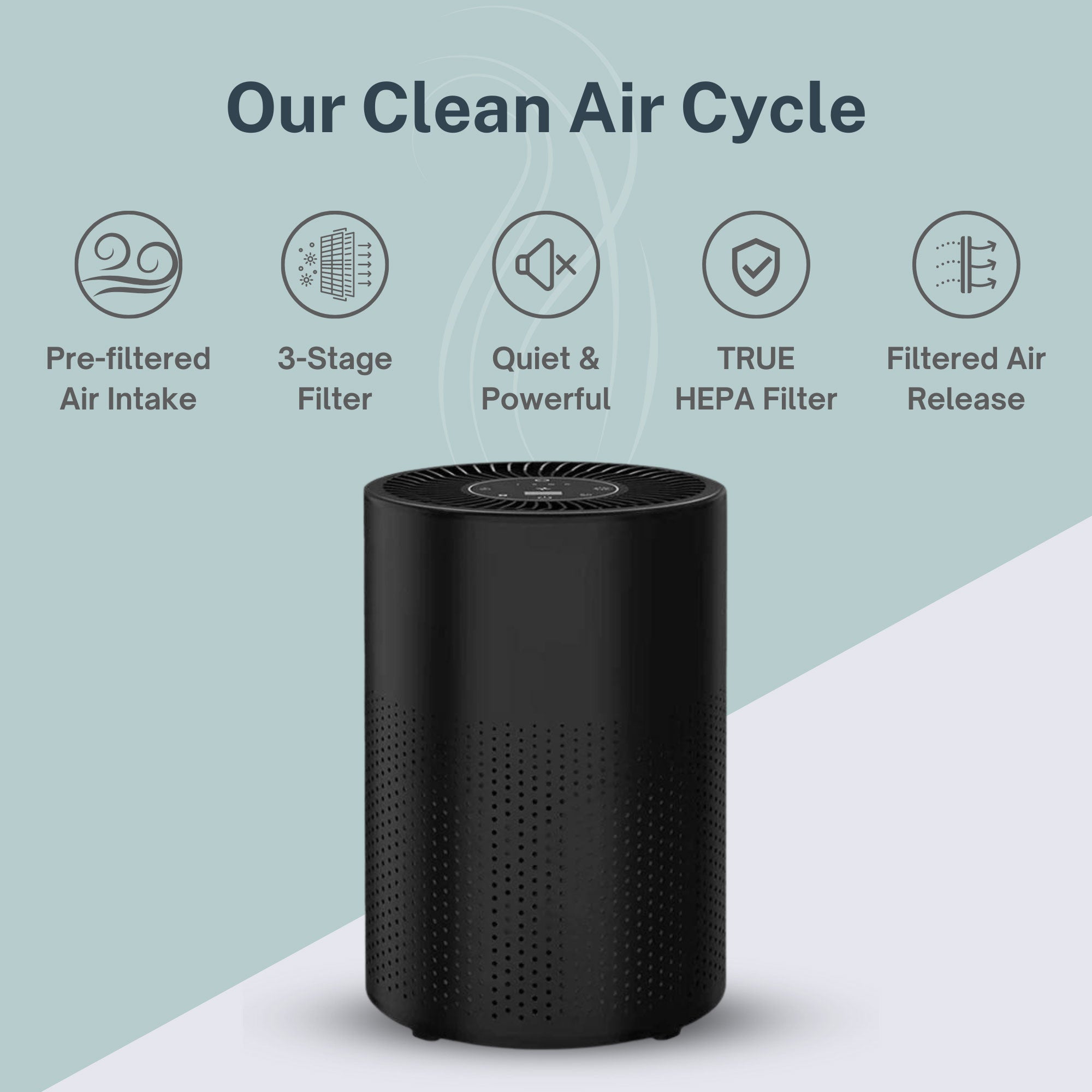
An air purifier also moves air, but it draws that air through a filtration system in the process. Every pass through a HEPA filter captures particles down to 0.3 microns. Every pass through activated carbon absorbs VOCs and odors. UV-C light and bipolar ionization address airborne pathogens and help particles fall out of suspension. The air coming out of a purifier is meaningfully cleaner than the air going in.
Running a fan costs roughly similar energy to running an air purifier. One of them cleans your air while it runs. The other just moves it around.
When running both makes sense
Fans and air purifiers are not mutually exclusive. In fact, they can work well together in certain situations. A fan in a large room can help distribute air that the purifier has already cleaned, moving cleaned air from one zone toward areas of the room farther from the unit. During hot weather, a fan provides the cooling sensation that no air purifier can offer, while the purifier handles the filtration.
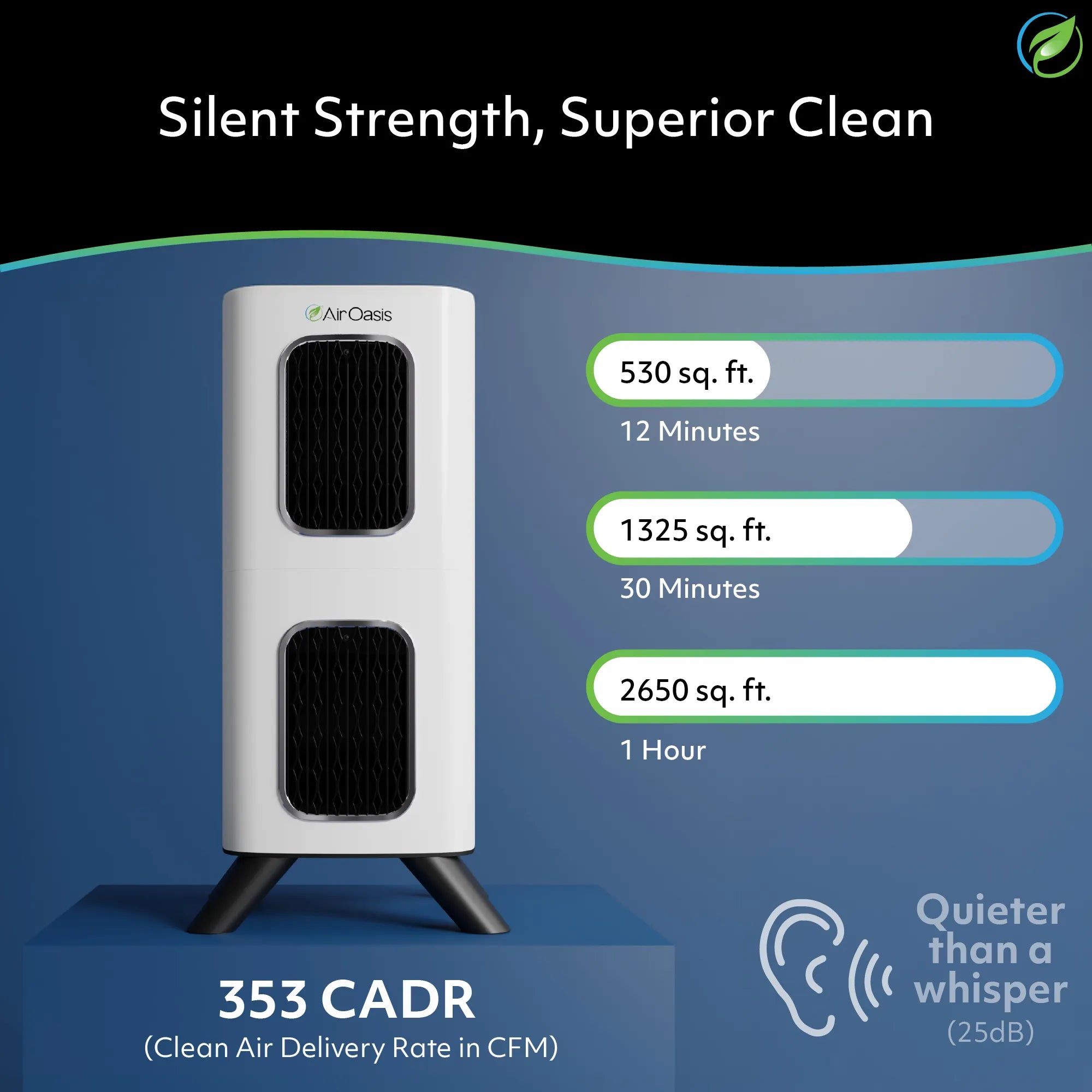
The iAdaptAir is designed to clean the air in a defined space based on whole-room circulation at 12-minute air cycles. It does not rely on a fan's help to do its job. But if comfort is also a priority, running a small low-wattage fan alongside the purifier adds circulation without a significant energy penalty.
The right-sizing factor
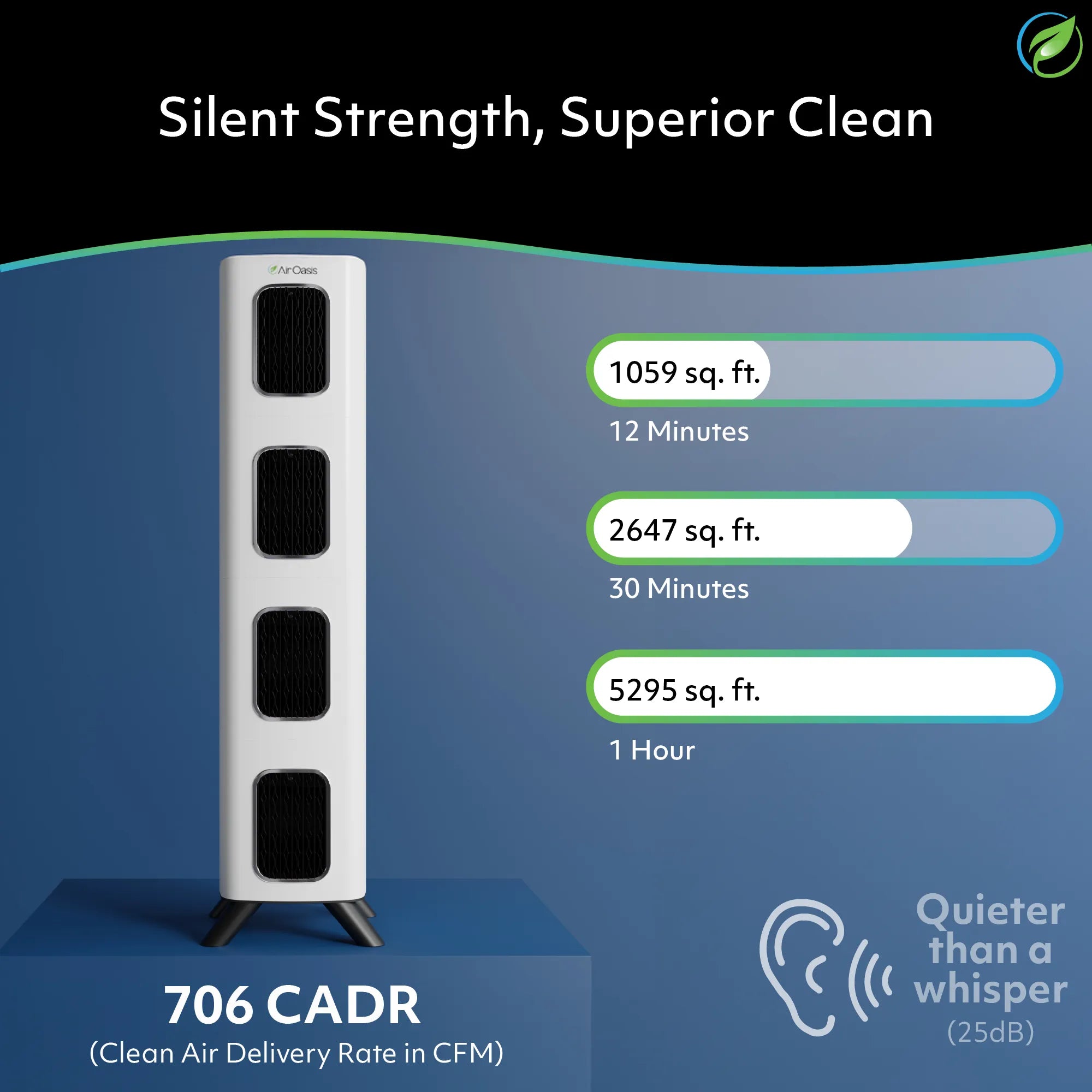
The energy comparison also highlights why sizing matters. Running a 2P unit rated for 1,059 square feet in a 200-square-foot bedroom uses 140 watts when a 2S at 35 watts would clean the same space more efficiently. Right-sizing the iAdaptAir to your actual room gives you appropriate coverage without unnecessary energy draw.
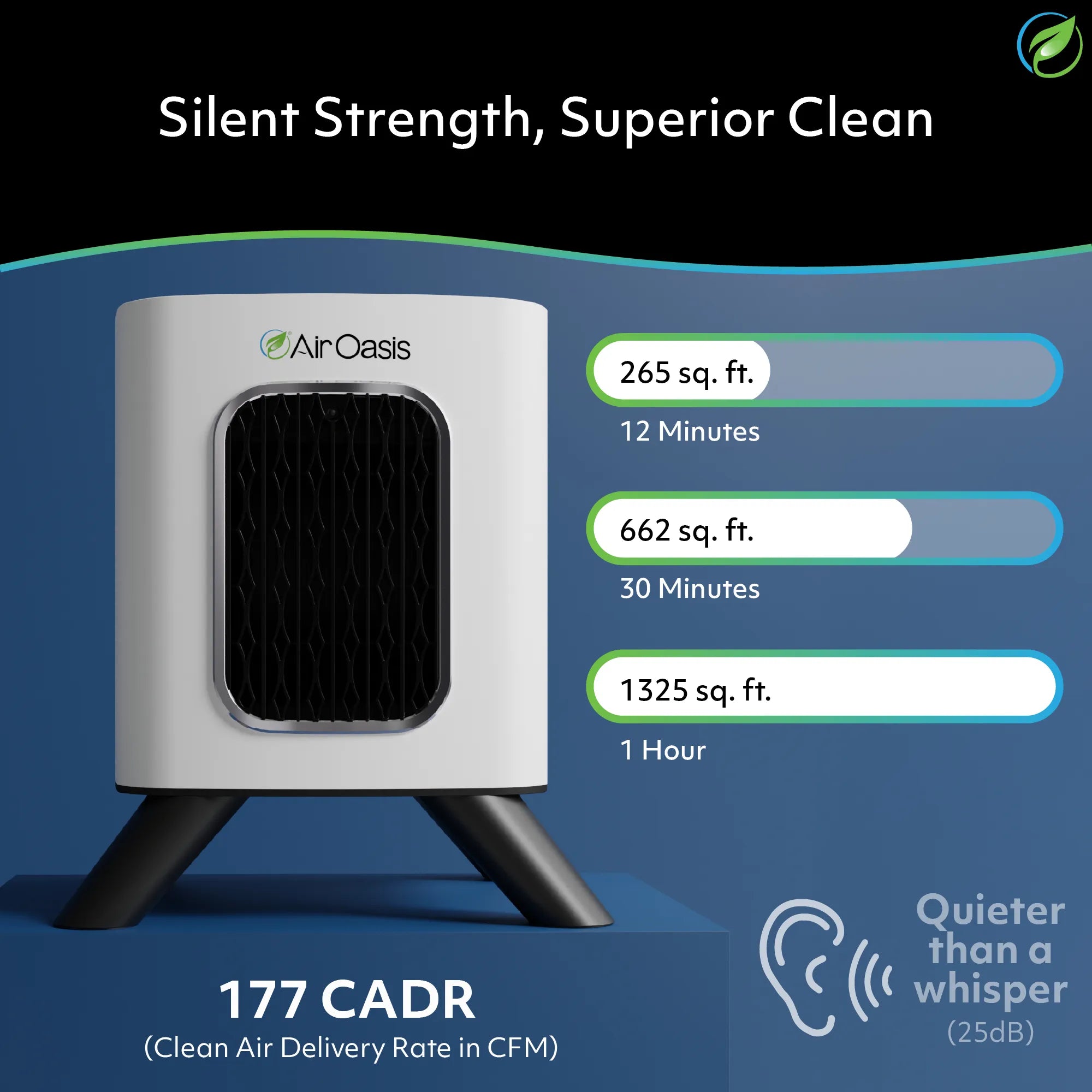
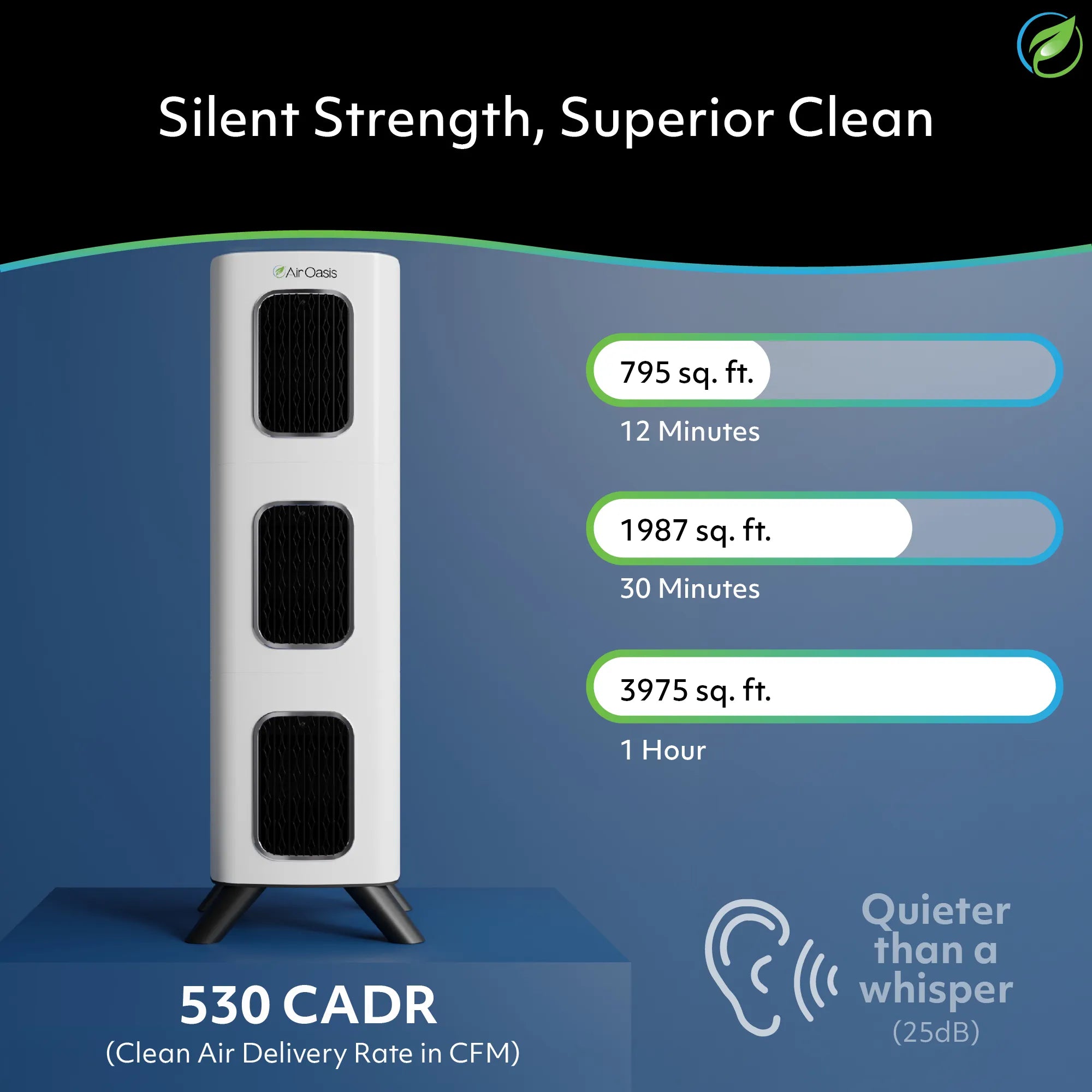
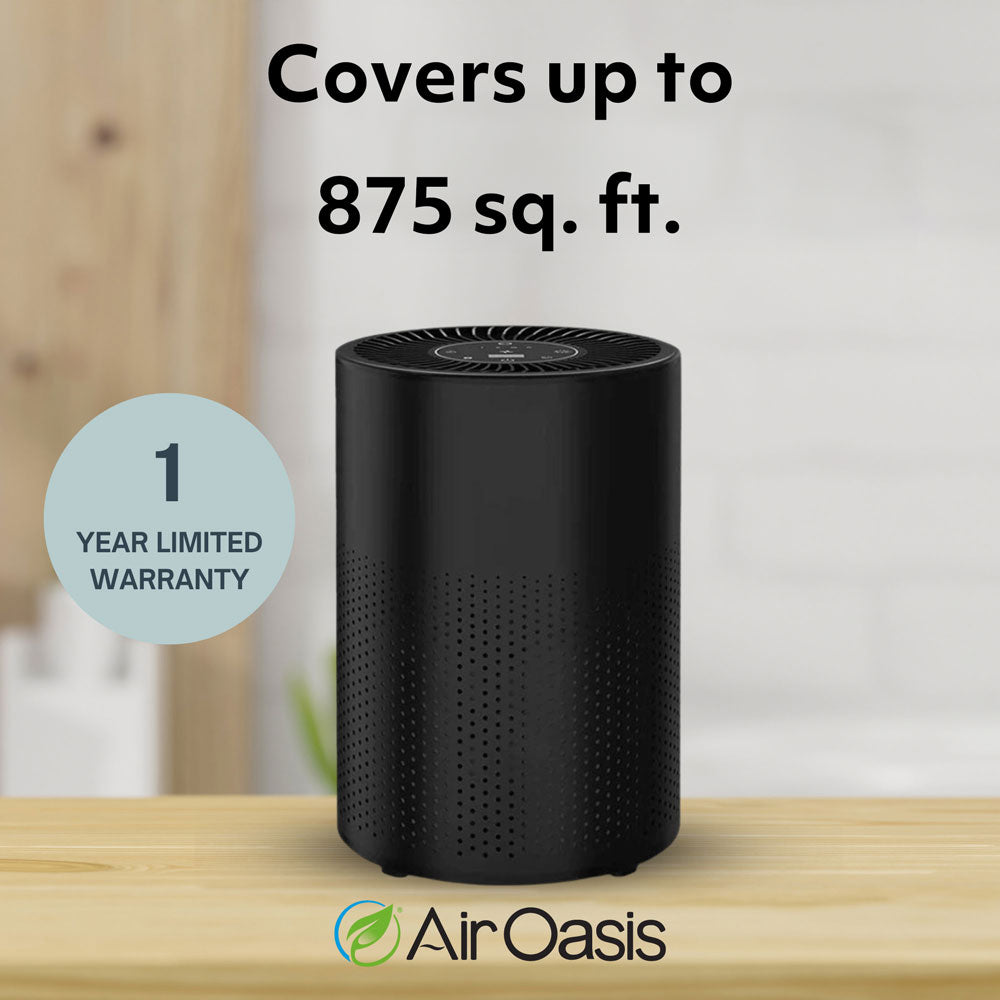
The 2S covers up to 265 square feet, the 2M up to 530, the 2L up to 795, and the 2P up to 1,059, all based on 12-minute air cycles at standard ceiling height. Matching the model to the room means you're using the minimum energy necessary to achieve clean, continuously cycled air.
Fans move air. Purifiers clean it.
For most realistic comparisons, a purifier vs fan energy difference is small, often a few dollars per month in either direction depending on which models you're comparing. But the functional difference is substantial. A fan running all summer moves the same air in circles. An air purifier running all summer continuously filters that air, removing the particles, pathogens, and pollutants that cause symptoms, disrupt sleep, and accumulate over time.
If the goal is feeling a breeze, a fan is the right tool. If the goal is cleaner air and fewer bad days for your lungs, an air purifier is the answer, at comparable or lower energy cost than you might expect.
Shop the iAdaptAir at Air Oasis and get the most out of every watt you spend. Breathe Better, Live Better.