You slide into the front seat of your coworker's car for the morning commute. It feels good knowing you're doing something positive for the environment. But does carpooling actually deliver the air quality improvements everyone assumes it does?
The Math Behind Carpooling's Environmental Promise
Carpooling offers straightforward environmental logic. Fewer cars on the road means fewer exhaust pipes releasing pollution. Studies suggest carpooling could reduce global emissions by up to 11% if widely adopted. Each shared ride removes one vehicle from traffic, cutting particulate matter, nitrogen oxides, and carbon dioxide emissions proportionally.
The International Transport Forum found carpooling can reduce CO2 emissions by significant amounts per journey. When four people share one car instead of driving separately, they eliminate three vehicles' worth of emissions from that trip. The reduction includes not just exhaust emissions but also brake dust and tire particulates that contribute to urban air pollution.
However, this calculation assumes perfect replacement. Real-world carpooling benefits depend entirely on what behavior the shared ride replaces. If carpooling substitutes for single-occupancy vehicle trips, environmental gains materialize. If it replaces walking, cycling, or public transit use, the net effect reverses.
When Carpooling Actually Reduces Pollution
Carpooling delivers maximum air quality benefits in specific circumstances. Rush hour commutes present ideal conditions. Traffic congestion means vehicles idle frequently, burning fuel while stationary. Each car removed from congested routes prevents emissions during these low-efficiency driving conditions.
Long-distance commutes amplify carpooling benefits. A 30-mile highway commute shared among three passengers eliminates two cars' worth of emissions over substantial distance. The fuel savings and pollution reduction accumulate with every mile traveled together.
Urban areas with poor public transit infrastructure benefit most from carpooling programs. Cities where residents depend on personal vehicles for commuting gain measurable air quality improvements when ride-sharing increases. Studies in Chinese cities like Beijing and Shanghai show carpooling adoption growing specifically where traffic congestion creates serious problems.
Corporate carpooling programs demonstrate proven effectiveness. Companies incentivizing employees to share rides document reduced parking demand and lower vehicle counts during peak hours. These organized programs work better than casual carpooling arrangements because they create consistent behavior patterns.
The Hidden Factors That Reduce Benefits
Detours required for passenger pickup and drop-off complicate the simple emissions math. A direct 10-mile commute might become 14 miles when collecting two passengers. The additional distance partially offsets emission reductions from removing vehicles. Route optimization matters for maintaining environmental benefits.
Empty return trips create another complication. After dropping passengers at work, the driver must return home or continue to another destination. Unless that return trip serves another purpose, it adds vehicle miles that wouldn't exist with separate commutes on direct routes.
Vehicle efficiency plays a crucial role. Carpooling in a large SUV that gets 15 miles per gallon produces more total emissions than two people driving separate compact cars averaging 35 mpg each. The environmental benefit depends on choosing fuel-efficient vehicles for shared rides.
Wait times and scheduling flexibility issues can undermine carpooling sustainability. When rigid schedules force participants into inefficient arrangements, they often abandon carpooling for more convenient solo driving. Programs fail when practical barriers outweigh environmental motivation.
The Broader Environmental Picture
Manufacturing and maintenance emissions remain constant regardless of carpooling. Each vehicle still requires production, service, and eventual disposal. Carpooling doesn't reduce these lifecycle impacts unless it enables households to eliminate vehicle ownership entirely.
Parking infrastructure demands decrease when carpooling adoption rises. Fewer parking spaces mean less concrete absorbing heat and creating urban heat islands. This secondary environmental benefit often goes unrecognized in carpooling discussions.
Road wear decreases with fewer vehicles traveling the same routes. Less frequent road repairs mean reduced construction emissions and material consumption. These infrastructure benefits compound over time as carpooling becomes more prevalent.
Comparing Carpooling to Other Green Transportation
Public transportation typically outperforms carpooling for air quality improvements. Buses and trains move dozens or hundreds of passengers with emissions per person far below even optimal carpooling scenarios. However, public transit requires infrastructure investment and route coverage that many areas lack.
Electric vehicles change the carpooling equation. Shared rides in EVs eliminate tailpipe emissions entirely. As electric vehicle adoption grows, carpooling in EVs could deliver even greater air quality benefits than current calculations suggest.
Cycling and walking produce zero direct emissions and provide health benefits. For distances under three miles, these active transportation modes surpass carpooling's environmental performance. Carpooling works best for longer trips where active transportation isn't practical.
Creating Healthier Indoor Air After Your Commute
Whether you carpool or drive alone, vehicle exhaust exposure accumulates during your commute. Shared cars concentrate passengers closer to engine emissions. Highway travel exposes occupants to diesel truck exhaust and road dust.
Your home becomes your recovery environment after daily transportation pollution exposure. Clean indoor air helps your respiratory system process and eliminate inhaled particles from vehicle interiors and traffic environments.
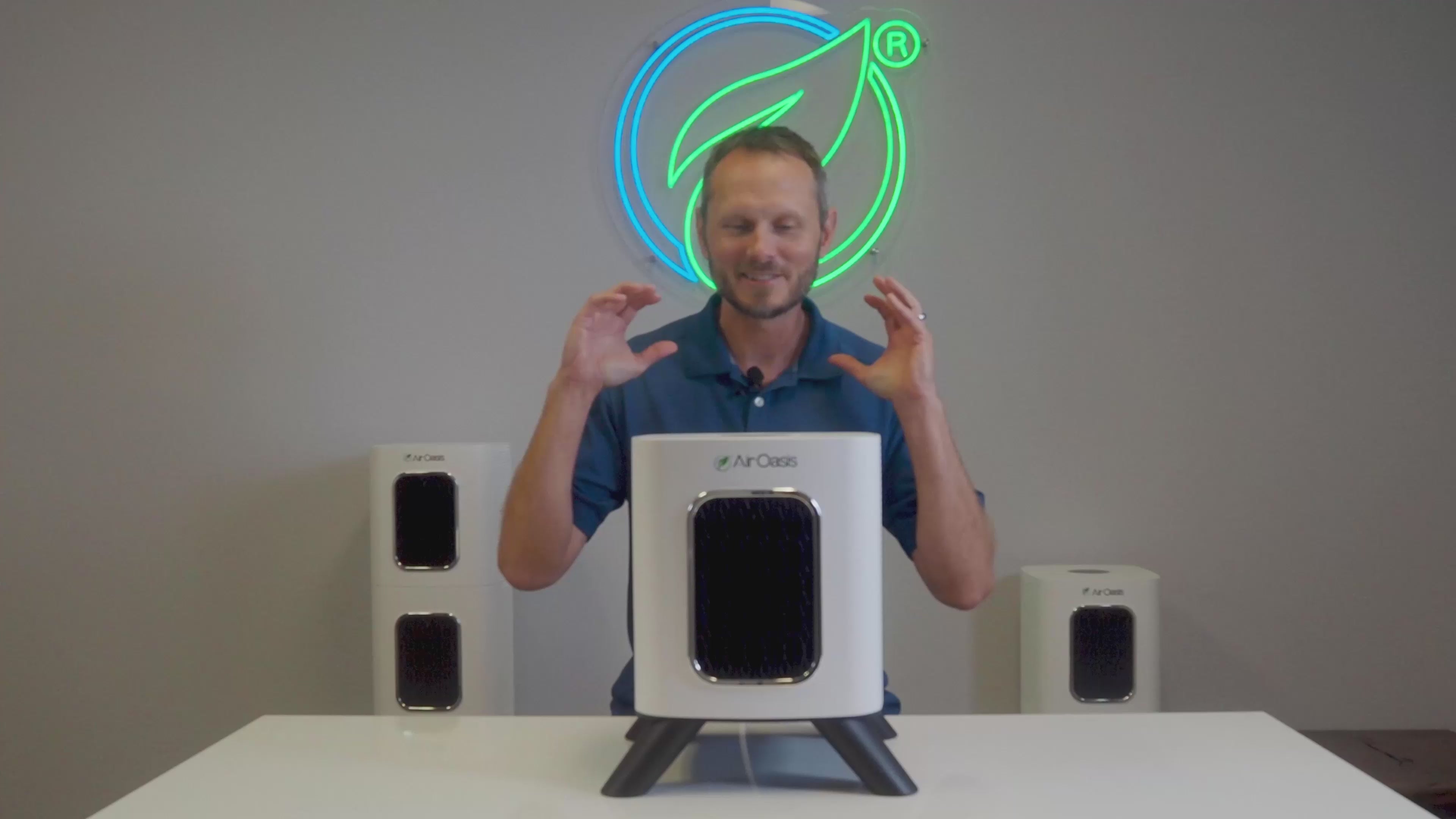
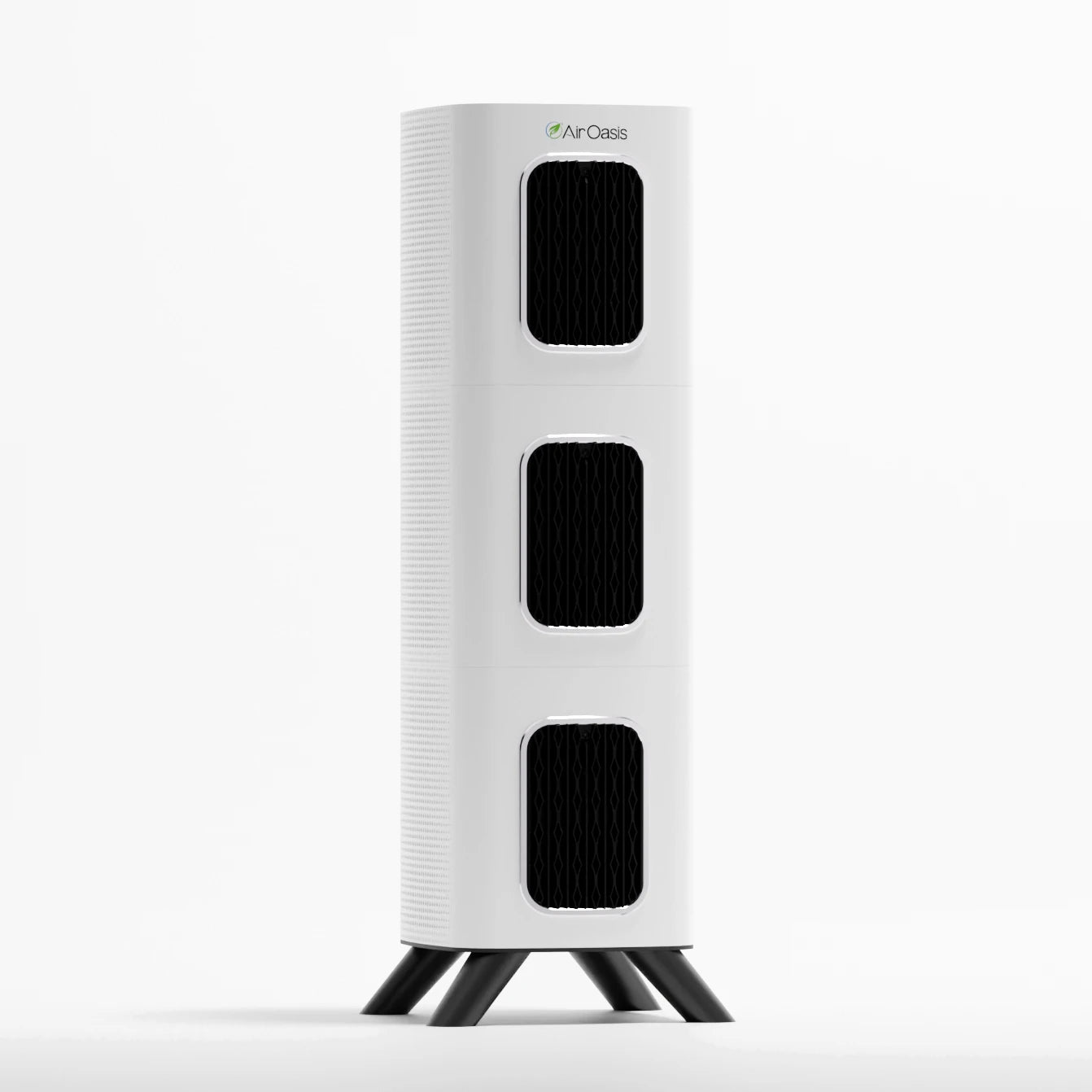
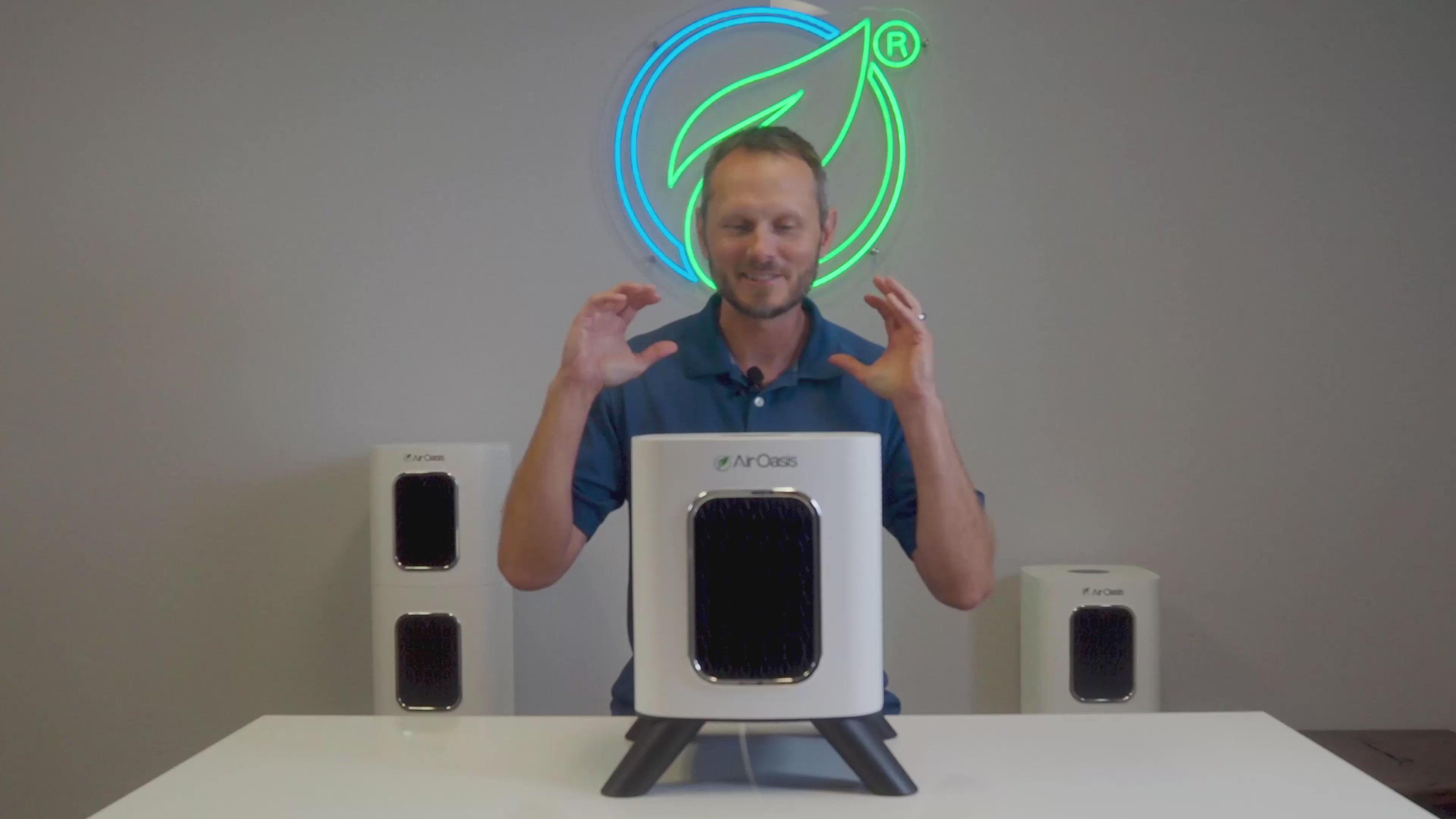
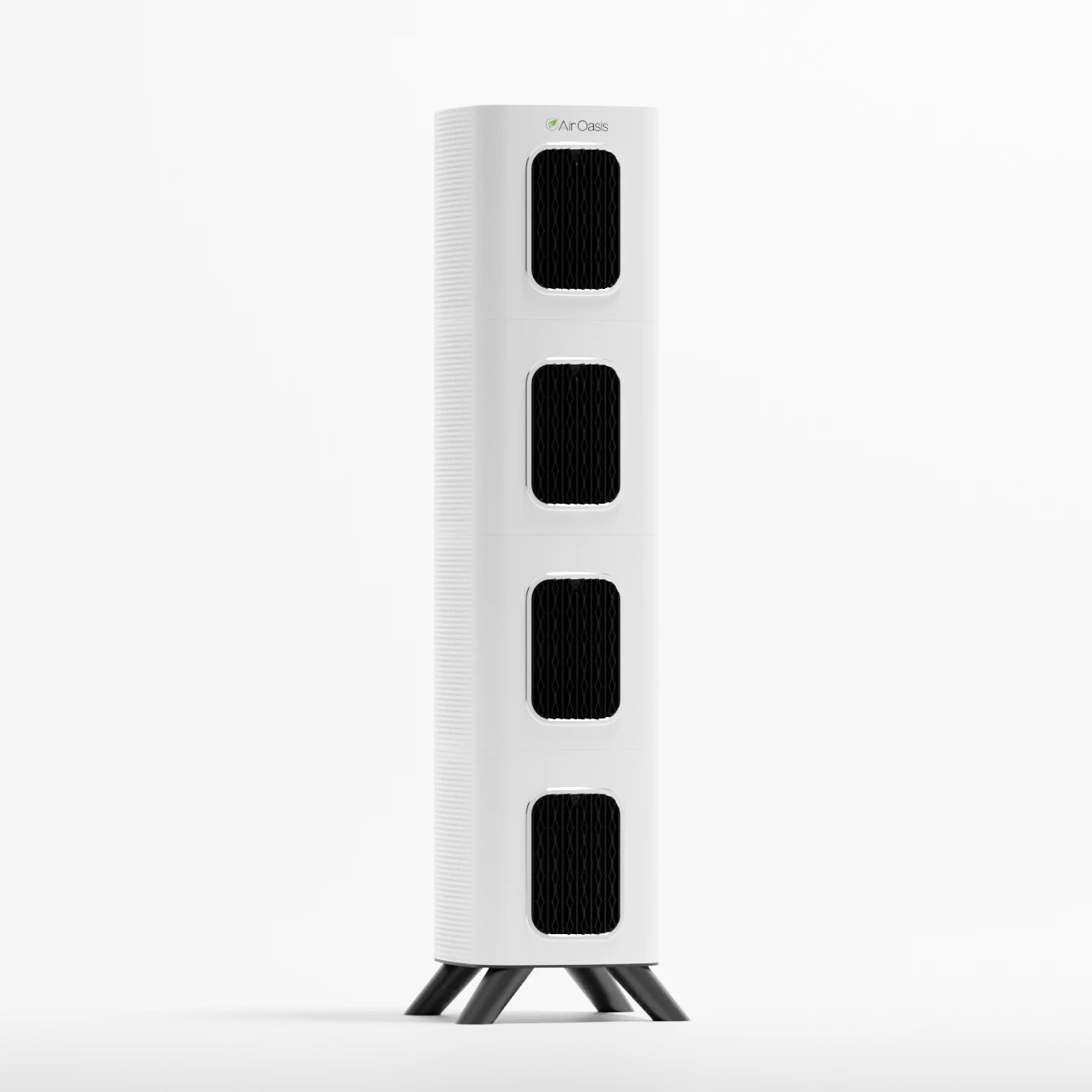
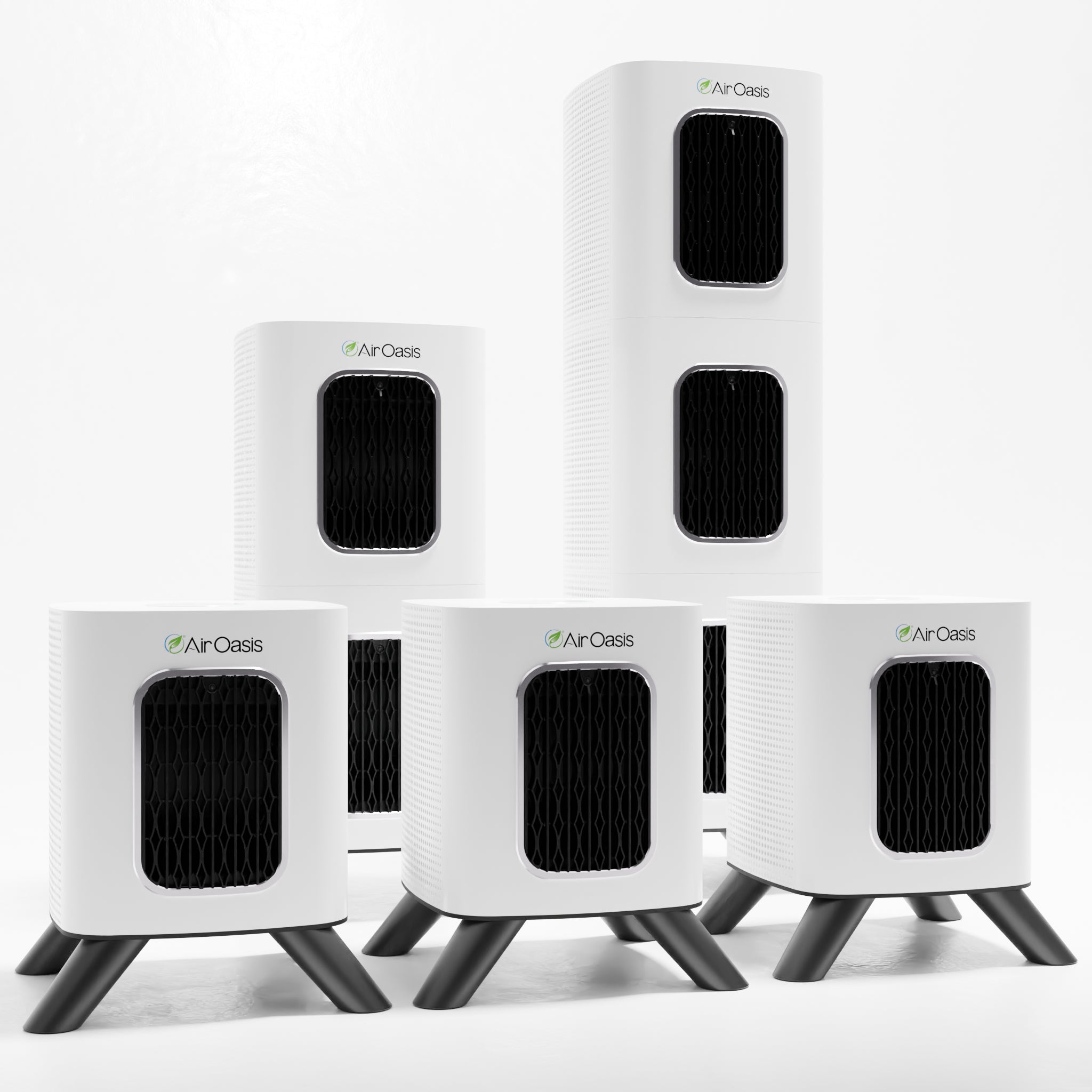
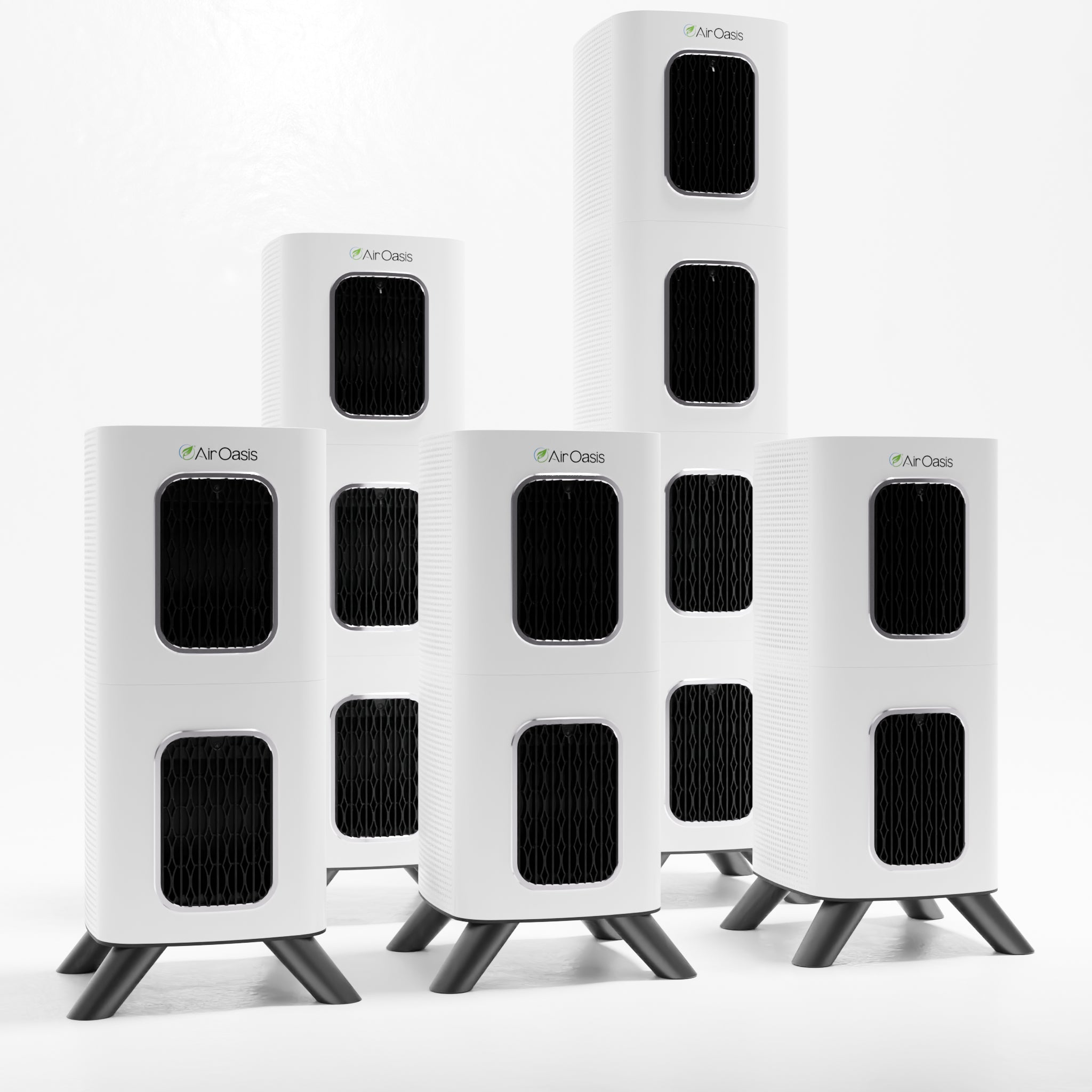
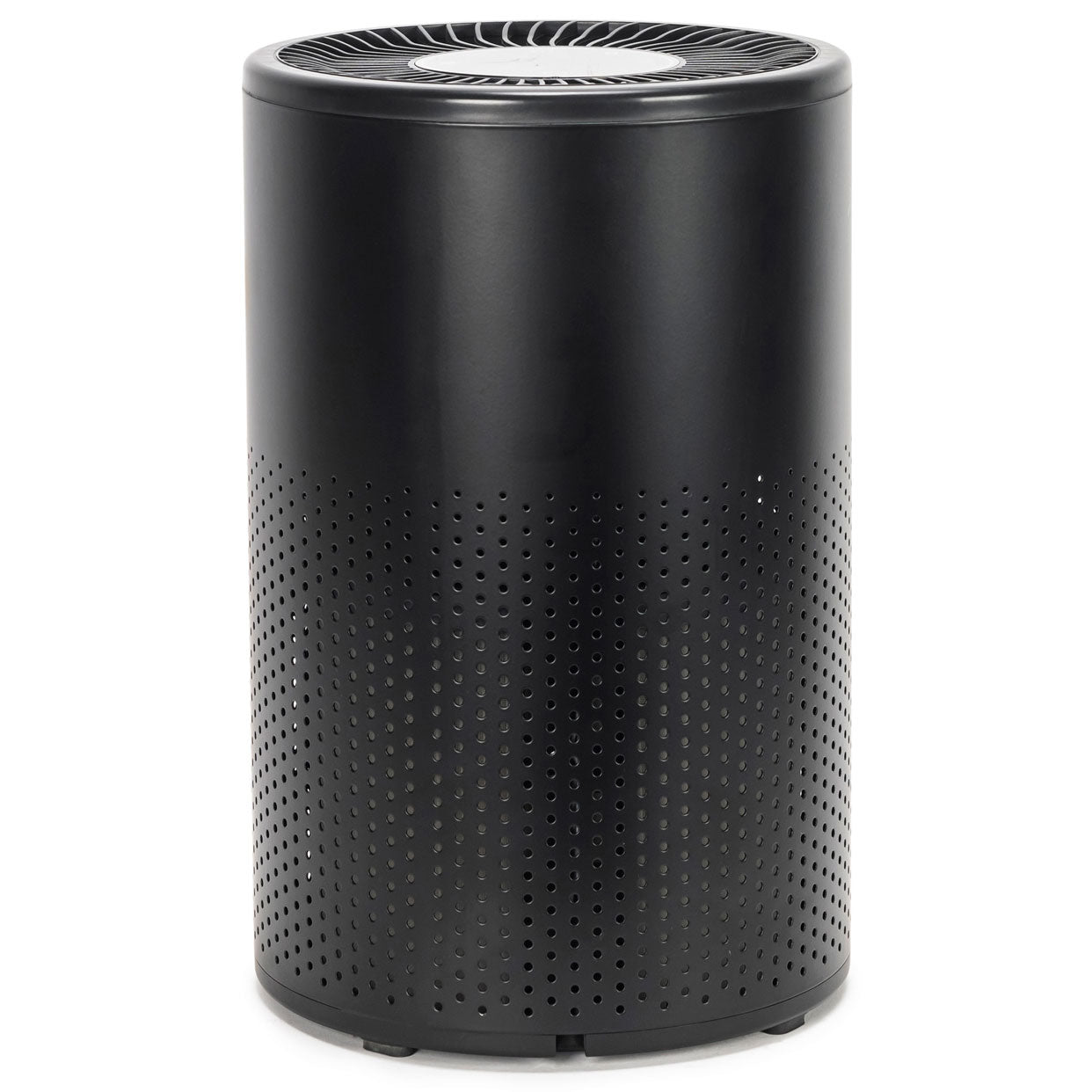
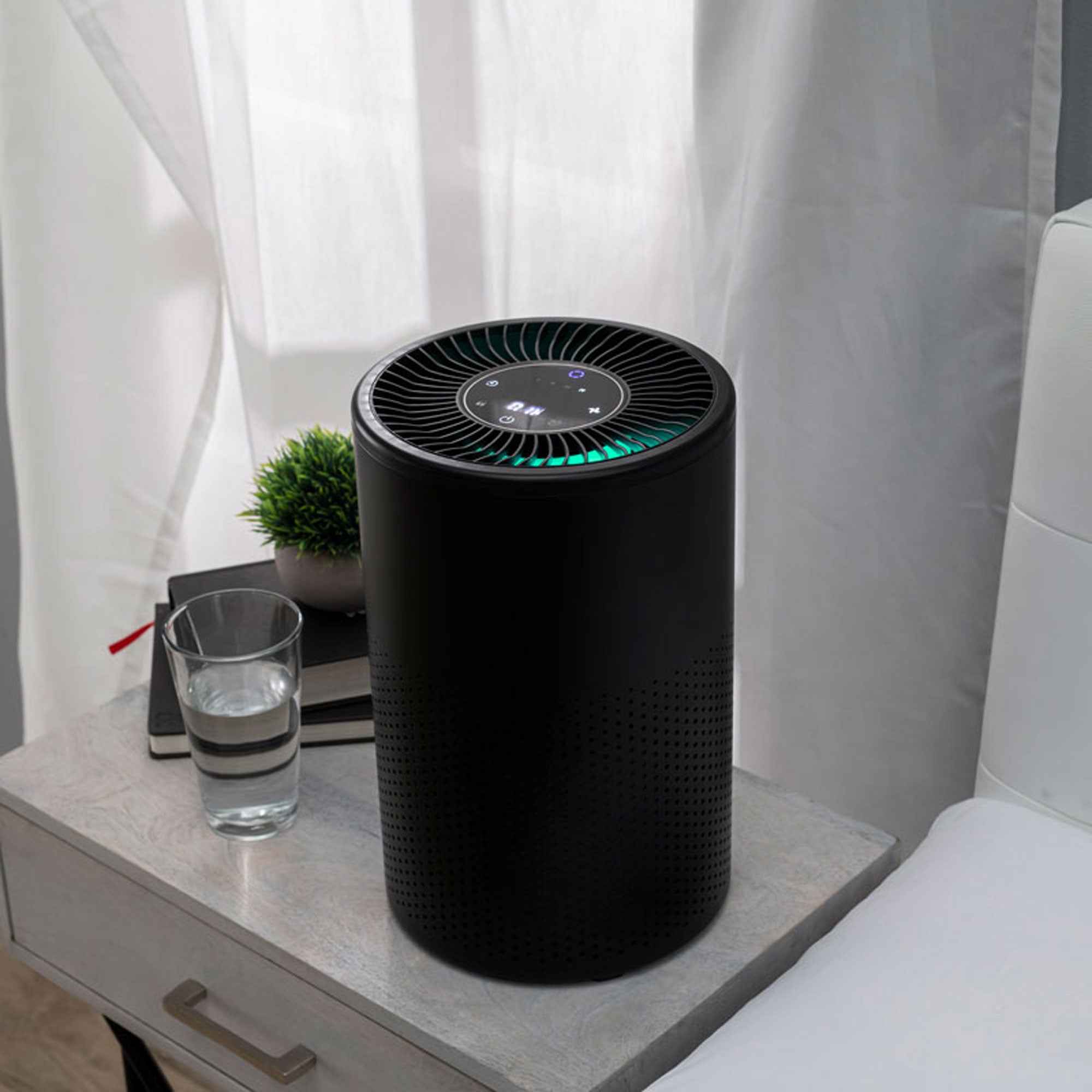
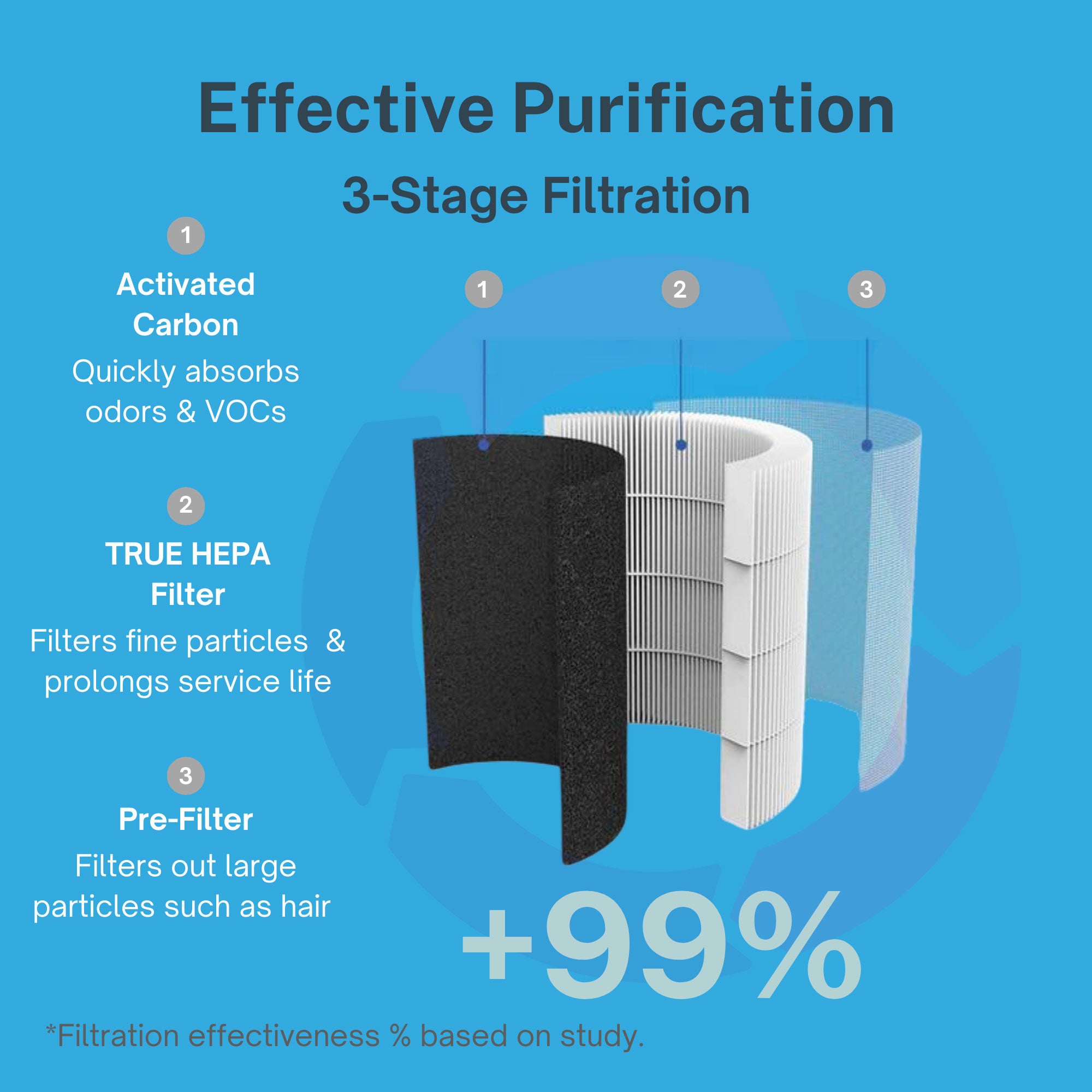
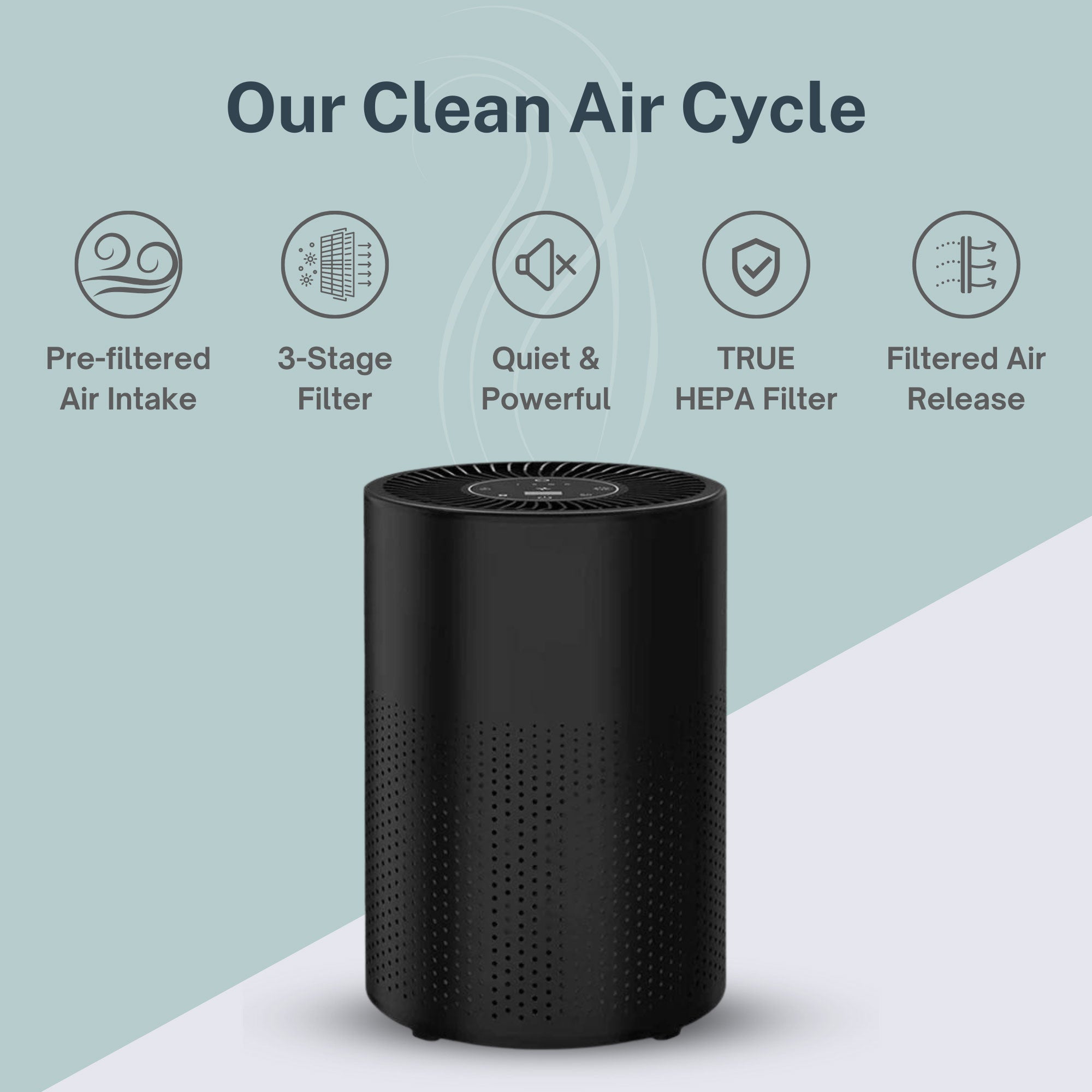
The iAdaptAir series provides medical-grade filtration that captures vehicle exhaust particles. HEPA filters remove 99.97% of particles down to 0.3 microns, including the fine particulates from traffic pollution. Activated carbon filtration addresses fuel odors and organic compounds from vehicle environments.
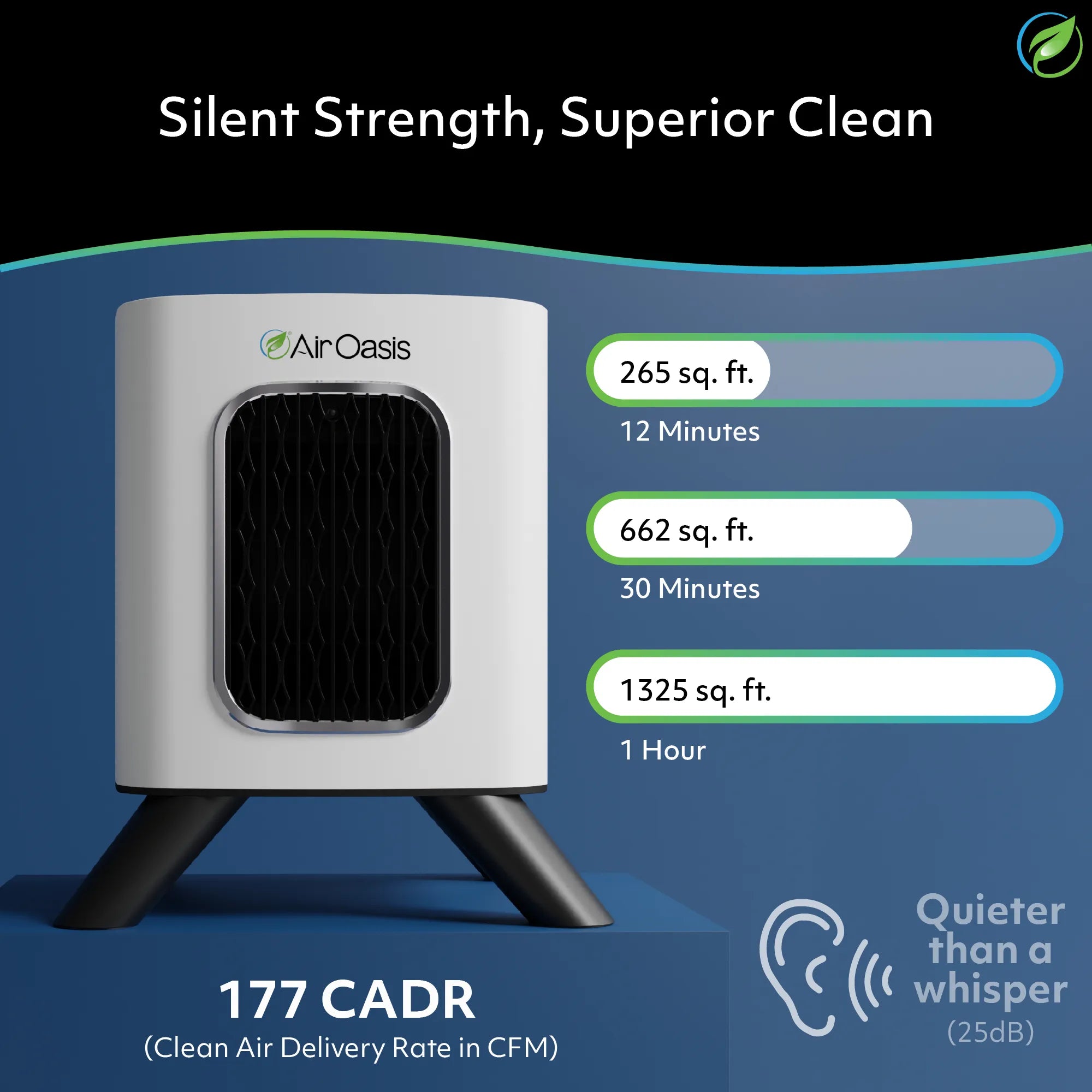
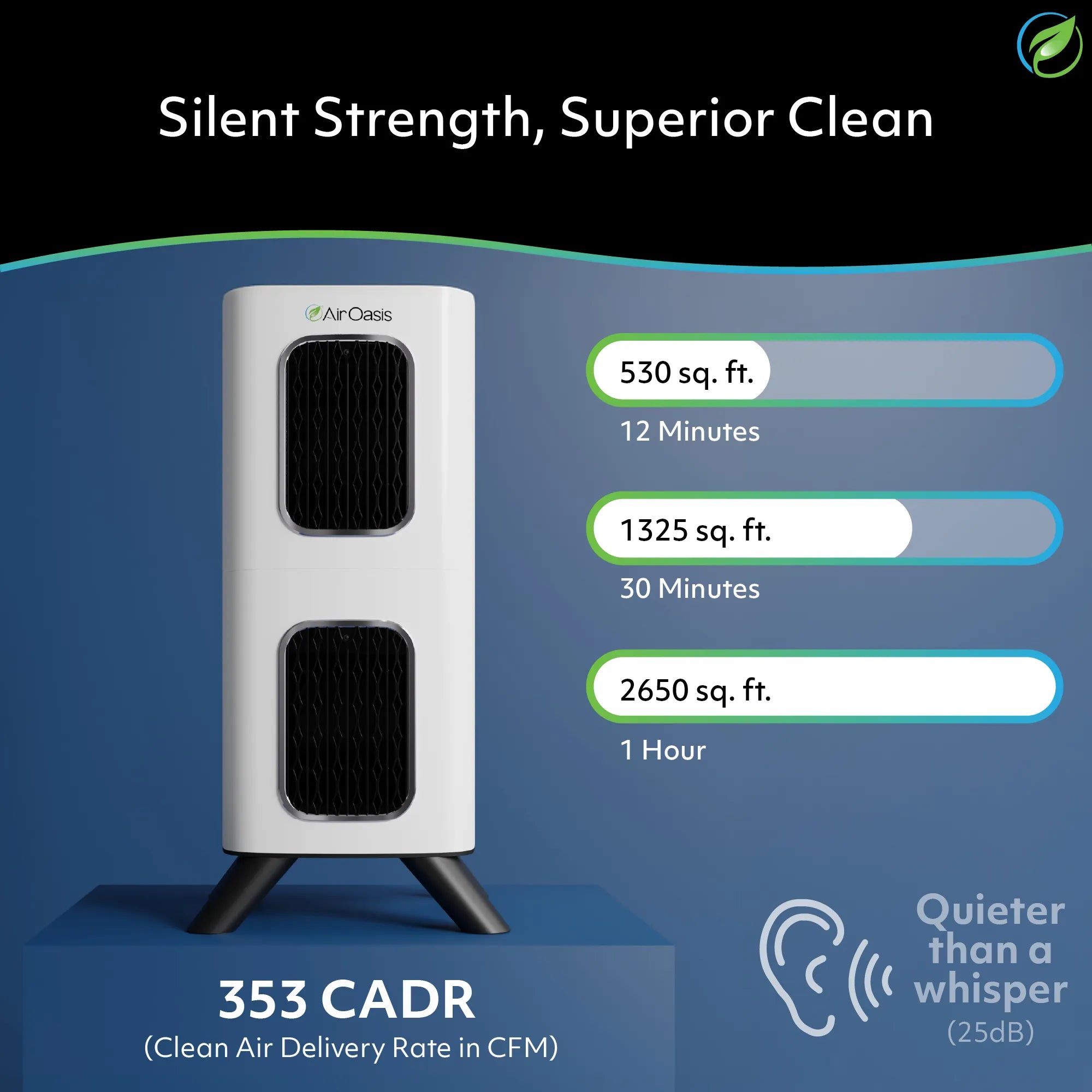
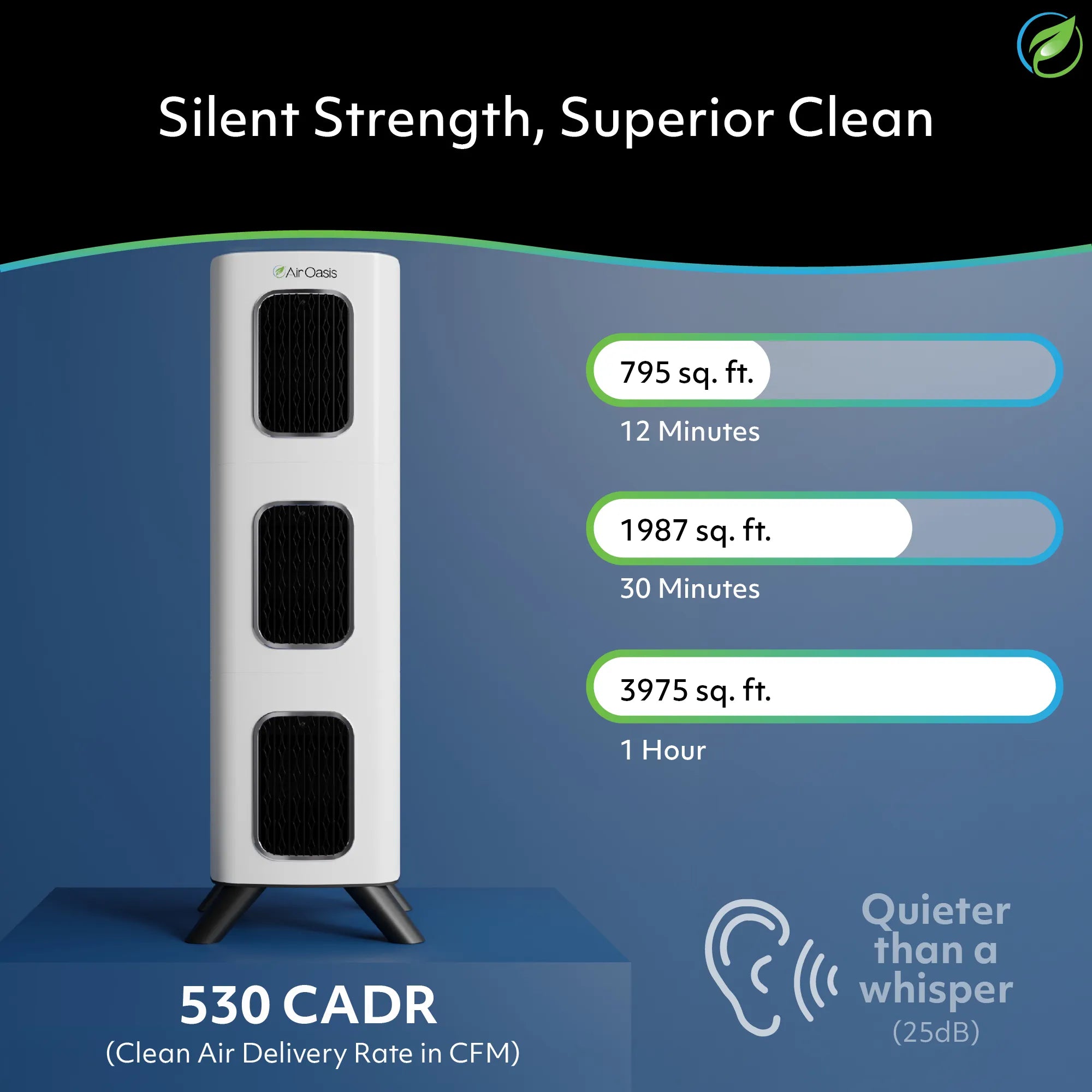
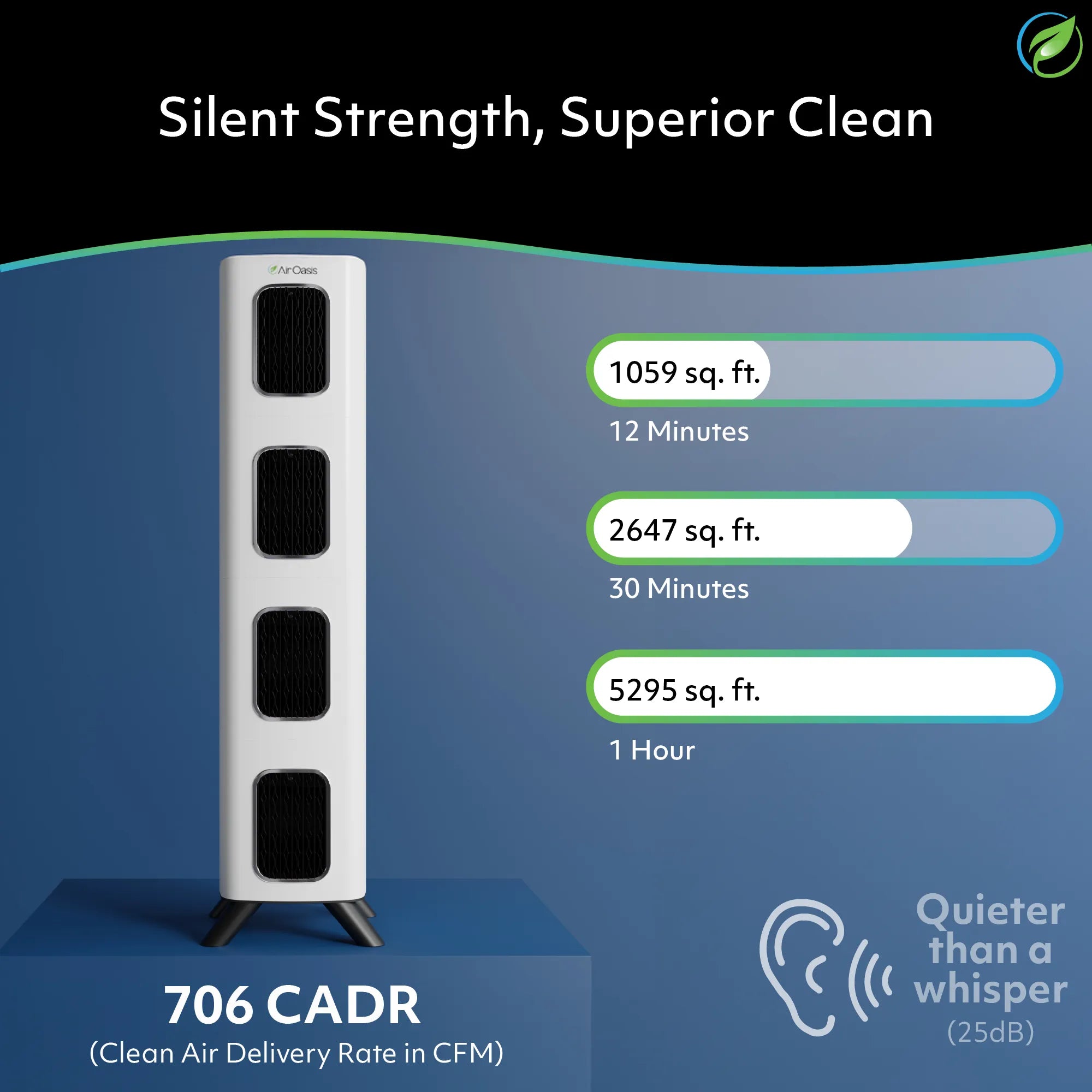
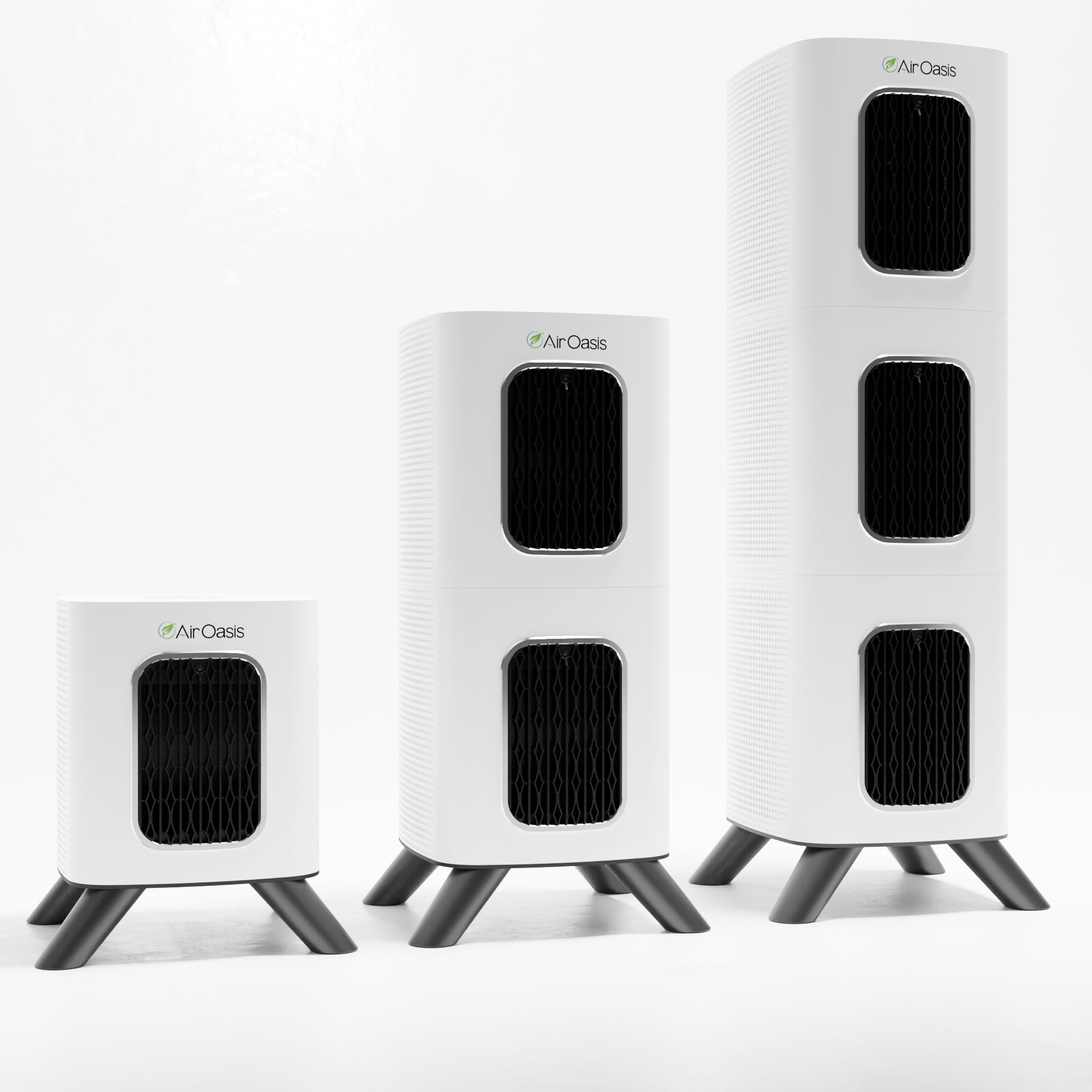
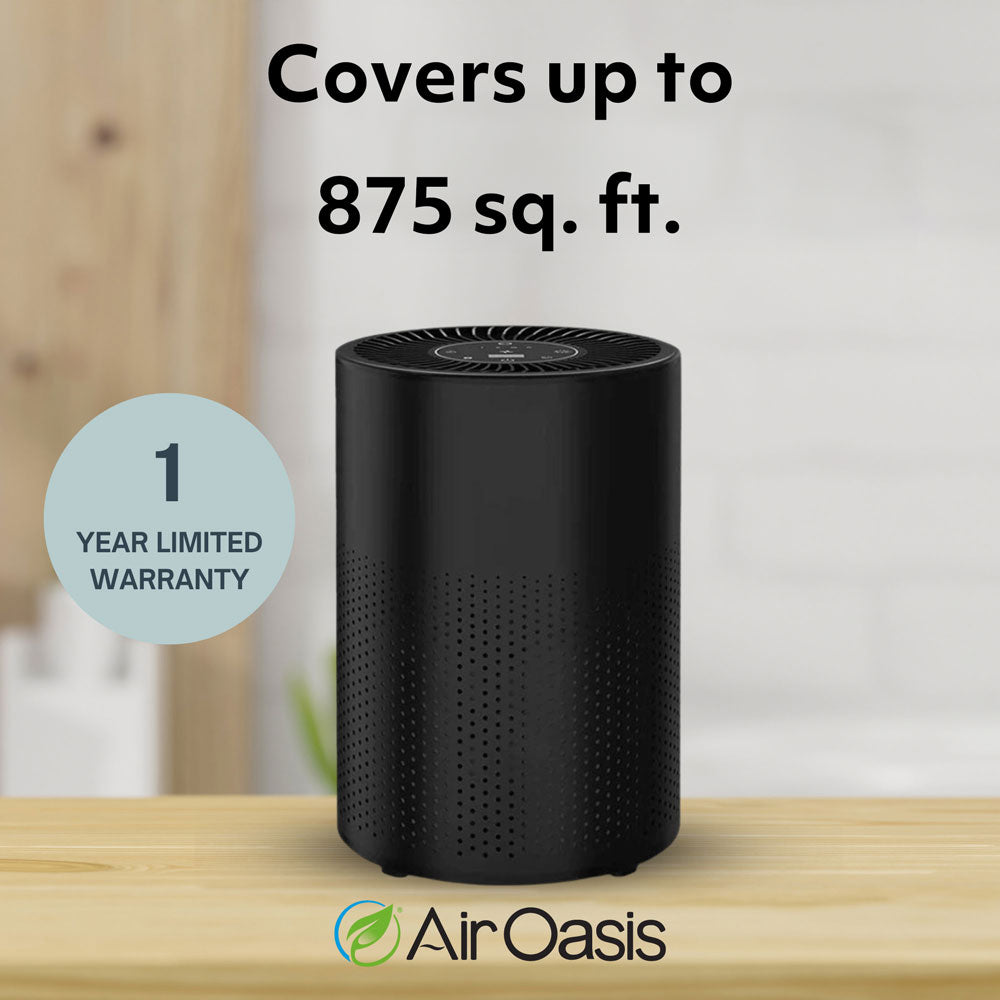
Choose the iAdaptAir 2S for 265 sq ft, 2M for 530 sq ft, 2L for 795 sq ft, or 2P for 1,059 sq ft spaces. Multi-stage filtration including UV-C light and bipolar ionization targets diverse pollutants you encounter during commutes.
Making Carpooling Work for Air Quality
Carpooling does improve air quality when it replaces single-occupancy vehicle trips. The environmental benefits increase with passenger count, vehicle efficiency, and route optimization. Organized programs with consistent participants deliver better results than casual arrangements.
Understanding these nuances helps you make informed transportation choices. When carpooling replaces your solo drive with minimal detours in an efficient vehicle, you're genuinely improving air quality.
Support your respiratory health at home after any commute through traffic. Quality air purification offsets unavoidable pollution exposure from daily transportation. Shop Air Oasis today and breathe cleaner air where you spend most of your time.