OCD is often described as a brain disorder — something that originates internally, driven largely by genetics and neurological factors. That's accurate as far as it goes. But a growing body of research is raising a different kind of question: can the environment around you make it worse? Specifically, can the air you breathe influence the severity or frequency of OCD symptoms?
The honest answer is that the science here is early, carefully qualified, and not yet settled. But it's also not nothing — and if you or someone you love manages OCD, it's worth understanding what researchers have found and what they haven't.
What a large study in South Korea found
A peer-reviewed study published in 2025 in the journal SSM: Population Health examined the relationship between particulate matter — the fine particles in air pollution measured as PM10 and PM2.5 — and four mental health outcomes: depression, sleep disorders, ADHD, and OCD. Researchers Cho and Kim used nationwide clinical data from South Korea's national health insurance system, covering January 2015 through December 2023, giving them a representative population-level dataset rather than a small hospital sample.
To address a core methodological challenge — the fact that air pollution and mental health both respond to economic conditions and other shared factors — the researchers used wind speed and direction as instrumental variables. The logic: wind patterns affect how much particulate matter accumulates or disperses in a given region, but wind patterns don't directly cause OCD or depression. This approach helps isolate the specific effect of pollution exposure rather than simply noting a correlation between two variables that might both be driven by something else entirely.
Their findings, prior to the COVID-19 pandemic, showed statistically significant associations between higher PM2.5 concentrations and increases in diagnosed OCD patients across most age groups. The magnitude was modest on a per-unit basis — a 1-microgram-per-cubic-meter increase in PM2.5 was associated with roughly a 1.5 to 1.7 percent increase in OCD patient counts — but it was consistent across different model specifications and different ways of calculating standard errors, which strengthens confidence in the direction of the finding.
What the study does not show — and the researchers are clear about this — is a proven causal mechanism for OCD specifically. The association was statistically significant, but an association is not proof of cause. The study also cannot tell us whether air pollution worsens existing OCD symptoms, increases rates of new diagnoses, or both.
Why the OCD finding deserves careful reading
OCD is a condition with a strong genetic component. Twin and family studies consistently show that heritable factors account for a substantial portion of OCD risk. The study's authors acknowledge this directly. The fact that a condition with such pronounced genetic underpinnings shows an association with environmental pollution is notable — but it requires caution in interpretation.
One plausible mechanism researchers point to involves neuroinflammation. Fine particulate matter, particularly PM2.5, can cross the blood-brain barrier and has been associated with inflammatory responses in brain tissue. The basal ganglia — a region of the brain implicated in OCD pathology — is among the brain structures that appear sensitive to inflammation. If PM2.5 promotes neuroinflammatory states, it could plausibly act as an environmental factor that modulates the expression of an underlying genetic vulnerability. But that proposed pathway, while scientifically grounded, has not been directly demonstrated for OCD in humans.
Another important qualification: this study was conducted in South Korea, where PM10 and PM2.5 concentrations have historically been higher than in most Western countries, partly due to transboundary pollution transported from industrial regions of China and Mongolia. The magnitude of effects observed in a higher-pollution environment may not translate directly to lower-pollution settings. The researchers themselves explicitly note this as a consideration in interpreting the findings.
Post-pandemic, when pollution levels dropped significantly, the statistically significant associations for OCD and most other conditions weakened — which is consistent with the hypothesis that particulate matter exposure plays a role, but is not definitive evidence of it, since the pandemic period introduced many other simultaneous changes.
What the demographic findings suggest
When researchers broke down the data by age group, they found that the pollution-OCD association varied across the lifespan. Before the pandemic, significant effects were observed across a broad range of adult age groups — from young to older adults — in both men and women. After the pandemic, certain specific groups remained affected even as overall statistical significance fell, with people in their thirties through seventies continuing to show associations between pollution and OCD diagnoses in at least some model specifications.
The study does not provide clinical guidance on which individuals with OCD are most sensitive to air quality, or at what pollution thresholds effects become meaningful. Those questions remain unanswered.
What this means practically — and what it doesn't
The research does not establish that reducing indoor air pollution will treat OCD, reduce symptoms, or substitute for established therapies. OCD is a serious mental health condition that requires professional evaluation and treatment, which may include cognitive behavioral therapy, exposure and response prevention, and in many cases medication. Nothing about the emerging environmental health research changes that.
What the research does suggest — cautiously — is that environmental particulate matter may be one of multiple factors that interact with genetic and neurological vulnerability to influence OCD outcomes. If that hypothesis holds up in future research, it would mean that reducing ongoing exposure to PM2.5 and other air pollutants could serve as one supportive component of a broader approach to mental wellbeing — not a primary intervention, but not irrelevant either.
Indoor air quality and fine particle reduction
The most controllable source of PM2.5 exposure for most people is their indoor environment. The EPA has noted that indoor air can be two to five times more polluted than outdoor air, depending on the home, its location, and activities inside it. Cooking, combustion, candles, cleaning products, and infiltration from outdoor traffic all contribute to indoor particle loads. People spend the large majority of their time indoors, which makes indoor air quality the most practically relevant target.
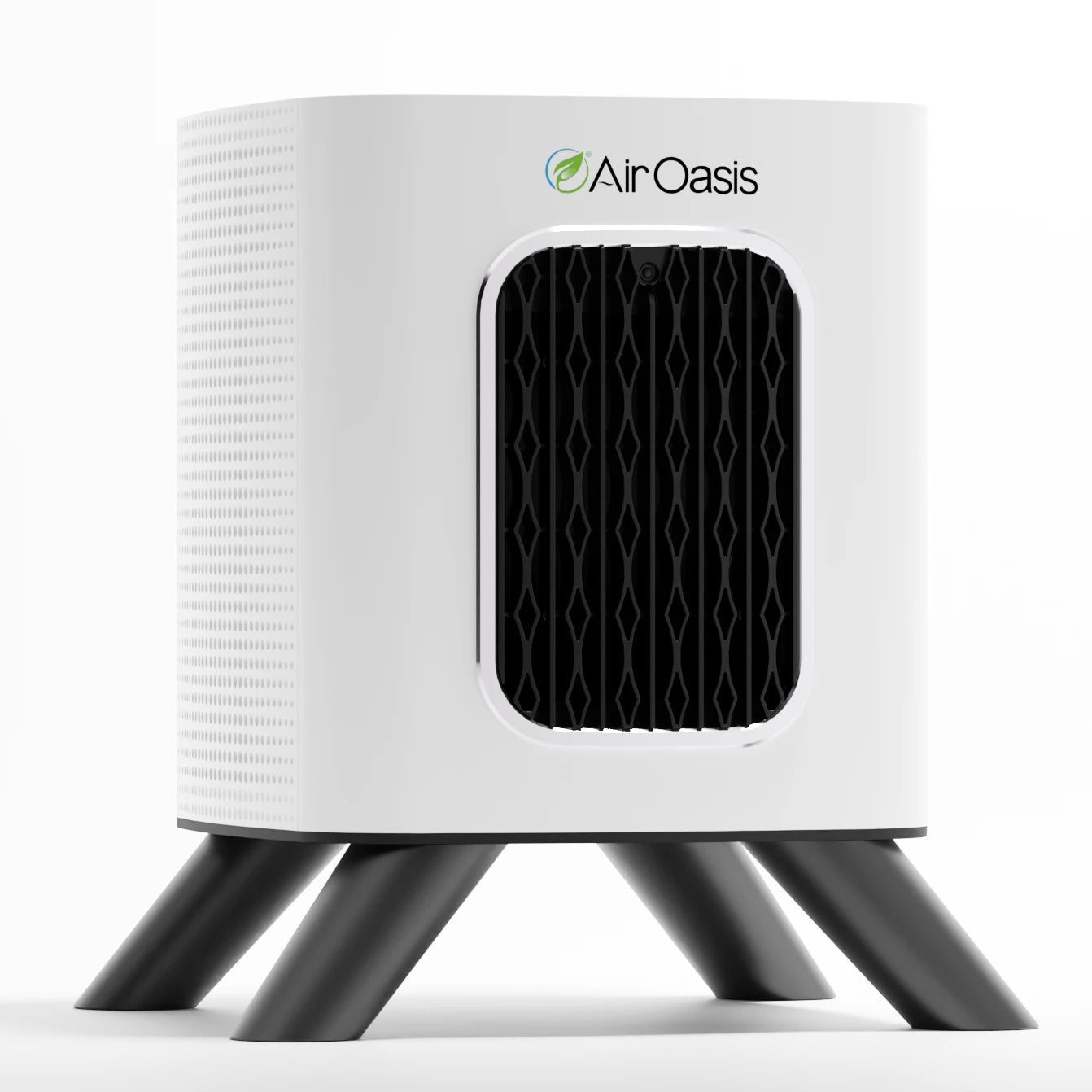
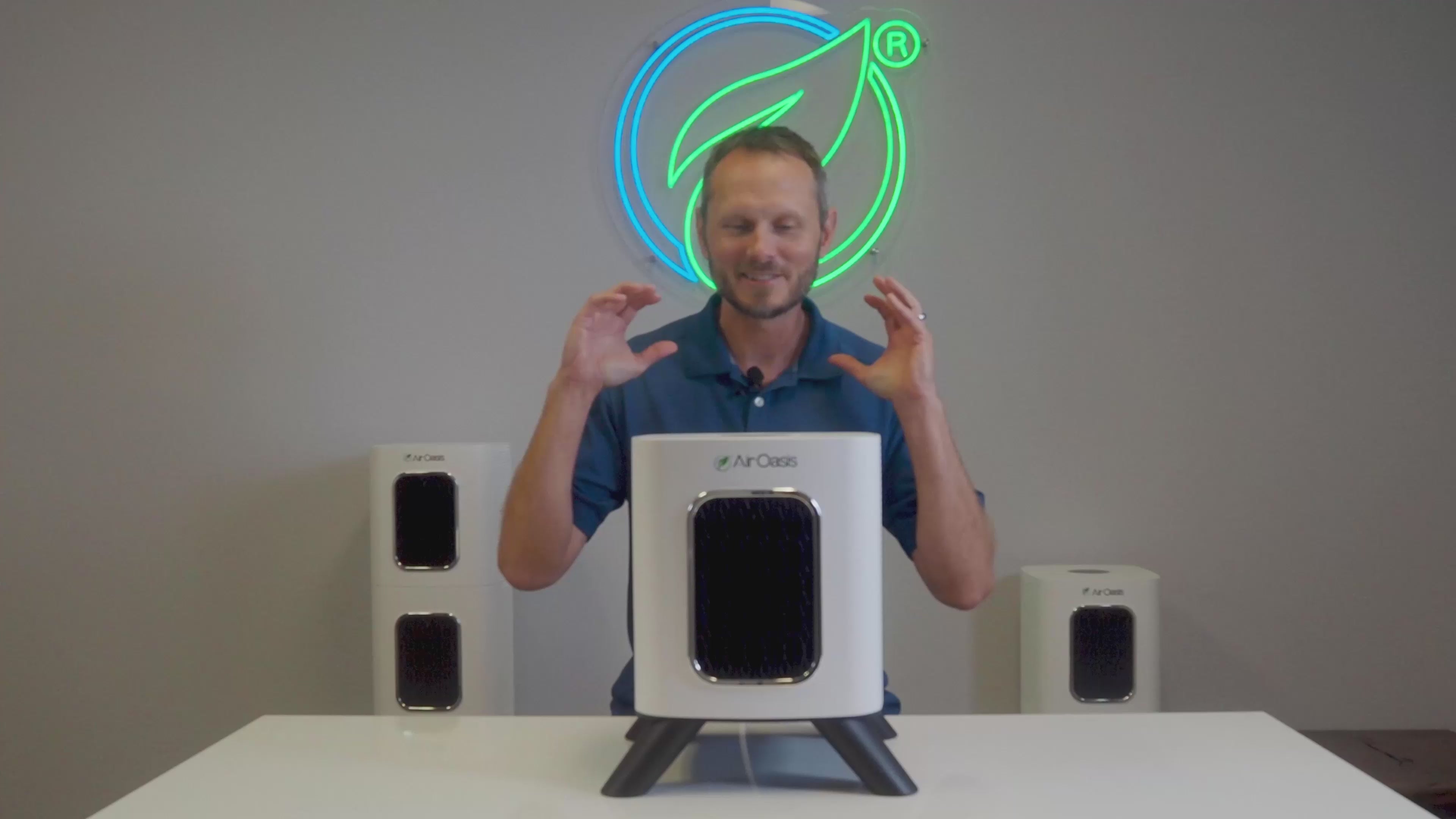
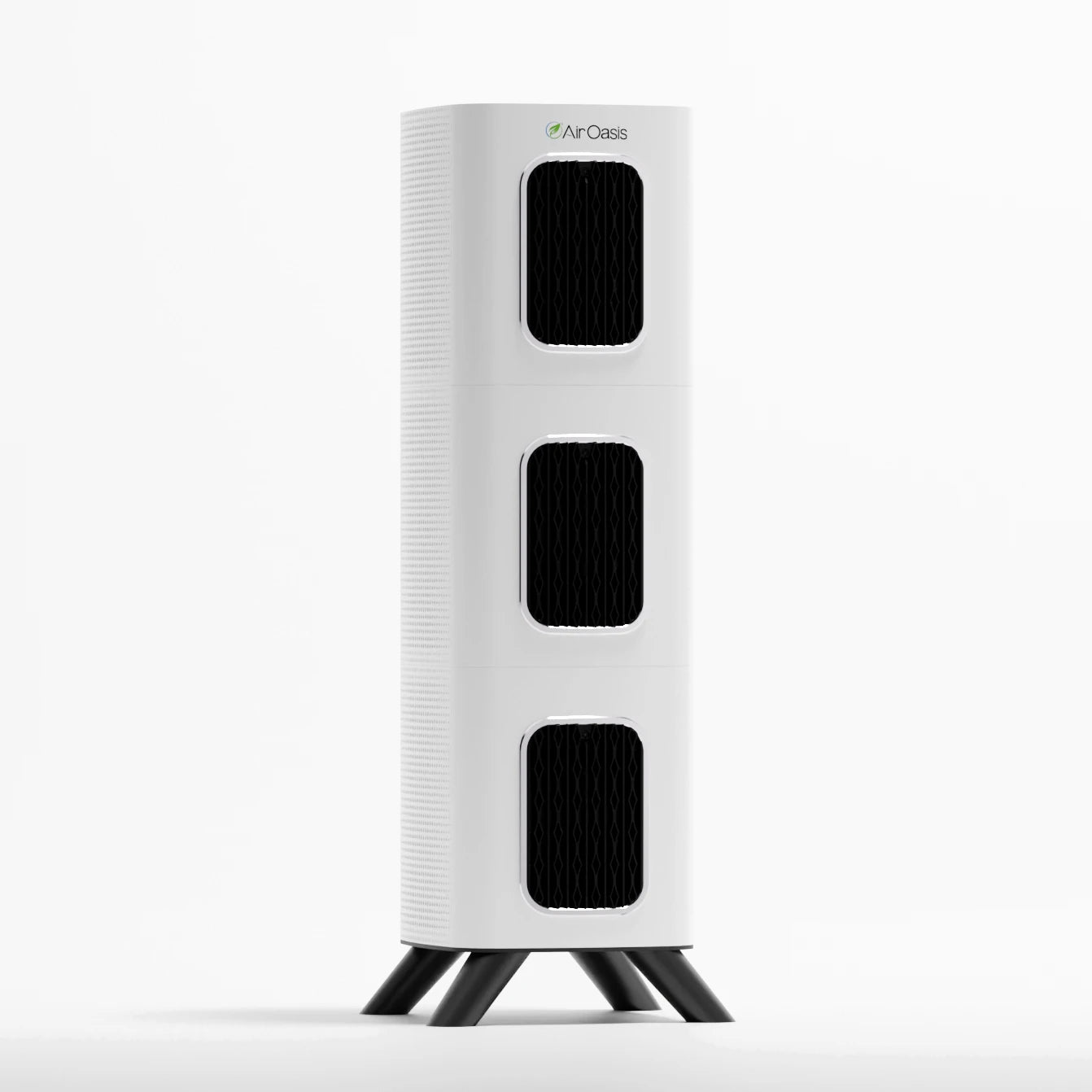
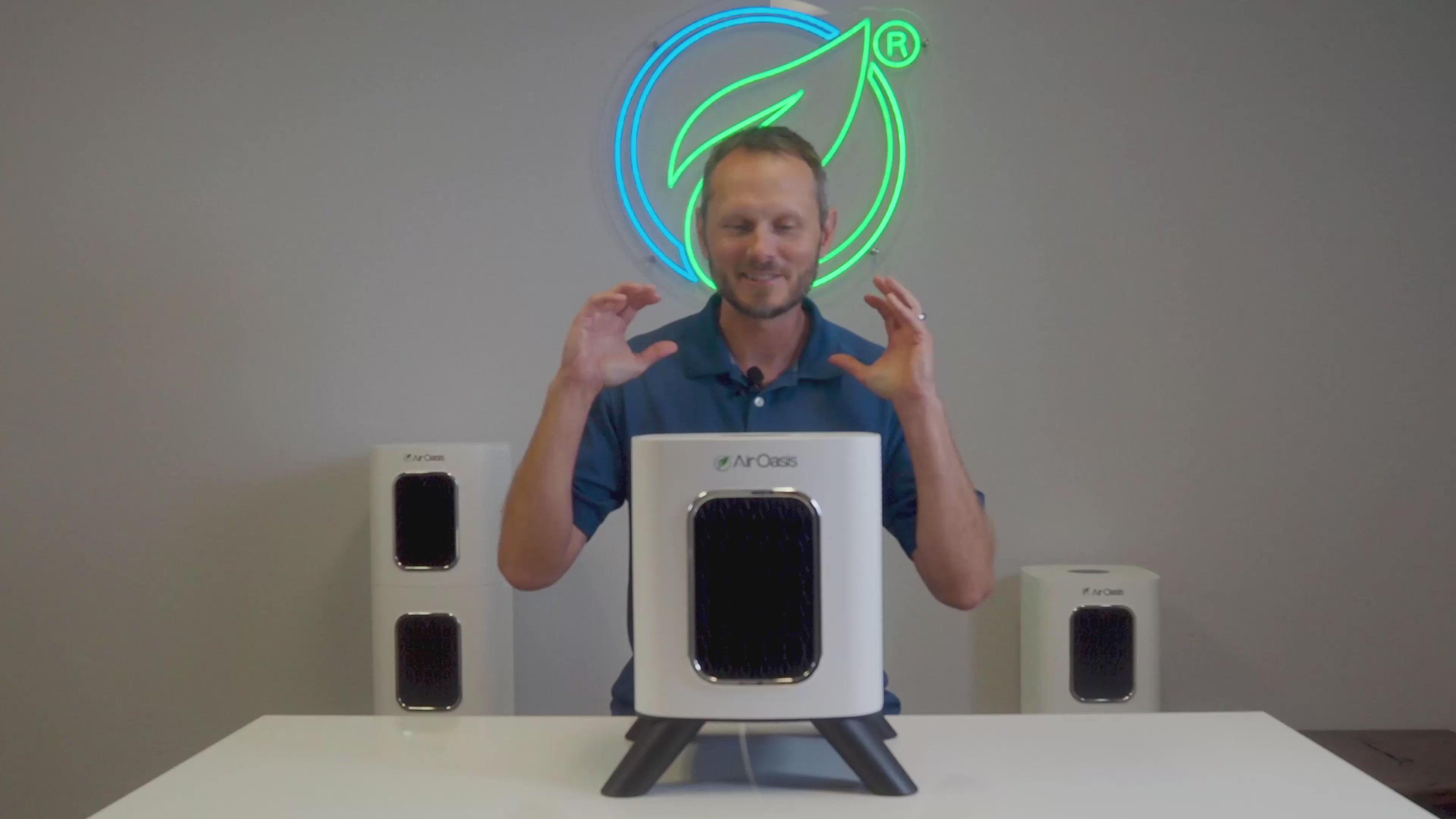
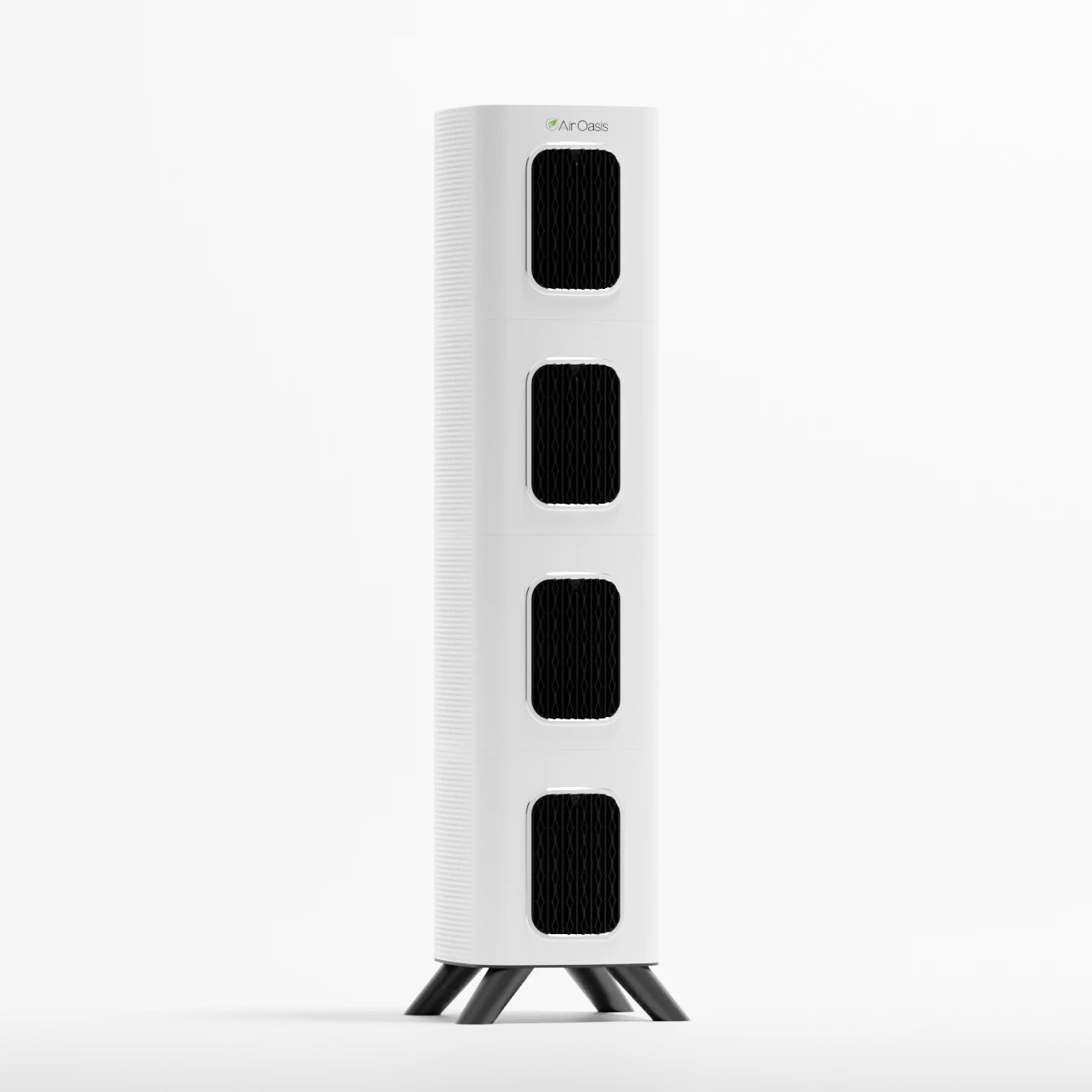
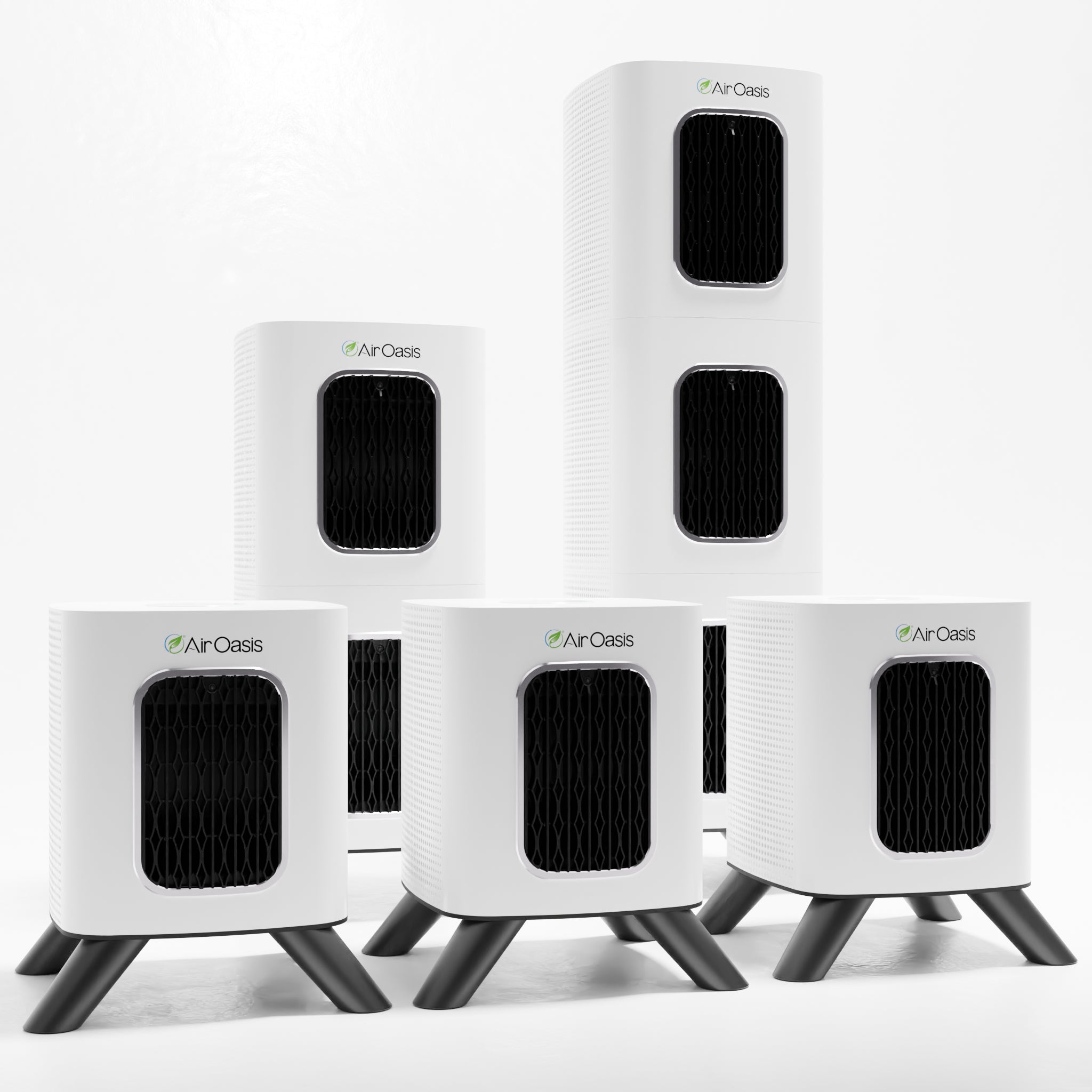
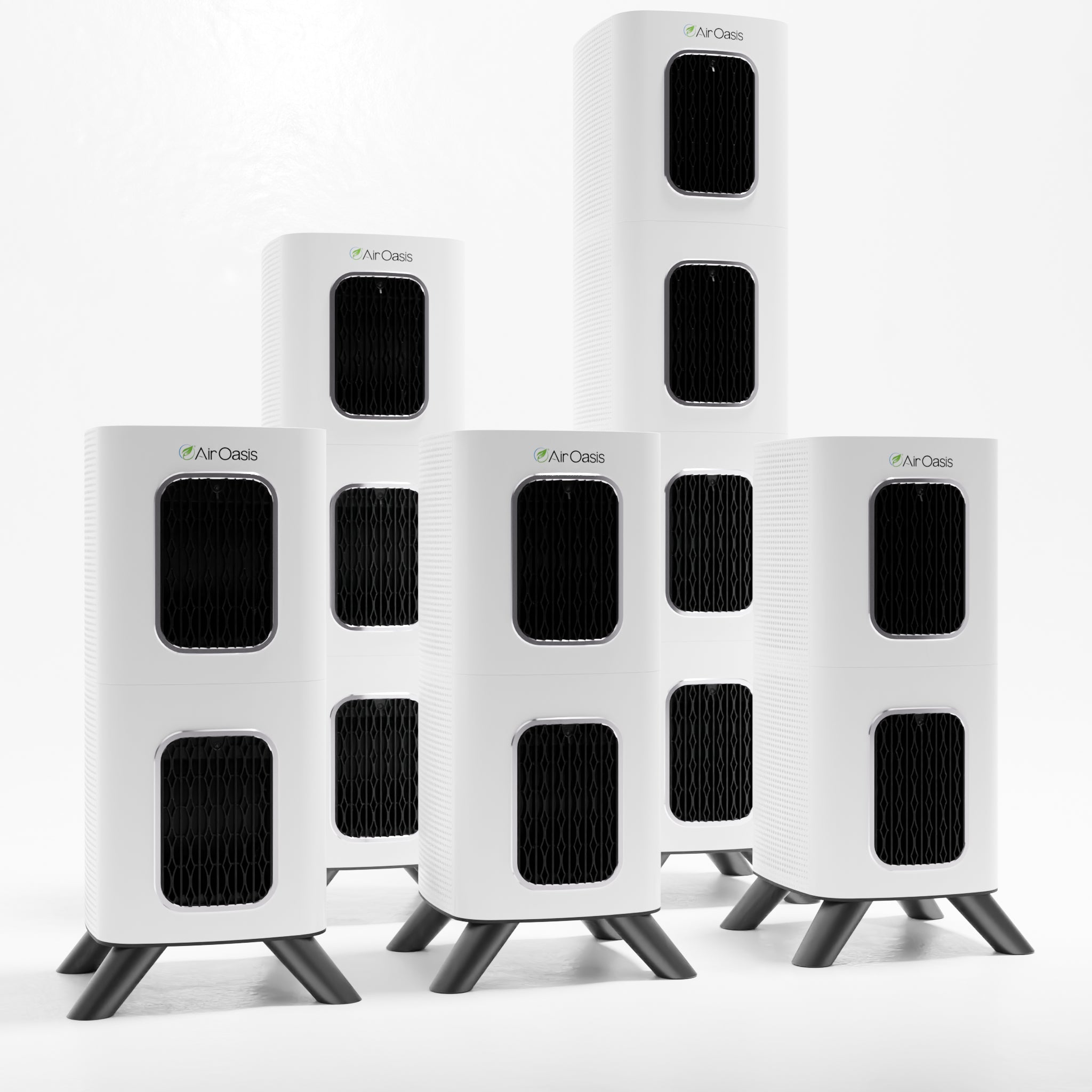
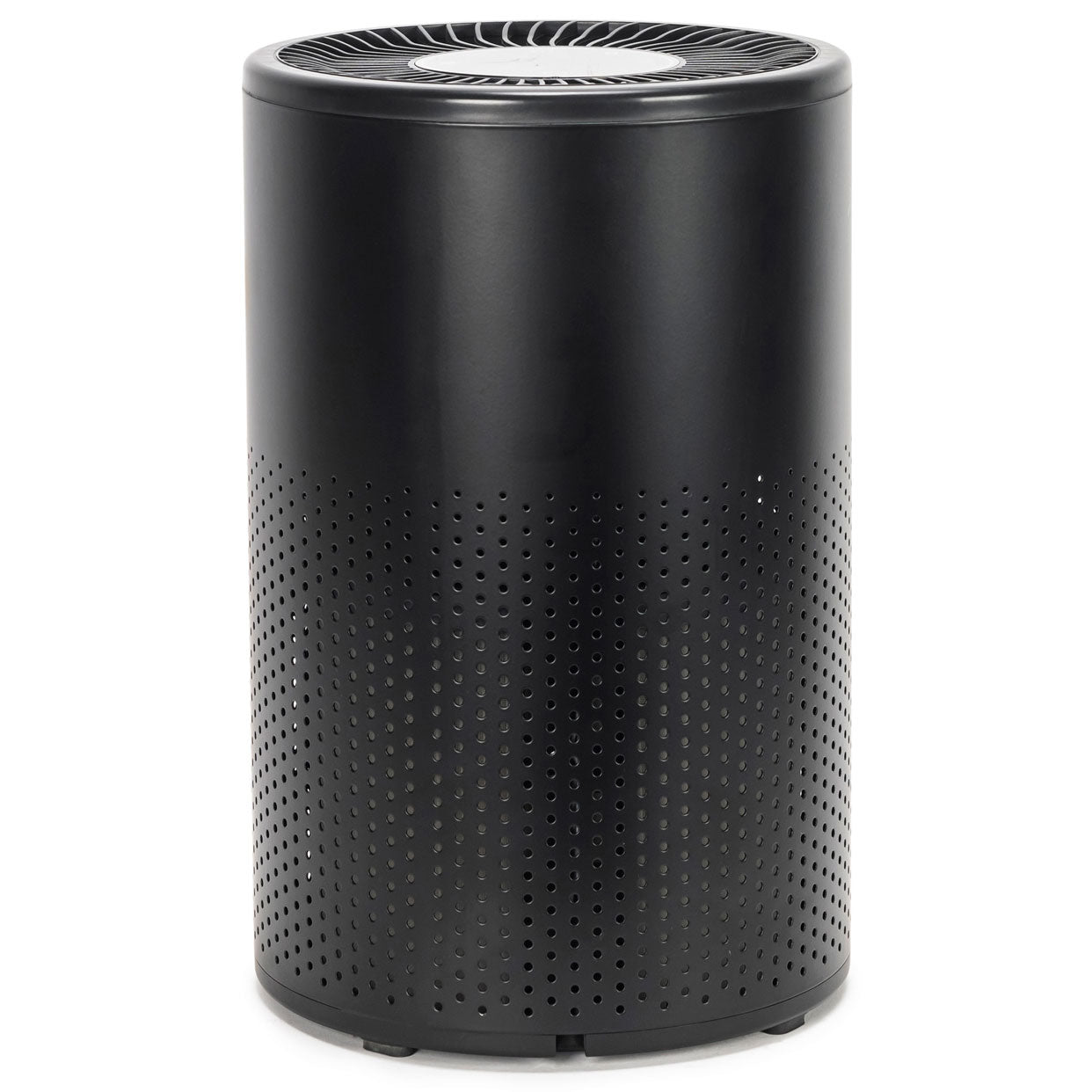
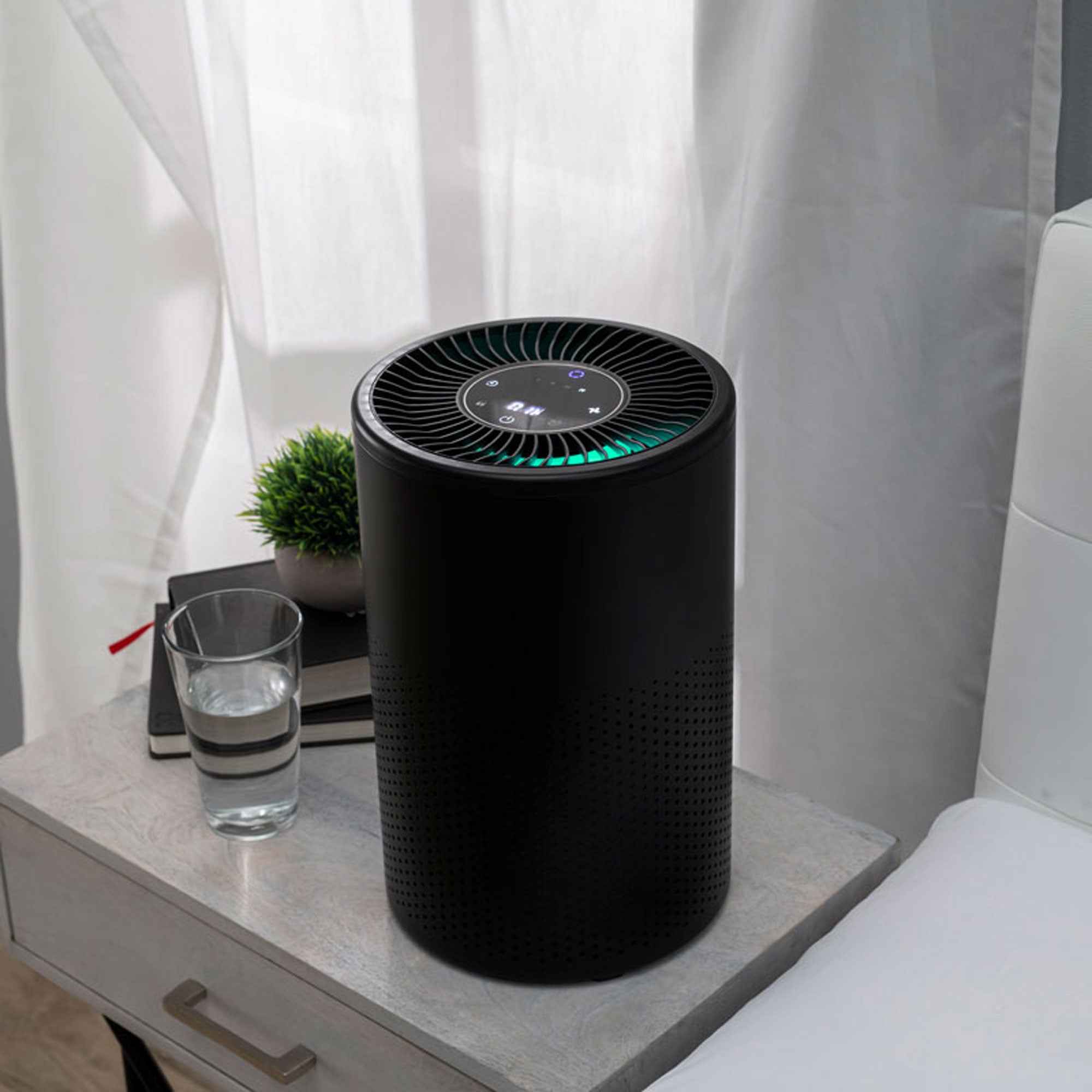
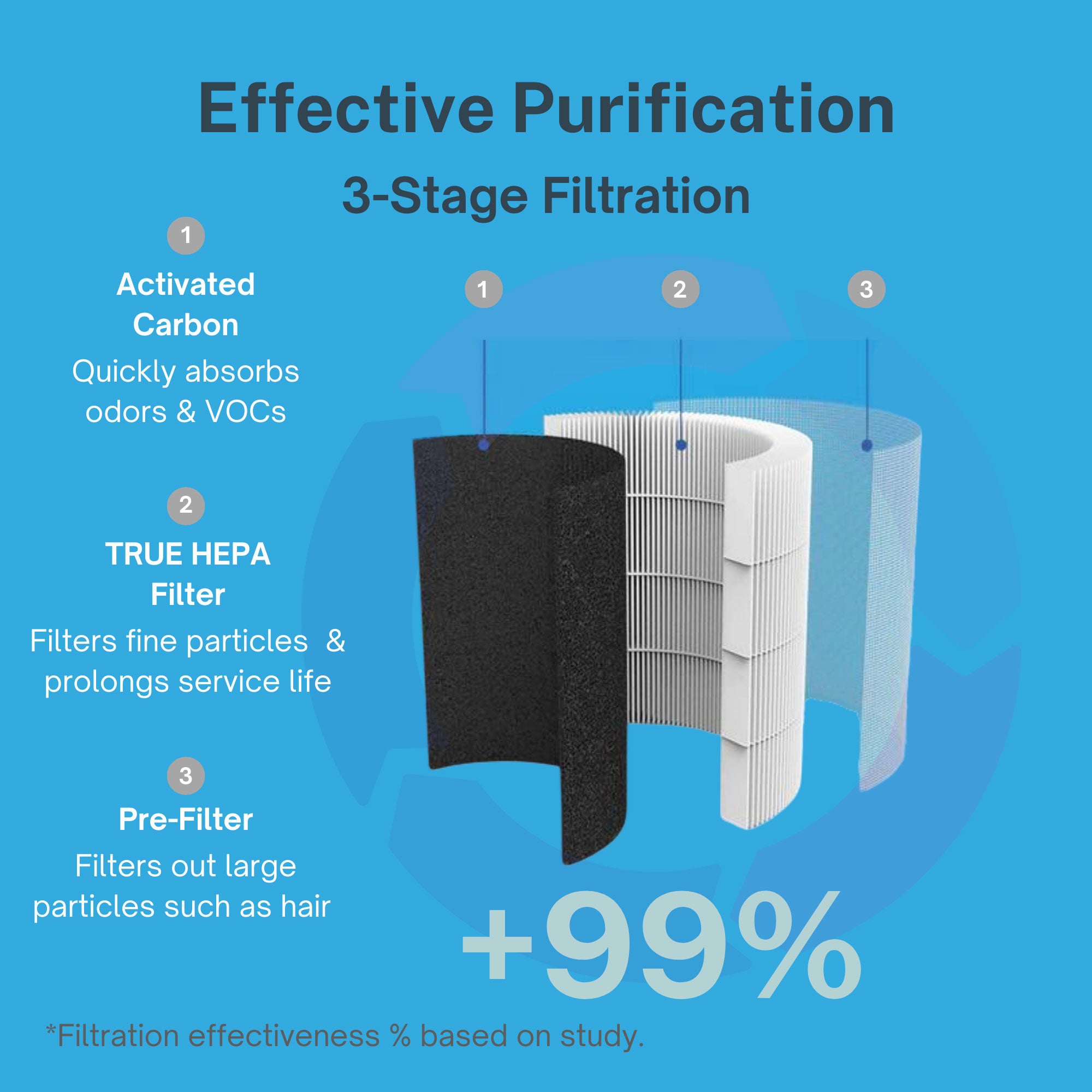
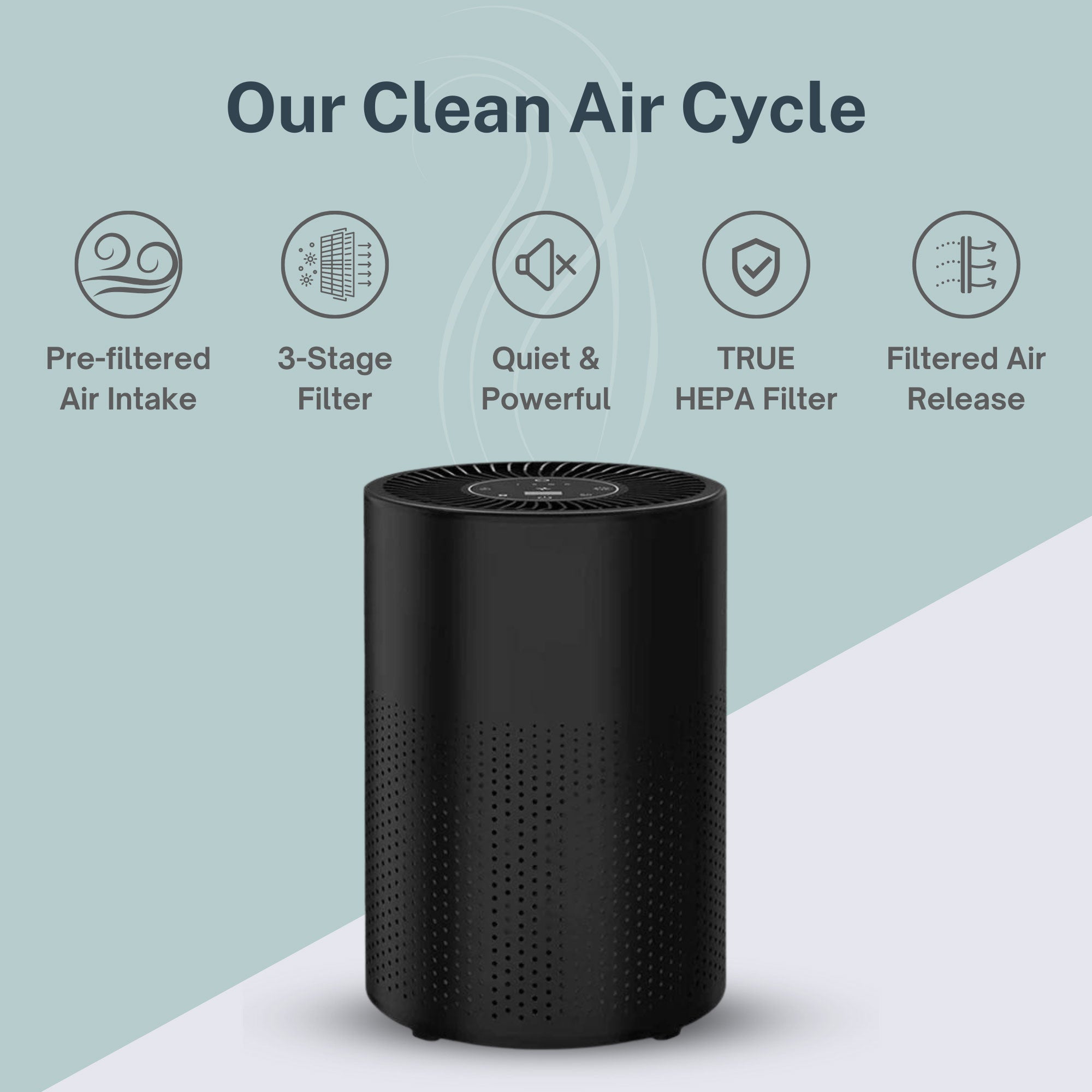
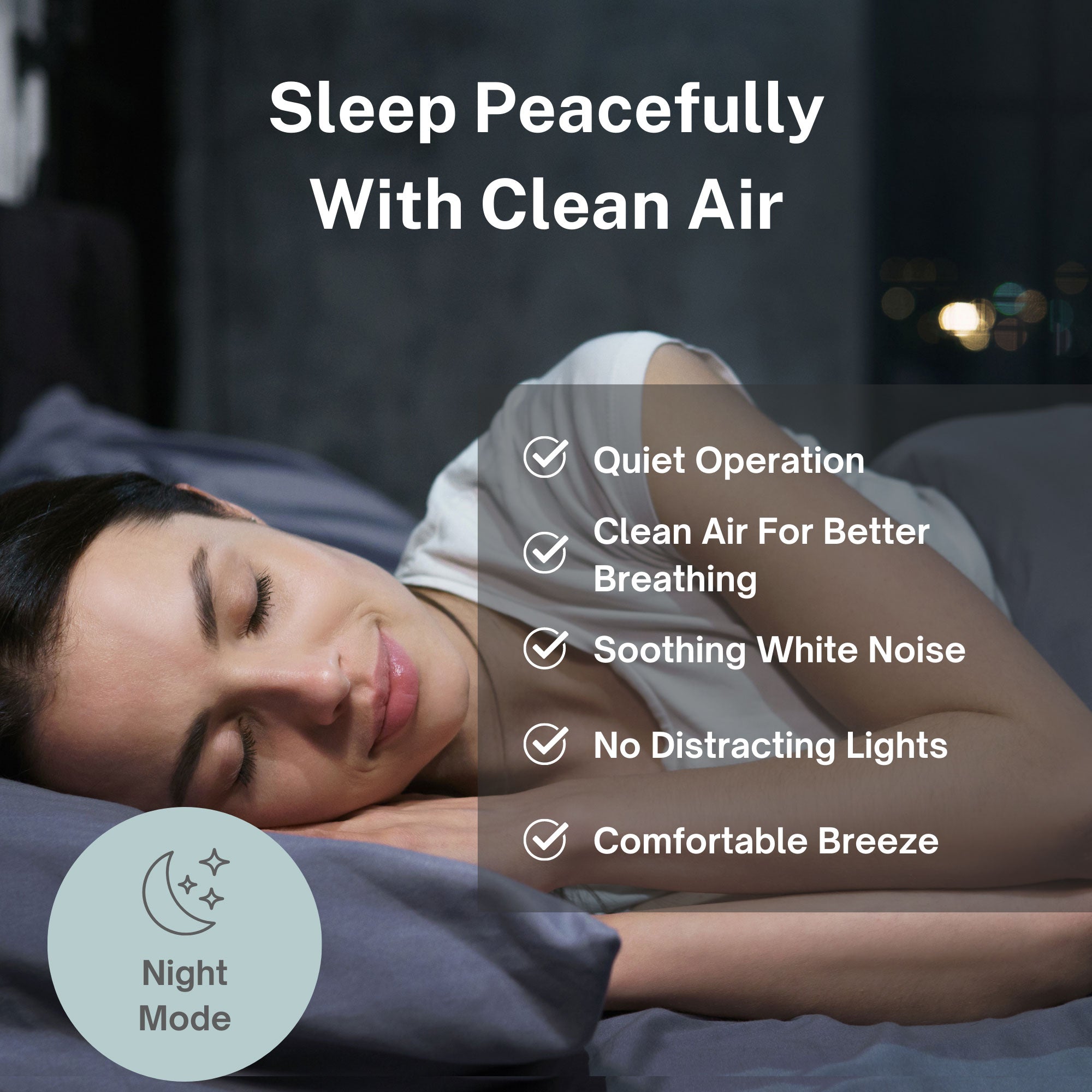
True HEPA filtration is the standard for removing fine particles from indoor air, capturing particles down to 0.3 microns — within the size range of PM2.5 particles that drive the health associations discussed in this research. The iAdaptAir by Air Oasis uses True HEPA filtration alongside activated carbon for VOC and odor removal, UV-C light to neutralize biological contaminants, and bipolar ionization for additional particle control. It is CARB-certified ozone-free, making it safe for continuous operation in living and sleeping spaces.
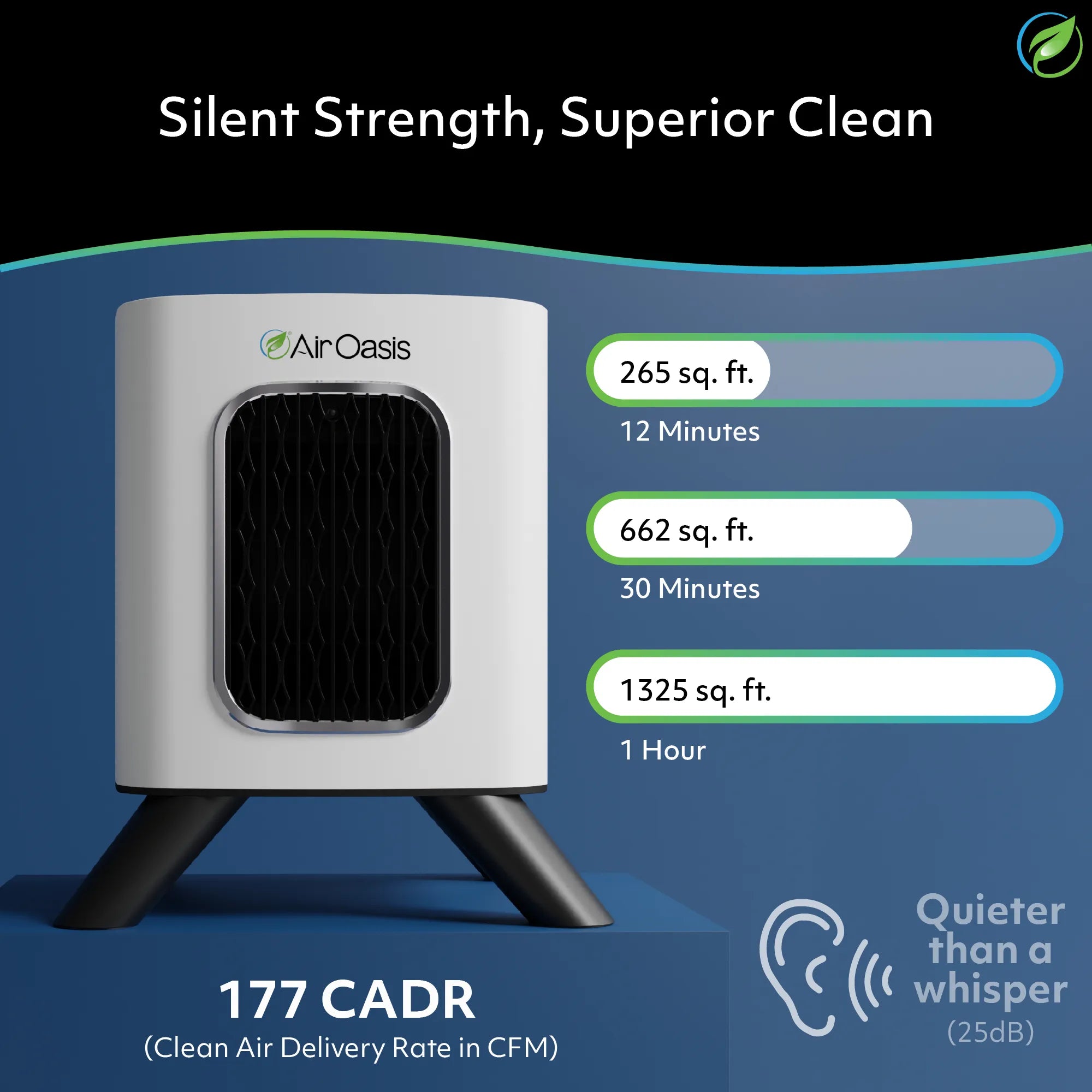
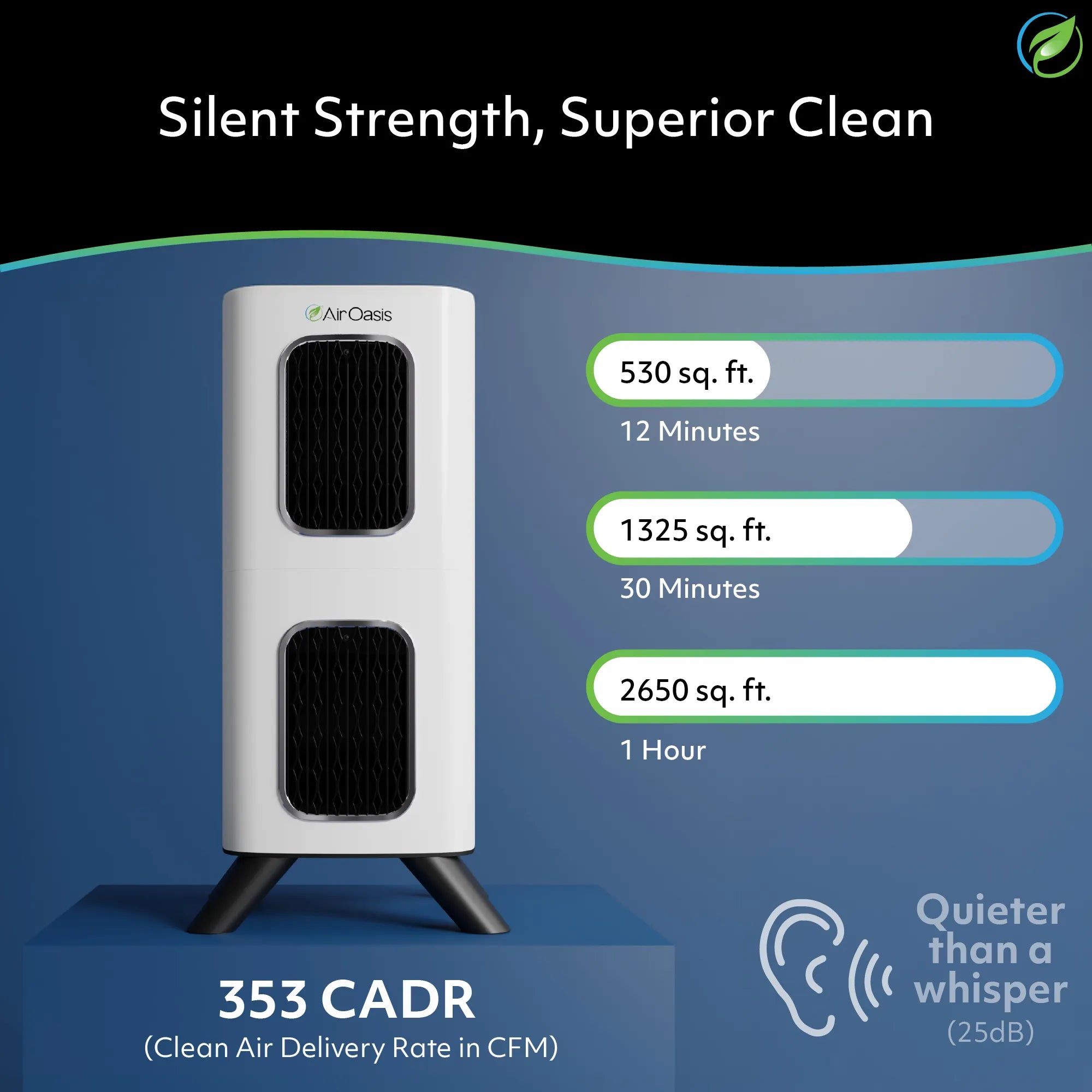
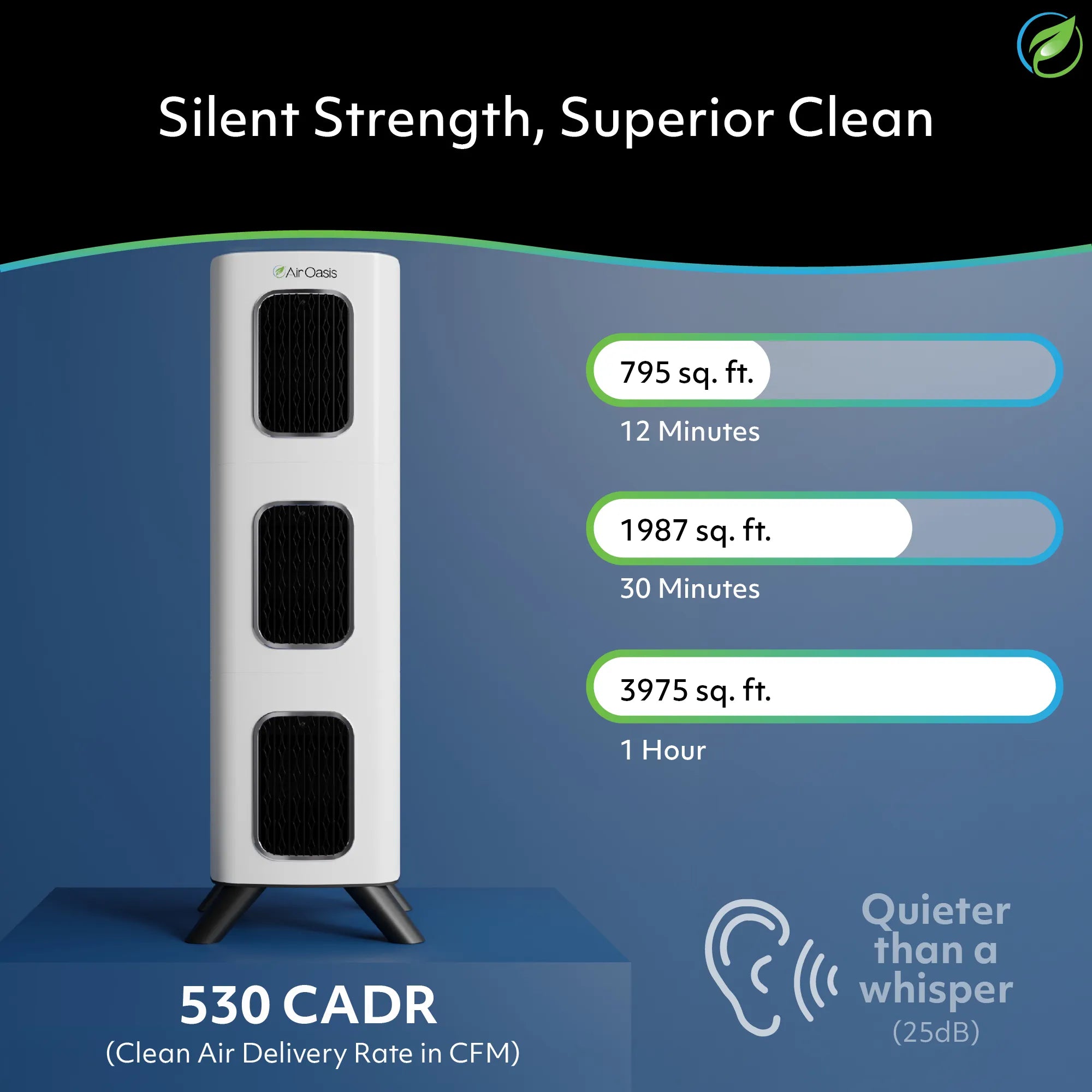
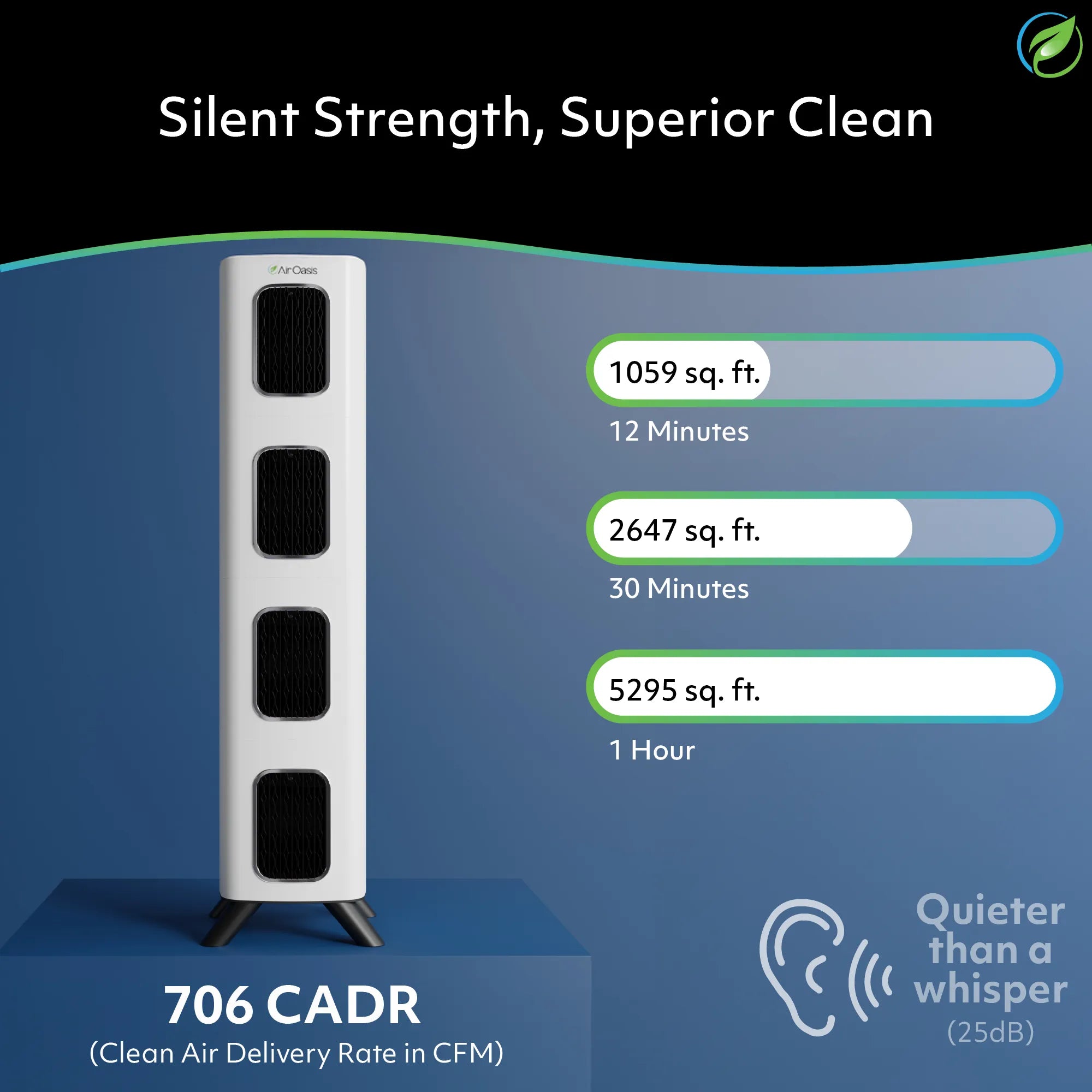
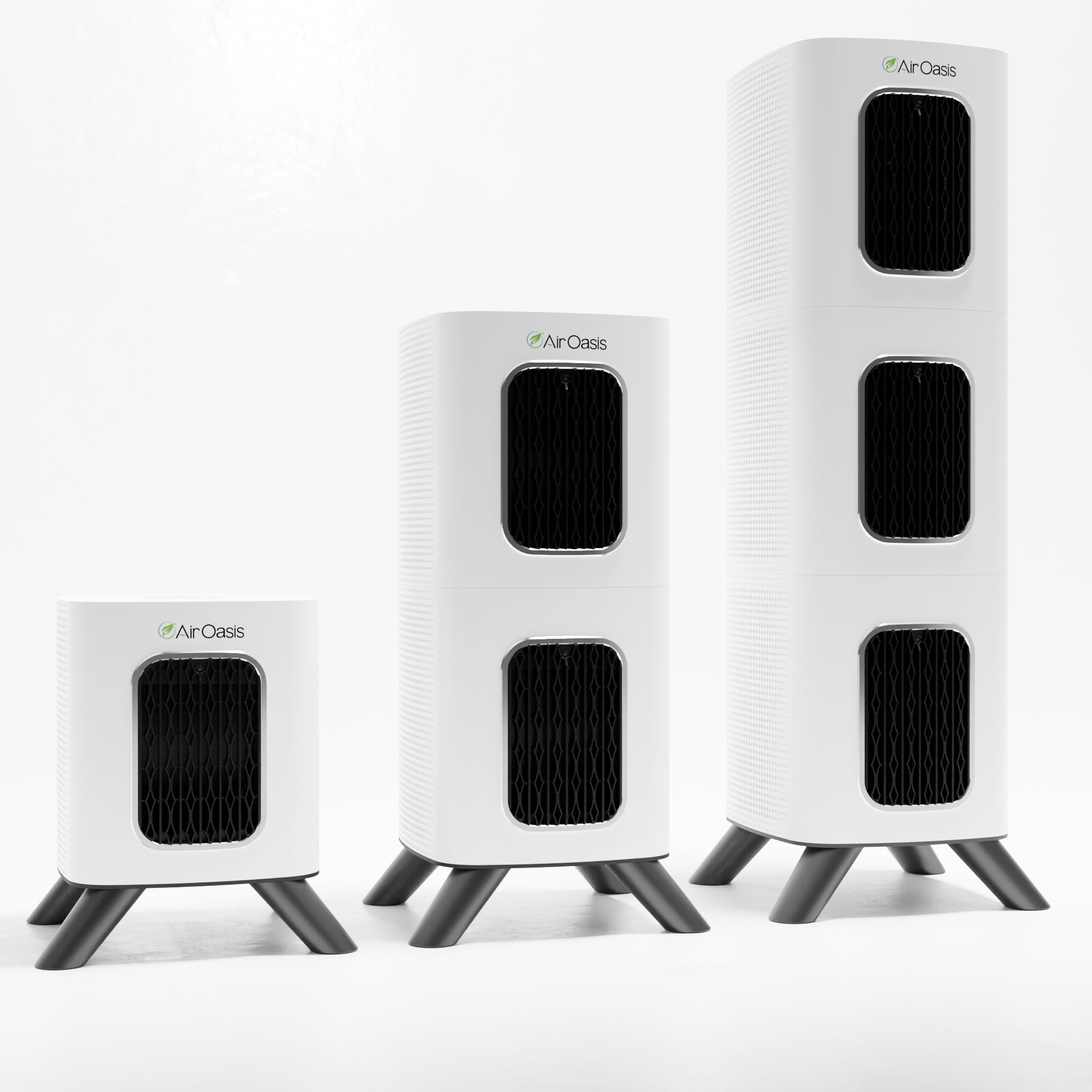
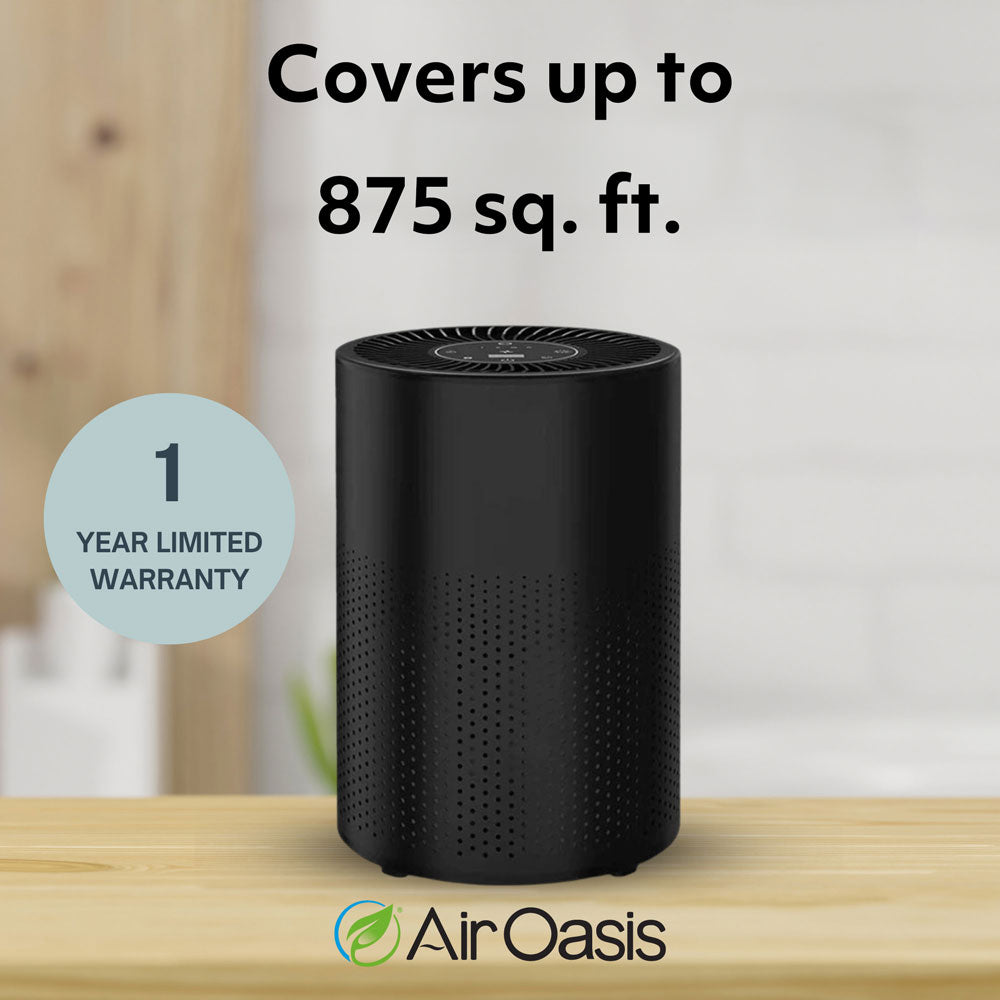
Size the unit to your room. The 2S covers up to 265 square feet, appropriate for a bedroom. The 2M covers 530, the 2L covers 795, and the 2P covers up to 1,059 square feet for larger open spaces. Running a properly sized purifier continuously in the rooms where you spend the most time is the practical step that reduces ongoing fine particle exposure — not as a treatment for any condition, but as a meaningful contribution to a healthier indoor environment.
The takeaway: watch this research, act on what you can control
The connection between air pollution and OCD remains an area of early, emerging research. The findings from Cho and Kim (2025) are suggestive and methodologically careful, but they are not conclusive, and they do not establish a causal mechanism or a clinical recommendation.
What they do is add OCD to the growing list of conditions where environmental air quality may turn out to be a relevant factor — alongside depression, sleep disorders, and ADHD, which the same study examined. The direction of the research is consistent: cleaner air appears to be better for the brain in ways that go beyond respiratory health. Taking indoor air quality seriously is a reasonable response to that direction of evidence, even before the picture is fully clear.
If you or someone in your family manages OCD or another mental health condition, work with a qualified mental health professional for diagnosis and treatment. Clean air is a supportive environmental measure, not a substitute for that care. Shop Air Oasis and take a concrete step toward cleaner indoor air. Breathe Better, Live Better.