It's one of the first practical questions people ask after buying an air purifier: if I run this thing all day, every day, what's it going to do to my electricity bill? It's a fair question. No one wants to solve an air quality problem and create a budget problem in the process.
The good news is that a quality air purifier costs considerably less to run than most people assume. Here's how to think about it clearly.
How to calculate what an air purifier actually costs to run
Electricity costs are calculated in kilowatt-hours (kWh). One kilowatt-hour is the energy used by a 1,000-watt appliance running for one hour. Your utility company charges you a per-kWh rate, and that rate varies by location. According to the U.S. Energy Information Administration, the average residential electricity price in the United States was approximately 16 cents per kWh as of 2024.
The formula is simple. Take the appliance's wattage, divide by 1,000 to get kilowatts, multiply by hours of use, then multiply by your rate. That gives you cost in dollars.
So a 35-watt air purifier running 24 hours a day uses 0.84 kWh per day. At 16 cents per kWh, that's about 13 cents per day, roughly $4 per month, or around $48 per year. That's less than many people spend on a single streaming subscription.
What the iAdaptAir actually draws
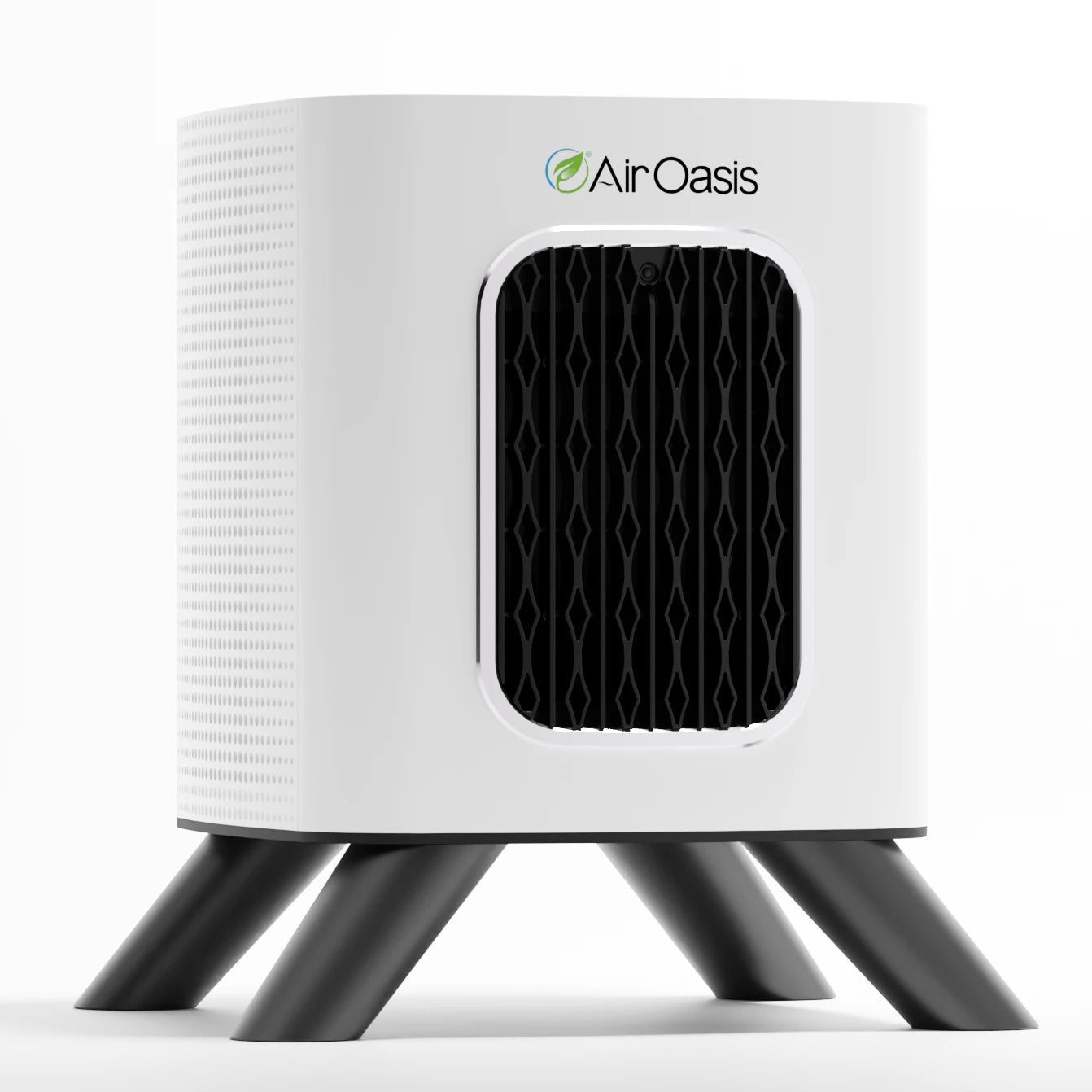
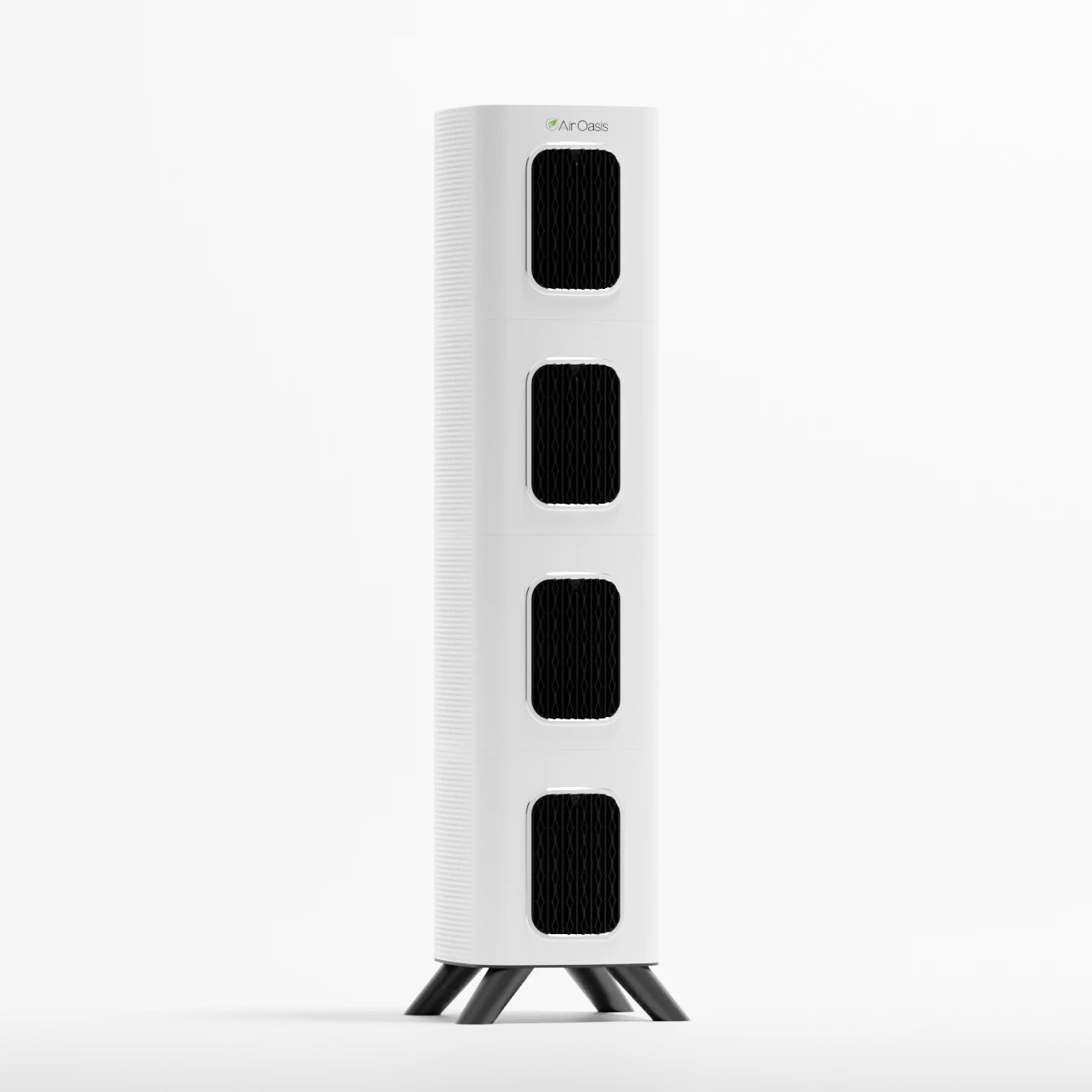
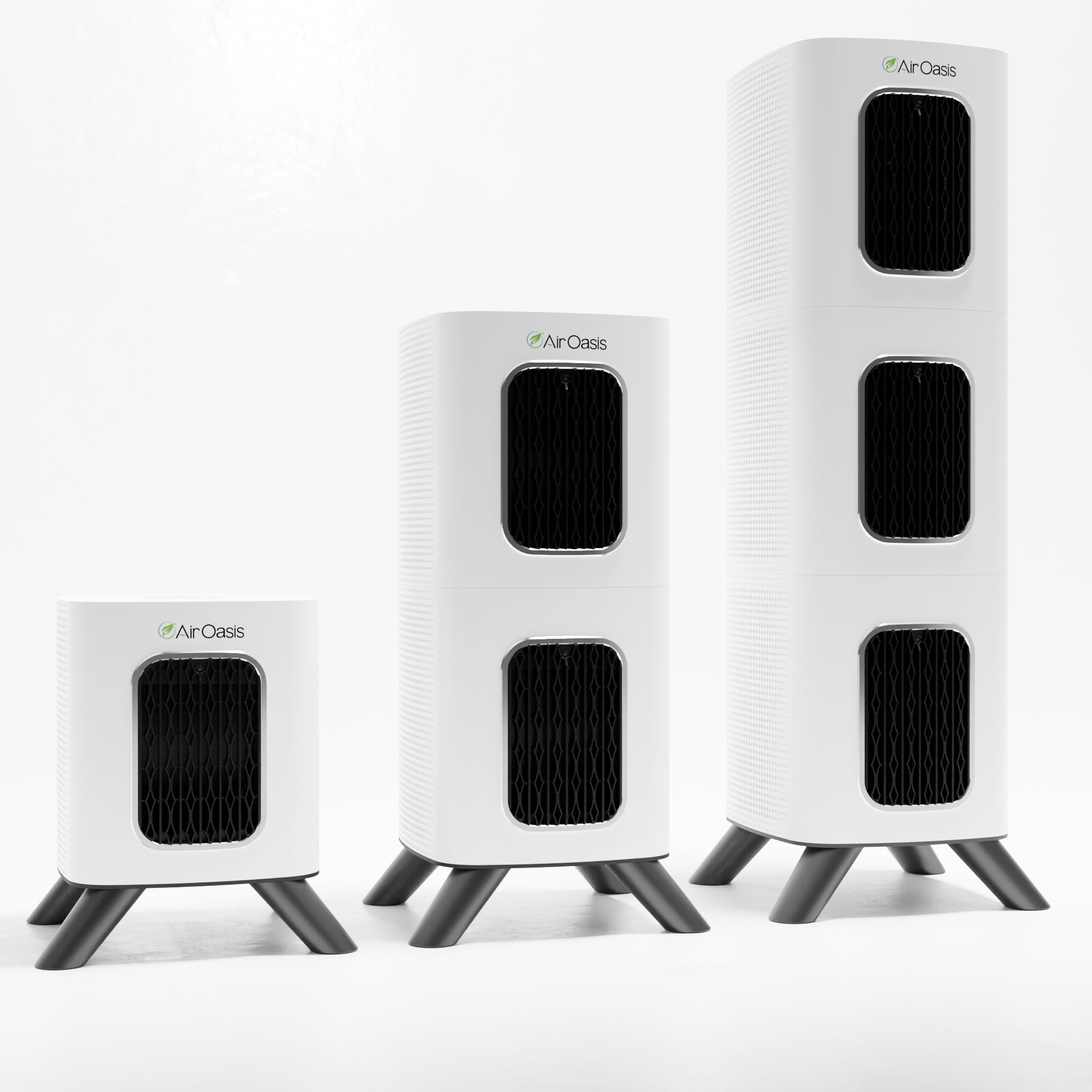
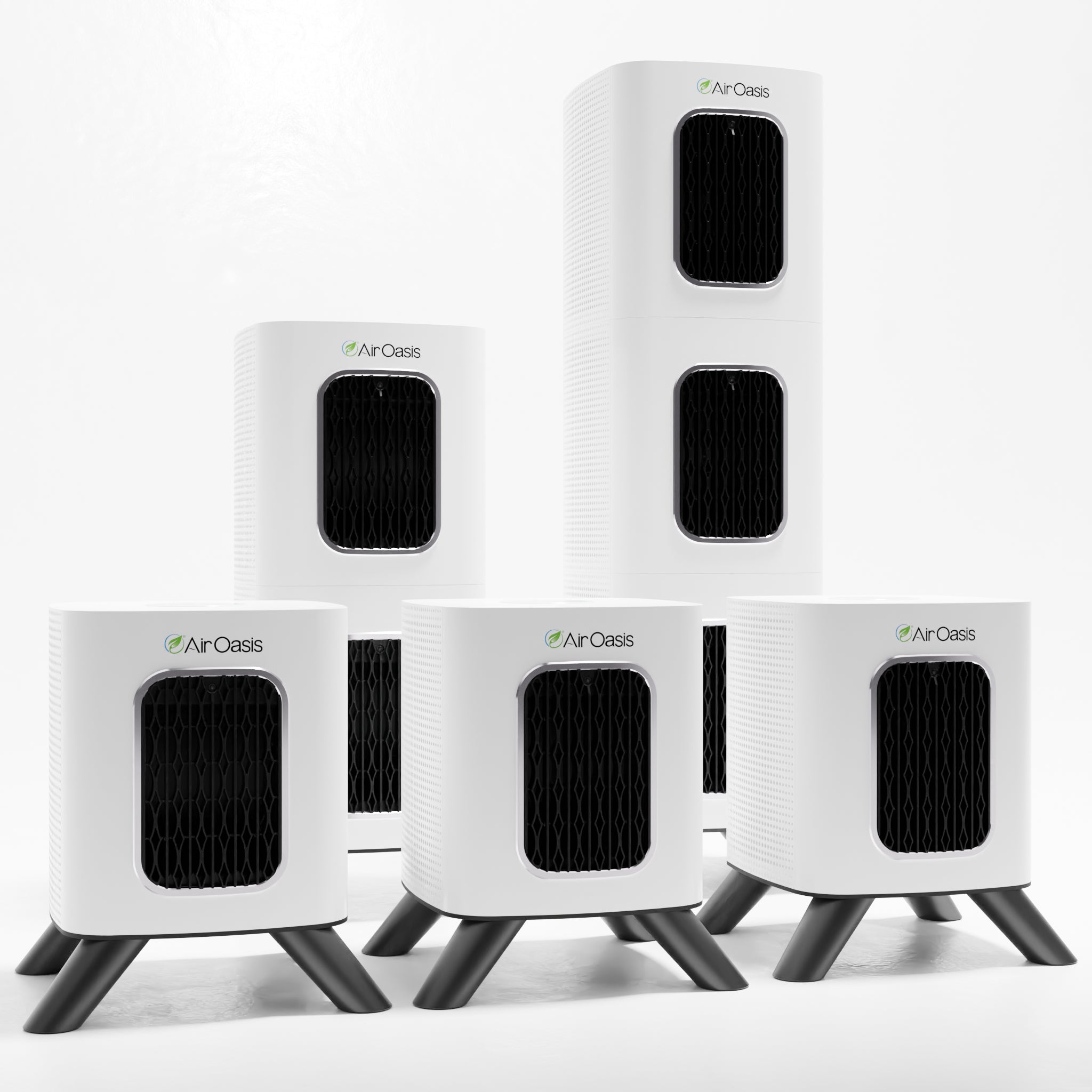
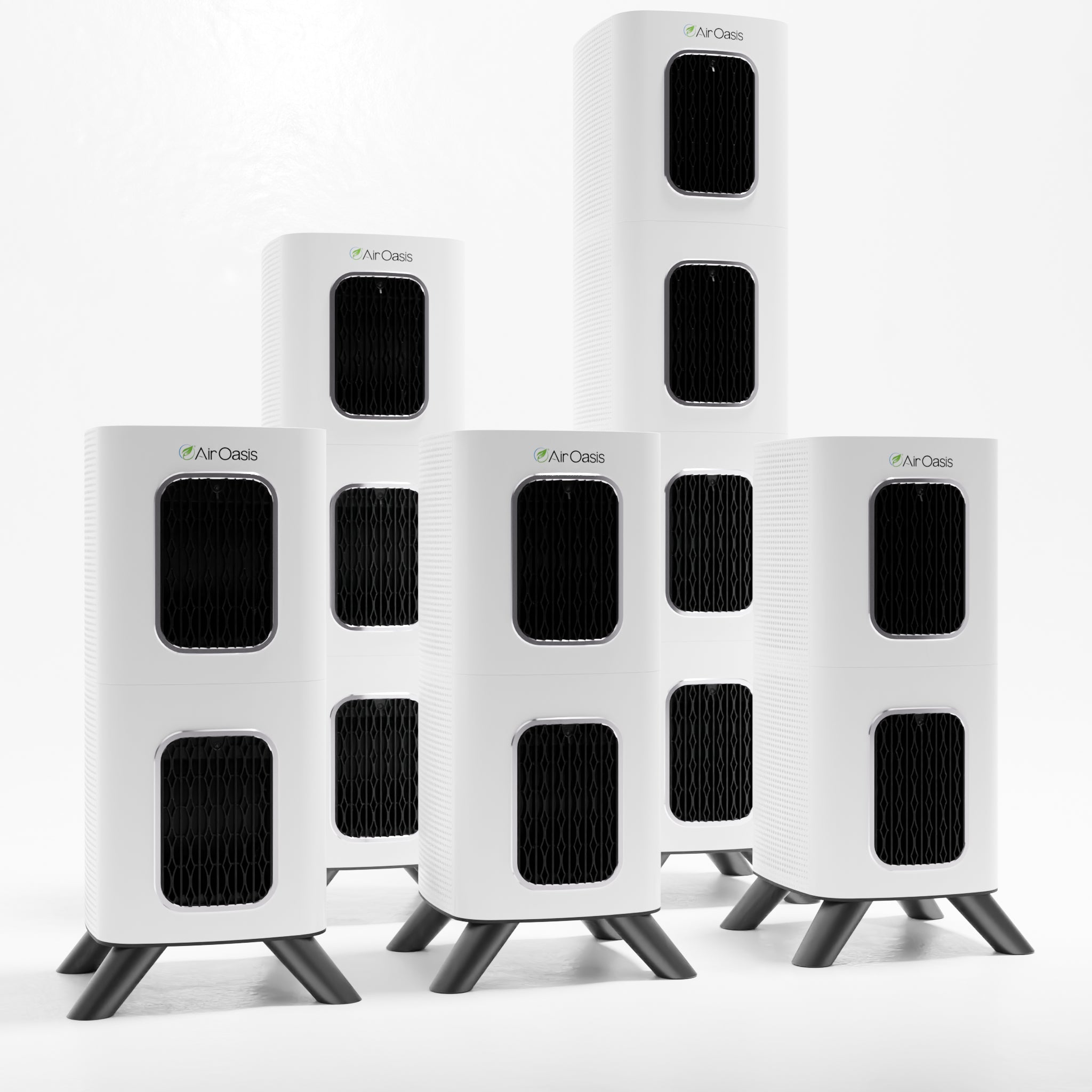
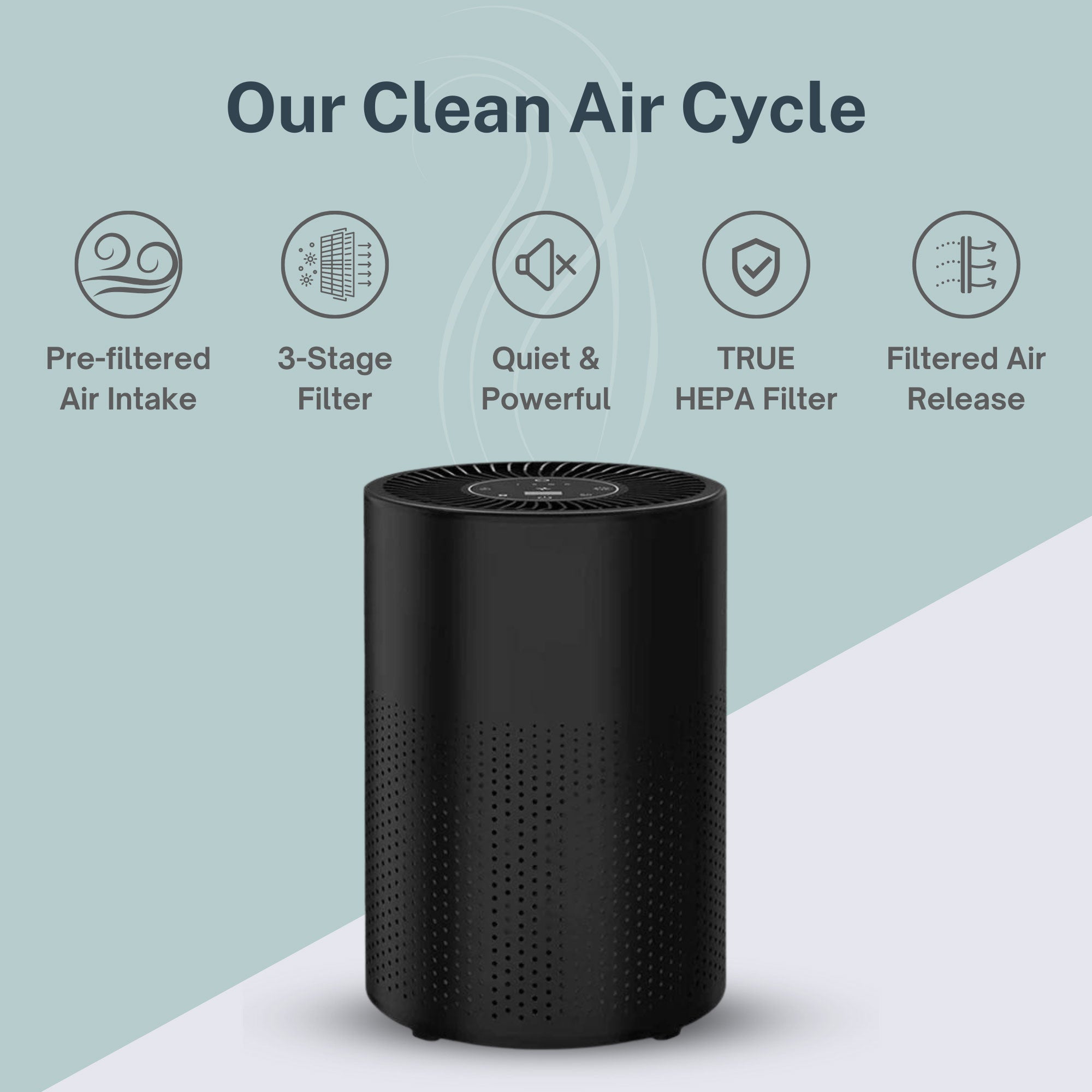
The iAdaptAir models have clearly stated power ratings. The 2S draws 35 watts, the 2M draws 70 watts, the 2L draws 105 watts, and the 2P draws 140 watts. Using the same calculation at the national average rate, running the 2S continuously costs roughly $4 to $5 per month. The 2M runs about $8 to $9 per month. The 2L comes to approximately $12-$13 per month, and the 2P to approximately $16-$17 per month.
These are full-speed, continuous-use figures. In practice, most people run their purifier on auto mode, which adjusts fan speed based on the air quality sensor. When air quality is good, the unit runs at lower speeds and draws less power. Real-world monthly costs are typically lower than the continuous full-speed figures.
For context, a window air conditioner draws roughly 500 to 1,500 watts. A clothes dryer uses around 5,000 watts per cycle. A refrigerator averages about 100 to 400 watts, depending on age and model. An air purifier is not a meaningful driver of electricity costs by comparison.
Why running it continuously is the right approach
Some people try to reduce costs by running their purifier only part of the time. It's understandable, but it works against the purpose of the appliance. Air quality in a closed room degrades continuously. Pollutants, allergens, and airborne particles accumulate when the purifier isn't running, and it takes time to bring concentrations back down once you turn it back on.
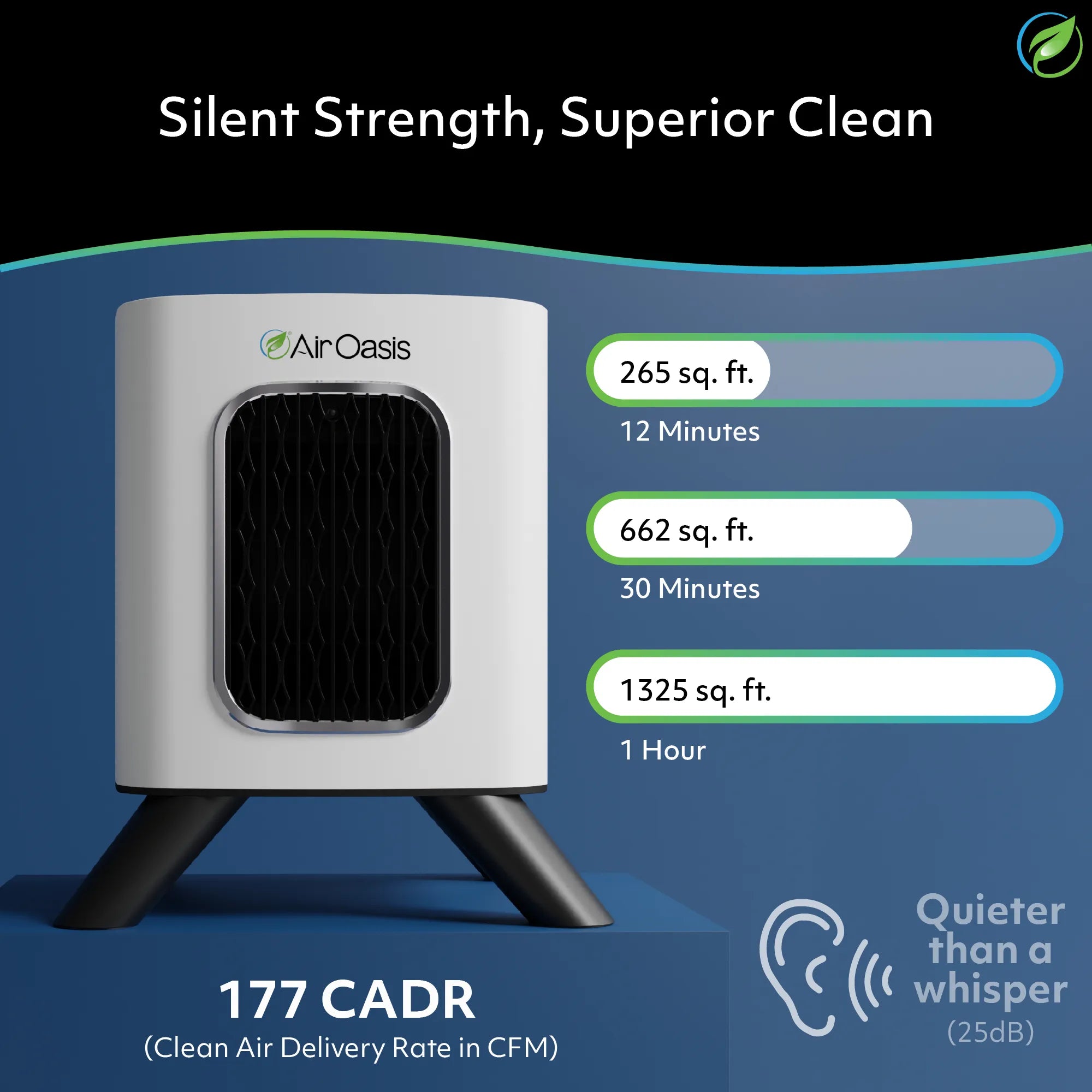
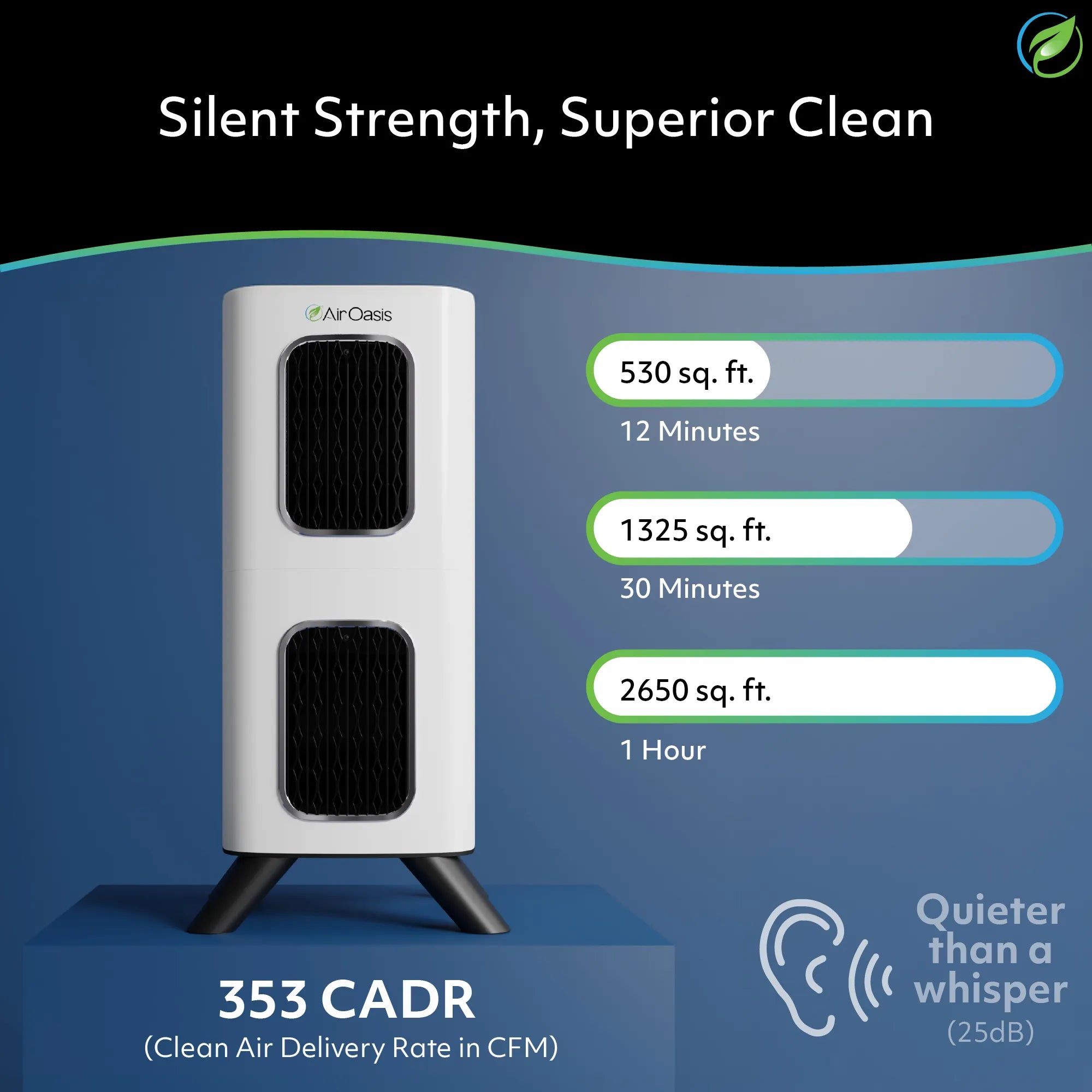
The coverage ratings for the iAdaptAir, based on 12-minute air cycles at standard ceiling height, assume continuous operation. A purifier cycling through a room's air every 12 minutes is actively maintaining clean air. One that runs a few hours a day is cleaning up after the fact.
The cost difference between running a purifier for 8 hours a day and for 24 hours a day is real but modest. For the 2S, the difference is roughly $3 per month. For the 2M, around $6. For most households, the health benefit of continuous clean air outweighs the marginal electricity cost several times over.
How to reduce operating costs if they're a concern
If you want to minimize the impact on your purifier electric bill, a few practical approaches work well without compromising air quality.
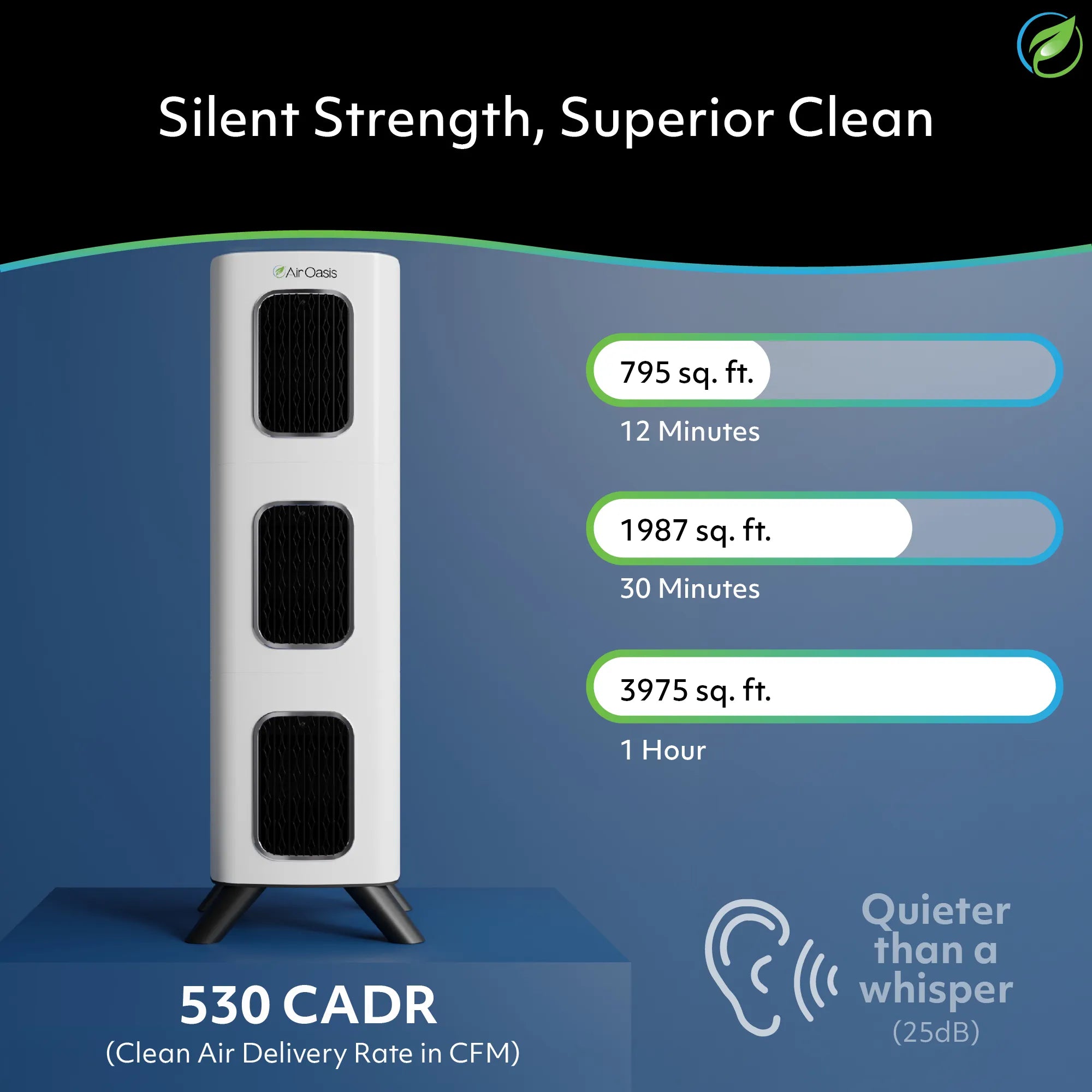
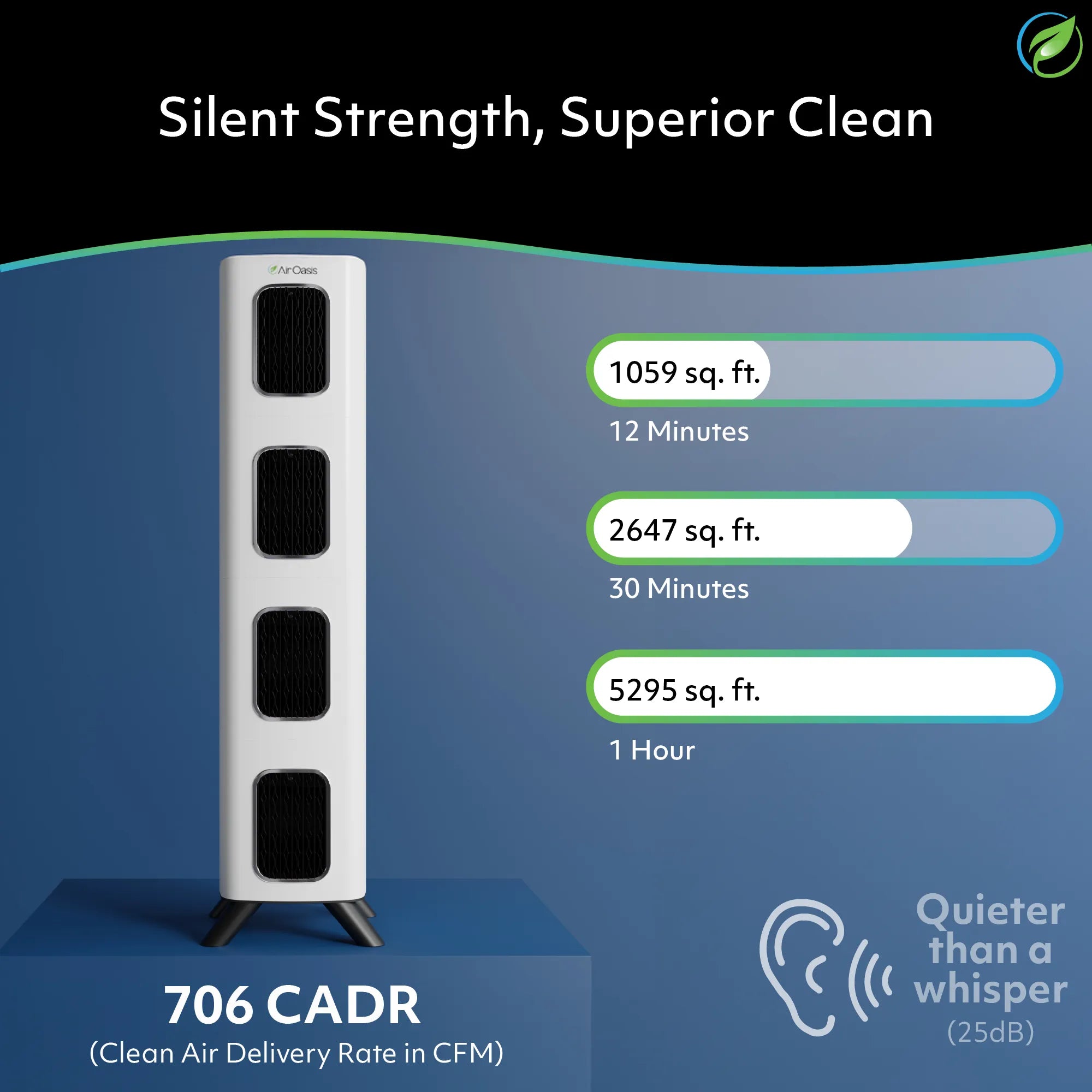
Right-sizing your purifier is the most impactful factor. Running a larger unit than you need in a small room costs more than necessary. Match the model to your actual square footage. The 2S covers up to 265 square feet, the 2M covers up to 530 square feet, the 2L covers up to 795 square feet, and the 2P covers up to 1,059 square feet. Using a correctly sized unit means the motor isn't working harder than it needs to.
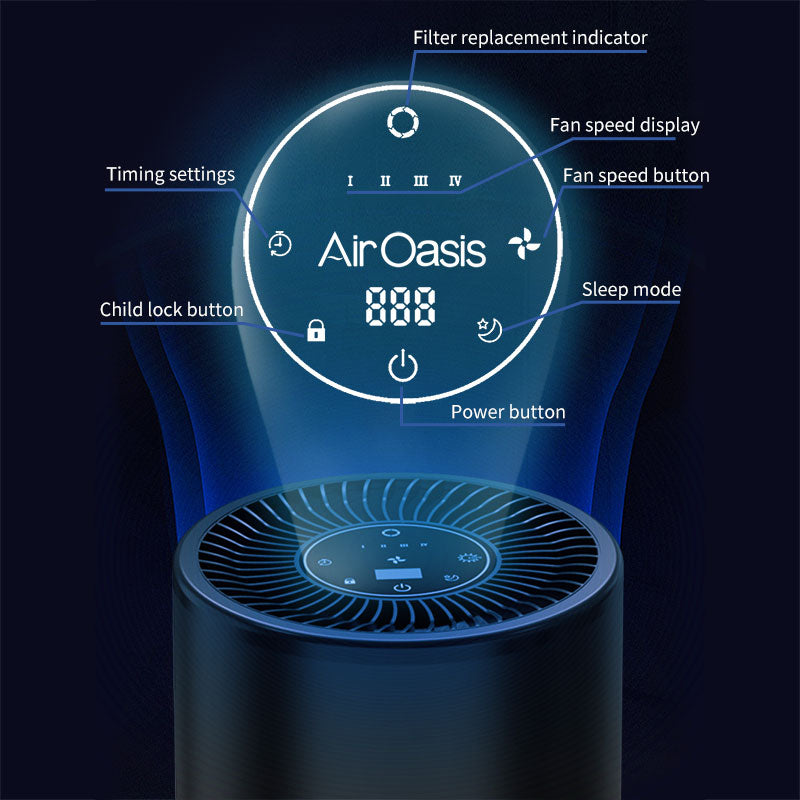
Auto mode keeps fan speed proportional to actual air quality. When sensors detect clean air, the unit runs more slowly and consumes less power. This is how most people should run their purifier day to day.
Keeping filters clean and on schedule matters for efficiency, too. A clogged or degraded filter makes the motor work harder to pull air through, which increases power draw and reduces performance at the same time. Fresh filters keep the unit running efficiently.
Closing doors and windows during operation is another factor. The iAdaptAir is designed to clean a defined space. Running it in a room with open windows means it's constantly trying to process outdoor air as well, which increases run time and reduces effectiveness.
The real cost calculation
The honest answer to whether an air purifier increases your electric bill is yes, slightly. You're adding an appliance that runs continuously. But for most models sized appropriately to their room, the increase is measured in a few dollars per month, not tens of dollars.
When you weigh that against the benefits, including fewer allergy flare-ups, reduced dust accumulation, lower exposure to airborne pathogens, and cleaner air for sleep and recovery, the value-to-cost ratio is strong. A daily cost of 13 cents for the smallest iAdaptAir model is less than the cost of a stick of gum. For what it delivers in continuous clean air, that's a reasonable trade.
The iAdaptAir is also ENERGY STAR certified, which means it meets efficiency standards set by the U.S. Environmental Protection Agency. That certification reflects the design philosophy of delivering strong air cleaning performance without unnecessary energy consumption.
Clean air without the sticker shock
Worrying about electricity costs is understandable, but for most households, a quality air purifier is one of the more affordable appliances to run continuously. The iAdaptAir's efficiency, combined with auto mode and right-sizing for your space, keeps operating costs low while delivering the whole-room air circulation that makes continuous use worthwhile.
Shop the iAdaptAir at Air Oasis and start breathing better without watching your utility bill climb. Breathe Better, Live Better.