The debate shows up constantly on Reddit, in homeowner forums, in Facebook groups for allergy sufferers: should you run your HVAC fan all the time, or only when heating and cooling? Is recirculating indoor air making things worse? Does the filter in your furnace actually do anything useful?
The honest answer is that your HVAC system can genuinely help your indoor air quality, and it can genuinely hurt it. Which one depends on a few specific factors — and most of the debate online gets at least one of them wrong.
How your HVAC system moves air (and what that means for air quality)
Your HVAC system has two distinct jobs: conditioning the air (heating or cooling it) and moving it. The moving part matters enormously for air quality. When the system runs, it pulls room air back through a return duct, passes it through the filter at the air handler, conditions it, and pushes it back out through the supply vents. Every pass through the system is a potential filtration event.
That's the good news. Your furnace or air handler is, in a sense, a whole-home air filter — if the filter inside it is worth anything.
Here's where it gets complicated.
Why your HVAC filter probably isn't doing what you think
Most homes ship with a MERV 1 to 4 fiberglass filter in the furnace. These are designed almost entirely to protect the equipment, not your lungs. They catch large debris — lint, hair, big dust clumps — before it gums up the blower. They do essentially nothing for the fine particles most associated with respiratory effects: PM2.5, mold spores, pet allergens, pollen fragments.
A MERV 8 filter captures a meaningful fraction of particles in the 1 to 3 micron range. A MERV 11 does better. A MERV 13 approaches HEPA-adjacent performance for the size ranges that matter most for allergy and asthma sufferers. The EPA and ASHRAE have both noted that upgrading residential HVAC filters to MERV 13 can meaningfully reduce indoor particle concentrations, particularly for homes near high-traffic roads or in areas with elevated outdoor pollution.
The catch: high-MERV filters restrict airflow. A MERV 13 filter creates significantly more resistance than a MERV 4. Many residential HVAC systems aren't designed to handle that restriction — the blower motor strains, airflow drops, and in some cases equipment life is shortened. Before upgrading to a high-MERV filter, it's worth confirming your system can handle it. A HVAC technician can check static pressure and tell you what range is safe for your equipment. [STAT NEEDED — confirm typical residential airflow restriction thresholds by MERV rating before publishing]
Running the fan continuously: does it help?
This is the most debated HVAC question in air quality communities. The argument for running the fan continuously — rather than only when heating or cooling — is that it keeps air moving through the filter more often, which should reduce particle concentrations throughout the home. The argument against is that it circulates whatever is in the ductwork, drives up electricity costs, and can introduce outdoor air in ways that increase humidity indoors.
Both arguments have merit, and neither wins cleanly.
Running the fan continuously does increase the number of times indoor air passes through the filter per hour. In a home with a reasonably good filter (MERV 8 or higher) and clean ducts, this is a net benefit for particle removal. Studies of schools and office buildings have shown that increased air handler runtime correlates with lower particulate concentrations in occupied spaces, and the principle applies to homes.
The humidity concern is real but often overstated. Modern systems with variable-speed blowers manage moisture reasonably well during continuous fan operation. Older single-speed systems can struggle: when the fan runs without the cooling coil active, it moves air past a damp coil surface and can re-evaporate moisture back into the supply air. If your home already trends humid and you have an older system, continuous fan mode can contribute to elevated indoor humidity — which matters because humidity above 60 percent supports mold and dust mite populations.
The duct cleanliness issue is more consequential than most homeowners realize. Your ductwork accumulates dust, debris, and in some cases mold over years of operation. Running the fan continuously distributes whatever is in those ducts throughout the house. If your ducts haven't been inspected or cleaned in many years and there's visible debris at the registers, that's worth addressing before deciding whether continuous fan operation helps or hurts.
When your HVAC actively makes air quality worse
There are specific scenarios where your HVAC system can be a net negative for indoor air quality:
- Dirty or clogged filters that have passed their useful life. A filter loaded with captured particles becomes a reservoir. Air moving through it can dislodge and re-release what it previously captured.
- Leaky ductwork that draws unconditioned air from attics, crawlspaces, or wall cavities — spaces that are often high in mold spores, fiberglass particles, and other contaminants — into the supply airstream.
- Poorly maintained systems with microbial growth on the evaporator coil or in drain pans. The cooling coil is a damp, dark environment where mold can grow, and air passing over it picks up spores before entering your living space.
- Recirculating air during outdoor pollution events without any mechanism for fresh air intake can concentrate indoor pollutants when people are home, cooking, and generating their own contaminants.
None of these are reasons to avoid running your HVAC. They're reasons to maintain it, which most homeowners don't do consistently enough.
What your HVAC cannot do
Your HVAC system cannot remove gases or VOCs. Even a high-MERV filter captures particles; it has no mechanism for adsorbing chemical compounds like formaldehyde, benzene, or the VOCs off-gassing from furniture and building materials. If VOC exposure is a concern — new construction, recent renovation, chemical sensitivities — your HVAC filter is not the tool for it.
Your HVAC also cannot compensate for insufficient ventilation. Many residential systems recirculate indoor air almost entirely, with minimal fresh air intake. In a tightly sealed home, this means CO2 and indoor-generated pollutants concentrate over time regardless of how well the fan runs. Ventilation and filtration are separate problems, and solving one doesn't address the other.
Where an air purifier fits in
Your HVAC system and a room air purifier are not doing the same job, and they're not competing. They address different scales and different pollutant categories.
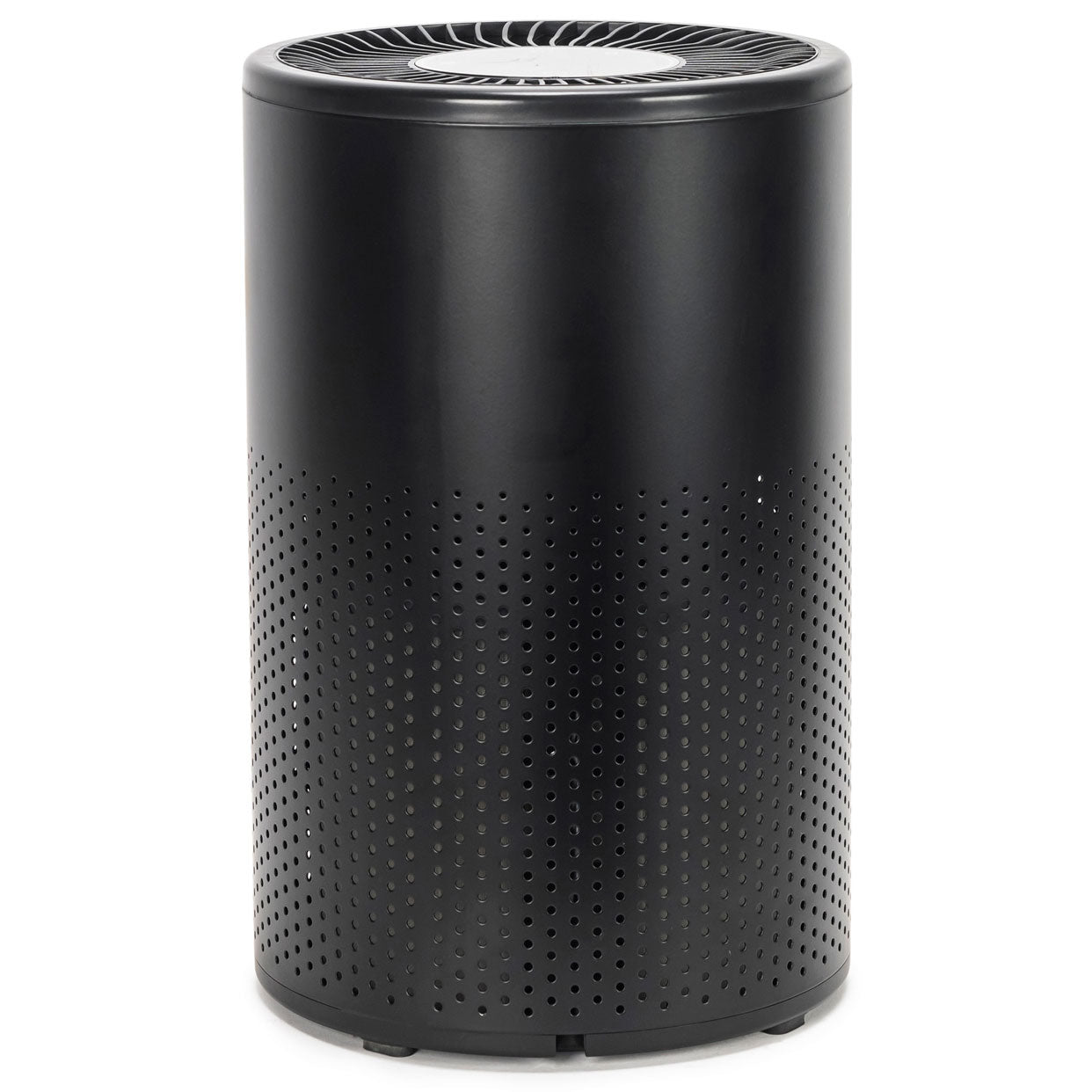
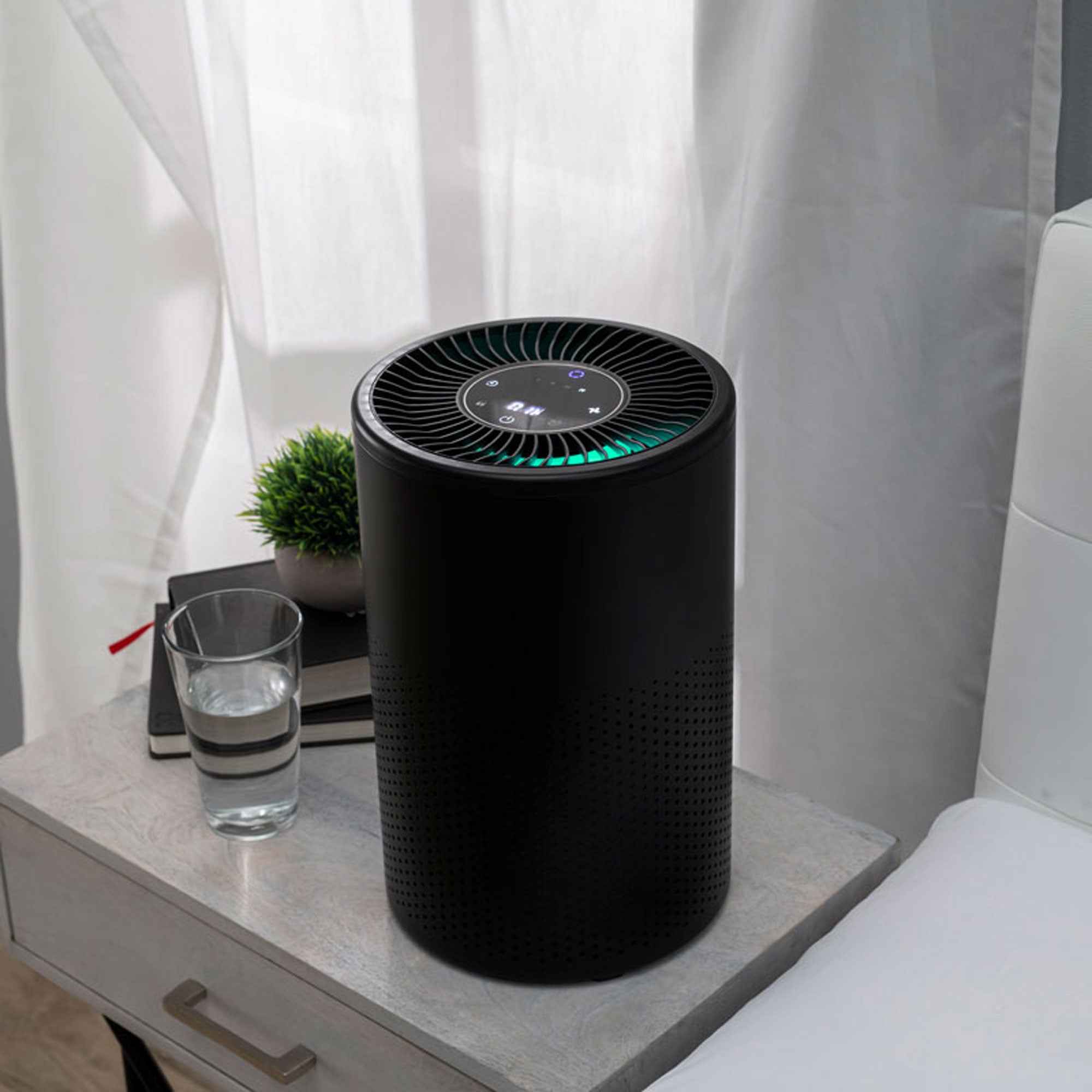
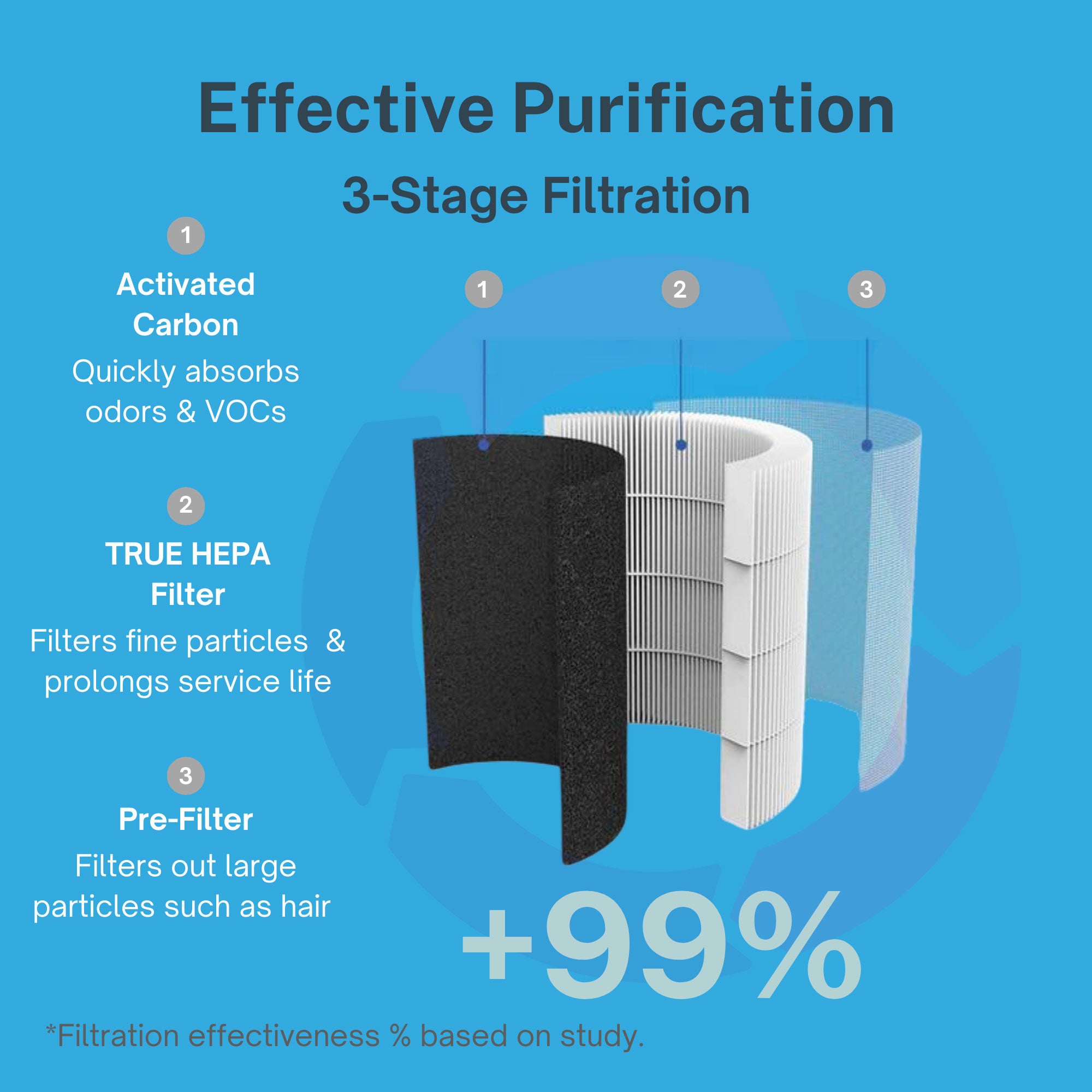
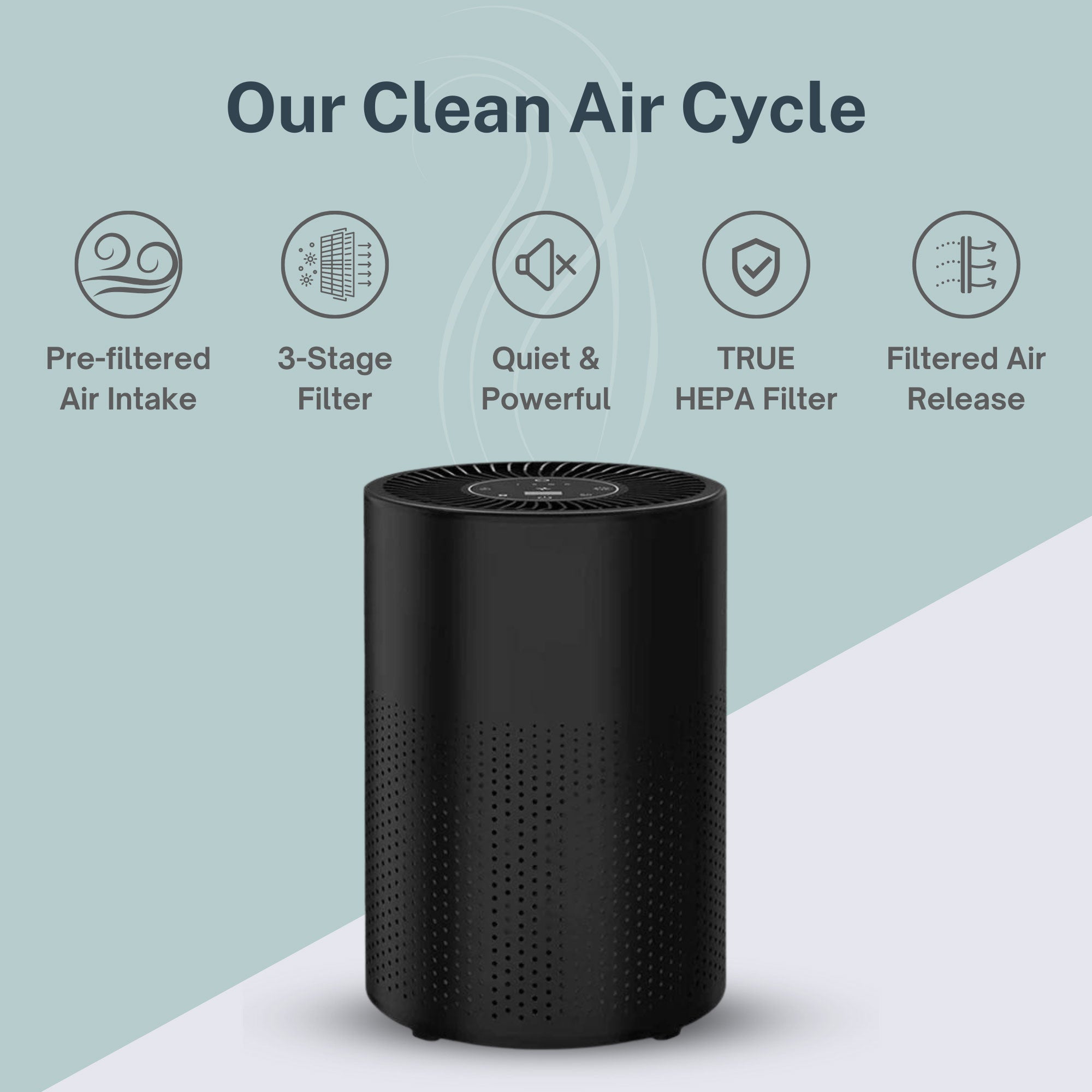
Your HVAC conditions and circulates air throughout the home. A room air purifier handles the specific space you're in — cycling the air in that room through a dedicated filtration stack more frequently and more thoroughly than any HVAC filter can. In a bedroom with the door closed, the HVAC may cycle that air a handful of times per hour. A correctly sized air purifier cycles it continuously, on demand, with a full True HEPA filter that captures particles down to 0.3 microns and activated carbon that handles the gases and VOCs your HVAC filter passes right through.
The practical combination: maintain your HVAC system, use the highest-MERV filter your equipment can handle, run the fan on a schedule that makes sense for your home's humidity, and let a room purifier handle the space where you actually sleep and spend the most time.
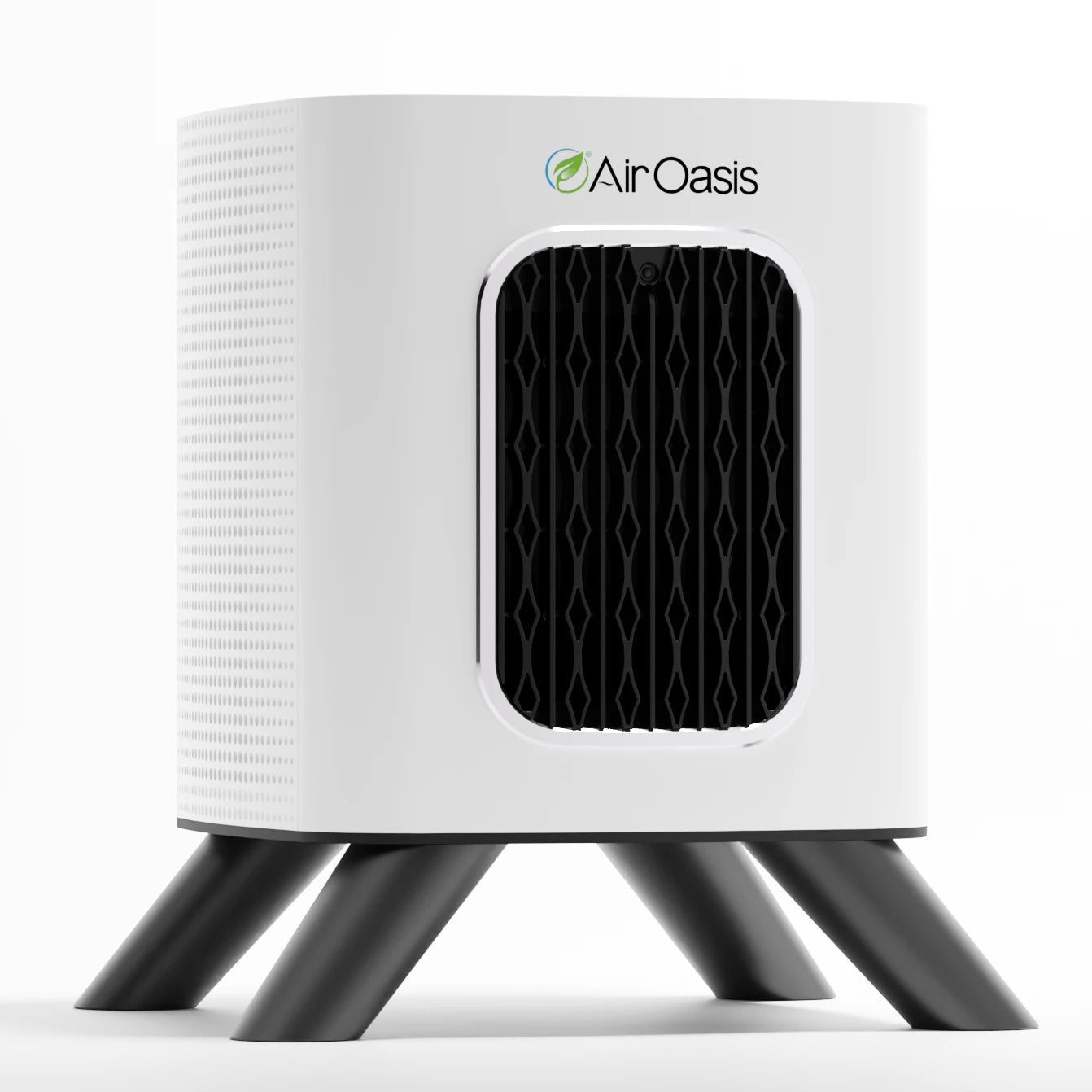
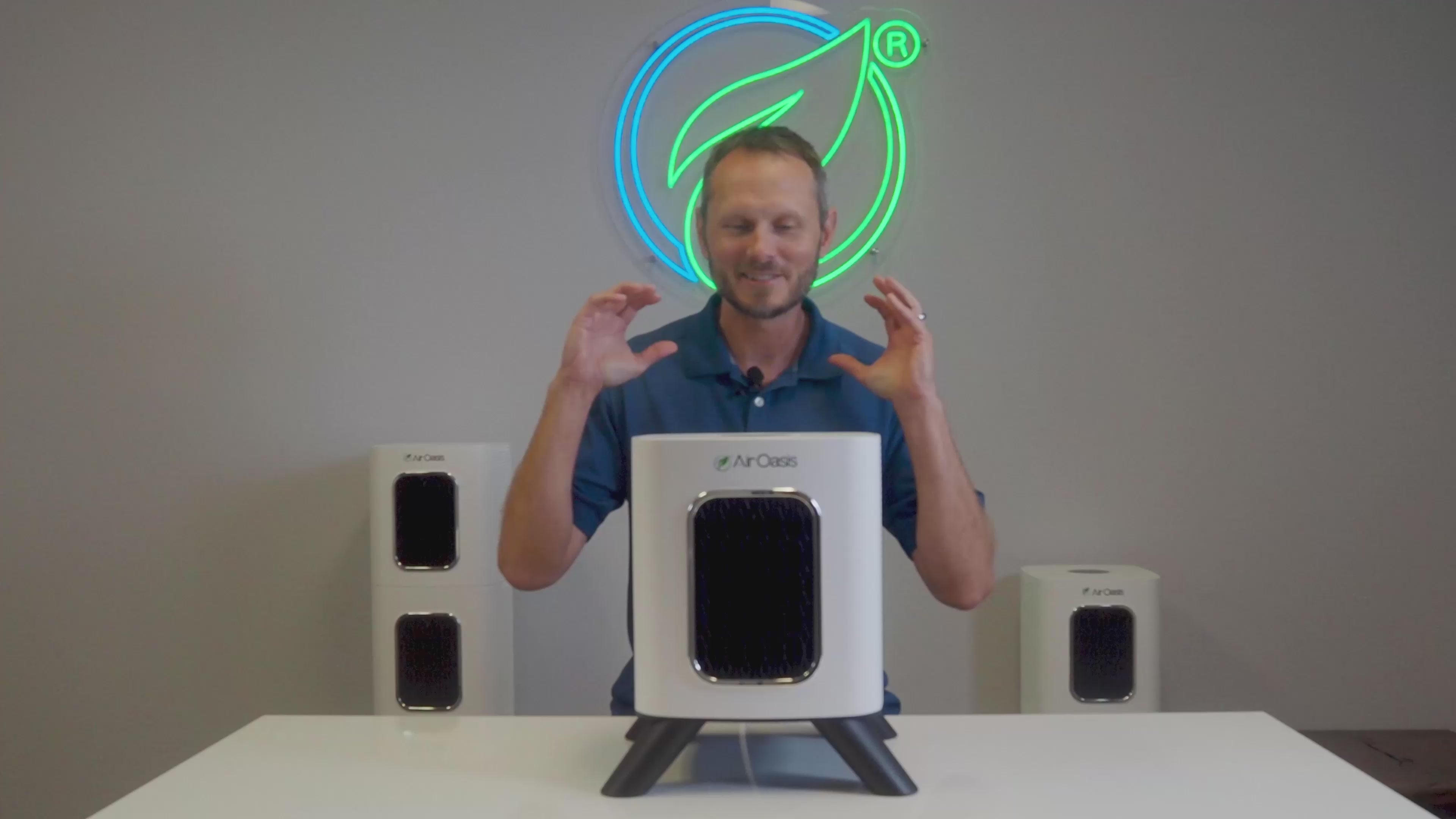
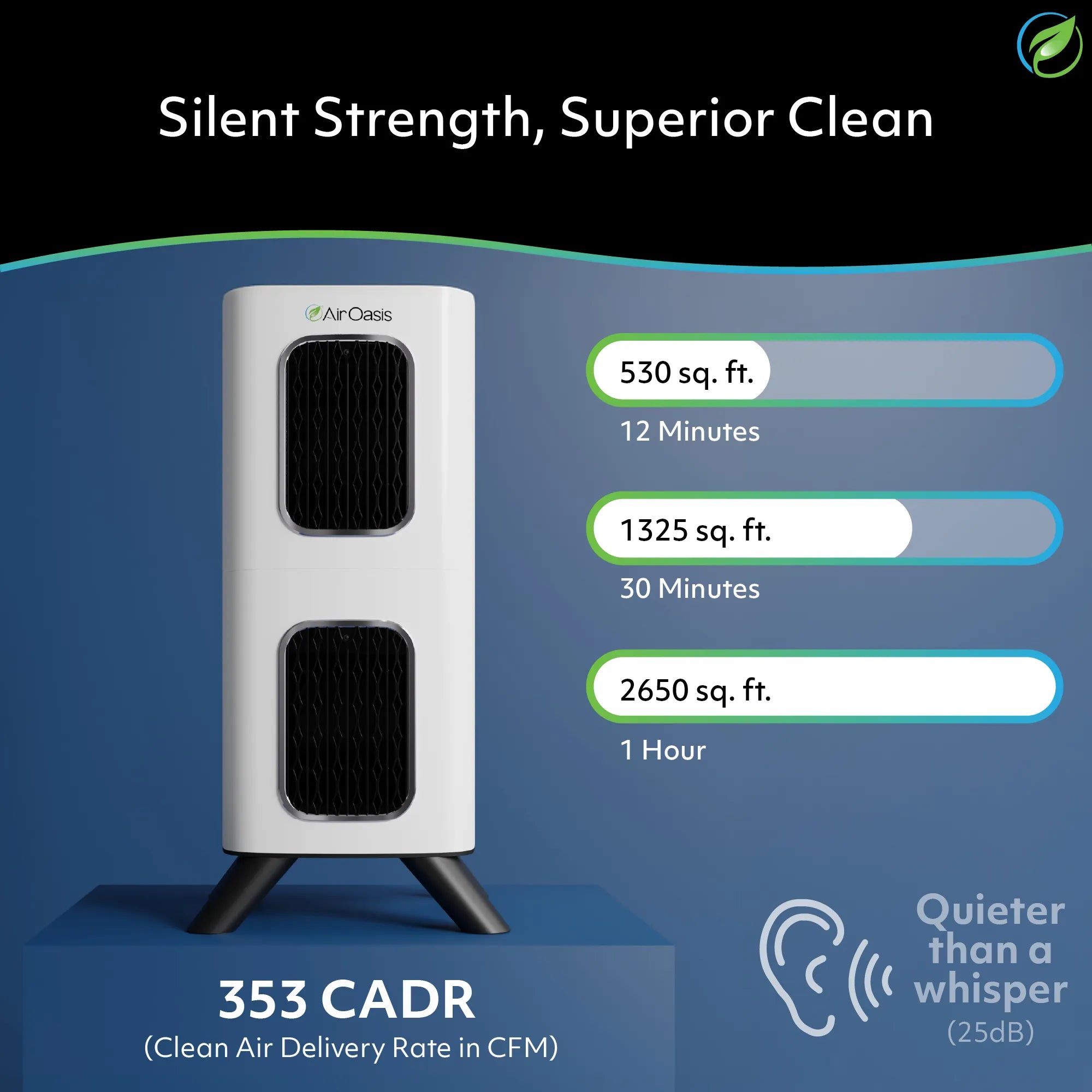
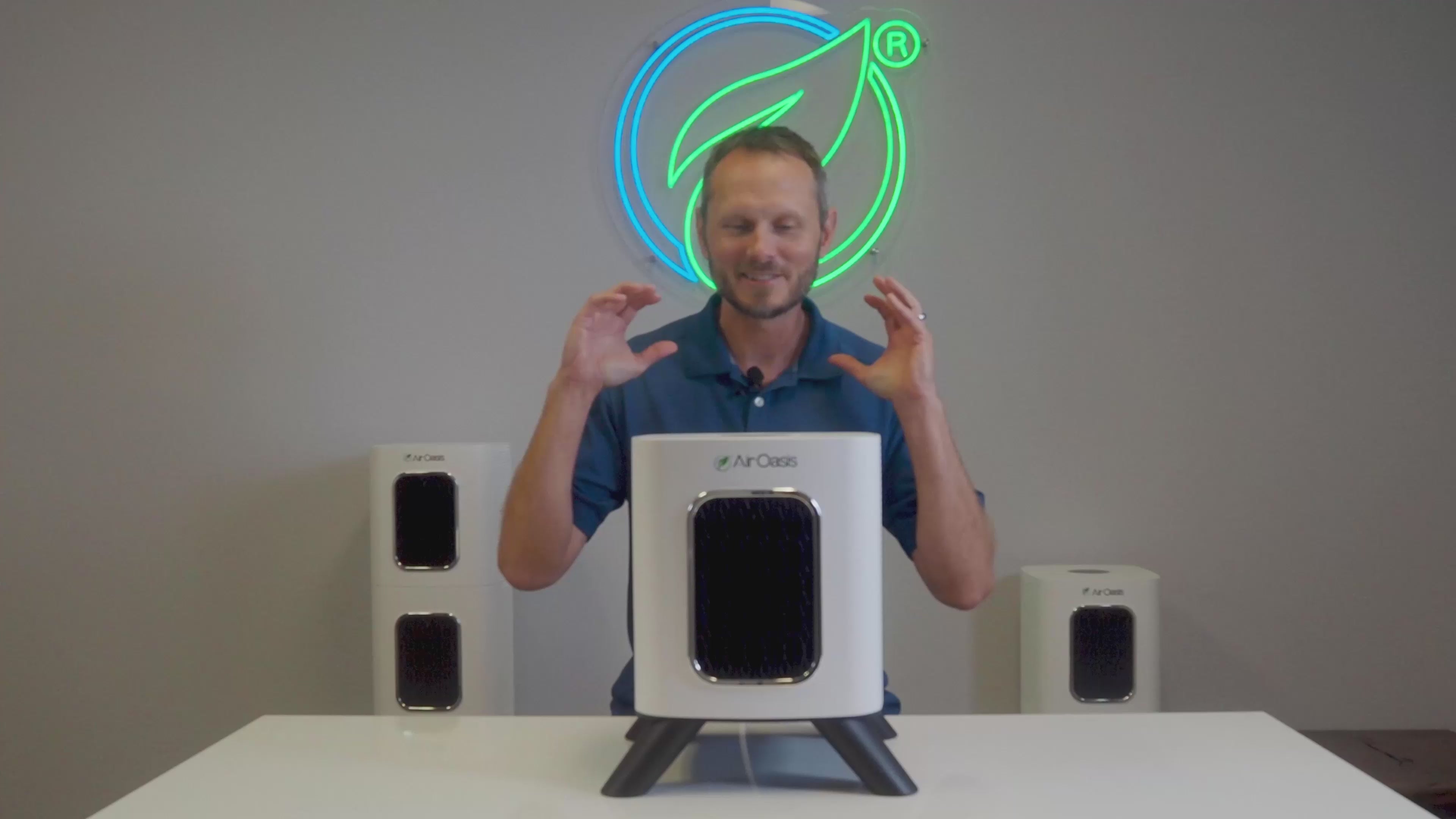
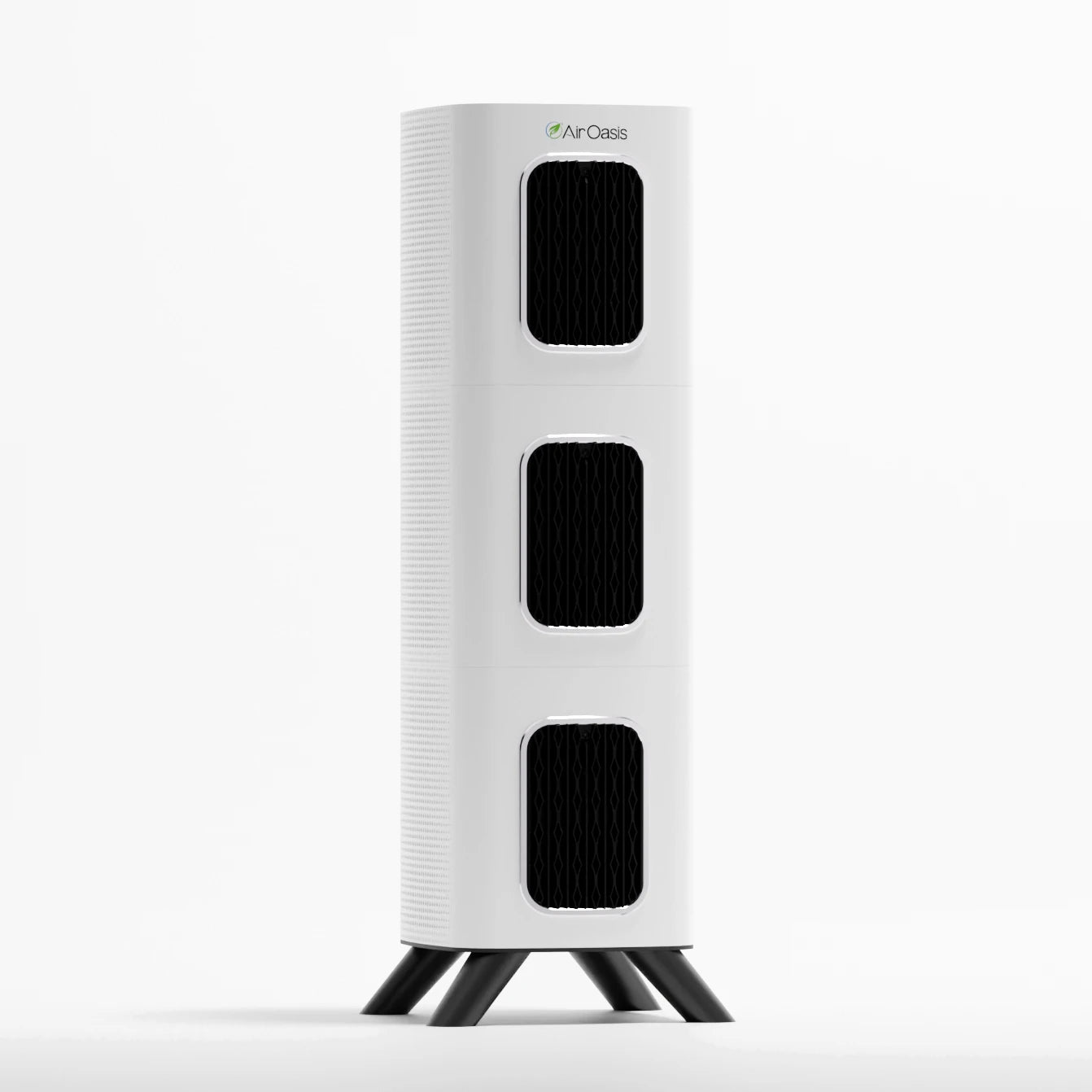
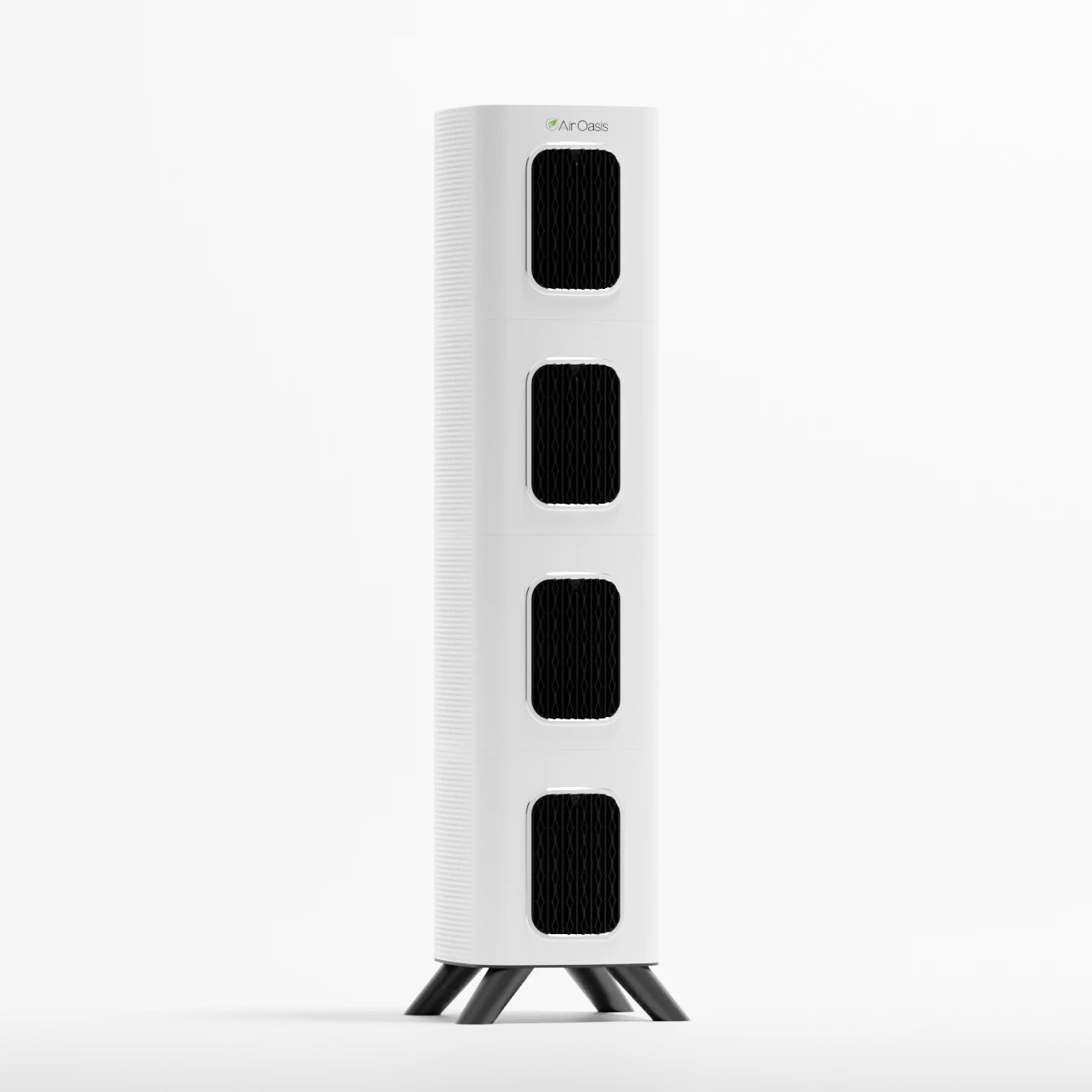
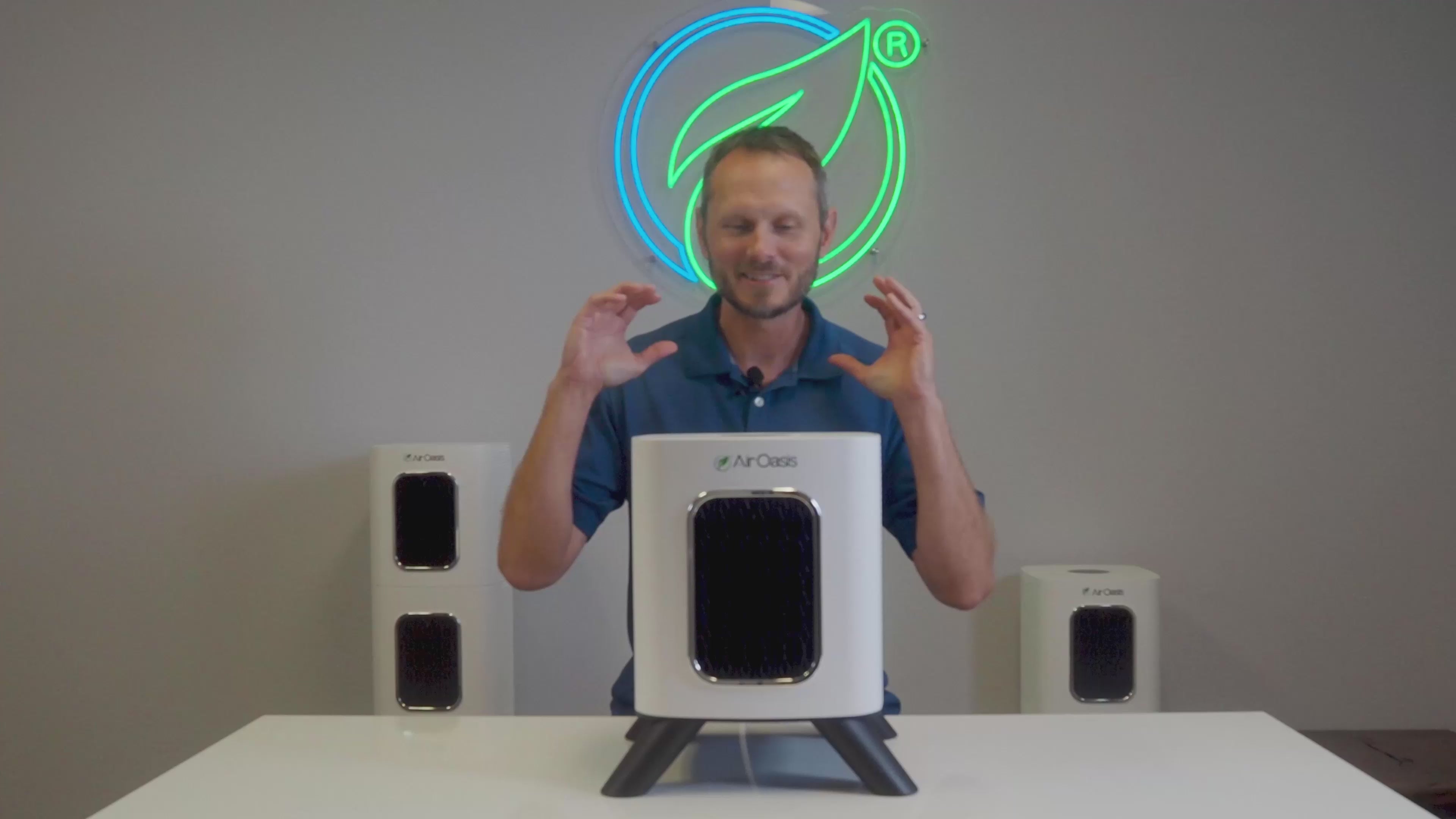
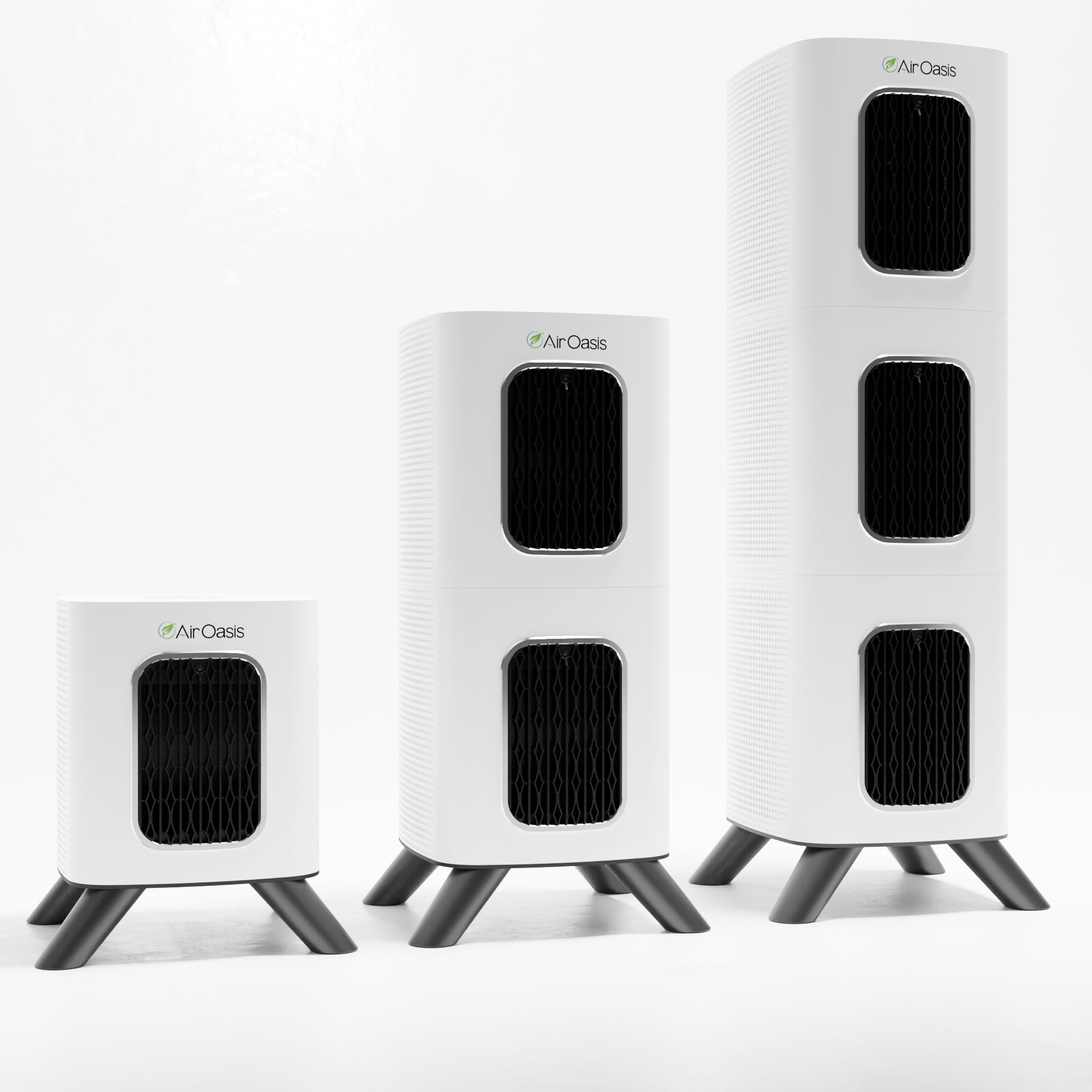
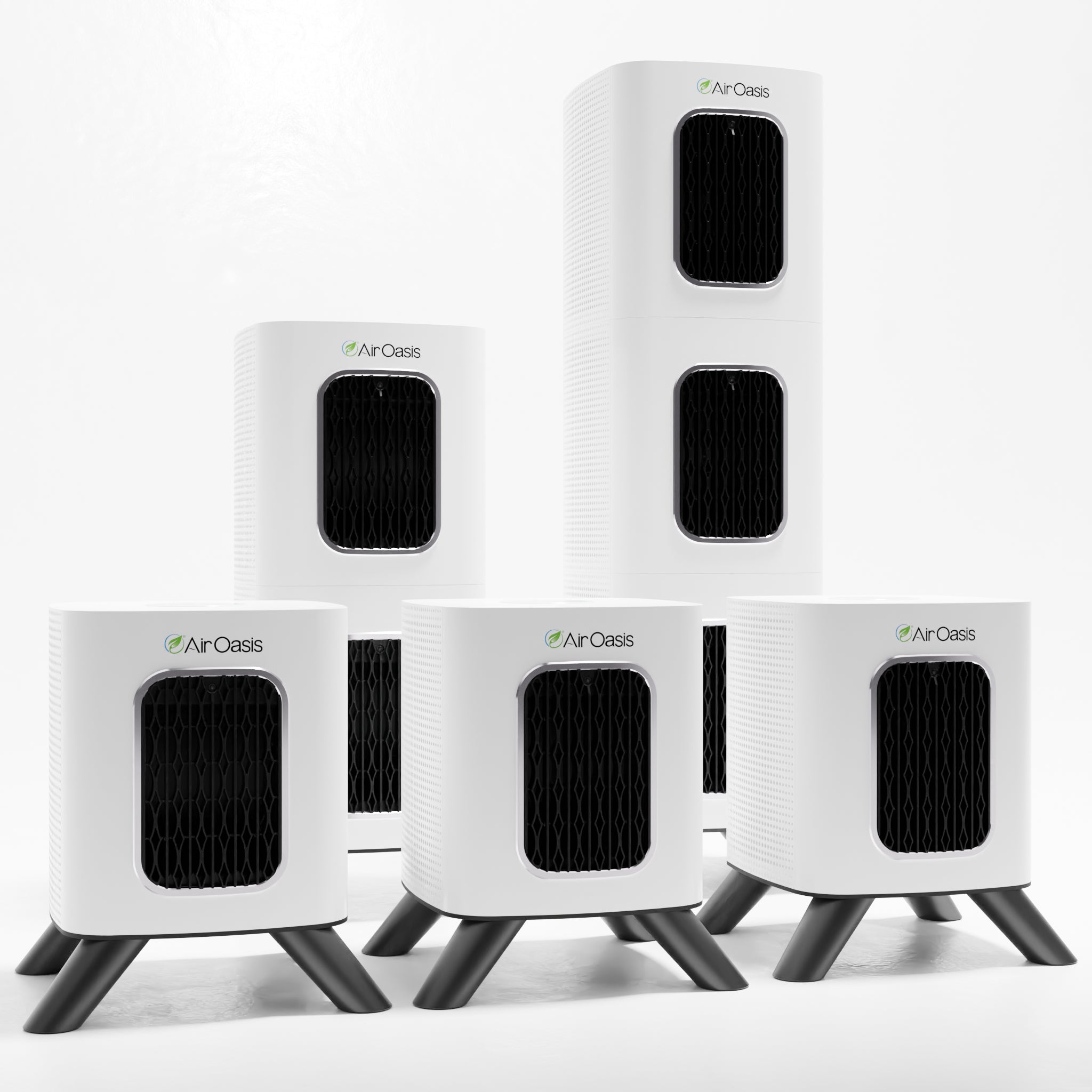
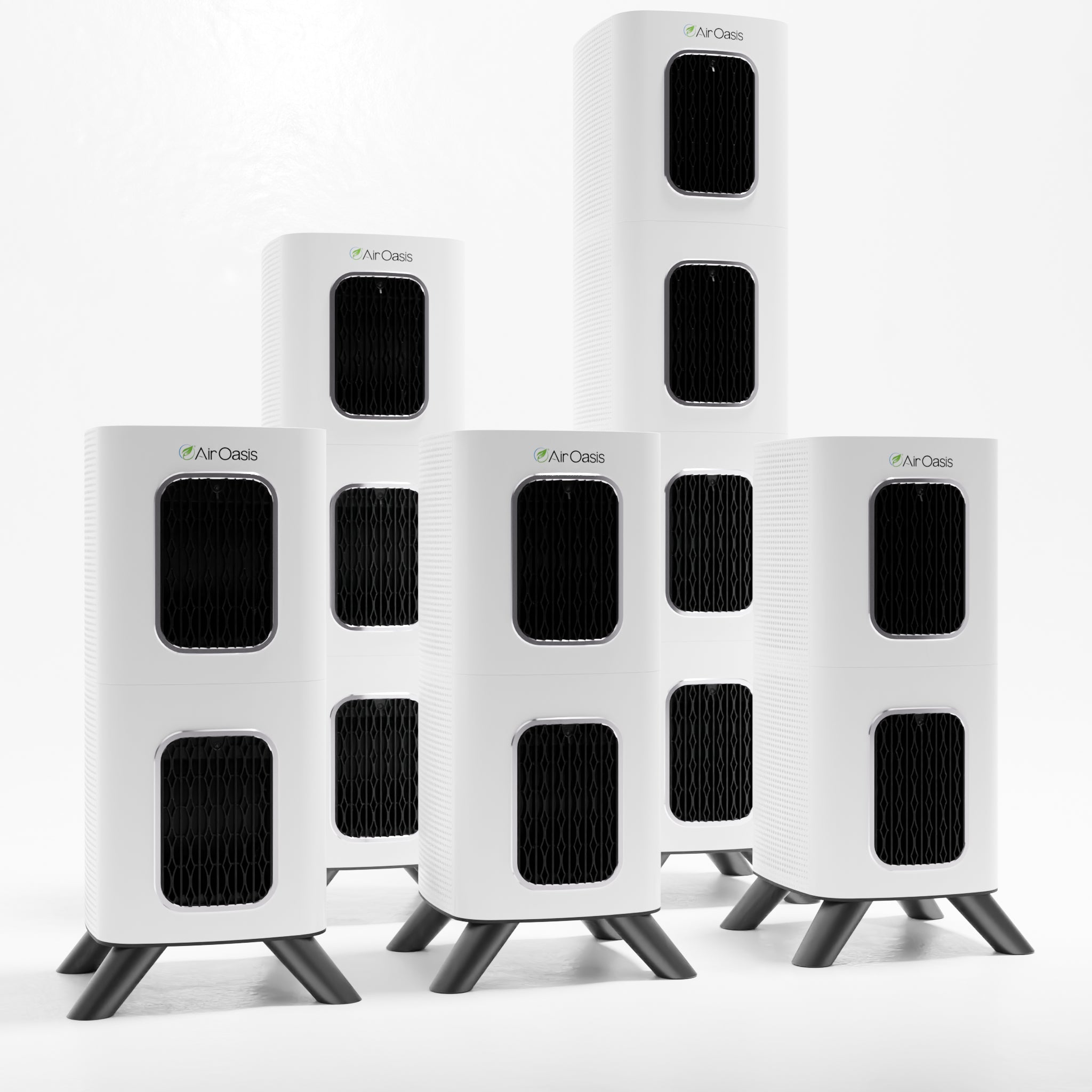
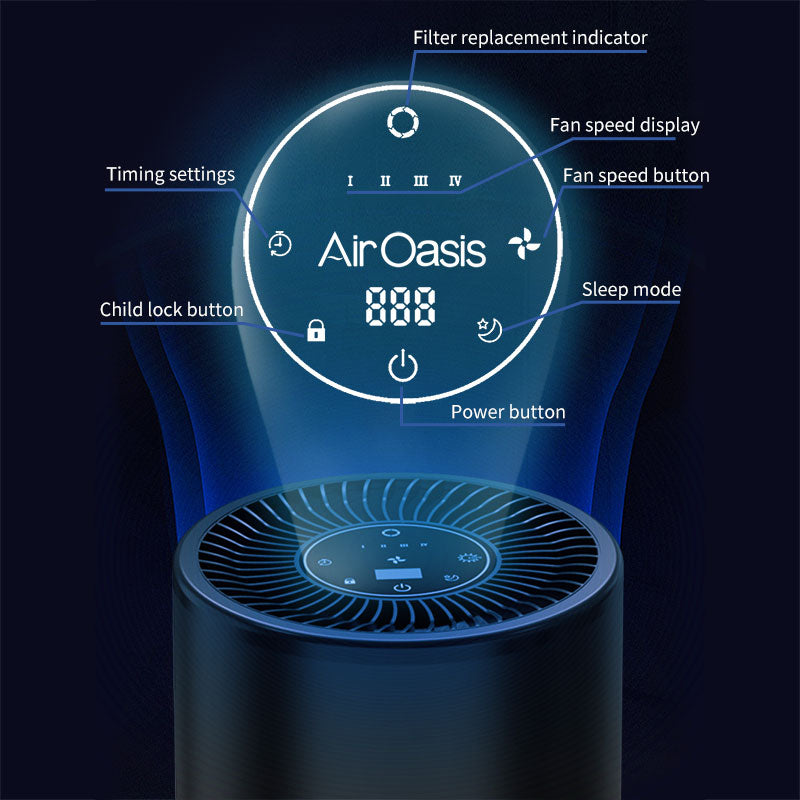
The iAdaptAir by Air Oasis is built for exactly this role. True HEPA filtration, activated carbon for gases and odors, UV-C light, and bipolar ionization work together in a CARB-certified ozone-free unit. Auto Mode adjusts fan speed in real time based on the particle sensor, so it responds when something happens in the room — cooking smells drifting in, outdoor pollution on a bad day, pet dander stirred up by activity — and steps back down when the air clears.
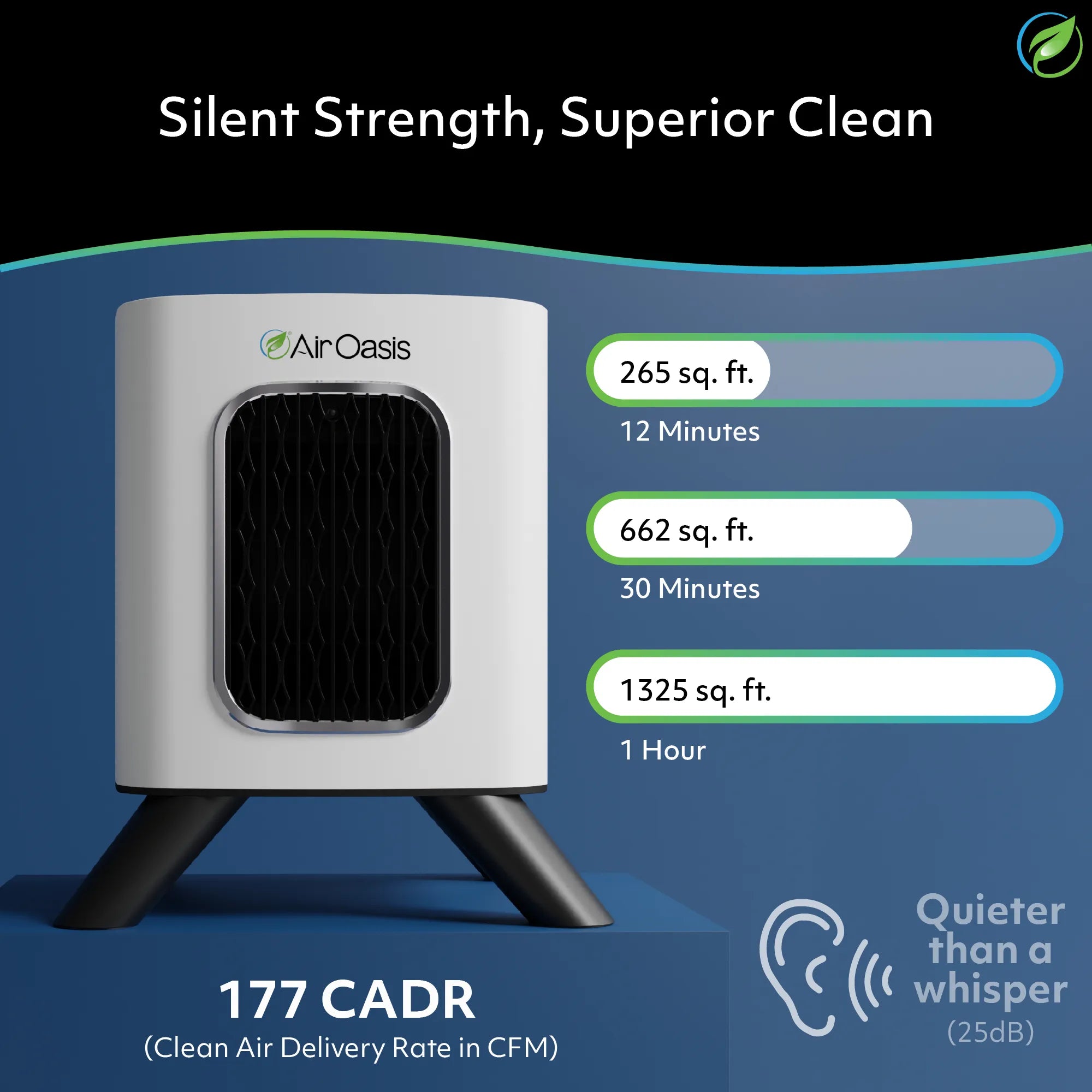
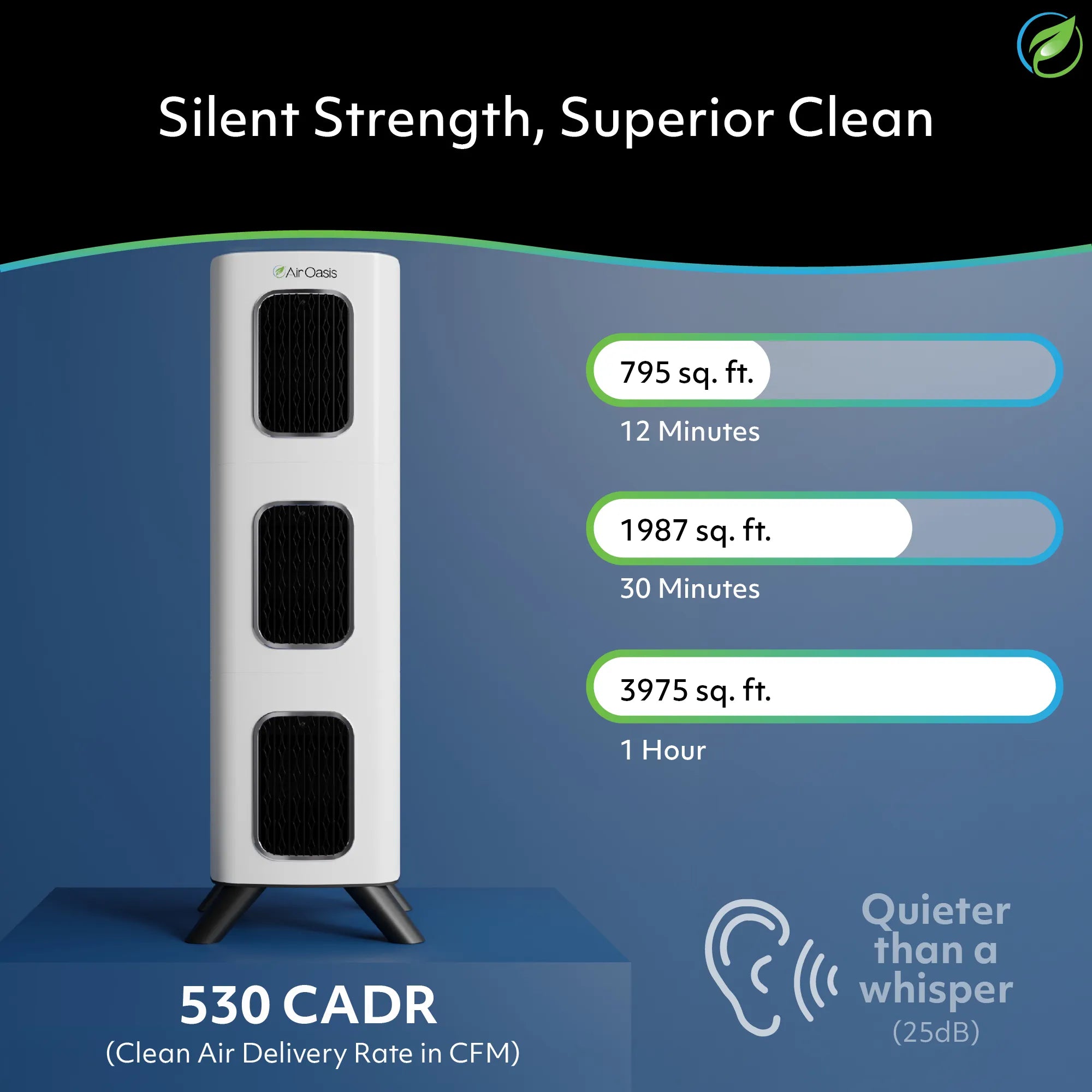
Sizing to the room is what makes it effective:
- 2S — up to 265 sq ft (bedrooms, offices)
- 2M — up to 530 sq ft (kitchens, larger bedrooms)
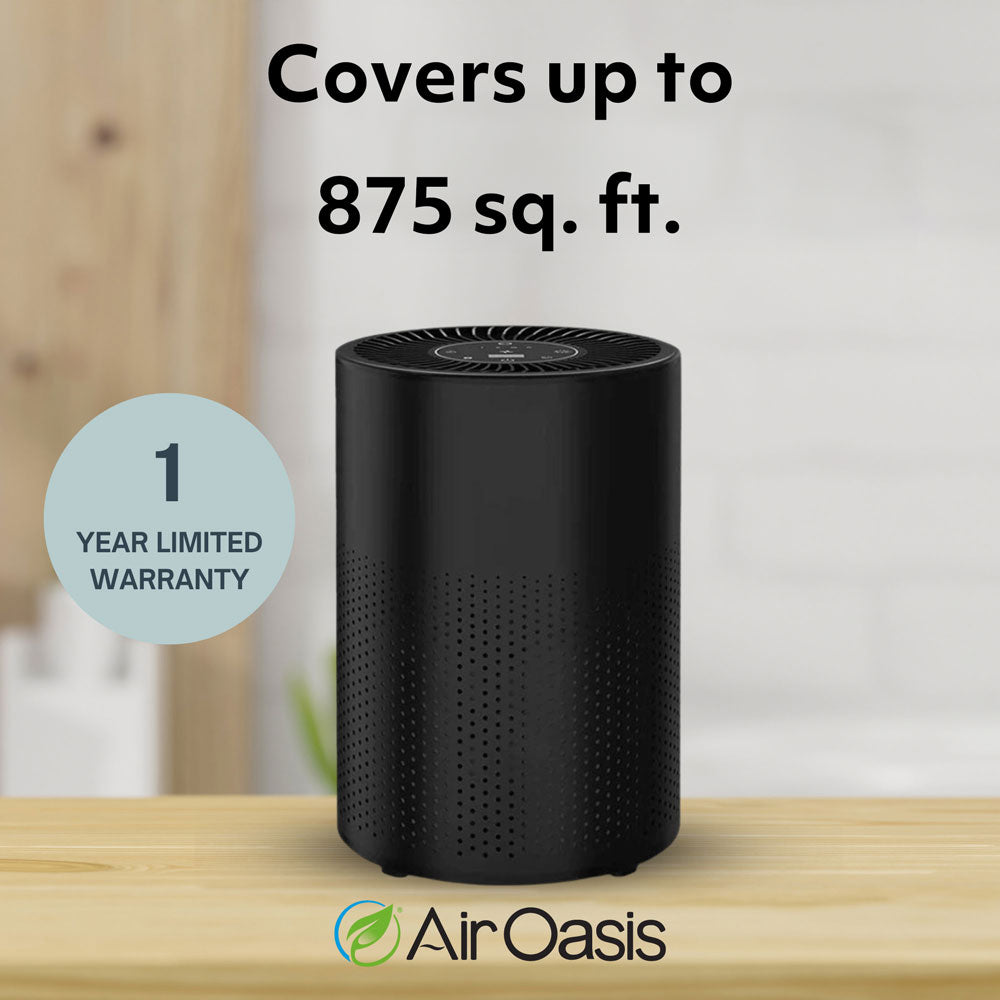
- 2L — up to 795 sq ft (living rooms)
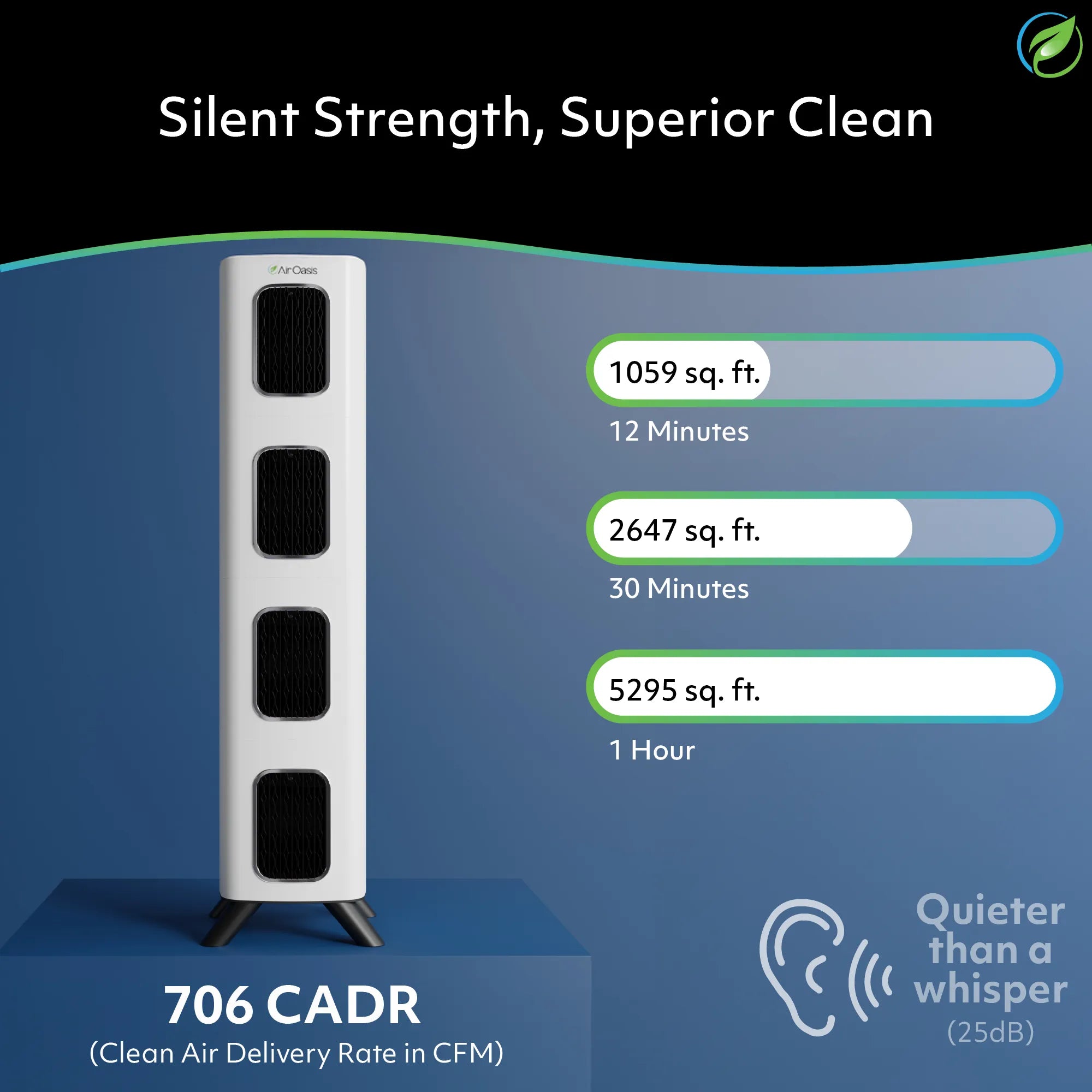
- 2P — up to 1,059 sq ft (large open spaces)
Your HVAC keeps your home comfortable. Keep it maintained, filter it properly, and let it do that job. For the air you're actually breathing in the rooms where you live, sleep, and work, a dedicated purifier is where the real difference gets made.
Shop Air Oasis and find the iAdaptAir sized for your space. Breathe Better, Live Better.