You've been running your air purifier for a few weeks. It's humming along. The filter looks like it's collecting something. But you feel roughly the same, the dust seems about as present as ever, and a quiet doubt is setting in: is this thing actually doing anything?
It's one of the most common questions new air purifier owners ask. And it's a fair one, because clean air is invisible. You can't see it improve. You can't smell the absence of what's been removed. That makes proof feel elusive, but it isn't. You just need to know what to look for.
Why proof of effectiveness feels hard to find
Air purifiers work continuously and quietly. They don't announce results. They don't beep when they've captured a mold spore or removed a VOC. The cleaner air they produce is, by definition, unremarkable — it's just air.
Compare that to a vacuum cleaner, where you can see what you picked up, or a water filter, where you can taste the difference. Air purification doesn't offer that kind of immediate sensory feedback. What it offers instead is cumulative improvement, and cumulative improvement requires paying attention to different signals than you might expect.
Here's how to actually read them.
Signal one: the air quality indicator on your iAdaptAir
This is the most direct, real-time confirmation available to you, and it's built right into the unit.
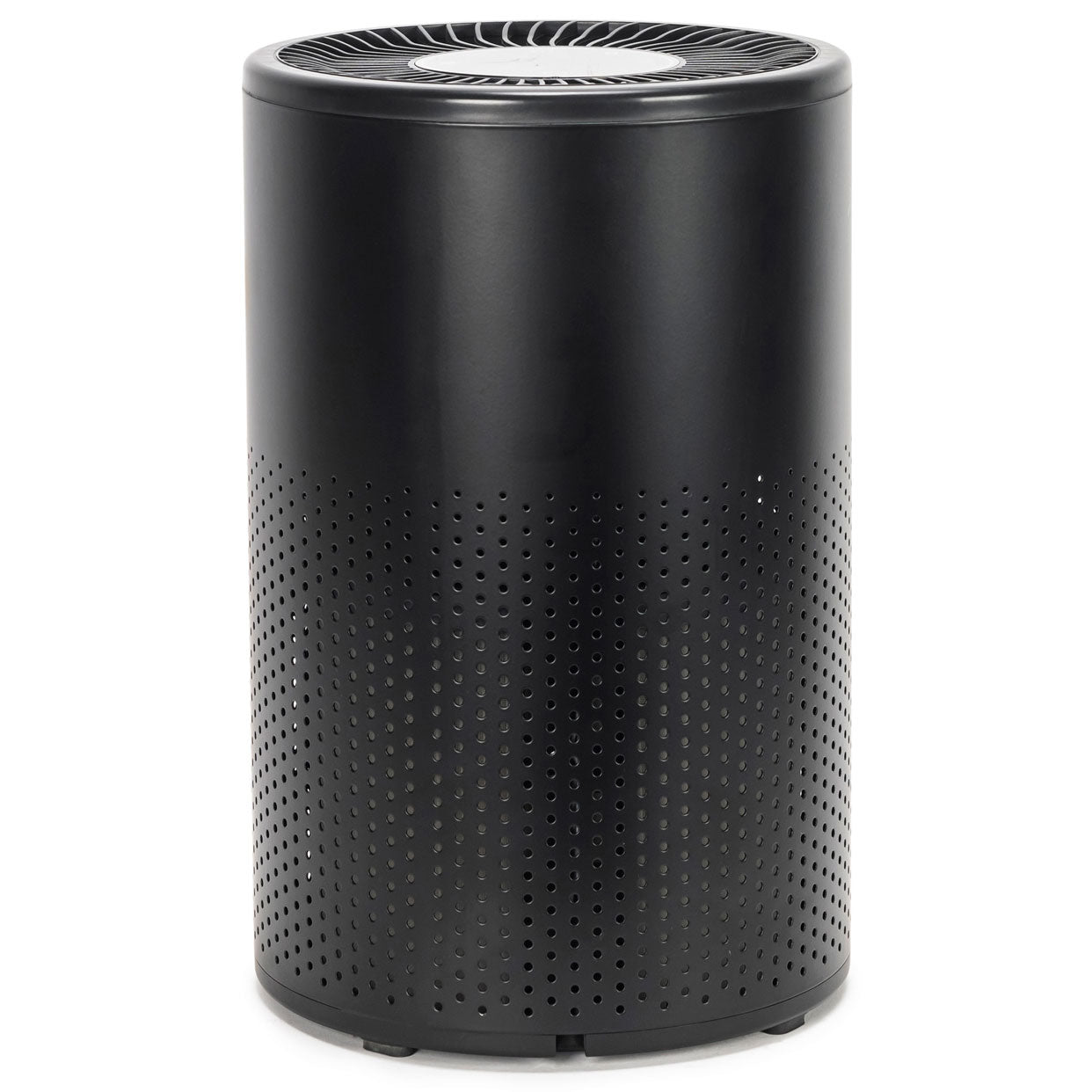
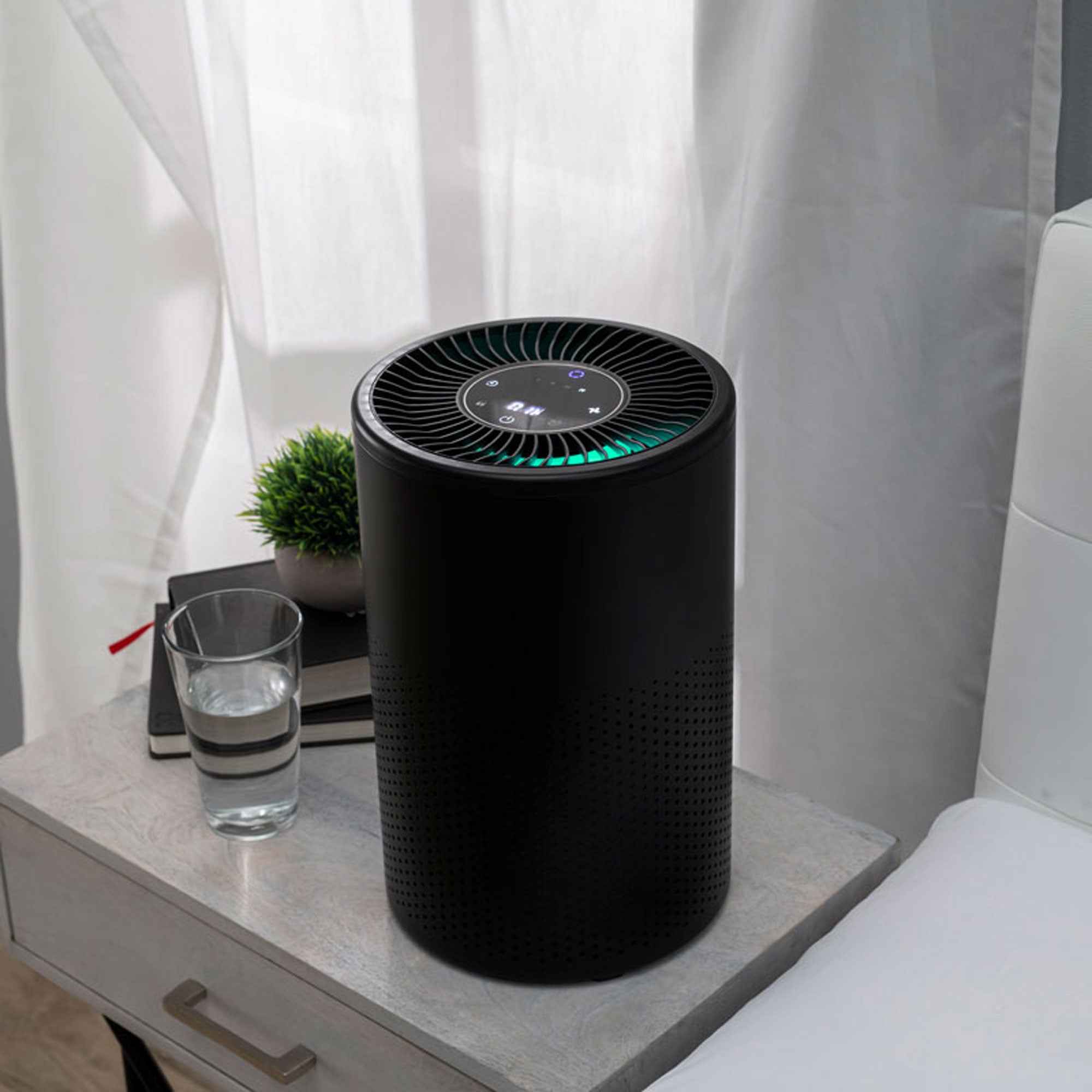
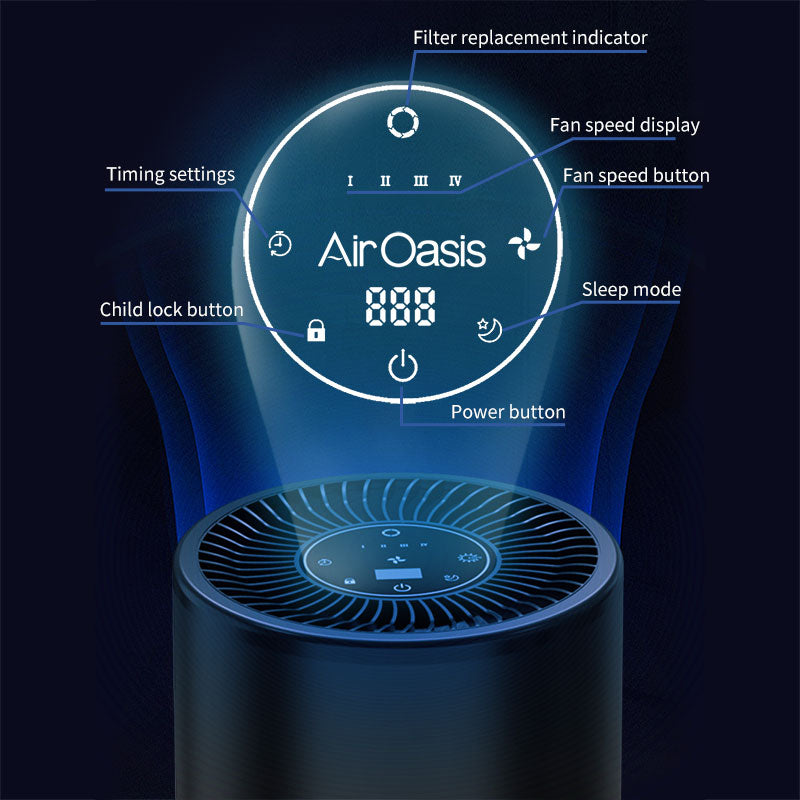
The iAdaptAir has a built-in particle sensor and an air quality indicator ring on the control panel. Green means excellent air quality (particle count 0–75 μg/m³). Orange means moderate (76–150 μg/m³). Red means poor (above 150 μg/m³).
Watch what happens when you do something that generates particles — cooking, vacuuming, lighting a candle, or having several people in the room. The ring will shift from green toward orange or red as particle concentration rises. Then watch it shift back toward green as the purifier responds and clears the air.
That color transition from red or orange back to green is your purifier working in real time. You're watching it clean the air. If your unit is in Auto mode, you'll also see the fan speed increase in response to the higher particle count and step back down once the air clears — another visible confirmation that the system is detecting and responding to actual air quality changes.
You can also toggle the digital display to show the live particle count in μg/m³ rather than just the color indicator. Watching that number drop after a cooking event or return to baseline overnight is concrete, measurable evidence of what the unit is doing.
Signal two: less dust on surfaces over time
This one requires patience, but it's one of the most consistent long-term indicators owners notice.
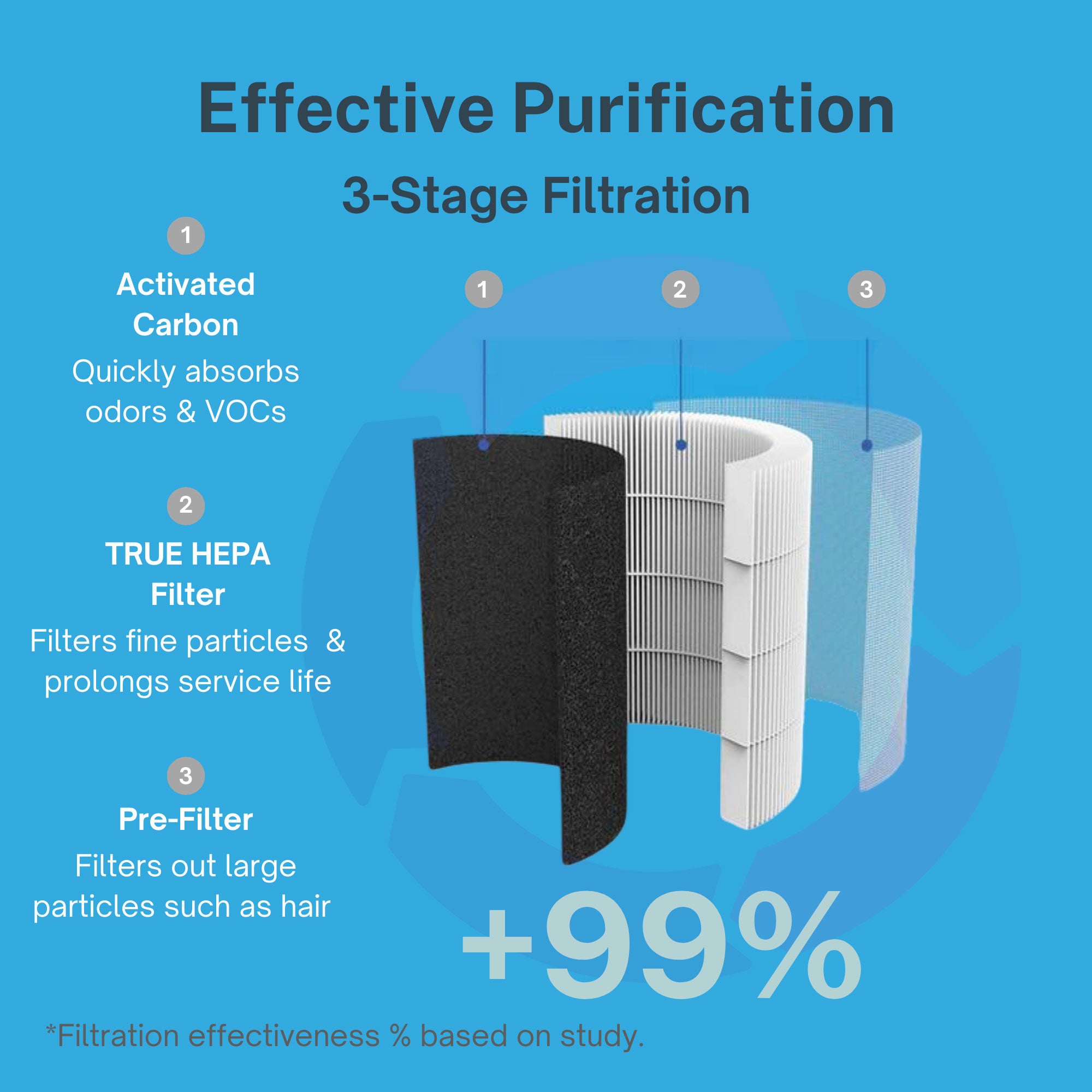
Airborne dust particles are exactly what a True HEPA filter is designed to capture. A functioning purifier in a well-sized room continuously pulls these particles out of circulation before they have a chance to settle on your furniture, shelves, and electronics. Over several weeks of consistent operation, many users notice they're dusting less frequently — or that surfaces that used to collect a visible film within days take longer to need attention.
This won't be dramatic or immediate. It's gradual. But if you pay attention, you'll notice it. The surfaces in the room where your purifier runs should accumulate dust more slowly than rooms without one.
If dust accumulation seems unchanged after several weeks, that's worth investigating — it may point to a sizing, placement, or filter issue rather than a unit failure.
Signal three: odors clear faster
Activated carbon filtration works on gaseous pollutants and odors. A well-functioning unit with fresh carbon will noticeably shorten how long cooking smells, pet odors, and other indoor scents linger in the air.
Test this deliberately. Cook something aromatic — garlic, fish, something that normally hangs in the air for a while. Run your purifier at a higher fan speed. Notice how long the smell persists compared to before you had the unit. Most people find the difference significant, particularly in kitchens and pet-heavy spaces.
If odors seem to linger just as long as they used to, even after the unit has been running, the activated carbon layer may be approaching saturation. Carbon doesn't last indefinitely — in high-odor environments it saturates faster than the HEPA layer. The iAdaptAir's filter countdown tracks this based on runtime and air quality readings, so check your filter life indicator if odor control seems to have declined.
Signal four: your symptoms tell a story
This one is less precise, but it's often what people care about most — and it does provide real information if you pay attention to patterns rather than day-to-day variation.
Allergy symptoms, morning congestion, and respiratory irritation are all influenced by air quality, but they're also influenced by many other things: pollen counts, stress, illness, seasonal changes. So you can't draw a straight line from "I feel better" to "the purifier is working."
What you can do is notice patterns over several weeks. Do you sleep better in the room where the purifier runs? Are your mornings less congested than they used to be? Do symptoms flare more on days when you haven't been running it, or when you've been spending time in spaces without one?
These patterns, accumulated over time, are meaningful. They're not laboratory proof. But they're the kind of evidence that accumulates quietly and, for most people, eventually becomes impossible to ignore.
What to check if you're not seeing these signals
If none of the above is showing improvement, the issue is almost never the unit itself. Run through these common setup problems before concluding anything:
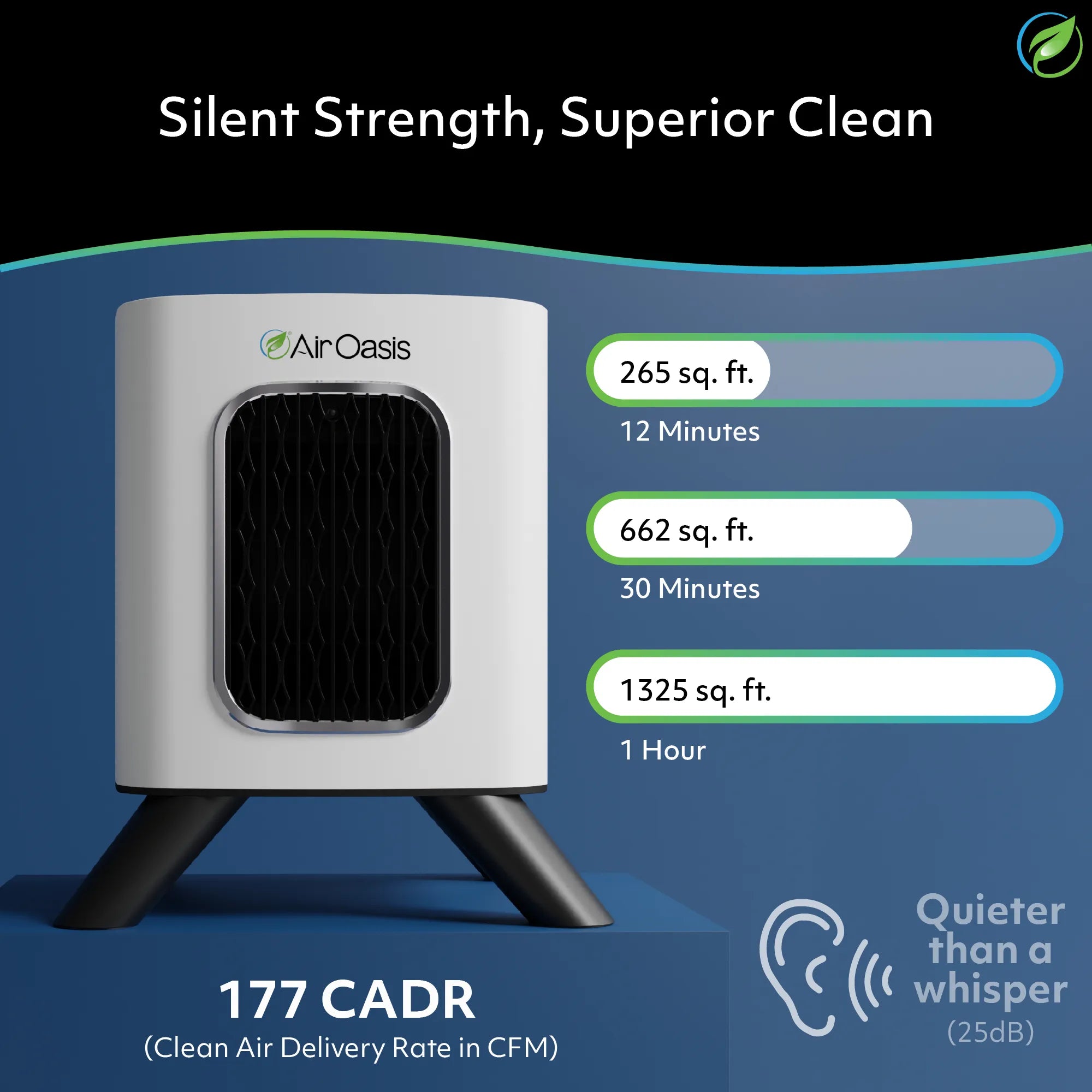
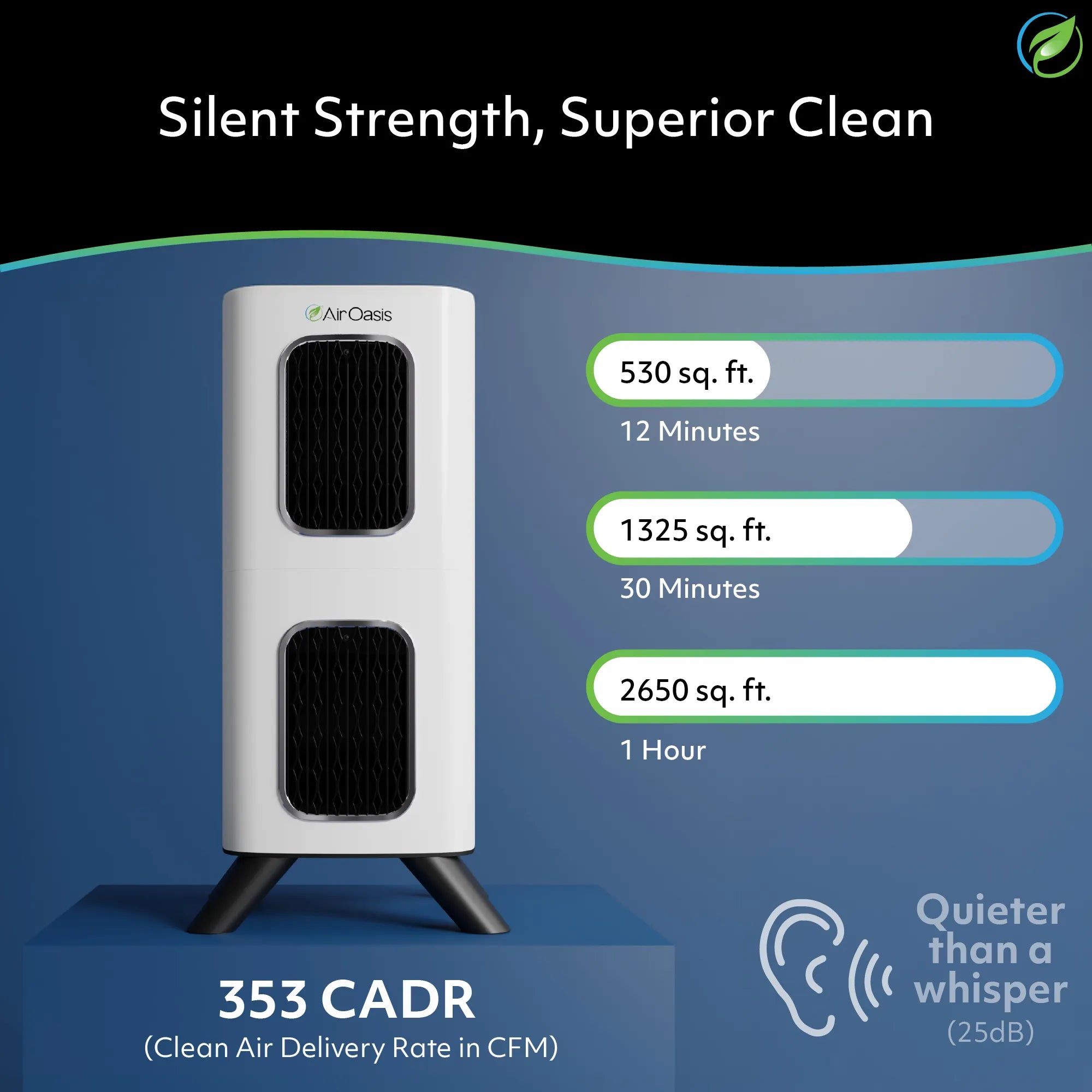
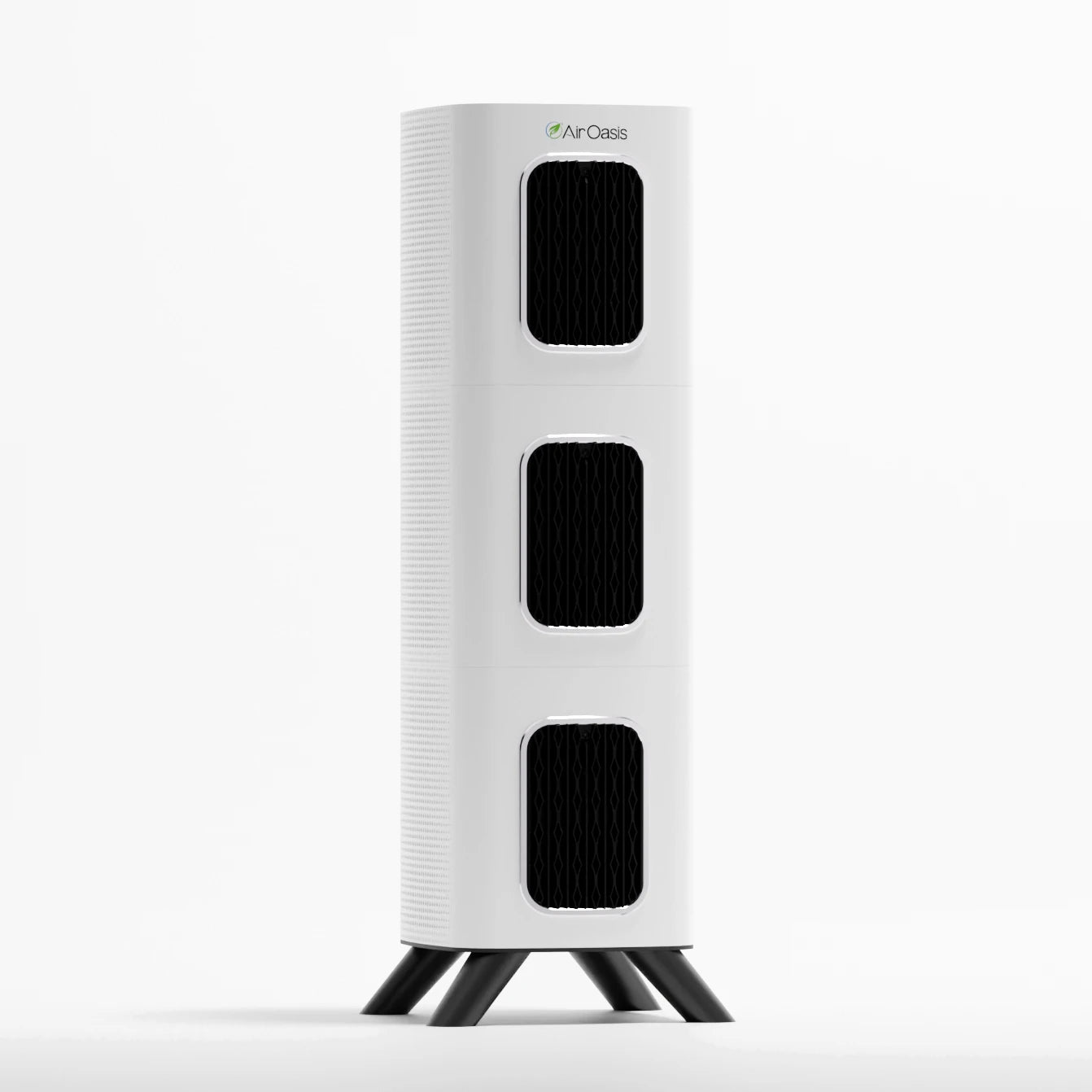
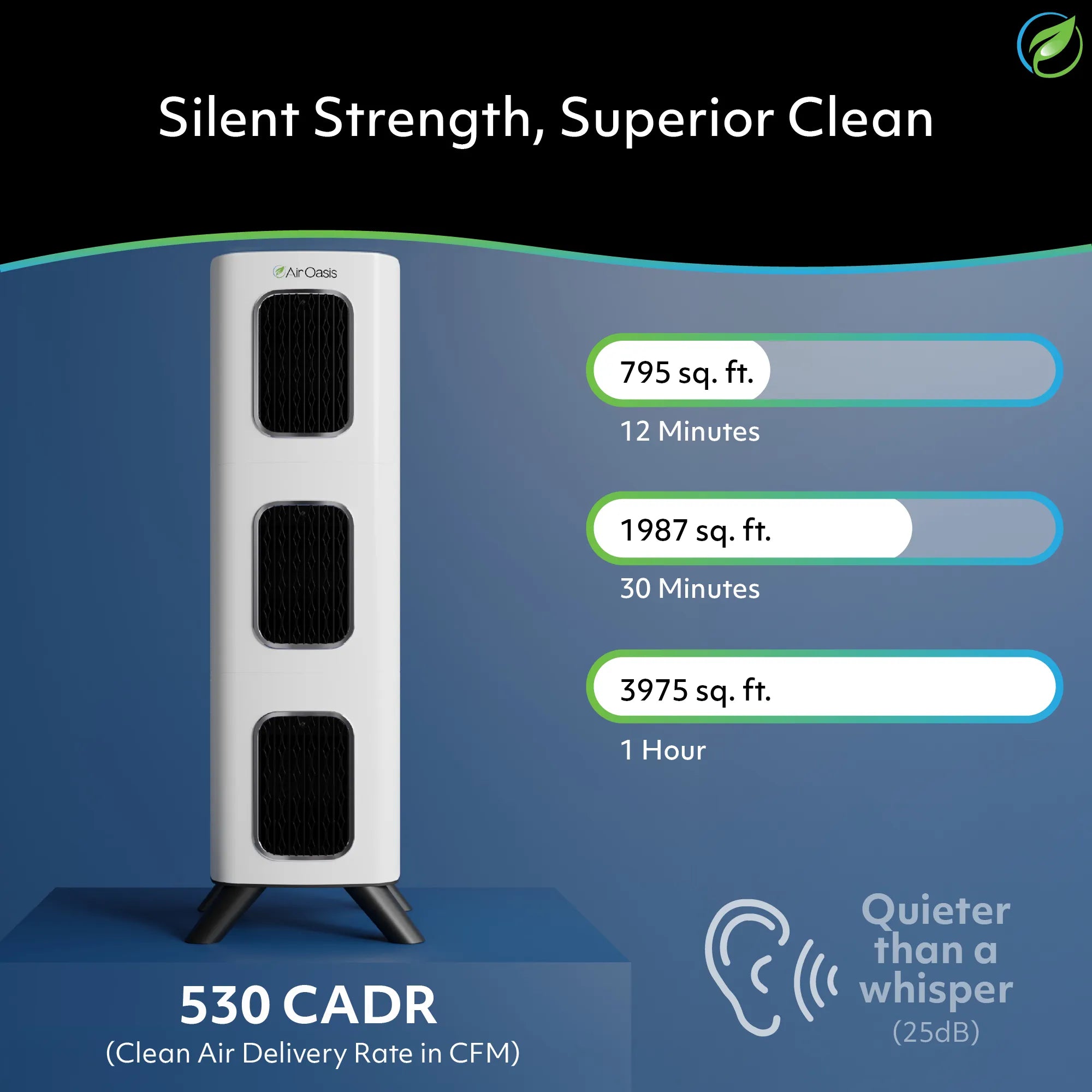
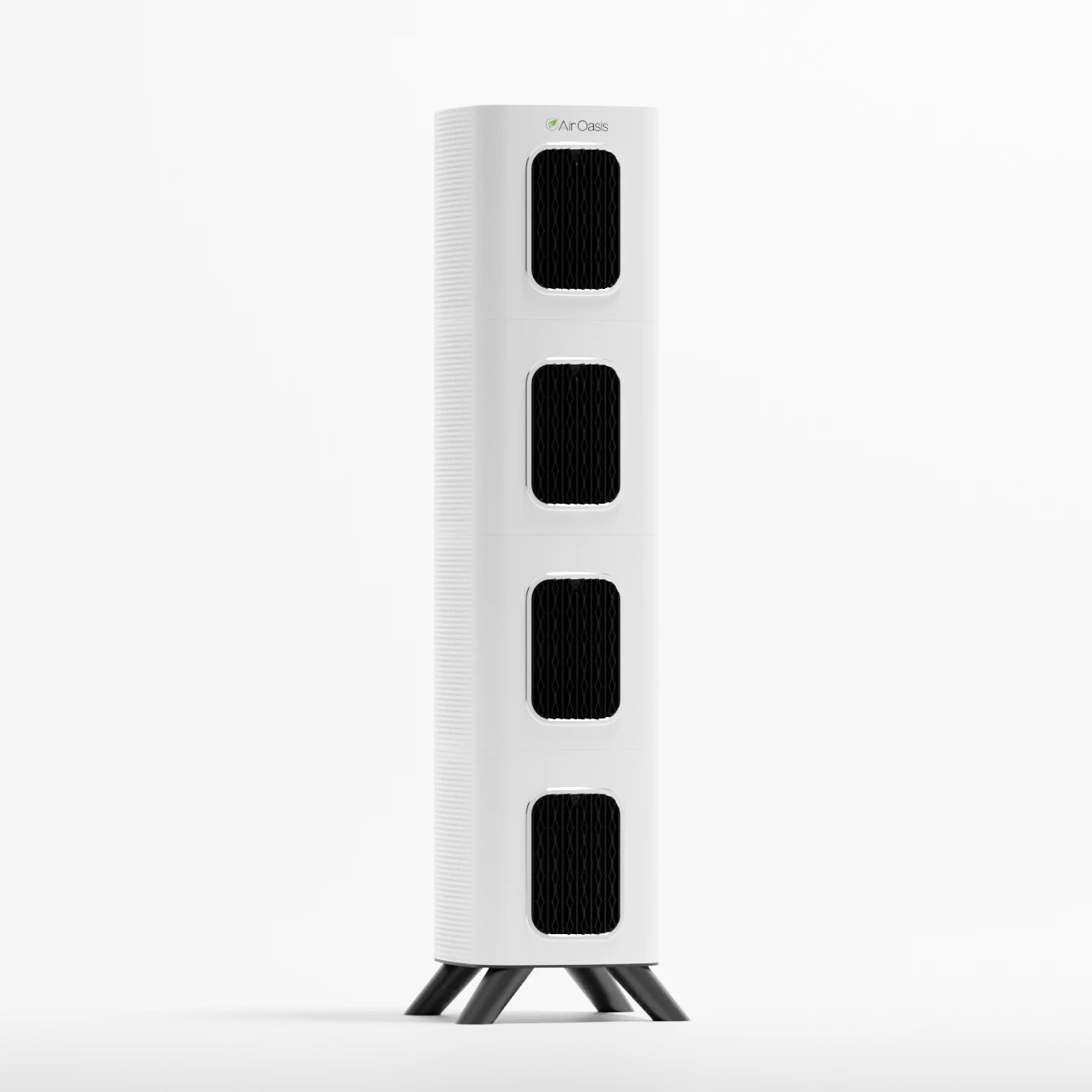
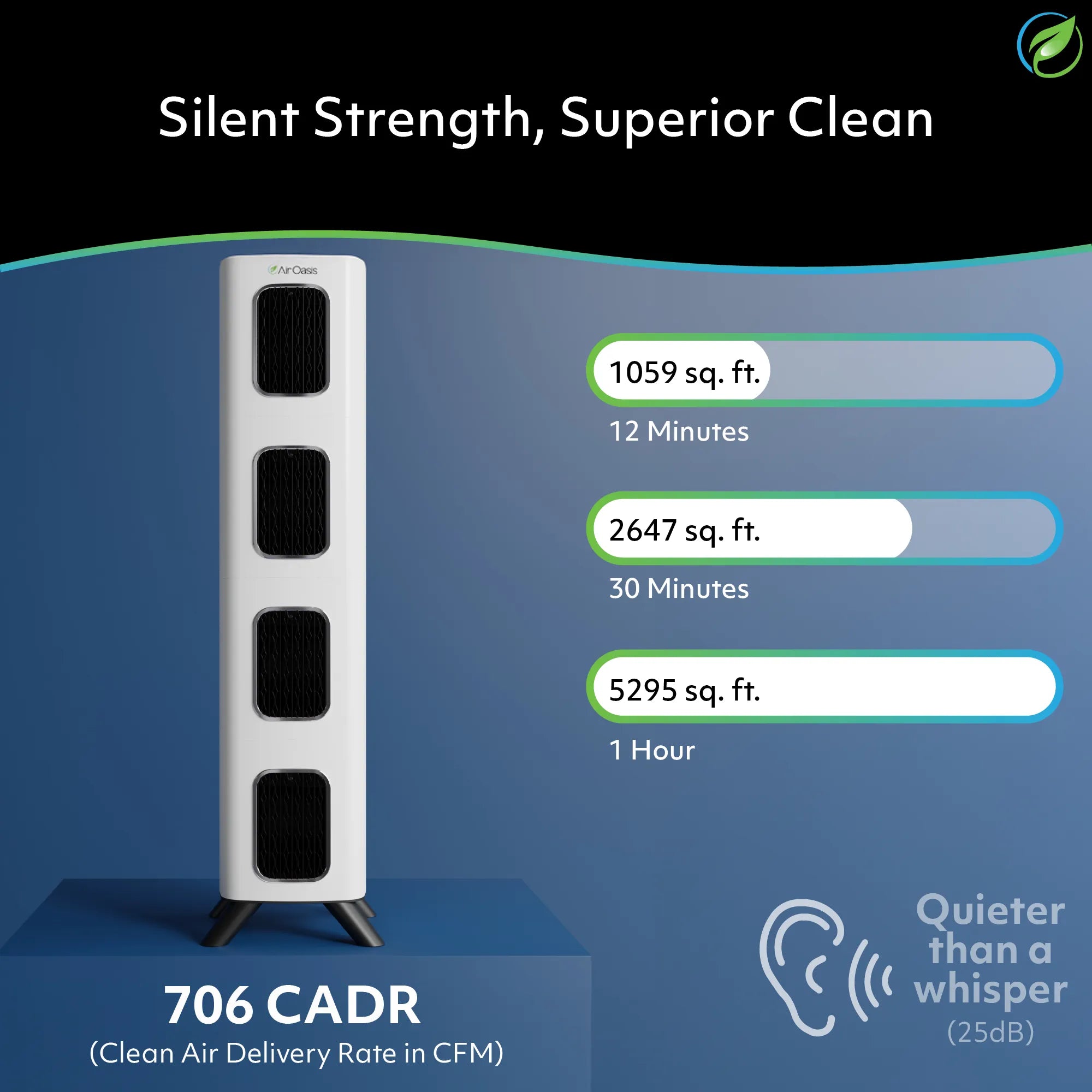
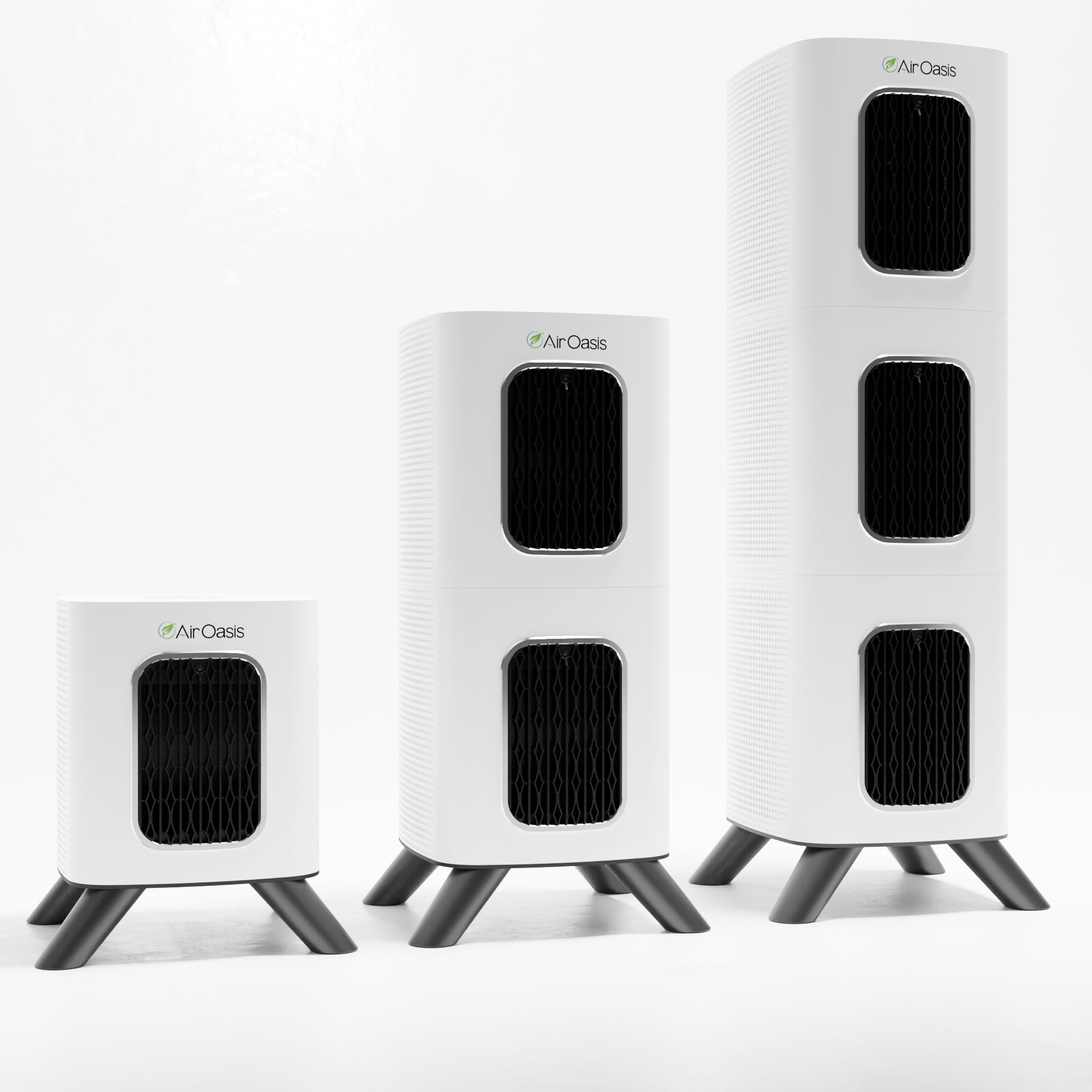
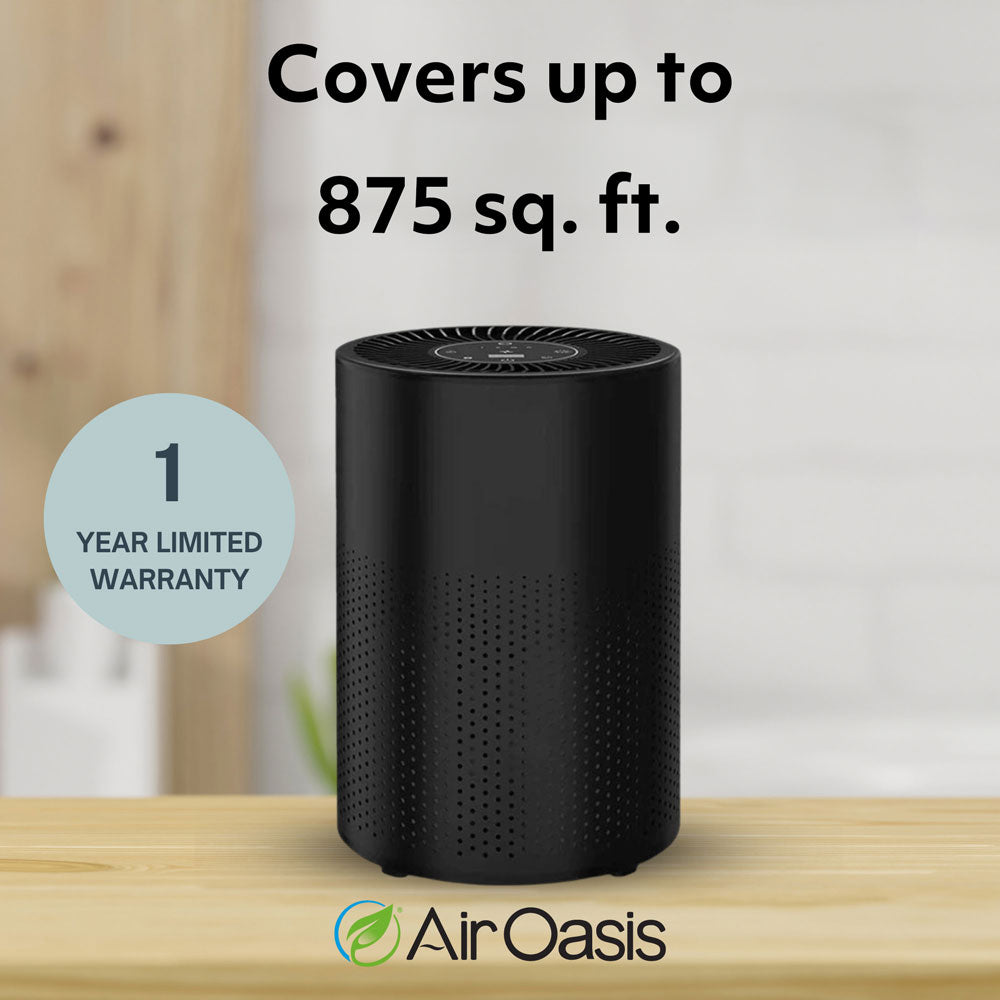
- Is the unit sized correctly for the room? The iAdaptAir 2S covers 265 sq ft, the 2M covers 530 sq ft, the 2L covers 795 sq ft, and the 2P covers 1,059 sq ft — all based on standard 8-foot ceilings. An undersized unit in a large room will cycle air too slowly to make a measurable difference.
- Are doors and windows closed when it runs? An open room isn't a contained space, and the unit can't keep pace with continuously refreshing outdoor air.
- Does the unit have at least four inches of clearance on all sides? Blocked inlets or outlets significantly reduce airflow and effectiveness.
- How is the filter? The iAdaptAir's toggle button shows your remaining filter life as a percentage. When it falls below 60 hours remaining, the percentage icon begins flashing. A heavily loaded filter restricts airflow and reduces the unit's ability to move air through the filtration layers efficiently.
Most underperformance traces back to one of these four things. Fix the setup before questioning the technology.
The test most people don't think to run
Here's a simple, practical way to confirm your unit is doing something meaningful: turn it off for 48 hours in the same room under the same conditions you normally run it.
Pay attention to how the room feels and smells without it. Many people who've been running a purifier for a while don't fully appreciate what it's doing until they stop. The air feels slightly heavier. Dust returns to surfaces faster. The pet smell comes back more noticeably. Morning congestion ticks up.
That contrast — before and after, or rather with and without — is often the clearest proof of all.
A good air purifier works best when you barely notice it's there. What you notice instead is the quality of the air around you. Shop Air Oasis and find the iAdaptAir sized for your space. Breathe Better, Live Better.