Most homeowners don't think about their attic until something goes wrong. A roof leak, an energy bill spike, or worst of all, a mold discovery during a home inspection. What many don't realize is that the problem often starts with something simple: airflow.
Your attic needs to breathe. When it can't, moisture gets trapped inside, condensation forms on wood surfaces, and mold quietly takes hold. Poor attic ventilation is one of the most common yet overlooked causes of residential mold growth.
Why Your Attic Is Vulnerable to Mold
Mold needs three things to grow: moisture, warmth, and organic material. Your attic provides all three under the wrong conditions. Roof decking, wooden framing, and insulation all contain cellulose that mold feeds on. Temperature extremes create the warmth. And without proper ventilation, moisture accumulates and lingers.
During summer months, attic temperatures can climb above 150°F. In winter, warm air from your living spaces rises into the attic and meets the cold underside of your roof. This temperature difference creates condensation on nails, rafters, and roof sheathing. When that moisture has nowhere to escape, it soaks into wood and insulation.
Bathroom exhaust fans, kitchen vents, and dryer ducts that vent into the attic instead of outdoors add concentrated streams of humid air directly into this enclosed space. Even everyday activities like cooking, showering, and doing laundry send moisture upward through gaps in your ceiling. Without adequate ventilation to remove this humidity, your attic becomes an ideal breeding ground for mold spores.
How Ventilation Problems Develop
A properly ventilated attic relies on balanced airflow. Cool, dry air enters through intake vents located at the soffits, the underside of your roof's overhang. Warm, moist air escapes through exhaust vents positioned higher on the roof, typically along the ridge or gables. This continuous air exchange keeps humidity levels in check and prevents condensation.
When this balance gets disrupted, problems start. Blocked soffit vents from insulation, paint, or debris prevent fresh air from entering. Missing or inadequate ridge vents mean humid air can't escape. The result is stagnant, moisture-laden air that stays trapped in your attic.
Some ventilation mistakes happen during installation. Mixing different types of exhaust vents can disrupt airflow patterns. A powered attic fan combined with passive box vents may pull air in through the wrong places, recirculating humid air instead of expelling it. Poor initial design that doesn't account for your attic's size or roof structure can leave dead zones where air never circulates.
Other times, well-meaning home improvements create new problems. Adding more insulation without protecting vent openings blocks airflow. Finished attic spaces that don't maintain proper ventilation pathways trap moisture. Even sealing air leaks without addressing ventilation can concentrate humidity in the attic instead of allowing it to escape.
Recognizing the Warning Signs
Most homeowners rarely enter their attics, which means mold often goes unnoticed until it's widespread. By the time an inspector, electrician, or HVAC technician discovers it, the problem has usually been developing for months or years.
Watch for a musty, earthy smell when you open your attic access. This organic odor differs from typical dusty smells and indicates active mold growth. Dark spots, streaks, or discoloration on wood surfaces and insulation backing signal moisture problems. Look closely at nails and metal fasteners for condensation droplets or rust stains.
Feel the air quality in your attic on different days. A stuffy, humid atmosphere even on cool days suggests poor ventilation. In winter, ice dams forming along your roof edge often point to heat and moisture escaping into an under-ventilated attic. During summer, an attic that feels unbearably hot may not be venting heat effectively, which also affects moisture control.
Check whether your attic feels noticeably warmer or more humid than outdoor conditions would suggest. Touch the insulation to see if it feels damp or compressed. Notice if certain areas seem worse than others, which might indicate localized moisture sources like misrouted exhaust fans.
Creating Proper Attic Airflow
Fixing ventilation problems requires addressing both intake and exhaust. Your soffit vents need to be clear and unobstructed to allow outside air to enter freely. Ridge vents, gable vents, or properly sized box vents must provide adequate exhaust paths for warm, moist air to escape.
Vent baffles installed between rafters maintain air channels from soffit to ridge, preventing insulation from blocking airflow. These simple plastic or foam chutes ensure air can move through even when insulation is present.
Make certain bathroom fans, kitchen exhaust, and dryer vents route outside your home, not into the attic. These fixtures should use rigid ducting or properly supported flexible duct that vents through a roof or wall cap. Disconnected or improperly installed exhaust systems dump concentrated moisture directly into your attic space.
Balance matters as much as the presence of vents. Too many exhaust vents without adequate intake creates negative pressure that pulls air in through unintended gaps. Too much intake without sufficient exhaust leaves humid air trapped. A professional assessment can determine whether your current ventilation is properly balanced for your attic size and roof design.
Protecting Your Home's Air Quality
Attic mold doesn't stay contained in your attic. As mold grows, it releases spores that circulate through your entire home via your HVAC system and natural air movement. These microscopic particles settle throughout your living spaces, affecting the air your family breathes every day.
Proper attic ventilation protects more than just your roof structure. It safeguards your indoor air quality, reduces energy costs by preventing heat buildup, and extends the life of your roofing materials. Prevention through adequate airflow is always easier and less expensive than mold remediation.
Regular attic inspections help catch problems early. Check your attic after heavy rains and during seasonal transitions when temperature swings are greatest. Look for water stains, damp insulation, or any discoloration on wood surfaces. Consider installing a simple humidity monitor in your attic to alert you when conditions favor mold growth.
Breathe Easier With Cleaner Indoor Air
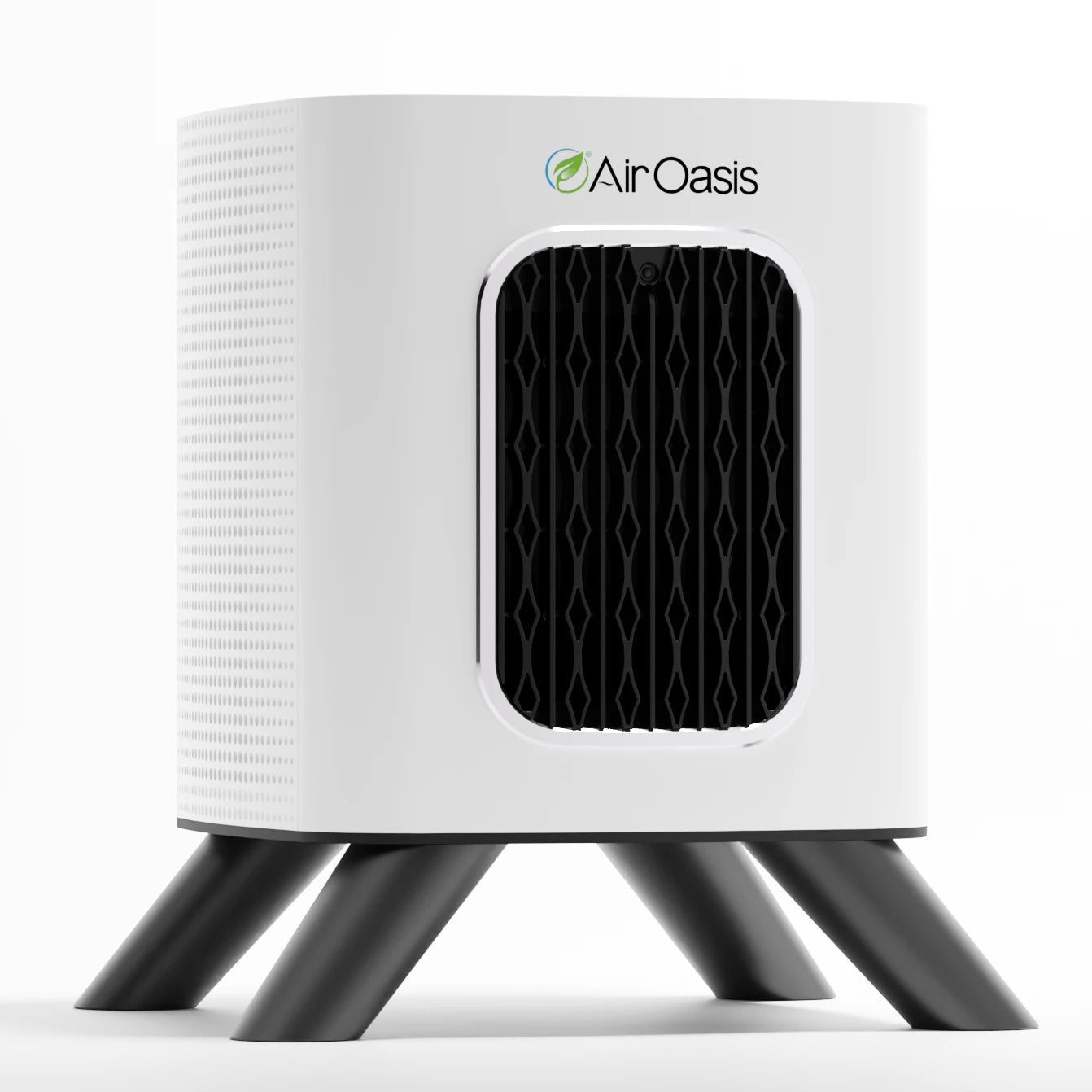
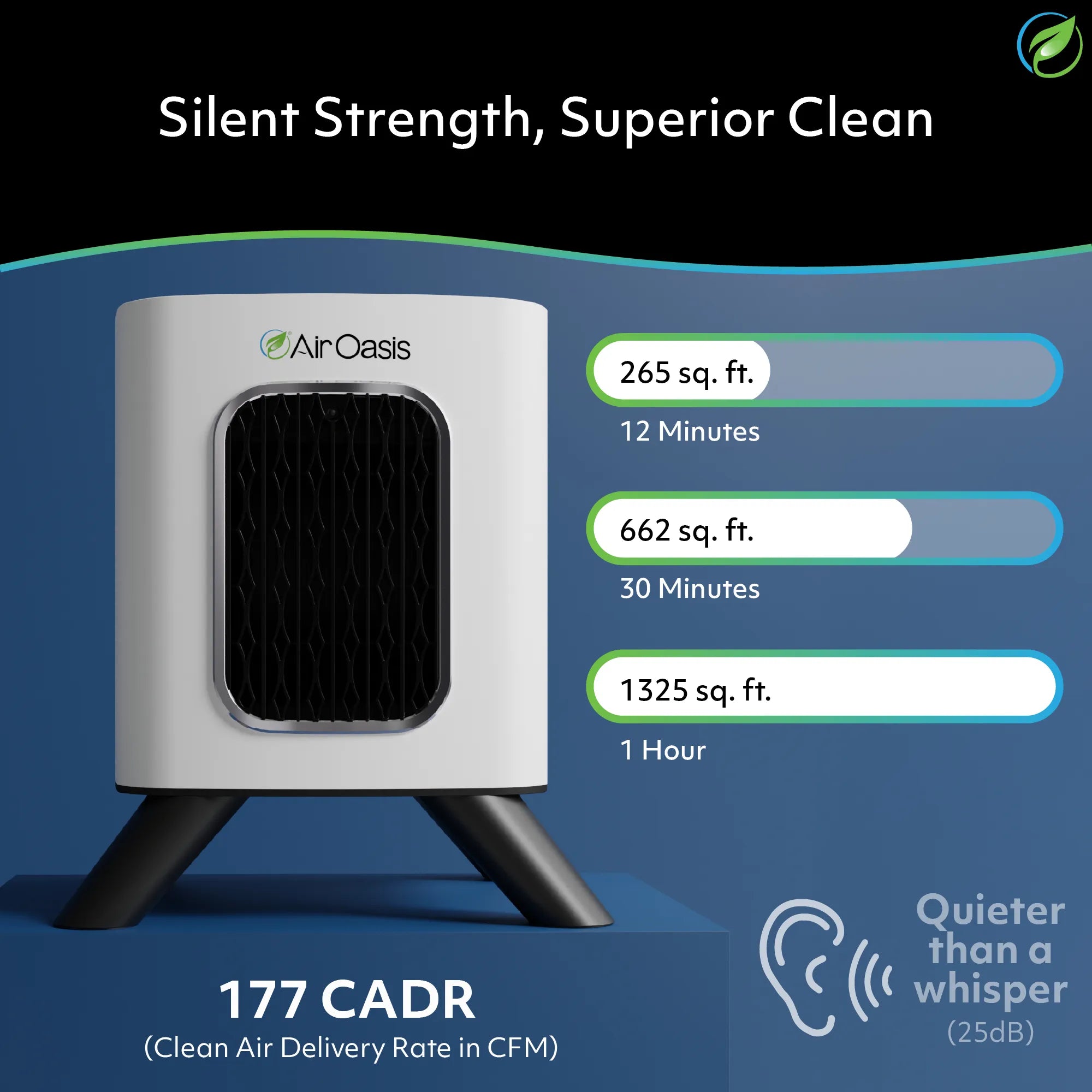
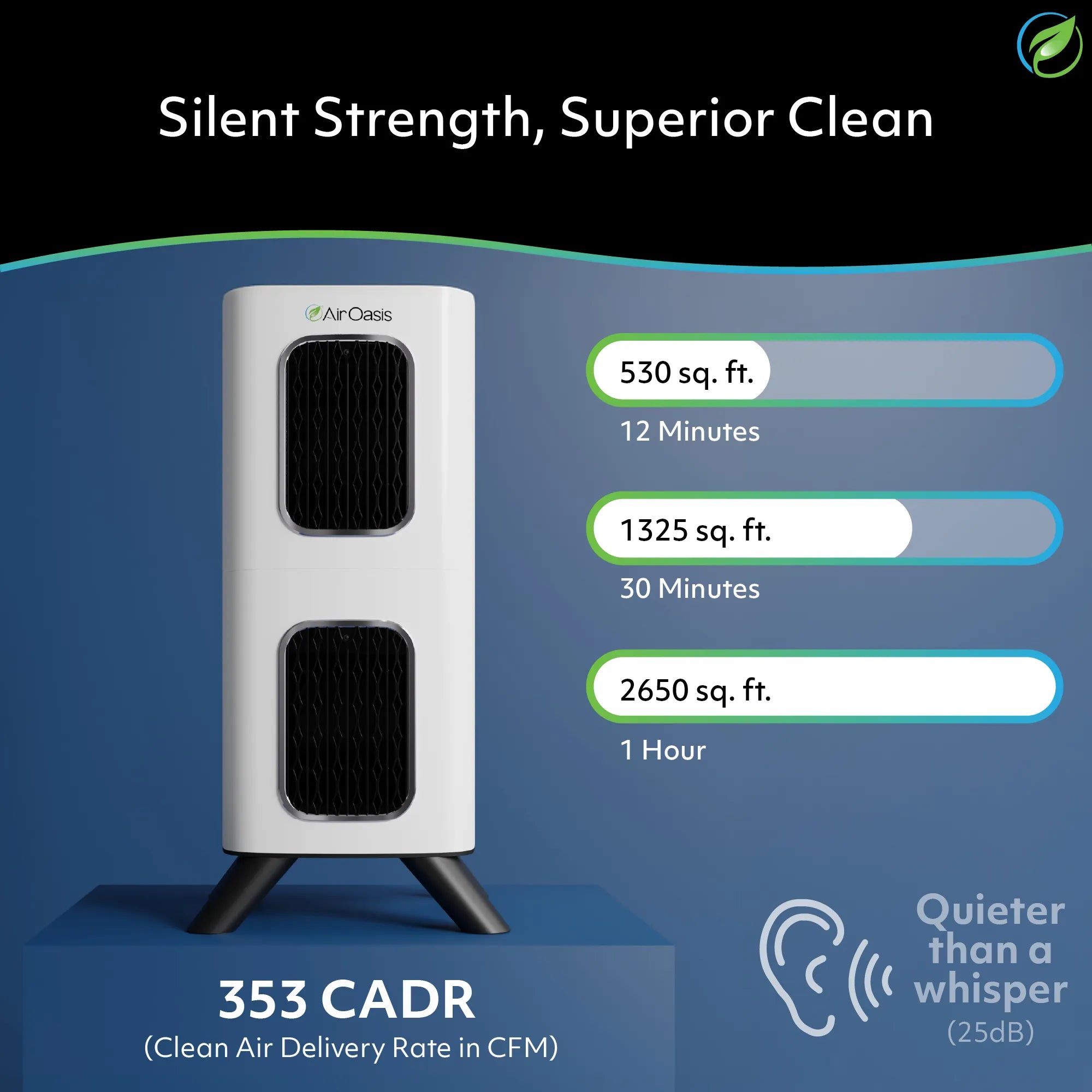
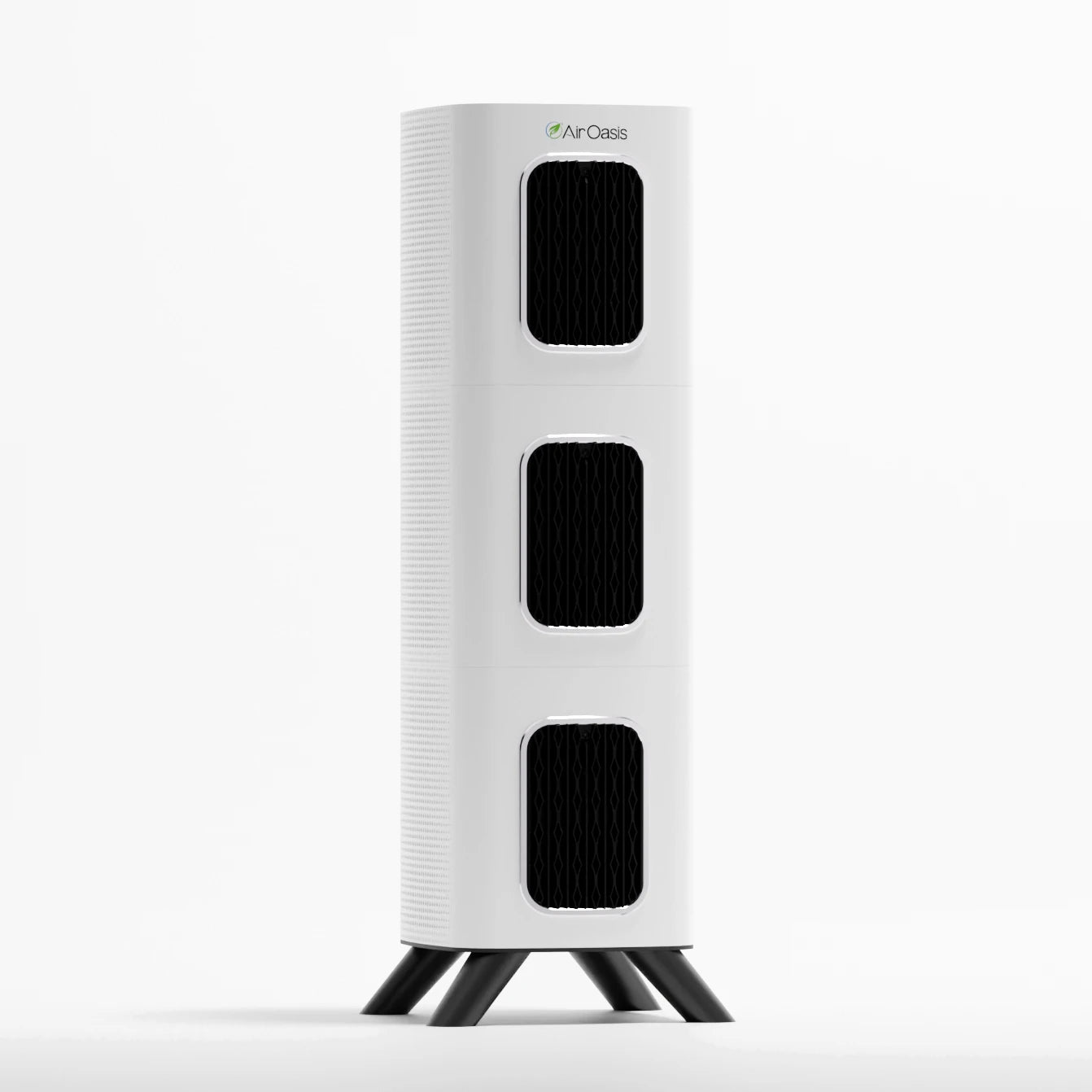
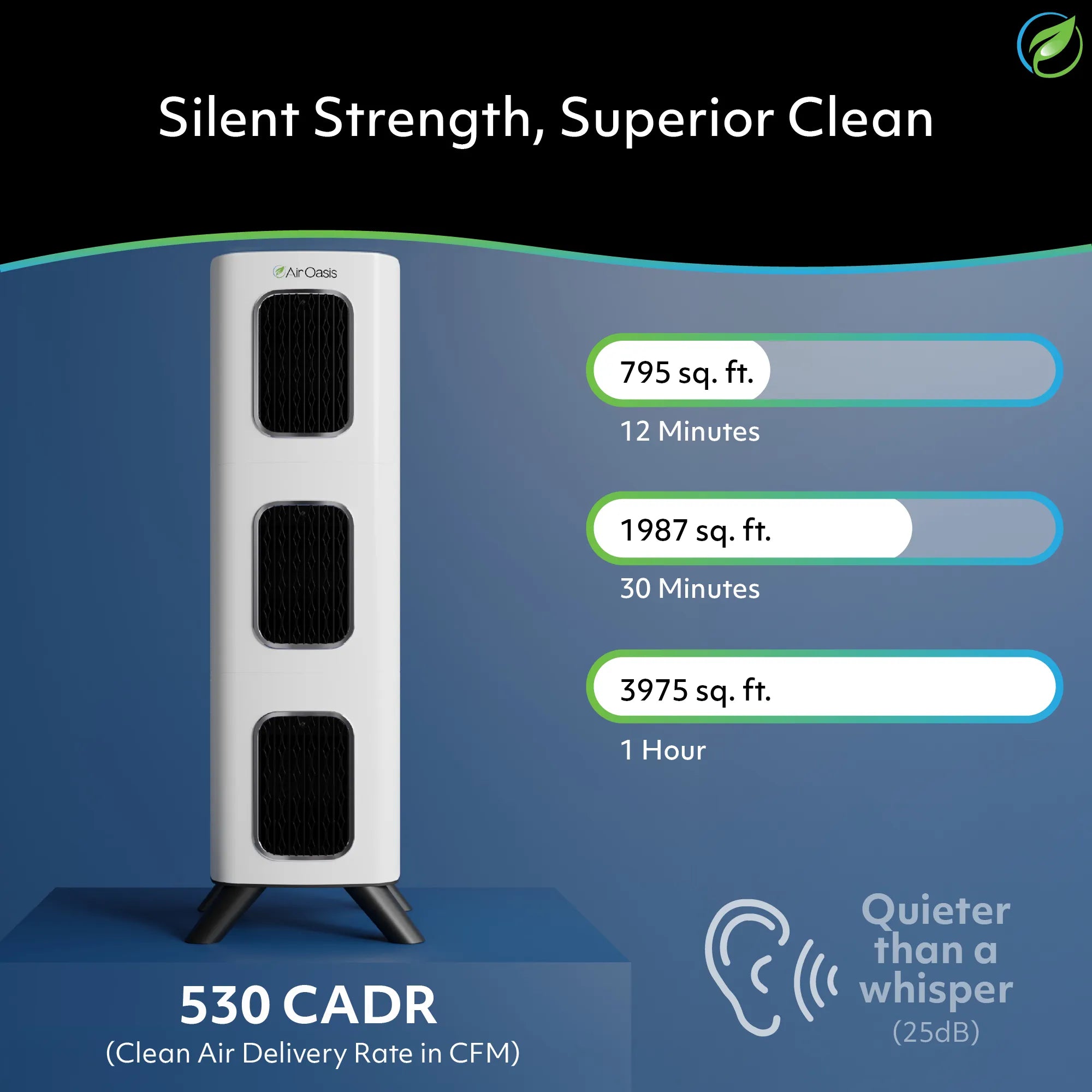
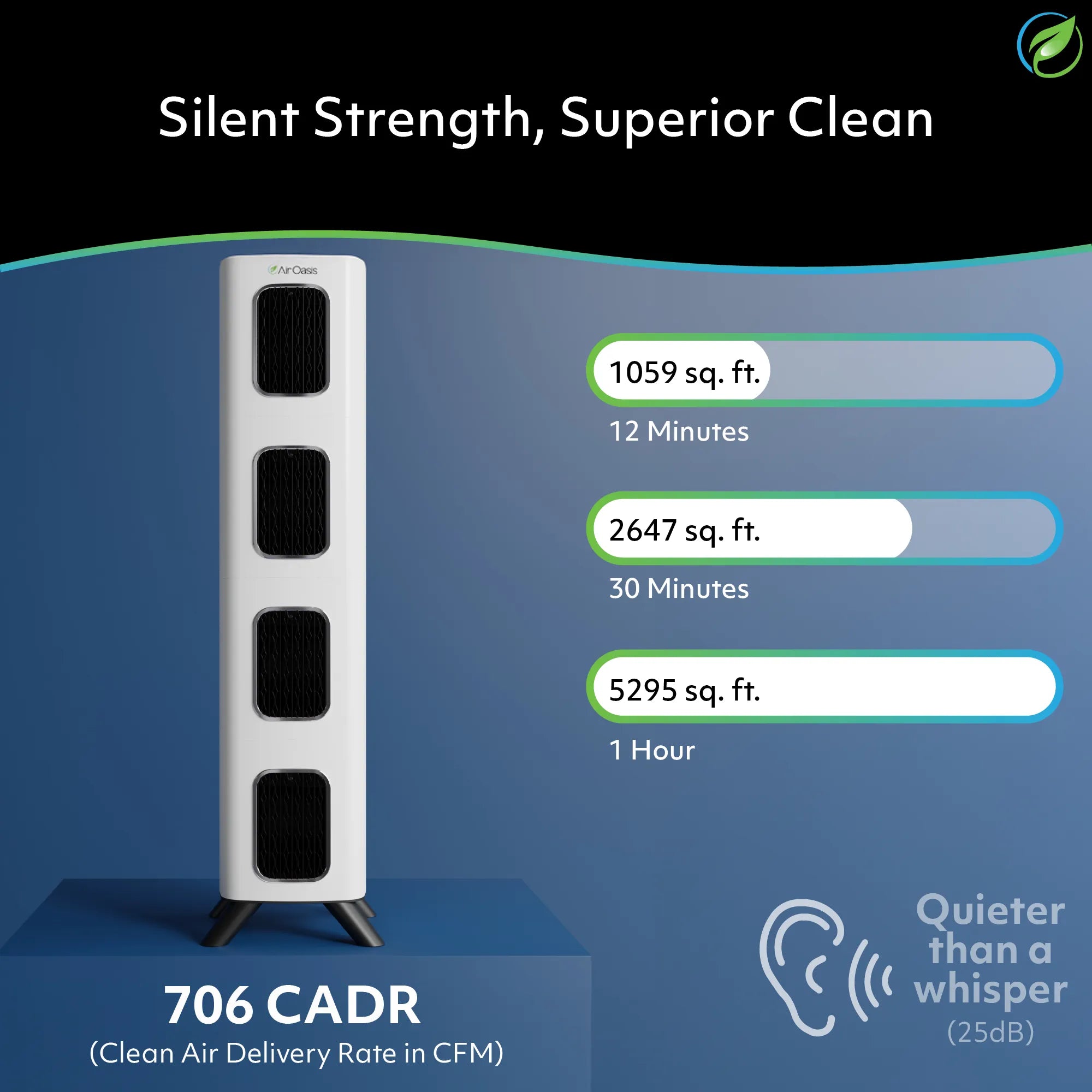
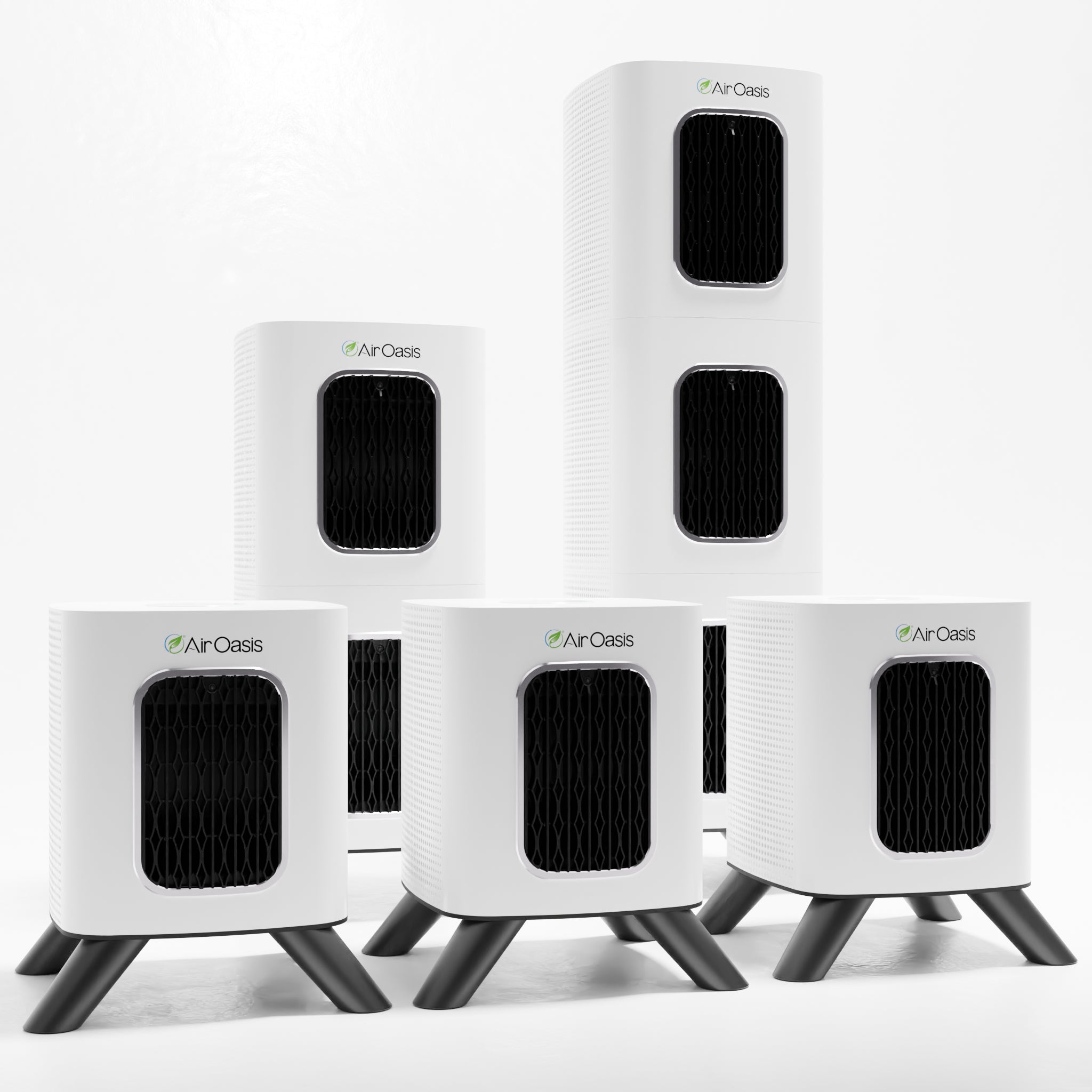
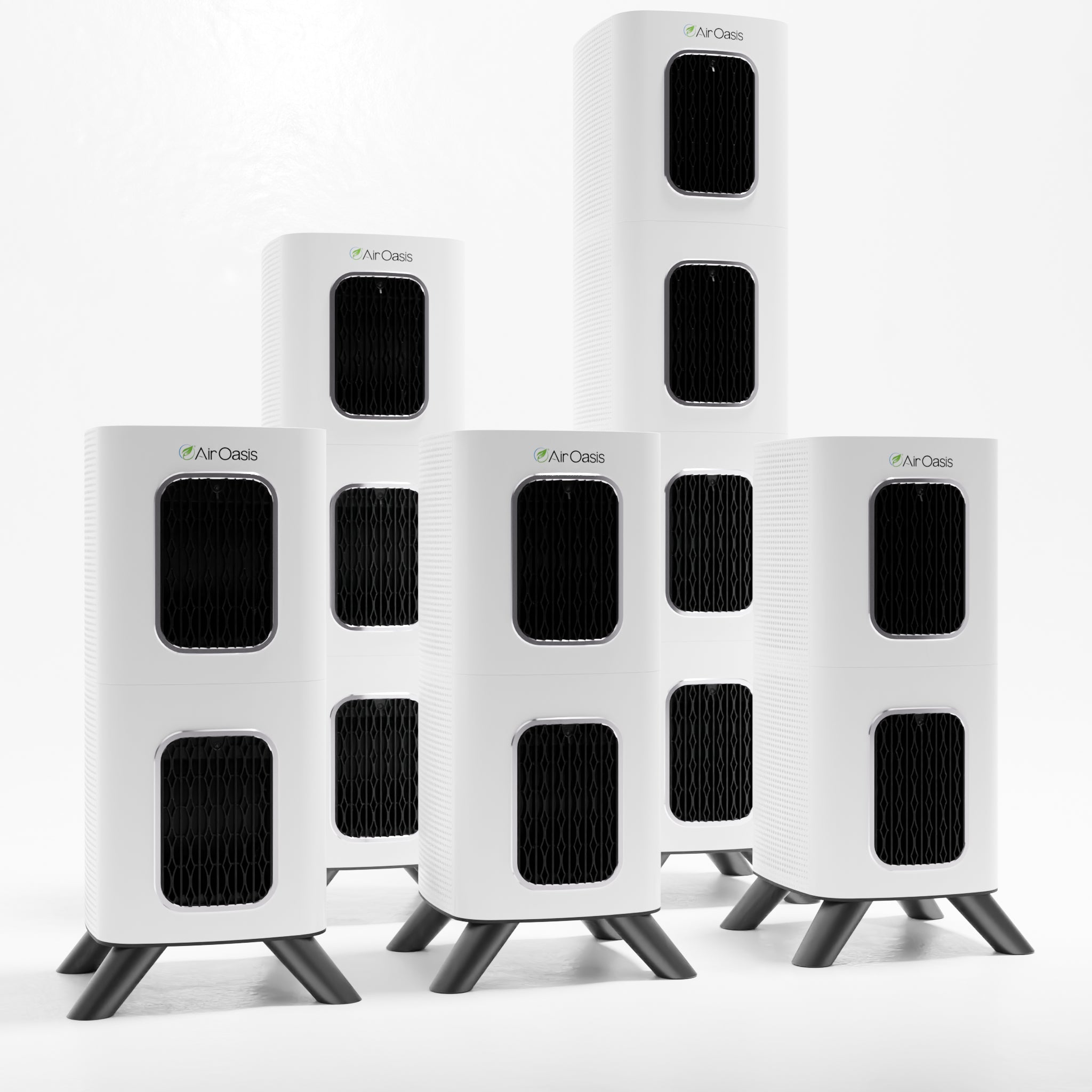
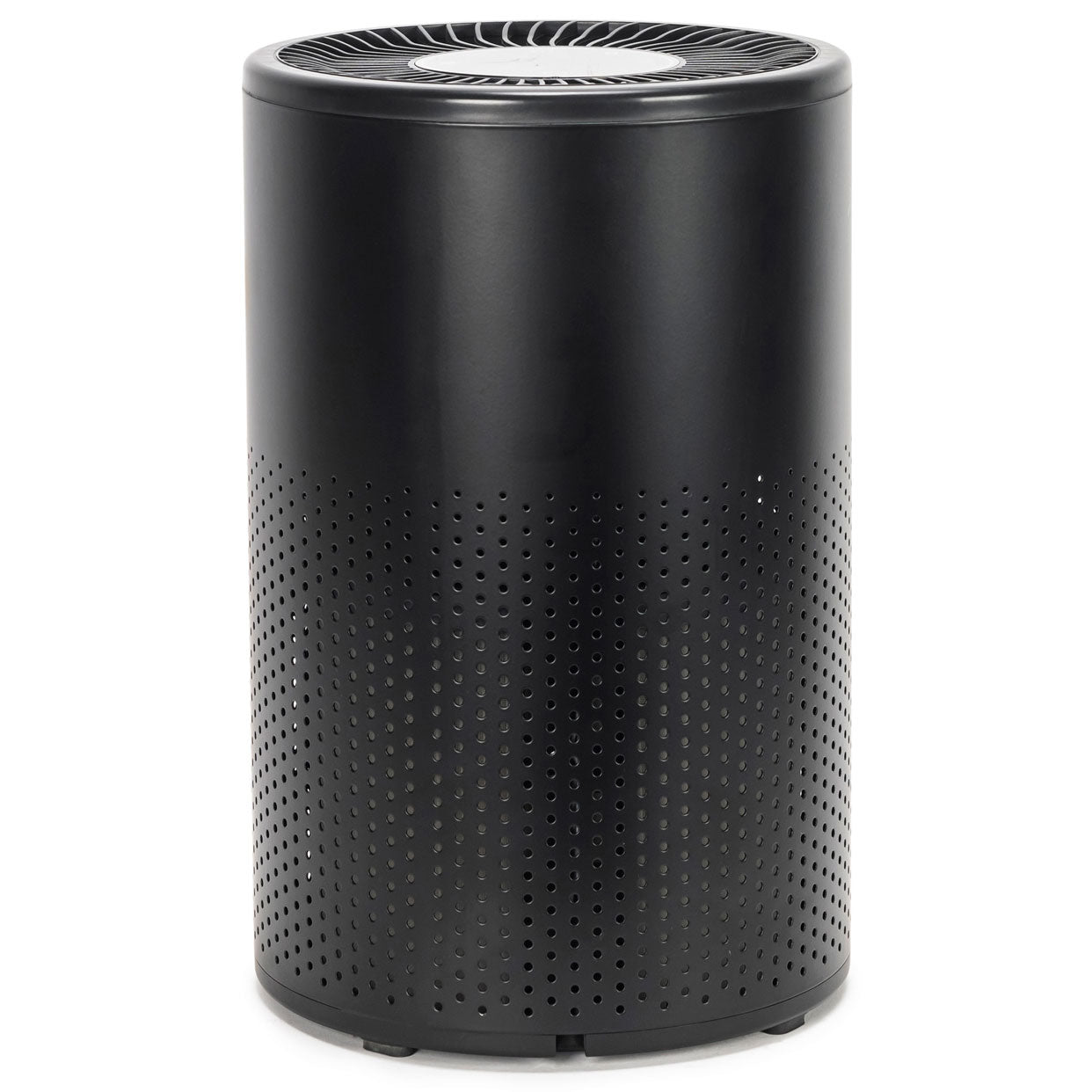
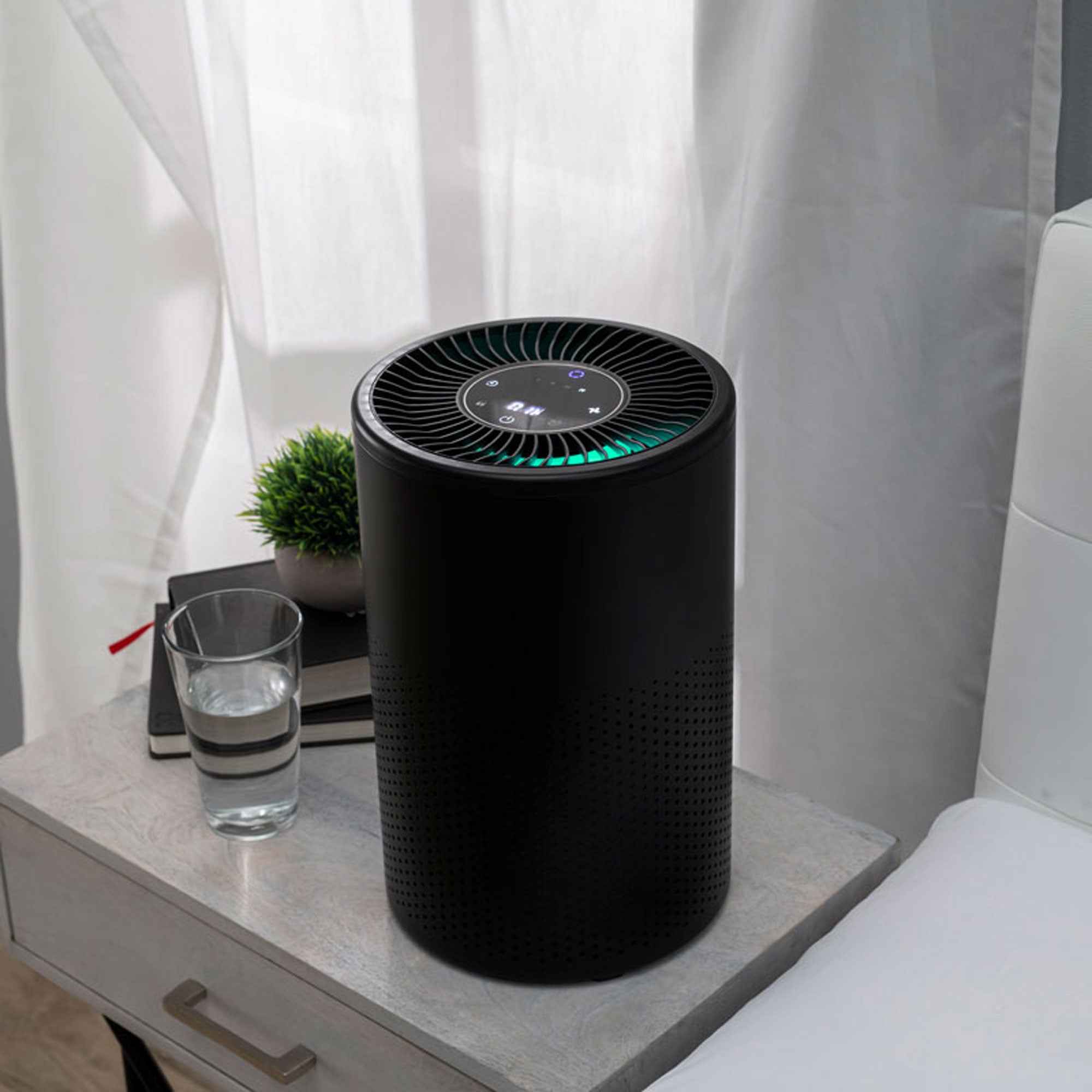
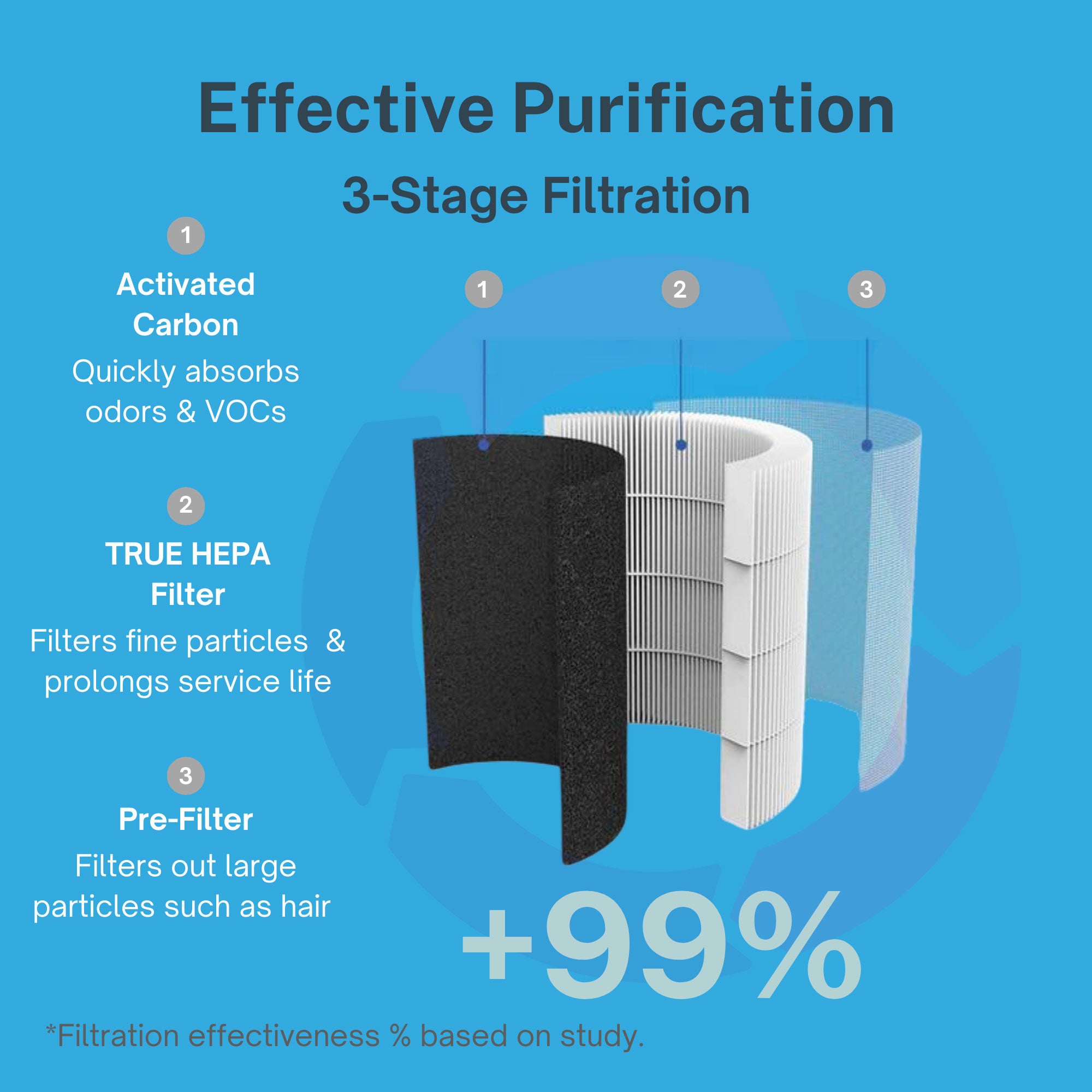
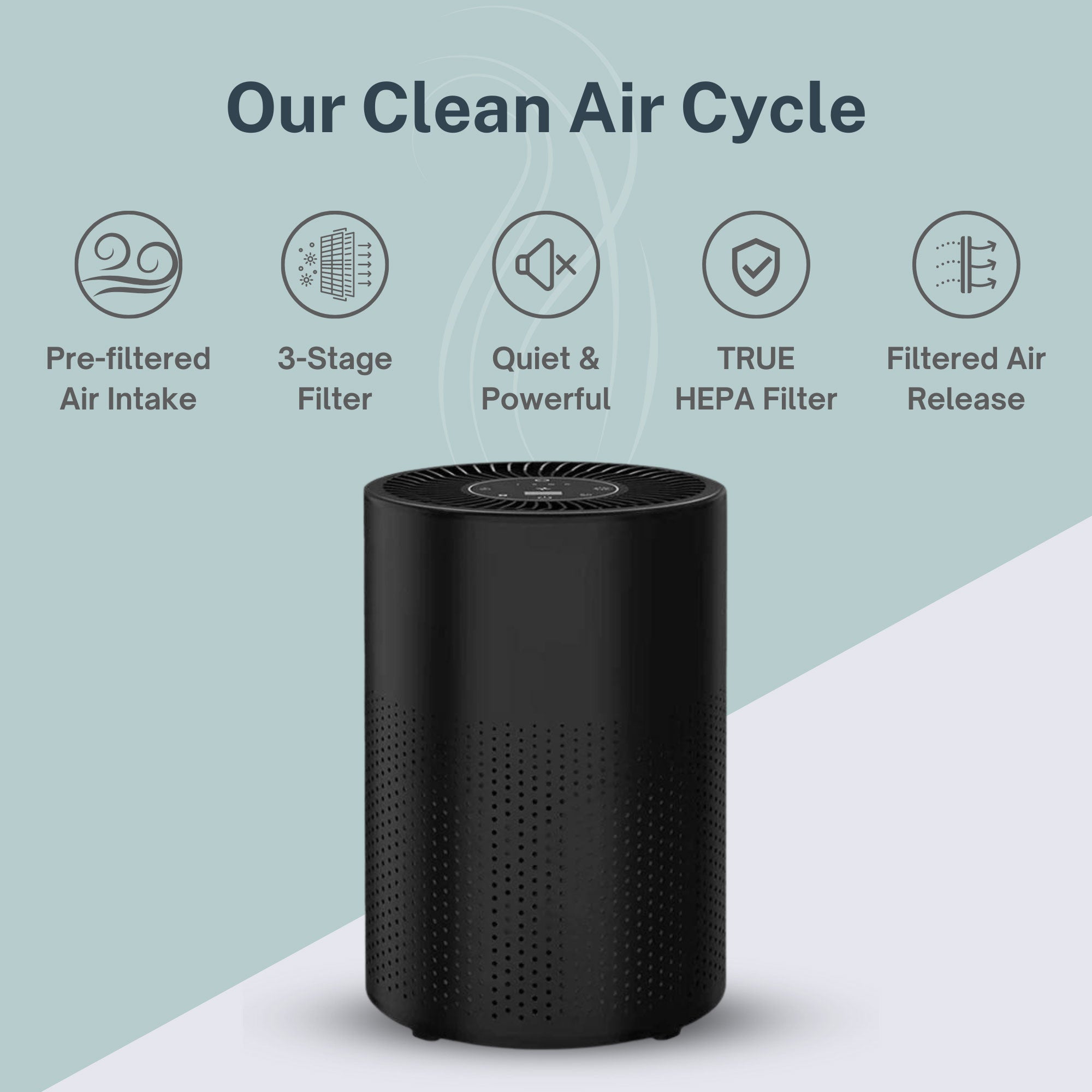
Even with proper attic ventilation, improving your home's overall air quality provides an extra layer of protection. Air Oasis air purifiers use advanced multi-stage filtration, including HEPA filters, activated carbon, and UV-C light technology, to capture mold spores and other airborne contaminants before they circulate through your living spaces.
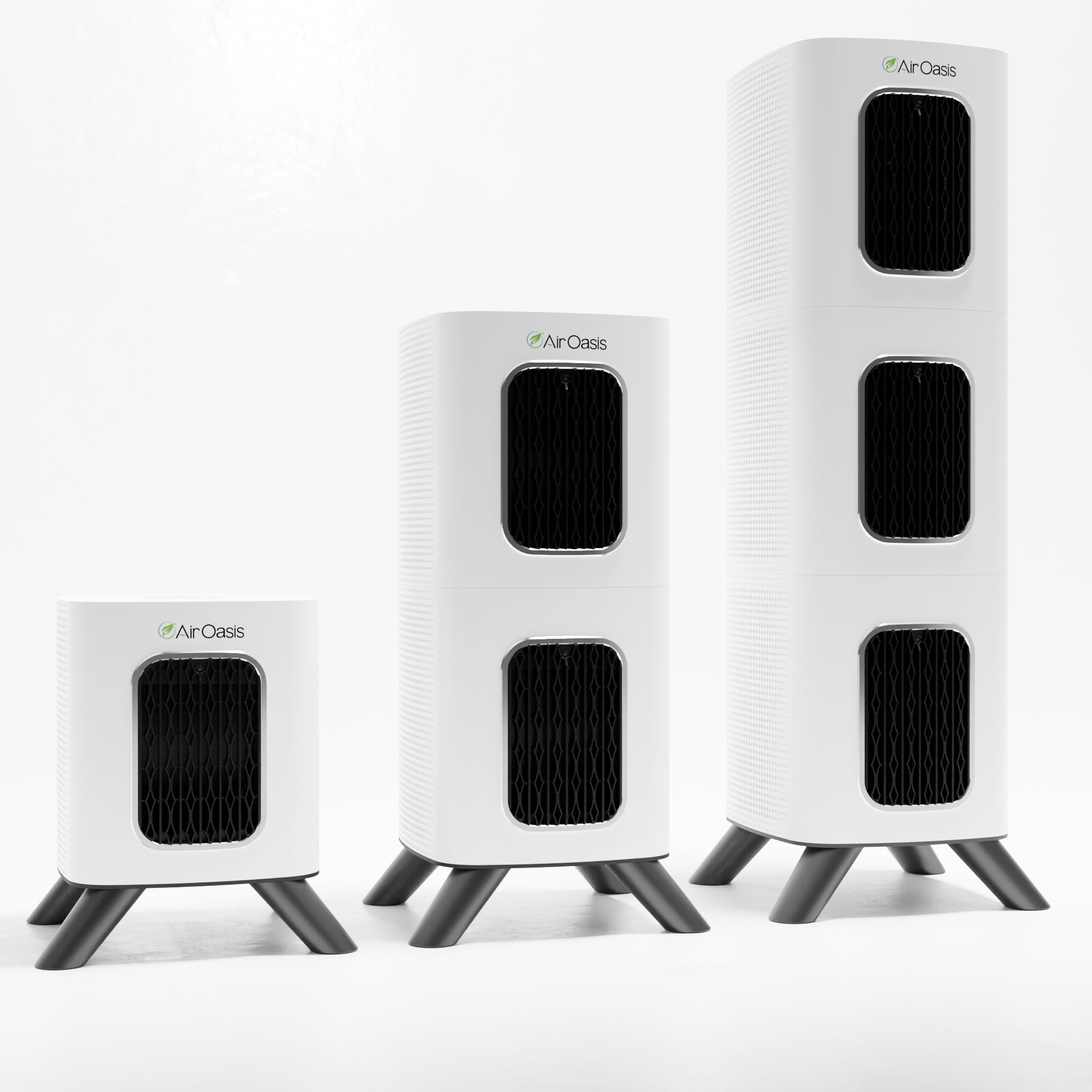
Our systems work continuously to provide clean, healthy air throughout your home. Whether you're addressing existing ventilation issues or taking proactive steps to protect your family's health, Air Oasis offers reliable air purification solutions sized for every space.
Take control of your indoor air quality today. Shop Air Oasis and create a healthier home environment for your family.