If you've recently moved near a busy road, or you've lived next to one for years and started wondering about it, you're asking the right question. The concern is real and the research is worth understanding. Not because you should panic, but because knowing what's actually happening gives you something to act on.
What traffic-related air pollution actually is
The phrase "air pollution" is vague enough to feel abstract. Near a highway, it breaks down into a few specific categories that researchers have studied in residential settings.
Fine particulate matter, called PM2.5, refers to particles smaller than 2.5 micrometers in diameter. To put that in perspective, a human hair is roughly 70 micrometers wide. PM2.5 is small enough to travel deep into the lungs and, according to research, into the bloodstream. Vehicles produce PM2.5 directly through exhaust, and also indirectly through tire and brake wear.
Nitrogen dioxide (NO2) is a gaseous pollutant produced by combustion engines. It's a respiratory irritant at elevated concentrations and has been associated with increased asthma symptoms in studies of people living in high-traffic areas.
Volatile organic compounds, or VOCs, include benzene and other compounds that off-gas from fuel and vehicle exhaust. Several are classified as hazardous air pollutants by the EPA.
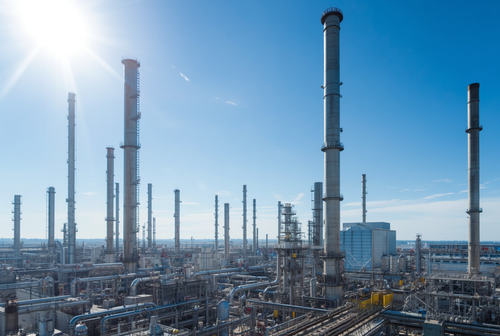
The EPA has documented that pollutant concentrations near major roadways are generally elevated compared to background levels, with the highest concentrations typically occurring within the first 500 to 1,000 feet of heavy-traffic roads. Beyond that range, concentrations tend to decrease, though the rate depends on wind patterns, terrain, building density, and traffic volume.
How outdoor pollution gets into your home
This is the part that surprises most people. Closing your windows doesn't seal you off.
Studies have consistently found that indoor concentrations of traffic-related pollutants tend to be lower than outdoor levels, but not zero. The EPA and independent researchers estimate that in homes near busy roads, indoor PM2.5 concentrations can reach roughly 50 to 70 percent of outdoor levels, depending on building tightness, ventilation rates, and HVAC filtration. Older homes with more air leakage tend to have less separation between indoor and outdoor air.
Infiltration happens through gaps around windows and doors, through HVAC systems that draw in outdoor air, and through any opening in the building envelope. A home near a highway is not a sealed environment, and the air inside reflects that to some degree.
Time of day matters too. Traffic peaks during morning and evening commute hours. Calm overnight wind conditions can allow pollutants to accumulate near ground level rather than dispersing. What you breathe at 6 a.m. may be meaningfully different from what you breathe at noon.
What the research does and doesn't say about health effects
Here's where precision matters, because this is easy to overstate in both directions.
The research on residential proximity to major roads has produced real findings. A 2023 analysis in Environmental Health Perspectives found associations between long-term exposure to traffic-related air pollution and increased risk of respiratory and cardiovascular outcomes in populations living near highways. The American Lung Association's State of the Air reports have consistently flagged particle pollution as a significant health concern in urban and near-highway communities.
But associations are not the same as certainty for any individual. Epidemiological studies show patterns across large populations. They can't tell you, specifically, what living at your address for your number of years will do to your health. Individual factors matter enormously: whether you have pre-existing respiratory or cardiovascular conditions, how much time you spend indoors versus outside, how well-sealed your home is, and whether other indoor or outdoor sources add to your pollution burden.
Children and older adults tend to be more physiologically vulnerable to the effects of air pollution, as are people with asthma, COPD, or heart disease. For these groups, reducing exposure where possible is a reasonable precaution supported by the broader evidence base.
What you can actually do about indoor air near a highway
You can't move the highway. But you can meaningfully reduce the pollution burden inside your home.
Sealing air leaks reduces infiltration. Weatherstripping around doors, caulking around windows, and addressing gaps in the building envelope all slow the rate at which outdoor air enters. This matters more in older homes.
If your HVAC system cycles in outdoor air, upgrading the filtration to a higher MERV-rated filter can capture more particulate matter before it circulates through your home. This is worth discussing with an HVAC technician, since some systems are not designed for high-resistance filters and can be strained by the wrong choice.
Running exhaust fans when cooking adds particulate matter to an already-elevated indoor load. Using them consistently and keeping cooking emissions from accumulating helps.
The specific outdoor conditions that worsen near-highway air quality, concentrated morning traffic and still overnight air, are also the times when you benefit most from keeping windows closed and relying on filtered indoor air.
How air purification fits into the picture
A standalone air purifier addresses what gets in, not how it gets in. But for many homes, it's one of the most practical tools available.
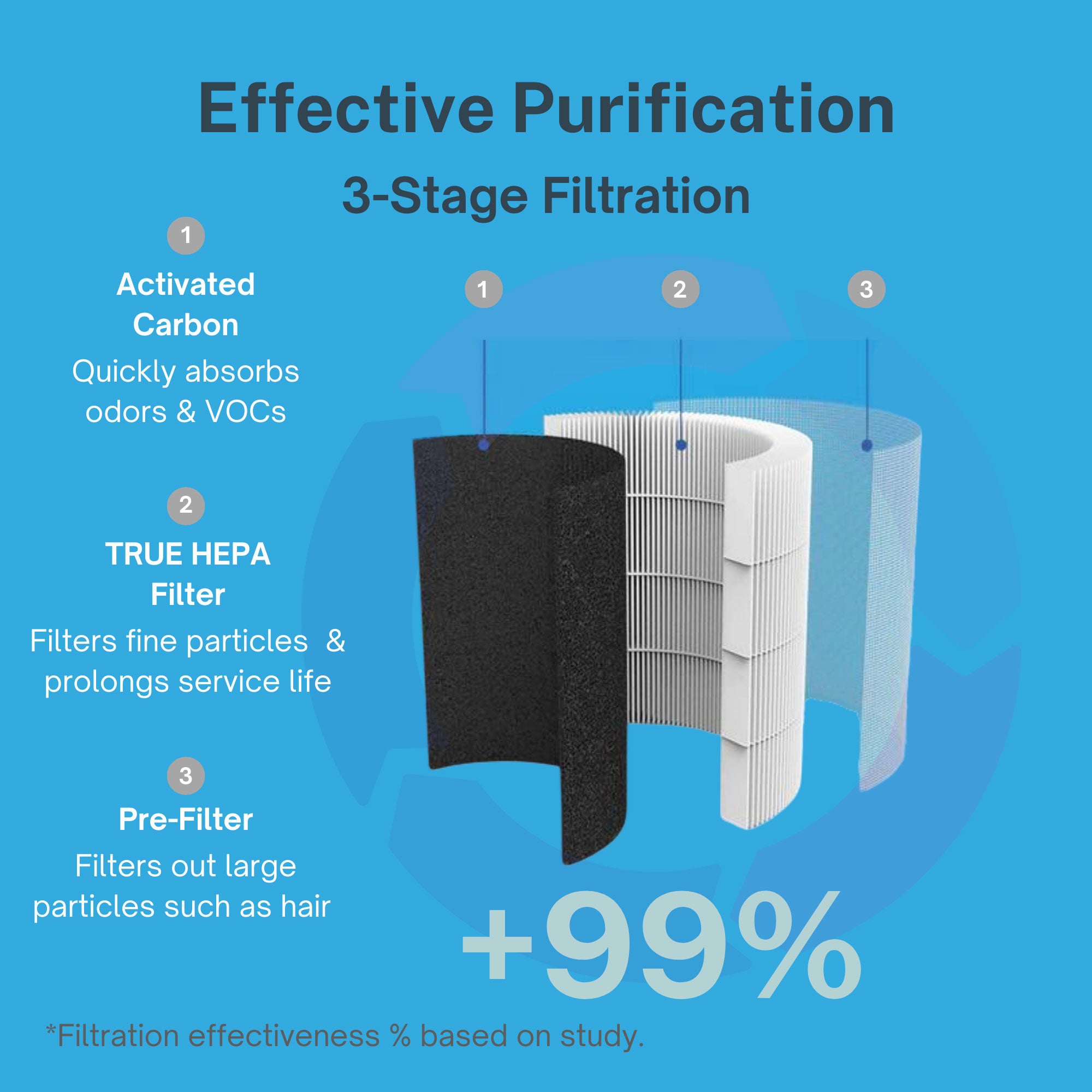
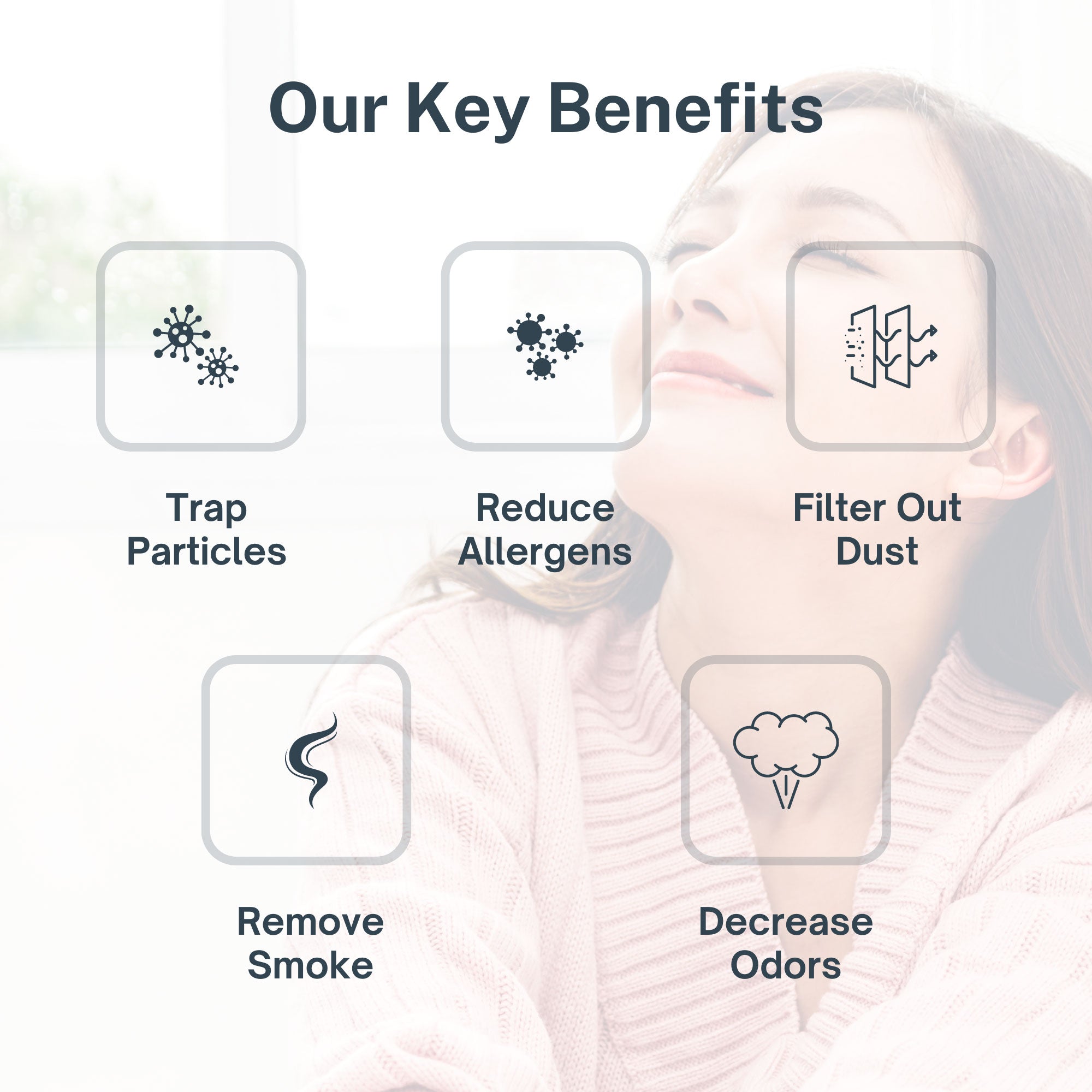
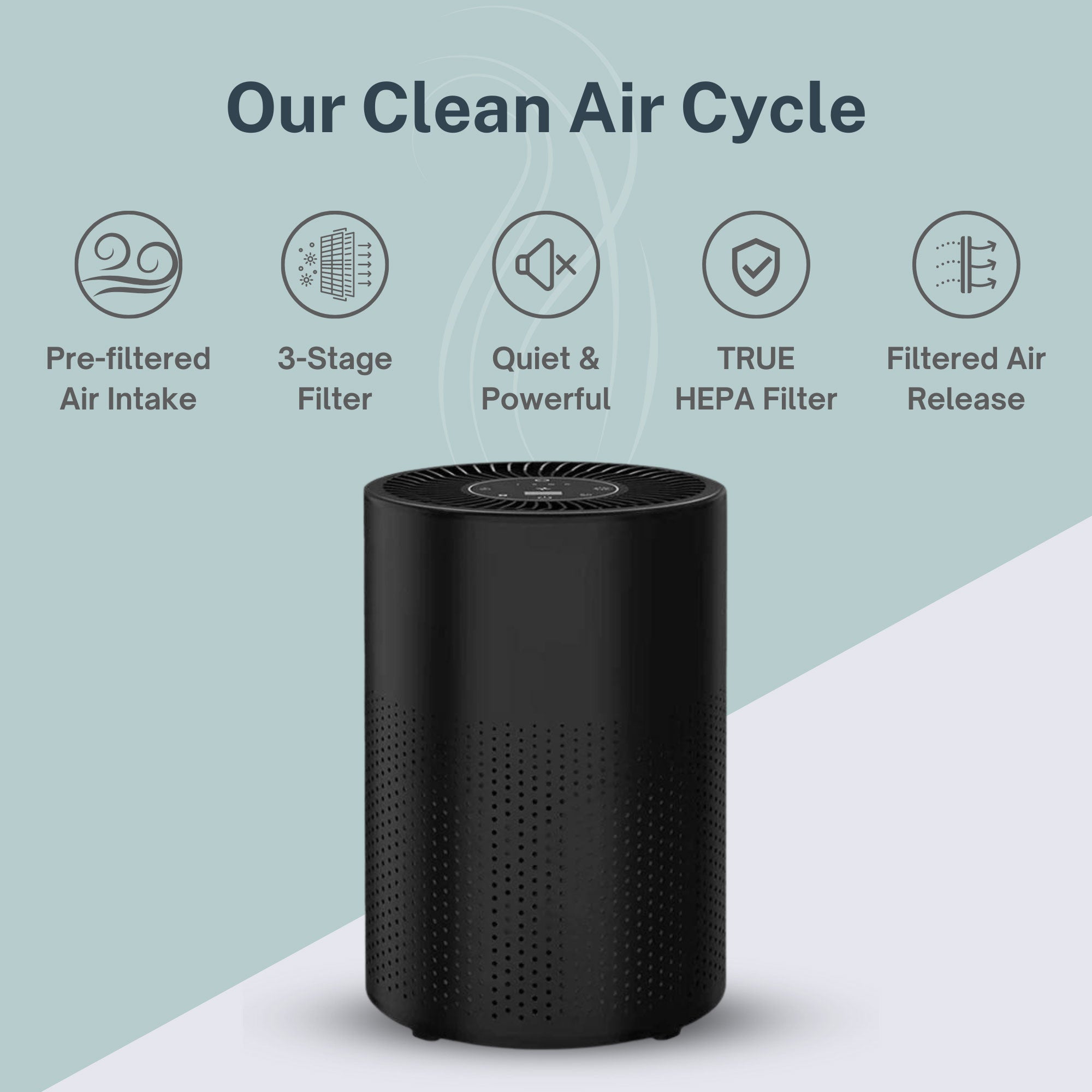
The relevant technologies for near-highway pollution are True HEPA filtration, which captures PM2.5 and finer particles down to 0.3 microns, and activated carbon, which absorbs VOCs and gaseous pollutants including the exhaust-related compounds that HEPA filters don't address on their own. Both matter in this context, which is why a multi-technology approach is worth looking for.
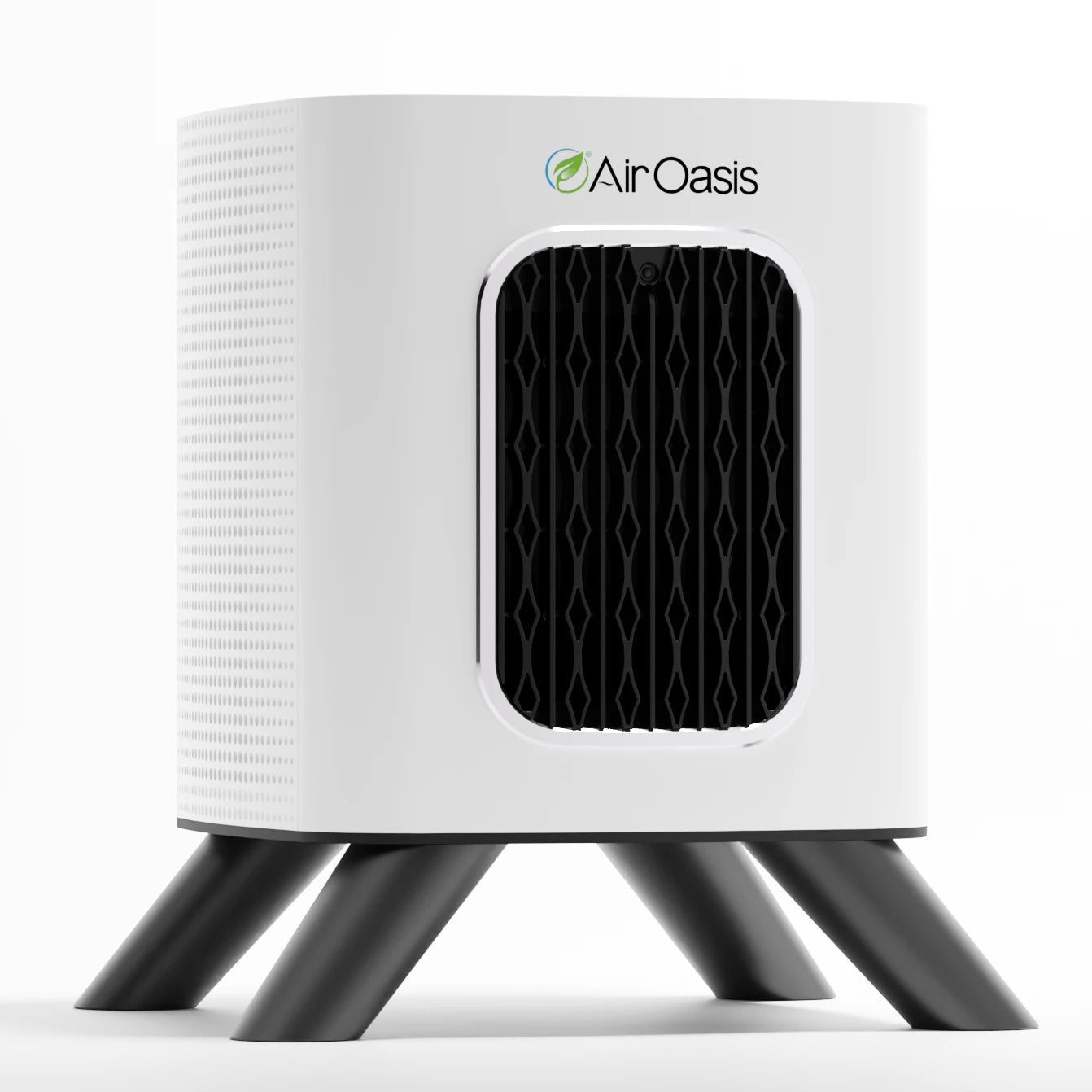
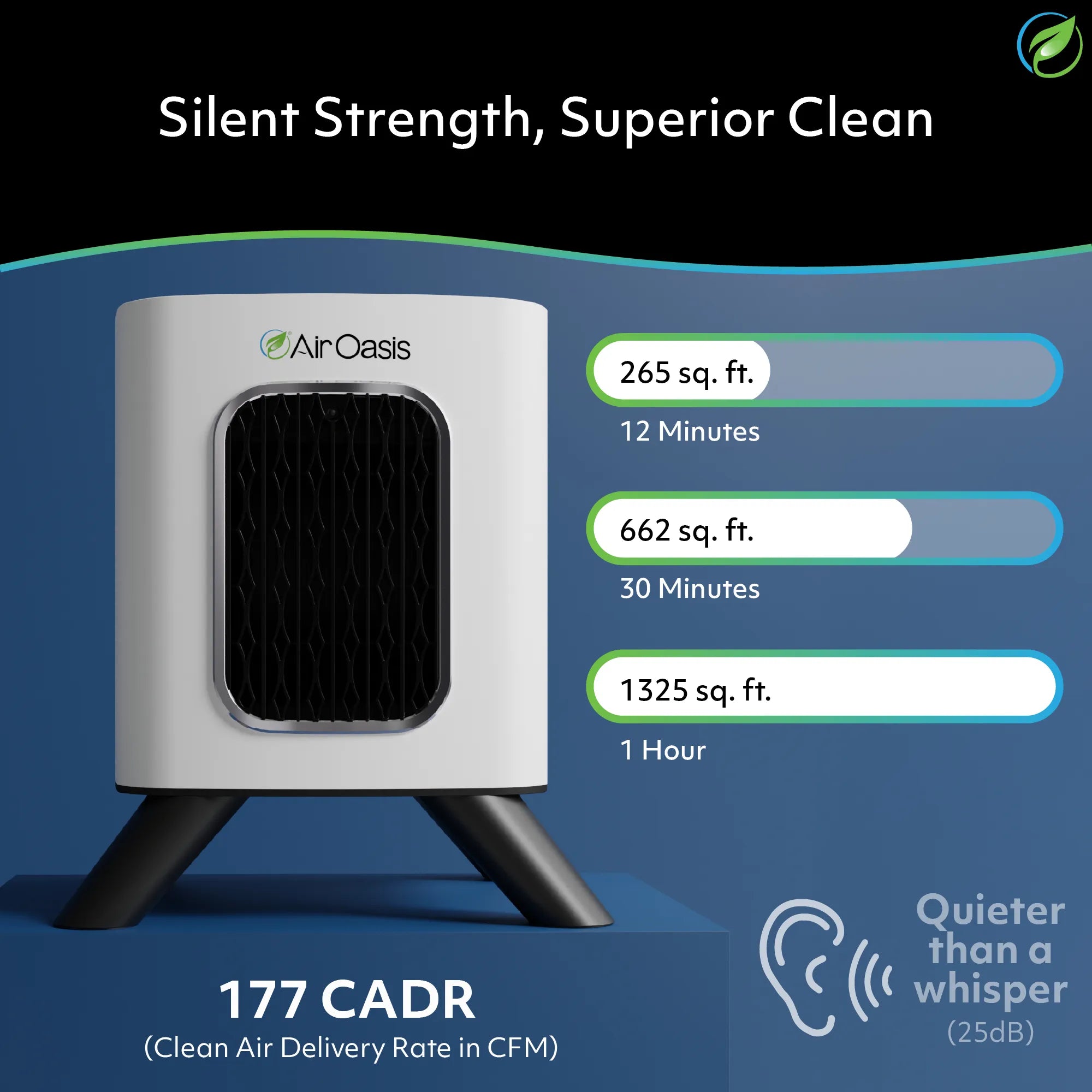
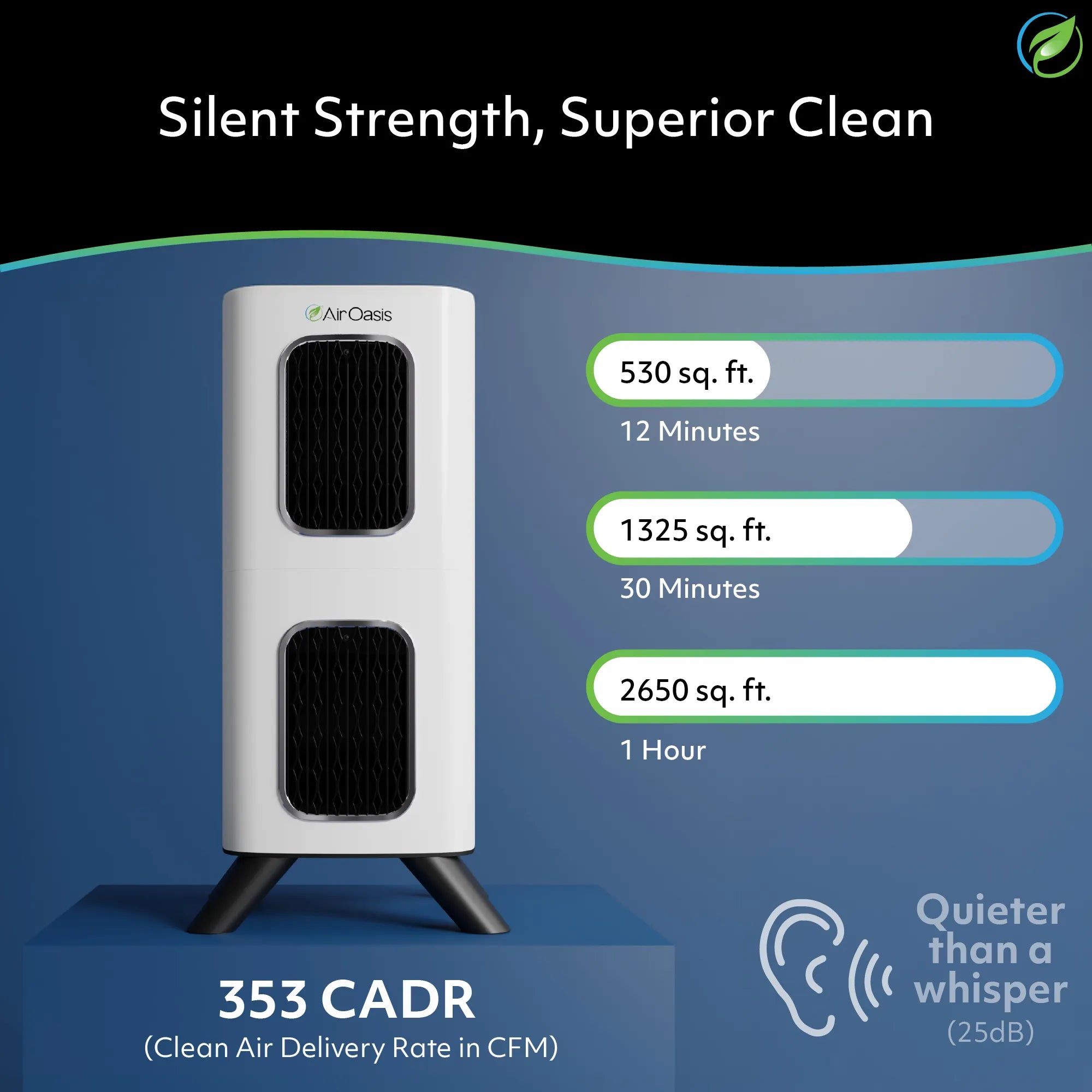
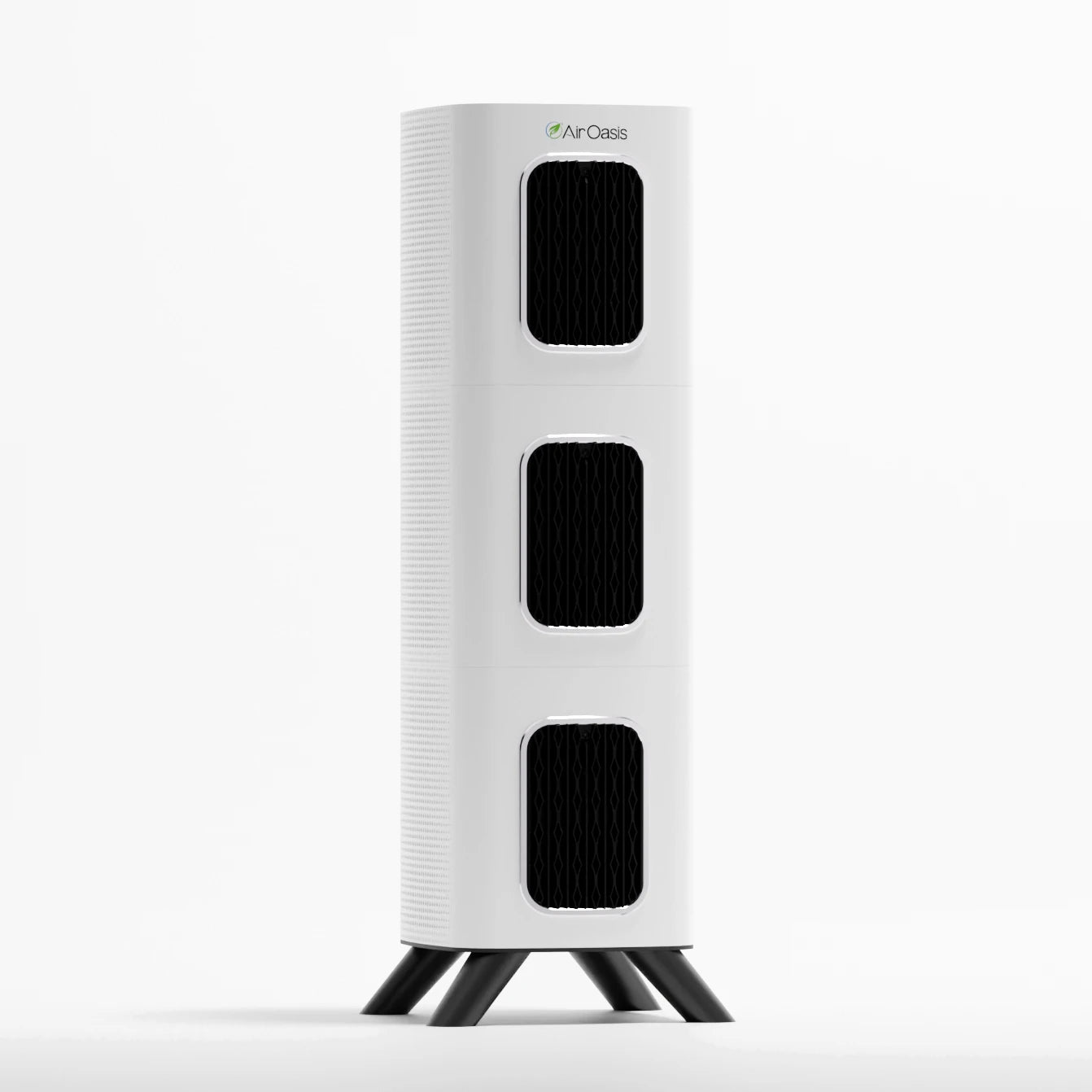
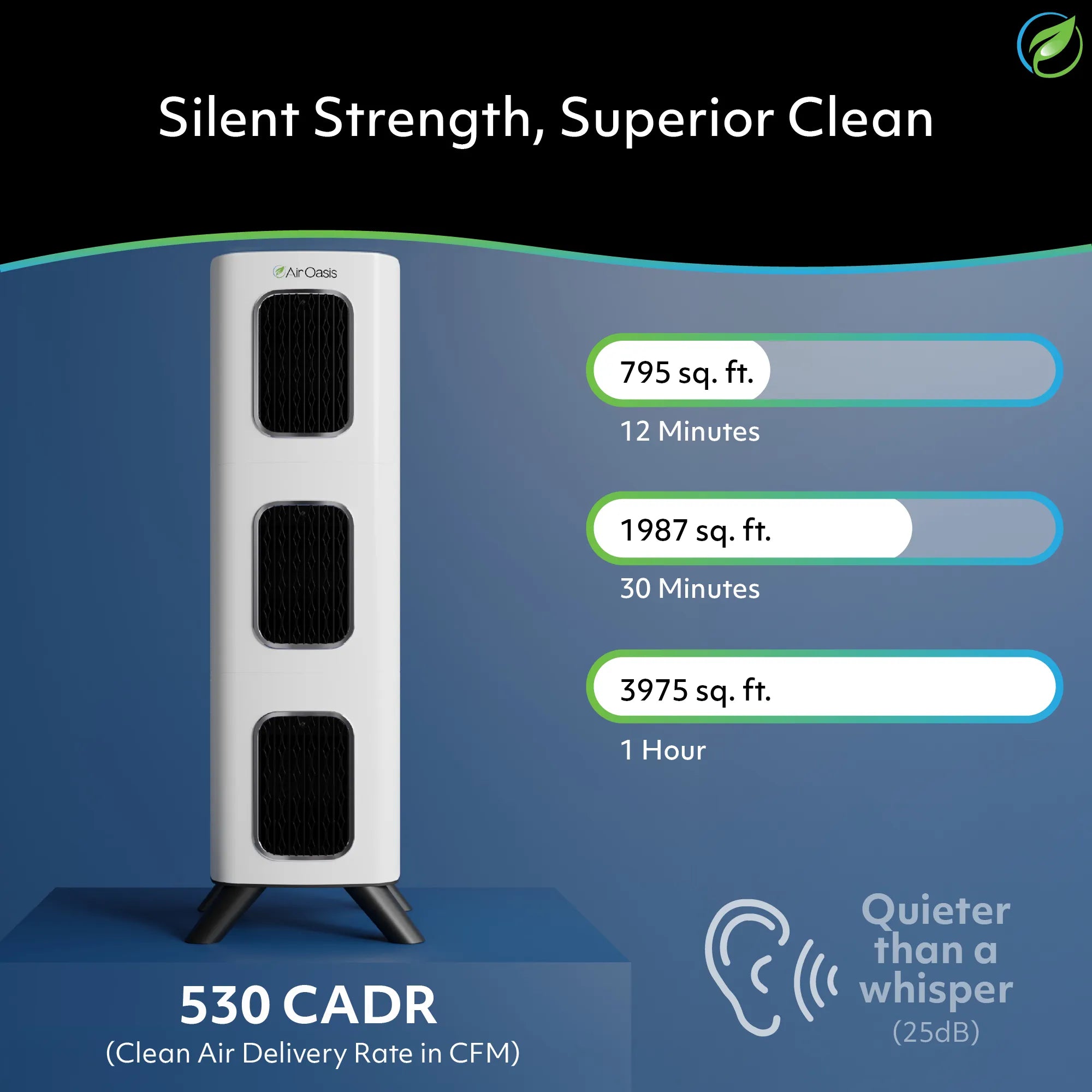
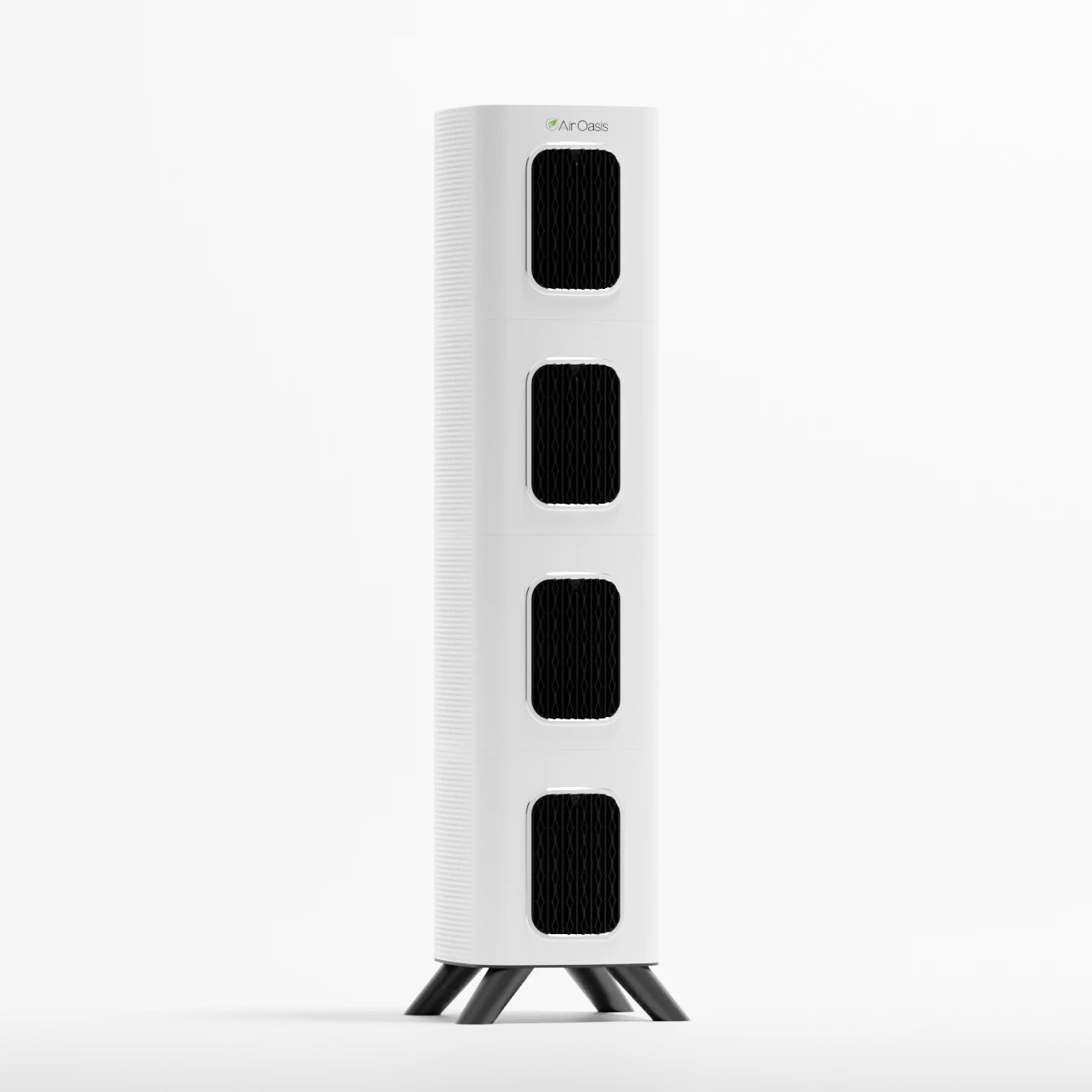
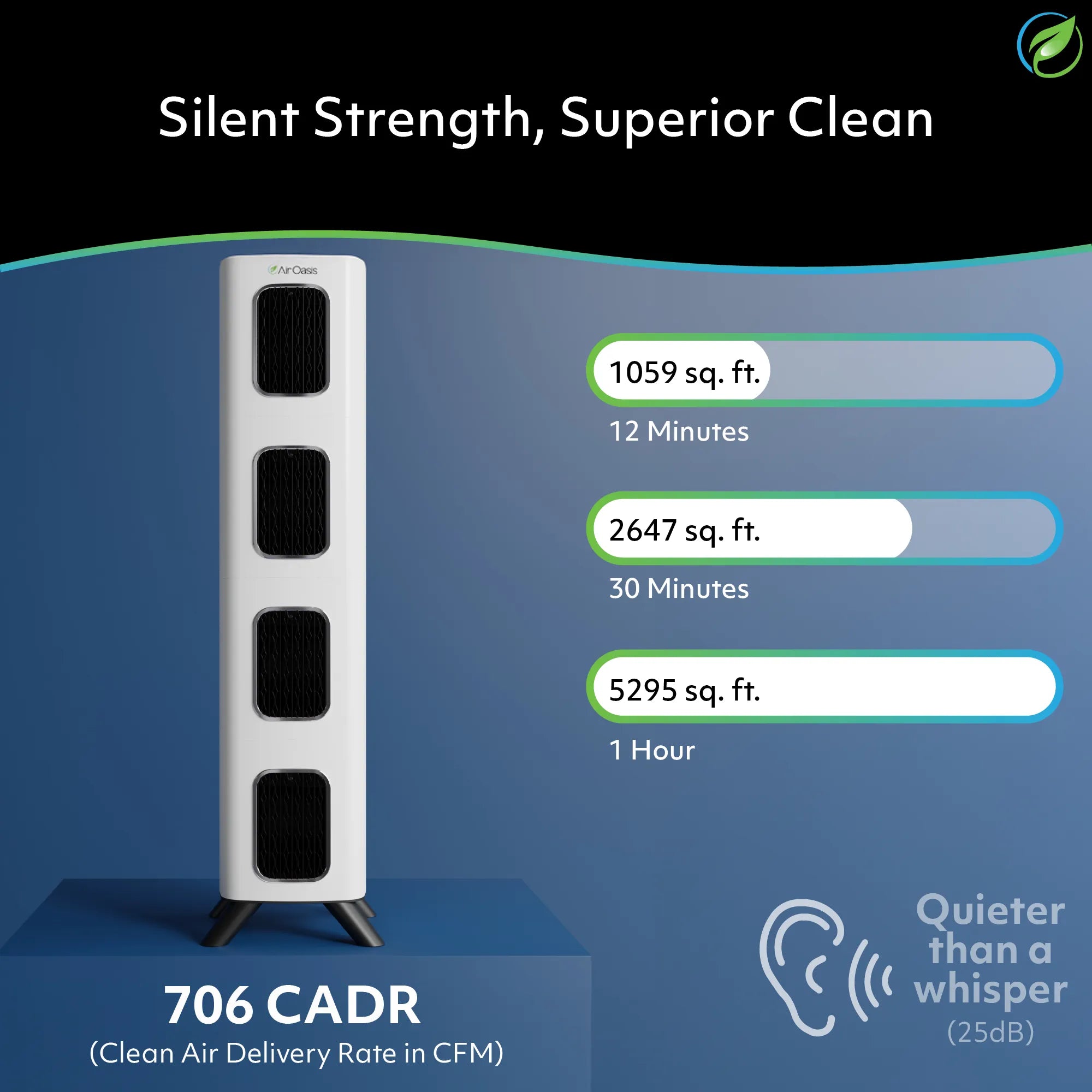
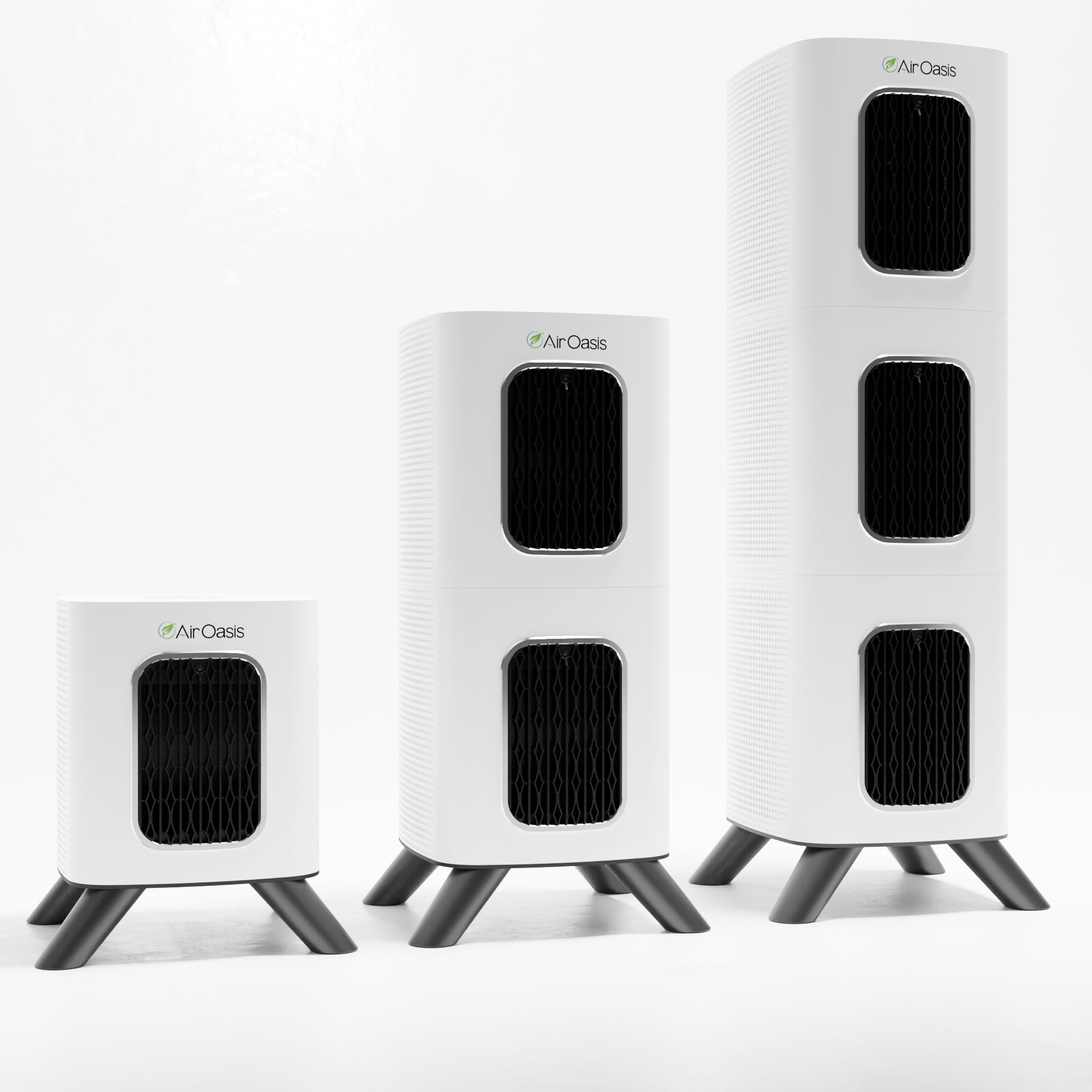
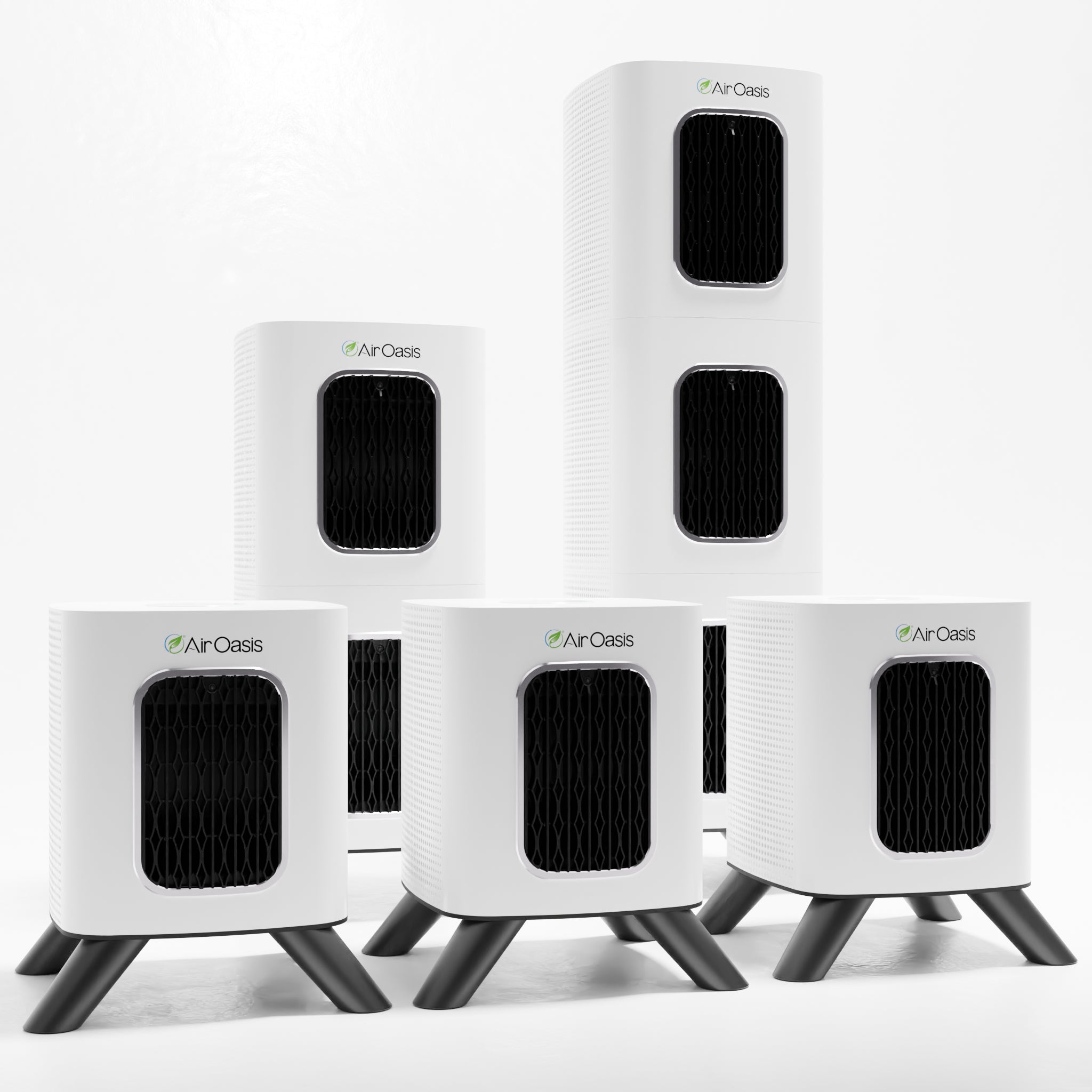
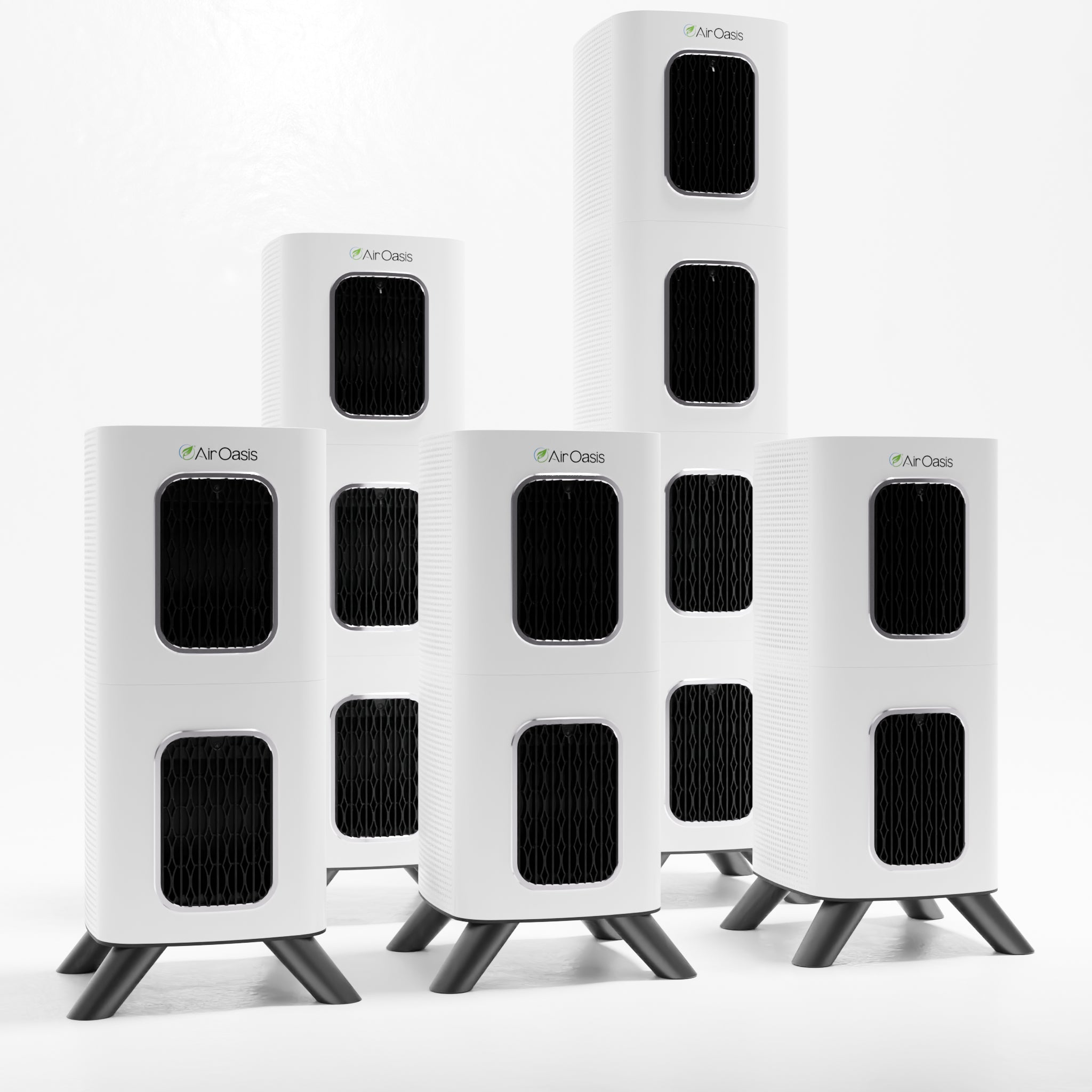
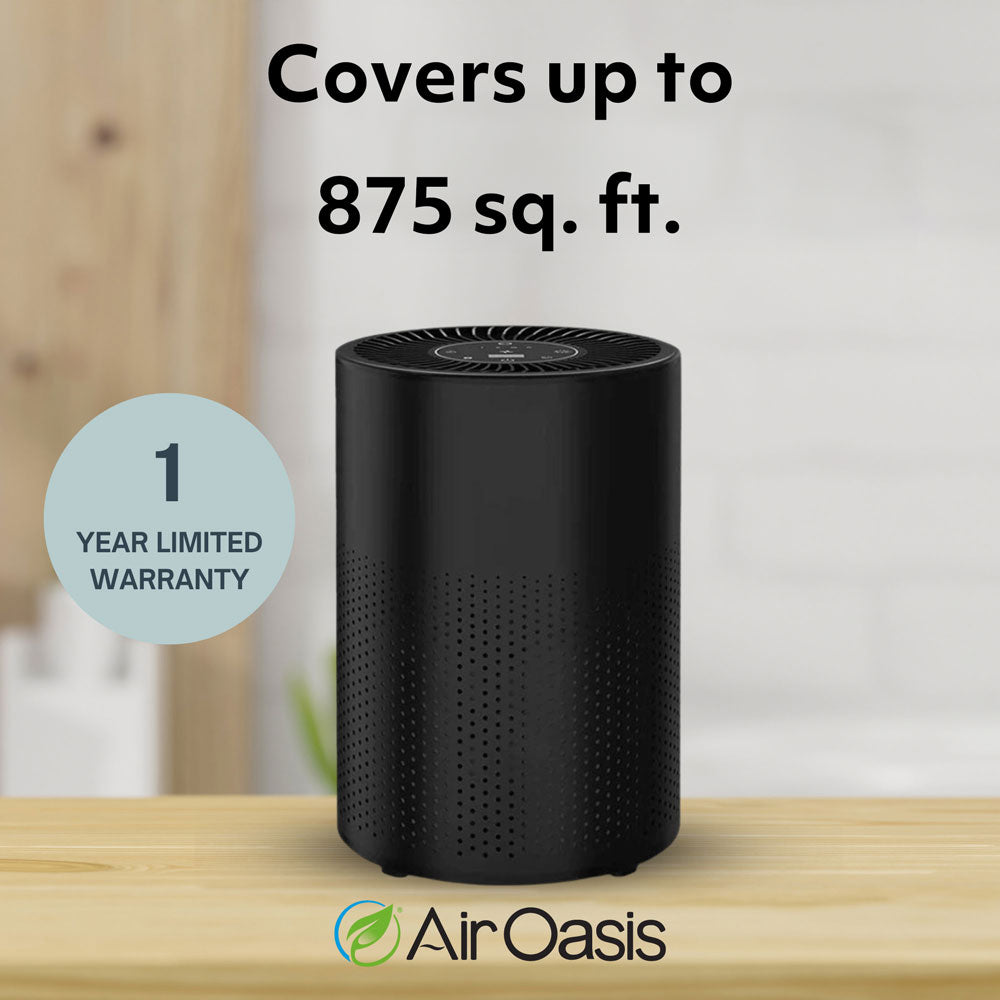
The iAdaptAir combines True HEPA filtration with activated carbon, UV-C, and bipolar ionization in a CARB-certified ozone-free unit, meaning it's safe for continuous use even in households with respiratory sensitivities. For sizing, the 2S covers 265 square feet, the 2M covers 530, the 2L covers 795, and the 2P covers 1,059. Whole-room coverage is the goal, with a minimum four inches of clearance on all sides and doors and windows closed during operation for best performance.
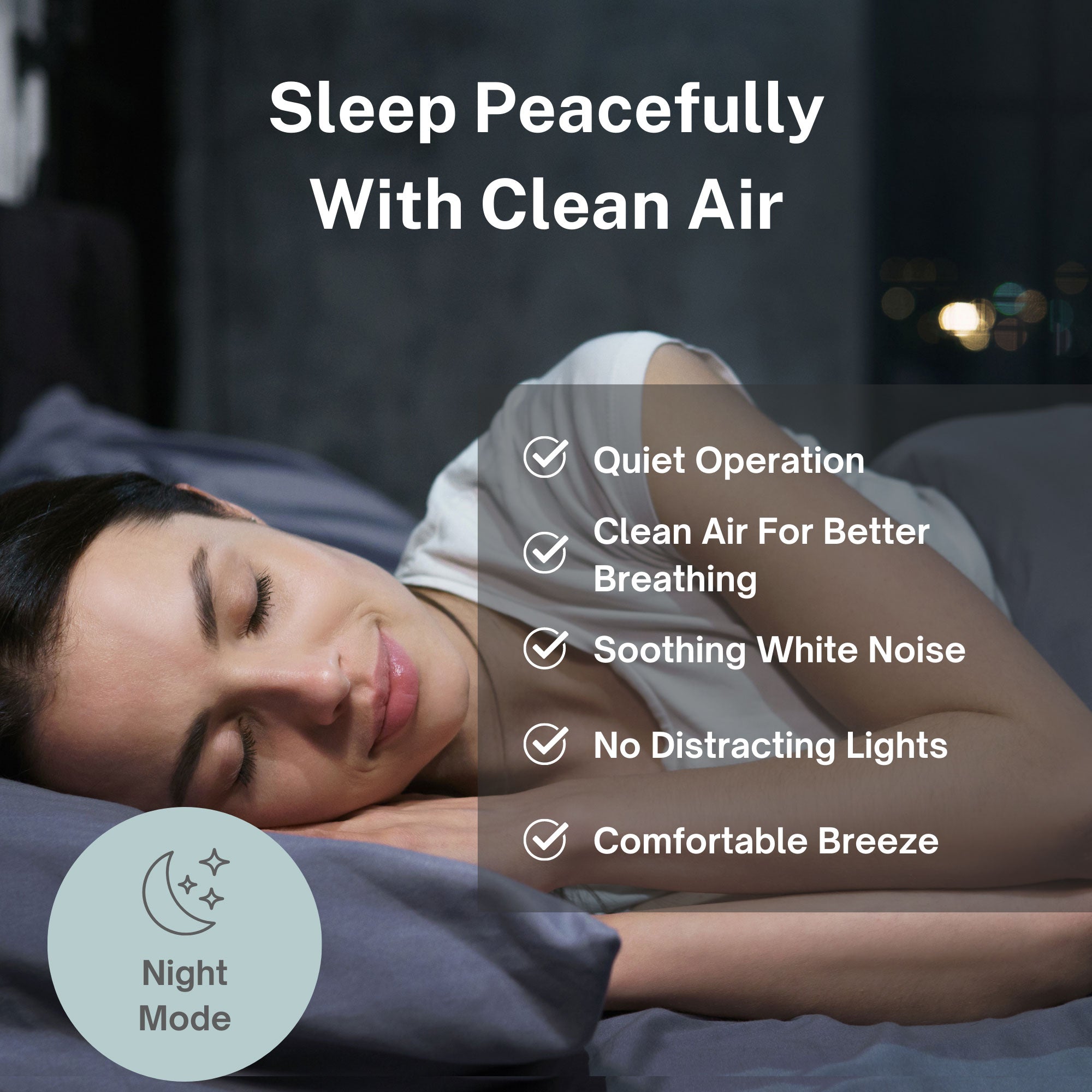
For bedrooms specifically, where you spend the most hours at rest and where your body does most of its recovery, consistent overnight air purification is a reasonable investment if you live in a high-traffic area.
Living near a highway doesn't mean you're powerless over your indoor air. The research supports taking the concern seriously and taking practical steps. A well-sealed home, thoughtful ventilation habits, and reliable filtration give you real tools to work with. Breathe Better, Live Better. Shop Air Oasis and find the right iAdaptAir for your space.