You close windows in October and don't open them again until April. This winter ritual keeps heating bills manageable and homes comfortable. But it creates an invisible problem that affects your health every day.
Sealed windows trap indoor air with nowhere to go. The air you breathed yesterday circulates again today and tomorrow. Pollutants from cooking, cleaning, pets, and daily activities accumulate continuously. Your home becomes a sealed container where contaminants concentrate rather than disperse.
Modern energy-efficient construction makes this problem worse. Builders seal homes tight to prevent heat loss. This efficiency saves money but eliminates the natural air exchange that older, draftier homes provided. Your lungs pay the price for lower utility bills.
Understanding Winter's Air Quality Challenge
Indoor air quality deteriorates significantly during the winter months. Research shows indoor air can be two to five times more polluted than outdoor air. This gap widens in winter when homes stay sealed for months.
Every activity in your home releases something into the air. Cooking produces particulate matter and nitrogen dioxide. Cleaning products emit volatile organic compounds. Pets shed dander continuously. Dust mites thrive in bedding and furniture. Mold spores circulate from bathroom moisture. Heating systems blow accumulated dust throughout rooms.
In summer, you open windows regularly. Outdoor air dilutes indoor pollutants and provides natural ventilation. Winter eliminates this option. Cold temperatures keep windows closed for weeks or months at a time. The same air recirculates endlessly through your heating system without meaningful refreshment.
Forced-air heating creates additional problems. These systems blow warm air into rooms through ductwork that often contains accumulated dust, dead skin cells, and other particles. Every heating cycle redistributes these contaminants throughout your home. You breathe the results constantly.
Health Effects You Might Not Recognize
Stale winter air affects your health in subtle ways. You might blame these symptoms on cold and flu season rather than recognizing poor air quality as the culprit.
Persistent morning congestion suggests overnight exposure to allergens and irritants. Scratchy throats upon waking indicate dry, polluted air irritating respiratory passages. Afternoon fatigue and difficulty concentrating often stem from inadequate oxygen and elevated carbon dioxide levels in sealed spaces.
Increased colds and respiratory infections correlate with poor indoor air quality. When pollutants and pathogens accumulate in sealed homes, family members repeatedly pass illnesses back and forth. The same contaminated air circulates from person to person, without being diluted by outdoor air.
Dry skin, static electricity, and chapped lips signal humidity problems common in winter. Heating systems dry indoor air significantly. This dryness irritates the respiratory passages and makes you more susceptible to airborne viruses and bacteria.
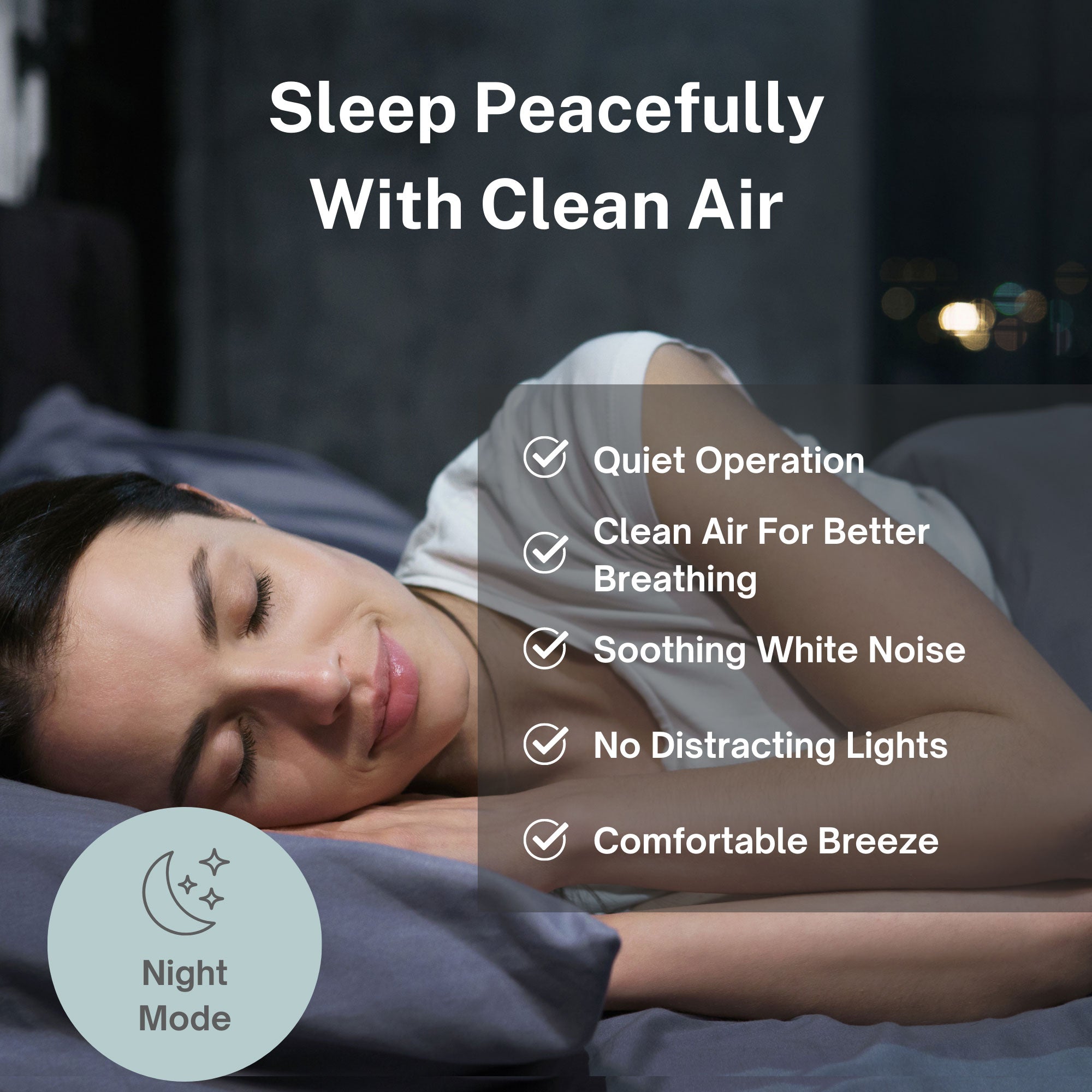
Sleep quality suffers in environments with stale air. You spend eight hours breathing bedroom air each night. If that air contains elevated allergens, carbon dioxide, and other pollutants, you wake feeling unrested despite adequate sleep duration.
Practical Solutions for Winter Air Quality
You don't have to choose between warmth and clean air. Several strategies maintain both comfort and air quality throughout the winter months.
Brief ventilation provides significant benefits without major heat loss. Open windows for 10 to 15 minutes during the warmest part of the day. Mid-morning typically offers the best outdoor air quality before traffic peaks. This short ventilation period exchanges stale indoor air for fresh outdoor air without cooling your home excessively.
Strategic ventilation targets specific pollution sources. Run bathroom exhaust fans during and after showers to remove moisture before it promotes mold growth. Use kitchen range hoods every time you cook to vent combustion byproducts and cooking particles outdoors. These targeted approaches remove pollutants at their source.
Humidity control prevents multiple air quality problems. Winter heating dries indoor air to uncomfortable levels. Use humidifiers to maintain relative humidity between 30 and 50 percent. This range prevents mold growth while keeping respiratory passages comfortable. Monitor levels with an inexpensive hygrometer available at hardware stores.
Source control reduces the pollutants entering your air initially. Switch to fragrance-free cleaning products that don't emit volatile organic compounds. Remove air fresheners and scented candles that release particles while masking odors. Choose unscented personal care products to minimize chemical exposure.
Regular cleaning removes accumulated pollutants before they become airborne. Vacuum with HEPA-filtered machines that trap fine particles instead of redistributing them. Dust with damp cloths that capture particles rather than spreading them. Wash bedding weekly in hot water to control dust mites.
HVAC filter changes become critical during the heating season. Replace filters every 60 days during winter when systems run constantly. Dirty filters restrict airflow and lose filtration effectiveness. Fresh filters capture particles efficiently, improving system performance.
Medical-Grade Air Purification for Winter Months
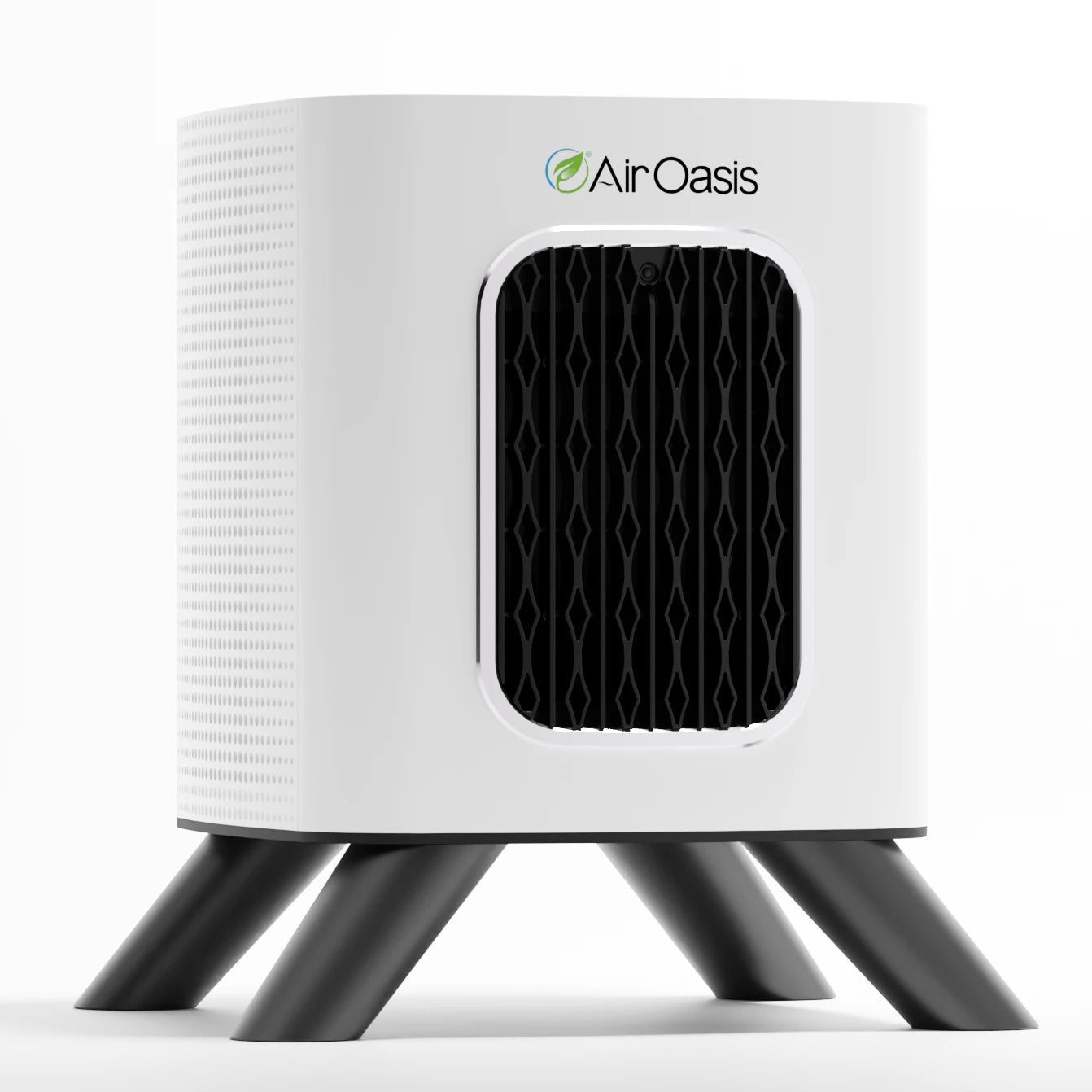
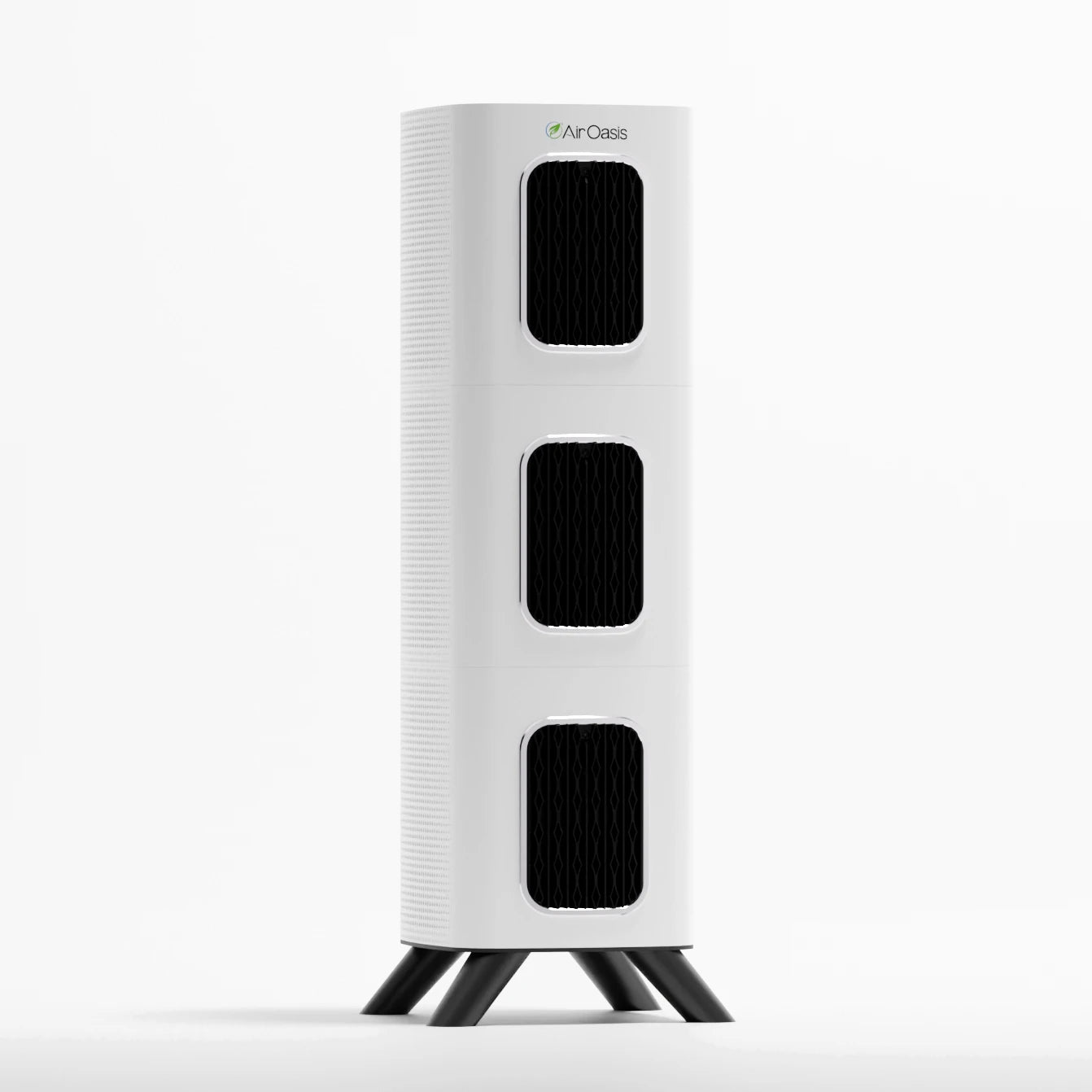
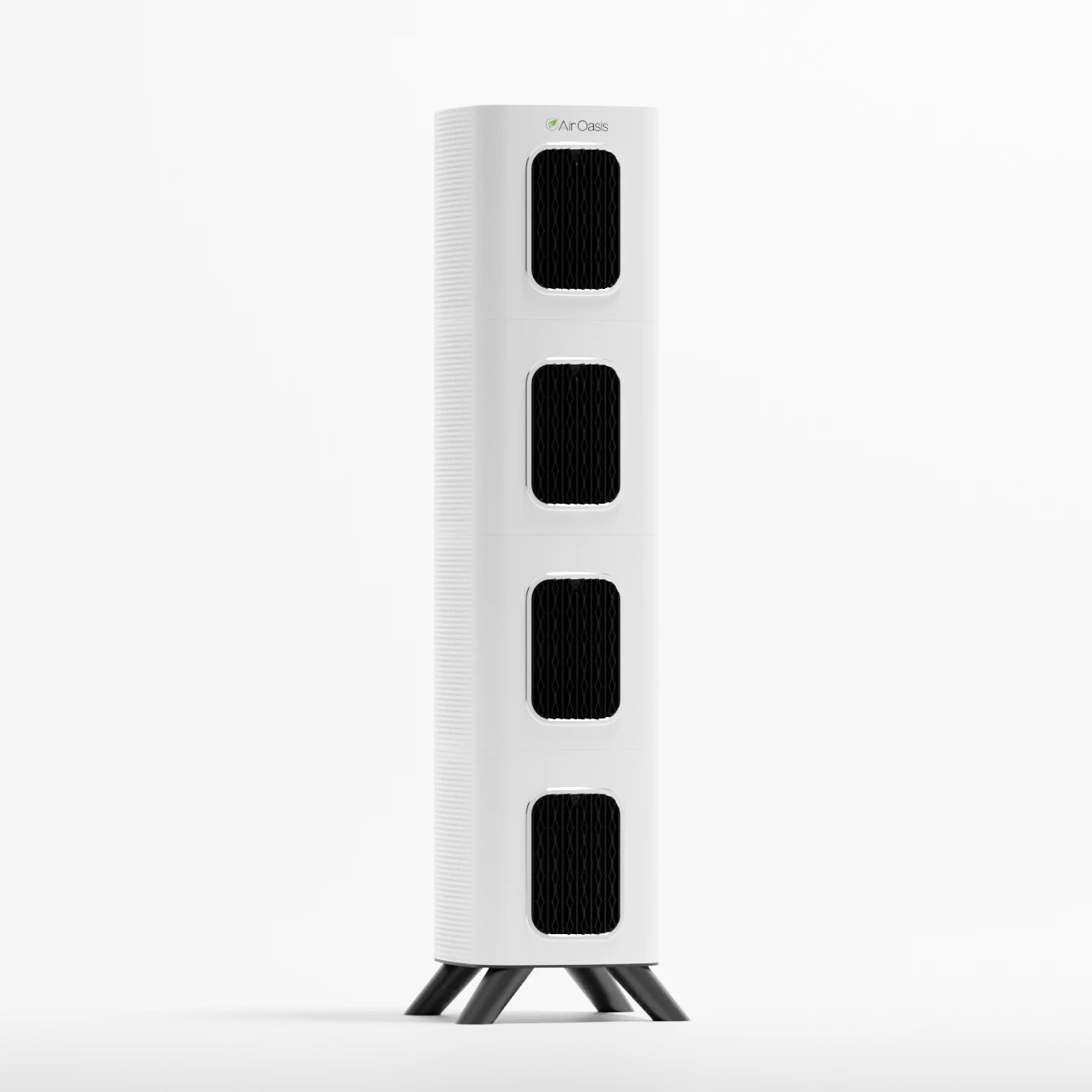
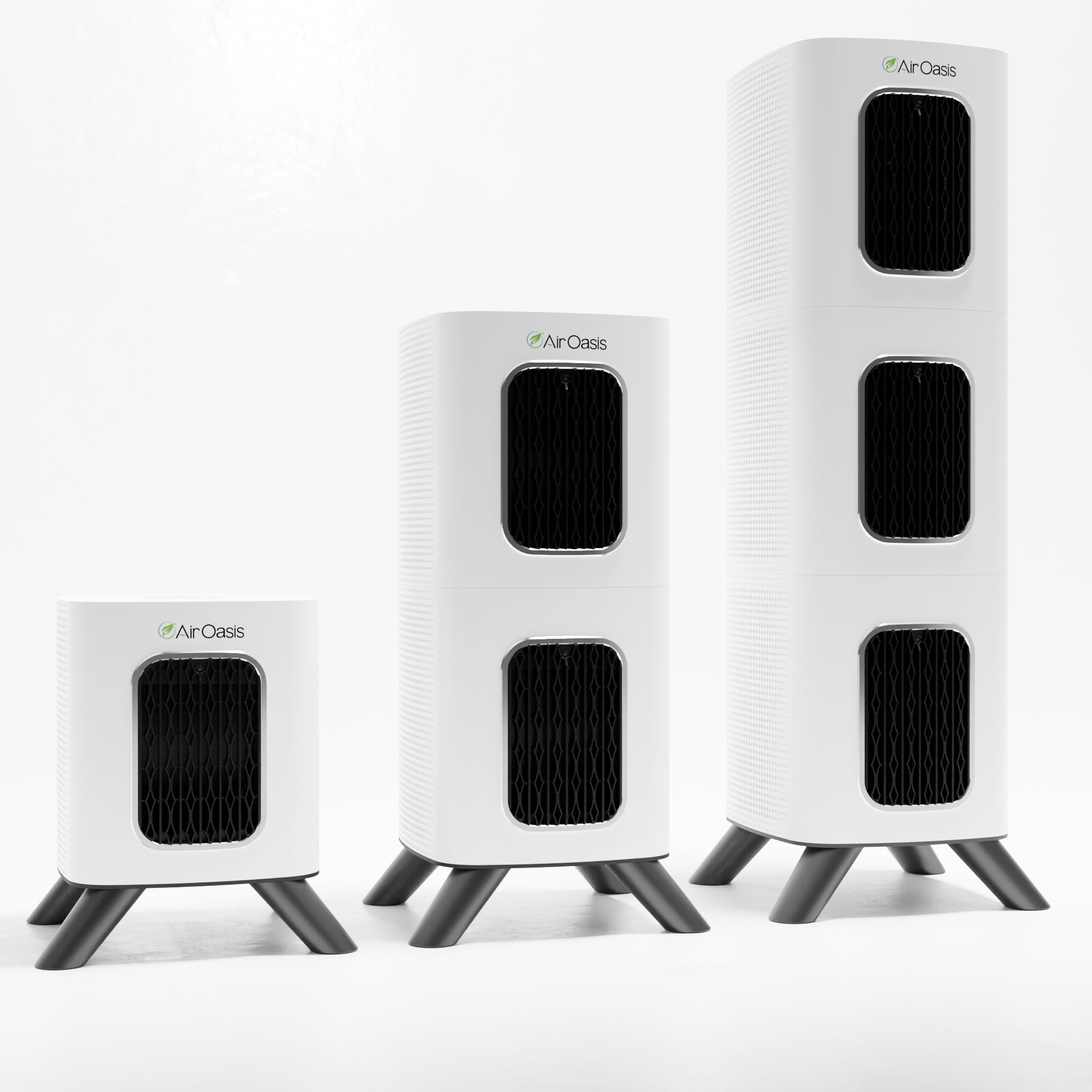
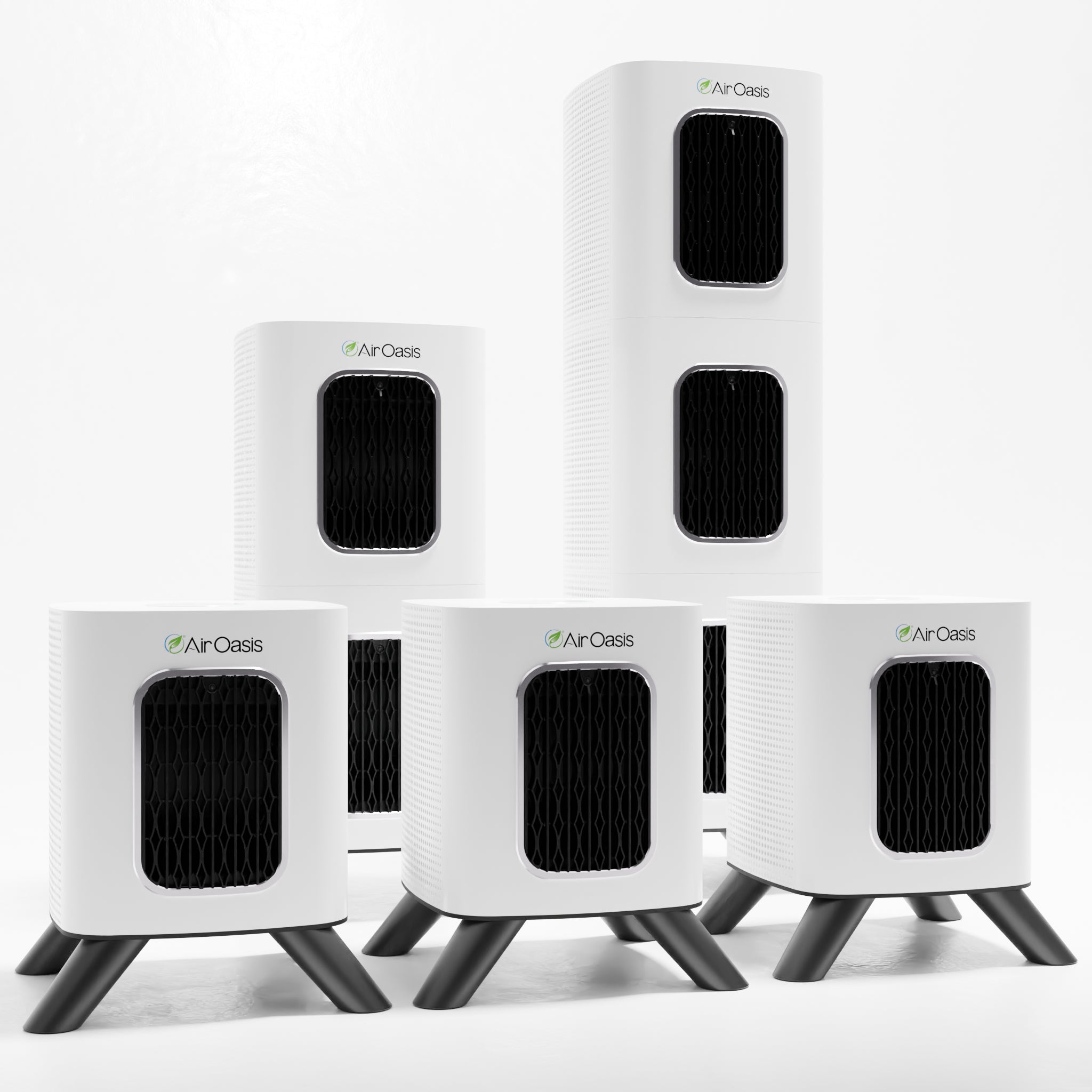
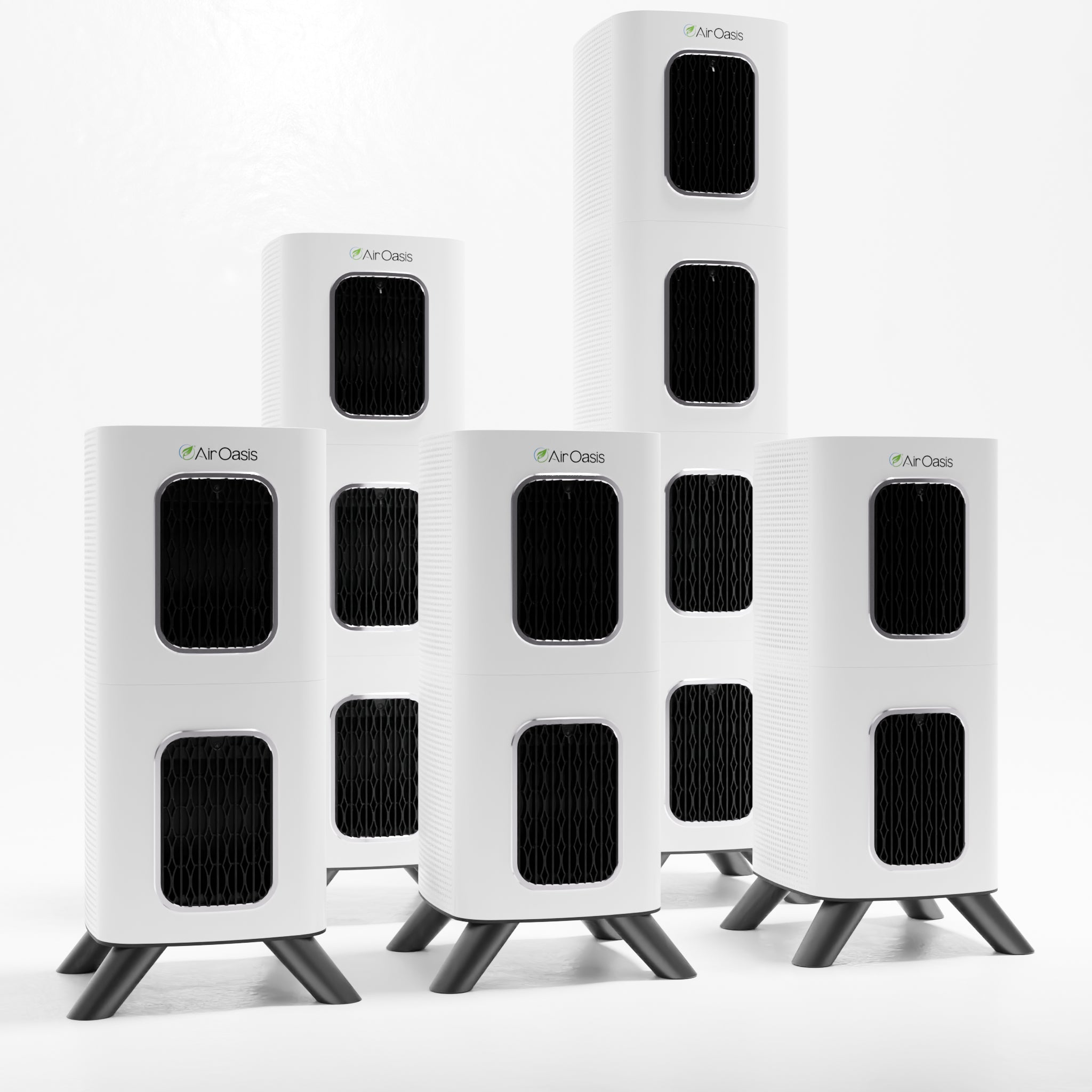
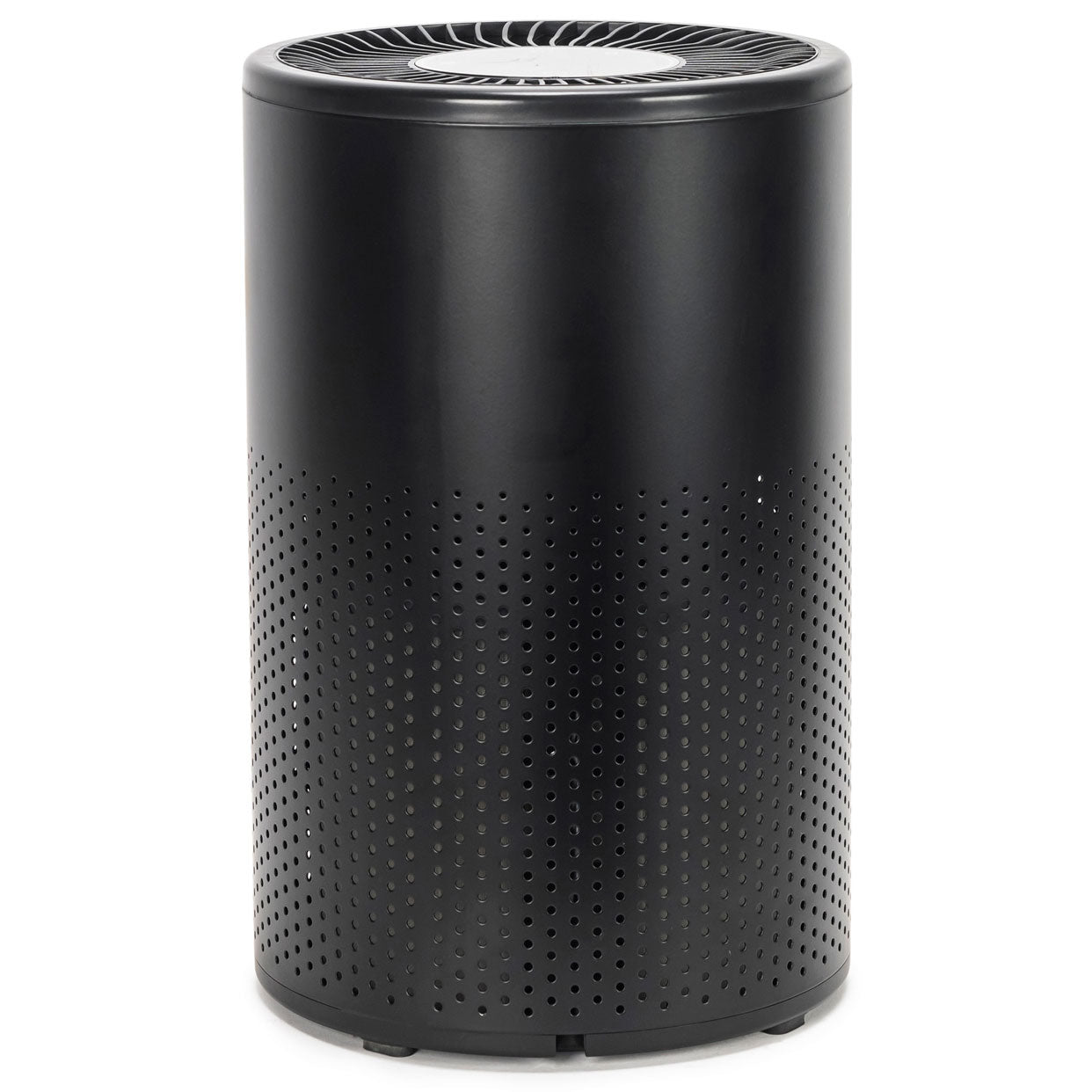
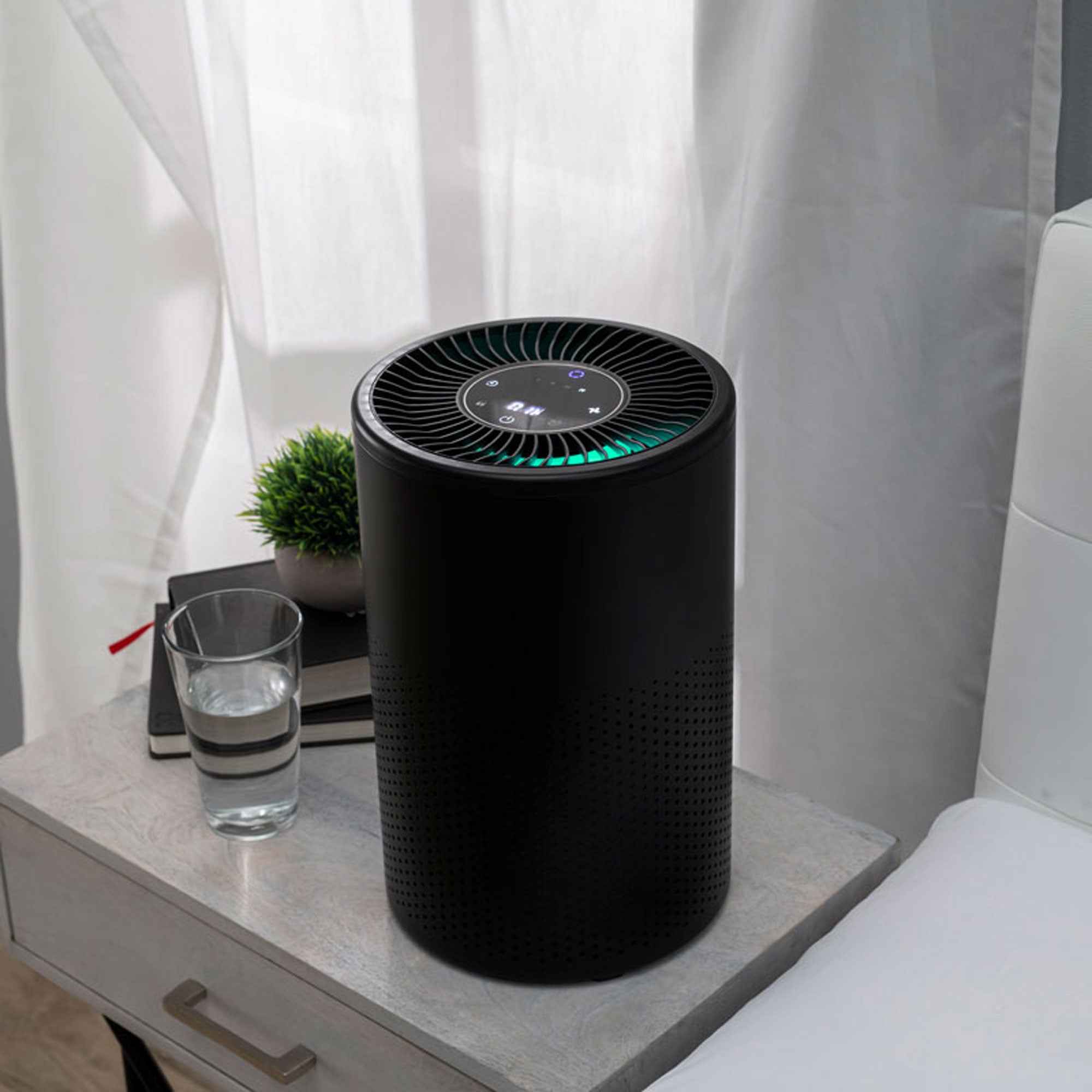
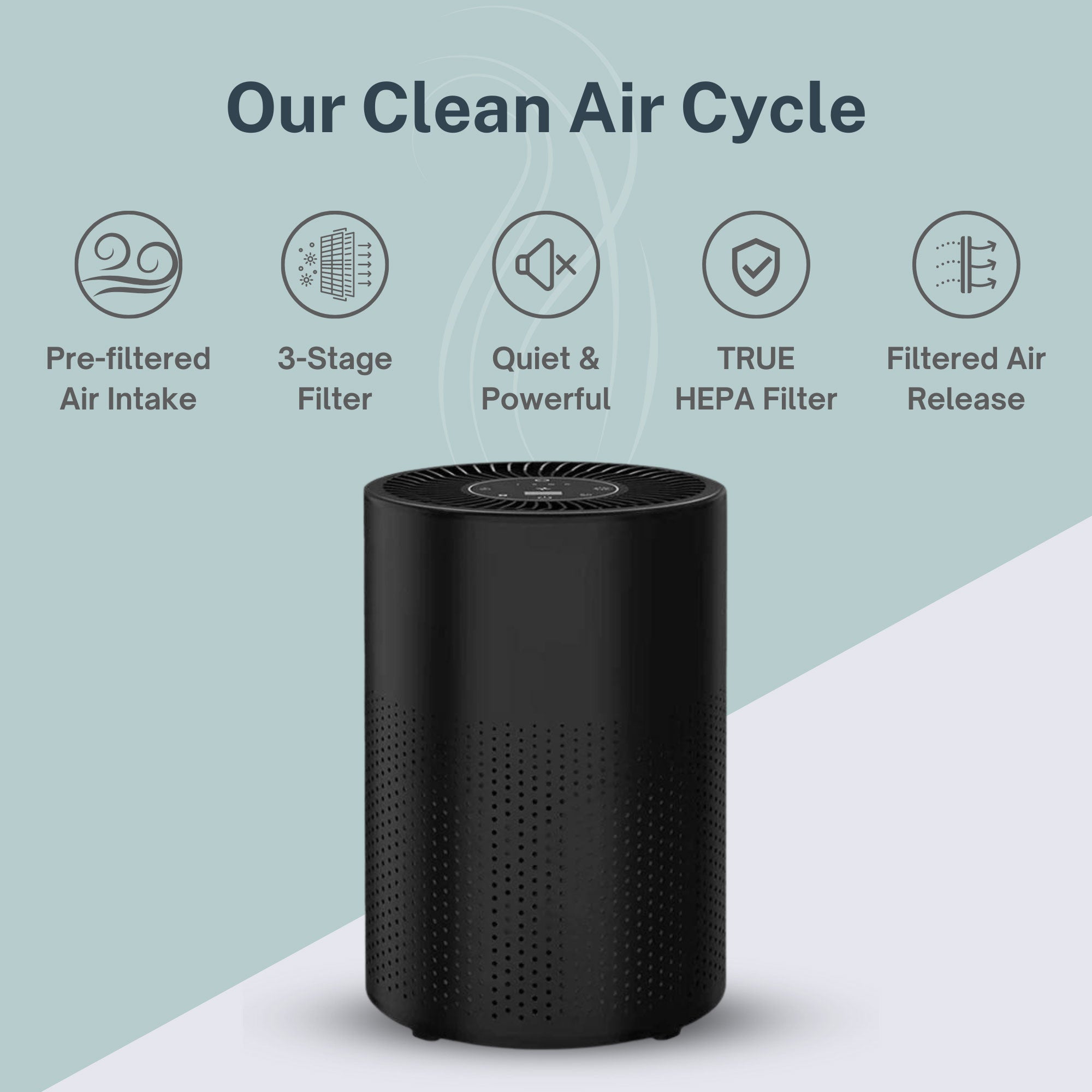
Comprehensive air purification addresses winter's sealed-home challenge most effectively. The iAdaptAir 2.0 systems continuously cycle and filter room air, removing pollutants that accumulate in sealed spaces.
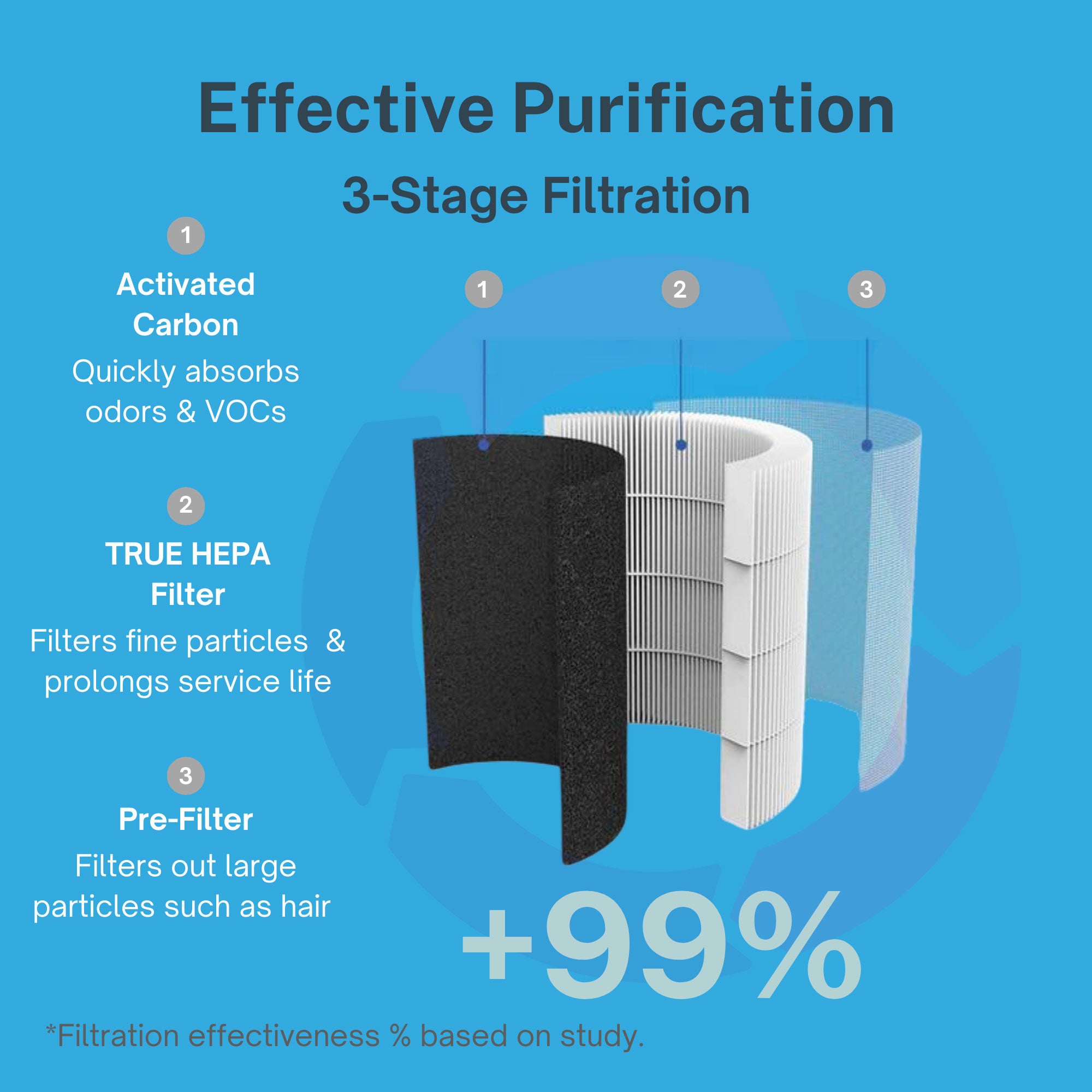
Multi-stage filtration handles diverse winter air quality problems. HEPA filters capture particles including dust, pollen, pet dander, and mold spores. Activated carbon absorbs odors and volatile organic compounds from cleaning products and cooking. UV-C light neutralizes airborne bacteria and viruses that spread through sealed homes. Bipolar ionization breaks down pollutants at the molecular level.
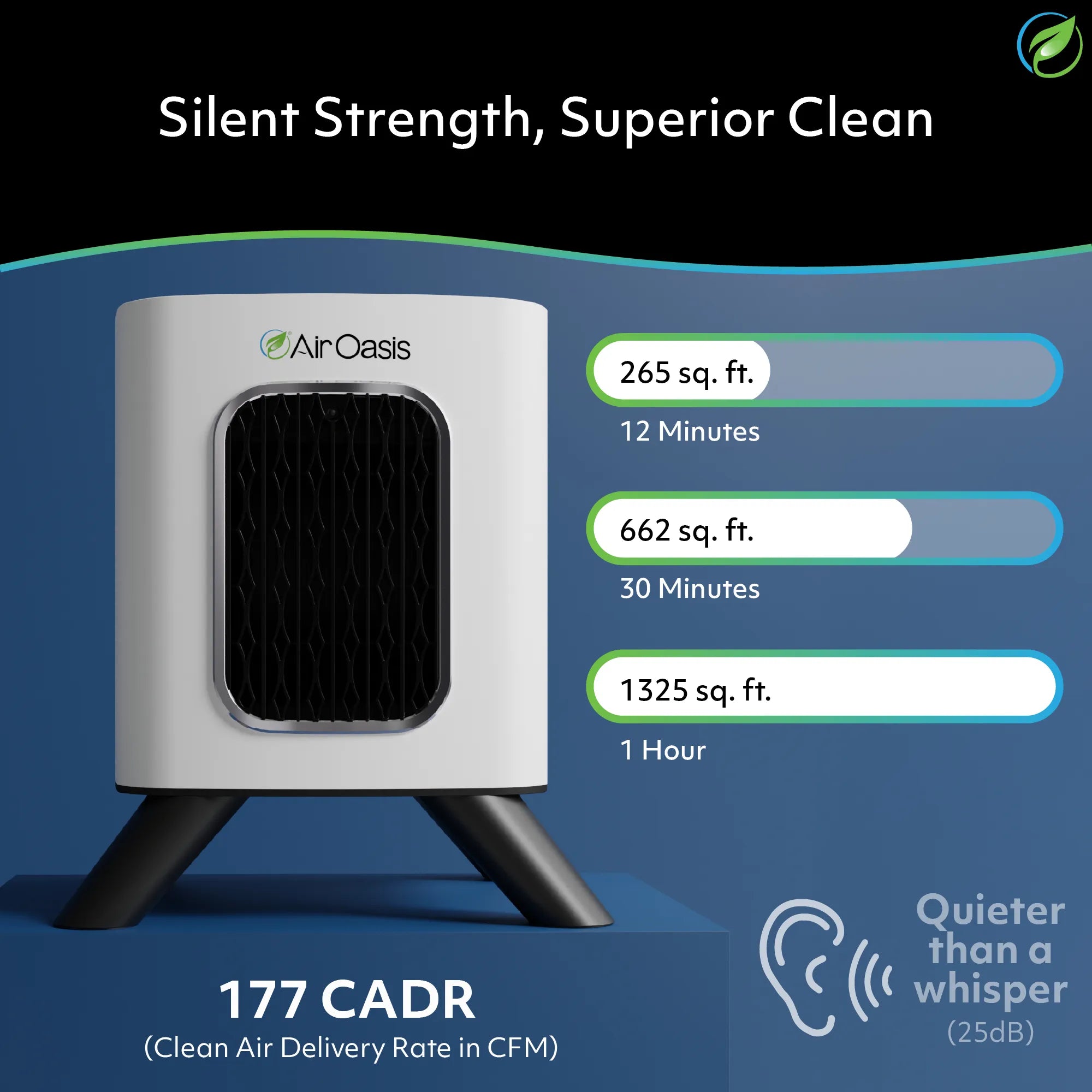
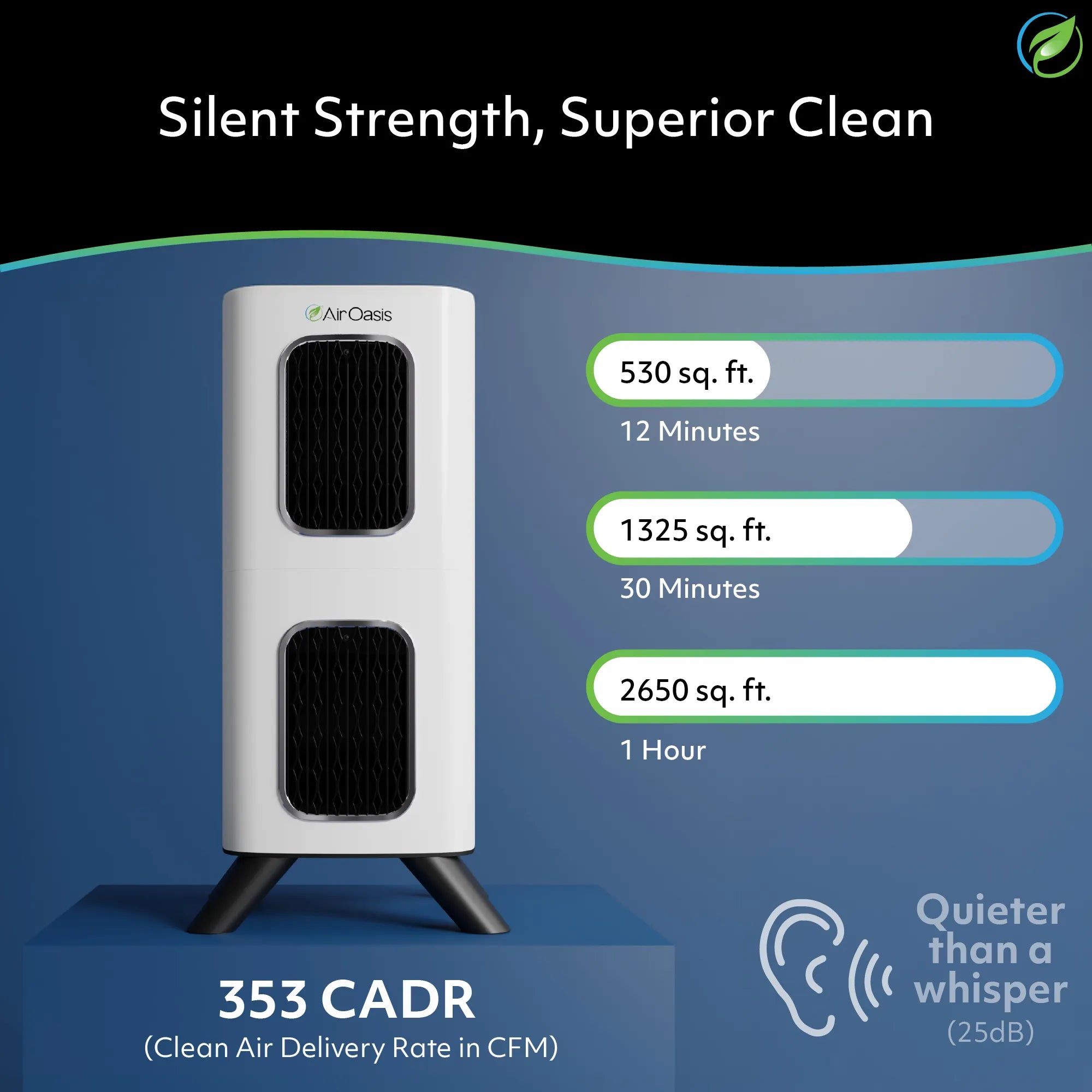
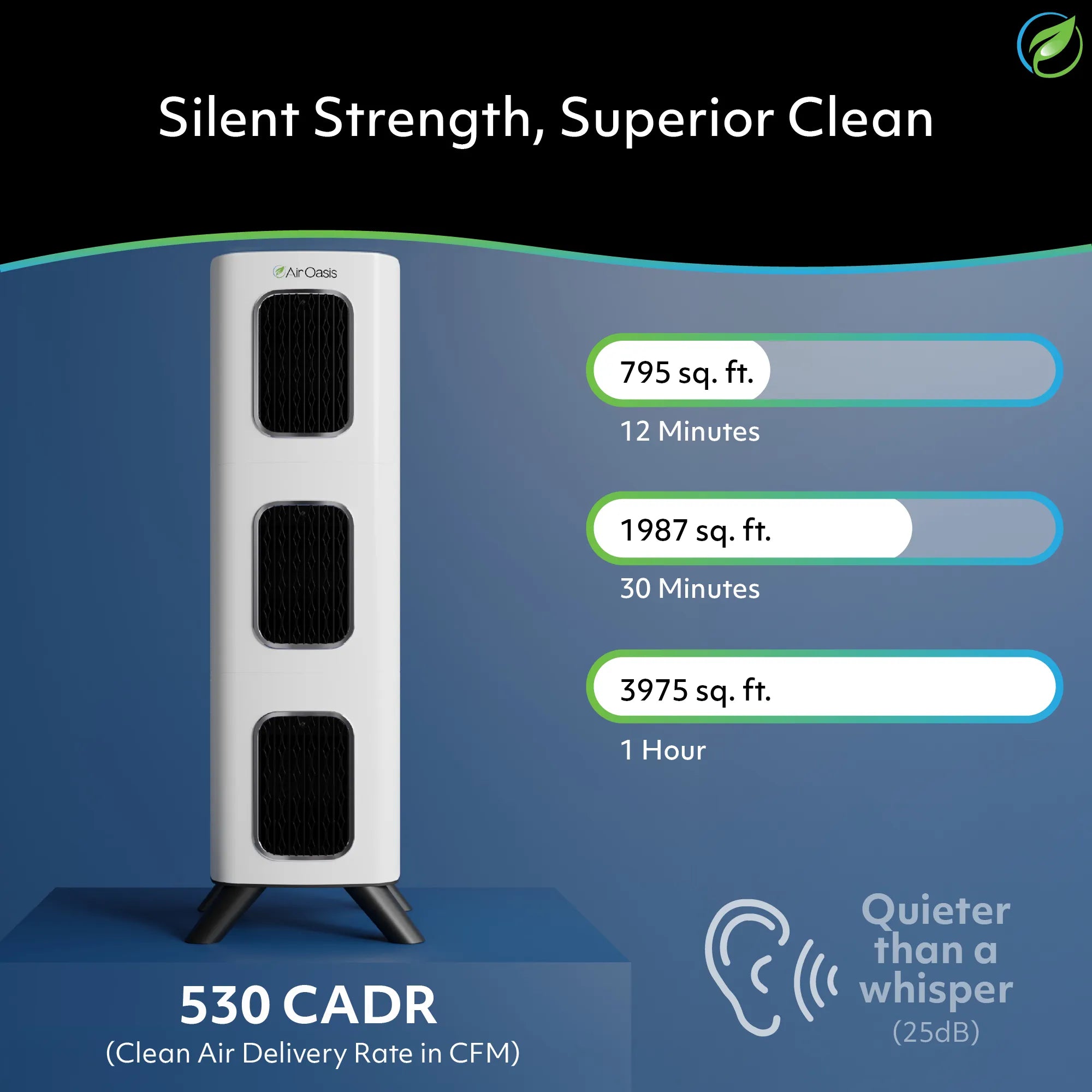
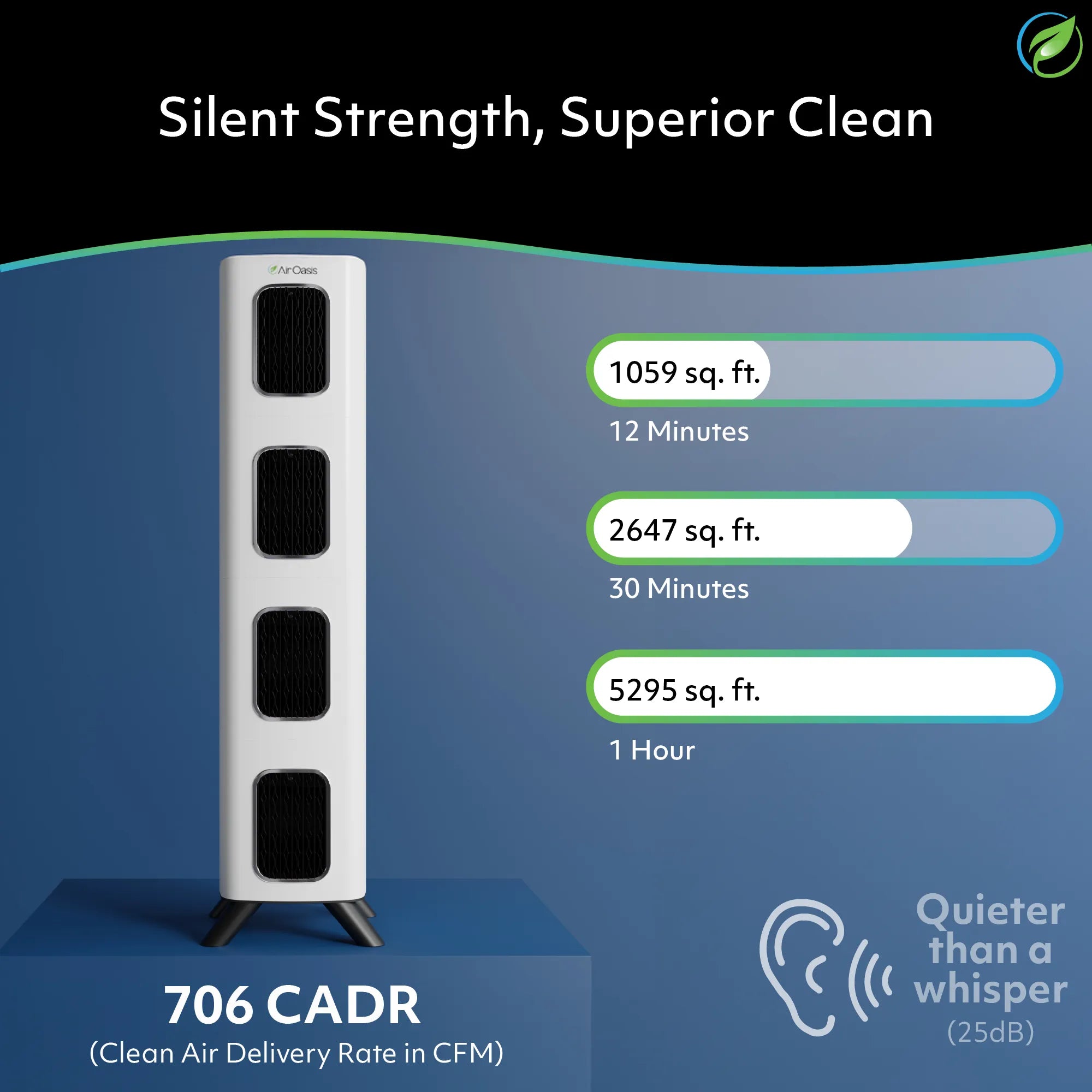
The iAdaptAir achieves complete room air exchange every 12 minutes. This cycle rate means your entire room's air passes through medical-grade filtration five times per hour. Pollutants can't accumulate when air receives this frequent cleaning.
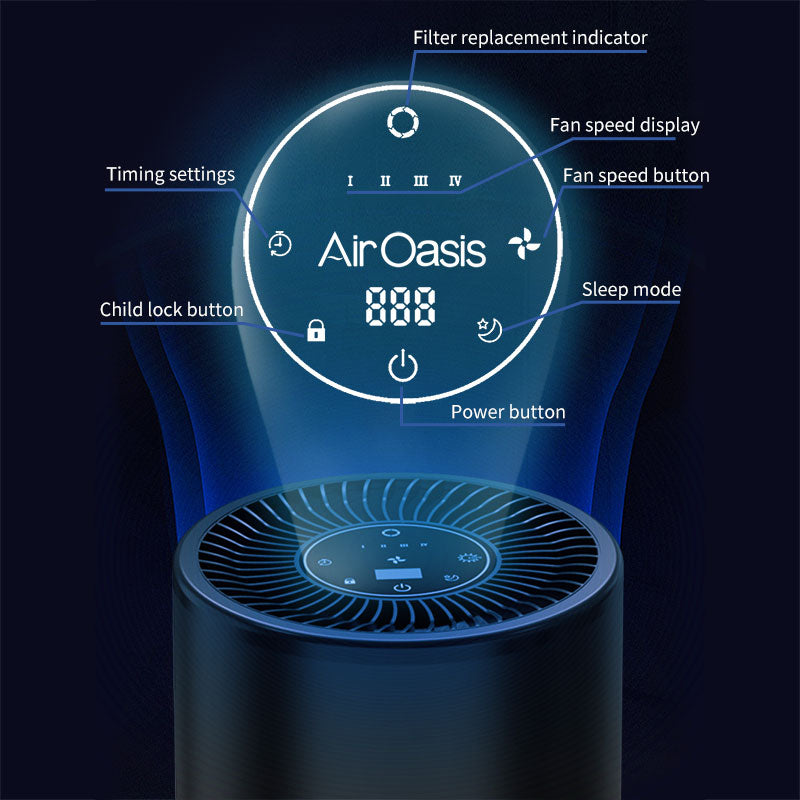
Auto Mode adjusts automatically to changing conditions. The system continuously monitors air quality using built-in sensors. When cooking, cleaning, or other activities increase pollution, fan speed increases automatically. As air quality improves, the system reduces speed for quiet, efficient operation.
Breathe Easy All Winter Long
Winter's sealed windows create real air quality challenges, but practical solutions exist. Brief ventilation, source control, humidity management, and regular cleaning all help. Medical-grade air purification provides comprehensive protection that works continuously regardless of outdoor temperature.
Air Oasis iAdaptAir 2.0 systems solve winter's stale air problem through powerful, intelligent air purification. Our multi-stage filtration removes 99% of accumulated pollutants, while Auto Mode maintains optimal air quality. Don't spend another winter breathing stale, contaminated air. Shop Air Oasis today and enjoy fresh, clean air even when windows stay closed for months.