You step outside on a warm spring day. A dandelion has gone to seed — that perfect white puff — and a child blows it into the air. Seconds later, you're sneezing. It seems obvious, right? The dandelion did it.
Except it almost certainly didn't. And understanding why matters, because if you're blaming the wrong plant, you're never going to find real relief.
Why dandelions get the blame
Dandelions are everywhere in spring. They're highly visible, they produce those dramatic floating seeds, and they happen to bloom right when millions of people start sneezing. The timing feels like a smoking gun.
But timing isn't causation. Those fluffy white tufts are seeds — not pollen. They carry no allergenic protein load. And dandelion pollen, which does exist, has a critical biological problem when it comes to causing respiratory allergies: it's too heavy to travel through the air in meaningful quantities.
Dandelions are insect-pollinated plants. Their flowers are designed to attract bees, not to scatter pollen on the wind. The pollen is sticky and heavy by design — it clings to a bee's body, not to your nasal passages. For a plant to cause hay fever reliably, its pollen needs to be lightweight, dry, and produced in enormous quantities so it can drift through the air and reach people's airways. Dandelion pollen doesn't meet that description.
Could someone theoretically react to dandelion pollen by pressing their nose directly into a flower? It's not impossible for extremely sensitive individuals. But as a source of widespread seasonal allergy symptoms, dandelions are not the culprit — regardless of how often they appear in allergy medication advertisements.
What actually causes spring hay fever
The plants responsible for the majority of seasonal allergy symptoms share one characteristic: they're wind-pollinated. They don't produce showy flowers to attract insects. They produce enormous quantities of small, light, airborne pollen that drifts on the breeze — and into your airways.
The main offenders vary by region and season, but grass pollen is among the most significant drivers of spring and early summer hay fever in the United States. Grass pollen season typically runs from late spring into summer, with peak production in May and June in many parts of the country. Timothy grass, Kentucky bluegrass, Bermuda grass, and orchard grass are some of the most common sensitizers. If your symptoms tend to peak when the lawn gets long and the grass starts heading out, grass pollen is the likely explanation.
Tree pollen arrives even earlier in spring. Birch, oak, maple, ash, elm, and poplar are among the trees that release large quantities of airborne pollen in late winter and early spring, often before temperatures feel fully warm. In much of the United States, tree pollen season begins in February or March and continues through May.
Ragweed is the dominant culprit later in the season, from late summer into fall. A single ragweed plant can release billions of pollen grains in a season, and ragweed pollen has been detected more than 400 miles from its source by wind currents. The American College of Allergy, Asthma and Immunology (ACAAI) identifies ragweed as one of the most common causes of allergic rhinitis in the United States.
The goldenrod confusion: a companion myth
If you've ever noticed that your allergy symptoms worsen in late summer while goldenrod blooms nearby, you've likely blamed the plant. Most people do. It blooms prolifically, it's hard to miss, and its bright yellow flowers coincide exactly with ragweed season.
But goldenrod is also insect-pollinated. Its pollen is heavy and sticky, not airborne. It cannot reach your nose in any meaningful quantity from a reasonable distance. The actual villain sharing goldenrod's bloom window is ragweed — a scrubby, nondescript plant that most people walk right past without noticing. Because ragweed isn't showy, and goldenrod is, goldenrod takes the blame. Year after year.
This pattern repeats with dandelions. Visible and charming, they make an intuitive scapegoat for invisible allergies.
How to identify your actual triggers
If you've been managing spring allergies without much success, it's worth getting specific about what you're actually reacting to. Allergy skin testing or blood testing can identify your specific sensitivities — tree pollen, grass pollen, ragweed, mold spores, dust mites, or a combination. That specificity changes how you manage your environment.
For example, knowing you're grass-sensitive means keeping windows closed on high pollen days in May and June, showering after spending time outdoors, and being aware that cut grass releases a significant spore and pollen burst. If you're tree-sensitive, your worst days may come in March and April, not May.
Local pollen counts, available through weather apps and the National Allergy Bureau, can help you plan your outdoor activities around lower-pollen windows — typically after rain, or on calm, cool mornings.
Managing indoor air when outdoor pollen is high
Here's where indoor air quality becomes directly relevant to seasonal allergy sufferers. Pollen doesn't stay outside. It drifts in through open doors and windows, settles on clothing and hair, and accumulates indoors. Once inside, it continues to circulate through your home's air, landing on surfaces and getting stirred back up.
Keeping windows closed during high-pollen periods is one of the most effective steps allergy sufferers can take. Pairing that with air purification significantly reduces the pollen load inside your home throughout the season.
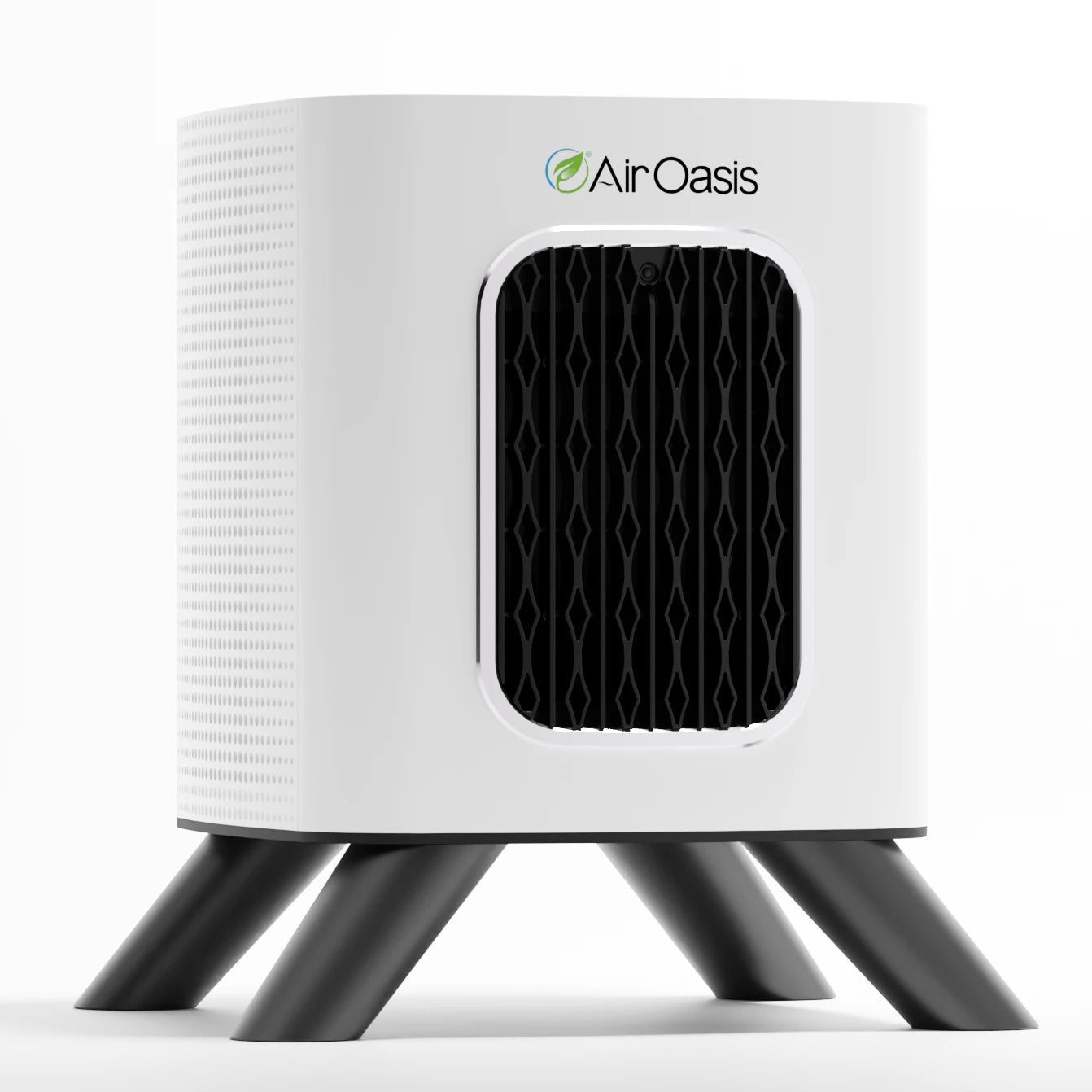
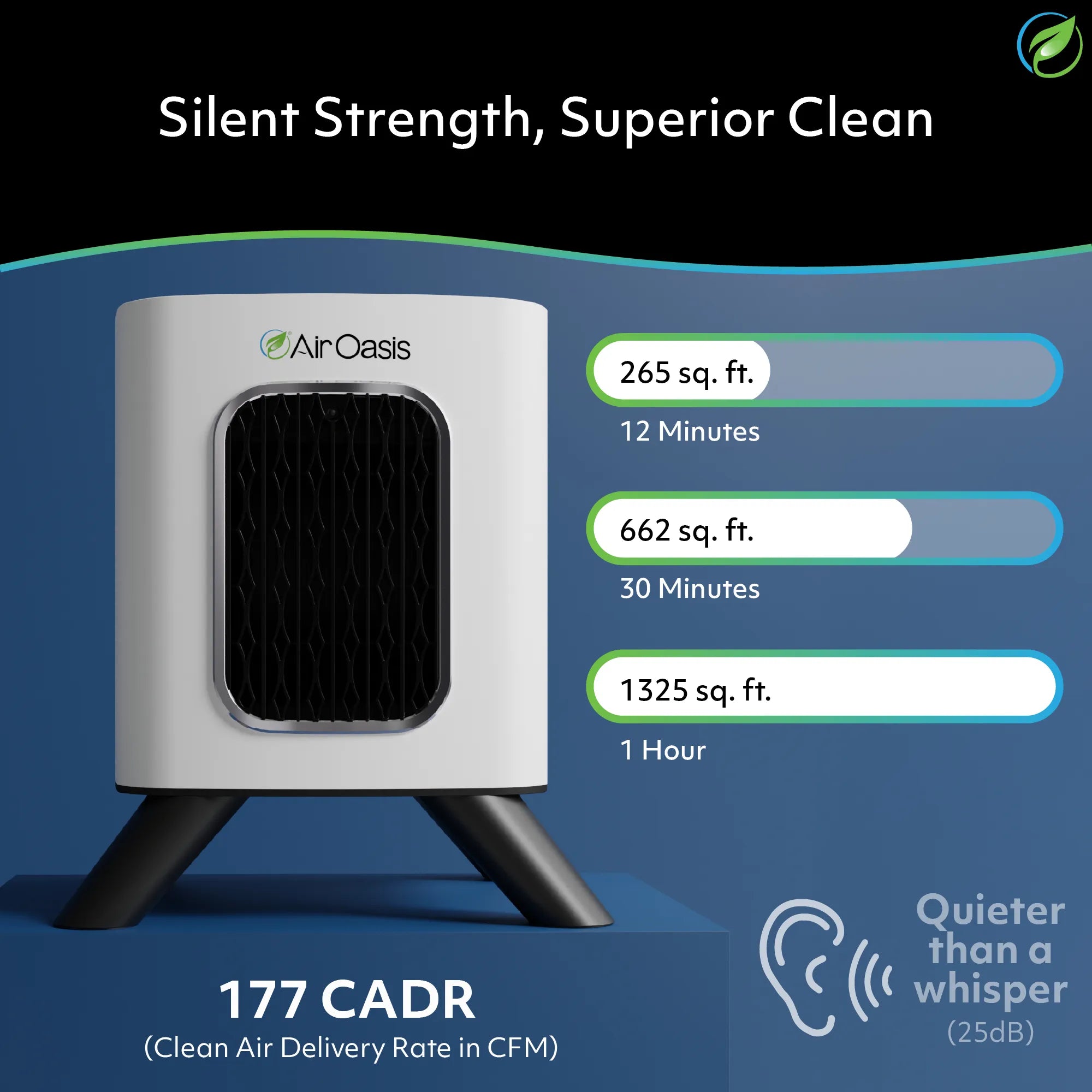
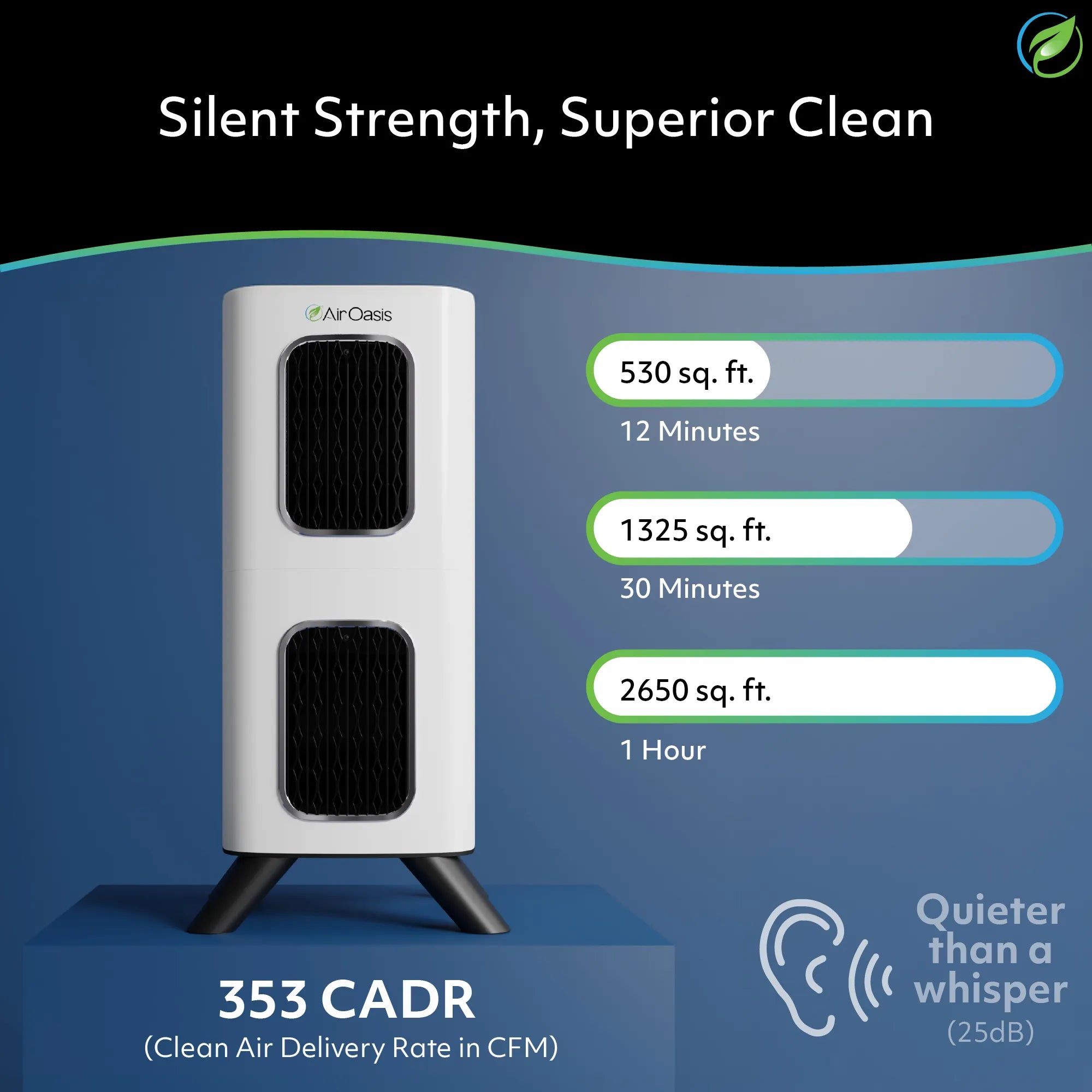
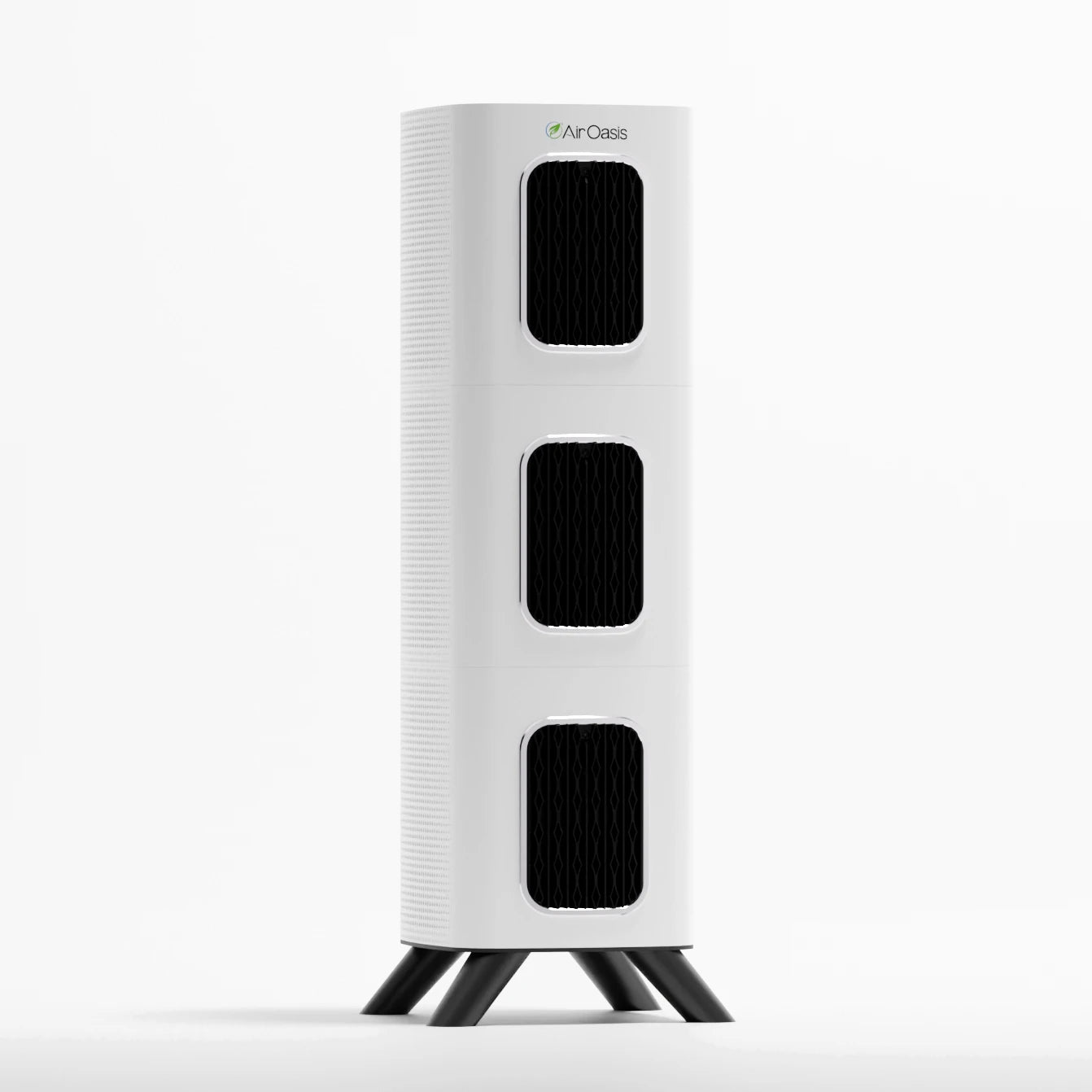
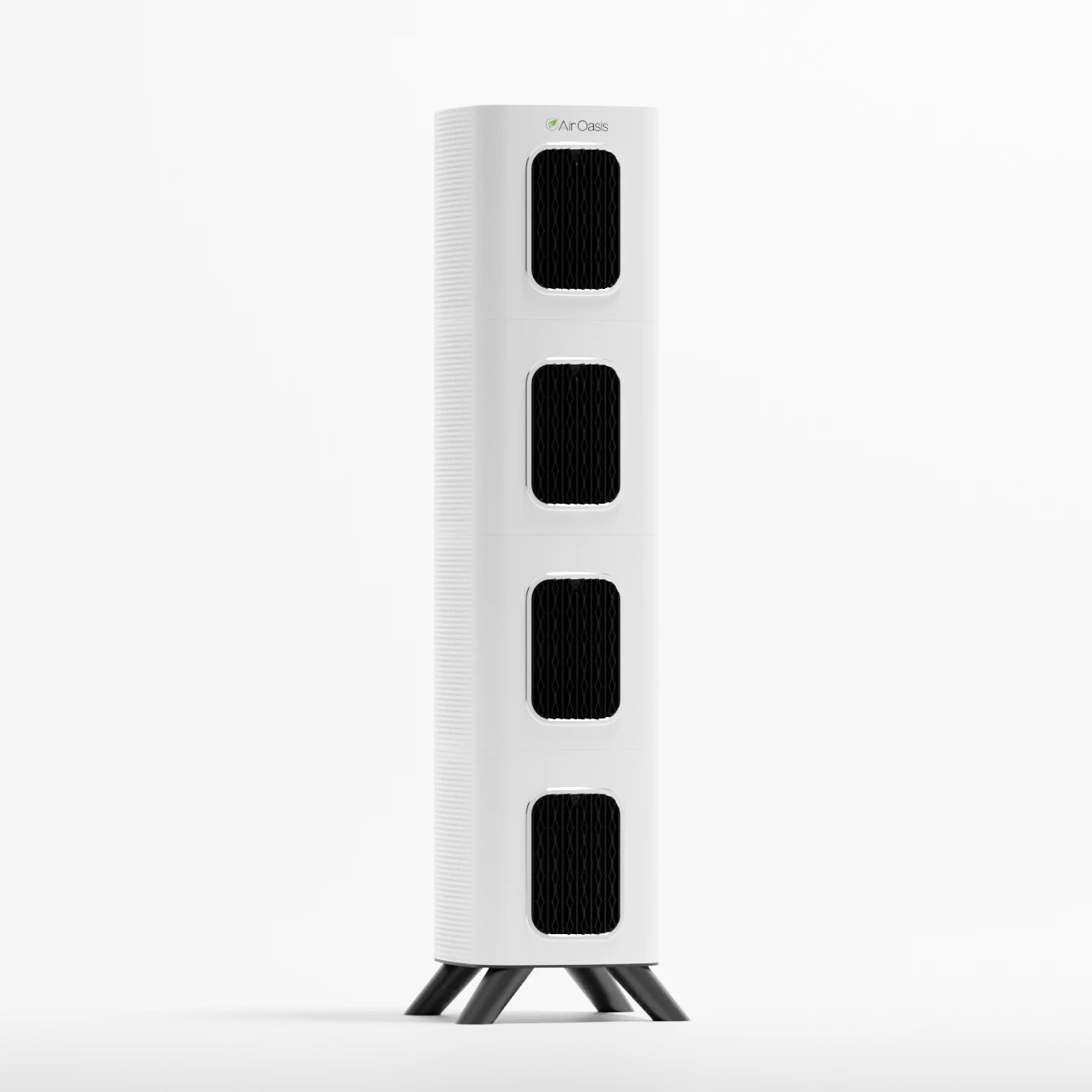
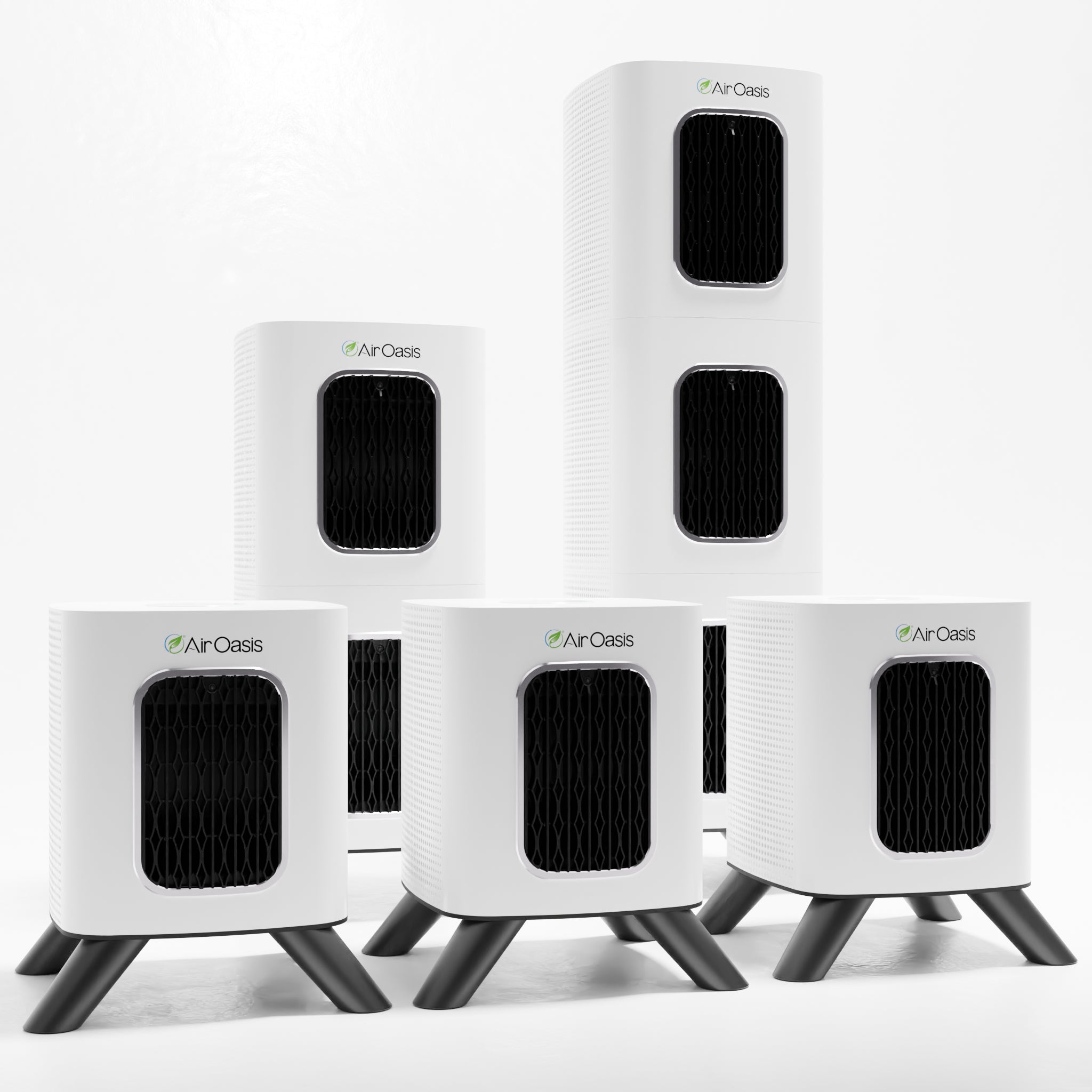
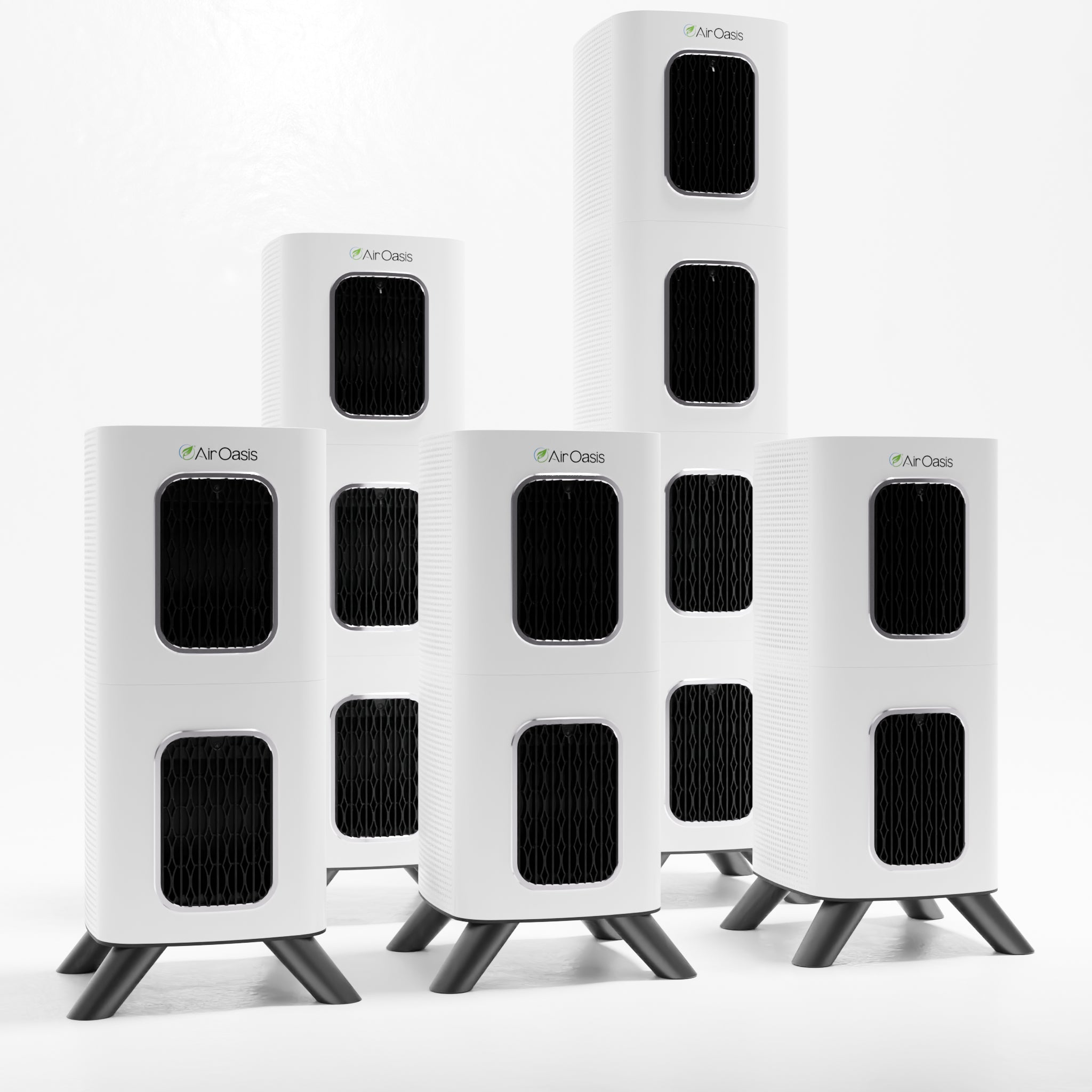
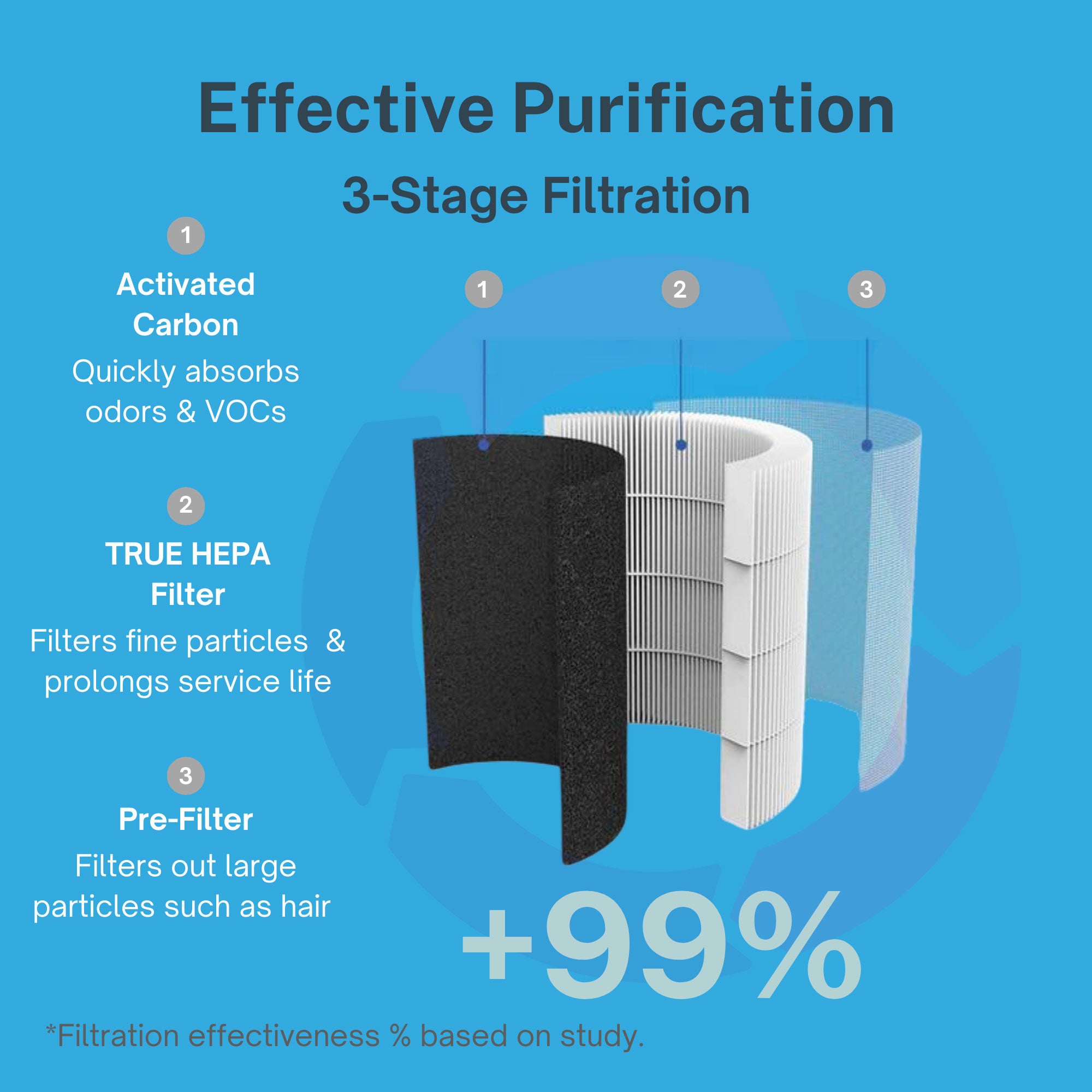
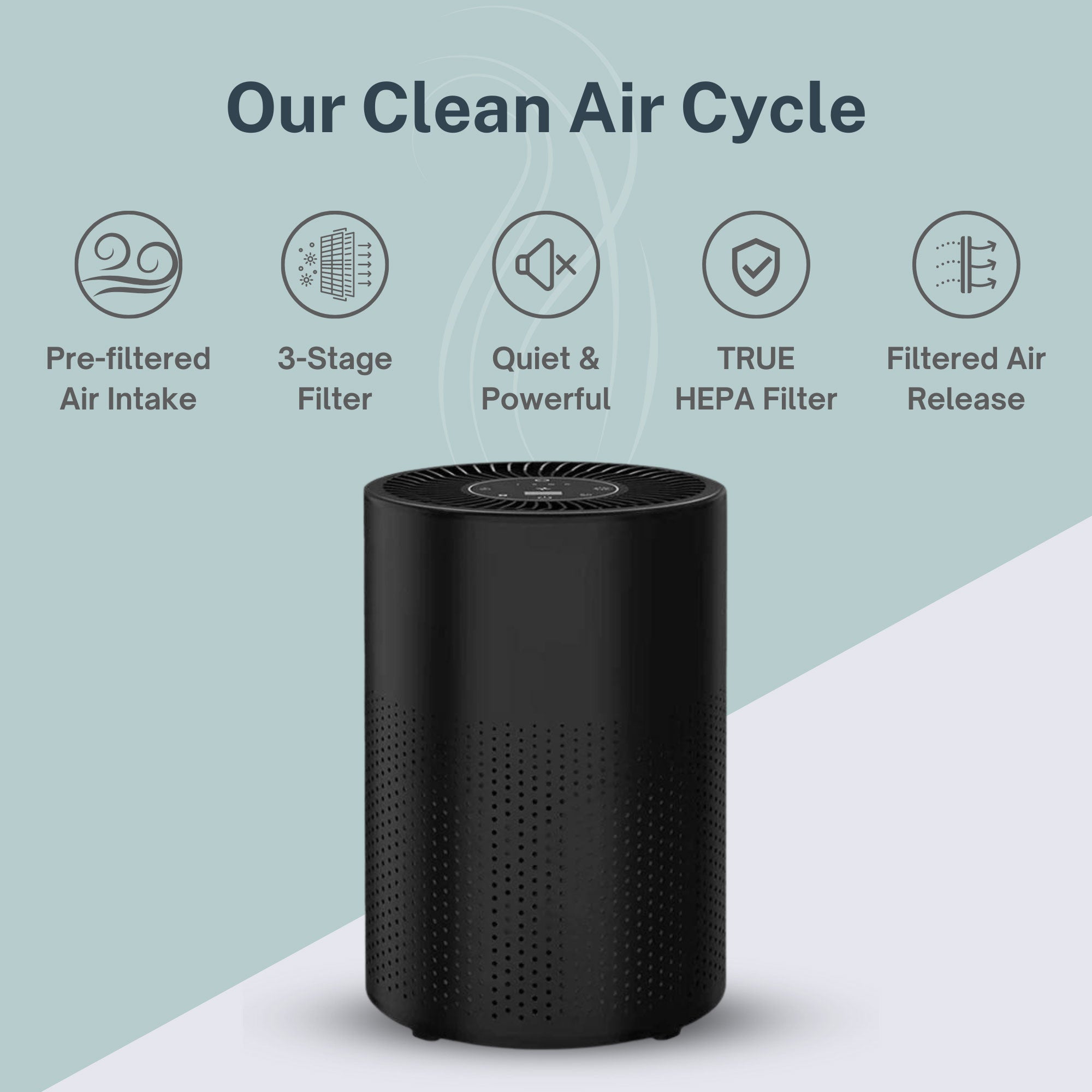
The iAdaptAir by Air Oasis uses True HEPA filtration to capture airborne particles down to 0.3 microns, which includes the size range of common pollen grains from grass, trees, and ragweed. Bipolar ionization helps particles clump and fall out of circulation more efficiently. For allergy sufferers, it's also worth noting that the iAdaptAir is CARB-certified ozone-free — no ozone byproduct, making it safe for the sensitive airways that tend to come with allergic rhinitis and asthma.
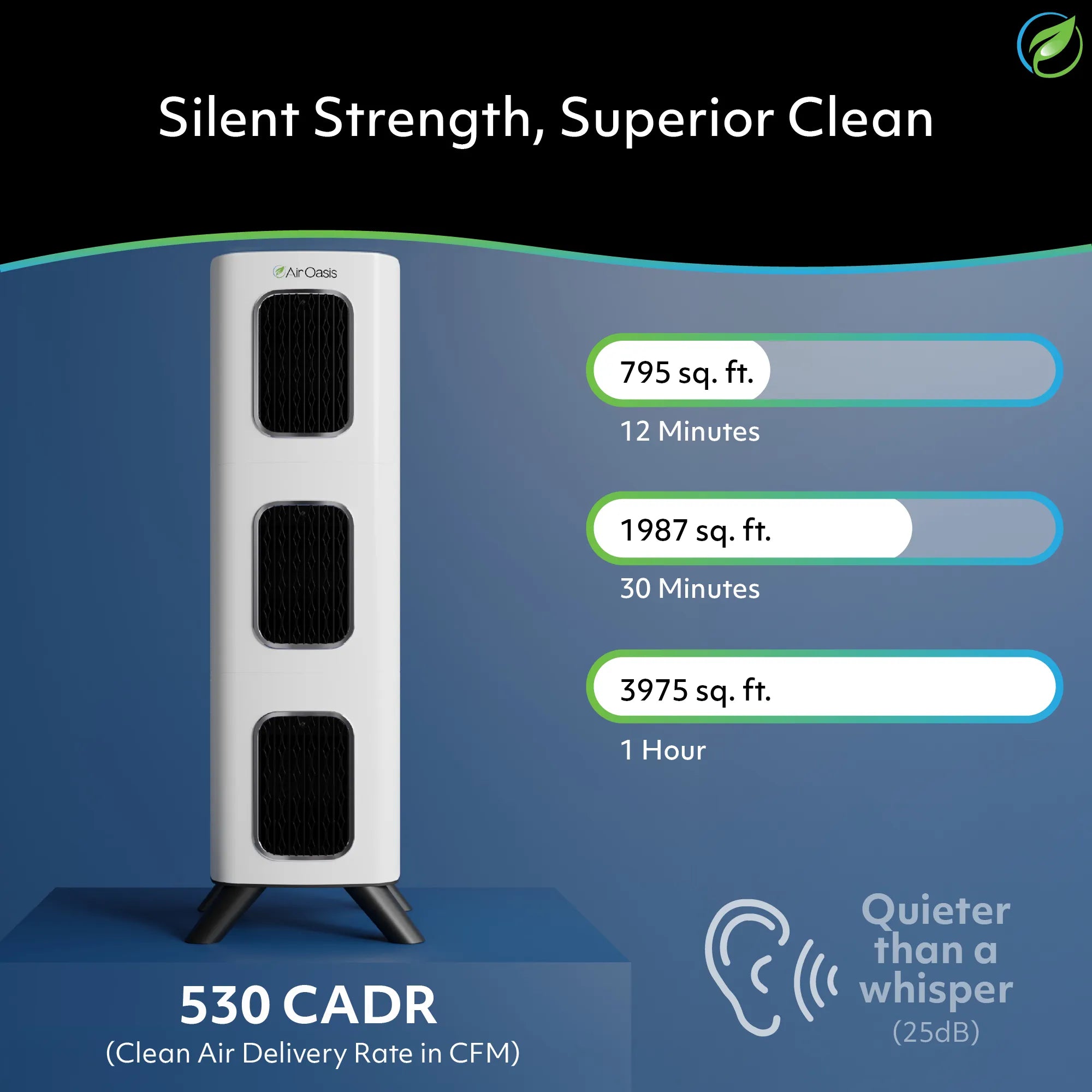
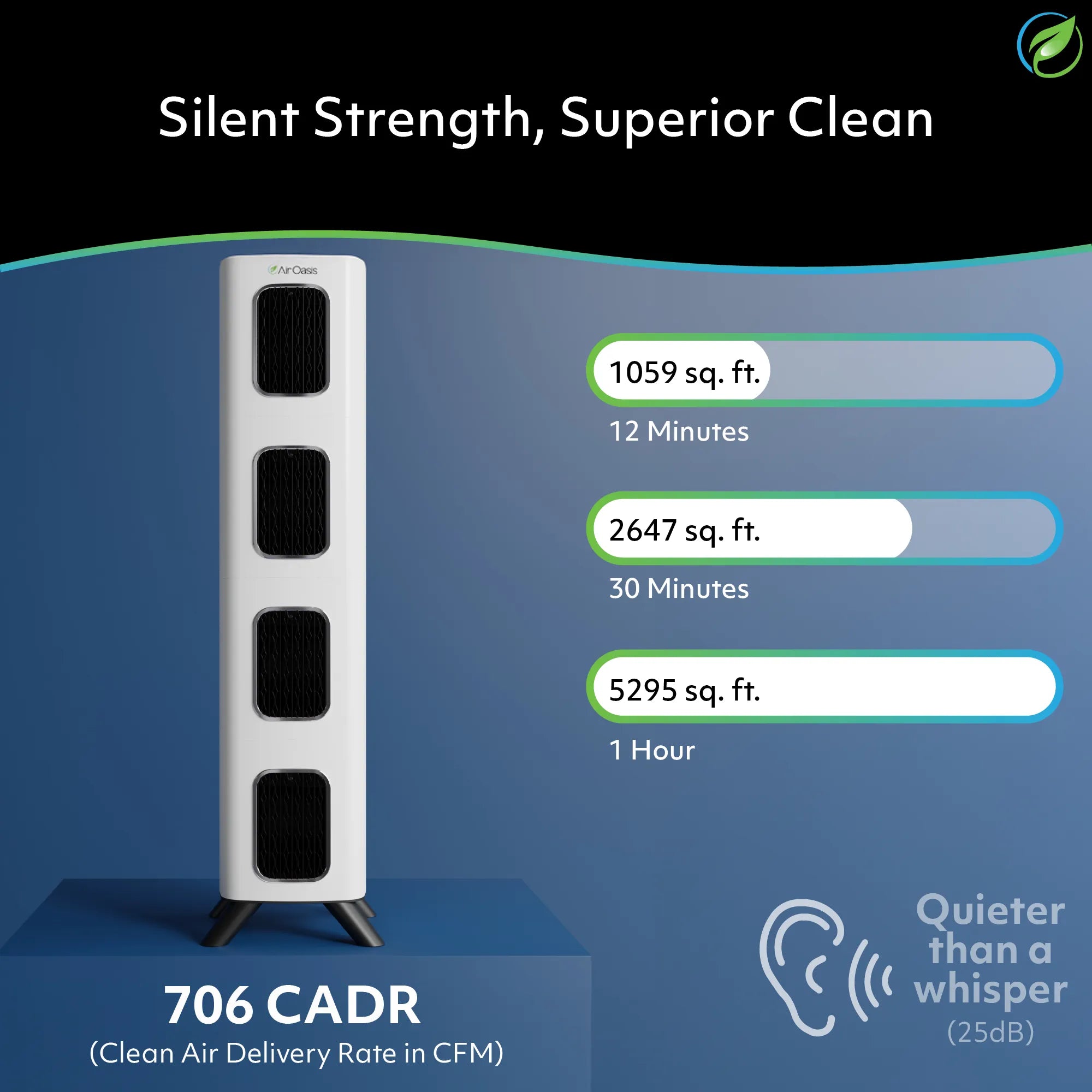
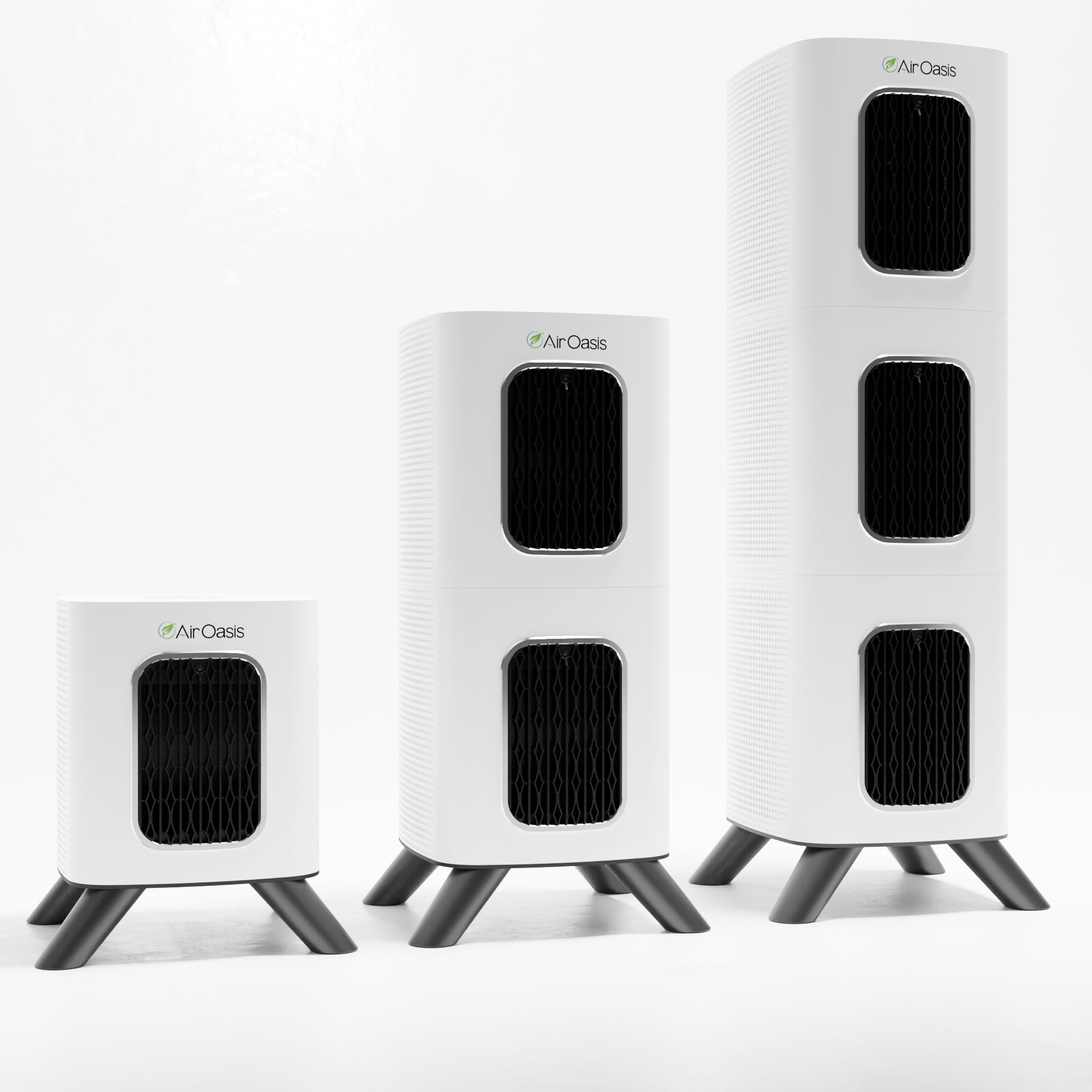
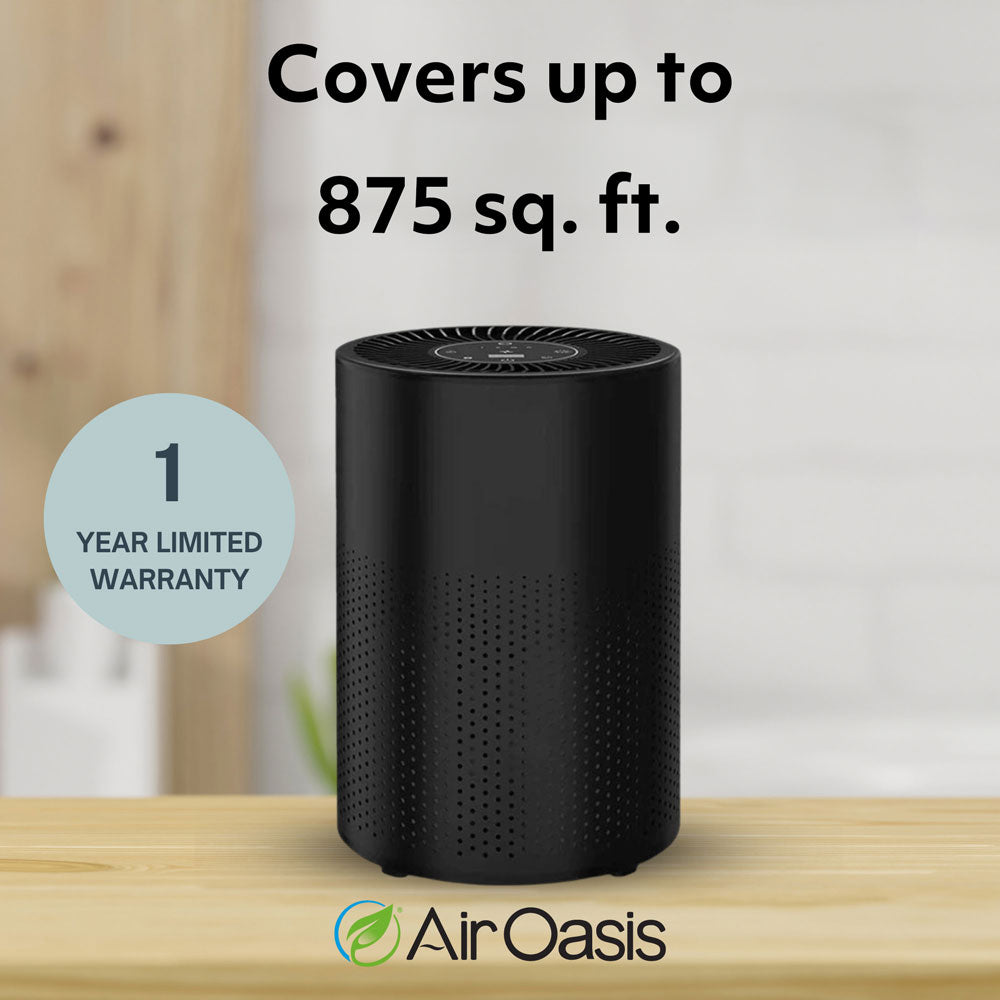
Size it to your room. The 2S covers up to 265 square feet — well-suited for a bedroom. The 2M handles up to 530 square feet for larger common areas. The 2L covers up to 795, and the 2P up to 1,059 square feet for open-plan spaces.
Stop blaming the dandelion
The next time you see that familiar white puff floating through the air, know that it isn't making you sneeze. The actual allergens are invisible — lightweight grass and tree pollens drifting past, produced in quantities the dandelion could never match.
Getting to the real cause of your allergies is the first step toward real relief. And once you know what you're dealing with, you can take steps that actually work. Shop Air Oasis and start breathing easier this season — Breathe Better, Live Better.