Your nose is running. Your head feels foggy. You're sneezing constantly. But you can't figure out if you're catching a cold or dealing with allergies. The symptoms look remarkably similar, which makes diagnosis tricky.
Understanding the difference matters. The treatments are completely different. What works for a cold won't help allergies, and allergy medications won't cure a viral infection.
The Timing Tells the Story
Colds develop gradually over one to three days. You might feel fine Monday morning, slightly off by Tuesday, and fully sick by Wednesday. The progression follows a predictable pattern as the virus multiplies in your system.
Allergies hit suddenly. You walk into a room with a cat and within minutes your eyes are watering. You step outside on high-pollen days and immediately start sneezing. The symptoms appear quickly after exposure to your trigger.
Duration provides another major clue. Colds typically last seven to ten days. You feel terrible for a few days, then gradually improve. Most people recover completely within two weeks.
Allergies persist as long as you're exposed to the allergen. Spring allergies last for weeks as different plants release pollen. Pet allergies continue as long as you're around animals. Remove the allergen and symptoms fade within hours. Stay exposed and symptoms remain indefinitely.
Nasal Discharge Differences
The color and consistency of your nasal discharge reveals important information. With colds, mucus starts clear and watery. After a few days it thickens and turns yellow or green as your immune system fights the virus. This color change is normal and expected.
Allergy mucus stays clear and thin throughout the entire episode. It runs constantly like a leaky faucet. The consistency doesn't change or thicken over time. Yellow or green mucus strongly suggests a cold rather than allergies.
The Itch Factor
Itching rarely occurs with colds. Your nose might feel irritated from constant blowing, but true itchiness isn't a cold symptom. Your eyes might be slightly red from fatigue or rubbing, but they won't itch intensely.
Allergies make everything itch. Your nose itches deep inside where you can't scratch it. Your eyes itch so badly you want to rub them constantly. Your throat might itch. Even the roof of your mouth can itch. This intense itching sensation is the hallmark of allergic reactions.
Fever and Body Aches
Colds sometimes cause low-grade fevers, especially in children. Adults might run a temperature of 99 to 100 degrees. You might feel achy and tired as your body fights the infection. These systemic symptoms indicate your immune system is battling a virus.
Allergies never cause fever. If you have a temperature above 98.6, you're dealing with an infection, not allergies. Allergies also don't cause the muscle aches and general malaise that accompany colds. You might feel tired from poor sleep due to congestion, but you won't have that sick, achy feeling.
Sneezing Patterns
Both conditions cause sneezing, but the patterns differ. Cold sneezes come sporadically throughout the day. You might sneeze a few times, then go hours without another sneeze. The frequency varies but generally stays moderate.
Allergy sneezes arrive in rapid clusters. You sneeze five or six times in a row, barely catching your breath between each one. These sneezing fits happen multiple times per day when you're exposed to allergens. The repetitive, clustered pattern is distinctly allergic.
Eye Symptoms
Colds rarely affect your eyes significantly. They might look slightly tired or red from general illness, but severe eye involvement is uncommon. If your eyes are bothering you during a cold, it's usually mild.
Allergies attack your eyes aggressively. They become red, swollen, and intensely itchy. They water constantly, sometimes producing enough tears to blur your vision. The whites of your eyes look inflamed and irritated. Dark circles may appear under your eyes from congestion and poor sleep.
Seasonal Patterns
Colds happen year-round but peak during fall and winter when people spend more time indoors in close contact. You're more likely to catch a cold between October and March. Summer colds are less common but still possible.
Allergies follow predictable seasonal patterns based on what you're allergic to. Spring allergies correspond with tree pollen. Summer brings grass pollen allergies. Fall triggers ragweed reactions. Indoor allergies to dust mites, mold, or pets occur year-round but may worsen in winter when homes are sealed tight.
The Physiological Truth
Here's what's actually happening inside your body. Colds are caused by viruses, most commonly rhinoviruses. The virus invades cells in your respiratory tract and reproduces. Your immune system responds by increasing mucus production and triggering inflammation to fight the infection.
Allergies involve a completely different mechanism. Your immune system mistakes harmless substances like pollen or pet dander for dangerous invaders. It produces antibodies called immunoglobulin E that trigger the release of histamine. Histamine causes the itching, sneezing, and mucus production you experience.
When to Worry
Most colds and allergies are manageable at home. But certain symptoms require medical attention. High fever above 101 degrees, symptoms lasting more than ten days, or severe difficulty breathing all warrant a doctor's visit.
Know Your Enemy
Identifying whether you have allergies or a cold determines your treatment approach. Antihistamines work for allergies but won't help colds. Rest and fluids support cold recovery but won't stop allergic reactions. Getting the diagnosis right means getting relief faster.
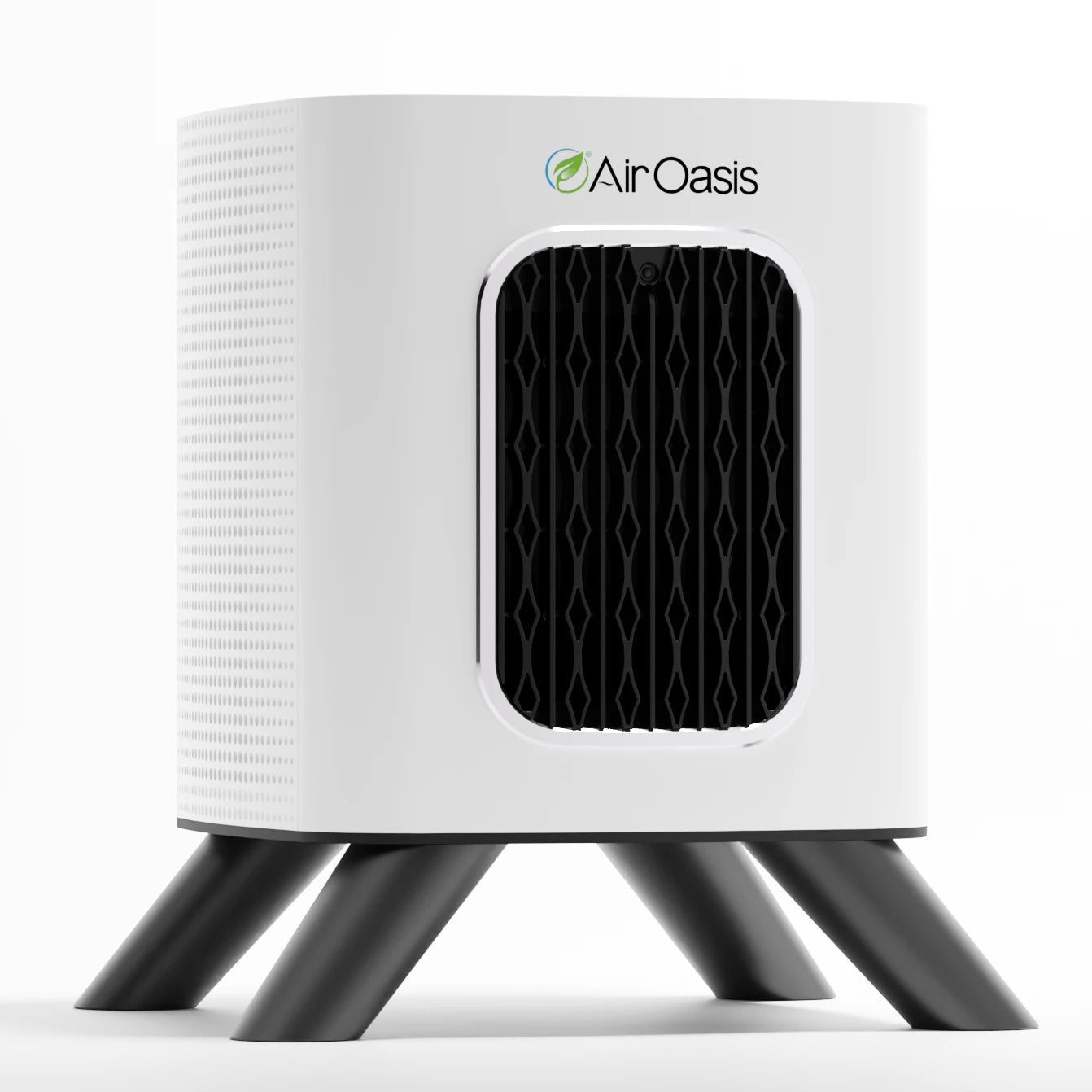
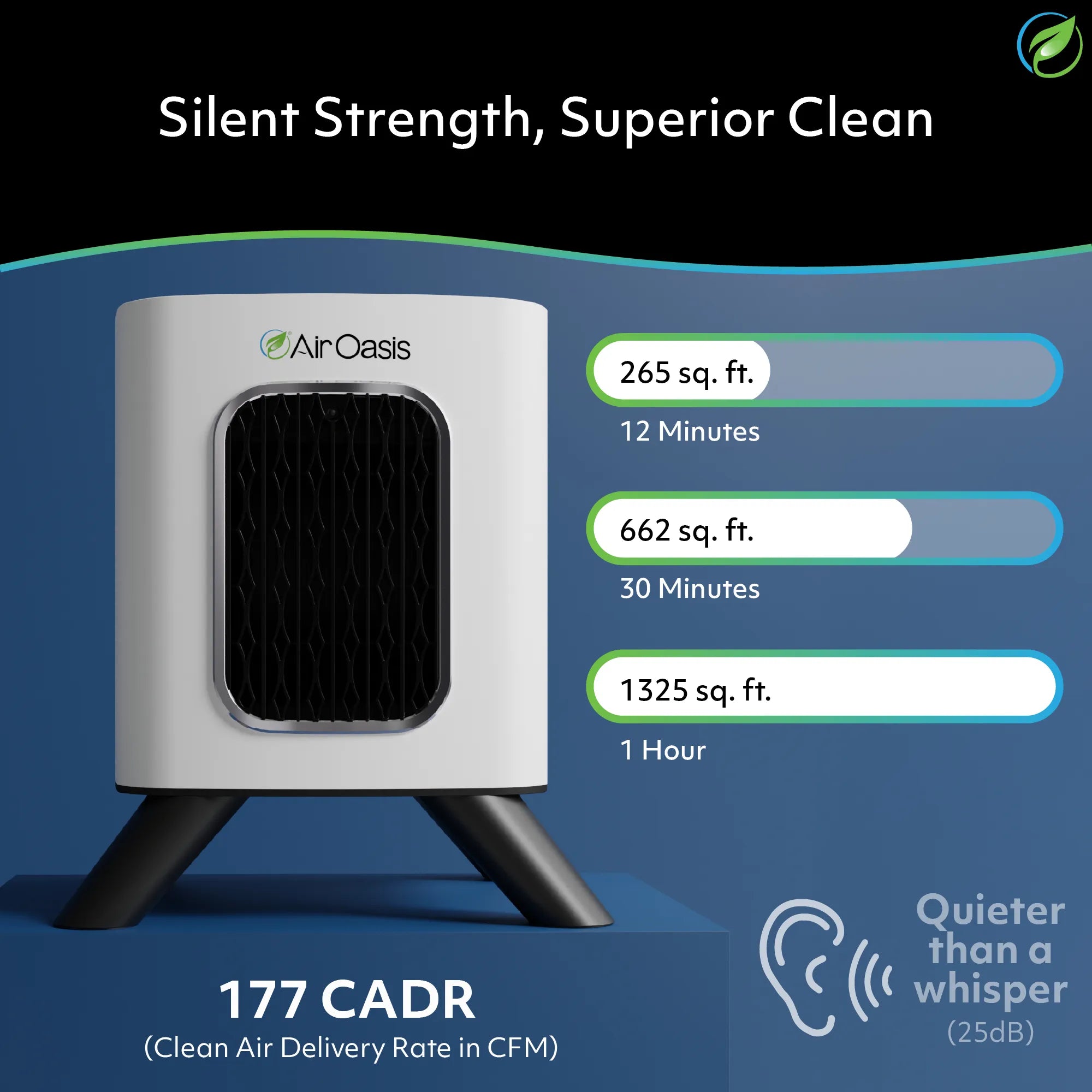
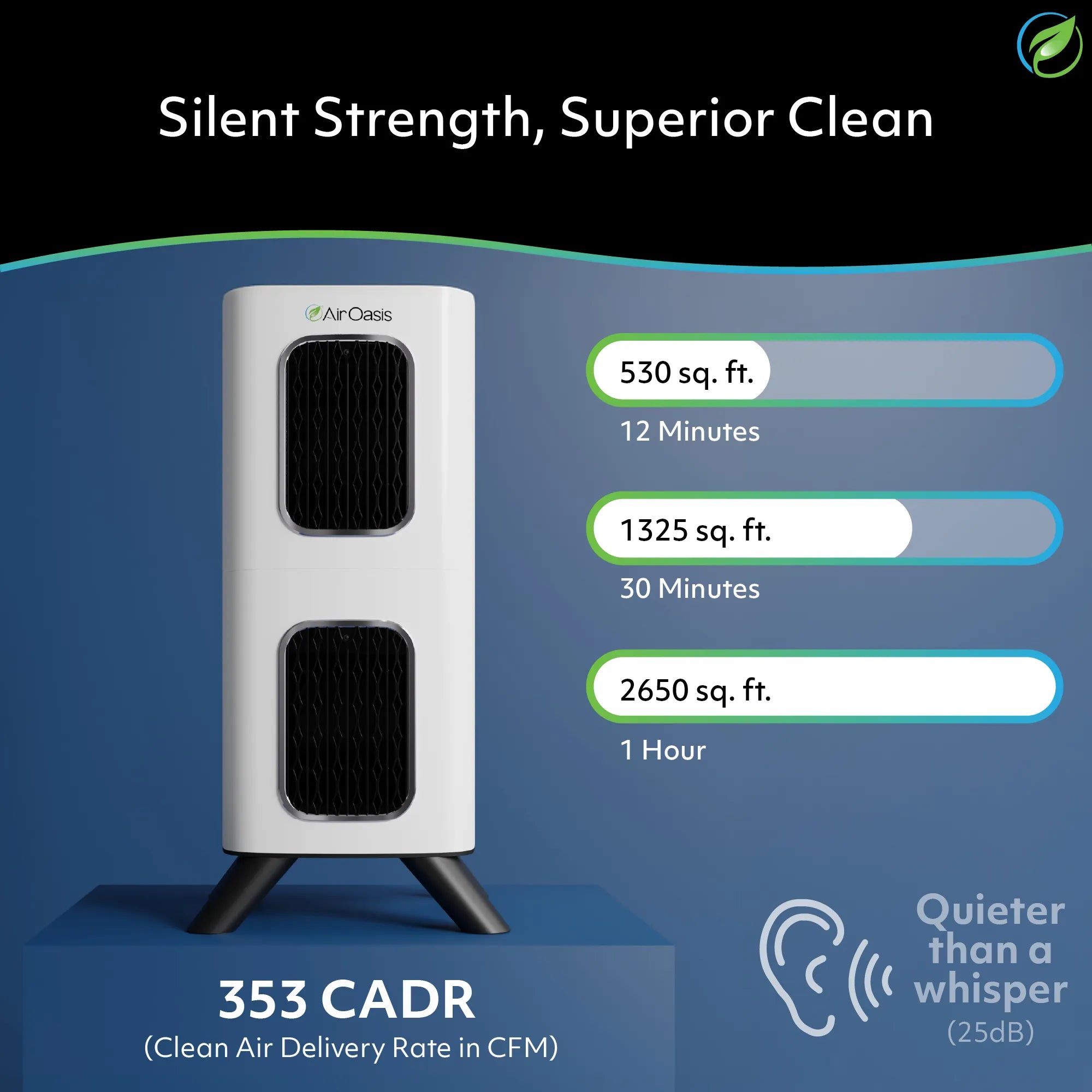
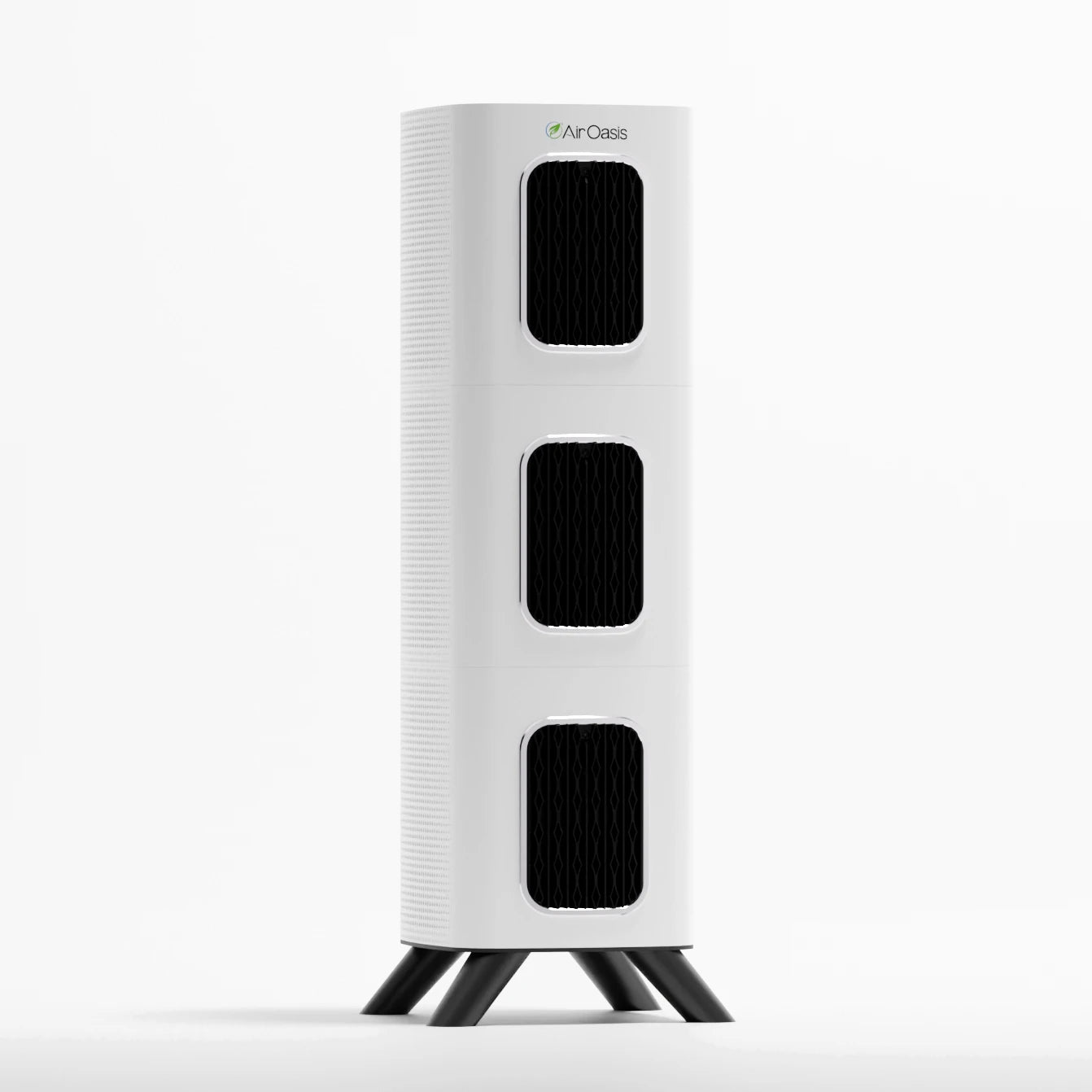
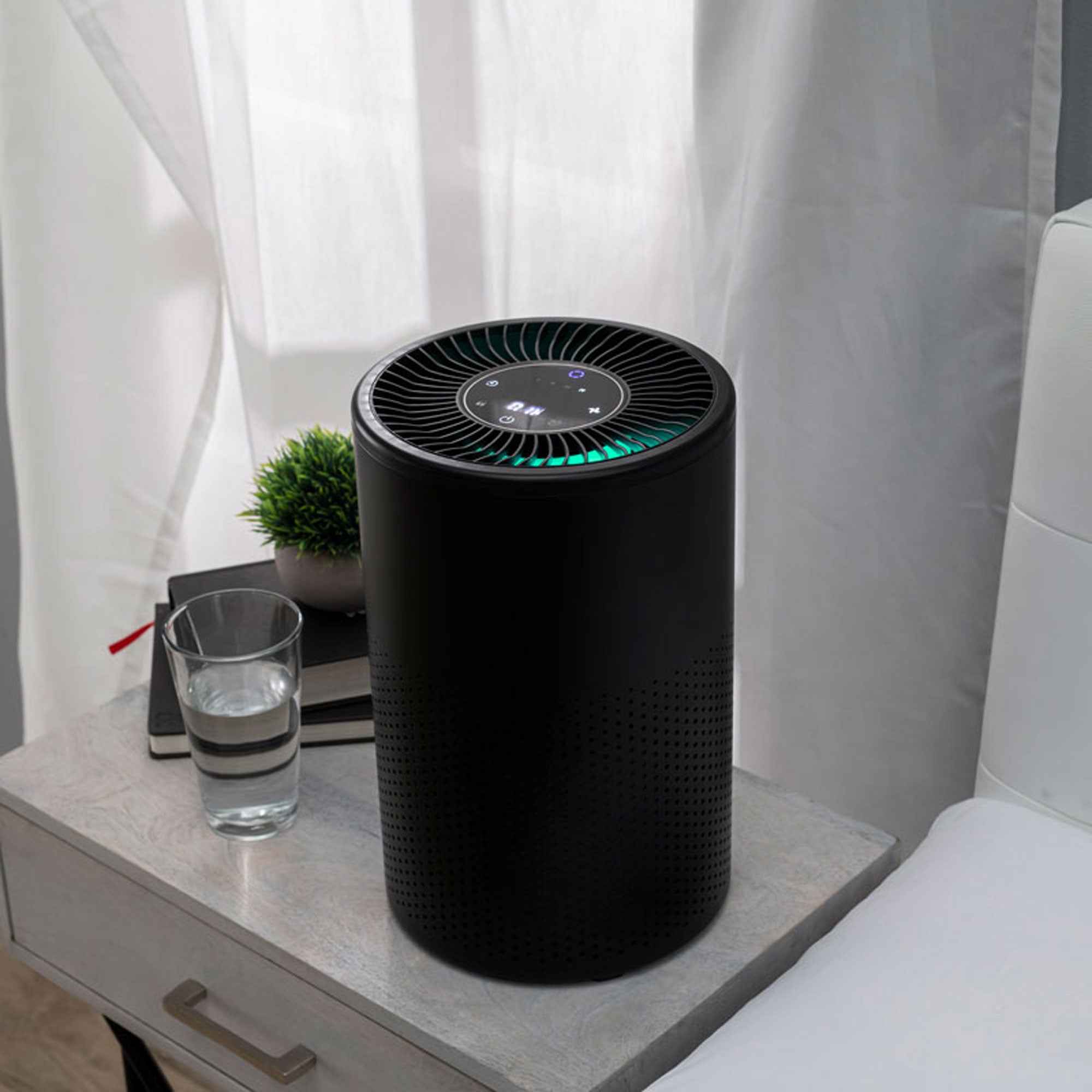
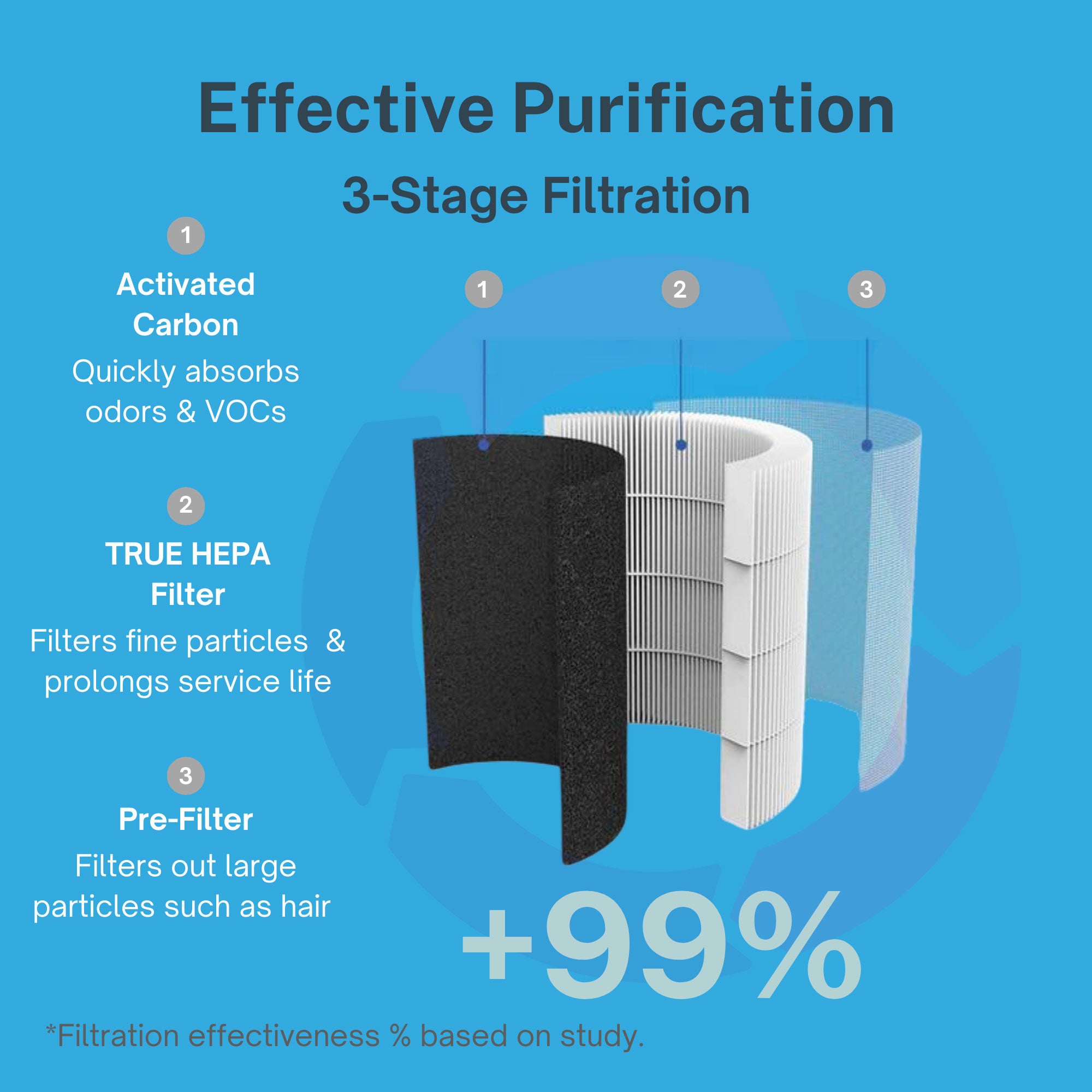
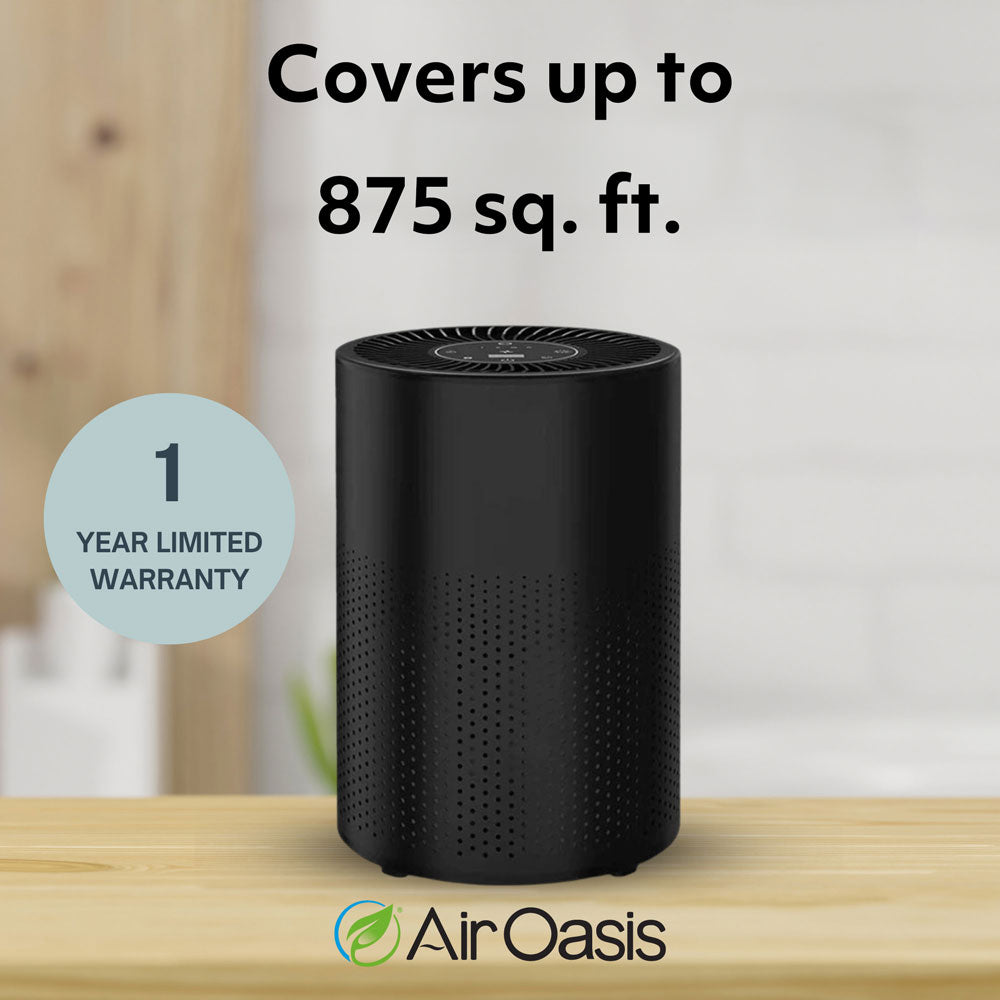
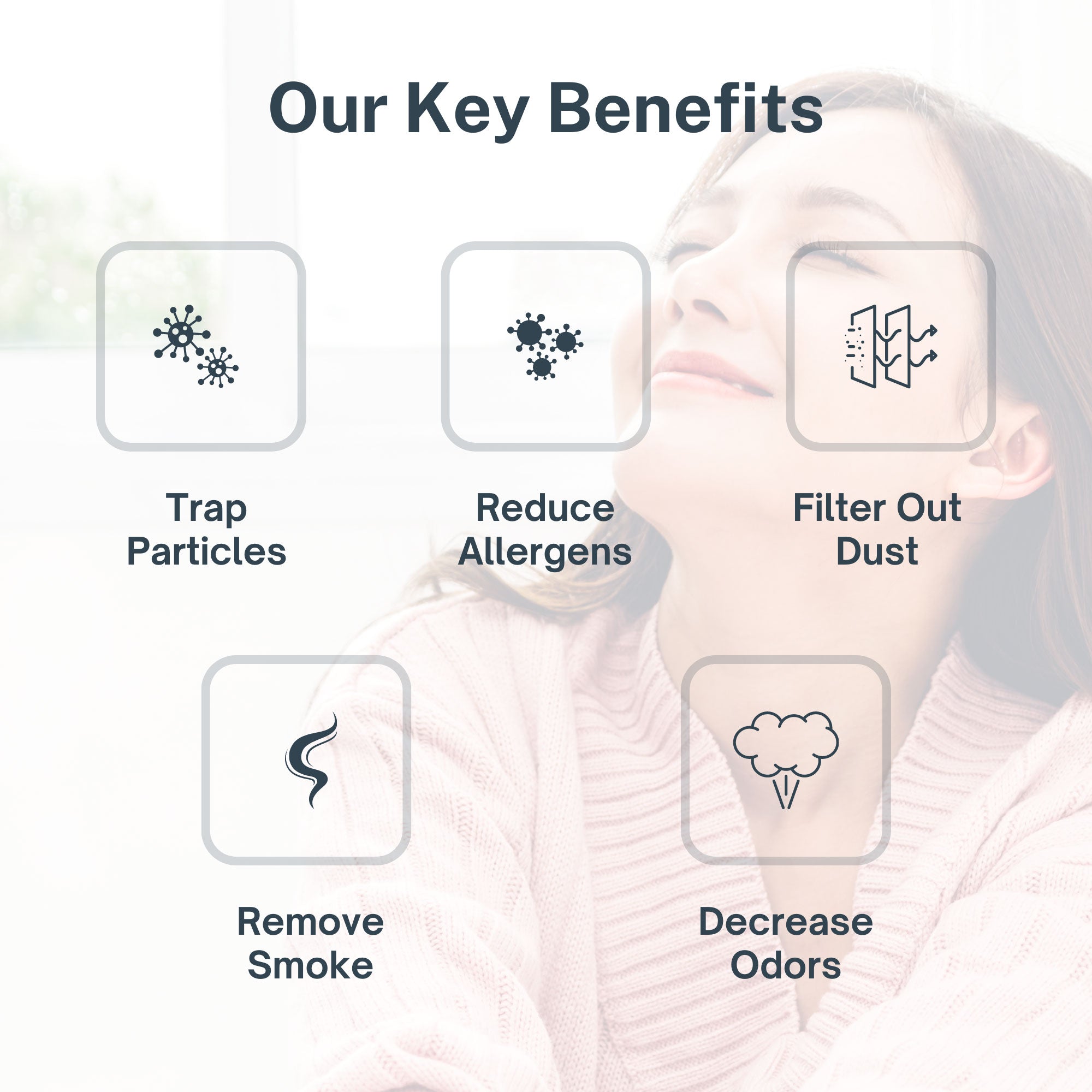
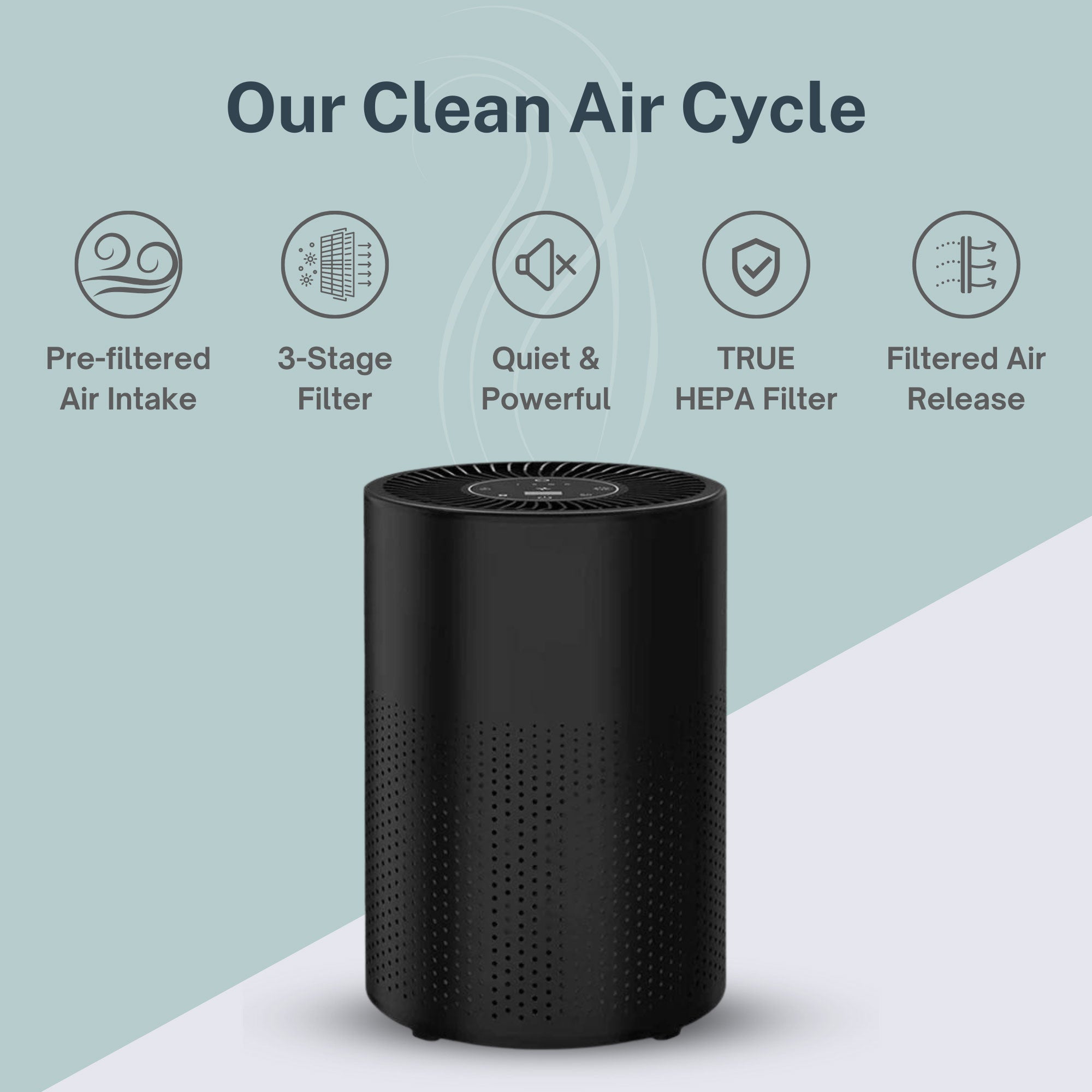
Managing allergies long-term often requires addressing your environment, not just treating symptoms. Clean air makes a measurable difference in reducing allergic responses. Shop Air Oasis today and remove the allergens triggering your symptoms before they reach your nose.