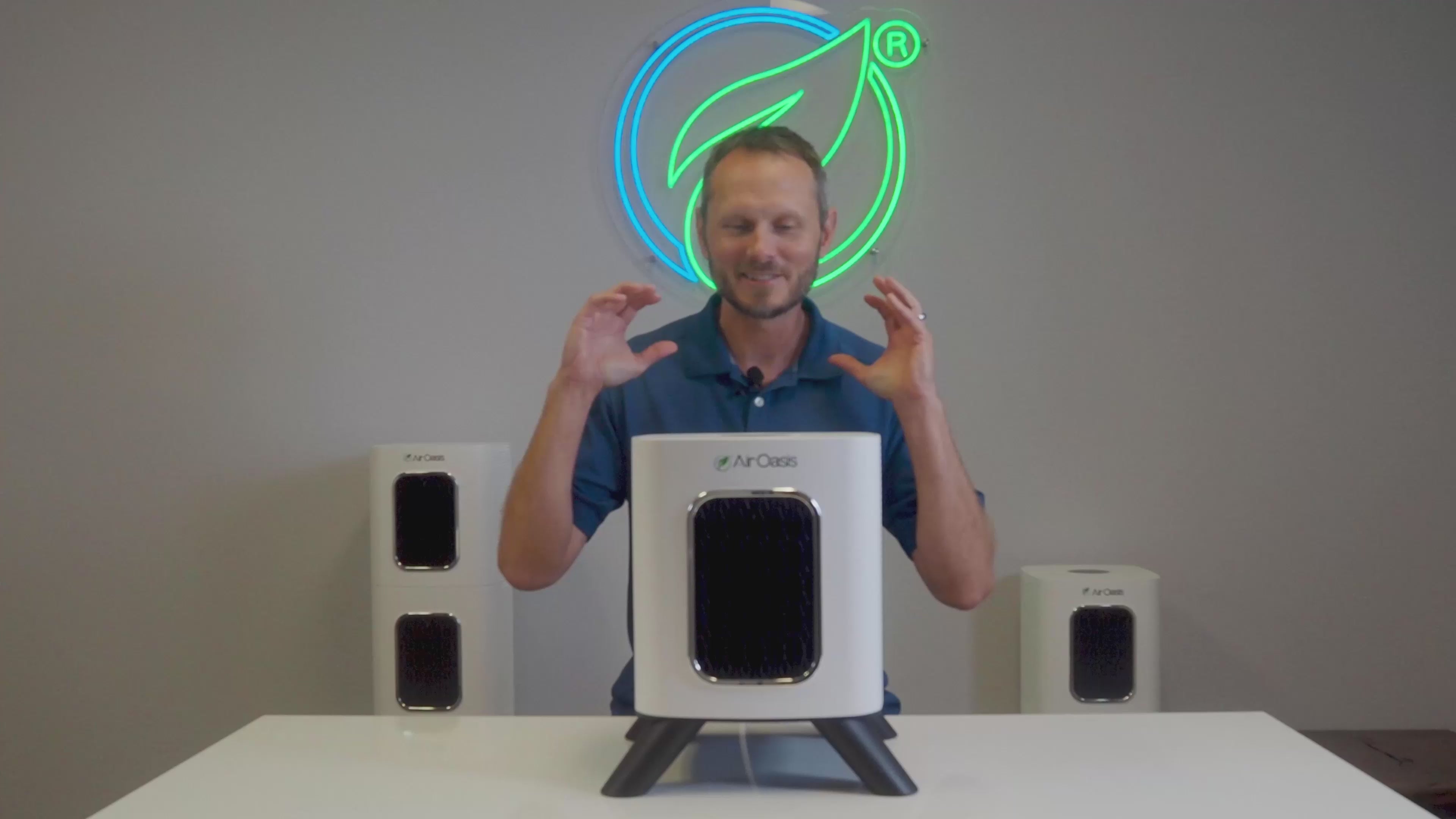
Your dog greets you at the door with enthusiastic tail wags. Your cat curls up on the couch beside you. You love your pets. But the dander floating through your air, the fur accumulating on furniture, and the lingering odors tell a different story about sharing your home with animals. Strategic air purifier placement transforms pet-friendly homes into spaces where you can breathe easily while enjoying your furry companions.
Understanding Pet-Related Air Quality Challenges
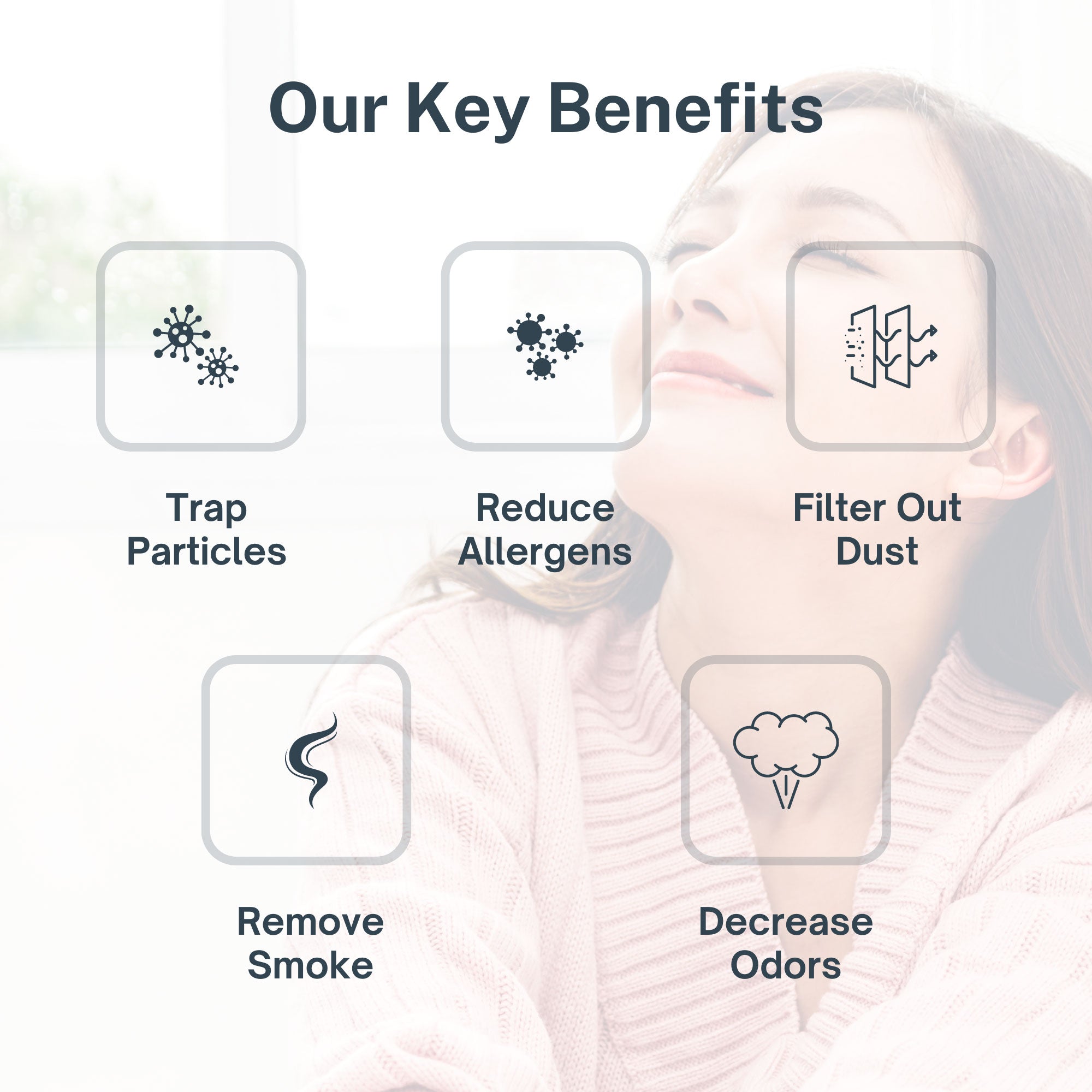
Pet dander consists of microscopic skin flakes that animals shed constantly. These particles are incredibly small—often under 2.5 microns—allowing them to remain airborne for hours. They settle on every surface. They infiltrate HVAC systems. They trigger allergic reactions and asthma symptoms in sensitive individuals.
Pet hair carries dander, saliva proteins, and outdoor pollutants that your animals bring inside. Cats groom themselves constantly, spreading saliva proteins across their fur. When that fur sheds and becomes airborne, it carries allergenic proteins throughout your home. Dogs track in pollen, dust, and other outdoor contaminants on their coats after walks.
Pet odors come from multiple sources. Urine accidents, litter boxes, wet fur, and natural animal scents all contribute to poor air quality. These odors aren't just unpleasant—they indicate the presence of organic compounds and bacteria in your air, which can affect respiratory health.
Multiple pets multiply these challenges exponentially. Two cats produce more than twice the dander of one cat because their interactions generate additional airborne particles. Three dogs mean three times the outdoor contaminants tracked inside. The more animals you have, the more critical it becomes to strategically place air purifiers.
Primary Placement: Where Your Pet Spends Time
Put your first air purifier in the room where your pet spends most of their time. Dogs often claim the living room or family room as their territory. Cats might dominate a sunny bedroom or favorite lounging spot. This high-concentration area needs the most aggressive air purification.
Pet sleeping areas deserve special attention. Dog beds and cat trees become hotspots for dander. When animals sleep, they shed continuously for hours at a time in one location. Placing an air purifier near these spots captures dander at its source before it spreads throughout your home.
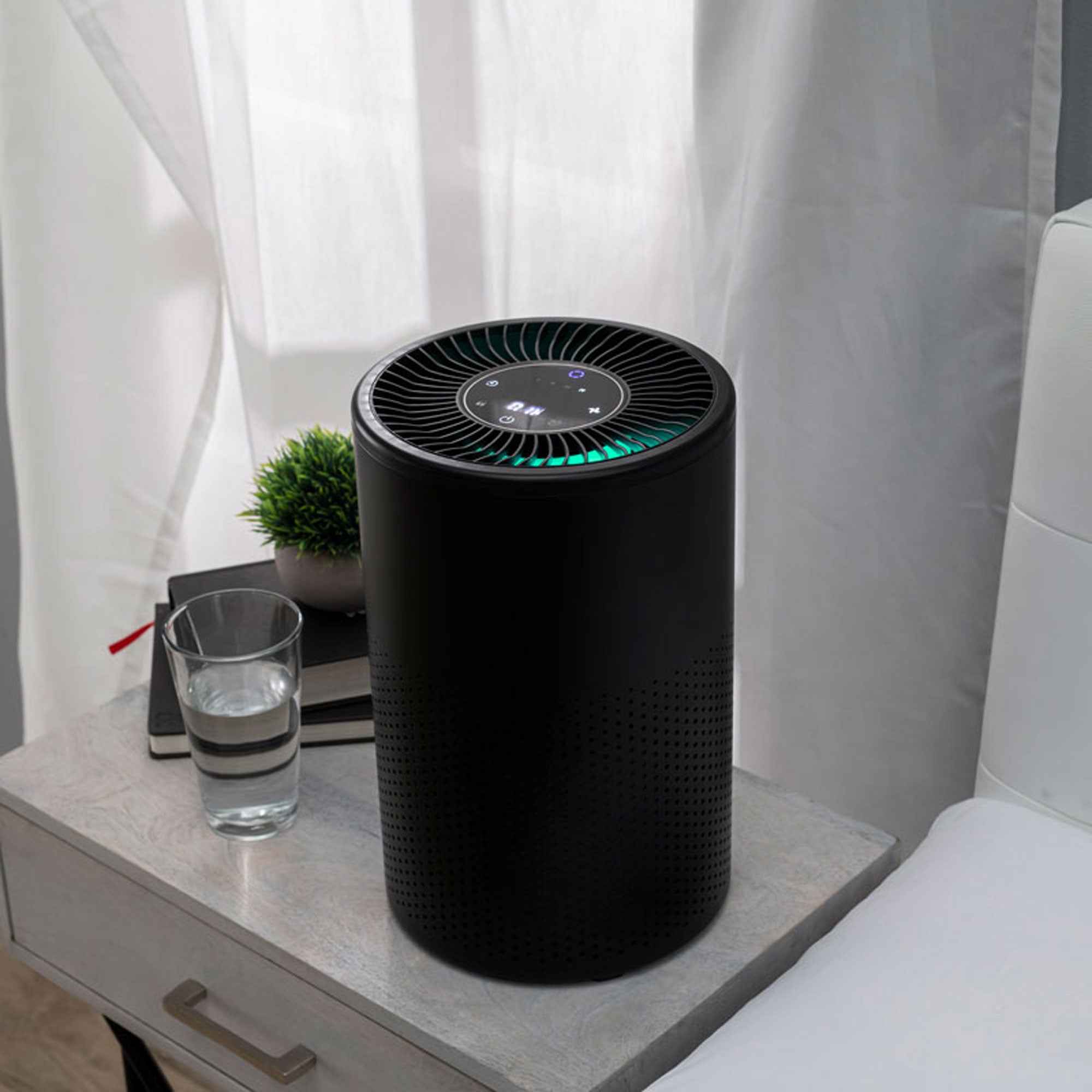
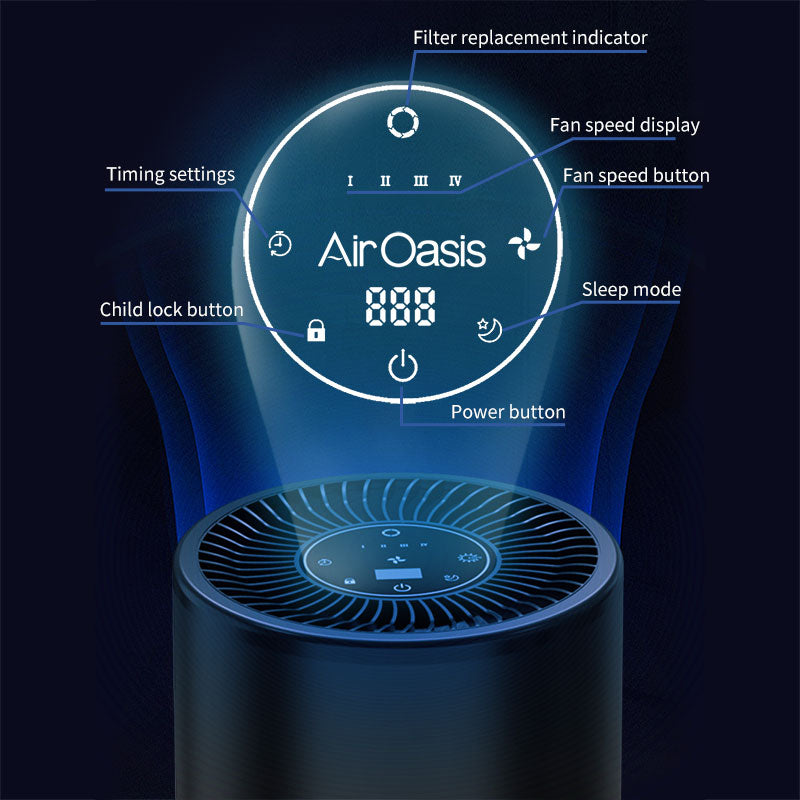
The iAdaptAir's sensors detect air quality in real time. In rooms with pets, you'll notice the unit running at higher fan speeds more frequently as it responds to elevated dander and odor levels. This automatic adjustment ensures maximum cleaning power precisely when pet-related pollution peaks.
Position the purifier so airflow pulls dander away from gathering spots. If your dog's bed sits in the corner of the living room, place the purifier on the opposite side so air movement draws particles across the room and through the filters. This creates circulation patterns that maximize capture efficiency.
Secondary Placement: Your Bedroom
Your bedroom deserves its own air purifier regardless of whether pets sleep there. Even if you keep animals out at night, dander can still transfer to your clothing, hair, and skin. It accumulates in bedding. It settles on surfaces. You spend eight hours breathing bedroom air every night—make sure it's clean.
Pet owners with allergies or asthma need bedroom purification most urgently. Nighttime exposure to dander triggers morning congestion, sneezing, and respiratory symptoms. Clean bedroom air allows your respiratory system to recover during sleep rather than fight inflammation all night.
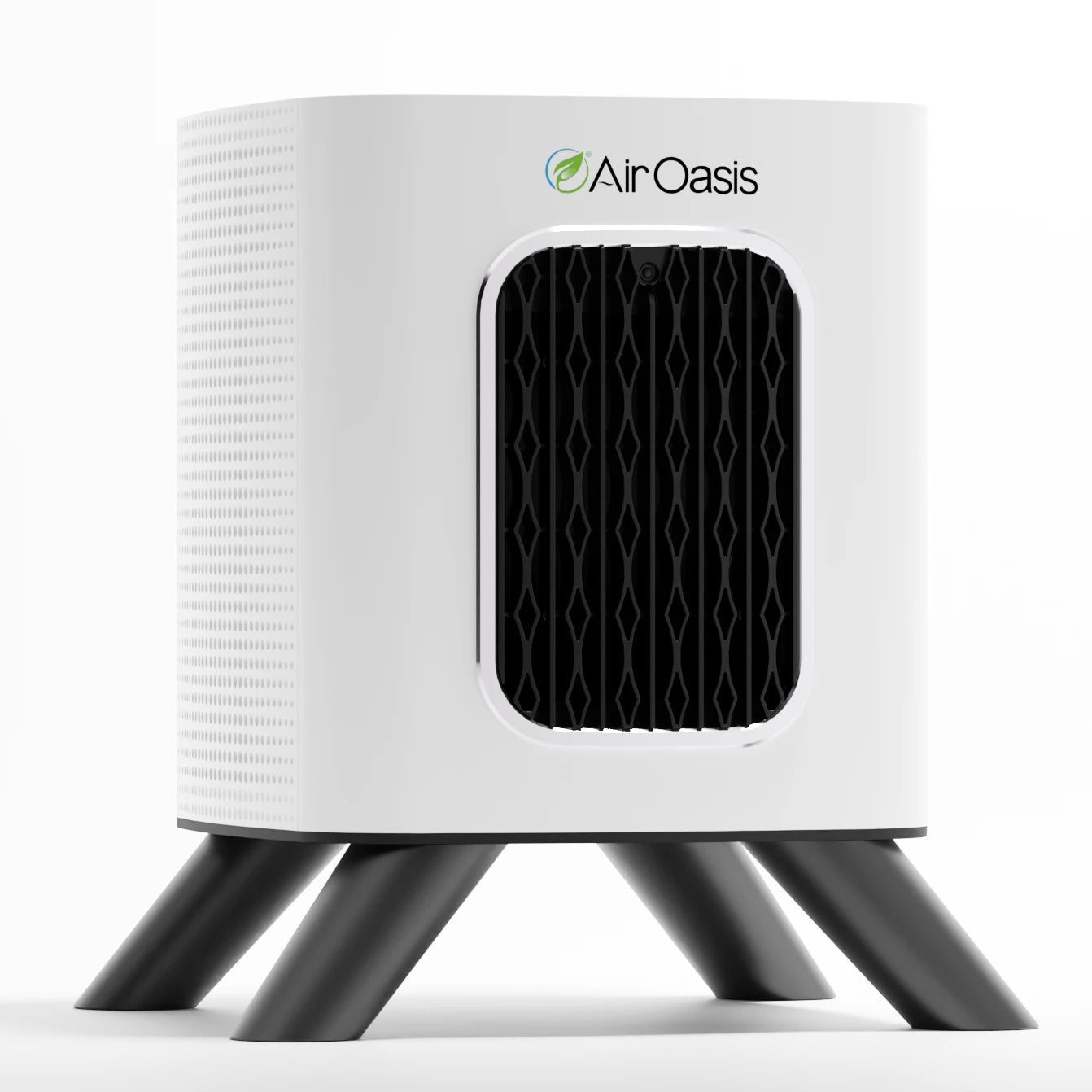
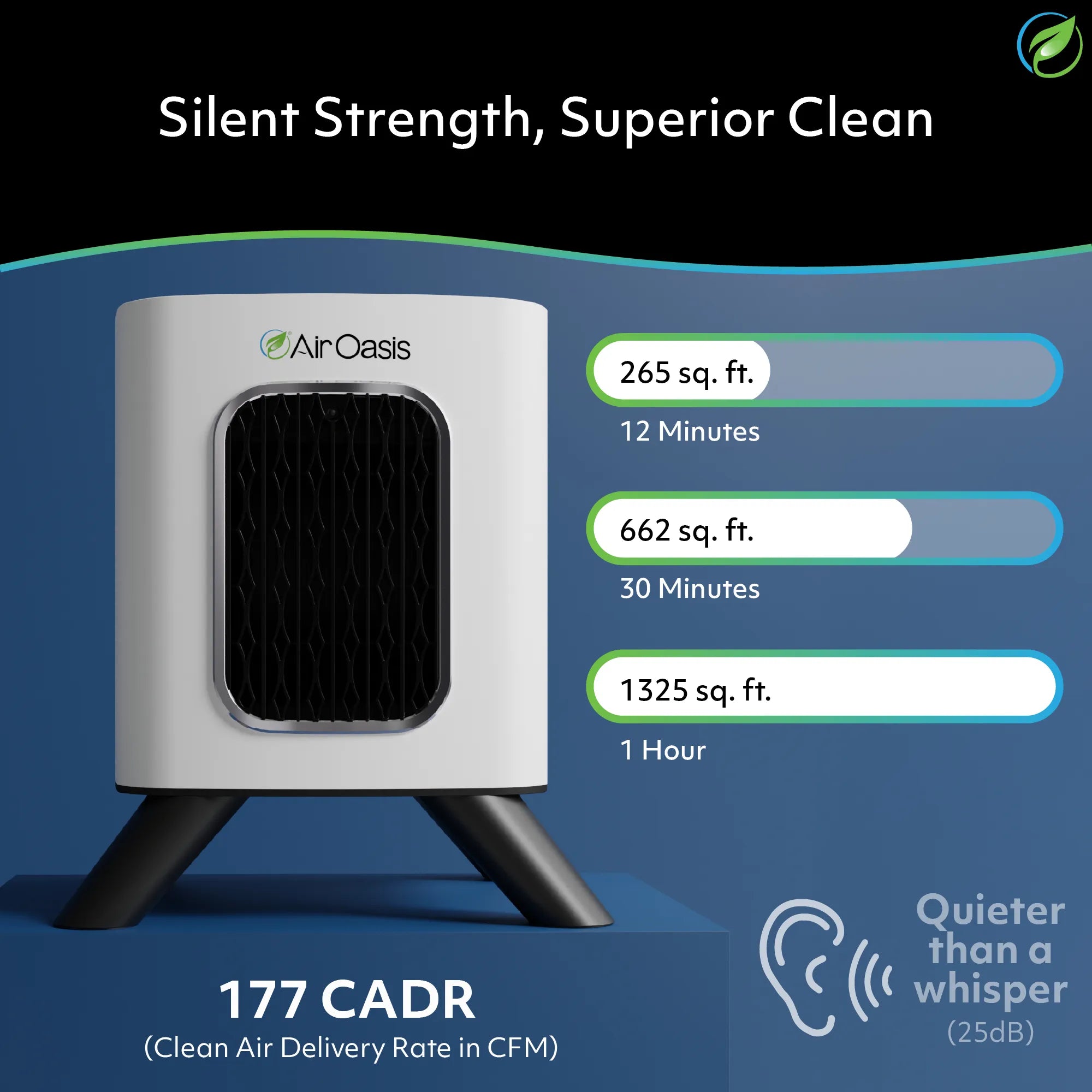
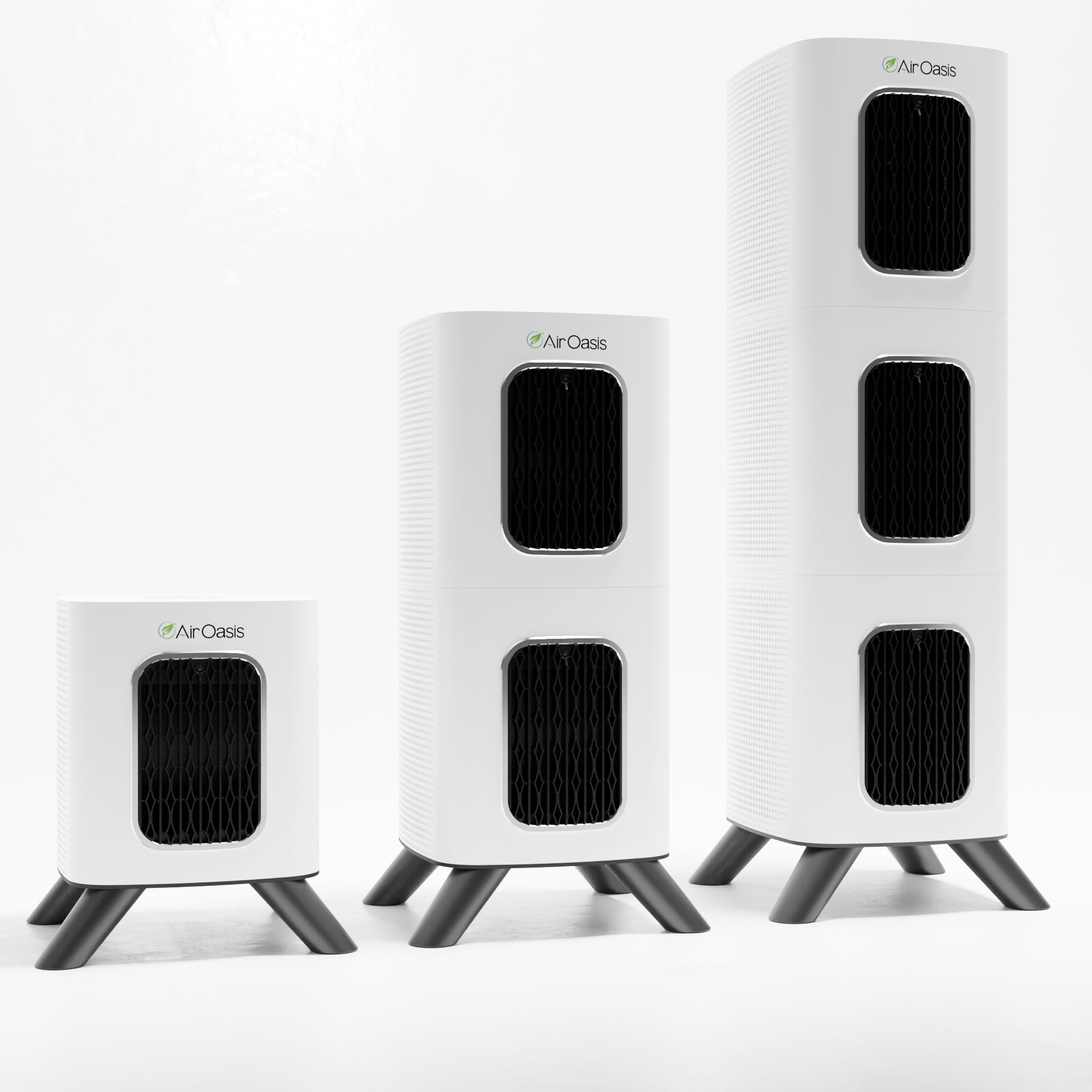
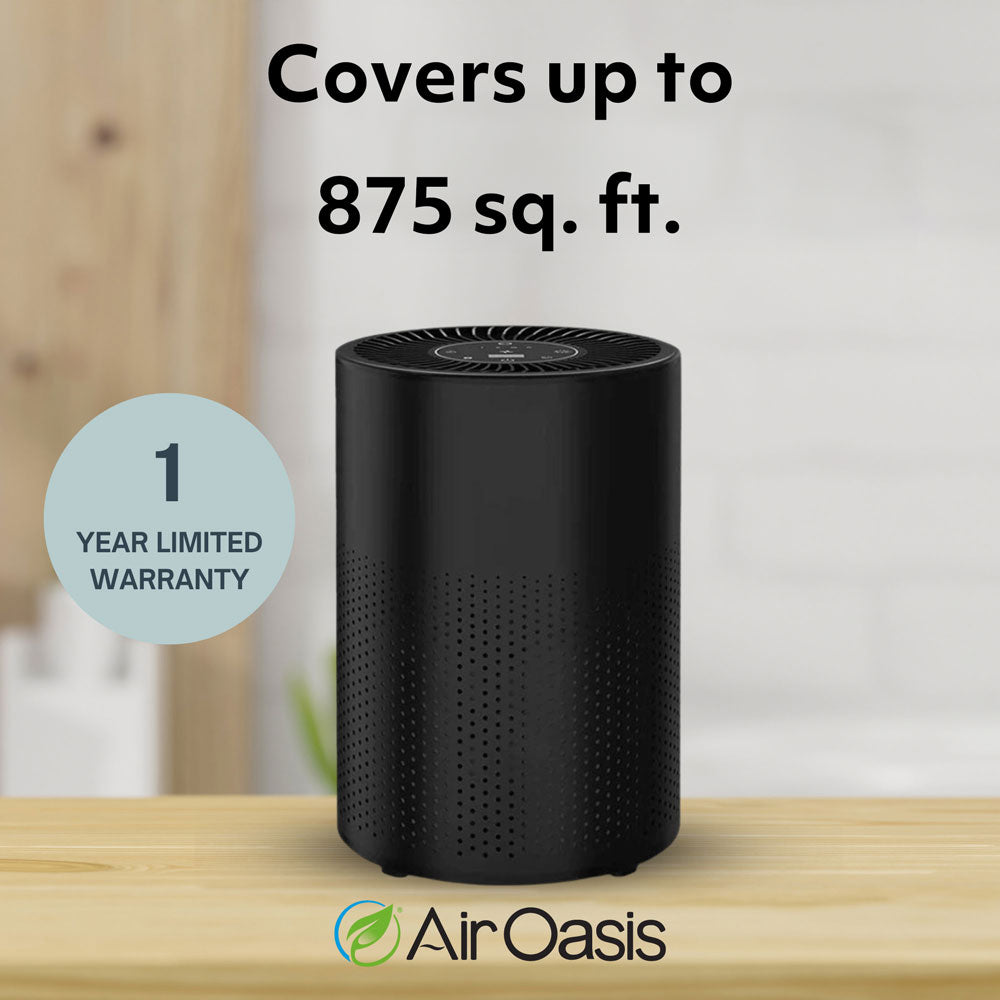
If your pets sleep in your bedroom, you need robust purification. The AOIA-2S covers 265 square feet—adequate for most bedrooms. Run it continuously in AUTO mode so it adjusts to increasing dander levels overnight as your pets shed during sleep.
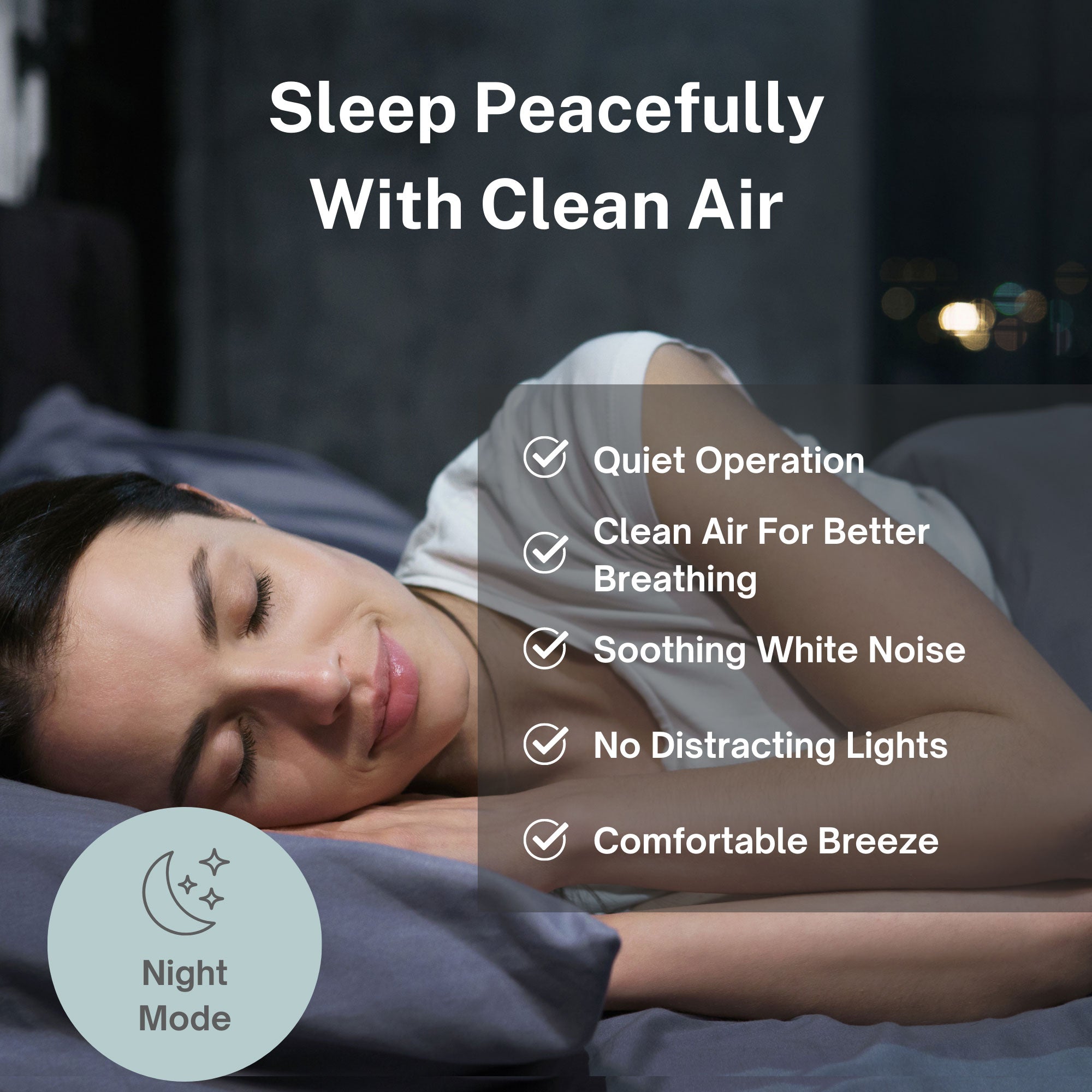
The Night Mode function eliminates display lights while maintaining purification. Your pets won't be disturbed by indicators. You get the darkness necessary for quality sleep. The air stays clean despite furry bedmates.
High-Traffic Areas and Entryways
Place purifiers near doors where pets enter and exit. Dogs returning from walks carry pollen, dust, mold spores, and other outdoor allergens on their fur. These contaminants become airborne as dogs shake off or move through your home. An air purifier positioned near the entry door captures these pollutants before they spread.
Mudrooms or laundry rooms where you wash pet bedding benefit from air purification. Washing dog beds and cat blankets releases concentrated dander into the air. The agitation liberates particles trapped in fabric. A purifier in this space prevents dander from migrating to other rooms.
Multi-level homes need purifiers on each floor where pets have access. Dander doesn't respect gravity—it circulates through your entire home via air currents and HVAC systems. A single purifier in the basement won't clean upstairs bedrooms. Each level needs its own unit.
Litter Box Areas Require Special Attention
Cat owners face unique air quality challenges from litter boxes. Ammonia from urine creates respiratory irritation. Dust from litter becomes airborne during digging and covering behaviors. Fecal matter contains bacteria that can become aerosolized.
Never place an air purifier directly next to the litter box. Cats are sensitive to noise and air movement during bathroom activities. A purifier too close may discourage litter box use, creating worse problems. Position the unit 5-10 feet away where it can still capture odors and particles without disturbing your cat.
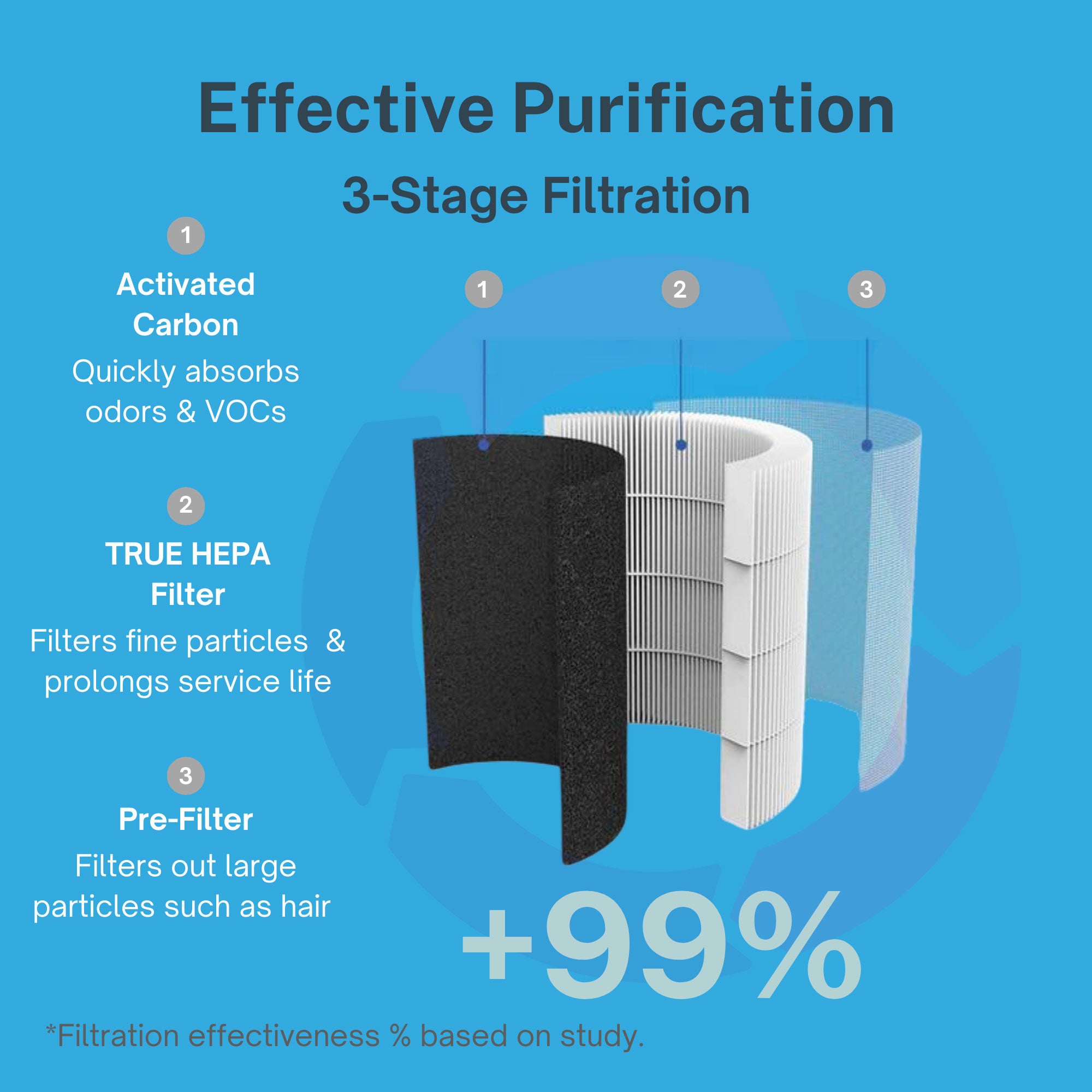
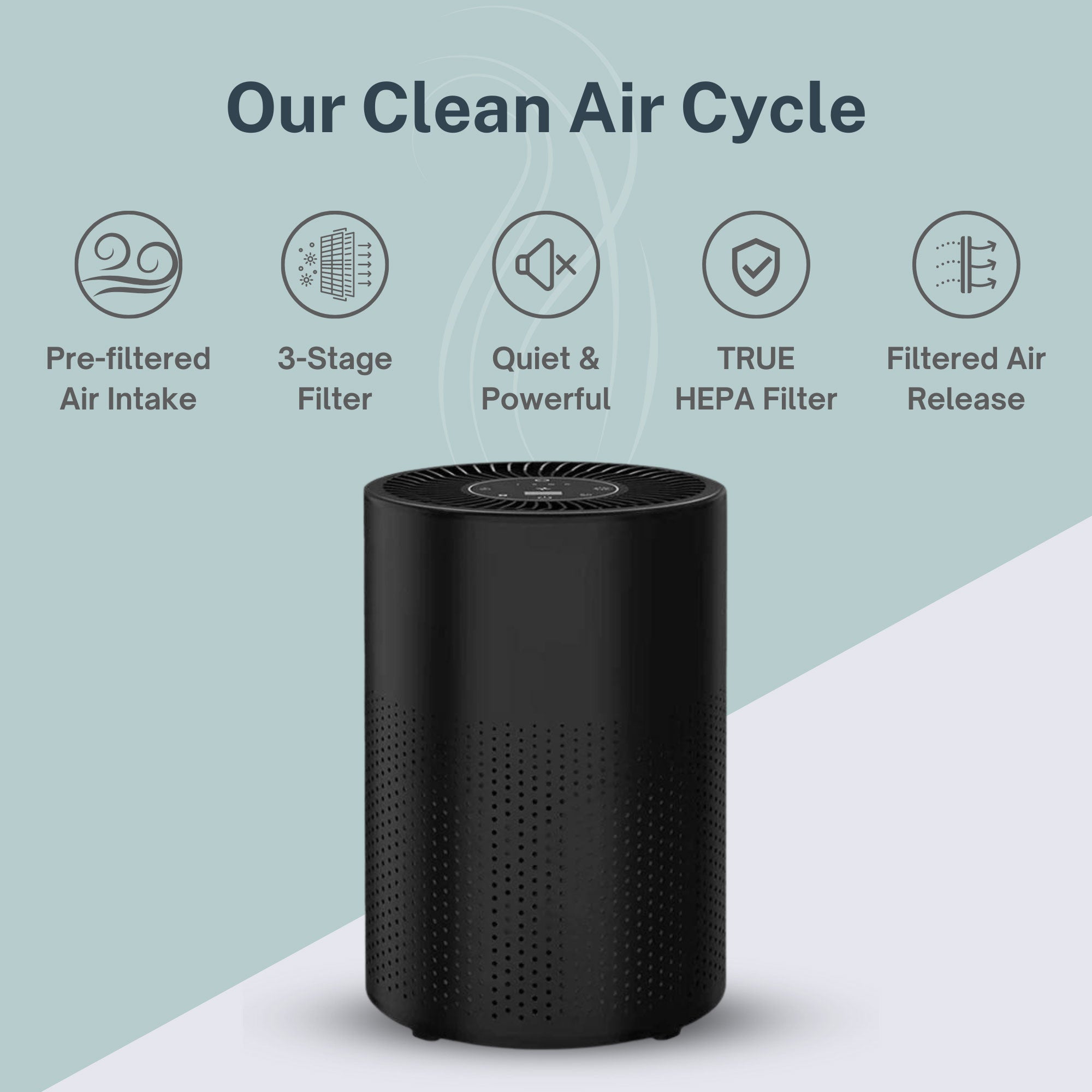
The iAdaptAir's activated carbon filtration excels at absorbing litter box odors. Carbon captures ammonia and organic compounds that create unpleasant smells. HEPA filtration removes airborne litter dust and any aerosolized particles from waste.
Bathrooms or laundry rooms often house litter boxes in smaller homes. These enclosed spaces concentrate odors quickly. A smaller unit like the AOIA-2S provides adequate coverage for typical bathroom square footage while addressing the intense localized pollution from litter boxes.
What Not to Do With Pet-Focused Air Purifiers
Don't place purifiers on the floor in homes with large dogs. Wagging tails can knock over units. Dogs investigating new objects might bump or damage purifiers positioned at their level. Elevate units on furniture or shelves above the tail height.
Don't block air vents with pet beds, toys, or furniture. Your purifier needs unobstructed access to contaminated air. Pet accessories tend to accumulate around favorite spots—maintain clear space around your purifier even as pet belongings migrate.
Don't expect a single purifier to handle multiple pets in a large home. Each pet contributes substantially to dander load. Two cats need more filtration capacity than one cat. Three dogs overwhelm single-unit systems. Add purification capacity as you add pets.
Don't forget to replace filters more frequently in pet households. Animals accelerate filter saturation dramatically. The iAdaptAir calculates remaining filter life based on runtime, fan speed, and air quality—factors heavily influenced by pet dander. When the filter life indicator flashes, don't delay replacement.
Room-Specific Strategies for Different Pets
Bird owners need purifiers near their cages to capture feather dust and dander that birds constantly produce during preening. Avian dander is particularly fine and easily remains airborne. The HEPA filtration in iAdaptAir systems effectively captures these microscopic particles.
Small-animal owners with rabbits, guinea pigs, or hamsters should position purifiers near their habitats. Bedding dust becomes airborne during cage cleaning. Hay and food particles circulate. Urine ammonia accumulates in enclosed cage areas. Purification near these habitats prevents spread throughout your home.
Reptile owners might assume air purification isn't necessary for scale-covered pets. But terrariums generate humidity that promotes mold growth. Heating elements can cause VOCs to off-gas from substrates and decorations. Purification near reptile enclosures addresses these less-obvious air-quality issues.
Creating a Comprehensive Pet-Friendly Air Quality System
Start with purifiers in the highest-priority spaces—your bedroom and your pet's favorite room. These two units provide immediate relief from the worst dander concentrations. Monitor air quality improvements using the iAdaptAir's indicator ring. Green means excellent air quality, even with your pets.
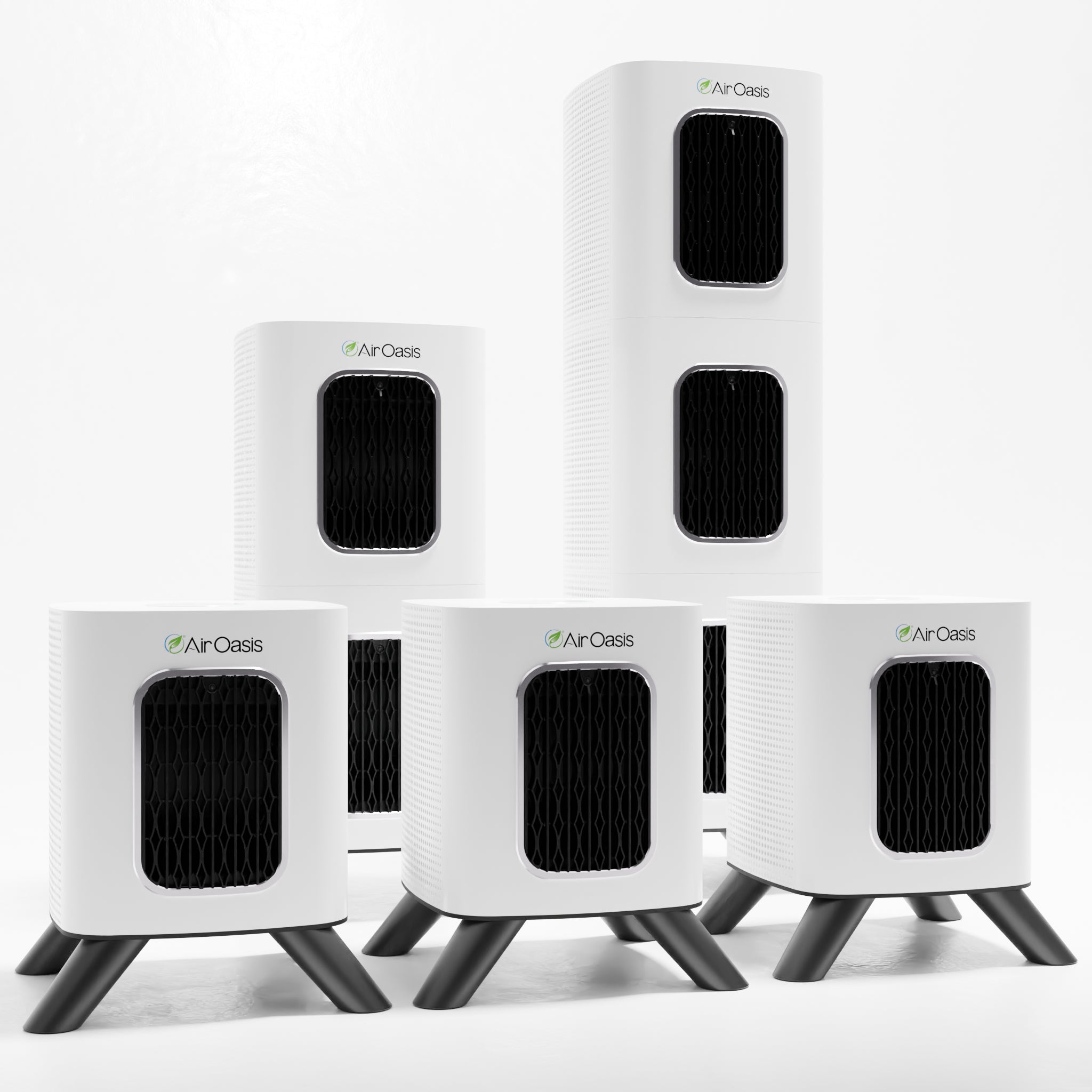
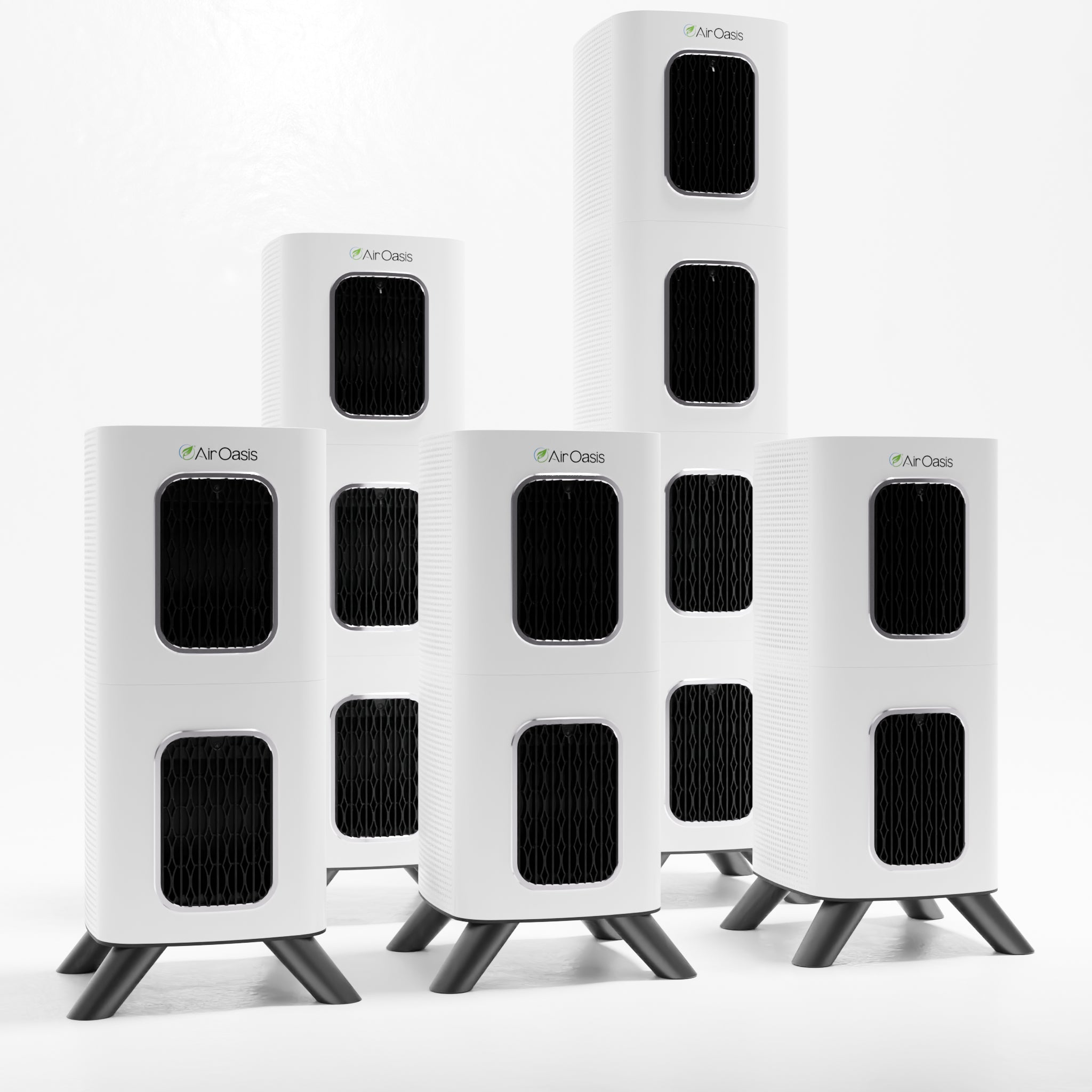
Add units strategically as the budget allows. The third purifier might address a home office where you work daily or a child's bedroom where pet allergies cause symptoms. The fourth could tackle the kitchen, where cooking odors combine with pet smells. Build your system room by room based on where family members spend time and experience symptoms.
Pet ownership brings joy, companionship, and unconditional love. It shouldn't mean compromising your respiratory health or living with persistent odors. Strategic placement of air purifiers lets you enjoy your animals without sacrificing air quality. The iAdaptAir system removes 99% of pet dander, absorbs odors, and creates clean breathing environments throughout your home.
Love your pets and love the air you breathe. Shop Air Oasis today and transform your pet-friendly home into a healthy sanctuary for both humans and animals.