You wake up, and there's a fine white film on everything near your humidifier. The nightstand. The lamp. Maybe the headboard. It looks like dust, but you cleaned yesterday. You run the humidifier specifically to feel better, so something about this feels counterintuitive. Is your humidifier doing something wrong? Is this stuff in your lungs?
It's a common concern, and a fair one. Here's what's actually happening.
White dust from humidifiers comes from your tap water
White dust is mineral residue. Specifically, it's calcium and magnesium — the dissolved minerals found in hard water — that get dispersed into the air along with water vapor and then settle on surfaces as the moisture evaporates.
Tap water in most parts of the United States contains varying concentrations of these minerals. The U.S. Geological Survey estimates that approximately 85 percent of American homes receive hard water, meaning water with elevated mineral content. That mineral content is invisible in the water itself, but once water is aerosolized and the water vapor disperses, the minerals don't disappear. They land.
The amount of white dust you see depends on two things: your local water hardness and the type of humidifier you're using. Both matter significantly.
Ultrasonic humidifiers produce more white dust than evaporative models
Not all humidifiers work the same way, and that difference is the key to understanding white dust.
Ultrasonic humidifiers use a vibrating plate to create an extremely fine mist. That mist is released into the room air as tiny water droplets. The droplets evaporate, but anything dissolved in the water — including calcium and magnesium — does not. It becomes airborne particulate matter, travels with the mist, and eventually settles on surfaces as white dust.
Evaporative humidifiers work differently. They draw water through a wick or filter and release moisture as true water vapor. The evaporation process leaves most dissolved minerals behind in the tank or wick rather than carrying them into the air. These models tend to produce significantly less white dust as a result, though they require more regular wick replacement.
Warm mist humidifiers boil water before releasing steam. The boiling process also largely separates water from its dissolved minerals, so white dust output is typically low with these models as well.
If you have an ultrasonic humidifier and hard tap water, white dust is essentially inevitable.
Is humidifier white dust harmful to breathe?
This is the question most people actually want answered, and the honest response is: the research is limited, but there are reasonable grounds for some caution, particularly for people with respiratory conditions.
The EPA has acknowledged that ultrasonic and cool mist humidifiers can disperse minerals and, if the tank is not kept clean, microorganisms into the air. In guidance the EPA has published on home humidifier use, it noted that research on the health effects of inhaling these mineral particles is not conclusive, but that people with asthma or other lung sensitivities may be more susceptible to irritation.
White dust particles fall into the fine and ultrafine particulate range. Fine particulate matter — particles smaller than 2.5 microns, known as PM2.5 — can be inhaled deeply into the lungs. Whether the specific mineral particles from humidifier white dust cause meaningful health effects in otherwise healthy adults at typical residential exposures is not established by current evidence. What is documented is that fine particles in general can be an irritant, particularly for people with asthma, chronic lung conditions, or heightened respiratory sensitivity.
For most healthy adults running a well-maintained ultrasonic humidifier with typical tap water, white dust is more of a housekeeping nuisance than a documented health hazard. For someone with asthma or significant respiratory sensitivity, it's a more relevant consideration.
How to reduce white dust from your humidifier
The good news is that white dust is addressable. You don't have to choose between comfortable humidity and a clean room.
- Use distilled or demineralized water. This is the most direct solution. Distilled water has had minerals removed, so there's nothing to disperse. It costs more than tap water, but it eliminates white dust at the source.
- Use a demineralization cartridge or filter. Many ultrasonic humidifier manufacturers sell these as accessories. They reduce mineral content before water is aerosolized. Effectiveness varies by brand and water hardness, so check product specifications.
- Switch to an evaporative humidifier. If white dust is persistent and concerning, switching humidifier types resolves the issue structurally. Evaporative models produce very little white dust regardless of water source.
- Clean your humidifier every three days during use. This doesn't prevent white dust from minerals, but it prevents a separate problem — the growth of bacteria and mold in a stagnant water tank. The EPA recommends this cleaning frequency for portable humidifiers in active use, and a full clean before storing them seasonally.
Can an air purifier remove humidifier white dust from the air?
White dust settles on surfaces, but before it settles, it's airborne. If you're already thinking about the quality of your indoor air — which, if you're running a humidifier, you probably are — it's worth considering what's circulating in the room before it lands.
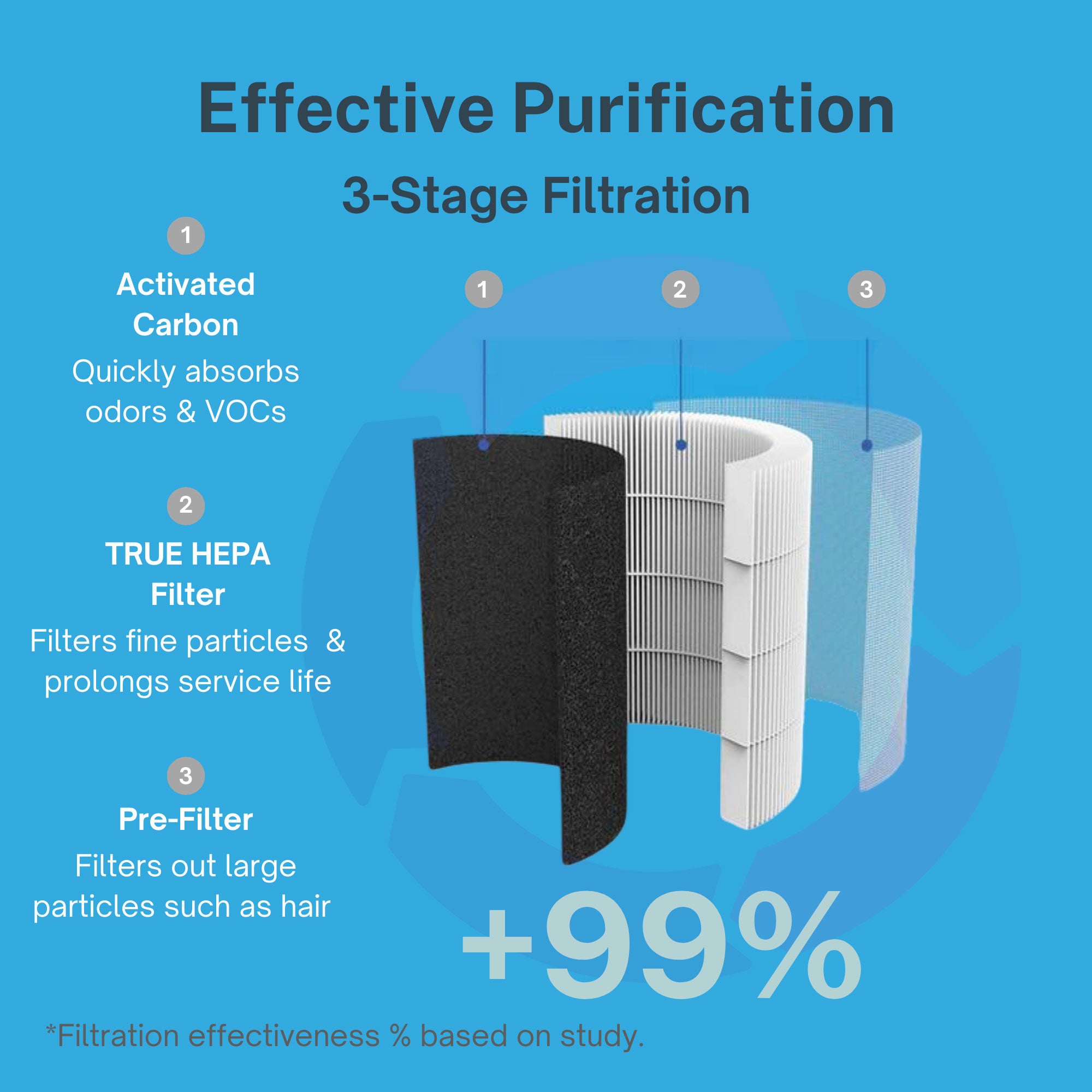
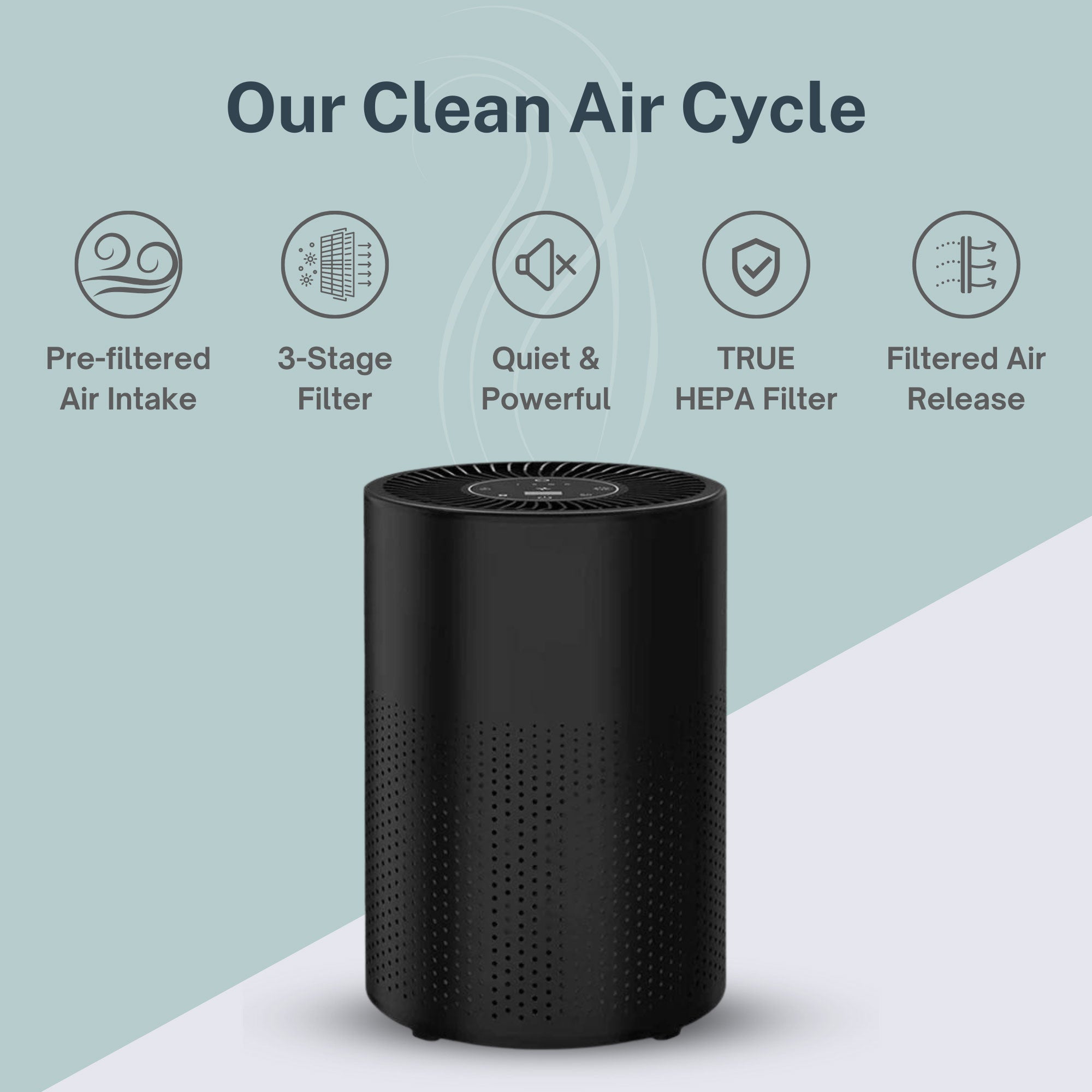
An air purifier with True HEPA filtration captures particles down to 0.3 microns, which includes much of the fine particulate matter that white dust represents. It also captures the other airborne particles that accumulate in bedrooms and living areas — dust, pollen, pet dander, mold spores — that have nothing to do with your humidifier.
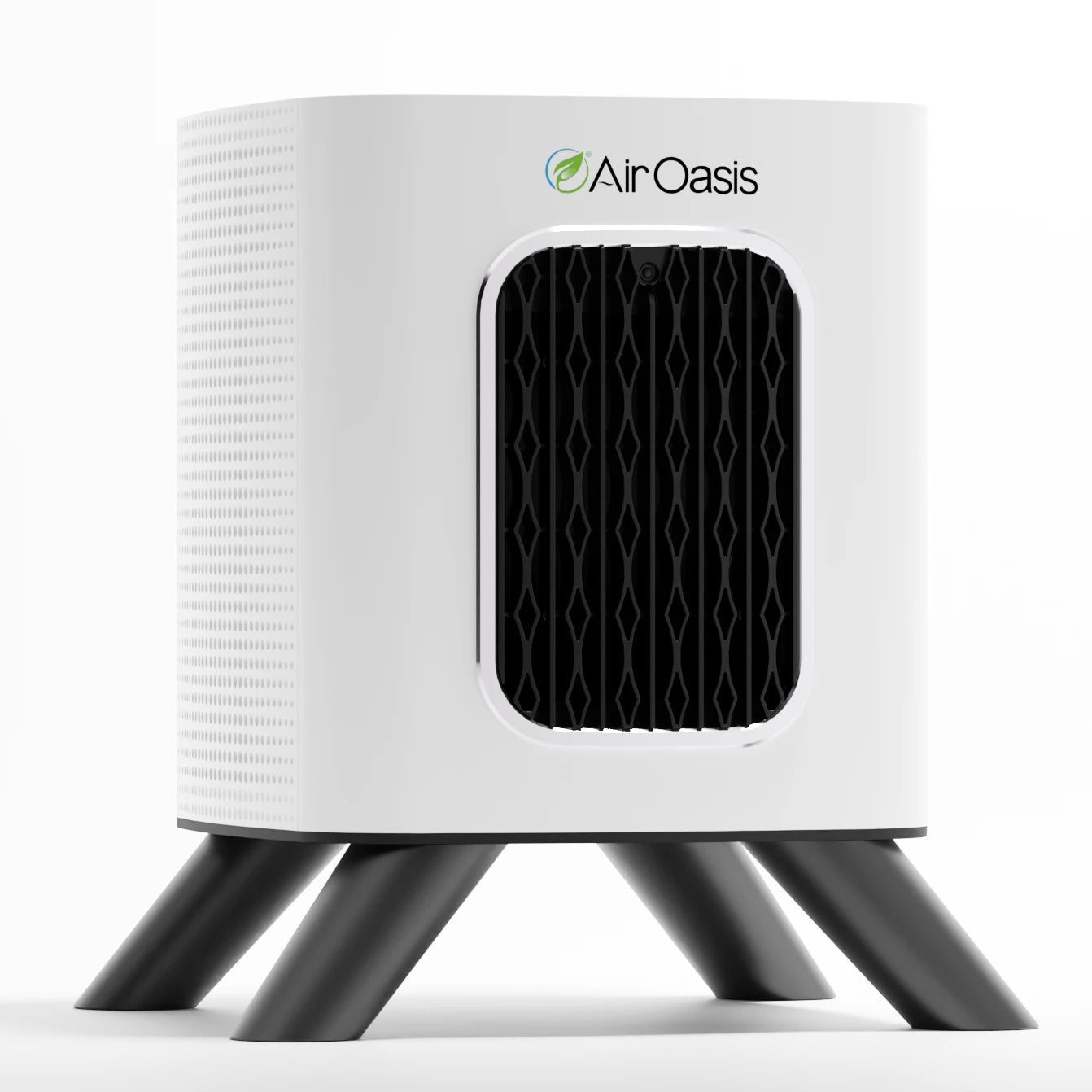
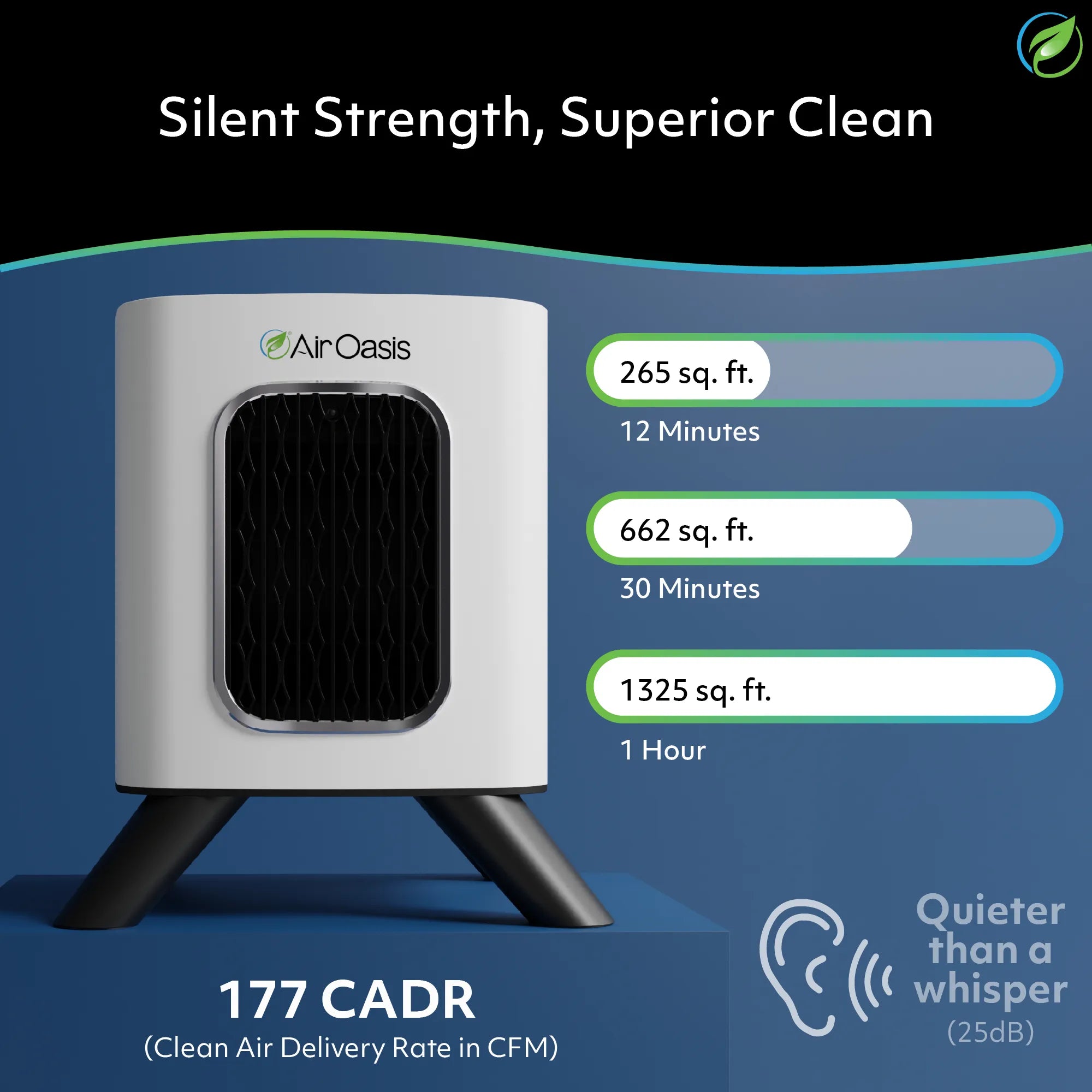
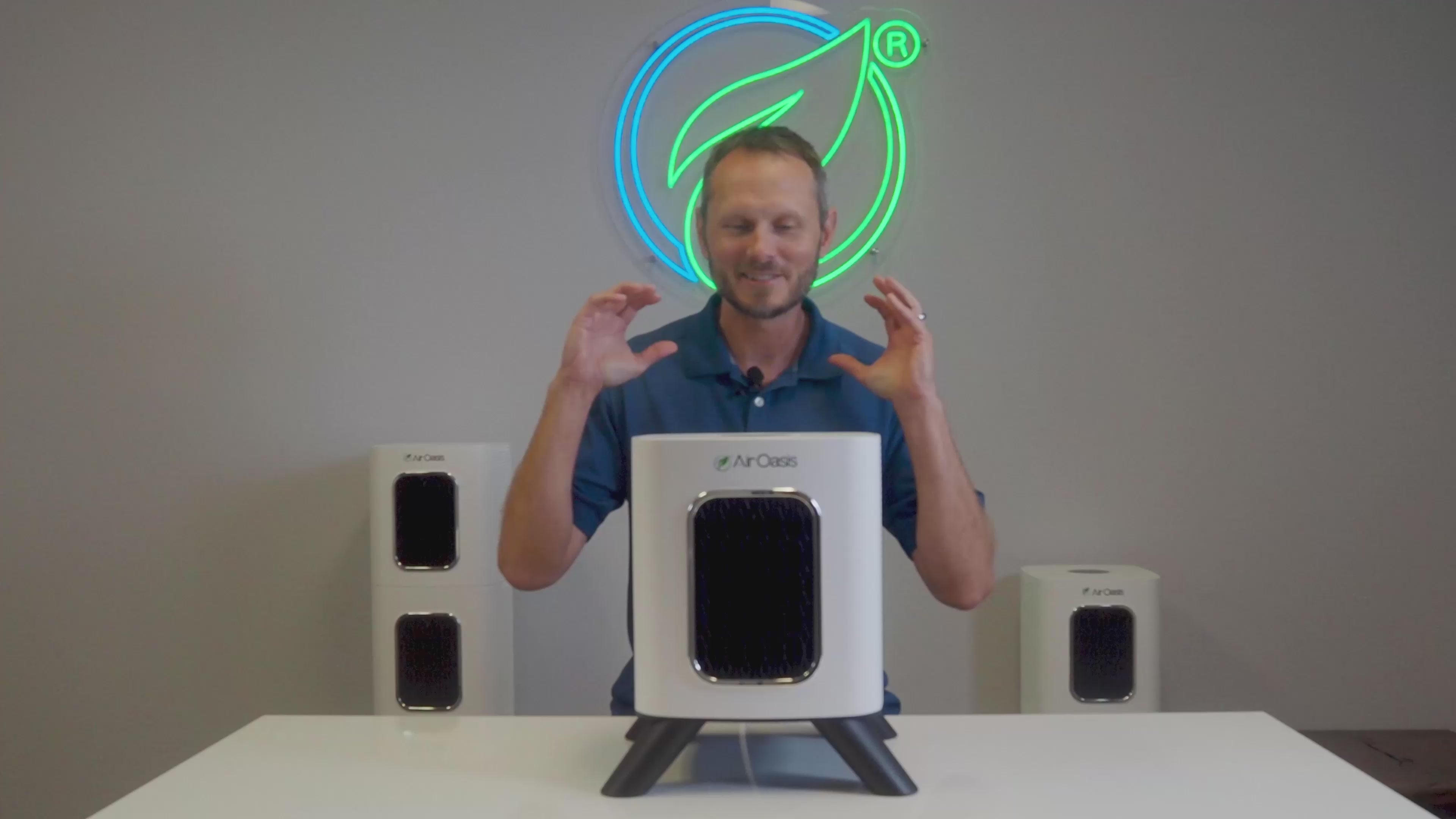
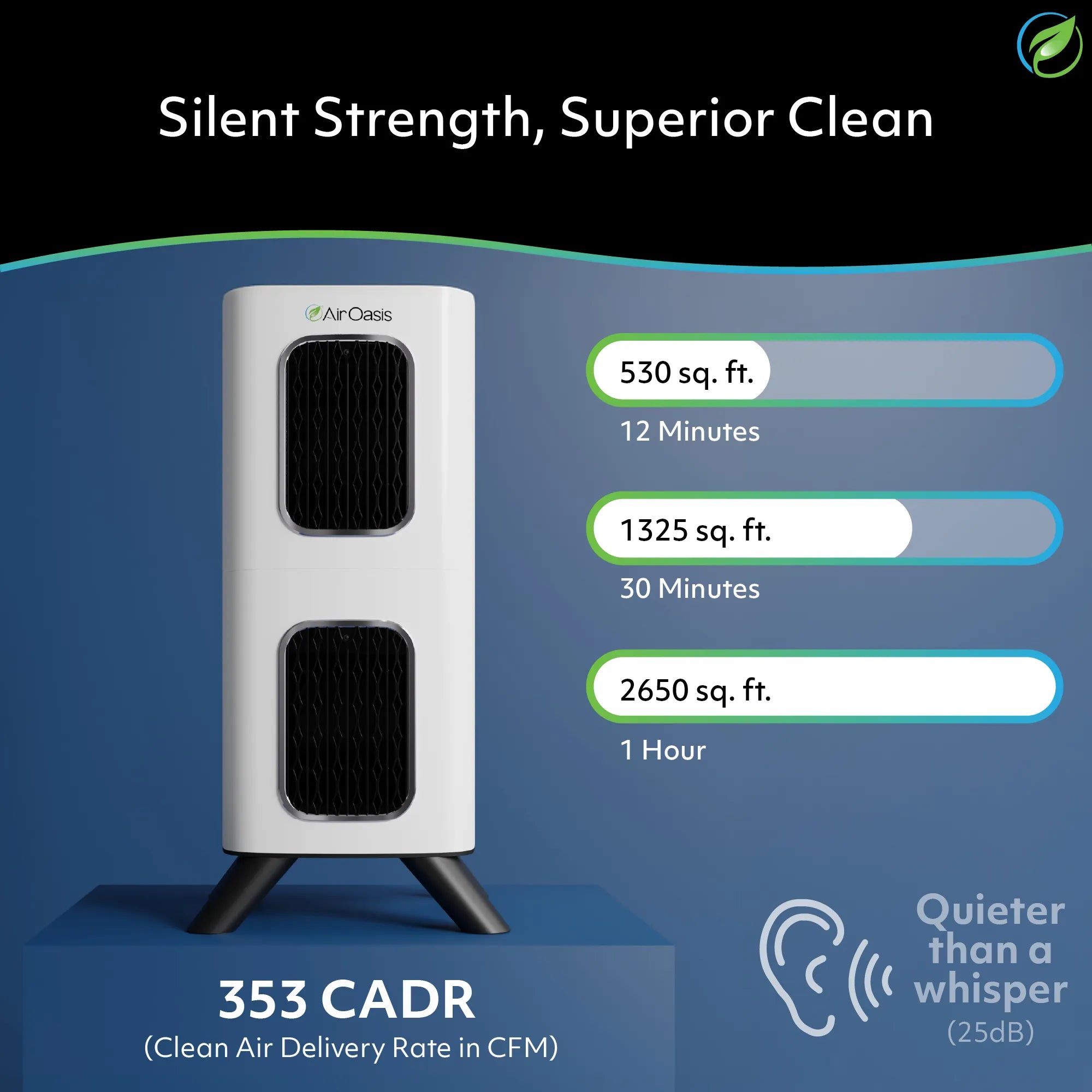
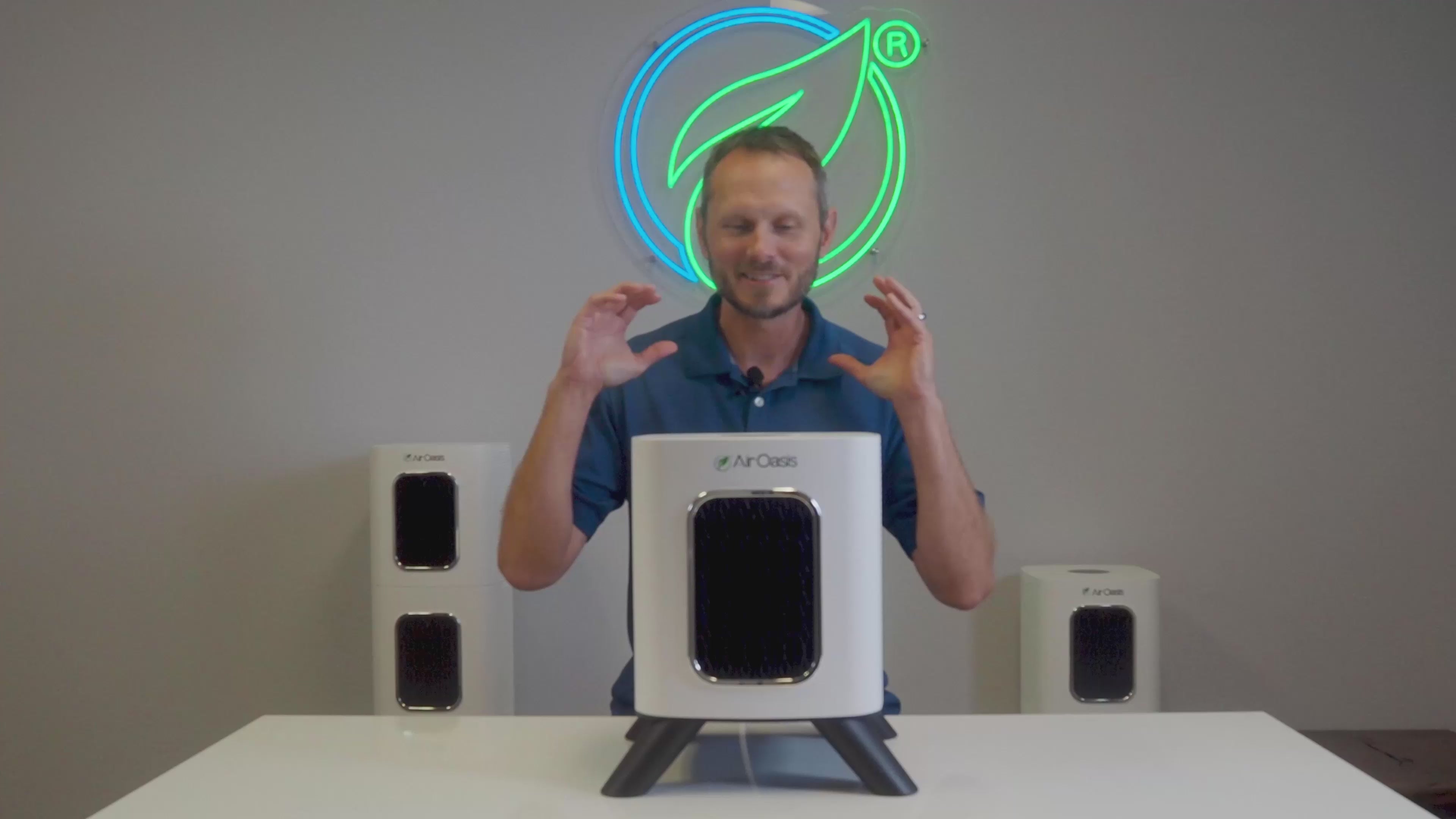
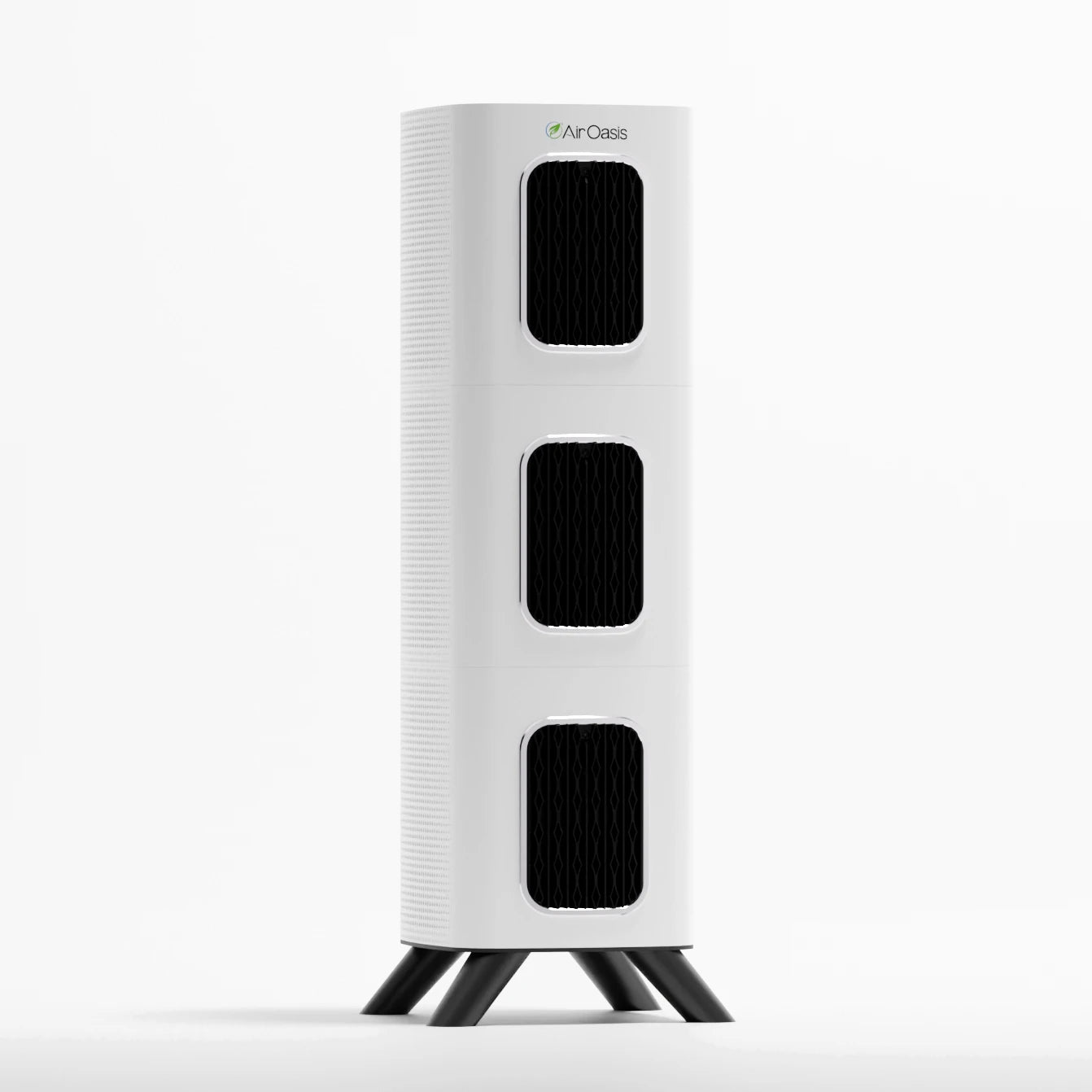
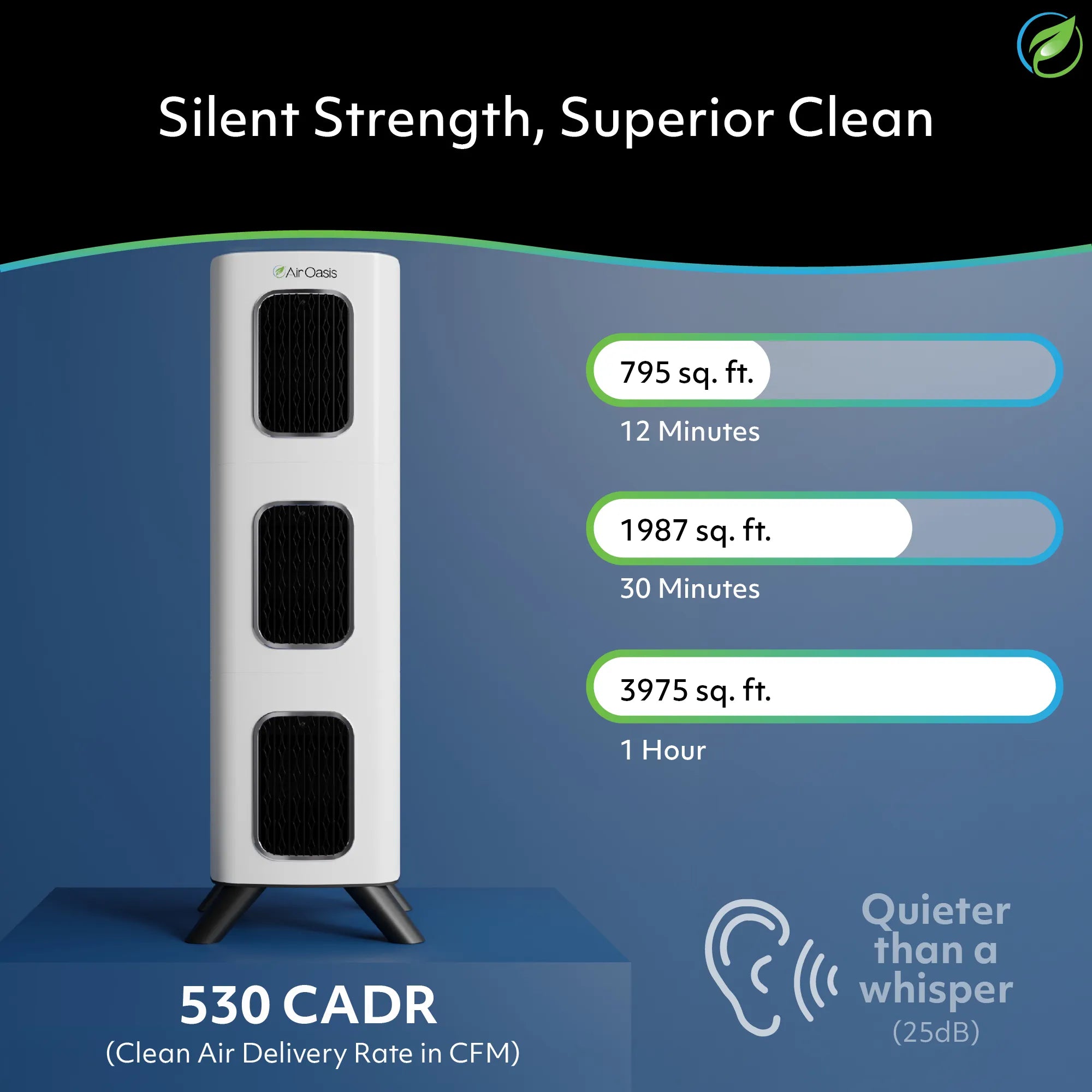
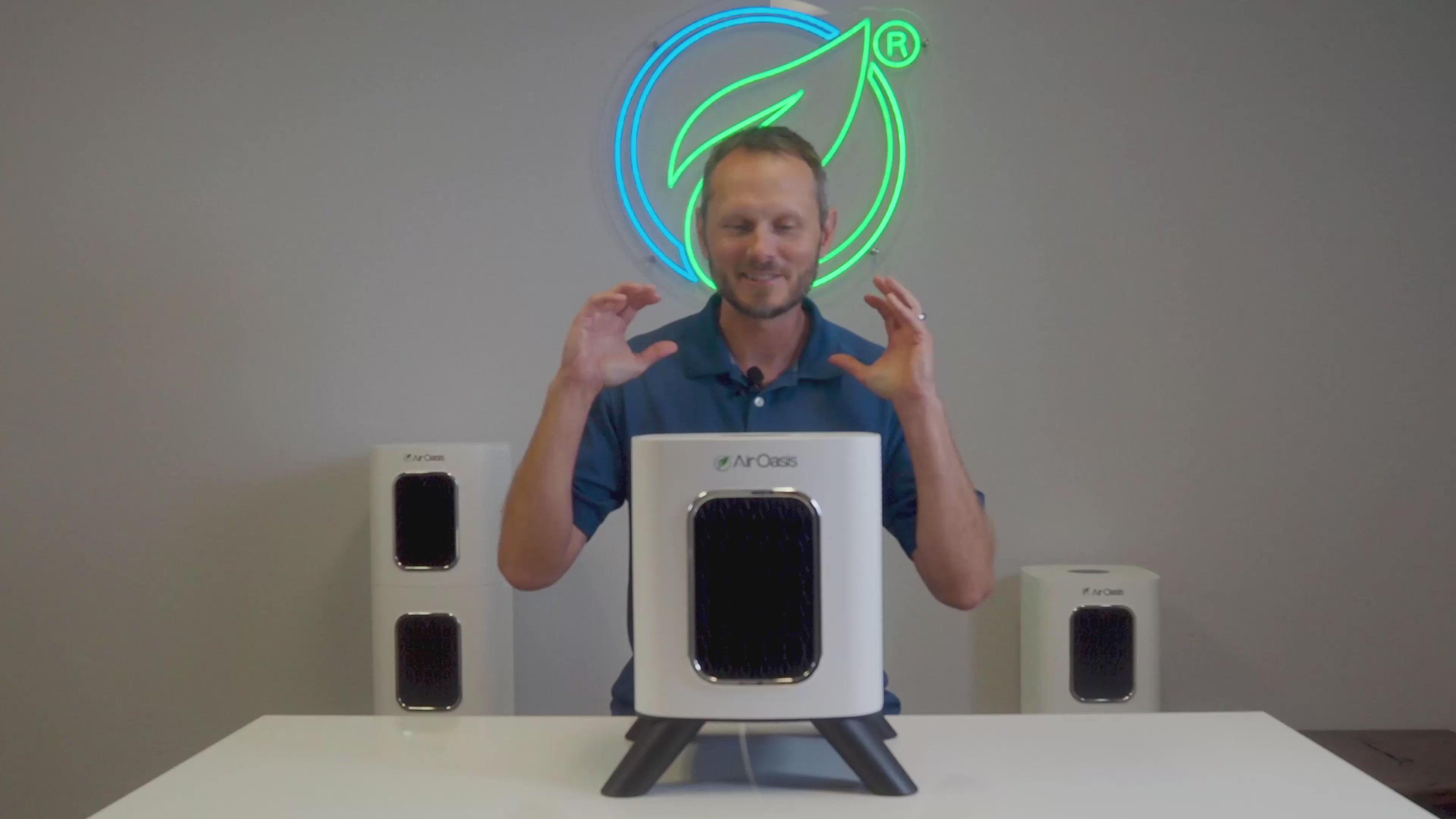
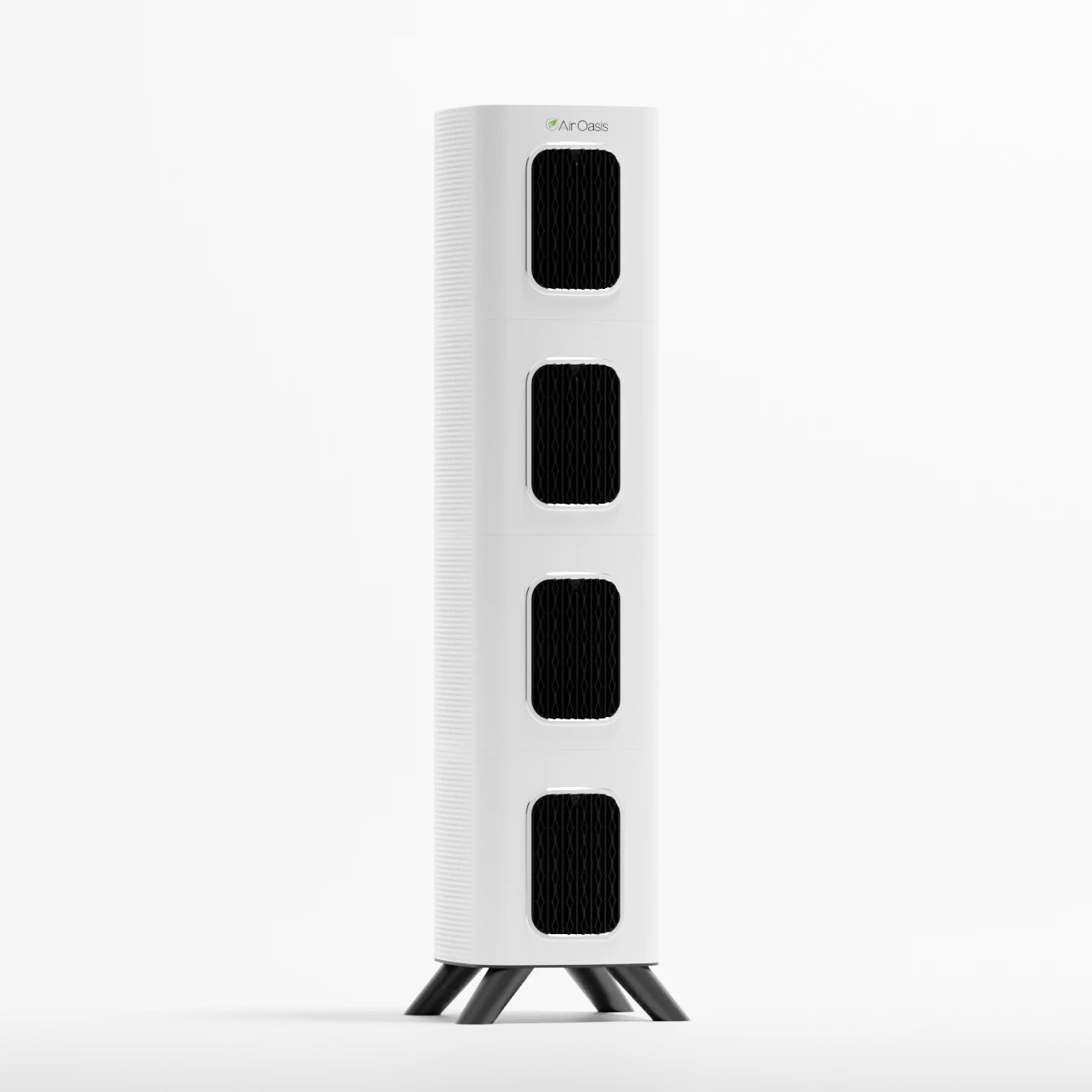
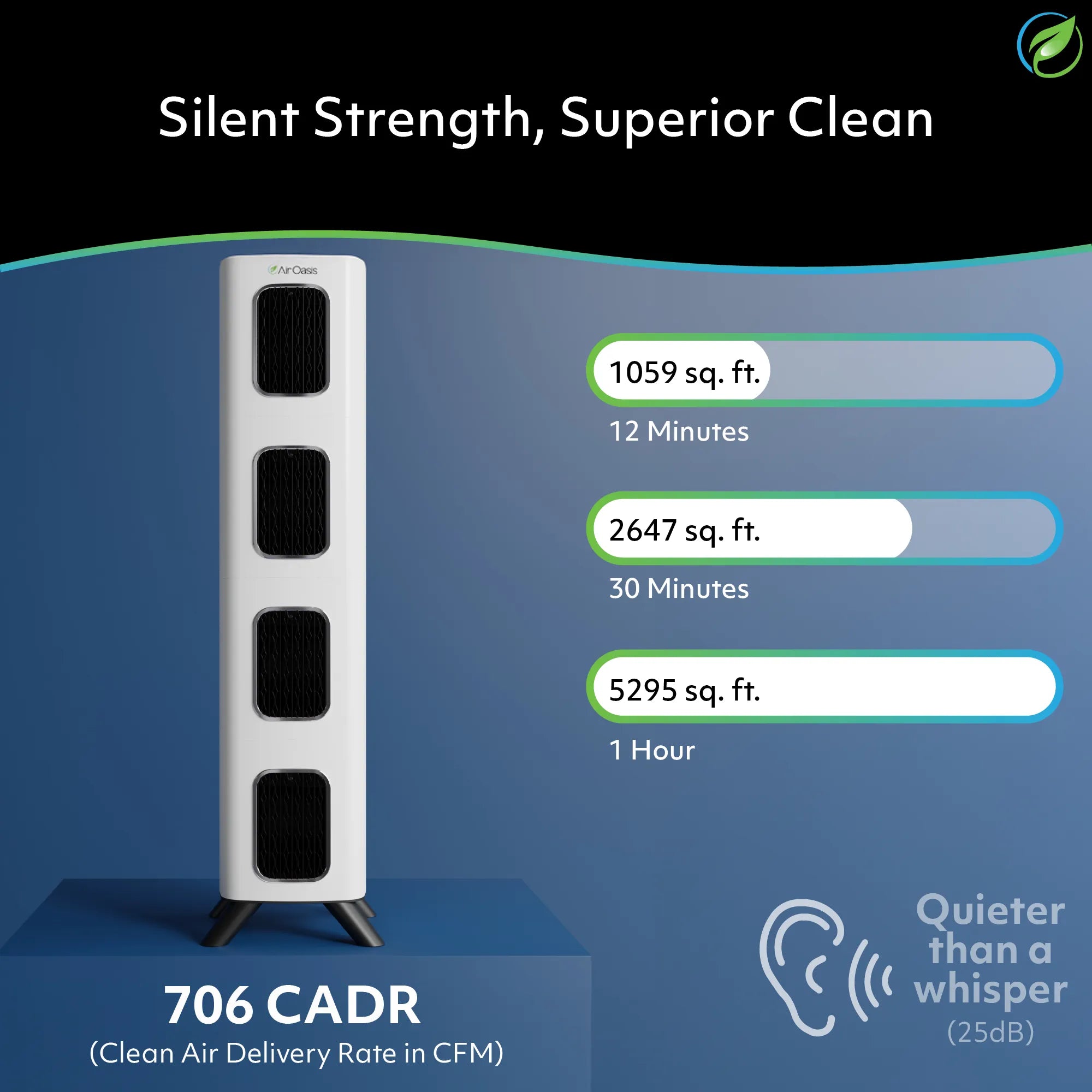
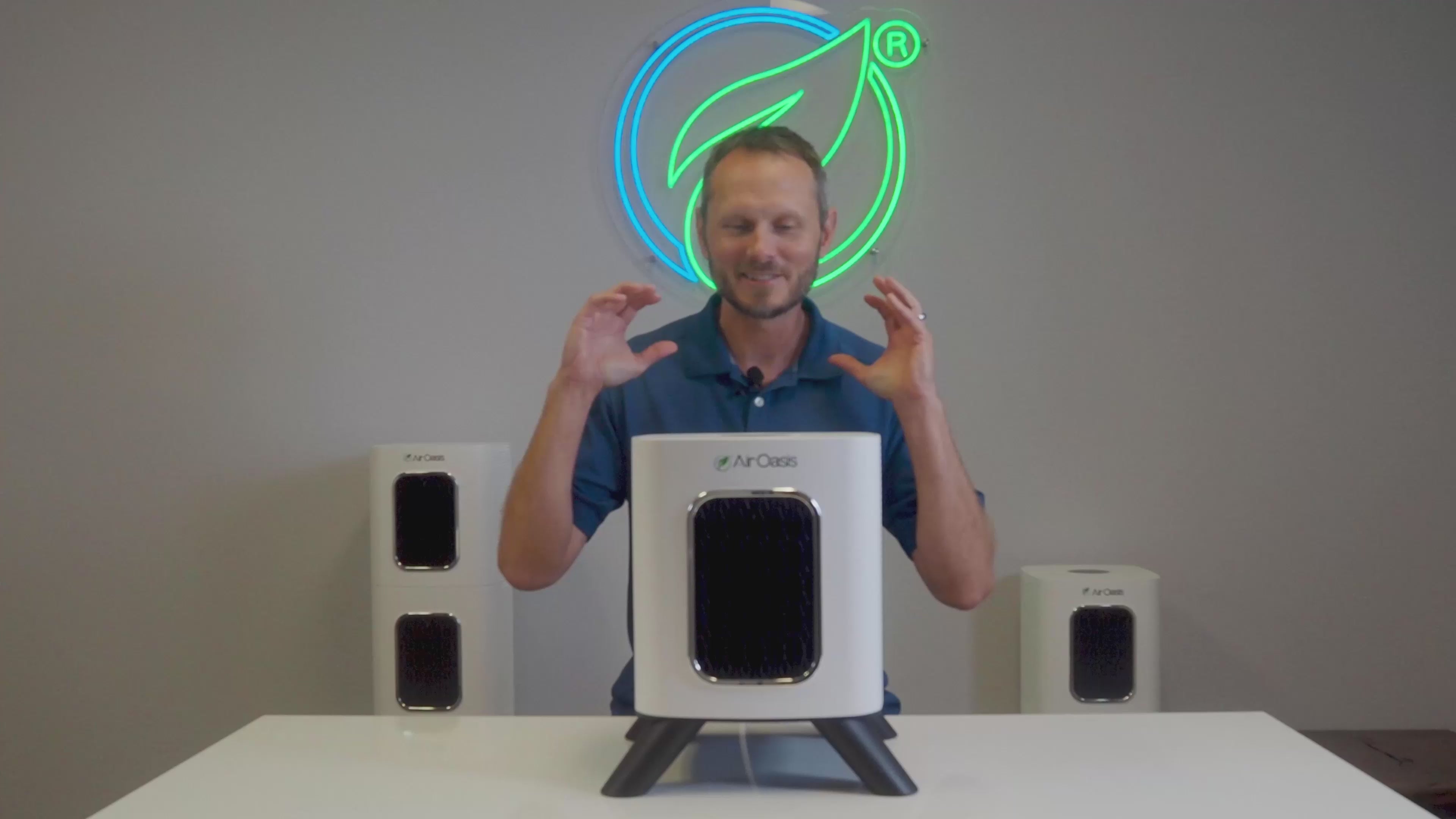
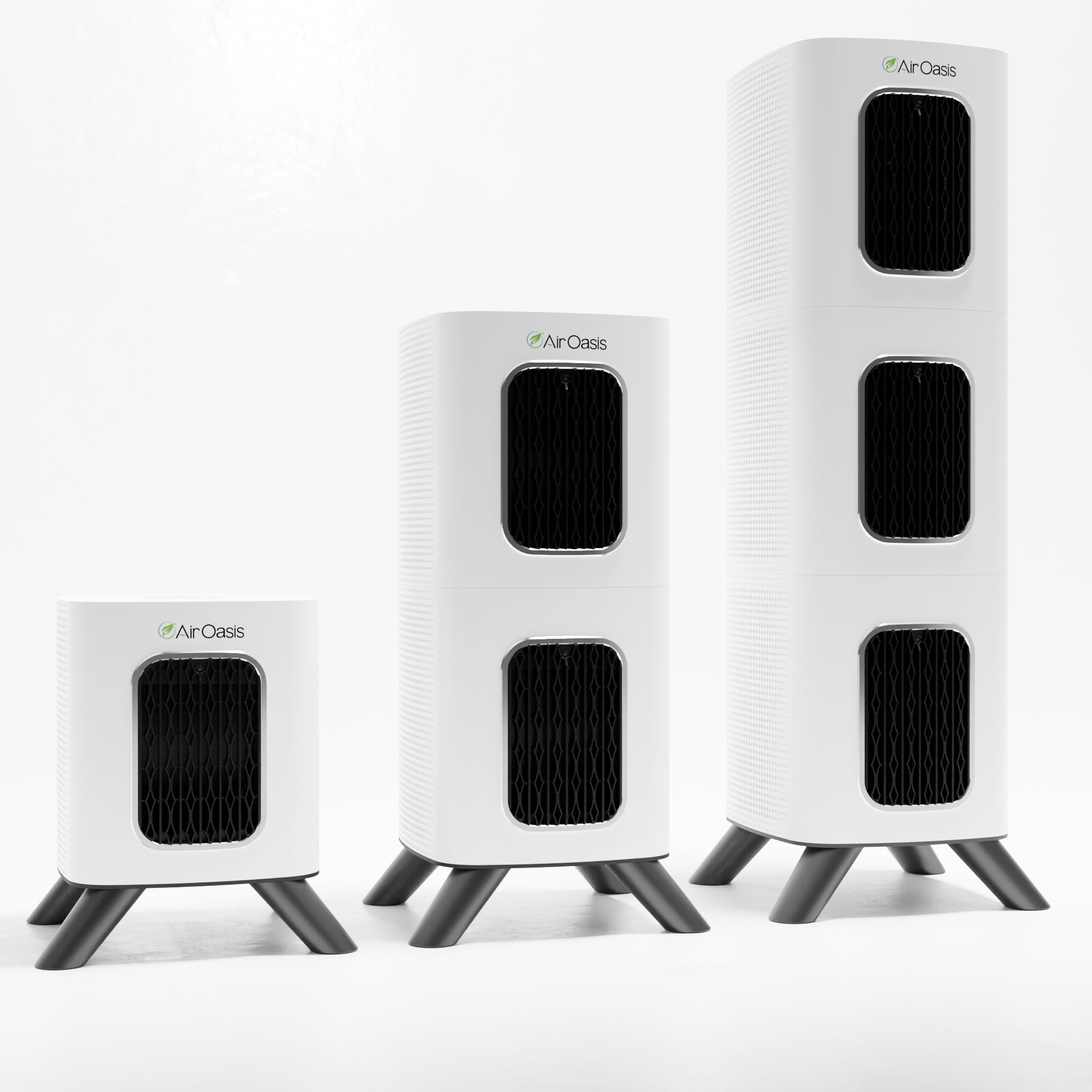
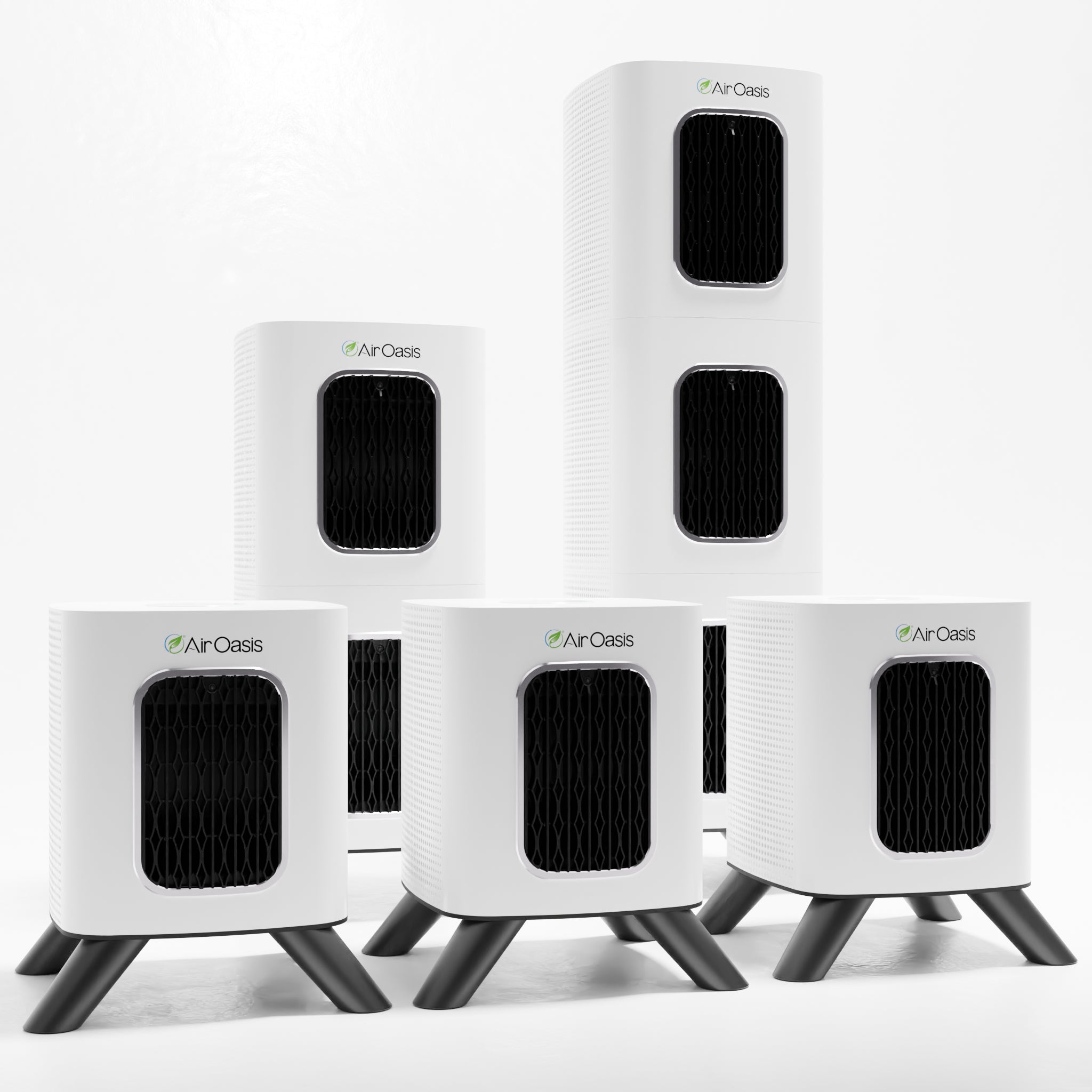
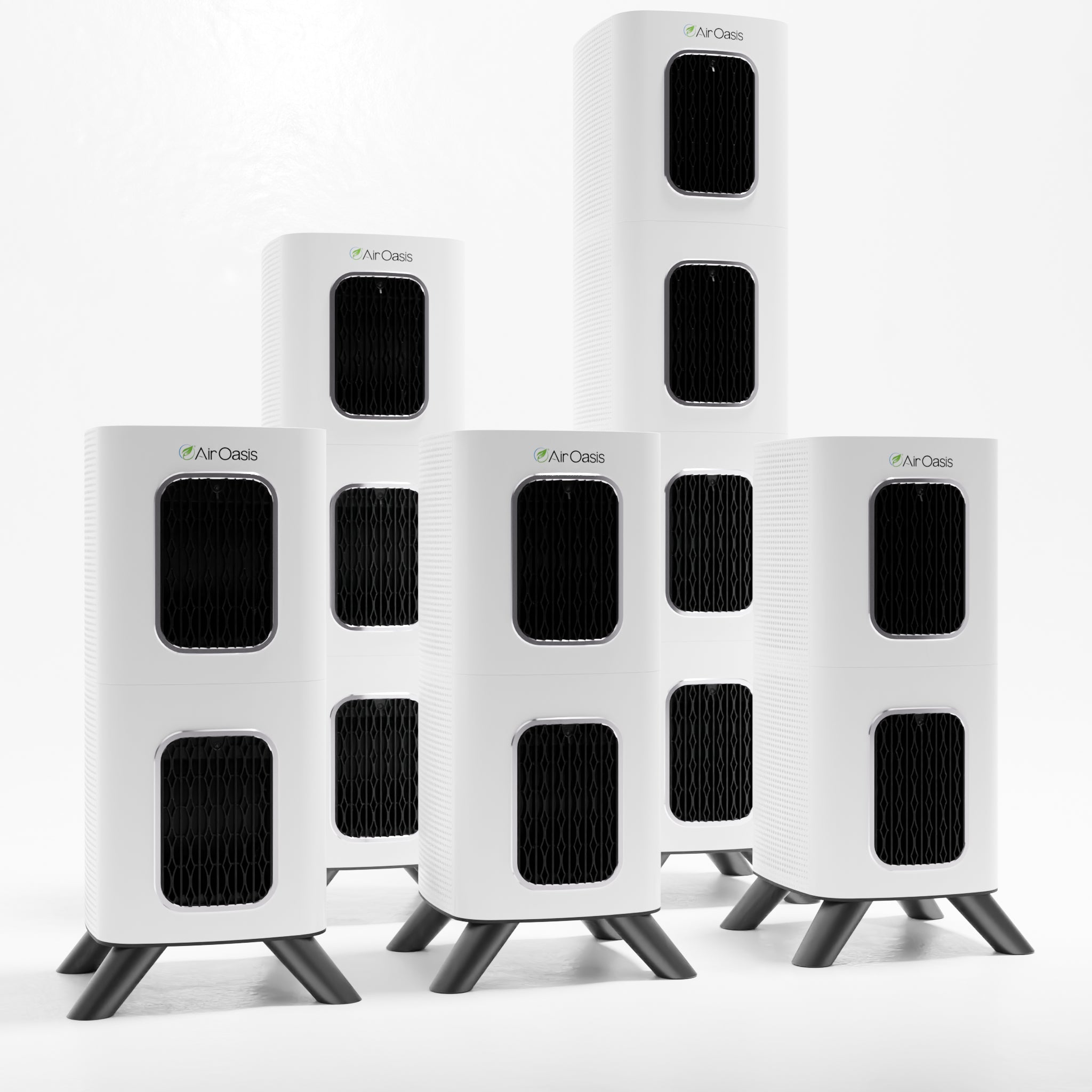
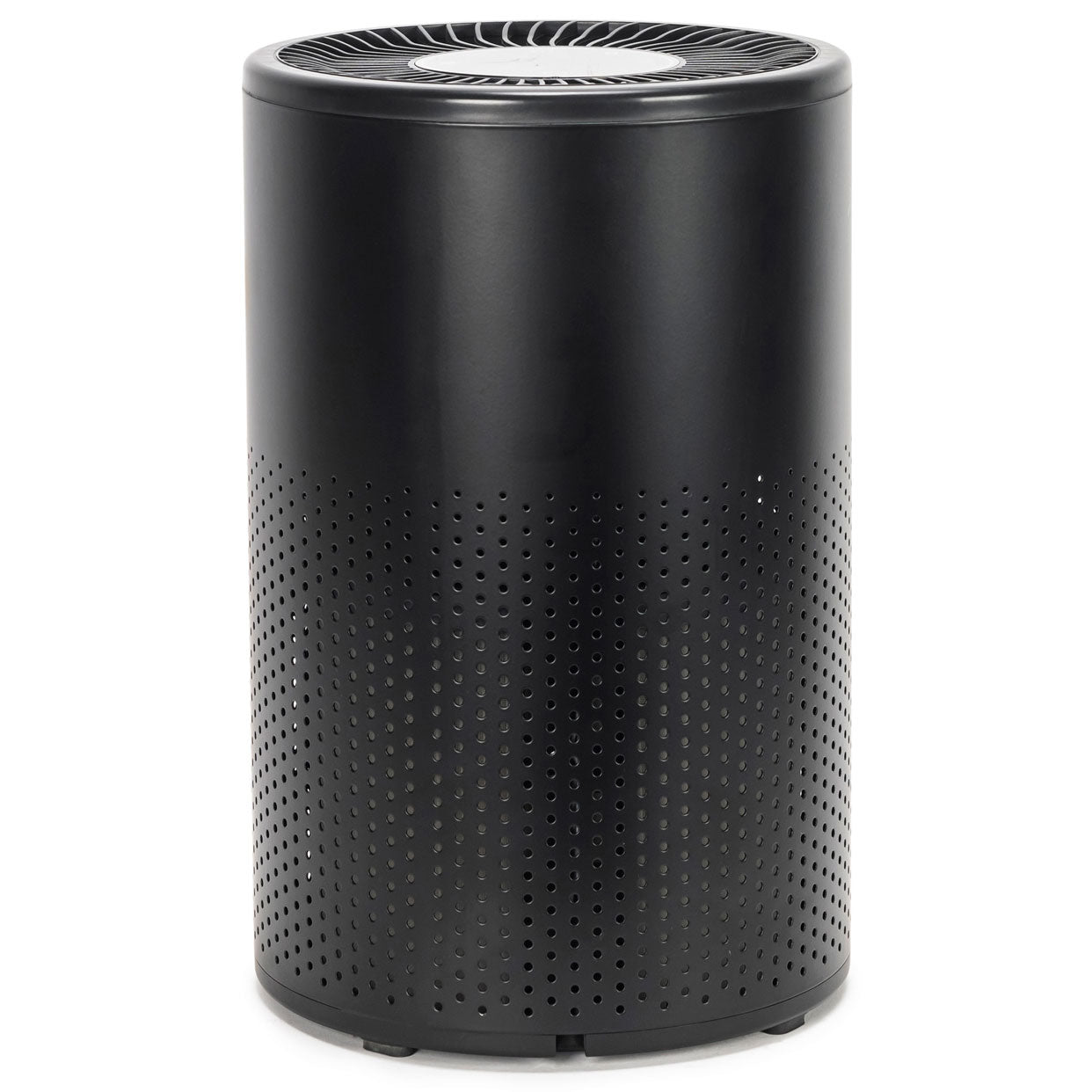
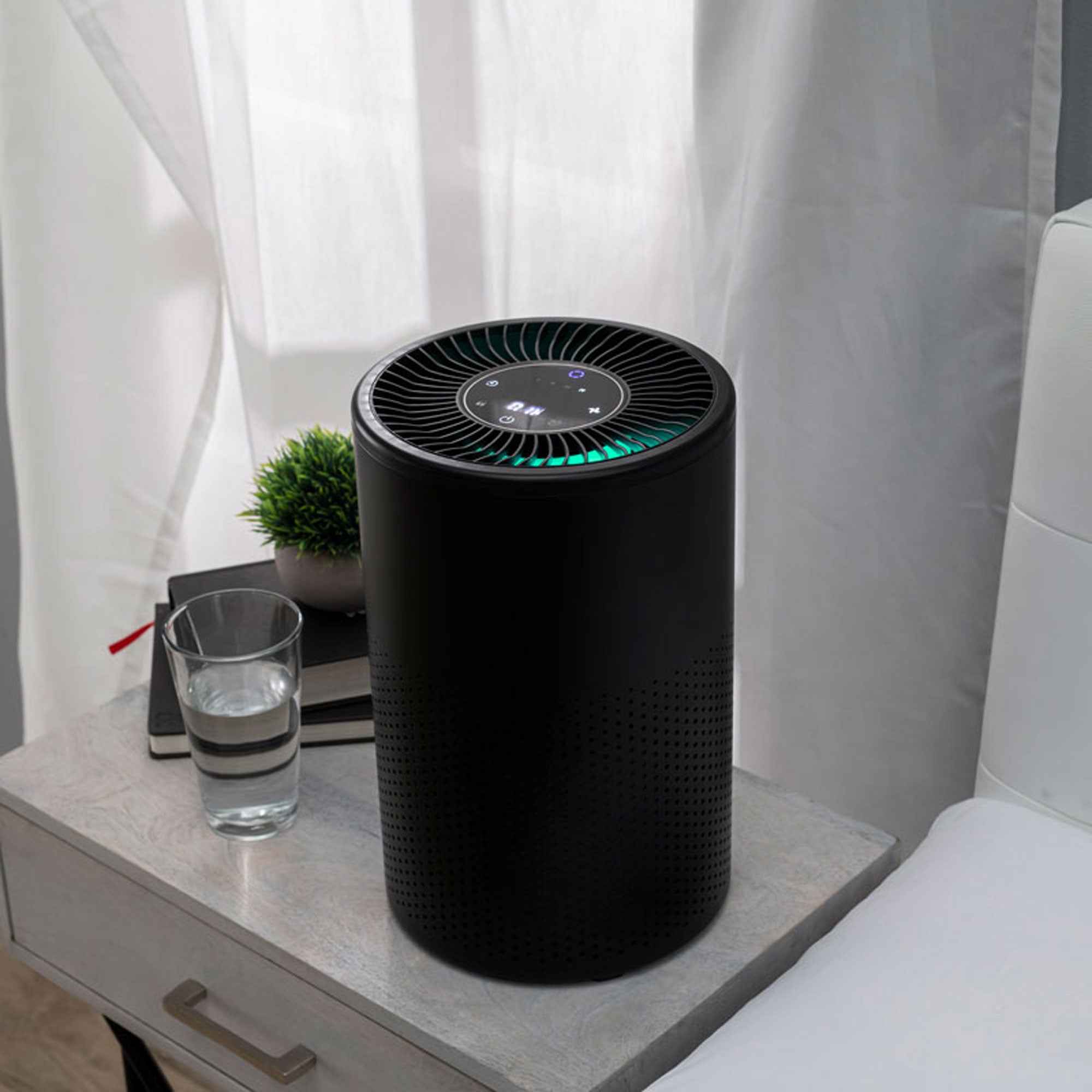
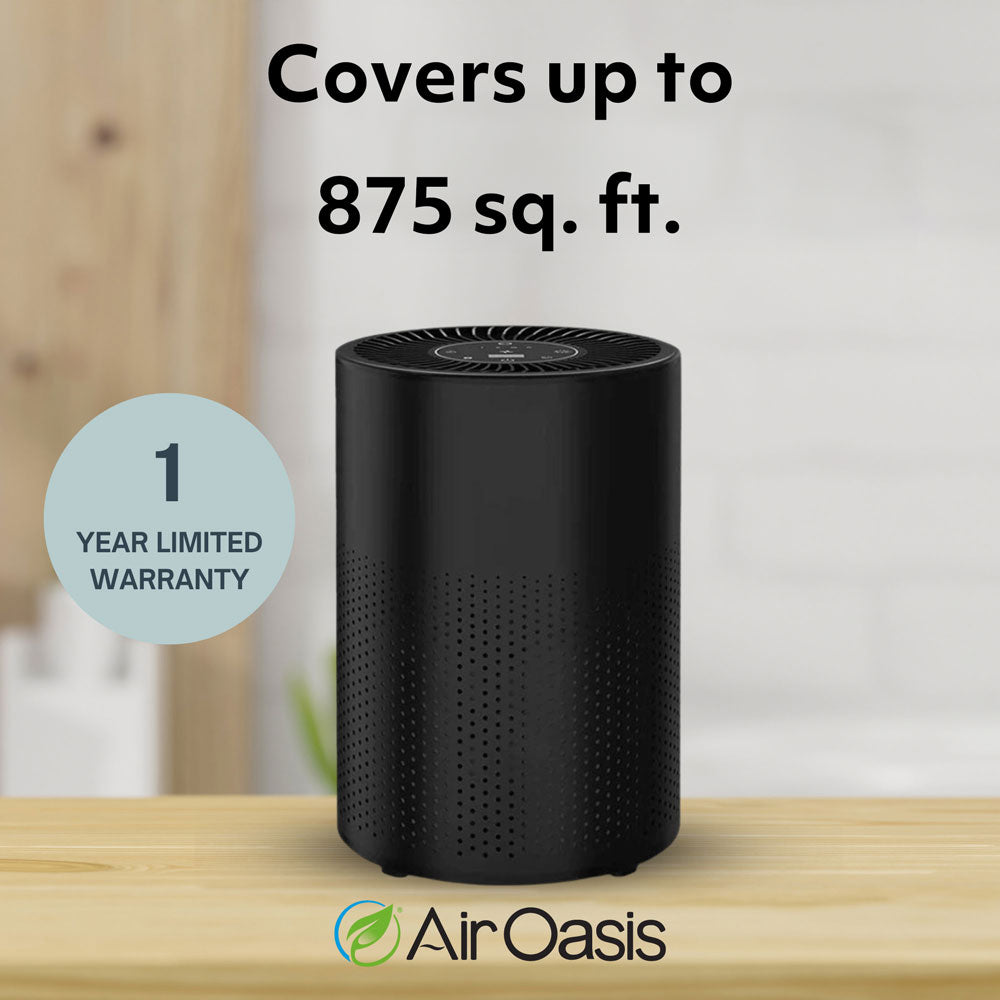
The iAdaptAir from Air Oasis combines True HEPA filtration with activated carbon, UV-C light, and bipolar ionization. It's CARB-certified ozone-free, meaning it's safe for continuous operation in the same room as someone with respiratory sensitivities — exactly the person for whom airborne fine particles are most relevant. Model sizing is based on room square footage: the 2S covers 265 square feet, the 2M covers 530, the 2L covers 795, and the 2P covers up to 1,059 square feet.
Running a humidifier and an air purifier together addresses different problems. The humidifier manages dryness. The purifier manages what's suspended in the air, including any mineral particles dispersed before they settle.
The bottom line on humidifier white dust
White dust from your humidifier is mineral residue from hard water, most commonly produced by ultrasonic models. The evidence on health effects in healthy adults is limited and not conclusive, but there's reasonable basis for paying attention if you or someone in your home has asthma, chronic respiratory conditions, or sensitivities. Switching to distilled water or an evaporative humidifier resolves the problem at the source.
If you're running a humidifier and want cleaner air overall, pairing it with the right air purifier is a practical next step. Shop Air Oasis to find the iAdaptAir model sized for your space, and breathe better starting tonight.