You unbox your new air purifier, plug it in, and within minutes you notice something unexpected: a smell. Maybe it's faintly plastic-y. Maybe it's a little chemical. Maybe there's a slight warm or dusty quality to the air. Whatever it is, it wasn't there before you turned the unit on, and now you're wondering if something is wrong.
Nothing is wrong. But the anxiety is understandable, and you deserve a real explanation.
Why new air purifiers smell when first turned on
Every new air purifier contains materials that haven't been run at operating temperature before. Plastic housing, adhesives, filter packaging materials, and the filter media itself all carry trace volatile organic compounds (VOCs) that get released when the unit heats up and starts circulating air. This is called off-gassing, and it's the same process that creates that "new car smell" or the scent of a freshly painted room.
Off-gassing from new materials is a normal, temporary phenomenon. For most air purifiers, it resolves within a few hours to a few days of operation. The smell isn't a sign that anything is malfunctioning. It's just chemistry — new materials warming up and releasing trace compounds that quickly dissipate as you continue running the unit.
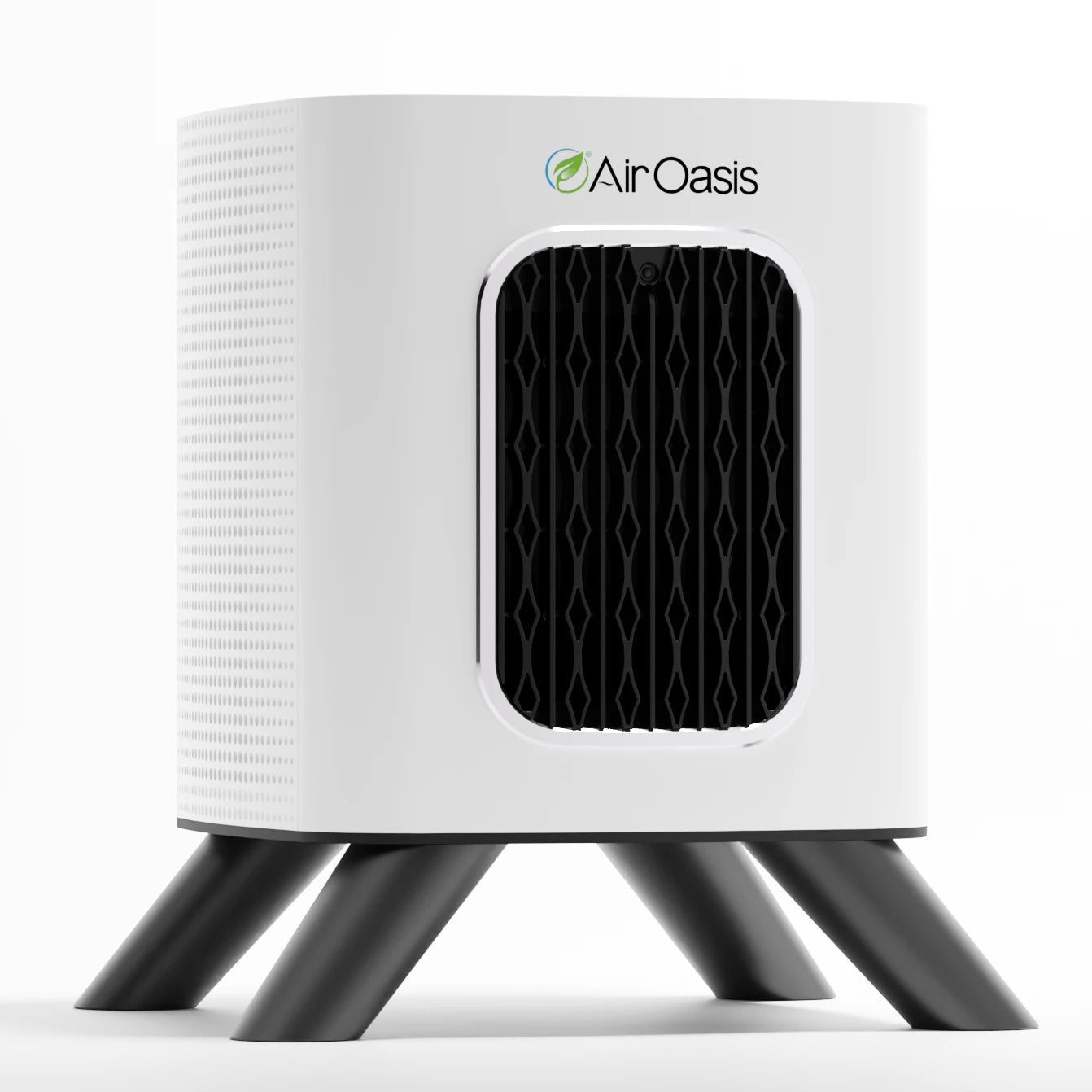
With the iAdaptAir, the initial smell is typically mild and short-lived. The filters are sealed until first use, so the materials are fresh. Running the unit in a ventilated room for the first 24 to 48 hours, with a window cracked if possible, helps the off-gassing resolve faster.
What each type of smell usually means
Not all first-use smells are the same, and it helps to know what you're actually noticing.
A faint plastic or slightly warm smell is the most common first-use experience. This is the housing and internal components warming up. It's harmless and fades quickly, usually within a day.
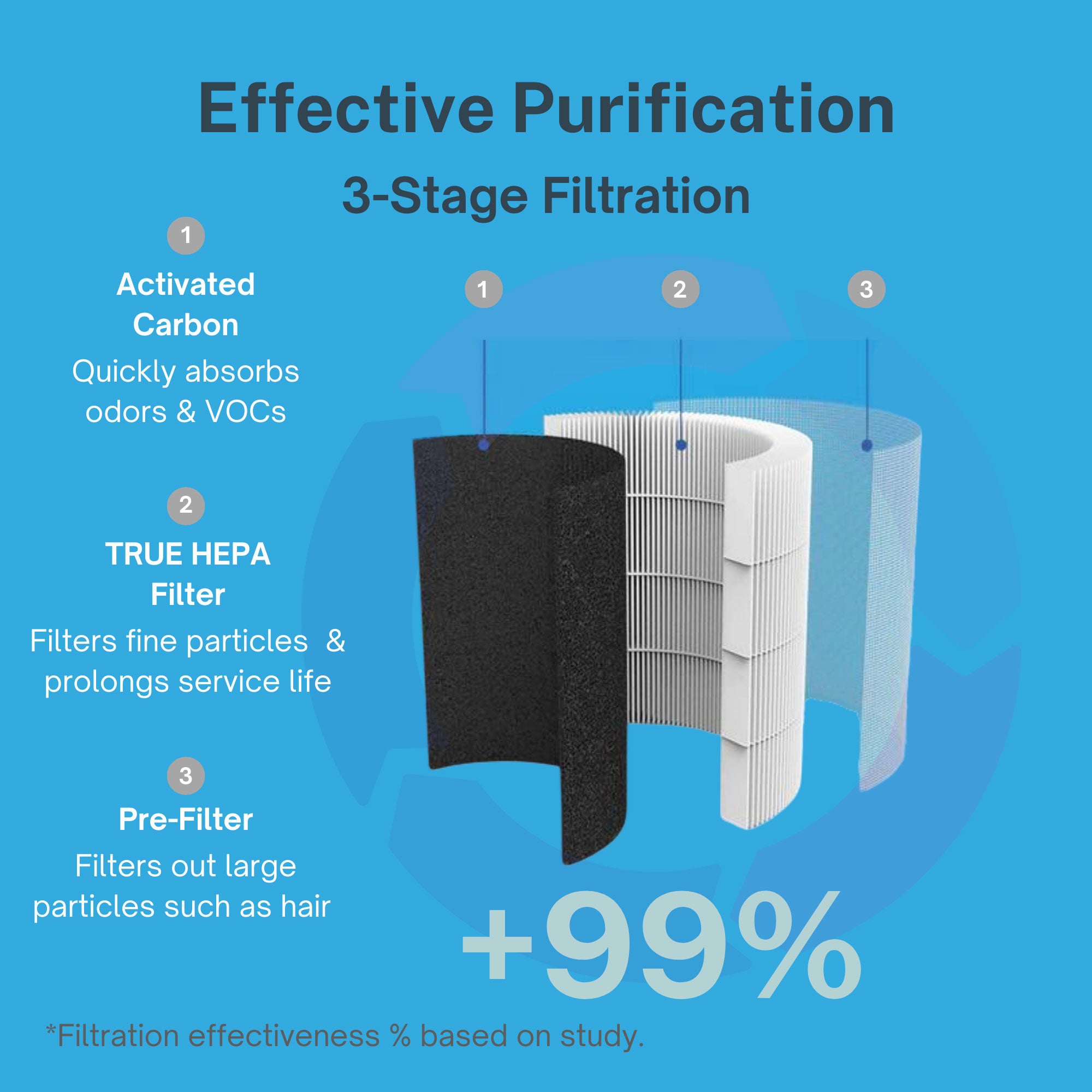
A dusty or papery smell often comes from the filter media itself — particularly the HEPA filter, which is a tightly compressed material that may release a subtle smell when air first passes through it at volume. This also fades within the first day or two of operation.
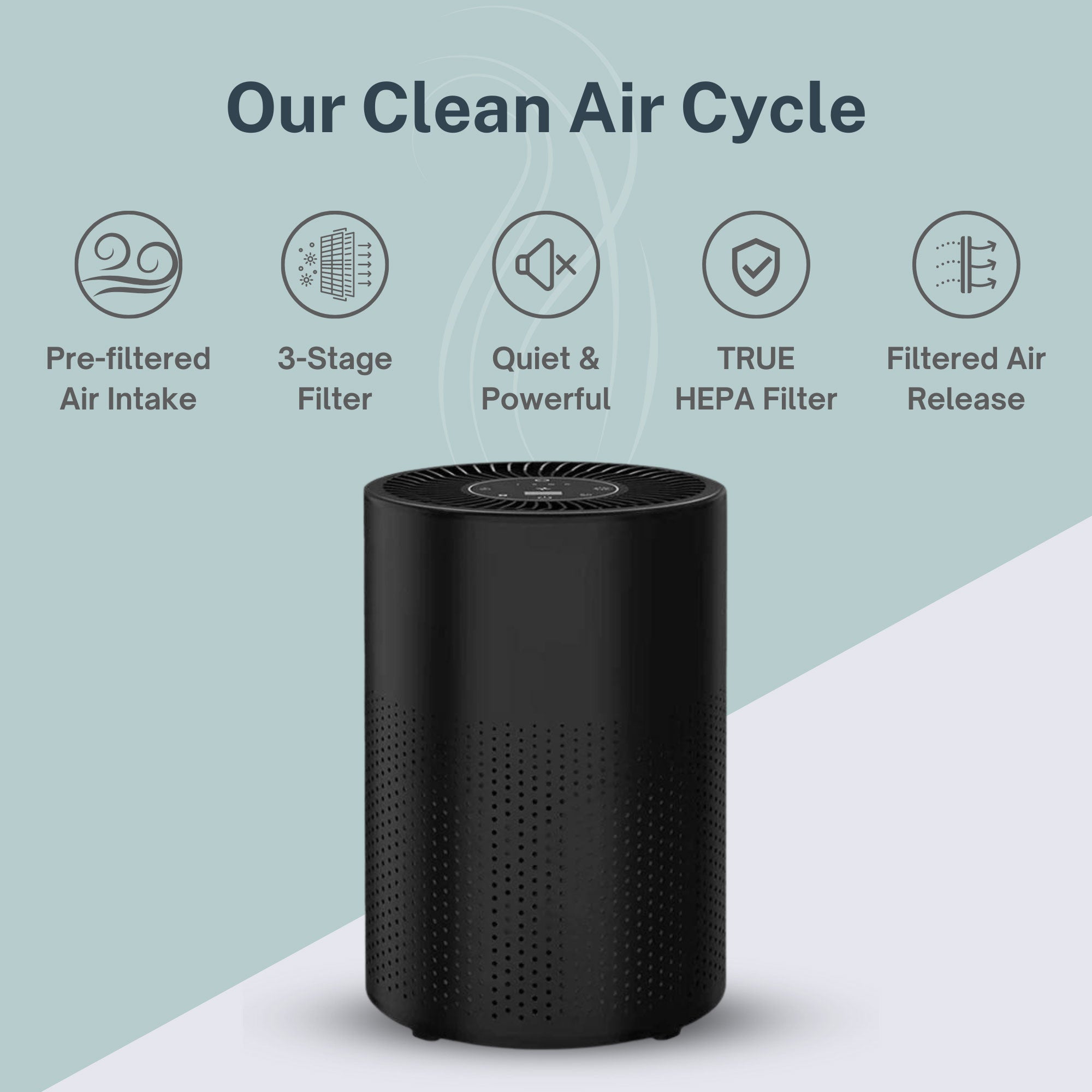
A faintly sweet or chemical smell can come from the activated carbon filter. Fresh activated carbon is highly porous and active, which is actually what you want — it means the carbon is ready to adsorb odors and VOCs from your air. Some people detect a brief smell from this layer initially. Again, normal.
What's worth paying attention to:
- A sharp, metallic, or bleach-like smell that doesn't fade after a day or two
- A persistent electrical burning smell
- Any smell that gets stronger over time rather than weaker
The first item on that list deserves specific attention. Some air purifiers, particularly those using certain ionization technologies or UV systems without proper ozone-free certification, produce ozone as a byproduct. Ozone has a distinctive, sharp, almost electric smell that some people describe as "fresh" or "clean." It isn't clean. Ozone is a lung irritant that can worsen respiratory symptoms, especially for people with asthma or sensitivities. If your purifier persistently has that smell, check the product specifications carefully.
Why the iAdaptAir is different
The iAdaptAir is CARB-certified ozone-free. California Air Resources Board certification is one of the most rigorous ozone-safety standards in the United States — it's not a marketing claim, it's a tested and verified certification. The bipolar ionization technology in the iAdaptAir charges airborne particles to help them clump together and get captured, but it does this without generating ozone.
So if you're running an iAdaptAir and notice a brief initial smell, you can rule out ozone. What you're experiencing is standard off-gassing from new materials, and it will pass.
How to speed up the break-in period
You don't have to wait passively. A few things help the initial smell resolve faster.
Run the unit on a higher fan speed for the first few hours. More airflow means more circulation, which helps the filter media settle in and the housing materials off-gas more quickly. After that initial period, you can dial the speed back to whatever setting fits your space and noise preference.
Ventilate the room a little during the first day. Cracking a window while the unit runs gives the off-gassing compounds somewhere to go. This isn't a contradiction — you're not defeating the purpose of the purifier. You're just helping the initial chemistry resolve before you settle into normal, closed-room operation.
Don't panic if the smell seems to intensify briefly when you first turn it on, then fade. That pattern is typical. The unit is at its most "new" in the first minutes of operation.
When the smell isn't from off-gassing
Once your unit has been running for several days and the initial break-in smell is gone, other smells can occasionally appear. These are worth understanding too.
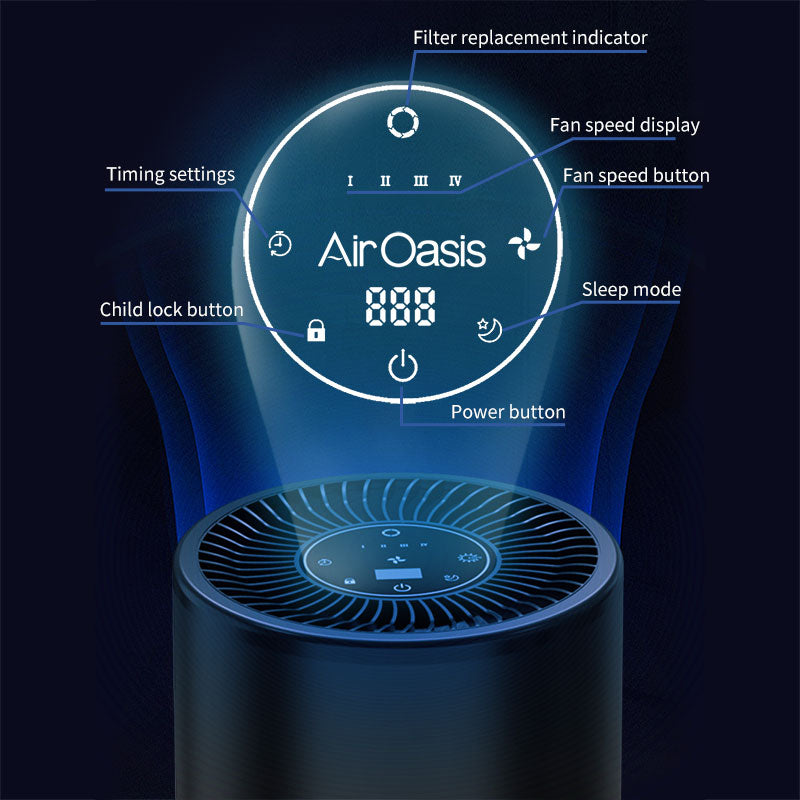
If you notice a musty or earthy smell coming from the unit after extended use, that's a signal to check the filter. A HEPA filter that's been capturing mold spores and organic particles for months eventually reaches a point where it needs replacement. The iAdaptAir's filter indicator system tracks runtime and air quality data to signal when replacement is due — don't ignore that notification.
A stale or "dirty" smell from a purifier that's been running for a while is almost always a filter that's past its useful life. Replacing the filter typically solves it immediately.
A burning smell that wasn't there before — not the initial plastic warmth, but a sharper hot smell — is worth investigating. Turn the unit off and contact Air Oasis customer support. The U.S.-based support team can help you determine whether it's a normal settling smell or something that warrants attention.
The smell you'll actually want to notice
Here's the thing about air purifiers and smell that most people don't expect: after the first-use period passes, what you'll notice isn't a smell. It's the absence of one.
The air in a room where an iAdaptAir has been running consistently for a week or two tends to smell like nothing. Not artificial freshness. Not fragrance. Just neutral, clean air. The background odors you stopped noticing — dust, pet dander, cooking residue, VOCs from furniture — get stripped out gradually, and what's left is simply air.
That's the point. That's what you bought it for.
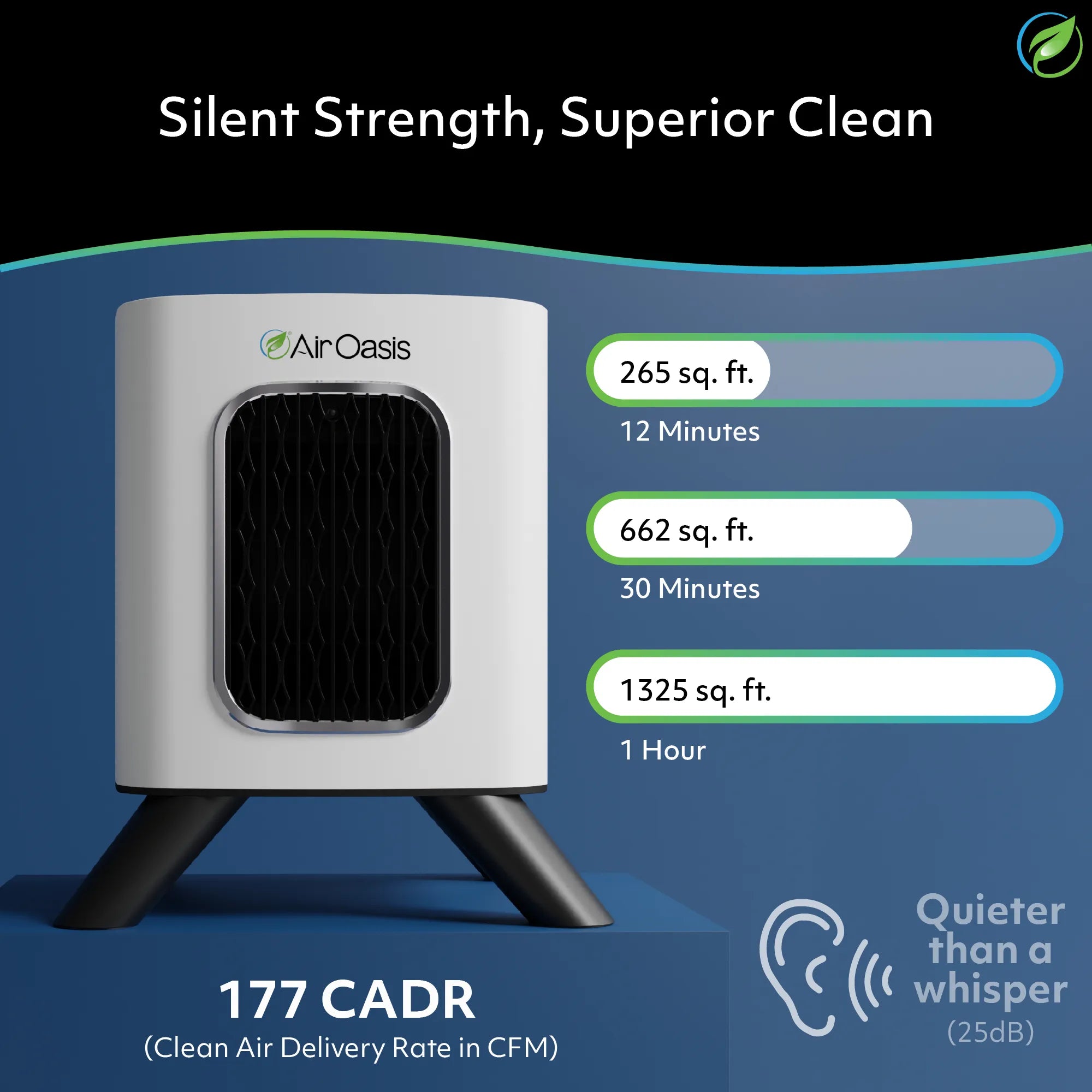
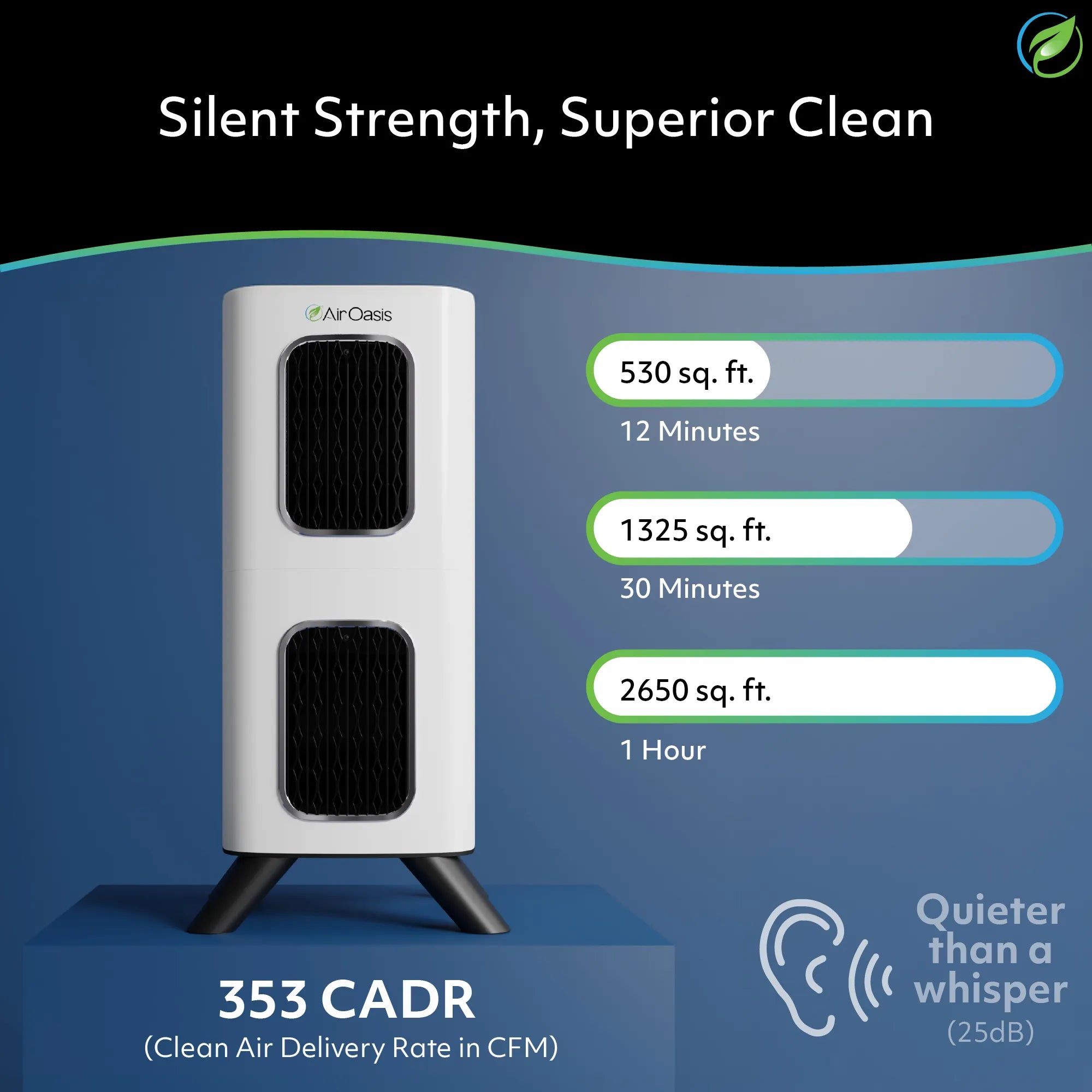
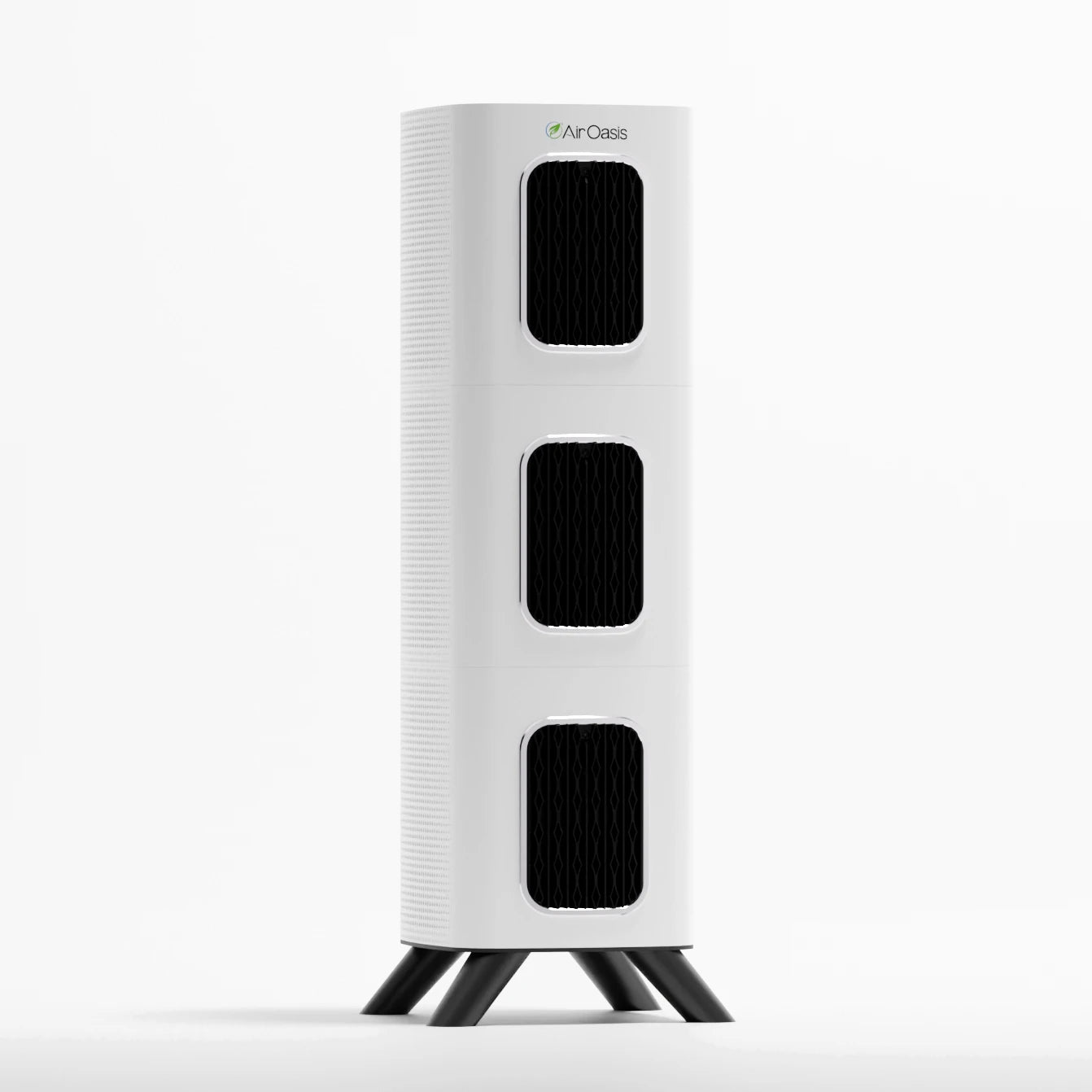
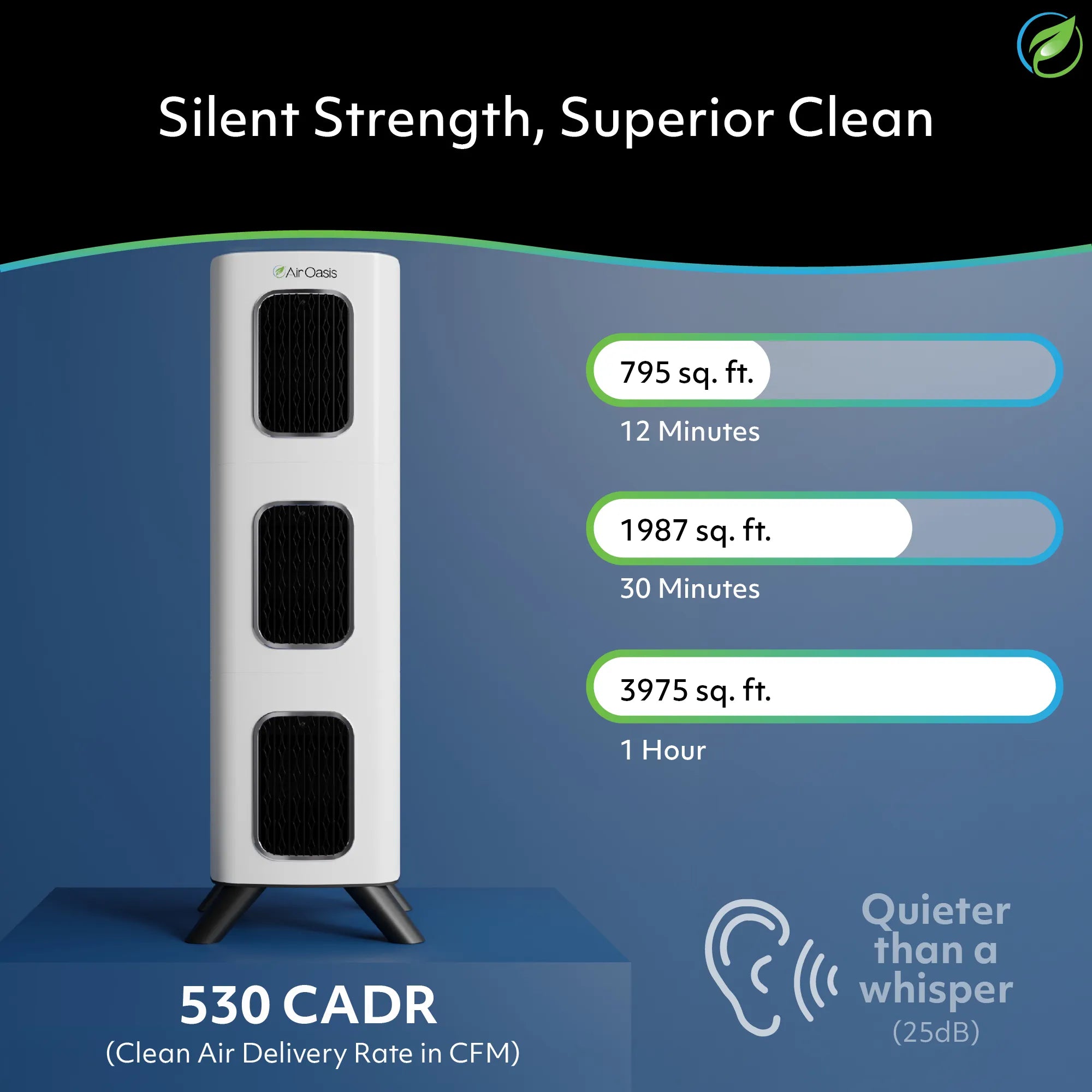
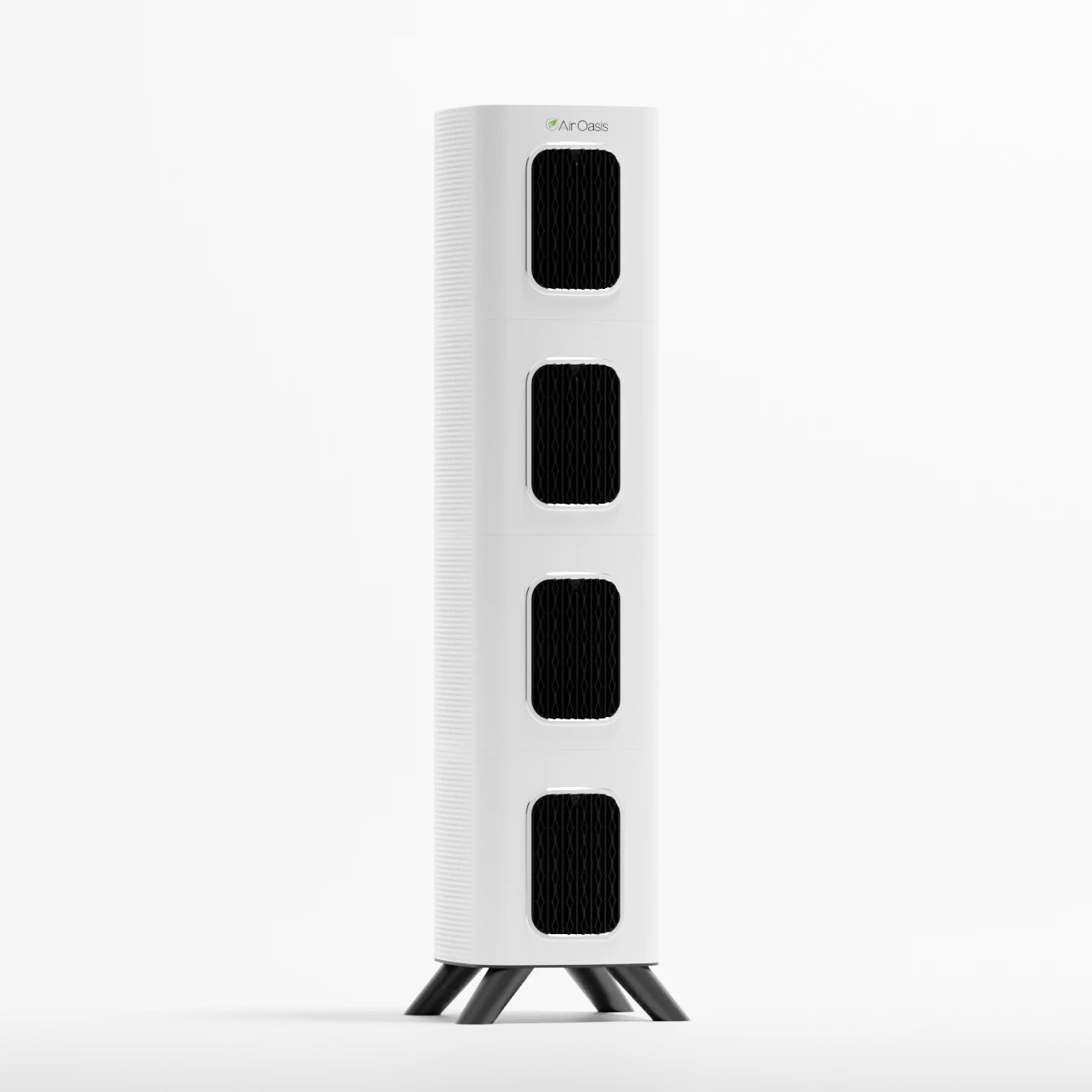
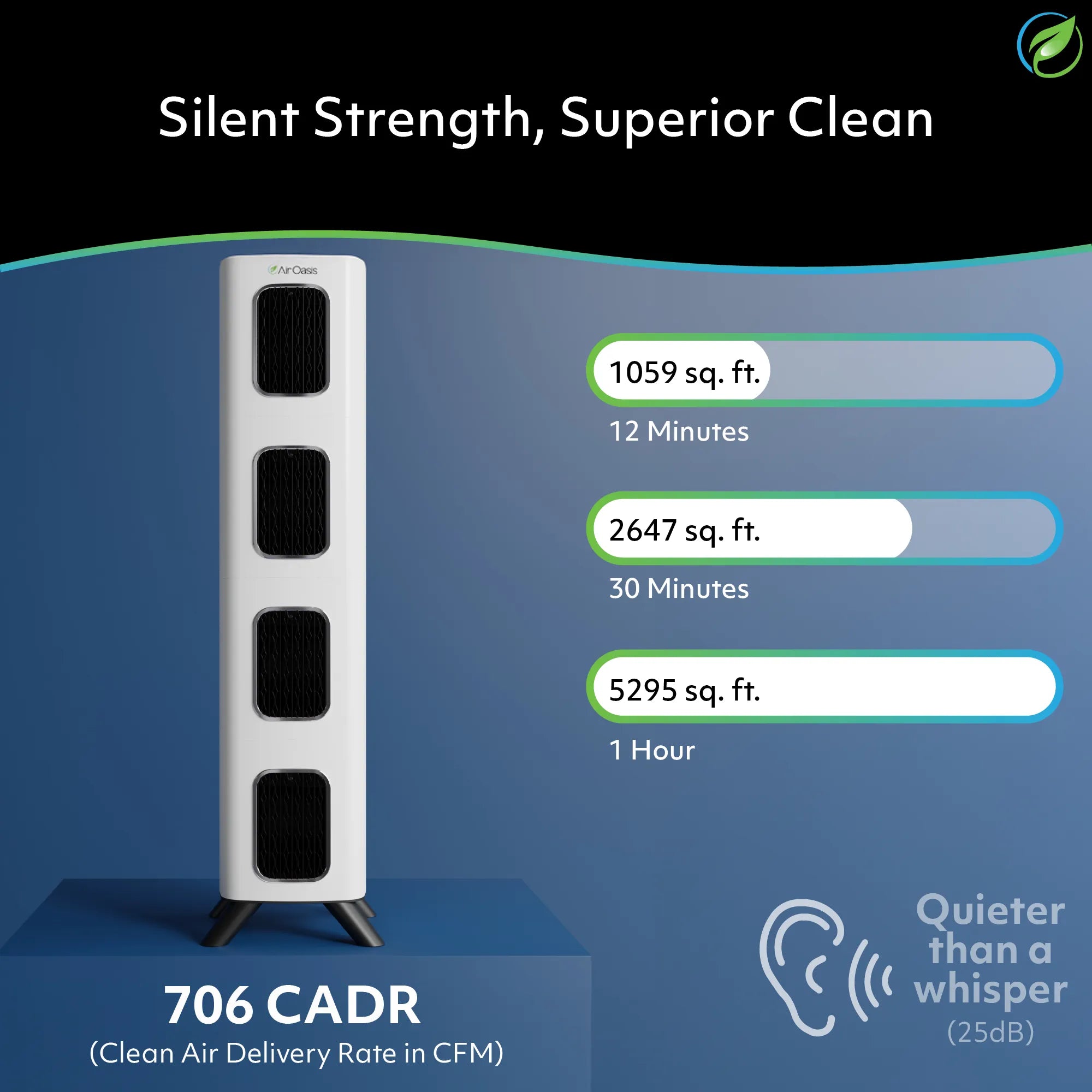
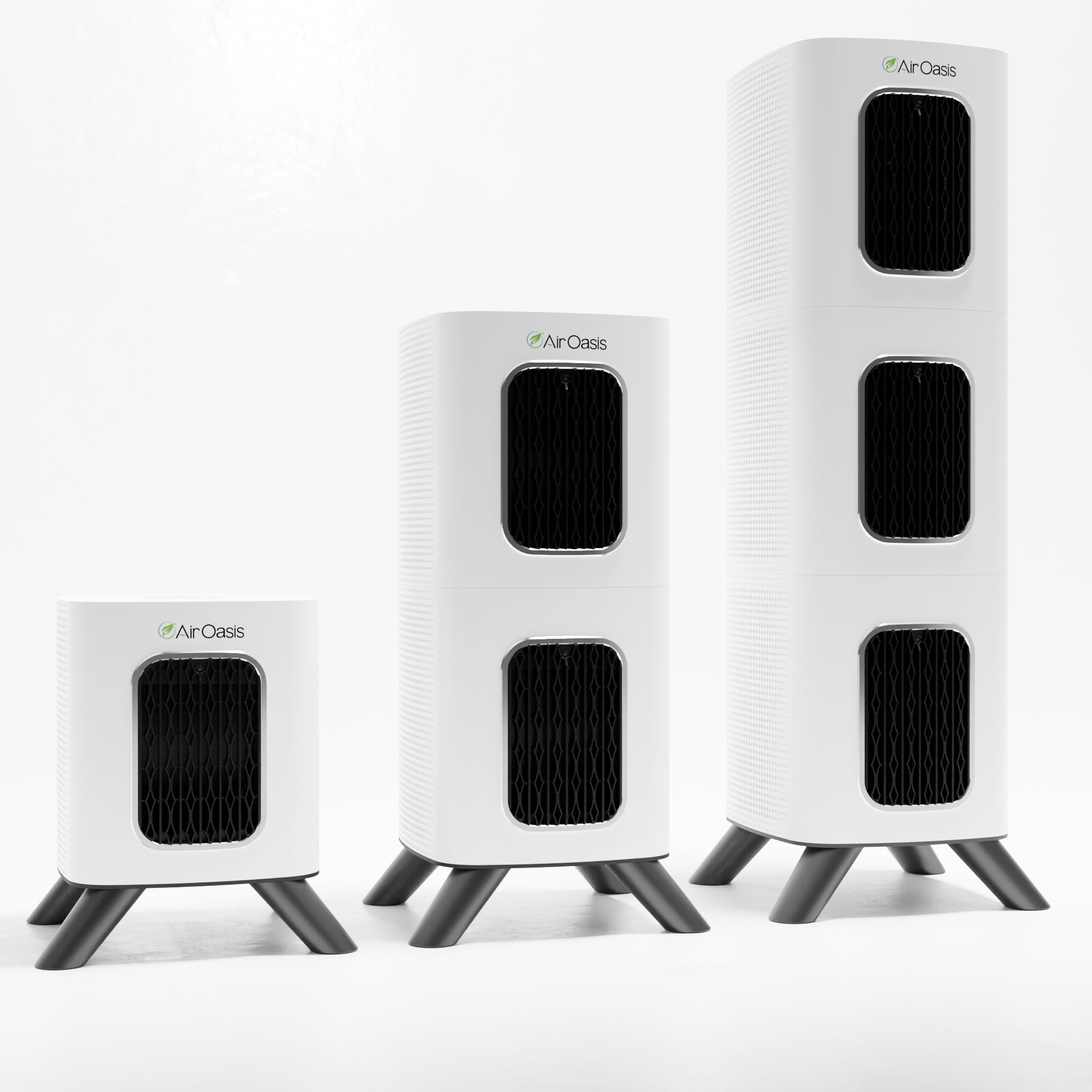
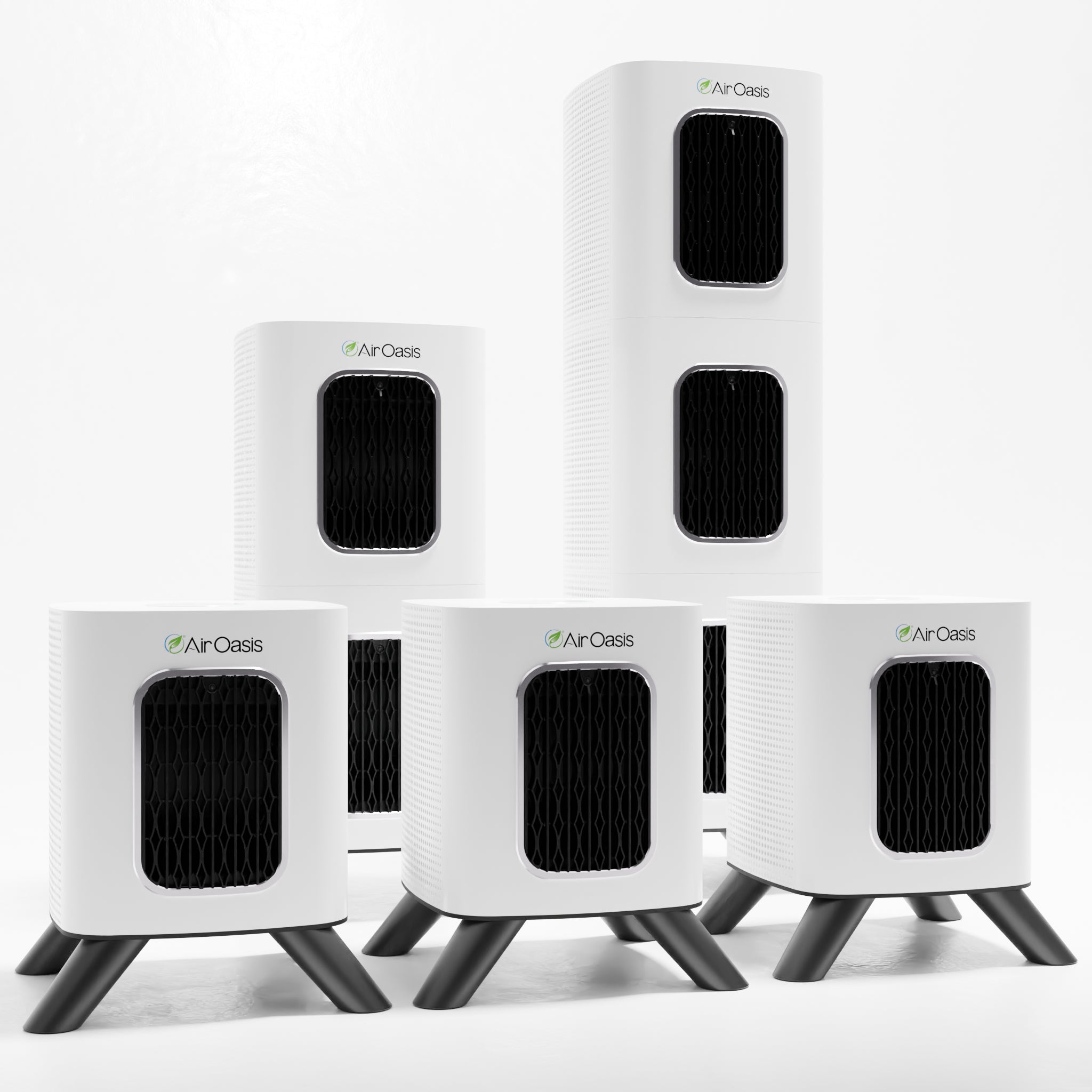
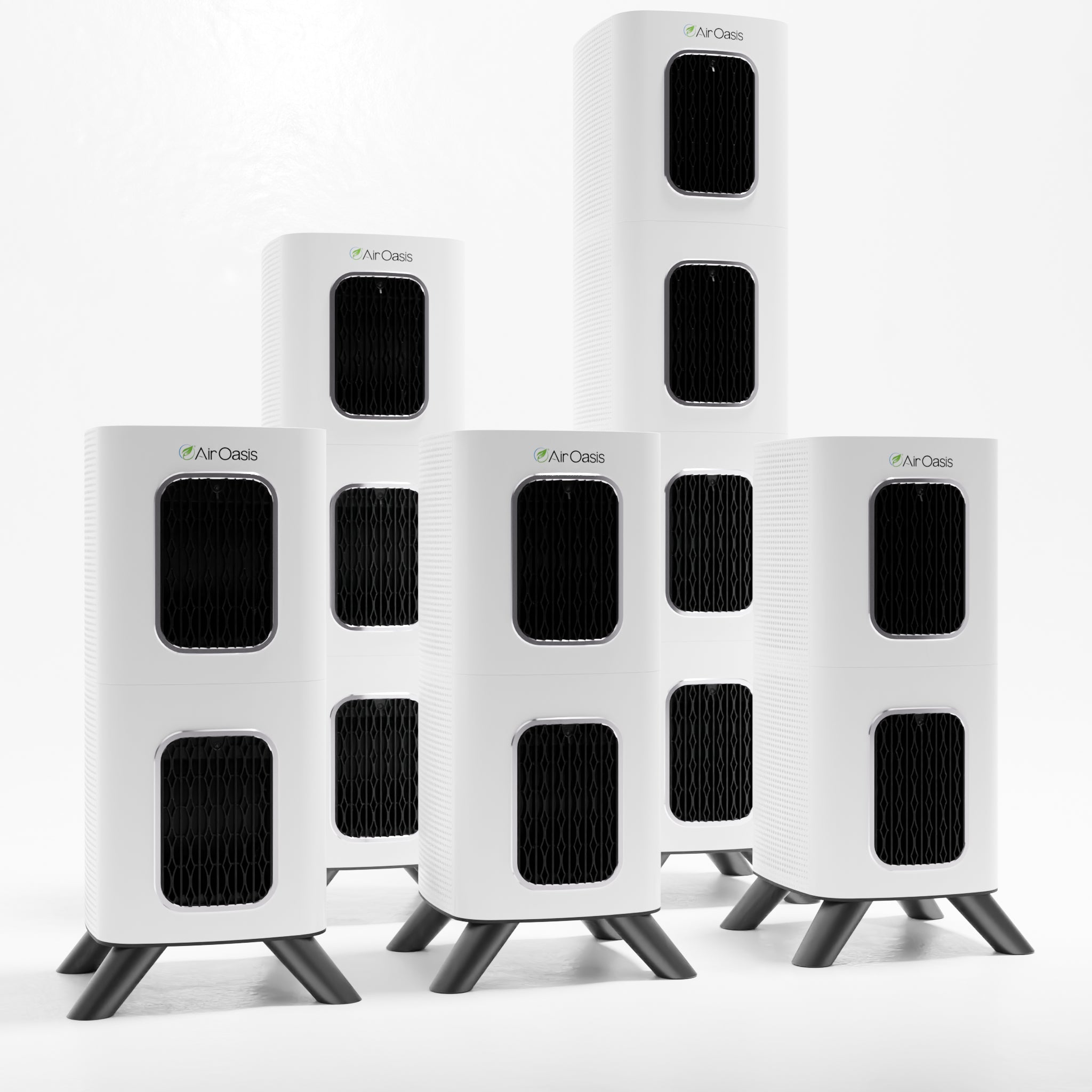
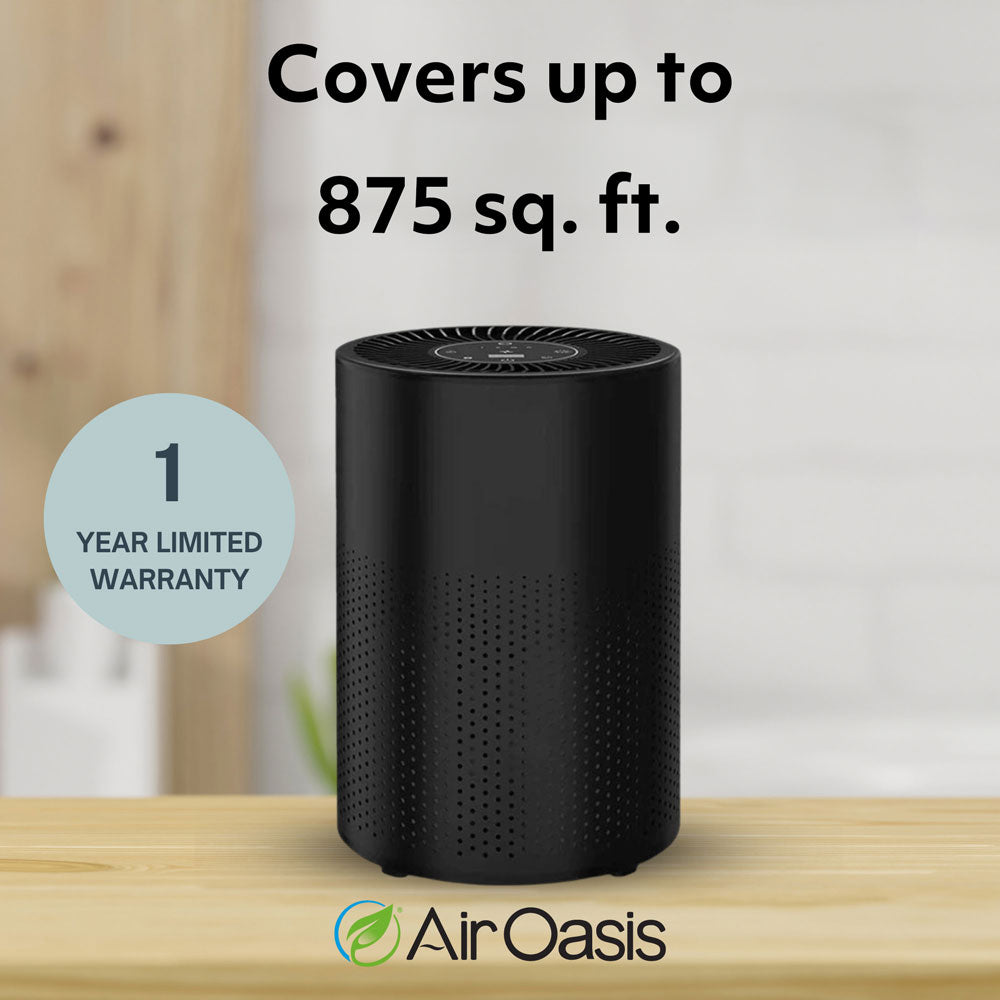
Shop Air Oasis and find the iAdaptAir sized for your space. The 2S covers up to 265 square feet, the 2M handles up to 530, the 2L covers up to 795, and the 2P covers up to 1,059 square feet. Breathe Better, Live Better.