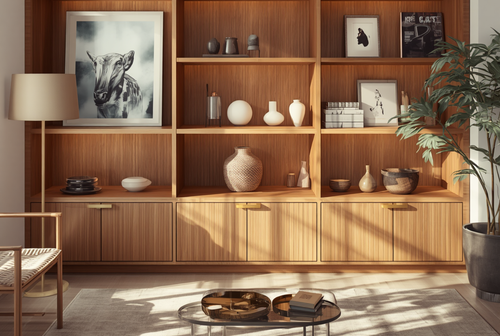
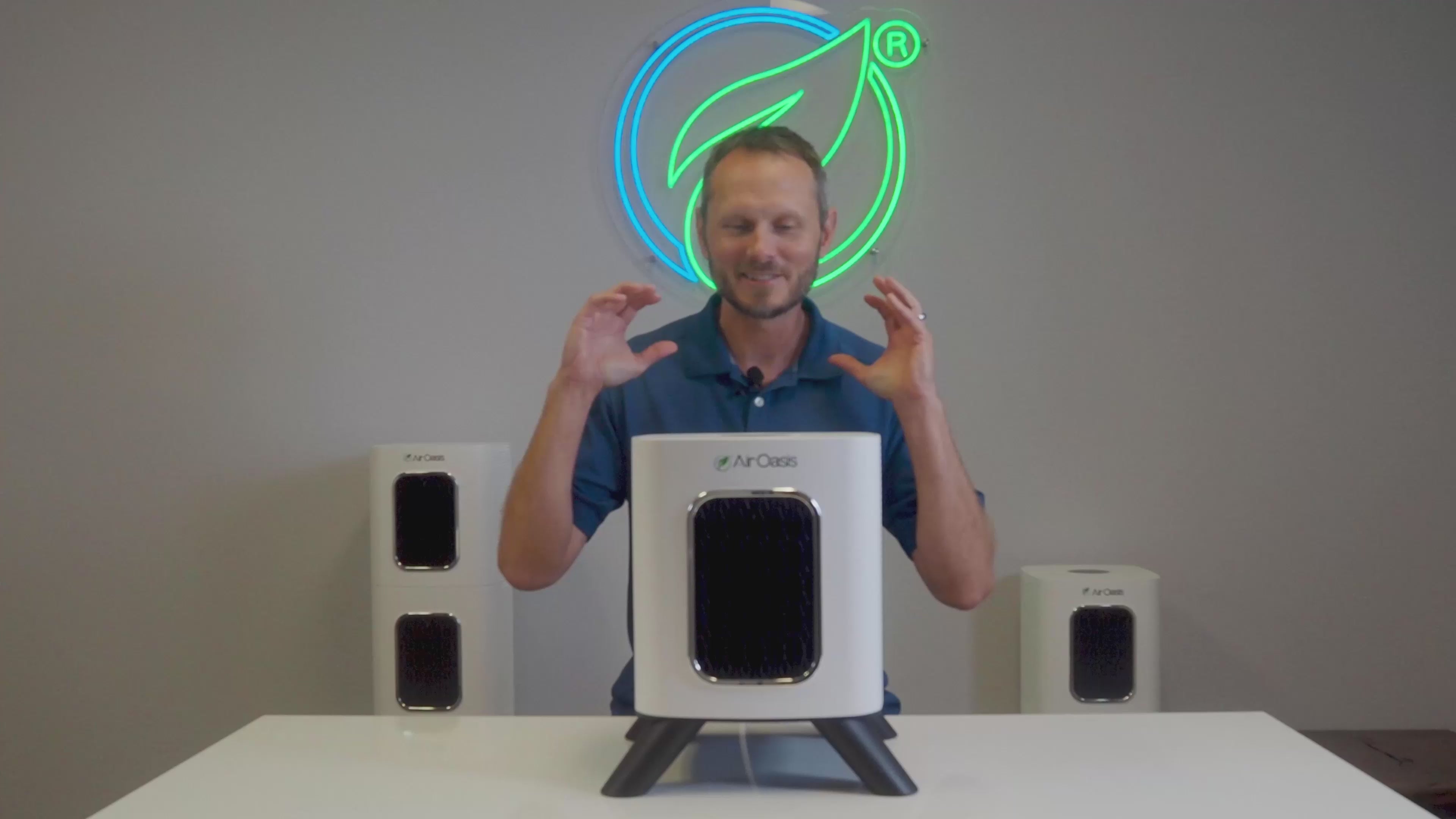
It's a small question. But if you've spent real money on an air purifier and you're thinking carefully about placement, it's exactly the kind of thing worth getting right. You've got a rug in the bedroom, or a thick area rug in the living room, and your purifier sits on the floor. Does that matter?
The short answer is no — a rug under your air purifier does not meaningfully affect its performance. But understanding why helps you make better overall placement decisions, and there's a related consideration about rugs that is genuinely worth knowing.
How the iAdaptAir draws and moves air
To understand why the rug isn't a problem, it helps to know where air actually enters and exits the unit.
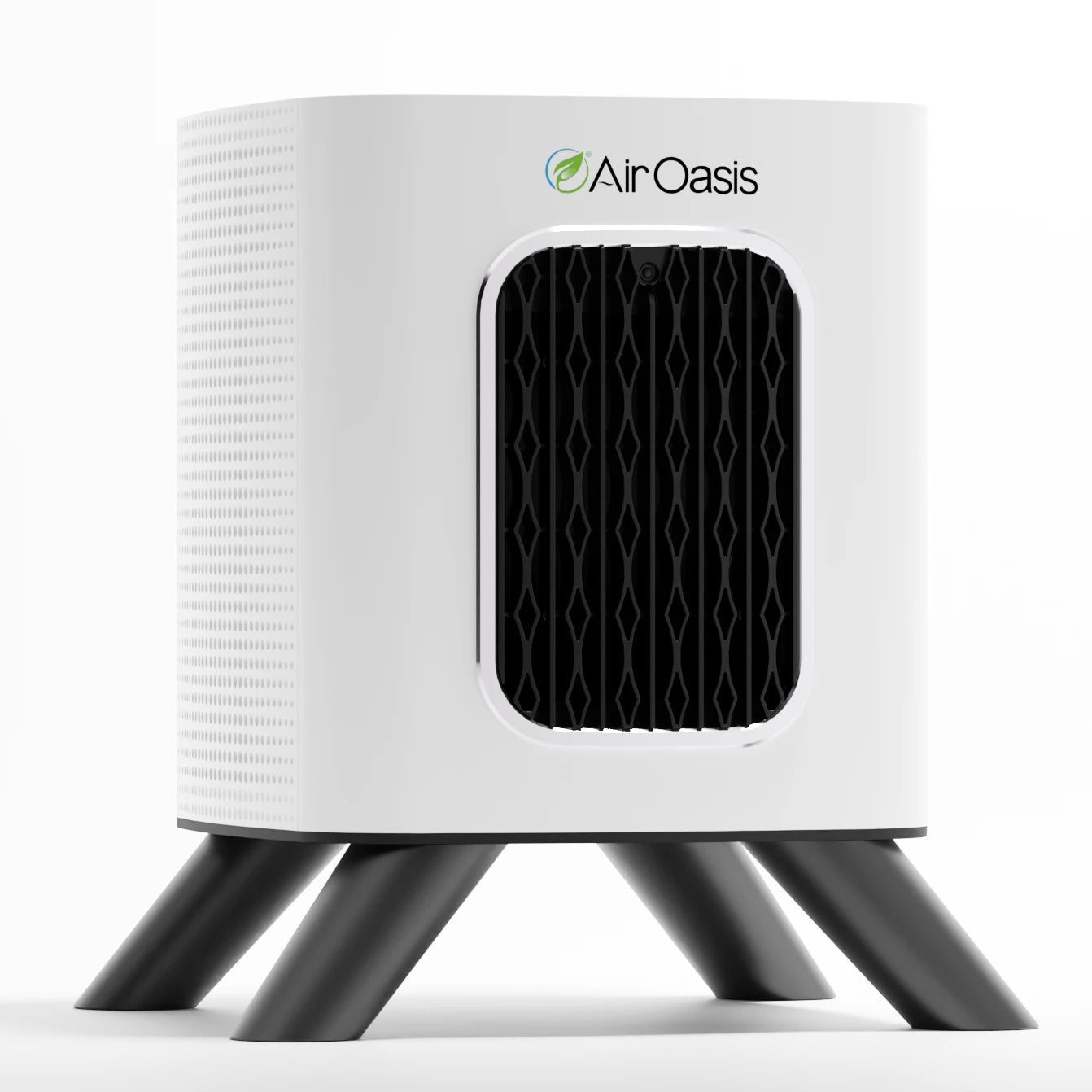
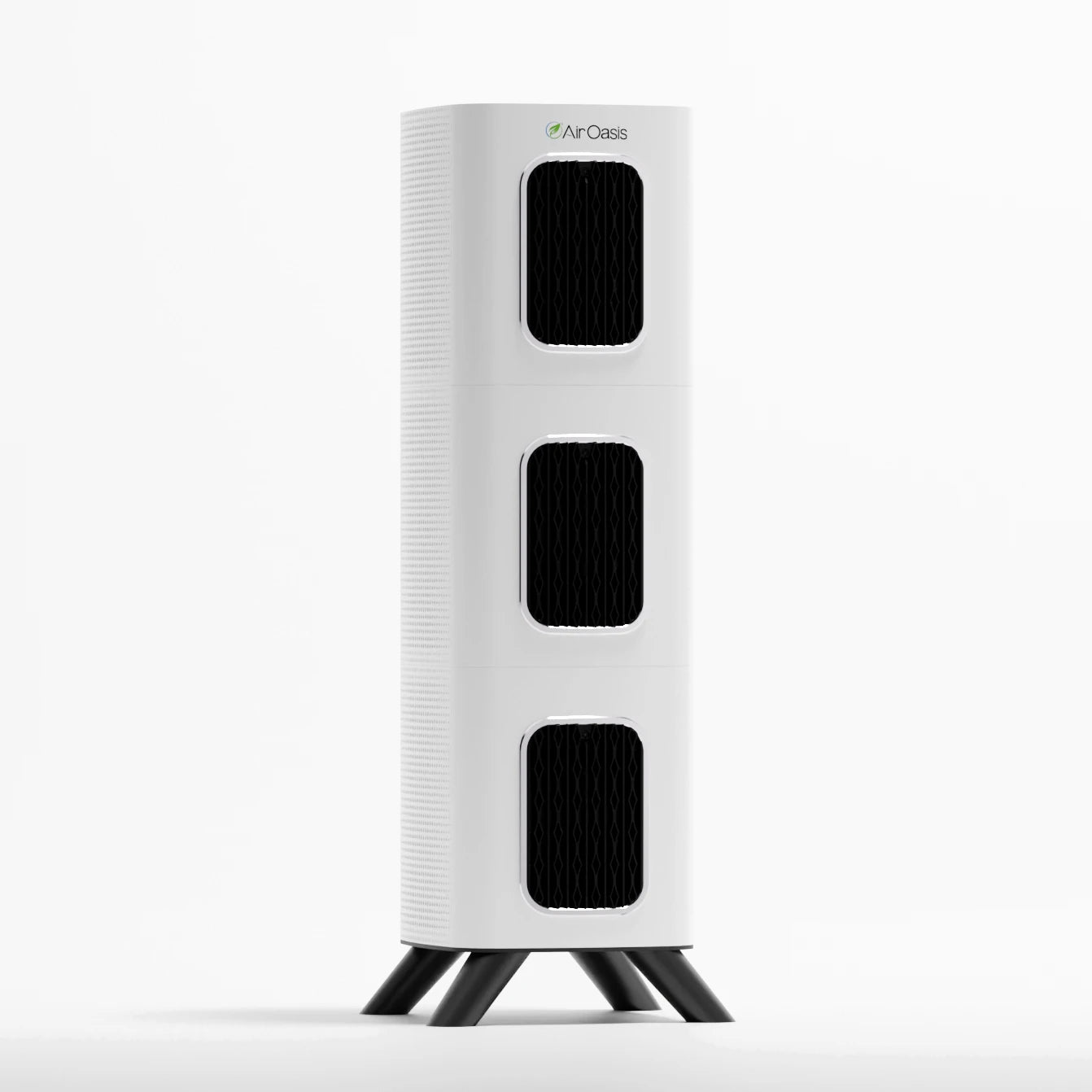
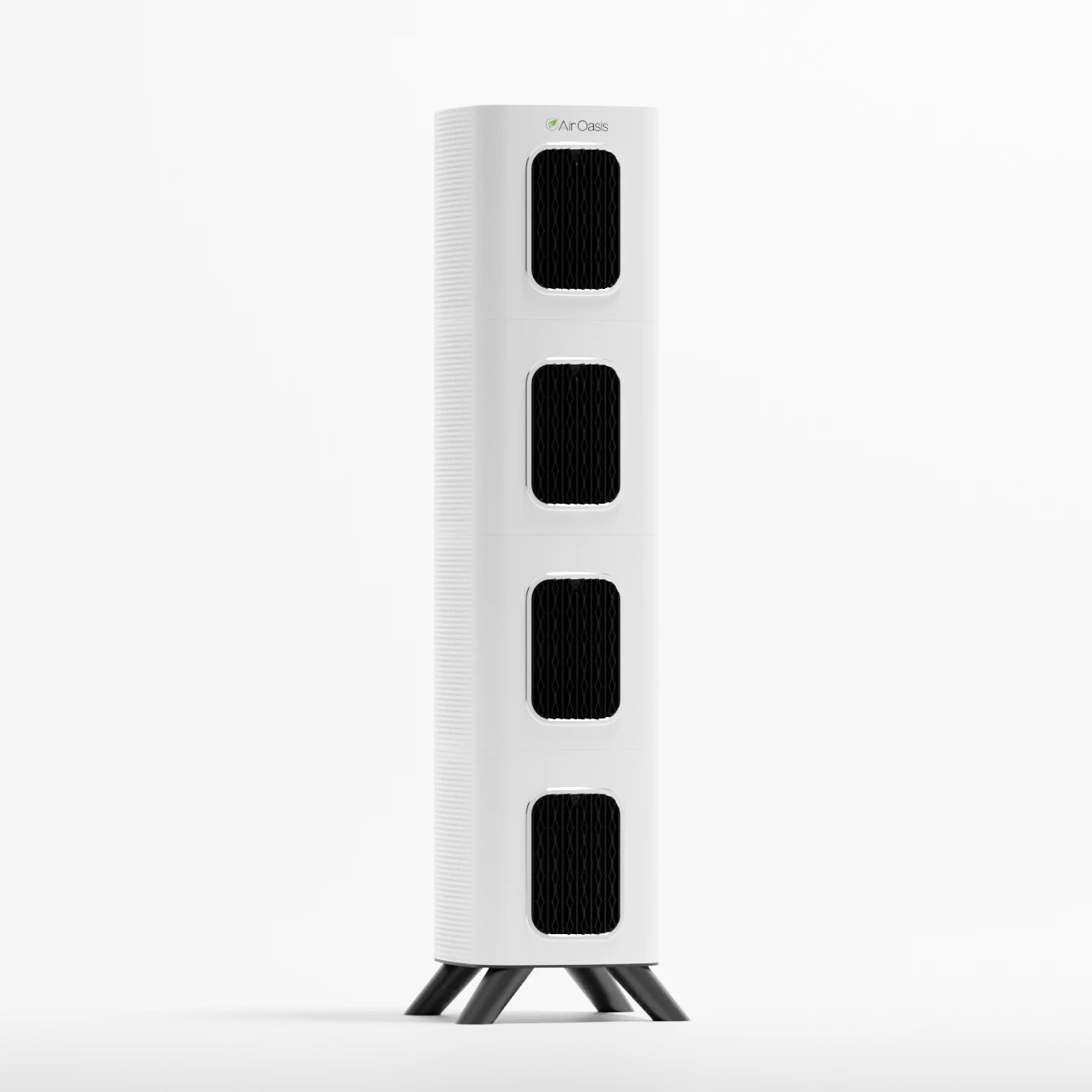
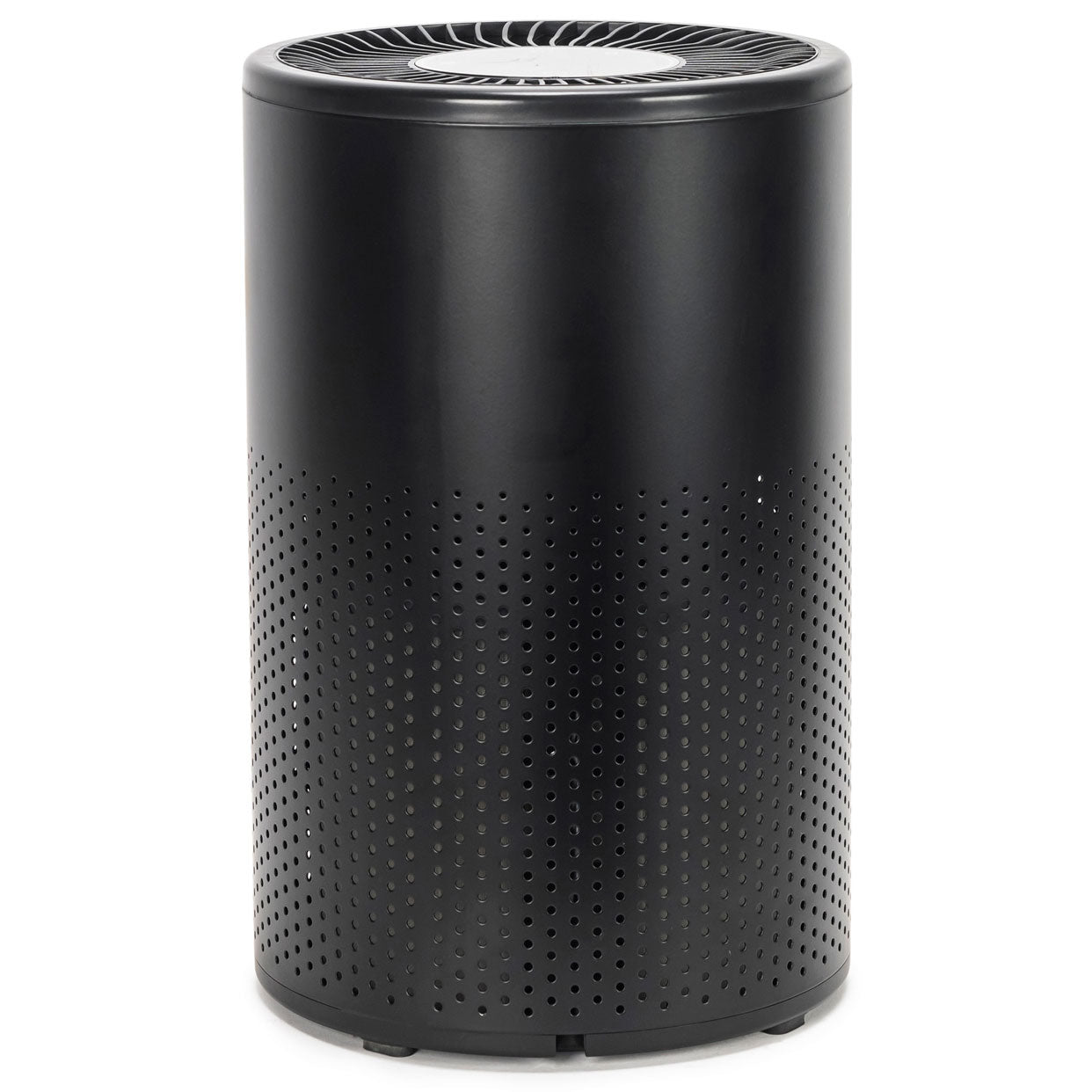
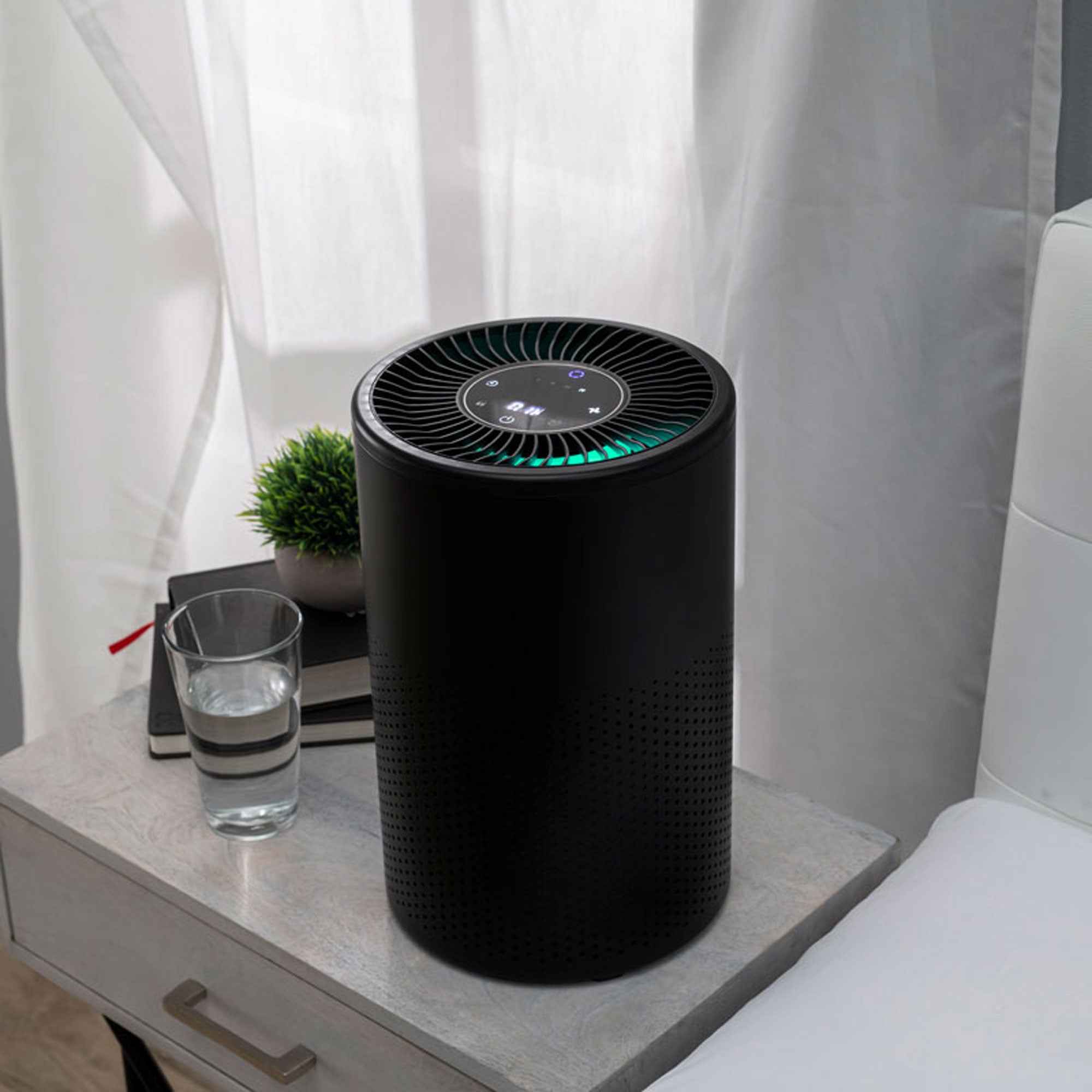
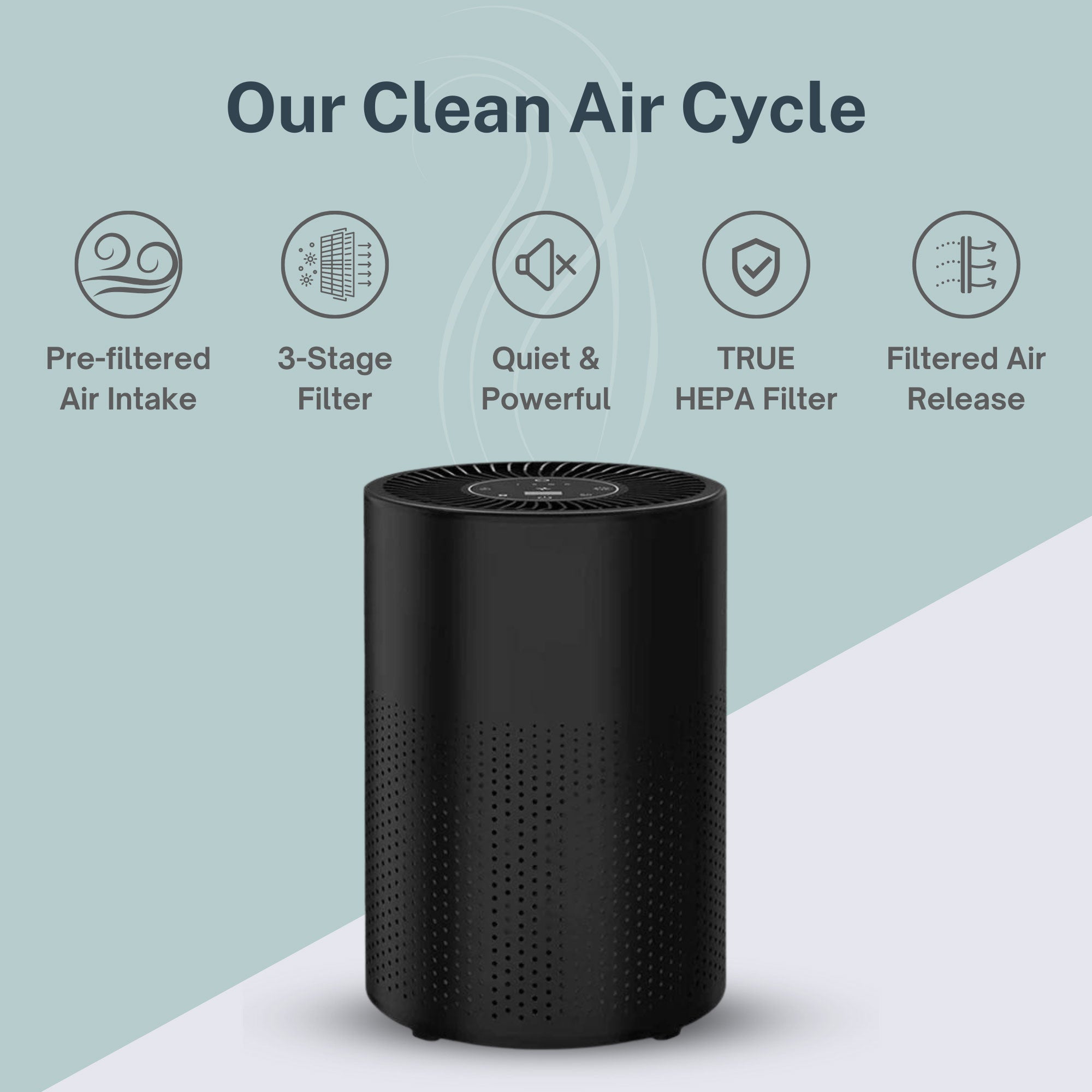
The iAdaptAir draws air in through inlets on its sides. Cleaned air is discharged through an outlet at the top. Neither of those openings is on the base of the unit. The bottom of the purifier sits on whatever surface it's placed on — floor, rug, hardwood, tile — and that surface plays no role in the intake or output of air.
The iAdaptAir manual specifies a minimum clearance of four inches around the air inlets and outlets during operation. That clearance requirement applies to the sides and top, not the bottom. A rug under the unit doesn't touch any of those openings. It doesn't restrict intake, block discharge, or interfere with the airflow cycle in any measurable way.
So from a pure mechanics standpoint, you can set your iAdaptAir on a rug without concern.
What actually does matter for placement
Since the rug itself isn't the issue, it's worth being clear about what is. The four-inch clearance requirement on the sides is real and consequential. If you tuck your purifier into a corner, push it against a baseboard, or wedge it between a piece of furniture and a wall, you're restricting the inlet airflow. The unit will still run. But it's working harder to draw in air against resistance, and it's cycling less of the room's air than it should.
The iAdaptAir manual also flags this directly under poor performance troubleshooting: check that neither the air inlet nor outlet is obstructed, and that the purifier is in a space with good air circulation. These are the variables that actually determine whether your unit is performing at its rated capacity.
So the question isn't really "is there a rug under it" — it's "does the unit have clear space on all sides?" A purifier on a rug in the middle of a room with four inches of clear space all around is doing its job well. A purifier on hardwood pressed into a corner is not.
The rug consideration that does matter — just not the way you'd expect
Here's where it gets more interesting. A rug under your purifier isn't the problem. But the rug in the room with your purifier is worth thinking about — for a different reason entirely.
Rugs and carpets are reservoirs for airborne allergens. Dust mite matter, pet dander, pollen tracked in from outside, mold spores — these particles settle out of the air and become embedded in carpet fibers. Normal activity in the room — walking, sitting, shifting furniture — disturbs those fibers and sends particles back into the air. Research comparing hard floors and carpeted surfaces has consistently found higher airborne allergen concentrations in carpeted rooms, because the reservoir effect keeps particles recirculating.
This doesn't mean you need to get rid of your rugs. It does mean that a room with a large area rug has a higher and more persistent airborne particle load than the same room with bare floors. Your air purifier is working against a continuous source of resuspension, not just the particles that drift in from outside or get generated by activity in the room.
For people with allergies or respiratory sensitivities, this is worth knowing. It doesn't change how you place the purifier — but it might influence how frequently you vacuum with a HEPA-filtered vacuum, whether you choose low-pile over deep-pile rugs in bedrooms, and whether you size up on your purifier model to ensure the unit is cycling air fast enough to keep pace with the higher particle load.
Sizing to the room, not just the footprint
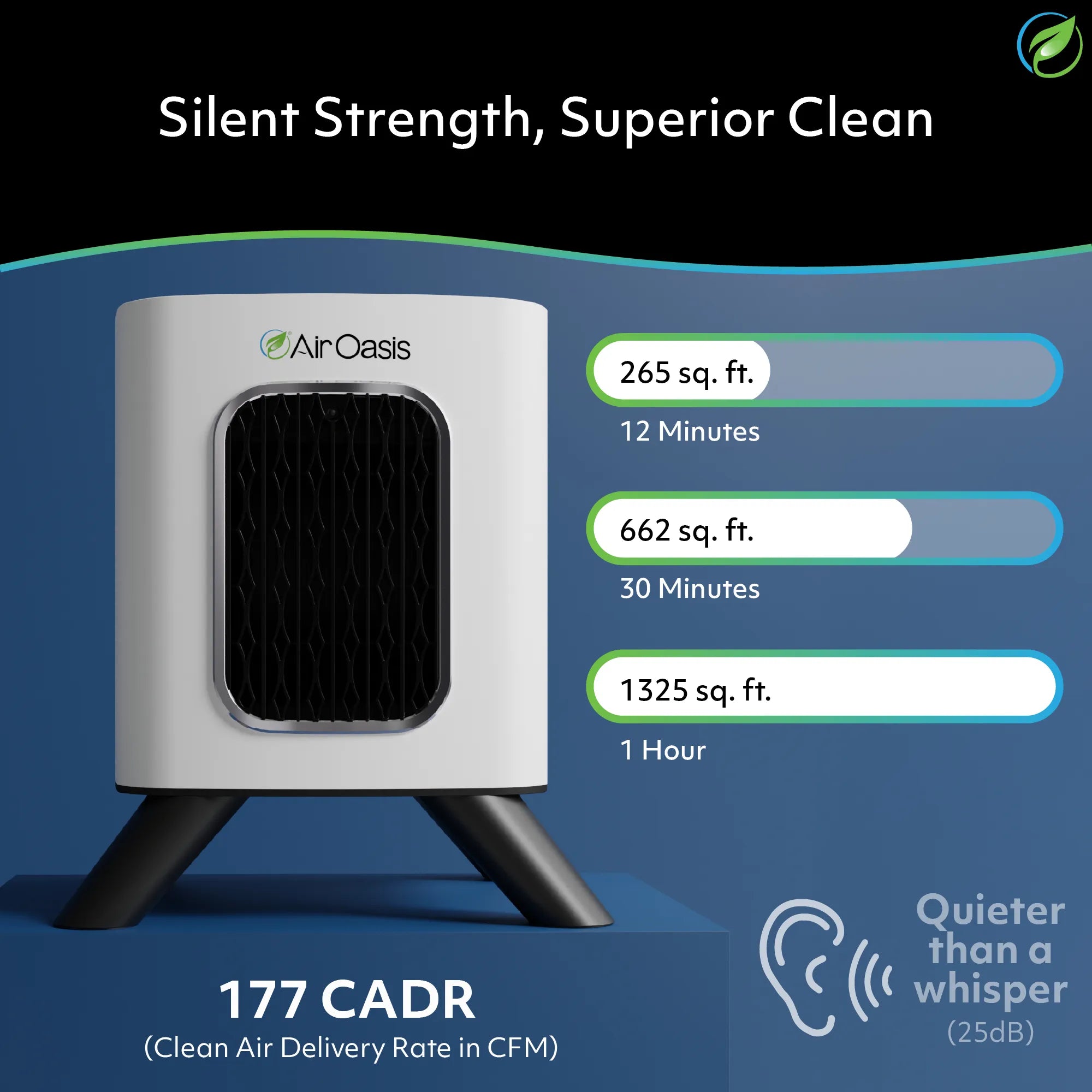
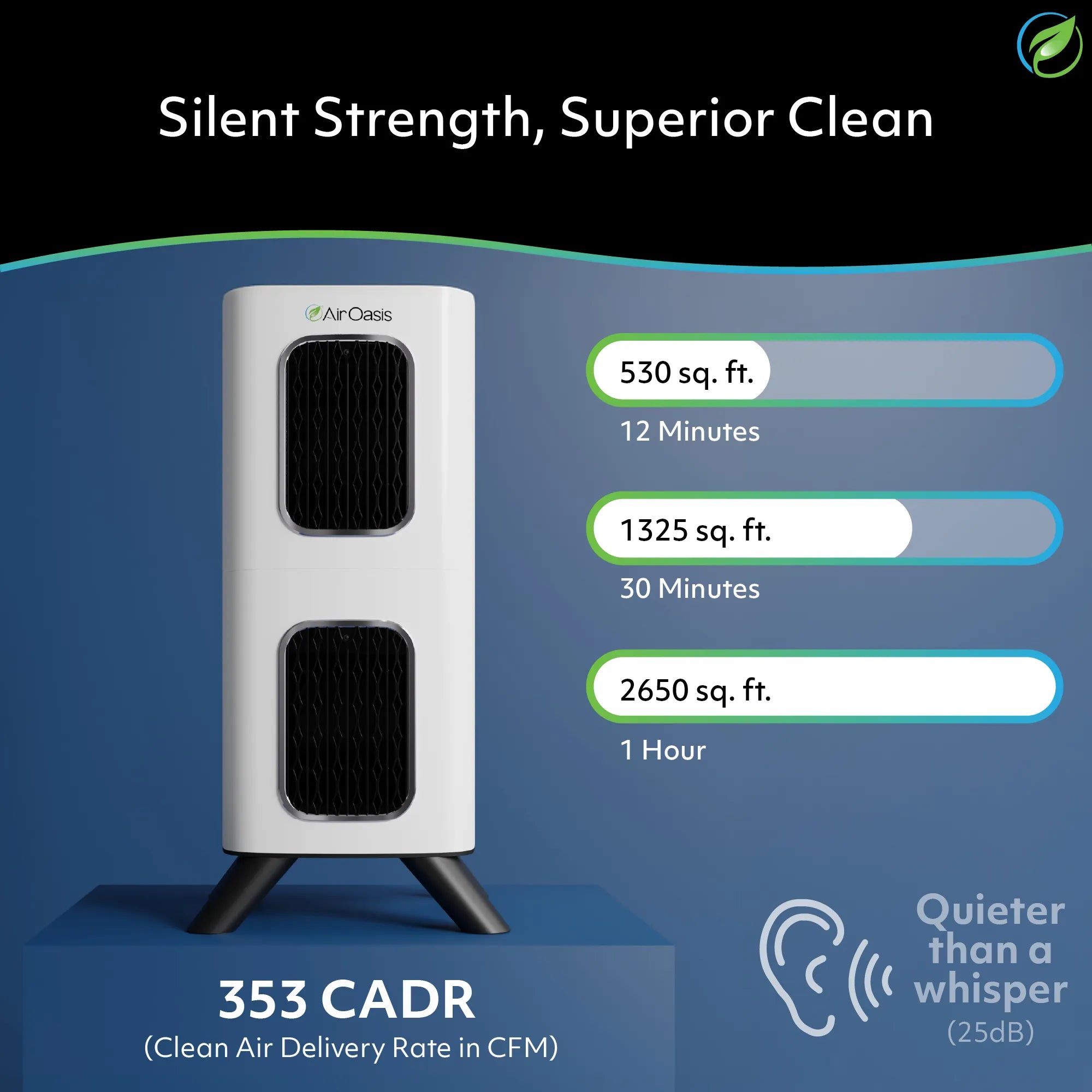
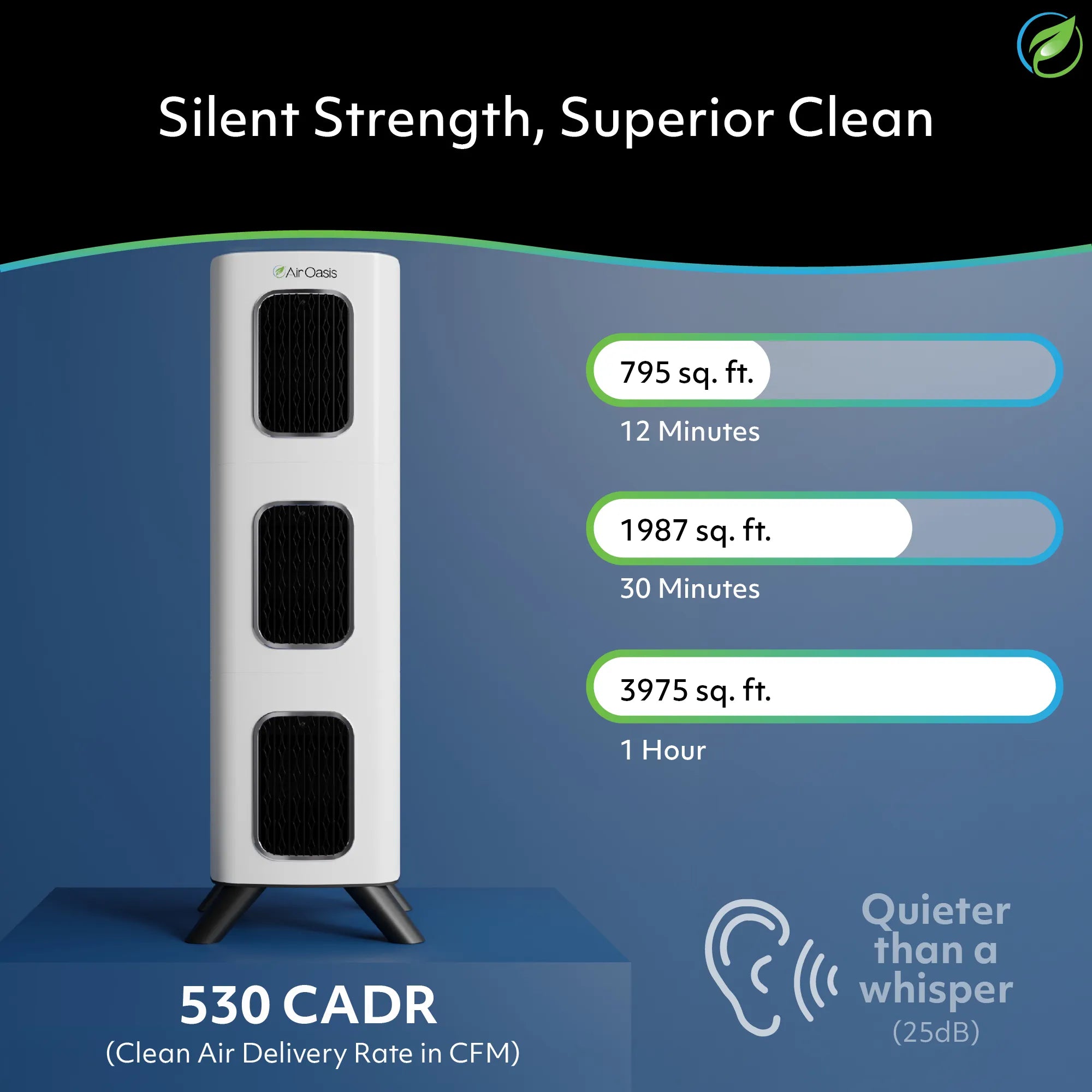
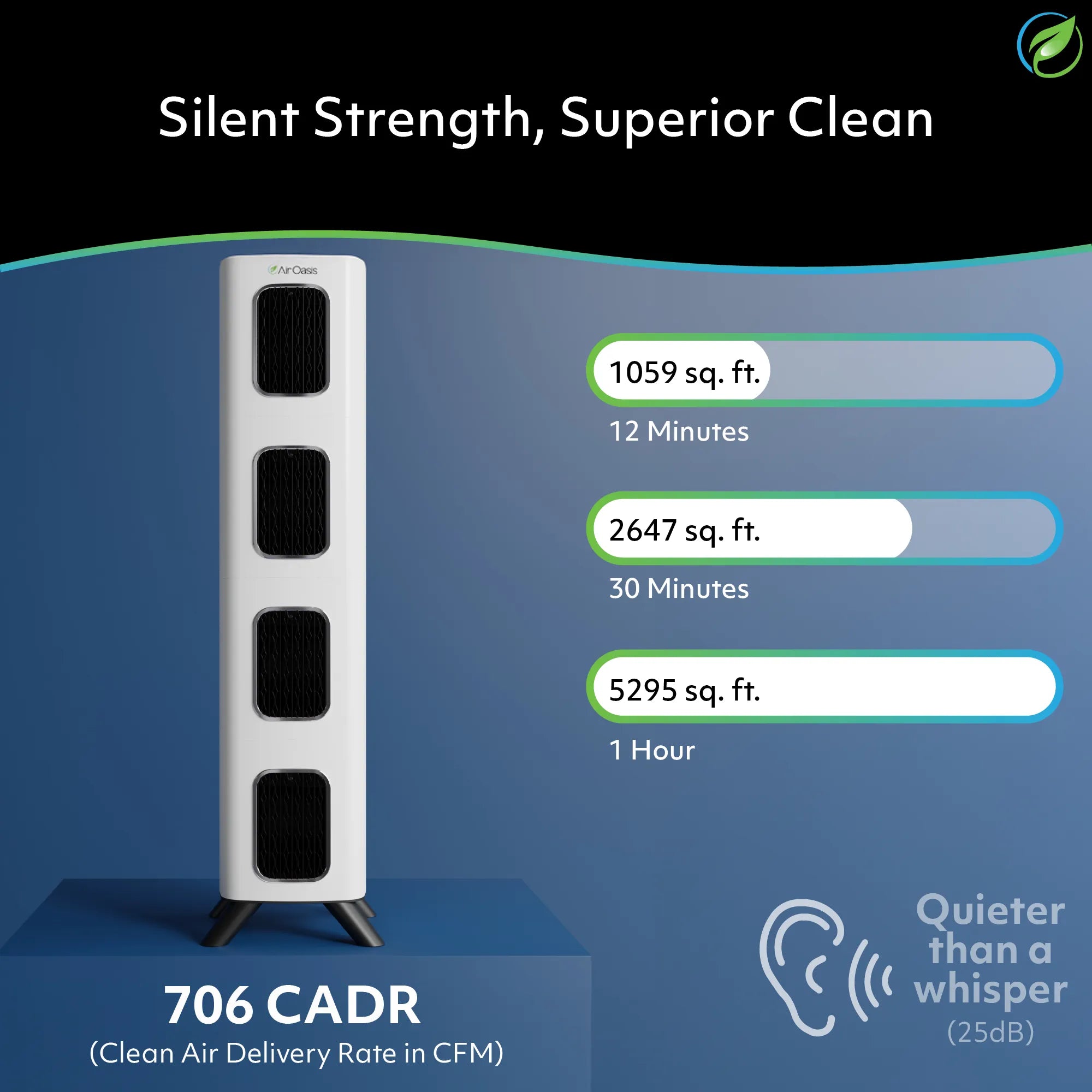
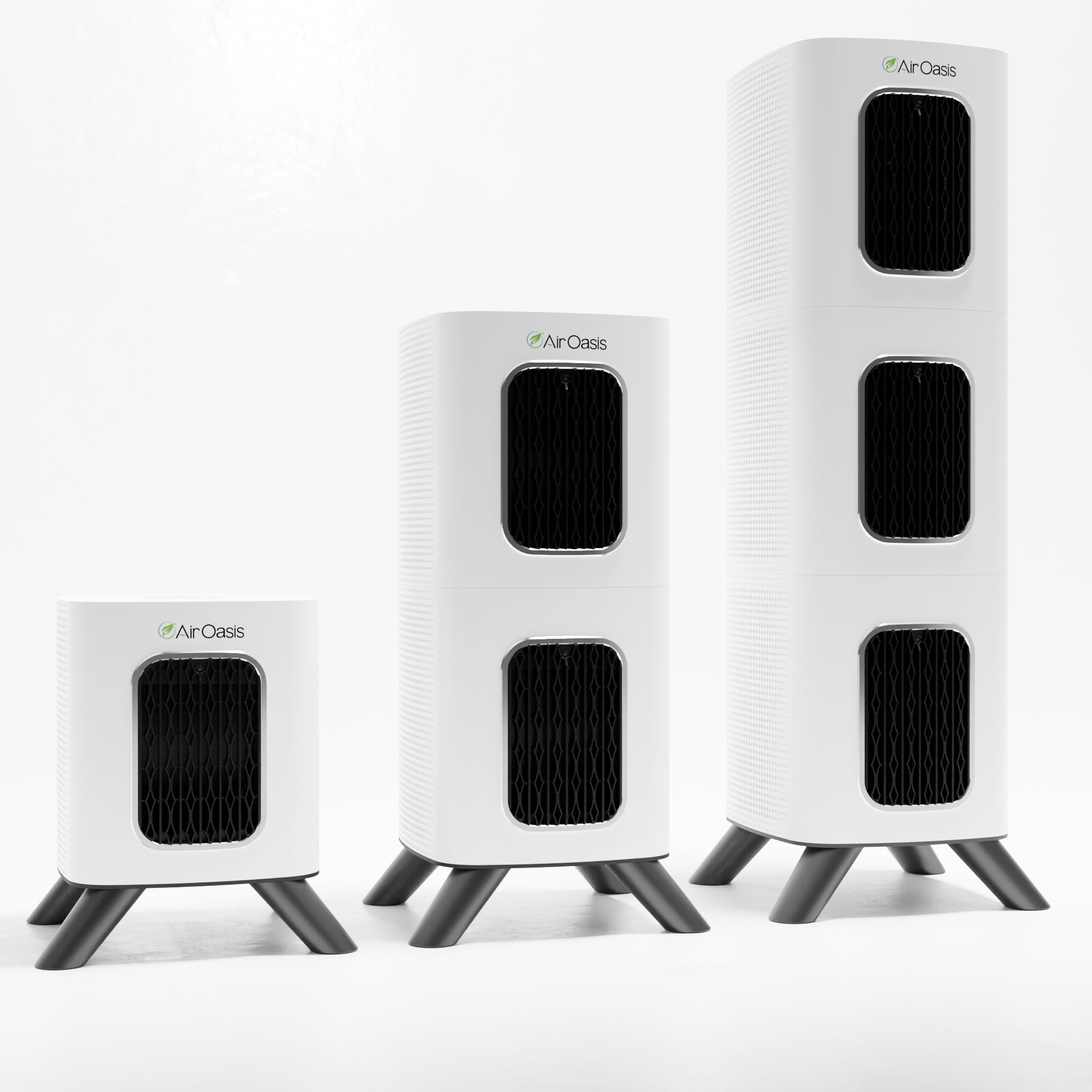
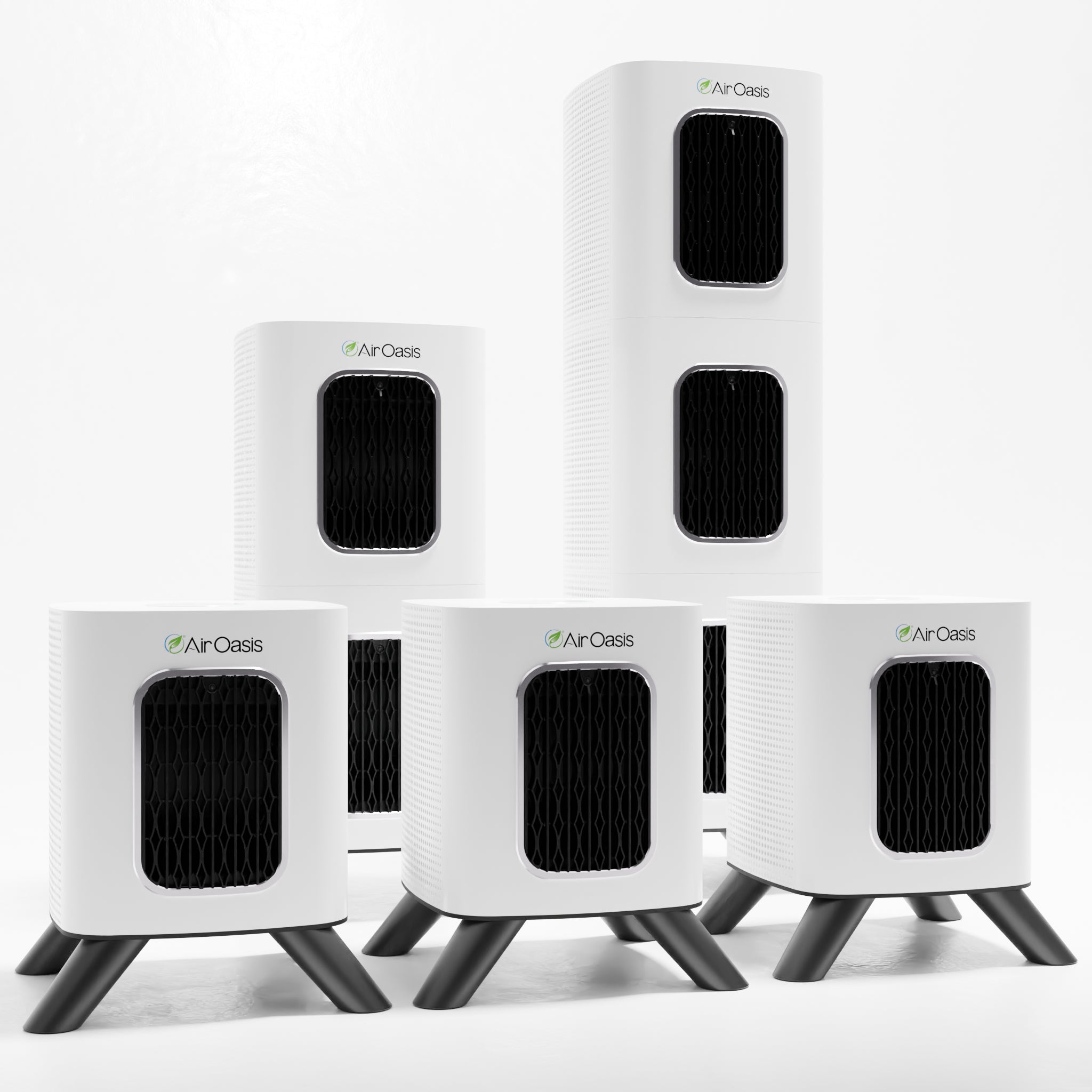
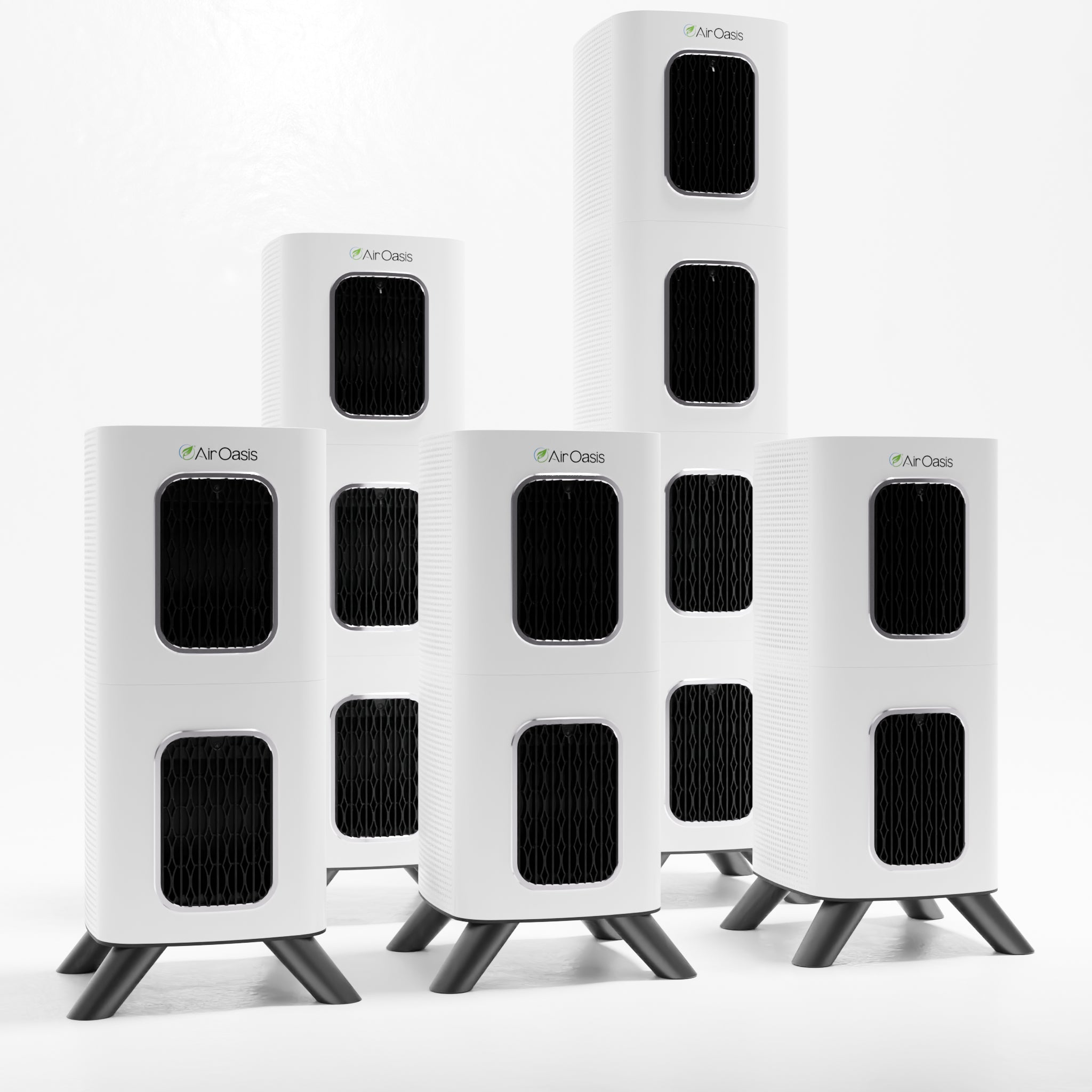
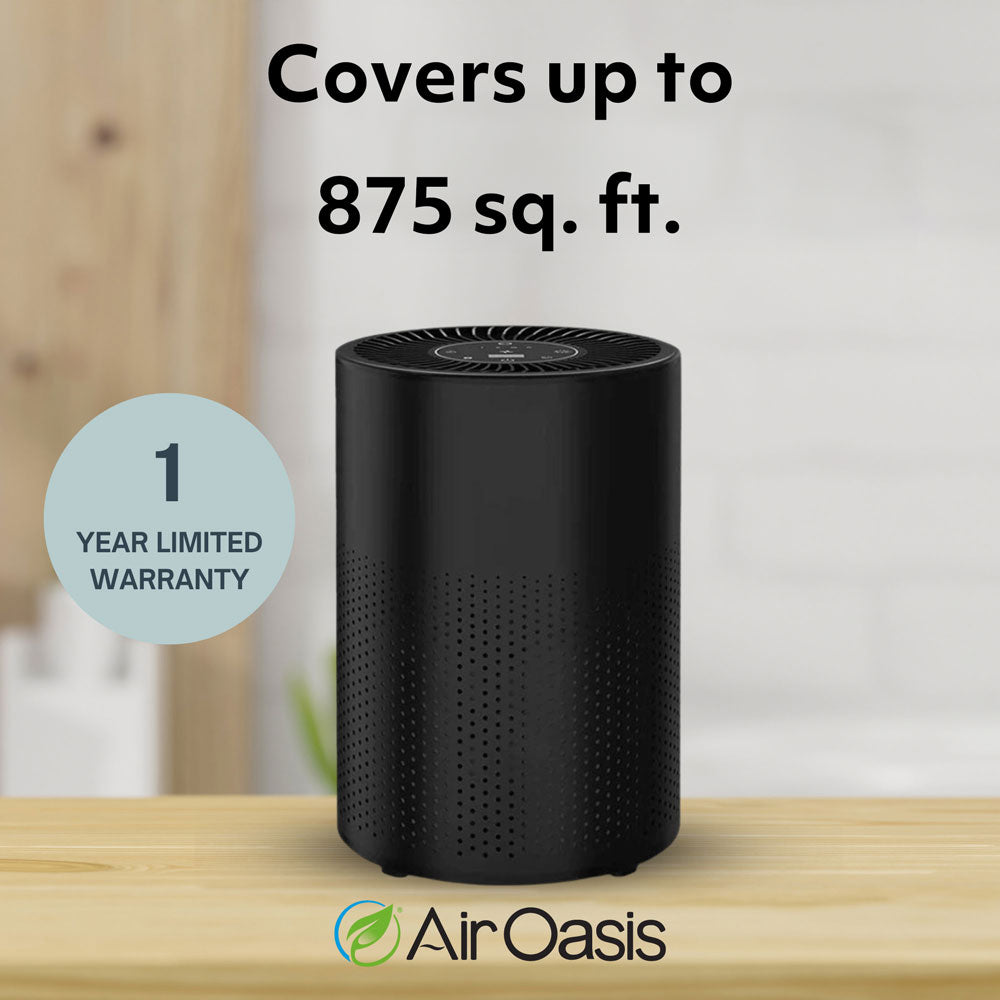
The iAdaptAir coverage ratings are built around a standard 8-foot ceiling and a clean air cycle every 12 minutes. The 2S covers 265 square feet. The 2M covers 530. The 2L covers 795. The 2P covers 1,059.
In a heavily carpeted room with pets, or a bedroom with a thick area rug and regular activity that stirs up settled particles, the actual particle load the purifier has to manage is higher than a bare room of the same square footage. That's not a reason to panic — it's a reason to be honest about sizing. If you're close to the edge of one model's coverage, the room has significant soft surfaces, and you or your family have respiratory sensitivities, the next model up is a sensible choice.
Running a slightly larger unit at a lower fan speed is quieter, gentler on filters, and ultimately more effective than pushing a smaller unit at full speed trying to keep up.
The practical bottom line
Put your purifier wherever makes sense in the room. If there's a rug there, that's fine. What matters is the four inches of side clearance the unit needs to breathe properly — not what the floor under it is made of. Keep the unit away from walls and corners. Close doors and windows during operation. Size it to the room's actual conditions, not just its square footage on paper.
The rug on the floor is not your placement problem. The wall two inches from the intake is.
If you want to make sure your air purifier is doing everything it can in your space, shop Air Oasis and Breathe Better, Live Better.