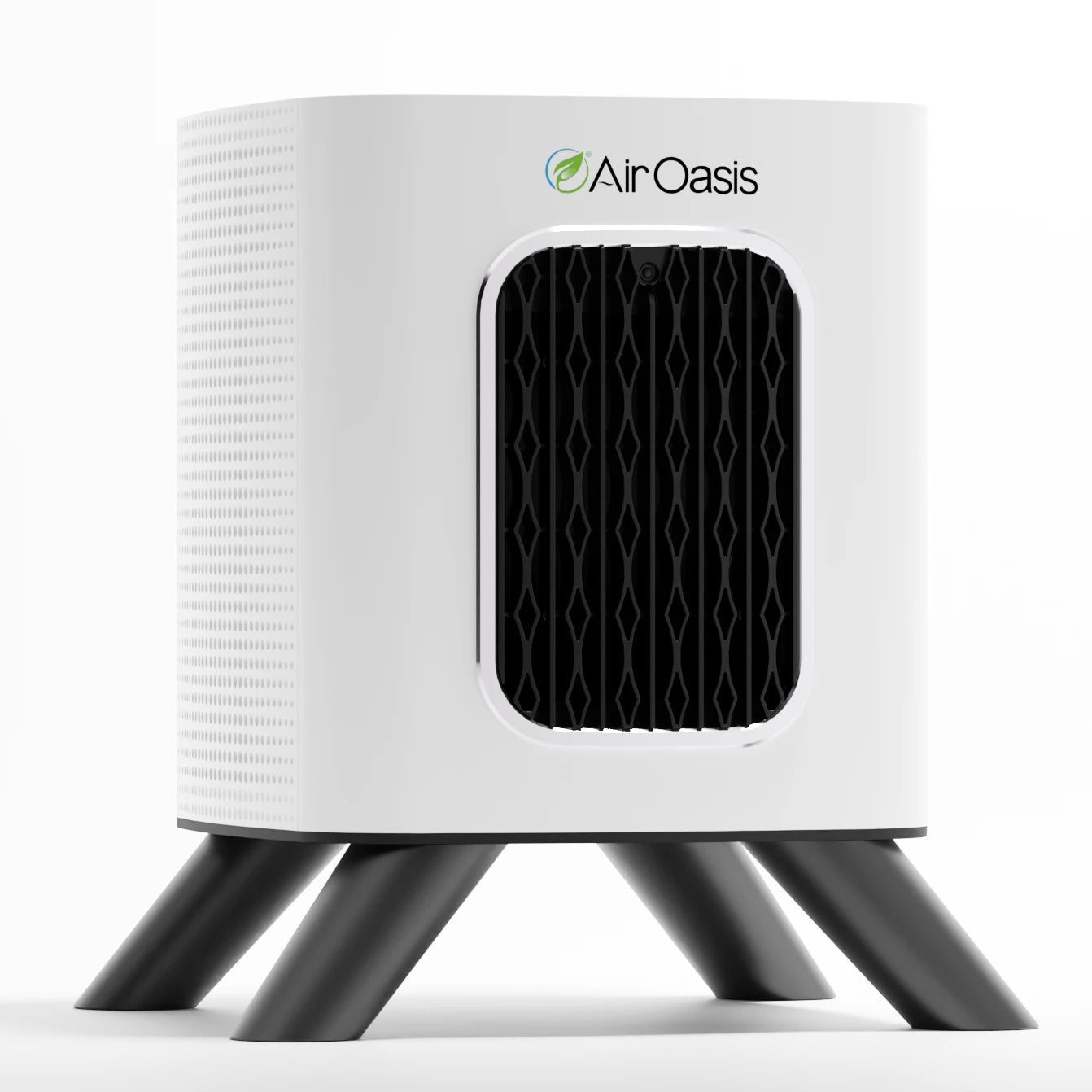
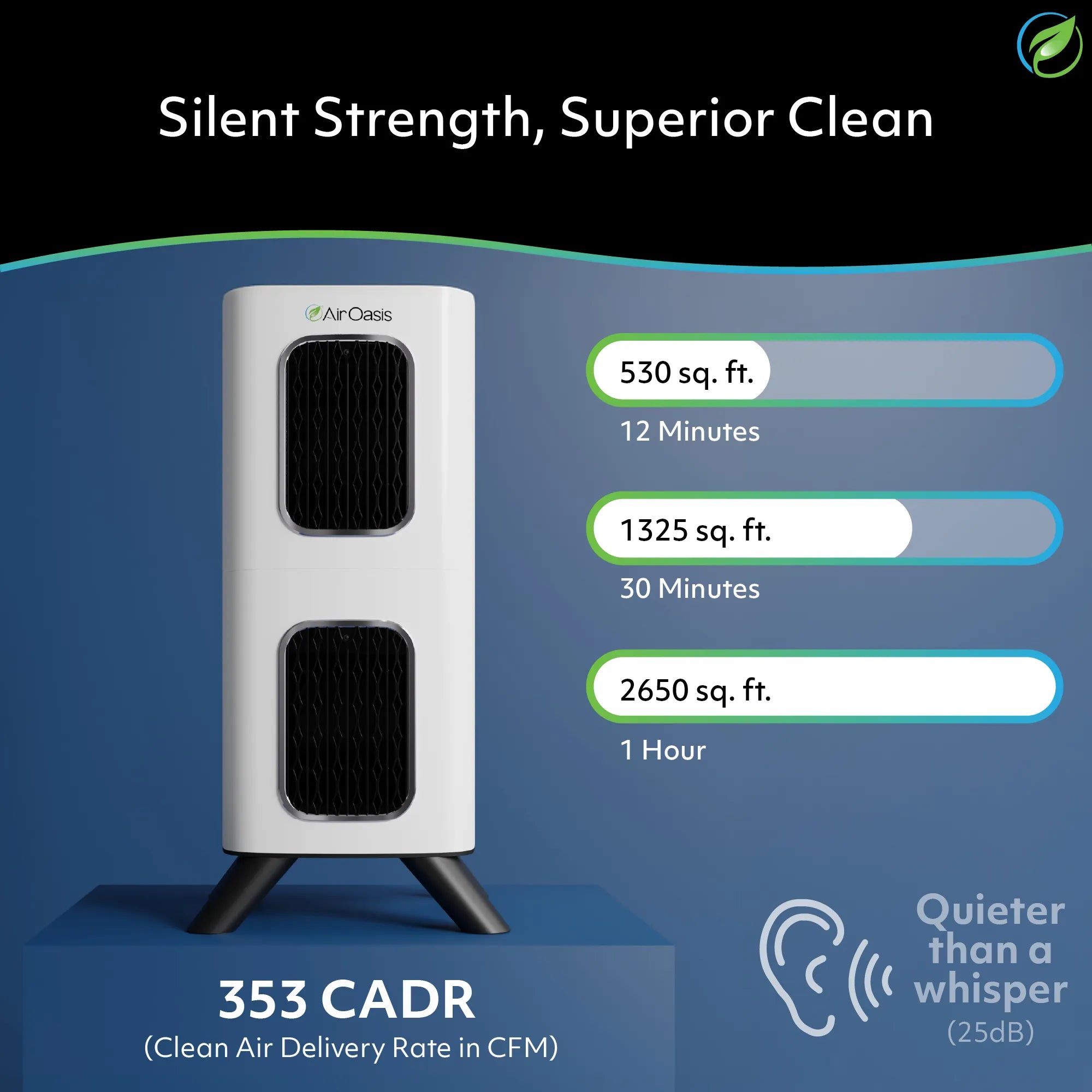
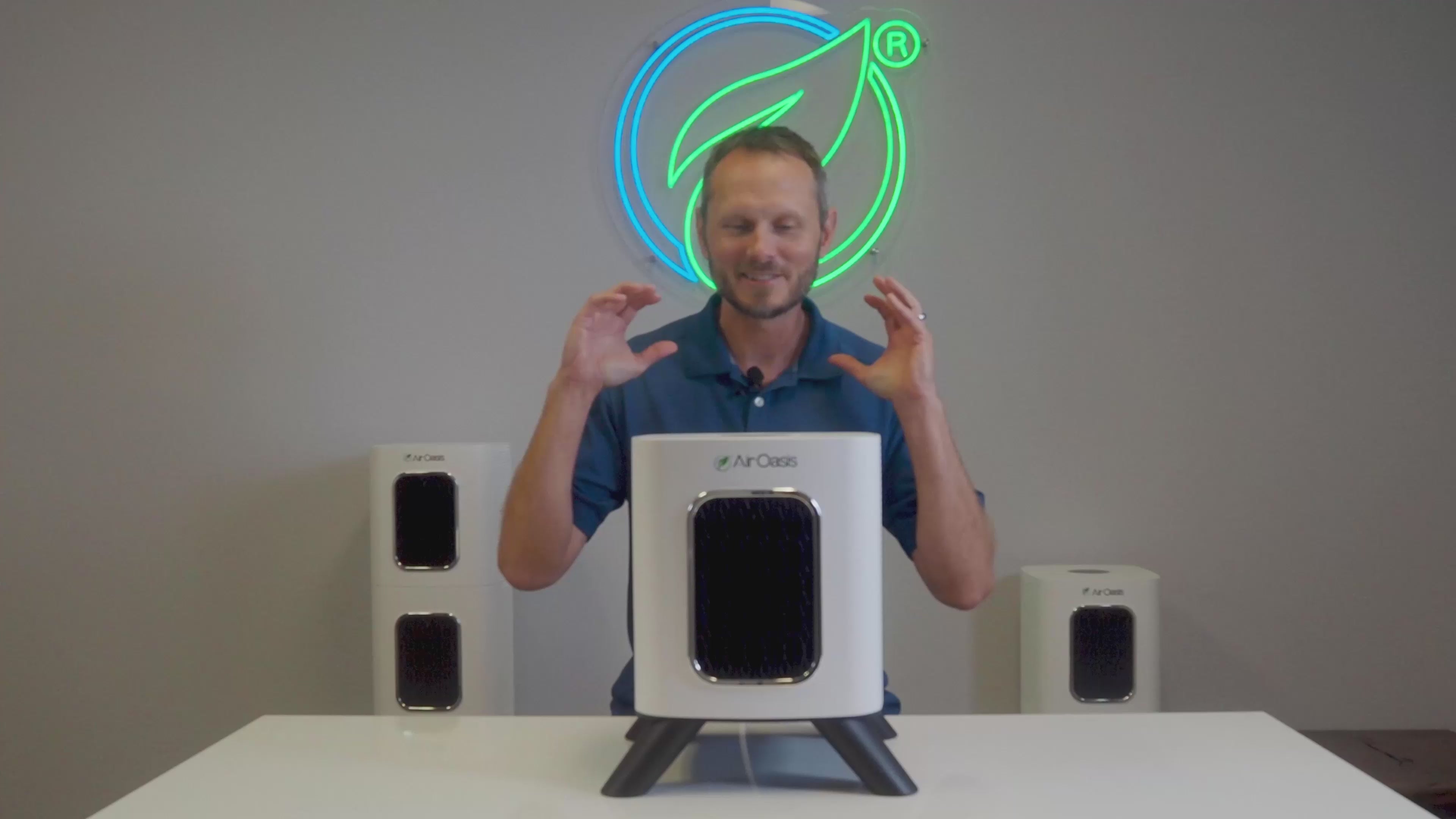
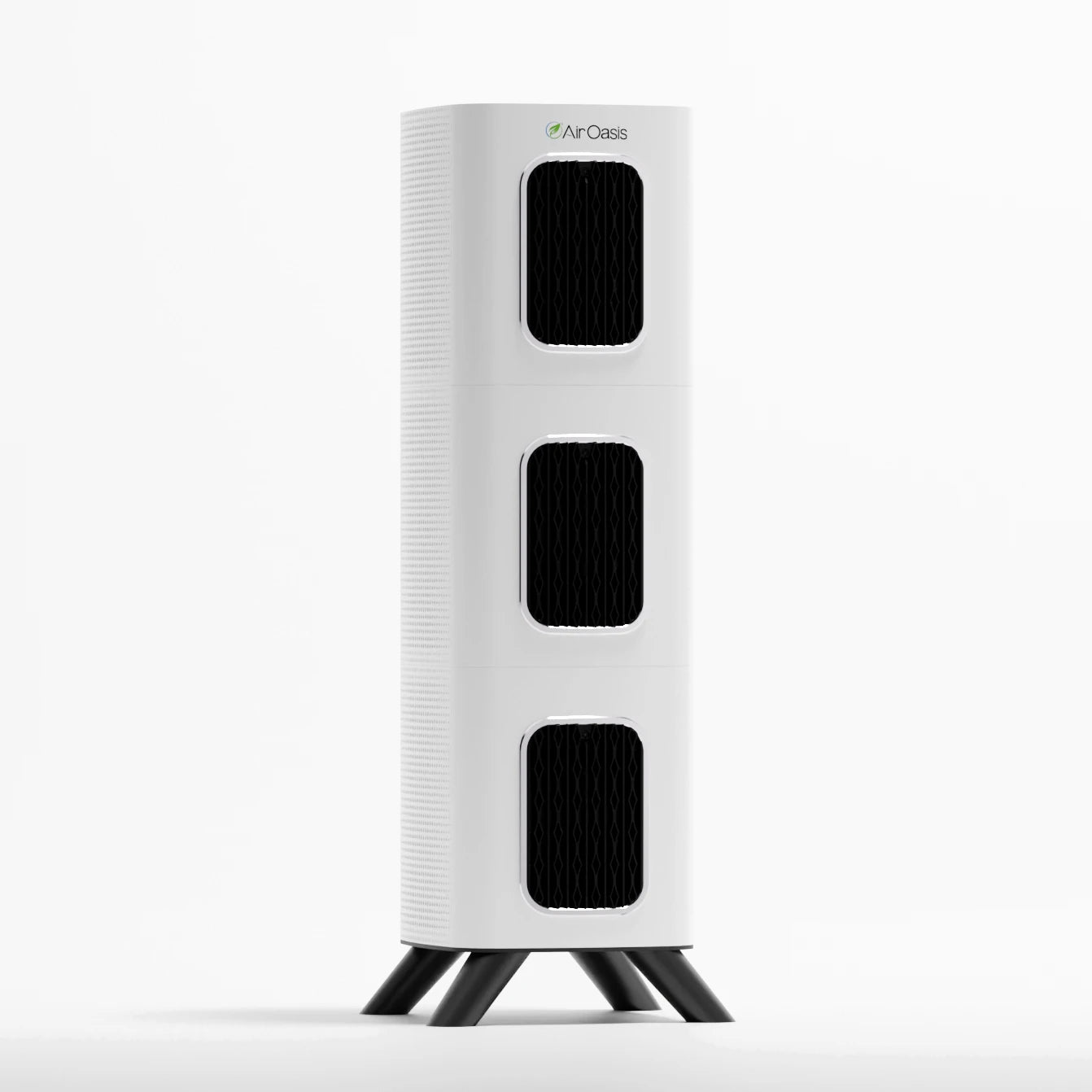
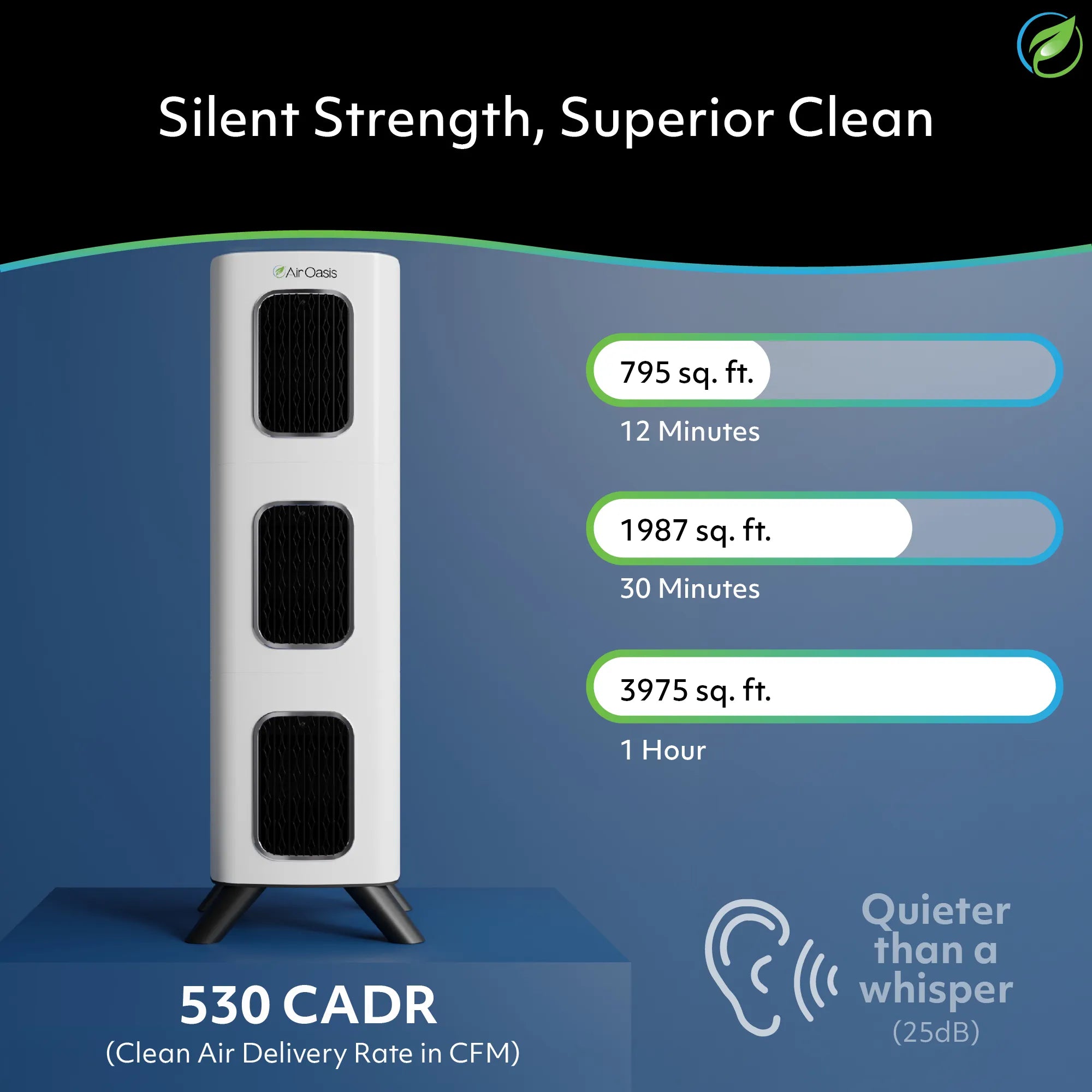
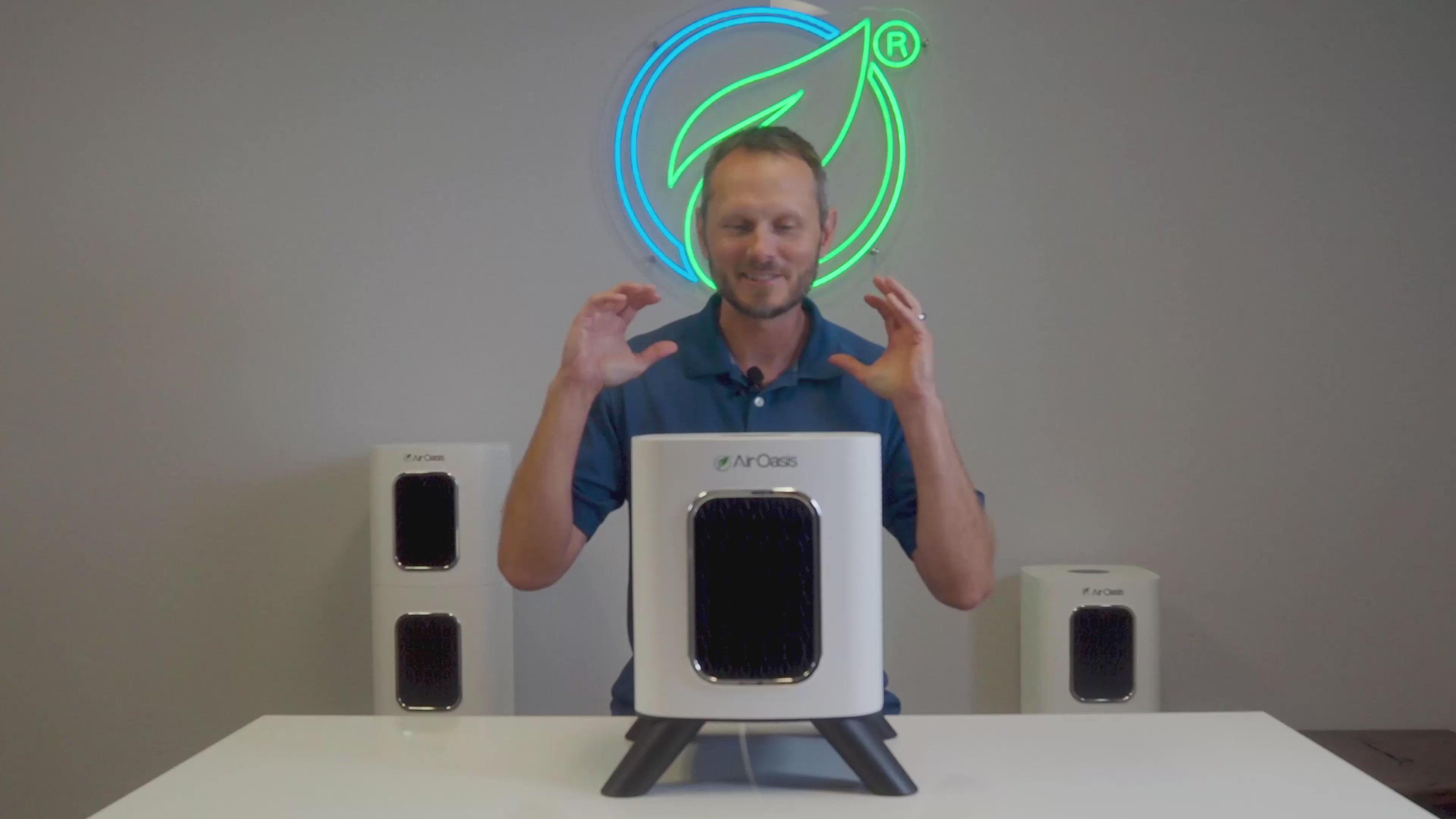
It's a reasonable thing to wonder, especially if you're considering running one in a bedroom through winter. The unit has a fan. Fans move air. Moving air makes you feel cold. So does an air purifier work against your heating system?
The short answer is no — an air purifier does not lower the temperature in your room. But there's a real phenomenon behind the question that's worth understanding, because it does affect how the air around you feels, and that distinction matters.
Why moving air feels colder without being colder
The sensation of cold from a fan or air purifier is a well-understood bit of physics called the wind chill effect, or more precisely, convective heat loss. When air moves across your skin, it carries away the thin layer of warm air your body naturally generates around itself and accelerates evaporation of any moisture on your skin. Both effects make you feel cooler than you would in still air at the same temperature.
This is the same reason a 60-degree day with a breeze feels colder than a 60-degree day that's calm. The thermometer reads the same number in both cases. Your body does not experience them the same way.
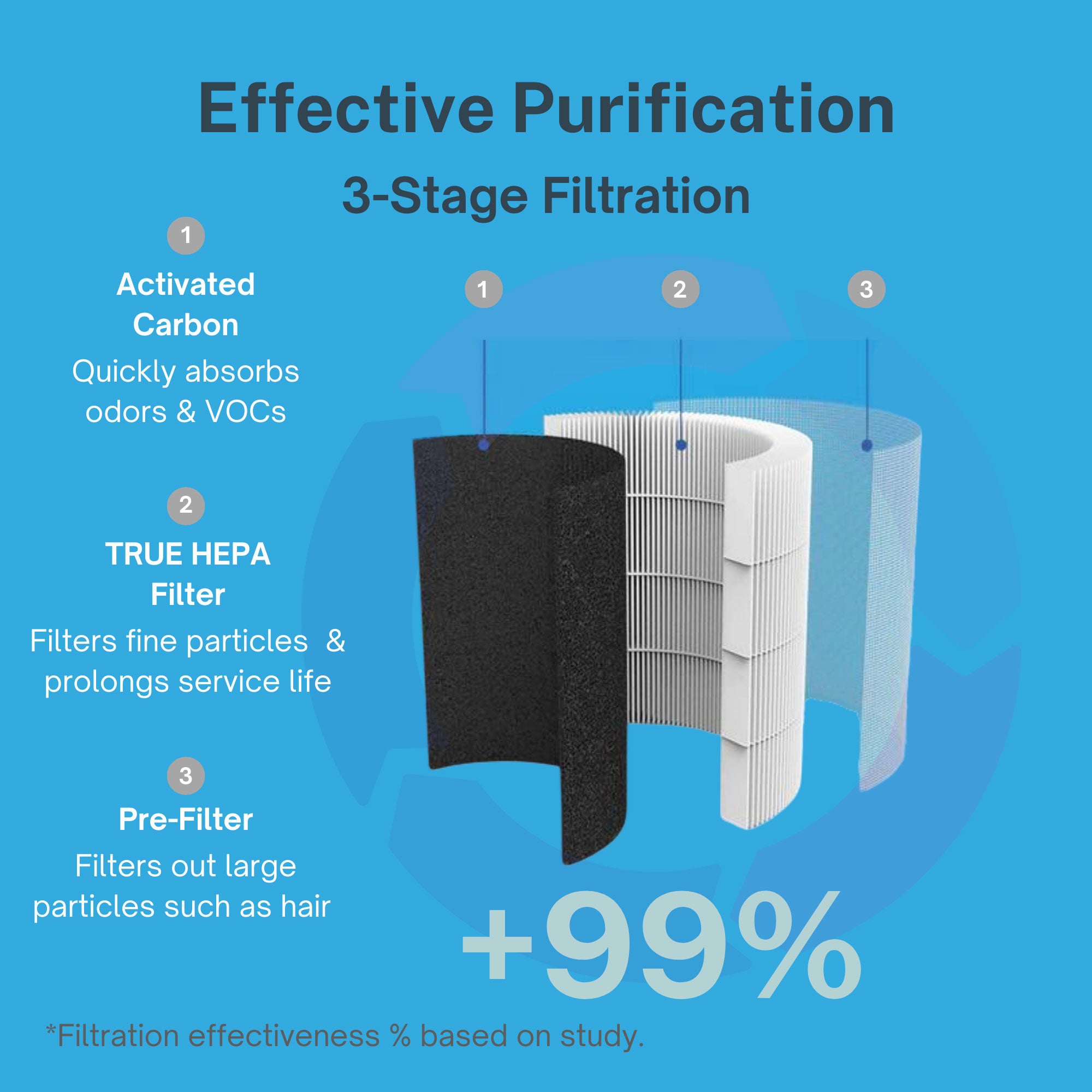
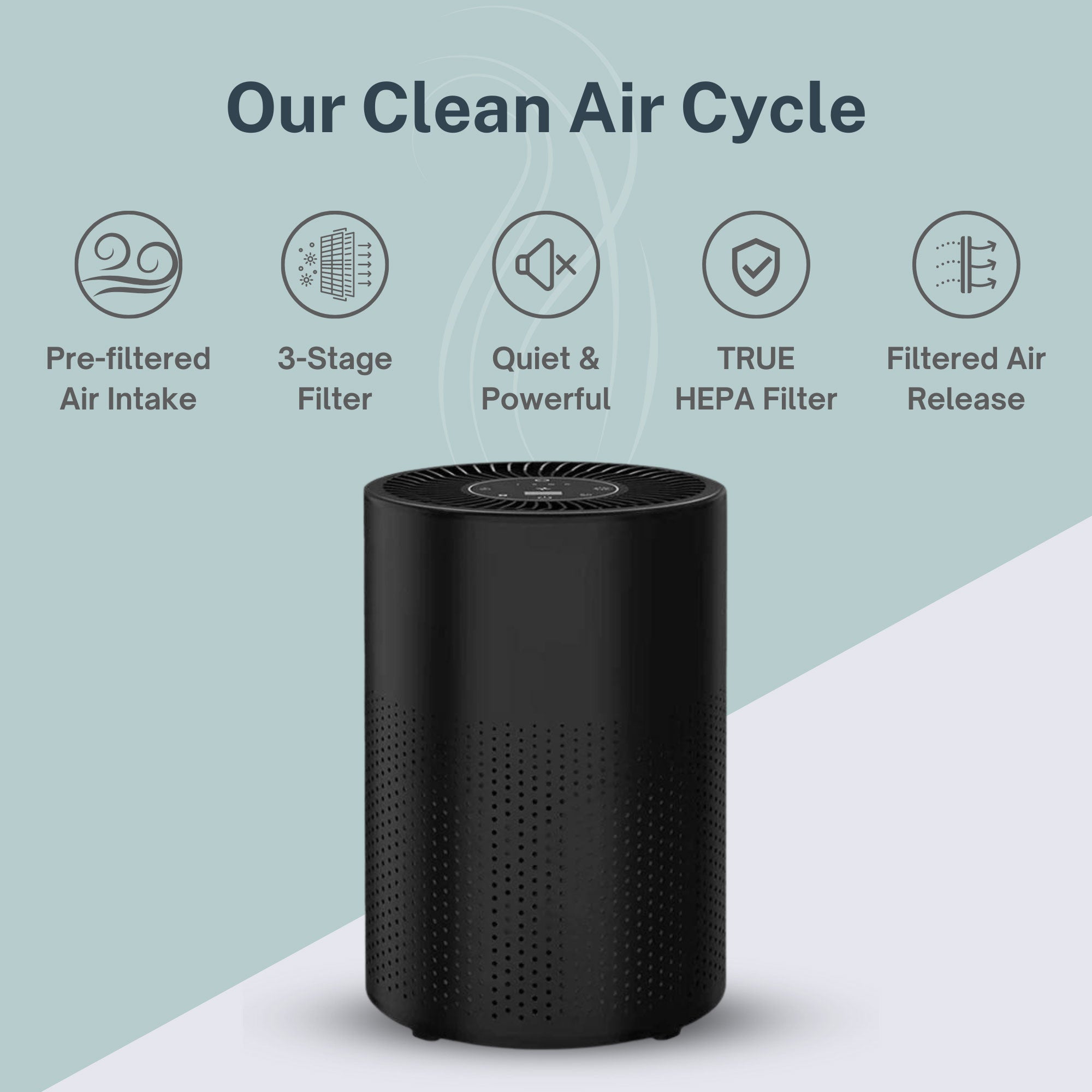
An air purifier draws room air through its filters and discharges clean air back into the space. That discharge creates gentle airflow — and if you're sitting close to the unit, or if it's positioned where the air stream reaches you directly, you may feel that airflow as a slight cooling sensation on your skin. What you're not feeling is a drop in room temperature. The thermostat hasn't moved. The air itself is the same temperature it was before. You're just more aware of it because it's moving.
The actual thermal math
An air purifier adds a small amount of heat to a room, not cold. The fan motor and filtration electronics consume electricity, and essentially all of that energy converts to heat as a byproduct. It's a negligible amount compared to your heating system — we're talking a few watts to a few dozen watts depending on the unit and fan speed, similar to a modest LED light fixture — but the net thermal effect is warming, not cooling.
In an extremely well-insulated, very small space, you could theoretically measure the temperature difference a running appliance makes. In a normal bedroom or living room, it's entirely imperceptible. The room temperature when your air purifier is running is, for all practical purposes, the same as when it is not running.
When the sensation is noticeable — and how to address it
The perceived chill from airflow is more noticeable in a few specific situations. If you've placed the purifier directly beside a chair, couch, or bed where you spend extended time, the discharge airstream may reach you consistently. If the unit is running at a higher fan speed, more air is moving through the room and the airflow effect is stronger. If the room is already cool and your body is already losing heat, even gentle air movement across exposed skin registers more noticeably.
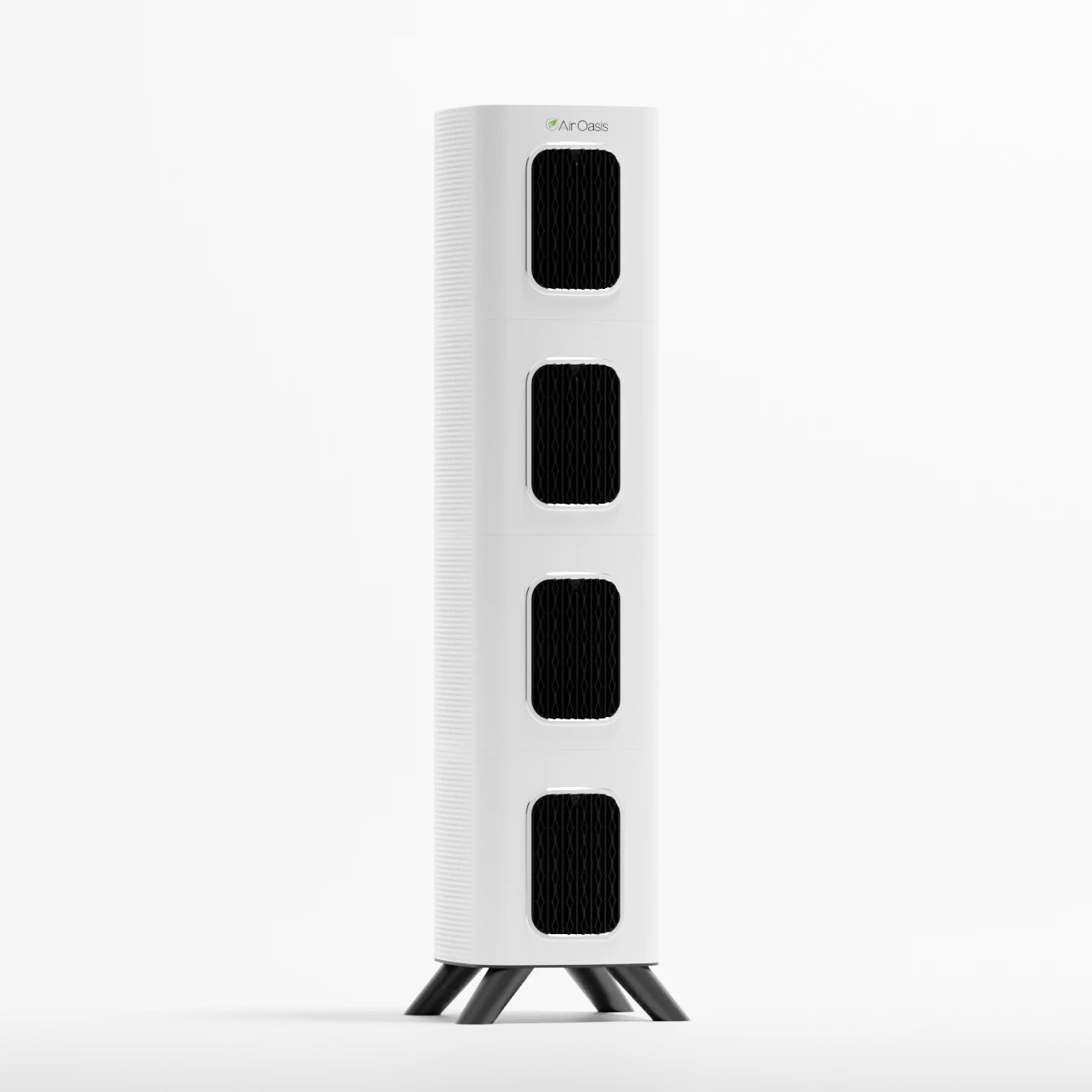
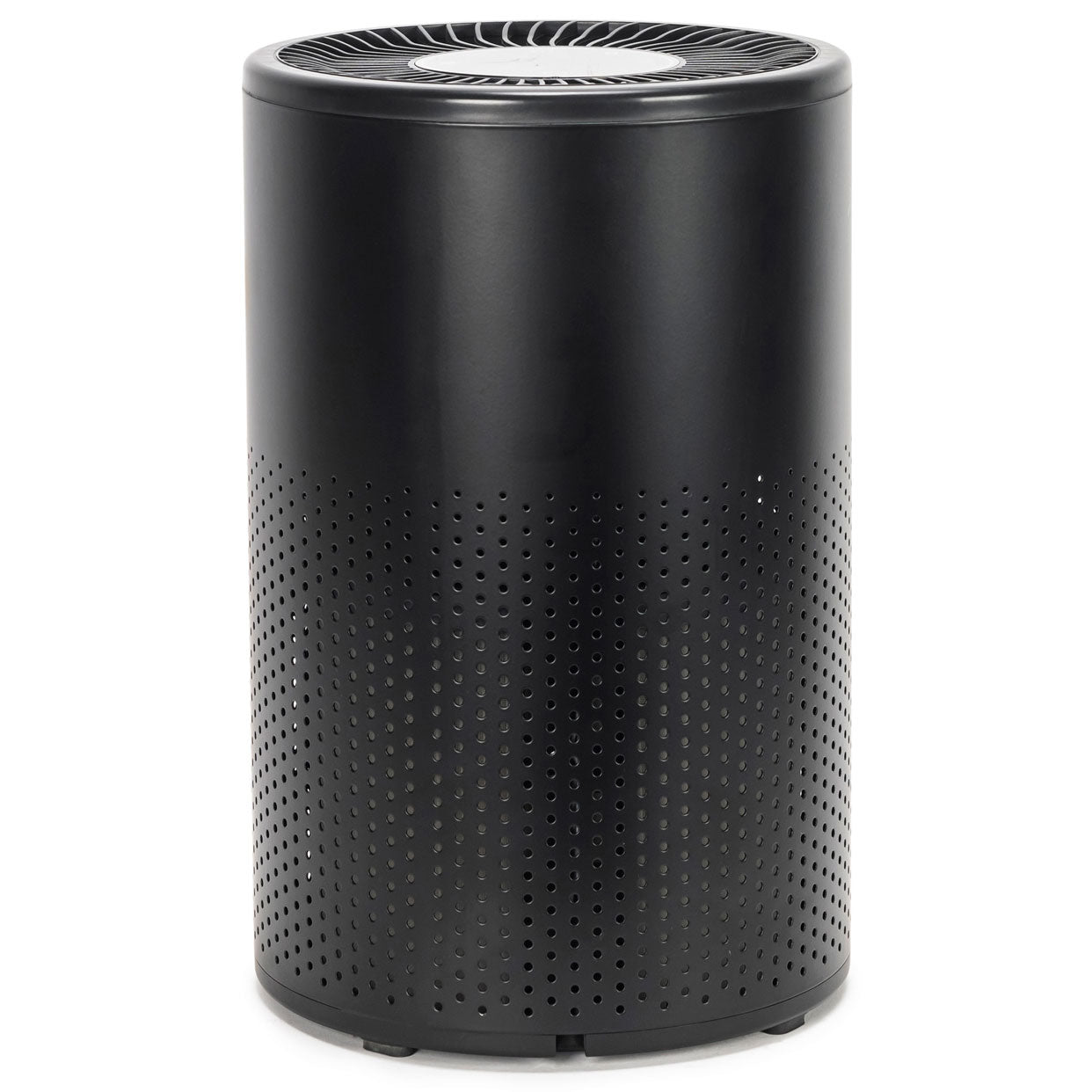
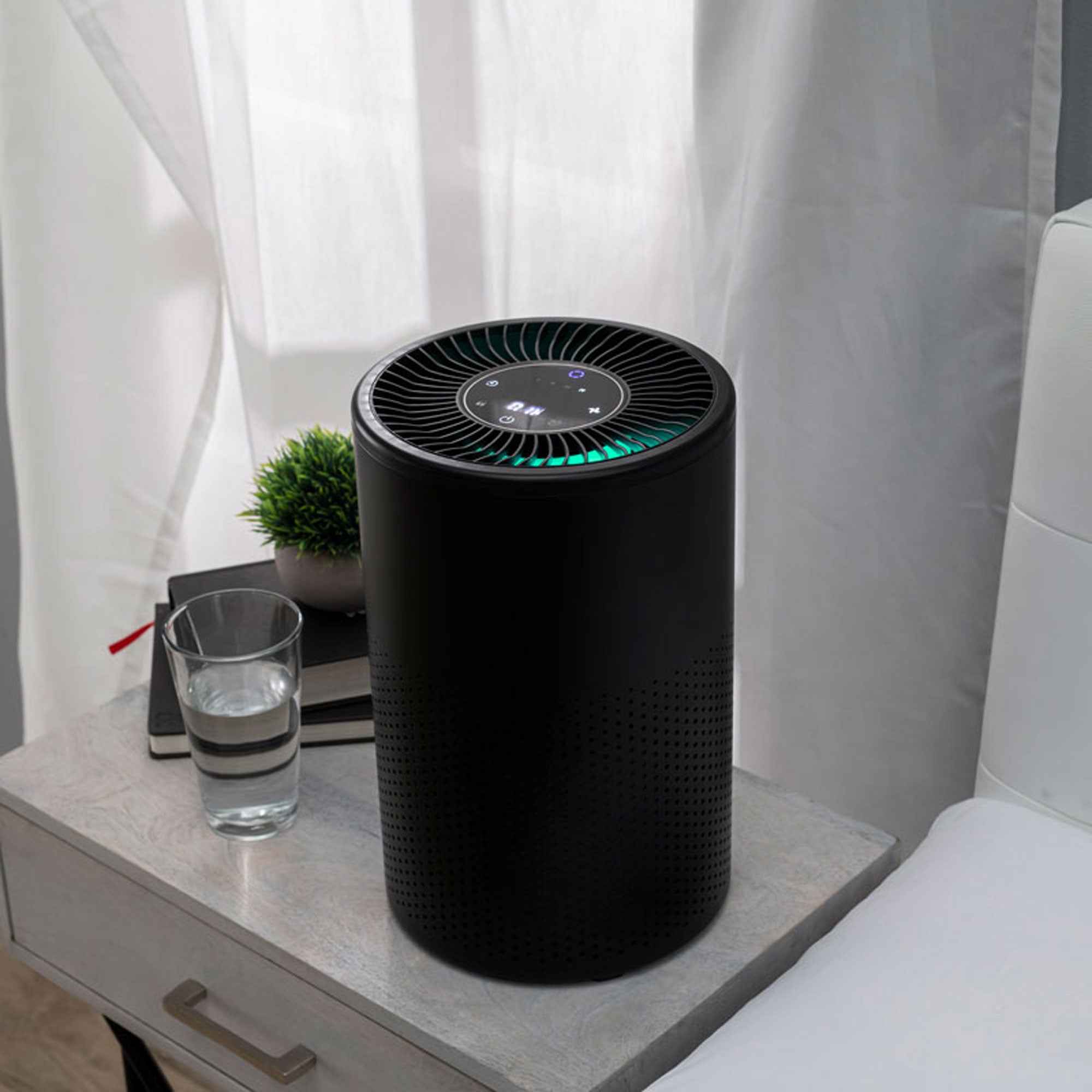
The fixes are straightforward. Repositioning the unit so the discharge doesn't blow directly toward where you sit or sleep is usually enough to eliminate the sensation entirely. The iAdaptAir discharges air through the top of the unit, so pointing it away from where you spend the most time — or placing it across the room rather than beside you — changes the experience without affecting how well it cleans the air.
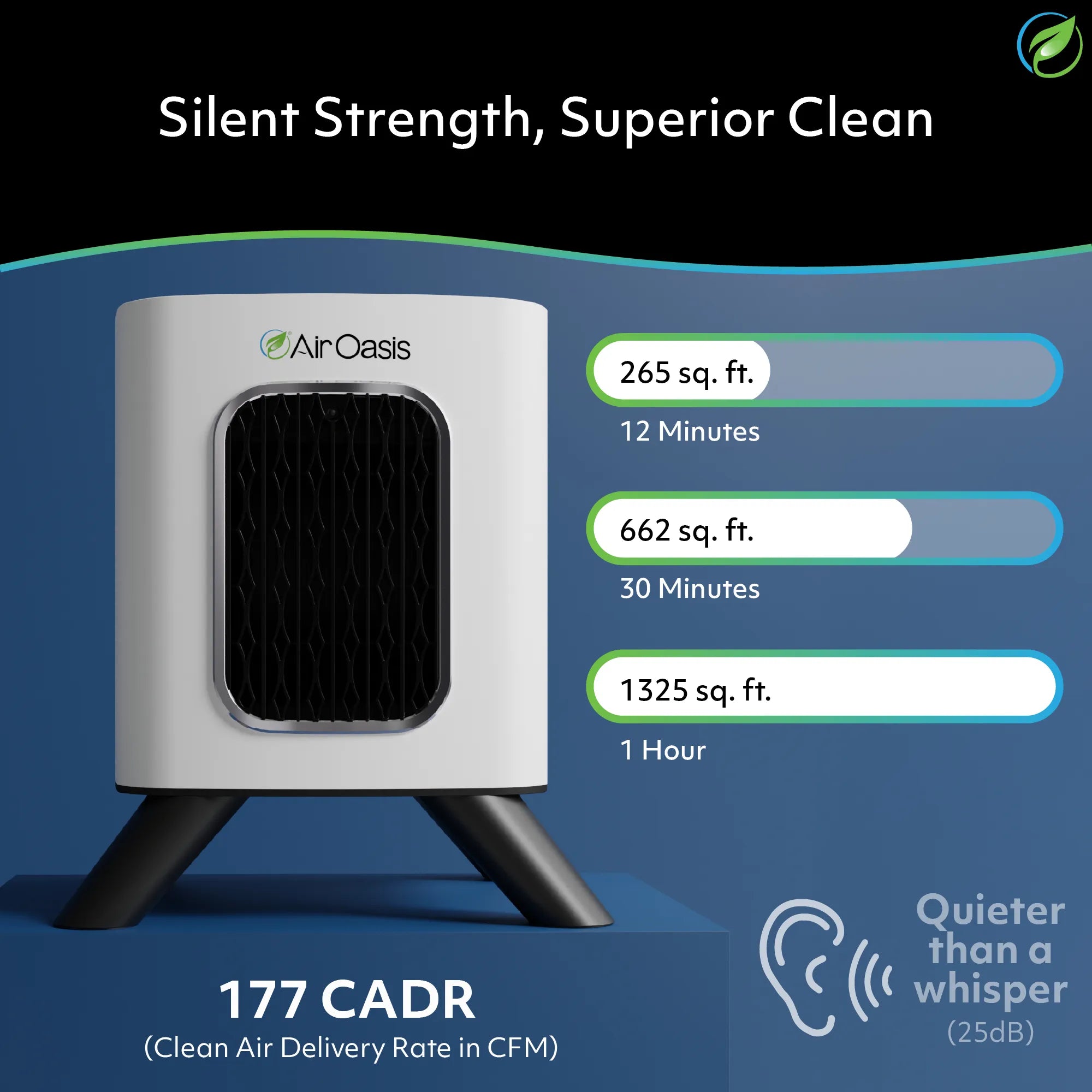
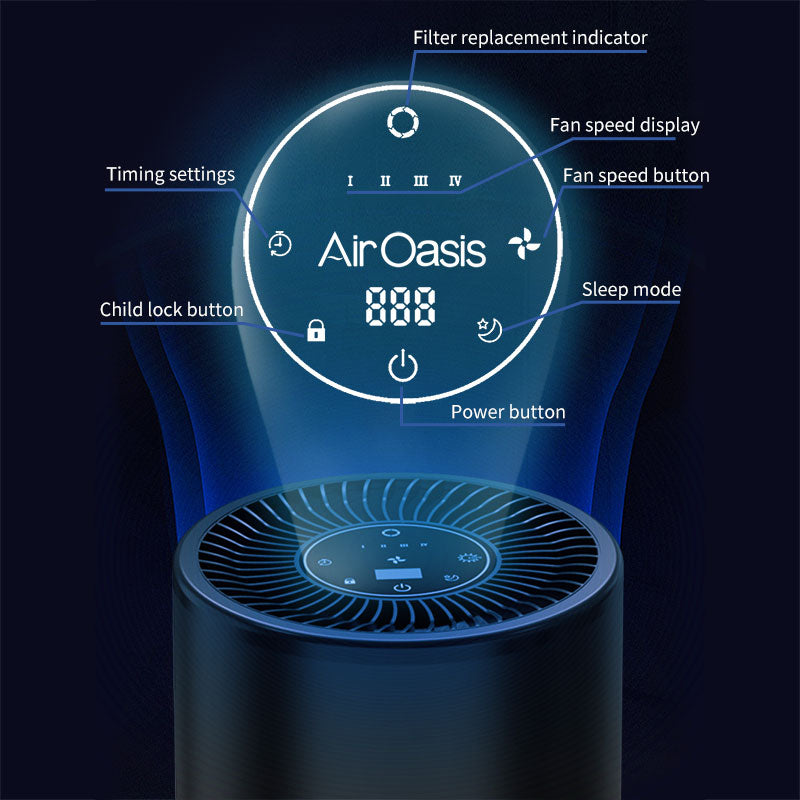
Running at a lower fan speed also reduces the airflow intensity while still filtering the room. On the lowest setting, the iAdaptAir moves air gently enough that most people don't register any airflow sensation at all, even in close proximity. The tradeoff is a slightly slower air cycle time, but for a correctly sized unit in a normal bedroom, low speed is entirely adequate for maintaining clean air during sedentary or sleeping hours.
What about winter specifically
In winter, when indoor air tends to be drier and your skin is more prone to losing moisture, the evaporative component of wind chill is a bit more pronounced. Dry air against skin that's already somewhat moisture-depleted can feel noticeably cool even at low fan speeds, particularly on exposed forearms, the back of the neck, or the face if you're resting near the unit.
If this is genuinely bothering you during winter months, the combination of repositioning the unit and running it at low speed resolves it almost universally. Running a humidifier alongside the purifier also helps — higher indoor humidity reduces the rate of skin moisture evaporation, which is the main driver of the perceived cooling sensation in dry winter conditions.
One thing worth noting: an air purifier and a humidifier serve distinct purposes and work well together. The purifier handles particulate matter, VOCs, and biological material in the air. The humidifier adds moisture. Neither substitutes for the other, and running both doesn't create a conflict.
Placement is doing more work than most people realize
The question of whether an air purifier makes a room feel cold almost always resolves to a placement question. A unit positioned along an interior wall, away from where people sit and sleep, with adequate clearance on all sides for airflow, rarely causes any noticeable sensation. The clean air it discharges mixes into the room rather than landing on anyone directly. The iAdaptAir's discharge through the top of the unit is designed to disperse air upward and outward, which in most room configurations means it disperses into open space before reaching the occupants.
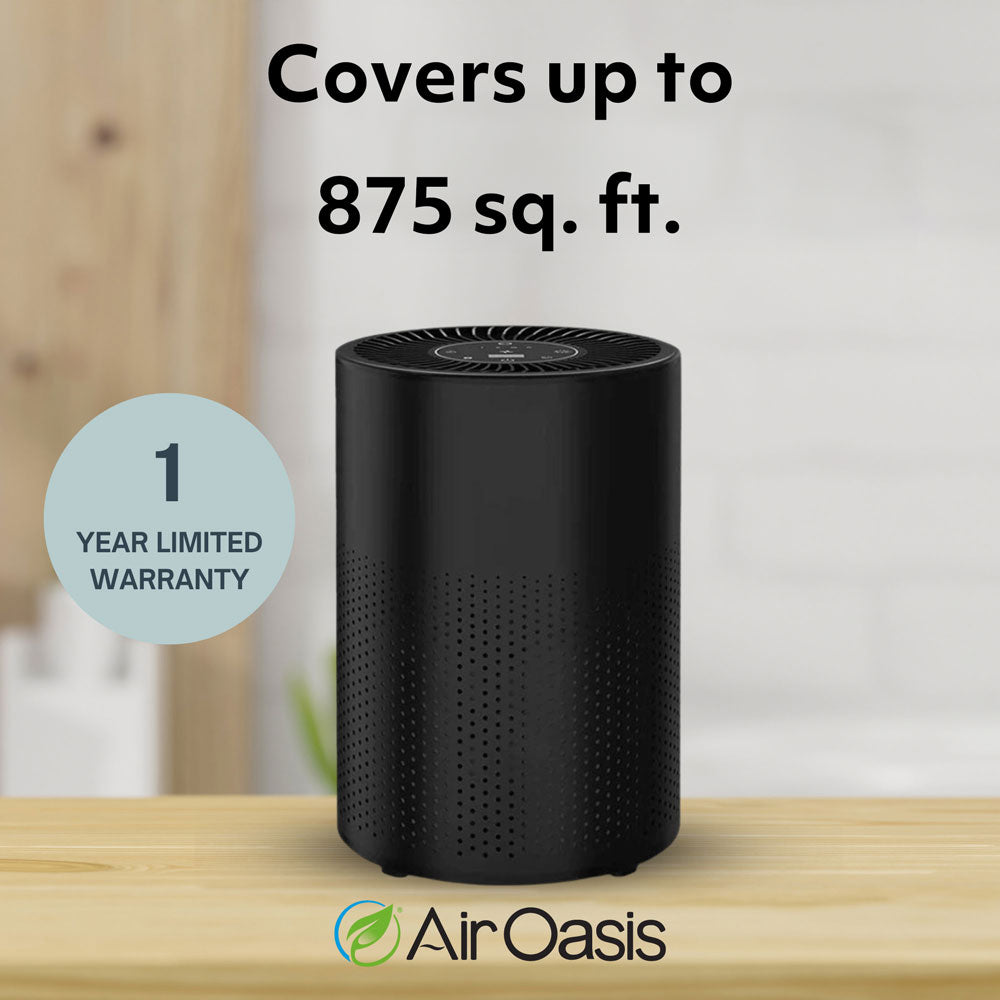
The iAdaptAir manual specifies a minimum of four inches of clearance around all air inlets and outlets, which is the operational minimum for filtration efficiency. For comfort in a bedroom or living room, more distance from where you rest is better — both for the perceived airflow and for noise, since the unit is quieter from across the room than from directly beside you.
Getting the placement right is the single most effective thing you can do to ensure your air purifier is doing its job without introducing any unwanted sensation. A unit running well and positioned thoughtfully is one you stop noticing — and the air quality it maintains is something you'd notice quickly if it were gone.
Shop Air Oasis and find the iAdaptAir sized for your space. Breathe Better, Live Better.