It's one of the first things people notice. You plug in a new air purifier, run it for a day, and something shifts. The room feels — and smells — different. Sometimes it's pleasant. Sometimes it's a little unfamiliar. And sometimes people wonder if the purifier itself is adding something to the air.
It's a fair question. Here's what's actually happening.
What an air purifier does to the air in a room
Most of what we perceive as "room smell" comes from airborne particles and gases. Dust, pet dander, cooking residue, mold spores, skin cells, VOCs off-gassing from furniture and building materials, and the microorganisms floating around in typical indoor air all contribute to a room's background scent. Most people don't notice it consciously — we adapt to our own home's smell very quickly. But it's there.
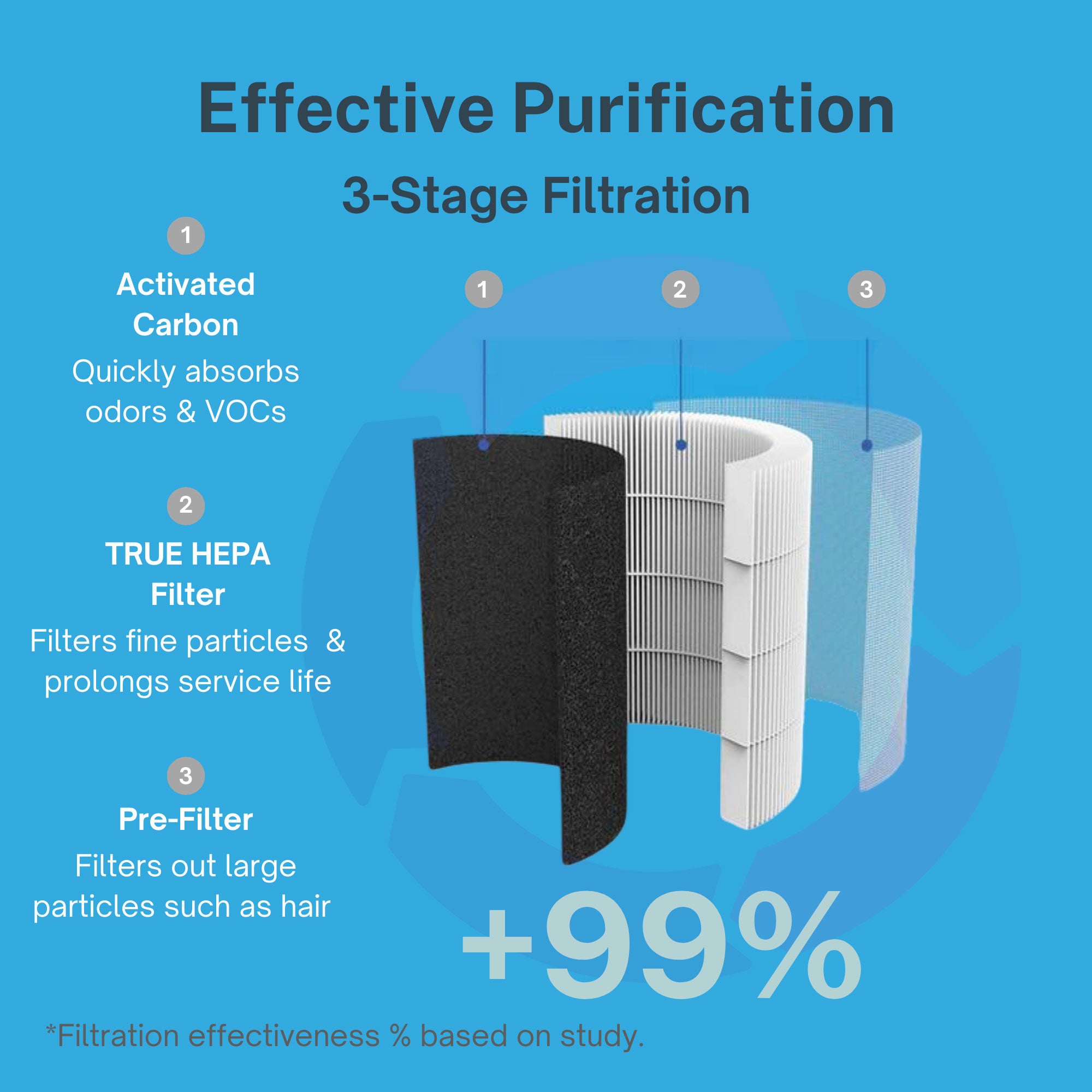
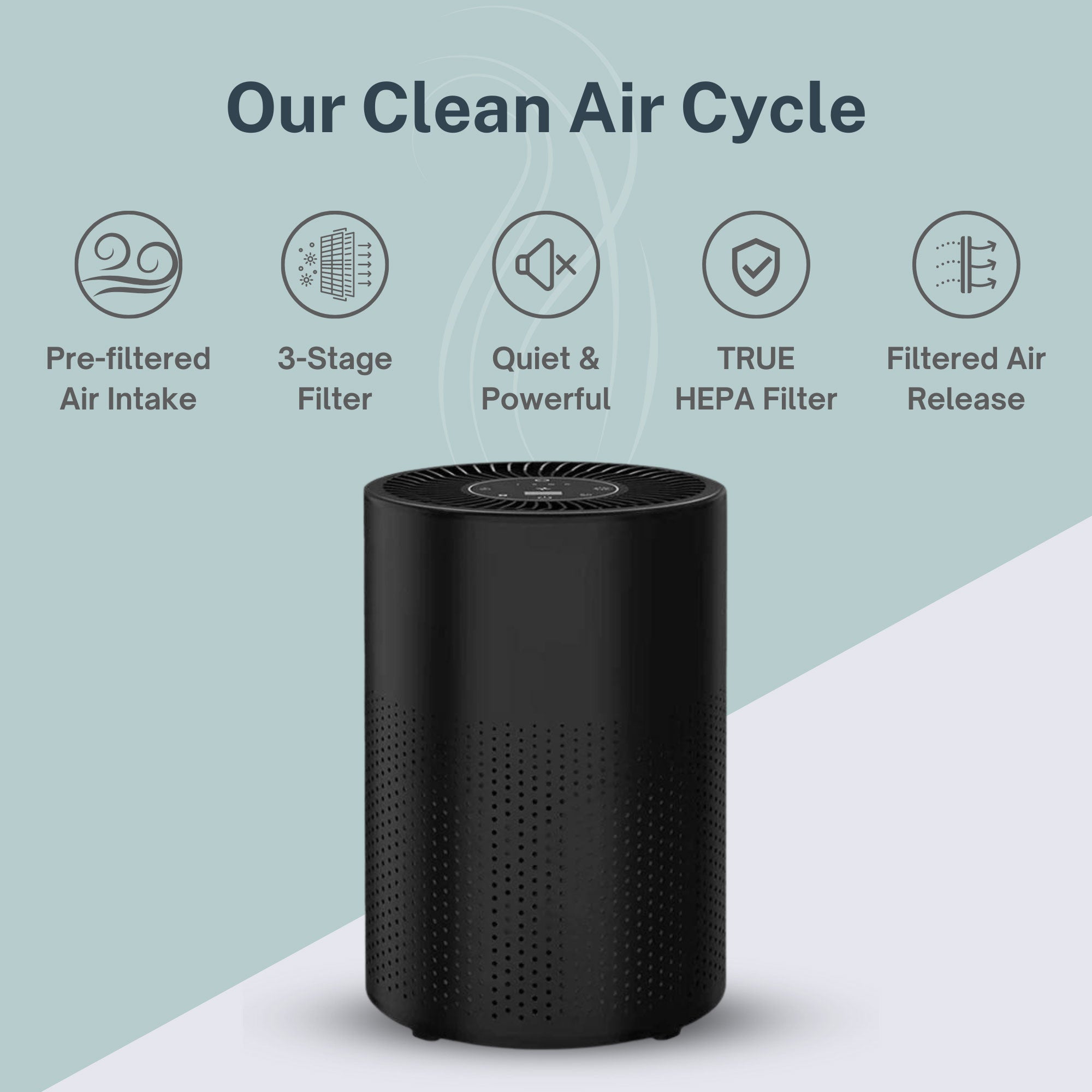
An air purifier removes those things from the air. Not instantly, and not all at once, but consistently, cycle by cycle. True HEPA filtration captures particles down to 0.3 microns — dust, dander, pollen, mold spores, bacteria, and more. Activated carbon adsorbs gaseous compounds, the VOCs and odor molecules that give rooms their distinctive smells. Together, these two technologies strip a lot of what you've been breathing without realizing it.
The result, after consistent operation, is air that's cleaner in a literal, measurable sense. And cleaner air often smells like less. Less mustiness. Less pet smell. Less of whatever subtle background odor had settled in.
That "nothing" smell is actually the point
People sometimes describe air after consistent purification as smelling like "nothing" — neutral, almost hospital-like. That reaction is understandable, but the framing is a little off. You're not smelling nothing. You're smelling air that's been cleared of the accumulated odor compounds it was carrying before.
Think about how fresh outdoor air smells after rain. There's a clean quality to it — not a strong scent, just an absence of the pollution and particulate matter that was there before. That's roughly the direction a good air purifier moves your indoor air over time.
For most people, this is a welcome change. For some — particularly those who've lived with a certain background smell for years — it can take a few days to feel normal. That adjustment is just your nose recalibrating.
New purifier smell: is it real?
Yes, sometimes. Some air purifiers emit a faint smell when first turned on, particularly from new filter materials or plastic housing off-gassing during initial use. This typically dissipates within a day or two. If a smell persists beyond that window, or if it smells chemical or sharp, it's worth checking that your purifier is functioning normally and that you haven't mistakenly ended up with an ozone-generating device.
This is worth pausing on. Some air purifiers — particularly ionic air purifiers and certain UV-based systems not certified to ozone-free standards — produce ozone as a byproduct. Ozone has a distinctive metallic or bleach-like smell that some people describe as fresh. It isn't. Ozone is a lung irritant that can worsen asthma and respiratory conditions, and that "fresh" smell is actually a warning sign, not a benefit. If your purifier has that sharp, electric smell after the first day or two, look at the product specifications.
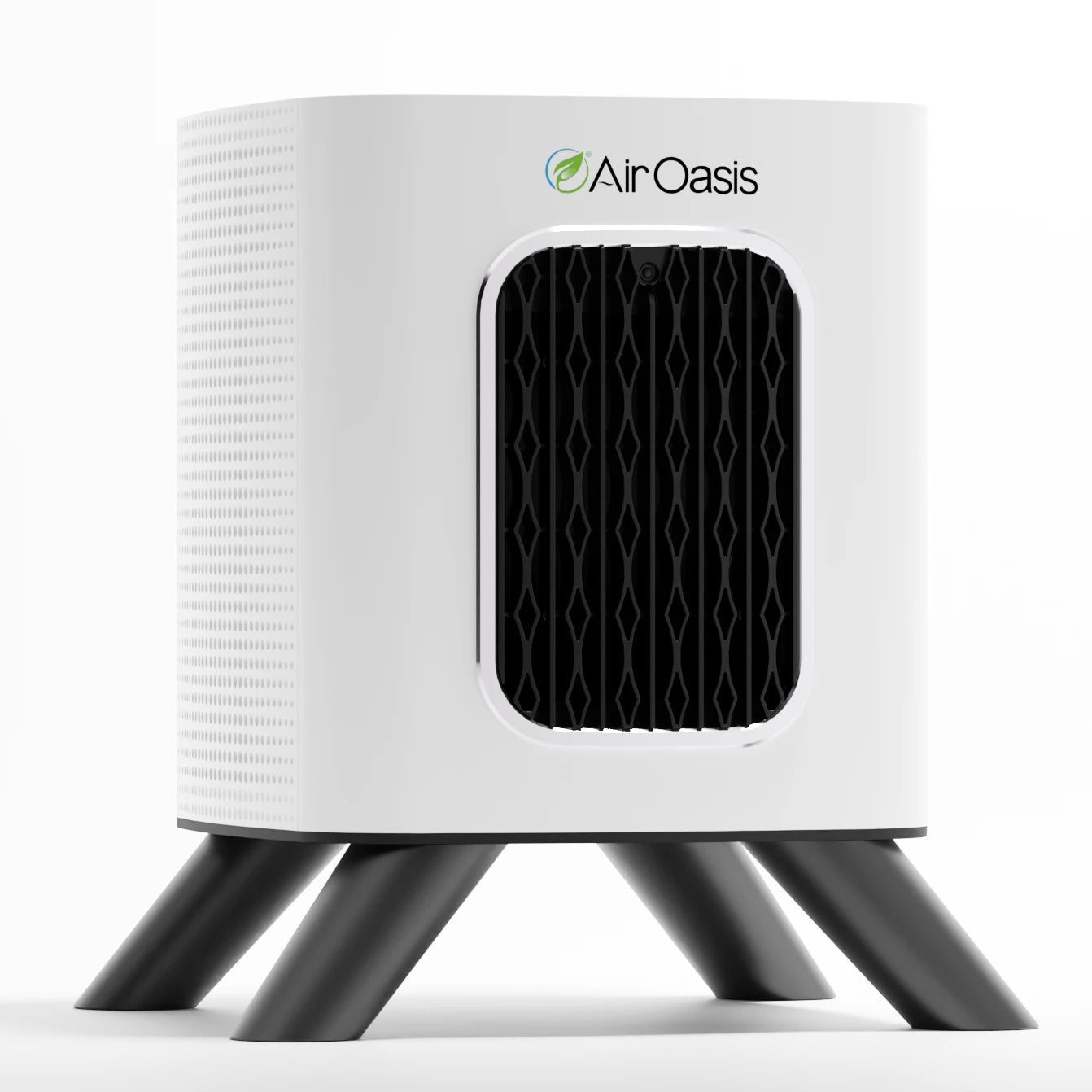
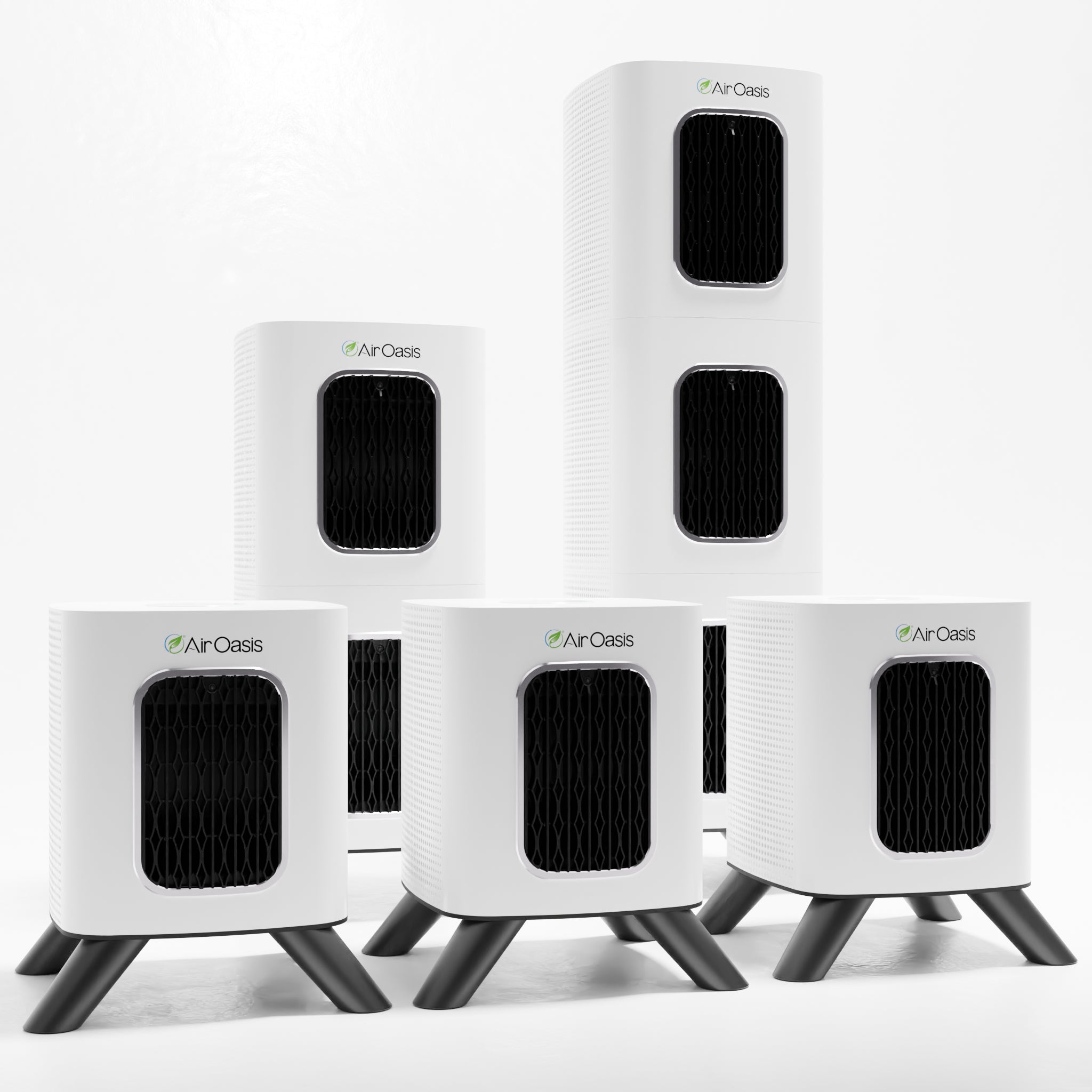
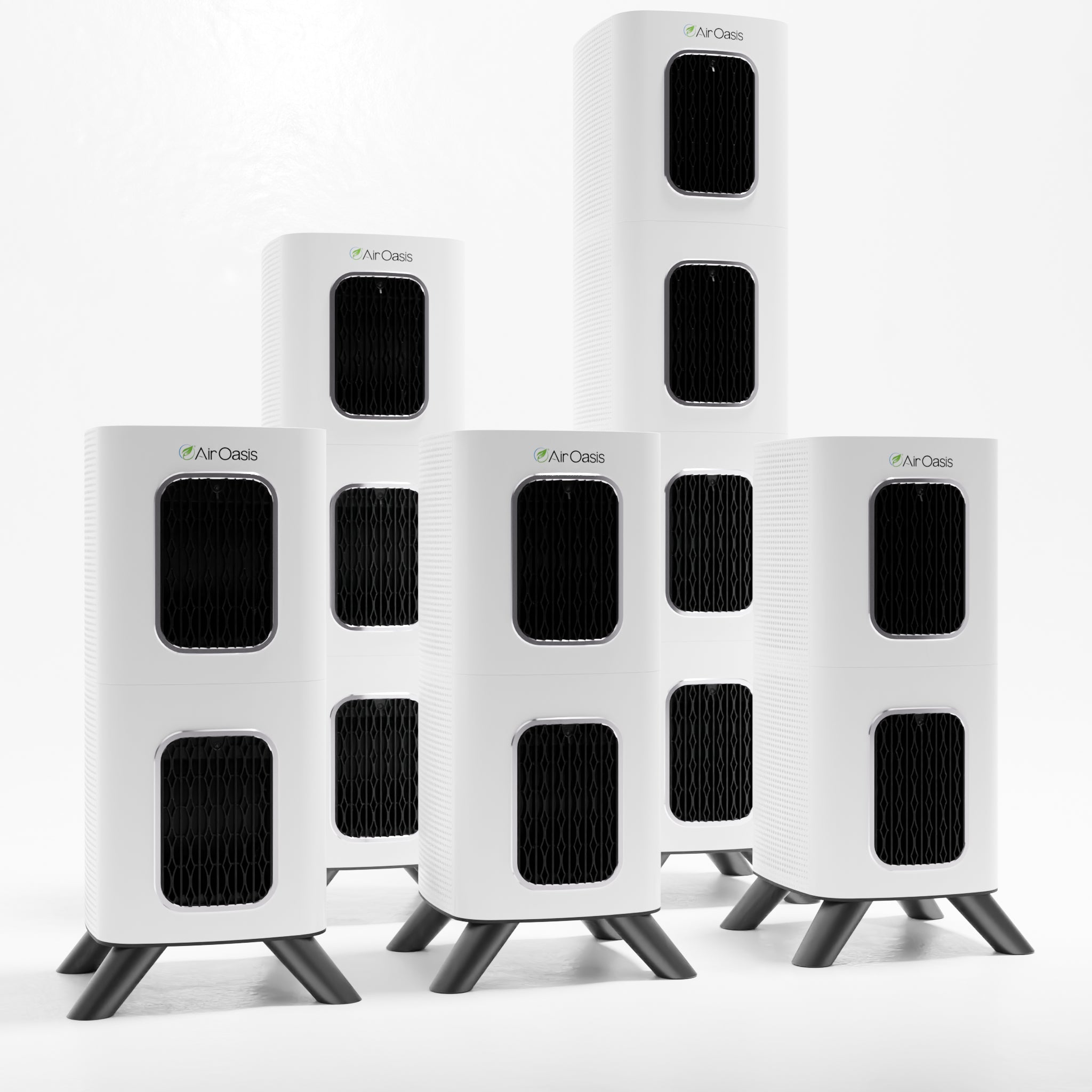
The iAdaptAir by Air Oasis is CARB-certified ozone-free. It uses bipolar ionization technology that charges airborne particles without generating ozone — so any initial smell from new filters fades quickly, and what's left is genuinely cleaner air, not a chemical workaround.
Different rooms will smell differently after purification
The change is most noticeable in rooms that had the strongest background odors before. Bedrooms — where you sleep, breathe, and shed skin cells for hours every night — often show the most dramatic improvement. Pet owners frequently report that the distinct smell of a cat or dog in a room becomes significantly less prominent after consistent purifier operation. Not gone necessarily, because the animal is still there producing allergens, but meaningfully reduced.
Kitchens are trickier. Cooking generates a high volume of airborne particles and VOCs in a short time. An air purifier with activated carbon helps, but kitchens need continuous operation and adequate carbon capacity to keep up. Running the purifier before, during, and after cooking — not just when things smell bad — makes the difference.
Rooms with mold or moisture problems are a special case. An air purifier will remove mold spores from the air and may reduce the musty smell that comes from mold's off-gases. But the smell reduction is not a sign the mold problem is solved. Mold smell comes from the mold colony itself. Capturing VOCs in the air helps, but the source needs to be found and addressed directly.
What an air purifier won't do to your room's smell
A few honest limitations worth naming. An air purifier doesn't deodorize surfaces. Odors that have soaked into carpeting, upholstery, curtains, and walls won't be pulled out by air filtration — those need physical cleaning. The purifier manages what's airborne. Surface odors have to be addressed at the surface.
It also won't overpower a strong ongoing odor source. If there's an active leak producing mold, a litter box that needs cleaning, or a pet accident that hasn't been addressed, an air purifier will reduce airborne odor compounds but can't keep up with continuous production from a source. Fix the source. Let the purifier maintain what comes after.
Choosing the right technology for odor control
Not all purifiers handle smell equally well. True HEPA filtration alone — without activated carbon — does very little for odor. Particles are captured, but gaseous odor molecules pass right through a HEPA filter. For meaningful odor reduction, activated carbon is essential. It works through adsorption: odor molecules bind to the porous carbon surface and are removed from circulation permanently, not masked.
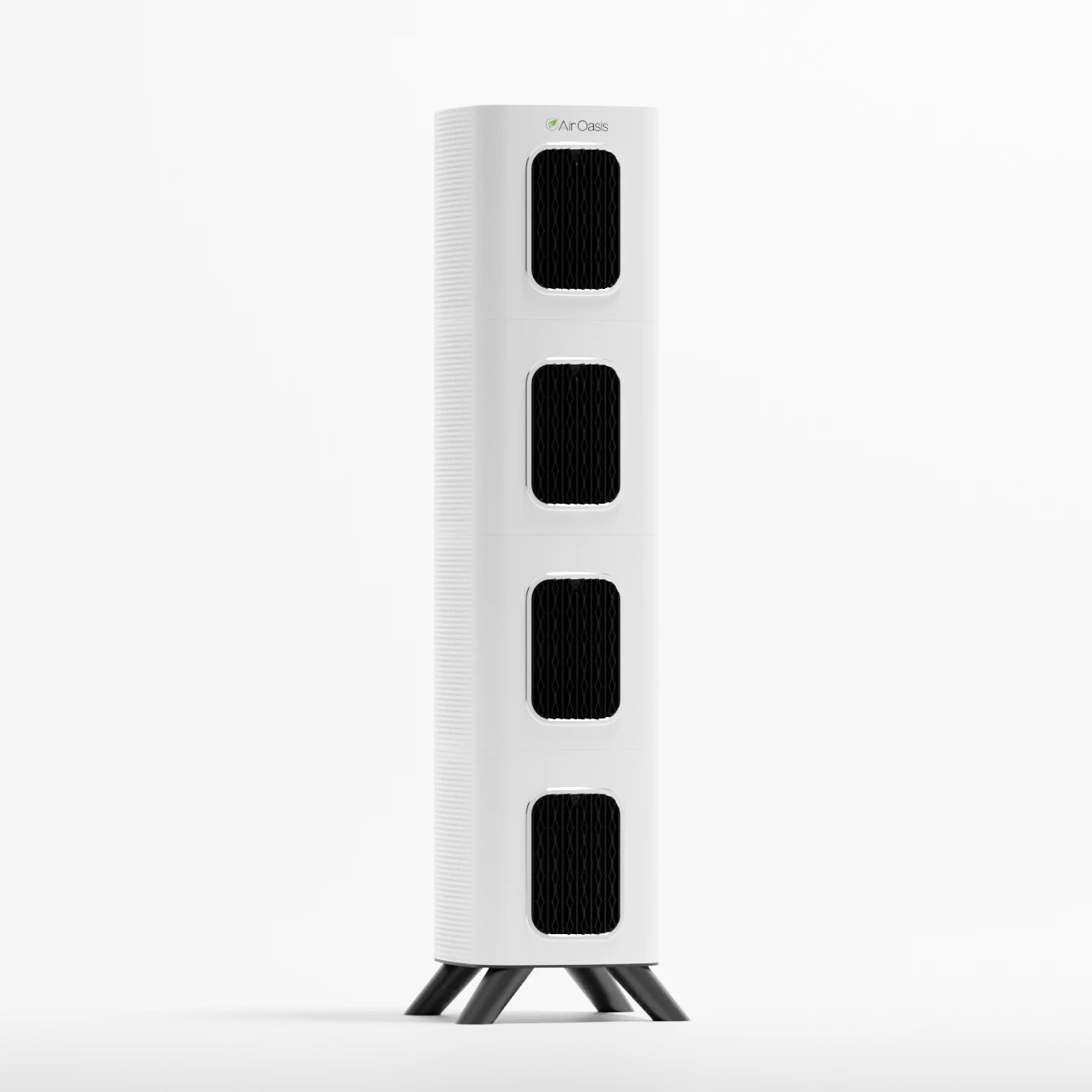
The iAdaptAir combines True HEPA filtration with activated carbon, UV-C light, and bipolar ionization. For odor control specifically, the activated carbon component does the heavy lifting — pulling cooking smells, pet odors, VOCs from cleaning products and furniture, and the musty compounds that come with mold or humidity.
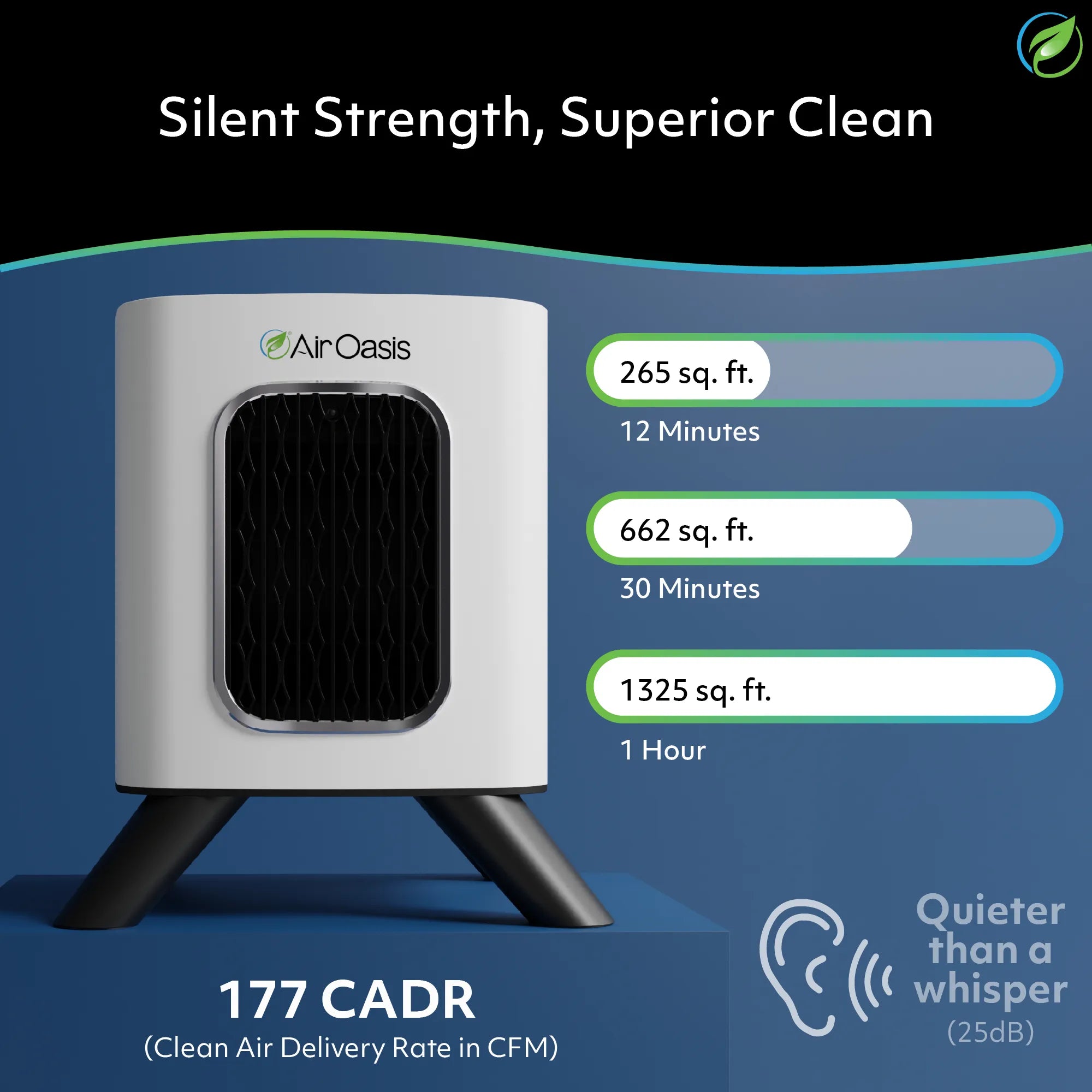
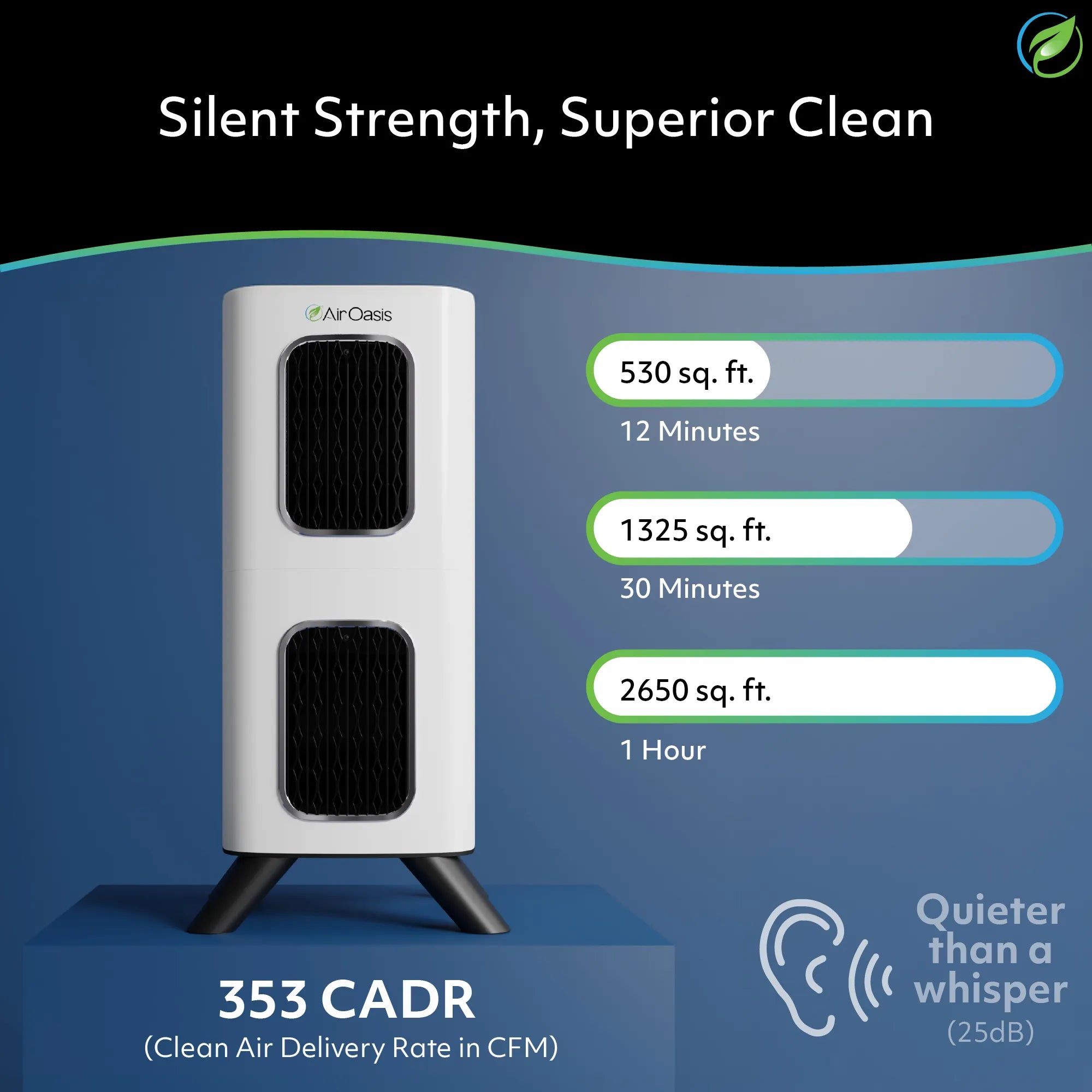
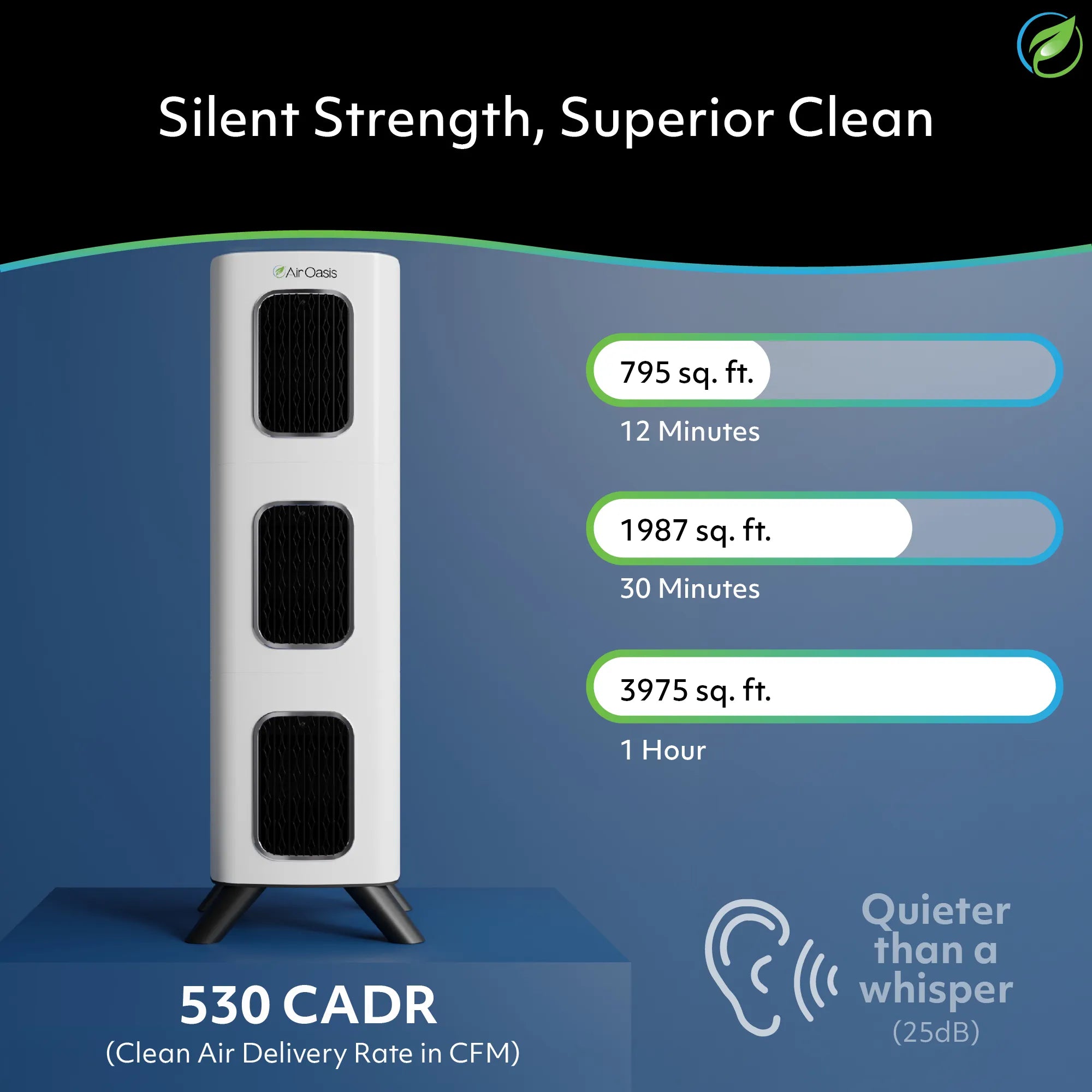
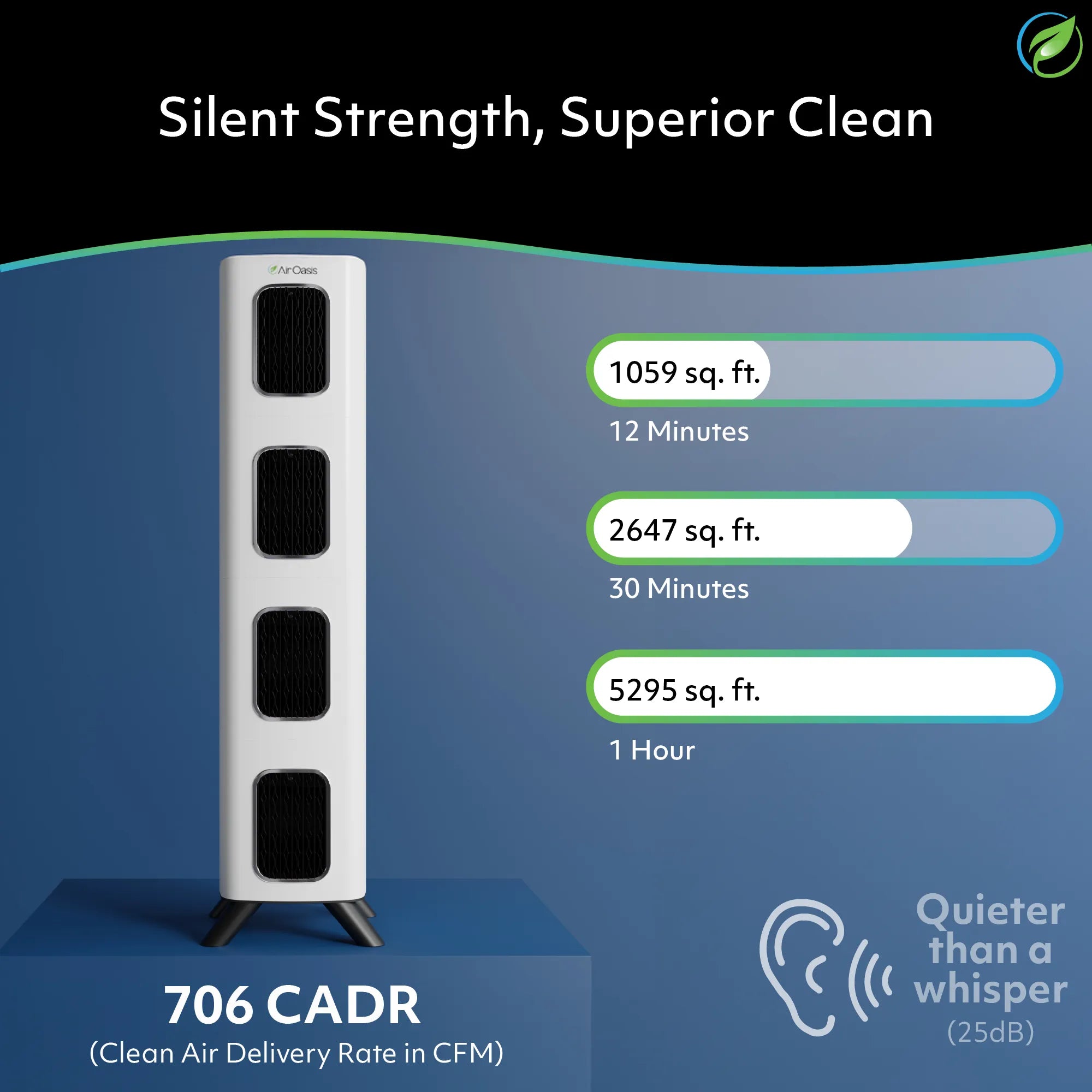
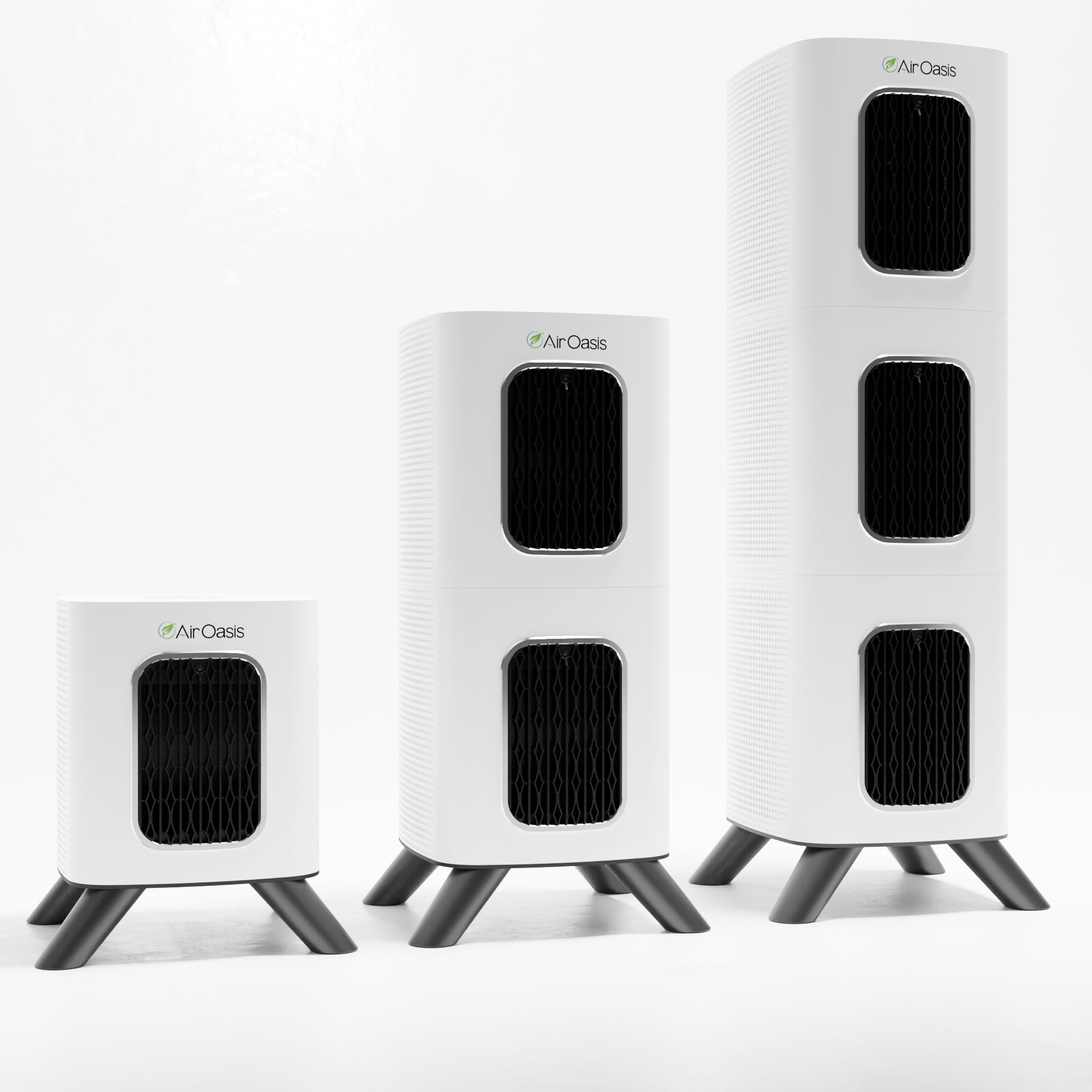
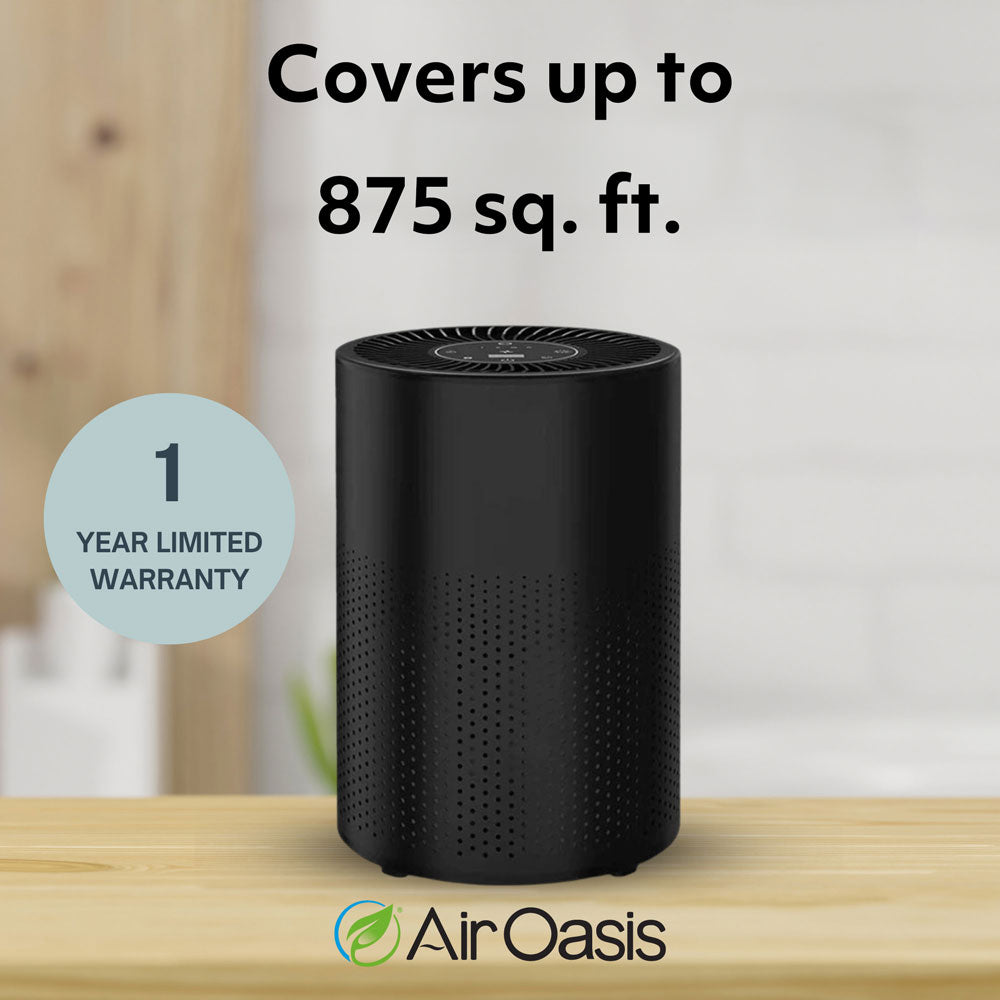
Size your unit to the room. The 2S covers up to 265 square feet, the 2M up to 530, the 2L up to 795, and the 2P up to 1,059 square feet. A purifier that's too small for the space cycles the air too infrequently to make a noticeable difference in how the room smells.
What you'll notice over time
The changes are rarely dramatic or immediate — they're cumulative. After a week of consistent operation, most people notice the room smells lighter. After a month, the absence of odors they'd stopped noticing becomes apparent only when they return from time away. That's often when it clicks: the house smells different than it did before, and better is the right word for it.
That's clean air doing its job. Shop Air Oasis and find out what your home smells like when the air is genuinely clear. Breathe Better, Live Better.