Have you ever walked into a room and been hit by a musty, earthy odor? Or noticed dark, fuzzy patches in damp corners of your bathroom?
These could be signs of black mold in your house—an unwelcome presence that may pose health risks to you and your family.
While not all mold is toxic, black mold, scientifically known as Stachybotrys Chartarum, is particularly concerning due to the mycotoxins it produces. These microscopic spores can travel through the air and may contribute to respiratory issues, allergic reactions, and other health problems in some individuals.
But how can you tell if black mold has taken up residence in your home? Here are five key signs to look for—and what you can do about them.
5 Common Signs of Black Mold In Your House
Your senses are often your first line of defense. From what you see to what you smell, early awareness can help you catch a potential problem before it becomes a larger one. Here are five indicators worth paying attention to.

1. You Can See The Mold
Black mold, despite its name, isn't always black. It can appear in shades ranging from green to black, often with a fuzzy or slimy texture, and typically forms circular patterns on surfaces it colonizes.
Common areas where you might spot signs of black mold in your house include:
- Bathrooms, especially around showers and bathtubs
- Basements and crawl spaces
- Areas with recent water damage or leaks
- Behind drywall or wallpaper
- Under damp carpets
- Around air conditioning units and HVAC systems
When inspecting, pay close attention to dark spots or patches on walls, ceilings, or floors—and any discoloration in areas prone to moisture.
Black mold requires specific conditions to thrive:
- Moisture: The most critical factor. Black mold flourishes when relative humidity levels are above 70%.
- Food source: Any organic material such as wood, paper, carpet fibers, or dust.
- Temperature: Most molds grow best between 60 and 80 degrees Fahrenheit.
- Oxygen: Black mold doesn't need light, but it does require oxygen.
- Time: Under ideal conditions, a colony can establish within 24 hours of exposure to moisture.
Maintaining indoor relative humidity between 30–50% is one of the most effective ways to reduce the risk of black mold growth.
Keep in mind that the absence of visible mold doesn't mean your home is mold-free. If you suspect a problem but can't see it, further investigation—possibly with a professional—is worth pursuing.
2. You Can Smell The Black Mold
Even when mold isn't visible, you may be able to detect it by smell. Black mold produces microbial volatile organic compounds (mVOCs) as it grows, resulting in a persistent musty or earthy odor often described as reminiscent of rotting wood.
The intensity of the smell can vary based on several factors:
- Growth stage: Mature colonies tend to have a stronger odor than newer ones.
- Moisture levels: Higher humidity can intensify the smell.
- Air circulation: Poor ventilation can concentrate odors in a space.
A constant, unexplained musty smell—especially in moisture-prone areas—may be one of the signs of black mold in your house and warrants a closer look.

3. You Have Damp Spots In Your House
Moisture is the primary driver of mold growth. Damp spots can become breeding grounds quickly, with growth potentially beginning within 24 to 48 hours in water-damaged areas.
Common causes of dampness include:
- Leaky pipes or roofs
- Poor ventilation in bathrooms and kitchens
- Condensation on windows or walls
- Flooding or water damage
- High indoor humidity levels
Seasonal changes matter too. In winter, heated indoor air meeting cold surfaces can create condensation. In spring and summer, open windows can introduce humid air.
When inspecting your home, pay attention to:
- Water stains on walls or ceilings
- Peeling or bubbling paint
- Warped wood or drywall
- Condensation on windows or pipes
These signs often appear before visible mold growth occurs.
4. You Don't Feel Well
Exposure to black mold may affect your health, though the nature and severity of symptoms can vary significantly depending on individual sensitivity and level of exposure.
Symptoms some people associate with mold exposure include:
- Respiratory issues such as coughing, wheezing, nasal congestion, and throat irritation
- Allergic reactions, including sneezing, runny nose, red eyes, and skin rash
- Eye and skin irritation
- Headaches and fatigue
People with pre-existing respiratory conditions, allergies, or compromised immune systems may be more sensitive to these effects. Some research suggests that long-term exposure in damp environments may be associated with increased asthma risk in certain children and changes in immune response.
If you experience persistent symptoms and suspect mold may be a factor, consulting a healthcare professional is a reasonable next step.

5. You Have Tested For Black Mold In Your House
If you suspect black mold but can't find visible signs, professional testing can provide clearer answers.
Testing methods include:
- Environmental Relative Moldiness Index (ERMI) dust collection test: Analyzes settled dust for species associated with water-damaged buildings.
- HERTSMI-2 Score: A more targeted version focusing on five mold types commonly found in water-damaged buildings, including black mold.
- Inspection by an indoor environmental professional: Experts conduct thorough visual inspections, including hidden areas where mold is likely to grow.
DIY testing kits are available, but they're easy to misuse and can produce unreliable results. Professional testing is generally the more accurate route—and a qualified inspector can assess not just presence but extent, and recommend appropriate remediation steps.
If mold is confirmed, addressing the underlying moisture source is essential to preventing recurrence.
Using An Air Purifier As Part of Your Mold Response
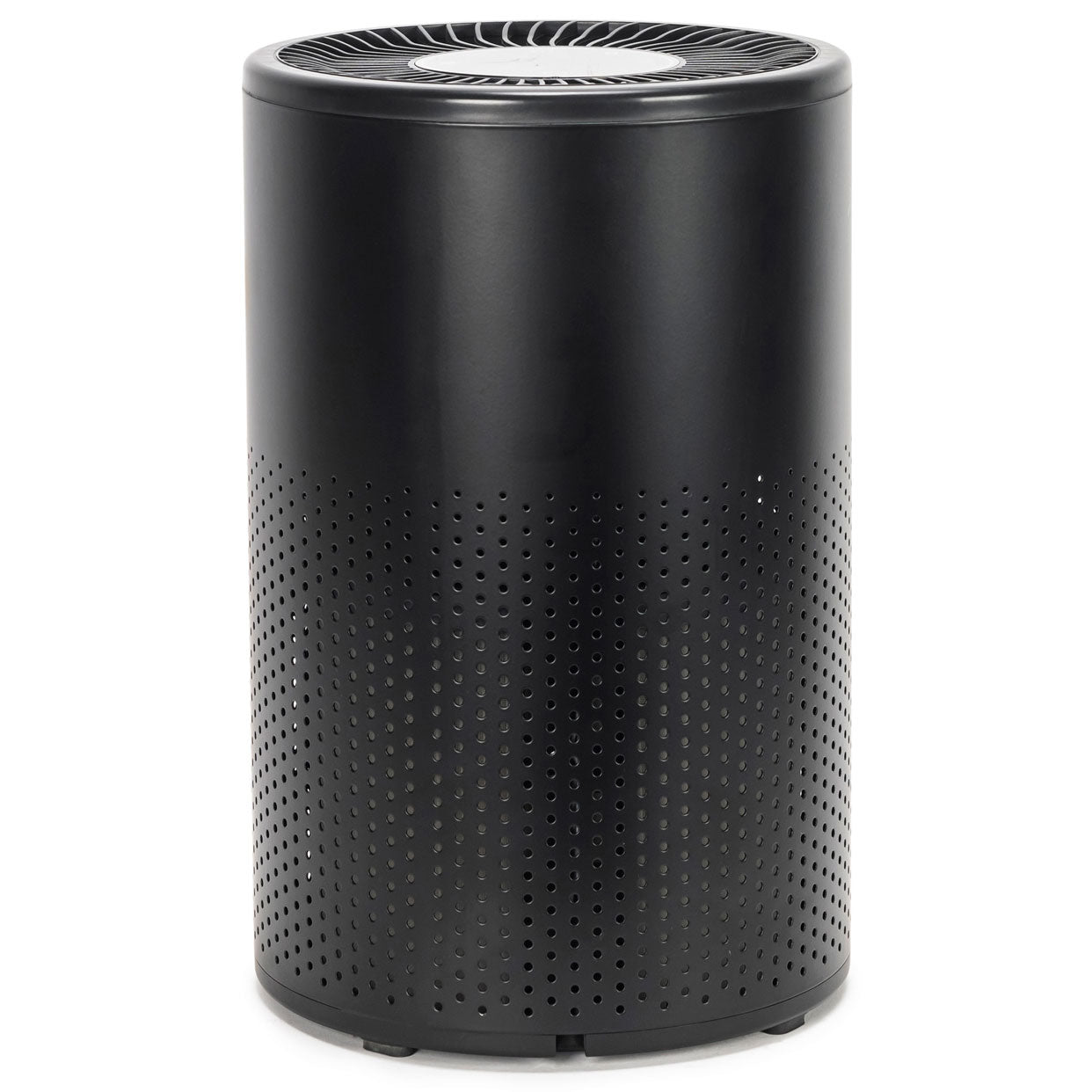
Addressing the root cause of moisture is the essential first step in dealing with black mold. An air purifier can support that process by helping to reduce airborne mold spores and associated odors while remediation is underway—but it's a complement to fixing the problem, not a replacement for it.
When choosing an air purifier to support mold management, look for:
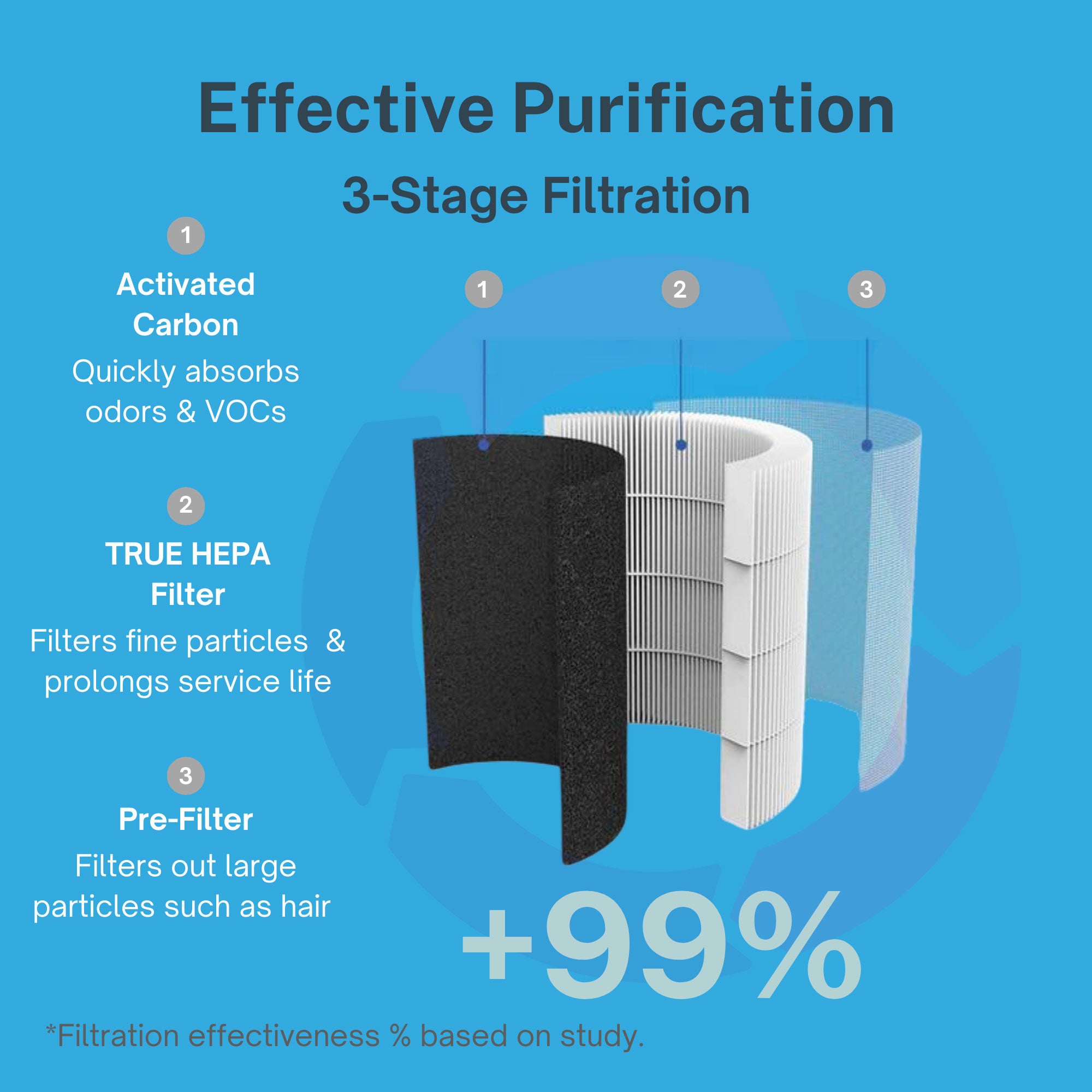
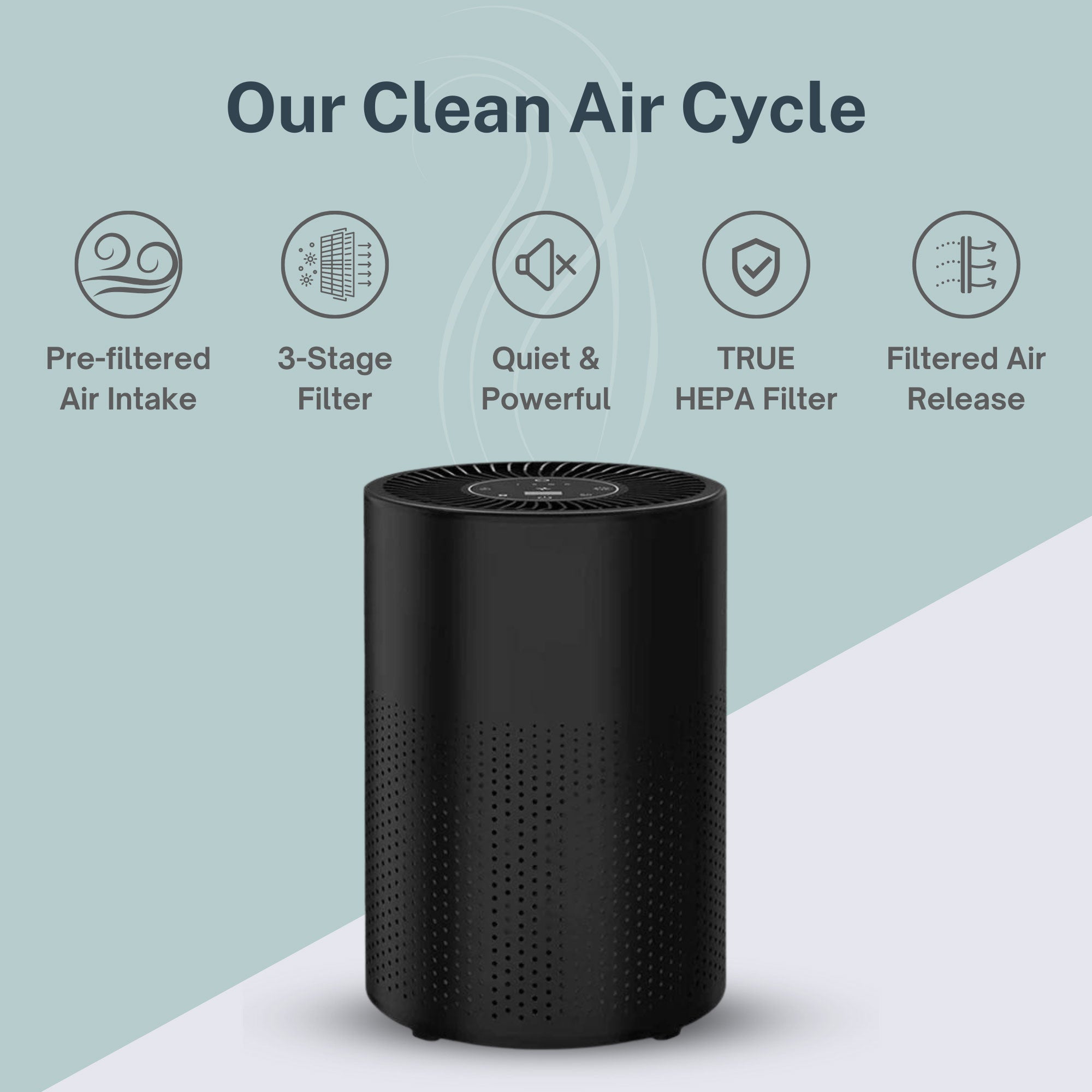
- HEPA filters: Capable of capturing 99.97% of particles as small as 0.3 microns, including mold spores.
- Activated carbon filters: Help reduce odors associated with mold growth.
- Bi-polar ionization: Releases ions that attach to airborne particles, helping to limit their spread.
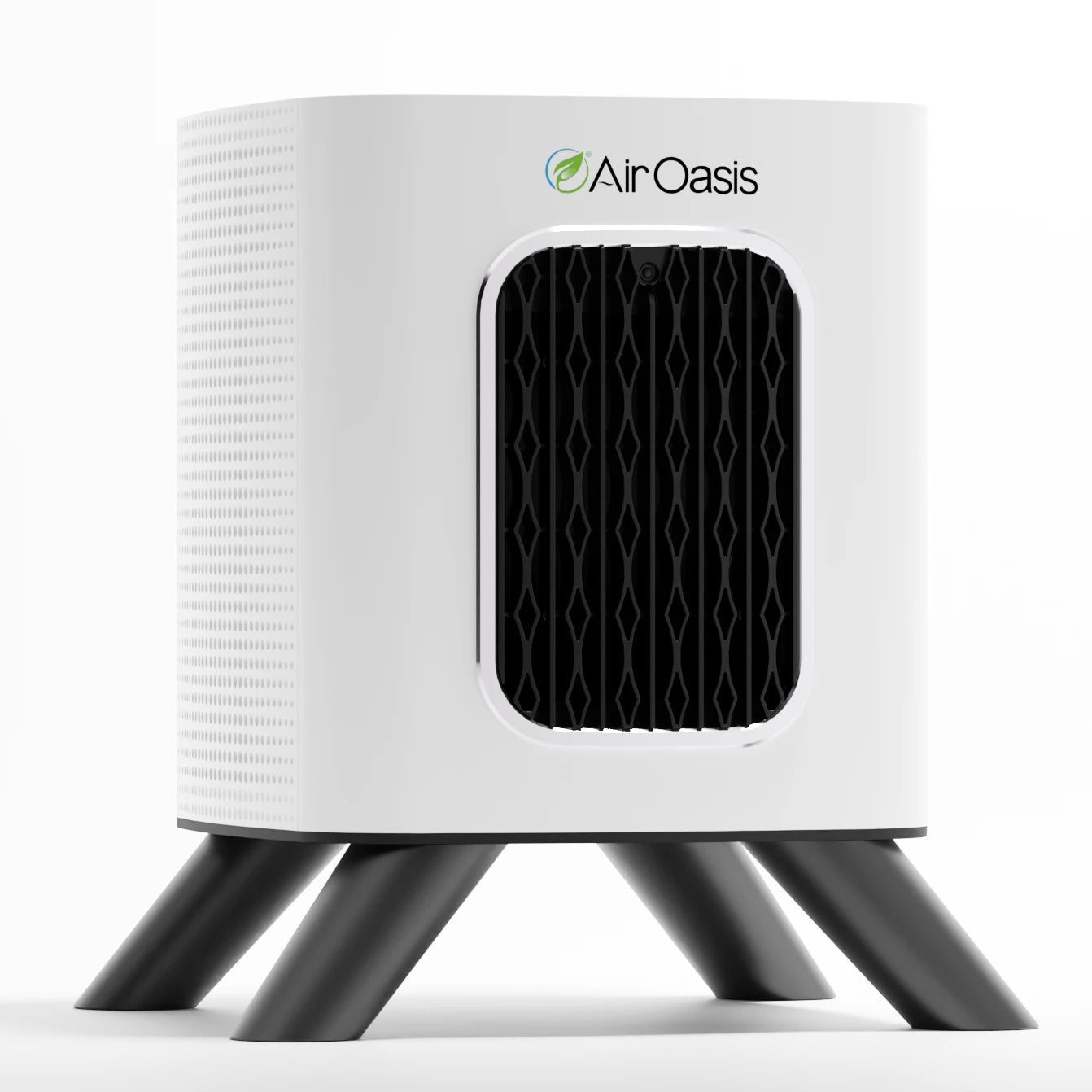
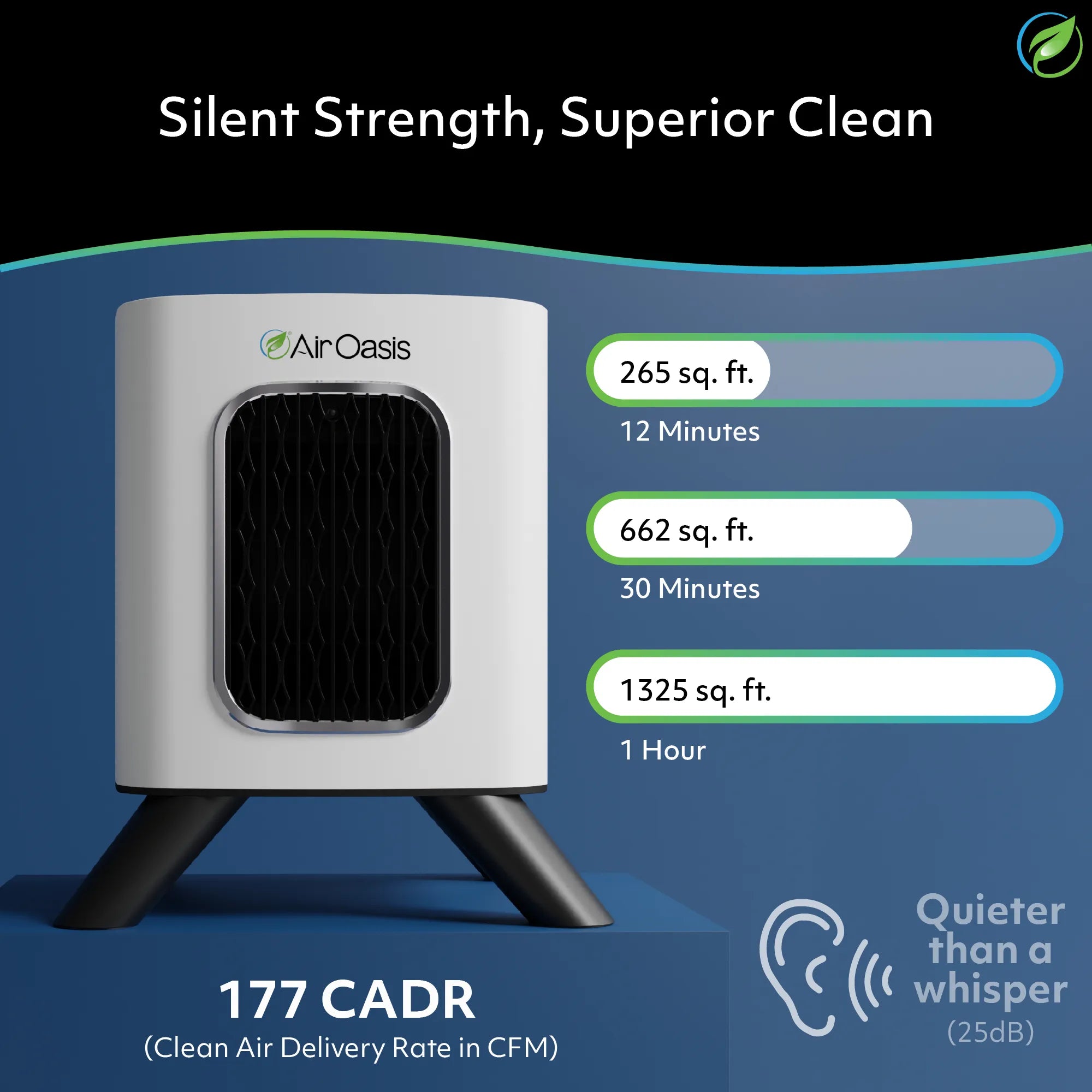
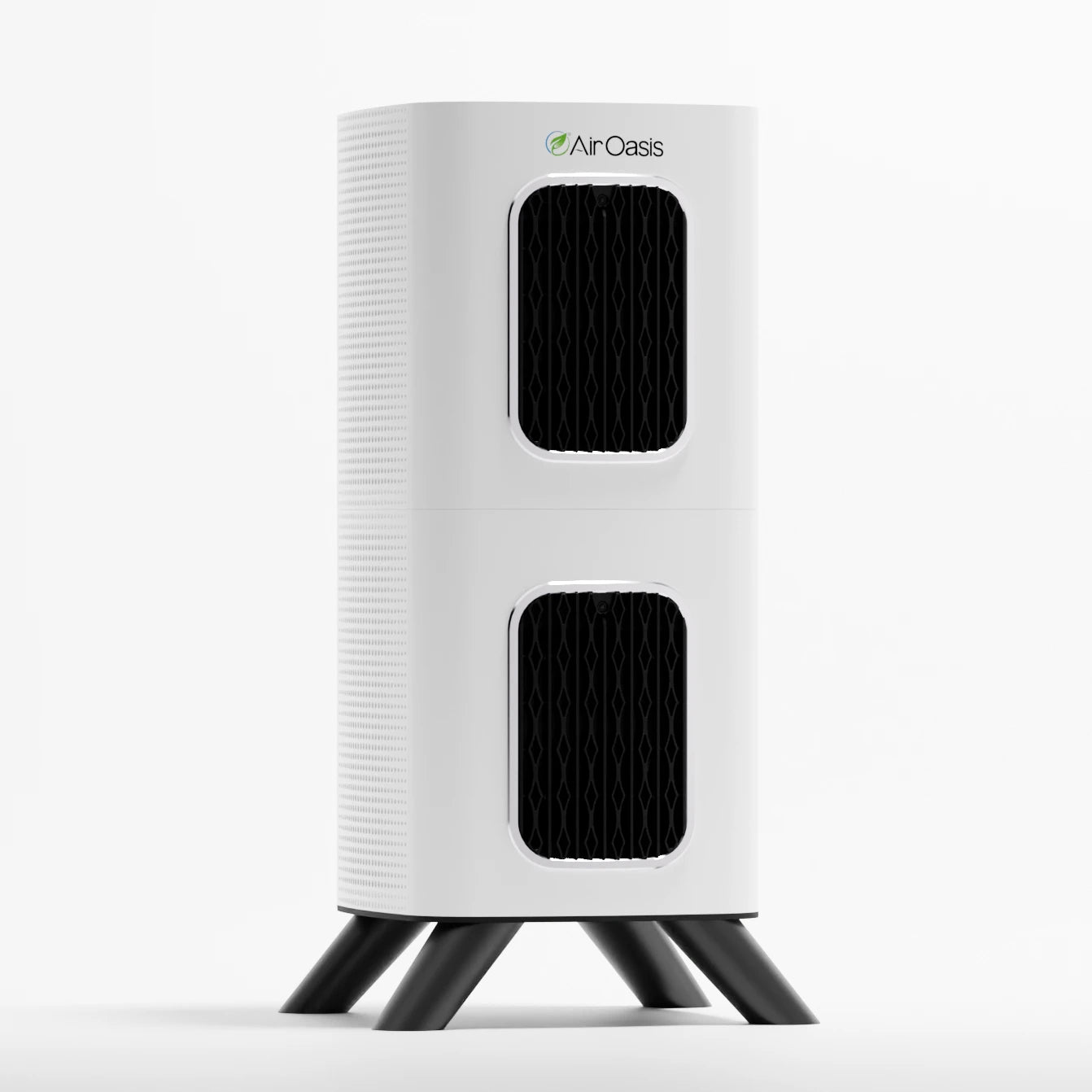
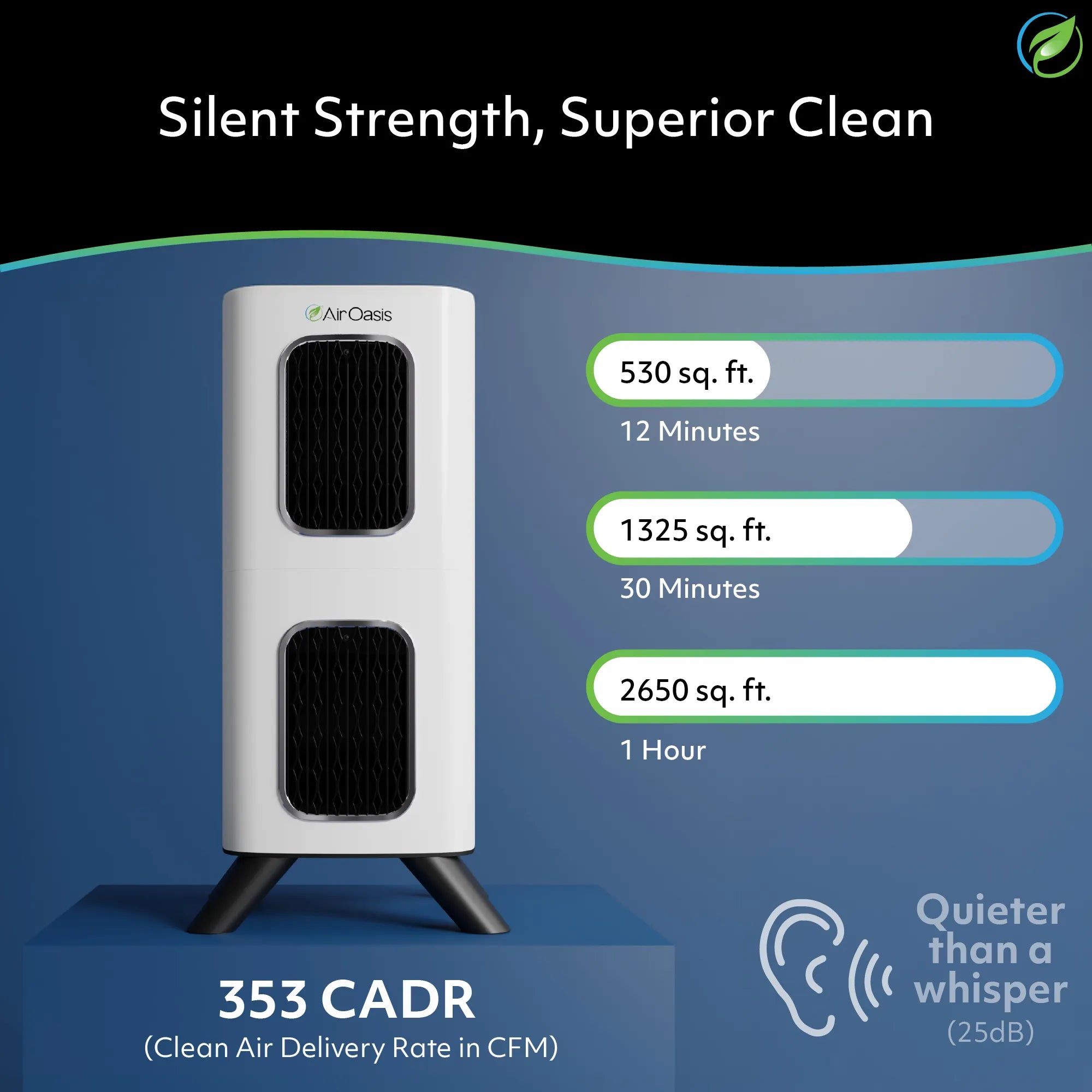
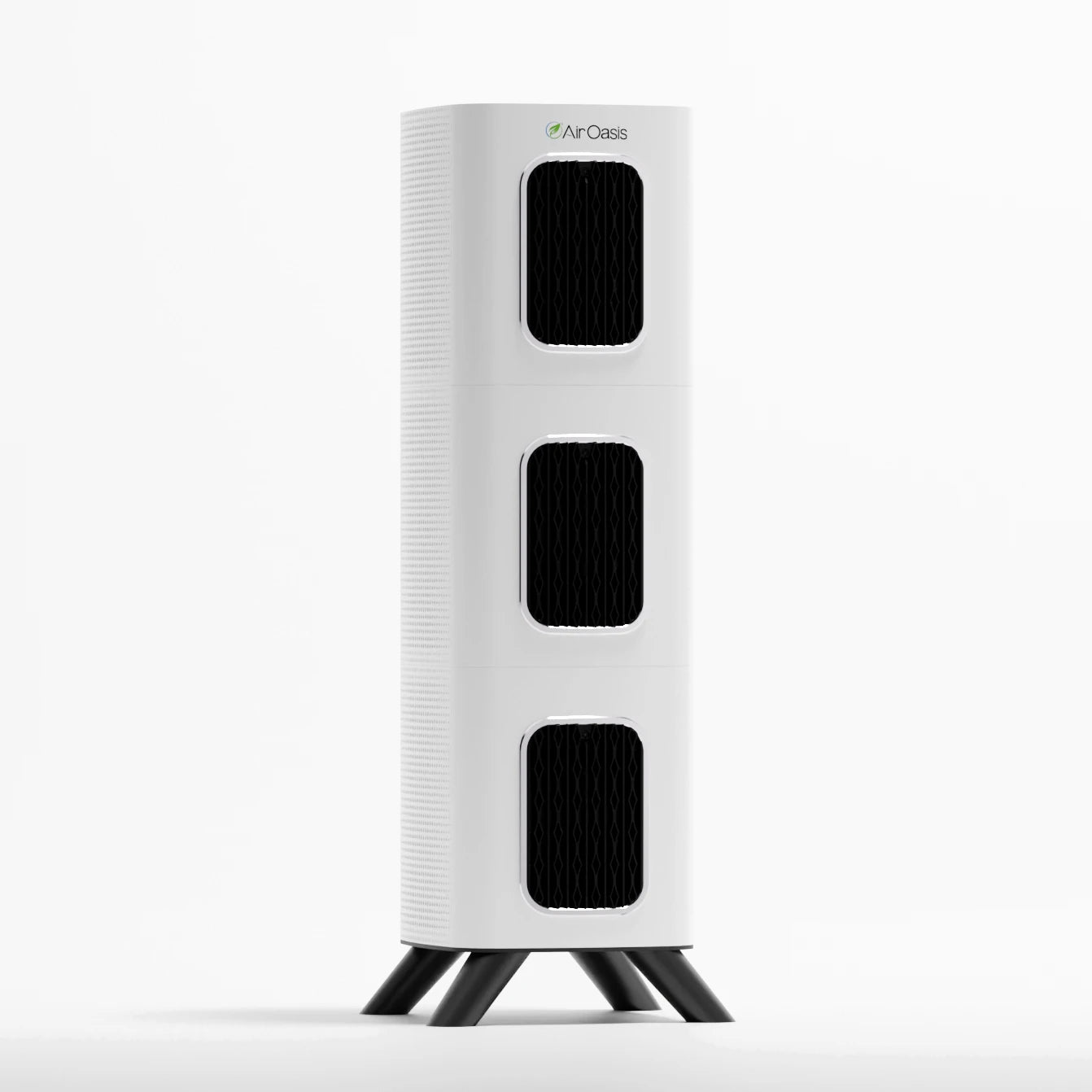
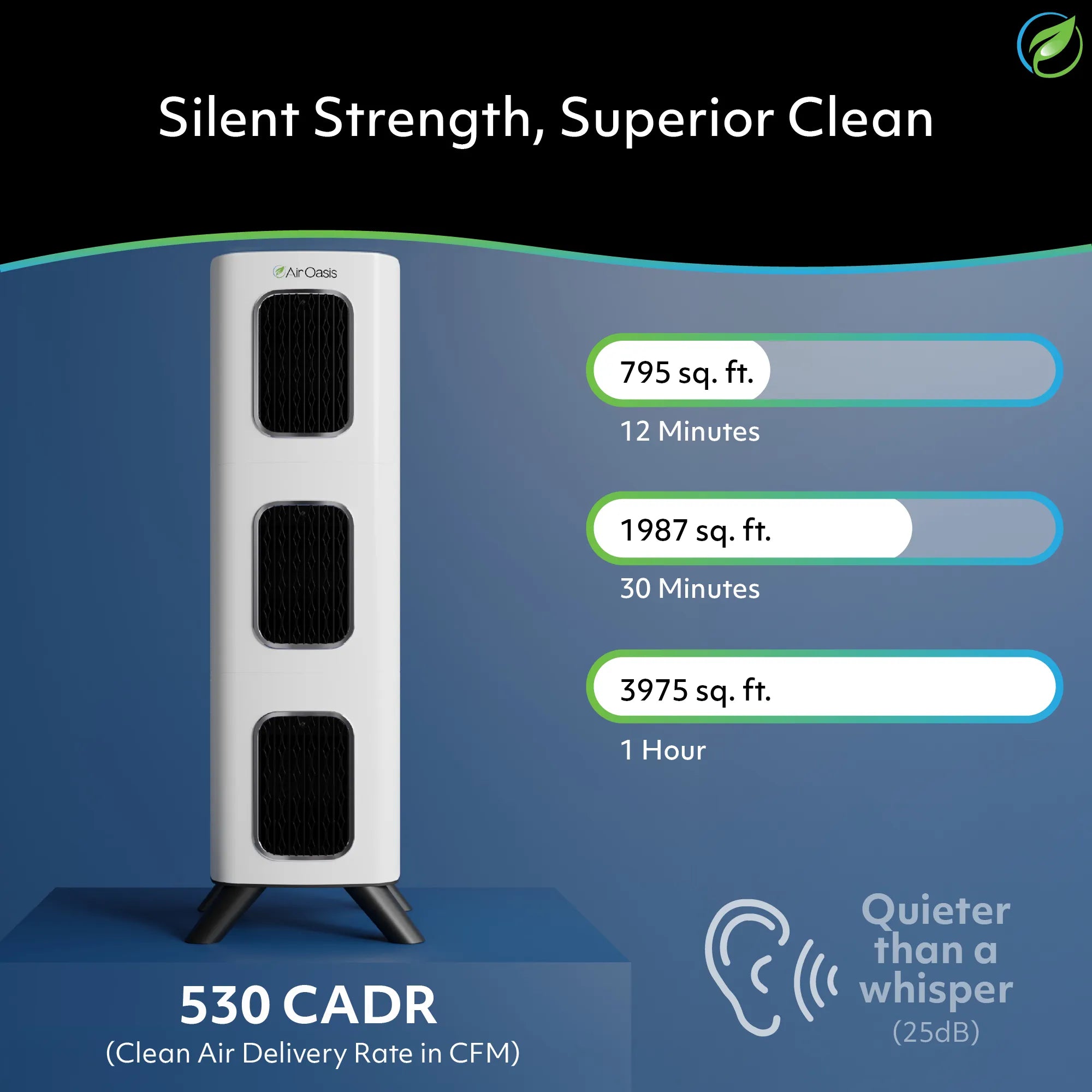
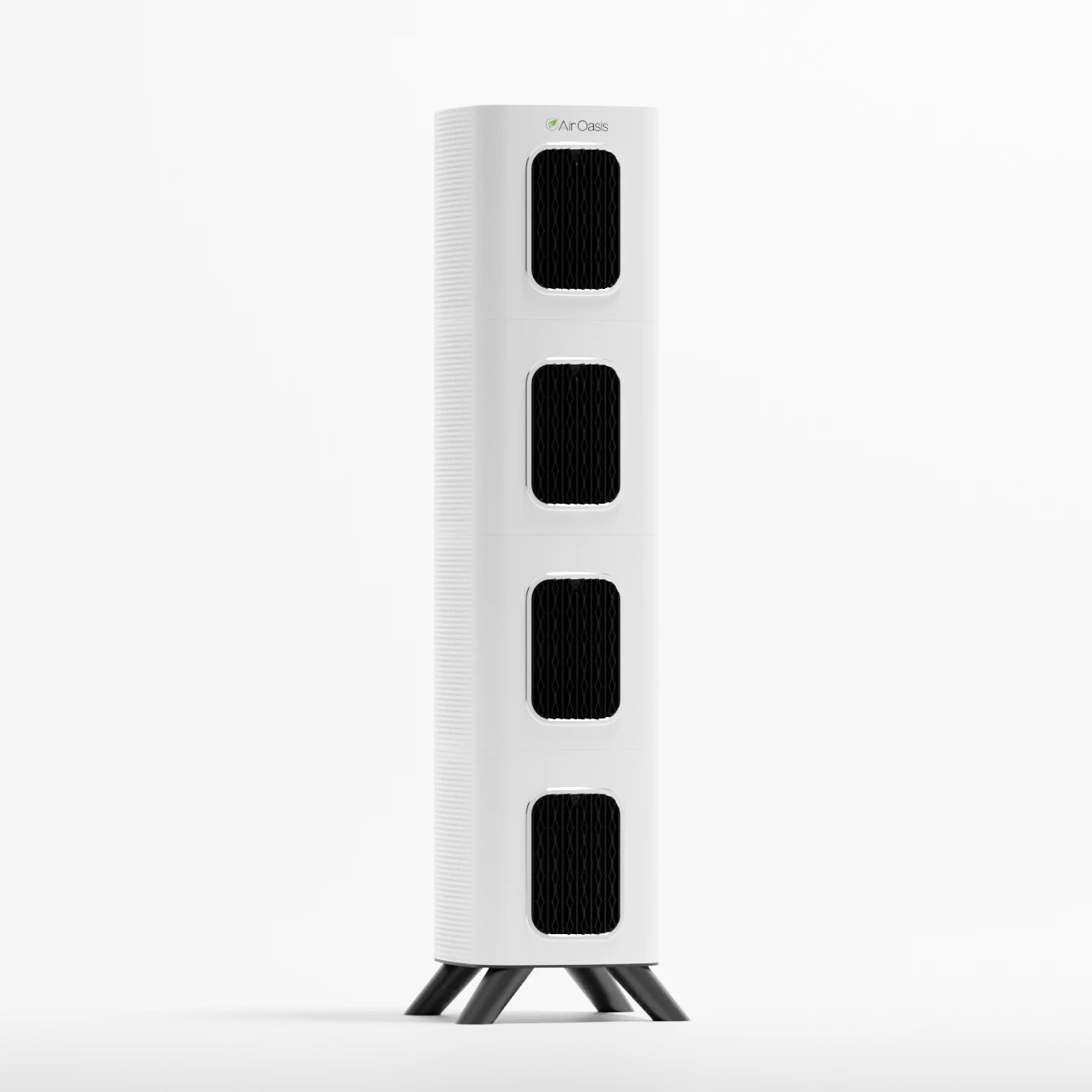
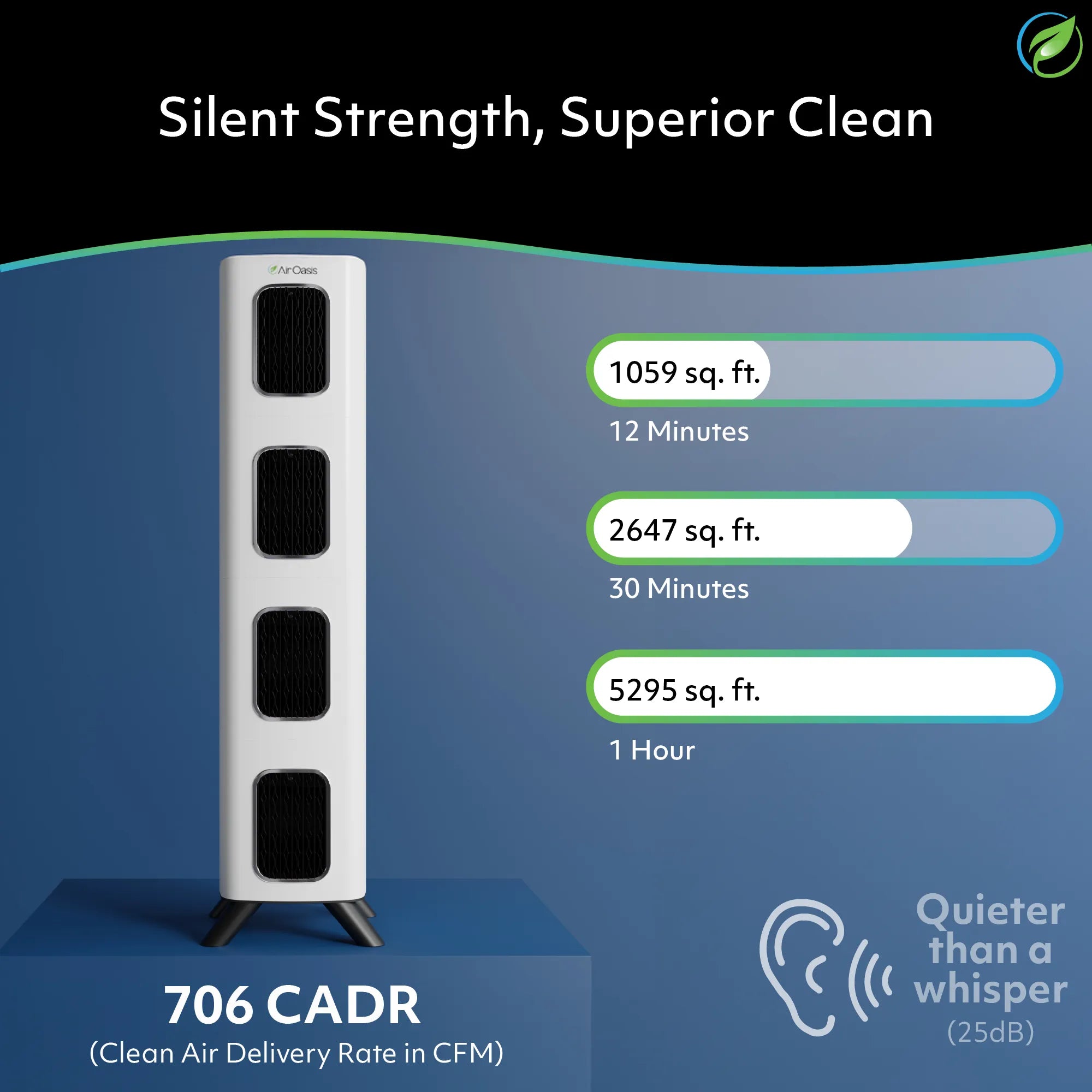
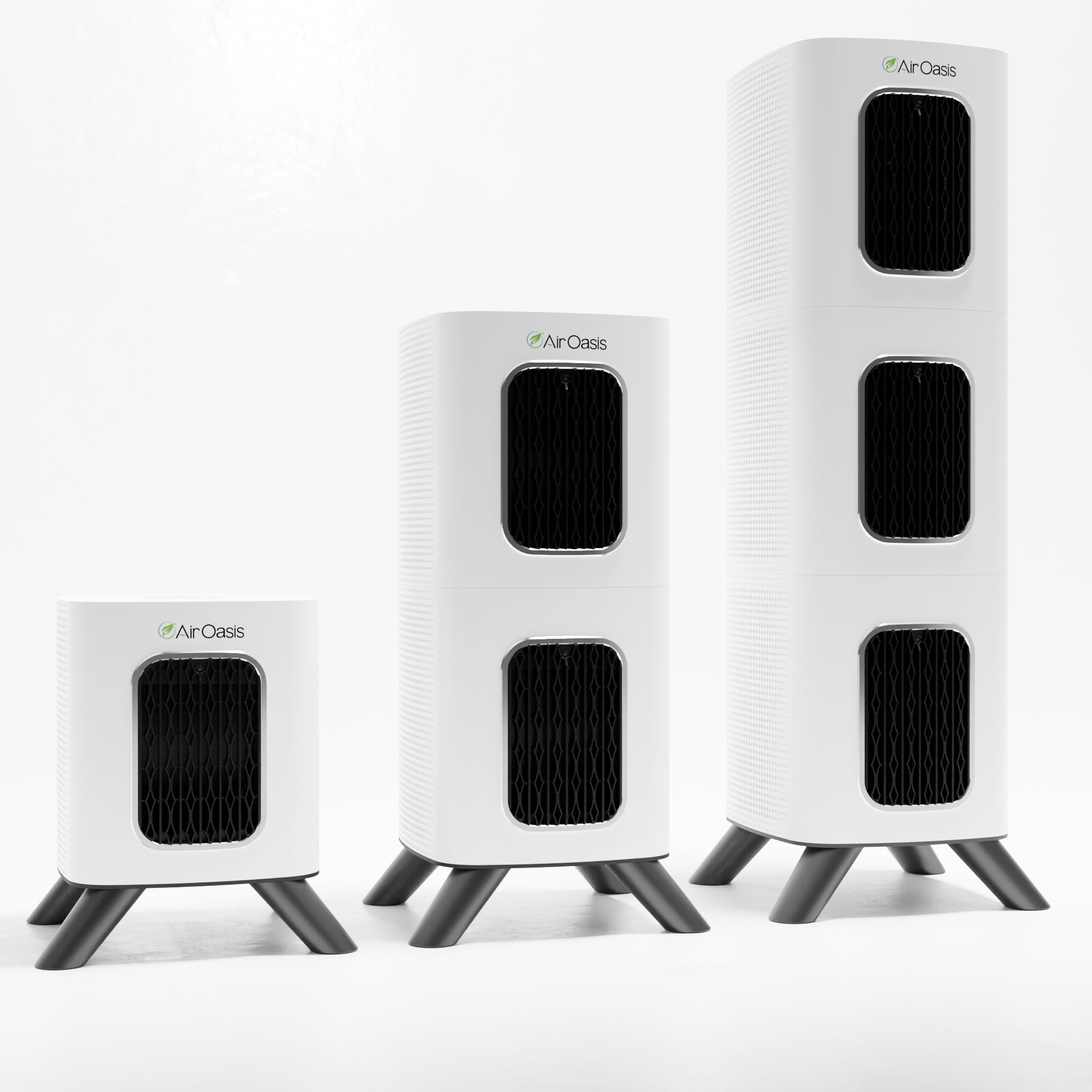
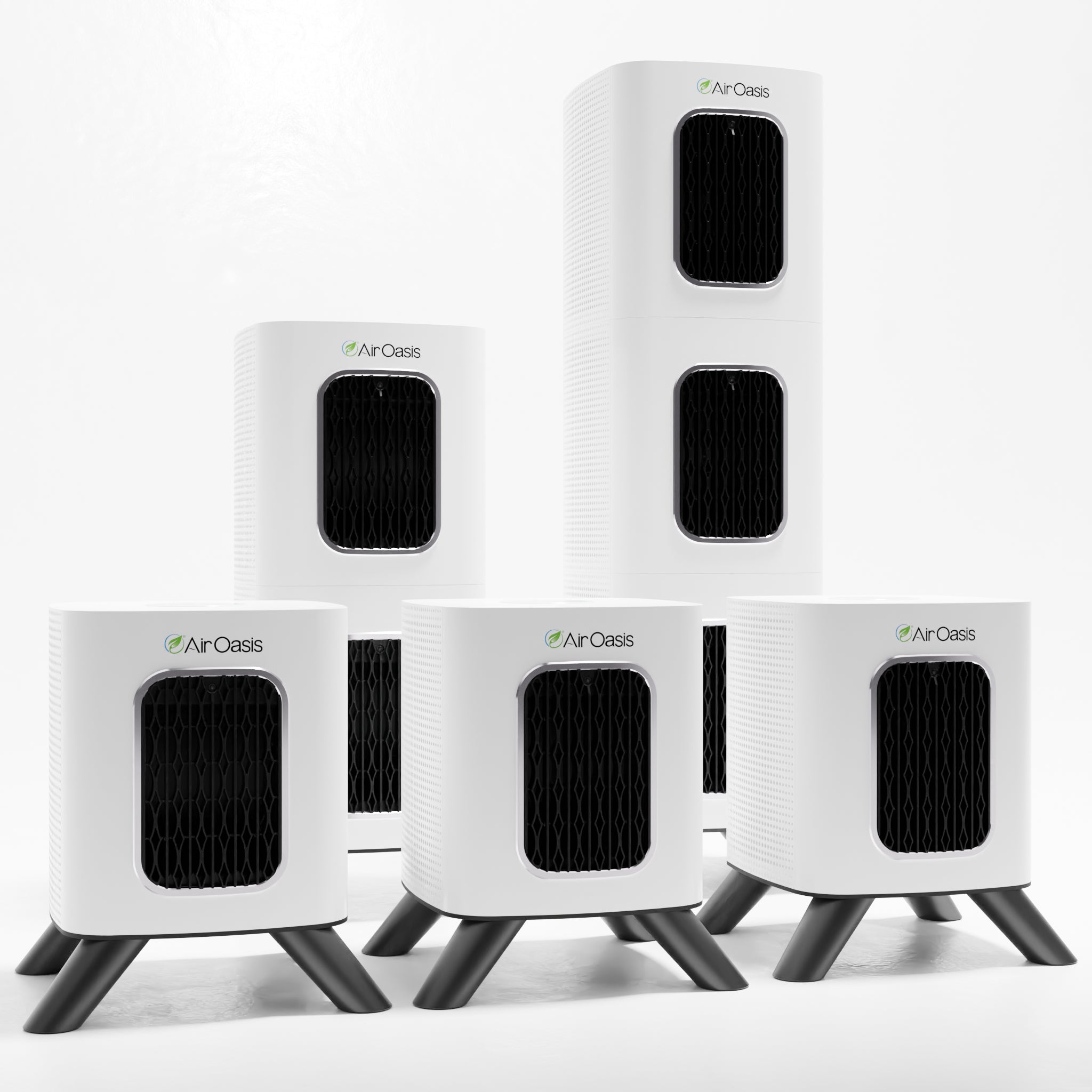
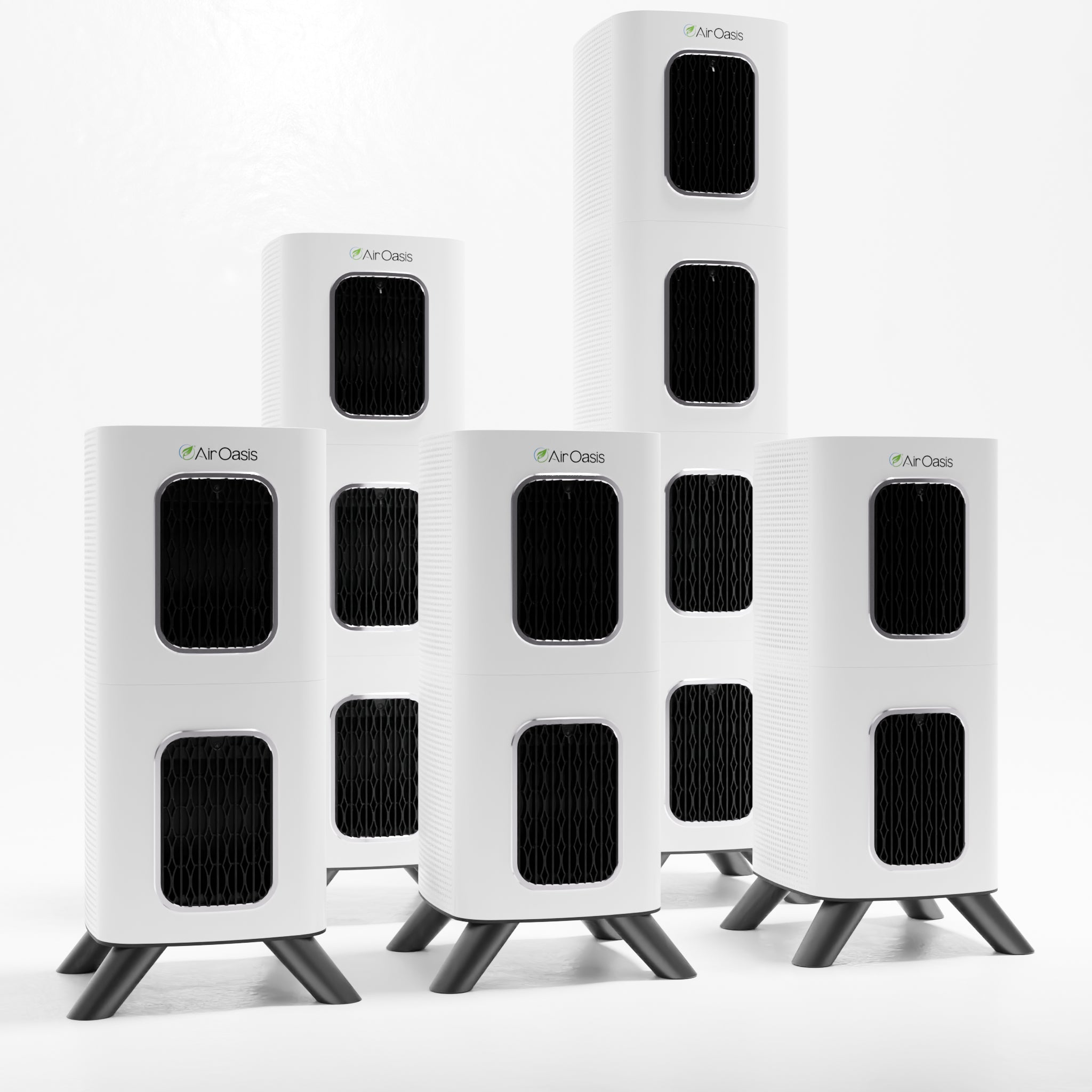
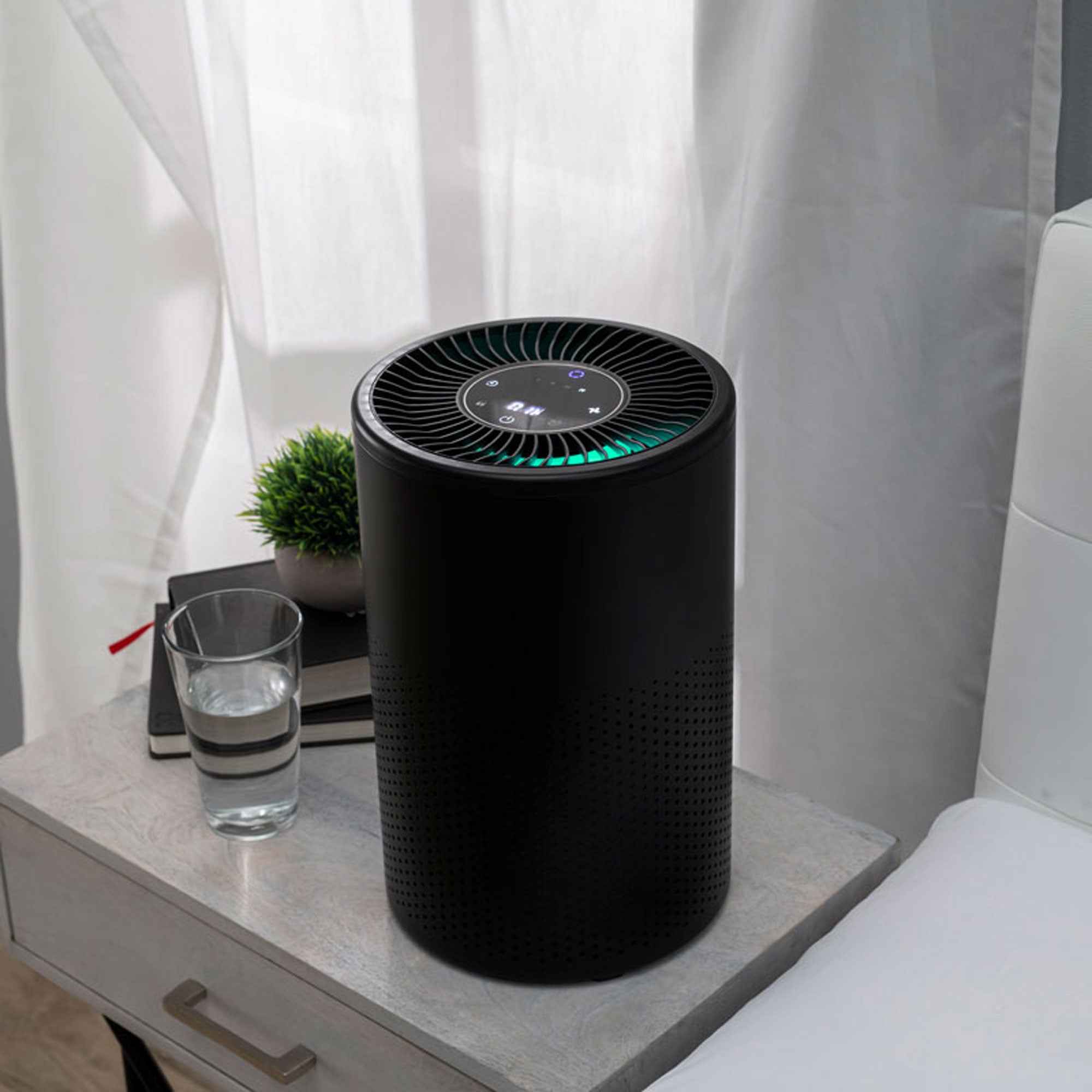
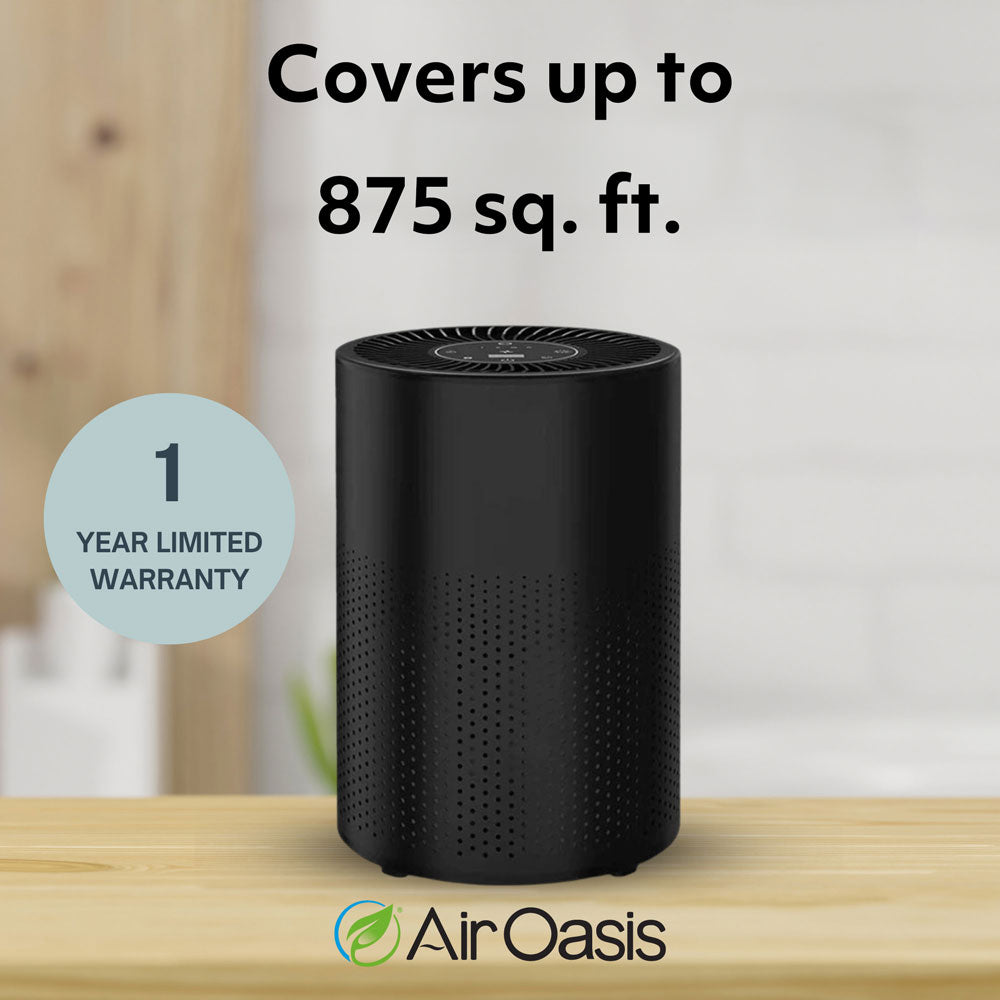
Air Oasis's iAdaptAir2.0 series combines these technologies for comprehensive indoor air quality support.
Regular inspections, proper ventilation, and prompt repair of water damage remain the most important long-term strategies for preventing mold growth. An air purifier works best as part of that broader approach.