Every parent who has watched a child navigate the anxiety of severe food allergies understands the weight of constant vigilance. Now, groundbreaking research from Australia reveals an unexpected culprit behind the rising tide of peanut allergies: the air our children breathe during their most vulnerable first year of life.
The Research That Changes Our Understanding
Scientists have long puzzled over why peanut allergy rates continue climbing worldwide, affecting one in ten Australian children in their first year of life. A comprehensive 10-year study published in the Journal of Allergy and Clinical Immunology tracked more than 4,600 Australian children and found something remarkable: higher exposure to common air pollutants during infancy significantly increases the likelihood of developing peanut allergies and the chance those allergies will persist throughout childhood rather than resolve naturally.
"This is the first study to use an oral food challenge, the gold standard of food allergy diagnosis, to investigate the relationship between food allergy and air pollution," explains Associate Professor Rachel Peters from the Murdoch Children's Research Institute. Unlike previous research that relied on self-reported symptoms or basic blood tests, this study used medically supervised food challenges in which children consumed potentially allergenic foods under controlled conditions—providing unprecedented accuracy in allergy diagnosis.
The research team focused on two ubiquitous air pollutants: nitrogen dioxide (NO₂) from vehicle exhaust and power plants, and fine particulate matter (PM₂.₅)—microscopic particles small enough to penetrate deep into lungs and enter the bloodstream. The complete study findings reveal that infants exposed to high NO₂ concentrations (≥10 ppb) at age one showed 2.21 times higher odds of peanut allergy at age one and 2.29 times higher odds at age four compared to those with lower exposure.
Fine particulate matter demonstrated equally concerning patterns. Higher PM₂.₅ exposure during infancy correlated with increased peanut allergy rates at ages four, six, and ten, with odds ratios climbing to 1.46 per 1.2 μg/m³ increase by age ten. Most troubling, children exposed to elevated pollution levels developed allergies that persisted throughout the entire decade-long study period rather than following the typical pattern of childhood food allergies naturally resolving with age.
Why Peanuts Specifically?
The research revealed a puzzling specificity: air pollution strongly linked to peanut allergies but showed little connection to egg allergies or eczema. This suggests something unique about how peanut proteins interact with the body's immune system when pollutants are present.
"Air pollutants have an irritant and inflammatory effect that may boost the immune system's pro-allergic response, potentially triggering the development of food allergies," explains study author Dr. Diego Lopez from the University of Melbourne. "However, the underlying mechanisms of how air pollution increases the risk of a peanut allergy, and why eczema and egg allergy aren't impacted in the same way, need to be explored further."
Scientists theorize that pollutants may act as adjuvants—substances that enhance immune responses to peanut proteins. Additionally, these airborne particles likely damage epithelial barriers in the skin, respiratory system, and digestive tract, allowing increased allergen penetration into the body, where immune reactions develop. According to the EPA's research on indoor air quality impacts, these pollutants don't respect walls—outdoor pollution infiltrates homes and becomes concentrated indoors, where infants spend most of their time.
The Melbourne Surprise
What makes these findings particularly concerning is their origin: Melbourne, Australia, where air quality ranks relatively good compared to international standards. "The study found higher levels of air pollution were a risk factor for the development and persistence of peanut allergies despite Melbourne having generally good air quality compared to our international counterparts," Peters notes.
If these associations appear even at relatively low pollution concentrations, the implications for children in highly polluted urban areas worldwide could be devastating. Rapidly urbanizing regions with increasing pollution levels may face exploding rates of persistent childhood food allergies.
The research also uncovered complex interactions with environmental greenness. Children in greener areas with high pollution levels showed higher allergy risks at ages one and six—possibly because they spent more time outdoors, increasing pollutant exposure despite the greenery's benefits.
Protecting Our Children's Future
Eight-year-old Mae's story illustrates the real-world impact. Diagnosed with peanut, dairy, and egg allergies at eight months after breaking out in hives, she experienced her first anaphylactic reaction during a hospital food challenge at age three. "She was eating cupcakes as part of the challenge until she started to refuse to eat anymore," recalls her mother Eleanor Jenkin. "We thought she was just being fussy, but she began vomiting and lost consciousness."
Mae now carries an EpiPen everywhere. Her allergies haven't resolved with age as hoped. "Her allergies are always going to be in the back of her mind, influencing the decisions that she makes every time she eats at a restaurant, orders takeaway, or goes to a birthday party," Jenkin says.
For families with infants, these findings underscore the critical importance of indoor air quality management during a baby's first year. While you cannot control outdoor pollution levels, you can create clean-air sanctuaries in your home where vulnerable infants spend most of their time.
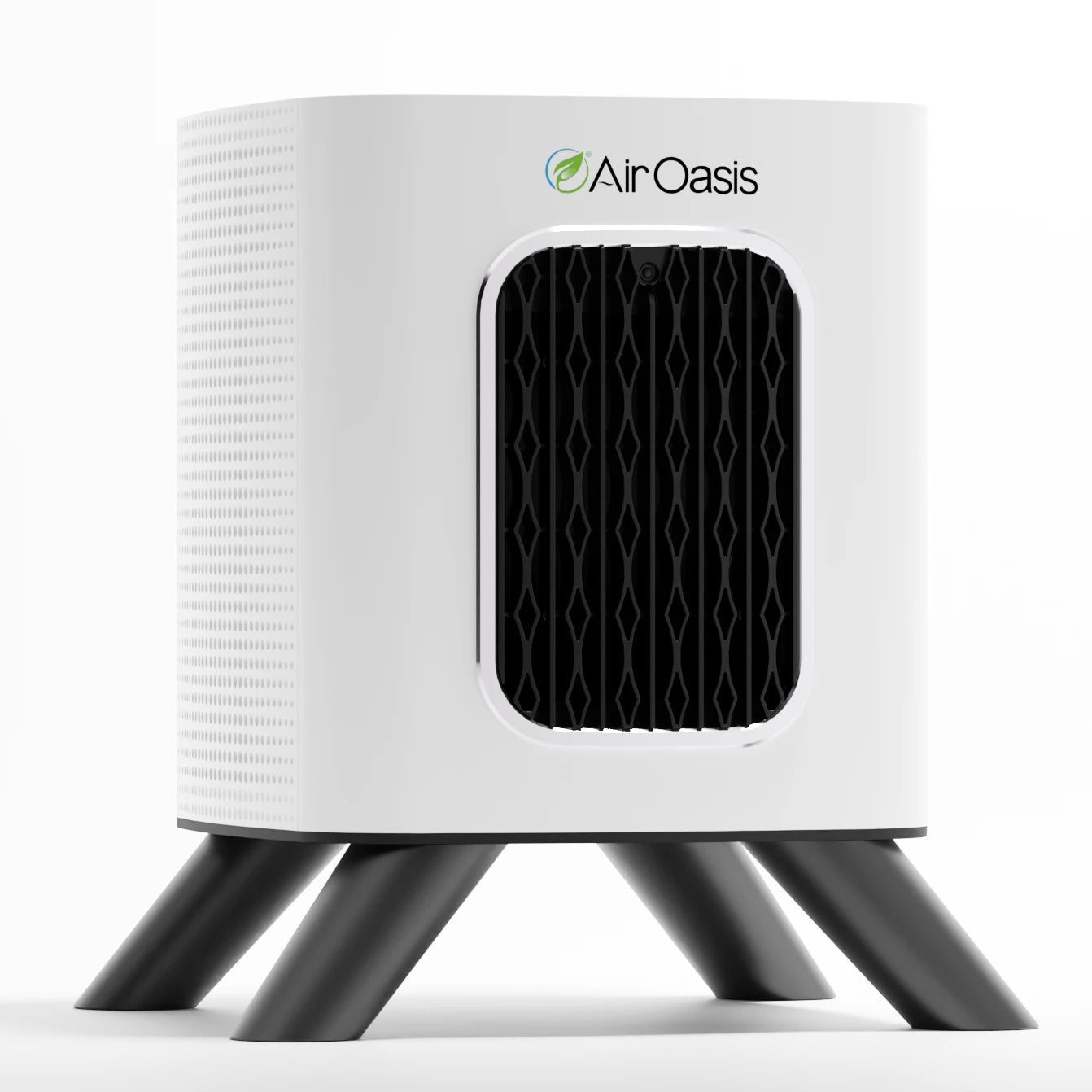
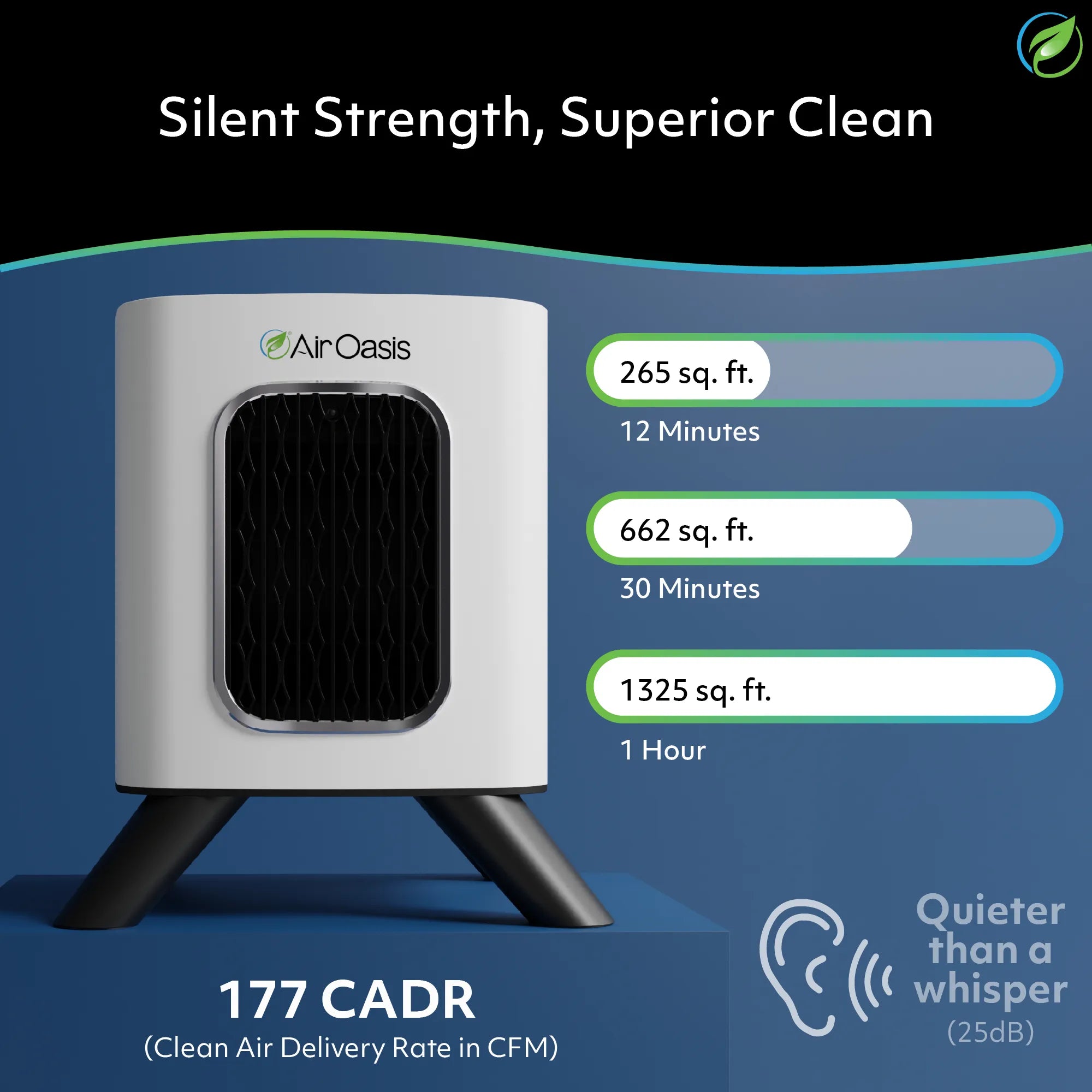
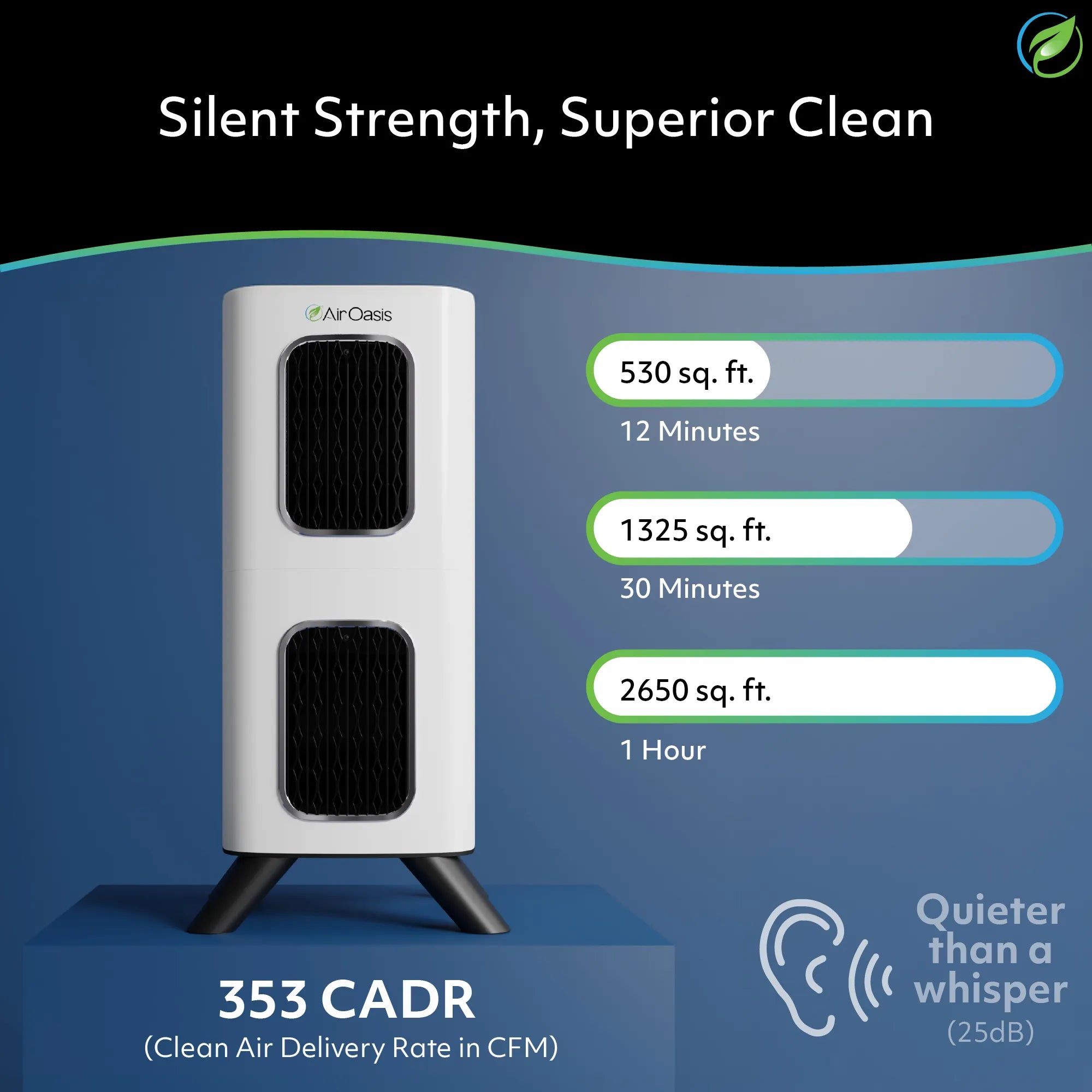
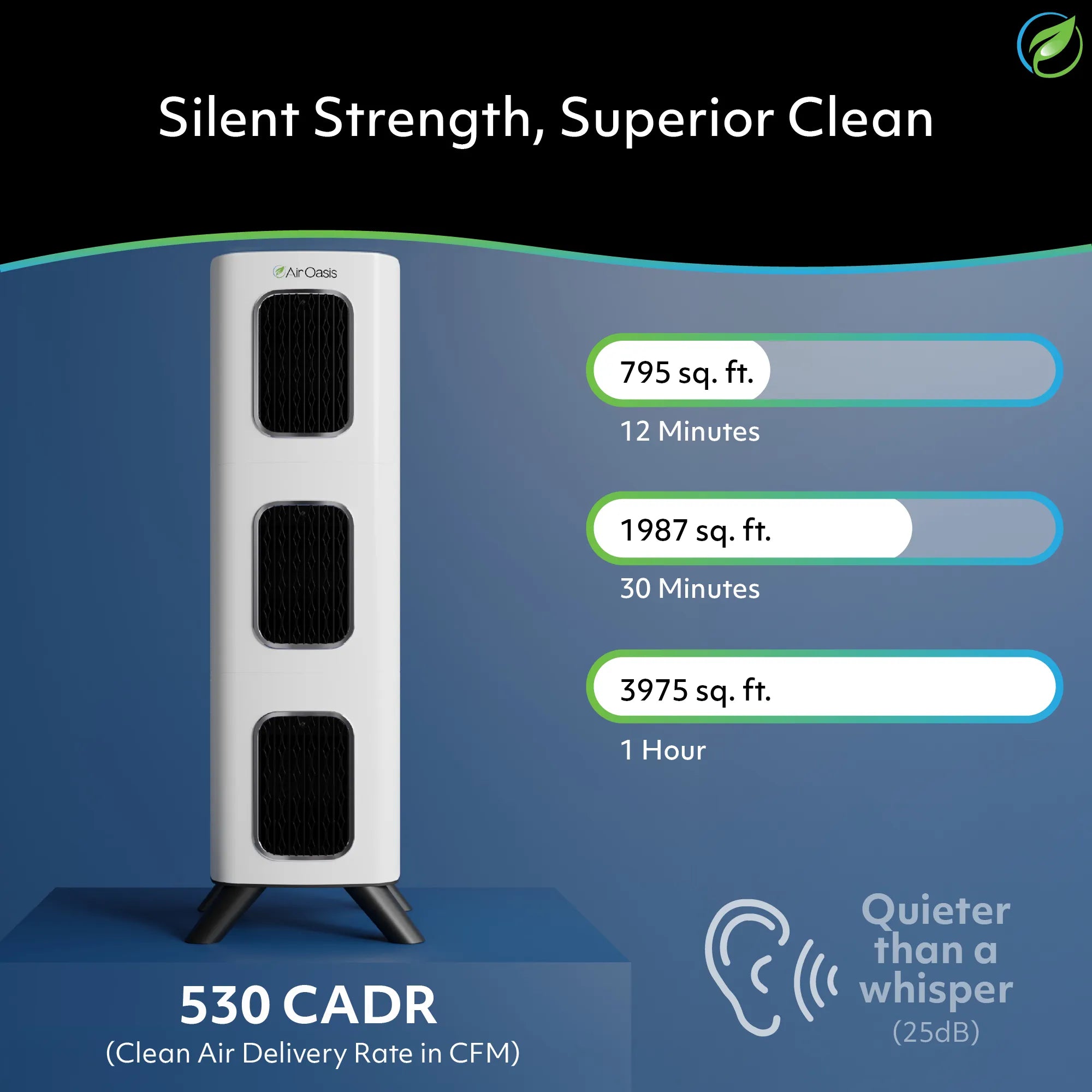
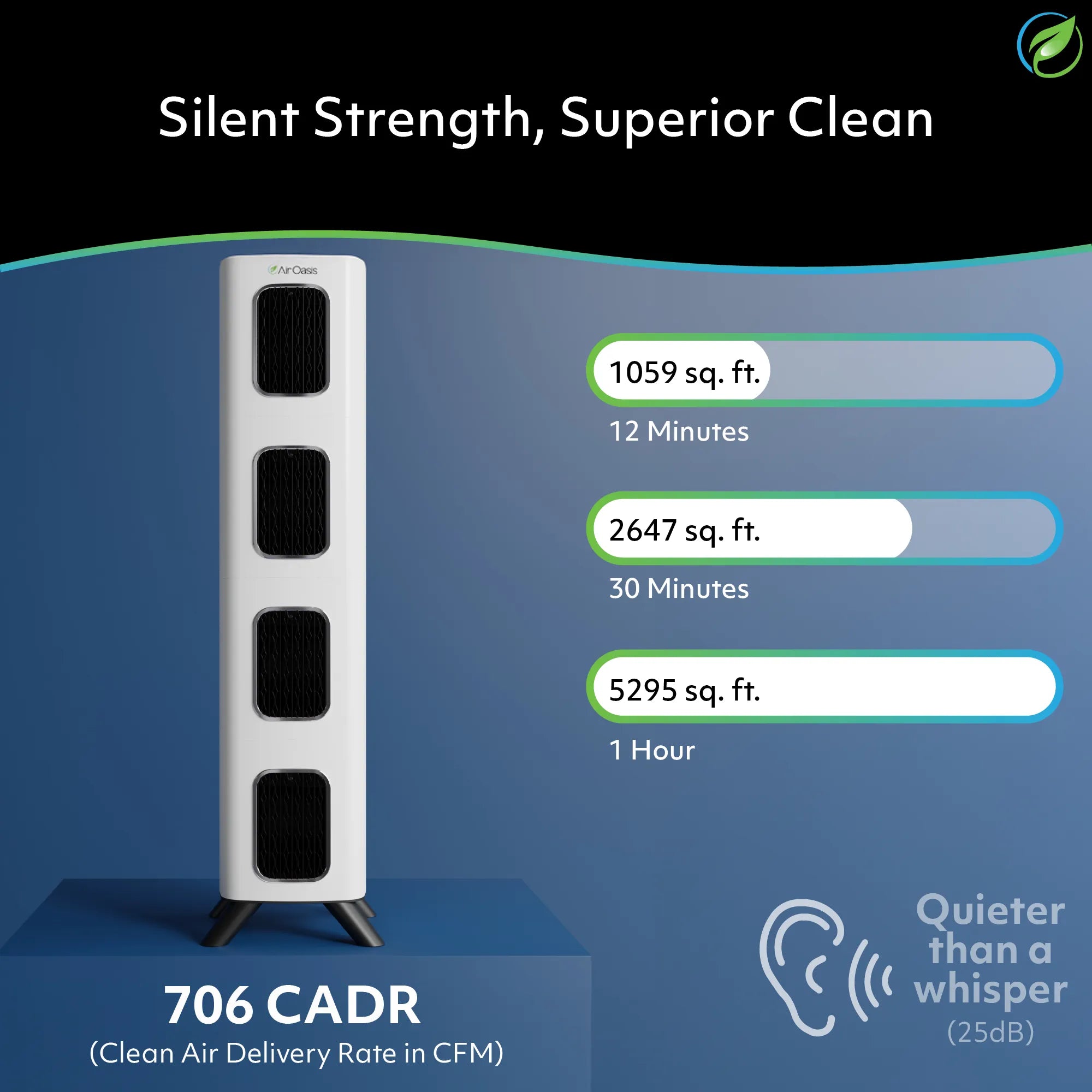
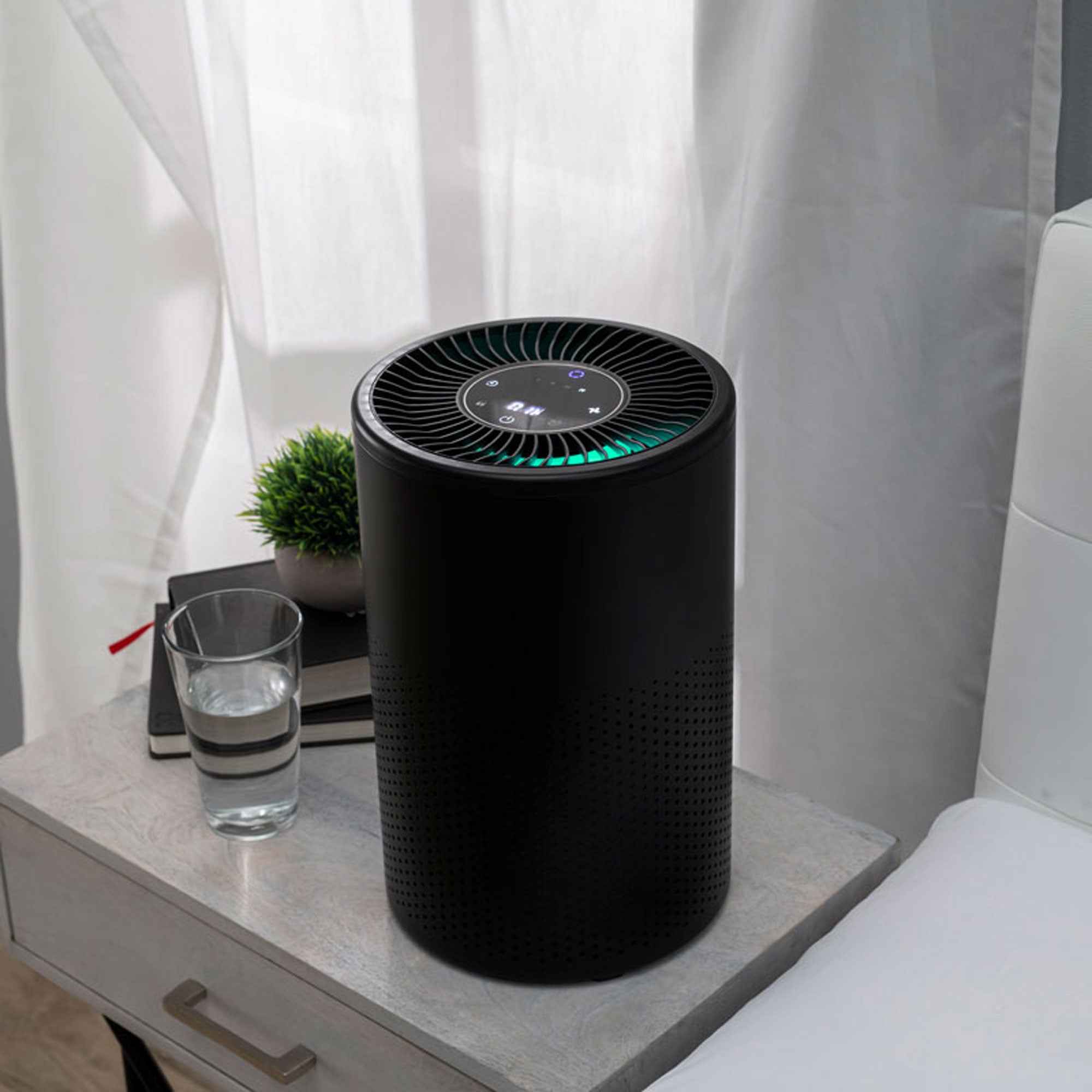
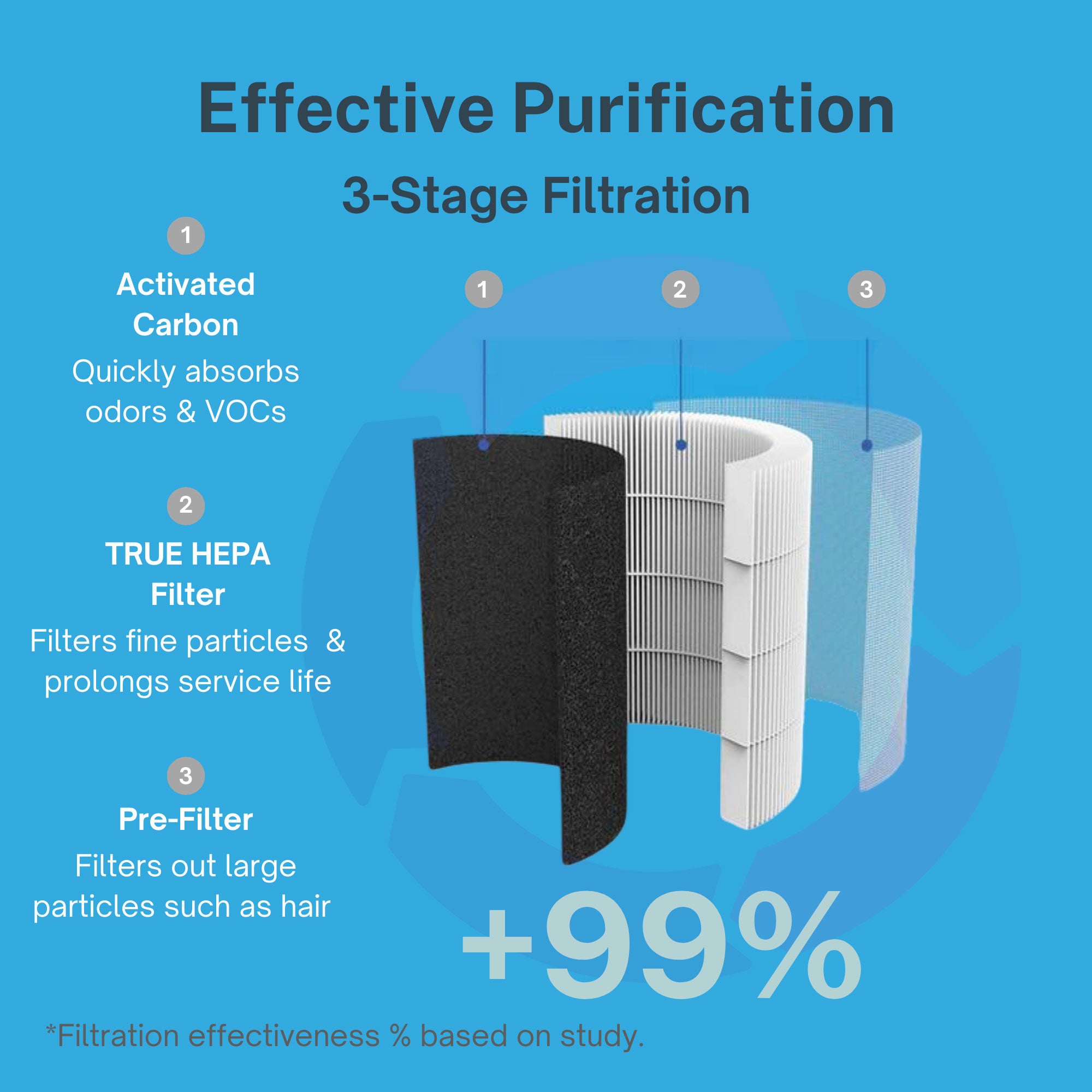
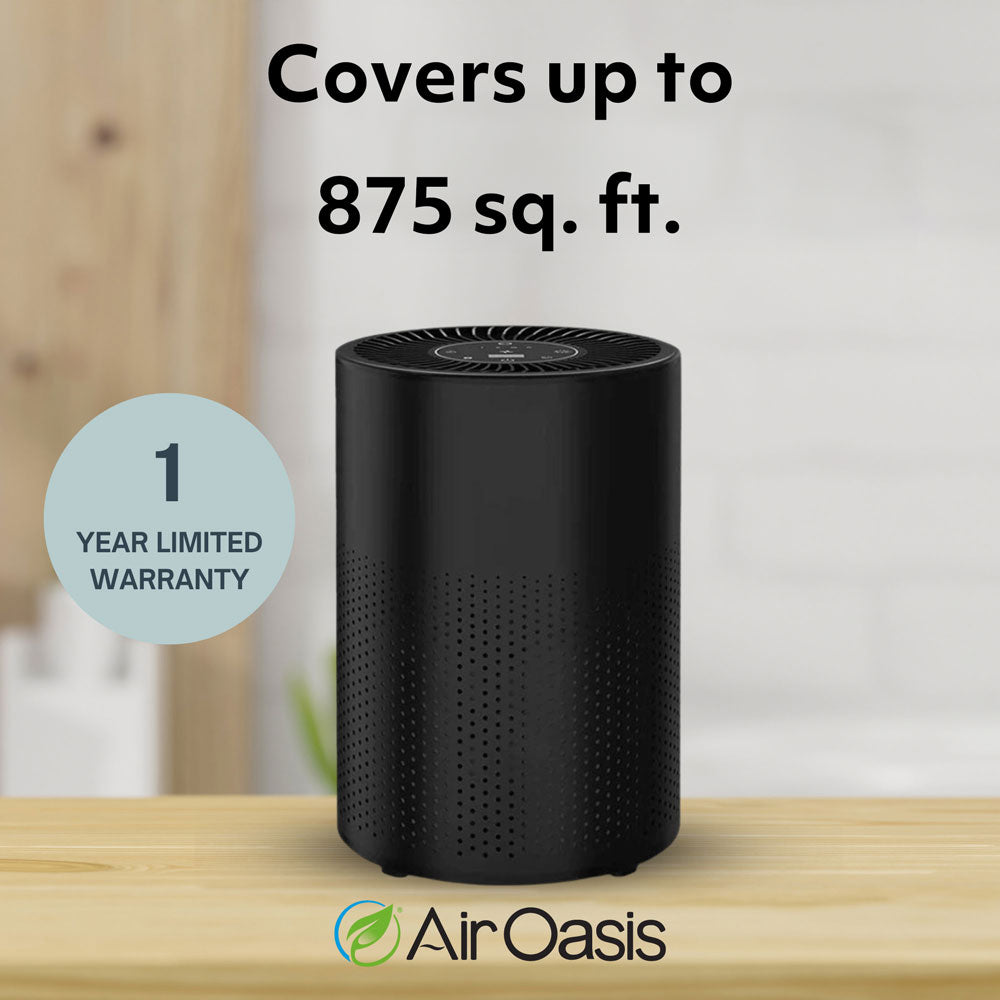
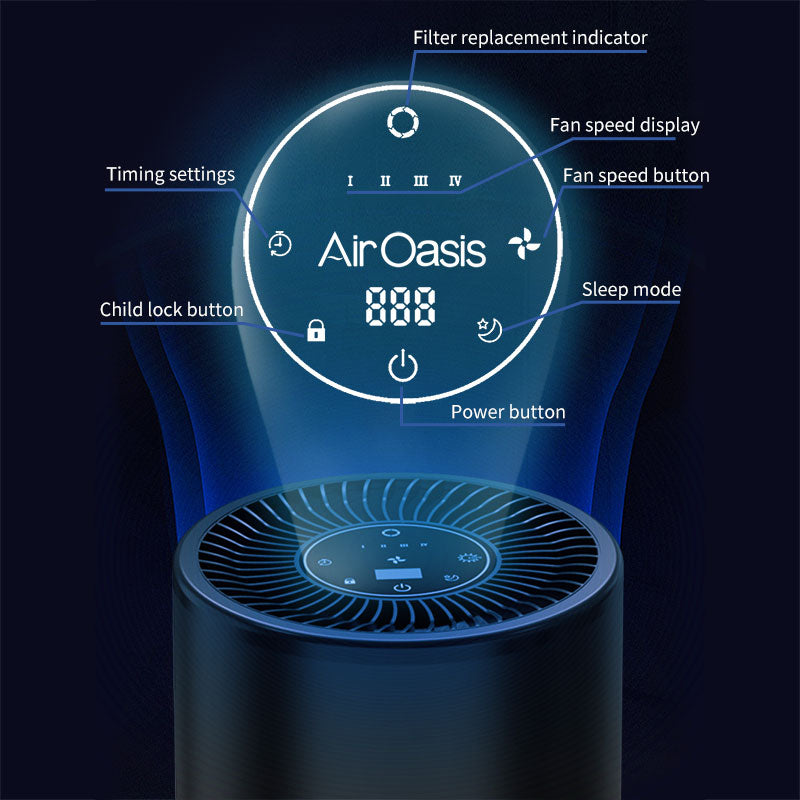
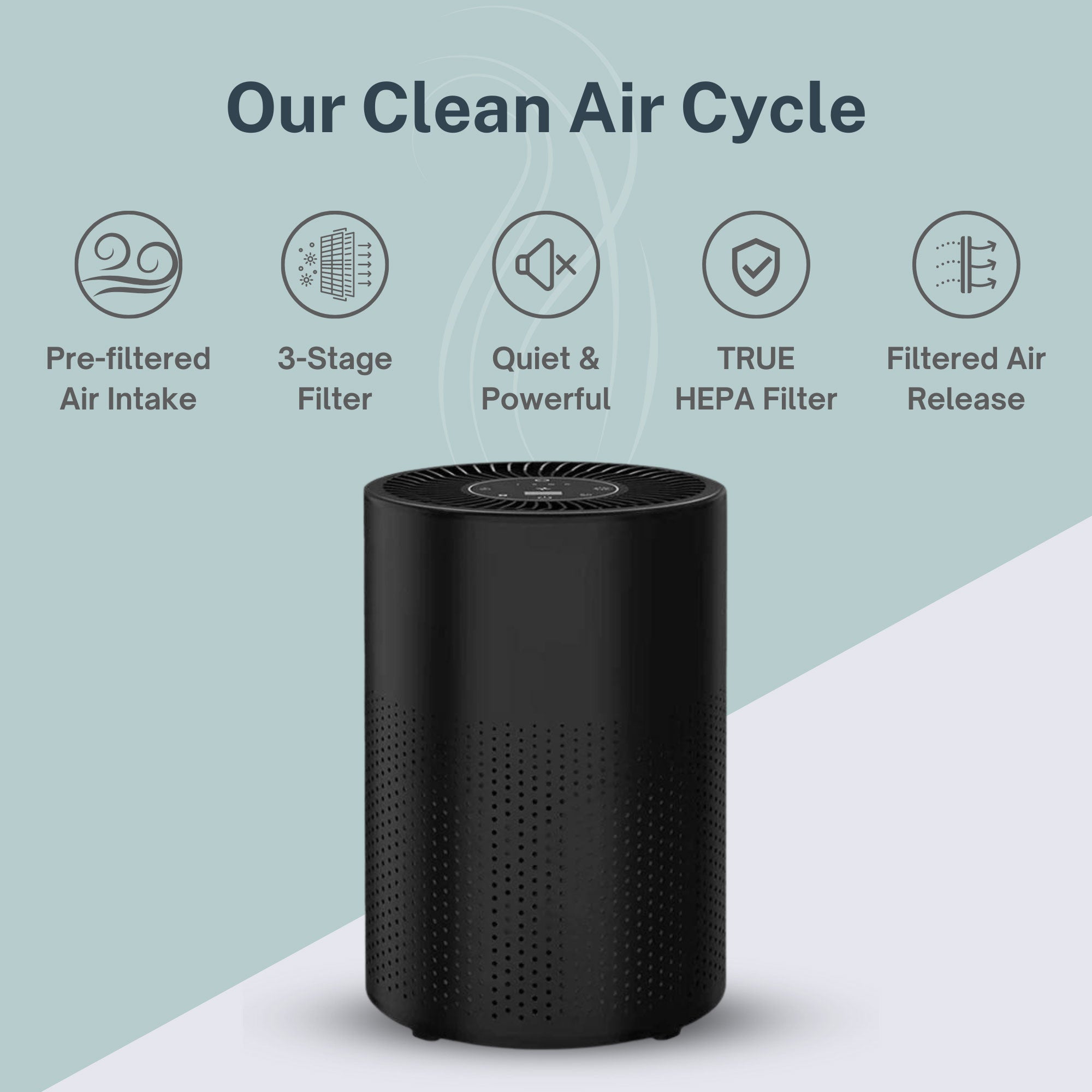
Medical-grade air purification systems with true HEPA filtration remove 99.97% of PM₂.₅ particles that research links to persistent peanut allergies. Multi-stage filtration including activated carbon captures gaseous pollutants like nitrogen dioxide from vehicle exhaust that penetrates indoor spaces. The iAdaptAir line from Air Oasis provides comprehensive protection against the specific pollutants identified in this groundbreaking allergy research.
"The research highlights the importance of early-life interventions aimed at reducing exposure to air pollution, which could potentially prevent peanut allergies and other poor child health outcomes," Peters emphasizes. Beyond individual protection, she advocates for systemic changes: "Improving city design to support greater air quality regulation, better promoting public transport, and switching to non-combustion fuels may help turn the tide on peanut allergy."
The next time you see exhaust billowing from a tailpipe, remember its effects extend beyond respiratory health—potentially determining whether a child develops life-threatening food allergies. Protecting infants from air pollution during their critical first year may prevent a lifetime of dietary restrictions, emergency preparedness, and constant vigilance. Give your family the clean air they deserve. Shop Air Oasis today and create a healthier environment for the children who depend on you.