Every home has some mold, including yours. Whether it actually grows and spreads is an entirely different issue, but the potential for mold growth is always there. It's impossible to keep mold spores out of a home because they are ubiquitous in nature and can easily travel indoors through vents, doors, windows, and even on a person's body. Most molds are relatively harmless.
However, a few indoor molds pose significant health risks, and black mold is one of them. The health effects of black mold exposure vary considerably from person to person, but there is meaningful evidence that sustained exposure—particularly in water-damaged buildings—warrants serious attention. Whether or not someone has an adverse reaction depends on a range of individual and environmental factors.
If you suspect black mold growth in your home, you don't have to be resigned to breathing spores or other byproducts. Running a quality air purifier while you pursue remediation is one practical way to reduce what's circulating in the air.
Black Mold Basics
Many molds are dark, but black mold specifically refers to Stachybotrys chartarum. This particular microfungus gets more attention than most indoor molds—partly because of its association with water-damaged buildings, and partly because of the range of symptoms some people report after exposure.
Characteristics of Black Mold
Black mold is greenish-black and typically grows in small, thin, textured circles. From a distance, it can resemble a gray or black stain; up close, it may look fuzzy or speckled. It belongs to a class of darkly pigmented fungi known as dematiaceous molds.
Growth Requirements for Black Mold
Even though mold spores exist everywhere, they only colonize under certain conditions. Black mold spores require:
- An extremely damp environment or an active water source
- High humidity, preferably above 90%
- Cellulose-rich materials to consume
- Warmth
When spores land on surfaces that meet these criteria, they grow. Black mold needs a sustained moisture source to keep growing—if that source dries up, the colony will as well. However, dried mold can still retain toxic properties.
Where Does Black Mold Grow?
Black mold is slow-growing and doesn't compete well with other molds. It's rarely found in nature, though it occasionally appears in soil or grain. More commonly, it's found in cellulose-rich building materials in water-damaged structures—fiberboard, drywall, wood, paper, and ceiling tiles. If you're searching your home, focus on areas with high humidity, an active water source, or a history of water damage.
How Black Mold Spreads
Black mold spreads by releasing microscopic spores ranging from two to 100 microns in size. These particles can travel significant distances through the air and colonize new surfaces if conditions are right.
Unlike many mold types, Stachybotrys chartarum typically releases spores only when colonies are dry or physically disturbed, since active colonies are generally covered in a layer of slime. That said, airborne black mold spores have been detected in an estimated 13% of dwellings.
Dangers of Black Mold
Most molds can trigger allergic reactions in sensitive individuals. Black mold draws particular concern because, beyond allergic symptoms, exposure has been associated with respiratory disease, long-term illness, and, in some cases, neurotoxic effects. How significant the risk is depends on the individual, the duration and intensity of exposure, and the specific byproducts the colony produces.
Inhaling Black Mold Spores
When you inhale black mold spores, the outcome depends on several variables. Without a mold allergy and without toxic byproducts present, you may not experience noticeable effects. In people with a mold allergy, symptoms may resemble hay fever. If the spores carry mycotoxins, more severe neurological effects may occur in some individuals.
What Are Mycotoxins?
Mycotoxins are toxic compounds produced by some fungi, including certain black mold colonies. Not all black mold produces them, and not all mycotoxins carry equal risk. A portion of Stachybotrys chartarum colonies produces a class of compounds called macrocyclic trichothecenes, which research has associated with serious effects, including neurotoxicity. Whether a specific colony is releasing these compounds can only be determined through lab testing.
Research suggests that exposure to certain trichothecene mycotoxins may cause a range of effects depending on the route of exposure—skin contact has been associated with burning and blistering; ingestion with gastrointestinal symptoms; and inhalation with nasal irritation and cough. Systemic effects have also been documented in research settings.
Microbial Volatile Organic Compounds
The musty, earthy smell associated with mold is produced by microbial volatile organic compounds (mVOCs)—chemical gases released by all fungi. Some researchers suggest mVOCs may contribute to symptoms associated with sick building syndrome, including headache, eye and throat irritation, dizziness, and difficulty concentrating, though this area of research is still developing.
Is All Black Mold Toxic?
Not all black mold is toxic. Whether a colony poses a serious risk depends on which mycotoxins and mVOCs it releases. This variability is one reason health effects associated with black mold exposure can vary widely from case to case.
Who Is Most at Risk?
Certain individuals may be more vulnerable to adverse effects from black mold exposure:
- People with mold allergies
- People with underlying lung disease
- Individuals with chronic respiratory conditions
- Asthmatics
- The elderly and infants
- Those with weakened immune systems or impaired detoxification capacity
That said, prolonged exposure to toxic black mold can affect anyone over time.
Understanding Exposure
The same mold variety can produce very different outcomes depending on the person and the nature of their exposure.
Brief, Mild Exposure
People who encounter small amounts of black mold spores for a short period are less likely to experience significant symptoms. When symptoms do appear, they typically resemble an allergic reaction.
Brief, Acute Exposure
A large dose of toxic mold in a short timeframe may cause more pronounced effects—ranging from lung irritation and wheezing to neurological symptoms such as memory disruption, loss of coordination, or delirium. Brief but acute exposure is more likely to trigger immediate neurological effects than to cause chronic illness.
Prolonged Exposure
Prolonged exposure to mold or persistent dampness may contribute to sick building syndrome (SBS)—a complex set of symptoms tied to spending extended time in an affected building. Individuals chronically exposed to black mold may develop flu-like symptoms, including sore throats, headaches, fatigue, and skin changes. Some research suggests mycotoxins may also suppress immune function over time.
Conditions Associated With Black Mold Exposure
There are some conditions connected to exposure to black mold.
Black Mold Allergies
If you have a mold allergy, proximity to black mold may trigger symptoms, including headache, sneezing, runny nose, red eyes, skin rash, and wheezing. For people with asthma, even non-toxic mold can provoke attacks. Removing the source of the mold is generally the most effective way to manage these symptoms.
Mold Toxicity
Exposure to certain mycotoxins has been associated with neurological and neuropsychiatric effects in some individuals, including brain fog, cognitive difficulties, vision changes, and loss of balance. If you enter a visibly moldy space and begin experiencing these symptoms, leaving the environment promptly is a reasonable response.
Chronic Inflammatory Response Syndrome (CIRS)
Some individuals who experience prolonged or significant mycotoxin exposure may develop CIRS, a chronic inflammatory condition. Acute exposure may initially produce headache, nosebleed, shortness of breath, and flu-like symptoms. While many people recover with proper treatment, others experience ongoing illness.
Research suggests that mold particles may persist in the sinuses even after a person leaves a contaminated environment, potentially prolonging exposure and increasing the risk of chronic illness. Black mold exposure has also been associated with conditions including chronic fatigue syndrome, hypersensitivity pneumonitis, new-onset asthma, and chronic fungal rhinosinusitis—though individual outcomes vary considerably.
When to Test for Black Mold
Testing is worth pursuing in the following situations:
- You recently experienced flooding or a water leak
- You live in a high-humidity climate
- You've noticed a persistent musty smell
- You're experiencing new allergy symptoms without a clear cause
- You're preparing to purchase a home
If you've already found visible mold, you don't need a test to confirm its presence—but you may want one to determine whether it's specifically Stachybotrys chartarum.
Testing Options
DIY Testing Kits
A fast, affordable starting point available online and at hardware stores. Make sure any kit you choose can detect airborne Stachybotrys chartarum, not just surface mold.
Air Sampling Kits
A mid-tier option that lets you collect air samples and send them to a professional lab. These kits can measure the concentration of airborne mold particles, providing more detail than basic DIY kits.
Professional Testing
The most accurate option. Note that the EPA does not certify mold inspectors, so vetting a company's qualifications before hiring is important. Professional testing provides the most detailed analysis, though most services detect spores and particles rather than mycotoxins or mVOCs specifically.
Black Mold Remediation
Finding black mold requires prompt, thorough remediation. The process can be time-consuming and costly, depending on the extent of contamination—mold degrades the materials it grows on, and affected surfaces typically need to be replaced.
According to the EPA, mold affecting an area smaller than 10 square feet may be manageable as a DIY project. Larger infestations, sewage-related water damage, or suspected HVAC contamination generally call for professional remediation services. Incomplete removal or failure to address the underlying moisture source will result in rapid recolonization.
How Air Purifiers Support Mold Management
A quality air purifier is a useful tool at every stage of dealing with mold—investigation, remediation, and prevention. It can reduce airborne spore concentrations while you're gathering information, help capture particles disturbed during cleanup, and support ongoing air quality after remediation is complete.
Air purifiers are a complement to remediation, not a substitute for it. Fixing the moisture source remains the essential step.
What to Look For in an Air Purifier for Mold
The most effective systems combine multiple purification technologies:
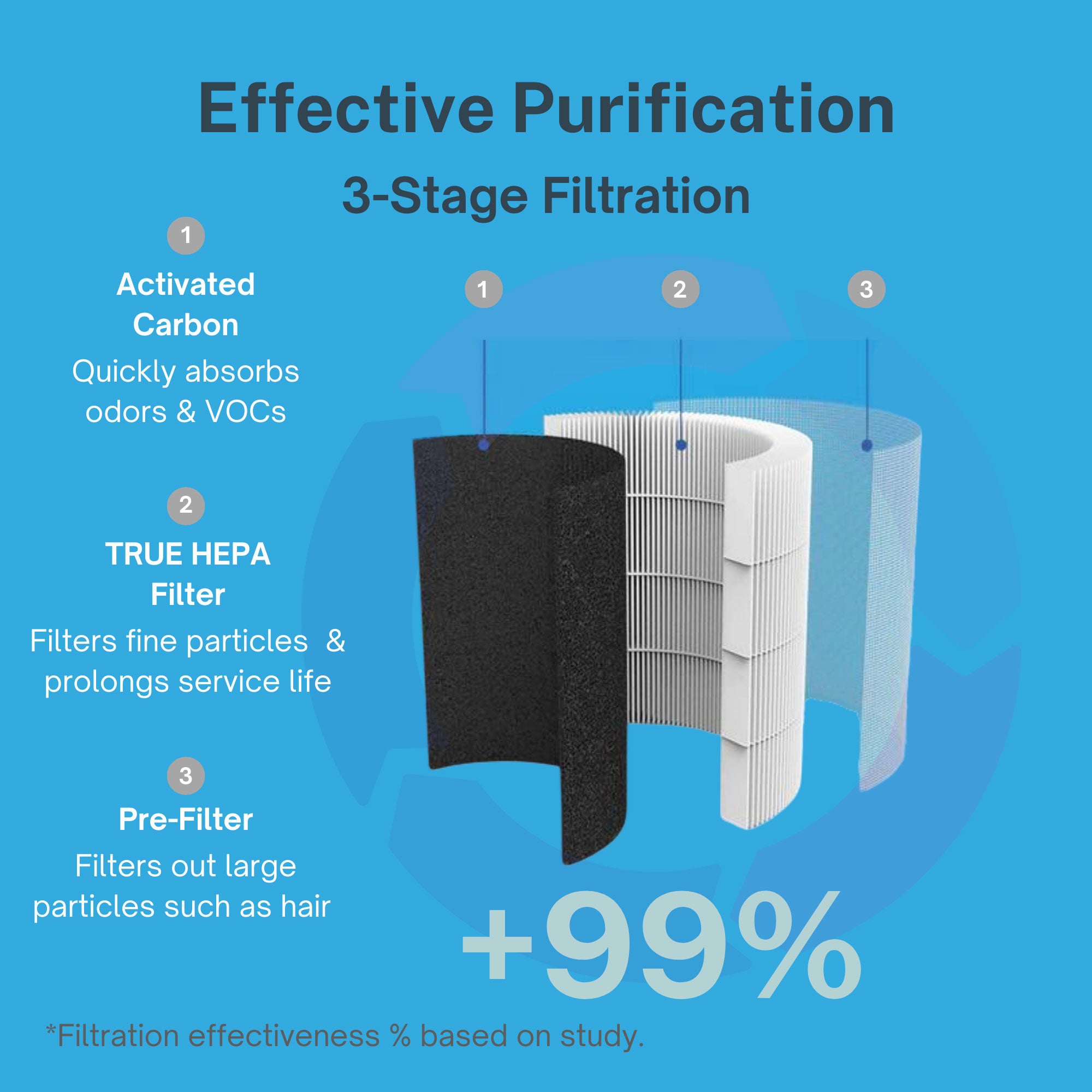
True HEPA Filtration
The gold standard for particle capture. True HEPA filters trap particles as small as 0.3 microns—including mold spores—with a tightly woven mesh that cheaper filters can't match. Use caution when replacing filters that may contain hazardous contaminants.
Activated Carbon Filtration
The most effective approach for reducing mVOCs and musty mold odors. Carbon filters adsorb gases and volatile compounds that HEPA filters aren't designed to capture.
Bi-Polar Ionization
Also called cold-plasma ionization, this technology produces positive and negative ions that cause airborne particles—including mold spores—to cluster, become too heavy to remain airborne, and drop out of circulation.
Photocatalytic Oxidation (PCO)
An advanced technology that uses UV light and a catalyst to generate ions capable of deactivating contaminants in both the air and on surfaces. Air Oasis uses a proprietary version called Advanced Hydrated Photocatalytic Oxidation (AHPCO®).
Ultraviolet Light
UV light has a documented history of use in air and surface purification. Properly designed UV systems can deactivate pathogens and certain microbial contaminants, including some molds.
Choosing the Right Air Purifier
When evaluating options, look for:
- Third-party tested results, not just marketing claims
- Multi-technology systems for full-spectrum coverage
- Manufacturer transparency about testing methodology
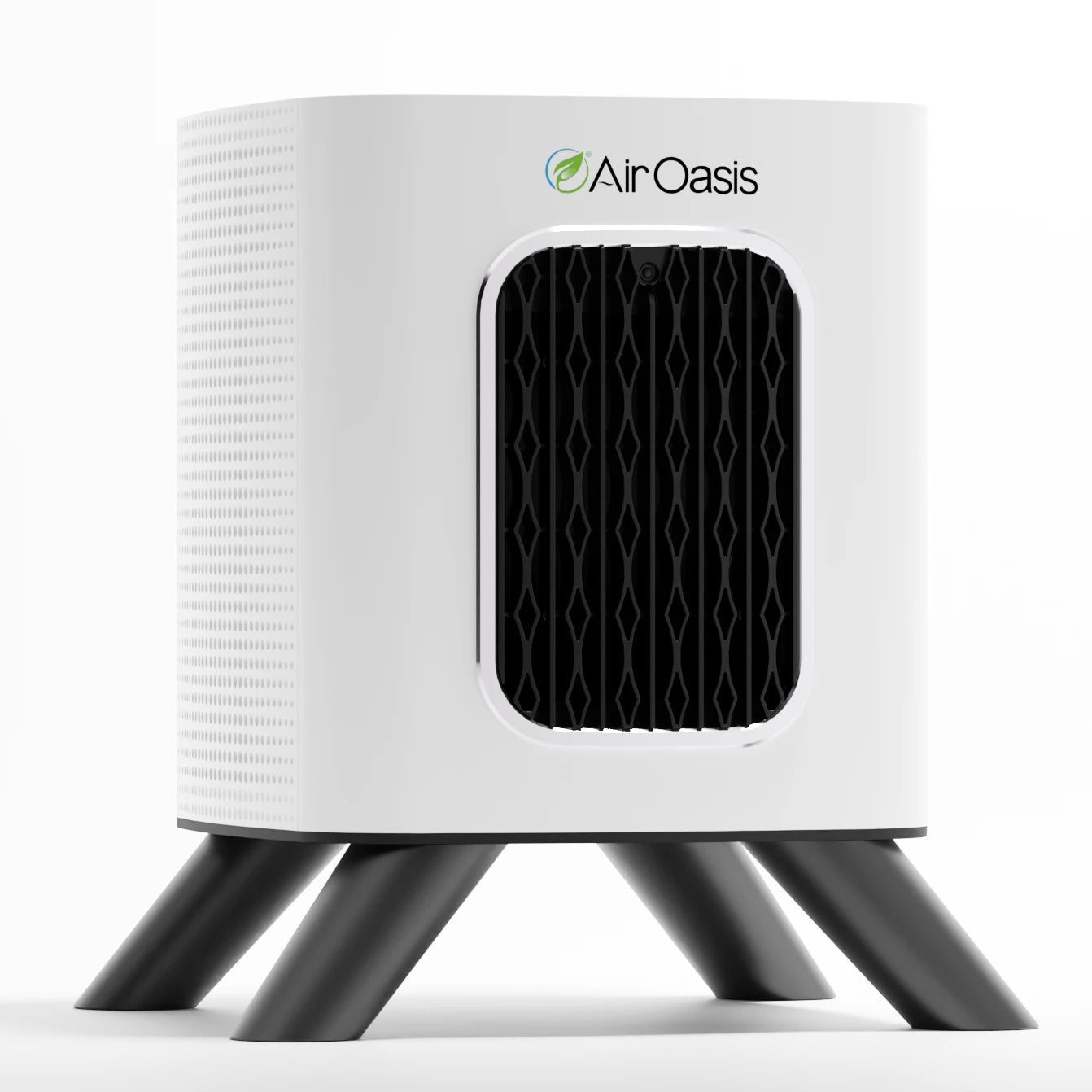
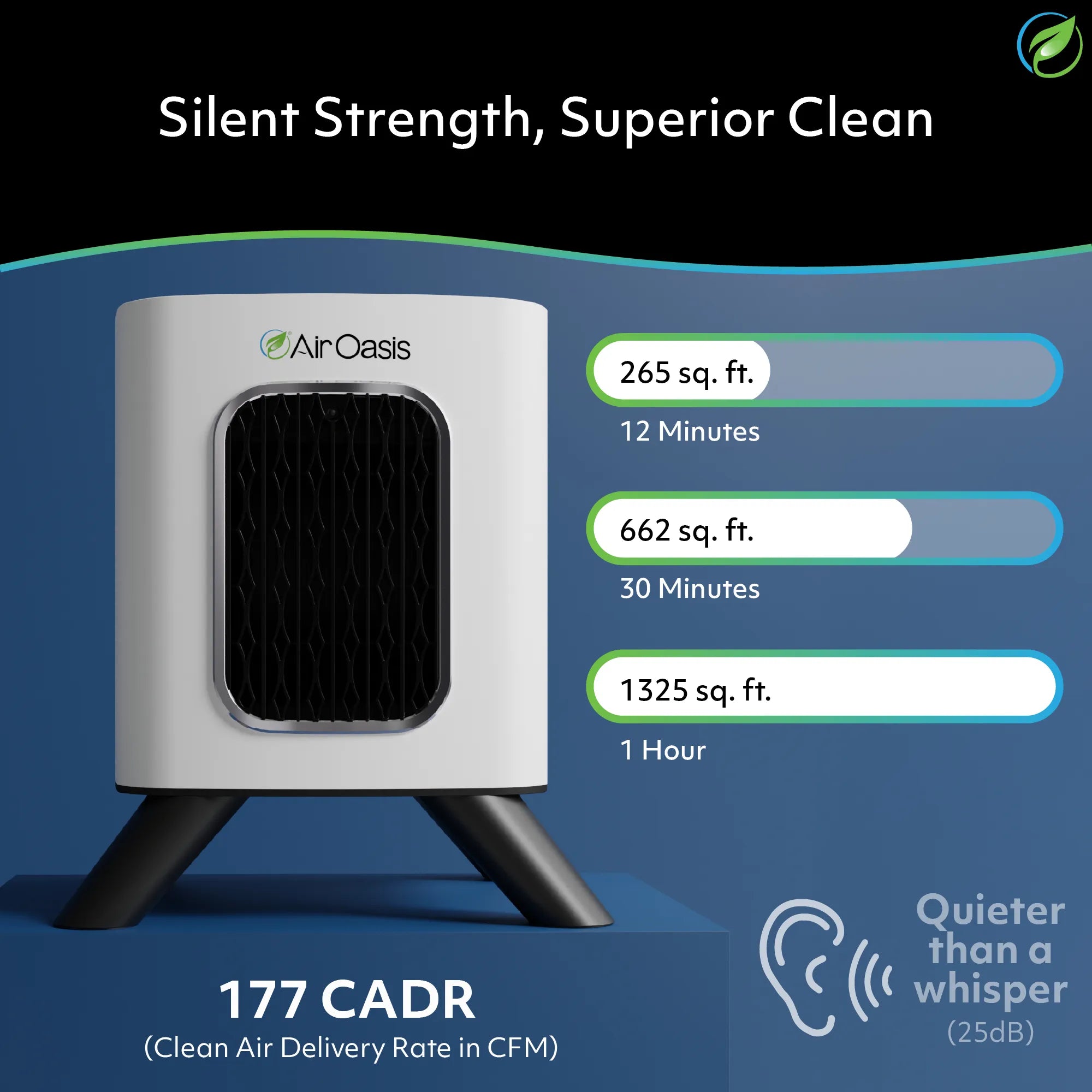
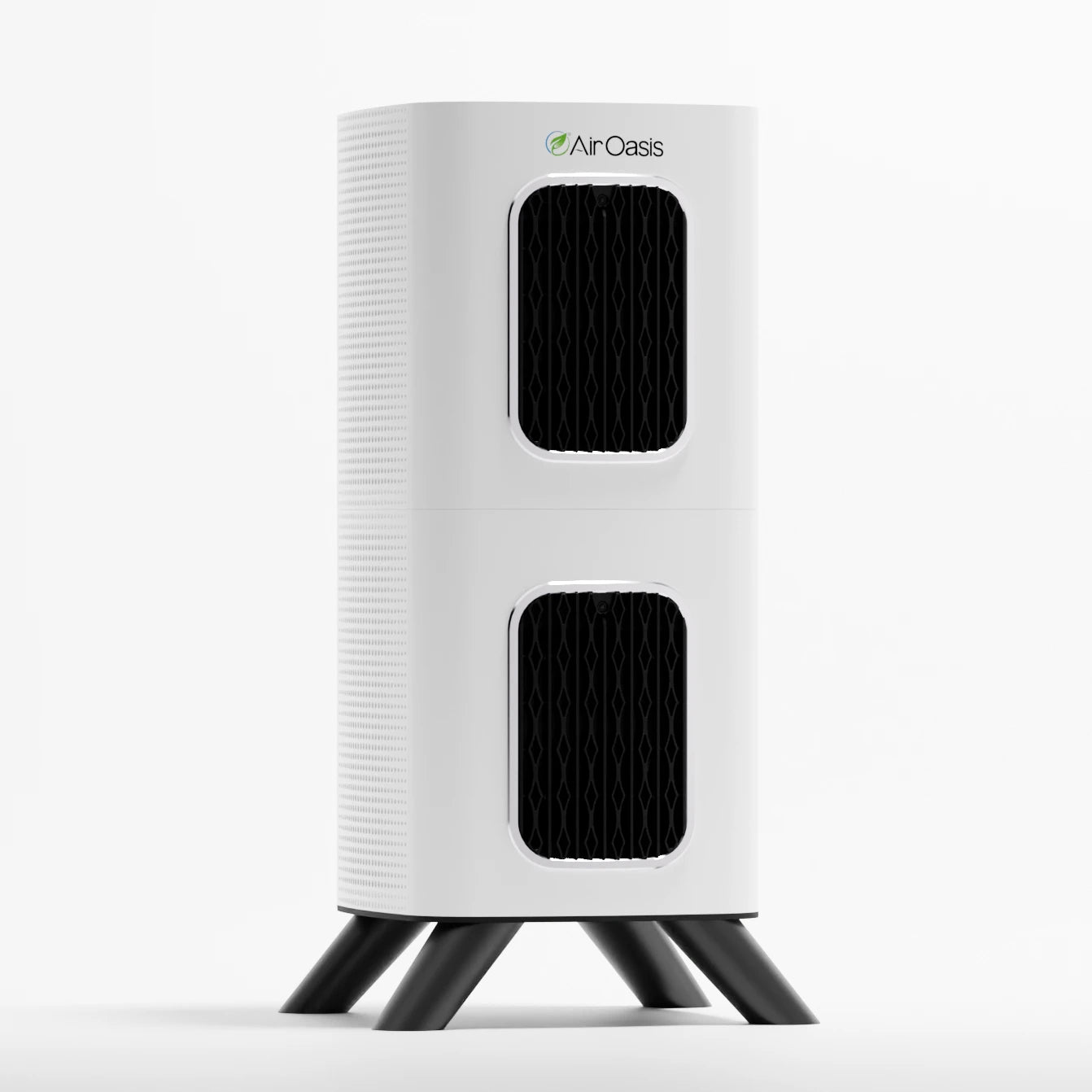
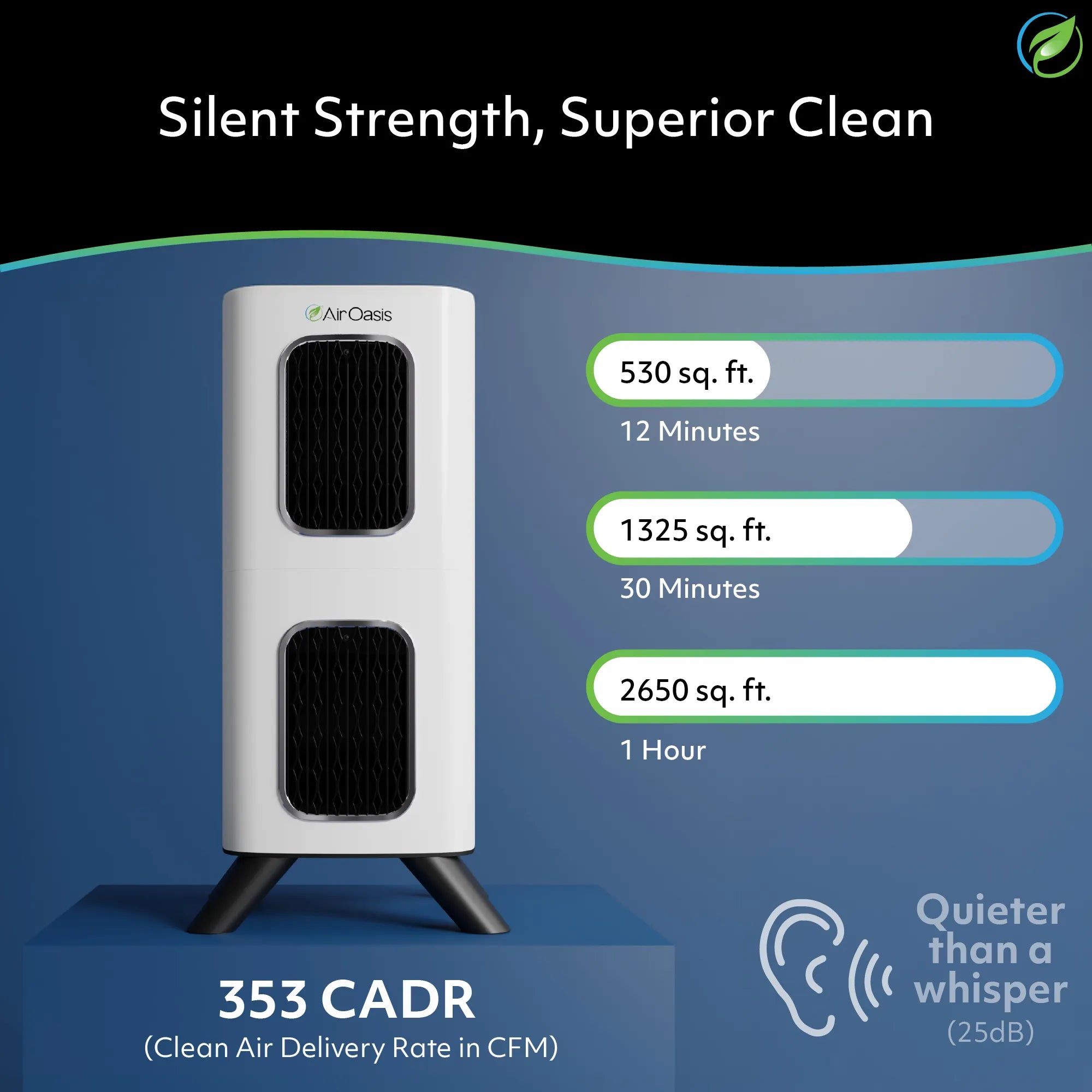
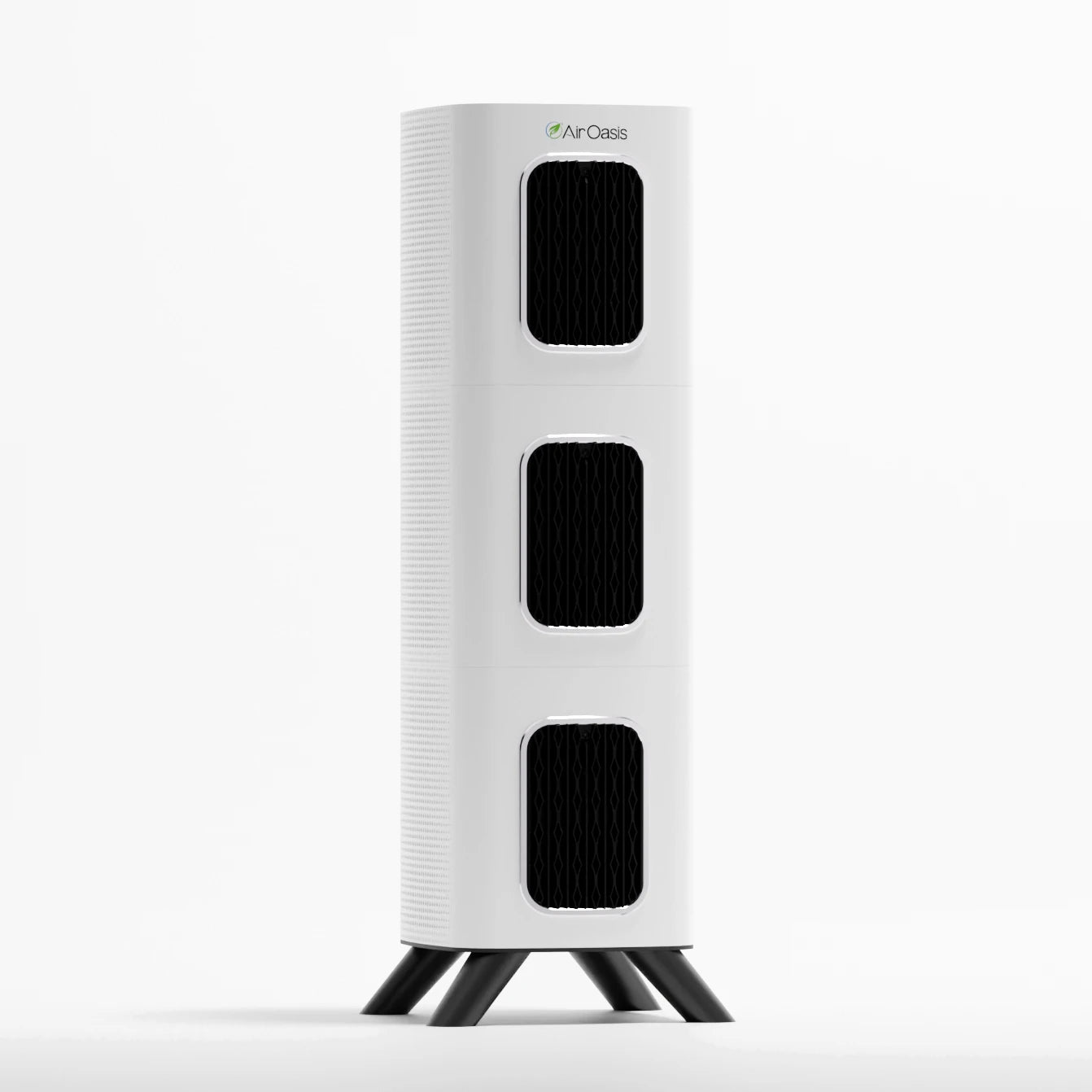
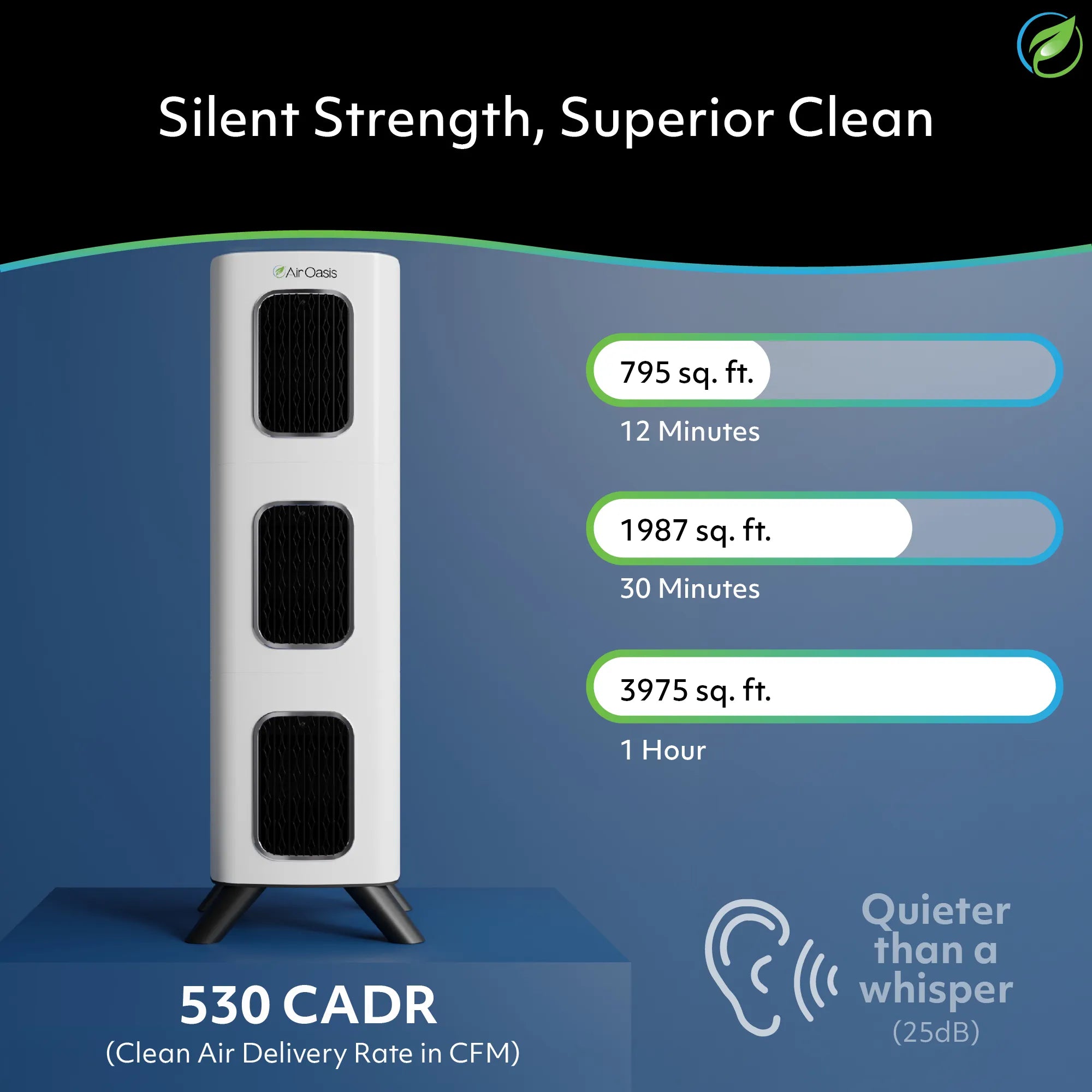
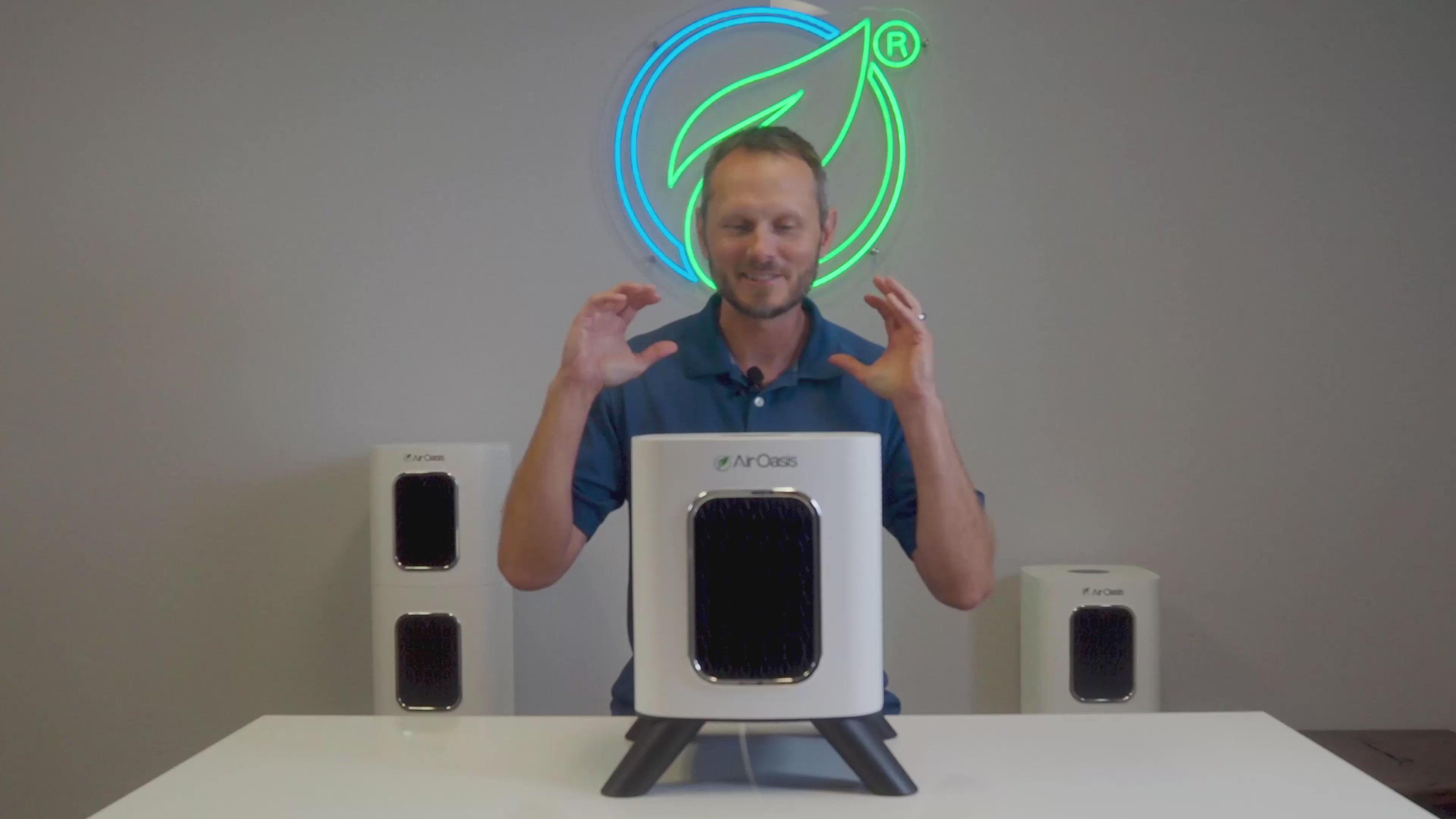
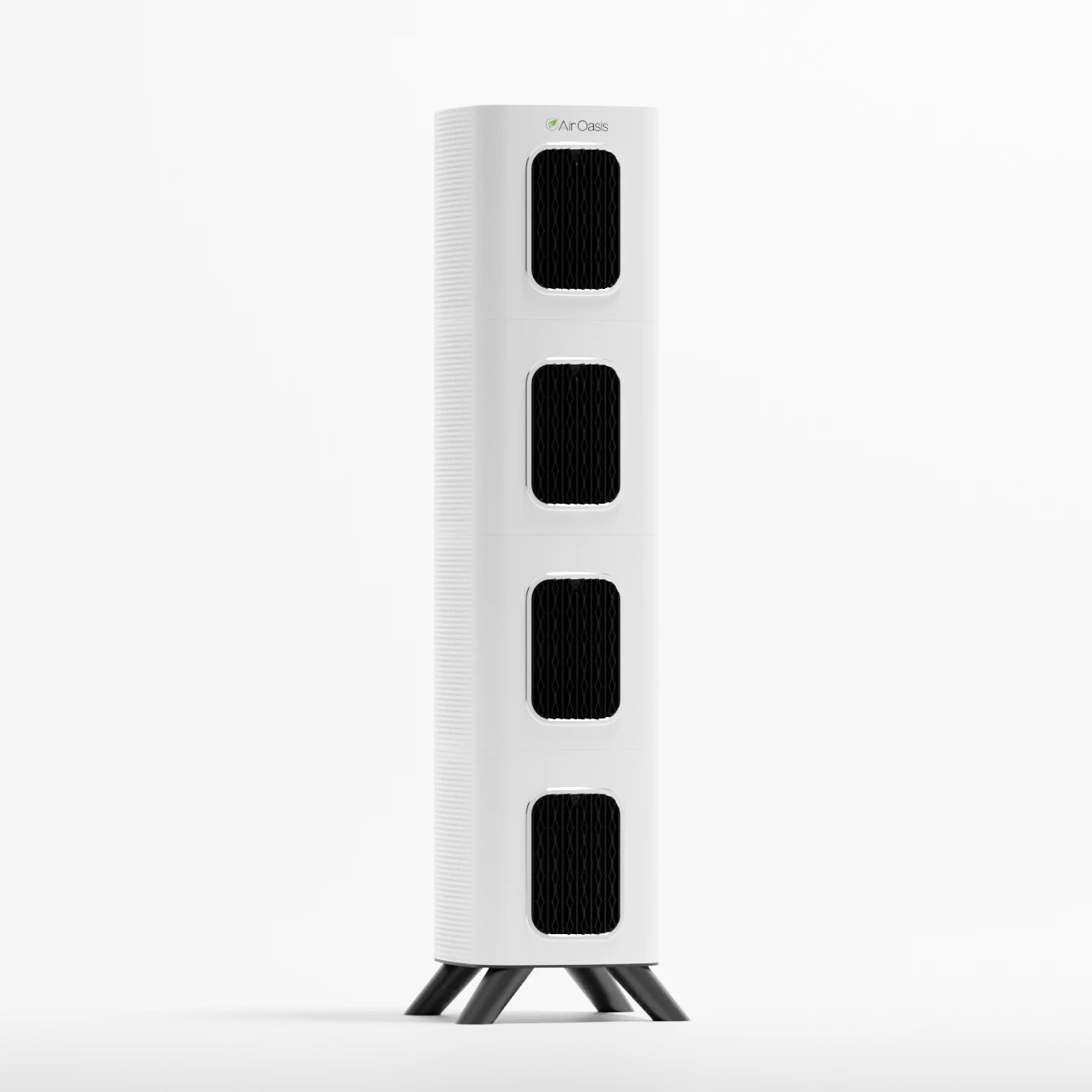
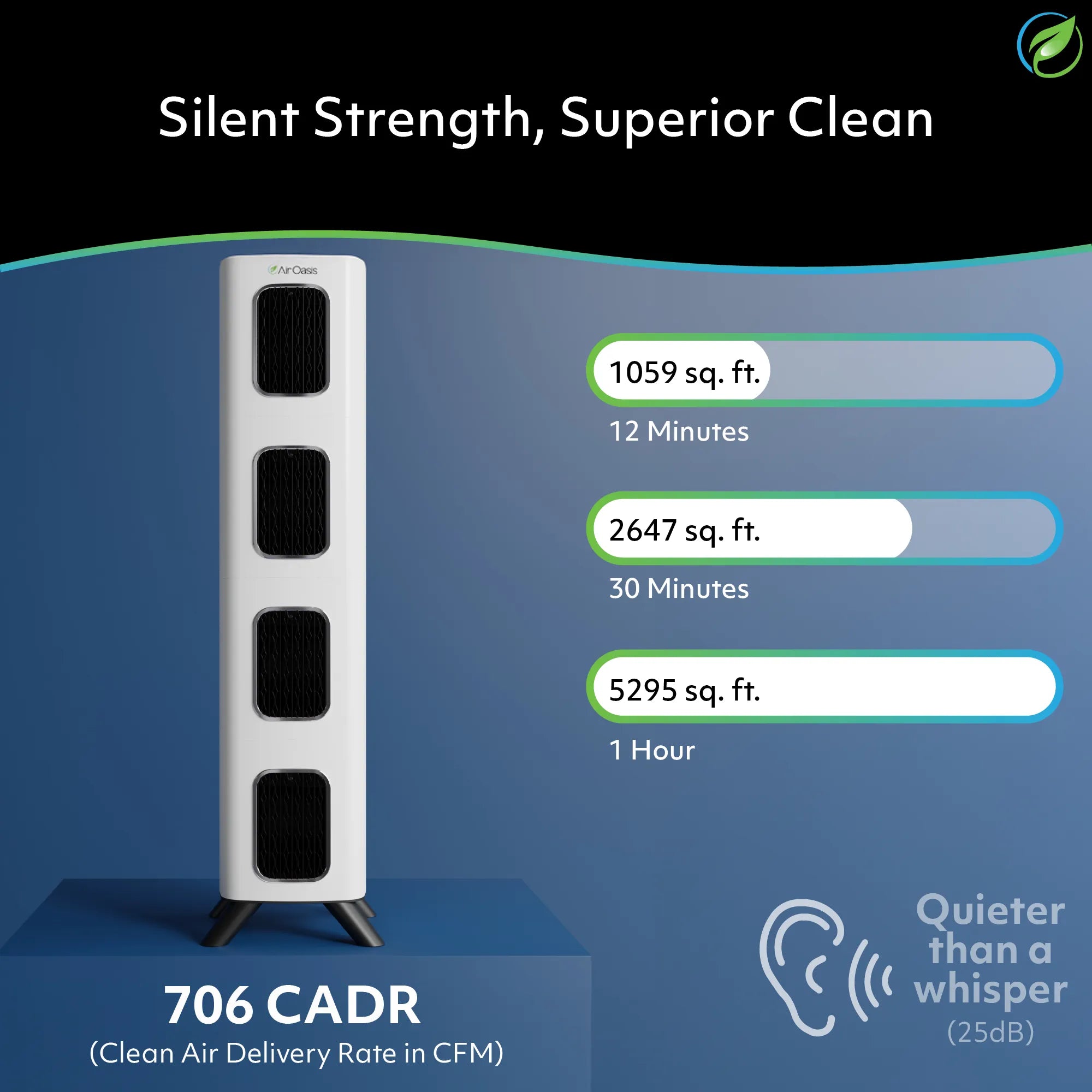
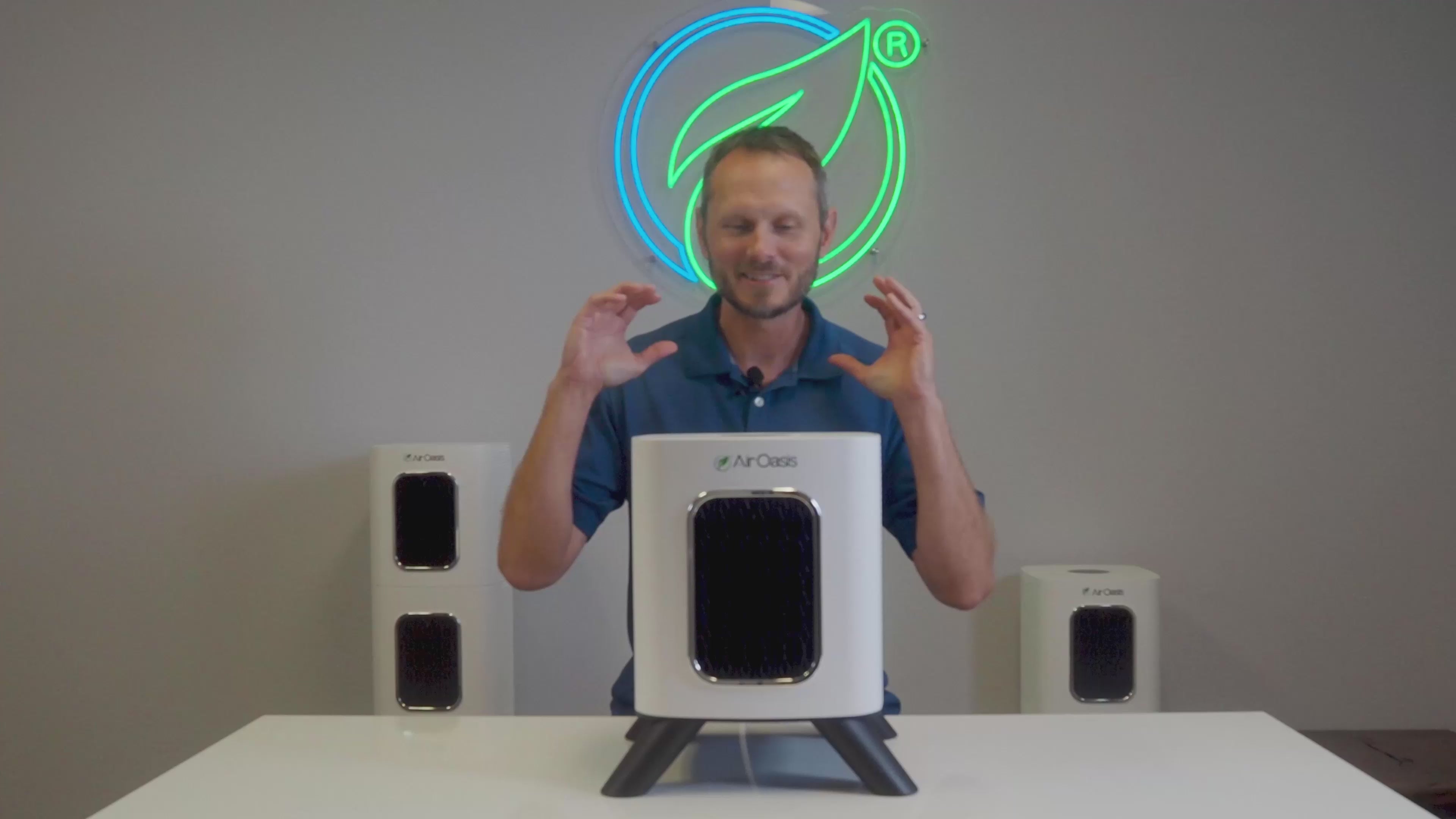
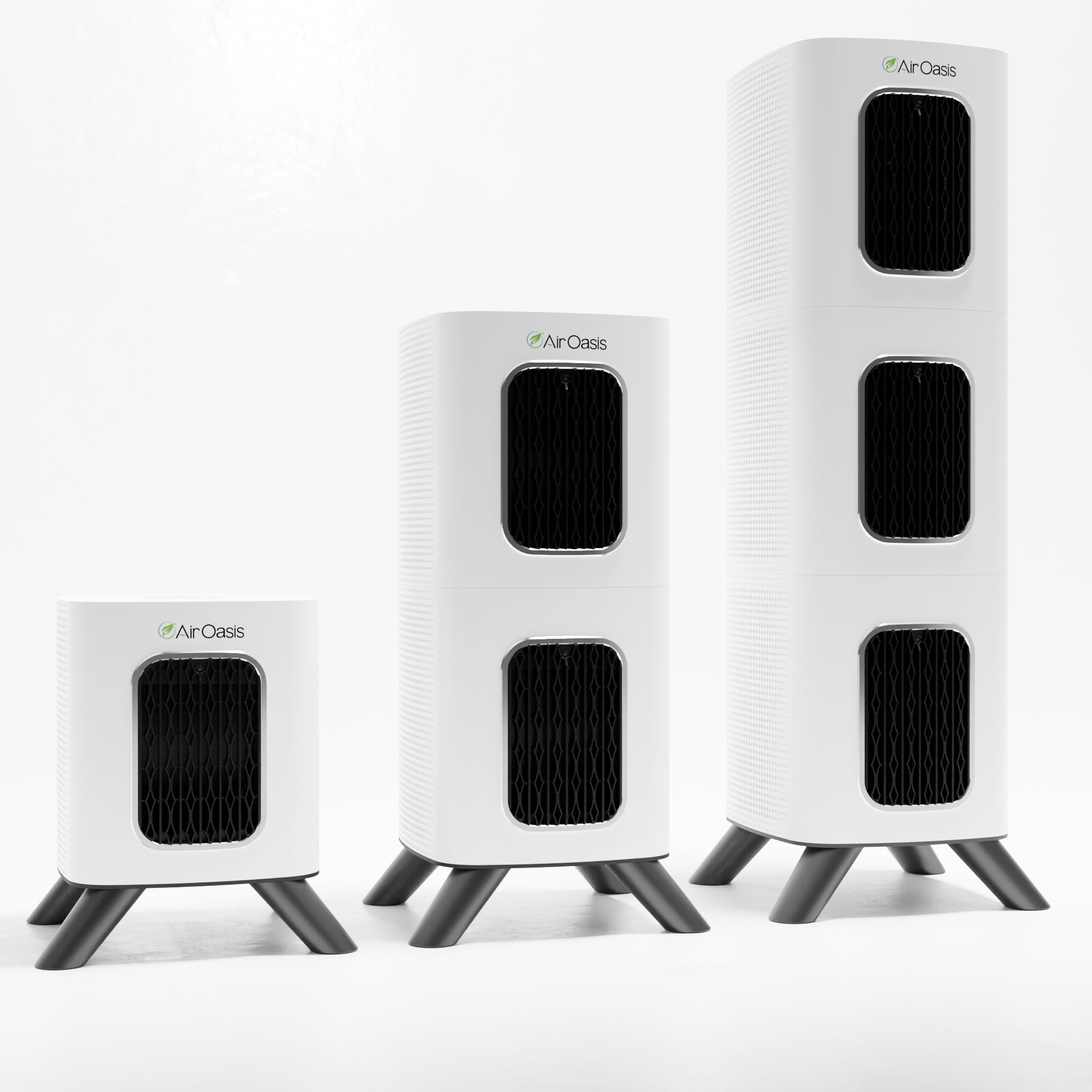
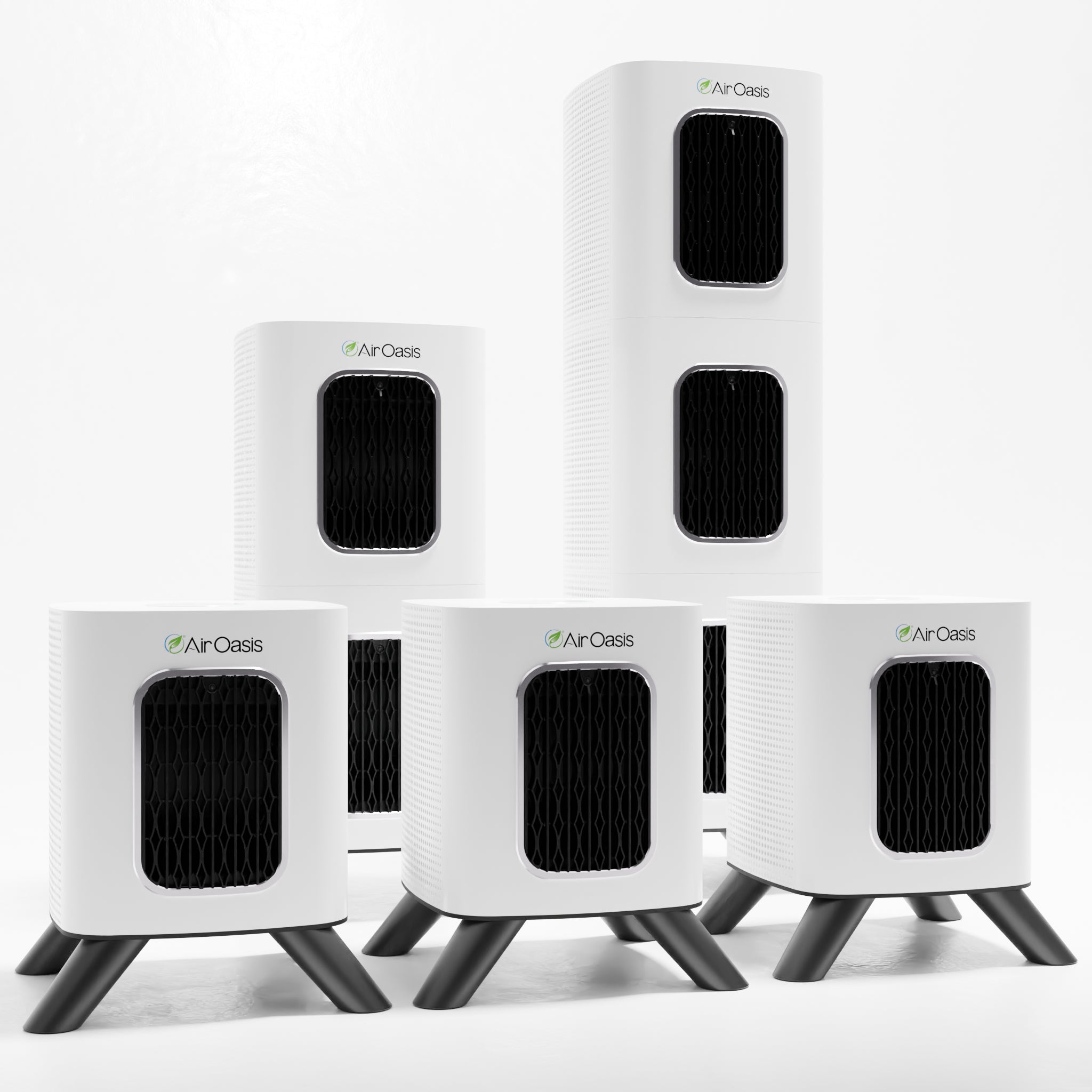
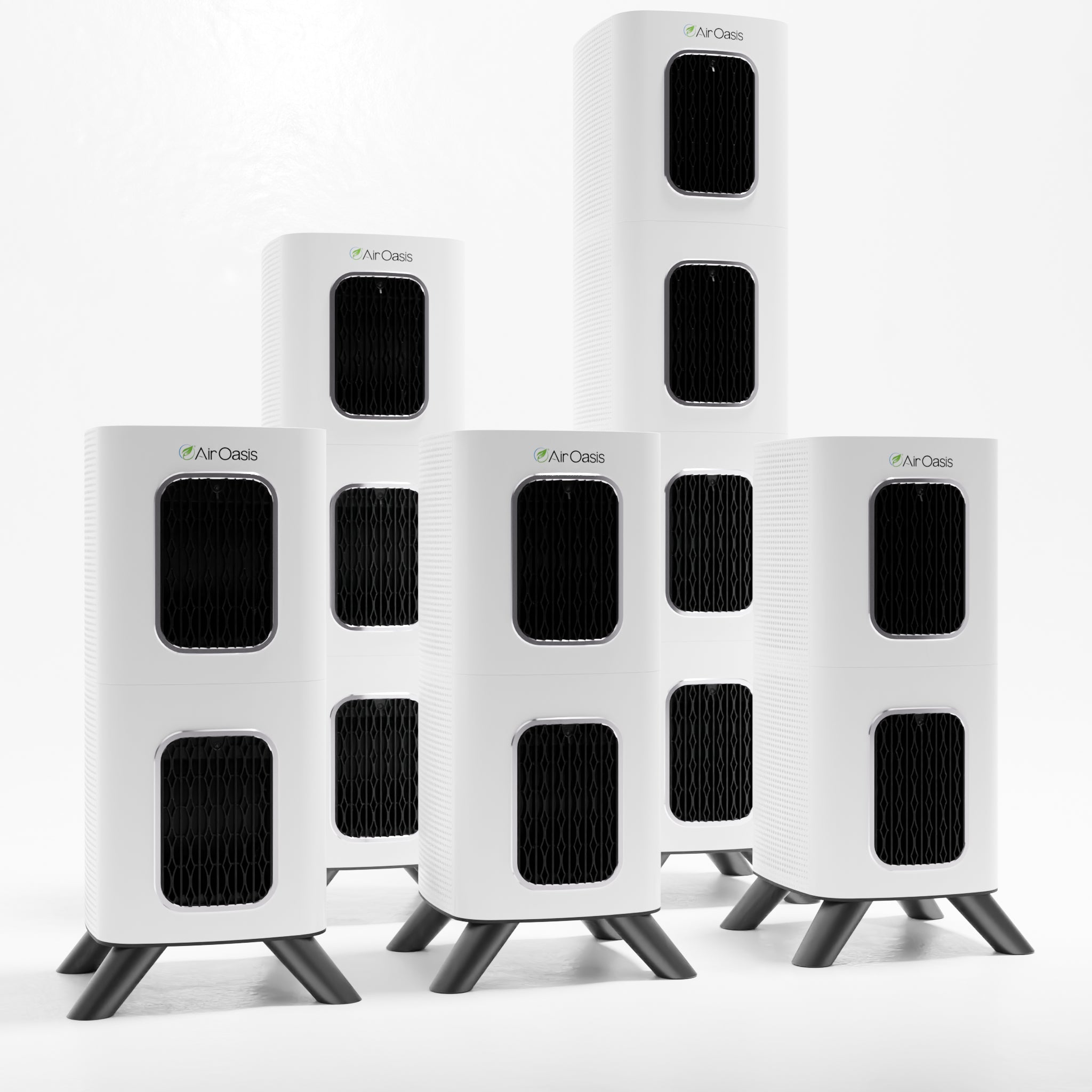
The iAdaptAir® Air Purifier combines all five technologies listed above. Third-party lab testing shows it reduces airborne contaminants by more than 99% after one hour of operation. It's ozone-free and controllable via smartphone app.
Air Oasis also offers replacement parts and lifetime warranties on select models—because a well-maintained purifier should last.
For questions about choosing the right unit for your home or business, contact Air Oasis online or call (806) 373-7788.