For people with Chronic Inflammatory Response Syndrome (CIRS) or mold sensitivity, airborne mold particles can trigger inflammatory responses that are difficult to identify and treat. According to the National Institute of Environmental Health Sciences, mold exposure presents meaningful health risks, particularly in water-damaged buildings. Research suggests that roughly 25% of the population carries a genetic predisposition that may impair the body's ability to clear mold toxins, contributing to persistent symptoms in some individuals.
The EPA notes that indoor air can be 2–5 times more polluted than outdoor air—a concern for anyone spending the majority of their time indoors, and particularly relevant for those with mold sensitivity.
Understanding Mold's Impact on CIRS and Mold-Sensitive Individuals
People with CIRS or mold sensitivity may experience a different immune response to mold exposure than the general population. For some individuals with specific HLA gene variants, the body's detoxification process may not resolve the inflammatory response even after exposure ends—leading to ongoing symptoms.
Mold can impact air quality through spores (2–100 microns), mycotoxins, microbial volatile organic compounds (mVOCs), and airborne cell wall fragments such as beta-glucans. For those with CIRS, exposure has been associated with symptoms including brain fog, fatigue, respiratory issues, gastrointestinal problems, sleep disturbances, joint pain, headaches, and mood changes. Individual responses vary, and a qualified healthcare provider is the right resource for diagnosis and treatment guidance.
Air Scrubbers vs. Traditional Air Purifiers for Mold
Standard air purifiers work through passive filtration—air must pass through the unit to be cleaned. Most use HEPA filters, which capture particles as small as 0.3 microns, but this approach has limitations in capturing the full spectrum of mold-related contaminants. Some mycotoxins measure less than 0.1 microns and may not be captured by filtration alone.
Air scrubbers take a more active approach, projecting purifying agents into the environment to address contaminants at the source—including airborne spores, surface-bound mold, and compounds that standard filtration may miss.
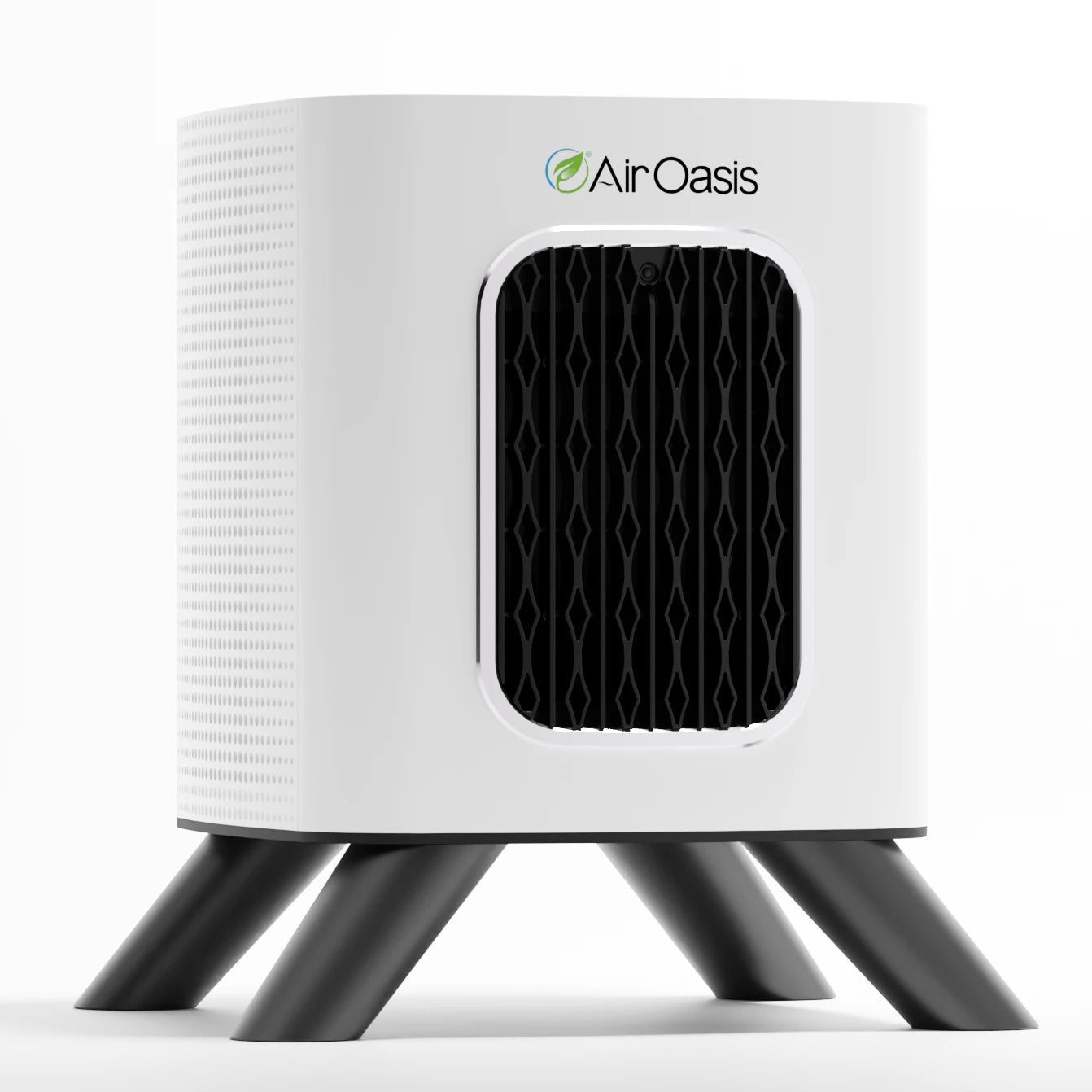
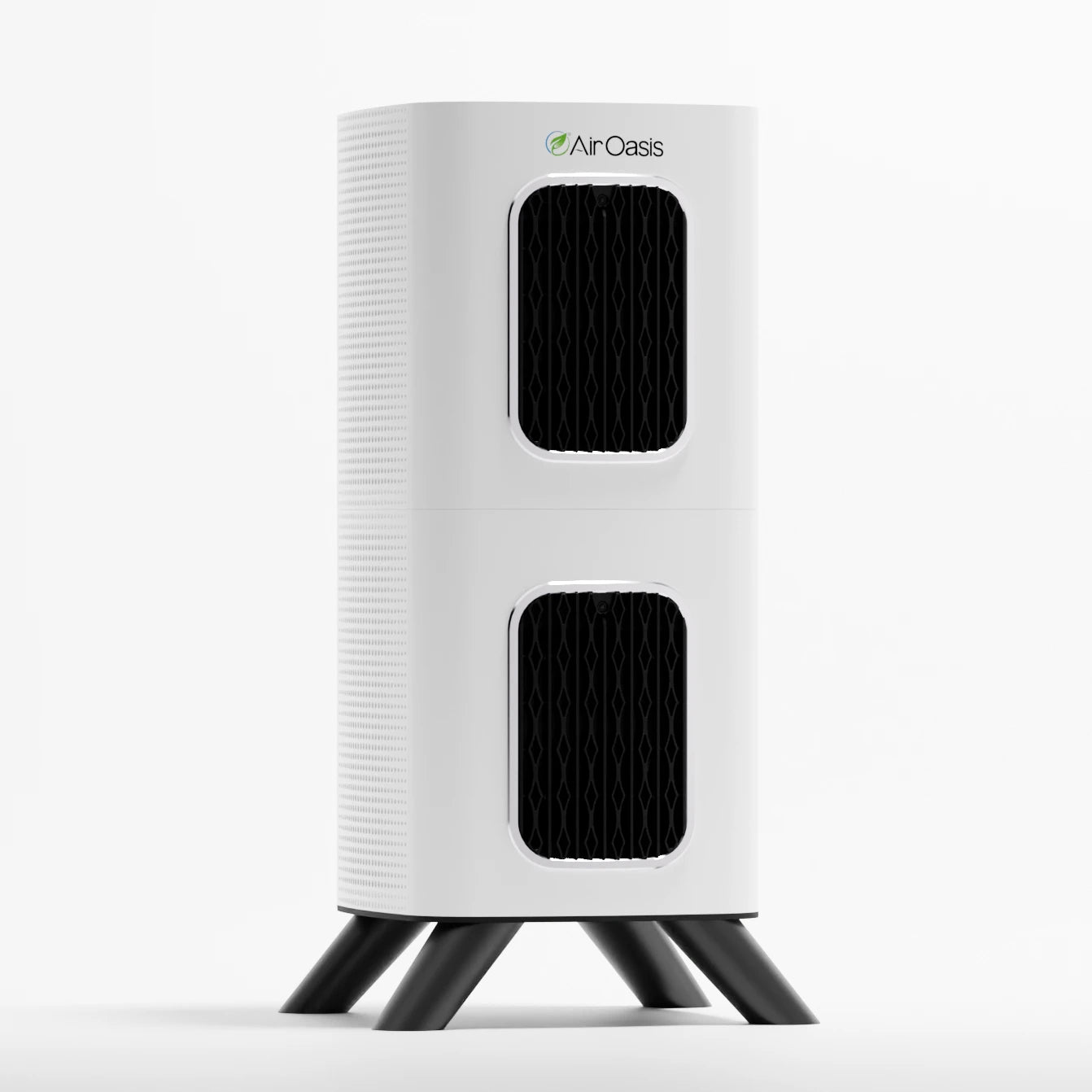
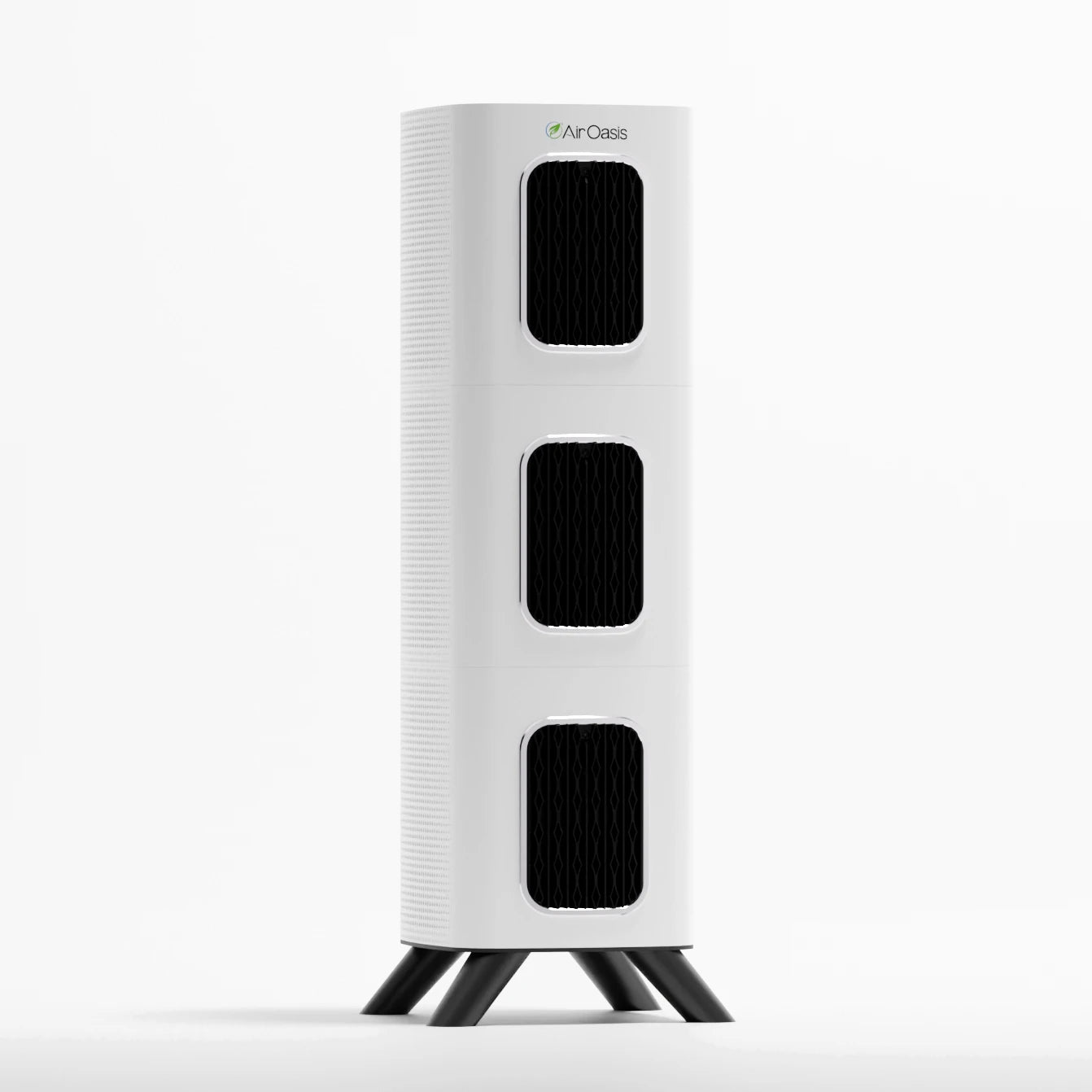
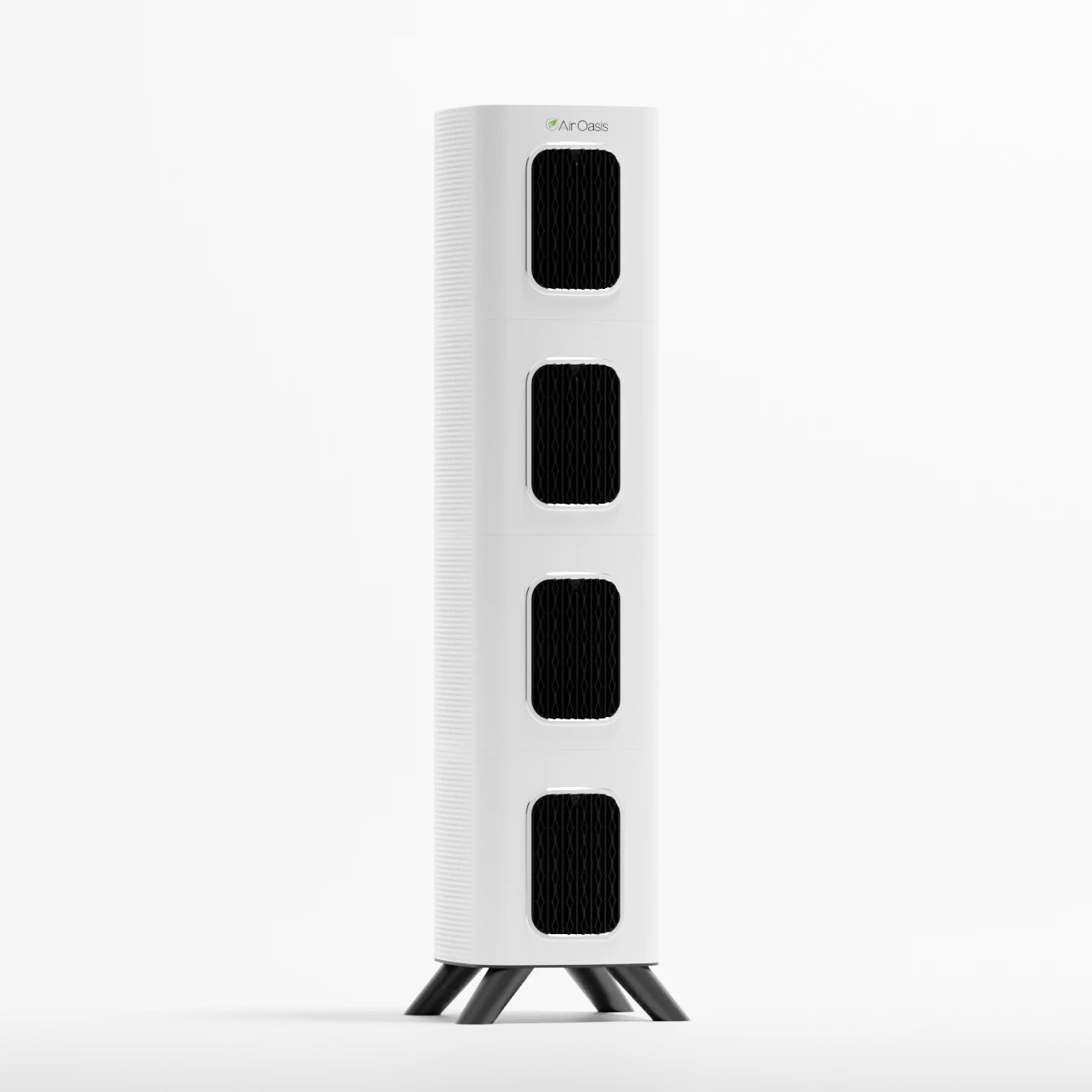
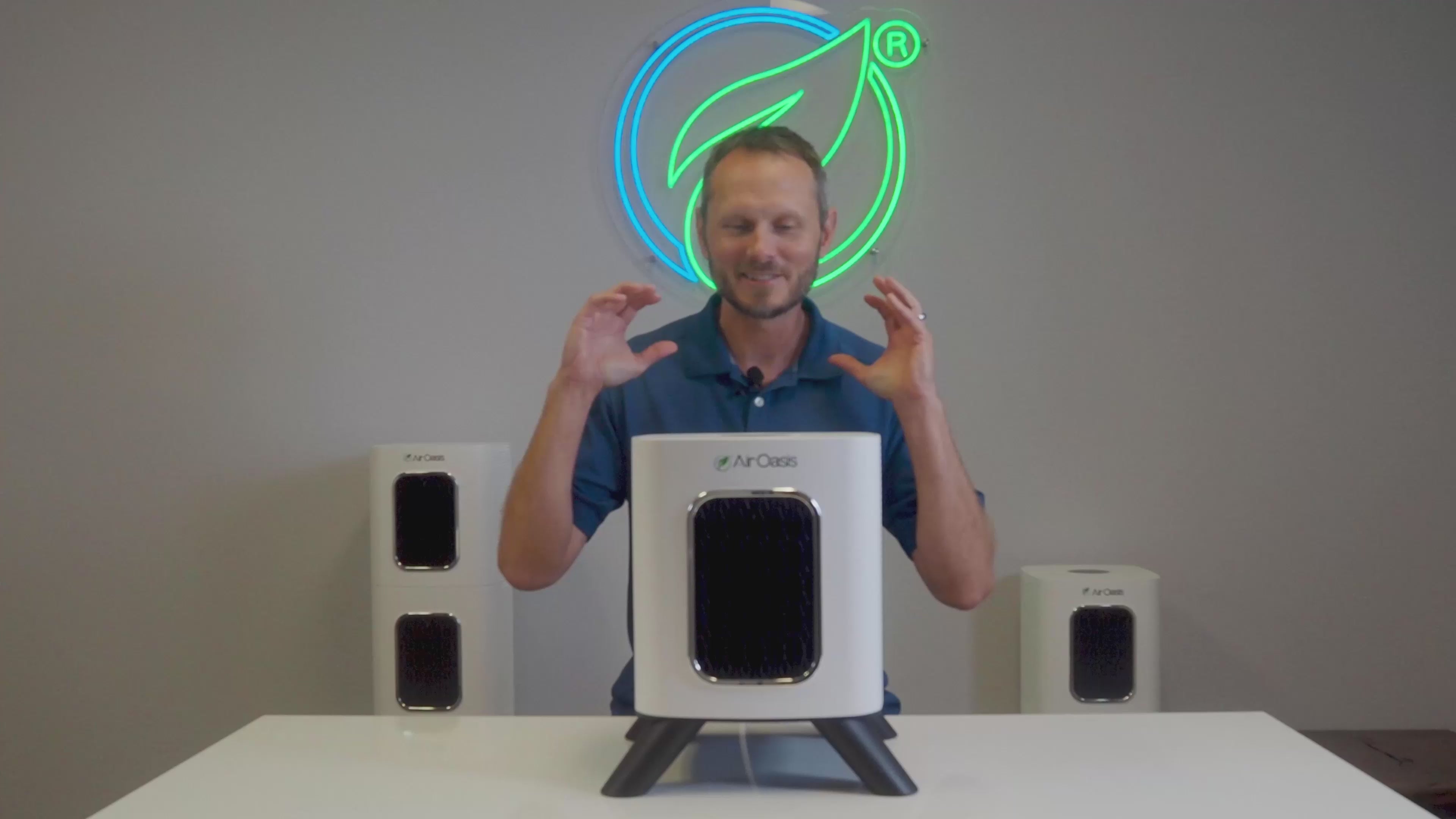
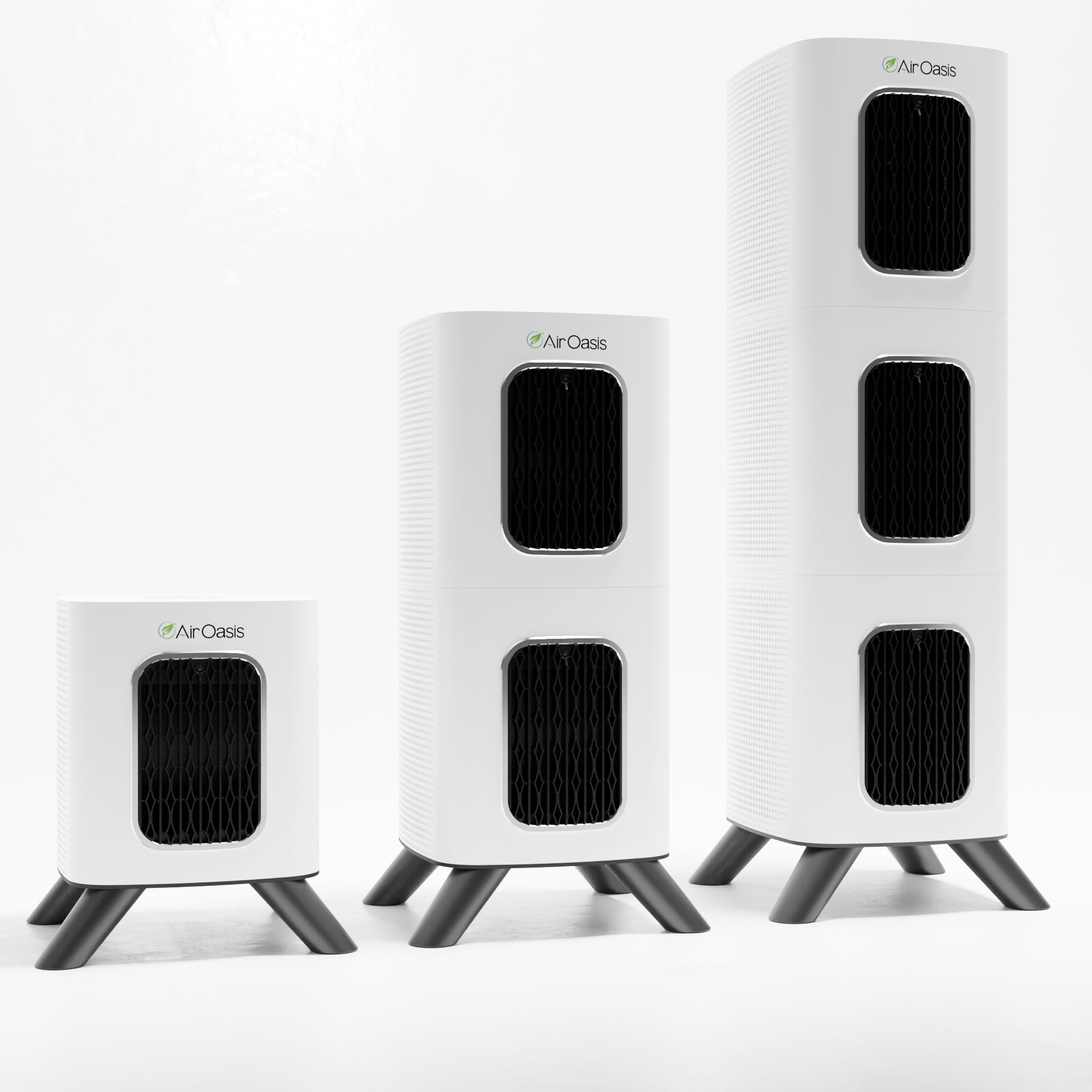
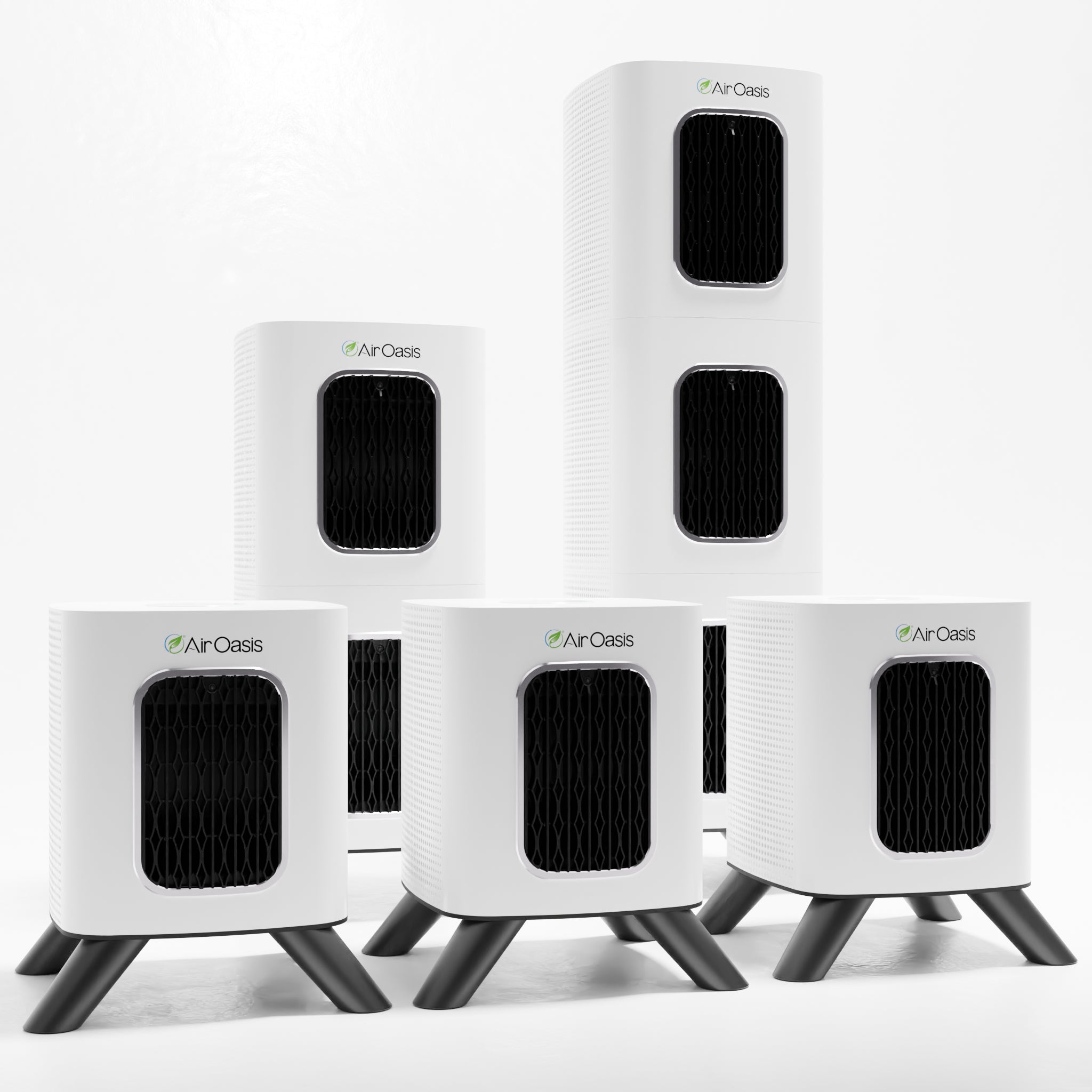
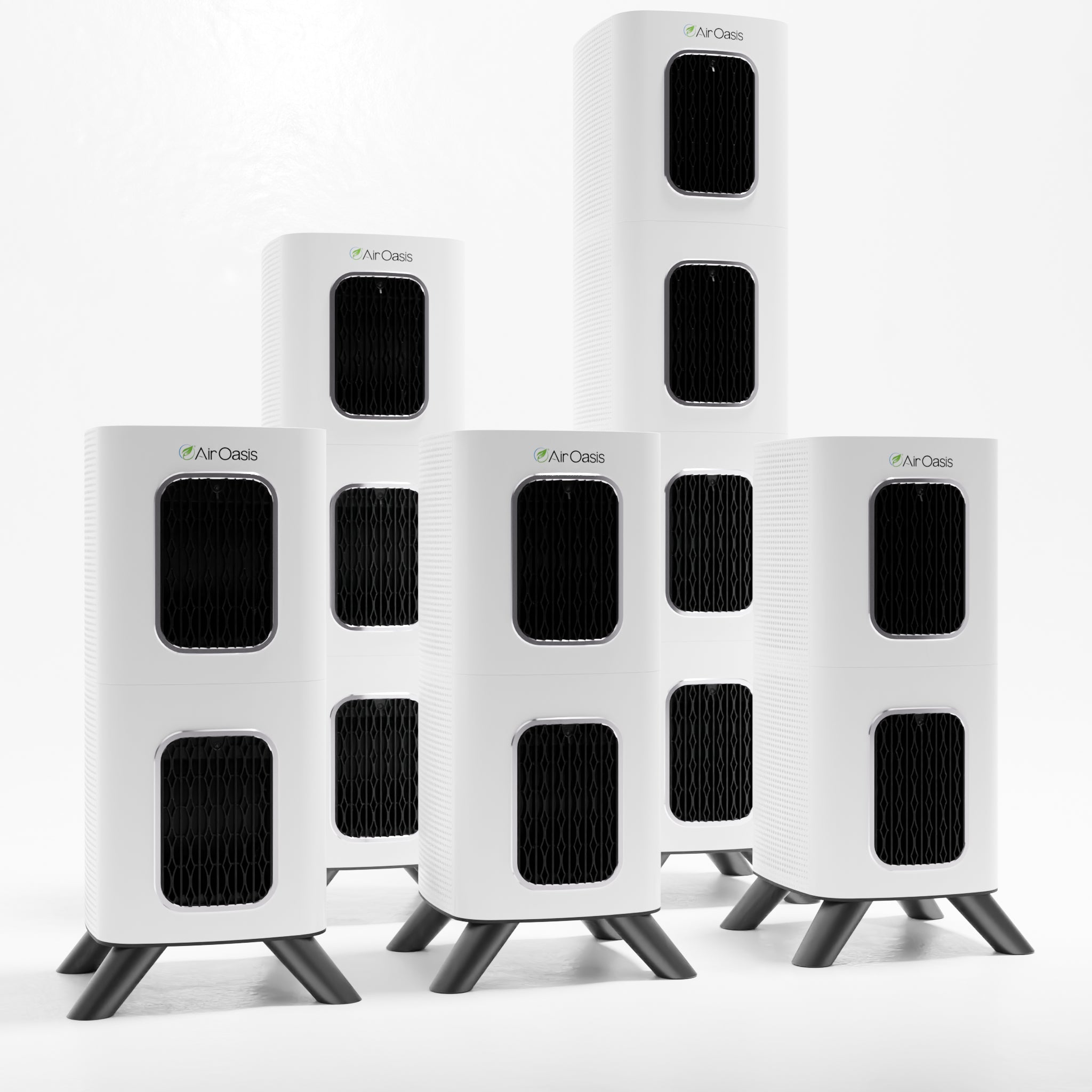
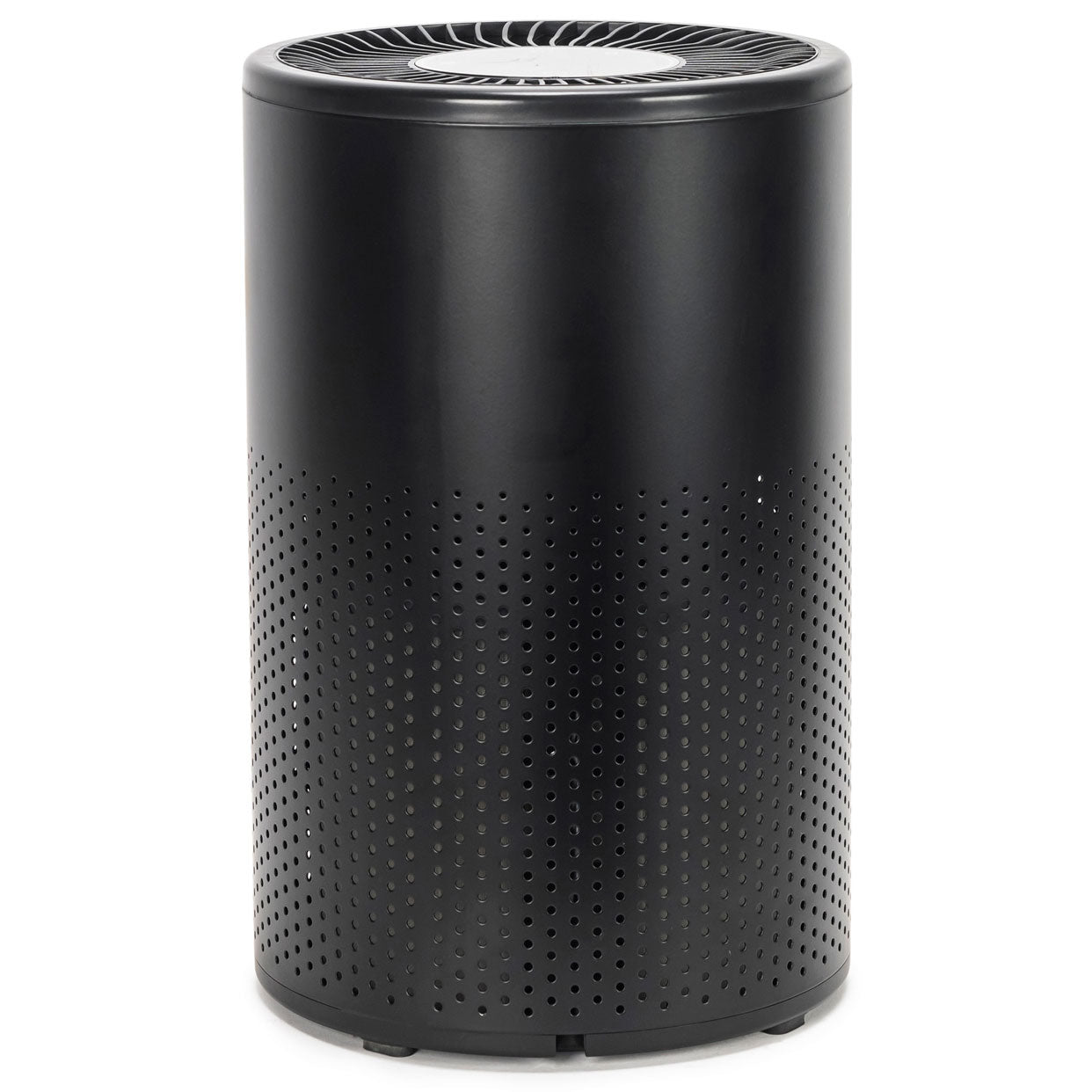
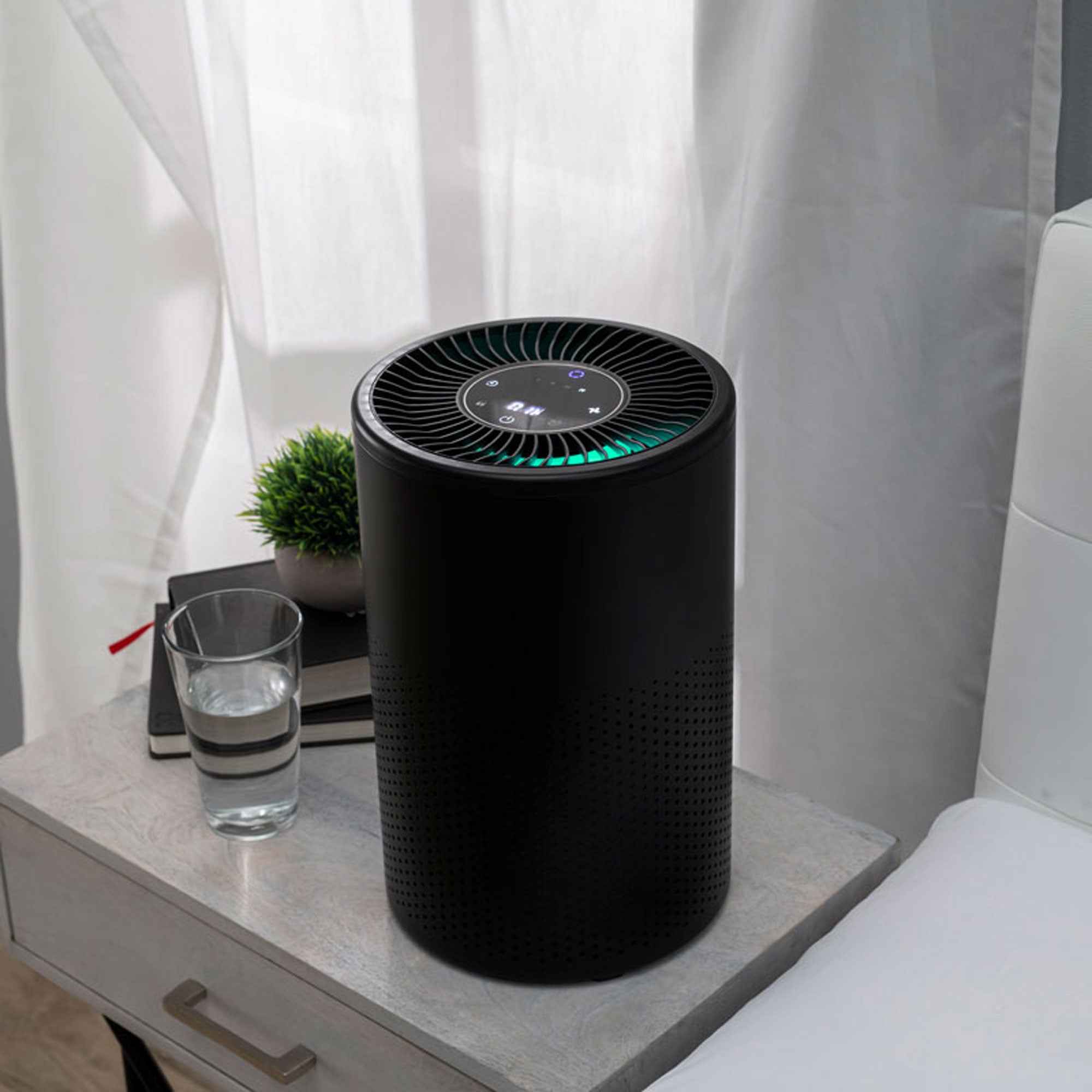
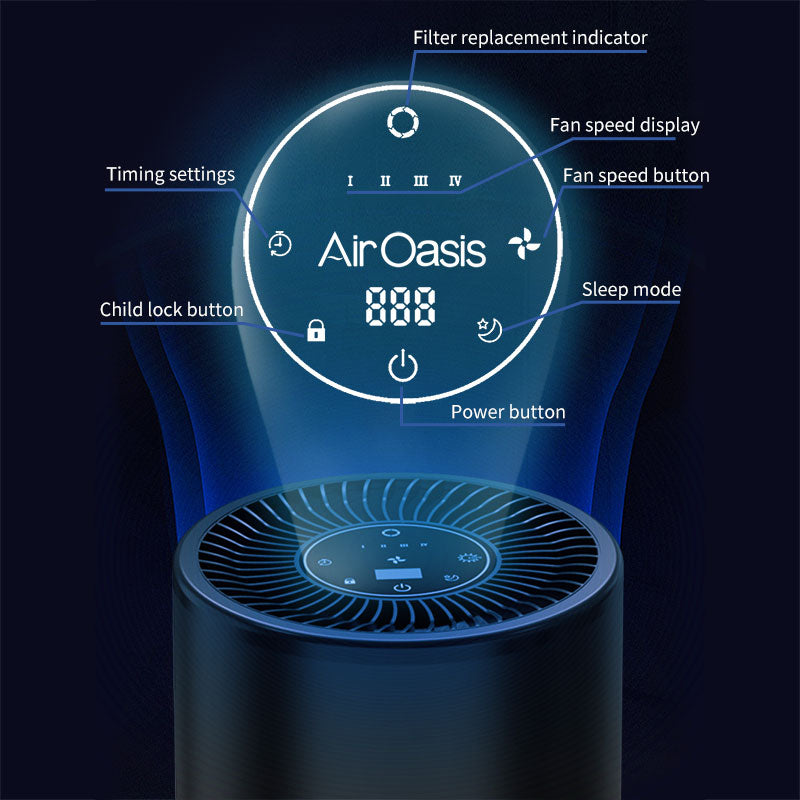
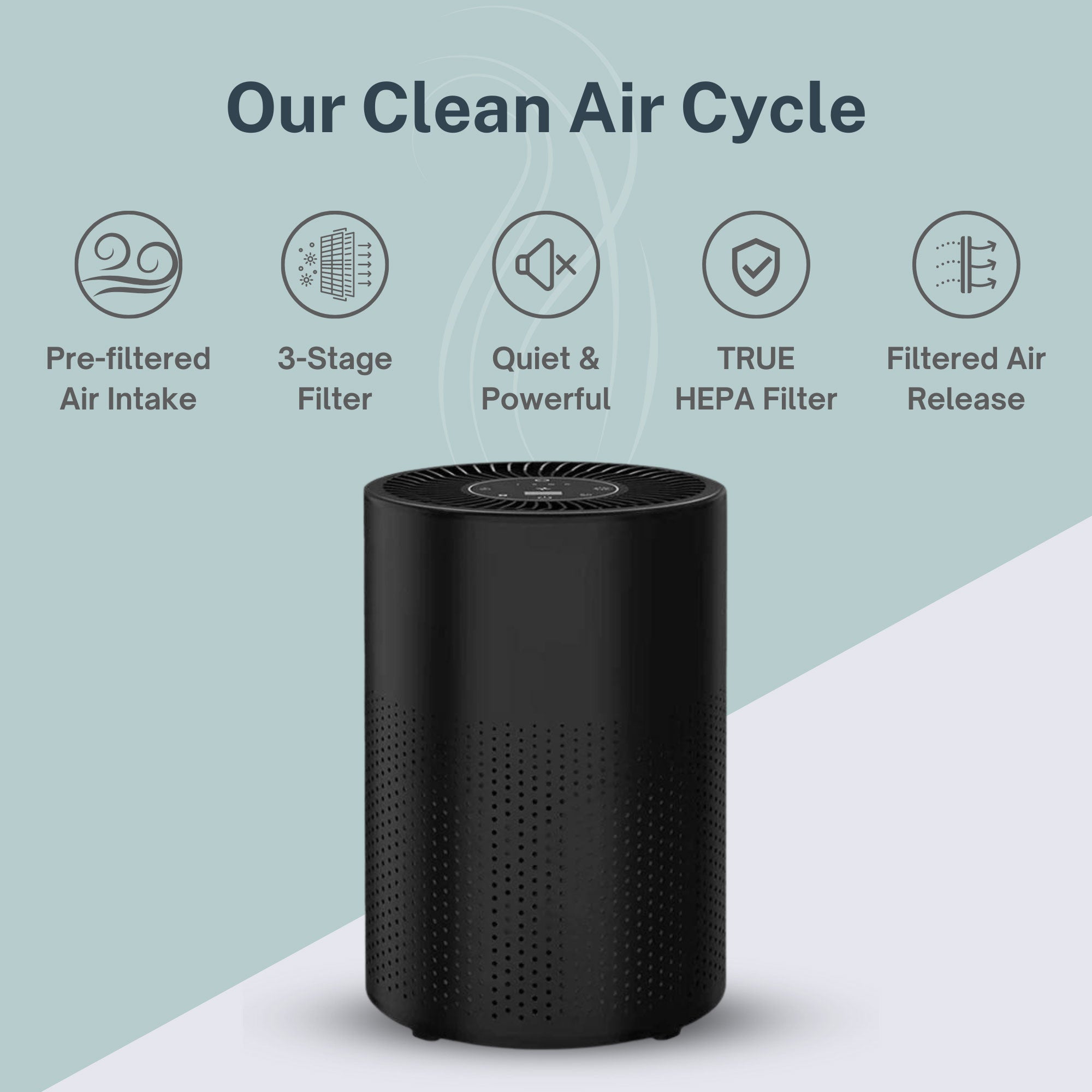
The Air Oasis iAdaptAir® is designed to function as both an air purifier and an air scrubber, combining passive filtration with active purification technologies.
The Science Behind Multi-Technology Air Scrubbing
The most effective systems layer multiple technologies to address the different components of mold contamination:
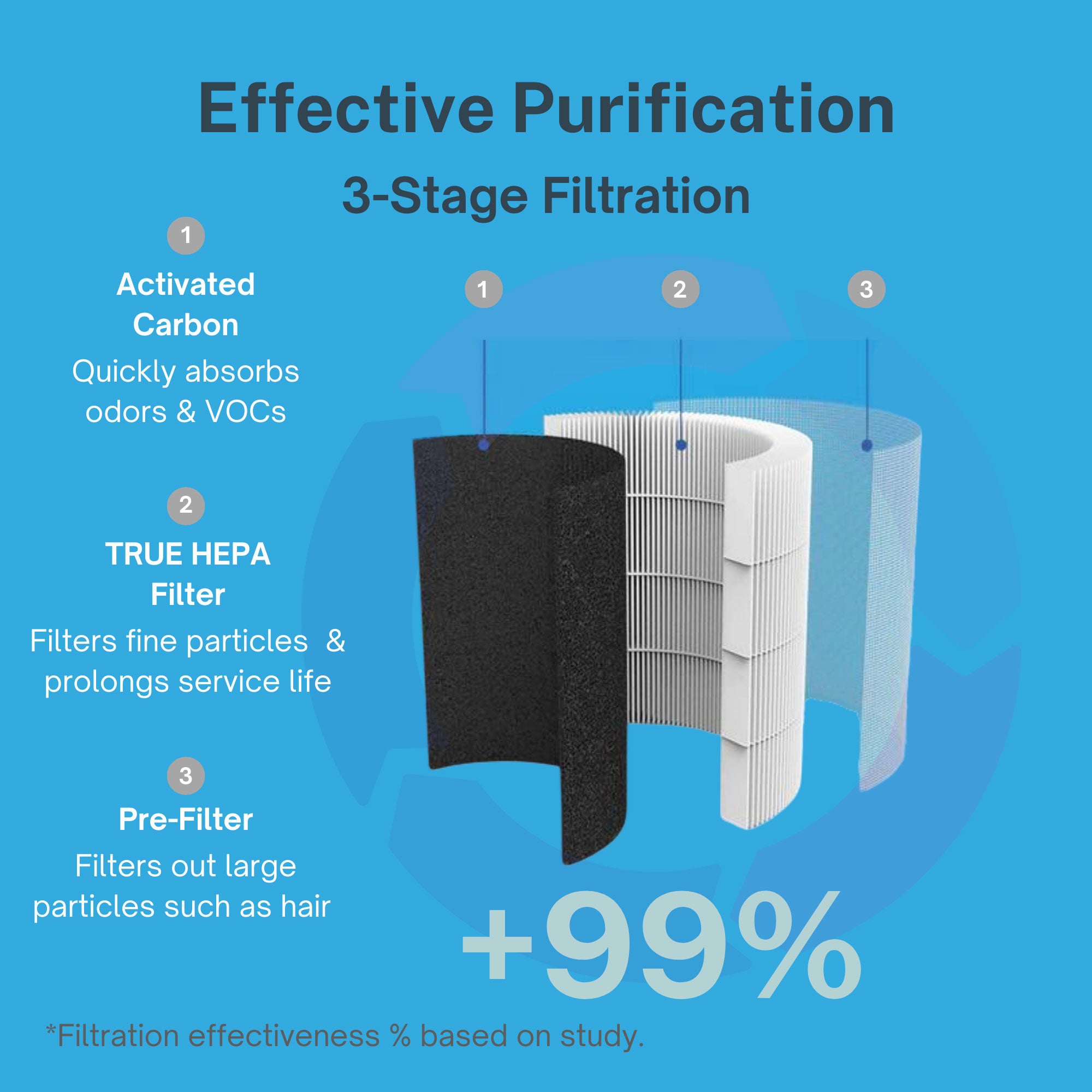
- True HEPA filtration — captures 99.97% of particles down to 0.3 microns, including most mold spores
- Activated carbon filtration — adsorbs mycotoxins and mVOCs
- Bi-polar ionization — creates charged ions that deactivate contaminants in air and on surfaces
- UV-C light — disrupts the cellular structure of microorganisms including mold
- Silver ion technology — provides ongoing antimicrobial protection
Laboratory testing of systems using this overlapping approach has shown reductions of over 99% in airborne mold and mycotoxins within one hour of operation.
Selecting the Right Air Scrubber
When evaluating an air scrubber for mold-related concerns, a few technical specs are worth understanding:
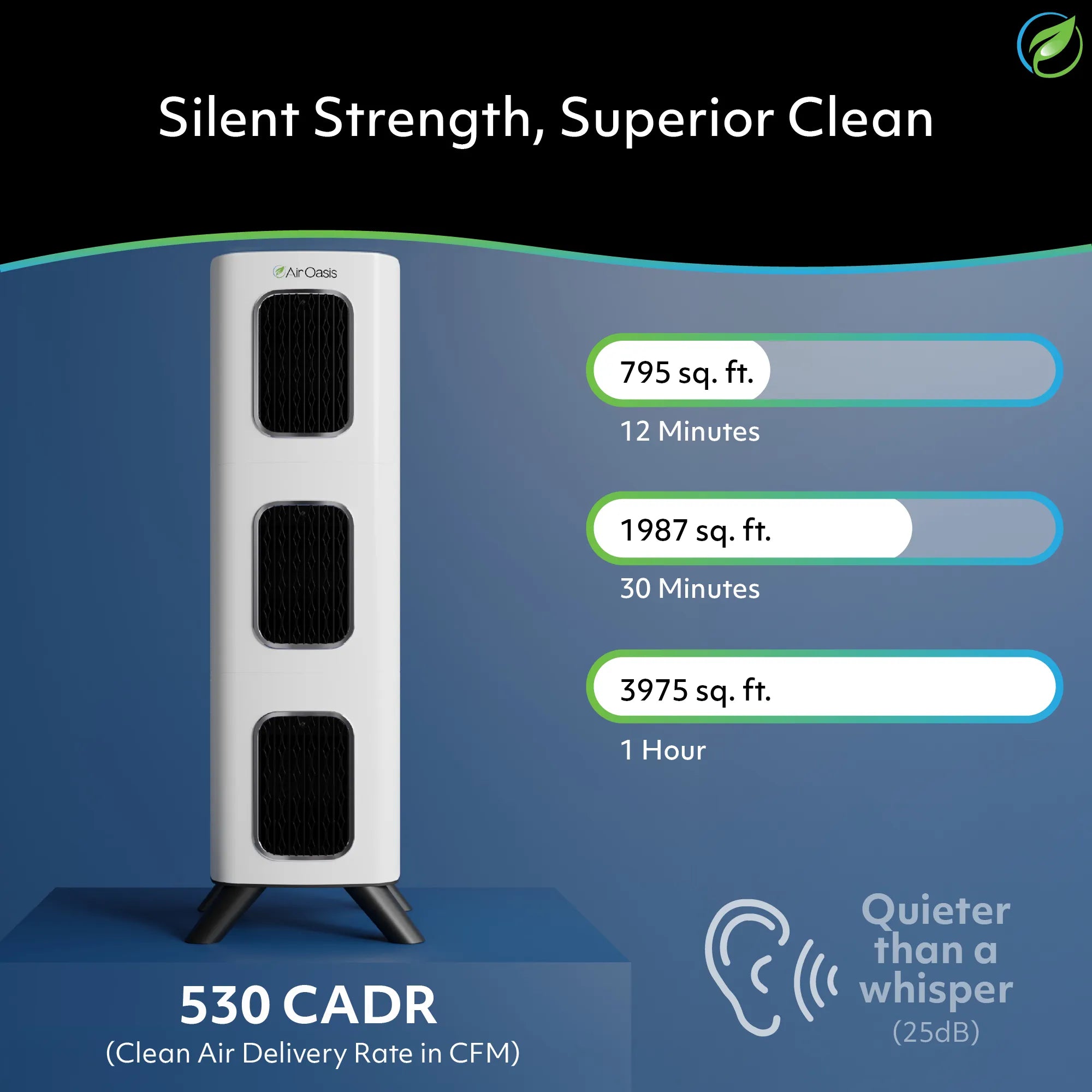
Clean Air Delivery Rate (CADR)
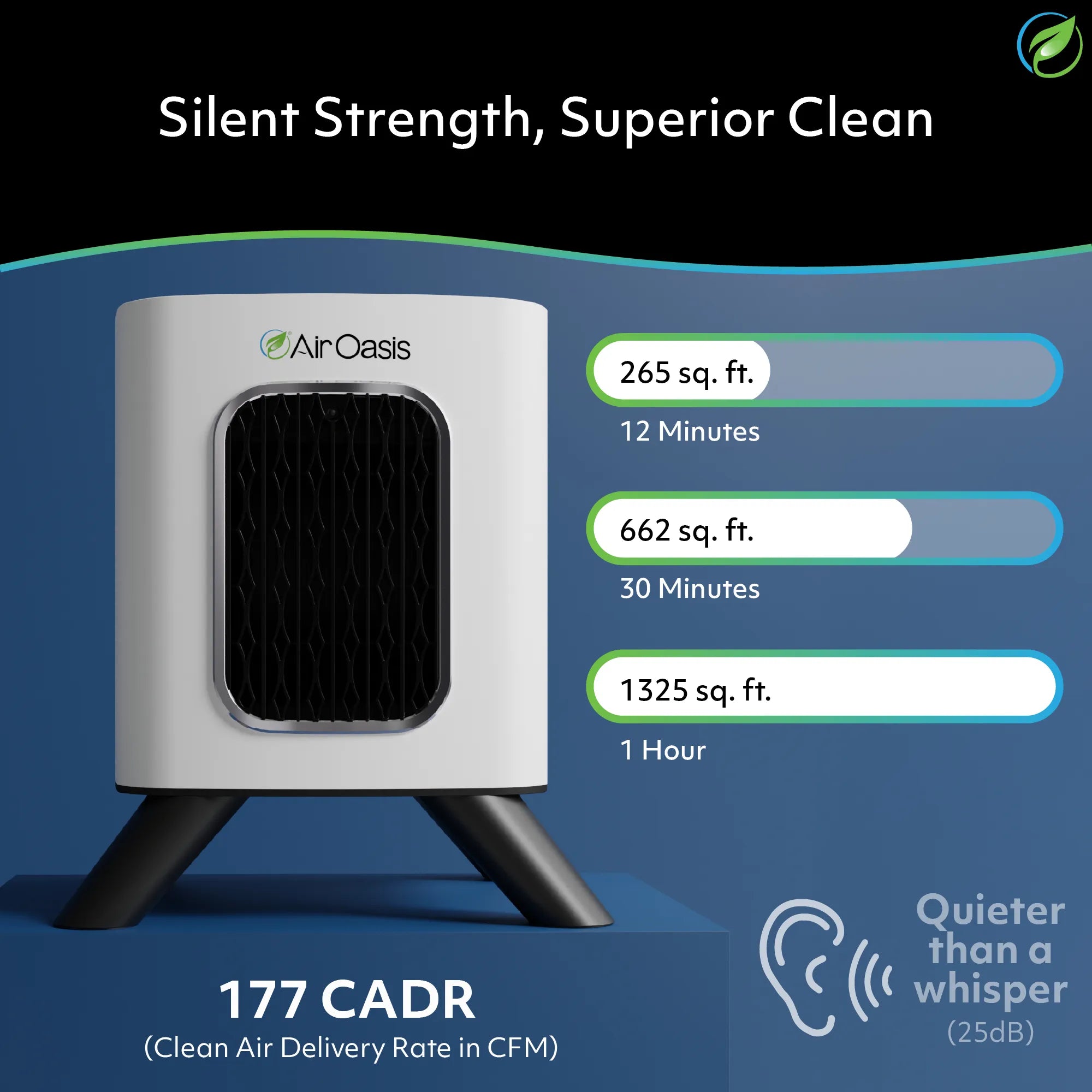
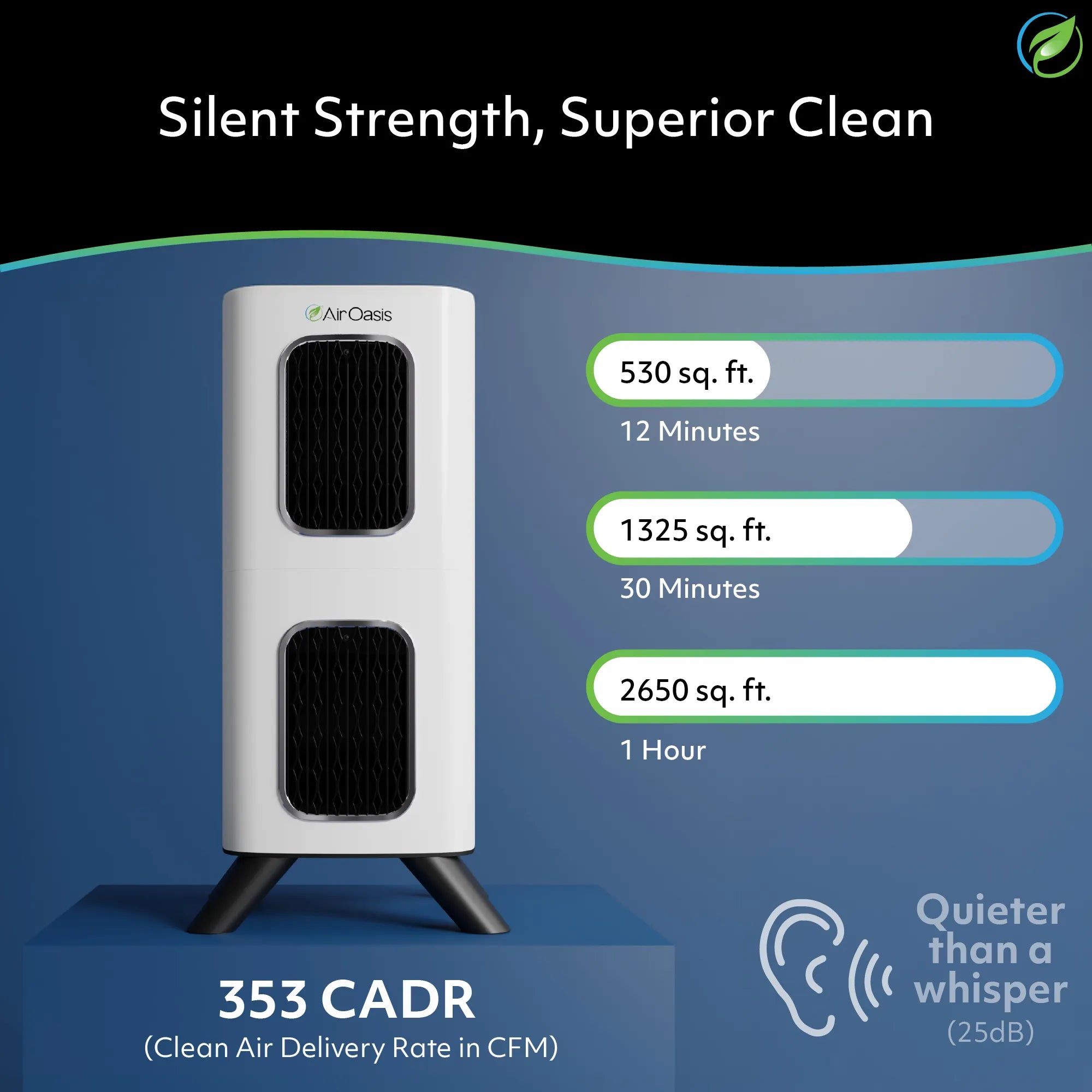
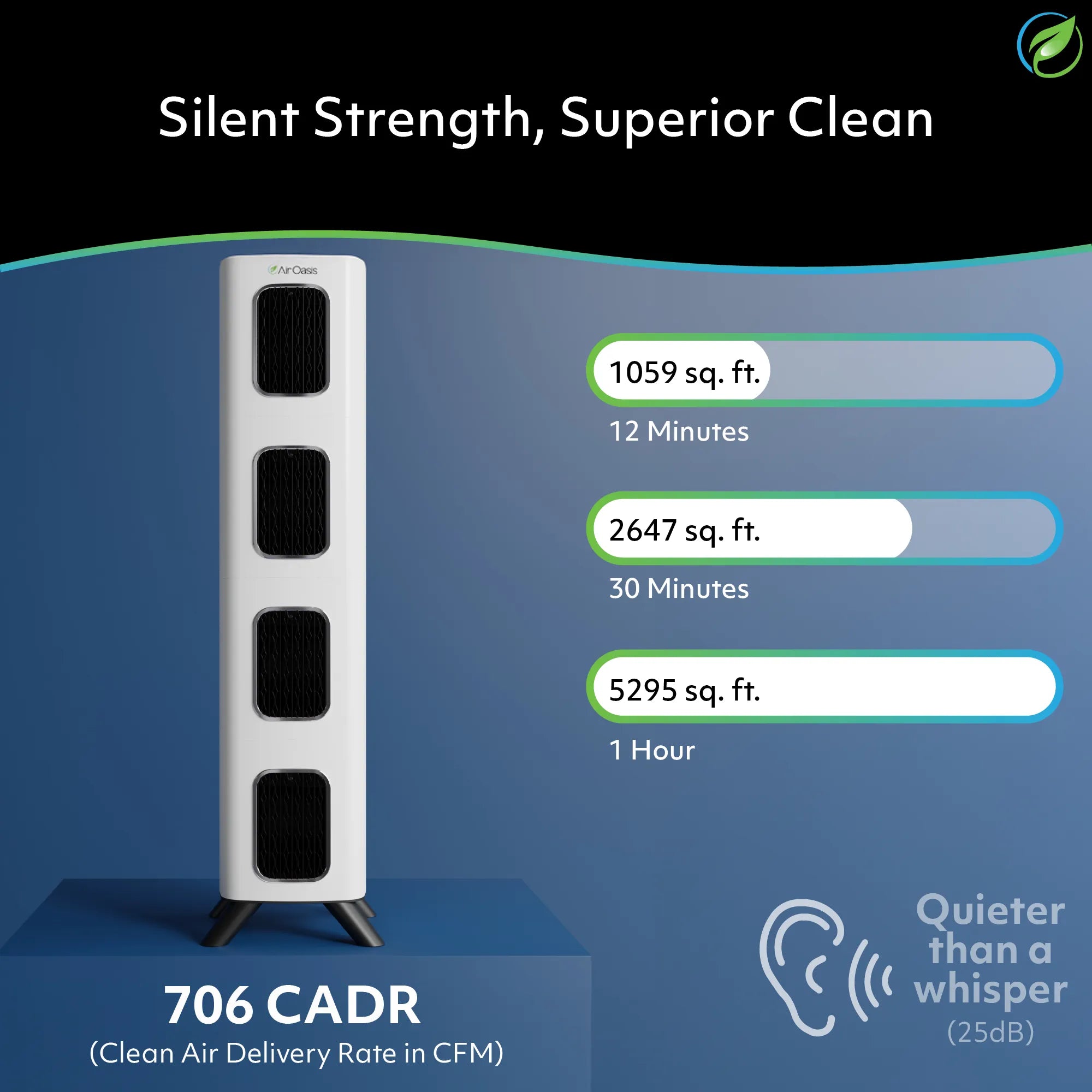
A higher CADR means faster particle removal. The iAdaptAir® is available in models ranging from 177 CFM to 706 CFM, depending on room size.
Coverage area
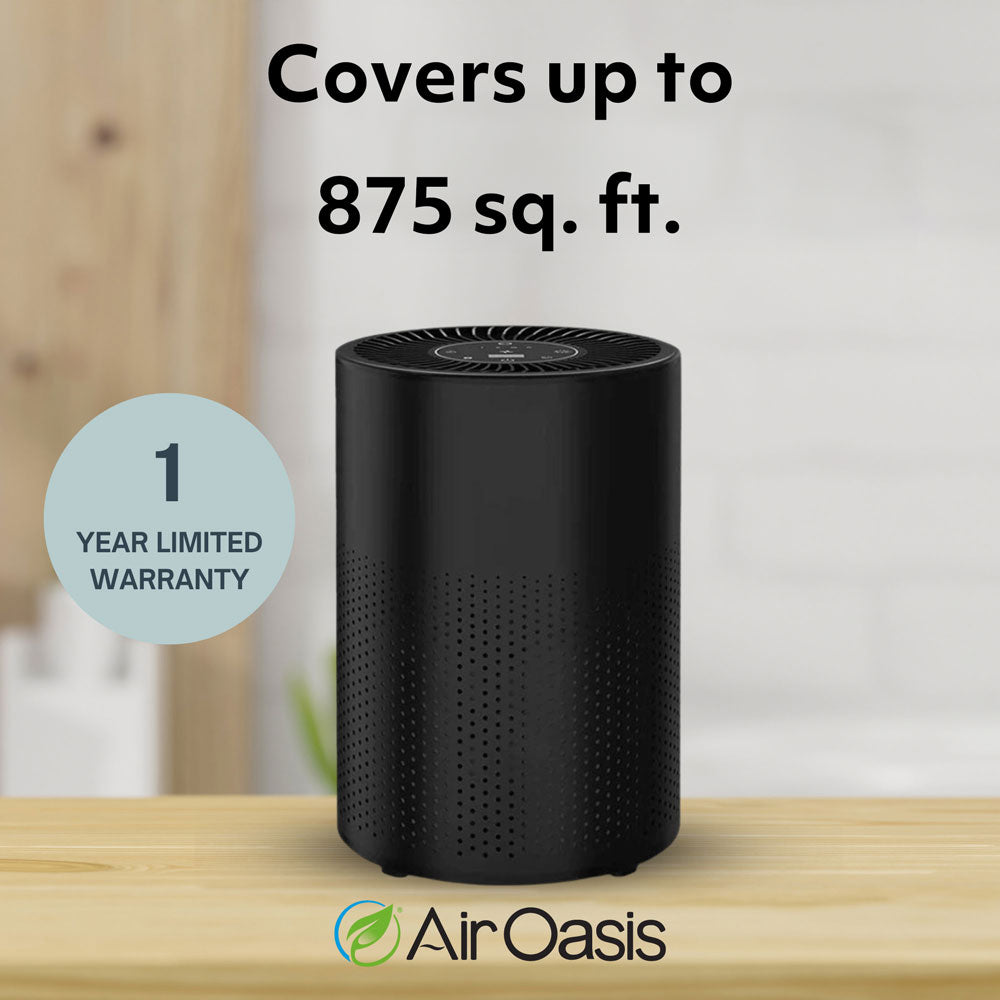
The Association of Home Appliance Manufacturers recommends systems capable of processing room air at least 4–5 times per hour.
Ozone output
Some purification technologies produce ozone as a byproduct, which can irritate airways. The iAdaptAir® is CARB-certified ozone-free.
EMF sensitivity
For individuals with extreme environmental sensitivities, the iAdaptAir® includes a removable WiFi module.
Noise level
The iAdaptAir® operates between 25–55 dB, with the lowest setting producing minimal background noise—relevant for CIRS patients who experience sleep disturbances.
Practical Strategies for Mold-Sensitive Individuals
Air scrubbing works best as part of a broader environmental management approach:
- Placement: Position units at least four inches from walls in areas with natural airflow. In bedrooms, placing the unit near the head of the bed puts clean air in the breathing zone during sleep.
- Continuous operation: Running the unit continuously rather than intermittently helps maintain consistent air quality—brief exposure windows can still be relevant for sensitive individuals.
- Complementary practices: Use damp microfiber cloths for dusting, vacuum with HEPA-equipped vacuums, address underlying mold sources through professional remediation, and maintain regular HVAC inspection and cleaning.
A Note on CIRS Treatment
Dr. Ritchie Shoemaker, a clinician known for his work on biotoxin-related illness, has recommended the iAdaptAir® as part of indoor air management for his patients. Air scrubbing is one component of a comprehensive approach to biotoxin illness—not a standalone treatment. Working with a healthcare provider experienced in CIRS is important for anyone managing this condition.
Air Oasis offers a 60-day money-back guarantee and US-based customer support for those navigating complex air quality needs.
Shop the iAdaptAir® series to find the right system for your space.