Flying might be safer for your lungs than you think. New research measuring ultrafine particles and black carbon on commercial aircraft reveals that cabin air quality is actually better than other forms of transportation. The study also identifies exactly when during flights passengers face the highest exposure to airborne pollutants.
French researchers measured air quality on 16 European commercial flights, tracking ultrafine particles and black carbon from boarding through disembarkation. Their findings challenge common assumptions about aircraft cabin air and reveal that ground phases pose greater risks than time spent in flight.
What the Research Measured
The study focused on two dangerous pollutants. Ultrafine particles are microscopic particles smaller than 100 nanometers in diameter. Black carbon is a component of fine particulate matter produced by incomplete combustion. Both are linked to serious health conditions including cardiovascular disease, respiratory illness, and neurological problems.
Researchers found average concentrations of 9,122 particles per cubic centimeter for ultrafine particles and 207 nanograms per cubic meter for black carbon throughout entire flights. These levels varied dramatically depending on flight phase.
Ground phases showed the highest pollution levels. During parking at departure, ultrafine particle concentrations averaged 22,784 particles per cubic centimeter. Black carbon levels reached 439 nanograms per cubic meter. These numbers dropped substantially once aircraft took off.
During cruise, pollution levels fell to their lowest points. Ultrafine particles averaged just 495 particles per cubic centimeter. Black carbon dropped to 89 nanograms per cubic meter. The aircraft's environmental control system effectively replaced polluted airport air with cleaner high-altitude air.
Comparing Air Quality Across Transportation
The research puts aircraft cabin air quality in context by comparing it to other transportation modes. The findings are striking.
Paris subway passengers breathe air containing 4,830 nanograms per cubic meter of black carbon. That's 23 times higher than average aircraft cabin levels. Suburban trains expose riders to 3,320 nanograms per cubic meter.
Taxi passengers face even worse conditions. In Paris taxis, black carbon concentrations average 2,900 nanograms per cubic meter. Ultrafine particles reach 27,900 particles per cubic centimeter. Lebanese taxis measured even higher at 35,200 particles per cubic centimeter for ultrafine particles.
Even the highest aircraft cabin measurements during ground phases remain lower than typical subway or taxi exposure. This suggests that despite concerns about recirculated air, aircraft ventilation systems perform better than other enclosed transportation environments.
Why Ground Phases Matter Most
Airport areas contain high concentrations of both pollutants. Multiple sources contribute to this pollution. Aircraft engines emit ultrafine particles and black carbon during taxiing and idling. Ground support equipment including diesel-powered baggage tractors, refueling trucks, and passenger buses add to the contamination.
Ground power units that supply electricity to parked aircraft produce emissions. Tire and brake wear creates additional particulate matter. Vehicle traffic throughout airport operations contributes substantially to local air pollution.
When aircraft doors open during boarding and parking, this polluted airport air enters the cabin. The environmental control system draws some of this contaminated air through engine intakes. During taxiing, extended exposure to airport pollution continues affecting cabin air quality.
The research found that each additional minute of taxiing increased pollution levels. Every extra minute of taxi-in raised ultrafine particle levels by 22.2%. Each additional minute of taxi-out increased black carbon by 28.3%.
Once airborne, the situation improves rapidly. Aircraft ventilation systems replace the entire cabin air volume over 20 times per hour. They use approximately 60% recirculated air and 40% outside air. At cruising altitude, that outside air is much cleaner than ground-level airport air.
What This Means for Your Health
The research demonstrates that ultrafine particles and black carbon cause cardiovascular and respiratory problems. A Dutch study following 10.8 million adults found significant associations between ultrafine particle exposure and all-cause mortality. Black carbon exposure increases risks of cardiopulmonary disease and death.
These particles are dangerous because of their microscopic size. Ultrafine particles bypass your body's natural defenses. They travel deep into your lungs. Many enter your bloodstream and circulate throughout your body. They trigger inflammation and damage blood vessels.
For frequent flyers, cabin crew, and passengers with existing respiratory or cardiovascular conditions, understanding exposure patterns matters. The research shows that boarding and deplaning represent the highest-risk periods during air travel.
You cannot control air quality on aircraft or in airports. But you can control the air you breathe at home where you spend most of your time.
Protecting Yourself From Airborne Pollutants
Whether you travel frequently or rarely fly, ultrafine particles and black carbon affect your health daily. These pollutants exist everywhere from traffic emissions to indoor sources. Your home needs protection against these invisible threats.
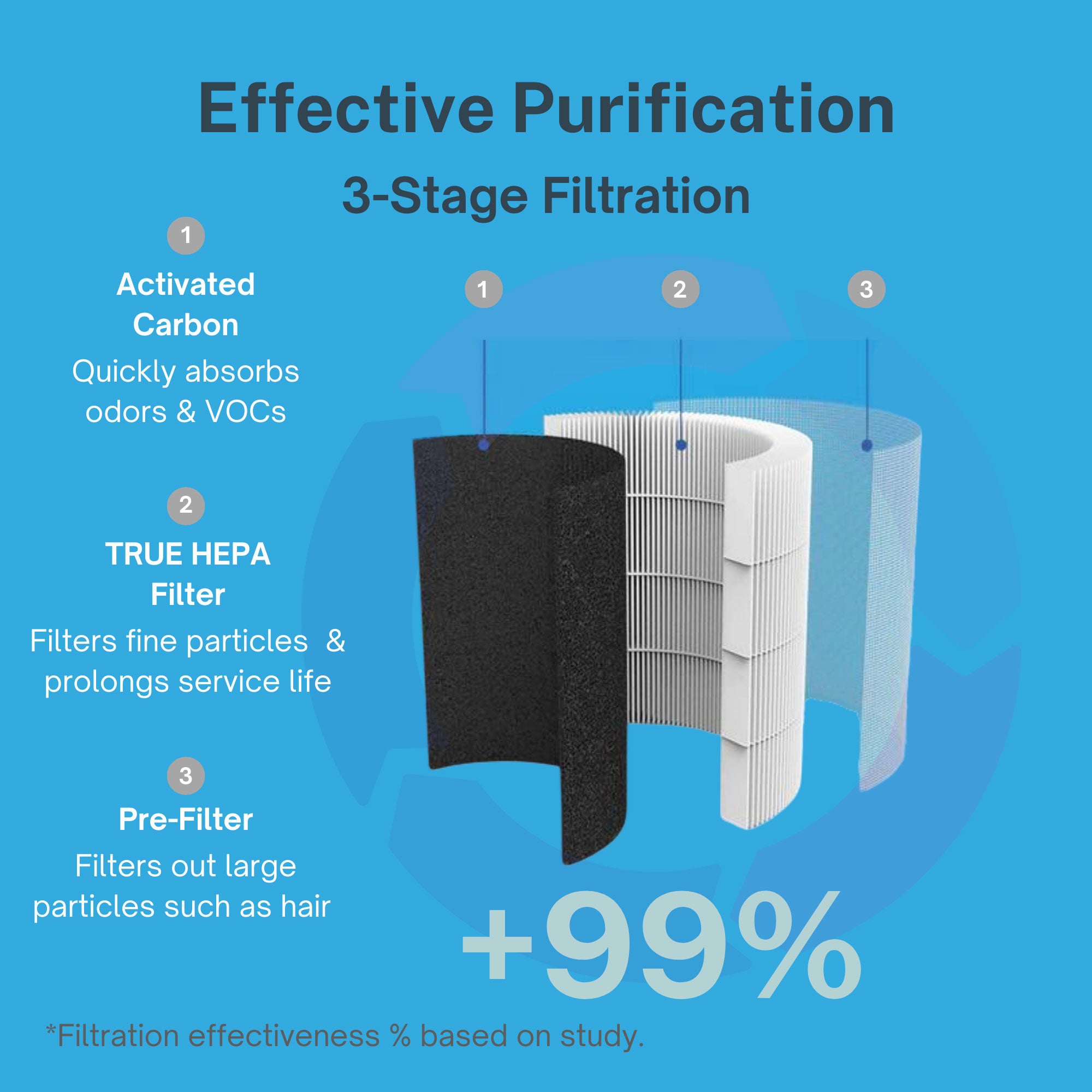
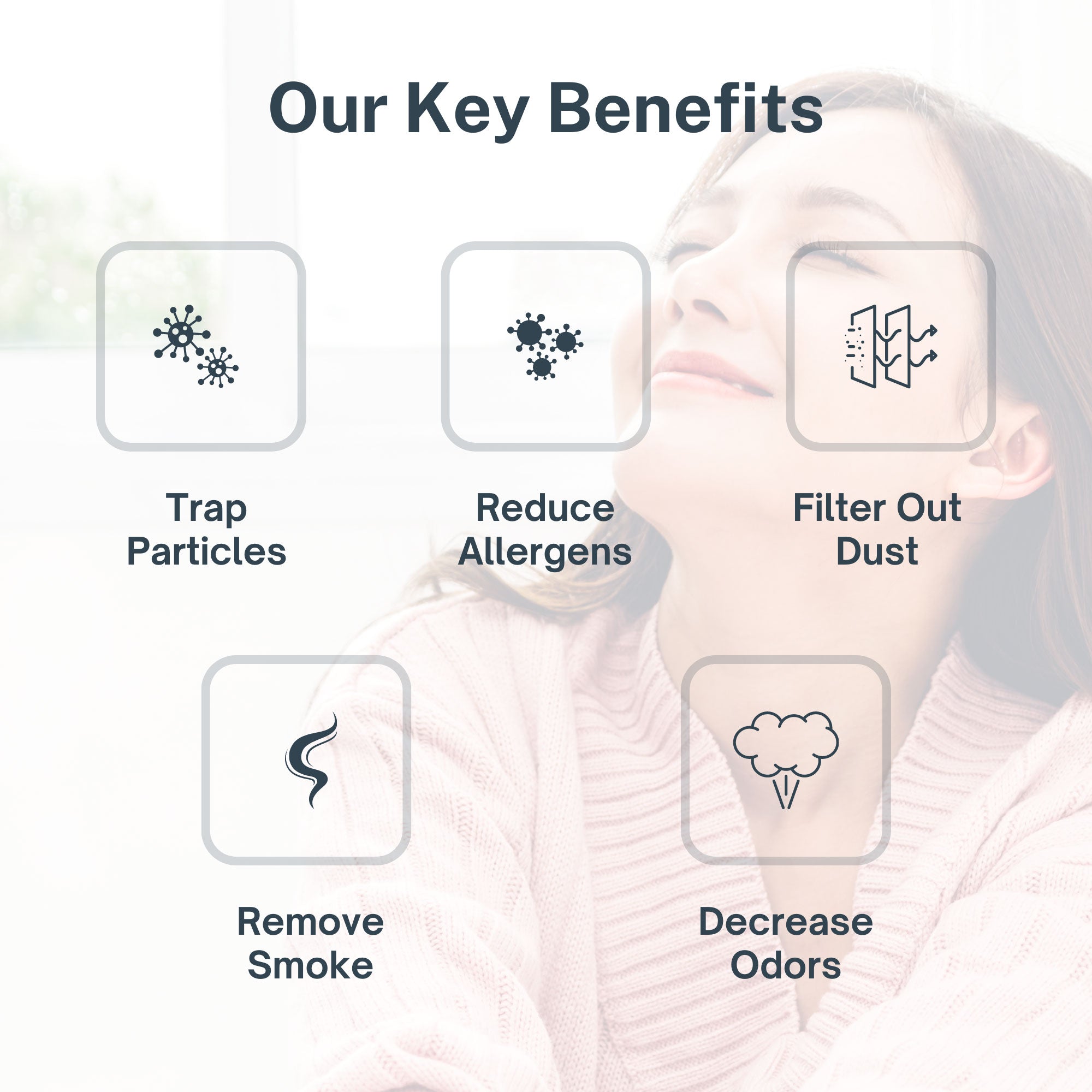
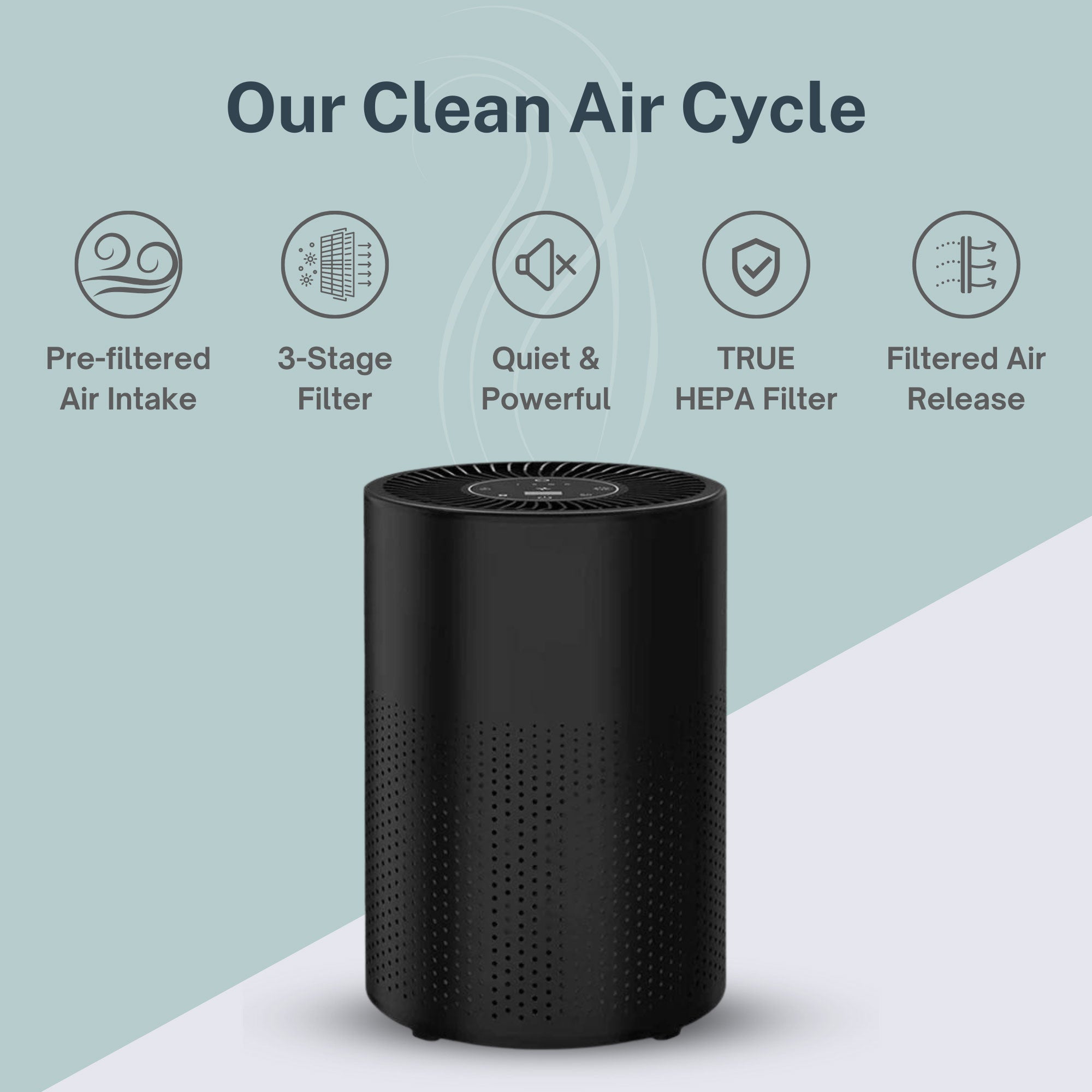
Medical-grade air purification removes ultrafine particles and other dangerous pollutants from indoor air. True HEPA filters capture 99.97% of particles as small as 0.3 microns. Activated carbon filters absorb black carbon and volatile organic compounds. Multiple filtration technologies work together to create genuinely clean air.
The research makes clear that enclosed environments require active air quality management. Aircraft achieve relatively good air quality through powerful ventilation systems. Your home needs similar protection through effective air purification.
Breathe Cleaner Air Every Day
While aircraft cabin air quality is better than other transportation modes, ultrafine particles and black carbon still pose health risks everywhere you go. You deserve protection in the place you spend most of your time—your home.
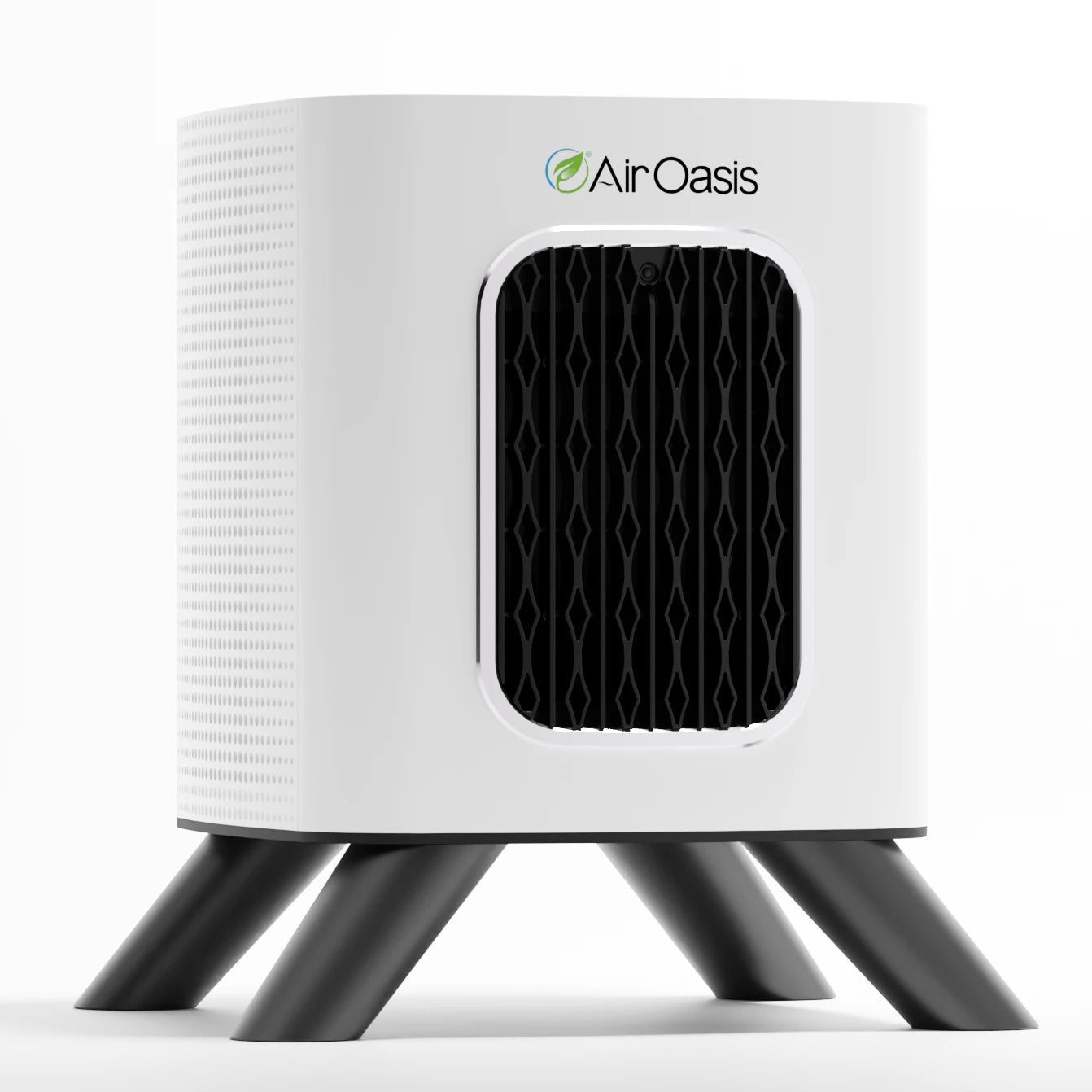
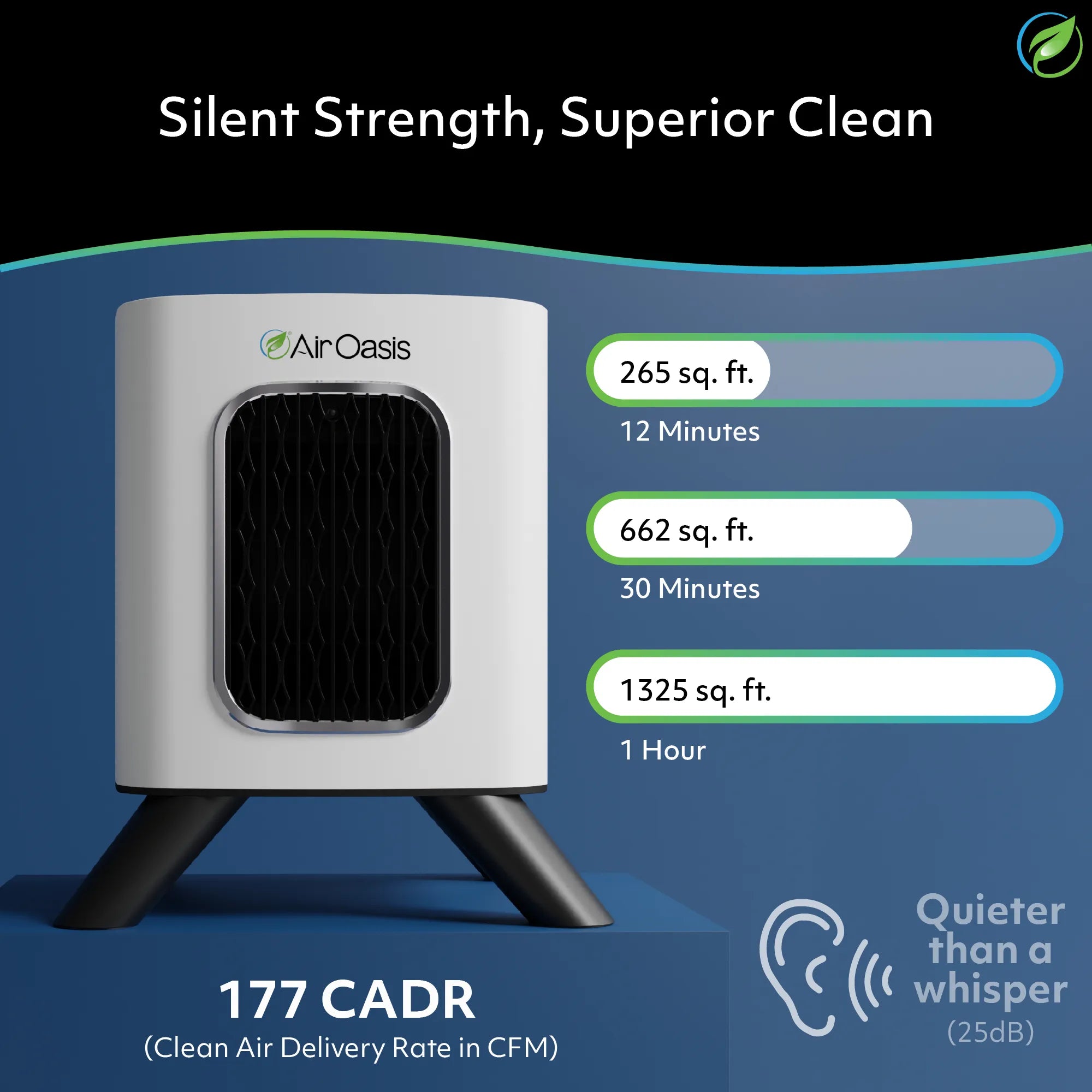
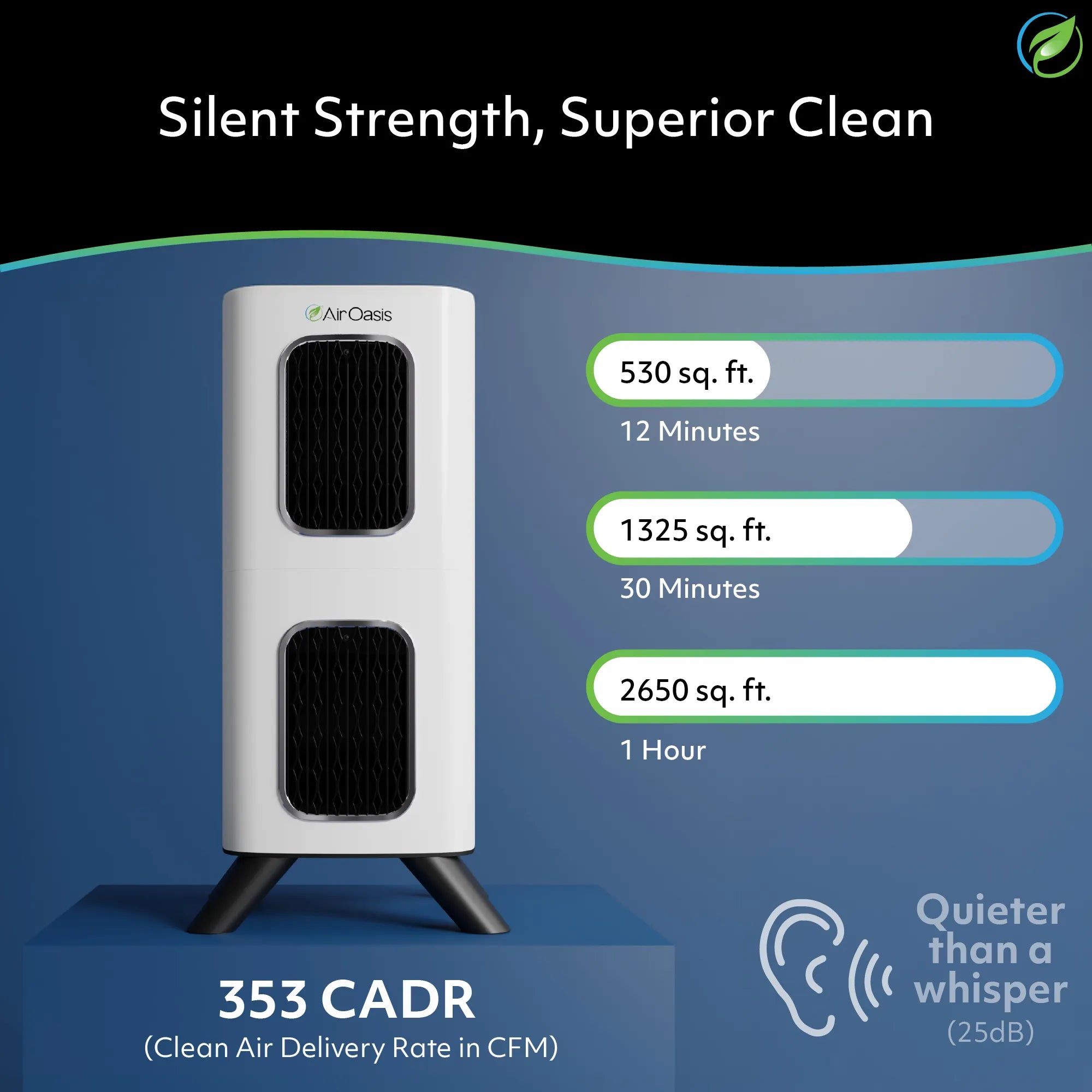
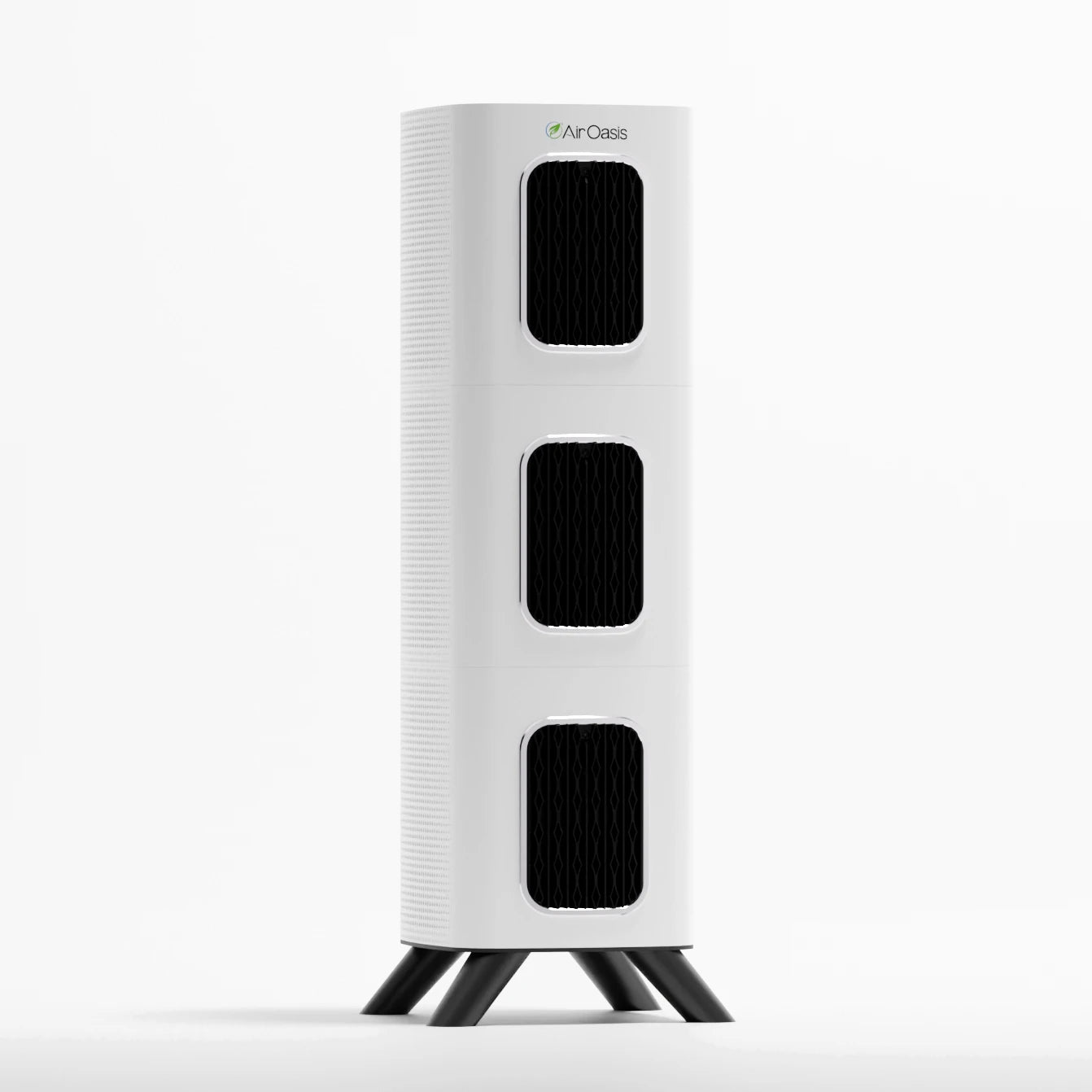
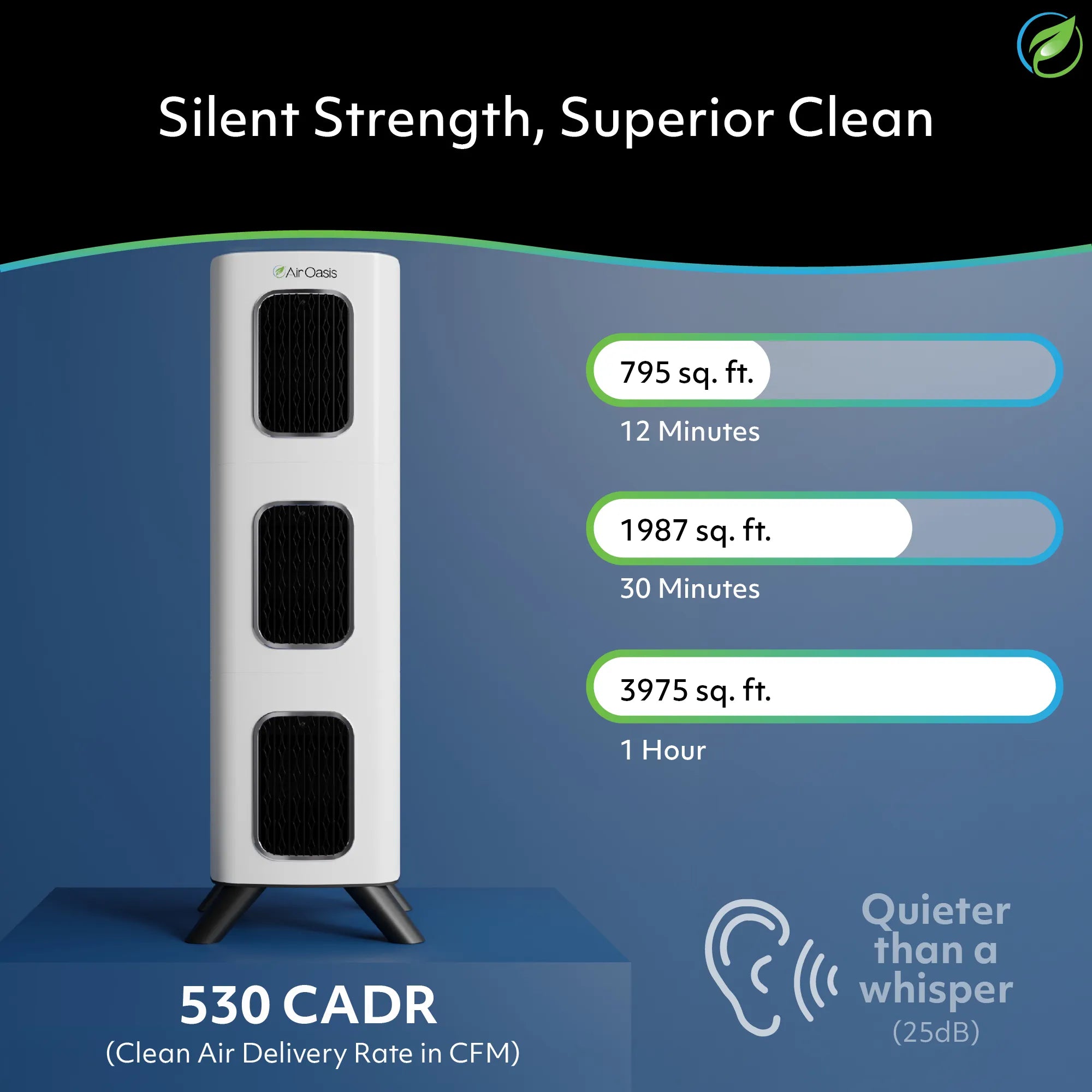
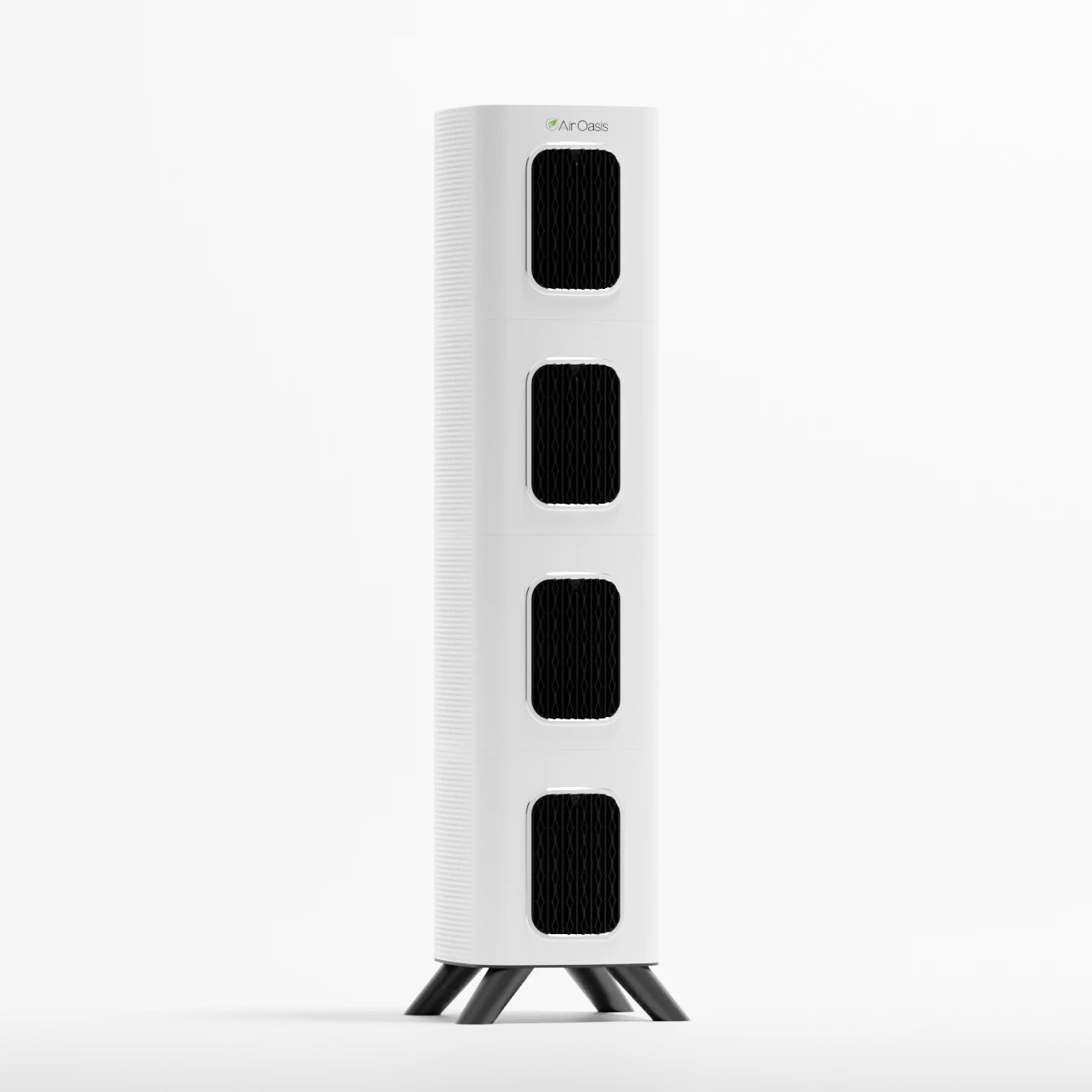
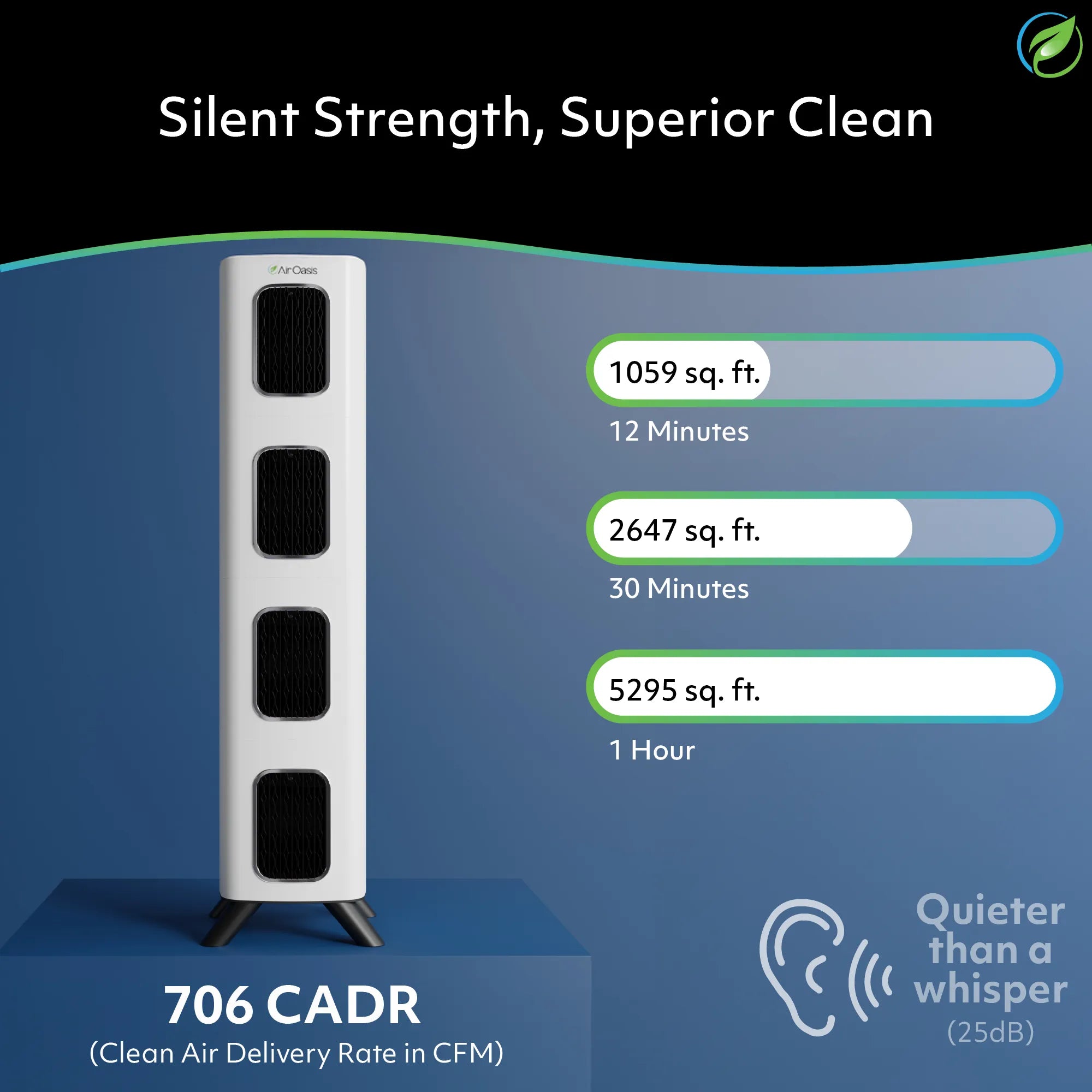
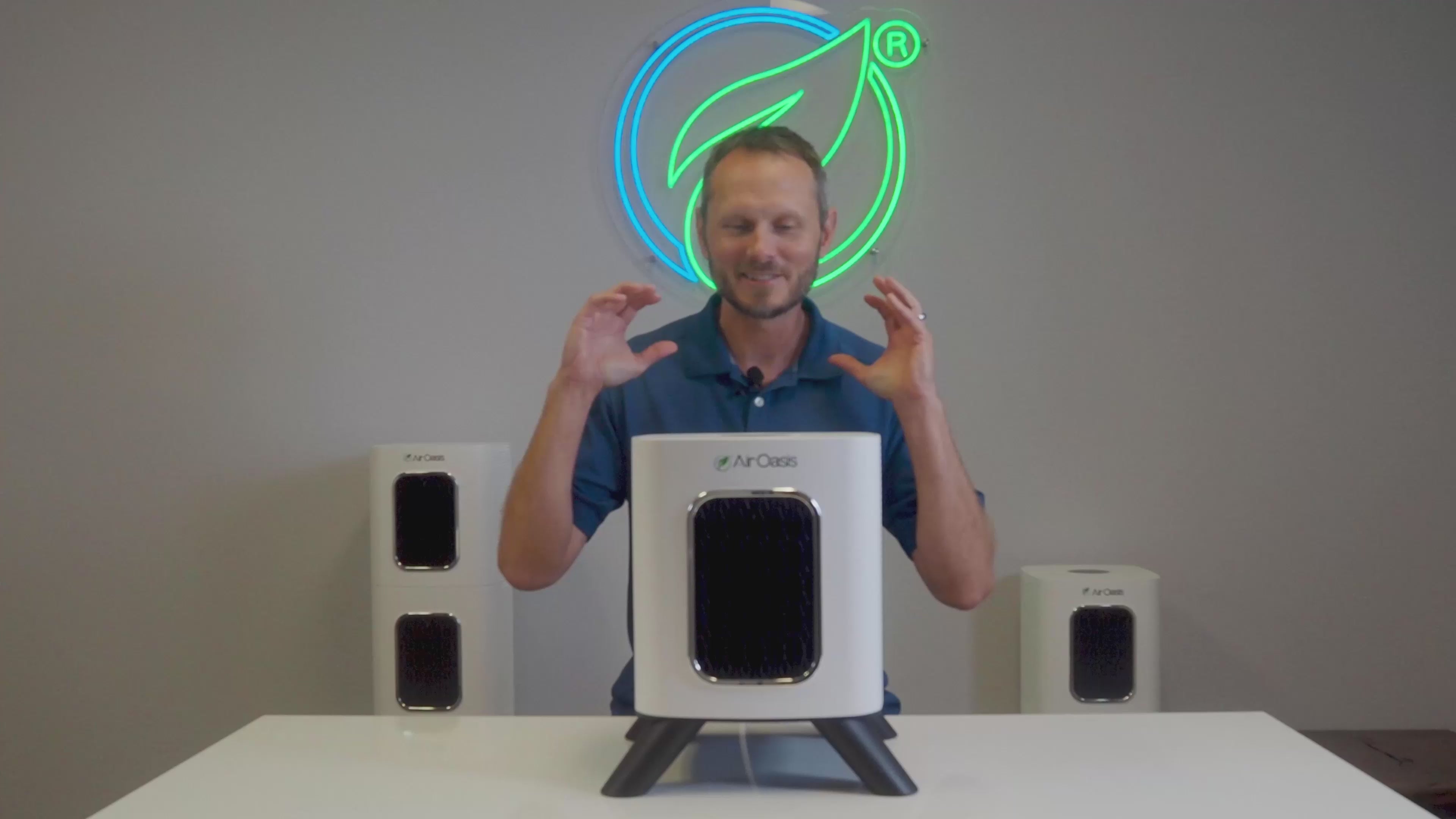
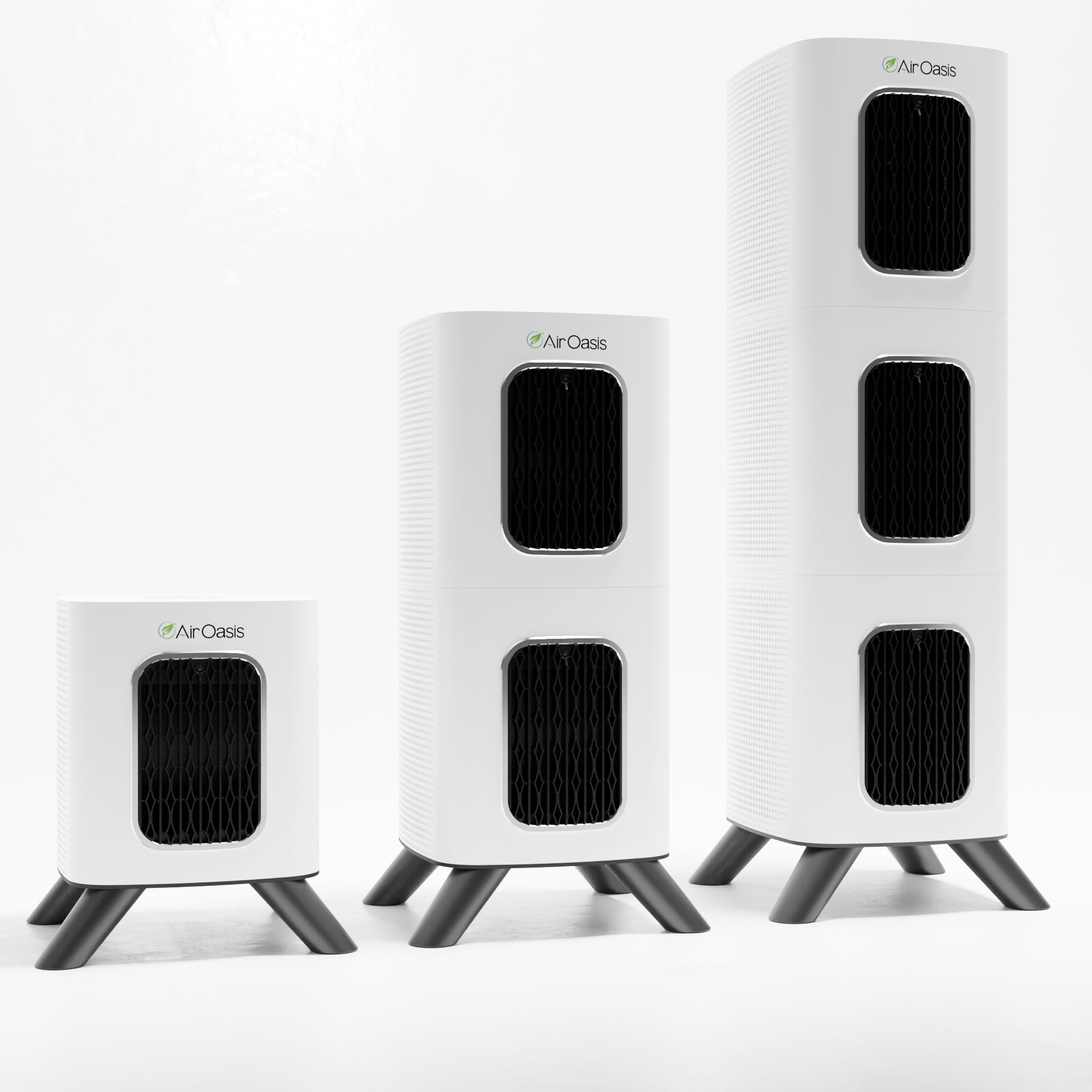
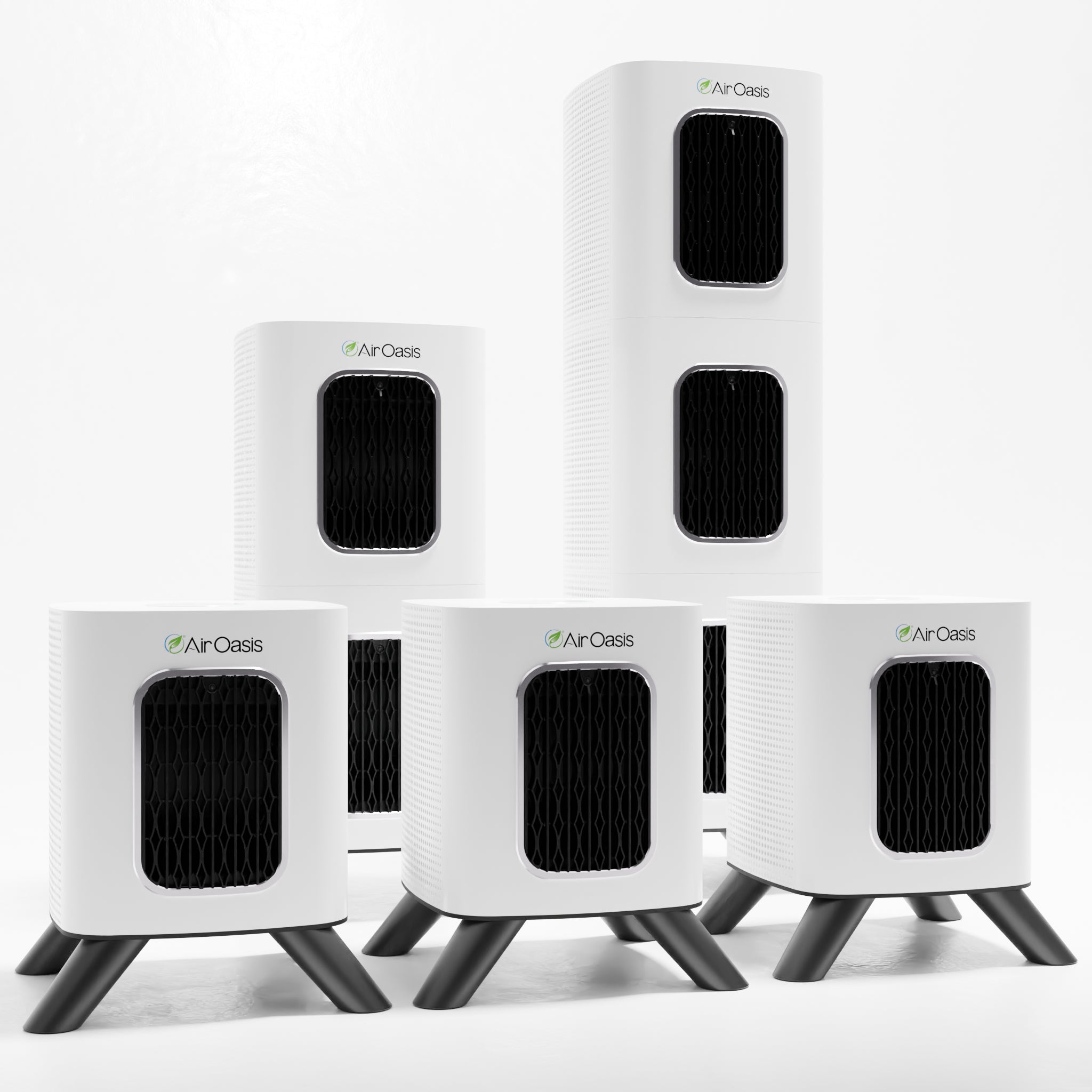
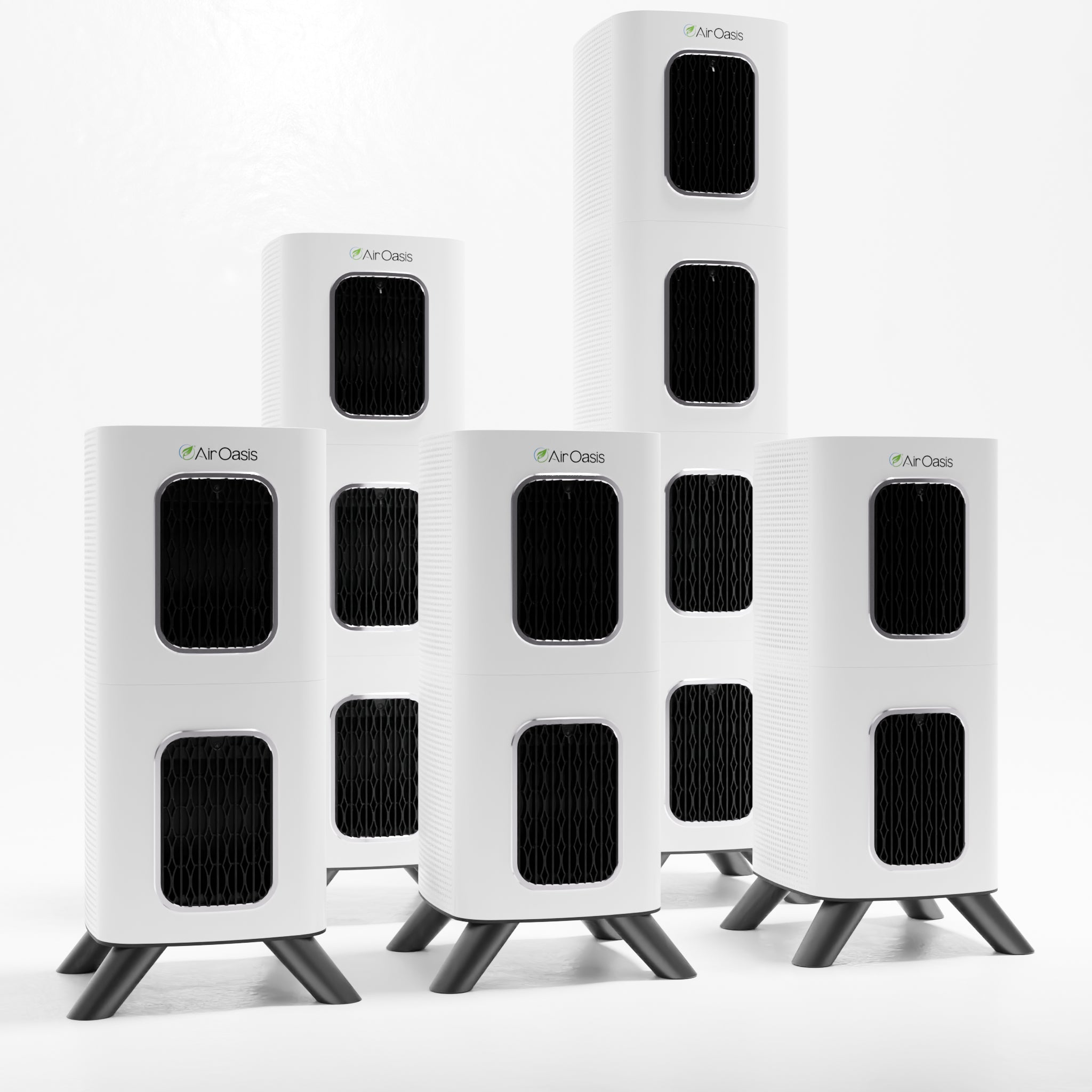
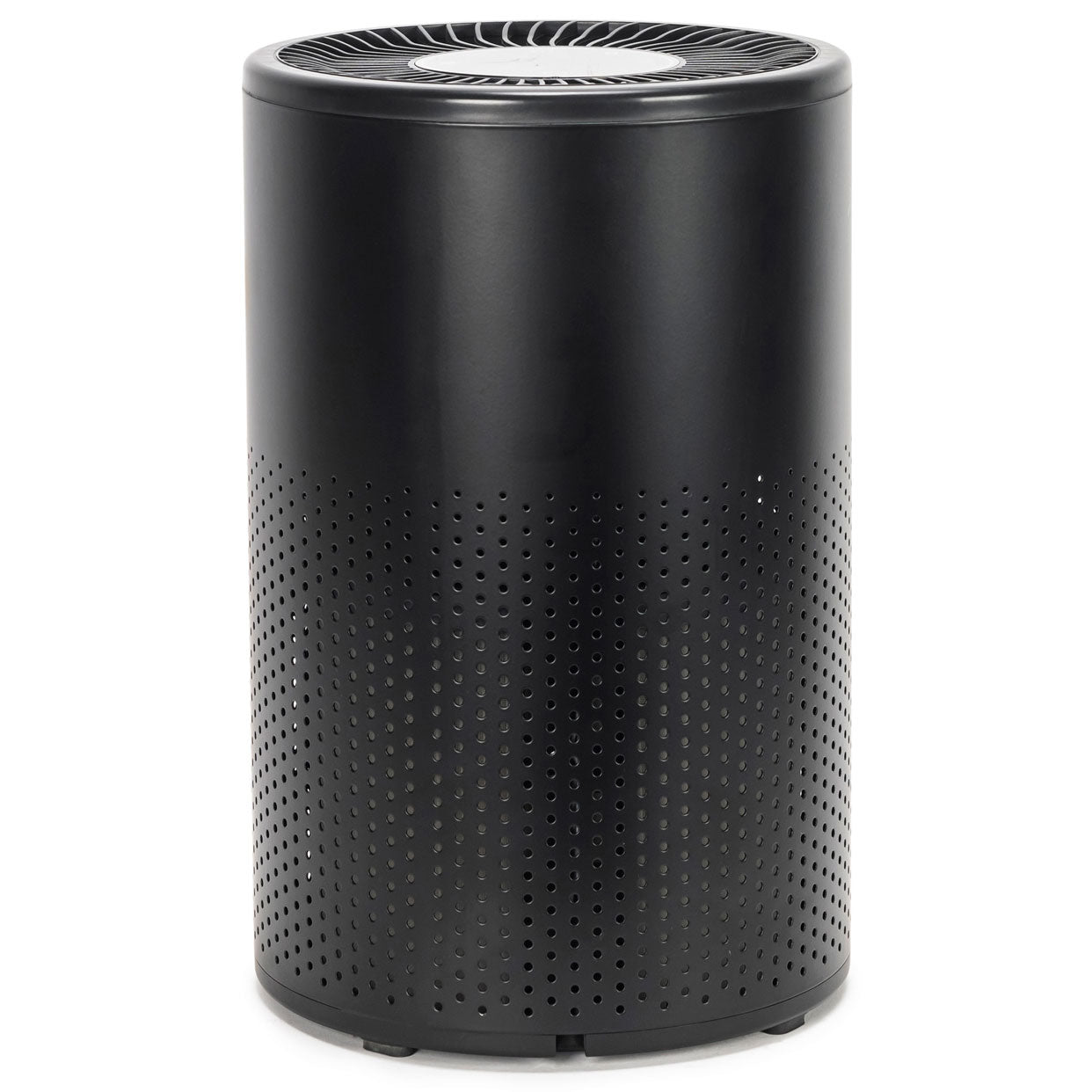
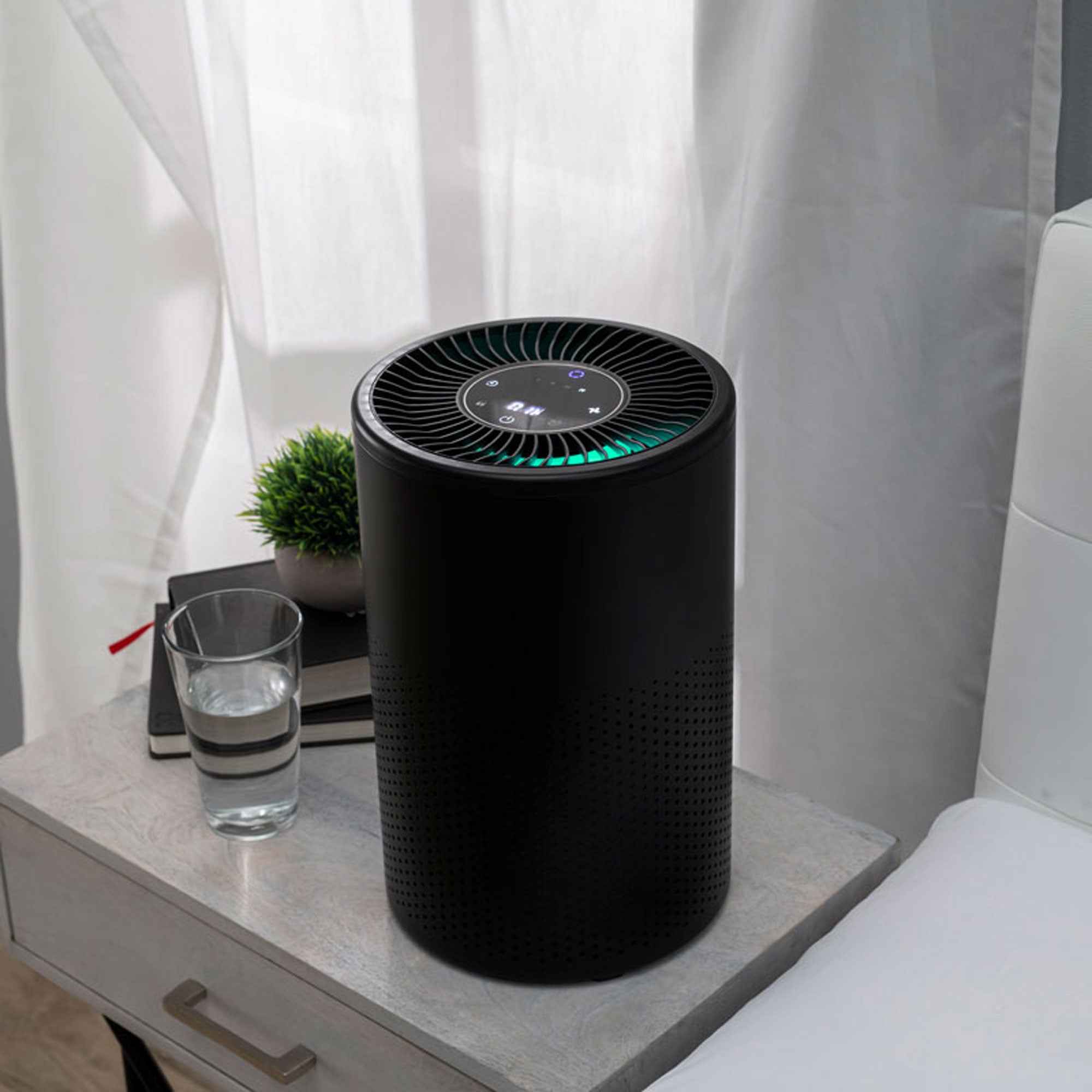
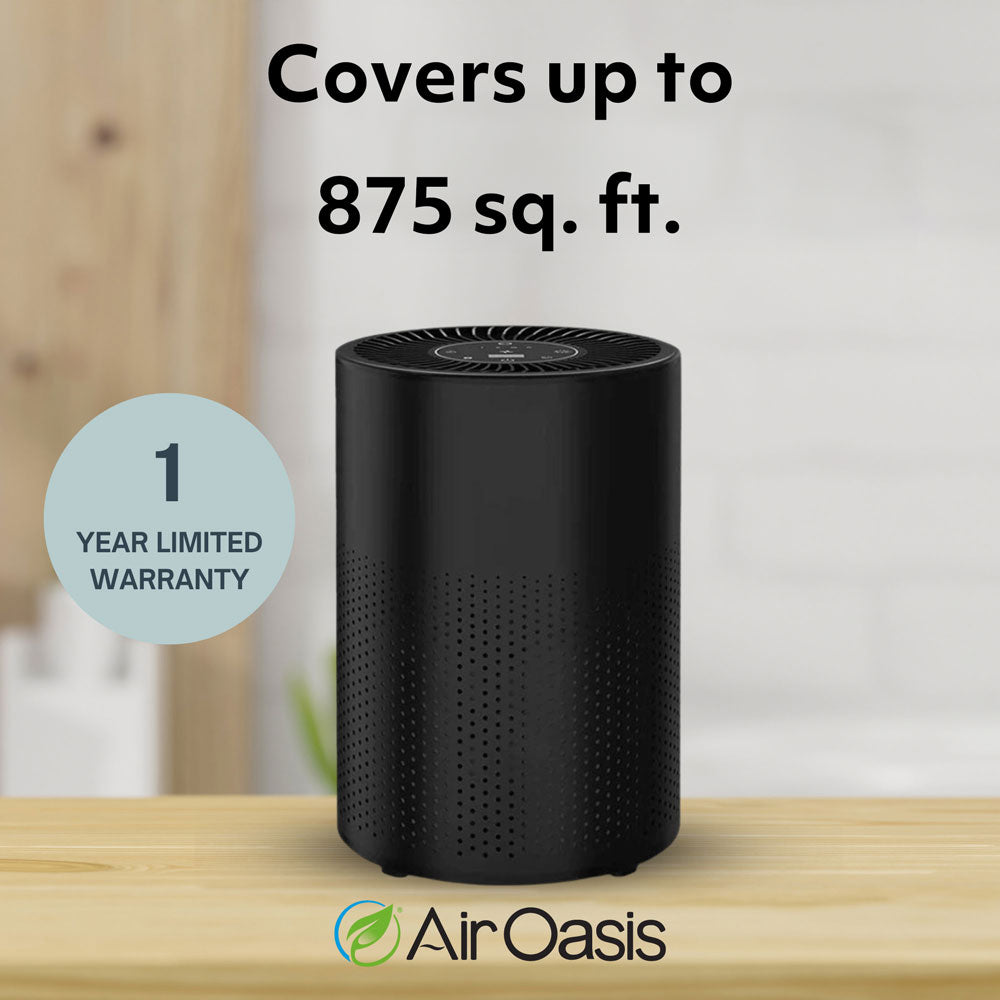
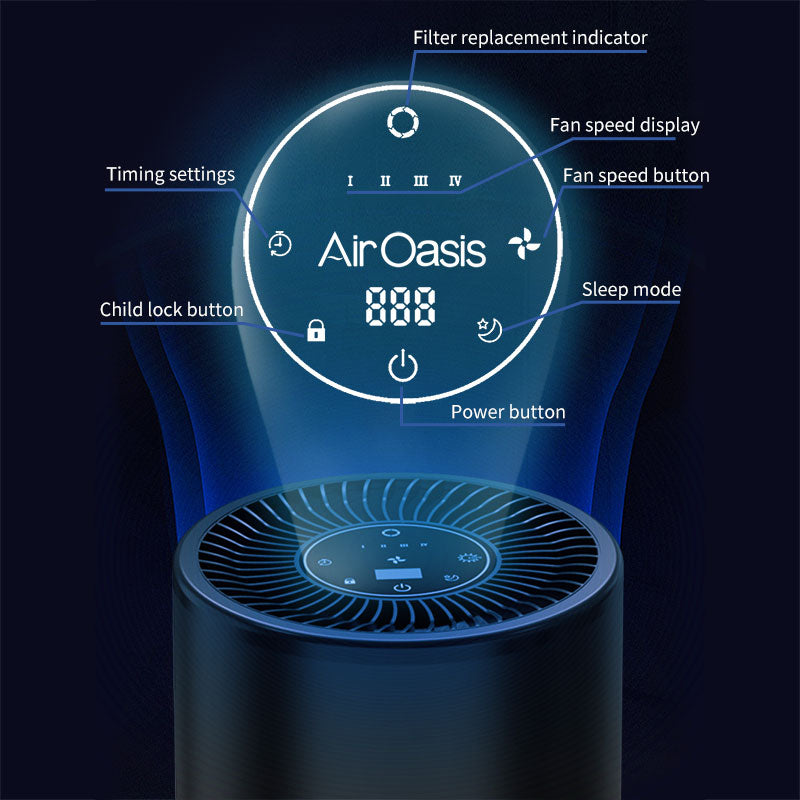
Air Oasis iAdaptAir purifiers combine HEPA filtration, activated carbon, UV-C light, and bipolar ionization to remove the same pollutants measured in this research. Create a safe haven where your lungs can recover from daily exposure. Shop Air Oasis today and give your family the clean air they deserve.