You zip past stopped traffic on your bike, watching exhaust fumes pour from idling cars. Breathing harder from the physical effort, you wonder if you're inhaling more pollution than the drivers stuck in their sealed vehicles. The answer might surprise you.
The Counterintuitive Truth About Driver Exposure
Drivers actually breathe more pollutants than cyclists on the same routes. This finding contradicts common assumptions about pollution exposure during commuting. Research in Copenhagen compared air pollution exposure between cyclists and car drivers during morning traffic. The results showed concentrations of particles and benzene compounds inside car cabins measured two to four times higher than in cyclists' breathing zones.
A BBC investigation in Sheffield, England confirmed these findings. They monitored families traveling the same school route by car, bike, and foot. Drivers inhaled PM2.5 particles at levels 44% above World Health Organization limits. Cyclists exceeded WHO limits by only 28%. Even after accounting for cyclists' increased breathing rates from physical exertion, drivers still faced higher overall exposure.
This phenomenon occurs because car ventilation systems pull air through front grilles. Those grilles sit directly behind exhaust pipes of vehicles ahead. Cars essentially function as pollution collection boxes, concentrating exhaust fumes from surrounding traffic inside the cabin.
Why Cars Trap More Pollution
Vehicle ventilation systems create the exposure problem. Outside air entering through grilles passes through minimal filtration before reaching passengers. The constant stream includes fresh air mixed with concentrated exhaust from nearby vehicles. This mixture accumulates inside the enclosed cabin space.
Traffic congestion amplifies the problem. Idling vehicles in stop-and-go traffic emit particularly high pollutant concentrations. Drivers sit stationary in this soup of emissions. Their ventilation systems continuously pump contaminated air into the cabin. Children sitting in backseats face especially high exposure since exhaust concentrations increase toward the rear of vehicles.
Studies in Leeds University found cyclists consistently showed lower inhaled doses on congested routes. Professor James Tate explained that cyclists skip past traffic rather than sitting in it. This mobility means cyclists spend less time in the highest-concentration zones where vehicles cluster.
Former UK Government Chief Scientific Adviser Sir David King compared driving children in traffic to exposing them to secondhand smoke. He warned parents that children "sitting in a box collecting toxic gases from all the vehicles around you" face serious health risks regardless of driving a cleaner vehicle themselves.
How Cycling Position Affects Exposure
Bike lane placement dramatically influences pollution exposure. Separated bike lanes positioned several feet from traffic reduce particle exposure by an additional 25% compared to painted lanes adjacent to vehicle traffic. The physical distance allows exhaust plumes to disperse before reaching cyclists.
Route selection matters significantly. Research in Brescia, Italy documented how particulate matter concentrations varied 30-55% between different city areas. Cyclists choosing routes through lower-traffic neighborhoods reduced exposure even when cycling at higher intensities requiring increased ventilation.
Exertional intensity creates complex exposure dynamics. Cyclists breathe harder than seated drivers, increasing minute ventilation. At moderate cycling intensity, average ventilation reaches 37 liters per minute. Heavy intensity cycling doubles that to 76 liters per minute. However, the lower ambient concentrations cyclists experience typically offset their increased breathing rates.
Studies found that inhaled dose depends on both pollutant concentration and ventilation rate. In high-pollution areas, even moderate cycling intensity can produce similar inhaled doses as heavy-intensity cycling through cleaner neighborhoods. This variability means route planning based on air quality matters as much as cycling speed.
The Exercise Ventilation Factor
Physical activity increases pollution intake per breath. Male cyclists at heavy exercise intensity showed 29% higher inhaled particulate doses than females at the same relative intensity due to greater ventilation rates. However, this sex difference disappeared at moderate intensity levels where ventilation rates matched.
Time of day significantly affects exposure. Morning and evening rush hours concentrate both traffic and pollution. Cyclists commuting during these periods breathe air with 35% higher particulate matter than mid-day riders. Fall and winter seasons showed similar increases over spring and summer due to temperature inversions trapping pollutants near ground level.
Research demonstrates that proper route and timing choices allow cyclists to minimize exposure despite increased breathing rates. Selecting low-traffic routes during off-peak hours can reduce inhaled doses below what drivers experience even during their lowest-ventilation activities.
Real-World Exposure Comparisons
Studies across multiple cities consistently show cyclists fare better than drivers for total pollution exposure. Copenhagen researchers measured benzene, toluene, ethylbenzene, and xylene (BTEX) compounds along with particulate matter. Car interiors showed two to four times higher concentrations than cyclists' breathing zones, with BTEX showing the largest differences.
Barcelona research comparing multiple transportation modes found similar patterns. Bus passengers experienced highest exposures due to diesel exhaust and enclosed environments. Private car occupants ranked second. Cyclists and pedestrians showed lowest exposures despite breathing outdoor air directly.
However, these advantages require strategic route selection. Cyclists riding directly behind buses or trucks in heavy traffic lose their exposure advantage. The key lies in using separated infrastructure that keeps cyclists away from direct exhaust plumes.
Children's Vulnerability in Vehicles
Young passengers face amplified risks from in-vehicle pollution exposure. Children's developing lungs prove more susceptible to air pollution damage. Consistent exposure stunts lung growth and increases asthma and respiratory illness risks. Studies document reduced learning ability, concentration, and attention span from chronic pollution exposure.
Research in California found that prolonged hydrocarbon exposure shortens children's DNA and compromises immune systems. Hydrocarbons form from burning oil and gas, accumulating particularly inside vehicle cabins during traffic.
Children seated in rear seats face even higher concentrations. Exhaust enters through front grilles but accumulates toward vehicle backs. The "protective" enclosed environment parents assume benefits their children actually concentrates the very pollutants they hope to avoid.
Health Benefits Still Favor Active Transportation
Despite pollution exposure concerns, cycling's health benefits far outweigh the costs. Regular physical activity improves cardiovascular fitness, strengthens lungs, and enhances overall health. These benefits dramatically exceed any negative effects from breathing slightly elevated pollution levels during exercise.
Sir David King emphasized this balance, noting "the health benefits of walking and cycling far outweigh the costs of breathing in pollution." The key involves informed route selection and timing to minimize unnecessary exposure while maintaining active transportation habits.
Studies comparing long-term health outcomes consistently show active commuters enjoy better overall health than sedentary drivers despite modest pollution exposure. The exercise component delivers benefits that pollution exposure cannot negate except in extremely polluted environments.
Protecting Yourself While Cycling
Choose routes through parks and residential neighborhoods when possible. These areas show substantially lower pollution concentrations than major arterials. Even slight detours avoiding heavy traffic corridors reduce exposure significantly.
Time your commute to avoid peak traffic hours. Mid-morning and mid-afternoon trips expose you to 30-40% less pollution than rush hour commutes on identical routes. If schedule flexibility exists, shift your timing to minimize exposure.
Use separated bike infrastructure whenever available. Protected bike lanes positioned away from vehicle traffic cut exposure by 25% compared to painted lanes adjacent to cars. This physical separation allows exhaust to disperse before reaching your breathing zone.
Adjust cycling intensity through high-pollution areas. Electric bike assistance can reduce required exertion, lowering ventilation rates where pollution concentrations peak. Maintain moderate rather than heavy intensity on congested segments to limit inhaled doses.
Clean Home Air Supports Respiratory Health
After any commute through traffic, your home environment becomes crucial for respiratory recovery. Your body needs clean air to process inhaled particles and repair inflammation from pollution exposure. The cumulative effects of daily exposure require recovery time in purified spaces.
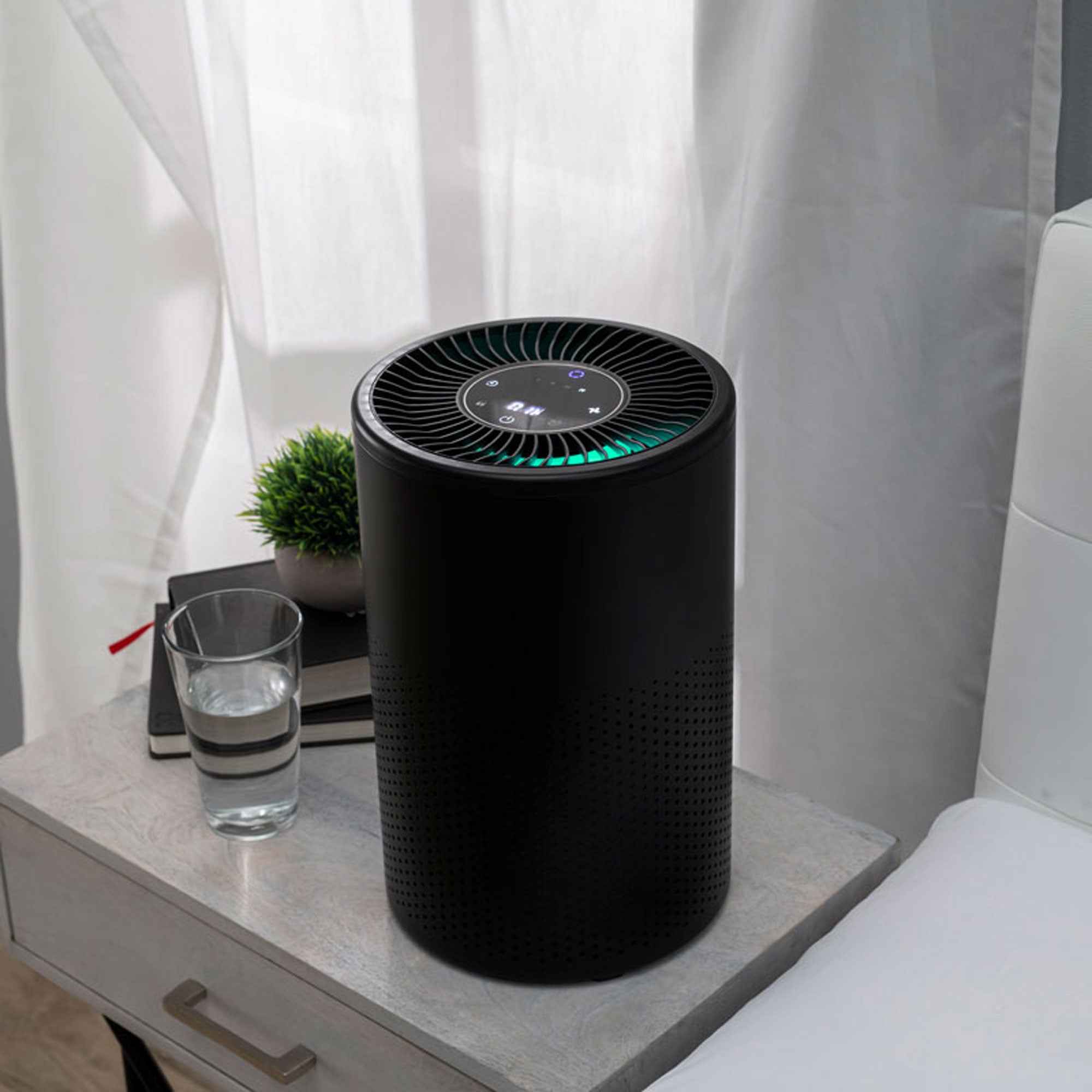
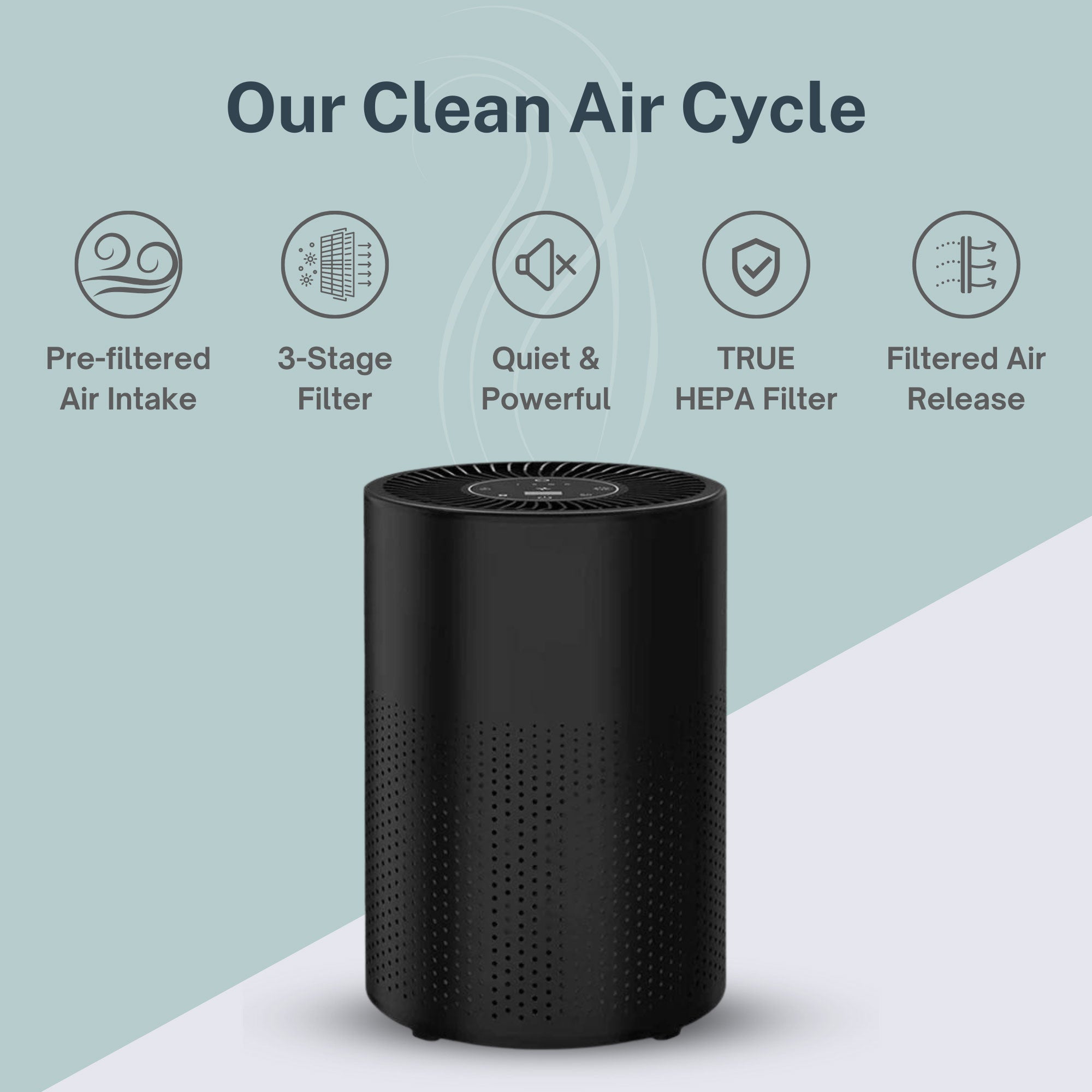
Medical-grade air purification systems capture the fine particles that traffic generates. The iAdaptAir series combines HEPA filtration proven to remove 99.97% of particles down to 0.3 microns with activated carbon for gaseous pollutants. This multi-stage approach addresses particulate matter, vehicle exhaust odors, and benzene compounds encountered during commutes.
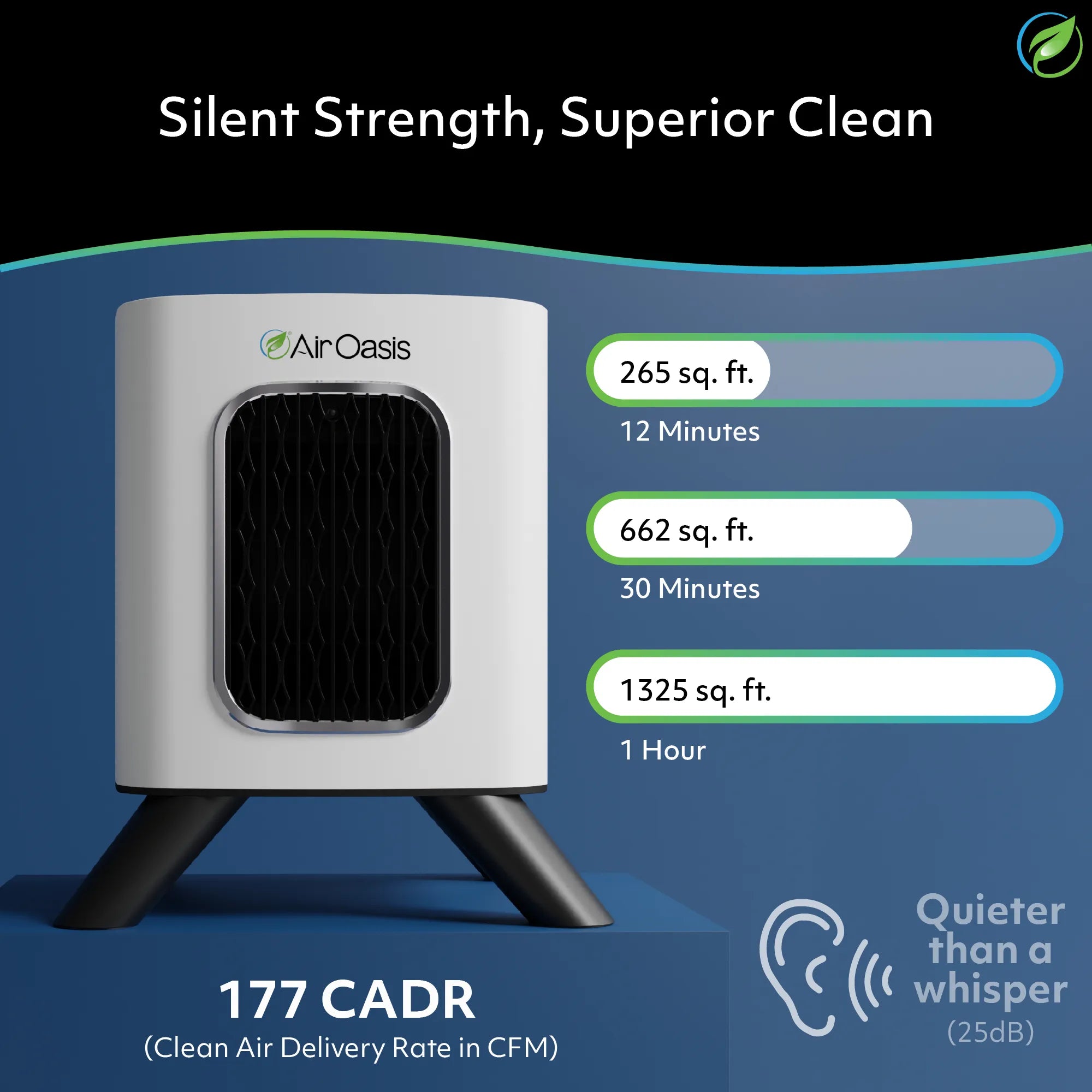
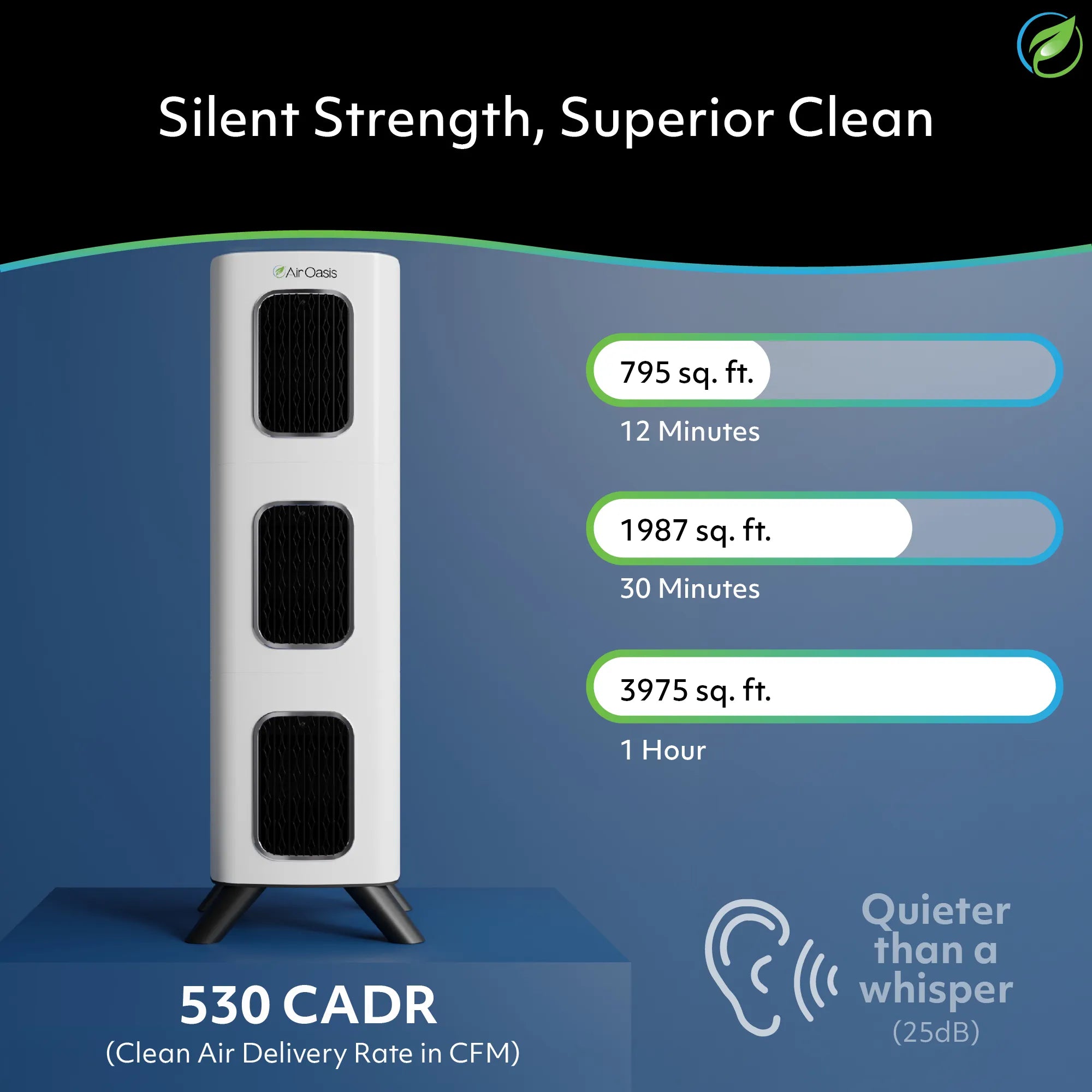
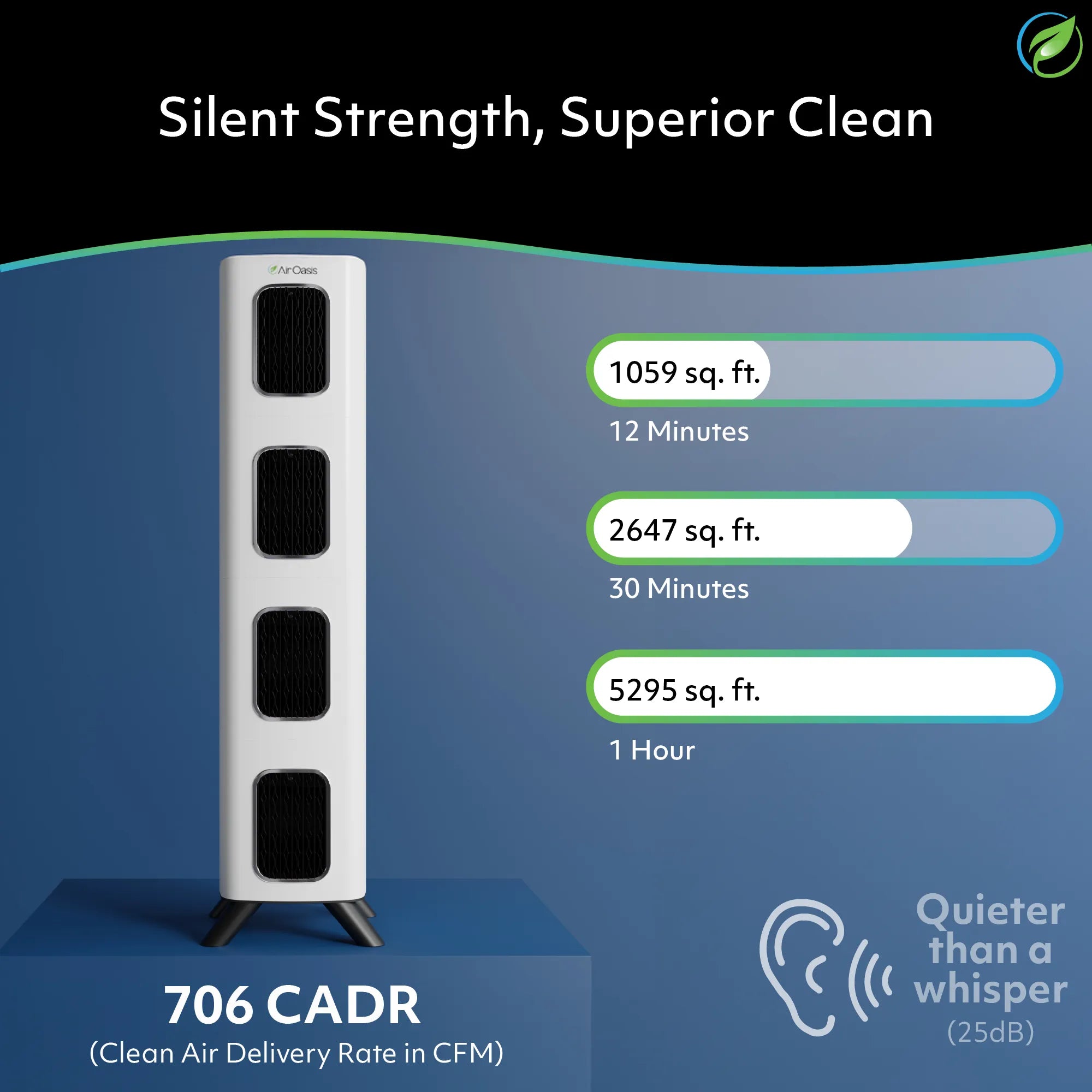
UV-C light and bipolar ionization technologies in iAdaptAir systems provide comprehensive protection. These features target diverse pollutants from urban transportation environments. Choose coverage appropriate for your space: iAdaptAir 2S purifies 265 sq ft, 2M handles 530 sq ft, 2L covers 795 sq ft, and 2P serves 1,059 sq ft areas.
Making Informed Commuting Choices
Bike commuters typically breathe less pollution than drivers on the same routes. The enclosed car environment concentrates exhaust from surrounding vehicles while cyclists move through air that disperses more readily. Strategic route selection and timing further reduce cyclist exposure below driver levels.
Understanding these exposure patterns helps inform transportation decisions. Active commuting delivers substantial health benefits that far exceed pollution exposure costs when routes minimize unnecessary traffic exposure. The exercise benefits combined with lower pollution intake create a compelling case for cycling over driving.
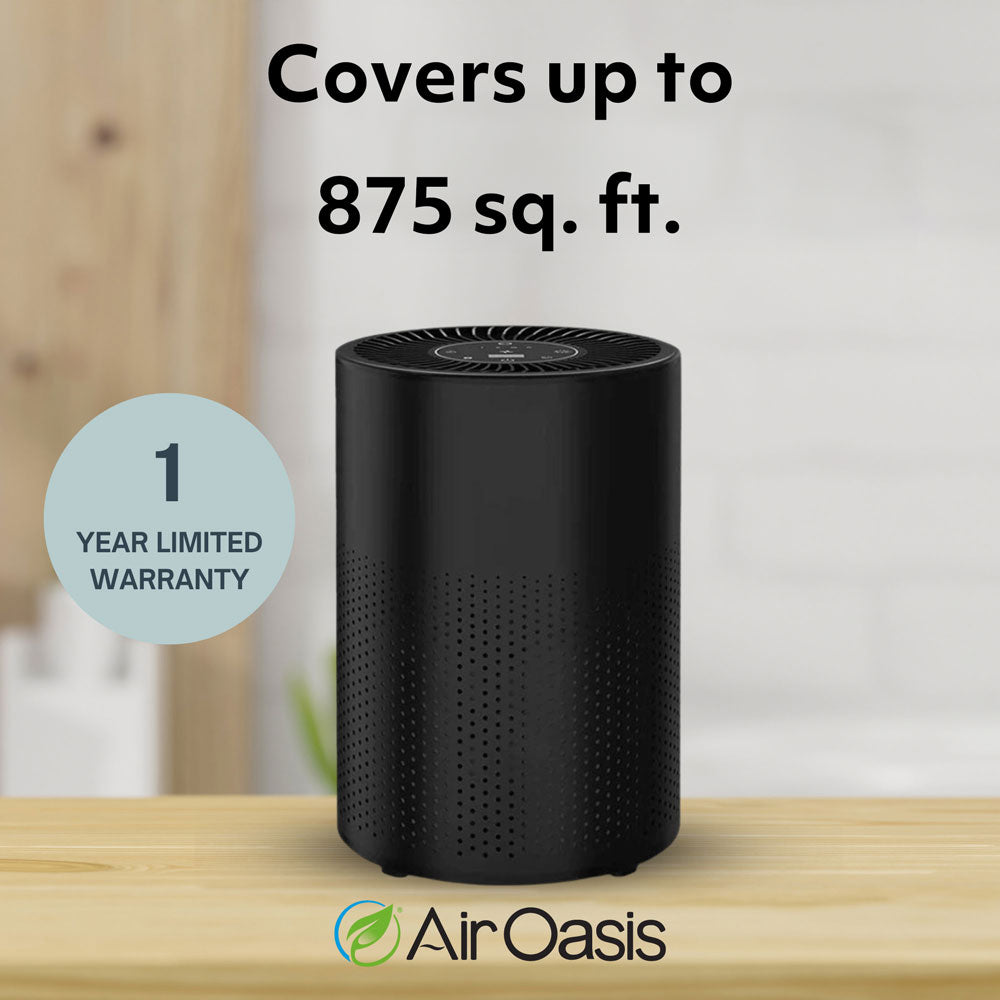
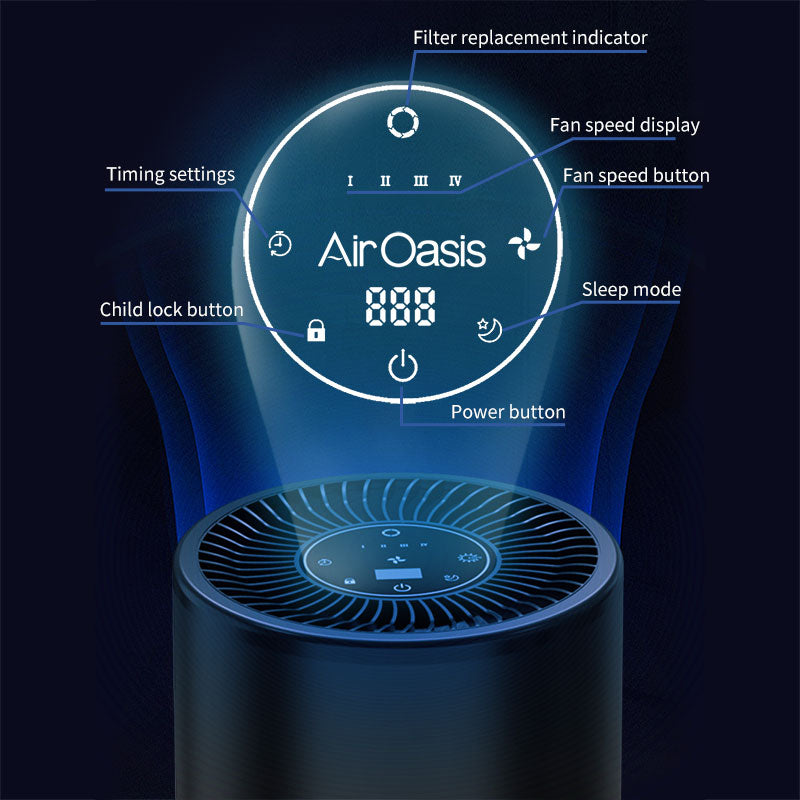
Protect your respiratory health at home after commutes through traffic. Quality air purification supports your body's recovery from unavoidable urban pollution exposure. Shop Air Oasis today and create the clean air environment your lungs deserve.