You break out in a rash and the first thing you suspect is your laundry detergent. Maybe you switched products, bought a new scented fabric softener, or started using a different brand. The connection feels obvious. But here's something worth knowing before you overhaul your entire laundry routine: the research on how often laundry products actually cause allergic skin reactions is more nuanced than most people expect, and the answer may surprise you.
What the research actually shows about laundry detergent and skin reactions
There's a significant gap between how often people believe their laundry products are causing skin problems and how often those products are confirmed as the actual cause.
A 2025 letter published in the journal Acta Dermatovenerologica Croatica, authored by Puch, Štulhofer Buzina, and Ljubojević Hadžavdić, reviewed several decades of research on this question. The findings are worth understanding carefully.
A 1992 study found that 26 percent of more than 3,800 patients with skin changes believed laundry detergent was the cause. A 2002 study of 738 patients suspected of having contact allergic dermatitis found that just over 10 percent attributed their skin lesions to detergent, a suspicion shared by only 2.3 percent of the physicians involved. In perhaps the most rigorous examination, Belisto et al. patch-tested over 700 patients with diluted laundry detergent and then had participants wear cotton shirts washed with detergent for 12 hours a day over 14 days. Their conclusion: laundry detergent could plausibly have caused contact allergic dermatitis in fewer than 0.7 percent of patients. Even among participants who tested positive for sensitization to fragrance, nickel, or chromium, none had a positive reaction to the detergent itself.
The 2025 review also noted that a patch test on 36 individuals already sensitized to fragrance found that only two had a mildly positive reaction, and only at concentrations 20 times higher than the fragrance residue actually left on clothing after washing. The residue that ends up on your skin from machine-washed clothes is, in most cases, not present at concentrations sufficient to trigger a clinical allergic reaction, even in sensitized individuals.
None of this means laundry products can never cause skin reactions. It means that many people who suspect them as the cause are likely reacting to something else.
If it's not the detergent, what might actually be causing the rash?
This is the more useful clinical question. The research review points to the clothing material itself as a more likely culprit than residual detergent when skin changes are localized to areas covered by fabric, particularly high-friction areas like the underarms and groin.
Textile dyes are among the most documented contact sensitizers in dermatology. They are well-established triggers of allergic contact dermatitis, and they are present in the fabric itself, not the cleaning product. Fabric finishes, formaldehyde-based wrinkle treatments, and chemical residues from manufacturing processes are similarly documented. The 2025 review noted that skin changes in these body regions are more likely to result from substances in the clothing material than from detergent residue.
Preservatives such as methylchloroisothiazolinone and methylisothiazolinone, found in some laundry products, have been reported as sensitizers. Fragrances, which consistently appear among the most common allergens in patch testing in the general population, are worth investigating. But the critical distinction is between sensitization to a substance on a patch test and actual clinical relevance from the residue concentration left on washed clothing. Those are not the same thing.
If you have a rash that appears where clothing sits tight against the skin, particularly in high-friction zones, a dermatologist or allergist experienced in contact dermatitis is the right resource. A patch test can determine whether a true sensitization is present and, if so, to which substance specifically.
What fragrance sensitivity in laundry products actually looks like
While true allergic contact dermatitis from laundry detergent residue is less common than popular belief suggests, reactions to fragranced laundry products are not implausible, particularly in individuals with established fragrance sensitization.
Fabric softeners and dryer sheets tend to leave more residue on fabric than rinse-cycle detergent, because they are designed to coat fibers and are not fully rinsed out. For someone with documented fragrance sensitization, this higher residue concentration may be more clinically relevant than detergent fragrance. The research reviewed above focused primarily on laundry detergent, not fabric softeners specifically, and the two are meaningfully different in how they interact with fabric.
If you're concerned about fragrance in laundry products, fragrance-free versions of both detergent and fabric softener are widely available and represent a reasonable step for anyone with sensitive skin, a history of contact dermatitis, or a known fragrance sensitization. This is a practical harm-reduction measure, even though clinical evidence for detergent-induced allergic dermatitis is limited.
Fragrance from laundry products and indoor air quality
There's another dimension to laundry product exposure that skin reactions don't capture: the airborne chemical component.
Fragranced laundry products release volatile organic compounds into the air during washing and drying cycles, and those compounds can linger in the laundry room and spread through the home. For people with respiratory sensitivities, fragrance chemicals in airborne form, not on clothing, can be a meaningful irritant. This is distinct from a skin reaction and operates through a different mechanism, but it's worth being aware of if you or someone in your household has asthma, multiple chemical sensitivity, or fragrance-related respiratory symptoms.
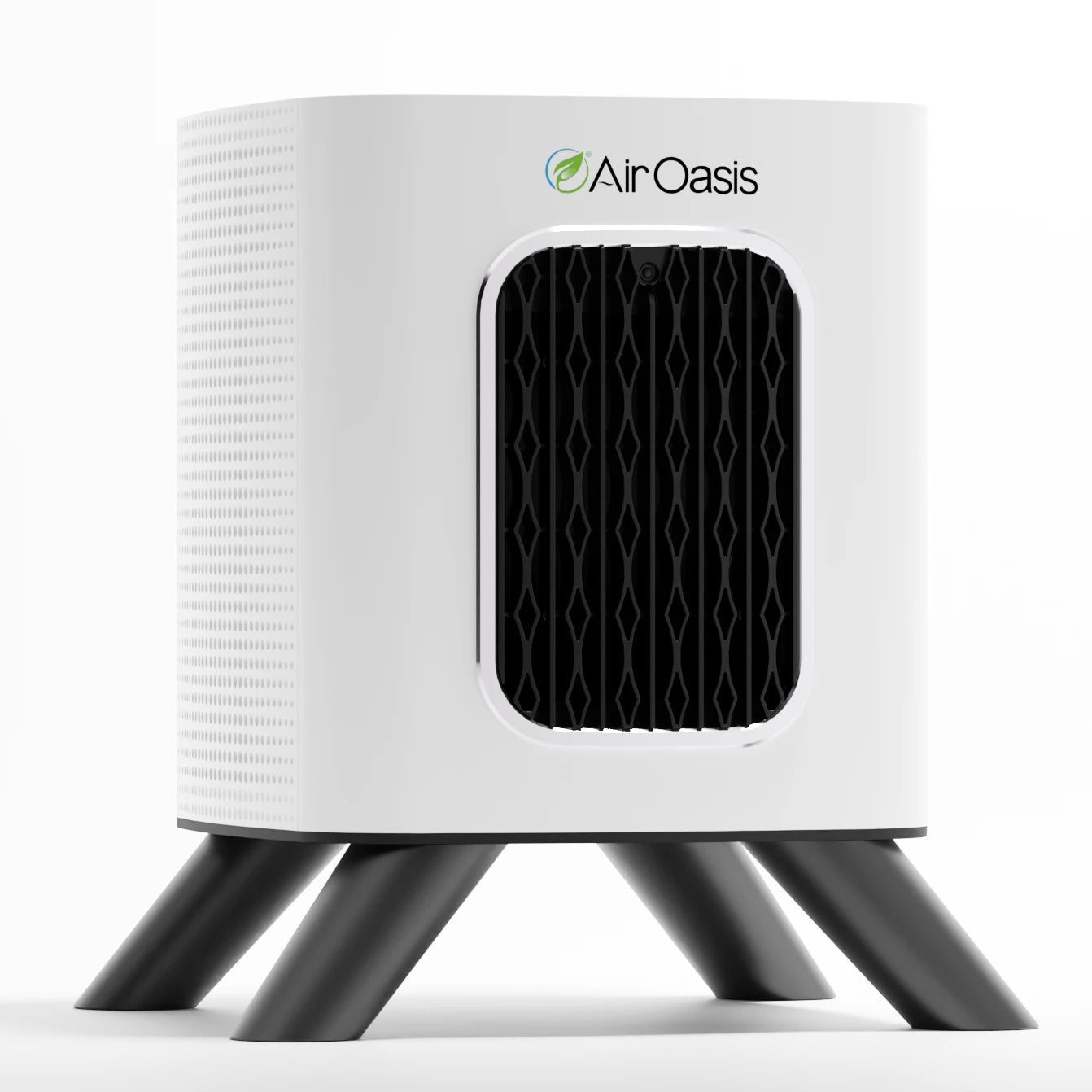
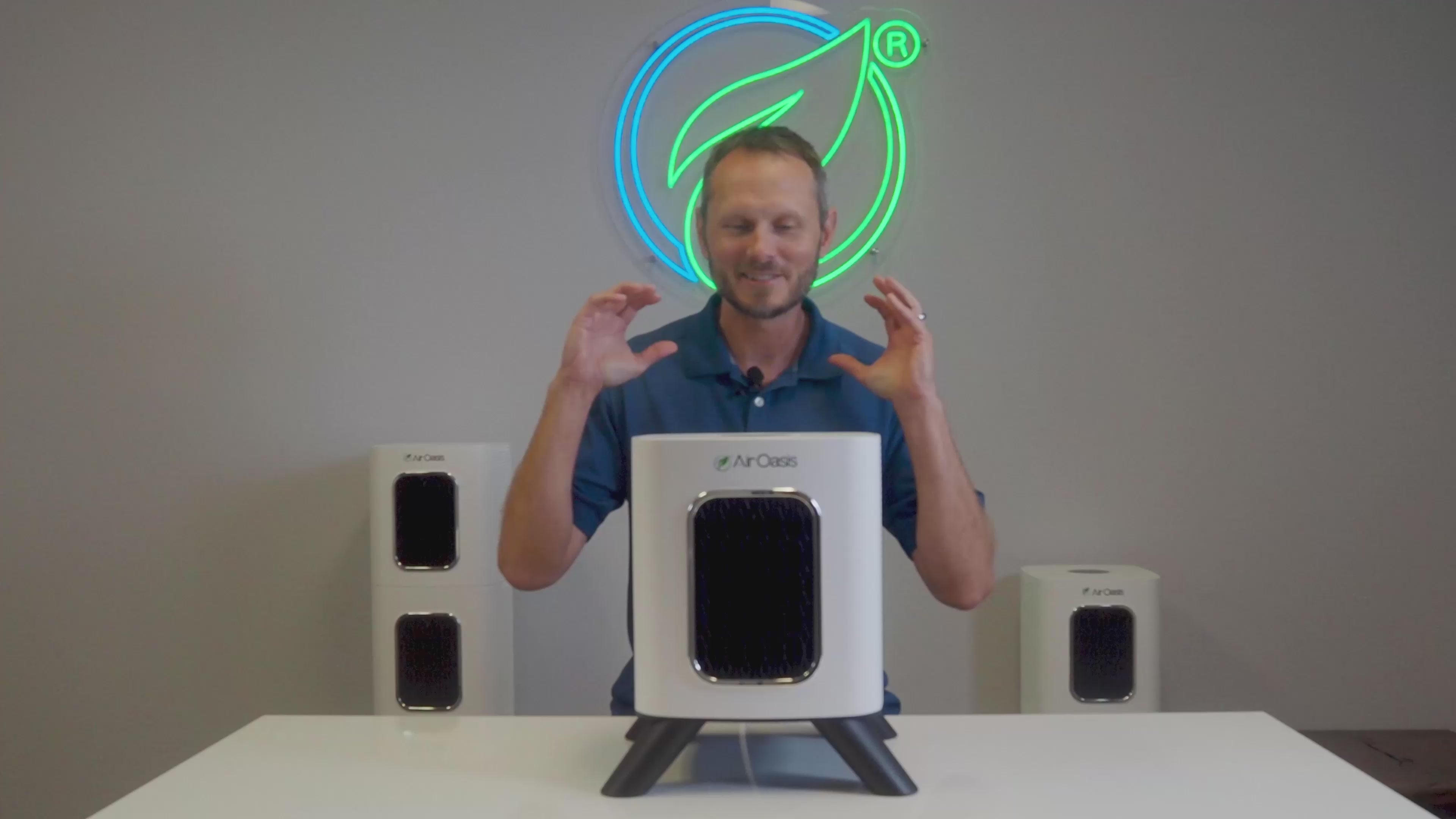
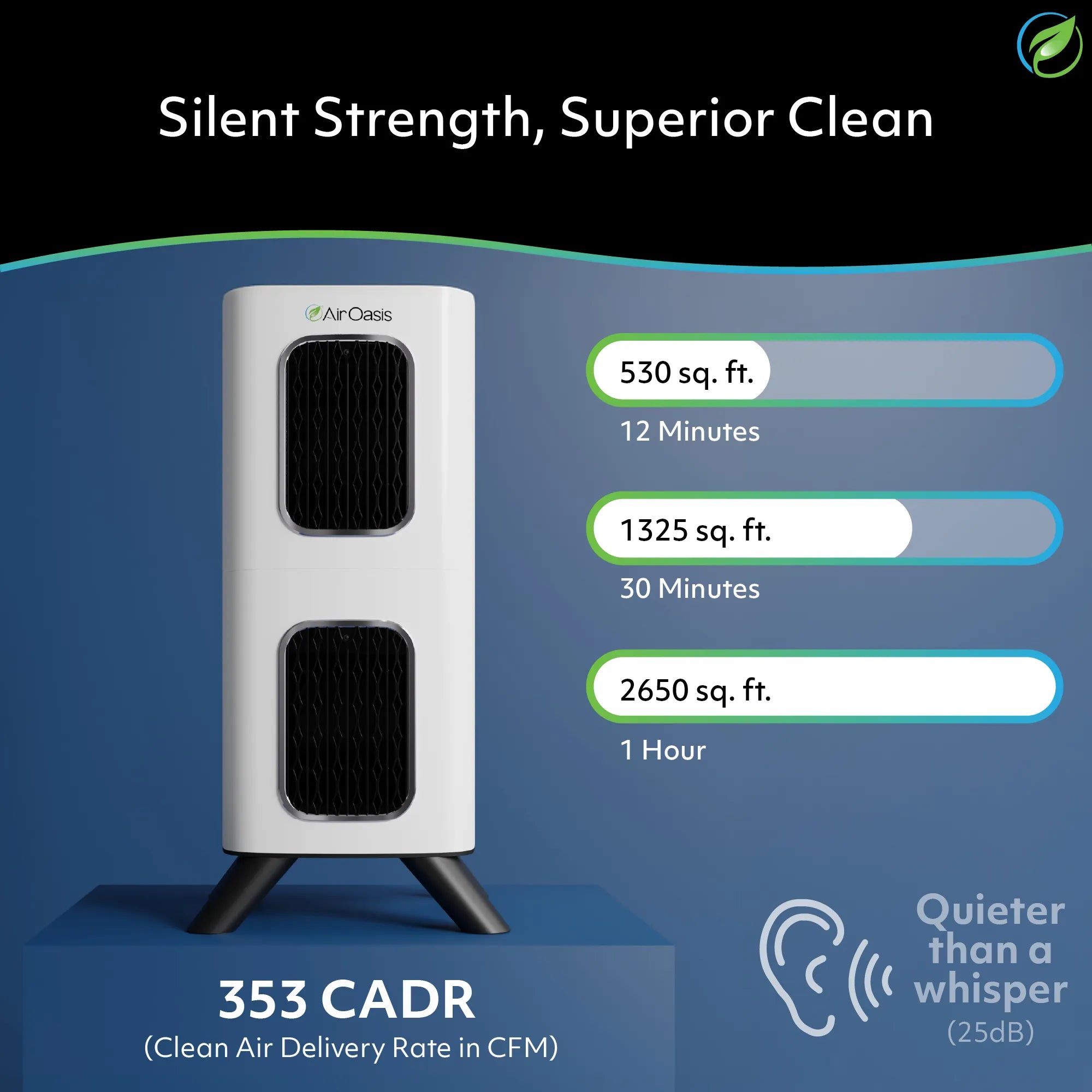
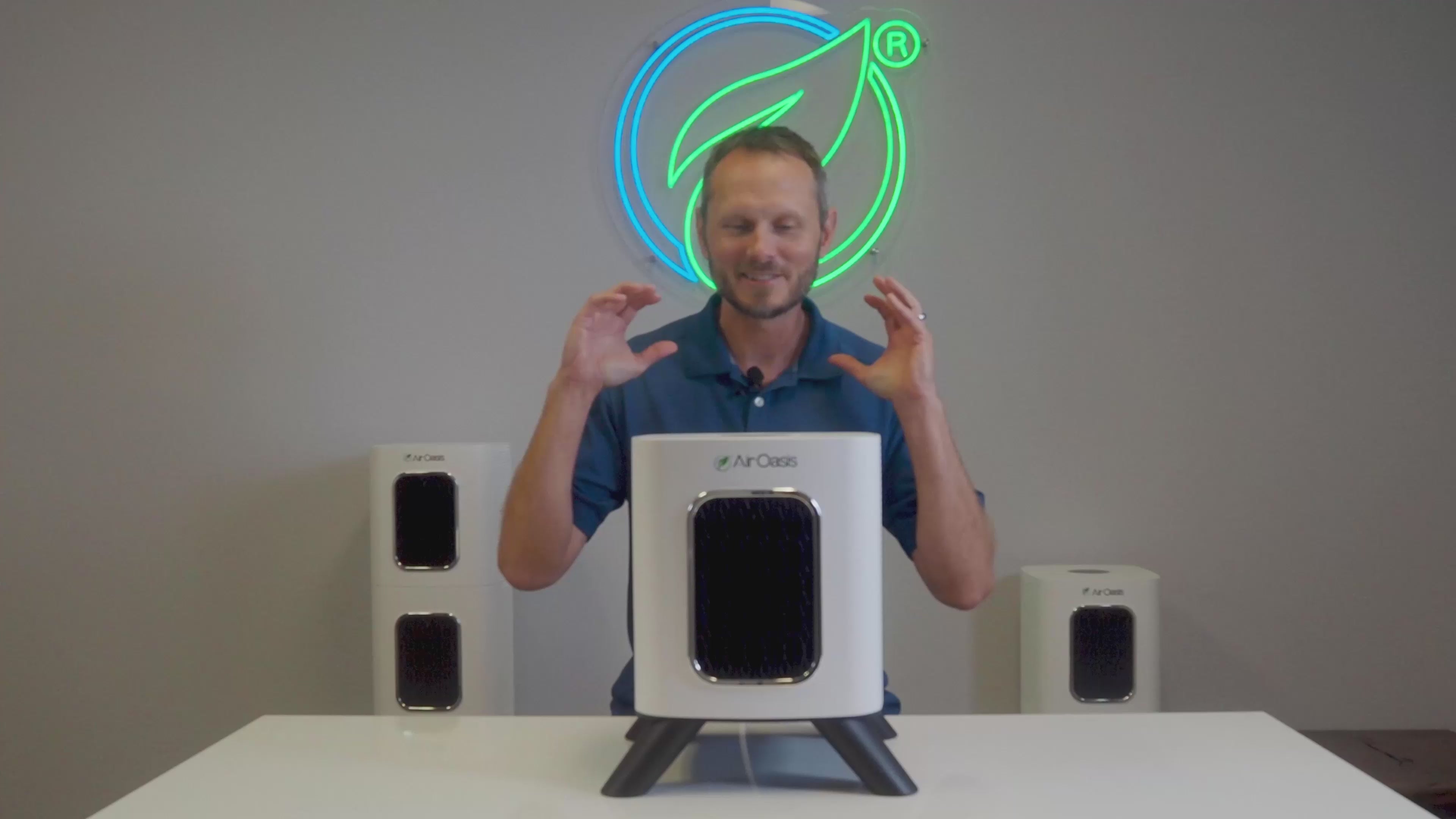
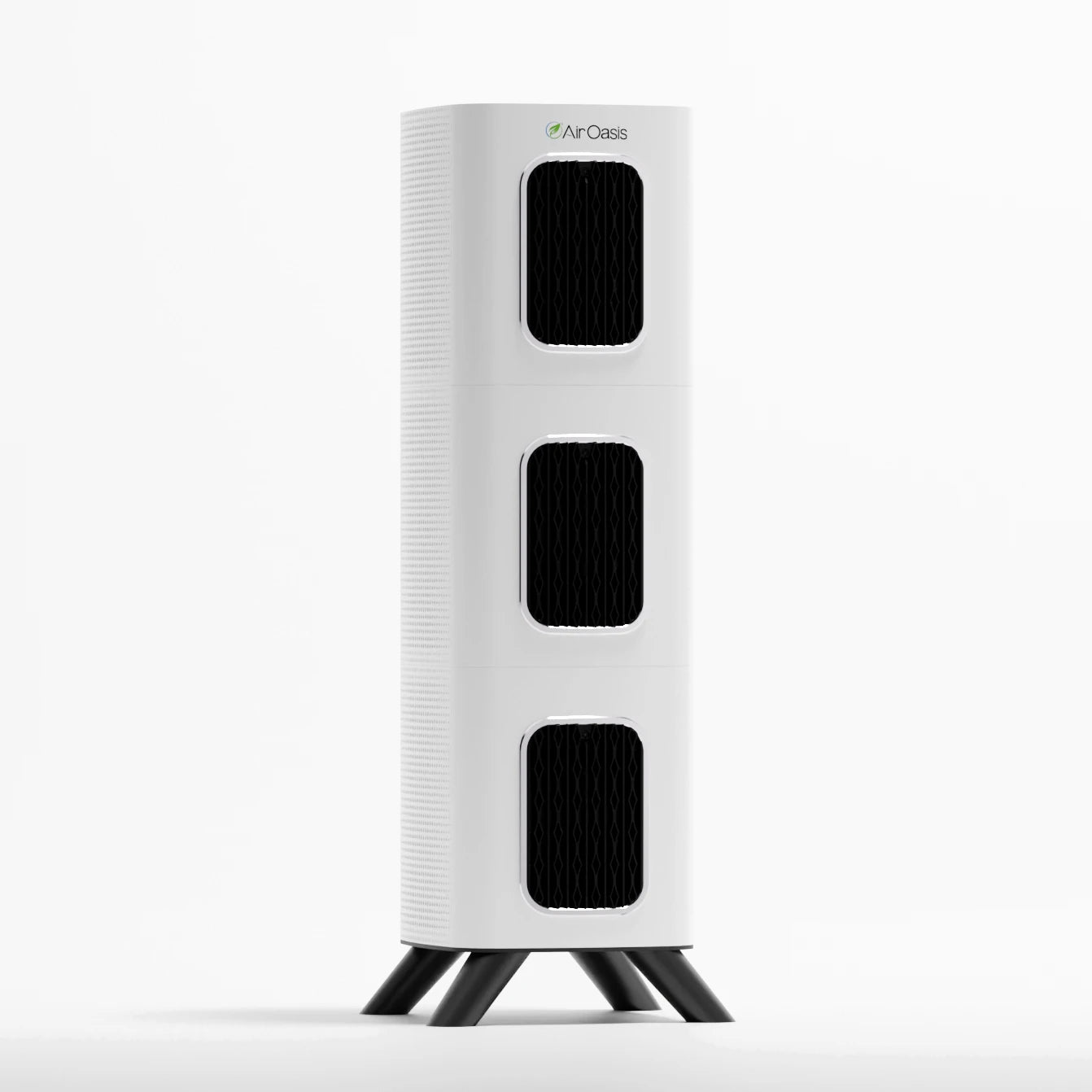
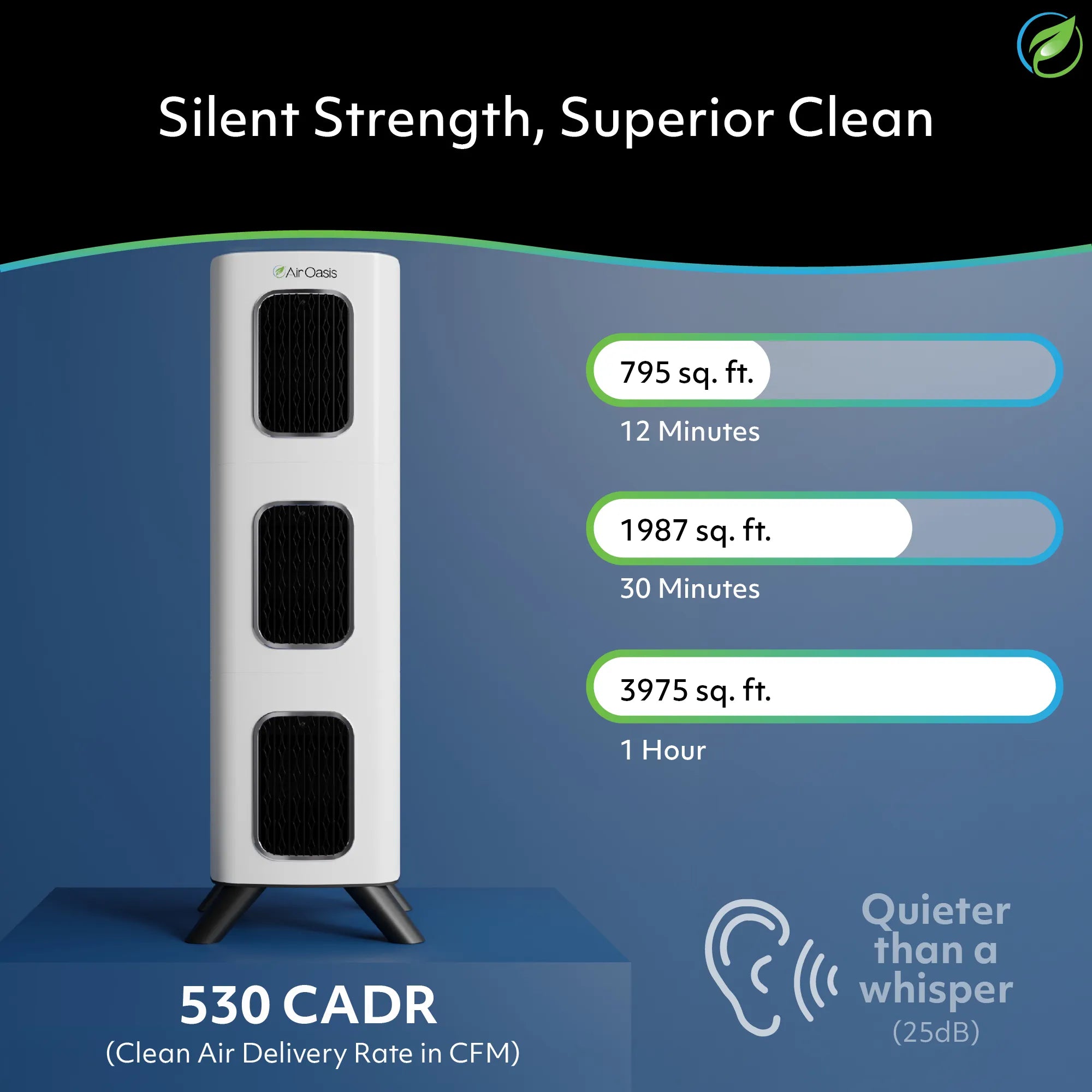
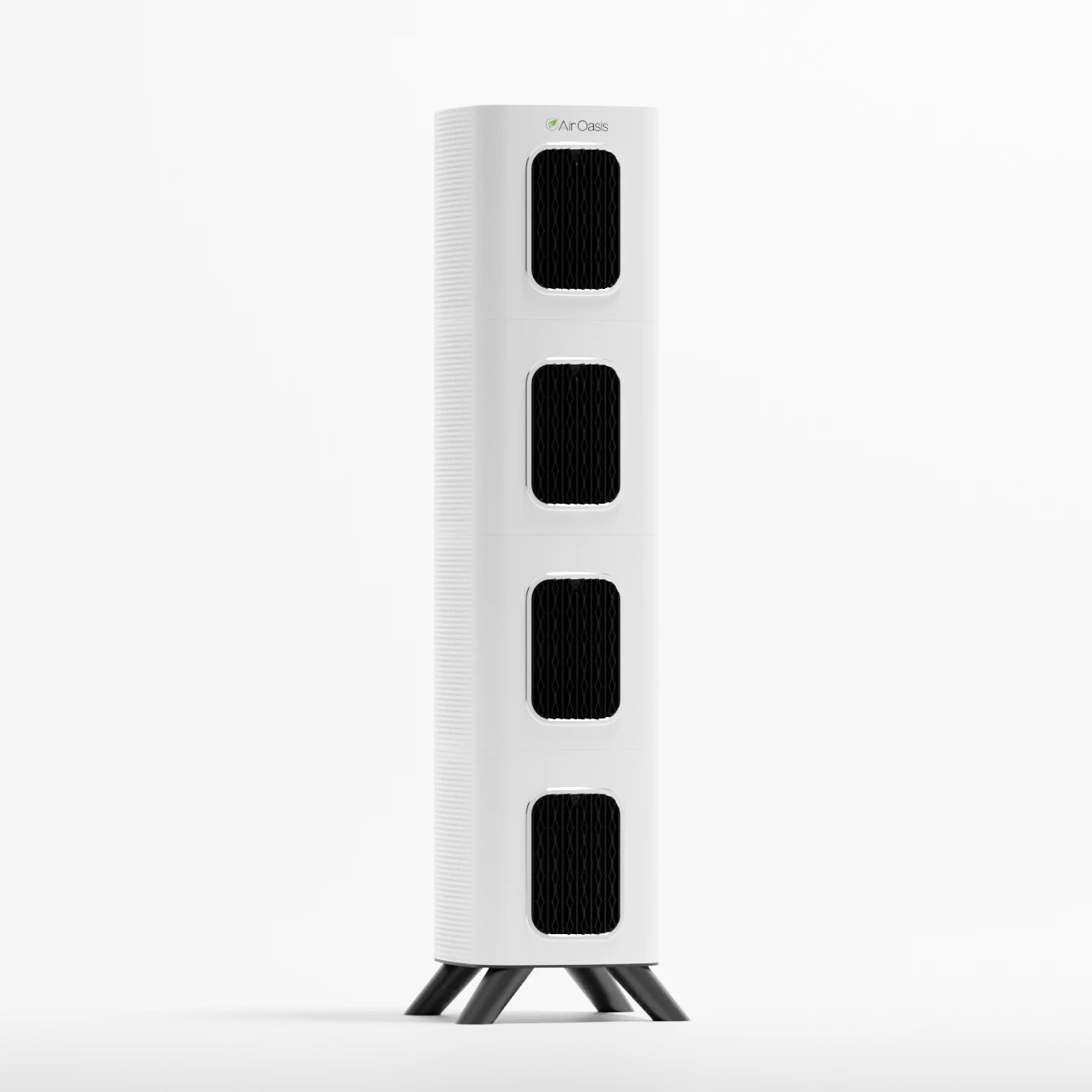
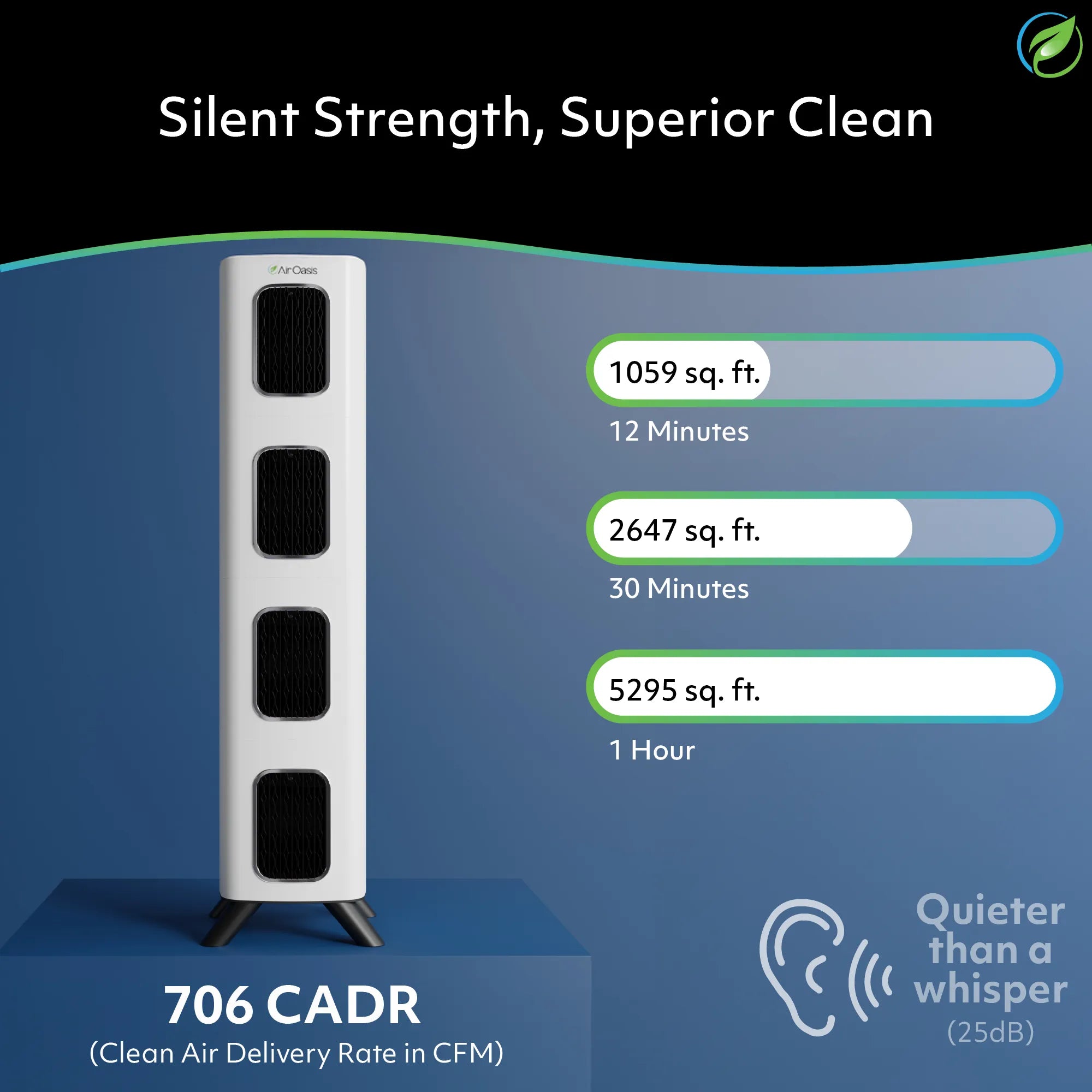
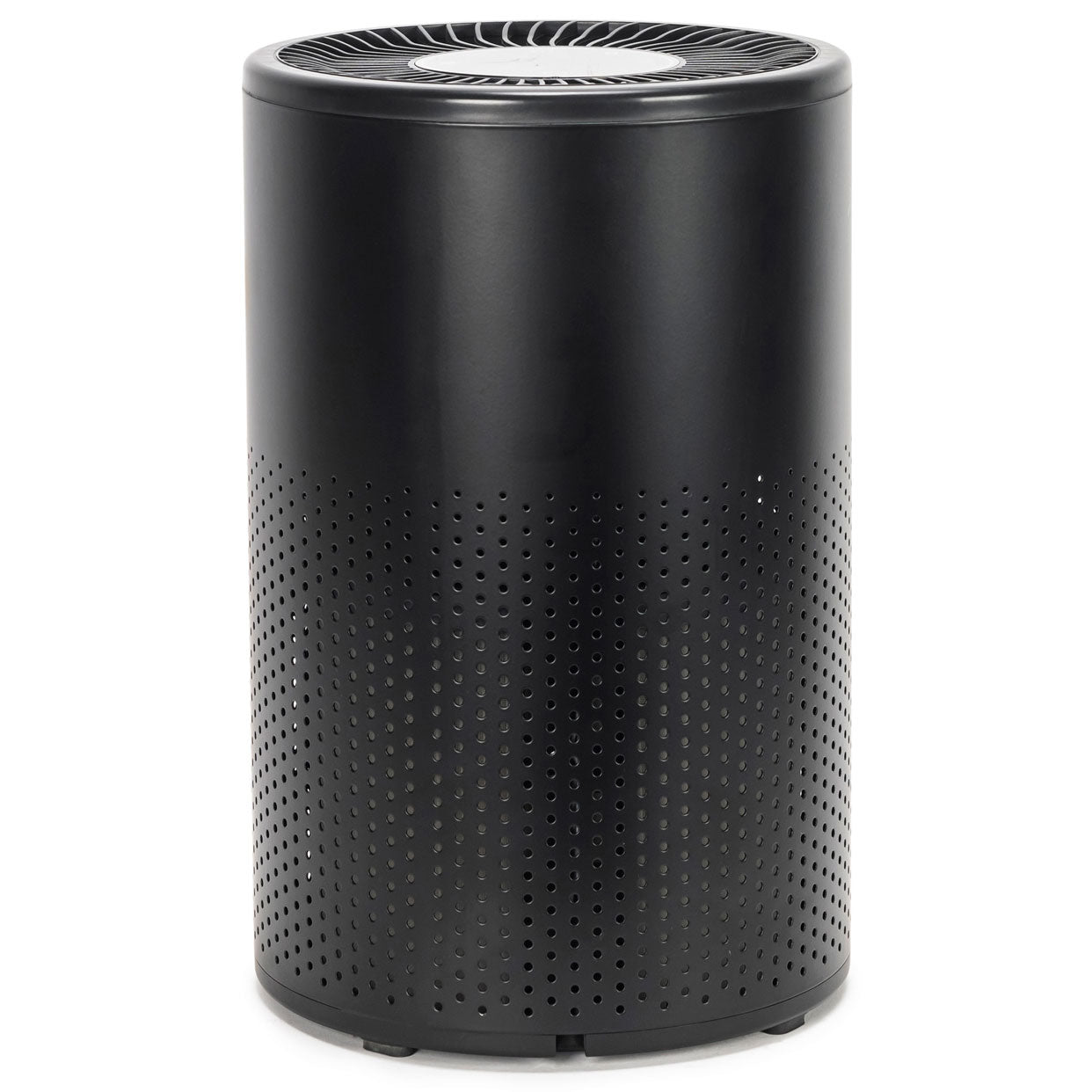
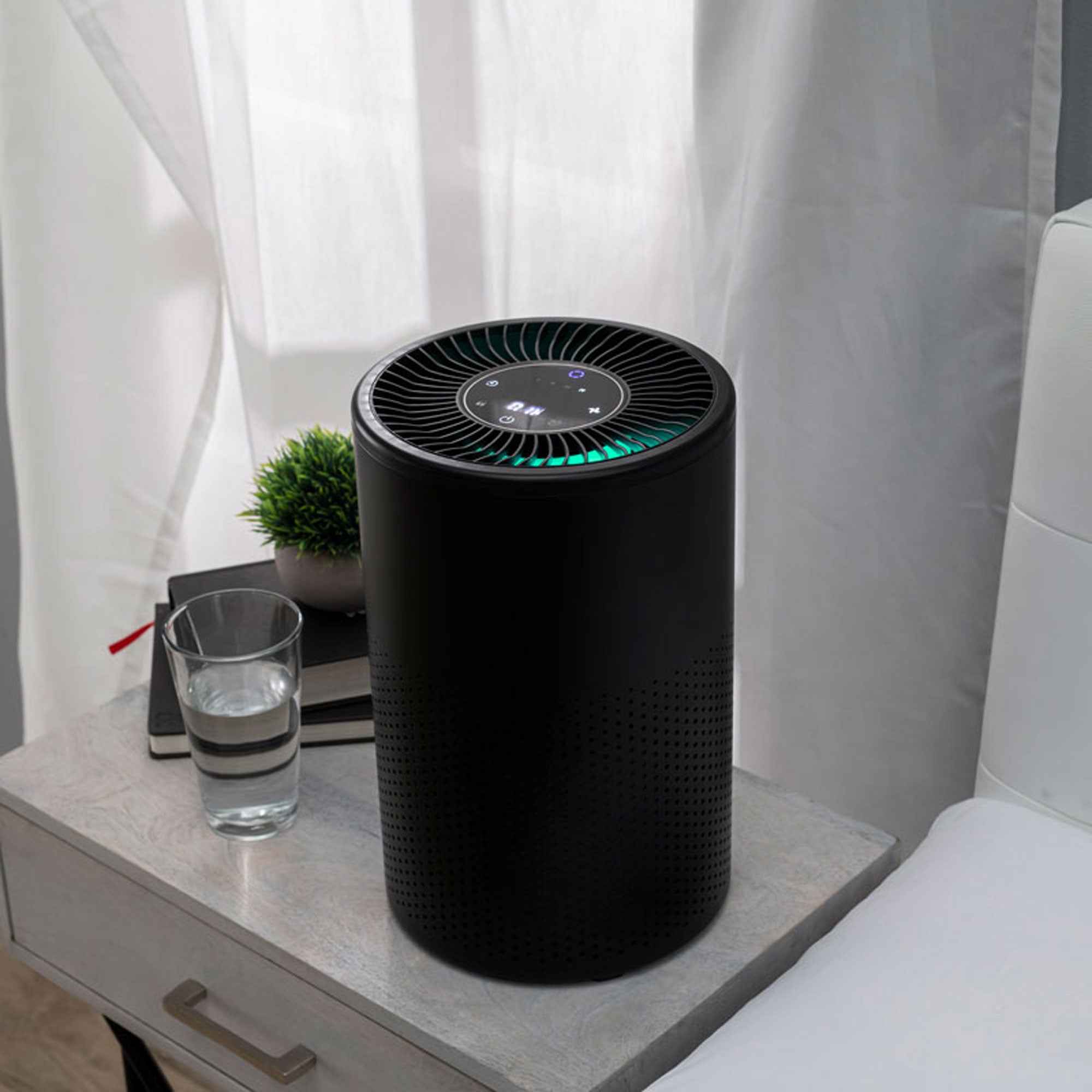
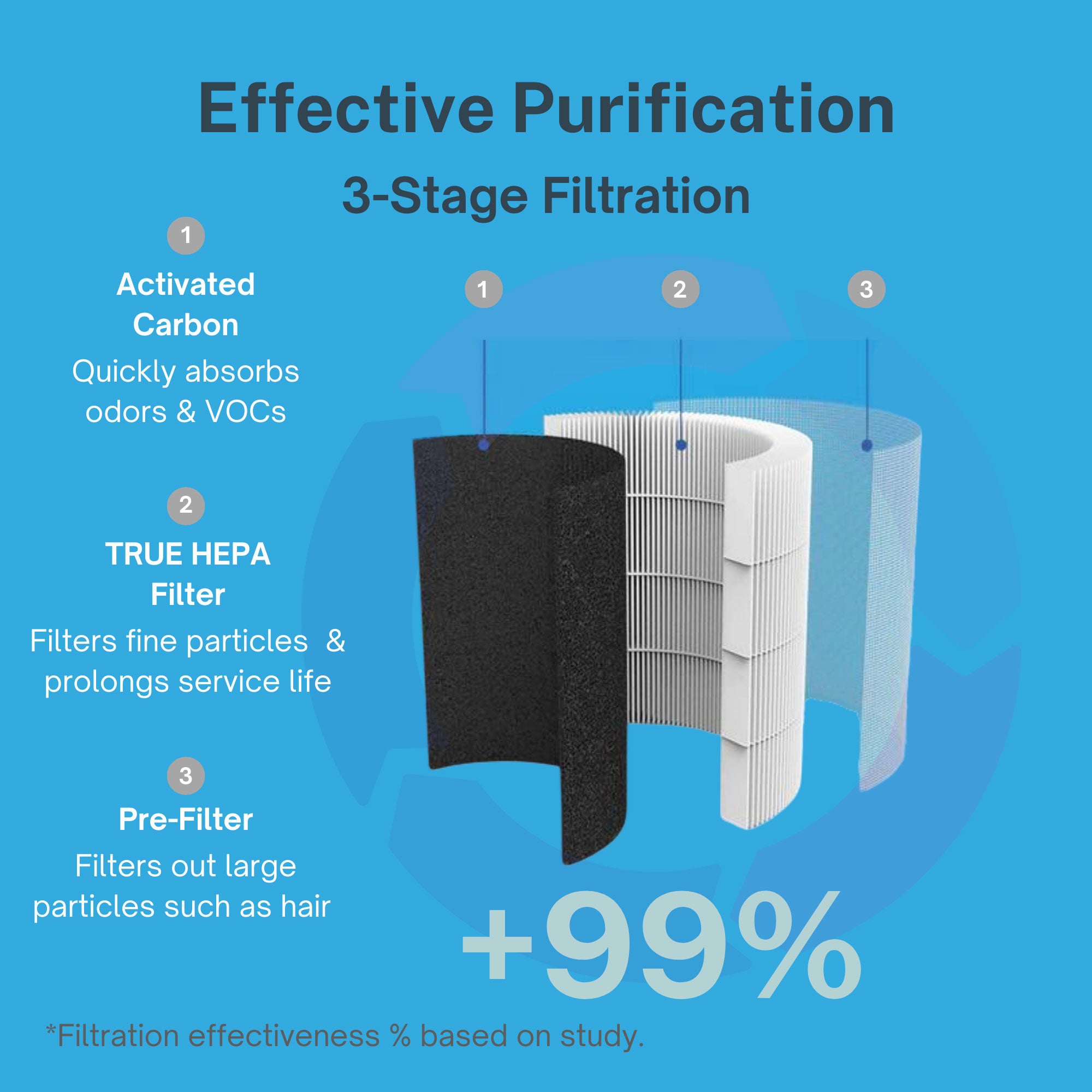
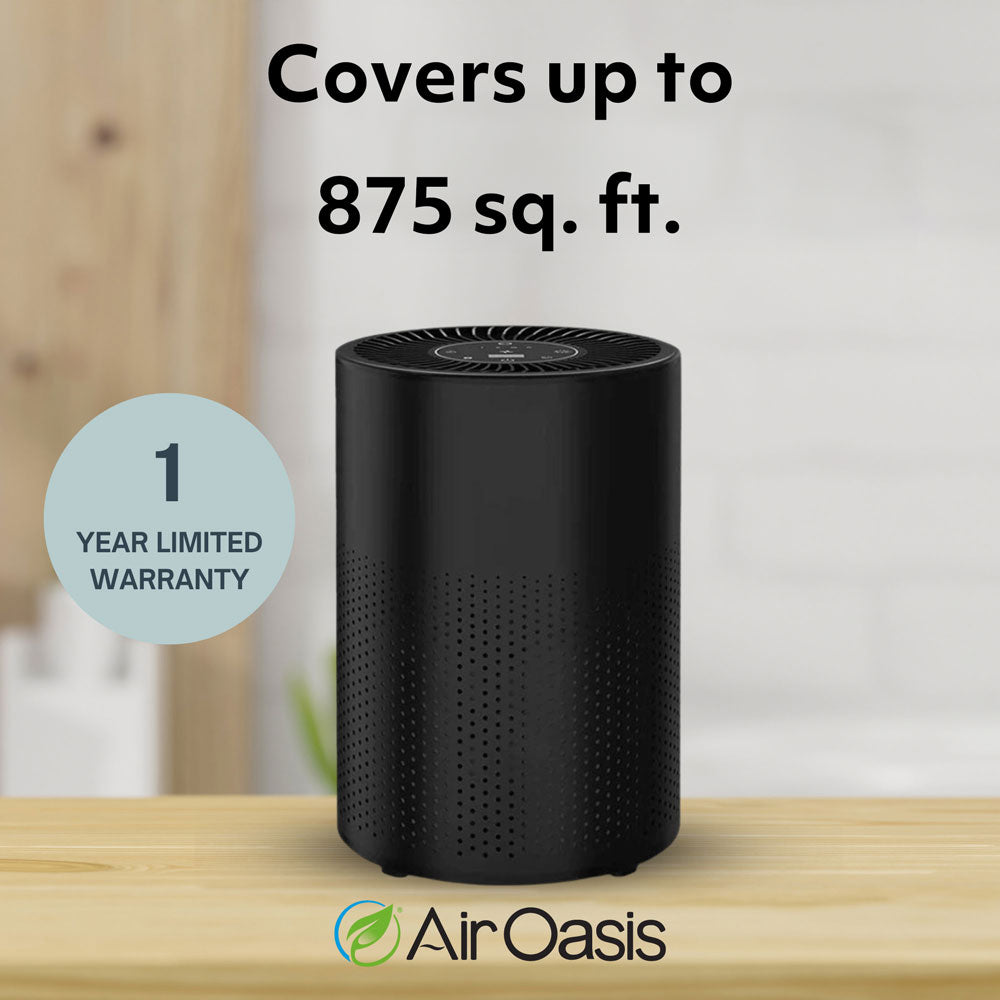
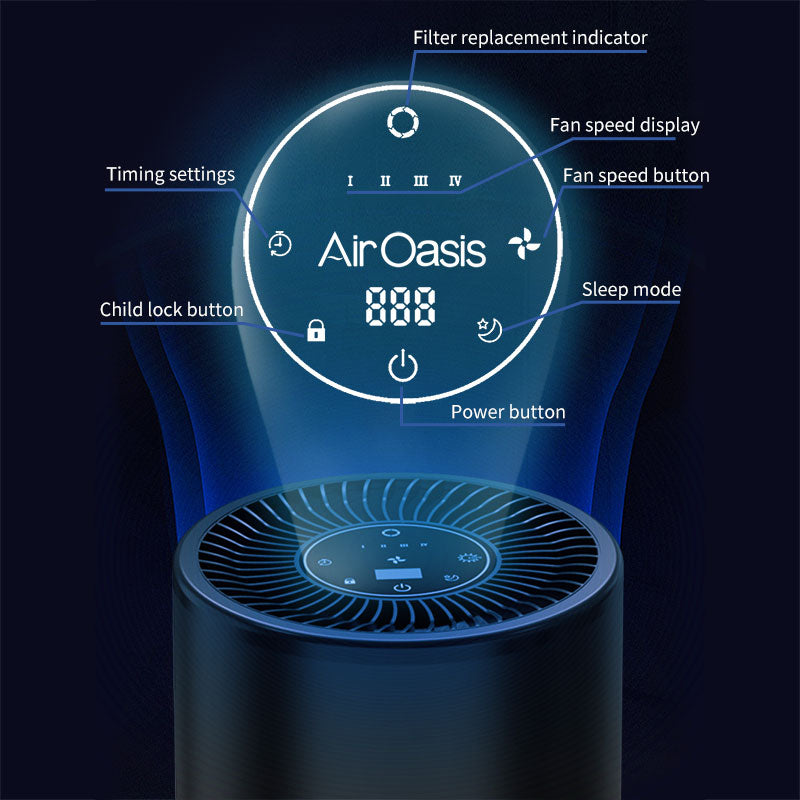
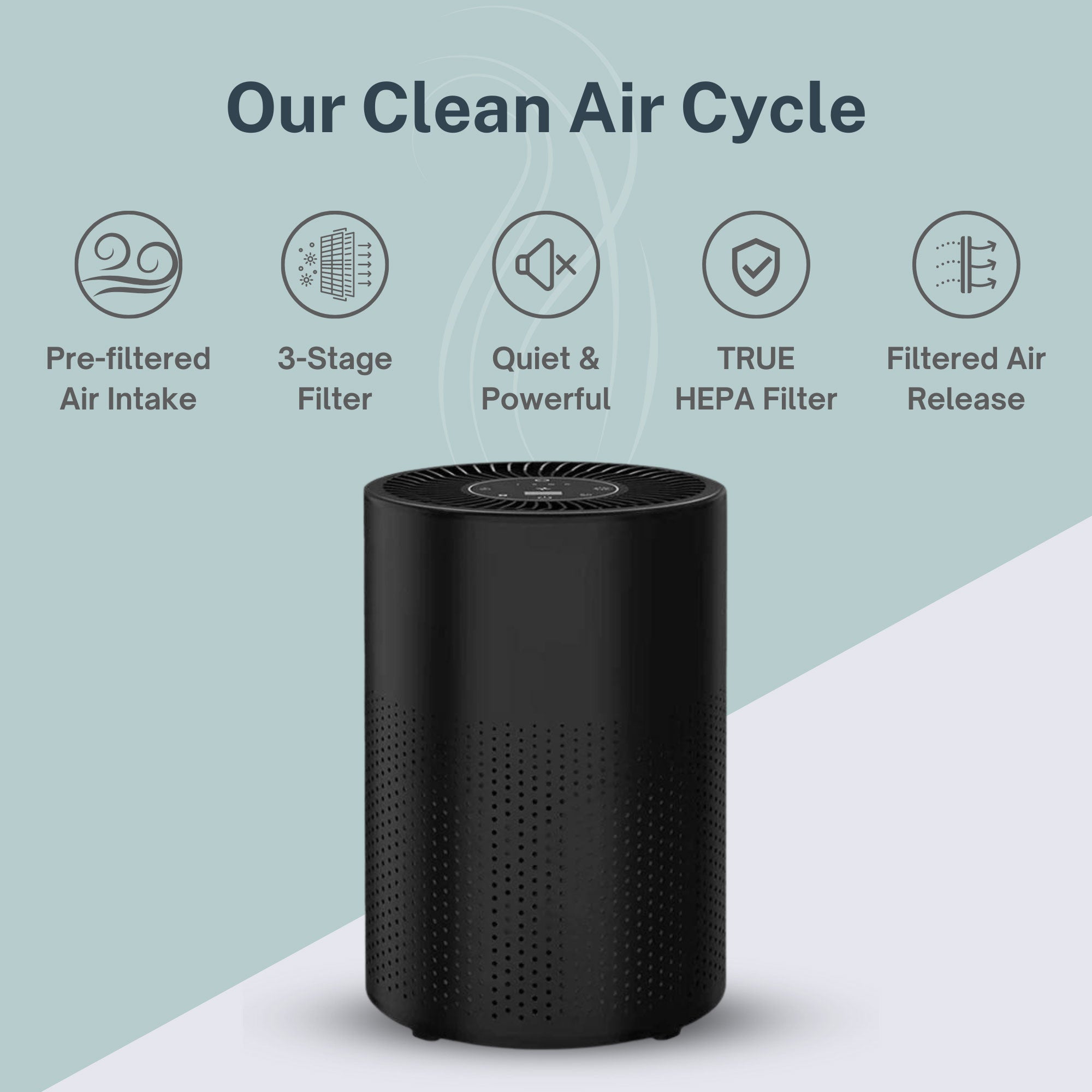
Running an air purifier with activated carbon filtration in or near the laundry room helps capture VOCs and chemical gases that laundry products contribute to the indoor air. The iAdaptAir combines activated carbon for gaseous chemical capture with True HEPA filtration for fine particles, UV-C light, and bipolar ionization. For people with respiratory sensitivities to fragranced products, it's a meaningful addition to the laundry room or adjacent spaces where these compounds concentrate. It's also CARB-certified ozone-free, which matters for anyone already managing airway sensitivity.
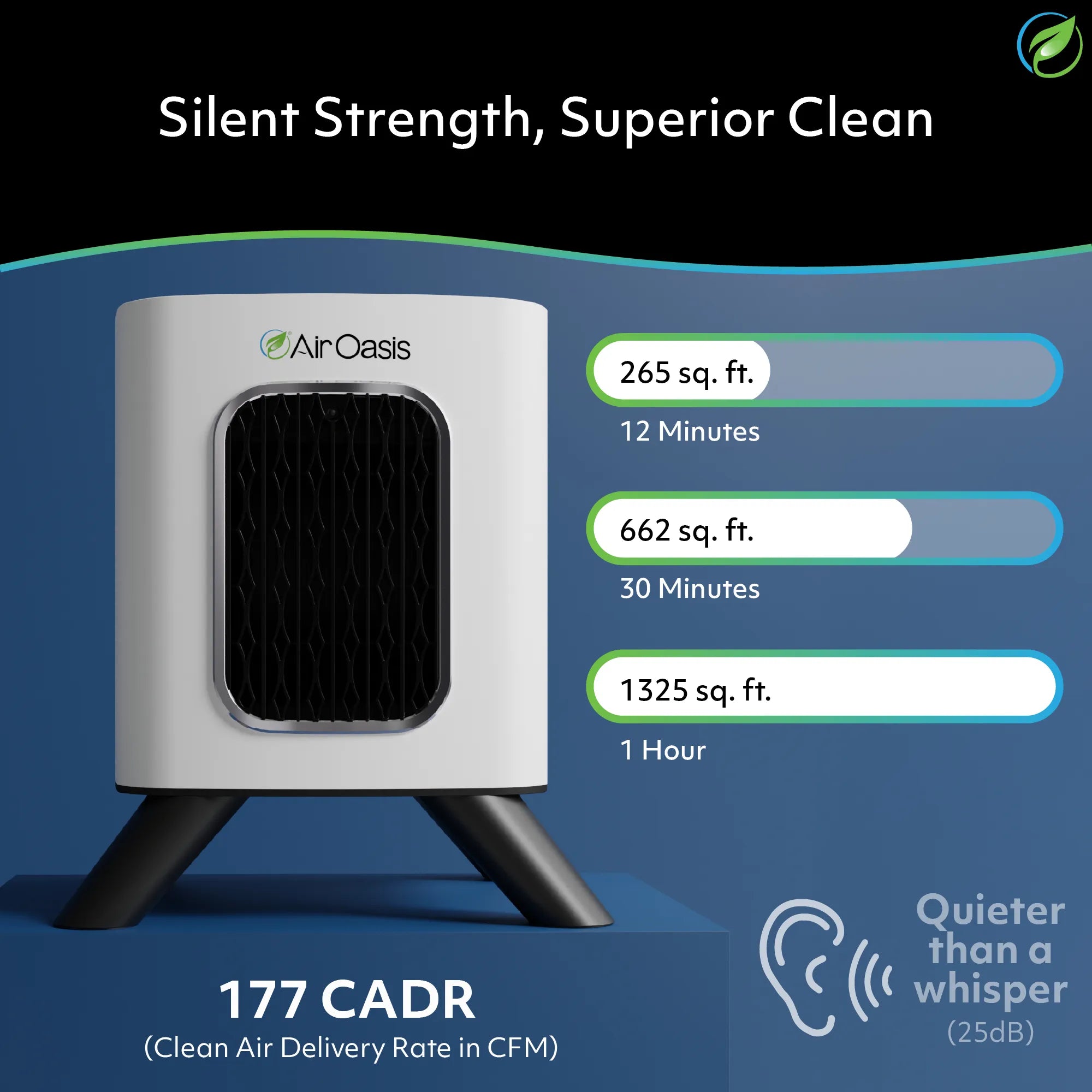
Size your unit to the space. The iAdaptAir 2S covers up to 265 sq ft and is appropriately sized for most laundry rooms and adjacent utility spaces. Maintain at least four inches of clearance around all sides and keep the door closed during operation for best performance.
Getting to an accurate answer about what's actually affecting your skin
The most useful thing you can take from the research is this: if you're experiencing recurring skin reactions you've attributed to laundry products, that assumption is worth examining carefully with a medical professional rather than acting on it alone.
A dermatologist can perform patch testing to identify actual sensitizations. An allergist can help determine whether the reaction pattern is consistent with allergic contact dermatitis, irritant contact dermatitis, or is entirely unrelated to laundry products. Switching products without that clarity can lead to a long cycle of trial and error that doesn't resolve the underlying issue.
That said, if you have sensitive skin or a known fragrance sensitization, choosing fragrance-free laundry products is a reasonable baseline step while you investigate further. It reduces one potential variable without doing any harm.
Your skin and your air both deserve cleaner environments. Shop Air Oasis for activated carbon filtration built to capture the chemical compounds that laundry products release into your home's air. Breathe Better, Live Better.