You've been driving for hours on a long road trip. Your eyes are tired, your back aches, and you desperately need a bathroom break. You spot a rest stop sign and pull off the highway with relief. Dozens of other vehicles crowd the parking lot—passenger cars idling while families stretch their legs, eighteen-wheelers with engines running, delivery trucks parked in designated areas. You step out of your car and breathe what you assume is fresh air after being cooped up in your vehicle. But is the air at highway rest stops actually clean and safe to breathe?
More than 45 million Americans live, work, or attend school within 300 feet of a major highway. These roadside environments expose people to significantly higher concentrations of air pollutants than areas farther from traffic. Rest stops sit directly adjacent to highways—often much closer than 300 feet—where thousands of vehicles pass every hour. The combination of constant highway traffic and concentrated vehicle activity within the rest stop itself creates a unique air quality challenge that most travelers never consider.
Rest stops serve an essential purpose for driver safety and convenience. Taking breaks during long trips prevents fatigue-related accidents and provides necessary facilities for travelers. But the air quality at these facilities deserves serious attention, especially for vulnerable populations including children, elderly travelers, and people with respiratory or cardiovascular conditions who use these facilities regularly.
Understanding Rest Stop Air Pollution Sources
Highway rest stops face air pollution from multiple directions simultaneously. The most obvious source is the constant stream of traffic on the adjacent highway. Vehicles emit particulate matter, nitrogen oxides, carbon monoxide, and volatile organic compounds through tailpipe exhaust. They also generate pollution through brake and tire wear and by kicking up road dust. These pollutants concentrate in higher levels near major roads, with the highest concentrations occurring within 500 to 600 feet downwind from heavily traveled roadways.
Research shows that pollutant concentrations generally decrease with distance from highways, but multiple factors influence how far pollution travels. Wind speed and direction significantly affect pollutant levels. The combination of rush hour traffic and calm morning winds often creates the highest pollution concentrations. Terrain, nearby buildings, and vegetation all impact how pollutants disperse from the roadway.
Rest stops add their own pollution sources on top of highway emissions. Passenger vehicles often idle in parking spots while travelers use facilities or take breaks. Families leave engines running to maintain air conditioning or heating. This idling creates concentrated emissions in parking areas where people walk between their vehicles and rest stop buildings.
Heavy-duty diesel trucks present the most significant air quality concern at rest stops. Per vehicle, diesel trucks emit substantially more nitrogen oxides and particulate matter than gasoline-powered cars. Many rest stops include designated truck parking areas where drivers take legally required rest breaks. Truck idling is the largest contributor to greenhouse gas emissions at rest areas. Trucks idle for extended periods to maintain climate control in sleeper cabs, power refrigeration units, or run auxiliary equipment. This continuous diesel engine operation creates sustained emissions that accumulate around truck parking zones.
Black carbon from diesel exhaust poses particularly serious health risks. This form of particulate matter causes more severe health impacts than regular fine particles. Research found 50% greater odds of asthma prevalence associated with black carbon exposure compared to equivalent concentrations of standard fine particulate matter. The diesel-heavy vehicle mix at many rest stops means travelers encounter significant black carbon exposure.
Health Risks for Rest Stop Users
The health effects associated with roadway air pollution extend to rest stop environments. People who spend time near major roads show increased rates of asthma onset and aggravation, cardiovascular disease, impaired lung development in children, and premature death. While rest stop visits are typically brief compared to living near a highway, repeated exposure during regular travel adds up over time.
Children face heightened vulnerability to traffic-related air pollution. Families with young children frequently use rest stops during road trips, exposing kids to concentrated pollutants during a developmental stage when their lungs are still forming. Children breathe more rapidly than adults relative to their body size, taking in more contaminated air per pound of body weight. Playing on rest stop playgrounds or grassy areas places children in outdoor environments with elevated pollution levels for extended periods.
Older adults traveling by car often need more frequent rest breaks than younger drivers. This demographic also experiences greater health impacts from air pollution exposure. Pre-existing cardiovascular and respiratory conditions common in elderly populations make them more susceptible to the effects of particulate matter and other traffic pollutants. A quick bathroom break might seem harmless, but for someone with heart disease or chronic obstructive pulmonary disease, breathing concentrated highway emissions can trigger symptoms or worsen existing conditions.
People with asthma and other respiratory diseases face immediate risks at rest stops. The combination of diesel exhaust, tire and brake debris, and other traffic pollutants can trigger asthma attacks or breathing difficulties. Even individuals without diagnosed respiratory conditions commonly experience eye, nose, and throat irritation from traffic pollution exposure.
The duration spent at rest stops matters. A five-minute bathroom break provides less exposure than a thirty-minute lunch stop. However, the extremely high pollutant concentrations near highways and in areas with heavy truck idling mean even brief exposures deliver significant doses of harmful particles and gases. For professional drivers, delivery personnel, and others who use rest stops multiple times daily, these repeated exposures accumulate into substantial health risks over time.
What Makes Some Rest Stops Better Than Others
Not all rest stops present equal air quality challenges. Location relative to the highway significantly impacts pollution exposure. Rest stops built into hillsides or at different elevations than the highway generally experience lower pollutant concentrations than facilities at the same level as roadway traffic. Research shows that living far above or far below a freeway exposes people to fewer pollutants than living at the same elevation.
Truck parking placement affects air quality throughout the rest stop. Facilities that separate truck parking from passenger vehicle areas and main buildings reduce diesel exposure for most travelers. Keeping truck idling zones downwind from buildings, playgrounds, and picnic areas based on prevailing wind patterns protects these higher-use spaces. Unfortunately, many rest stops place truck parking directly adjacent to or even between the highway and main facilities, creating maximum exposure scenarios.
Building design and ventilation systems matter for indoor air quality. Mechanically ventilated rest stop buildings can install air filtration in their HVAC systems to remove pollutants and improve conditions inside restrooms and visitor centers. Older facilities with poor ventilation allow outdoor pollution to infiltrate indoor spaces more readily. Indoor pollution levels typically reach 50 to 70% of outdoor levels even with windows and doors closed, so outdoor air quality directly impacts what travelers breathe inside rest stop buildings.
Vegetation and physical barriers provide some protection from traffic pollutants. Sound walls can reduce concentrations of traffic-related pollutants immediately downwind from roadways, though results vary based on wall height, length, and distance from the road. Roadside vegetation including trees and large bushes also impacts pollution concentrations, with the height, thickness, and continuity of plantings affecting their effectiveness. While research continues on quantifying these benefits, rest stops with substantial vegetation buffers between the highway and facilities likely offer better air quality than bare facilities.
The volume and type of traffic on the adjacent highway influences rest stop air quality. Rest areas on routes with heavy truck traffic face worse pollution than those on passenger-vehicle-dominated highways. Time of day matters too, with morning rush hours typically bringing peak pollution concentrations due to high traffic volumes combined with calm wind conditions.
Protecting Yourself at Rest Stops
You can take practical steps to reduce air pollution exposure during rest stop visits. Minimize time spent outdoors when possible. Complete your business quickly rather than lingering in parking areas or near idling vehicles. If you need extended breaks, spend time inside the building where filtration systems provide some protection from outdoor pollutants.
Park away from idling trucks and busy traffic areas. Choose spots on the side of the facility farthest from the highway and away from truck parking zones. The additional walking distance significantly reduces your exposure to the highest pollution concentrations. Never park directly behind or beside idling trucks where diesel exhaust accumulates.
Keep children away from truck parking areas completely. If the rest stop includes a playground or picnic area, check its location before letting kids play there. Playgrounds positioned between highways and truck parking create maximum exposure scenarios for children. Consider skipping outdoor play areas at rest stops in favor of letting kids stretch and move around inside your vehicle or the rest stop building.
Timing your stops strategically can reduce exposure. Early morning hours, when traffic is lightest and trucks are fewer, offer better air quality than peak travel times. Mid-morning and early afternoon typically provide better conditions than rush hour periods. Weekend travel often means lighter truck traffic on many routes.
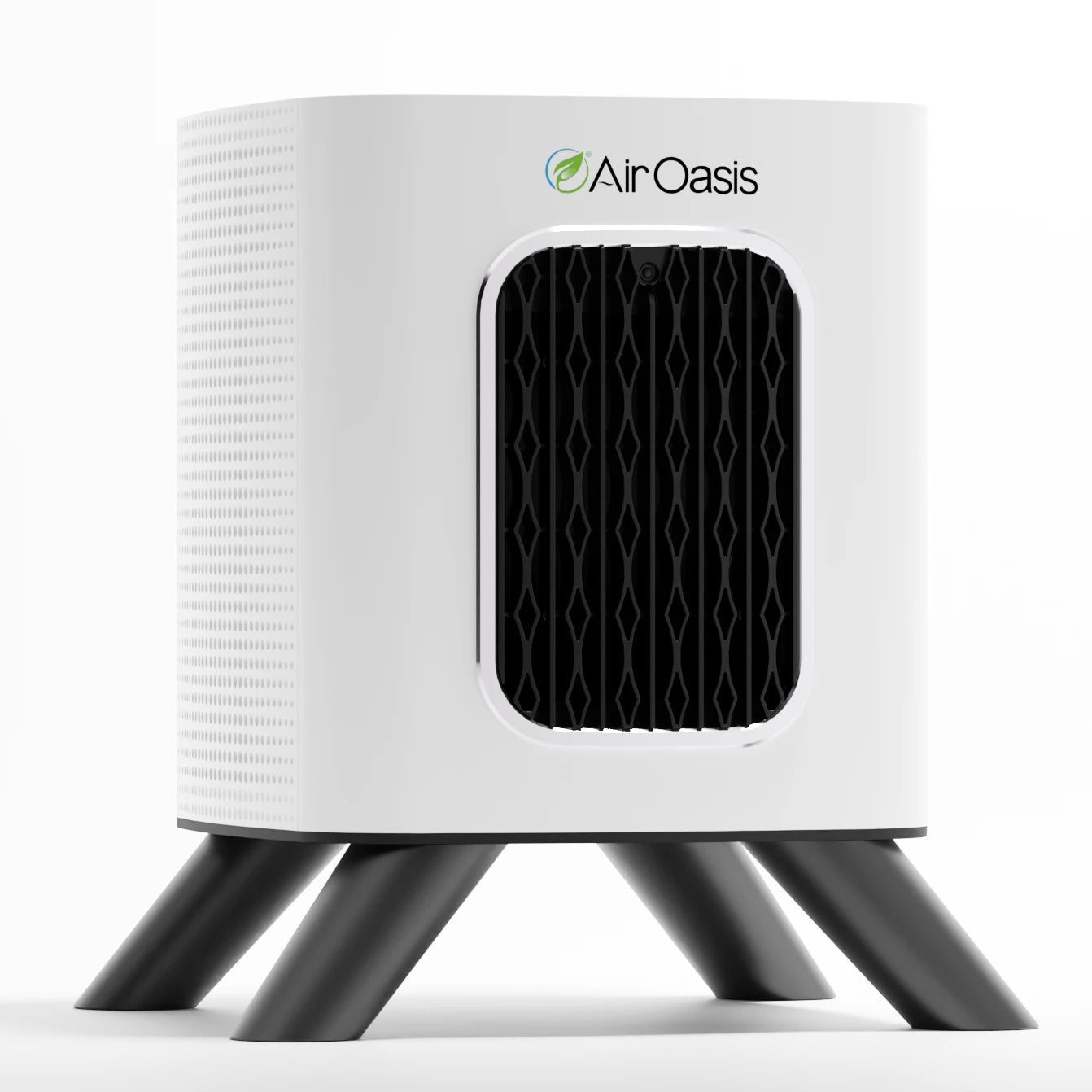
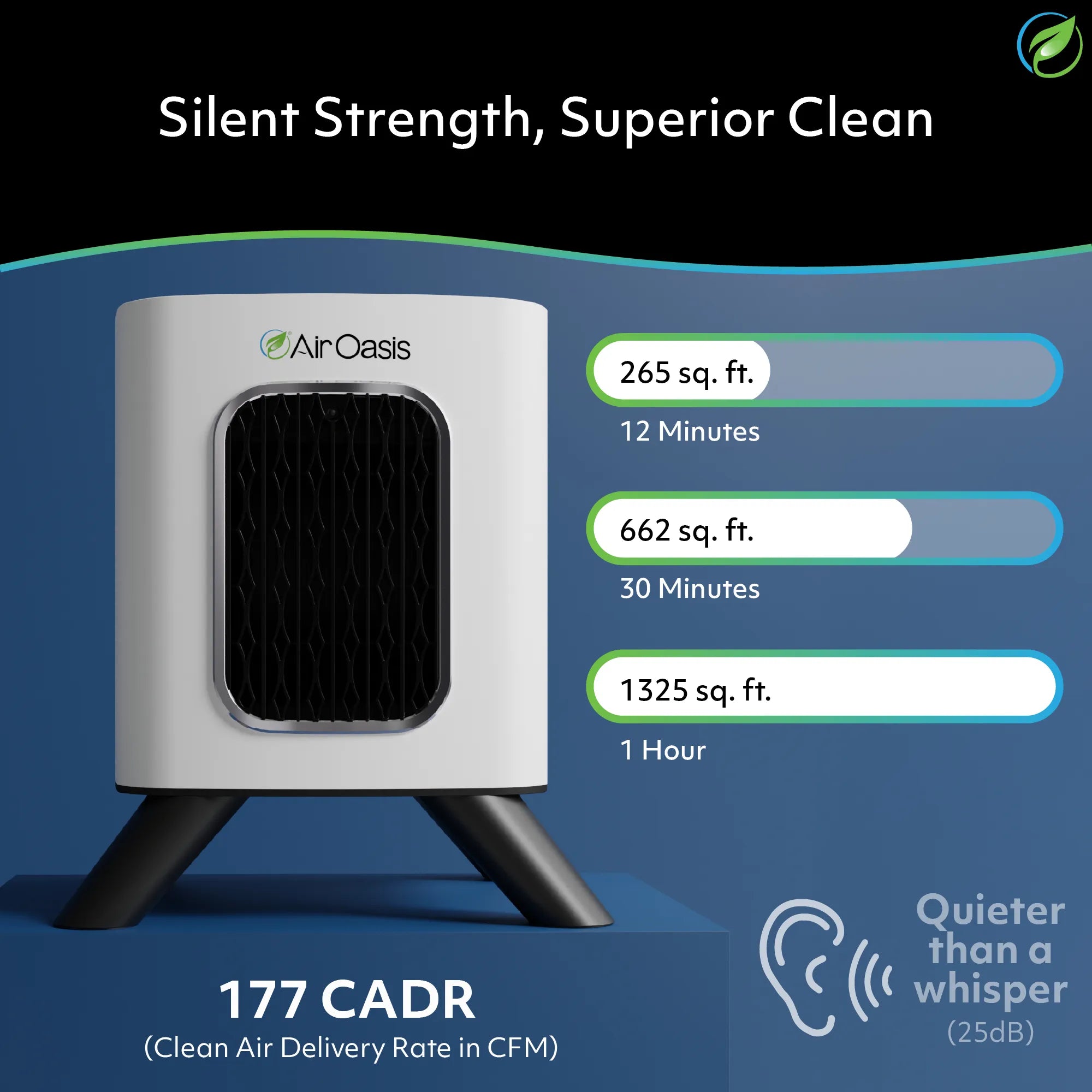
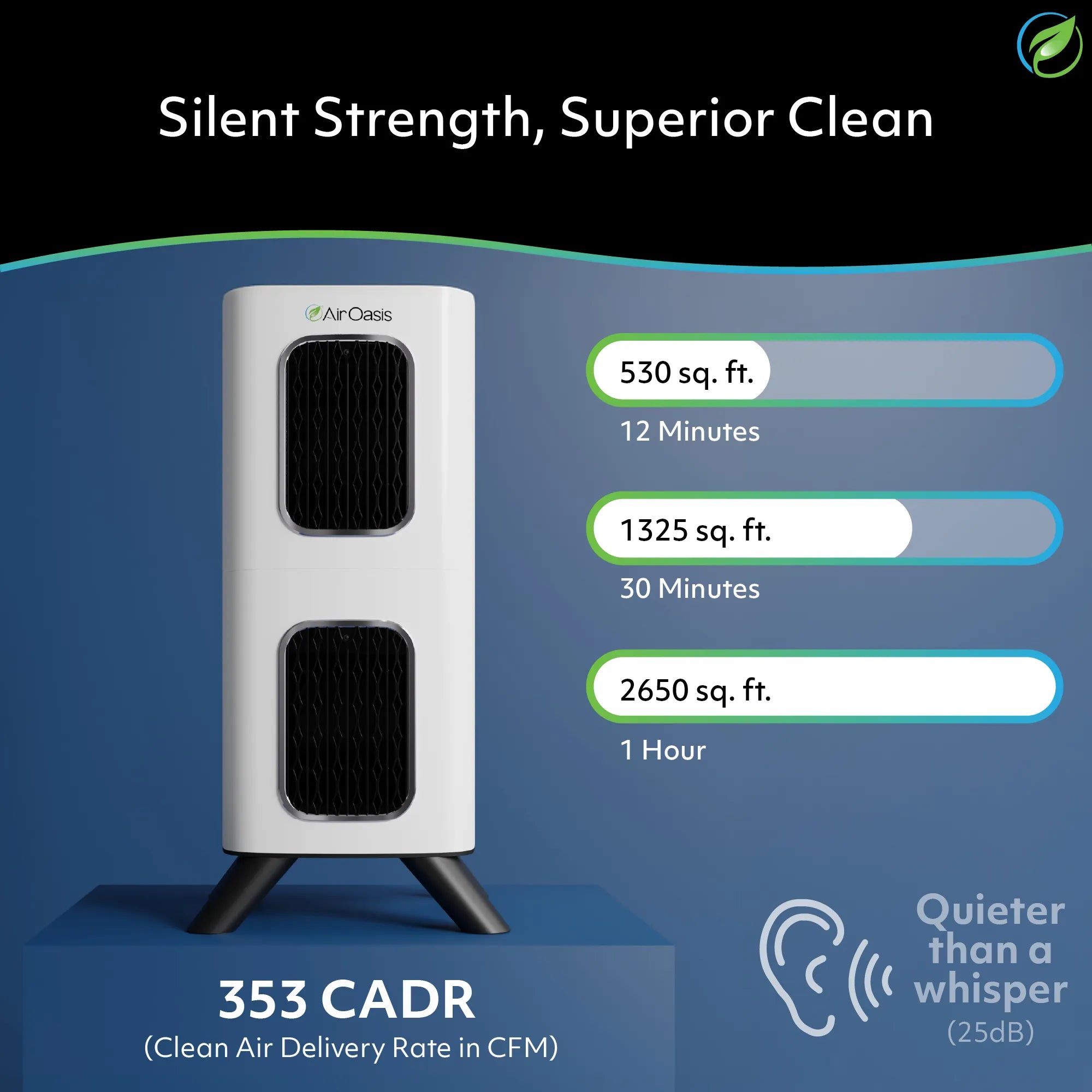
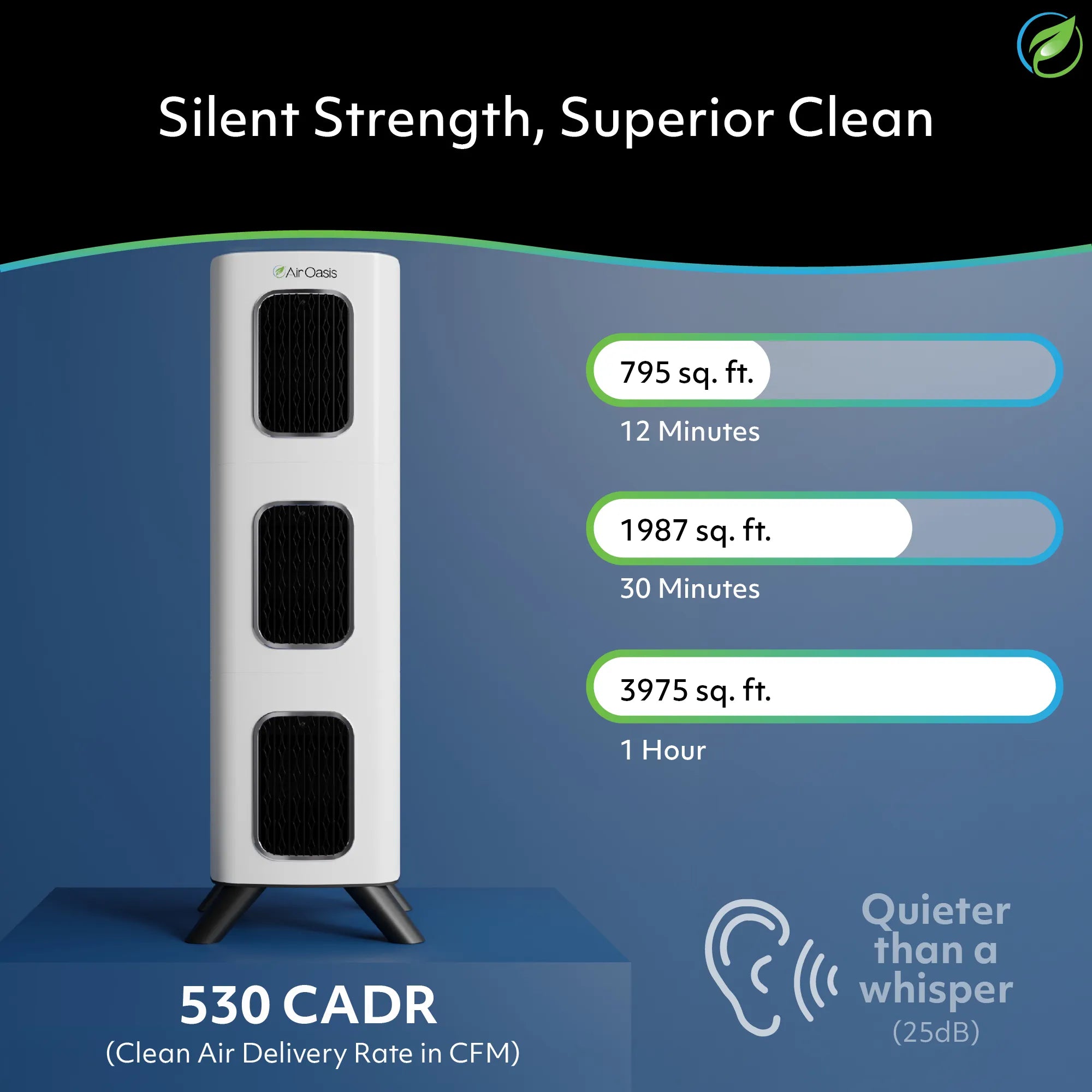
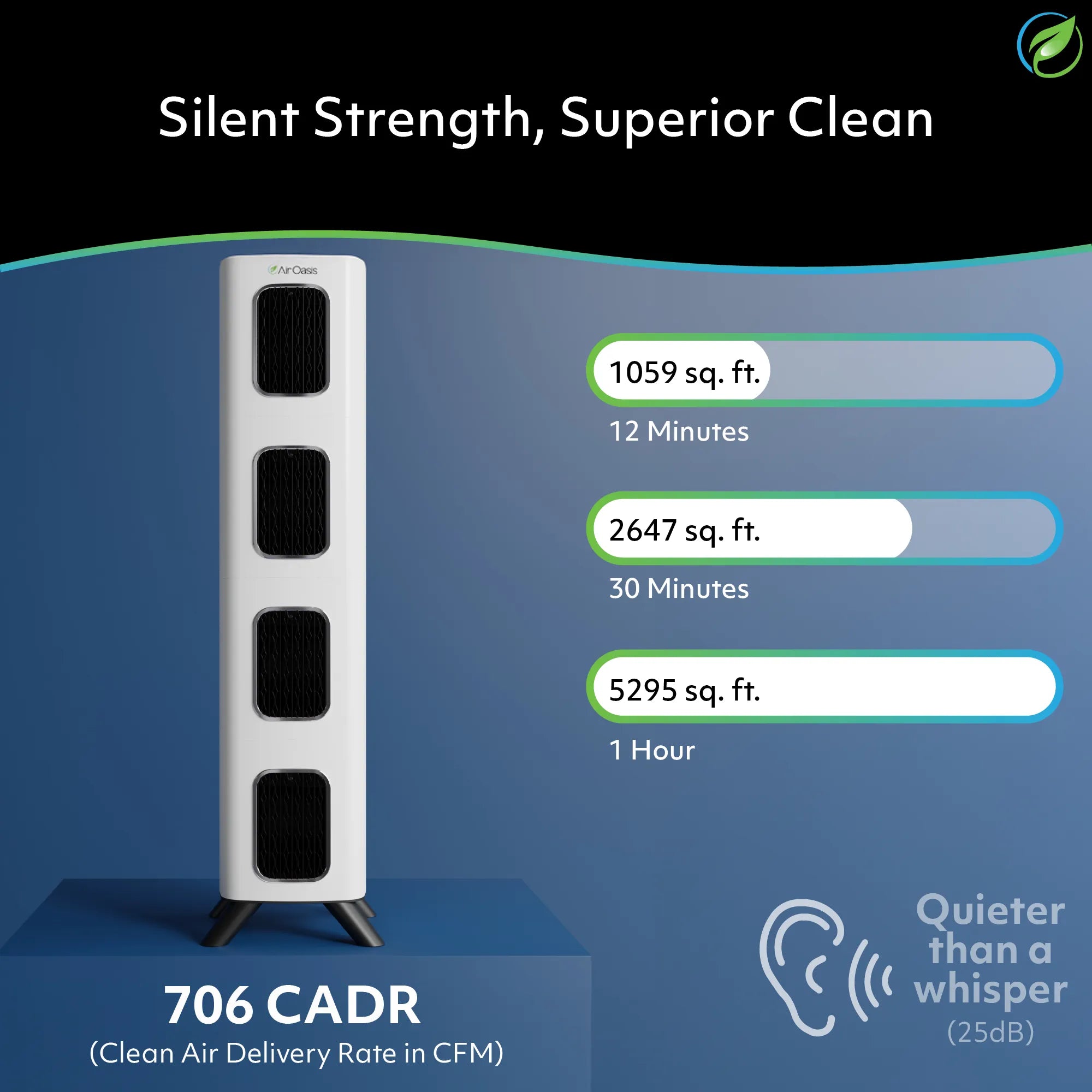
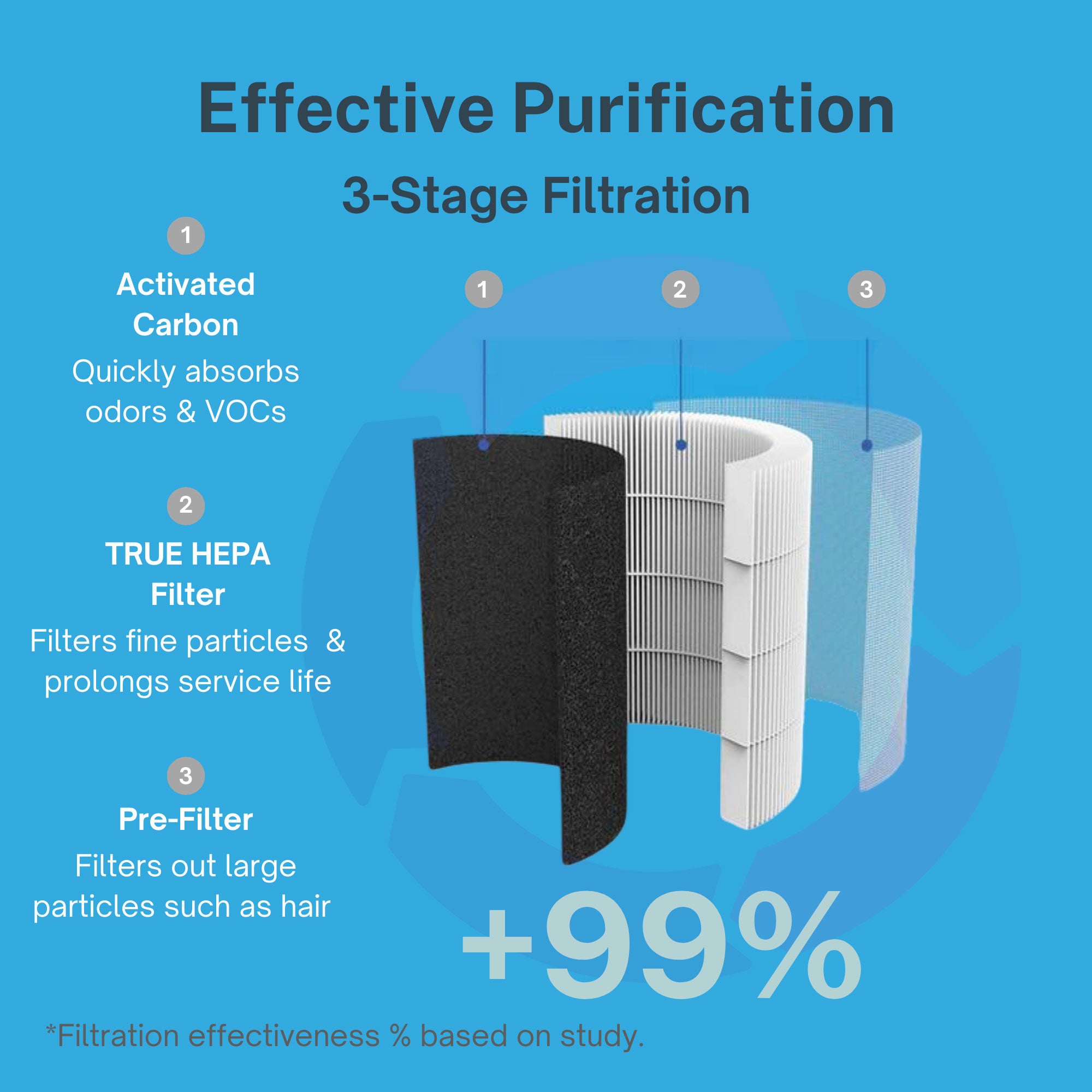
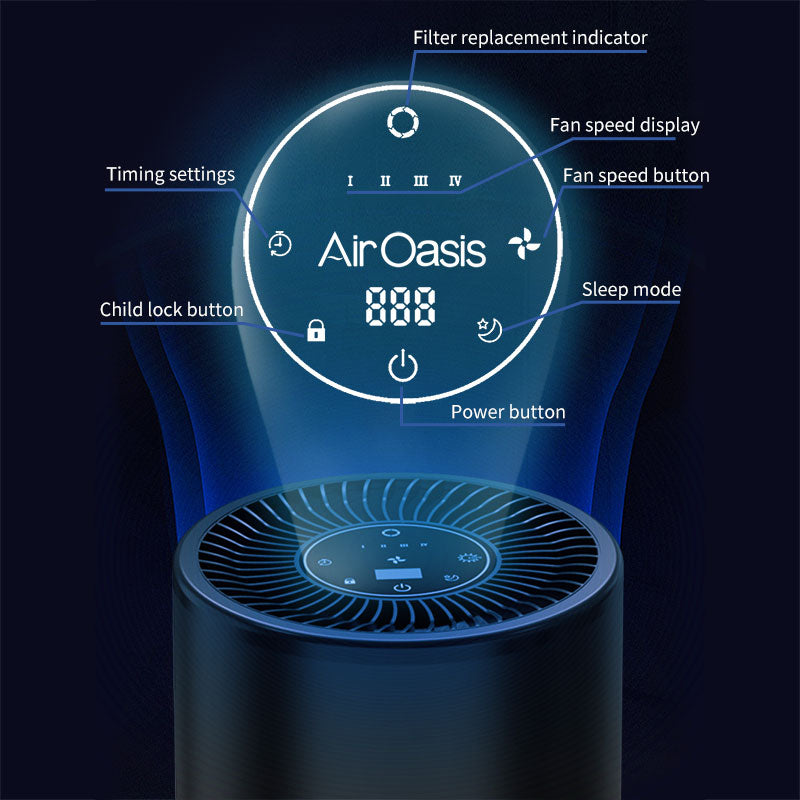
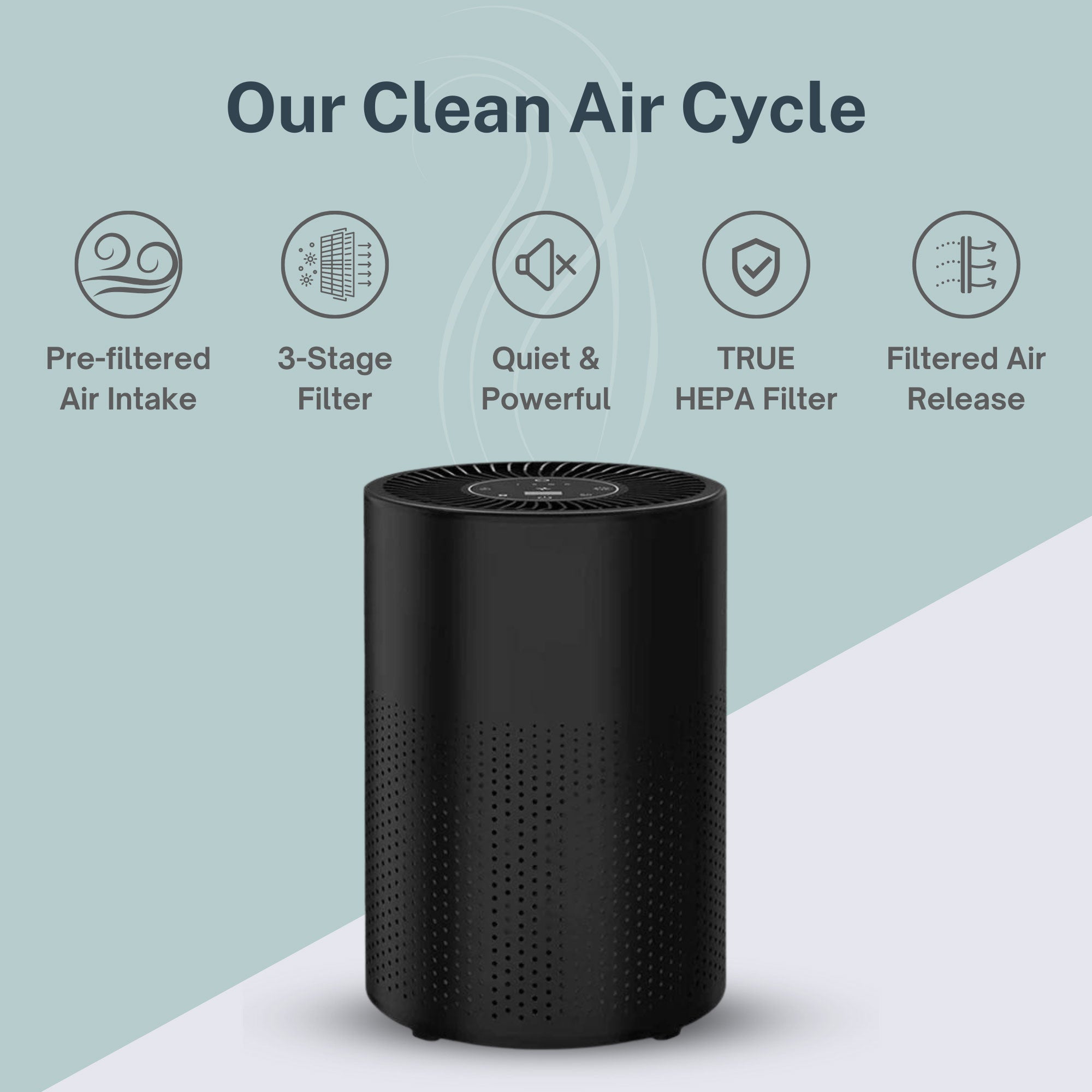
Use Air Oasis air purification in your vehicle to protect yourself while driving on the highway and at rest stops. The iAdaptAir systems provide medical-grade HEPA filtration that captures traffic-related particulate matter, diesel soot, and other pollutants before you breathe them. Activated carbon removes the chemical odors and gases that HEPA filters miss. Running your vehicle's air purifier continuously during travel and rest stops creates a clean-air refuge that significantly reduces your total pollution exposure during road trips.
The Bigger Picture on Rest Stop Air Quality
Highway rest stops occupy a unique position in the transportation system—essential for safety yet inherently located in high-pollution environments. The air quality challenges rest stops face stem from their core purpose of providing convenient highway access. Moving them farther from roads would reduce exposure to pollution but defeat their function as quick, accessible stopping points.
State transportation departments are beginning to address air quality at rest facilities. Some locations have installed truck electrification systems that allow parked trucks to plug into electric power rather than idling diesel engines for climate control and accessories. These shore power connections dramatically reduce emissions in truck parking areas. Expanding such systems nationwide would significantly improve rest stop air quality.
Better facility design can minimize exposure without relocating rest stops. Placing maintenance buildings, storage areas, and truck parking closest to highways while positioning visitor facilities, picnic areas, and playgrounds farthest from traffic reduces exposure for the people who matter most. Strategic placement of sound walls and vegetation provides additional protection. Modern rest stop construction increasingly incorporates these air quality considerations into planning.
For travelers, awareness is the first step toward protection. Understanding that rest stops are high-pollution environments rather than fresh-air oases changes behavior. Quick stops replace lengthy breaks. Families keep children away from high-exposure areas. Vulnerable individuals take extra precautions during necessary rest stop visits.
Breathe Cleaner Air on Every Journey
Highway rest stops serve crucial safety functions but present serious air quality challenges. The combination of constant highway traffic and concentrated vehicle activity including heavy truck idling creates pollution levels that can harm health, especially for children, elderly travelers, and people with existing respiratory or cardiovascular conditions. While complete avoidance isn't practical for long-distance travel, minimizing exposure time and using smart strategies reduces risks.
Clean cabin air during highway travel and rest stops requires effective filtration technology.
The iAdaptAir systems from Air Oasis deliver comprehensive protection against traffic pollutants with multi-stage filtration designed for challenging environments. Whether you're a frequent road tripper, professional driver, or family taking occasional long drives, protecting your breathing air throughout your journey matters for both immediate comfort and long-term health.
Shop Air Oasis today and transform your vehicle into a clean-air sanctuary wherever the road takes you.
Frequently Asked Questions About Rest Stop Air Quality
Here's some more intel.
How long can I safely stay at a highway rest stop?
Minimize outdoor time to reduce exposure. Brief bathroom breaks of 5 to 10 minutes present less risk than extended stops of 30 minutes or more. If you need longer breaks, spend time inside the building rather than outdoors near traffic.
Are electric vehicle charging stations at rest stops safer than regular parking?
Not necessarily. While EVs produce no tailpipe emissions, the surrounding highway traffic and diesel trucks still create high pollution levels throughout the rest stop regardless of where you park.
Should I avoid rest stops completely if I have asthma?
Rest stops remain necessary for safe driving despite air quality concerns. Minimize exposure by taking quick breaks, staying away from truck parking areas, and keeping your vehicle's air purifier running during stops.
Do indoor rest stop facilities have cleaner air than outdoor areas?
Indoor facilities typically have 50 to 70% lower pollutant levels than outdoor areas, especially if equipped with proper ventilation and filtration systems. Spending break time indoors reduces exposure compared to lingering in parking lots.
Are rest stops near smaller highways safer than those on major interstates?
Generally yes. Rest stops on routes with lighter traffic and fewer trucks experience lower pollution levels than facilities on major interstate highways with heavy commercial vehicle traffic.