You've been soaking in the hot tub for 20 minutes and now your skin is red, itchy, and irritated. Maybe your eyes are burning. Maybe you're coughing or feeling tightness in your chest. It feels exactly like an allergic reaction, and naturally, you're pointing at the chemicals in the water.
Bromine is the likely suspect — it's the disinfectant used in most residential hot tubs, particularly where high water temperatures make chlorine less effective. But whether what you're experiencing is an allergy to bromine specifically, or something else entirely, is a question worth answering precisely. The distinction matters for how you respond to it.
What bromine is and why it's used in hot tubs
Bromine is a halogen element closely related to chlorine. In water treatment, it works as a disinfectant by oxidizing microorganisms that would otherwise thrive in warm, heavily used water. Hot tubs present a particular challenge for water chemistry: the high water temperatures that make soaking comfortable also accelerate chemical reactions, cause disinfectants to break down faster, and create the humid, enclosed air environment above the water surface that anyone sitting in a hot tub is breathing continuously.
Chlorine is less stable at the elevated temperatures of hot tub water, typically 100 to 104 degrees Fahrenheit, which is why bromine is commonly preferred. Bromine remains effective at higher temperatures and across a wider pH range. It's sold in tablet or granule form and is widely available for residential spa maintenance.
Like chlorine, bromine doesn't simply sit inert in the water. It reacts with organic compounds introduced by bathers — sweat, body oils, cosmetics, and other nitrogen-containing substances — to form disinfection byproducts. In bromine-treated water, these byproducts include bromamines and other volatile bromine compounds. These byproducts enter the air above the water, and in the warm, steam-heavy environment of a hot tub — often used in a partially enclosed outdoor area or indoors — the airborne concentration of these compounds can be substantially higher than what forms above a cooler, larger swimming pool.
Can you be truly allergic to bromine?
True allergic reactions, in the immunological sense, involve IgE-mediated sensitization — the immune system recognizes a specific compound as a threat and mounts a histamine-driven response. For most chemical irritants, including halogen-based disinfectants, this mechanism is not well-documented. The American Contact Dermatitis Society does not list bromine as a common contact allergen.
What is well-documented is that bromine is a potent chemical irritant. Skin redness, itching, and rash following hot tub use are most commonly the result of irritant contact dermatitis — direct chemical irritation of the skin rather than an immune system response. This distinction may seem technical, but it affects treatment. Irritant reactions don't typically respond to antihistamines the way true allergic reactions might.
That said, individual sensitivity to bromine and its byproducts varies considerably. People with atopic dermatitis or compromised skin barriers may experience more pronounced skin reactions at concentrations that cause minimal irritation in others. And while true IgE-mediated allergy to bromine is not well-established, some researchers have noted that certain bromine compounds may have sensitizing potential under specific conditions, though this is not confirmed in robust clinical evidence. If you're experiencing severe, systemic reactions — hives beyond the contact area, throat tightening, facial swelling — that warrants prompt medical evaluation rather than a self-diagnosis of bromine irritation.
Why hot tub reactions are often more intense than pool reactions
Several factors make hot tub chemical exposure distinctly more concentrated than what most people encounter in a swimming pool, even one using similar chemistry.
Temperature drives volatility. Warmer water releases chemical compounds into the air above it more rapidly than cooler water. The steam above a hot tub carries volatile bromine compounds and bromamines at higher concentrations than the ambient air above a 78-degree pool. You're breathing that air continuously for the duration of the soak, often with your face close to the water surface.
Hot tubs have a high bather-to-water-volume ratio. A residential hot tub might hold 400 to 500 gallons of water. A swimming pool holds tens of thousands. When two or three people soak in a hot tub, the ratio of organic compounds introduced per gallon of water is dramatically higher than in a pool — which means more byproduct formation per unit of water, and more byproduct release into the air per square foot of water surface.
Enclosure concentrates airborne compounds. Hot tubs used indoors, or under a gazebo, pergola, or enclosed patio cover, have limited air exchange compared to open outdoor use. In an enclosed or semi-enclosed space, volatile bromine compounds accumulate in the breathing air above the water rather than dispersing. The result is a significantly higher airborne concentration of chemical byproducts than the bromine content of the water alone would suggest.
Respiratory symptoms from hot tub bromine exposure
Skin reactions are the most commonly reported, but respiratory symptoms from hot tub use are documented and worth taking seriously, particularly for people with asthma or airway hyperresponsiveness.
Airborne bromamine compounds are respiratory irritants. Exposure can cause coughing, throat irritation, and airway tightening. For people with asthma, the combination of warm humid air, chemical irritants, and the physiological effects of heat on the airways can trigger bronchoconstriction. A 2024 review on disinfection byproducts in recreational water published in Environmental Health Perspectives noted that hot tubs and spas generate higher concentrations of volatile disinfection byproducts per liter of water than swimming pools, due to the higher bather load, temperature, and water agitation typical of spa use.
It's also worth distinguishing hot tub lung — a specific hypersensitivity pneumonitis caused not by bromine but by bacterial contamination, particularly Mycobacterium avium complex, which can colonize inadequately maintained hot tubs — from bromine irritation. Hot tub lung produces fever, cough, and shortness of breath that develops hours after exposure and may require medical treatment. This is a different condition from the immediate chemical irritation that bromine and its byproducts cause, and it underscores that hot tub reactions have more than one possible cause. If respiratory symptoms develop hours after hot tub use rather than during it, that pattern warrants medical evaluation.
Practical steps to reduce bromine-related reactions
Shower before soaking. Rinsing off sweat, body oils, and cosmetics before entering the water reduces the organic load that reacts with bromine to form byproducts. This is the single highest-impact step for reducing byproduct formation in the water and, consequently, byproduct release into the air.
Test and maintain water chemistry consistently. Bromine levels in residential hot tubs should typically be maintained between 3 and 5 parts per million. Both over-bromine and under-bromine conditions contribute to problems — too little allows microbial growth, too much increases direct chemical irritation. A test kit used weekly catches imbalances before a soak rather than after one.
Improve ventilation around the hot tub. For indoor hot tubs, this is the most direct way to reduce airborne bromine byproduct concentrations. Opening windows, running exhaust fans during and after use, or improving mechanical ventilation in the space reduces the accumulation of volatile compounds in the breathing zone.
Rinse thoroughly immediately after soaking. Residual bromine on the skin continues to irritate after you've left the water. A quick freshwater rinse removes it before it can continue the reaction. Following with a gentle, fragrance-free moisturizer helps restore the skin barrier that chemical exposure disrupts.
How indoor air quality connects to hot tub bromine exposure
For hot tubs used indoors or in semi-enclosed spaces, the air quality dimension extends beyond the soak itself. Volatile bromine compounds released from hot water continue to off-gas into the surrounding air as the tub remains hot, not only during use. In a bathroom or indoor spa room, this means elevated concentrations of chemical gases in the air for extended periods.
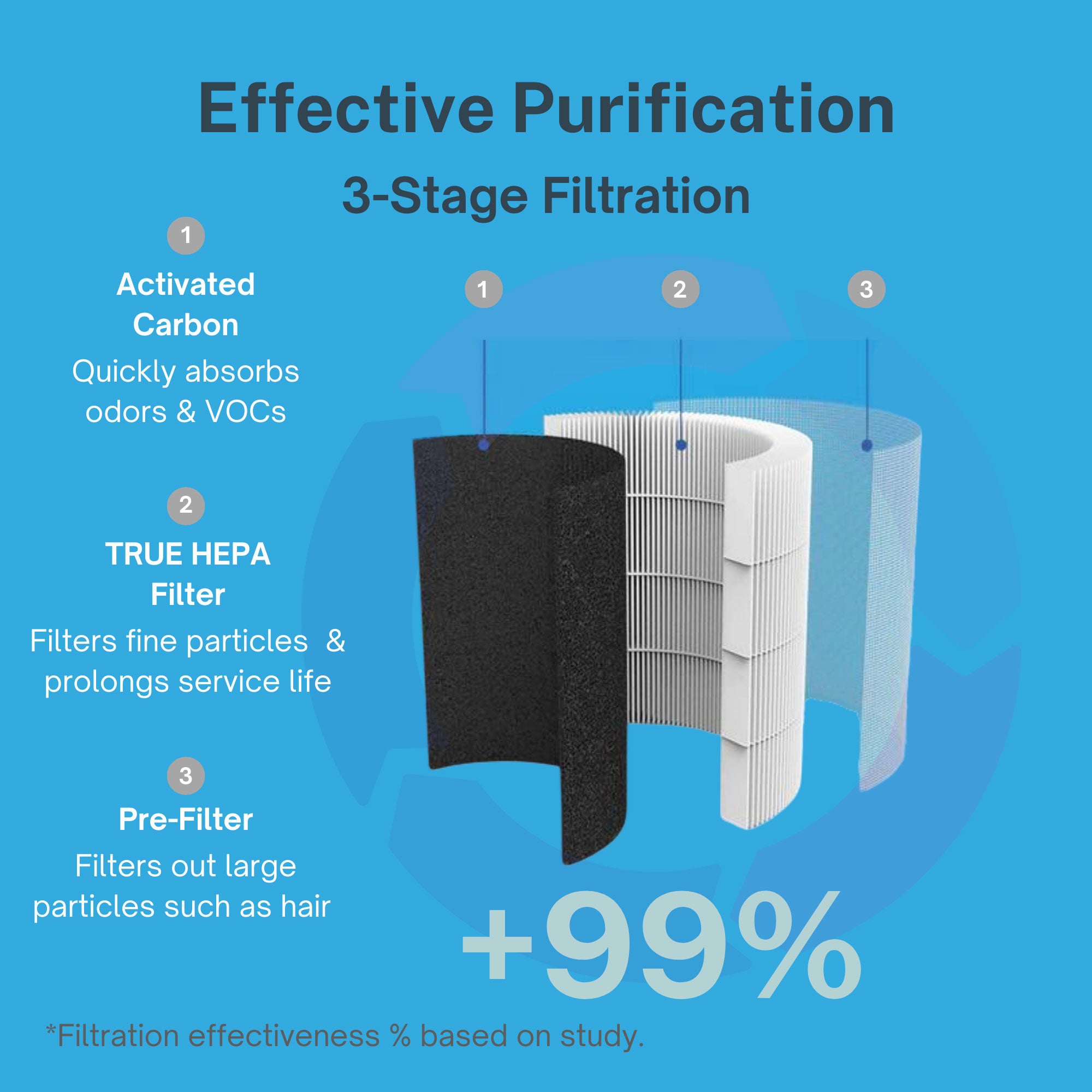
Activated carbon filtration is the relevant technology for gaseous chemical compounds. Activated carbon adsorbs VOCs and volatile chemical byproducts from the air — it is specifically designed for gas-phase removal, which HEPA filtration alone cannot accomplish.
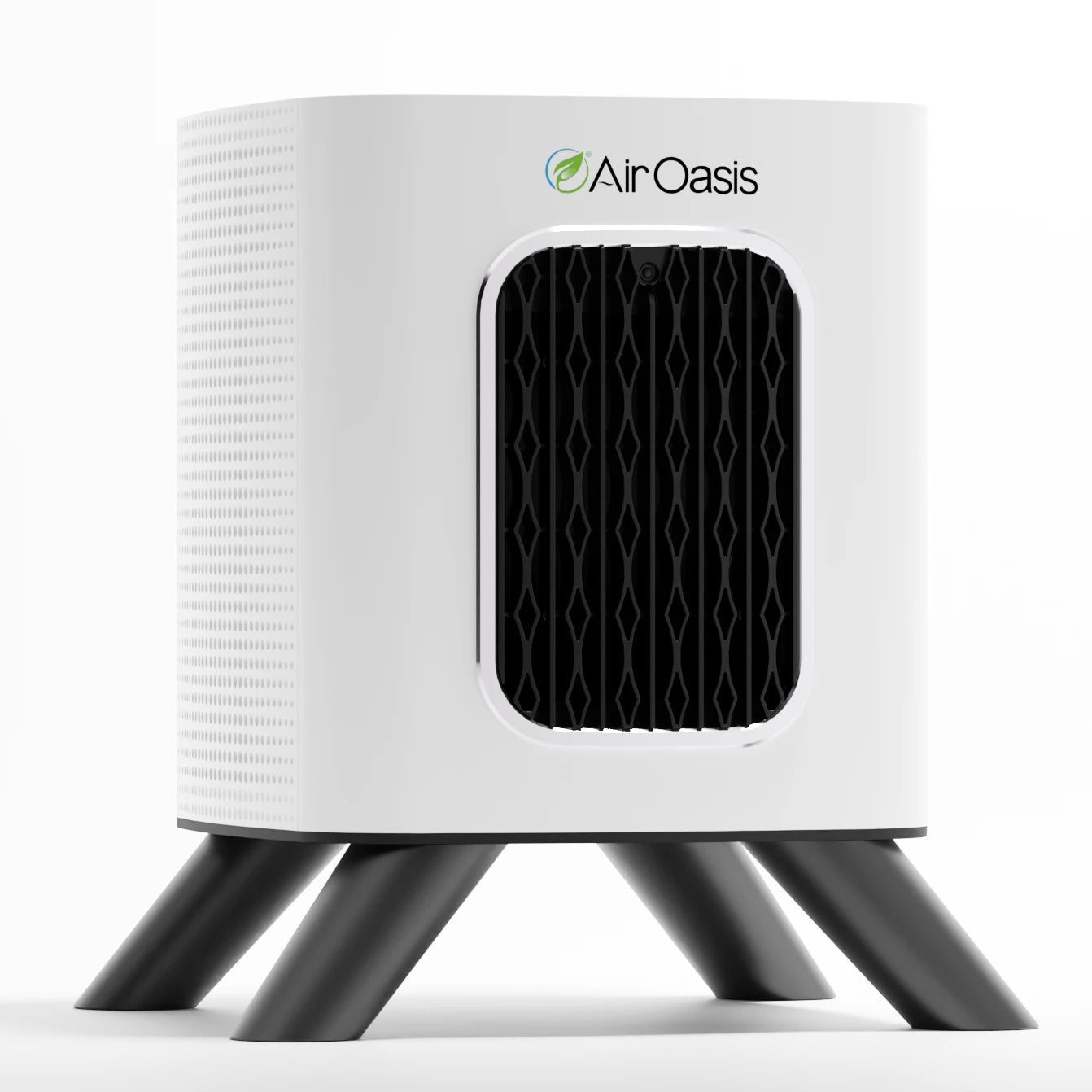
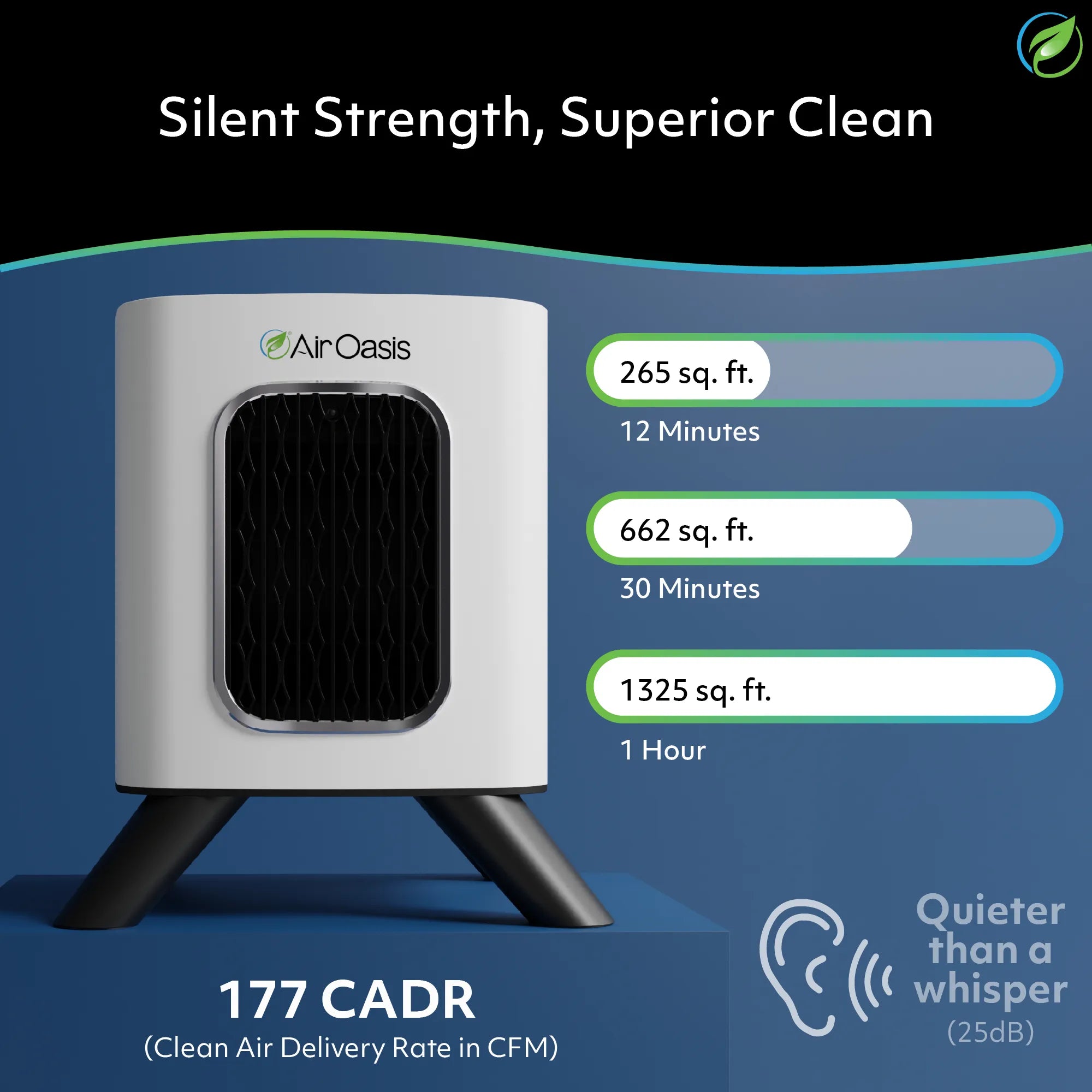
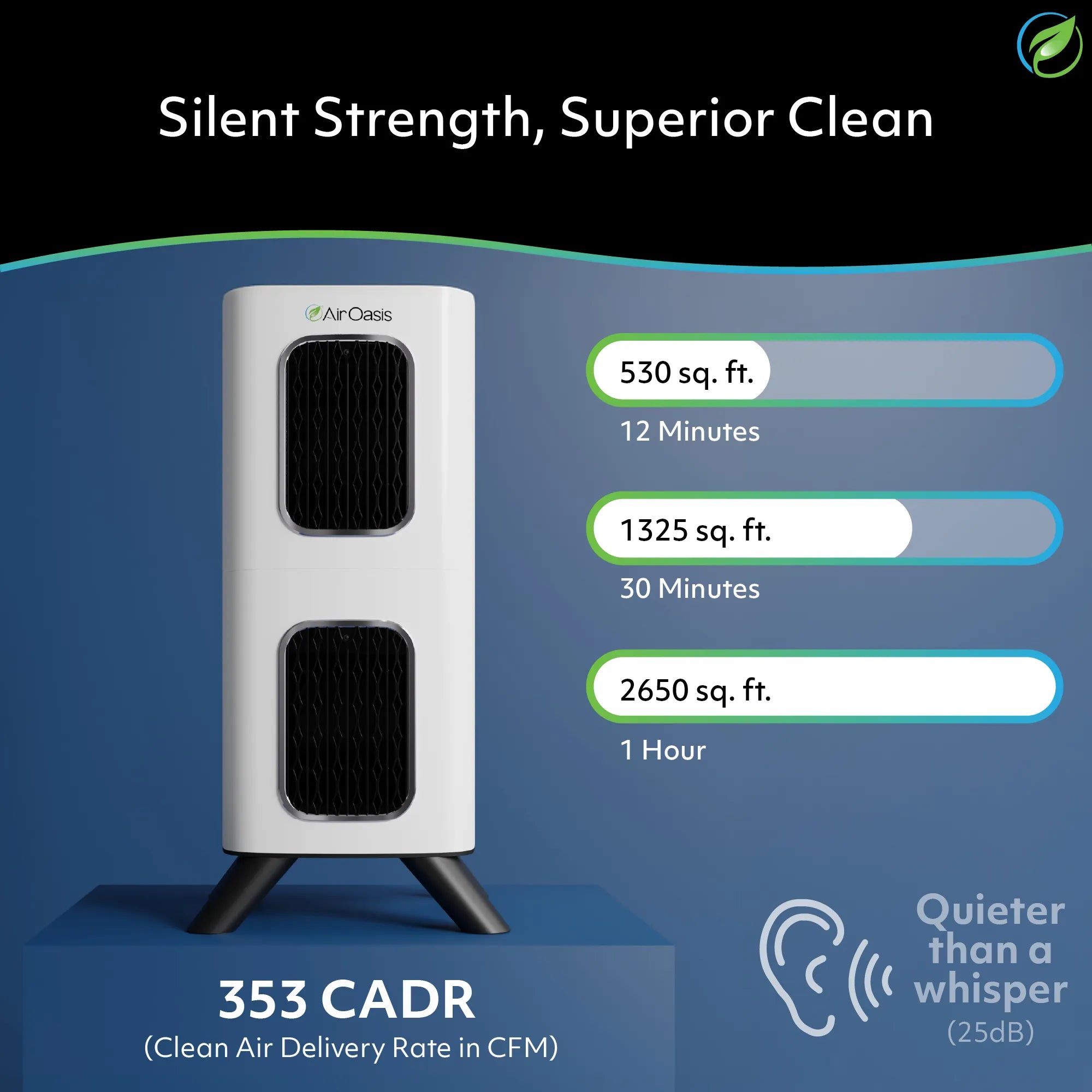
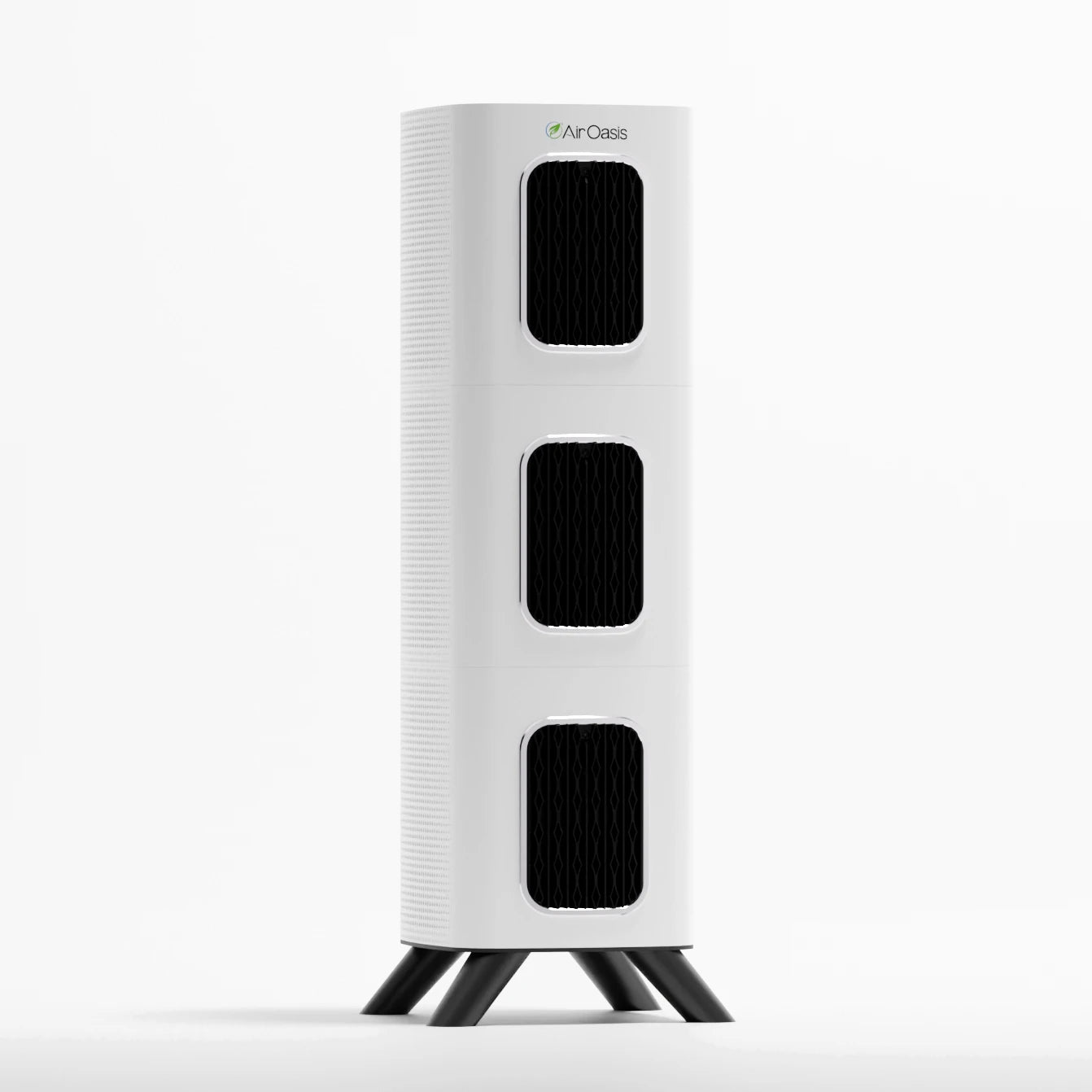
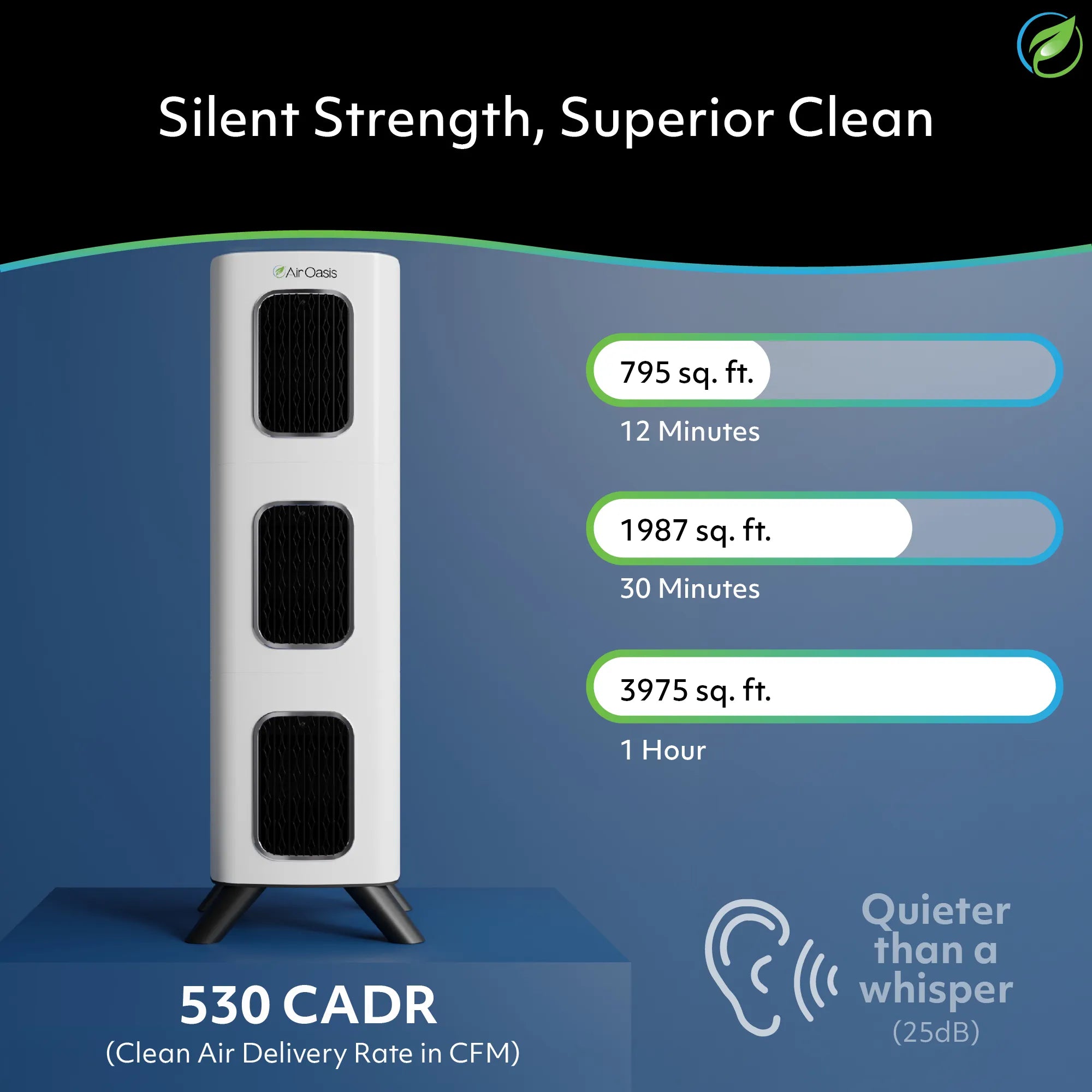
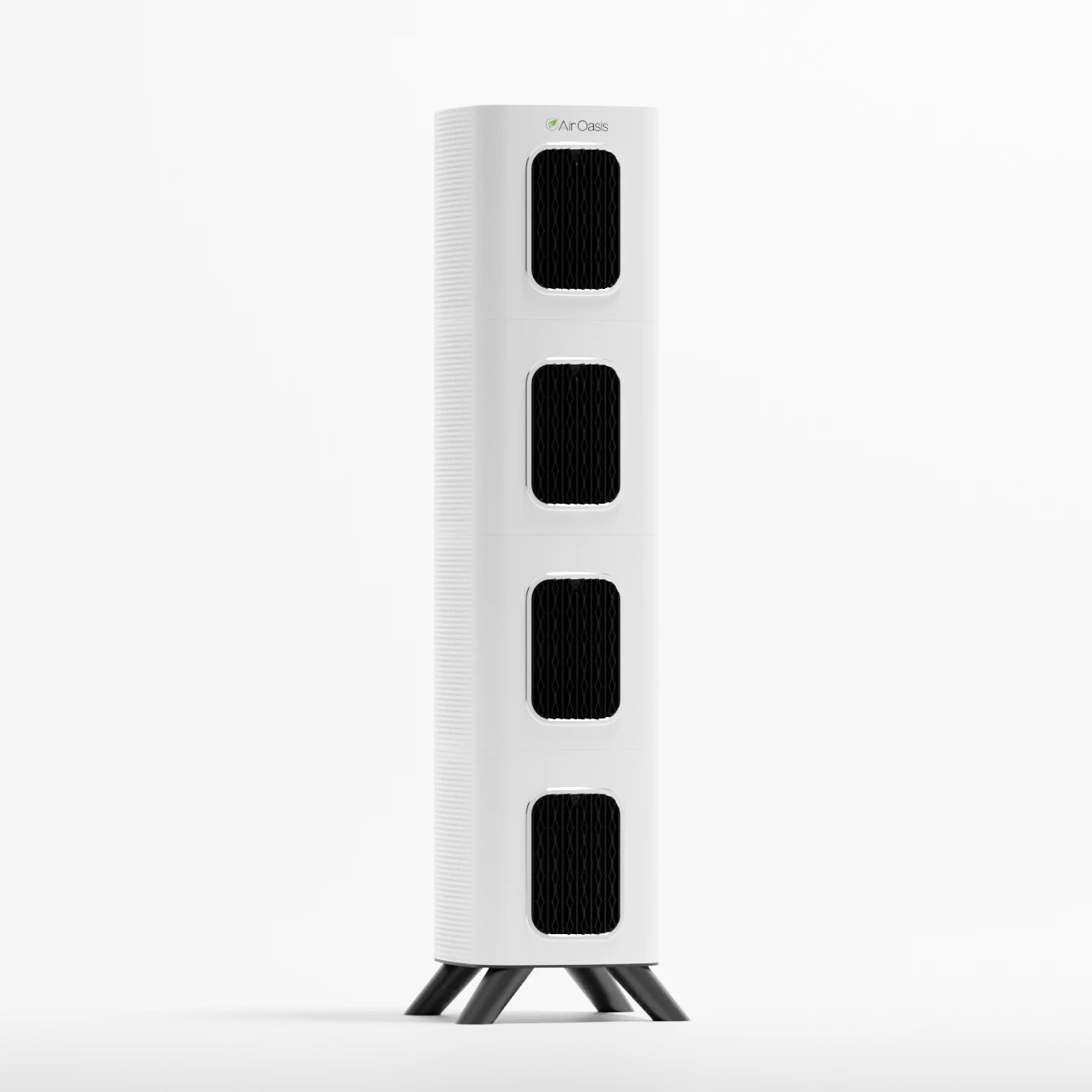
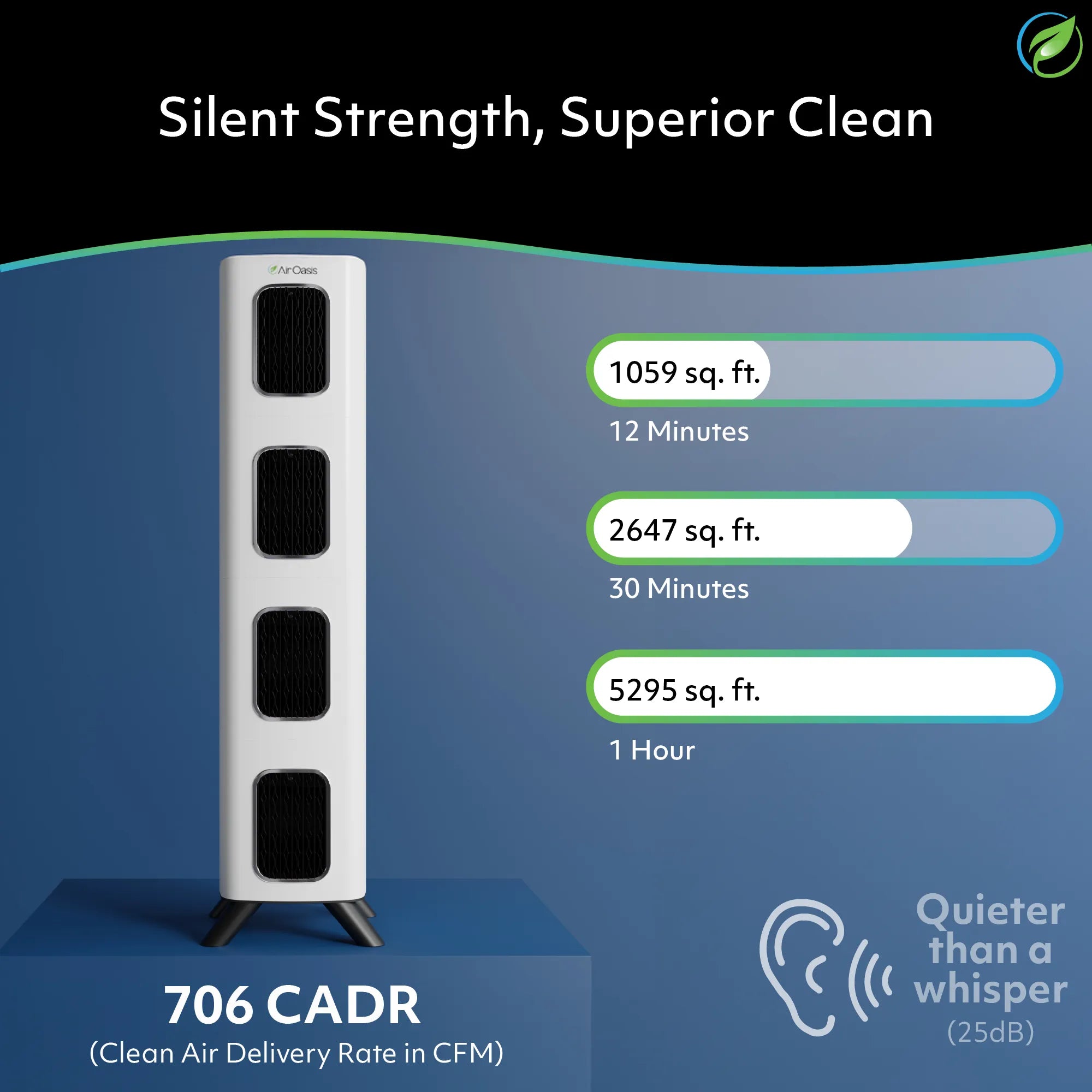
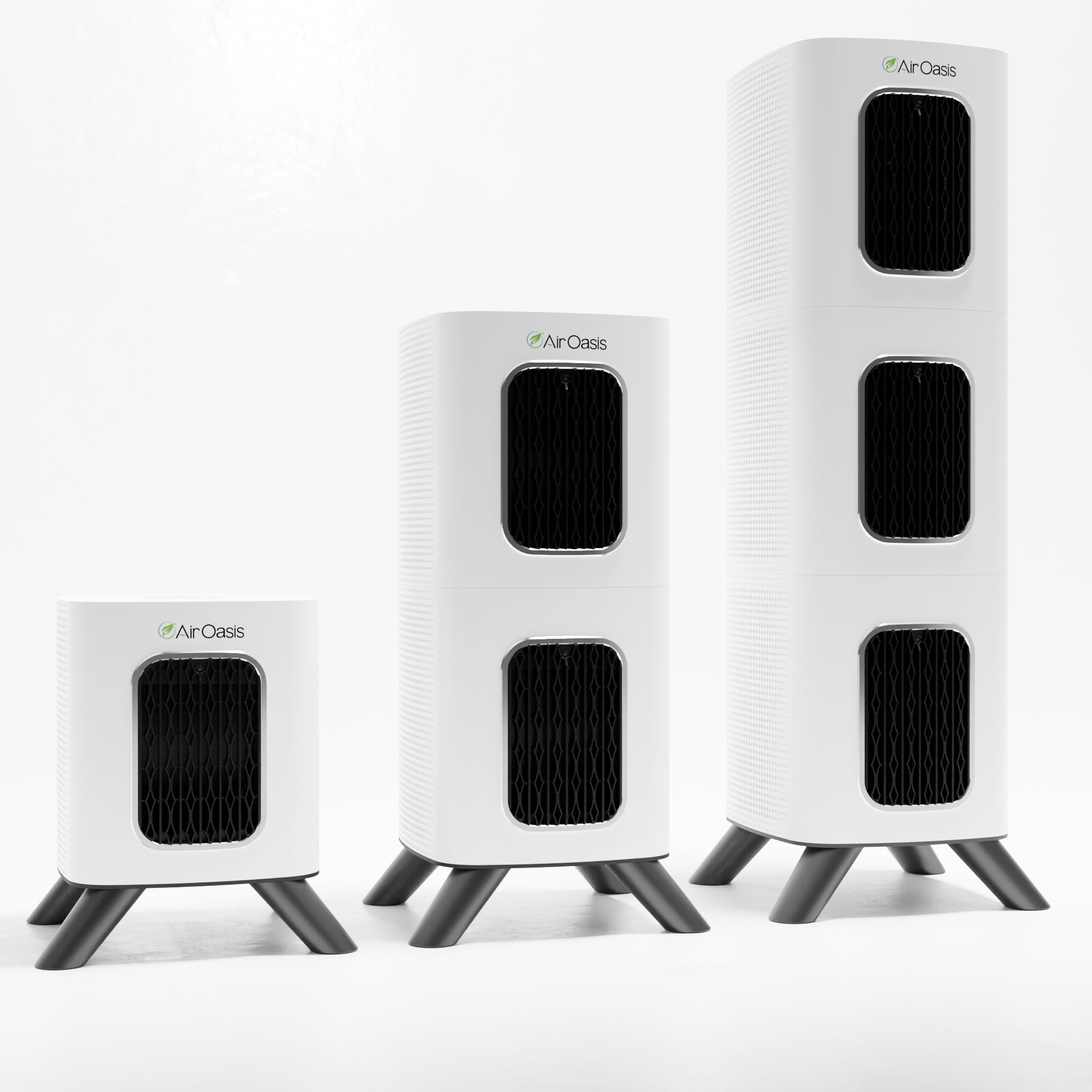
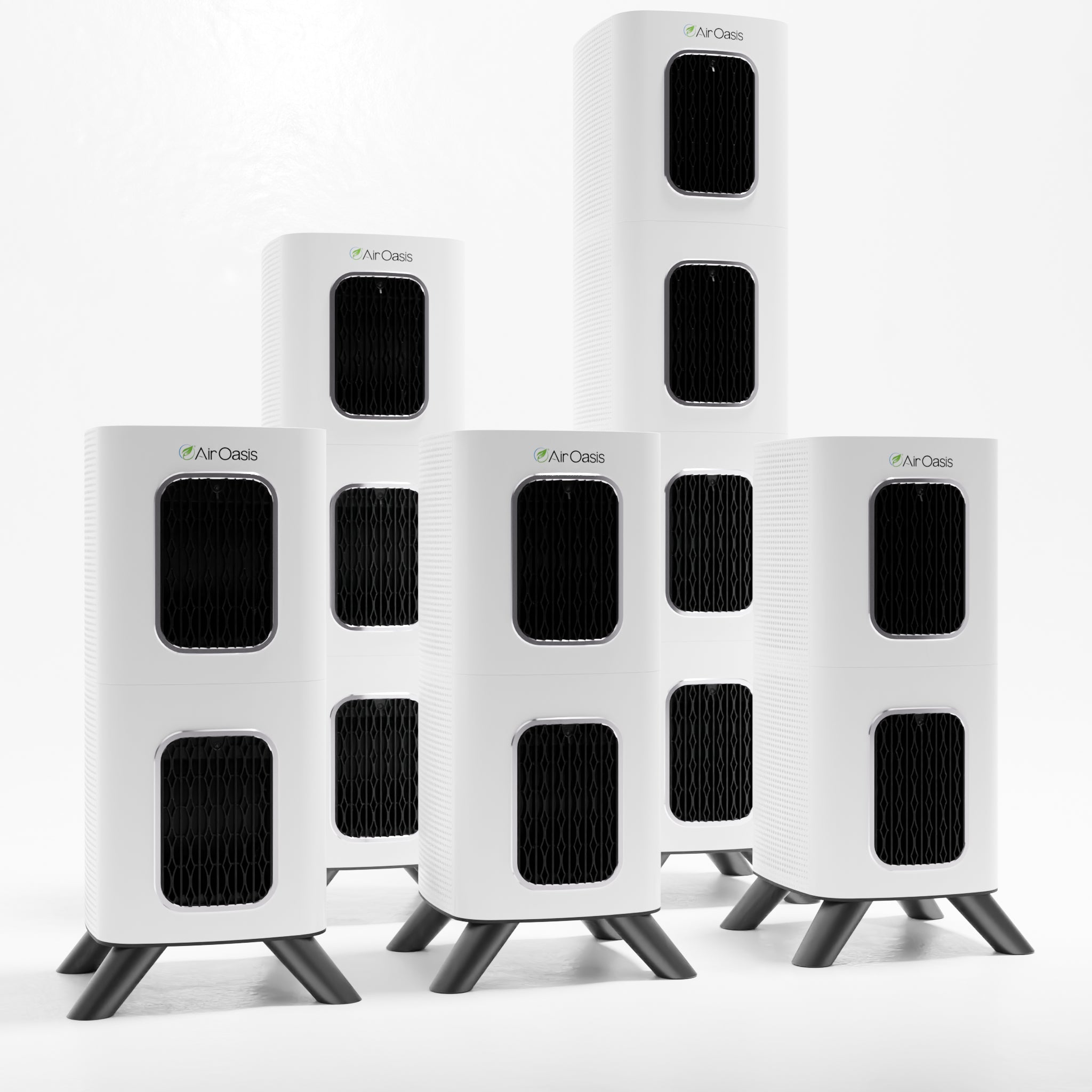
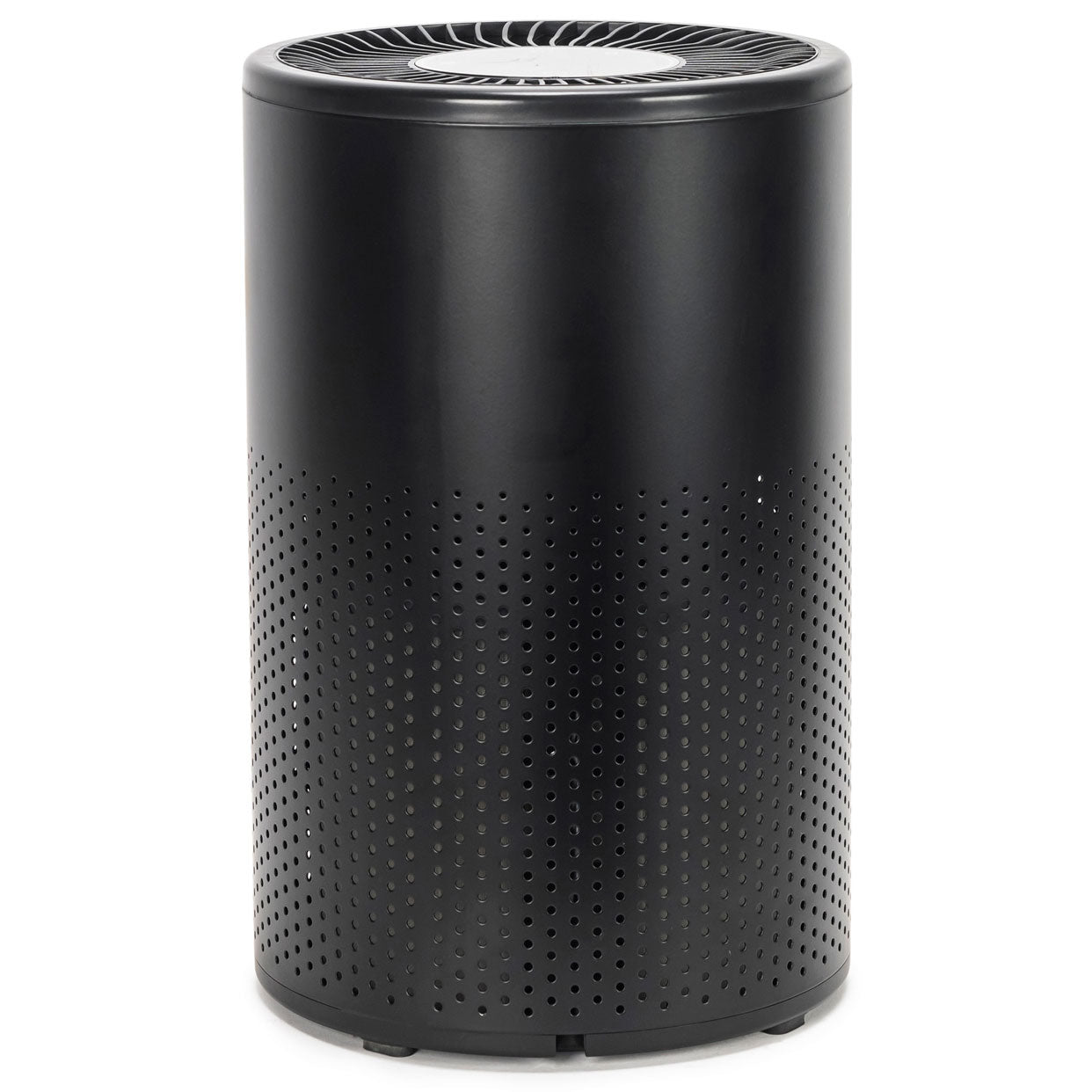
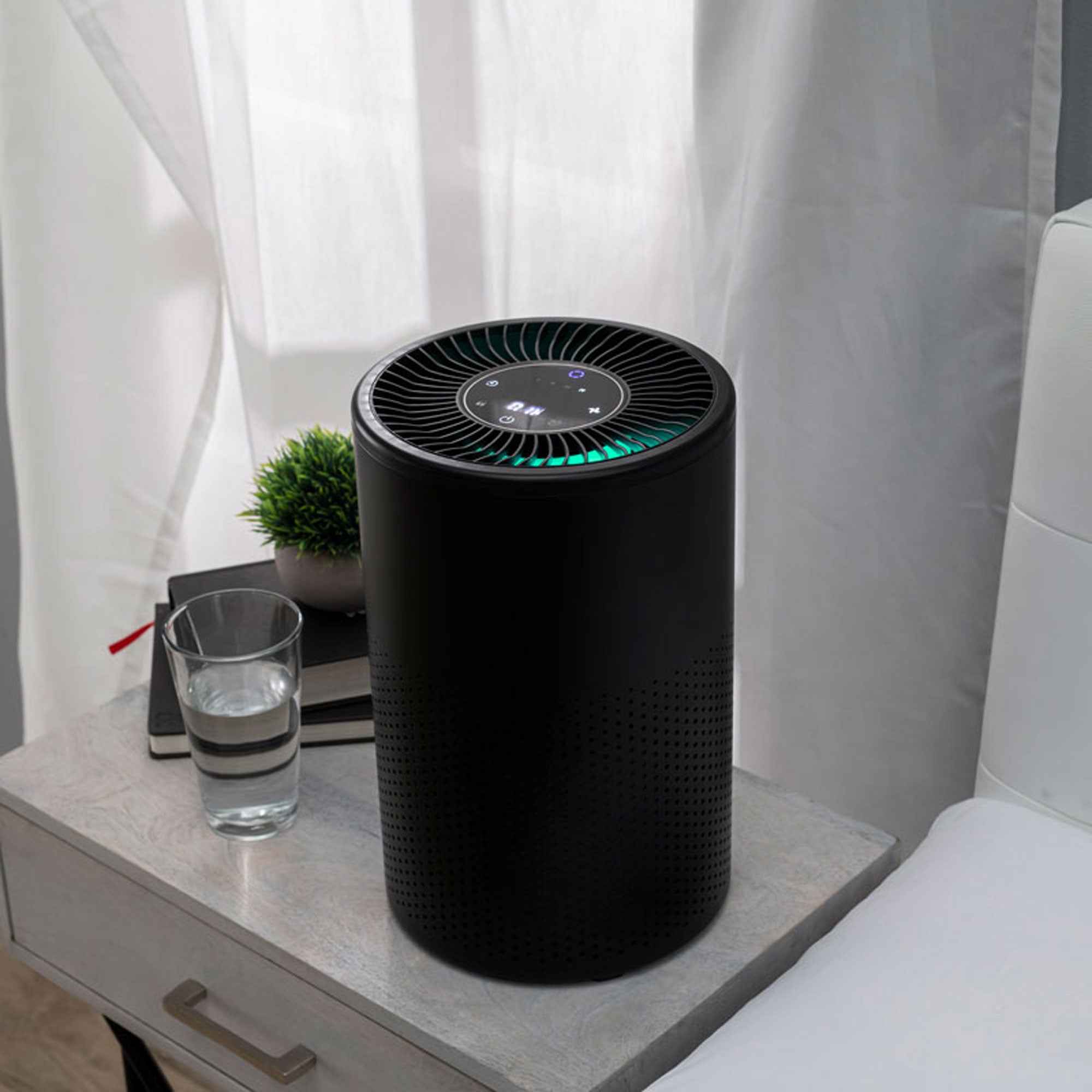
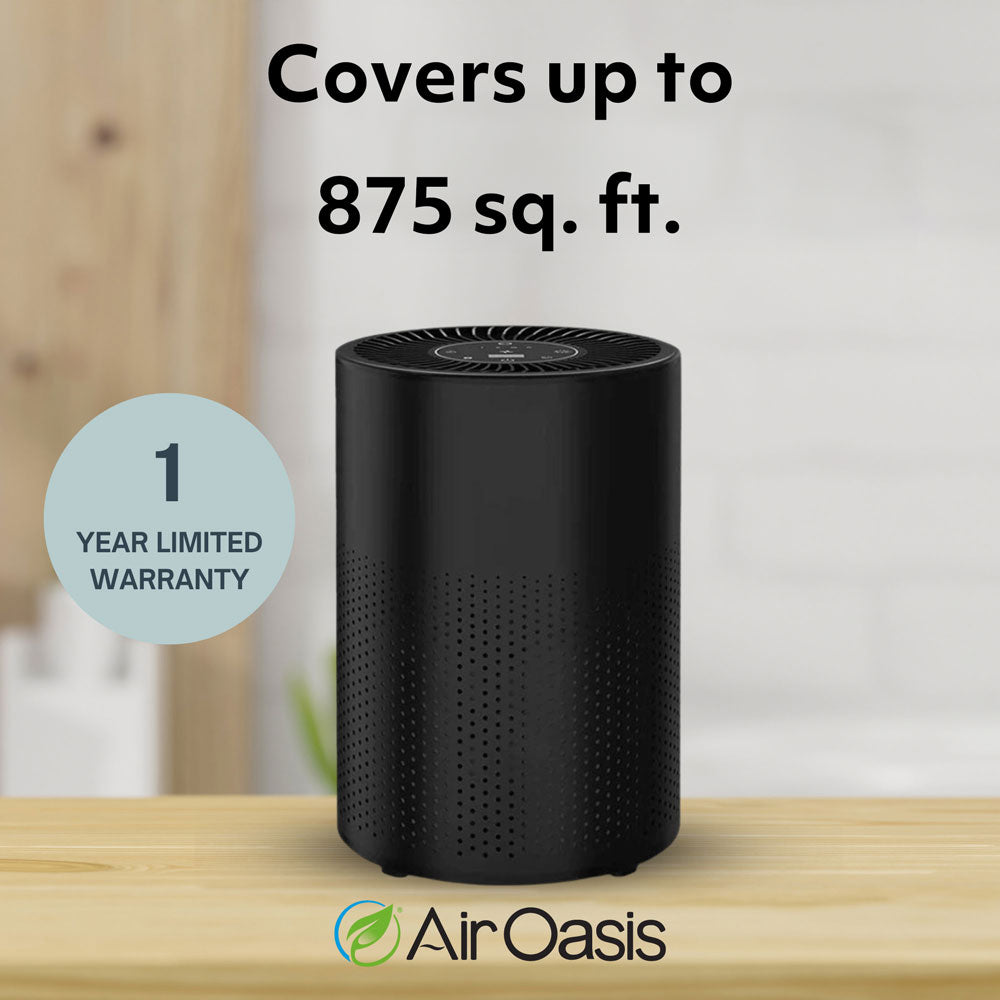
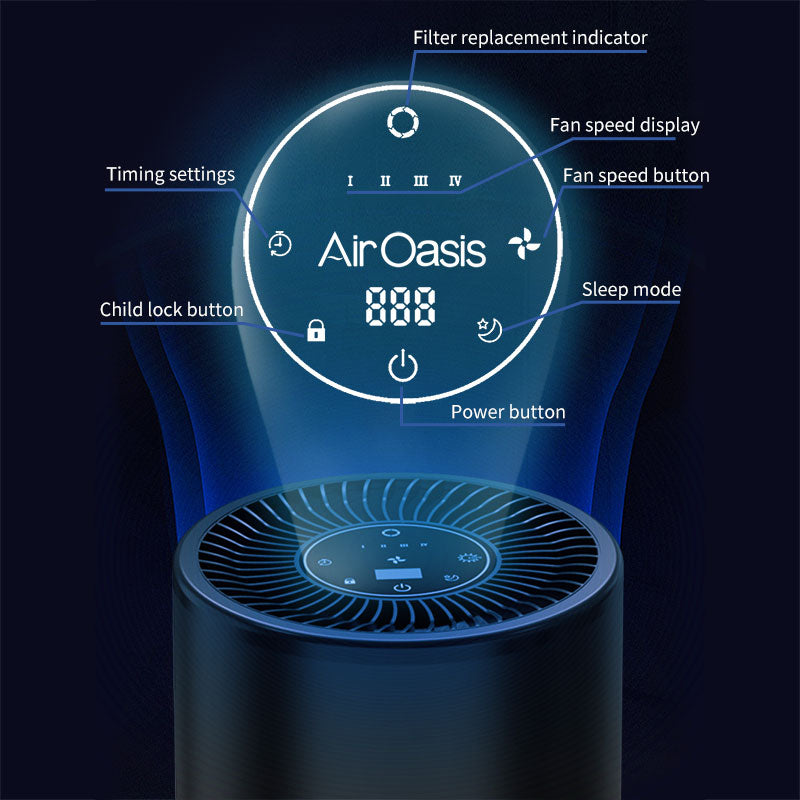
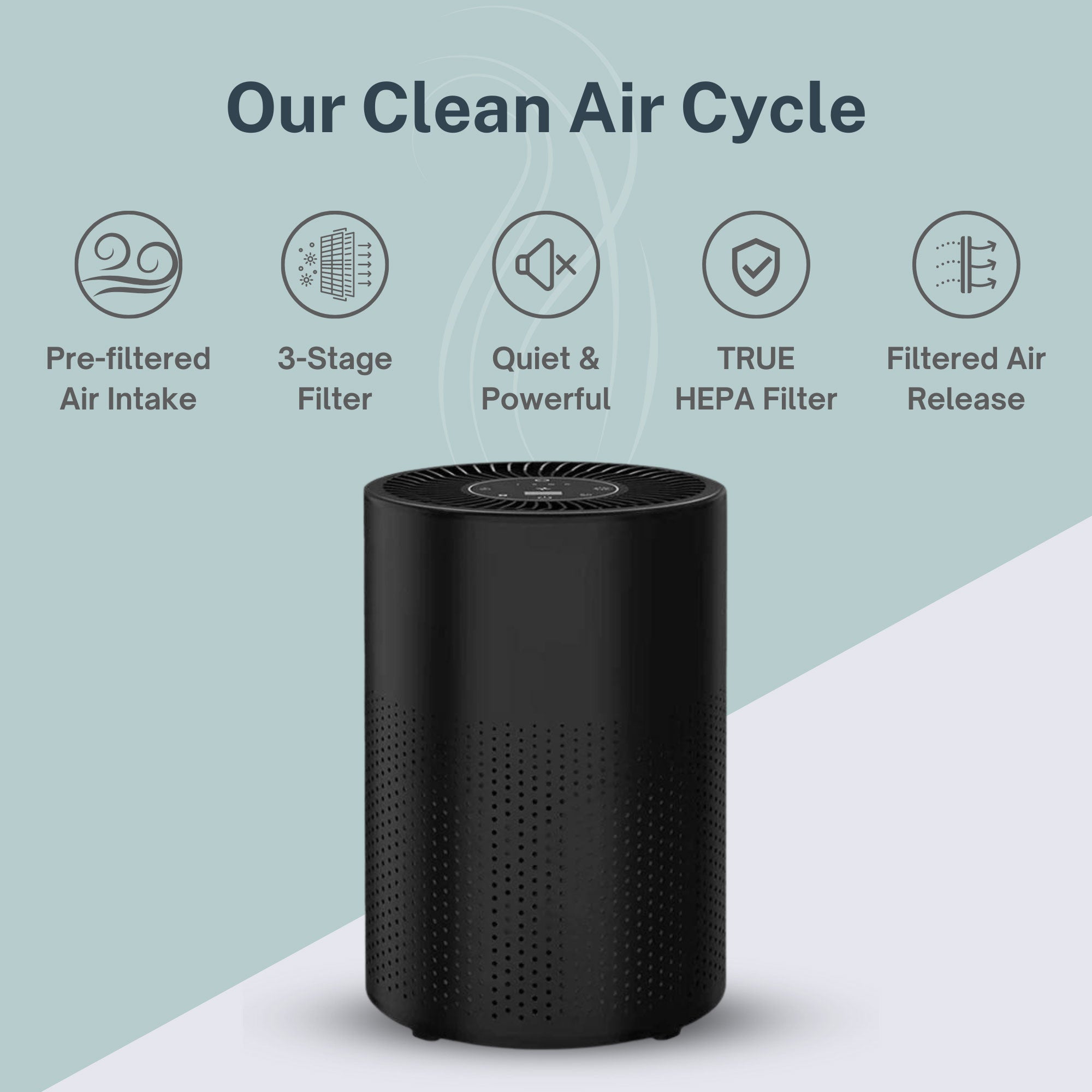
The iAdaptAir from Air Oasis combines activated carbon with True HEPA filtration, UV-C light, and bipolar ionization in a CARB-certified ozone-free unit safe for continuous operation in enclosed spaces. For an indoor spa room or bathroom where hot tub chemical off-gassing is a concern, the 2S covers up to 265 square feet and the 2M covers up to 530 square feet. Maintain four inches of clearance on all sides, keep the unit positioned away from direct steam exposure, and run it consistently rather than only during soak sessions.
The bottom line on hot tub bromine reactions
What most people call a bromine allergy is more accurately bromine irritation — a direct chemical reaction on the skin and airways rather than a true IgE-mediated immune response. That doesn't make it less real or less worth addressing. The hot tub environment amplifies chemical byproduct formation and exposure through temperature, enclosed air space, and high bather-to-water ratios, making reactions more common and more intense than most pool experiences.
Managing the water chemistry, showering before and after, improving ventilation, and running activated carbon filtration in enclosed spa spaces addresses the problem at each point in the exposure chain. If reactions are severe, systemic, or involve respiratory symptoms that worsen hours after exposure, a physician's evaluation is warranted.
Shop Air Oasis today and breathe better in every space you use. Breathe Better, Live Better.