If your spring allergies seem to hit harder than those of friends who live in other parts of the country, you're not imagining it. Maple tree allergies — a form of allergic rhinitis triggered by maple pollen — vary considerably depending on where you live, what the local tree population looks like, and what the weather does during pollination season. Geography matters more than most allergy sufferers realize, and understanding why can help you anticipate and manage symptoms more effectively.
What Triggers a Maple Tree Allergy
Maple tree allergy develops when the immune system identifies maple pollen as a threat and mounts a defensive response. The pollen grains are small and lightweight, designed by nature to travel on the wind rather than by insect — which is precisely what makes them such an effective allergen. They can disperse over long distances, meaning you don't need to live next to a maple grove to be exposed. Once inhaled, these grains enter the nasal passages and, in sensitized individuals, prompt the immune system to release histamine and other inflammatory compounds.
The result is the familiar cluster of seasonal allergy symptoms: sneezing, nasal congestion, runny nose, postnasal drip, itchy and watery eyes, and in more severe cases, worsening of asthma. Skin reactions, including hives and eczema flare-ups, can also occur in some people when pollen comes into contact with sensitive skin directly. Maple tree allergy season typically runs from March through June in most of North America, with peak pollen release in spring when trees begin to flower before or alongside their leaf emergence.
One additional complication worth knowing: people allergic to maple pollen frequently experience cross-reactivity with other tree pollens, particularly oak, ash, and birch, because the proteins in these pollens are structurally similar. This can extend the effective allergy season beyond maple's natural window and make total pollen burden harder to manage during spring months.
Where Maple Tree Allergies Tend to Be Worse
Maple trees are among the most widely distributed trees in North America, but their concentration varies significantly by region — and so does the allergy burden they create.
The Northeast and Midwest are the areas most heavily associated with maple tree allergies. These regions have dense populations of sugar maple, red maple, and silver maple, all of which are prolific pollen producers. States from New England through the Great Lakes region — including New York, Pennsylvania, Ohio, Michigan, Wisconsin, and Minnesota — have among the highest maple pollen exposure in the country. The combination of high tree density, cool springs that concentrate pollen release into a shorter window, and wind patterns common to these regions creates conditions in which sensitive individuals face substantial seasonal exposure.
The Southeast also carries significant maple allergy burden, particularly from red maple, which is one of the earliest flowering trees of the year in that region. In states like Georgia, the Carolinas, and Virginia, red maple can begin releasing pollen as early as February — weeks before tree allergy season begins in northern states. For people in these areas, the allergy season starts earlier and can overlap with the oak and cedar pollen seasons, creating a prolonged, compounded exposure period.
Urban areas throughout North America present a specific concern that is sometimes underappreciated. Maple trees — particularly red maple and silver maple — have been widely planted as street and landscape trees in cities for decades, valued for their rapid growth, shade, and attractive appearance. This means that people living in cities with significant urban tree planting programs may encounter concentrated maple pollen exposure at close range, even in regions where native maple density might otherwise be lower. Walking past a row of flowering street maples during peak pollen release is a meaningfully different exposure than encountering airborne pollen that has traveled from a distance.
How Weather Shapes the Severity of Each Season
Regional geography sets the baseline for maple allergy exposure, but weather conditions within any given year determine how bad a particular season actually feels. Several factors consistently influence pollen load and symptom severity.
Temperature timing is a significant driver. A warm, early spring prompts earlier and sometimes more abundant pollen release. Conversely, a late frost after budding has begun can disrupt the pollen season — though the delayed release that follows can create a concentrated burst when temperatures finally rise. In the Northeast, late springs that compress pollination into a shorter window can produce several high-pollen days in succession rather than a gradual season, intensifying symptom burden in sensitive individuals.
Wind strongly amplifies exposure. Maple pollen is wind-dispersed, and breezy days carry pollen efficiently over long distances. Pollen counts tend to be highest in the morning and during dry, windy conditions. Calm, humid, or rainy weather temporarily suppresses airborne counts — rain washes pollen out of the air and wet conditions inhibit its dispersal. After rain, however, counts can spike as conditions dry out. People who notice that their symptoms worsen on windy mornings and ease after rain are responding to these real, measurable fluctuations in airborne pollen concentration.
High humidity, while suppressing airborne counts temporarily, can make pollen grains that have already settled on surfaces more adherent, increasing the likelihood of contact with skin and eyes for people who spend time outdoors.
Managing Maple Tree Allergies by Region and Season
Understanding your regional baseline and the weather conditions that amplify exposure allows for more targeted management. Checking daily pollen counts — available through the American Academy of Allergy, Asthma and Immunology's National Allergy Bureau — and limiting outdoor activity on high-count mornings and windy days meaningfully reduces peak exposure. Showering and changing clothes after time outdoors removes pollen from skin and hair before it can be transferred to indoor surfaces.
For people in high-density maple regions who find over-the-counter antihistamines insufficient, nasal corticosteroid sprays offer more targeted control of inflammation for seasonal rhinitis and are most effective when started before the season begins rather than after symptoms are already established. For those with severe or chronic symptoms, allergy immunotherapy — either through injections or sublingual drops — works by gradually desensitizing the immune system to specific allergens, offering the potential for longer-term reduction in symptom severity rather than just seasonal management.
Protecting Indoor Air During Maple Season
Outdoor pollen control has limits — you cannot change what trees are planted in your neighborhood. What you can control is the air inside your home. Maple pollen grains enter homes through open windows, on clothing, on pets, and through HVAC systems without adequate filtration. During peak season, keeping windows closed during high-pollen periods and running the HVAC on recirculate rather than drawing in outside air significantly reduces the indoor pollen load.
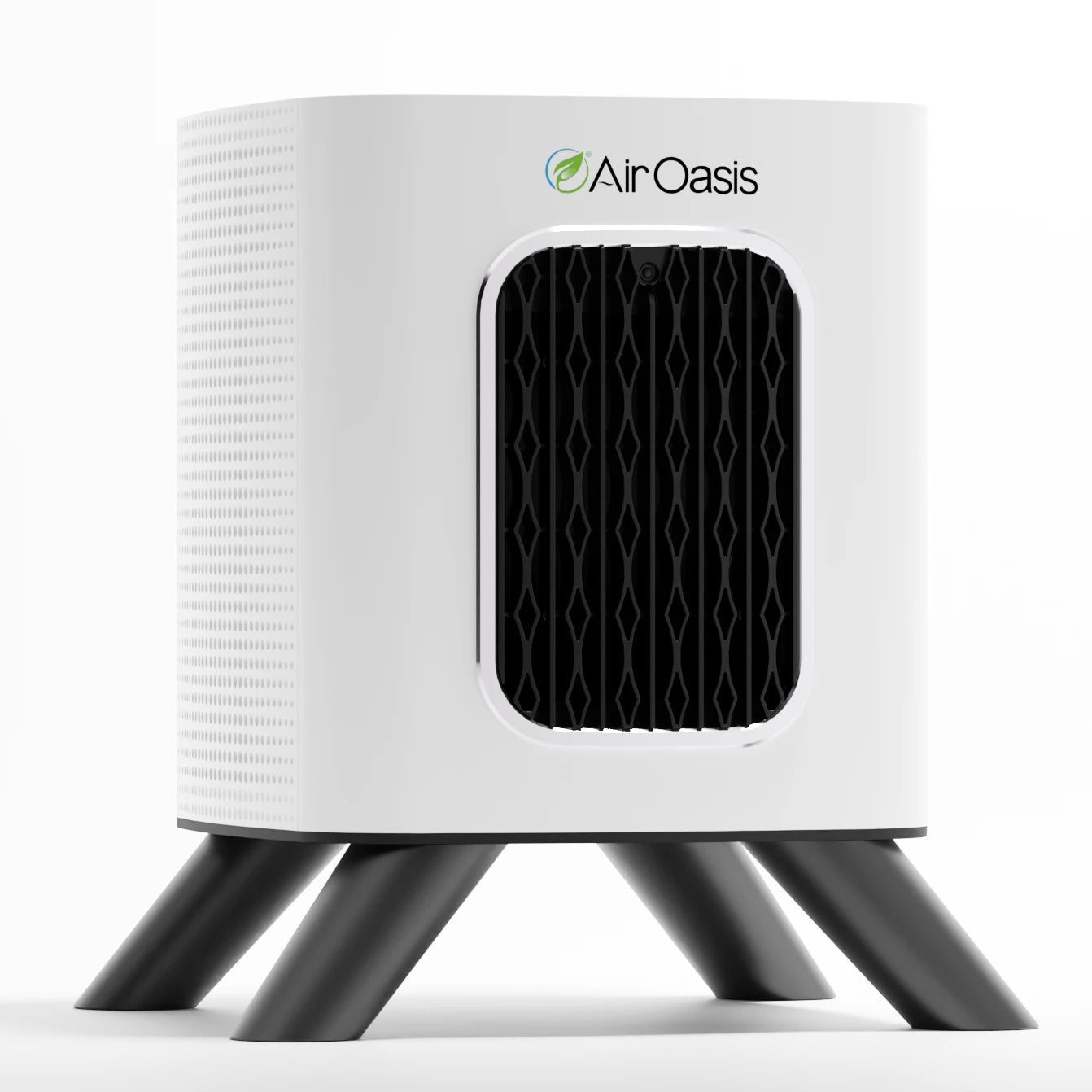
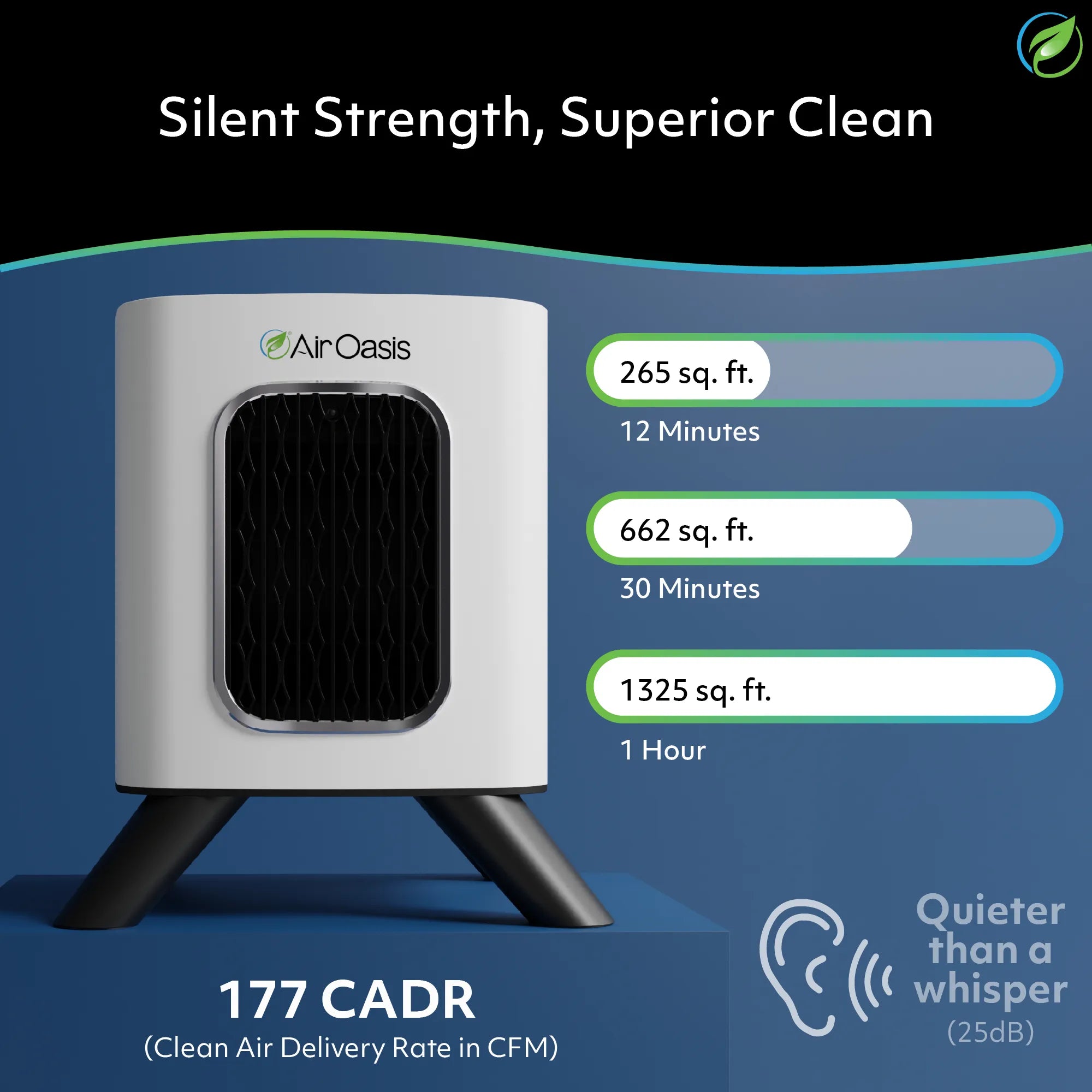
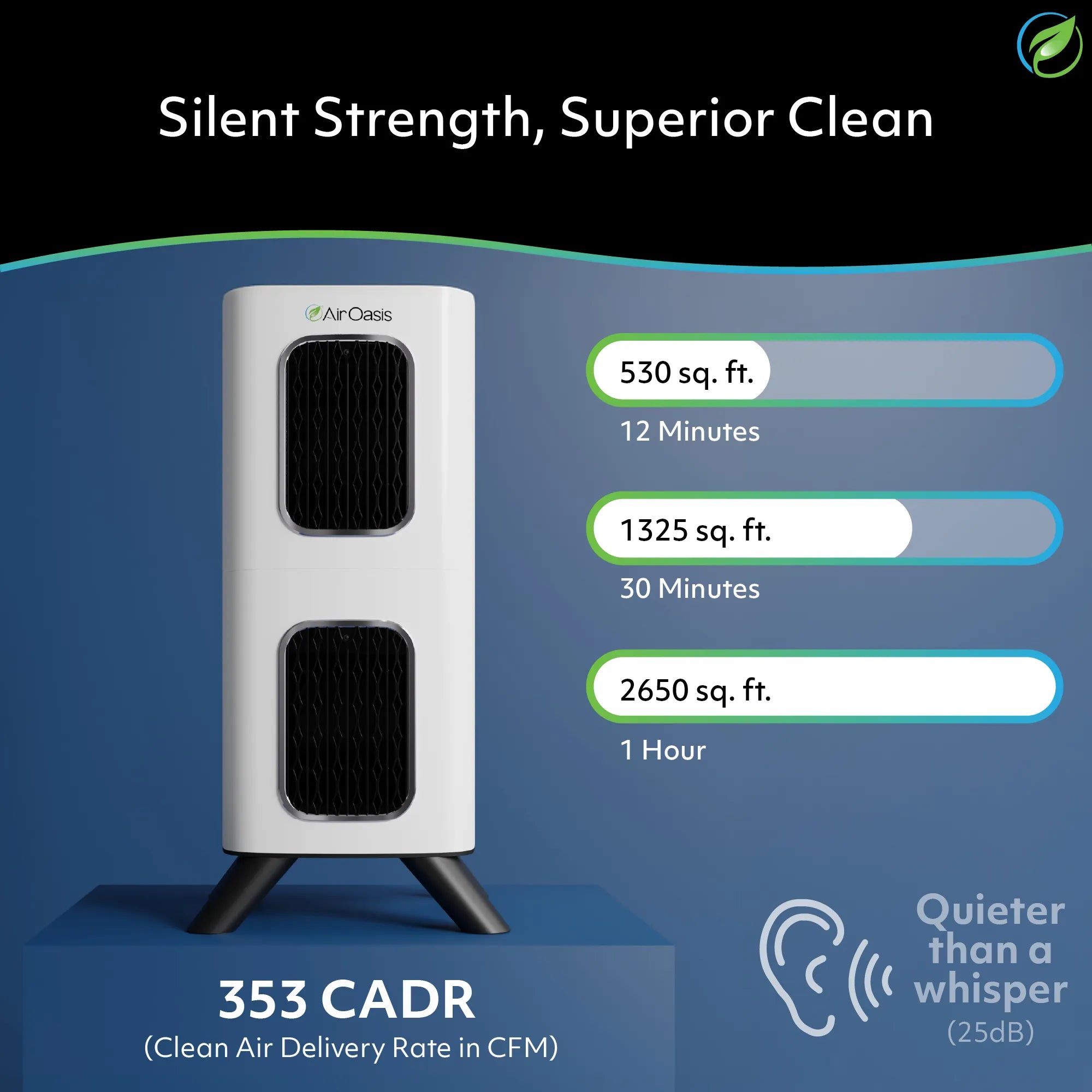
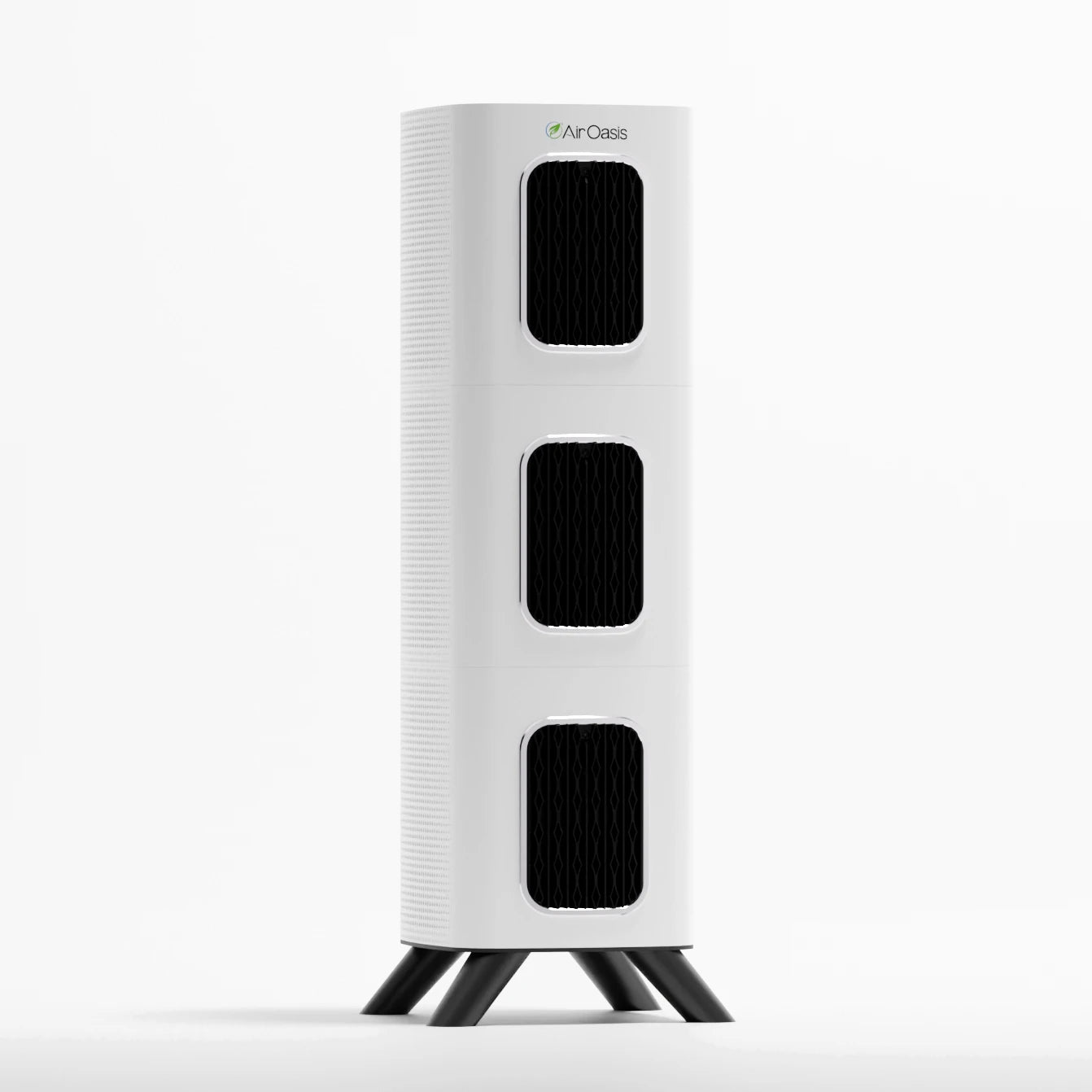
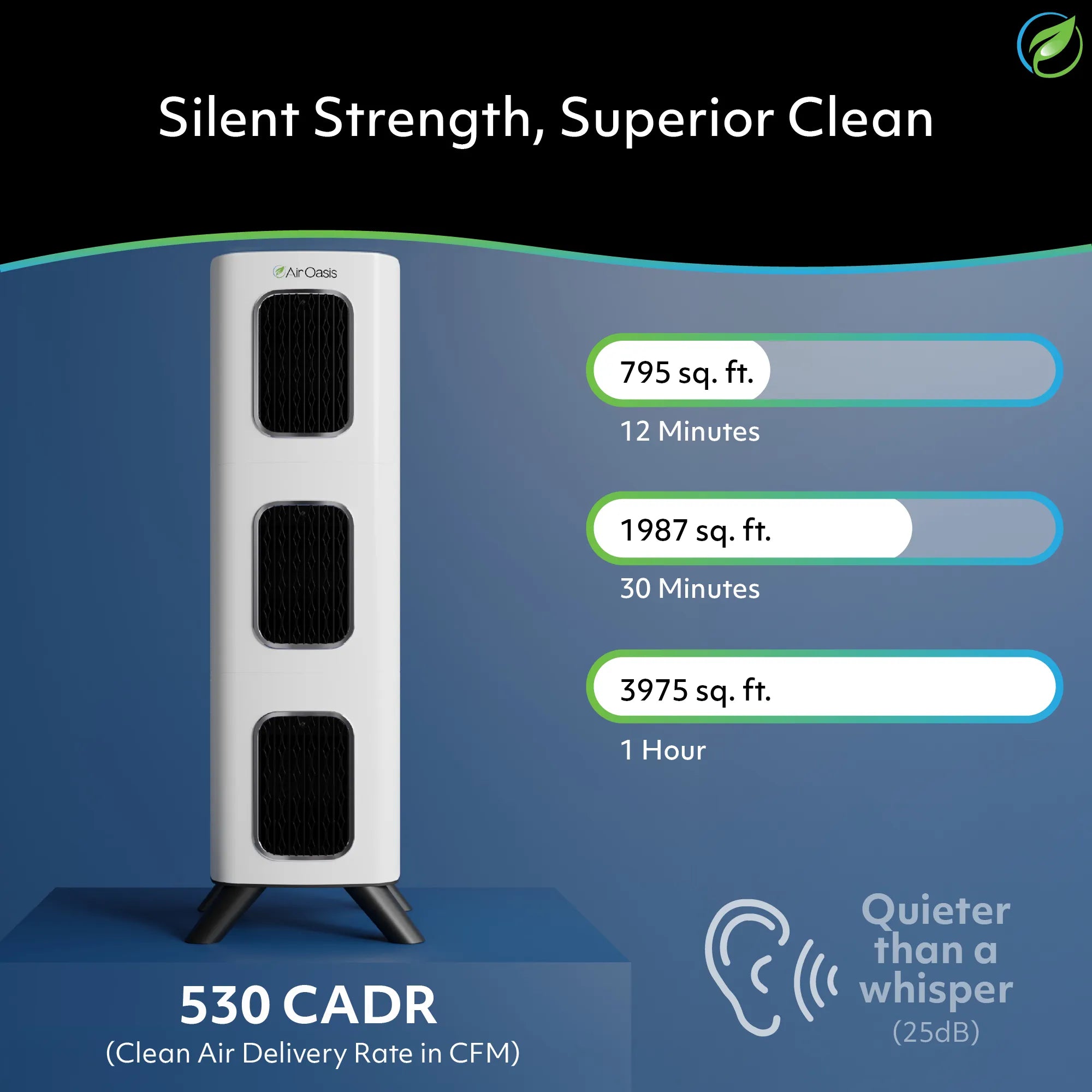
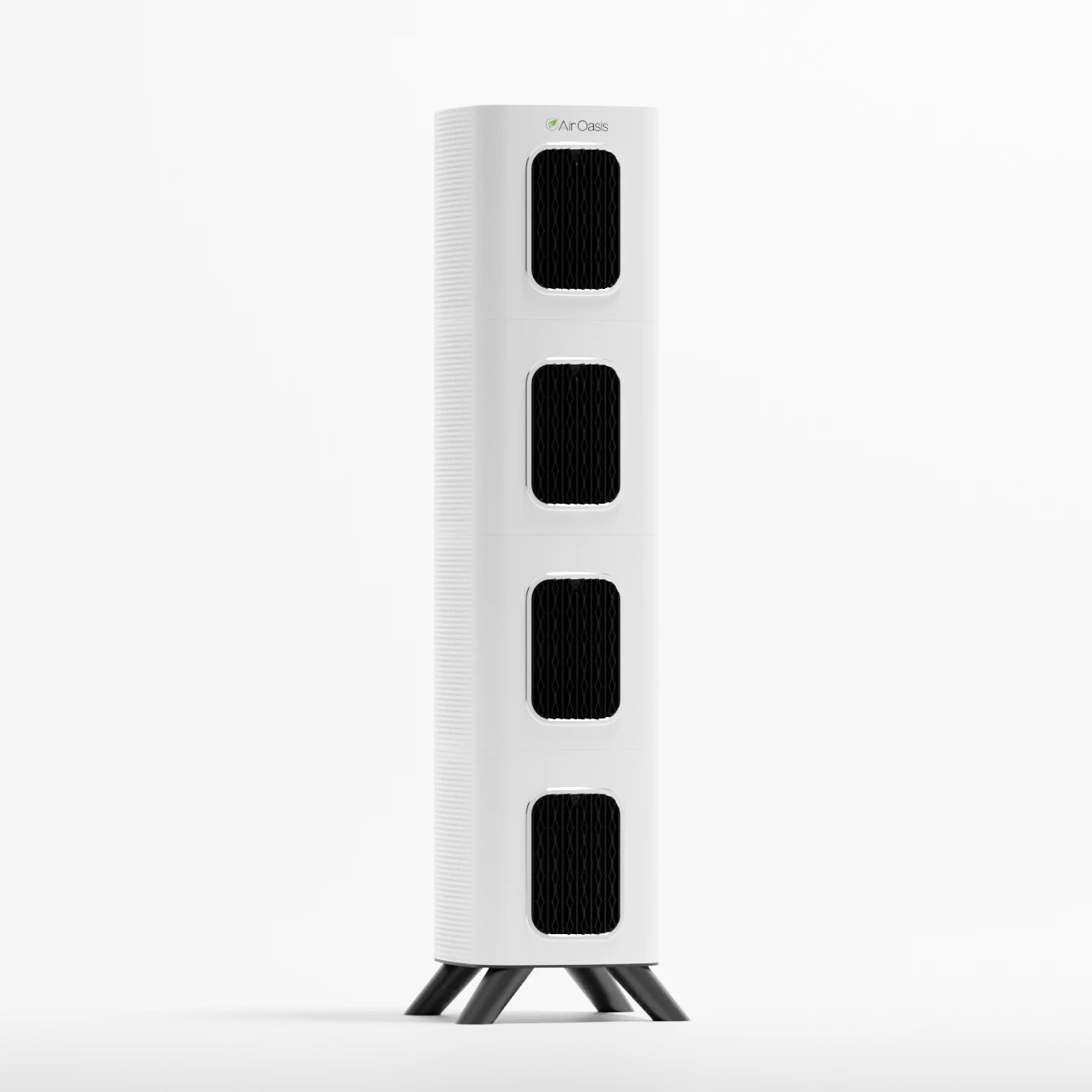
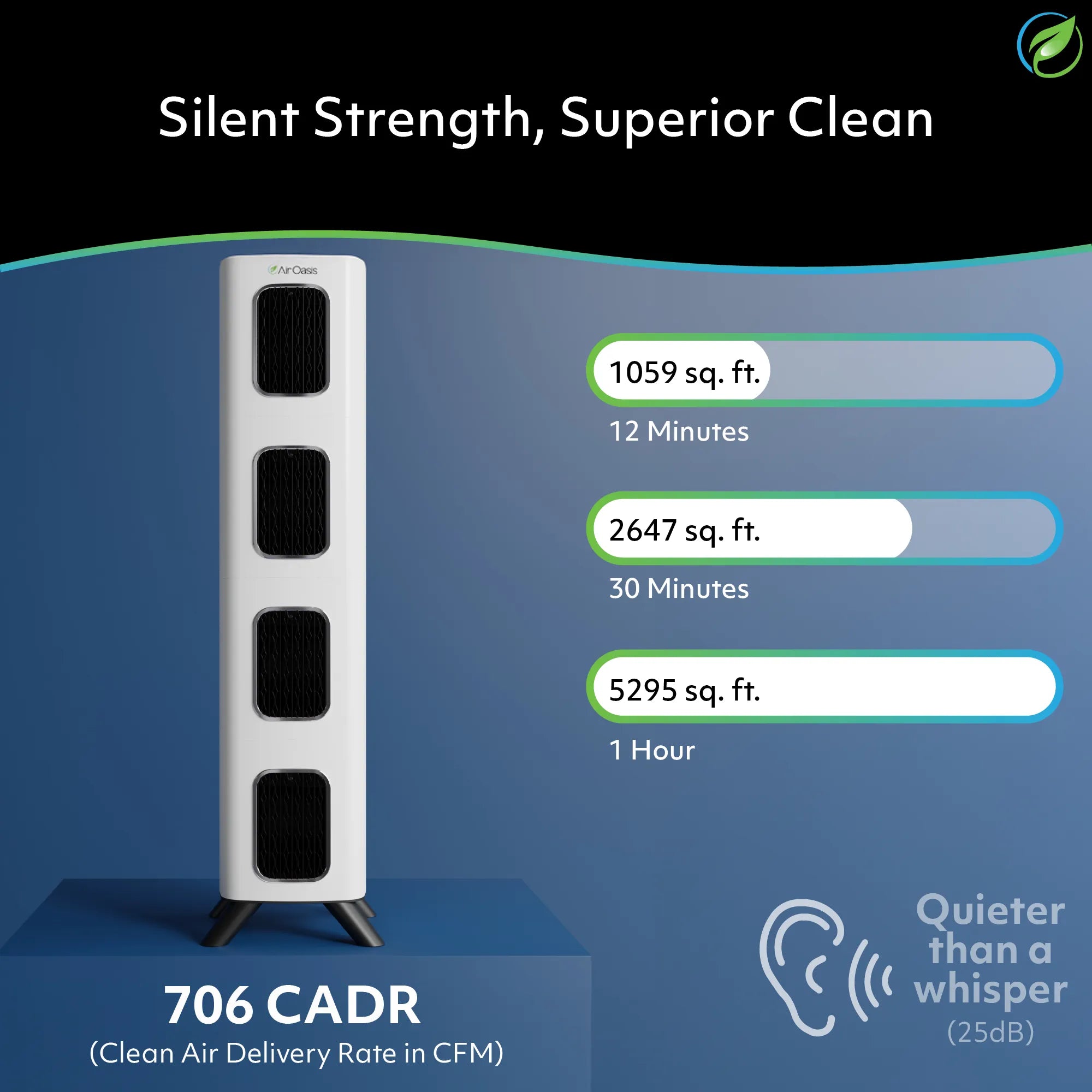
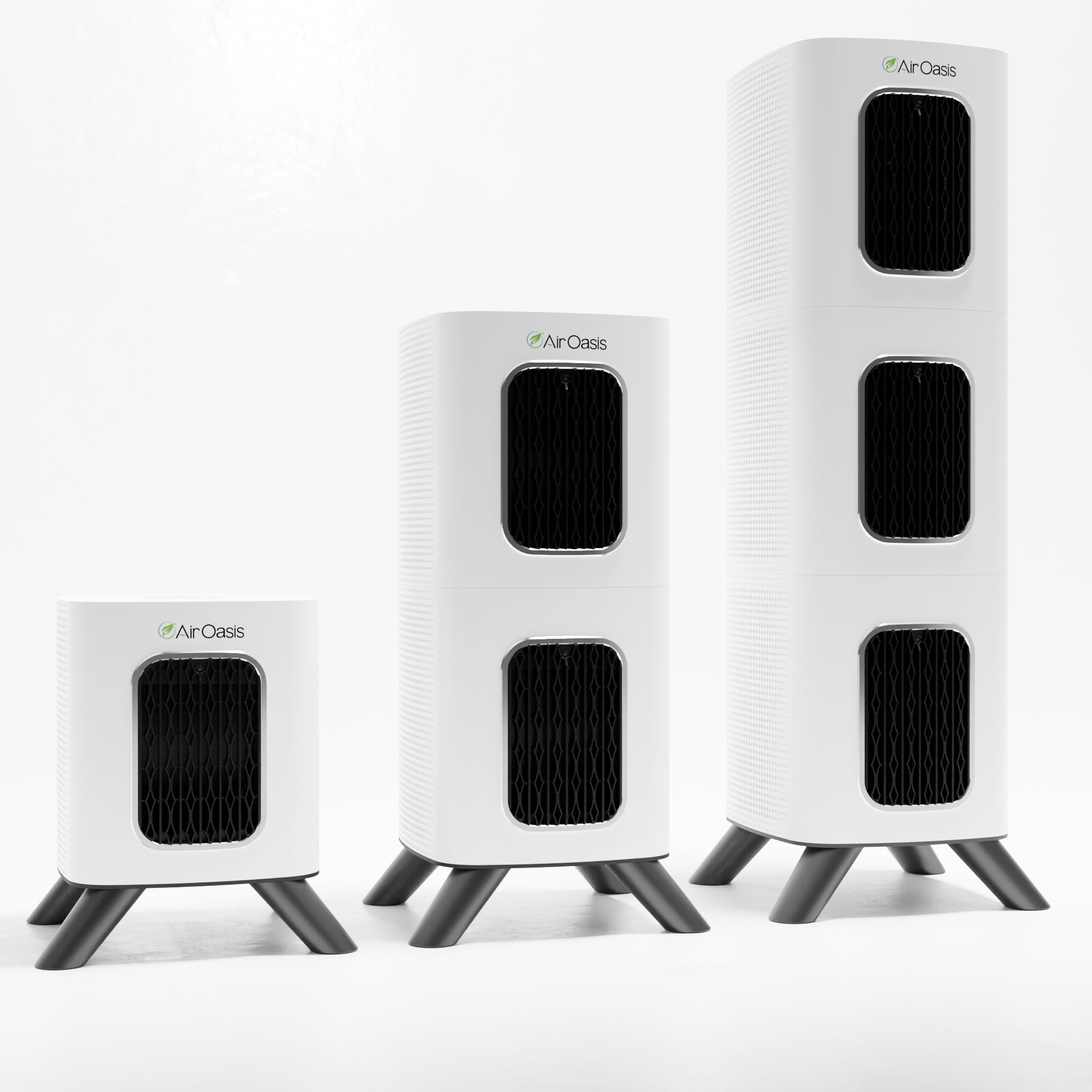
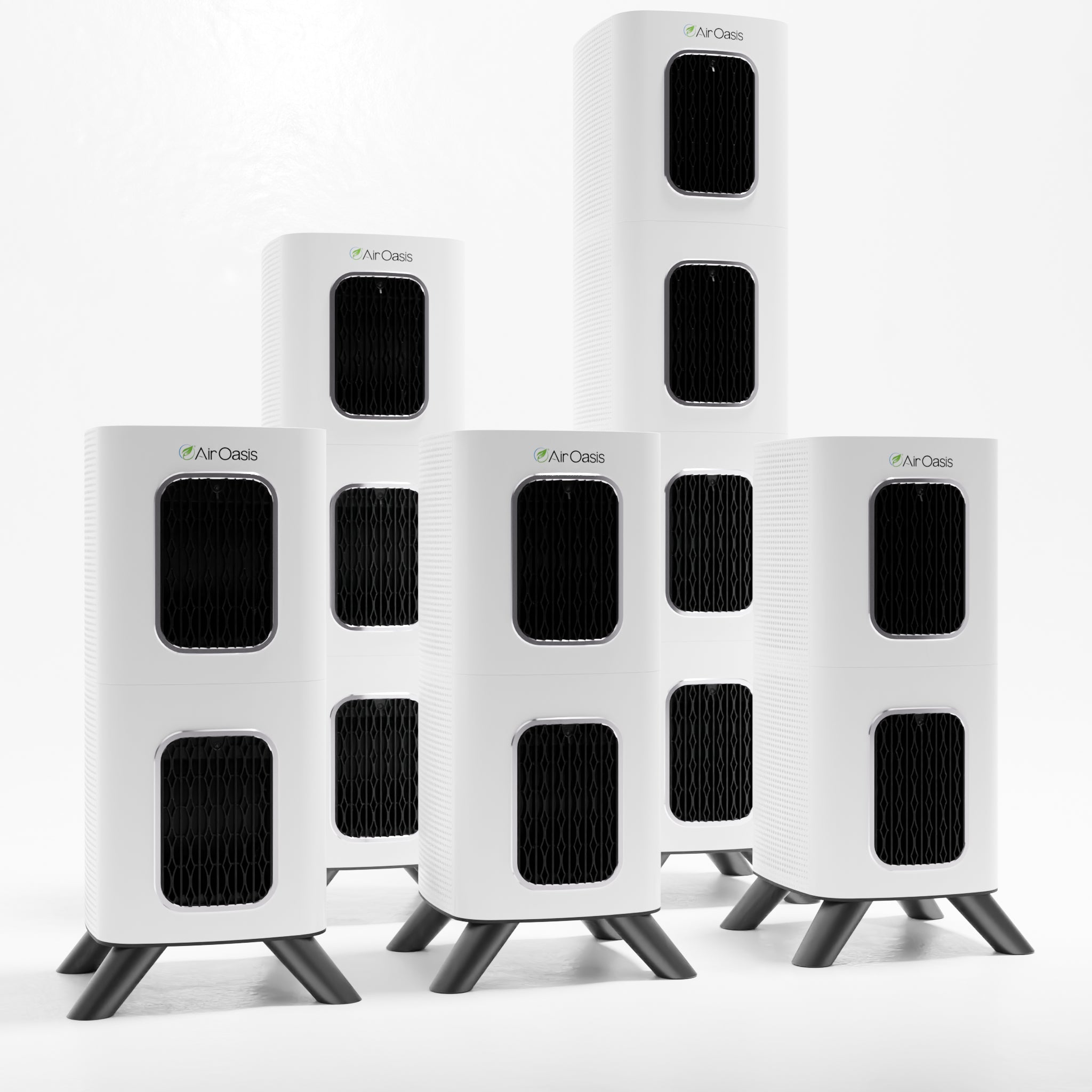
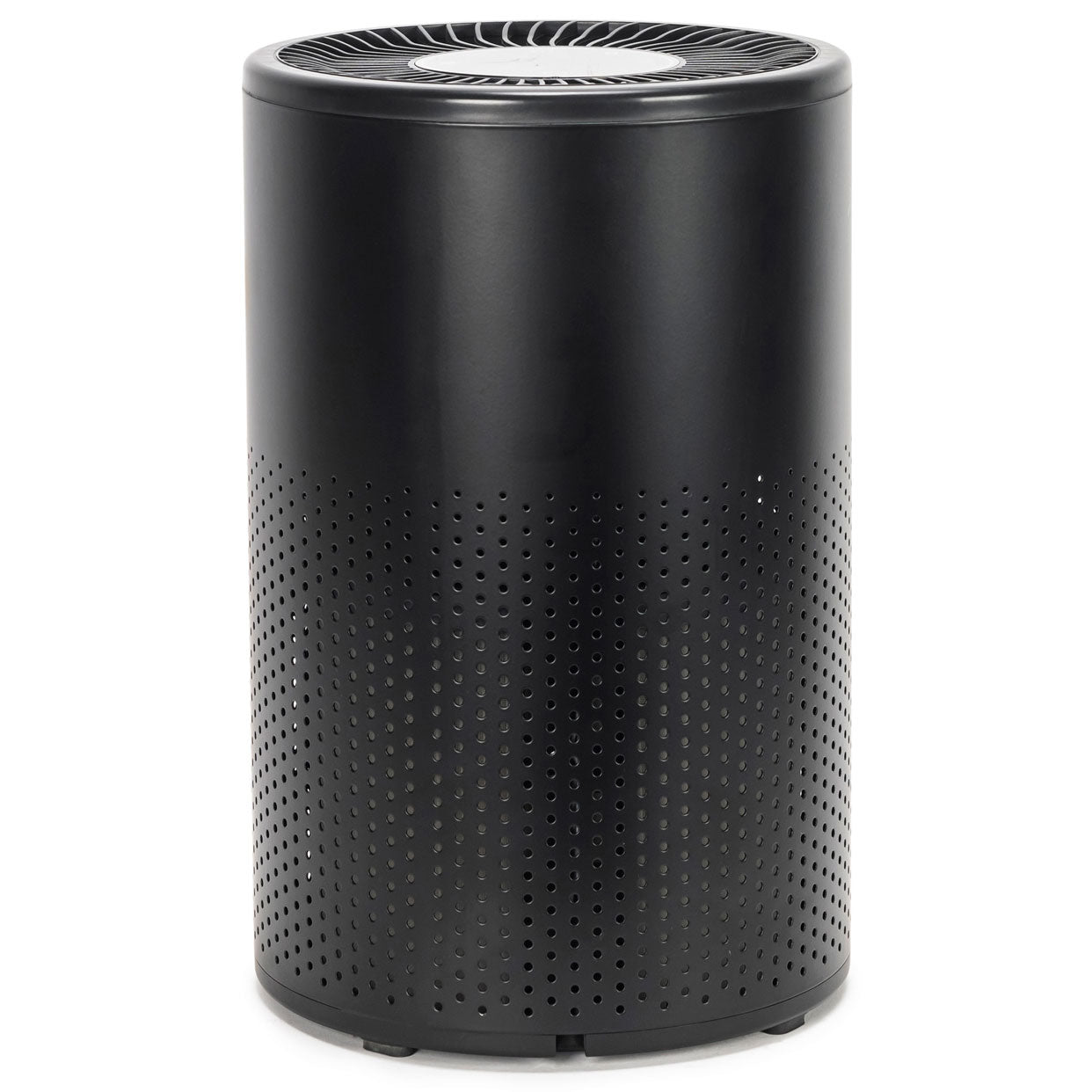
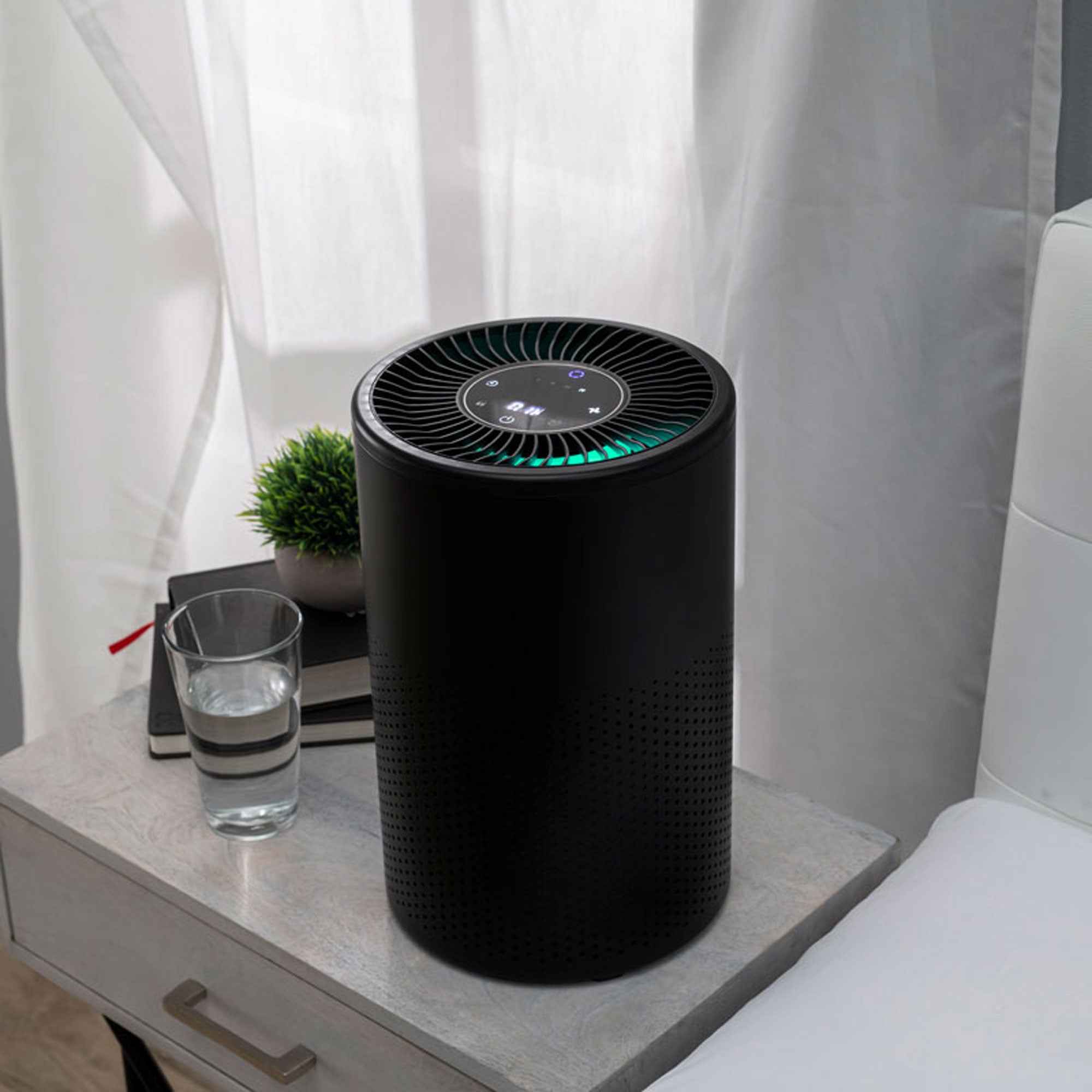
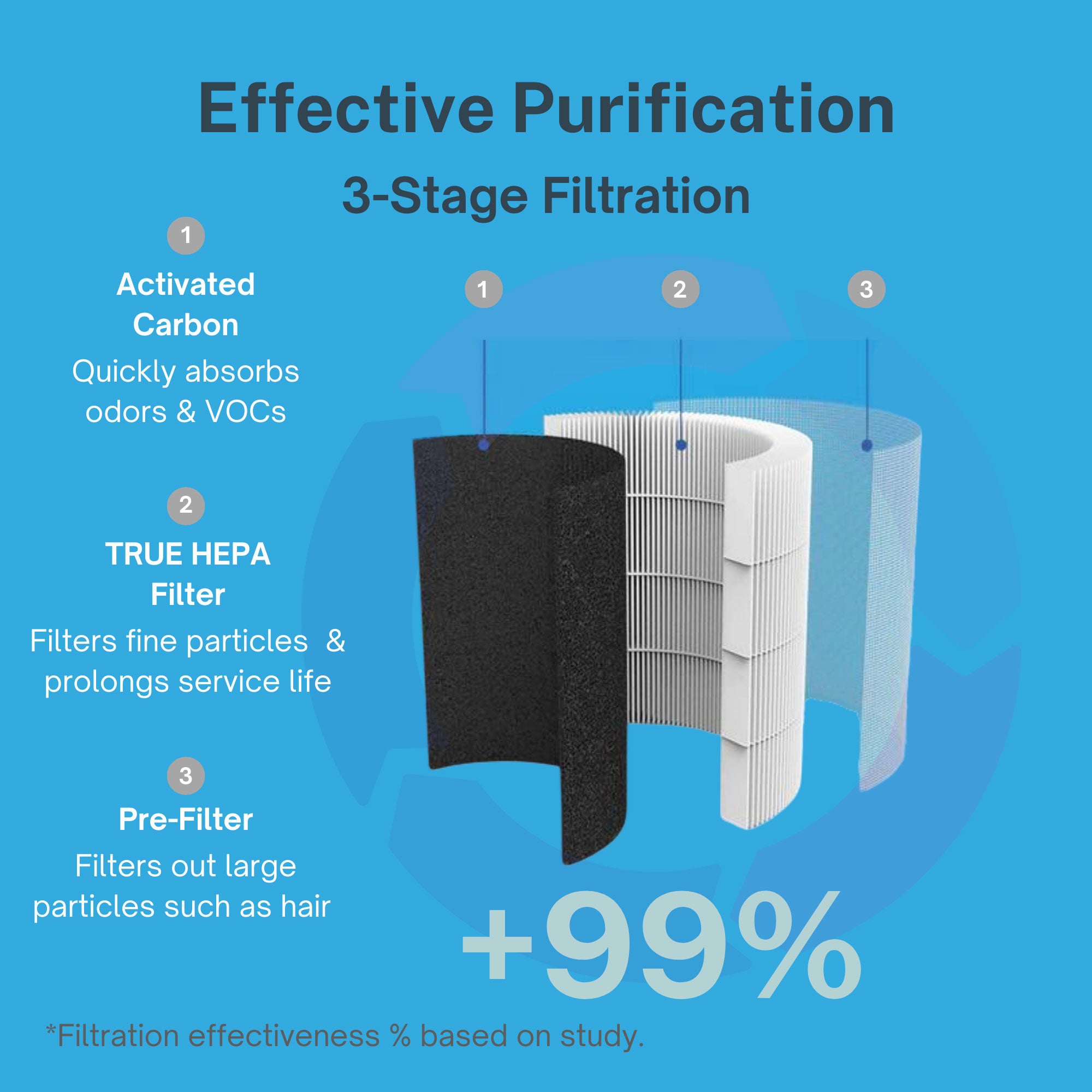
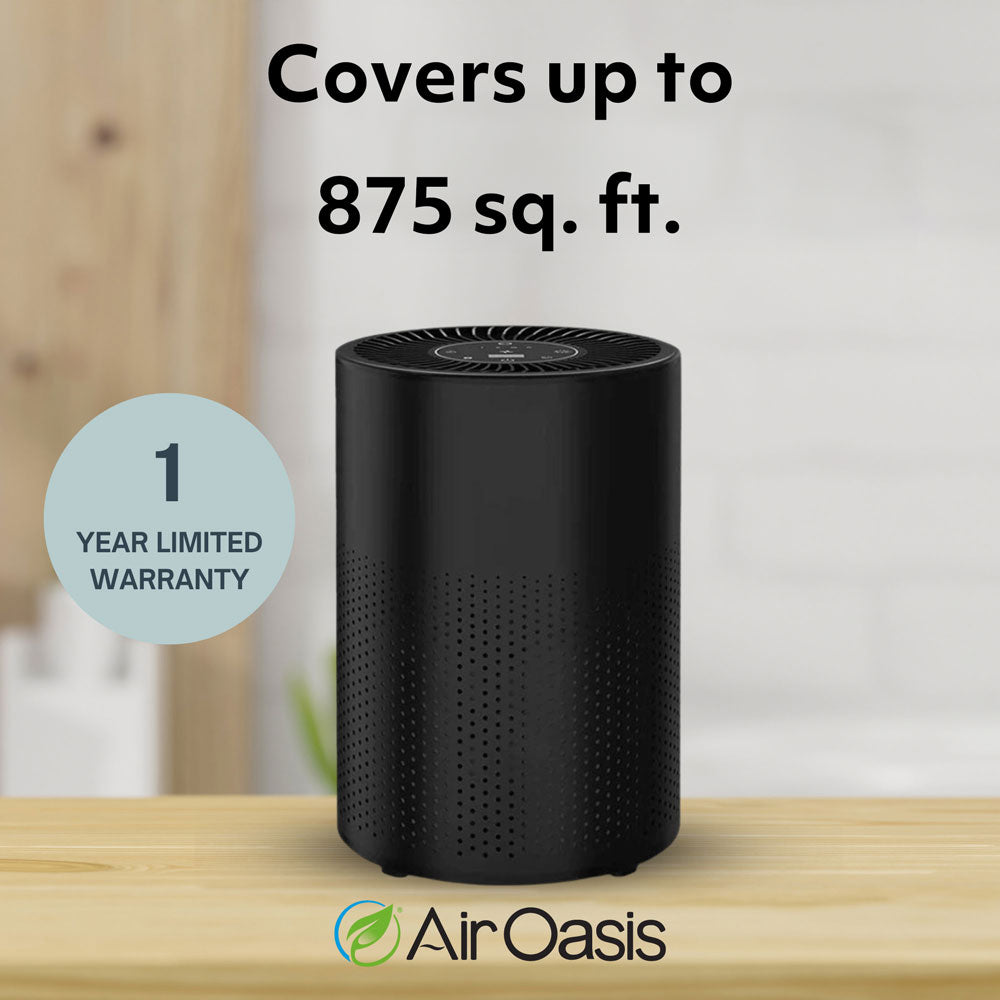
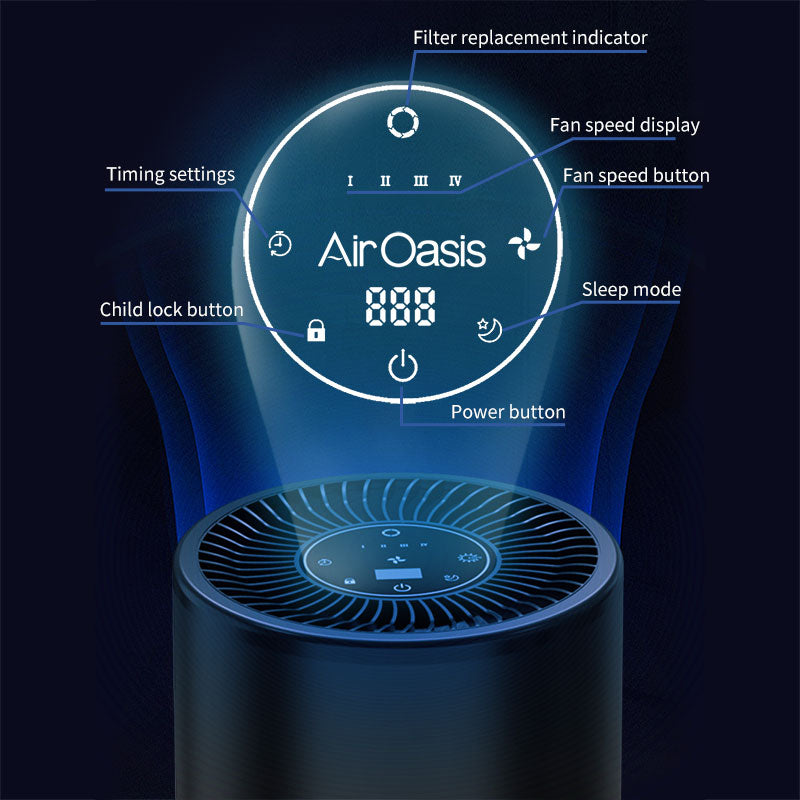
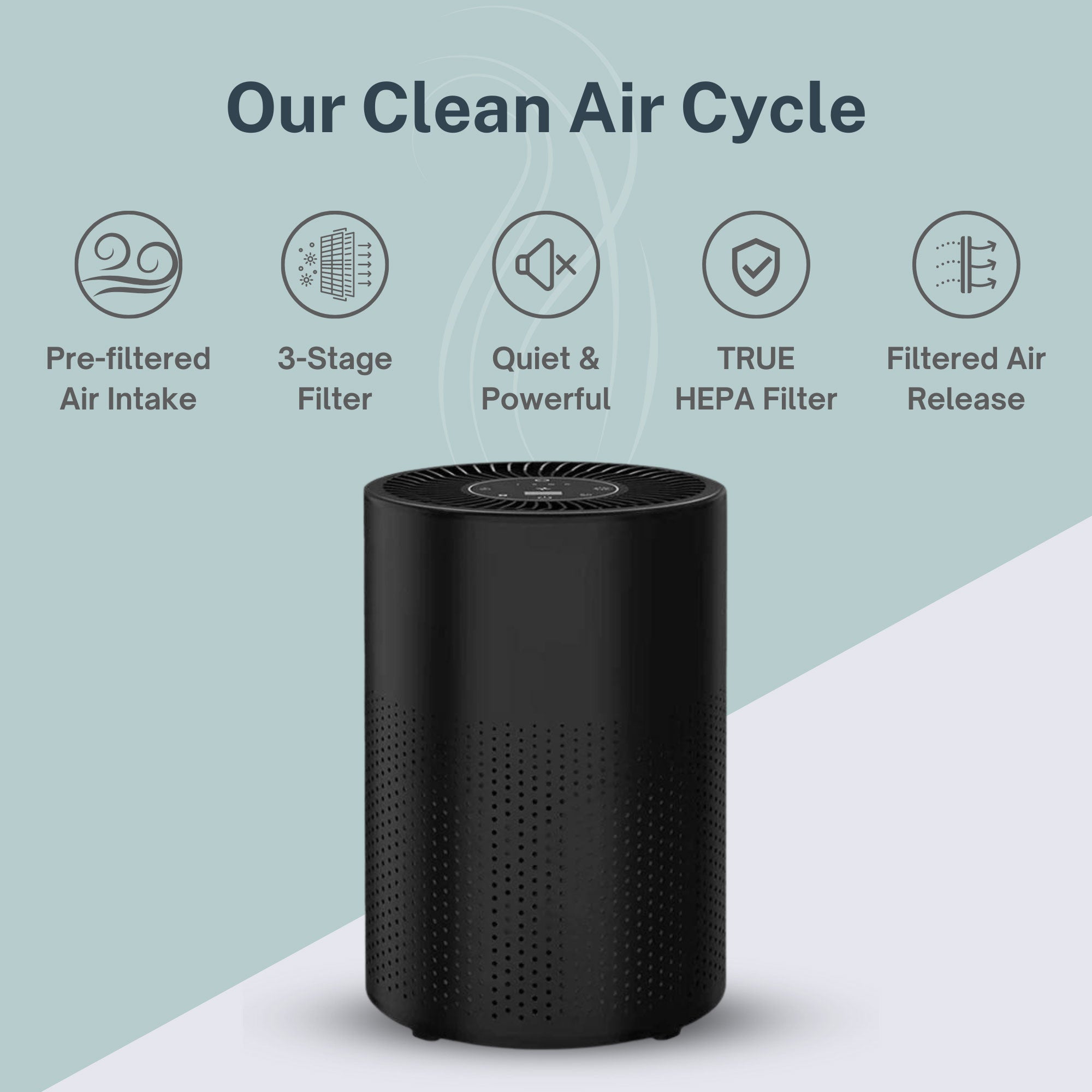
Air purification provides an additional layer of protection that makes a real difference during high-exposure seasons. The iAdaptAir by Air Oasis uses True HEPA filtration to capture airborne particles including pollen grains, dust, and other seasonal allergens, combined with activated carbon filtration, UV-C light, and bipolar ionization. Running an iAdaptAir in the bedroom and main living areas during maple allergy season keeps the spaces where you spend most of your time — especially the eight hours you sleep — as low in allergen concentration as possible. For people in the Northeast, Midwest, or Southeast who face extended or heavy pollen seasons, sustained indoor protection supports better-quality sleep and less overall symptom burden throughout the season. Learn more about sizing options at airoasis.com.
Where You Live Shapes Your Allergy Season — But Your Indoor Air Is Yours to Control
Maple tree allergies are genuinely worse in some regions than others — higher tree density, earlier springs, urban planting programs, and regional weather patterns all contribute to meaningful differences in seasonal exposure. You may not be able to change your geography, but you can manage your indoor environment, time your outdoor activity around pollen counts, and work with a healthcare provider on a treatment plan suited to your specific region and sensitivity. Shop Air Oasis today and breathe better, live better.