Many families purchase reptiles hoping to avoid pet allergies triggered by cats and dogs. The logic seems sound: no fur means no dander, and therefore no allergic reactions. But the reality of reptile ownership is more complex than most people realize.
While true allergies to reptiles themselves are uncommon, keeping these scaly pets introduces a surprising allergenic threat into your home that has nothing to do with the reptile's skin or scales.
The Truth About Direct Reptile Allergies
Genuine allergic reactions to reptile proteins are rare compared to allergies from furry pets. Reptiles don't produce the same airborne dander that cats and dogs shed throughout your home. They don't groom themselves with saliva that dries and becomes airborne. Their waste products contain different proteins than mammalian urine.
However, direct reptile allergies do exist. Animal allergies stem from proteins in blood, urine, feces, and saliva, not from fur or skin itself. A small number of people experience contact dermatitis, rashes, or respiratory symptoms when handling reptiles or cleaning their enclosures. These reactions typically involve skin irritation rather than serious breathing problems.
Most reported "reptile allergies" turn out to be something else entirely. Many people develop dry, chapped skin from frequent handwashing with antibacterial soaps they started using when they got their reptile. Others experience rashes from the reptile's claws scratching their skin or from contact with cleaning chemicals used in terrariums. Some individuals have particularly sensitive skin that shows redness or welts from any scratching or pressure, a condition called dermatographia.
Before assuming a reptile allergy exists, consider other culprits. The substrate material lining the terrarium, wood furnishings inside the enclosure, or cleaning products can all trigger allergic responses. Even the antibacterial soap you started using at the same time you brought home your pet might be the real problem.
The Hidden Allergen in Reptile Homes
The biggest allergenic threat from reptile ownership comes not from the reptile itself but from its food source: grasshoppers, locusts, and crickets. These insects are fed live to most pet reptiles, which introduces potent airborne allergens throughout your home.
Grasshopper allergies have been well documented since the 1950s, particularly in occupational settings where workers breed insects for laboratories and pet food markets. Studies show that between 34 and 44 percent of people who work with grasshoppers develop work-related allergic symptoms ranging from rhinoconjunctivitis to severe asthma.
The allergens come from multiple sources. Grasshopper wings contain particularly high concentrations of allergenic proteins. Dried feces and the dust from insect body parts become airborne whenever you feed your reptile or clean the terrarium. These microscopic particles circulate through your home's air, settling on furniture, bedding, and other surfaces.
A bearded dragon eating just four grasshoppers per week will consume over 1,100 pounds of these insects during its lifetime. Each feeding session releases allergens into your living space. The reptile itself becomes contaminated with insect proteins from its food, then transfers these allergens to furniture, carpets, and human skin through direct contact.
How Insect Allergens Cause Respiratory Problems
Grasshopper allergens trigger the same type of immediate allergic reaction as pollen or pet dander. When sensitive individuals breathe in these proteins, their immune system identifies them as threats and releases inflammatory chemicals. This causes the airways to swell, produce excess mucus, and constrict.
Symptoms typically appear within four to eight hours after exposure. Initial signs include sneezing, runny nose, and itchy eyes similar to hay fever. More serious reactions involve shortness of breath, wheezing, chest tightness, and asthma attacks. Some people experience throat swelling and difficulty breathing severe enough to require emergency treatment.
One documented case involved an eight-year-old boy who developed severe bronchial hypersensitivity and asthma within four months of his family purchasing a bearded dragon. The reptile lived in their living room and was regularly fed live grasshoppers. Skin testing confirmed specific sensitization to grasshopper proteins, not to the reptile itself.
Four years after removing the bearded dragon from his home, the boy briefly stopped at the door of another apartment housing multiple reptiles. Simply inhaling warm air streaming from that apartment triggered an acute asthma attack requiring emergency medication. This demonstrates how persistent exposure to grasshopper allergens can lead to long-lasting, severe respiratory sensitivity.
Who Faces the Greatest Risk
Children appear particularly vulnerable to developing grasshopper allergies from reptile exposure. Their developing immune systems and the close contact many children have with pet reptiles increase the risk of sensitization. One Indian study of patients with allergic rhinoconjunctivitis found that 20.8 percent showed specific sensitization to grasshoppers.
People with existing respiratory conditions face higher risks. Those with asthma may experience worsening symptoms or more frequent attacks when exposed to insect allergens. Individuals with other environmental allergies often show cross-reactivity, meaning their immune system recognizes grasshopper proteins as similar to other allergens they're already sensitive to.
The insects themselves produce high levels of endotoxins, bacterial toxins that can trigger inflammatory responses even in non-allergic individuals. Dust levels in insect breeding facilities have been measured at up to 18 milligrams per cubic meter with extremely high endotoxin concentrations. While home environments won't reach these extreme levels, regular feeding and terrarium cleaning still introduces significant allergen loads.
Families who purchase reptiles specifically to avoid pet allergies may unknowingly create worse respiratory problems than the cat or dog they were trying to avoid. The irony is particularly striking for parents who choose reptiles for allergic children, only to trigger severe asthma from the insect food.
Protecting Your Respiratory Health
If you or a family member develops respiratory symptoms after bringing a reptile into your home, consider grasshopper allergy before other causes. Watch for patterns where symptoms worsen after feeding times or terrarium cleaning. Note whether breathing problems improve during vacations or extended periods away from home.
Consult an allergist for proper testing if symptoms persist. Standard allergy testing may not include grasshopper allergens, so specifically mention reptile ownership and insect exposure. Skin testing with actual grasshopper material can confirm sensitization when commercial tests aren't available.
For confirmed grasshopper allergies, the only effective long-term treatment is complete avoidance of these allergens. This means finding a new home for your reptile, thoroughly cleaning your entire living space to remove settled allergens, and avoiding future exposure to locations housing reptiles. Corticosteroid medications can temporarily suppress symptoms but won't prevent reactions if exposure continues.
Even after removing reptiles from your home, residual allergens can linger in carpets, upholstered furniture, and bedding for months. Professional cleaning or replacement of these items may be necessary for individuals with severe sensitization.
Breathe Cleaner Air at Home
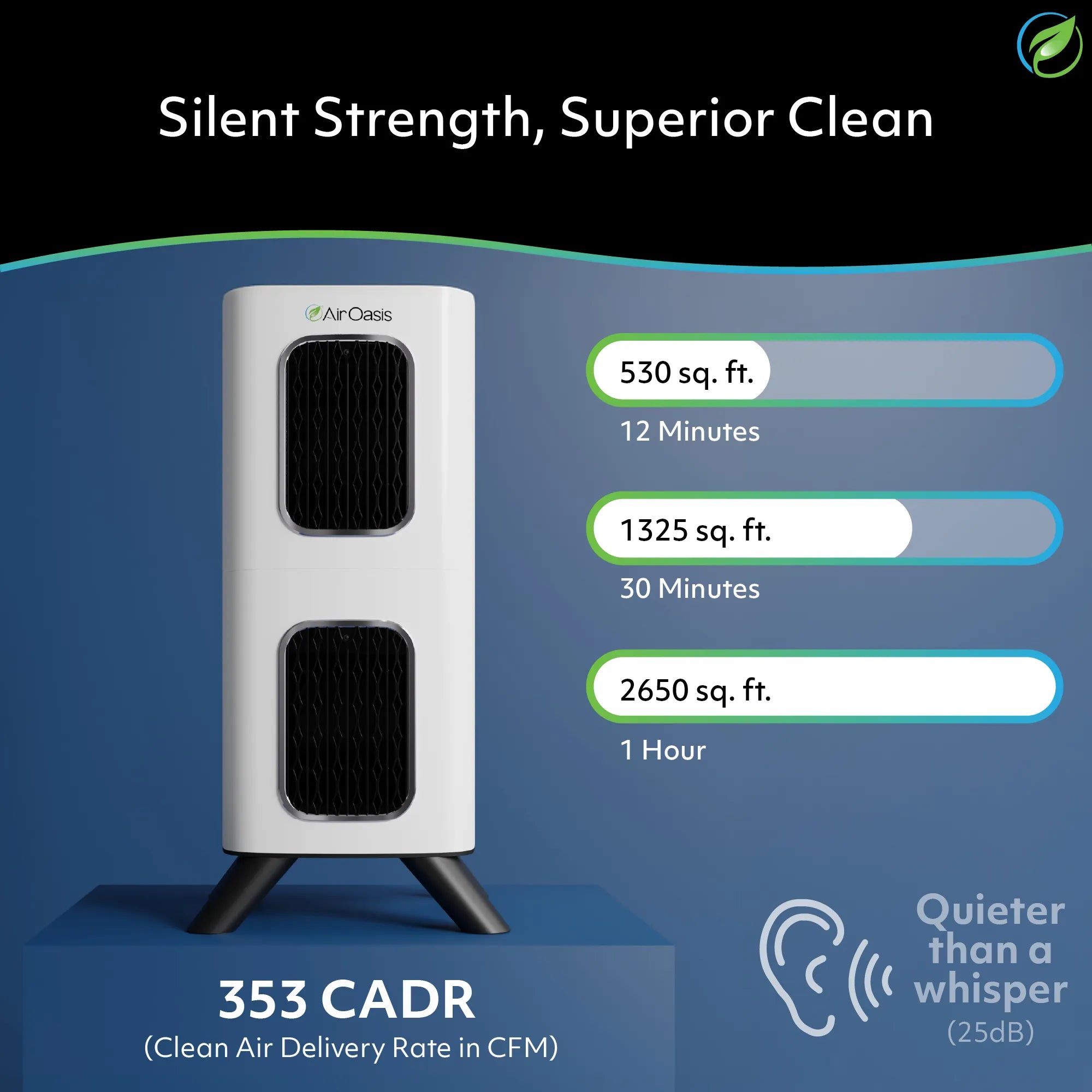
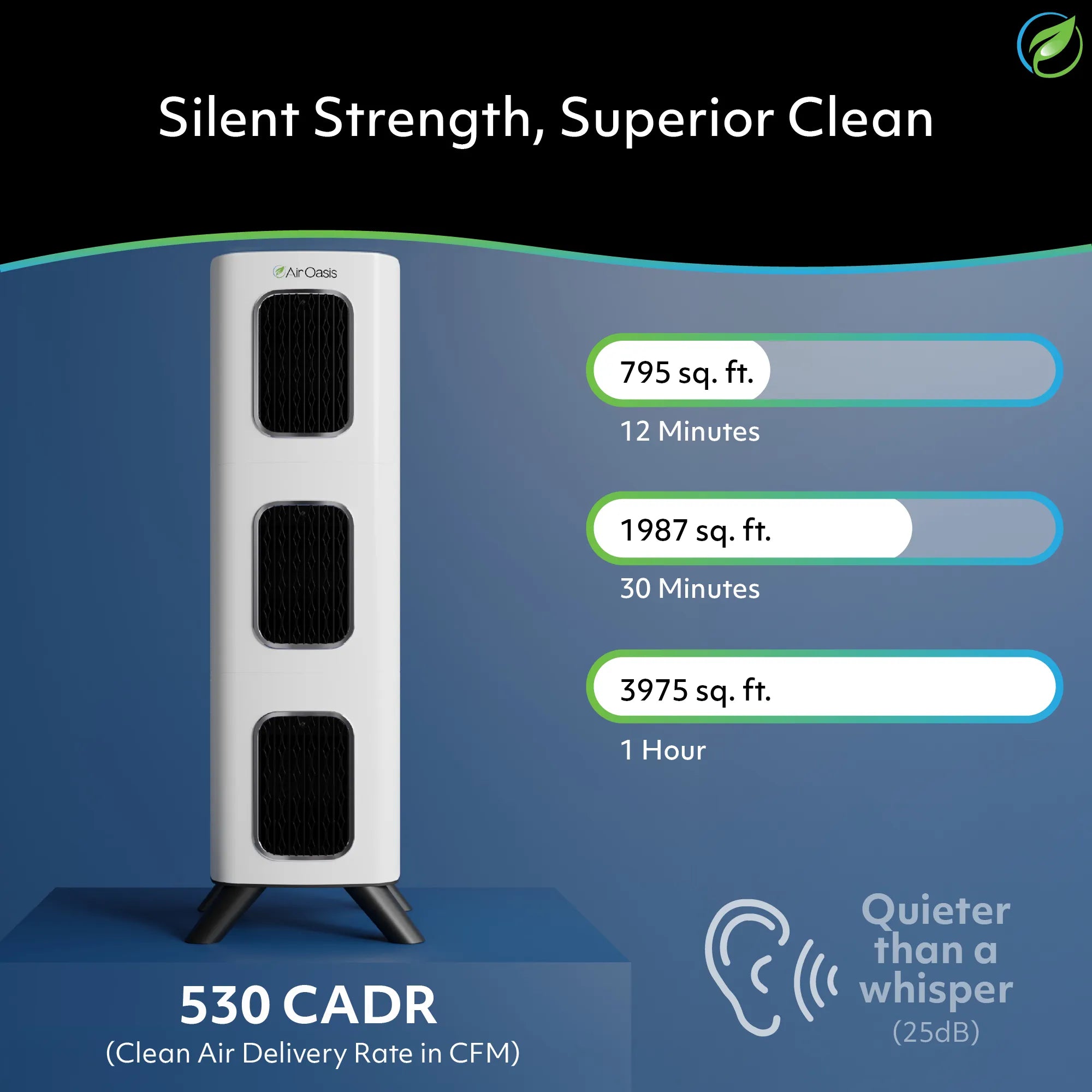
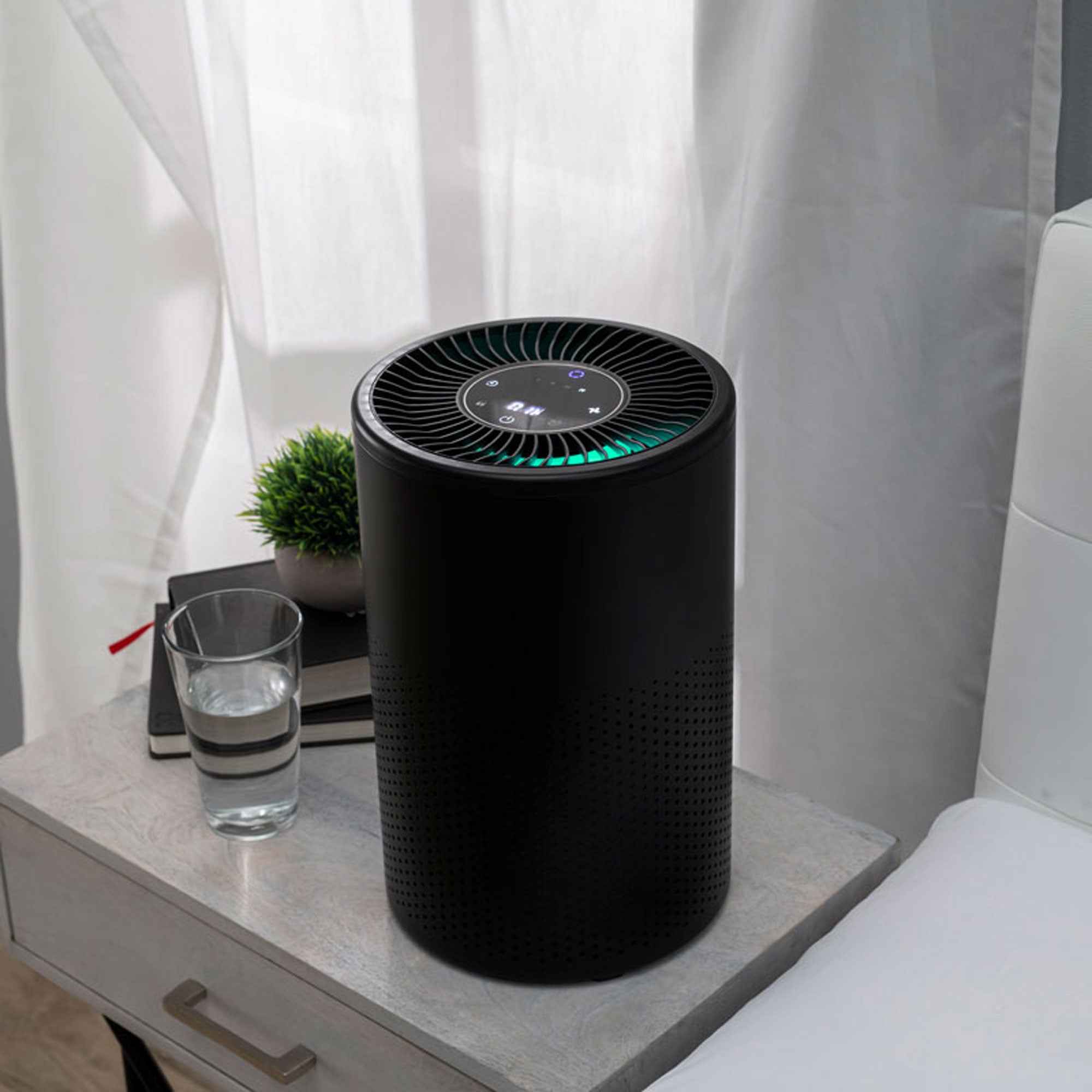
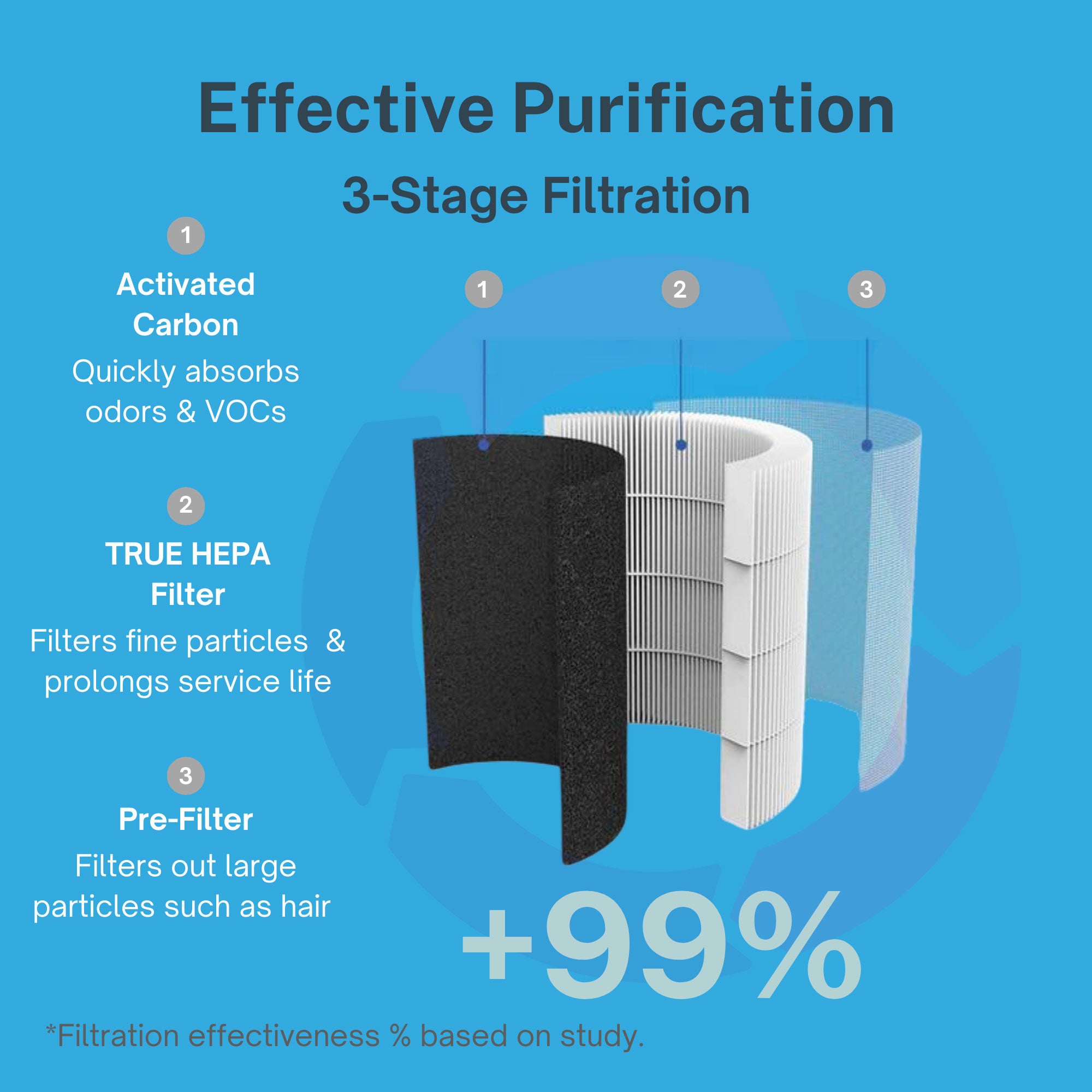
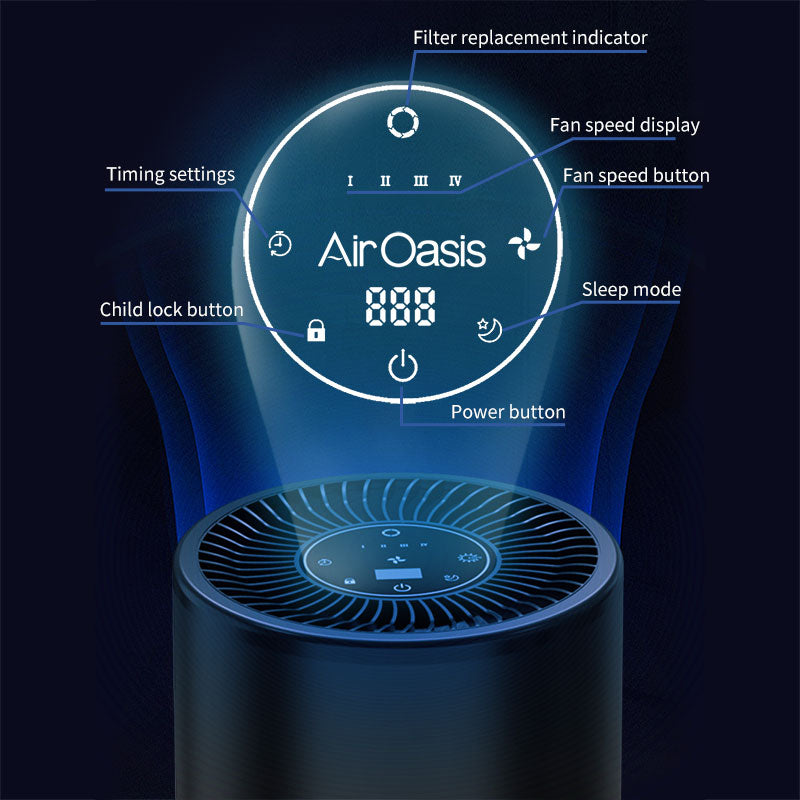
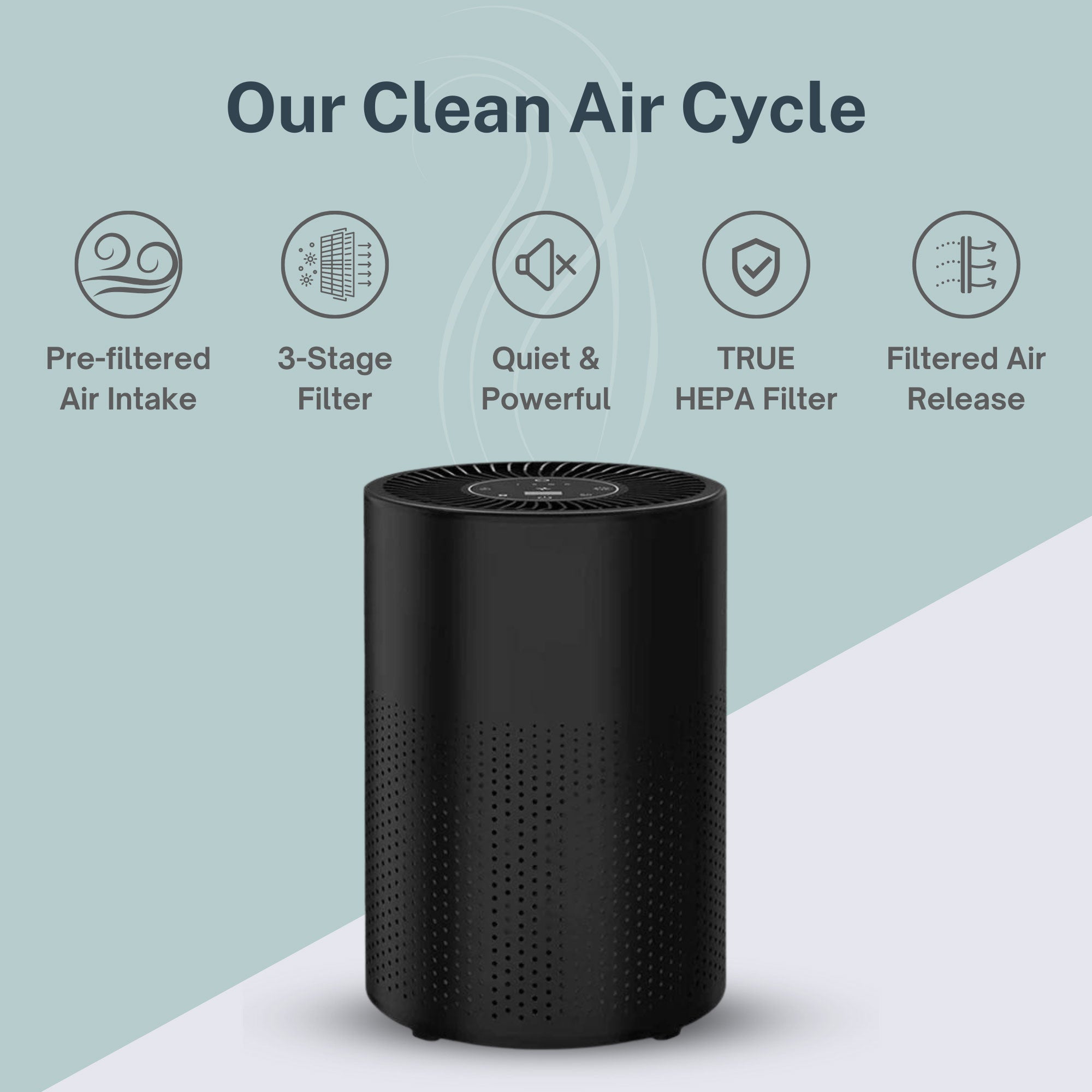
Whether you're managing grasshopper allergies from reptile ownership or protecting against other respiratory irritants, maintaining excellent indoor air quality supports respiratory health. Air Oasis air purifiers use multi-stage filtration, including HEPA filters to capture microscopic particles like insect allergens, activated carbon to remove odors, and UV-C light technology to neutralize airborne proteins.
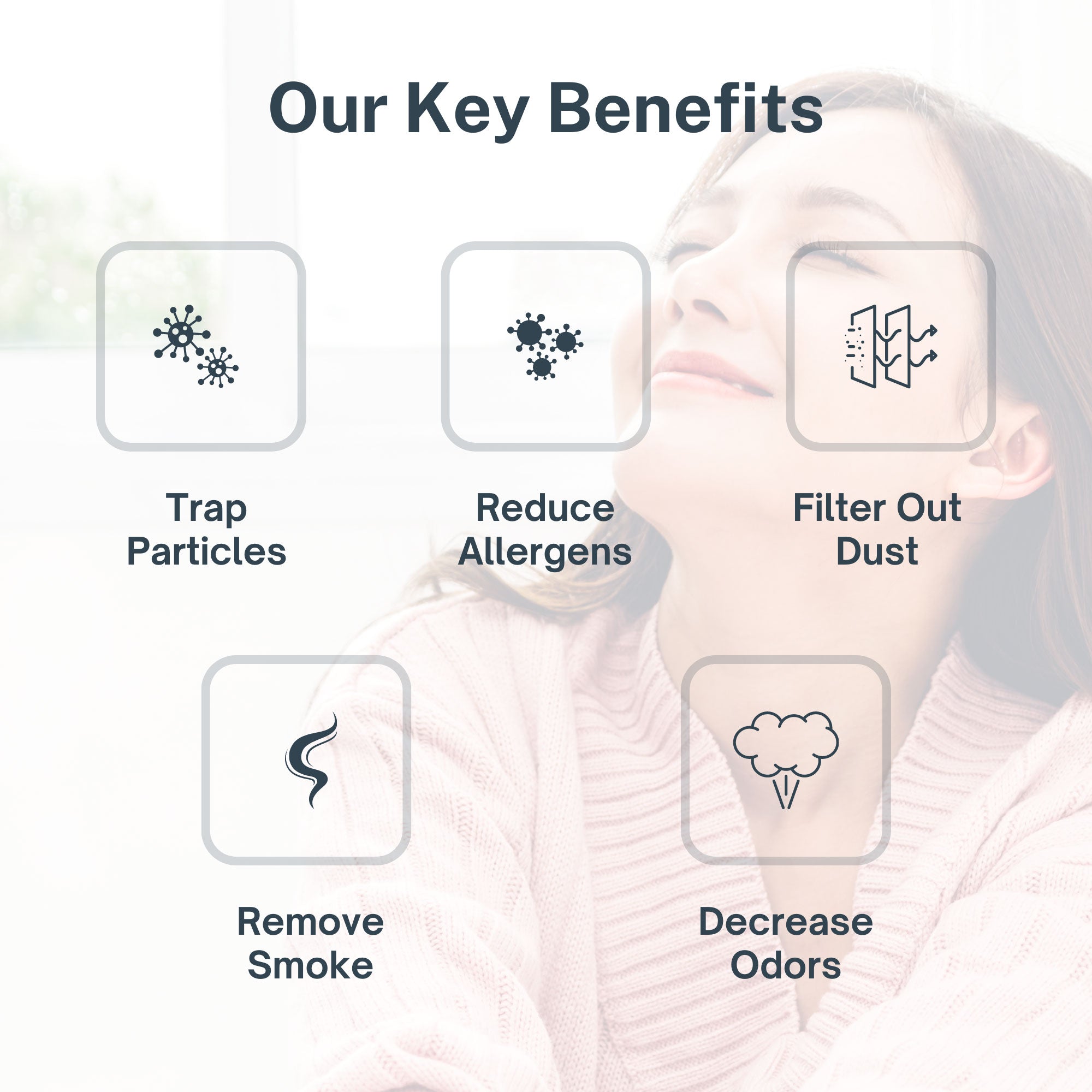
Our systems provide continuous air cleaning to reduce allergen loads and protect breathing for the whole family. If you're ready to improve your home's air quality and reduce allergy triggers, shop Air Oasis today and create a healthier indoor environment.