You love your dog or cat, but your body doesn't. Every cuddle session comes with sneezing fits. Your eyes water when your pet jumps on the couch. You've wondered if you'll have to choose between your health and your companion.
Here's the good news: many people with pet allergies successfully share their homes with furry friends. It takes planning, consistency, and the right tools, but it's absolutely possible.
Understanding Pet Allergies
Pet allergies aren't caused by fur itself. The real culprits are proteins found in pet dander, saliva, and urine. When your cat grooms itself or your dog sheds, these microscopic proteins become airborne. They settle on furniture, carpets, and clothing. They float through your home for hours after your pet leaves the room.
According to the American College of Allergy, Asthma, and Immunology, approximately 10% of the U.S. population is allergic to animals. Cat allergies are twice as common as dog allergies. These proteins are incredibly persistent. They can remain in a home for months, even after a pet is no longer living there.
Your immune system mistakenly identifies these proteins as threats. It releases histamines to fight them off, triggering the symptoms you experience. Some people react mildly with occasional sneezing. Others face severe respiratory distress. The severity varies from person to person and can change over time.
Creating Pet-Free Zones
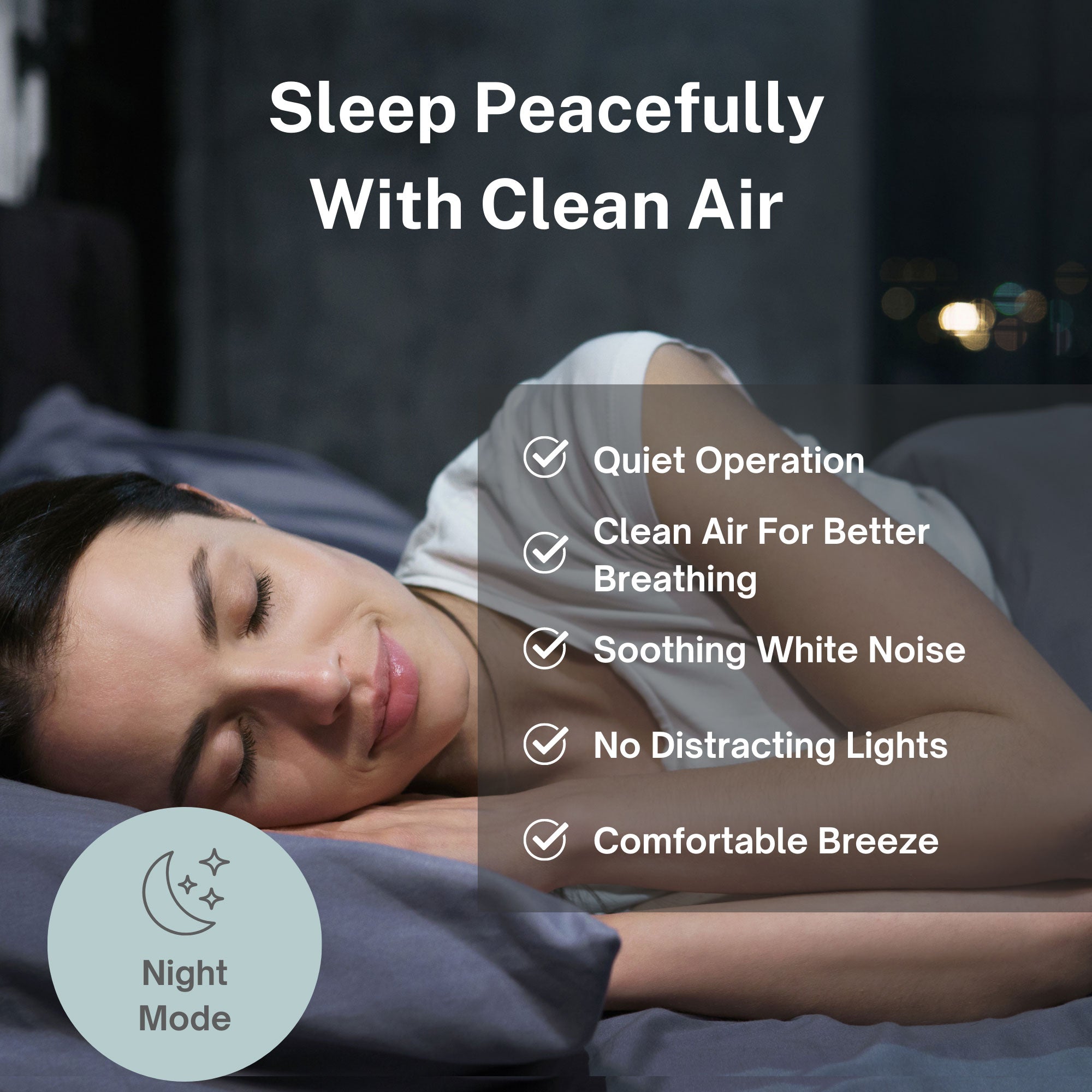
Your bedroom should be your sanctuary. Keep it completely off-limits to your pet. This gives your body eight hours of reduced allergen exposure every night. Close the door and use a draft stopper at the bottom to prevent dander from drifting in.
Designate other pet-free areas too. Maybe it's your home office or a specific chair where you read. These zones become places where you can breathe easier and give your immune system a break.
Use washable covers on furniture where your pet spends time. Choose materials that don't trap dander as easily. Leather and vinyl are better choices than fabric upholstery. Wash these covers weekly in hot water to remove accumulated allergens.
Air Quality Makes the Difference
The air you breathe matters more than you might think. Pet allergens are airborne particles, which means controlling air quality directly impacts your symptoms. Standard vacuuming and dusting only address surface allergens. The particles floating in your air need a different solution.
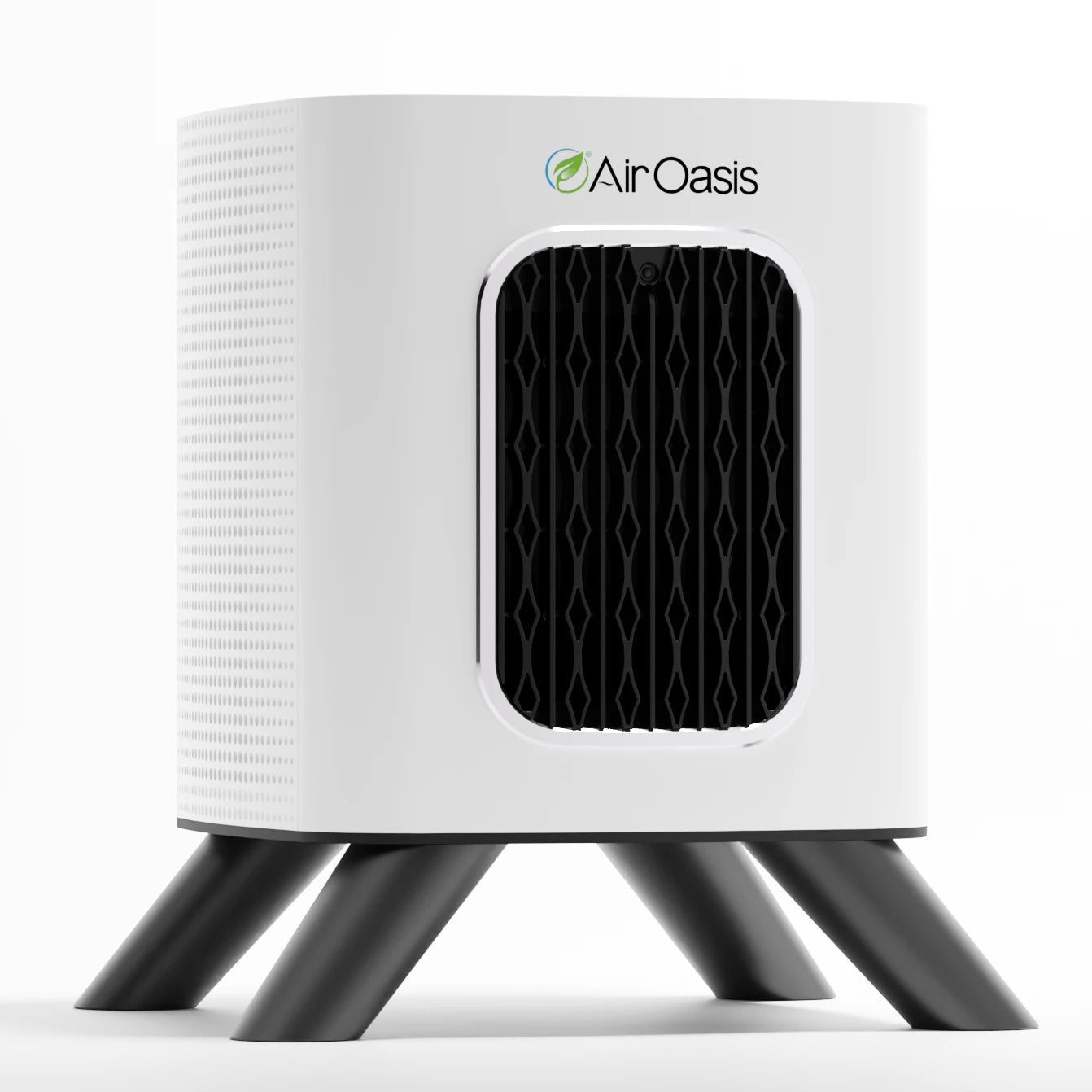
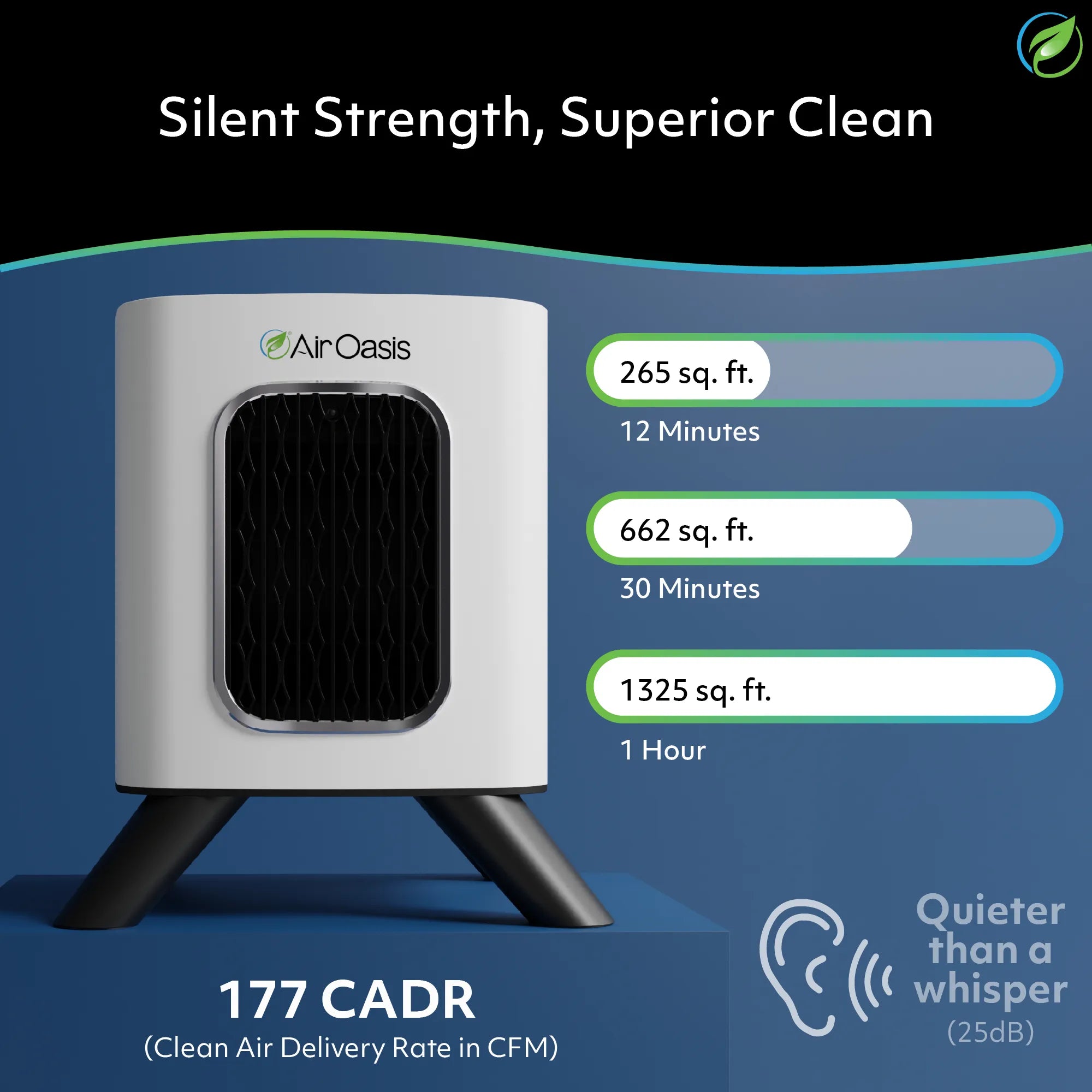
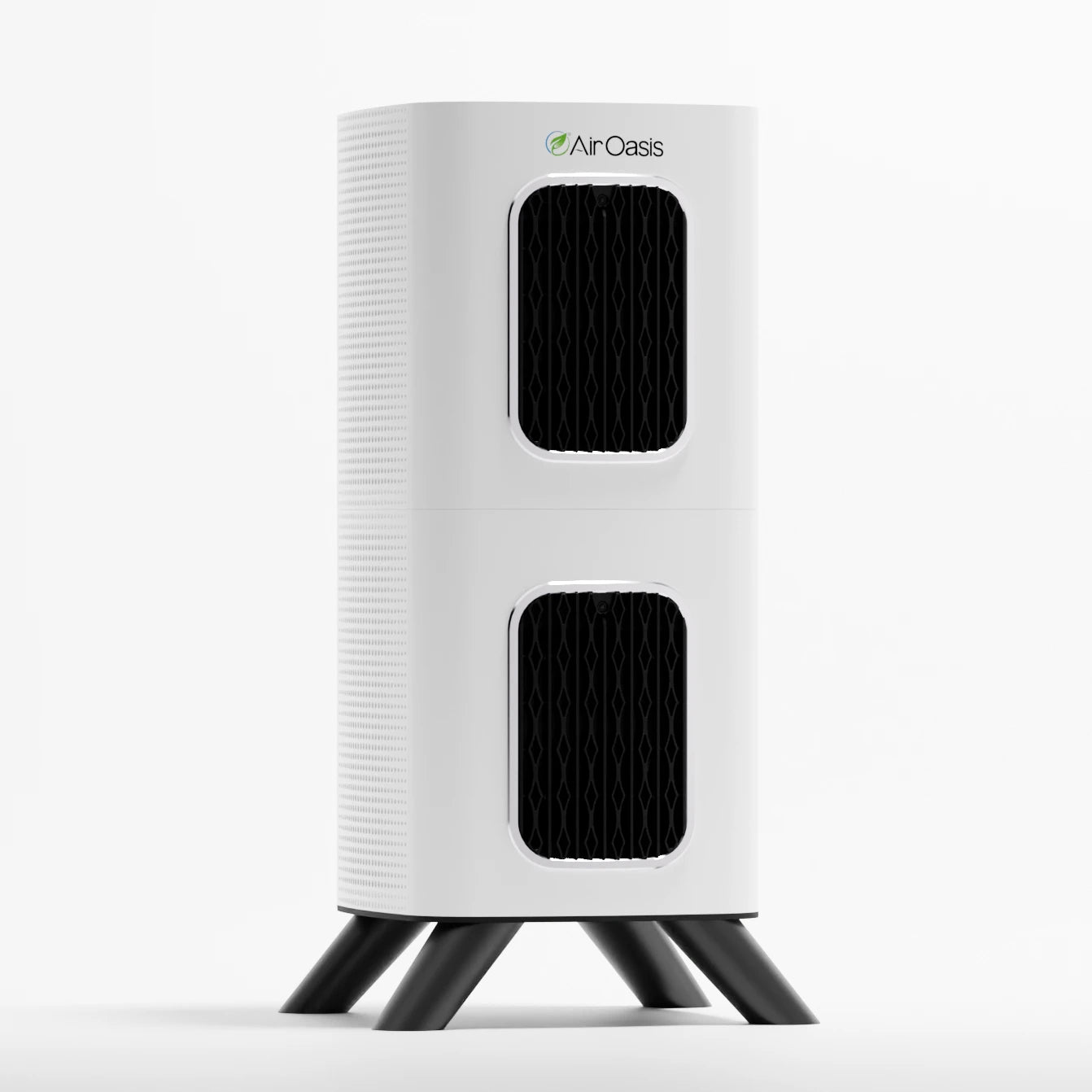
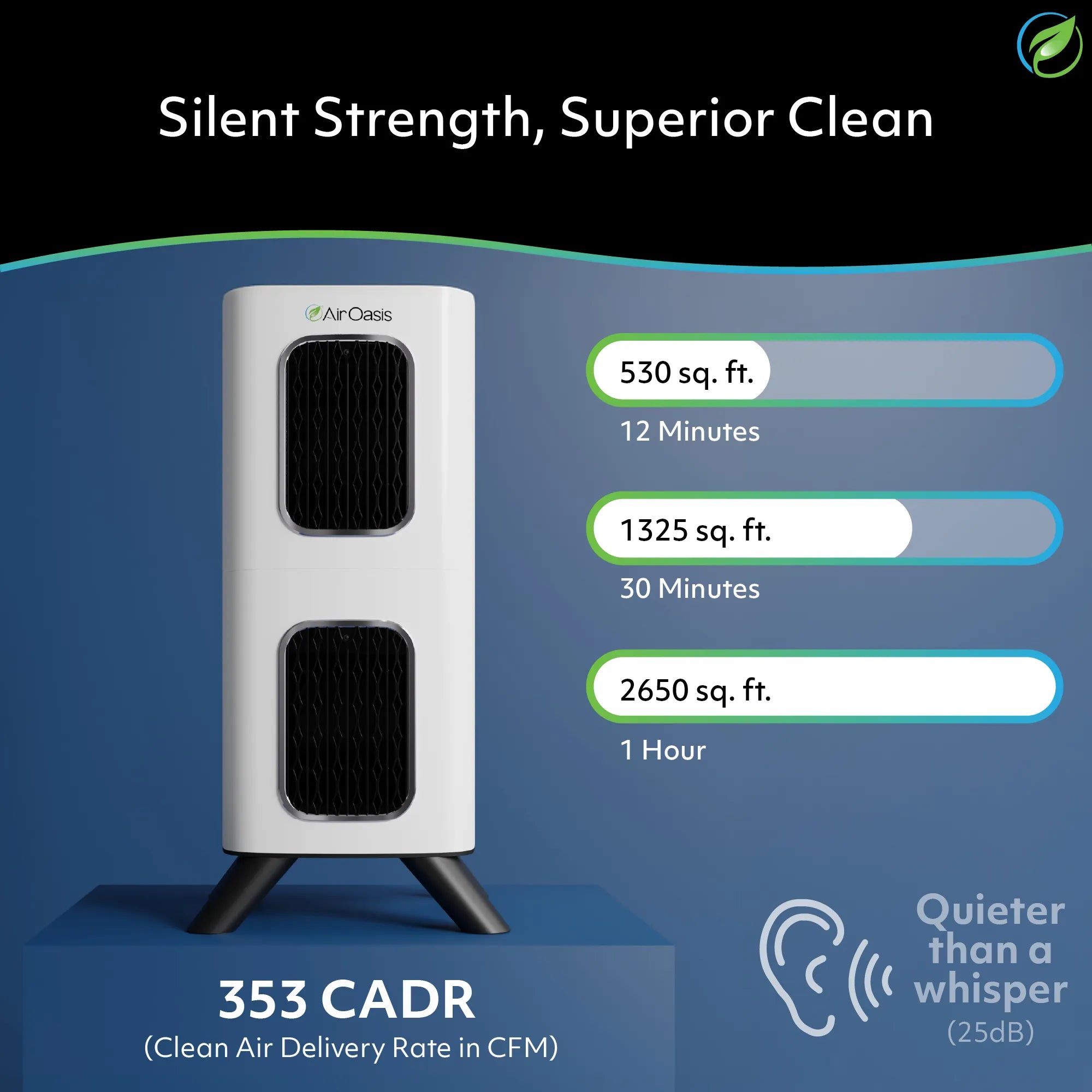
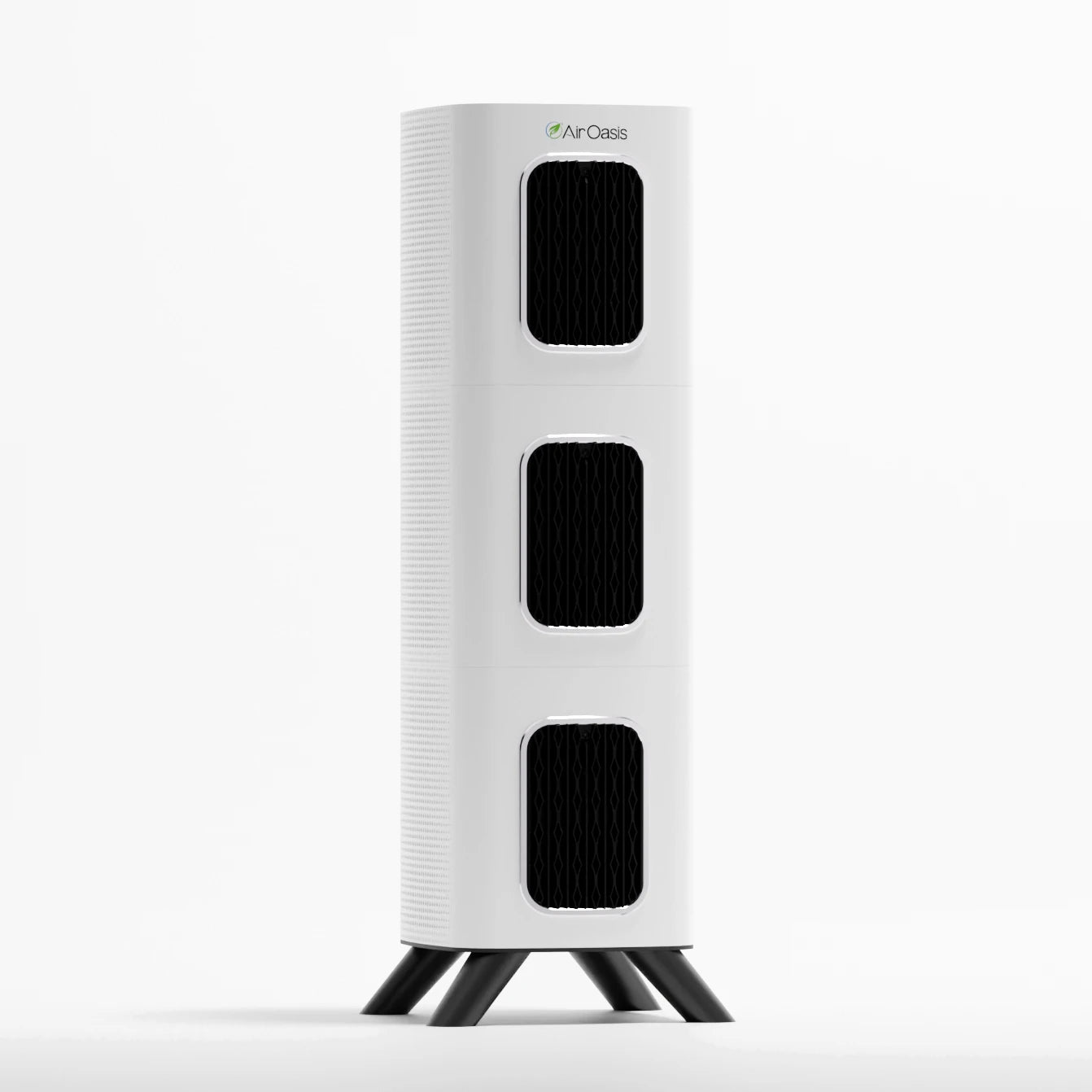
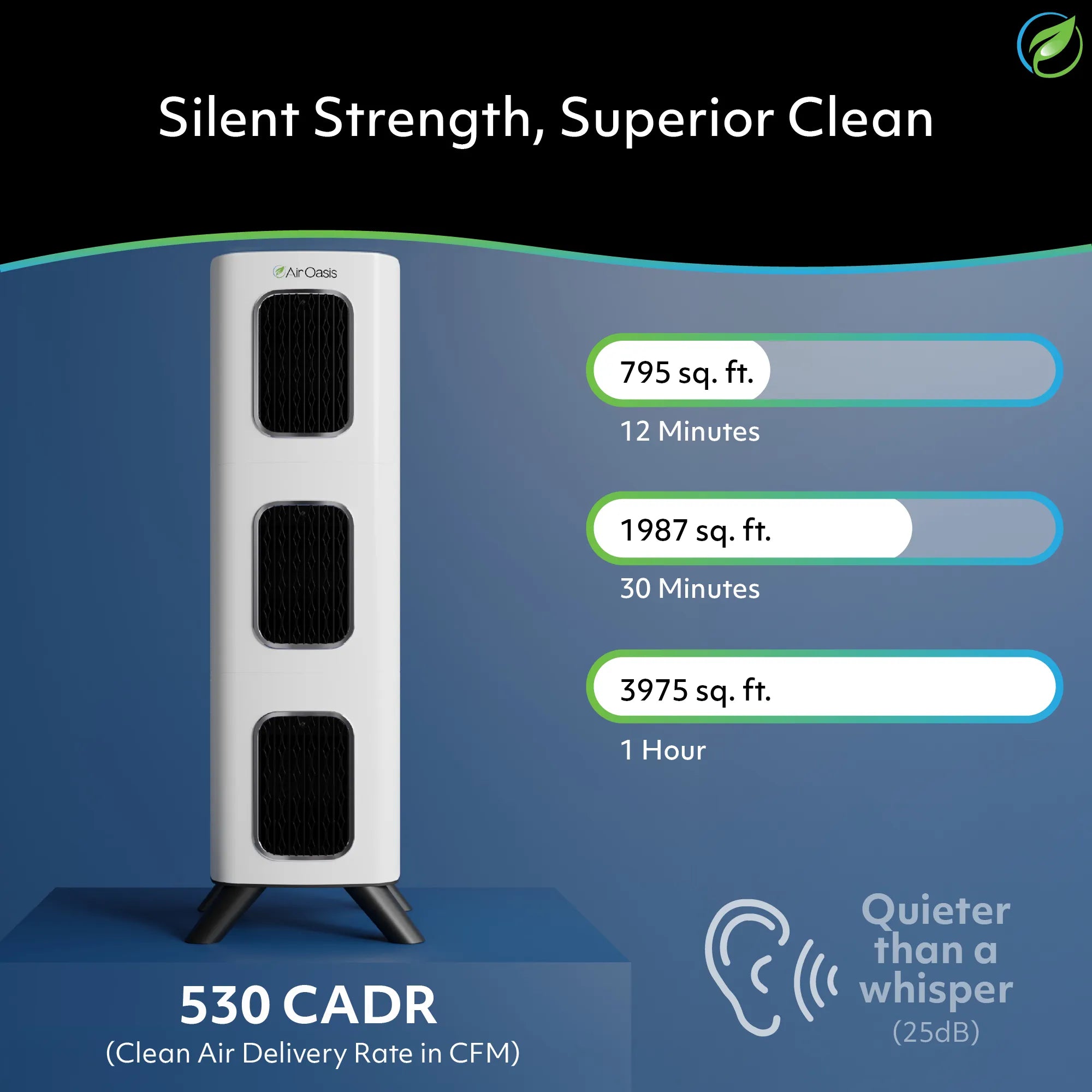
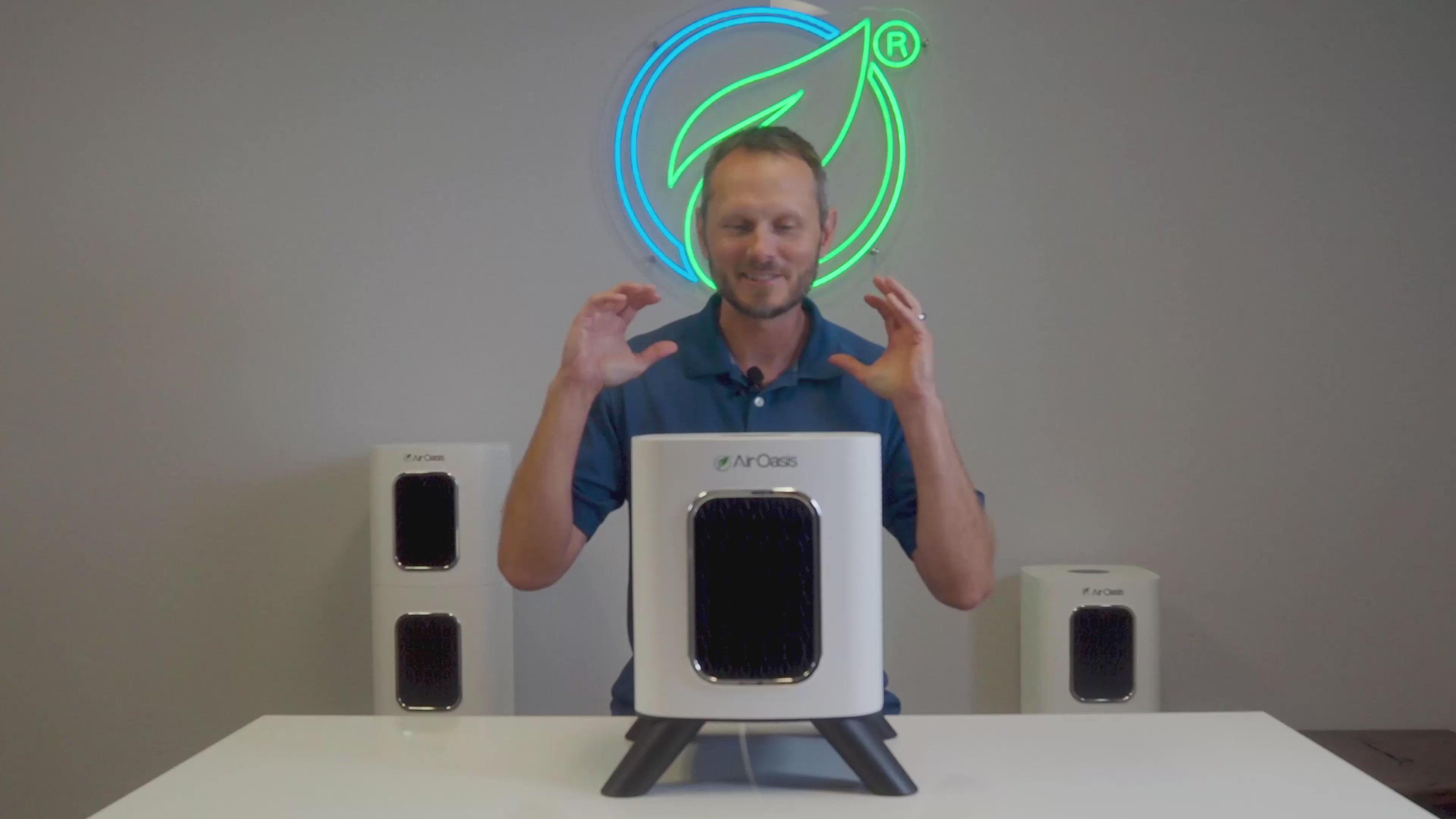
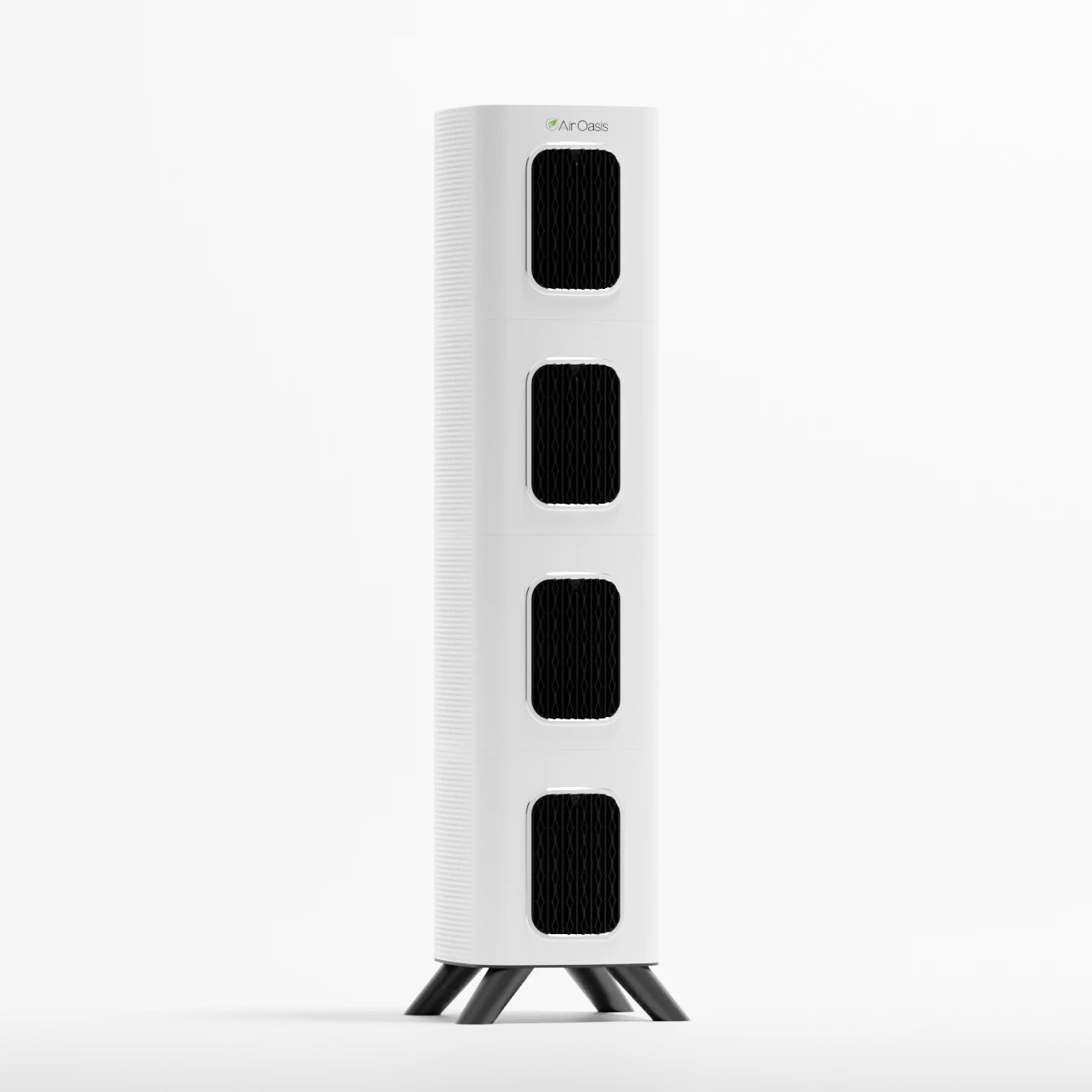
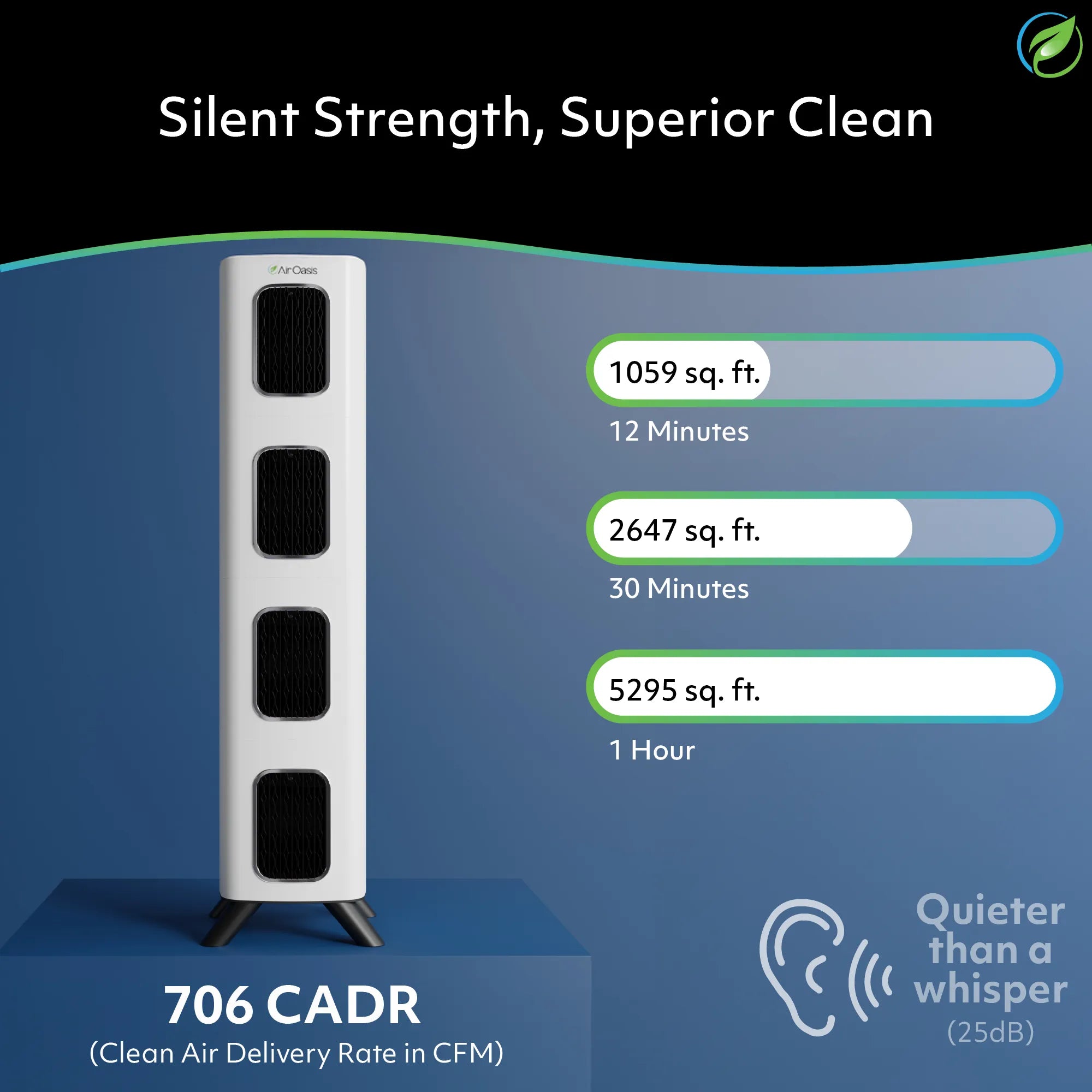
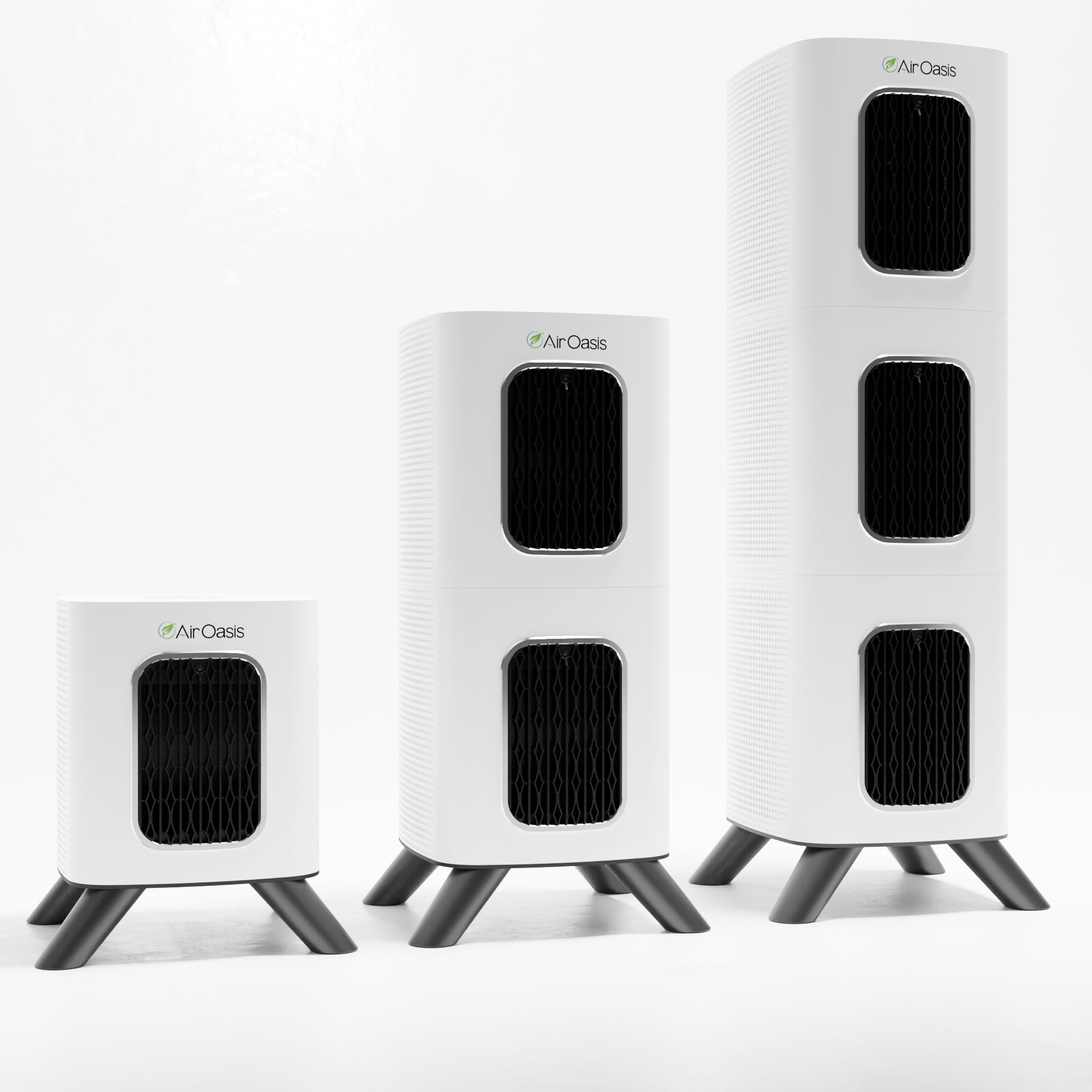
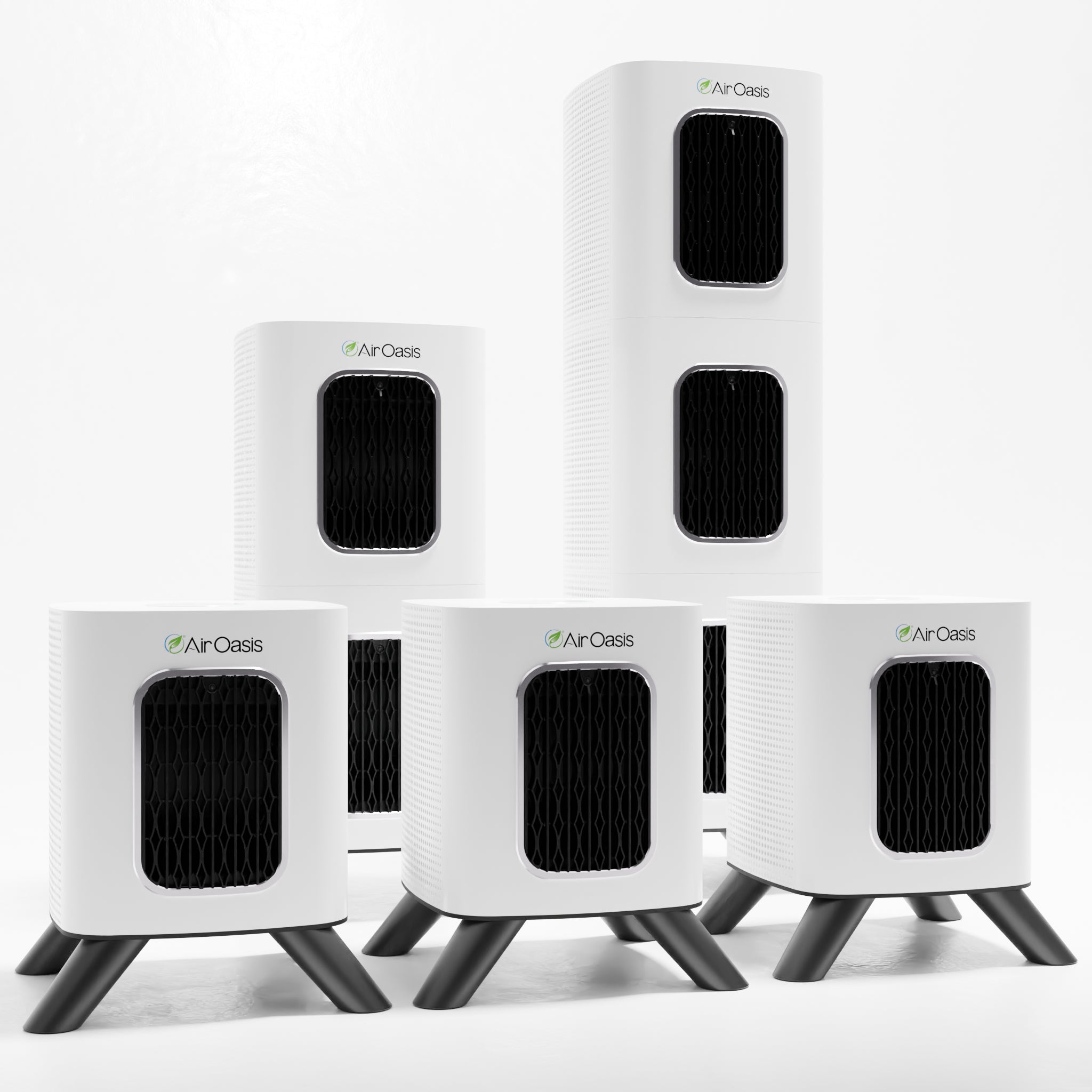
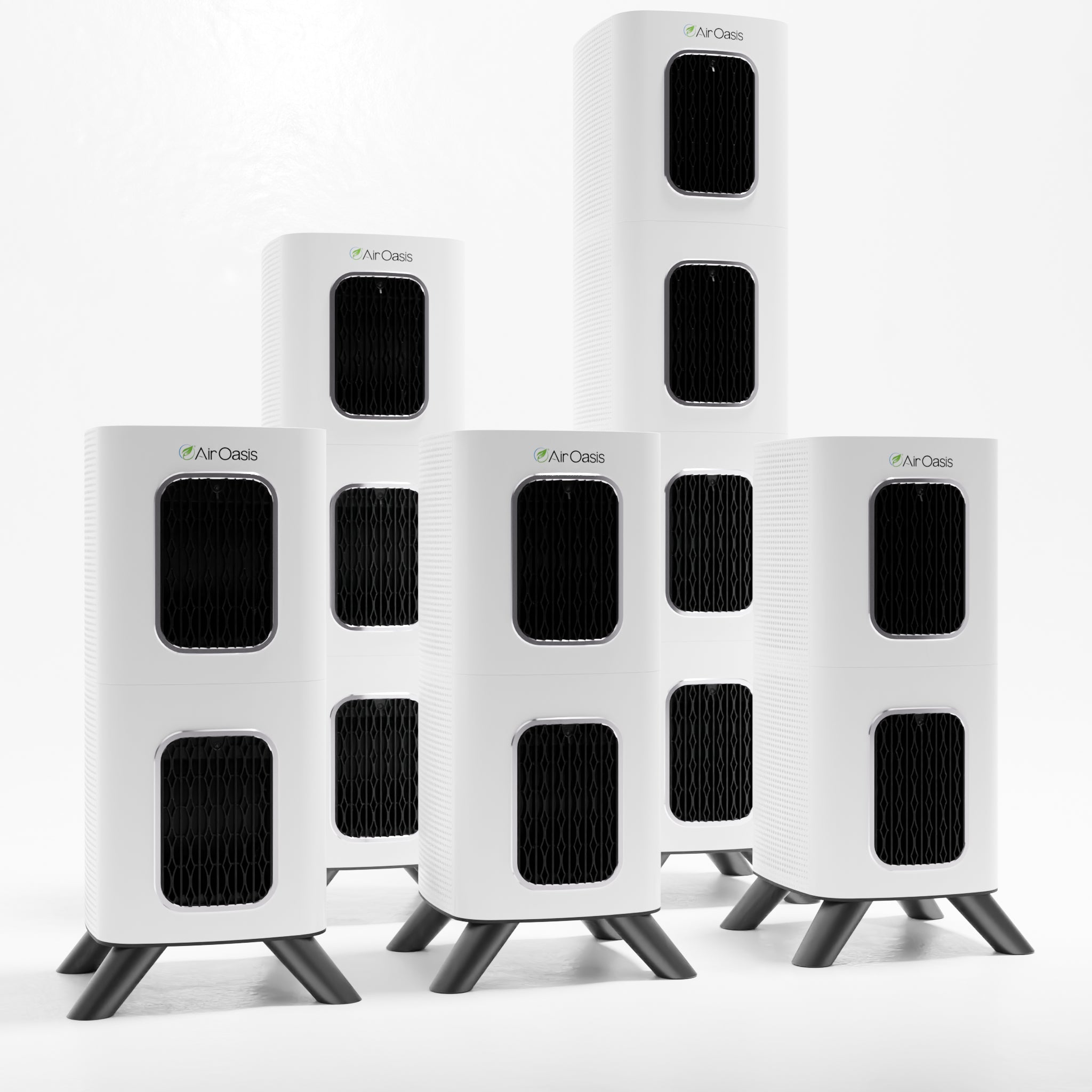
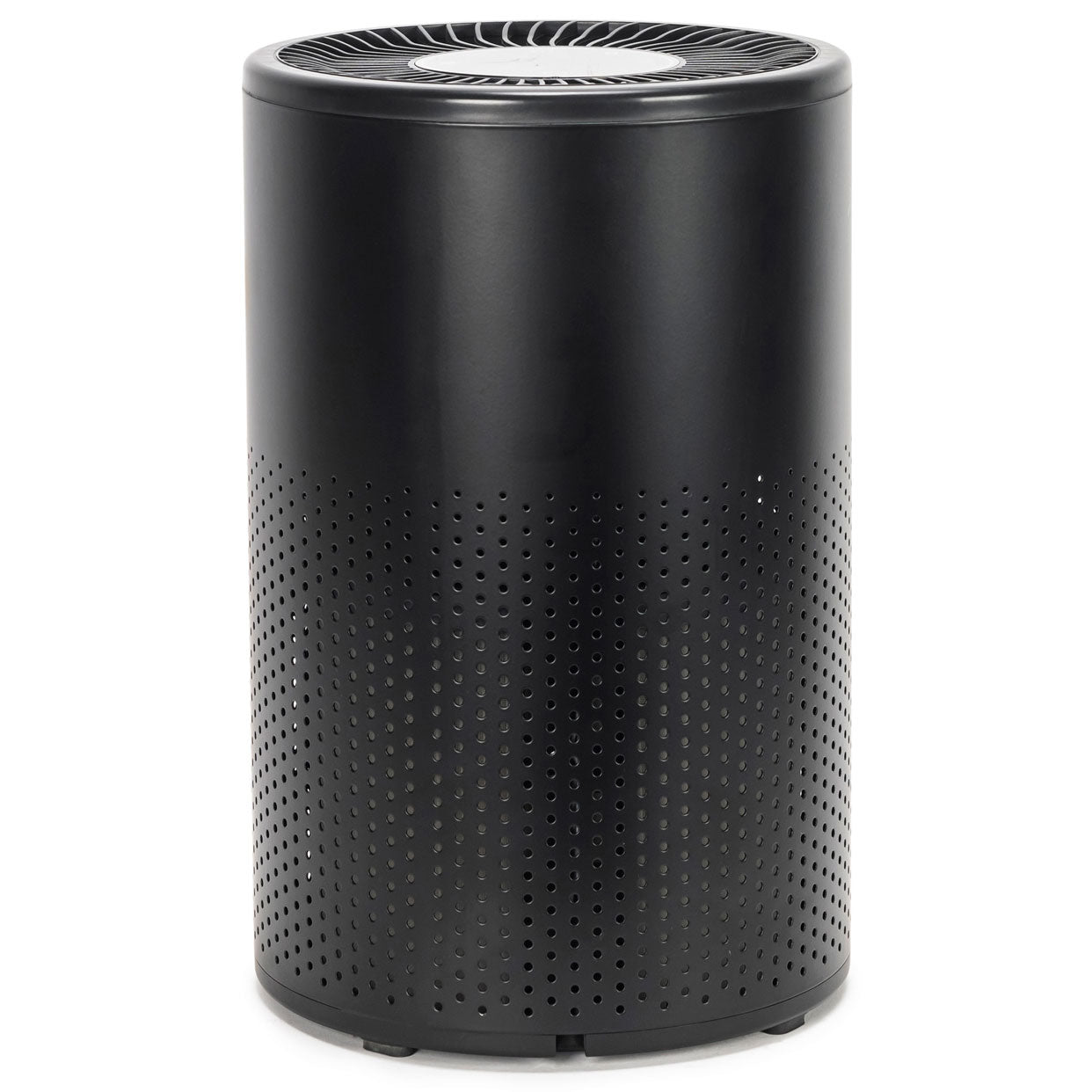
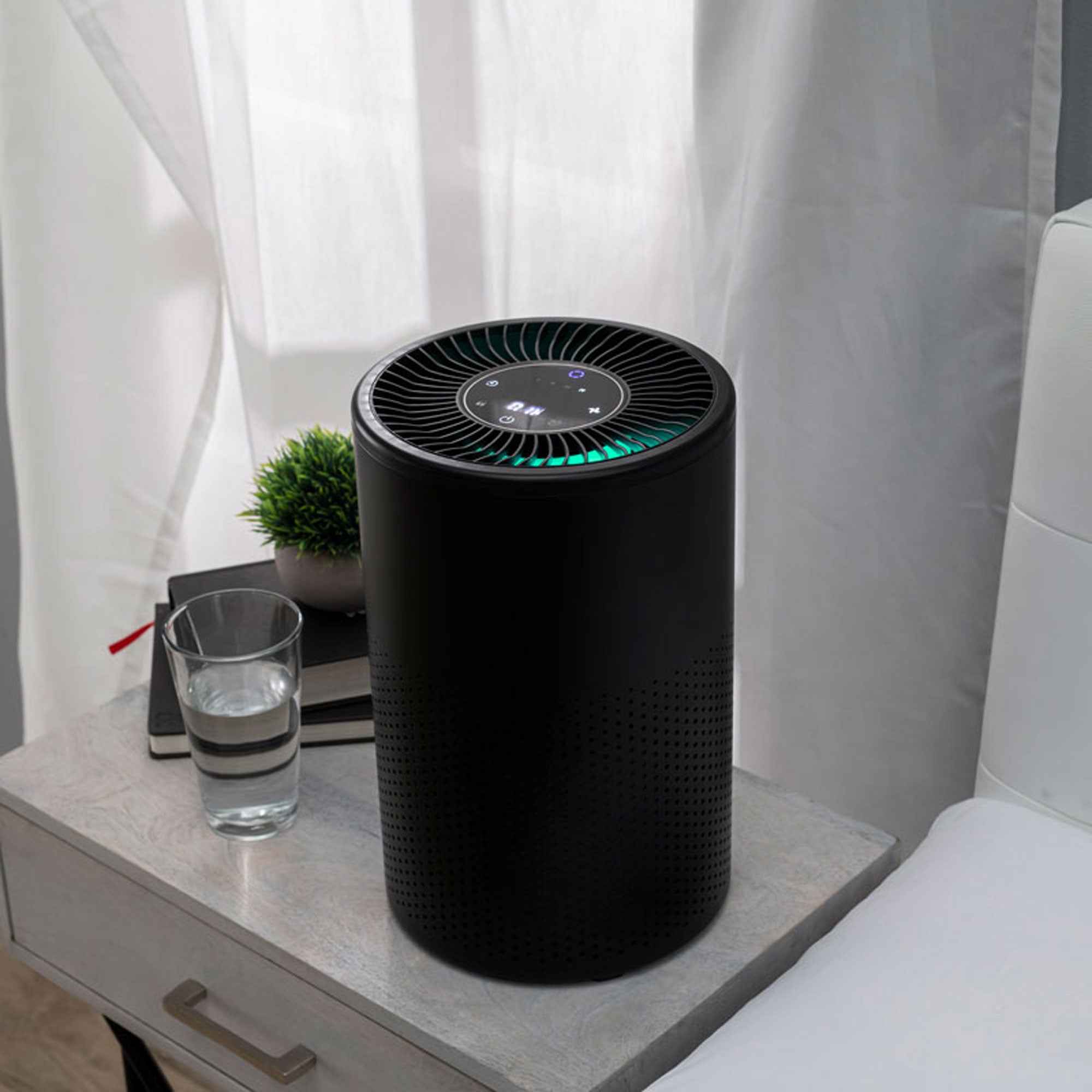
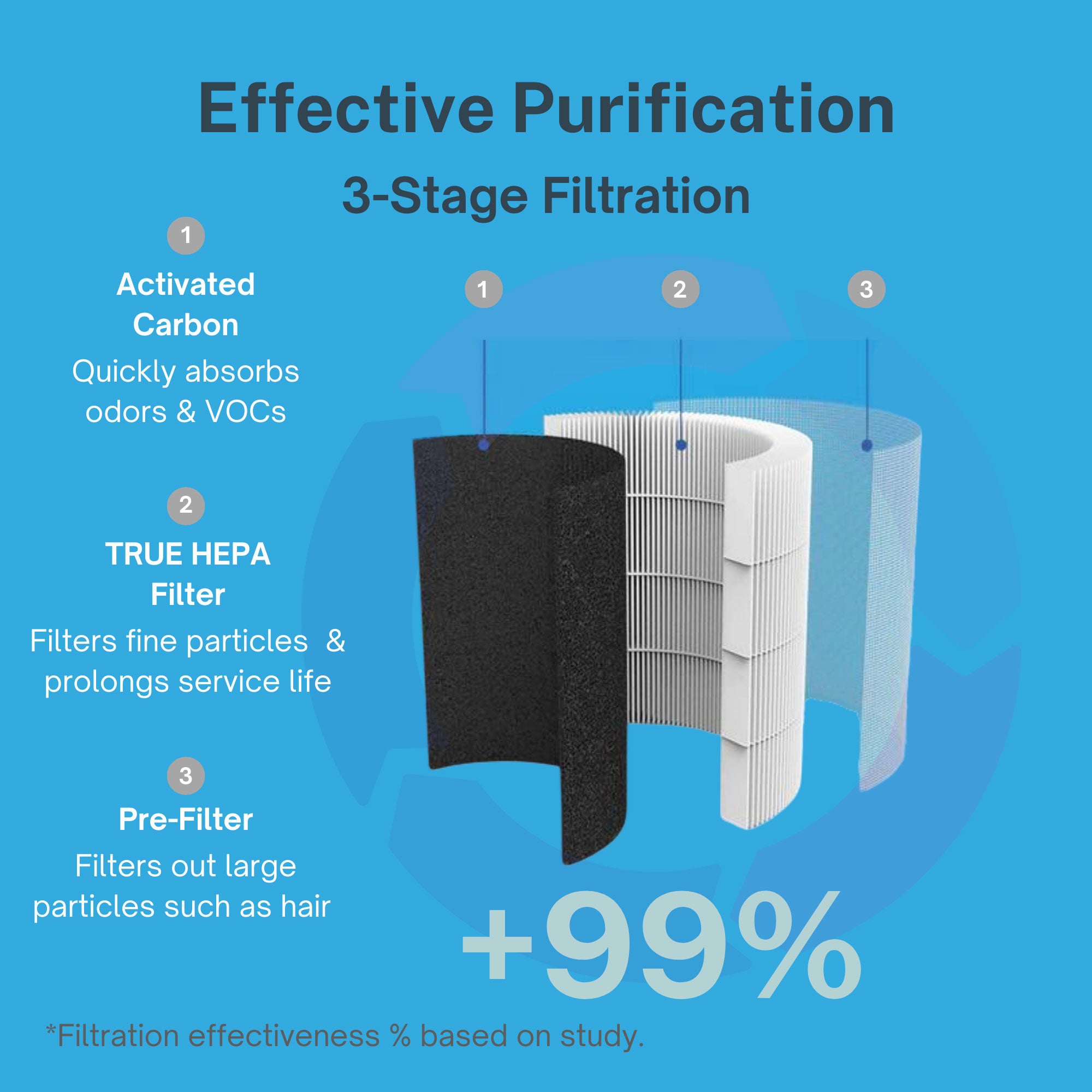
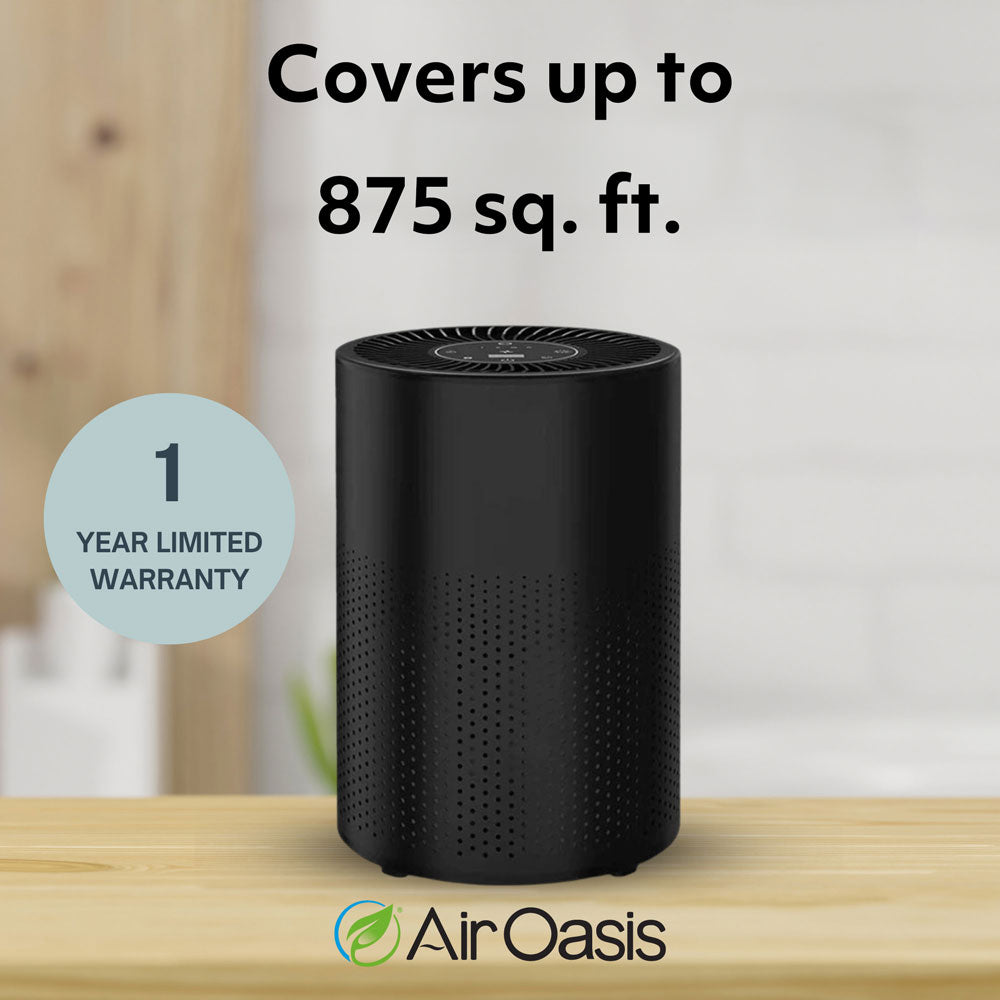
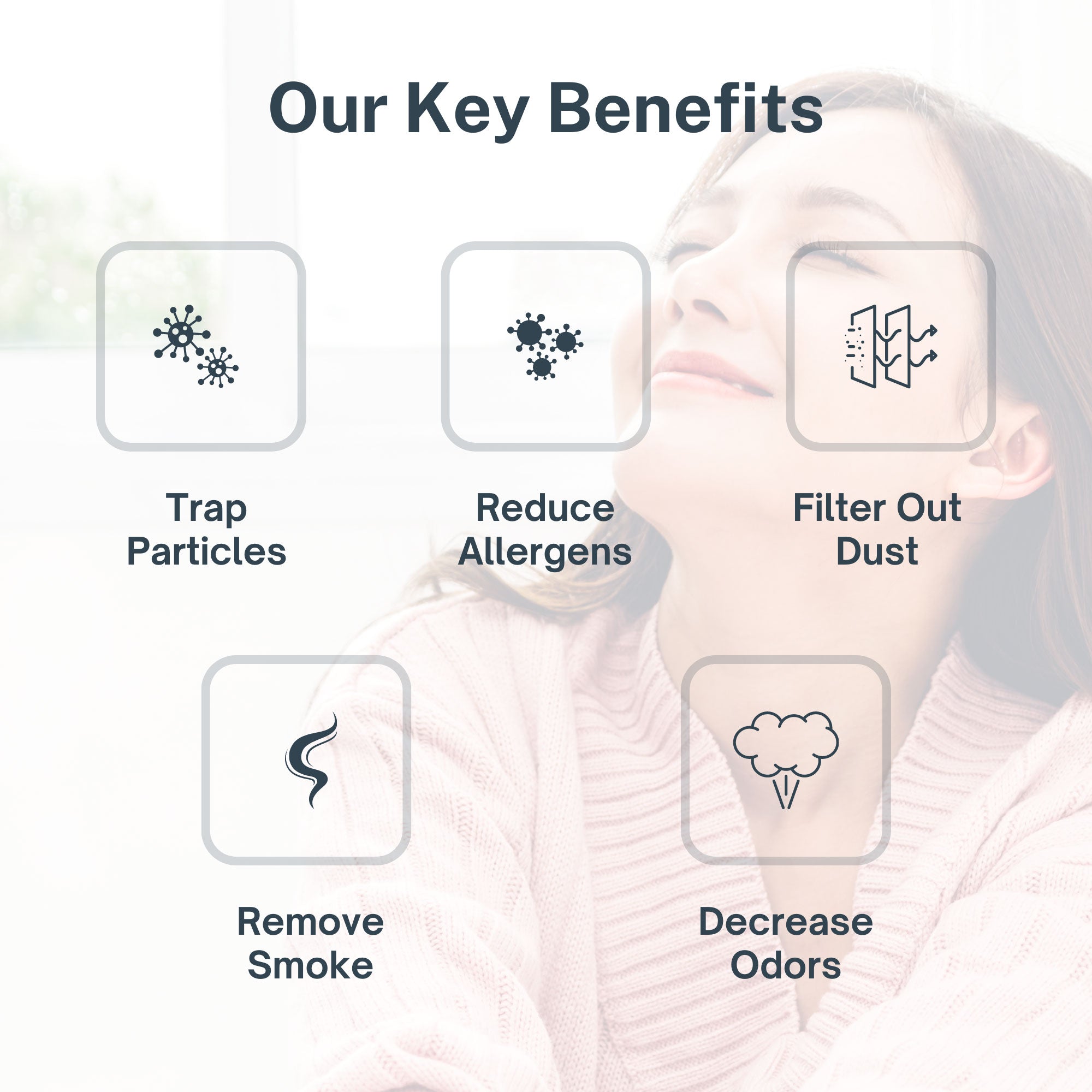
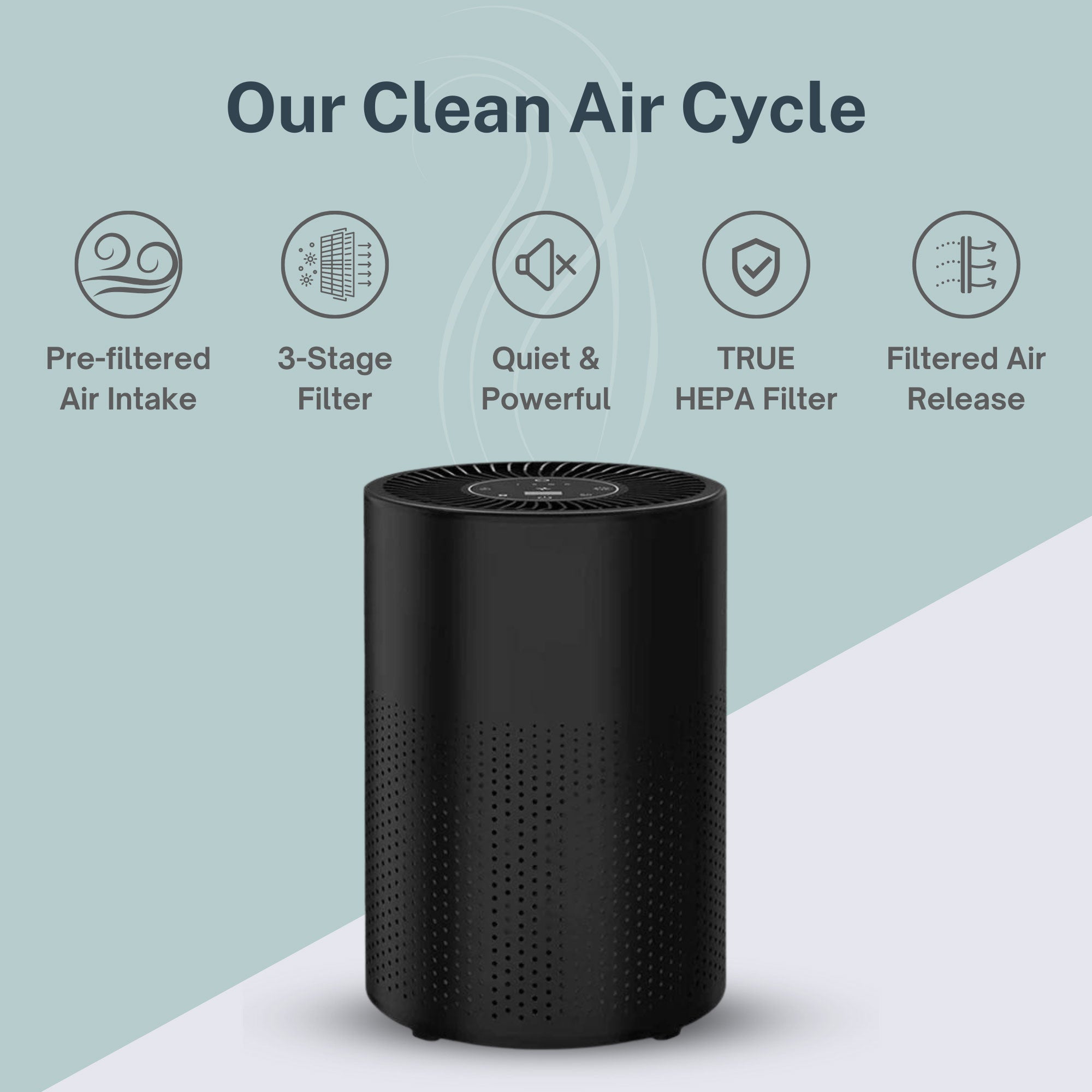
A medical-grade air purifier captures the microscopic proteins that trigger your allergic reactions. The iAdaptAir® systems use True HEPA filtration to remove 99.97% of particles as small as 0.3 microns. That includes pet dander, which typically measures between 5 and 10 microns.
These systems don't just filter particles. They use multiple technologies working together. Activated carbon captures odors from pet accidents and litter boxes. UV-C light neutralizes airborne bacteria that pets track in from outside. Bipolar ionization helps particles clump together so they're easier to capture.
Place an air purifier in rooms where your pet spends the most time. Run it continuously, not just when symptoms flare up. This maintains consistently clean air rather than trying to fix problems after allergens have already spread throughout your home.
Daily Habits That Help
Bathe your pet weekly if possible. Use pet-safe shampoo and rinse thoroughly. This reduces the amount of dander they shed between baths. If weekly bathing isn't realistic, aim for every two weeks at minimum.
Have someone without allergies brush your pet daily, preferably outdoors. This removes loose fur and dander before it can spread through your house. Never let your allergic family member handle this task.
Wash your hands immediately after touching your pet. Don't touch your face before washing. These simple habits prevent transferring allergens from your hands to your eyes, nose, and mouth.
Change your clothes after extended play sessions with your pet. Keep a dedicated set of "pet clothes" for activities like walks or outdoor play. This prevents spreading allergens to furniture and other rooms.
Vacuum with a HEPA filter vacuum at least twice weekly. Regular vacuums can actually blow allergens back into the air. Damp mop hard floors to capture particles rather than stirring them up.
Medical Support Options
Talk to an allergist about your specific situation. They can perform tests to confirm which proteins trigger your reactions. This information helps you make informed decisions about pet choices and management strategies.
Allergy medications can significantly reduce symptoms. Over-the-counter antihistamines work for many people. Others need prescription medications or nasal sprays. Some allergists recommend immunotherapy shots or tablets that gradually reduce sensitivity over time.
Consider hypoallergenic pet breeds if you're choosing a new companion. No pet is truly 100% hypoallergenic, but some breeds produce fewer allergens. Poodles, Portuguese Water Dogs, and certain cat breeds like Russian Blues tend to trigger fewer reactions.
Making It Work Long-Term
Living with pets despite allergies requires commitment. You can't skip cleaning routines or let air purifiers sit unused. Consistency matters more than perfection. Even small improvements in air quality and allergen control add up over time.
Monitor your symptoms honestly. If you're struggling despite following all recommendations, consult your doctor. Severe allergies that don't respond to management strategies may require difficult decisions about pet ownership.
Breathe Easier With Your Best Friend
You don't have to choose between your health and your pet. Smart strategies, consistent habits, and the right air purification technology make living together possible. Your immune system can adapt. Your home can become more allergen-friendly. Your relationship with your pet can thrive.
Ready to reduce pet allergens in your home? Invest in medical-grade air purification that targets the particles causing your symptoms. Shop Air Oasis today and create a healthier home for you and your furry companion.