Silk has a reputation for being luxurious and gentle. It's the fabric people reach for when they want something soft against their skin. So when someone develops sneezing, hives, or breathing difficulty after contact with silk, it's often the last thing they consider blaming. But silk allergies are real — and for people with certain sensitivities, they can be surprisingly serious. Understanding the connection between silk and other protein allergies can help you get better answers and breathe easier at home.
What makes silk allergic to some people
Silk is a natural protein fiber produced by silkworms, most commonly the Bombyx mori species. It's primarily composed of two proteins: fibroin, which forms the structural thread, and sericin, which serves as a binding coating around the fiber. Most finished silk fabric has the sericin removed, but raw silk, silk-filled bedding, and silk waste products often retain it, and sericin appears to be the protein most commonly linked to allergic reactions.
When someone with a silk sensitivity is exposed to these proteins, their immune system can respond as if it's encountered a threat, producing IgE antibodies. The result is a classic allergic reaction, which can include skin hives, a runny nose, itchy eyes, and, in more serious cases, asthma symptoms or facial swelling. These reactions tend to occur quickly, often within minutes of contact, a hallmark of IgE-mediated allergic responses.
Importantly, reactions are not limited to skin contact. Silk-filled pillows, quilts, and comforters have been documented as triggers for nighttime asthma — with some people not making the connection for months because they simply don't associate their bedding with a respiratory trigger.
The protein cross-reactivity question
Here's where it gets interesting. Many people who develop allergies to one protein source also react to others that share a similar molecular structure. This is called cross-reactivity, and it's well established in allergy medicine. For example, people allergic to shrimp often react to other shellfish. People allergic to birch pollen sometimes react to certain raw fruits.
With silk, cross-reactivity is still being studied, but some meaningful patterns have emerged. Because silk is an insect-derived protein, researchers have noted potential connections between silk sensitivity and reactions to other insect proteins. Dust mite, cockroach, and moth allergens all fall into this broader category of insect-derived proteins, and the immune system can sometimes treat related proteins as similar threats.
There have also been documented cases of silk allergy in people who work closely with silkworms or silk production — suggesting that airborne silk particles, not just skin contact, can sensitize the immune system over time. Once sensitized, the immune system may become more broadly reactive to protein allergens it perceives as structurally similar.
This is worth knowing if you have identified sensitivities to dust mites, cockroach allergens, or certain insect-related proteins. A silk sensitivity may be part of the same broader pattern — and understanding that pattern can help you and your doctor manage it more effectively.
Silk in your bedroom: a hidden respiratory trigger
One of the most overlooked sources of silk allergen exposure is bedding. Silk-filled pillows and duvets — often marketed as hypoallergenic alternatives to down — can actually harbor significant allergen concentrations, particularly if they contain silk waste rather than pure cultivated silk. The distinction matters because silk waste is far more likely to contain contaminants from the silkworm itself, from chrysalis matter, and potentially from insects that infest raw cocoons during processing.
If you wake up congested, experience nighttime coughing, or notice allergy symptoms that are worse in the morning and improve throughout the day, your bedding is worth a closer look. These are classic signs that something in your sleep environment is triggering a response — and silk-filled bedding may not be on your radar as a cause.
Replacing silk-filled bedding with well-documented hypoallergenic alternatives is a reasonable first step. But it doesn't address everything. Allergen particles from bedding become airborne when you move, shake out covers, or even roll over in your sleep. Once airborne, they circulate through your bedroom until they're either inhaled or settle back on surfaces.
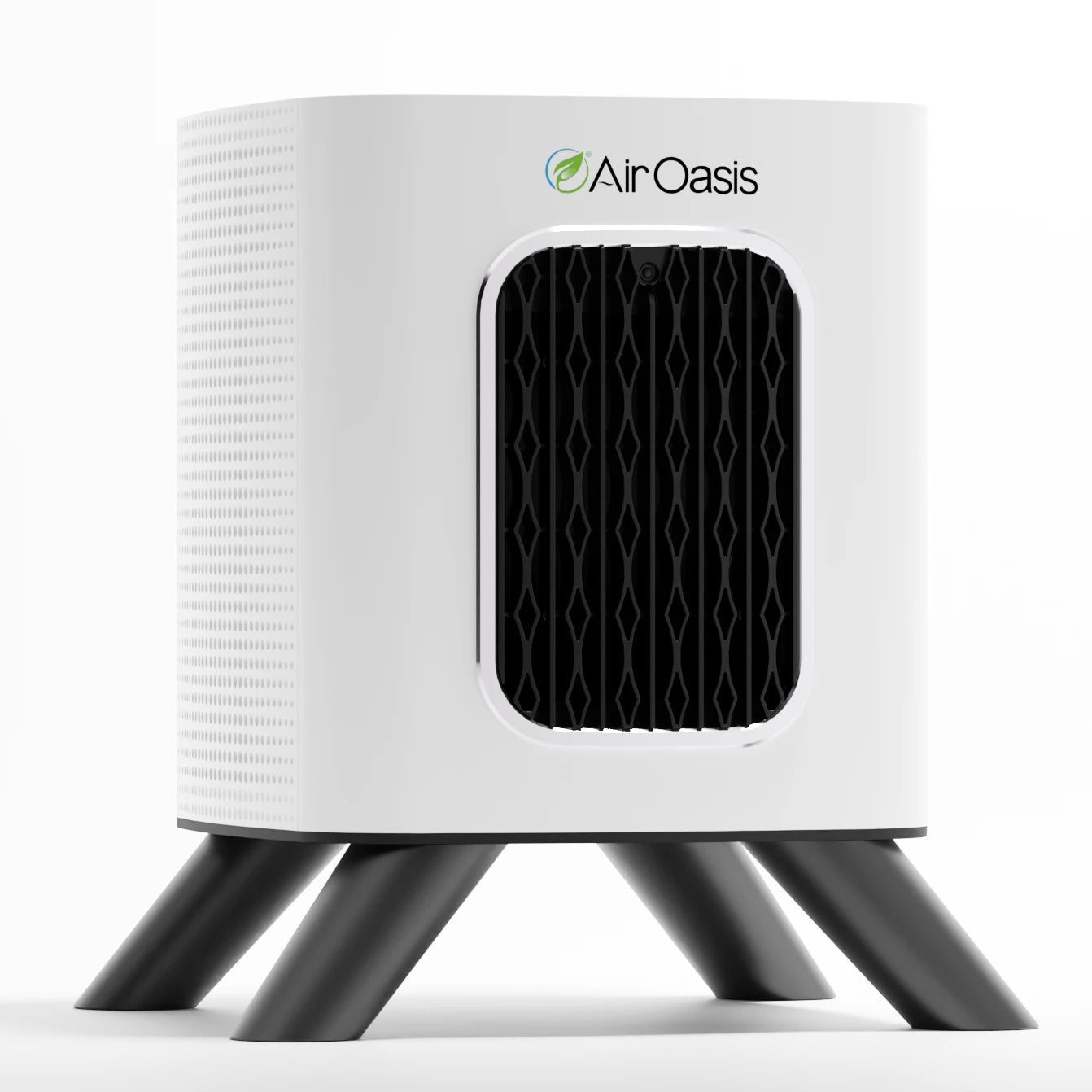
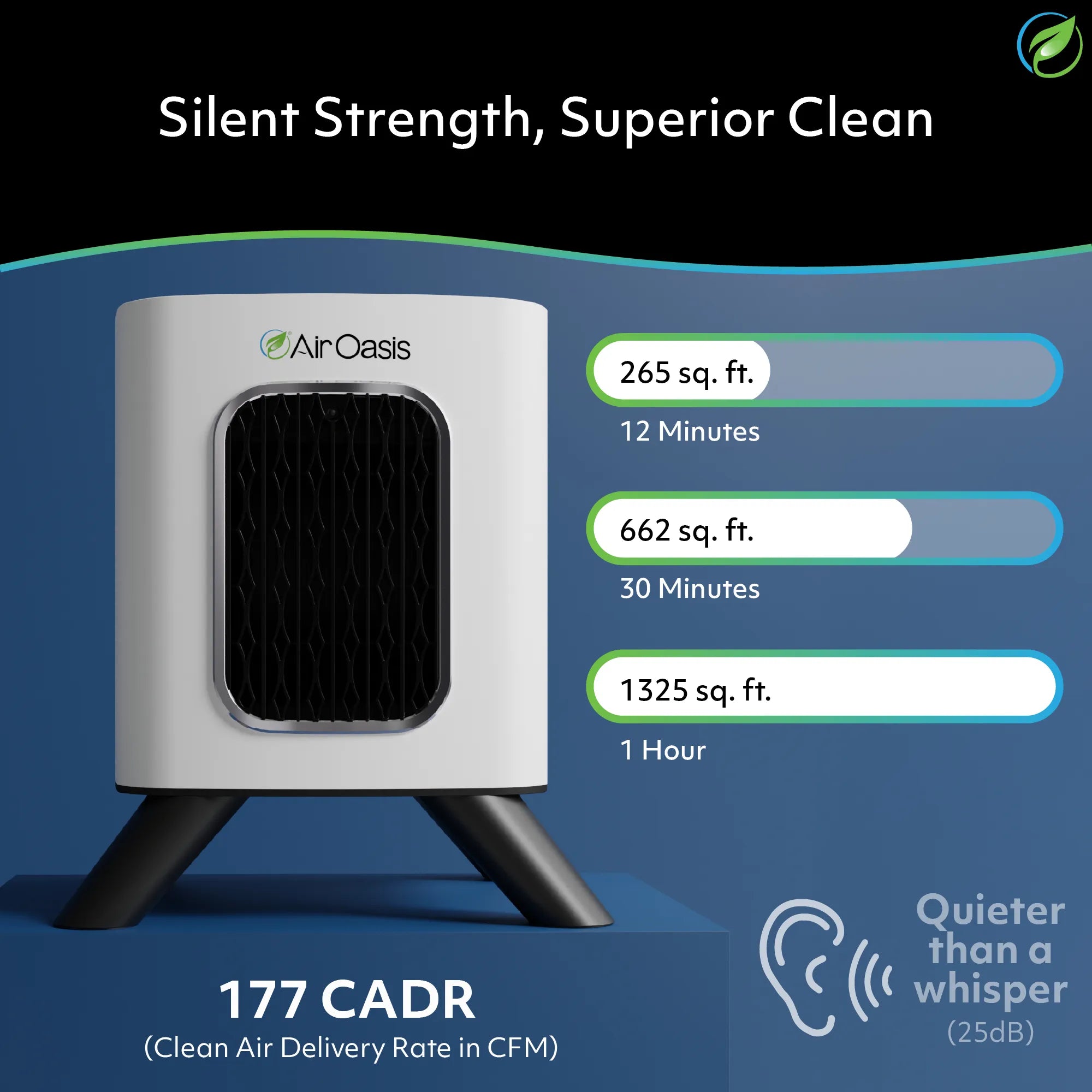
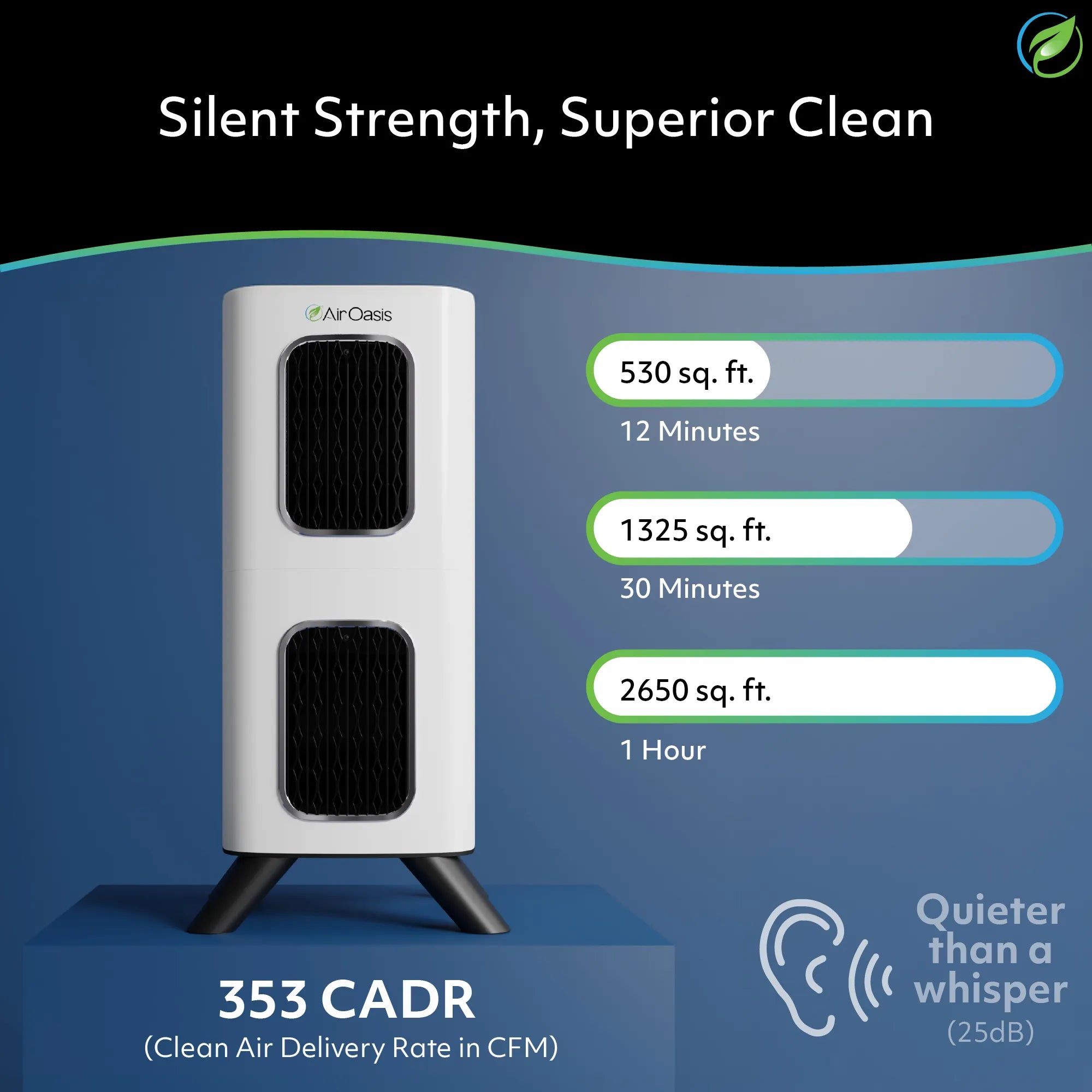
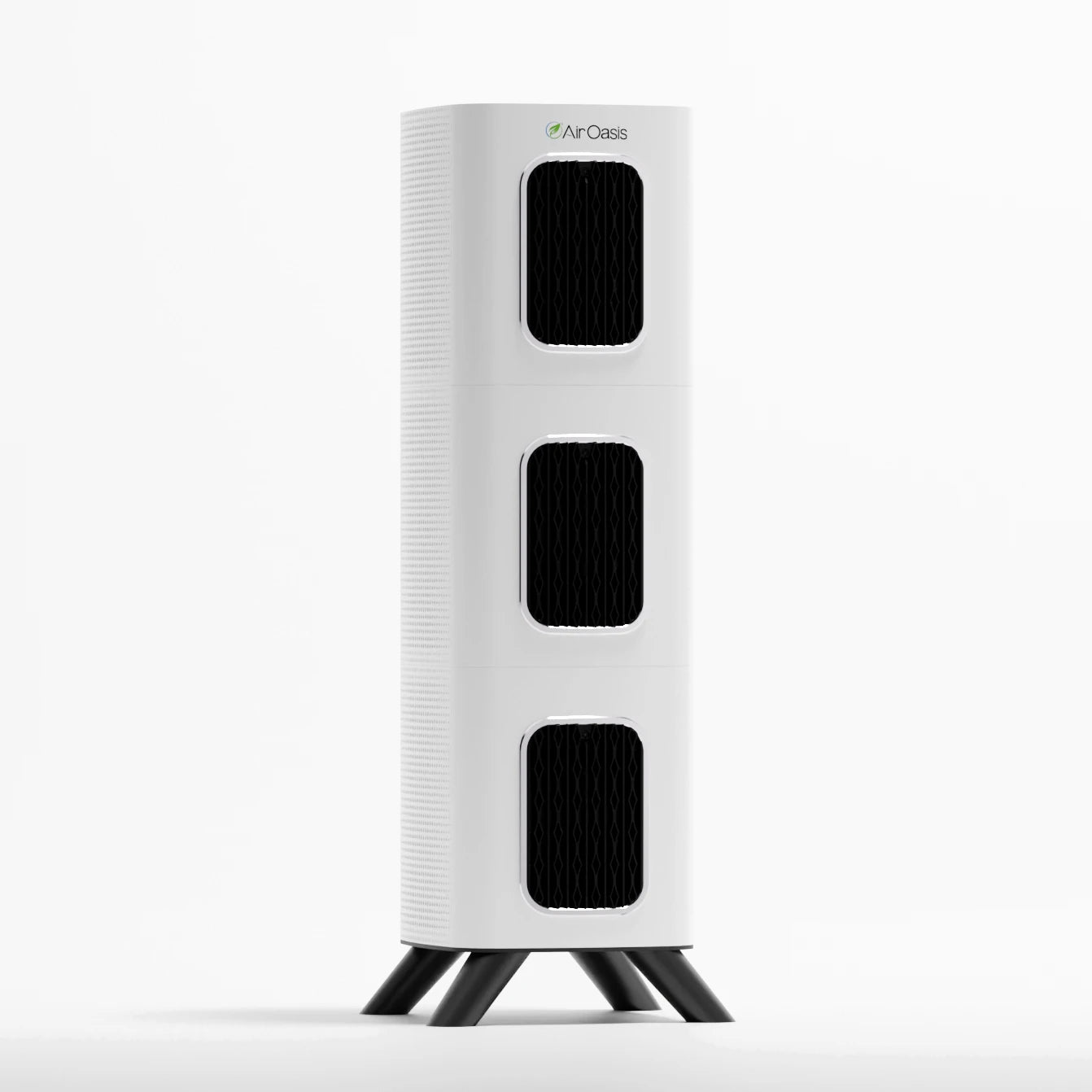
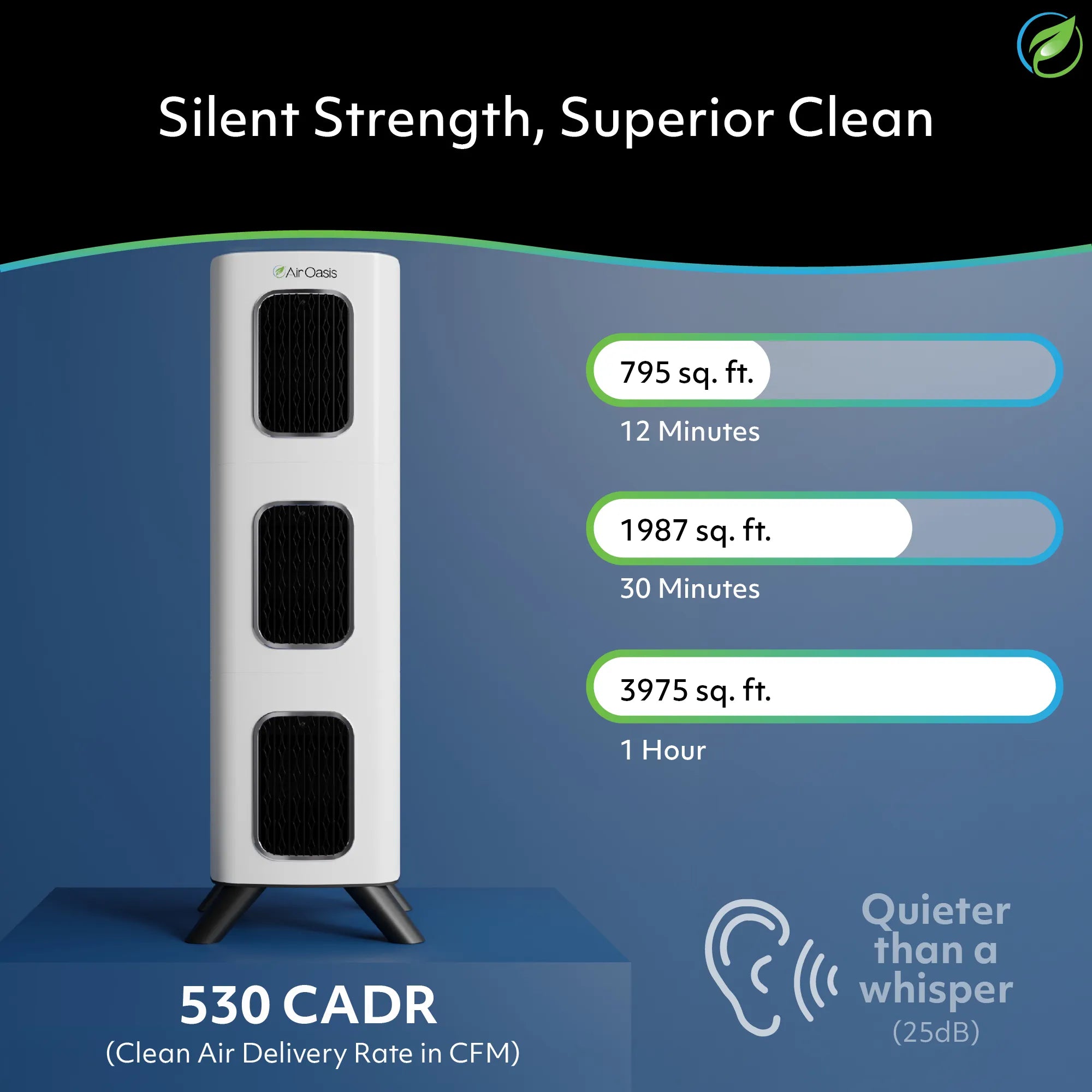
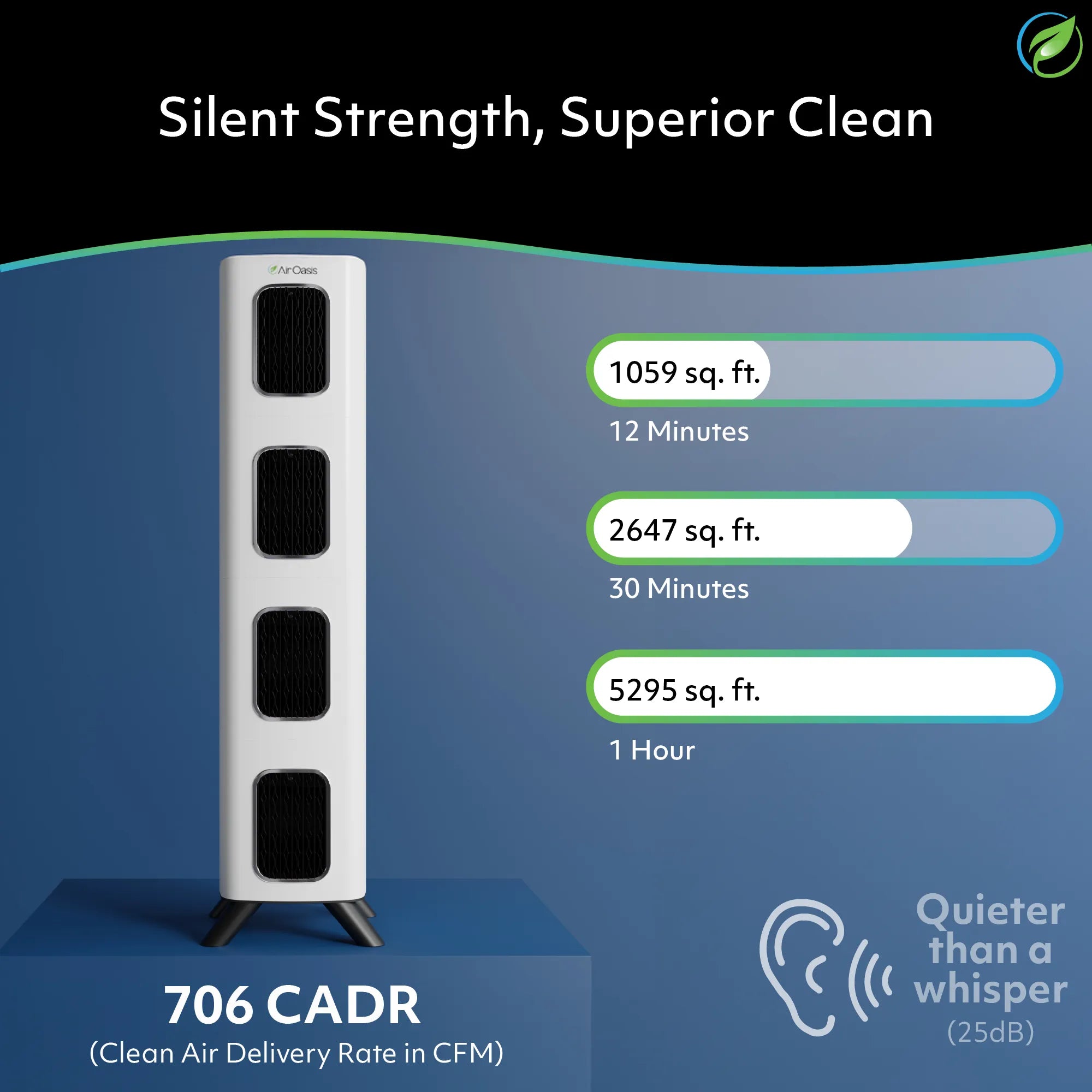
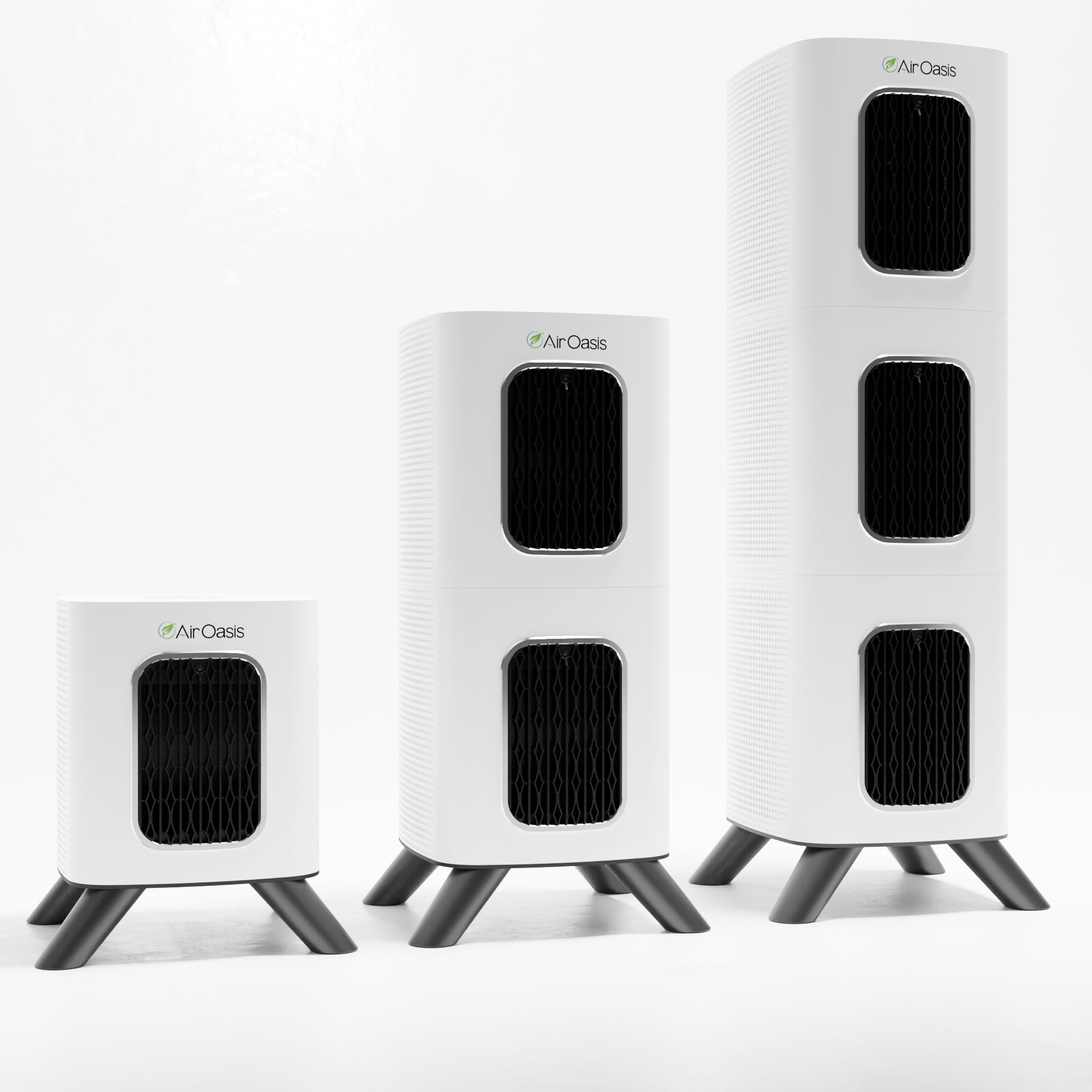
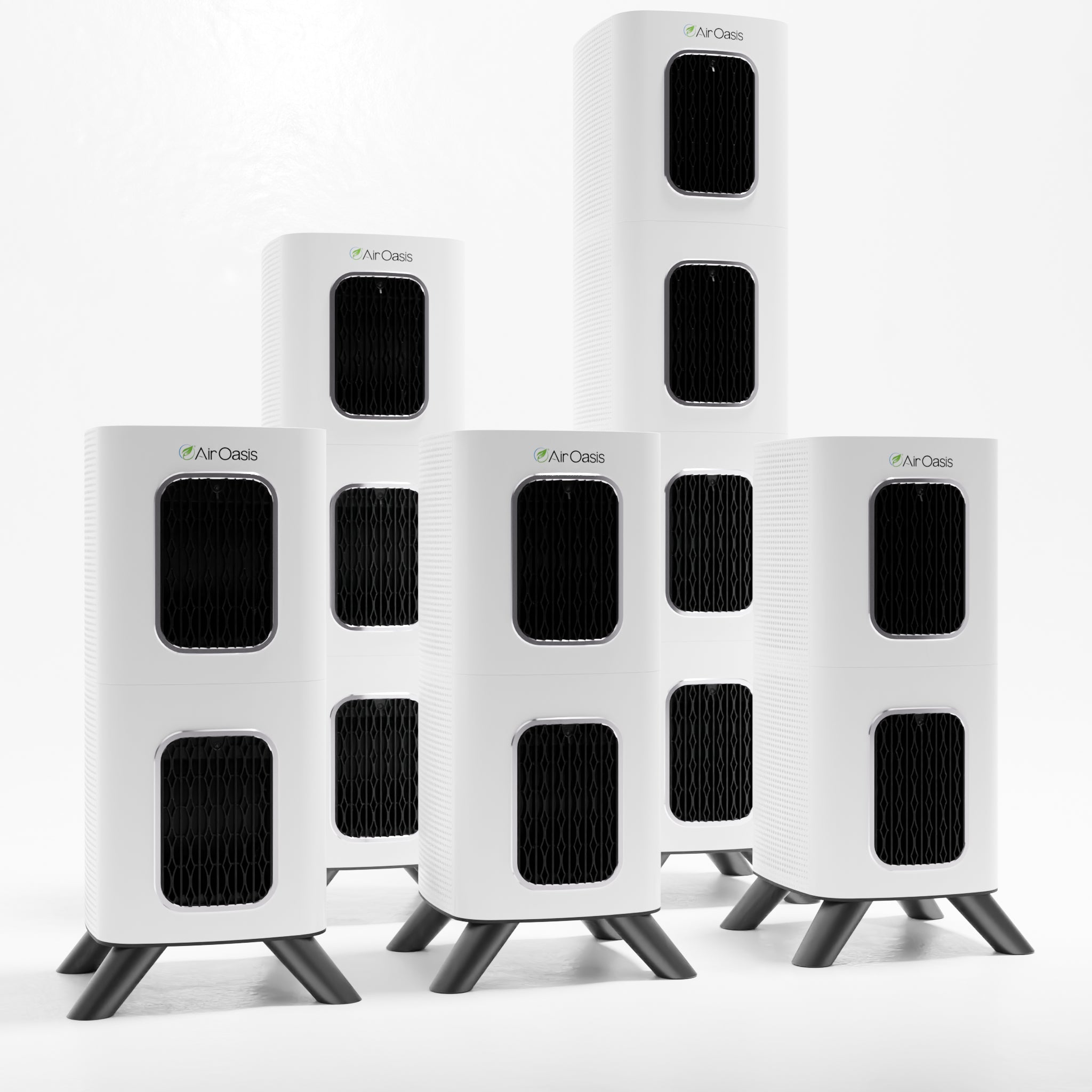
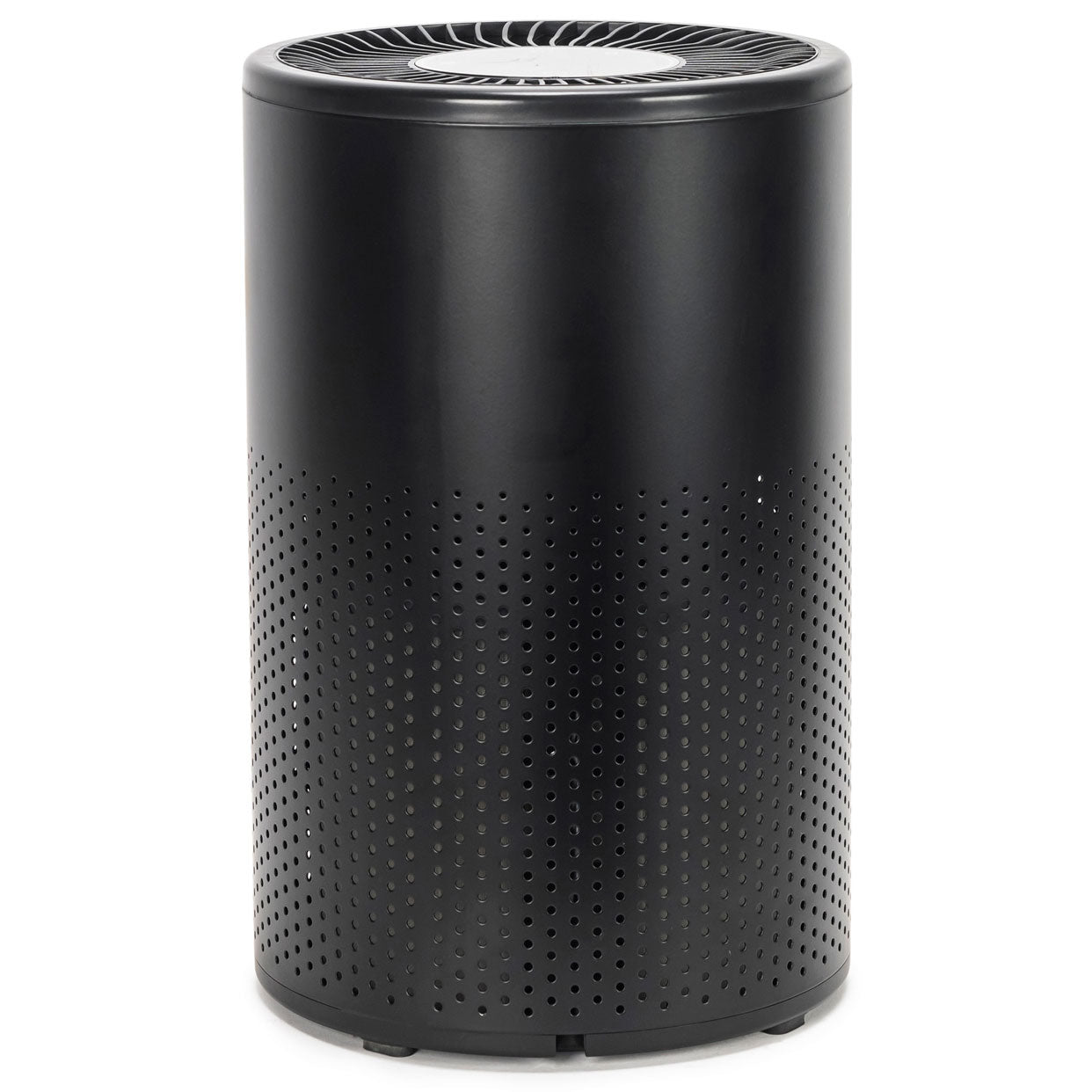
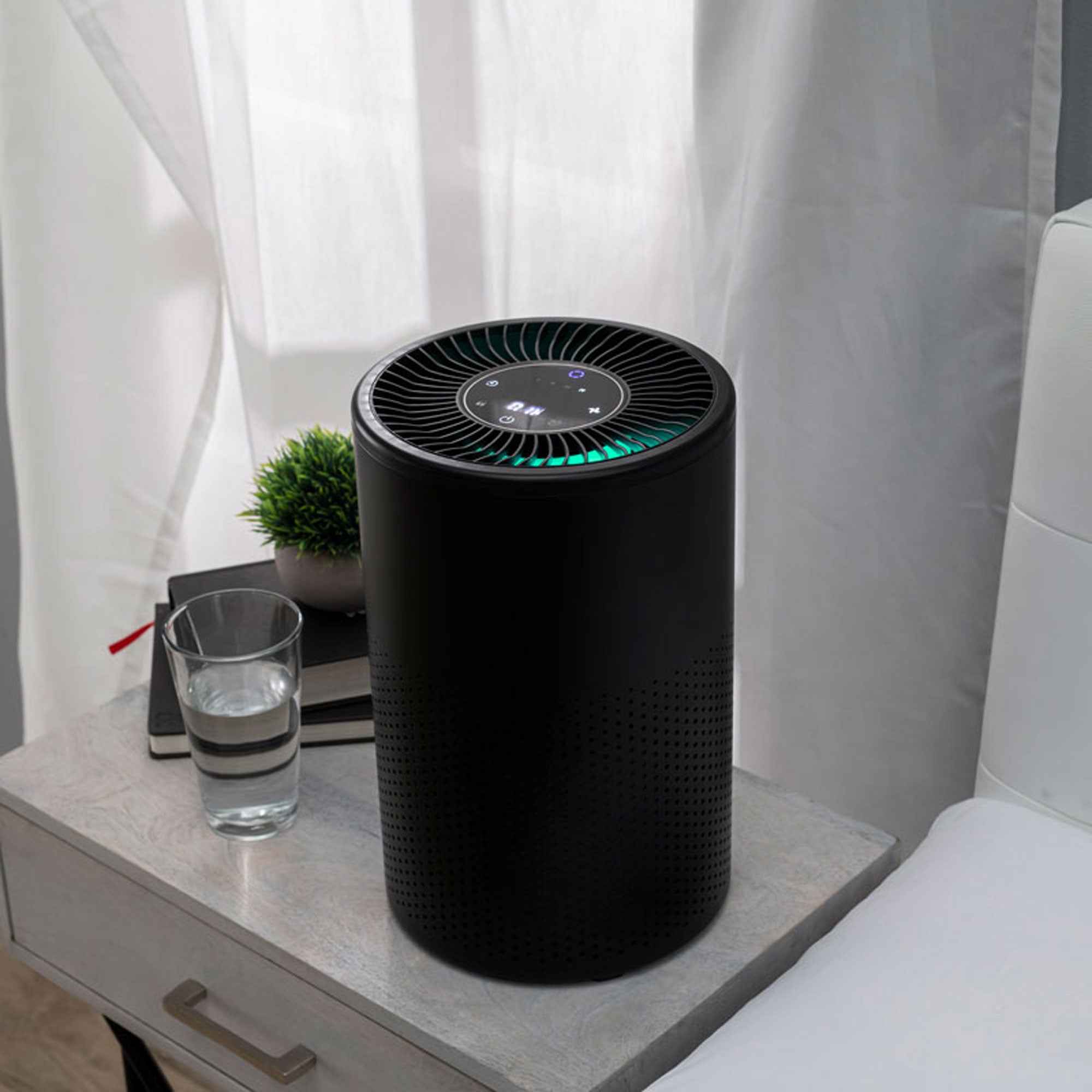
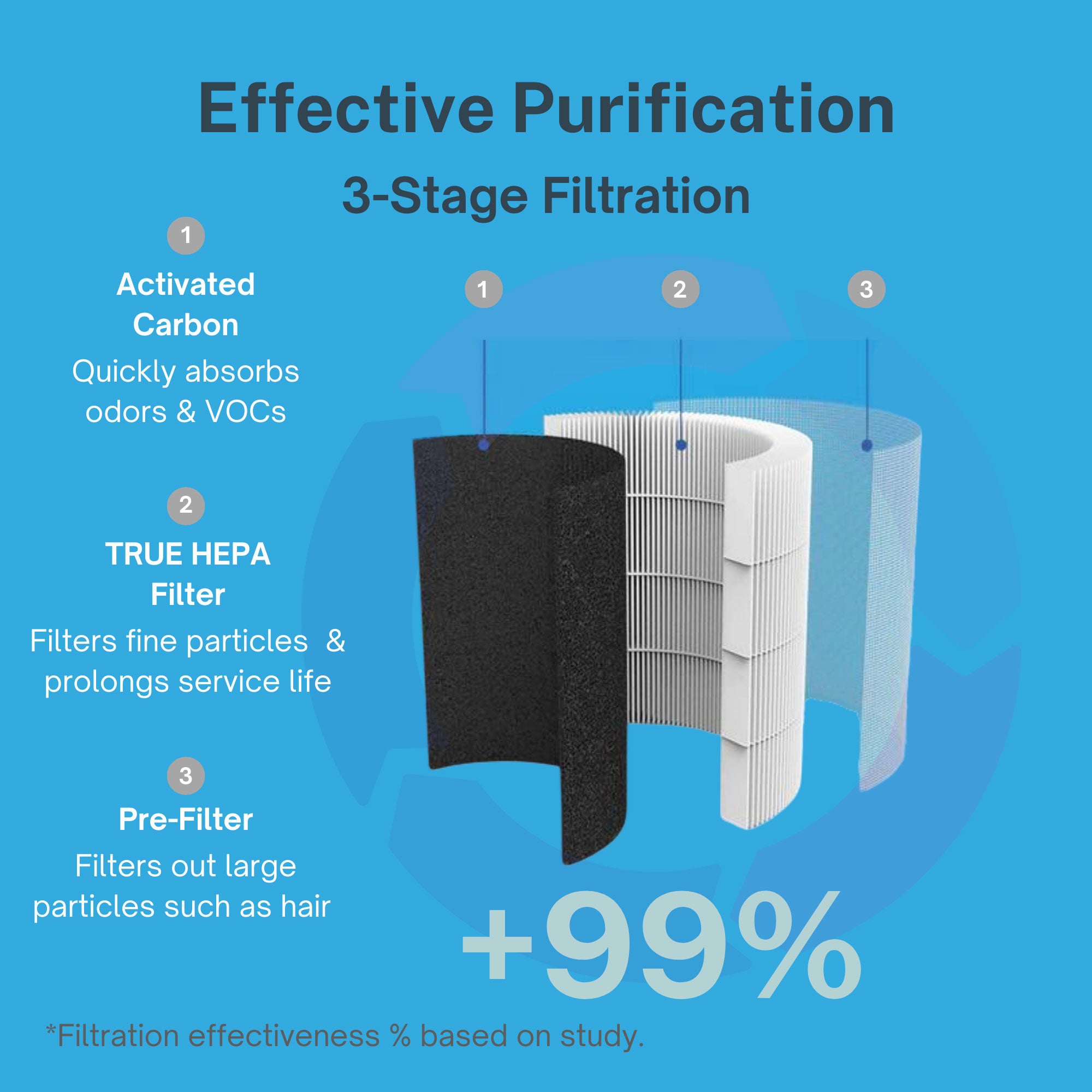
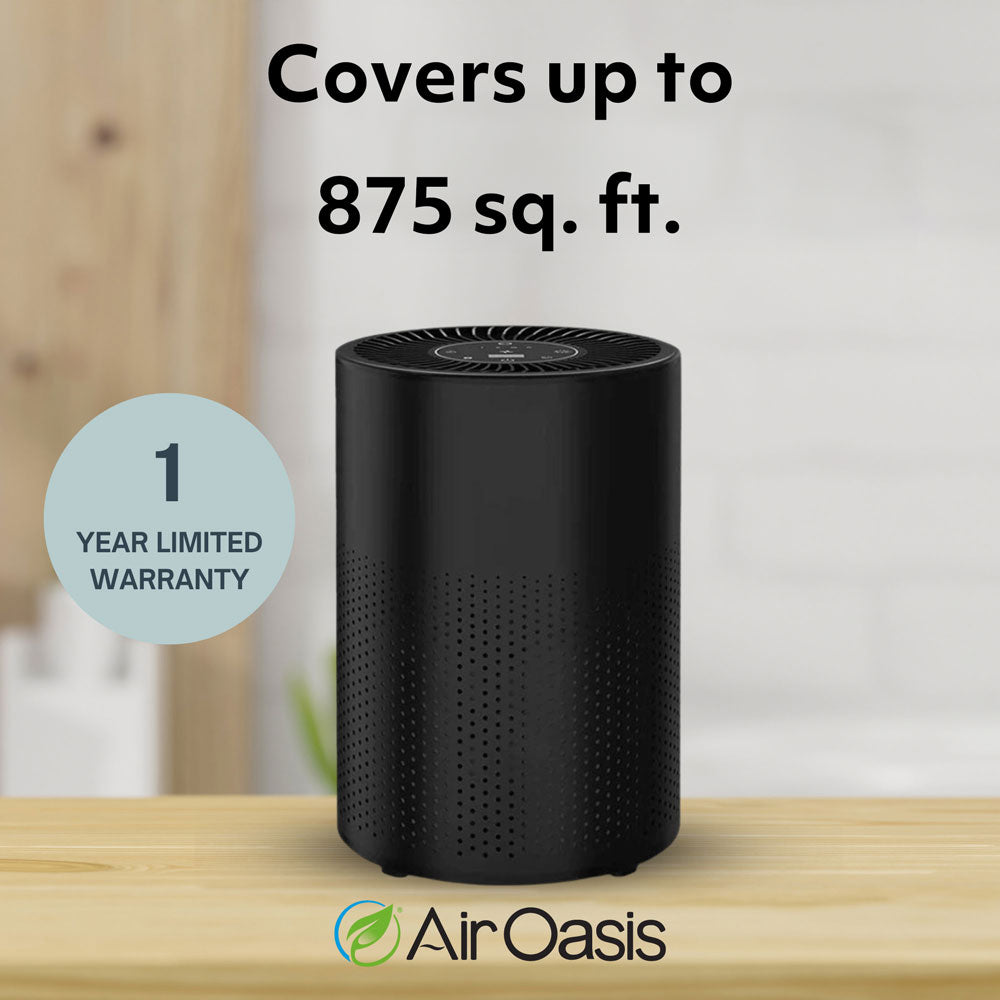
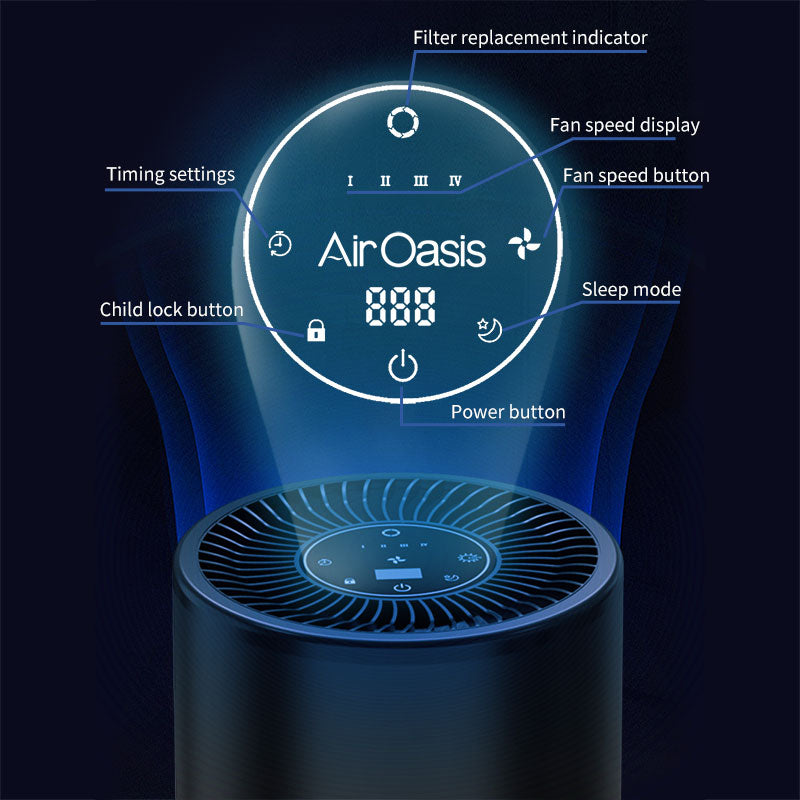
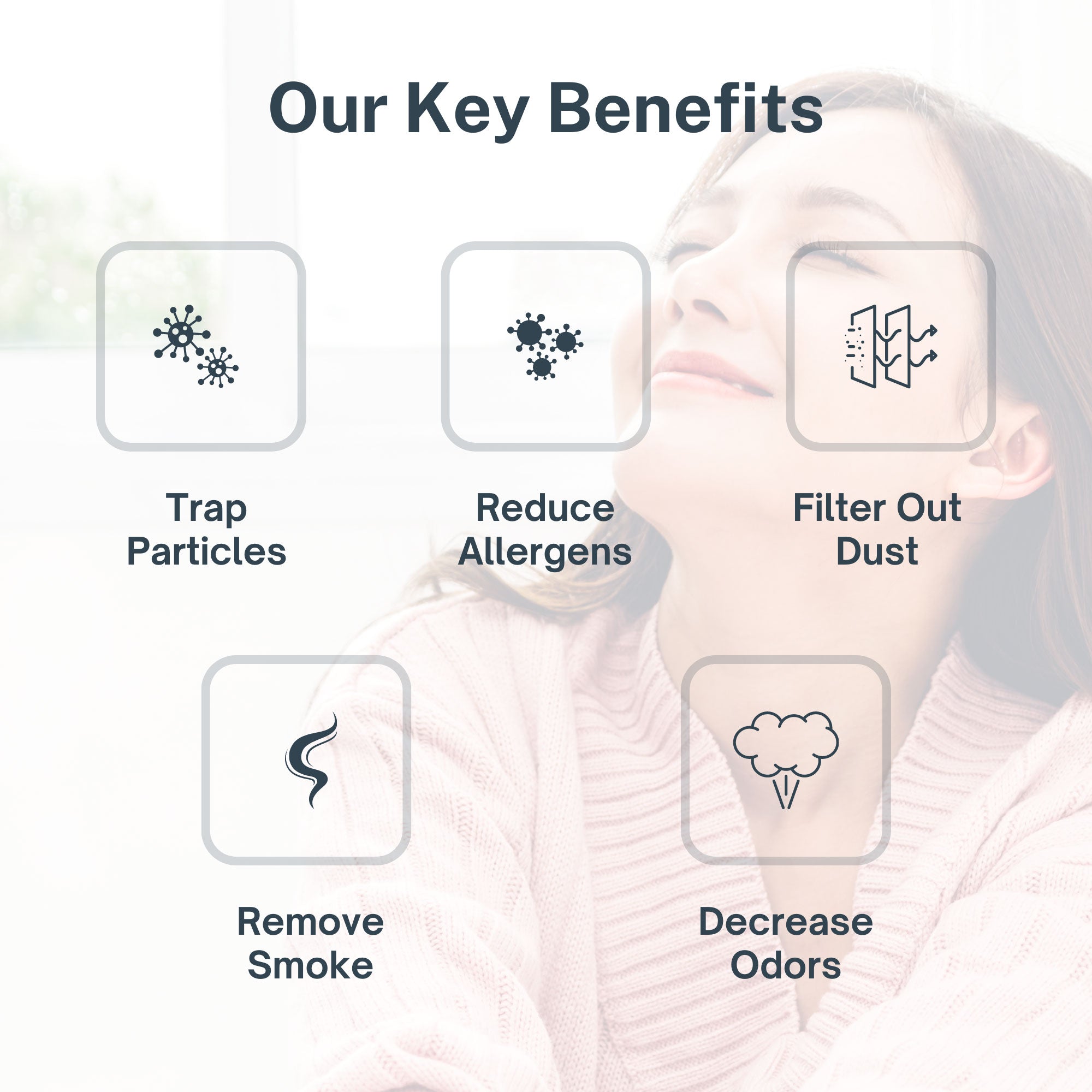
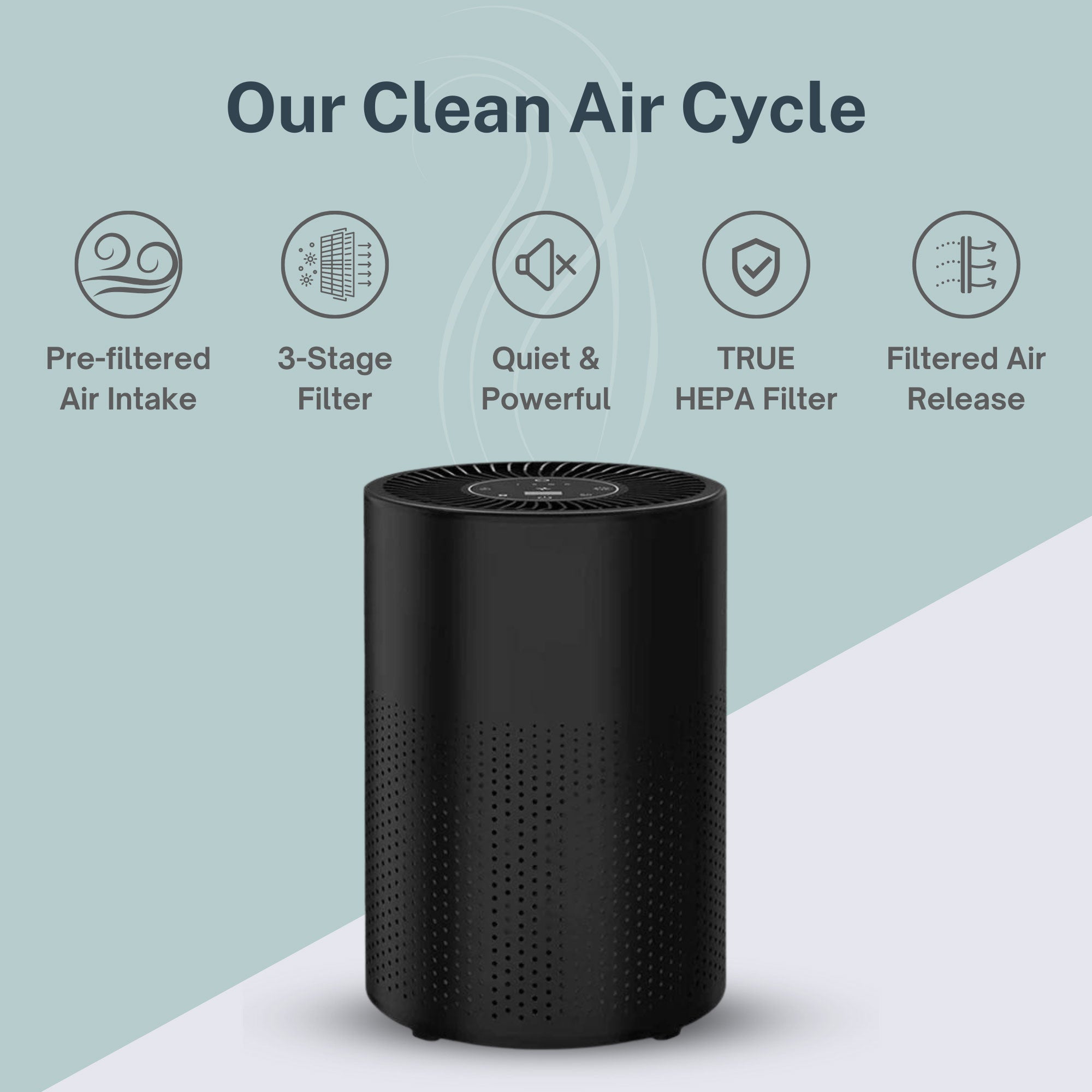
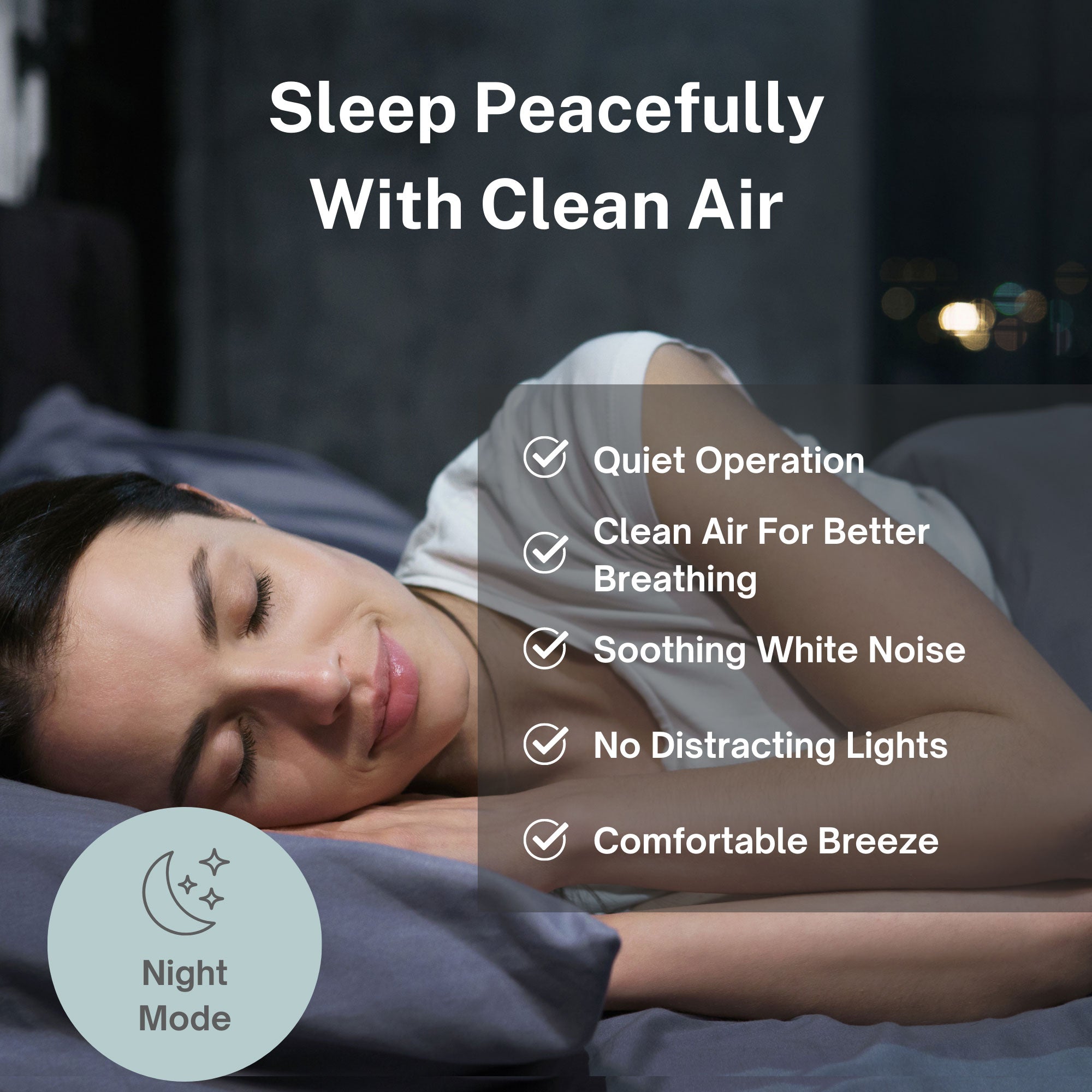
This is where indoor air quality plays a crucial role. An air purifier with true HEPA filtration captures airborne protein particles — including silk-derived allergens, dust mite waste, and other biological triggers — before they can be breathed in. The iAdaptAir® from Air Oasis uses multi-stage filtration, combining HEPA filtration, UV-C light, and bipolar ionization to address the full range of airborne allergens in your home. Running it in your bedroom, where allergen exposure during sleep tends to be highest, can make a meaningful difference in how you feel when you wake up.
What to do if you suspect a silk allergy
If you think silk might be triggering your symptoms, a visit to an allergist is the most direct path to clarity. Skin prick testing and specific IgE blood tests can confirm sensitivity to silk proteins and help identify whether cross-reactivity with other allergens is present.
In the meantime, some practical steps can reduce your exposure while you investigate. Remove silk-filled bedding and replace it with synthetic or down alternatives you know are well tolerated. Wash bedding frequently in hot water. Avoid handling raw silk, silk thread, or silk waste materials if you've had reactions in the past.
And pay attention to patterns. If your symptoms consistently appear at night or upon waking, in specific rooms, or after handling certain textiles, that information is valuable for your allergist. Connecting your environment to your symptoms is the first step toward finding real relief.
Cleaner air is part of the answer
Silk allergies are uncommon but genuinely impactful for those who experience them. And for people with broader protein sensitivities, understanding the connection between silk and other allergens can open up a more complete picture of what's driving their symptoms.
Managing allergen exposure at the source — through bedding choices, regular cleaning, and humidity control — is essential. So is addressing what's floating in the air you breathe every day. Shop Air Oasis today and discover how the iAdaptAir® can help you take control of your indoor air and breathe better, no matter what your sensitivities are.
Frequently Asked Questions About Silk Allergies
Here is some more info.
Are silk allergies common?
Genuine IgE-mediated silk allergies are relatively rare. Most people who experience discomfort around silk are reacting to other factors — dye treatments, dust mites in the fabric, or skin irritation from texture. That said, documented cases of true silk protein allergy do exist and can cause significant respiratory and skin symptoms.
What proteins in silk cause allergic reactions?
The primary suspect is sericin, the binding protein that coats raw silk fibers. Finished silk fabric typically has sericin removed, which is why reactions are more commonly associated with silk-filled bedding, raw silk, or silk waste — where sericin and other biological contaminants are more likely to be present.
Can a silk allergy cause asthma?
Yes. There are documented cases of nighttime asthma triggered by silk-filled bedding, as well as respiratory symptoms in people who work with silk in manufacturing or craft settings. Inhaled silk particles can sensitize the immune system and provoke asthma symptoms in susceptible individuals.
Is silk allergy connected to dust mite allergy?
Potentially. Both silk and dust mites are insect-derived protein sources, and some research suggests that people sensitized to one type of insect protein may be more reactive to others. An allergist can test for both sensitivities and help determine whether cross-reactivity is a factor.
Can an air purifier help with silk allergy symptoms?
Yes, particularly for airborne exposure. When silk particles, dust mite proteins, or other allergens become airborne — from bedding, clothing, or textiles — a HEPA air purifier captures them before they can be inhaled. This reduces the overall allergen load in your breathing environment, which can meaningfully reduce symptom frequency and severity.