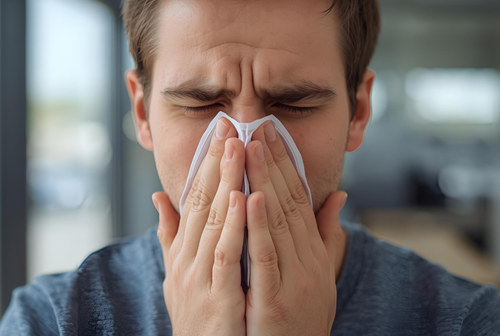
You finally crawl into bed after a long day, ready for restful sleep. Instead, your nose becomes congested, your eyes start itching, and you find yourself coughing or sneezing repeatedly. This frustrating pattern affects millions of allergy sufferers who discover their symptoms intensify the moment they try to sleep.
Nighttime allergy worsening is not coincidental. Multiple factors converge during sleep hours to amplify allergic reactions. Understanding why this happens helps you address the root causes rather than simply treating symptoms.
Your Body's Natural Histamine Cycle
Your body operates on a circadian rhythm that affects hormone production throughout the day and night. This natural cycle includes histamine release patterns that directly impact allergy symptoms.
Histamine production increases during nighttime hours as part of your body's normal regulatory functions. This chemical triggers the classic allergy symptoms you experience including sneezing, itching, congestion, and watery eyes. When your body releases more histamine at night, these symptoms naturally intensify.
This biological pattern means you face a double challenge at bedtime. Environmental allergens in your bedroom, combined with your body's increased histamine production, can cause symptoms worse than those you experienced during the day with the same allergen exposure.
The Position Problem
Lying down changes how your body handles congestion. When you stand or sit upright during the day, gravity helps drain mucus from your sinuses. This natural drainage keeps your nasal passages clearer and makes breathing easier.
The horizontal position you assume for sleep eliminates this gravitational advantage. Mucus pools in your sinuses rather than draining. This pooling increases pressure in your nasal passages and creates the stuffed-up feeling that makes sleep difficult.
Postnasal drip worsens when you lie flat. Mucus that would normally drain down your throat during the day instead accumulates and triggers coughing. This can wake you repeatedly throughout the night or prevent you from falling asleep initially.
Sleeping with your head elevated at a 30 to 45 degree angle helps counteract this position problem. Extra pillows or an adjustable bed base restore some gravitational drainage advantage and reduce mucus pooling.
Bedroom Allergen Concentration
Your bedroom harbors multiple sources of allergens that concentrate exposure during sleep hours. Dust mites live in mattresses, pillows, and bedding. These microscopic creatures feed on dead skin cells you shed constantly. Their waste products are potent allergens that trigger reactions in sensitive individuals.
A single mattress can contain millions of dust mites. Your pillow accumulates them over time. Box springs provide additional habitat. When you move in bed, you disturb these mites and their waste products, sending allergens into the air where you inhale them throughout the night.
Pet dander accumulates on bedding even if your pets do not sleep in your bedroom. The lightweight proteins stick to your clothing during the day and transfer to your bed at night. If pets do sleep with you, their continuous dander release creates constant allergen exposure during sleep hours.
Mold grows in bathrooms adjacent to bedrooms. Spores become airborne and drift into sleeping areas. Poor ventilation in bedrooms allows humidity to rise, creating conditions where mold can grow on walls, in closets, or around windows. These hidden mold sources release spores you breathe all night.
Pollen Transfer From Daytime Exposure
Pollen does not stay outdoors. When you spend time outside during the day, pollen particles settle on your skin, hair, and clothing. You carry these allergens inside with you.
Without showering before bed, you transfer pollen directly to your pillowcase and sheets. Your hair deposits pollen on your pillow throughout the night. Your body heat can even cause some pollen to become airborne again as you sleep, creating renewed exposure.
Pollen counts typically peak in early morning hours. If you sleep with windows open, pollen enters your bedroom as the sun rises. This timing coincides with when you are deeply asleep and breathing the contaminated air for extended periods.
Shoes track pollen throughout your home. Walking through your bedroom in shoes worn outside spreads pollen onto carpets and floors. This pollen then becomes airborne from normal movement and air currents.
Allergen Accumulation Over Time
Bedding collects allergens continuously. Even if you wash sheets regularly, the time between washings allows substantial allergen buildup. Dust mites multiply. Pet dander accumulates. Pollen transfers nightly.
Mattresses and pillows are particularly problematic because most people do not clean them as frequently as sheets. These items absorb allergens over months and years, creating concentrated sources of exposure. A mattress more than a few years old without protective covers contains shocking levels of dust mite allergens.
Carpeting in bedrooms traps allergens that resist removal even with regular vacuuming. Pollen, pet dander, and dust settle deep into carpet fibers where they remain until disturbed by foot traffic or air movement. Bedrooms with carpeting maintain higher baseline allergen levels than those with hard flooring.
Creating a Low-Allergen Sleep Environment
Addressing nighttime allergies requires targeting the specific factors that worsen symptoms. Allergen-proof covers on mattresses, pillows, and box springs create barriers between you and dust mites. These covers prevent new mites from colonizing your bedding and contain existing populations.
Washing bedding weekly in hot water at least 130 degrees Fahrenheit kills dust mites and removes accumulated allergens. This temperature is essential because cooler water does not eliminate mites effectively. Replace pillows every six months as they accumulate allergens that washing cannot fully remove.
Showering before bed removes pollen and other allergens from your body and hair. This simple habit prevents transfer to bedding and reduces overnight exposure. Change clothes after spending time outdoors rather than wearing the same garments into your bedroom.
Keep pets out of bedrooms entirely if you have pet allergies. Even short visits allow pets to deposit dander that lingers for days. If pets currently sleep with you, this change alone can dramatically improve nighttime allergy symptoms.
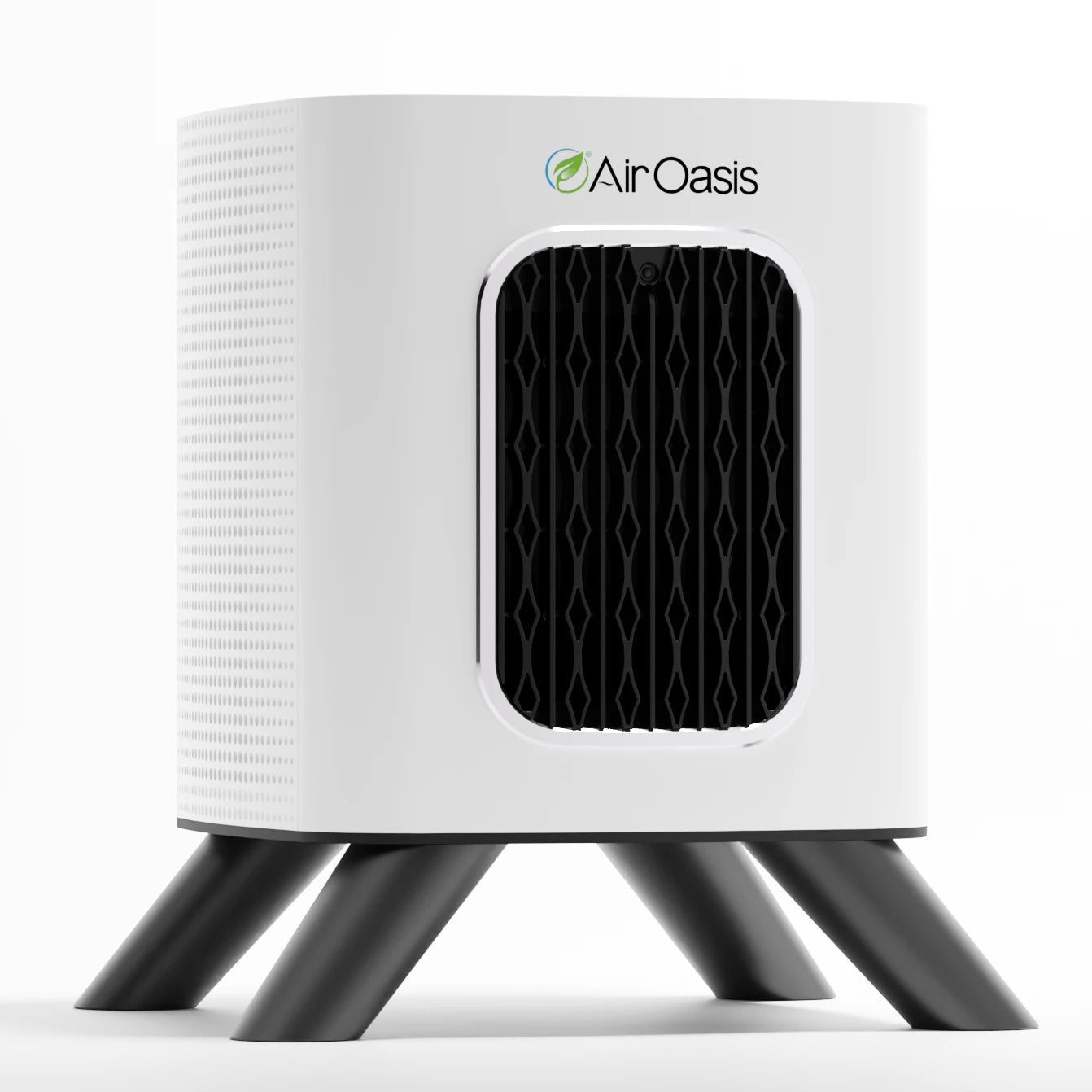
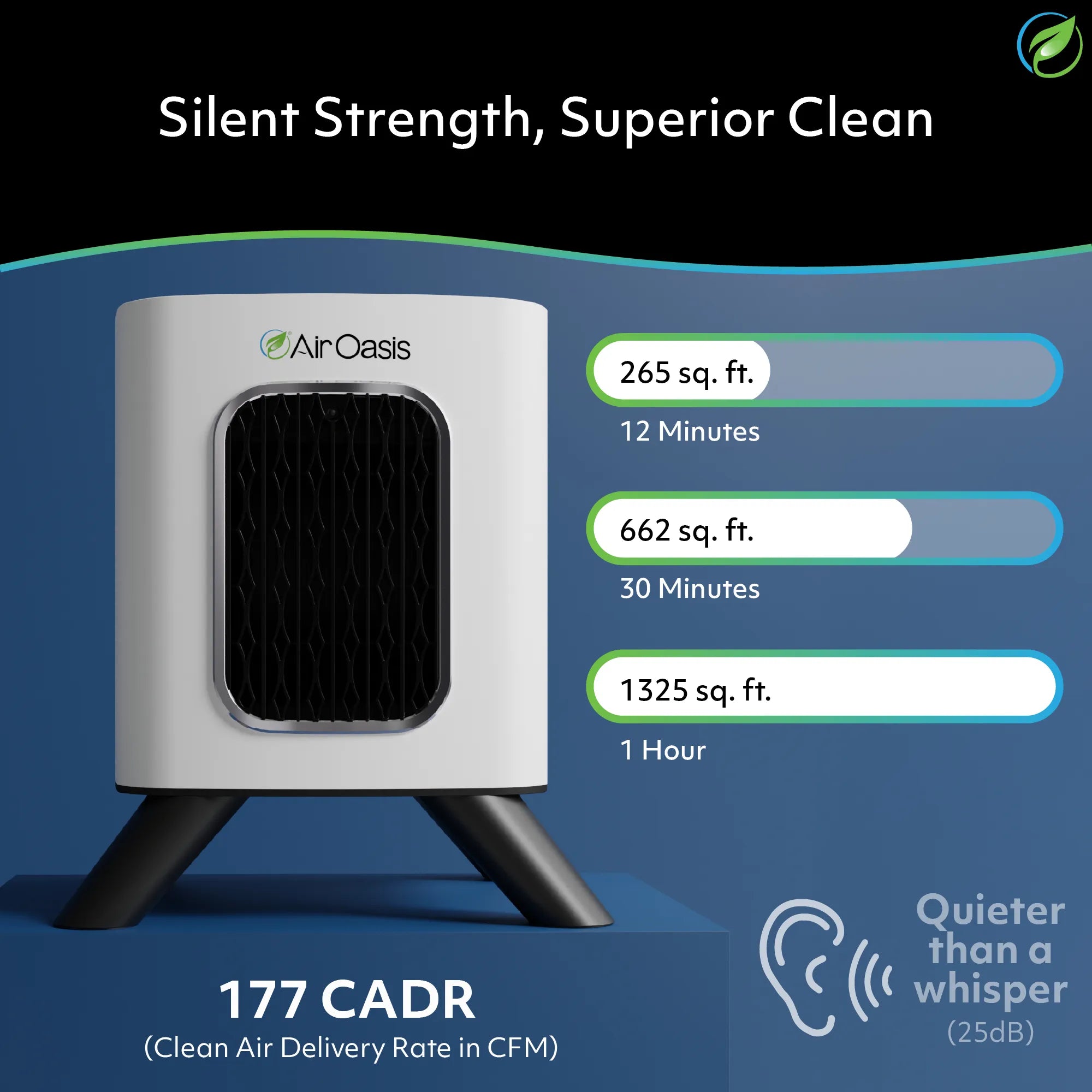
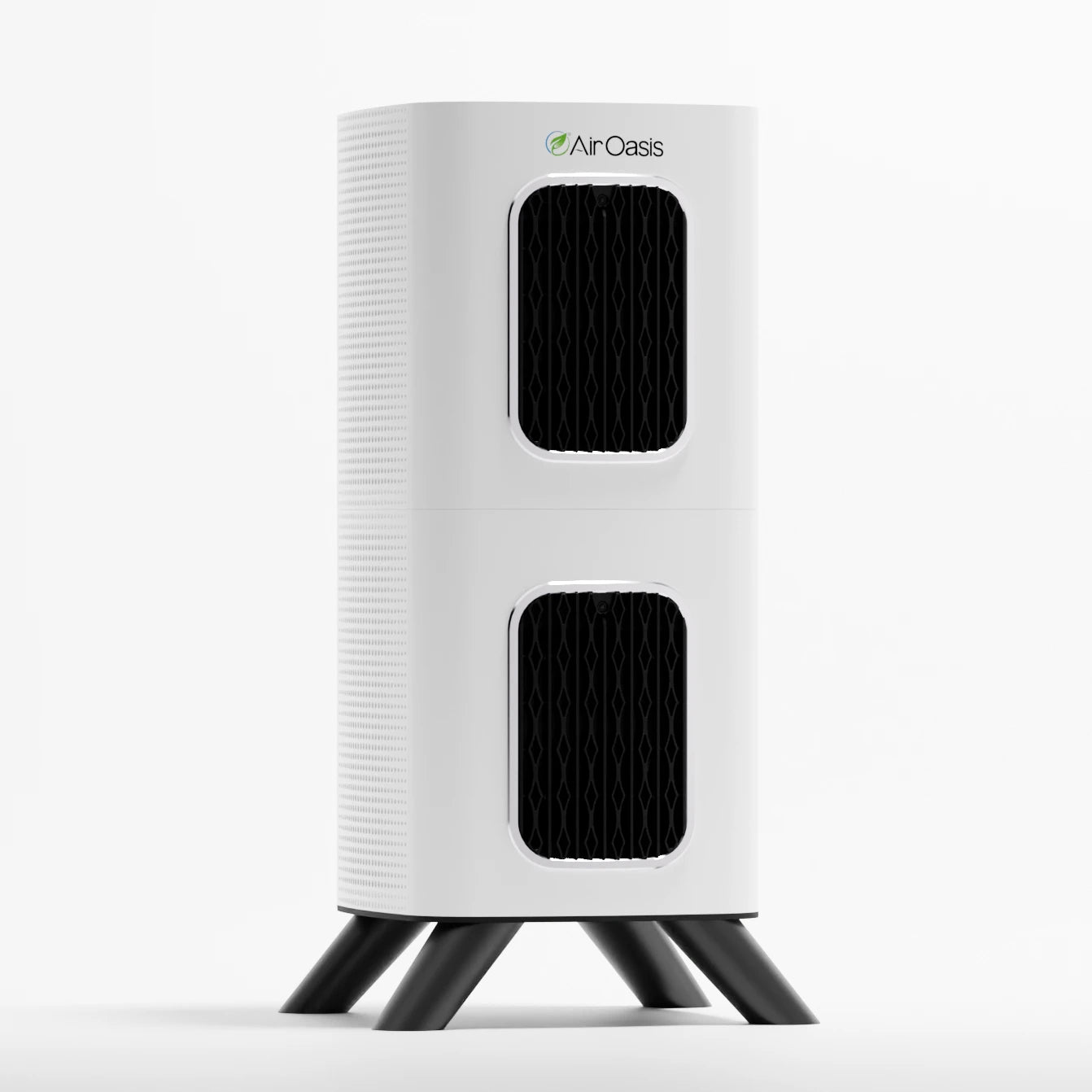
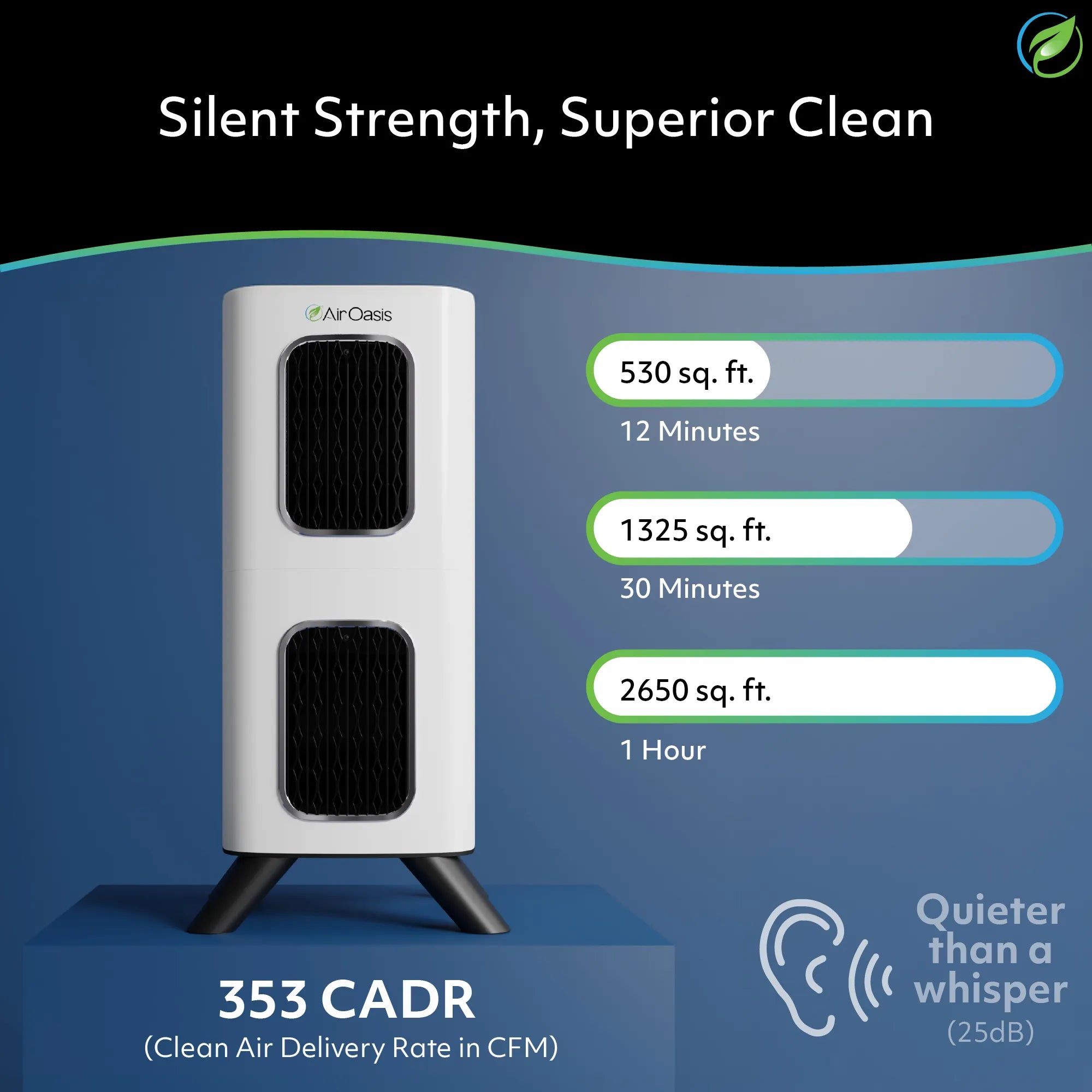
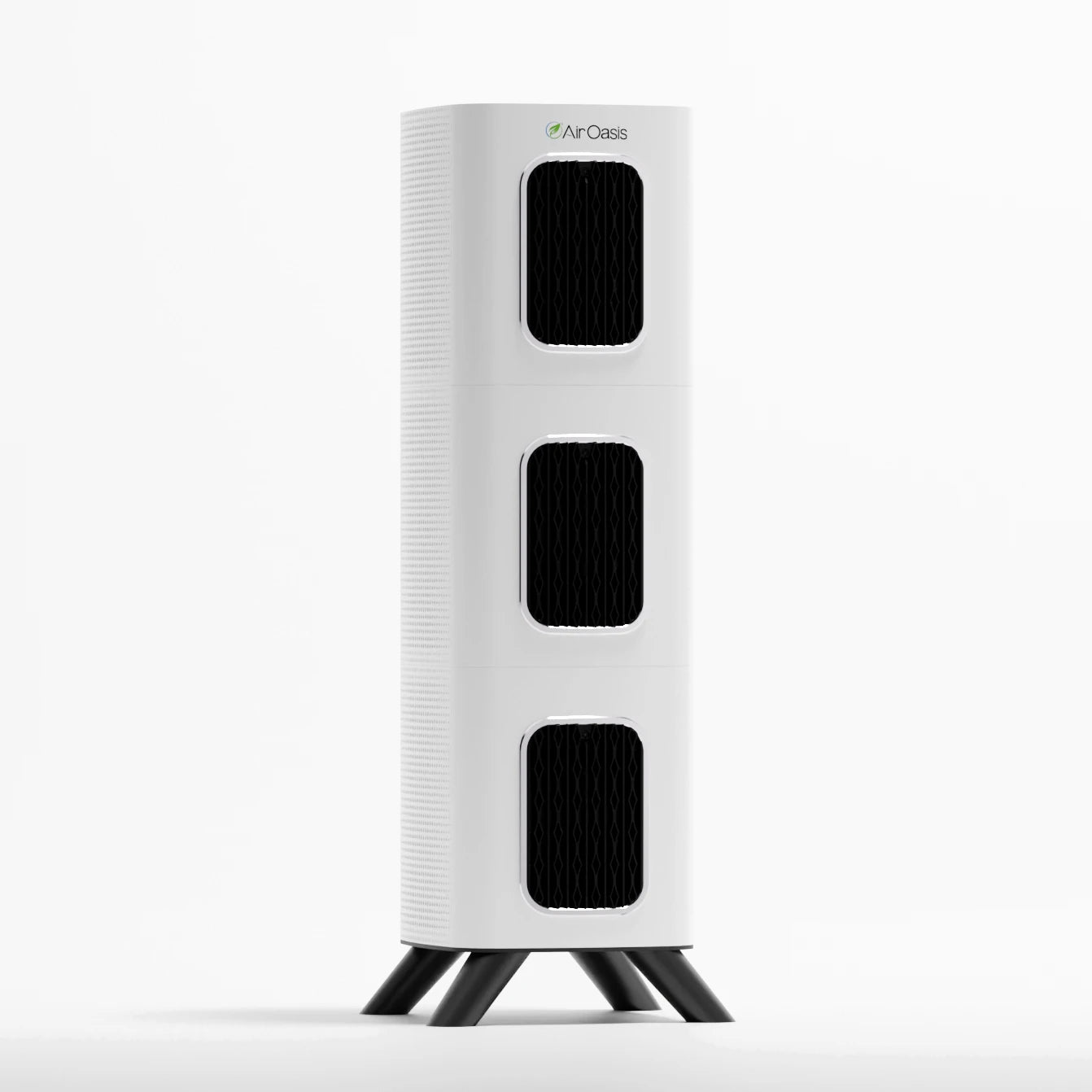
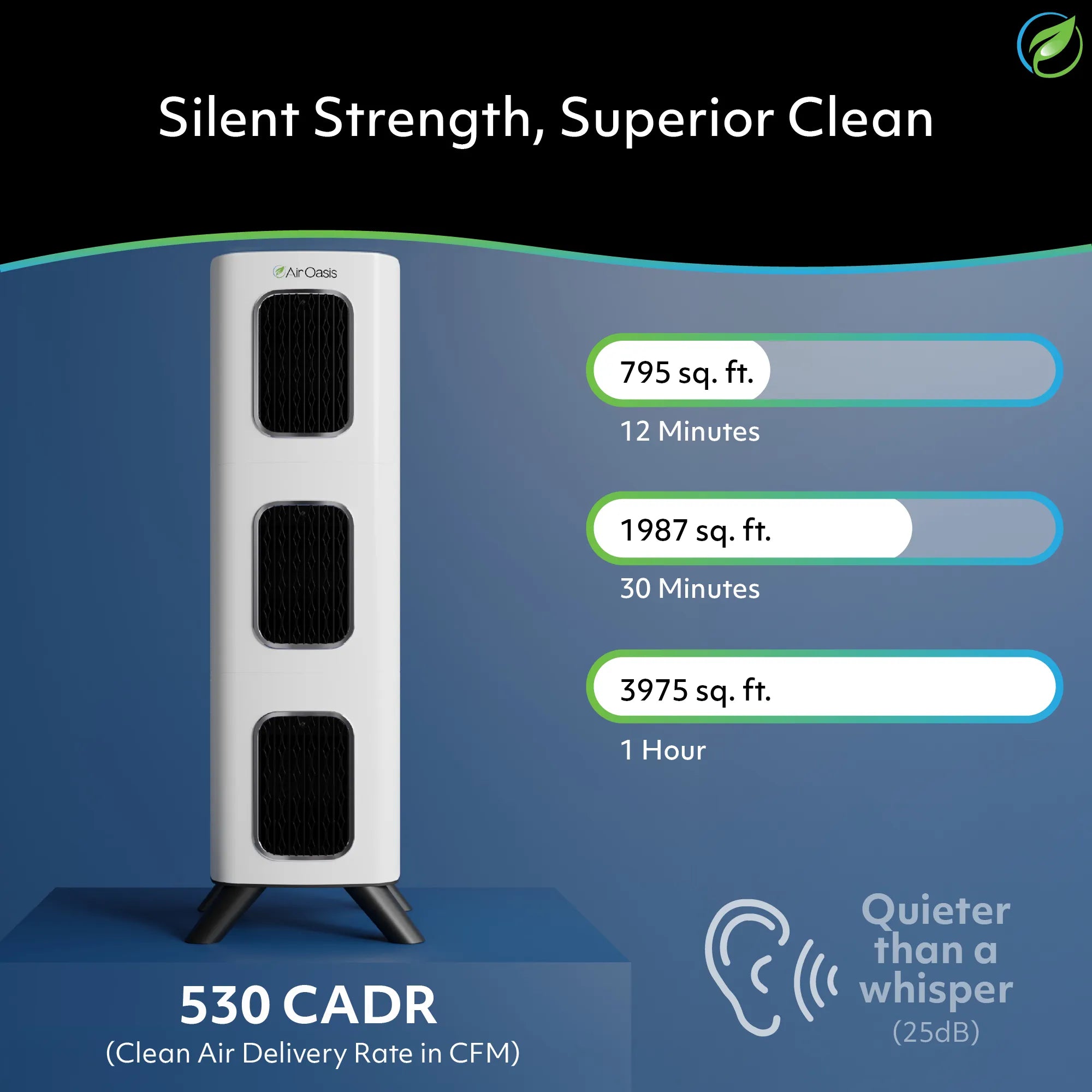
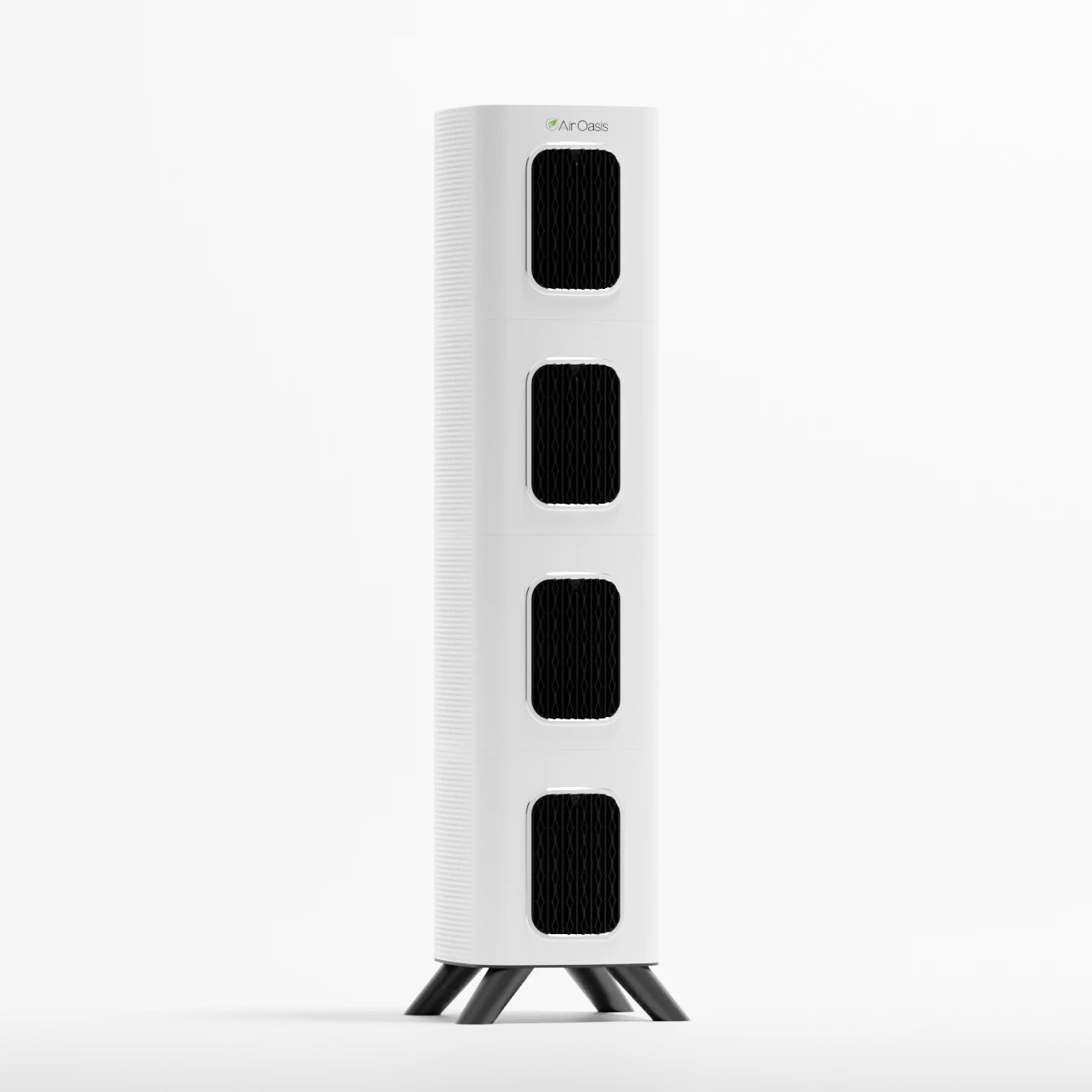
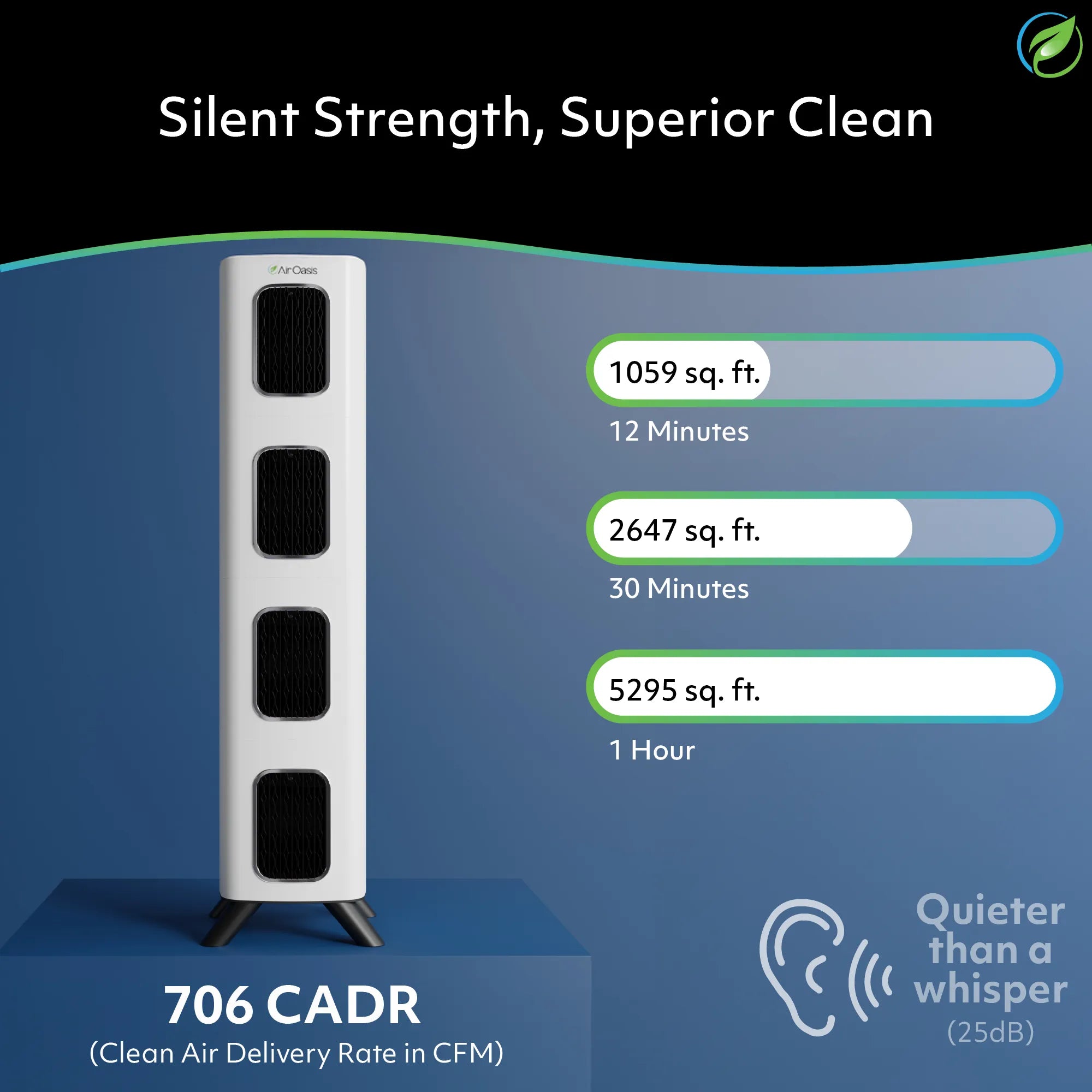
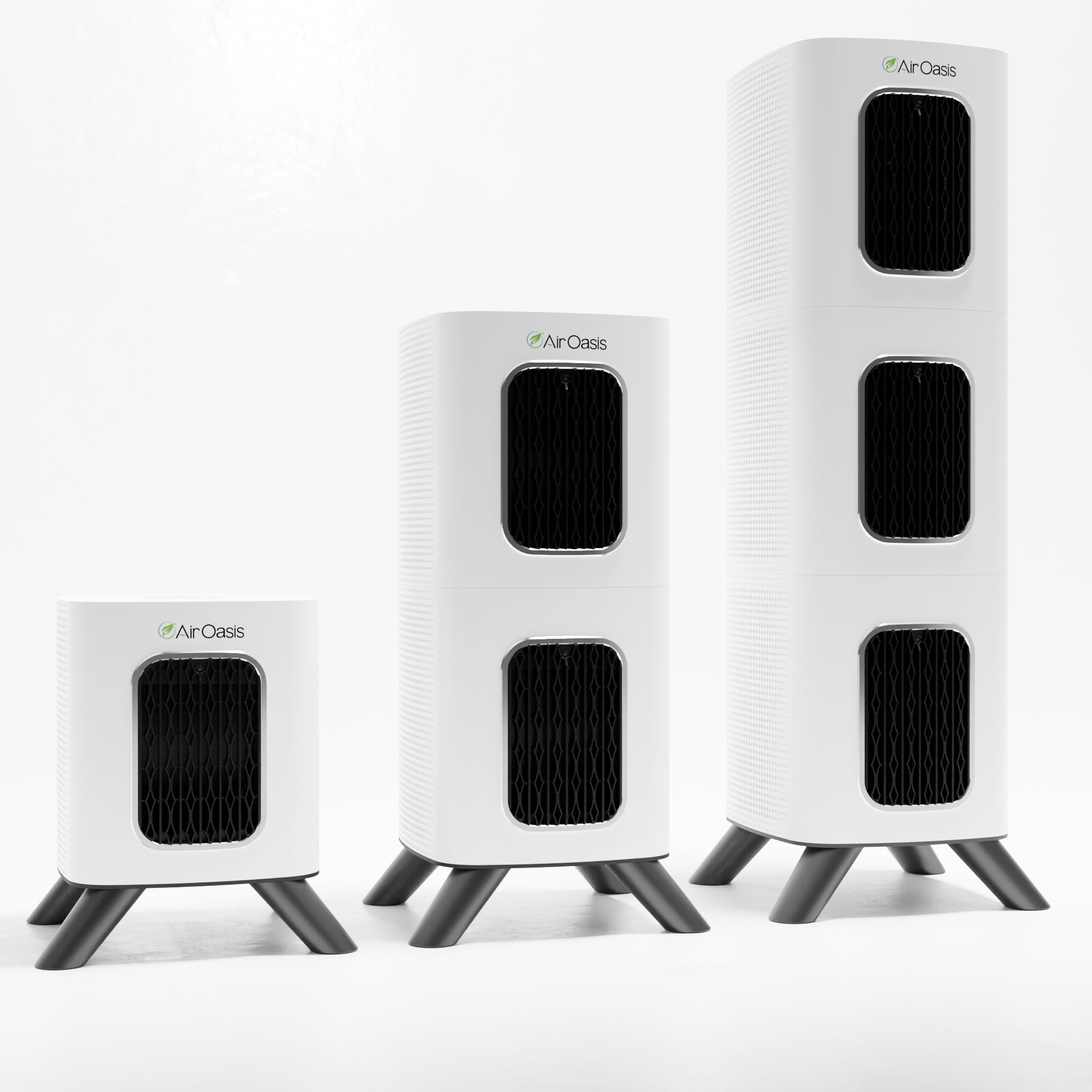
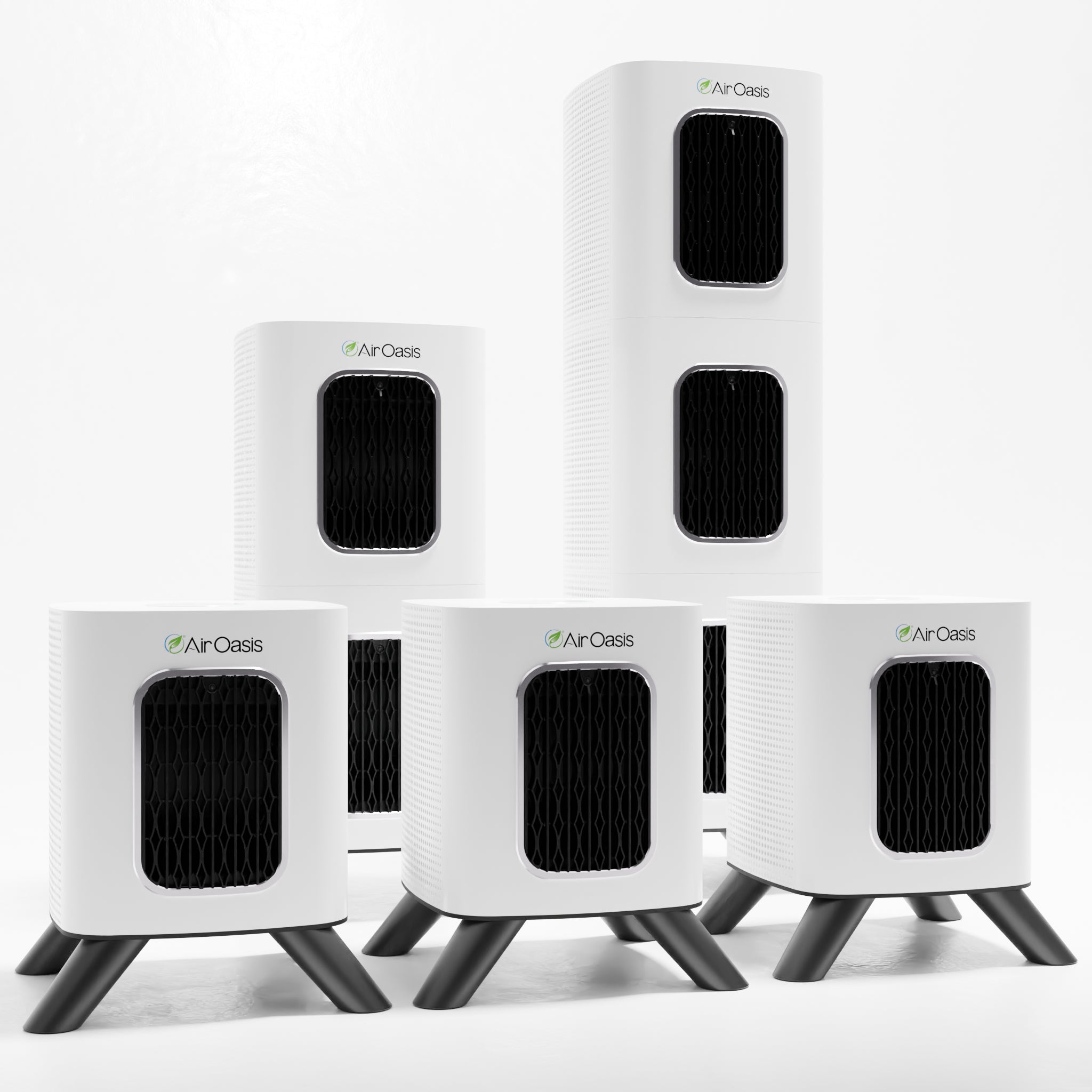
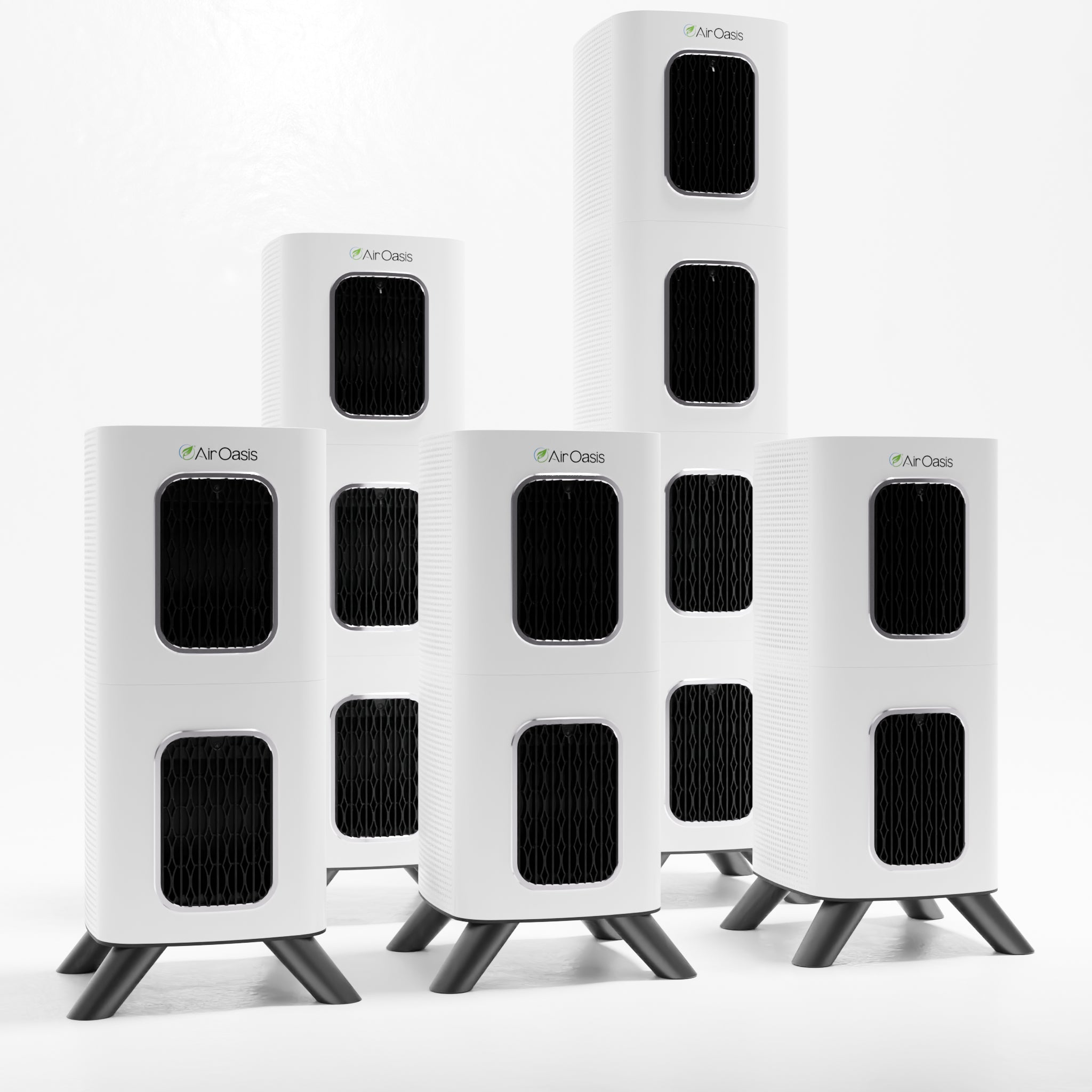
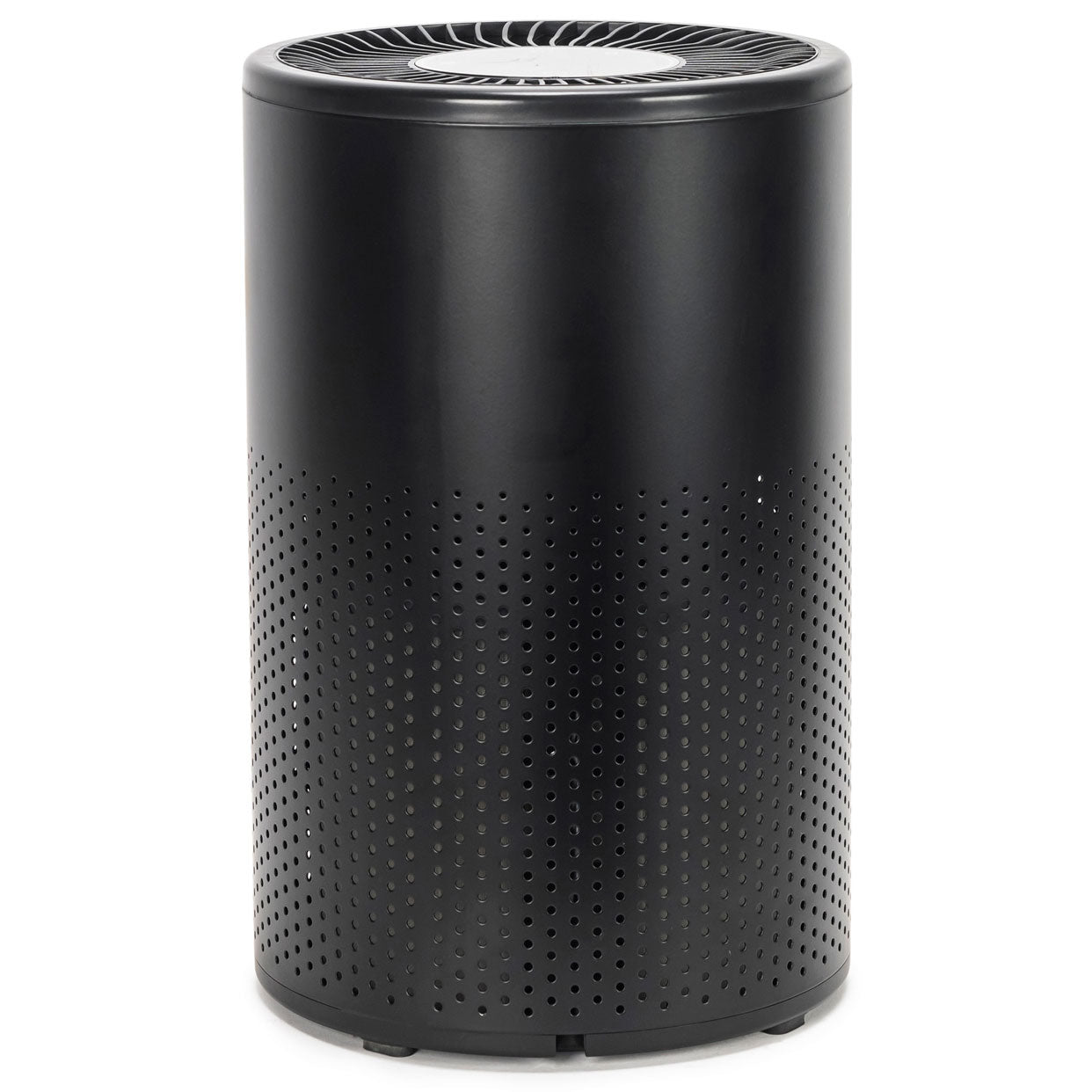
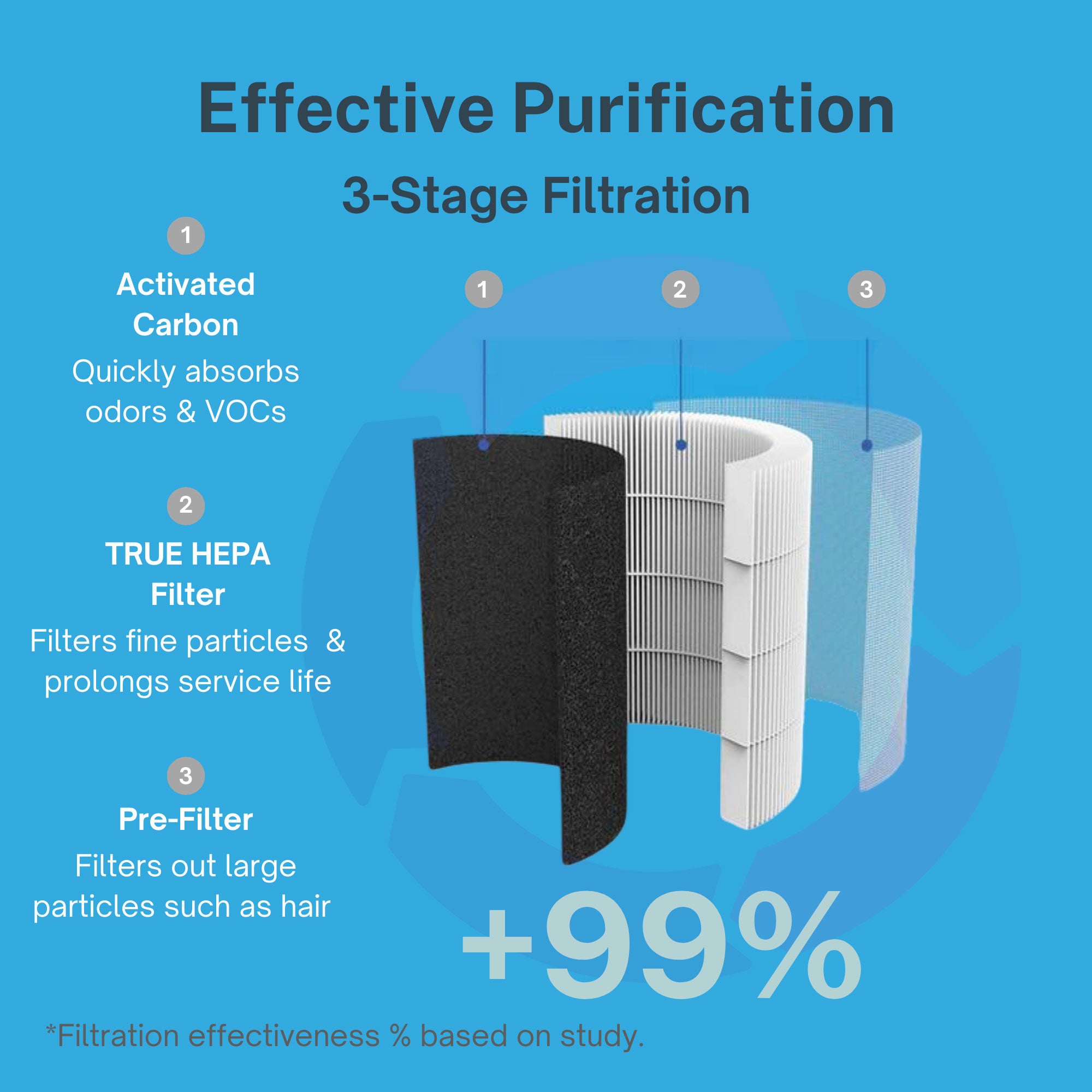
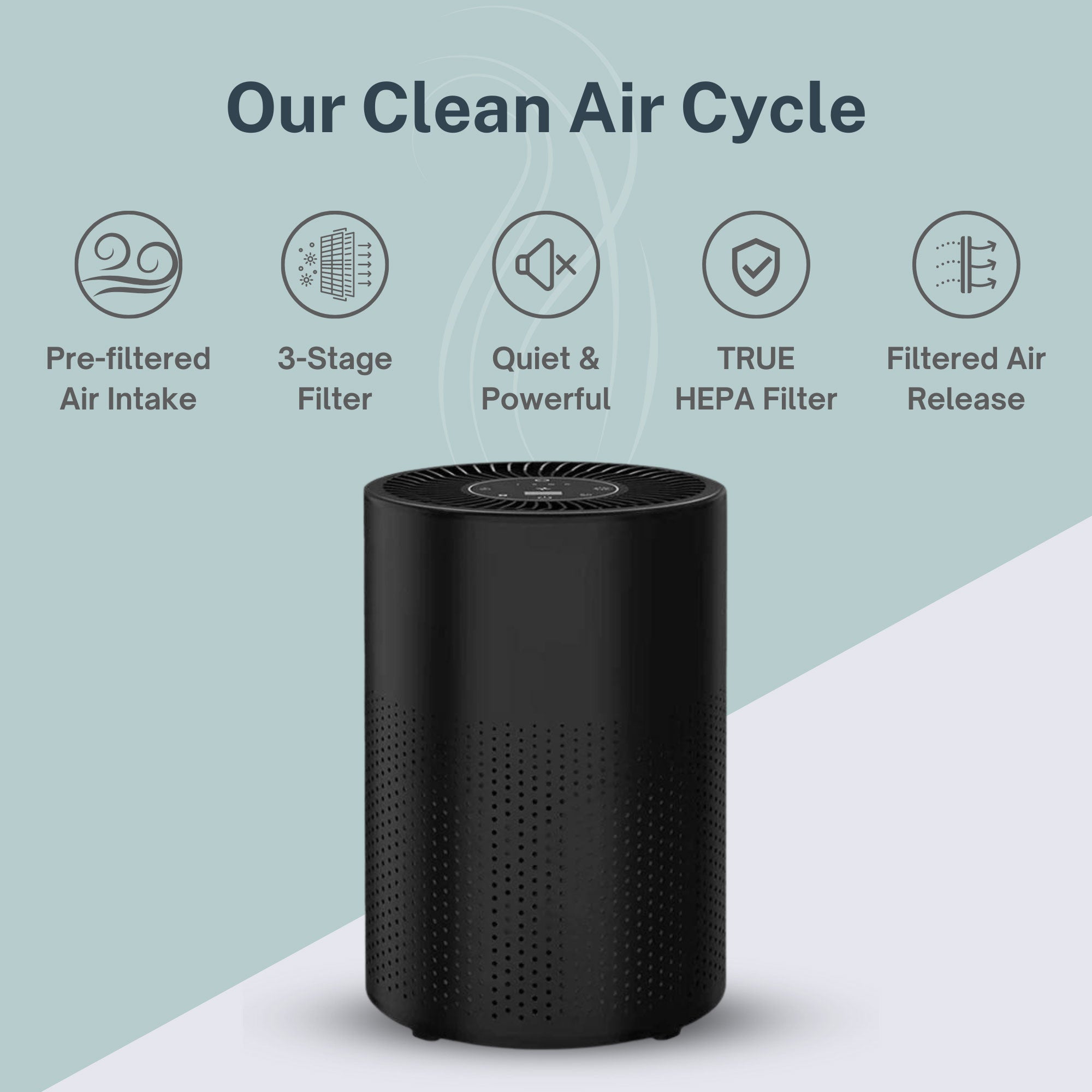
Medical-grade air purification removes airborne allergens throughout the night. The iAdaptAir systems combine HEPA filtration to capture dust mites, pollen, and pet dander with activated carbon to absorb odors and volatile organic compounds. Bipolar ionization causes remaining airborne particles to settle where they can be vacuumed rather than inhaled.
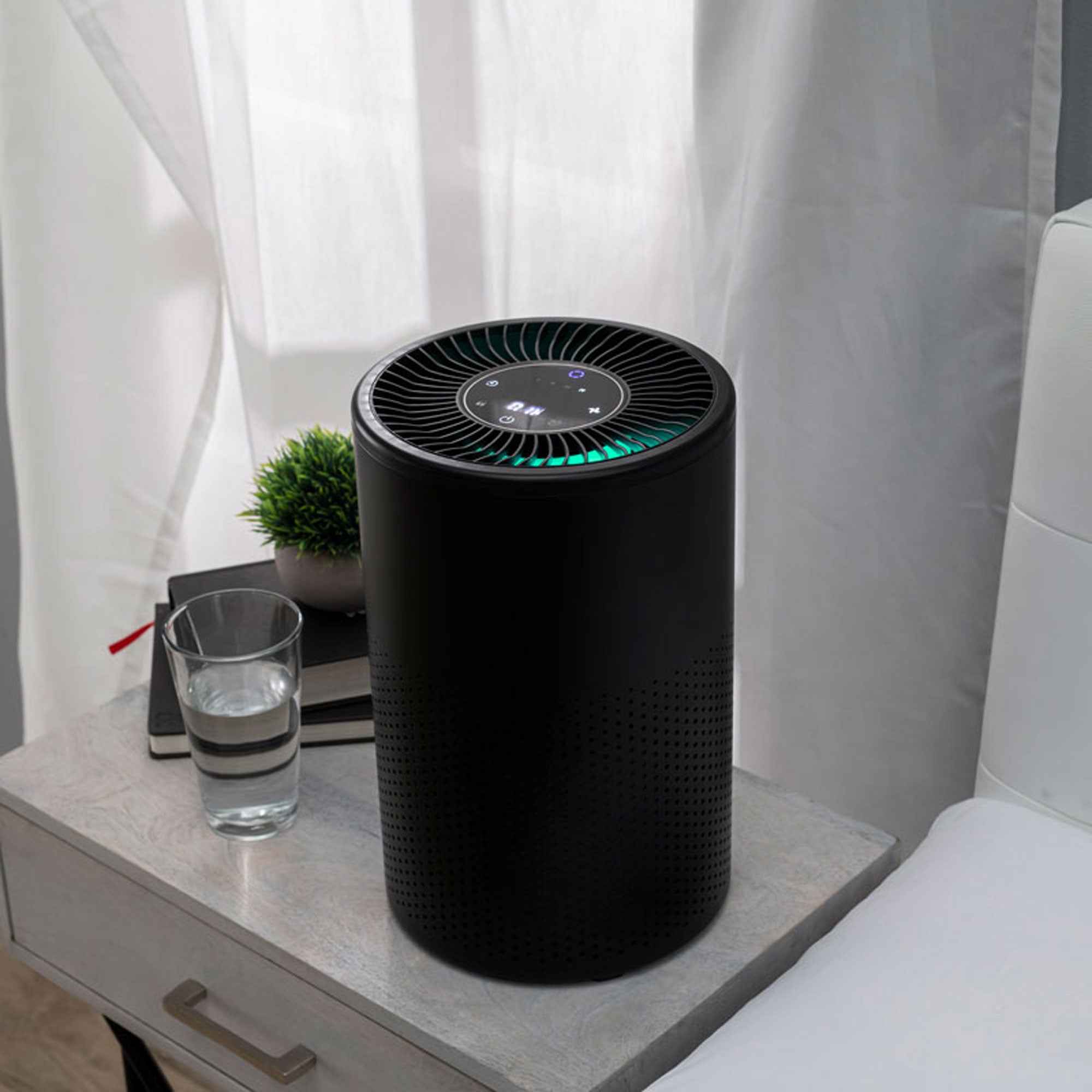
Running an air purifier continuously in your bedroom maintains low allergen levels. The system filters air multiple times per hour, progressively reducing contamination. This creates measurably cleaner air than you would breathe without active purification.
Sleep Better Starting Tonight
Nighttime allergy worsening results from bedroom allergens, increased histamine production, gravity effects from lying down, and accumulated pollen transfer.
You can address each of these factors through environmental changes and effective air purification.
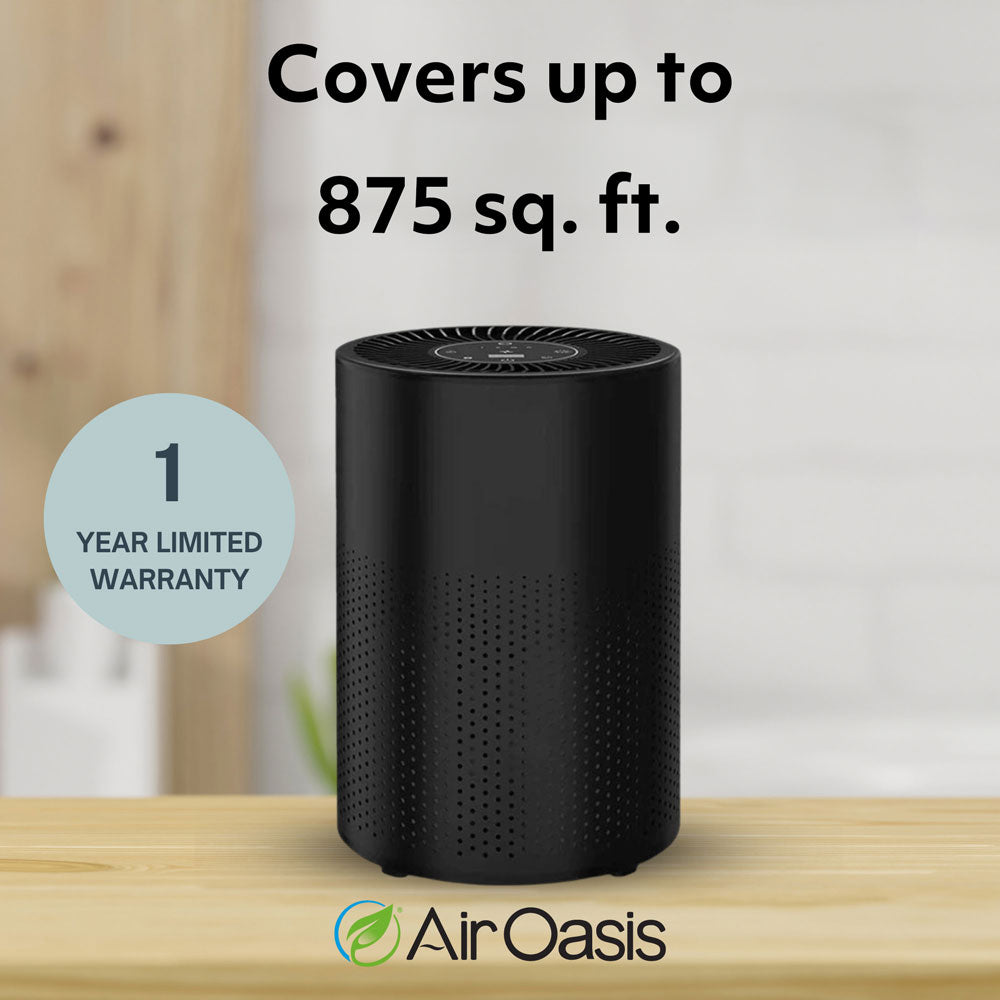
Air Oasis iAdaptAir purifiers remove the airborne allergens that trigger nighttime symptoms, helping you breathe easier and sleep better.
Stop letting allergies disrupt your rest. Shop Air Oasis today and wake up feeling refreshed instead of congested.